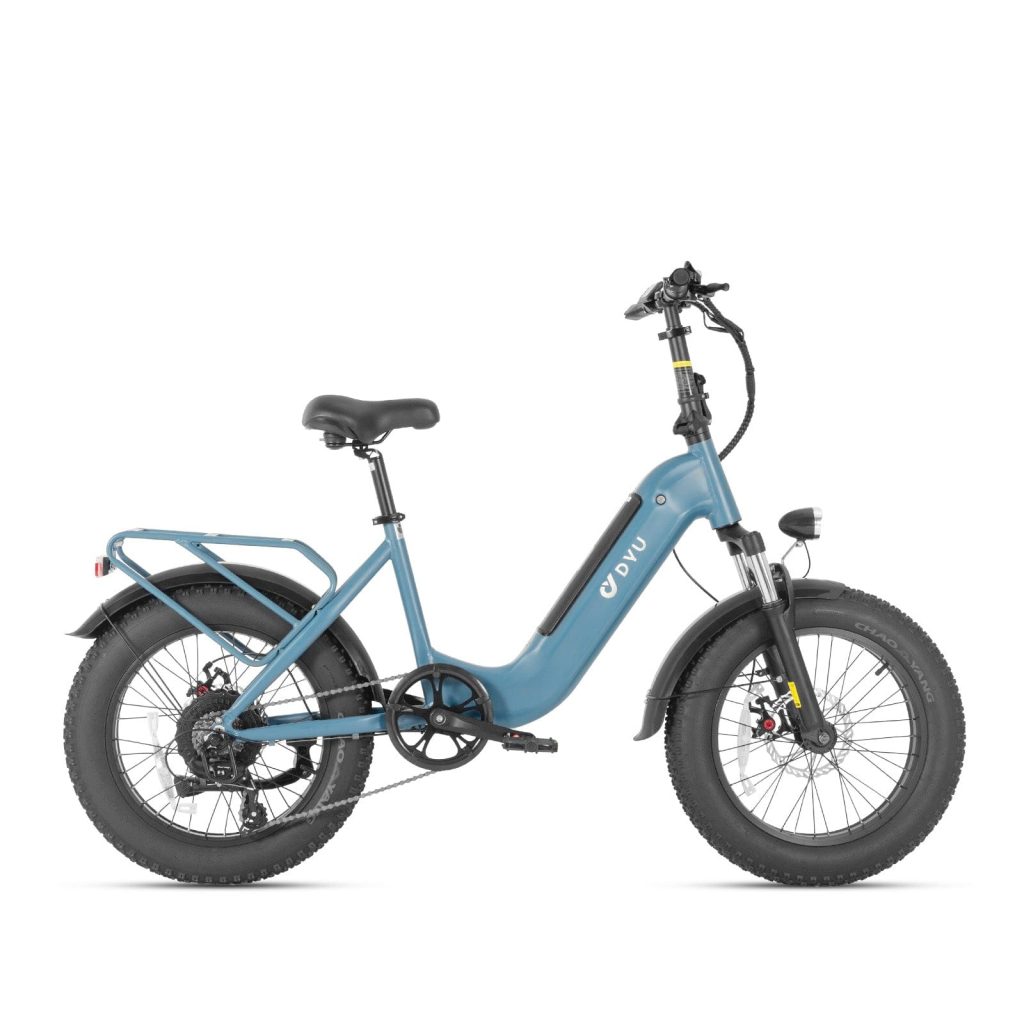
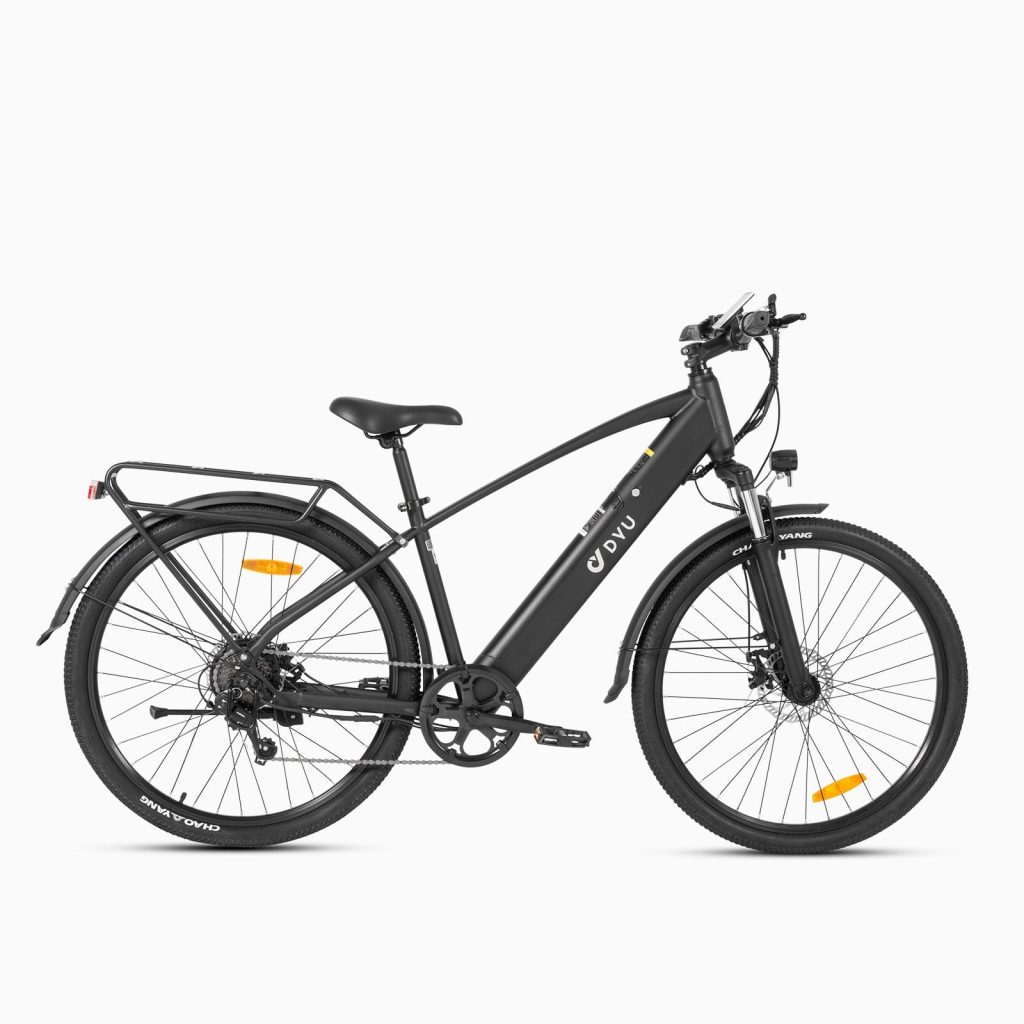
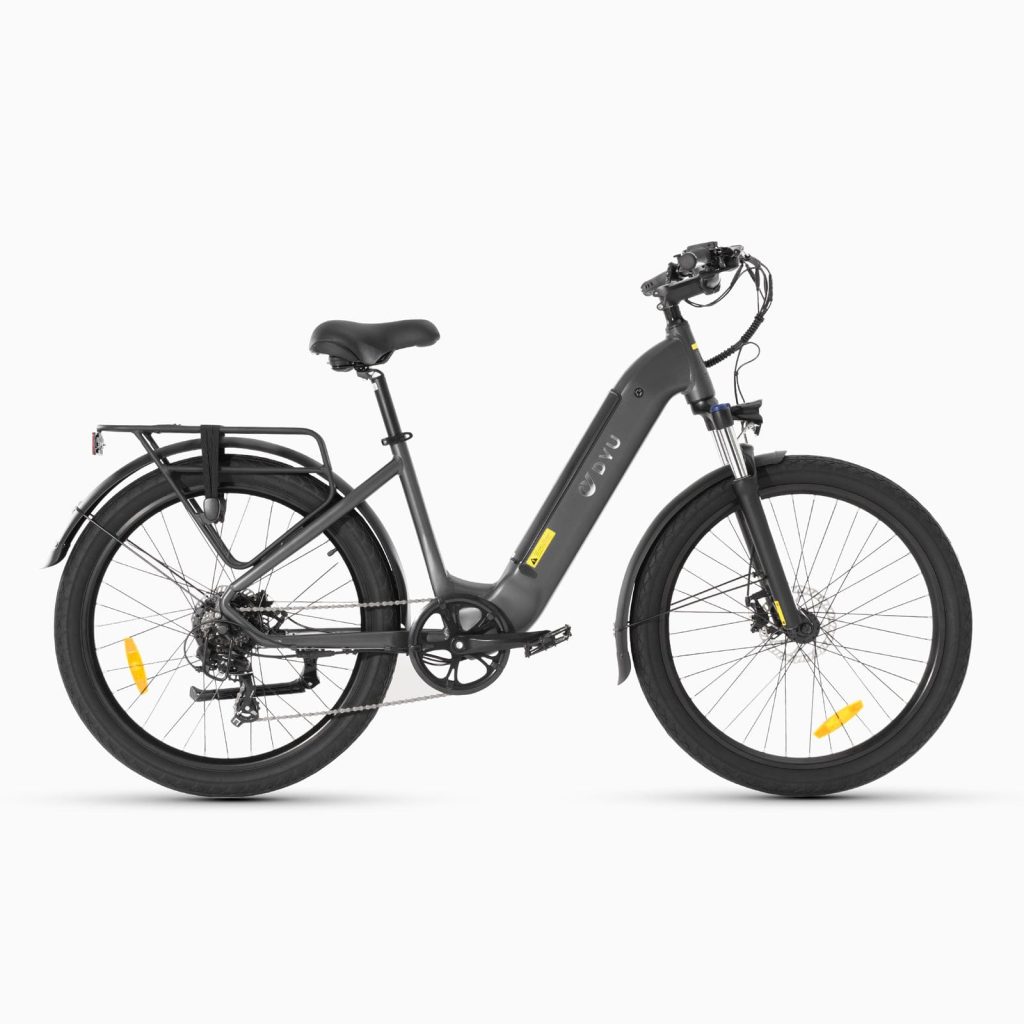
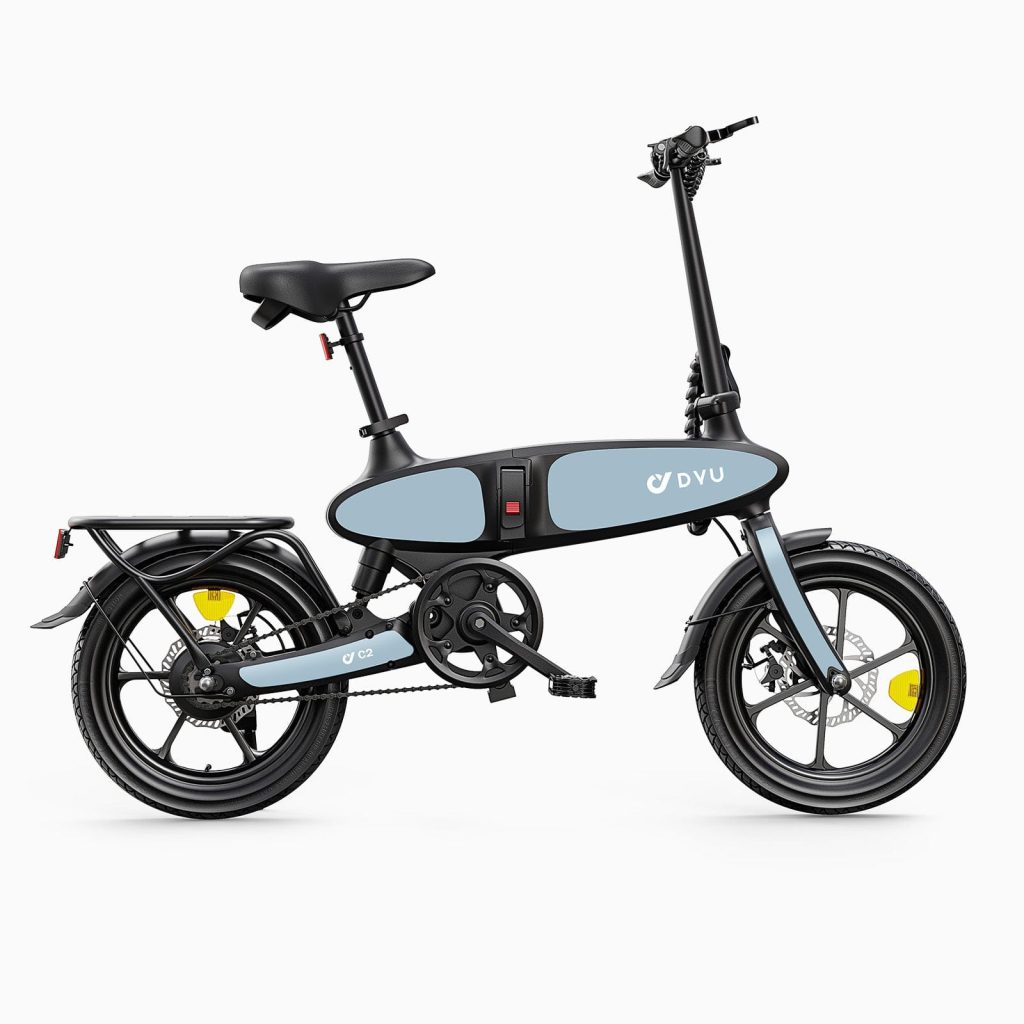
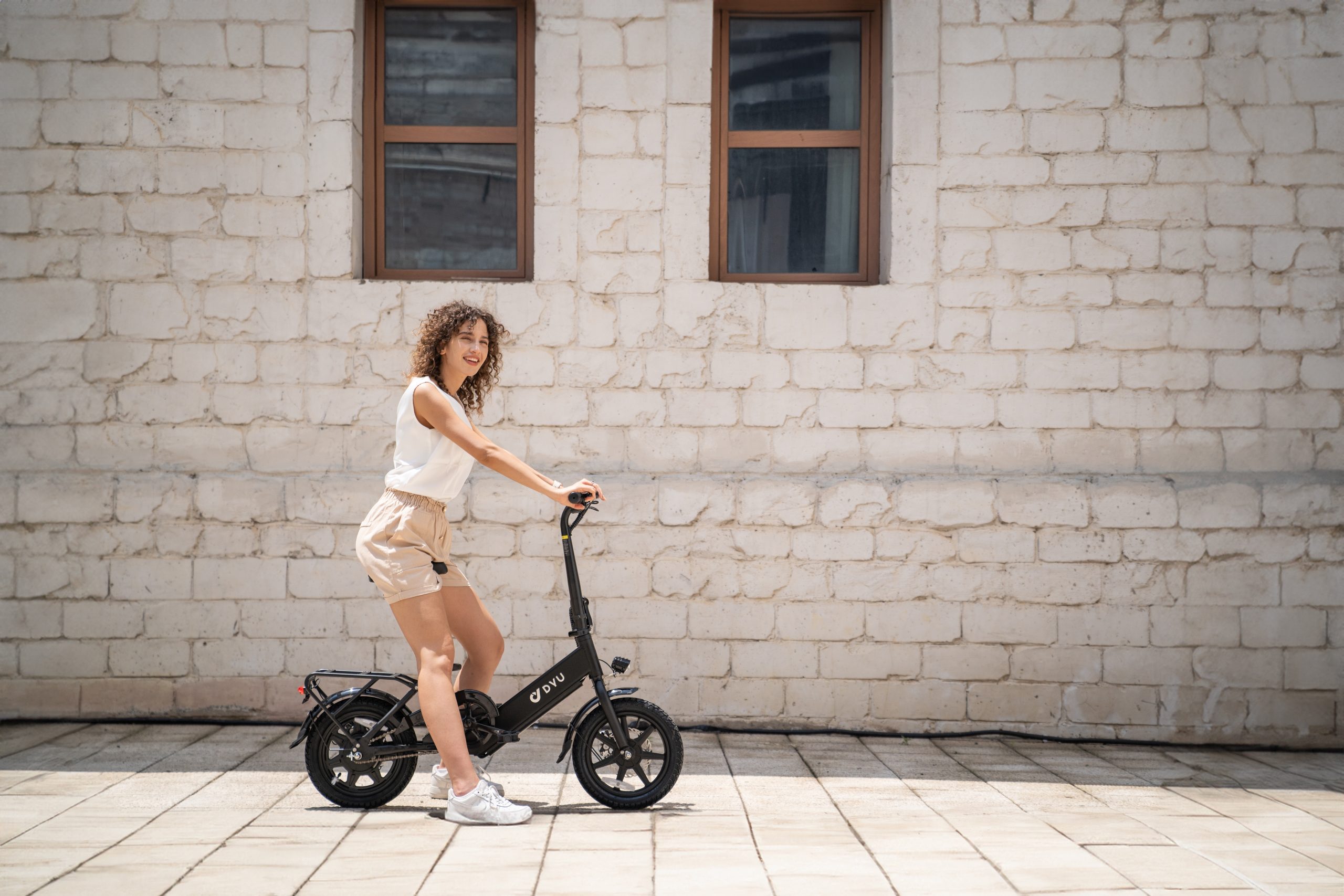
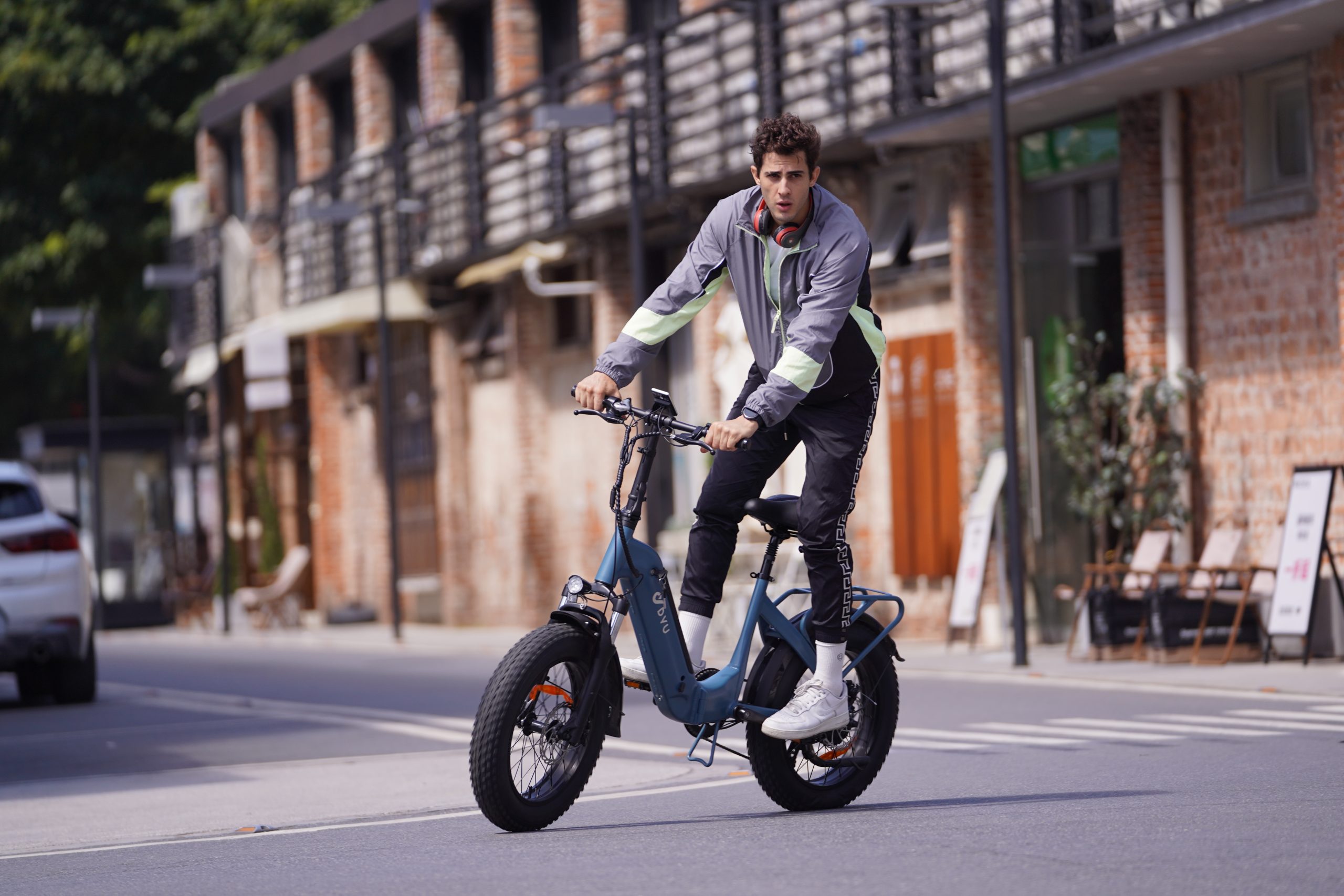


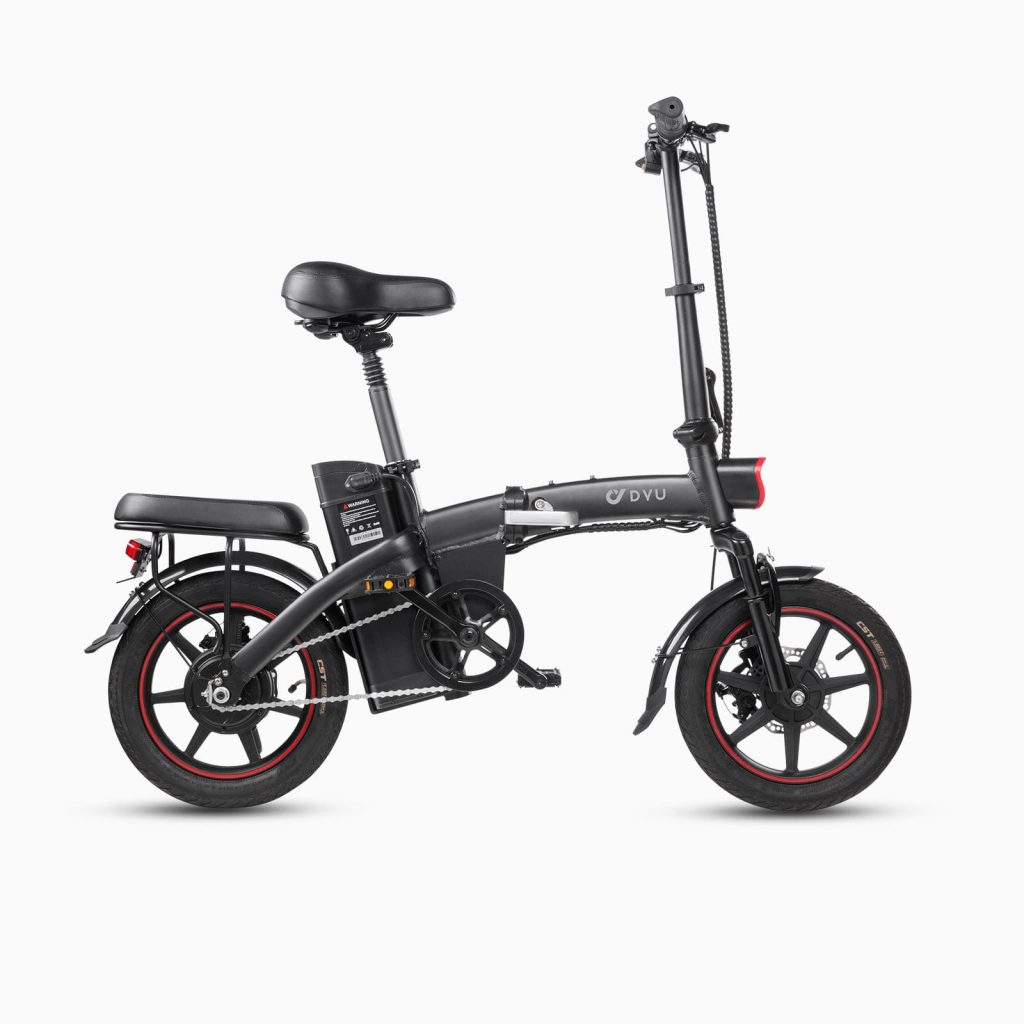
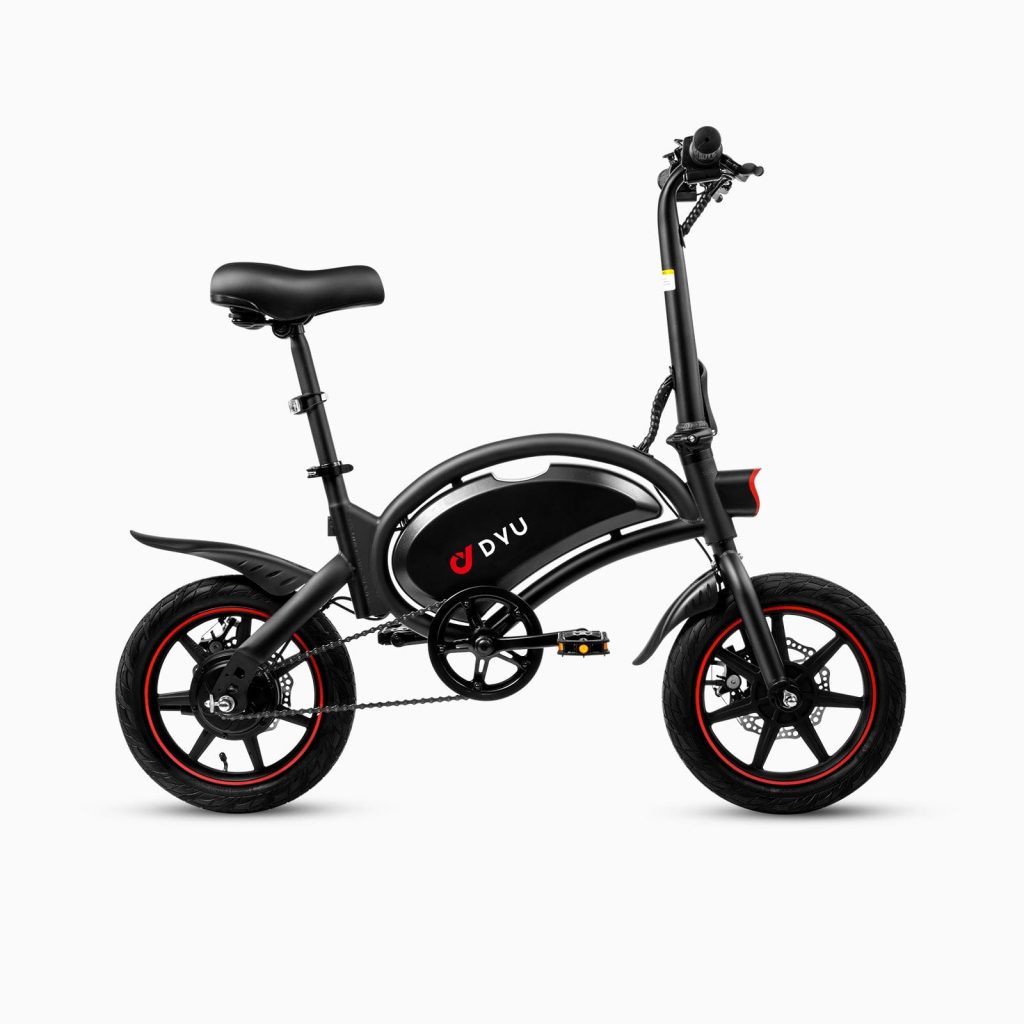


DYU D3F public transport commuting guide is for the rider who does not want one bike to do everything. You want one small e-bike to handle the awkward parts: the ride from home to the station, the last 3 km from tram stop to office, the quick errand after work, and the moment when a full-size bike would be too much hassle.
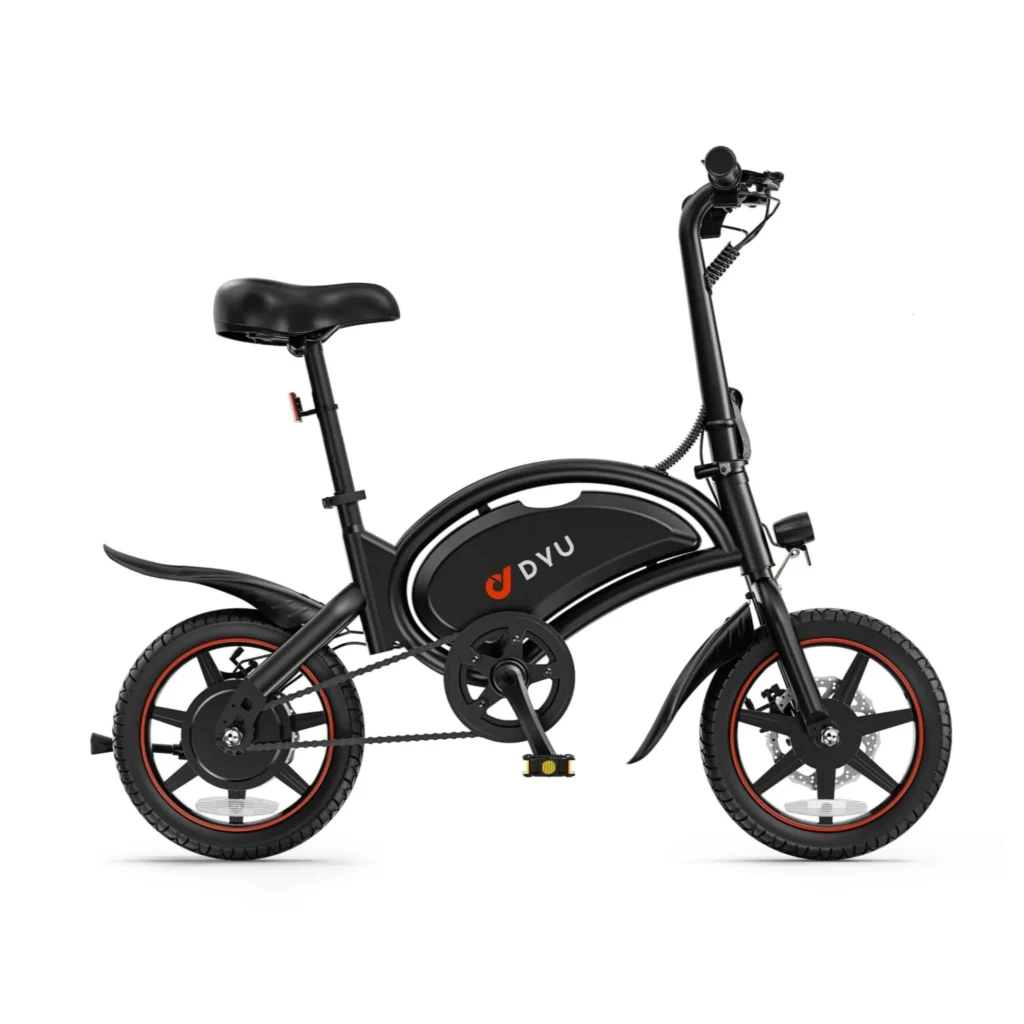
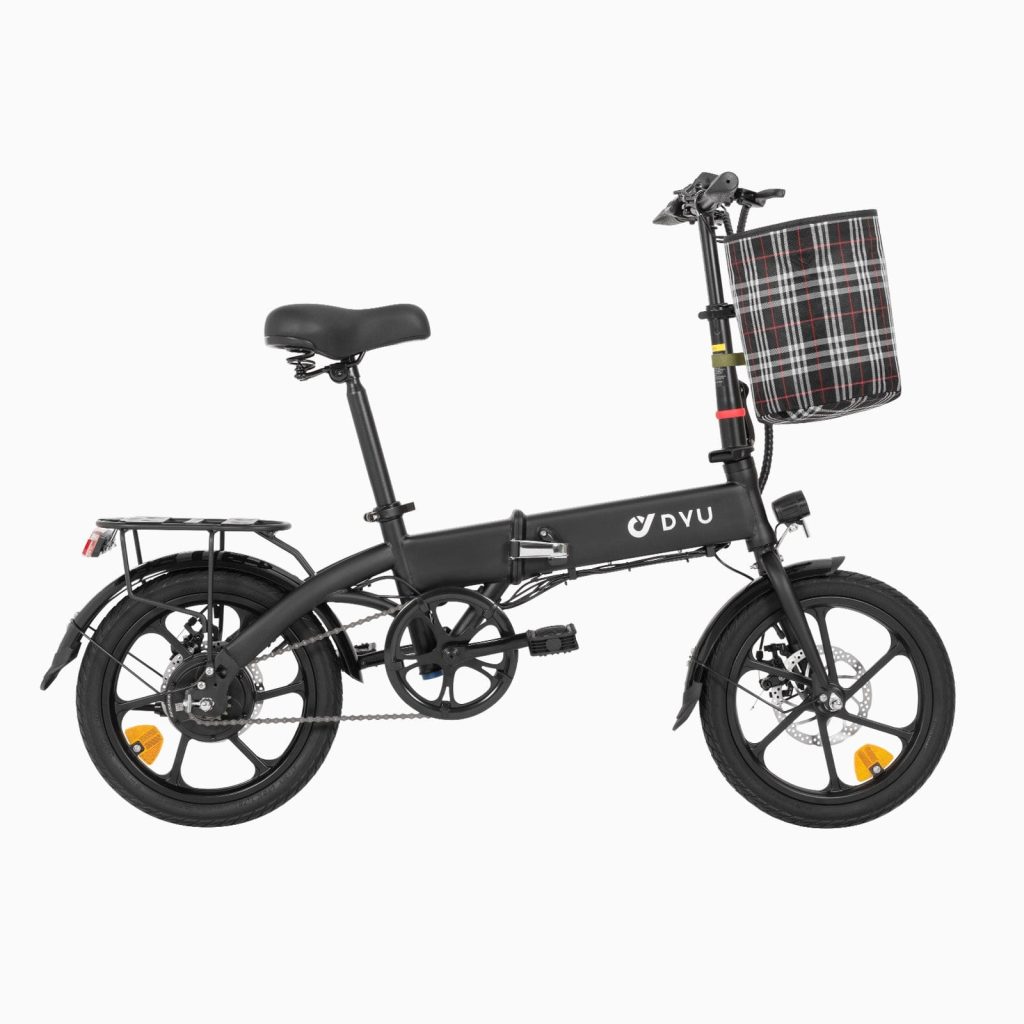
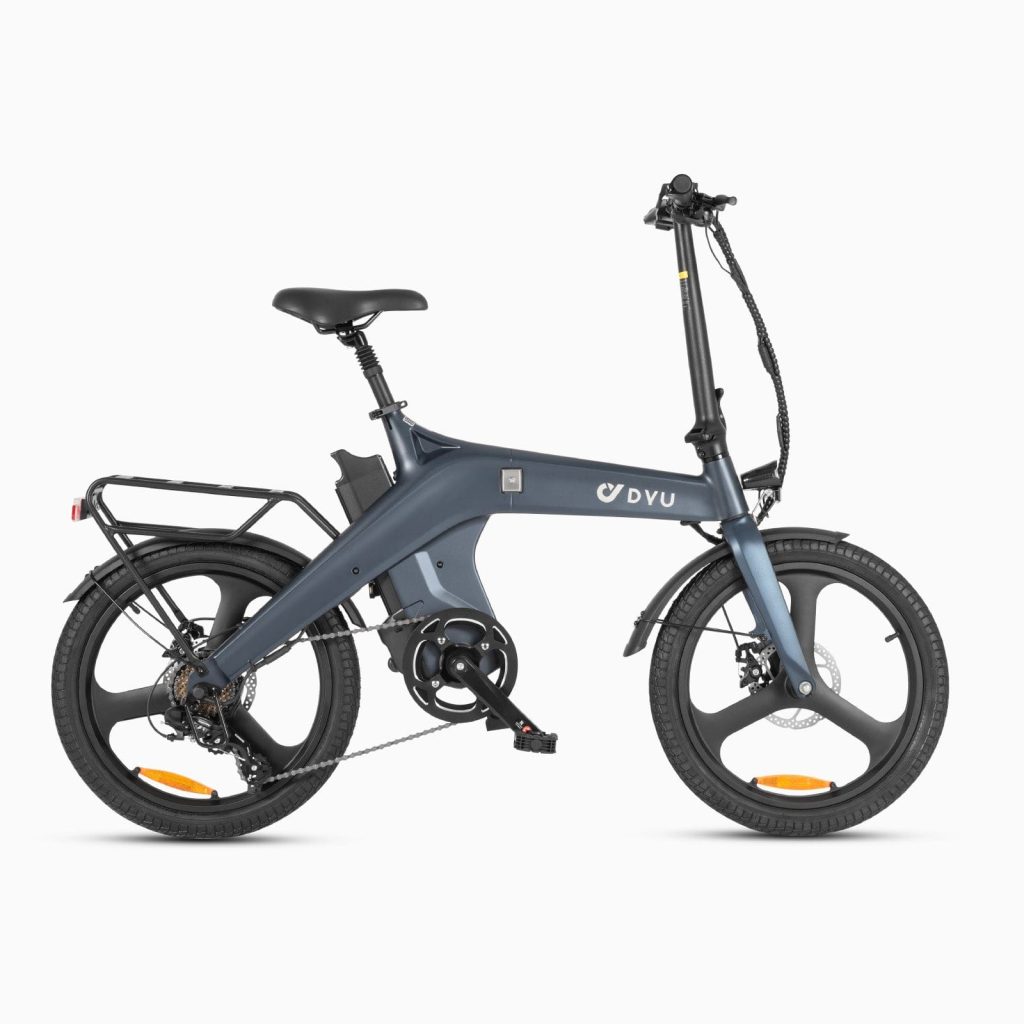
I use the DYU D3F 14-inch mini folding e-bike as the example because its numbers fit that problem: 250W motor, 36V 10Ah battery, 50 km listed pedal-assist range, 19 kg weight, 14-inch wheels, disc brakes, foldable pedals, a foldable handlebar, and a carry handle. At the time of writing, it is listed at €549, down from the regular €649.
DYU D3F Public Transport Commuting Guide: Quick Specs
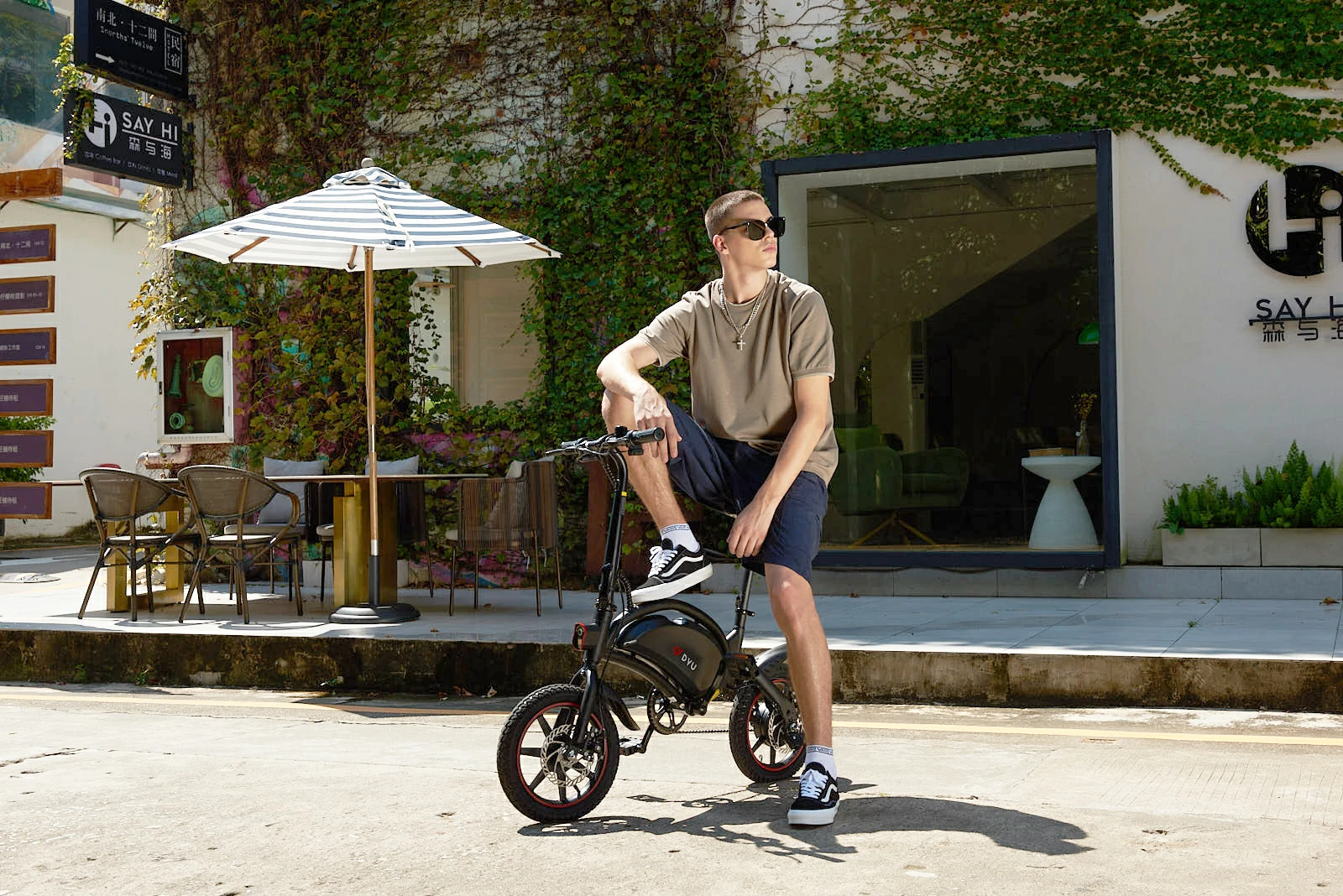
The D3F is not trying to feel like a big trekking bike. That is the point. It is built around short, repeatable trips where portability and storage matter as much as speed.
| Spec | DYU D3F detail | Why it matters for public transport |
|---|---|---|
| Motor | 250W | Appropriate assist for normal European city riding |
| Battery | 36V 10Ah, 360 Wh | Enough capacity for short mixed commute routines |
| Listed range | 50 km pedal-assist | Lets most last-mile riders charge a few times per week |
| Speed | 25 km/h | Matches the common European pedelec assist limit |
| Weight | 19 kg | Realistic for short lifts, not something to carry all day |
| Wheels | 14-inch high-strength tires | Compact in tight corridors, lifts, and car boots |
| Folding details | Foldable handlebar, foldable pedals, carry handle | Reduces snag points when moving through stations |
| Current price | €549 regular €649 | Checked at the time of writing |
For broader buying context, DYU’s first e-bike guide is a useful starting point. This guide is narrower: how do you make a small folding e-bike work with trains, lifts, offices, and crowded city streets?
Start With the Transfer, Not the Bike Lane
The ride itself is often the easy part. The harder test comes at 8:18 AM when the platform is busy, the lift is slow, and someone is standing exactly where you planned to roll the folded bike. That is when a last-mile e-bike either feels clever or annoying.
Before I judge any small folder, I walk the transfer route in my head. Apartment door. Pavement. Station entrance. Ticket gate. Platform. Office lobby. Desk or storage room. If the bike needs to be lifted, I count how many times and for how long.
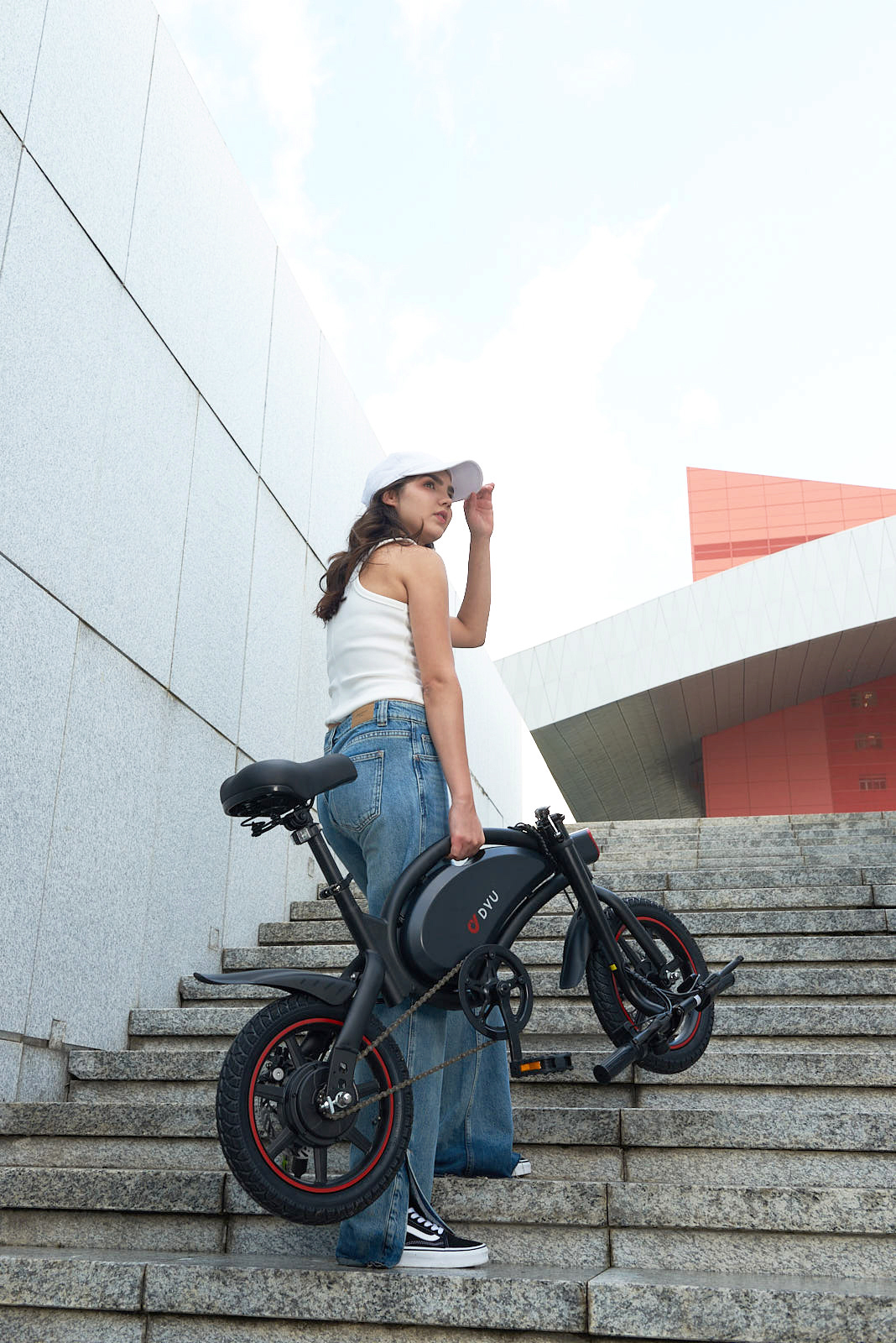
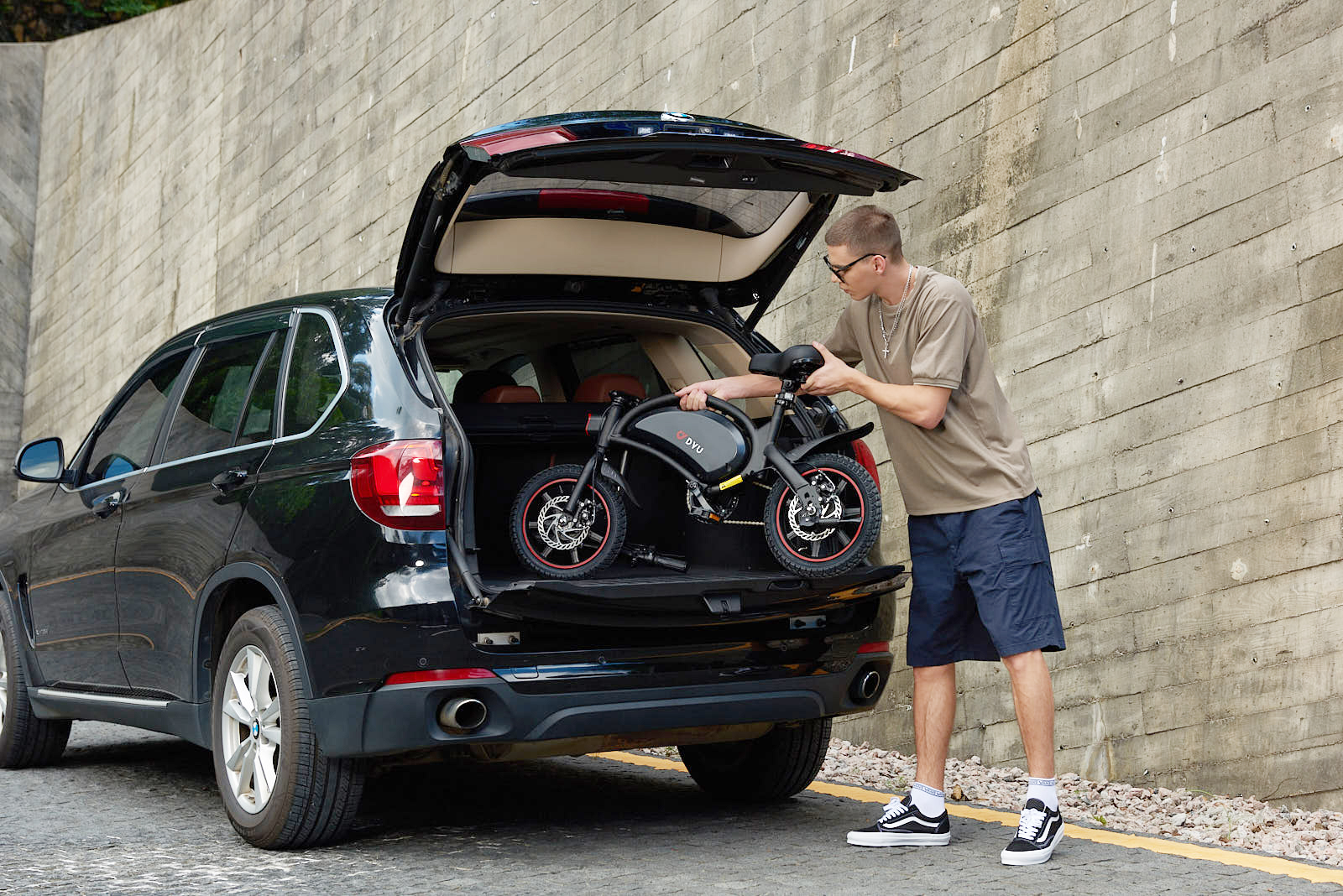
The D3F’s 19 kg weight is helpful here. It is still an e-bike, so do not expect suitcase behavior. But compared with heavy compact folders, short lifts into a train area, a car boot, or a building entrance feel more realistic.
Folding Routine: Make It Boring Before You Need It
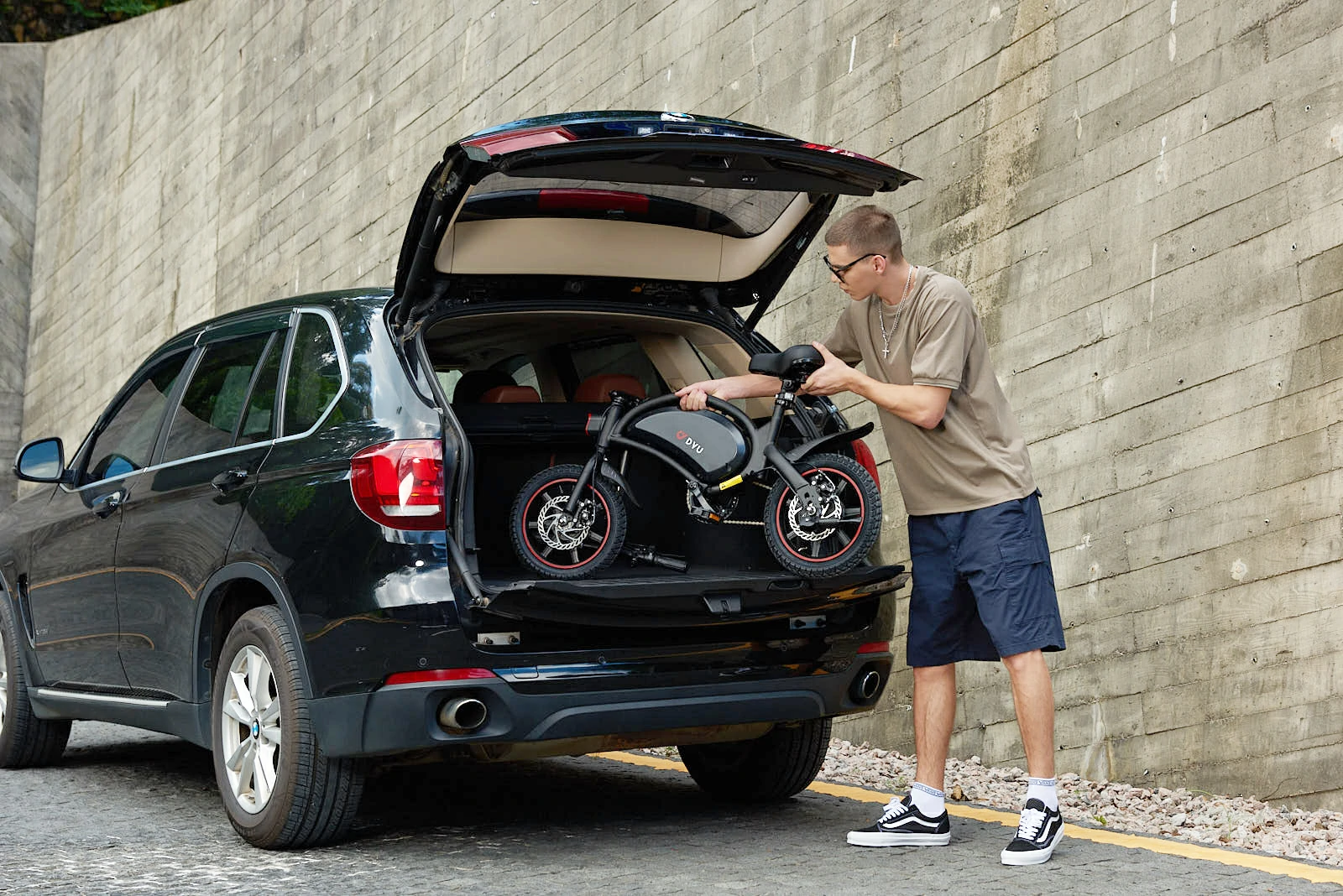
A folding bike should have a boring routine. Boring is good. You do not want to learn the hinge, pedals, handlebar angle, and carry point while people are waiting behind you.
My simple rule is to practice at home until the order feels automatic: stop, power off, fold pedals, fold handlebar, secure the bike, lift or roll. The D3F’s foldable pedals matter more than they sound because pedals are what catch on door frames, trouser legs, and train seats.
The carry handle is the other small detail I appreciate. It gives your hand a natural place to go. Without that, people grab frames awkwardly, twist their backs, and then blame the bike for being heavier than expected.
Plan Range Around Real Days, Not Perfect Days
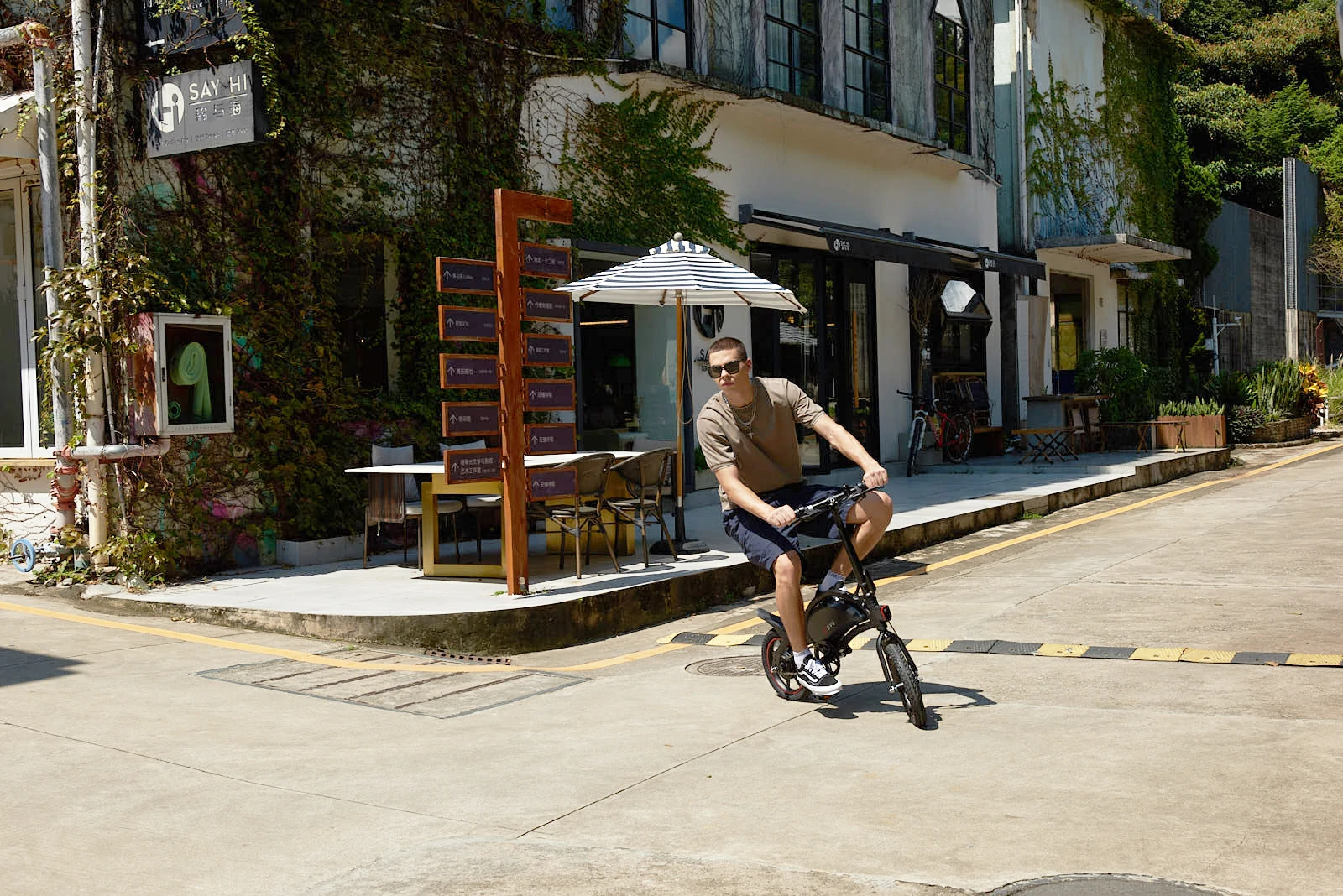
The D3F lists 50 km of pedal-assist range from its 36V 10Ah battery. I would not plan every week around the maximum number. Range changes with rider weight, wind, temperature, tire pressure, stops, hills, and assist level.
For a public transport commute, I prefer a simple buffer. If your daily riding is 8 to 12 km, the D3F has enough headroom for detours and errands. If your daily riding is 25 km with hills, you need a stricter charging habit.
Battery University’s lithium battery guide is good background for sensible charging. Keep the battery from sitting empty, avoid hot storage spots, and do not turn the hallway into a cable trap. A last-mile bike should reduce friction, not create a new household problem.
Station Etiquette and Small-Wheel Handling
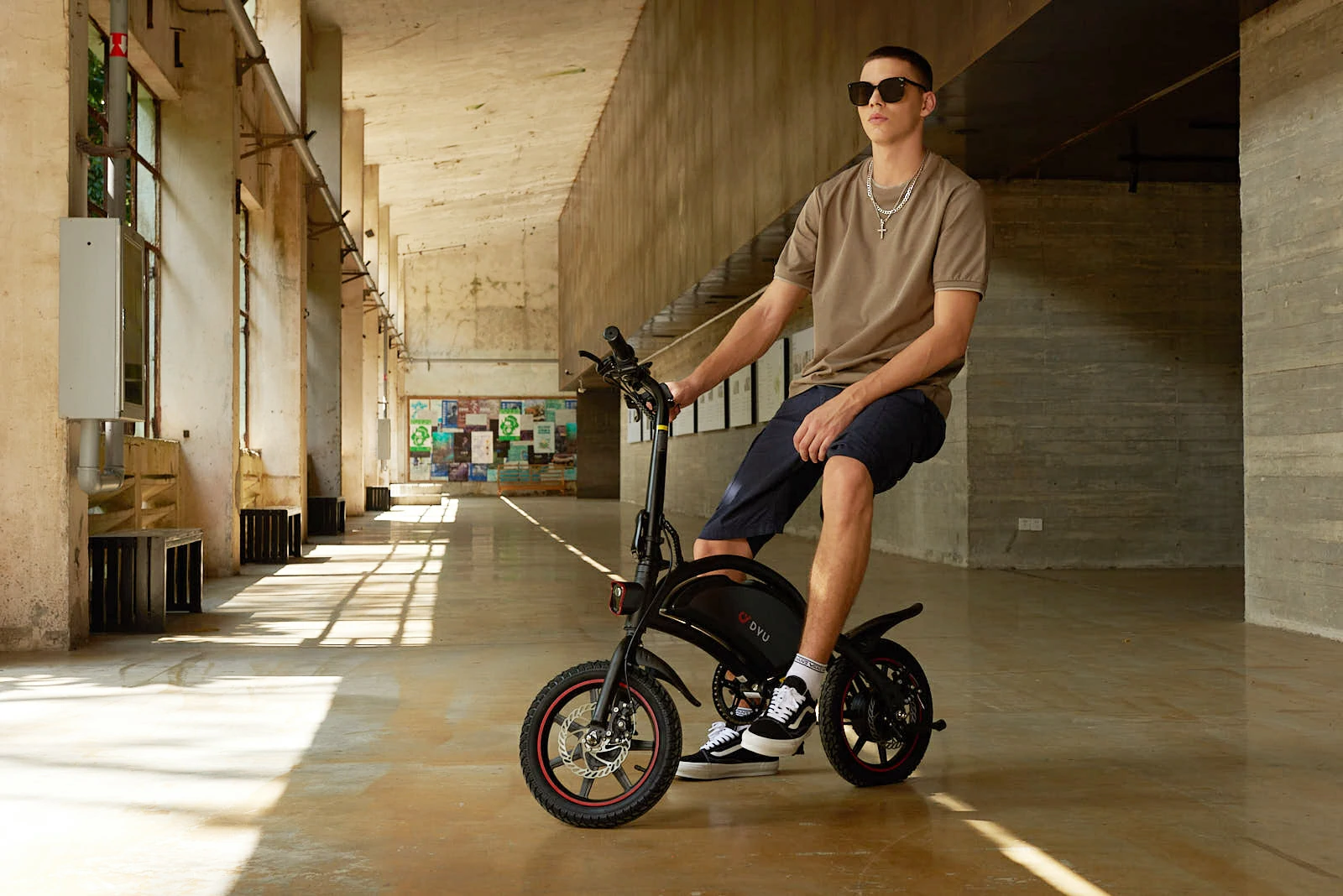
Small wheels are useful in tight spaces, but they reward calm riding. The D3F’s 14-inch tires make the bike compact and agile. They also mean you should slow down for tram tracks, potholes, wet metal plates, and sharp kerbs.
The best station routine is simple: ride slowly before the entrance, dismount before the crowd, and fold or park before you block the flow. That is not about being timid. It is about making the bike welcome in the places you need to use it.
The wider European trend supports more cycling in daily travel, as this European Parliament cycling overview explains. But the practical rule is local: ride like you want bike-plus-train commuting to remain easy for everyone.
Brakes, Tires, and the Weekly Five-Minute Check
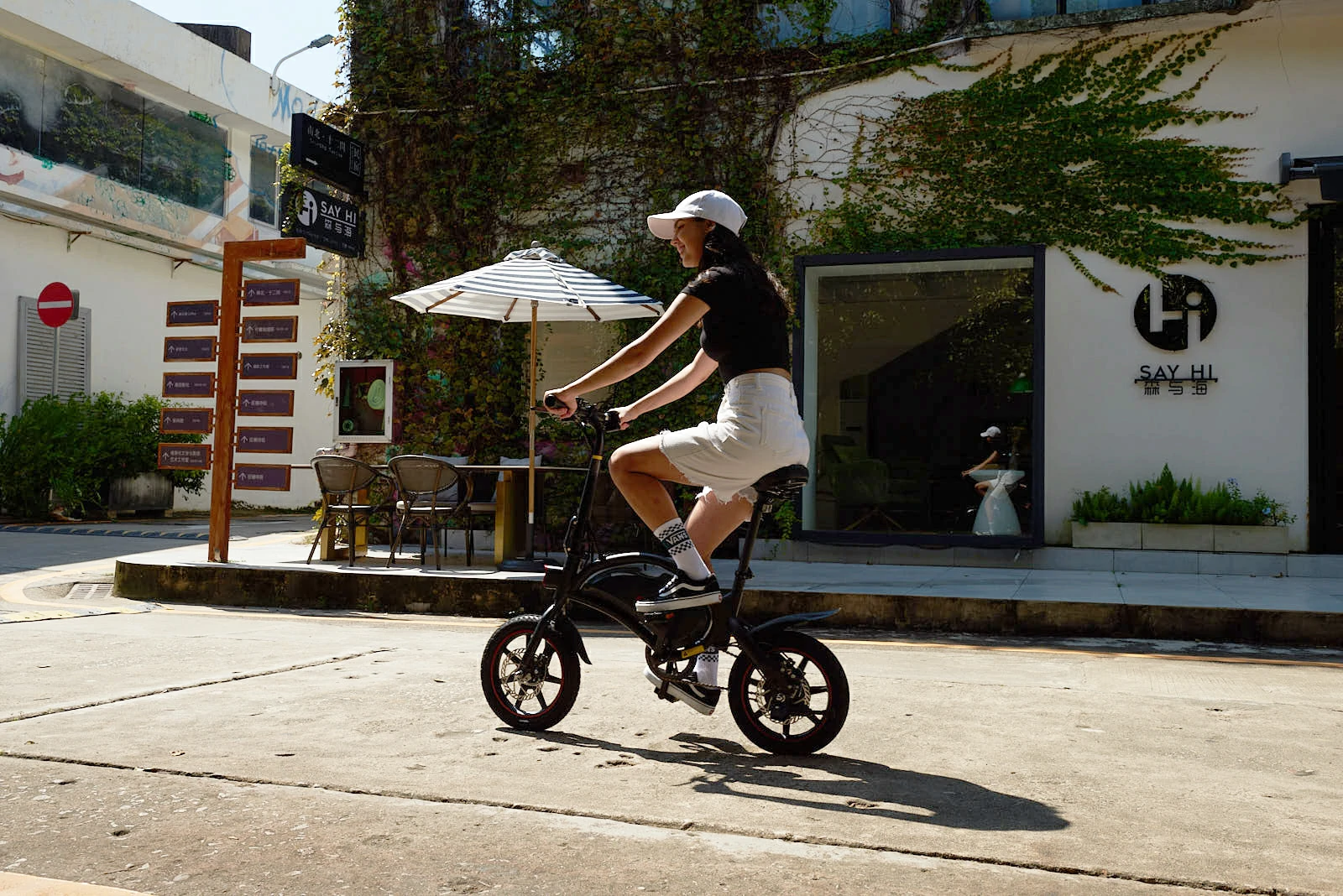
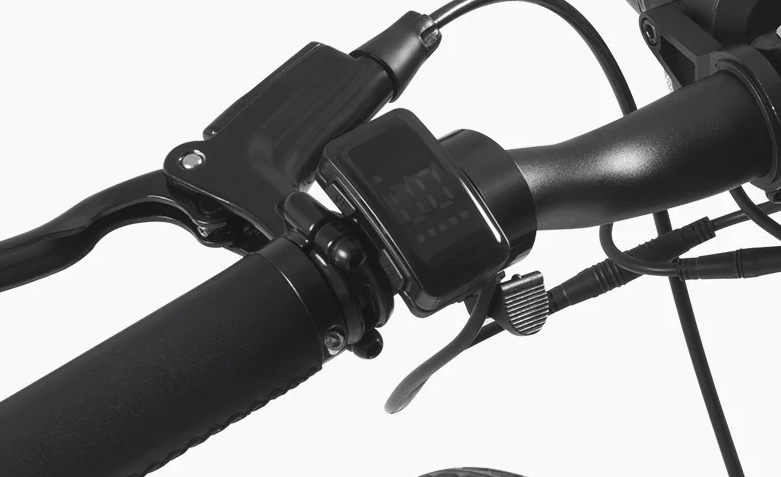
The D3F uses front and rear disc brakes. On a mini e-bike, brake feel matters because the bike is often used in stop-start spaces: crossings, station exits, traffic lights, school streets, and narrow lanes.
Once a week, I would check four things before the first ride: brake lever feel, tire firmness, hinge security, and lights. It takes less time than finding your keys. It also catches the small problems that make a commute stressful later.
- Brake feel: squeeze both levers before rolling into traffic.
- Tires: check for softness, cuts, or glass after rough city riding.
- Folding points: confirm the handlebar and pedals are secure before riding.
- Lights: front and rear visibility matter on early trains and winter evenings.
DYU’s disc brake guide is useful if you are learning what lever feel should be like. Electric Bike Report’s e-bike brake guide and BikeRadar’s e-bike maintenance guide are also worth reading if a new sound, rub, or weak stop appears.
Who the DYU D3F Fits Best
The D3F makes the most sense for riders who need a small e-bike as part of a bigger transport routine. Think Berlin S-Bahn plus office ride, Barcelona apartment plus beach-side errand, Milan tram plus final kilometre, or a weekend car-boot trip where a full-size bike would stay at home.
| Rider situation | D3F fit | Practical note |
|---|---|---|
| Train plus short office ride | Strong fit | Compact fold and 19 kg weight help with transfers |
| Small apartment storage | Strong fit | Foldable pedals and handlebar reduce hallway clutter |
| Long open-road commute | Limited fit | 14-inch wheels are better for short city sections |
| Daily stair carrying | Think carefully | 19 kg is manageable briefly, but still real weight |
| Errands after work | Good fit | 50 km listed range gives useful buffer for short detours |
If you want a ride-focused account, read my DYU D3F review. If you are comparing against an outside mini e-bike, the D3F and Fiido D3 Pro comparison may help. For general city planning, DYU’s city commuting guide covers the wider decision.
Conclusion: The Best Commute Is the One You Repeat
The DYU D3F works when your commute needs a small, simple, foldable e-bike, not a big machine with a folding hinge added later. Its strengths are clear: 19 kg weight, 14-inch compact handling, a 50 km listed range, disc brakes, foldable pedals, and a routine that can fit around public transport.
Its limit is just as clear. If you need long-distance comfort, heavy cargo, or daily stair carrying, be honest before buying. But for last-mile European commuting, office storage, car-boot trips, and short city errands, the D3F is easy to understand.
Measure the transfer first. Then decide if the bike fits the part of your day that actually annoys you.
FAQs
Q1. Is the DYU D3F good for public transport commuting?
Yes, the DYU D3F can work well for public transport commuting when the riding sections are short and you mostly roll the bike instead of carrying it for long distances.
Q2. How much does the DYU D3F weigh?
The DYU D3F product specs list the bike at 19 kg. That is light for an e-bike, but still heavy enough that repeated stair carrying should be planned carefully.
Q3. What is the range of the DYU D3F?
The DYU D3F has a listed pedal-assist range of 50 km from its 36V 10Ah battery. Real range depends on rider weight, route, tire pressure, weather, and assist level.
Q4. How much does the DYU D3F cost in 2026?
At the time of writing, the DYU D3F is listed at €549, with a regular price of €649. Check the product page for current availability and promotions.
Q5. Can a 14-inch folding e-bike handle city streets?
Yes, but it rewards calm riding. Slow down over tram tracks, potholes, kerbs, and wet metal surfaces because smaller wheels react more sharply than larger city-bike wheels.