
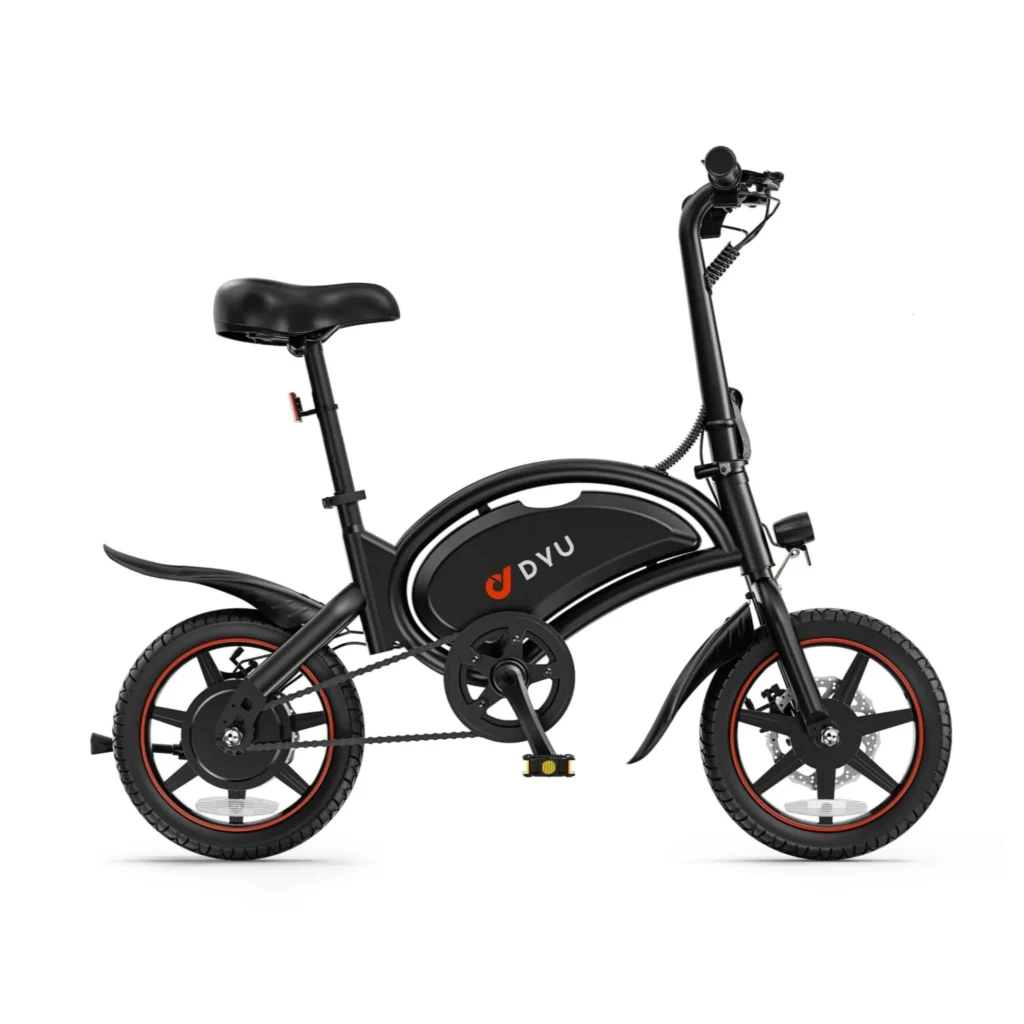
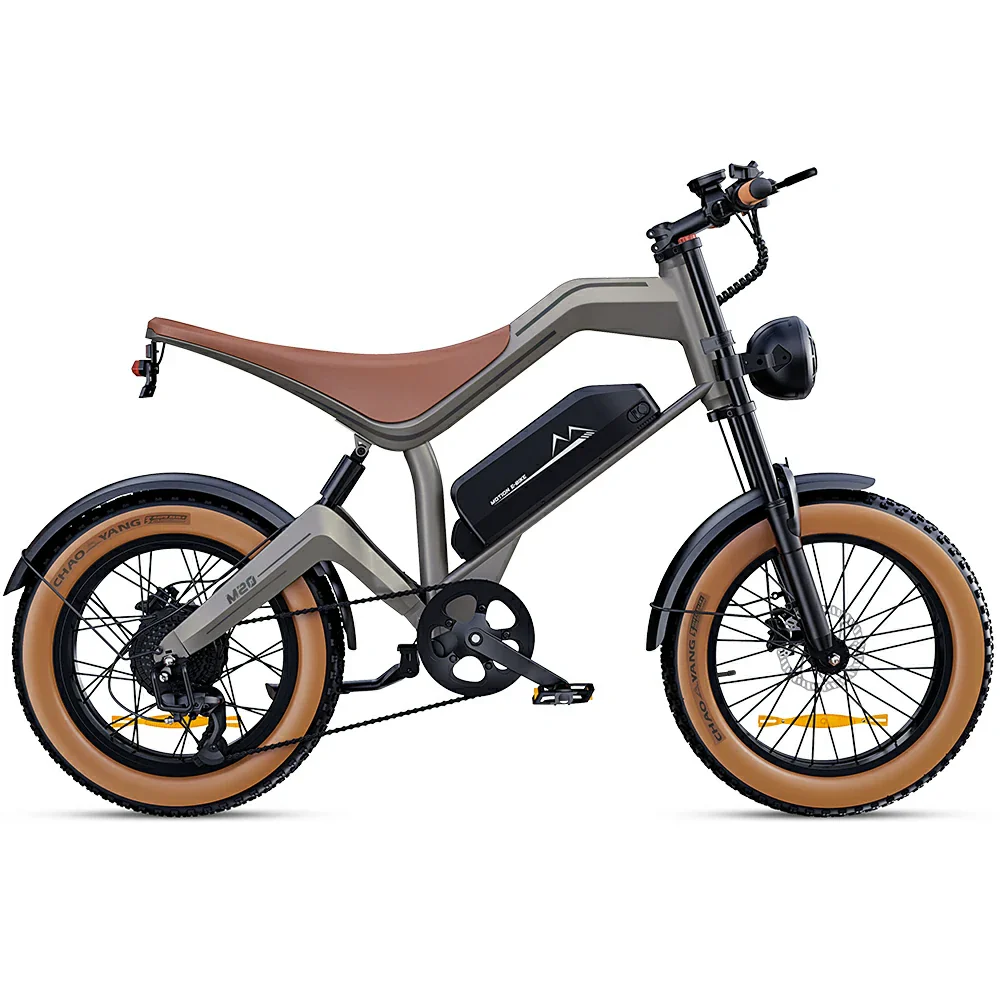
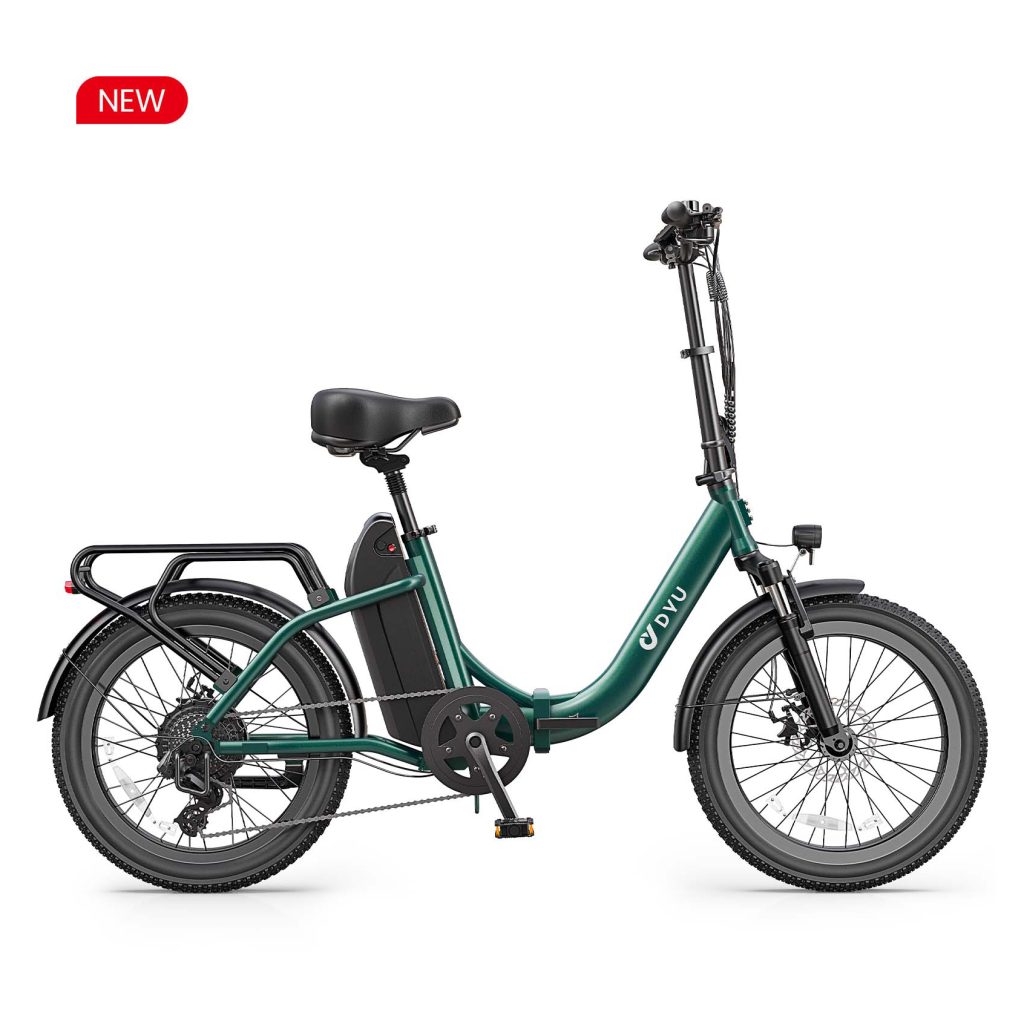
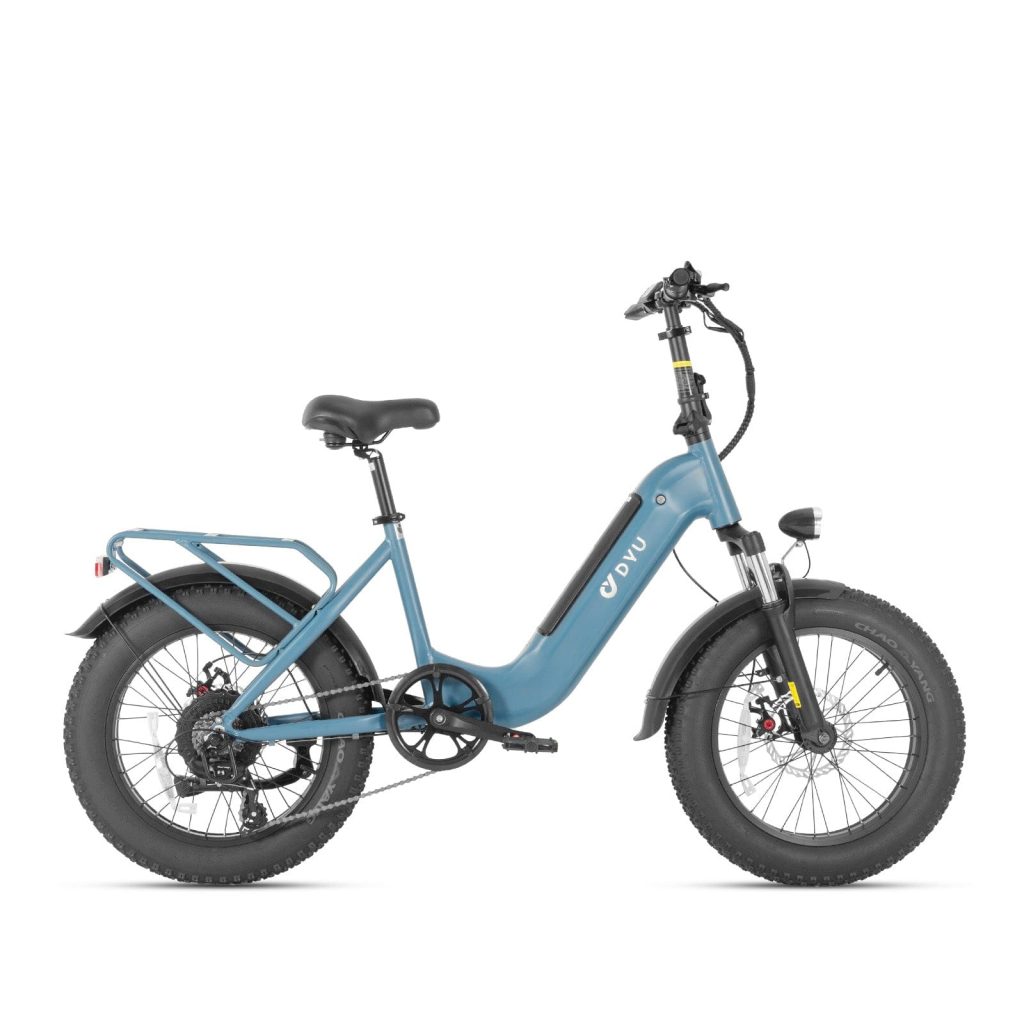
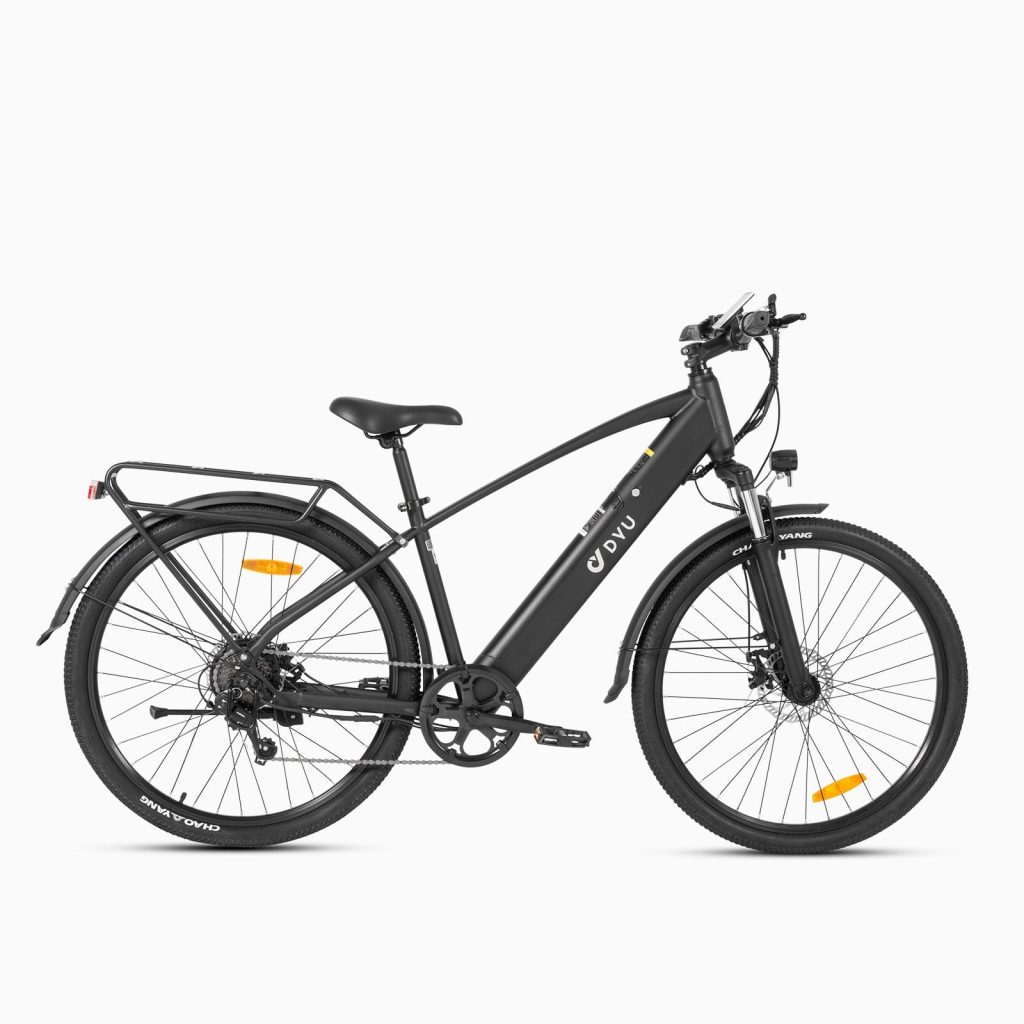
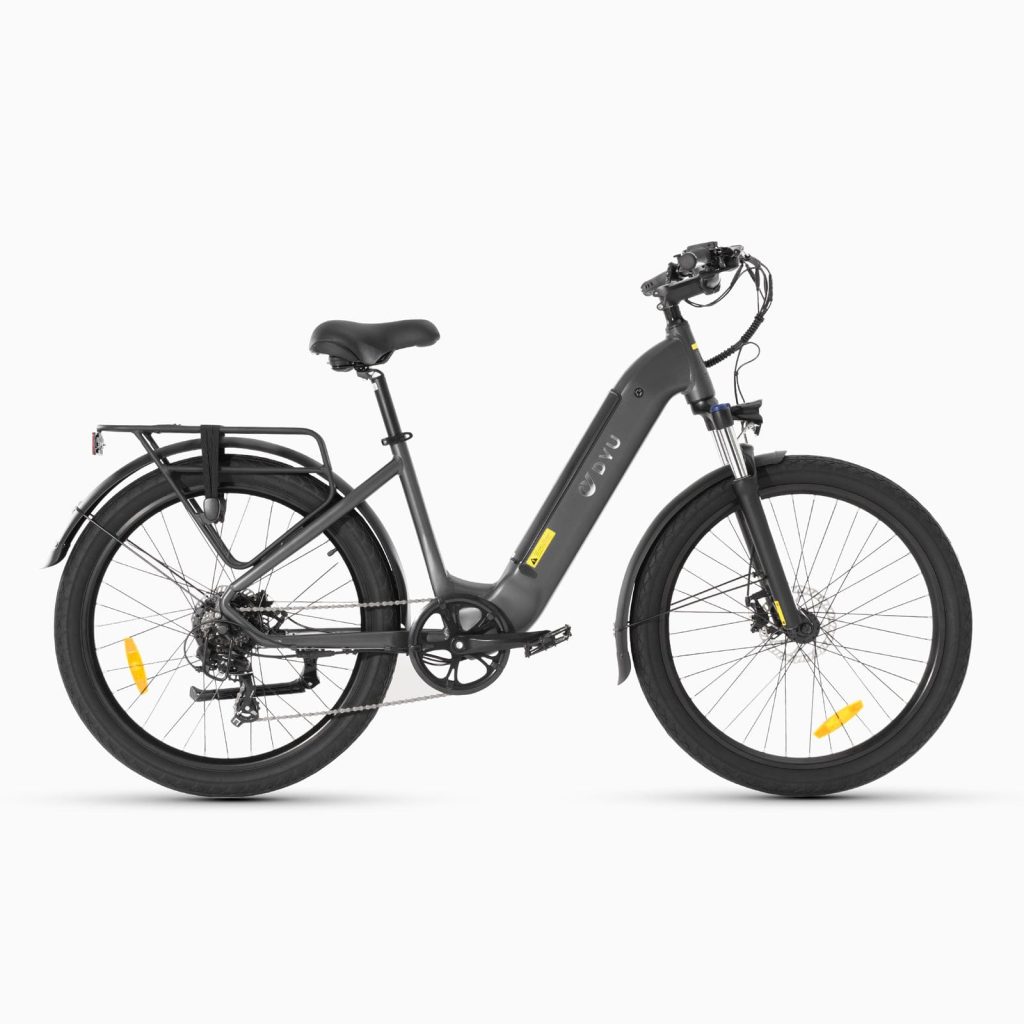
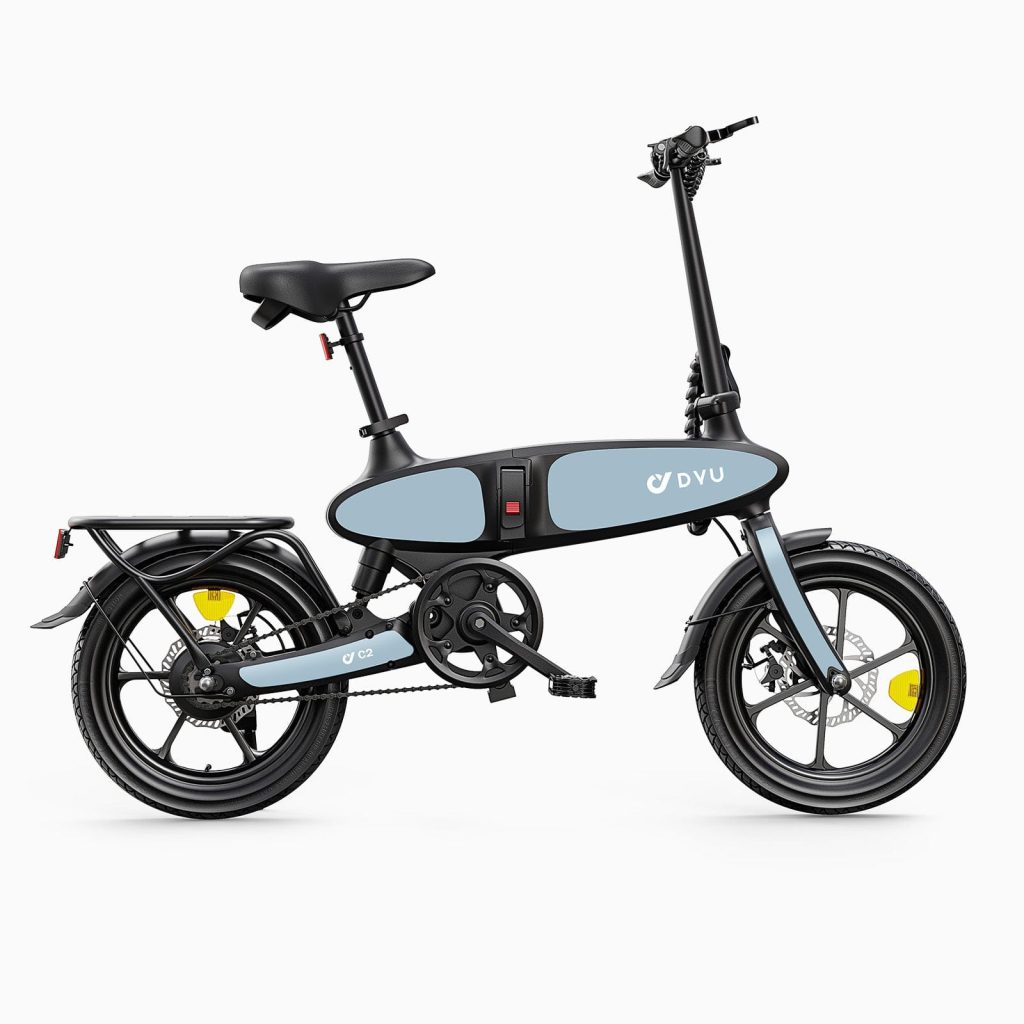
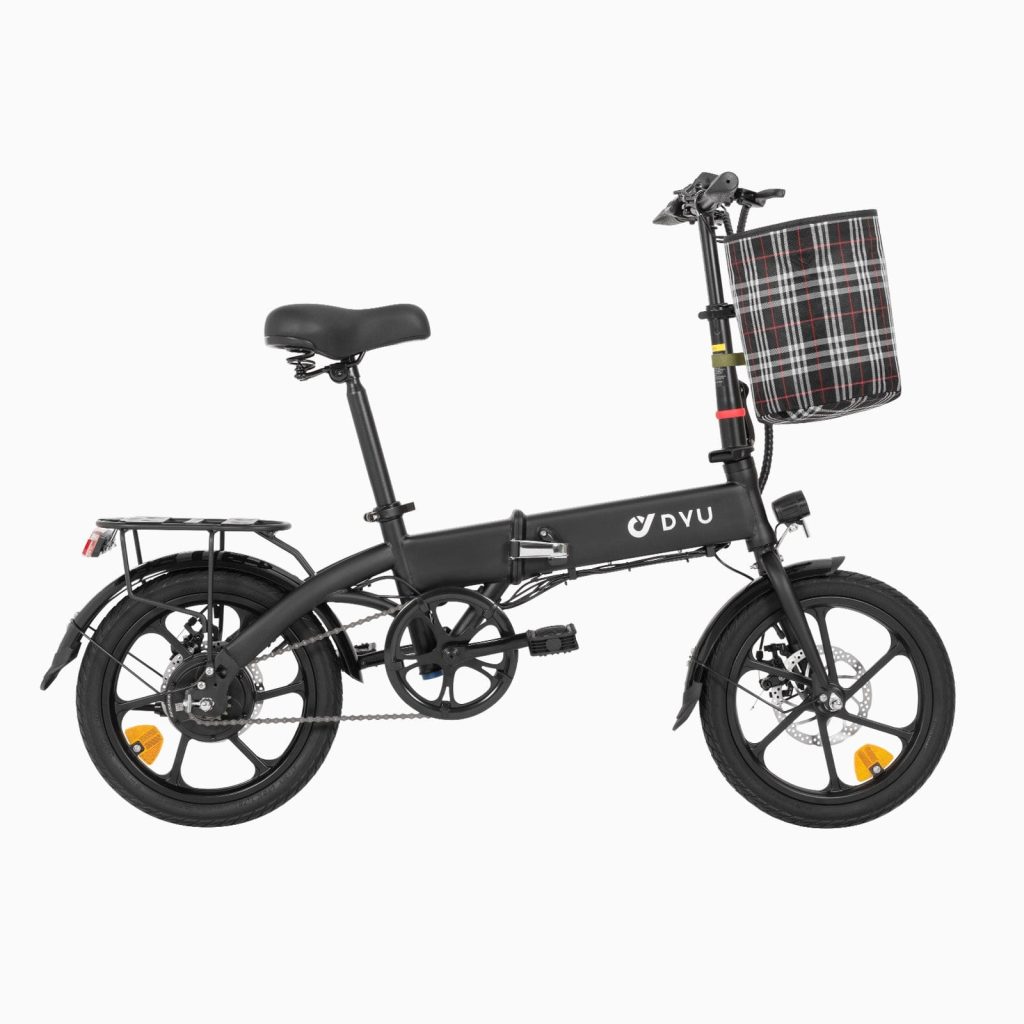








The battery stands as a vital part of your electric bicycle. It’s the most expensive component and powers everything else. Electric bikes have gained massive popularity throughout Europe. This surge has brought battery maintenance problems into sharp focus.
You can rebuild e-bike batteries, but some parts might be beyond repair. Modern e-bike batteries use lithium-ion technology. These batteries are lighter, pack more power, and last longer. The cost to rebuild one ranges from €300 to €800. This represents a major investment that needs careful thought. Complex problems like BMS (Battery Management System) failures need professional expertise to ensure everything works safely.
This piece walks you through common battery issues. You’ll learn what fixes you can handle and when to get professional help. Safety comes first – especially with warning signs. Watch out for overheating, swelling, strange smells, or unusual noises. These symptoms point to serious internal damage that could trigger fires or explosions.
Most Common E-Bike Battery Issues Riders Face
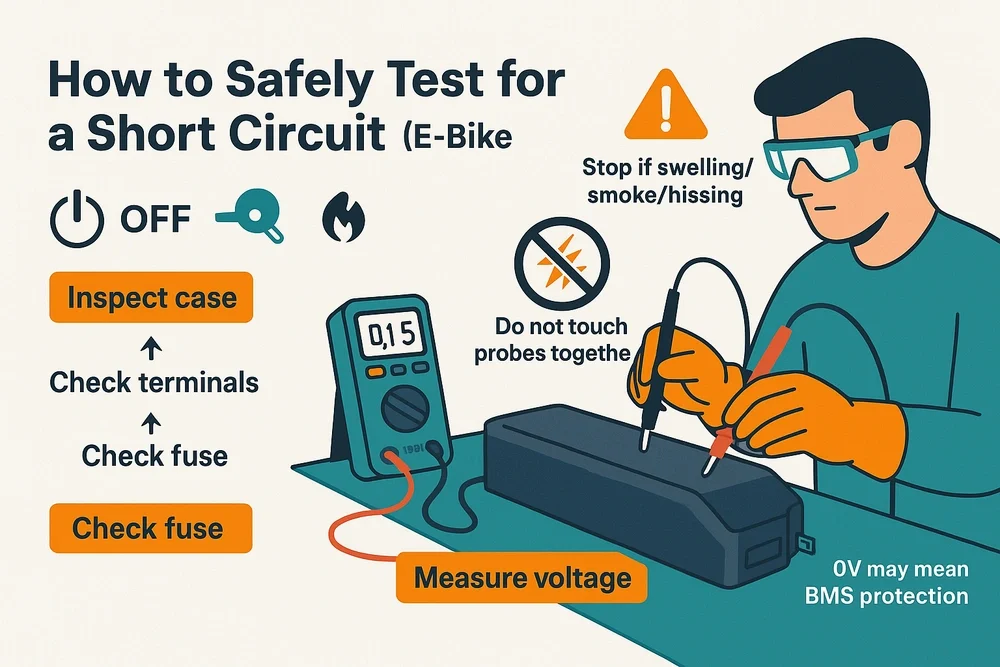
Your enjoyable e-bike ride can quickly become frustrating when battery issues pop up. You should know the most common problems to figure out if basic maintenance is enough or if you need specialized e-bike battery repair.
Battery not charging or showing no response
Nothing’s more annoying than plugging in your e-bike only to find it won’t charge. You might notice no charging indicator light, an unresponsive charger, or a completely dead battery. Before you blame the battery, use a multimeter to check the charger output if you can. The charging port might also have dust or corrosion that blocks proper contact.
The battery management system (BMS) sometimes shuts down if the battery gets too low. You can try leaving it connected to the charger for several hours to bring it back to life. A damaged battery from a collision or fall should be replaced right away.
Sudden power cuts during acceleration or hill climbs
Your e-bike might run smoothly on flat ground but cut out when you speed up or climb hills. This happens because the battery’s voltage drops quickly under heavy load—experts call this voltage sag. The battery might not deliver enough current to the motor, especially with weak cells or loose wiring connections.
Cold weather makes this problem worse because cold batteries have higher internal resistance. A battery at 50% charge might shut down during acceleration if any cell group’s voltage gets too low. Clean battery connections must be firmly seated since even a slight looseness can cause power cuts under load.
Swollen or overheating battery cases
A swollen battery case means serious internal damage and creates safety risks. Internal gas builds up when lithium cells break down chemically. Stop using the battery right away if it looks bloated, warped, or doesn’t fit properly in its mount.
Overheating is just as serious because it speeds up chemical reactions inside the battery. This leads to faster wear and reduced capacity. The worst case is thermal runaway—a dangerous chain reaction that could start a fire. Watch out for batteries that feel unusually hot, perform poorly, or charge slowly.
Rapid range loss even after full charge
Your e-bike’s range might drop a lot despite showing a full charge. Cell degradation happens naturally with age and charge cycles, especially if you often drain the battery completely or store it empty.
Temperature extremes can permanently reduce battery life. Riding in high assist modes drains power faster too. Lithium-ion batteries last longer when you keep their charge between 20-80% instead of completely empty or full during long storage periods.
What You Can Actually Repair in an E-Bike Battery

You can repair your e-bike battery instead of replacing it. This knowledge about fixable issues saves hundreds of euros and adds years to your battery’s life.
Replacing damaged lithium-ion cells
A careful disassembly lets you replace individual damaged cells in a battery pack. You need spot welding equipment and a multimeter to test cells with unusual voltage. New cells can restore the battery capacity. But mixing new and old cells might stress the battery unevenly and affect its long-term performance.
e bike battery BMS repair and reset procedures
The Battery Management System (BMS) sometimes shows data reading errors or sensor problems that a reset can fix. These steps help with basic BMS issues:
- Switch off the system and remove the battery
- Keep it unplugged for 10-30 minutes so residual charge drains
- Put it back and test if it works
Complex BMS problems need manufacturer apps for software-based resets. These apps help clear error logs, reset charge states, and recalibrate cells.
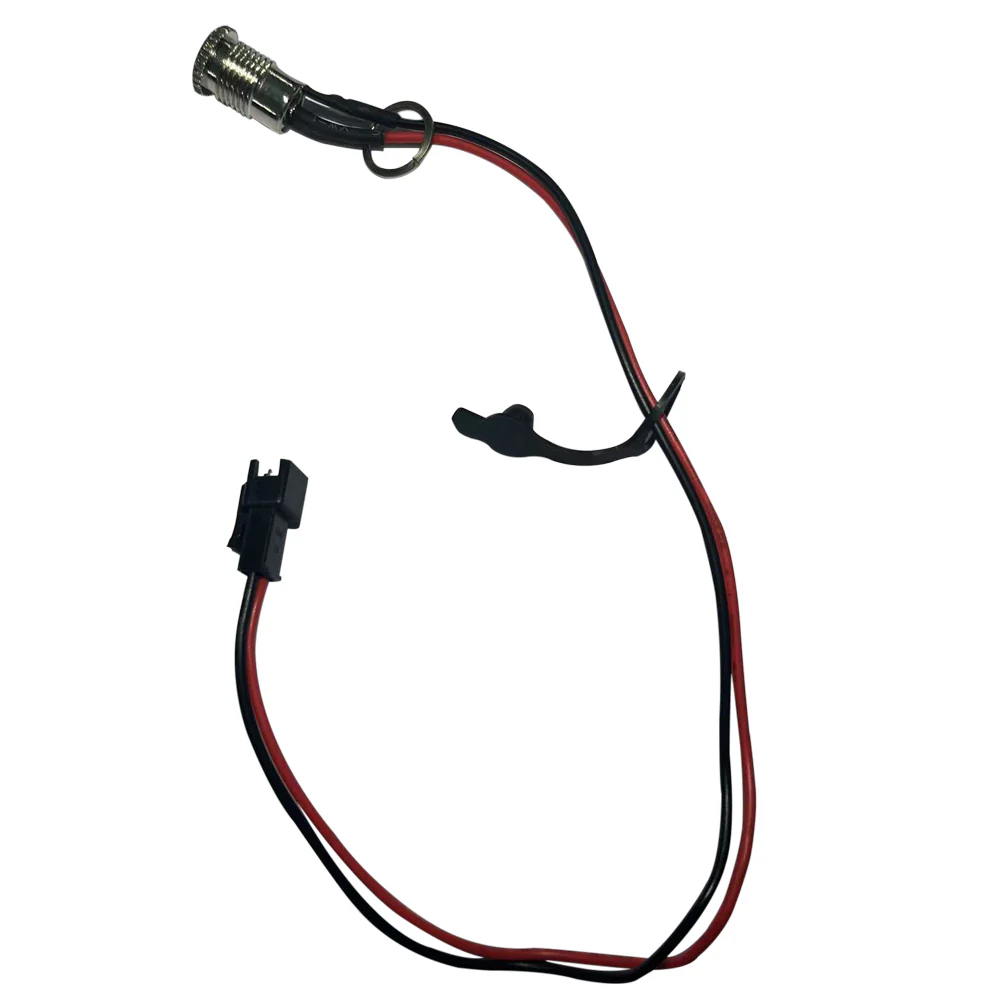
Fixing corroded or loose connectors
Corrosion on e-bike connectors cuts electrical flow and causes power loss during acceleration. A contact cleaner works well to clean terminals before tightening connections. Bad connectors need replacement because they resist power flow and create heat that damages other parts.
Reviving over-discharged batteries with trickle charging
A “dead” battery often means the BMS shut down to protect the cells. Slow charging at very low power (about 100mA) gradually increases cell voltage enough to wake up the BMS. Regular charging becomes possible after this. This fix works best on batteries that weren’t completely dead for too long.
What You Shouldn’t Try to Repair Yourself
You can save money with DIY repairs, but some e-bike battery problems just need professional expertise. Your safety matters more than saving a few bucks, especially when you have these dangerous situations.
Swollen or leaking battery packs
A swollen battery pack shows that something’s wrong with the internal chemical reactions. The pressure builds up inside and could break the case, which might cause fires or expose you to harmful chemicals. Stop using the battery right away if you notice any bulging, hear hissing sounds, or smell chemical odors. The same goes for any clear or yellowish fluid leaking out – it’s a sign that the cells are breaking down and need special disposal.
Severe BMS failure or short circuits
Your battery pack’s electronic brain is the Battery Management System. You’ll need special equipment like oscilloscopes and soldering tools to fix a badly failing BMS. A wrong BMS replacement could lead to disaster with overcharged cells and thermal runaway. Short circuits are serious – they make the battery heat up unusually or lose power instantly, and fixing them wrong could start a fire.
Damaged battery casing or water ingress
Water damage starts corroding your battery’s internal parts almost right away. You can’t really dry it properly unless you take the whole thing apart. Cracked cases also let moisture and dirt get to sensitive components. Both situations make your battery’s safety unpredictable.
When UL certification is voided after repair
DIY fixes will void your safety certifications. Insurance companies might reject your claims from battery incidents without UL or similar certification. Certified technicians charge between €300-800 for professional rebuilds, but they give you documentation that keeps your warranty valid and confirms safety compliance.
DIY vs. Professional Repair: What’s Safer and Smarter

You’ll face a choice between fixing your e-bike battery yourself and getting professional help. The difference between these options comes down to balancing safety risks with money saved. This knowledge helps you make better choices when your battery acts up.
When DIY repair is safe: minor connector or fuse issues
Simple issues are a great way to get started with DIY repairs. You can clean corroded connectors, tighten loose terminals, or swap out standard fuses with basic tools. A screwdriver and some contact cleaner should do the job for these straightforward fixes.
Why professional repair is essential for BMS and cell replacement
BMS repairs need special tools and expert knowledge. Professional technicians use their diagnostic equipment to spot bad cells without damaging the good ones. They also stick to strict safety rules to prevent any heat-related incidents during the repair process.
Cost comparison: repair vs. replacement
Professional e-bike battery repair generally costs between €300-800, based on your battery type and how serious the problem is. New batteries cost more, ranging from €500-1500. Partial rebuilds where technicians replace only the bad cells cost €250-450. This makes repairs about 40-60% cheaper than buying a new battery.
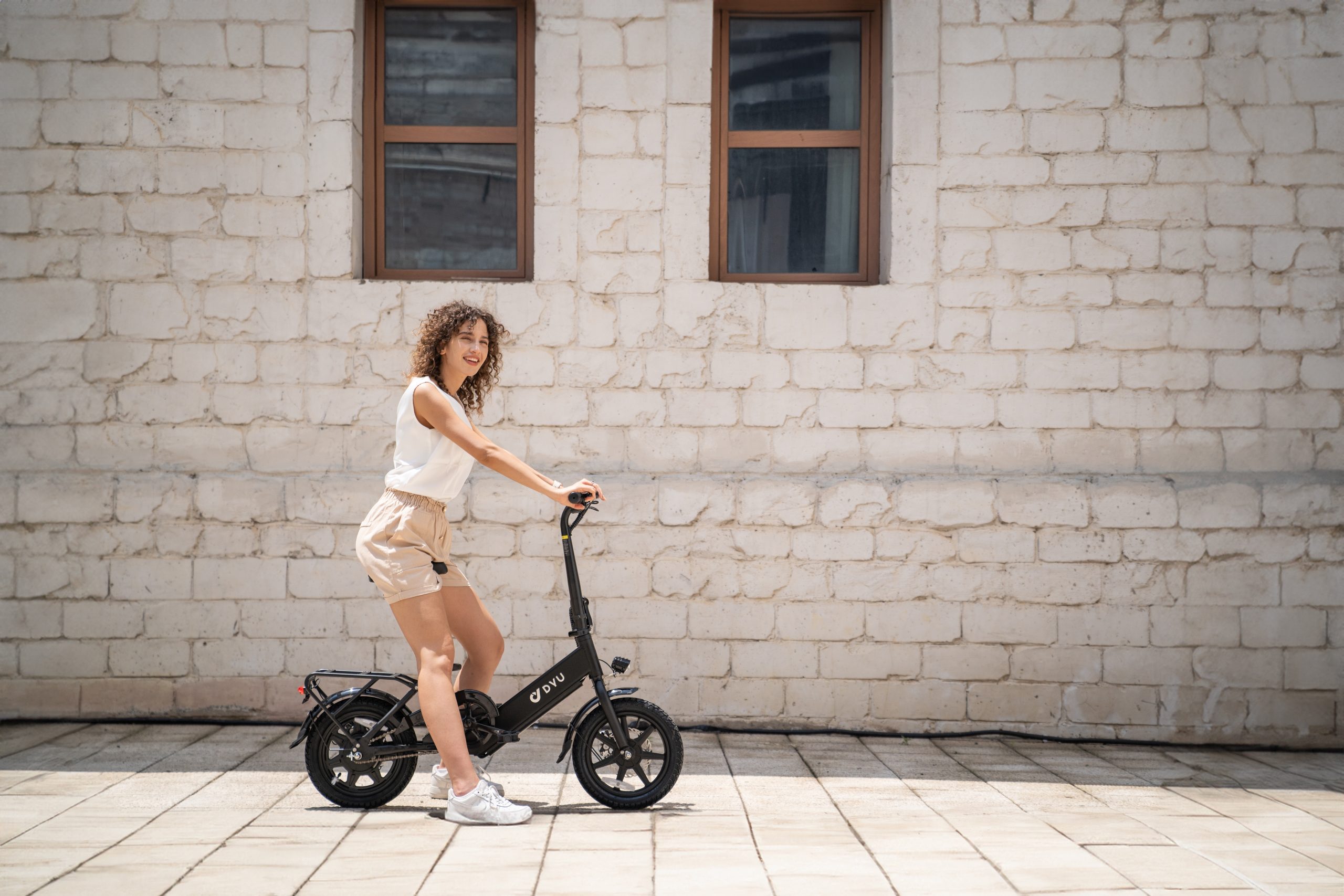
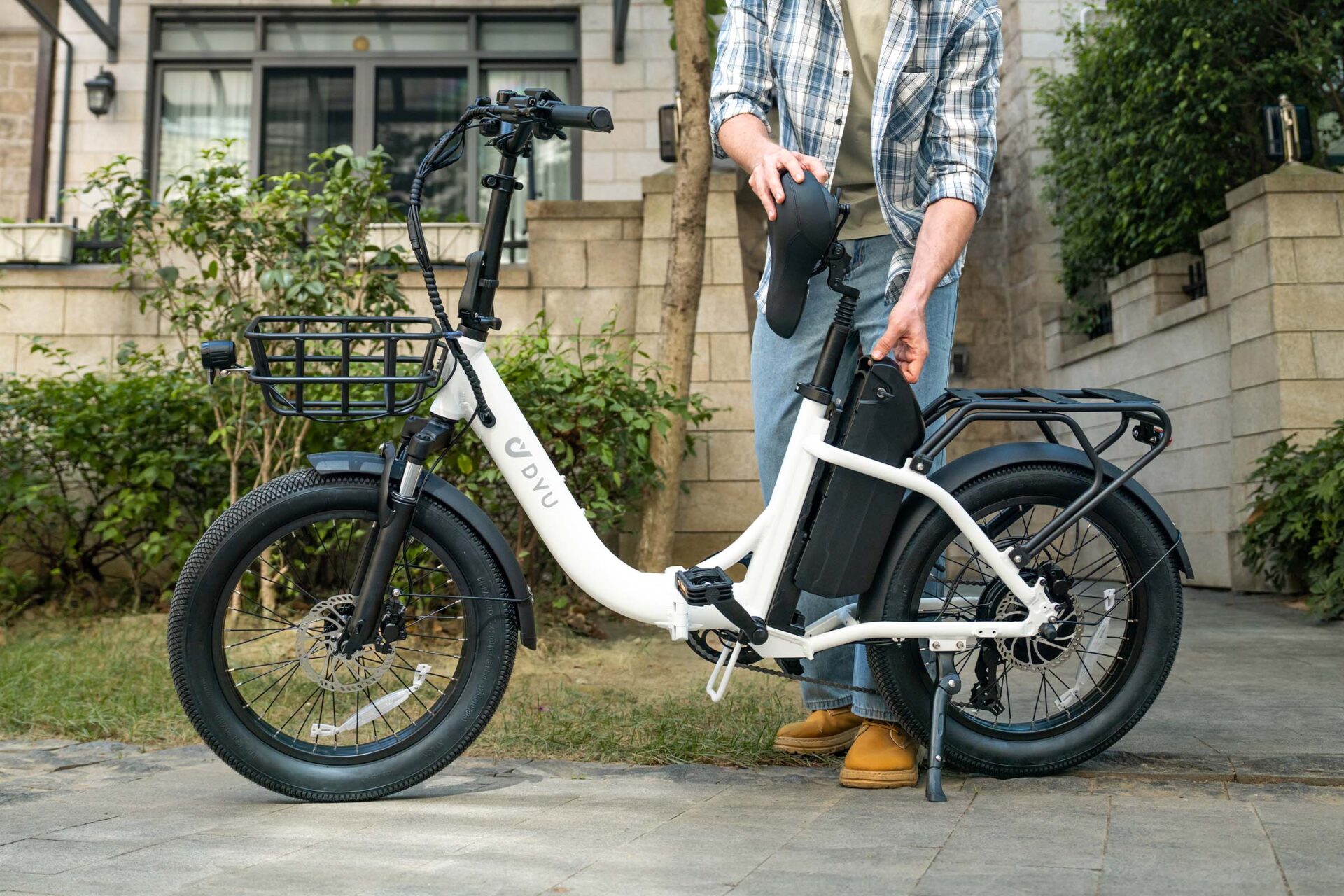
Specialized e bike battery repair services for models like DYU C9
Many European repair shops now focus on specific e-bike models. These experts keep compatible parts in stock and usually back their work with warranties. On top of that, they can maintain your battery’s certification that DIY fixes would void. This keeps your insurance valid and your bike up to safety standards.
Conclusion
Your e-bike battery problems don’t mean the end of your riding adventures or an expensive replacement right away. This piece explores what riders can fix on their own and when they need professional help.
Safety comes first when working with lithium-ion battery packs. Riders with technical skills can handle small fixes like corroded connectors, simple BMS resets, or careful trickle-charging of over-discharged batteries. These repairs usually take just a few tools and some basic knowledge.
Swollen batteries, leaking cells, major BMS failures, or water-damaged packs create serious safety risks. Professional repairs make sense in these cases, especially since repair costs (€300-800) are 40-60% less than buying new (€500-1500). Professional repairs also help you keep essential safety certifications that DIY fixes would void.
Good maintenance matters just as much as repairs. The right charging habits, keeping storage between 20-80% capacity, and protecting batteries from extreme temperatures extend their life by a lot. Research shows regular maintenance stops many common problems before they start.
E-bikes keep gaining popularity in Europe as battery technology advances. Knowing your repair options helps you get the most from your investment and ensures safe, reliable rides for years. A well-managed battery saves money and supports eco-friendly transportation that benefits everyone.
FAQs
Q1. Can e-bike batteries be repaired or reconditioned?
Yes, e-bike batteries can often be repaired or reconditioned. This can be a cost-effective alternative to complete replacement, especially for issues like damaged cells, BMS problems, or corroded connectors. However, some repairs are best left to professionals to ensure safety and maintain certification.
Q2. How difficult is it to maintain an electric bike?
Electric bike maintenance is generally not difficult. It combines routine bicycle care with some additional tasks for electrical components. The complexity depends on the type of e-bike and how frequently it’s used. Basic maintenance like cleaning connectors and checking for loose connections can often be done by owners.
Q3. Is it possible to revive a completely dead e-bike battery?
In some cases, an apparently “dead” e-bike battery can be revived through careful trickle charging. This method can work for batteries that have been over-discharged, causing the BMS to shut down. However, if the battery has suffered severe damage or degradation, revival may not be possible or safe.
Q4. When should I consider replacing my e-bike battery?
Consider replacing your e-bike battery when you notice a significant decrease in range that affects your riding experience. If you can only ride a few kilometers before the battery runs out, or if the battery shows signs of physical damage like swelling or leaking, replacement is likely necessary for safety and performance reasons.
Q5. What are the most common e-bike battery issues riders face?
The most common e-bike battery issues include charging problems, sudden power cuts during rides, overheating, swollen battery cases, and rapid range loss. Some of these issues, like corroded connectors, can be addressed by riders, while others, such as swollen batteries or severe BMS failures, require professional attention for safety reasons.





5 comments
Gunnar Niemelä
Hejsan jag har en elsykel Yosemite och Bateri 24v.7.8Ah 187.2wh som är inte så bra den är 3år gammal men det går bara sickla 3km när jag latar den så visar lampan i Bateri bara en grön lampa inte mer.vad kan det vara för fel i min Bateri hälsningar från Gunnar Niemelä [email protected]
Maurice
Is it actually safe to open an e-bike battery case at home?
Daniel Novak
Opening the case isn’t dangerous by itself, but the real risk comes once you start handling the cells. If there’s swelling, corrosion, or any sign of heat damage, the cells can become unstable. Professionals use insulated tools and controlled testing equipment — something most people don’t have. So it’s only safe for very basic diagnostics, not for full repairs.
Lilian
Fixed connector corrosion once — can confirm it causes weird cut-outs.
Kenneth
Helpful read — saved me time wondering whether to replace or repair my old battery.