
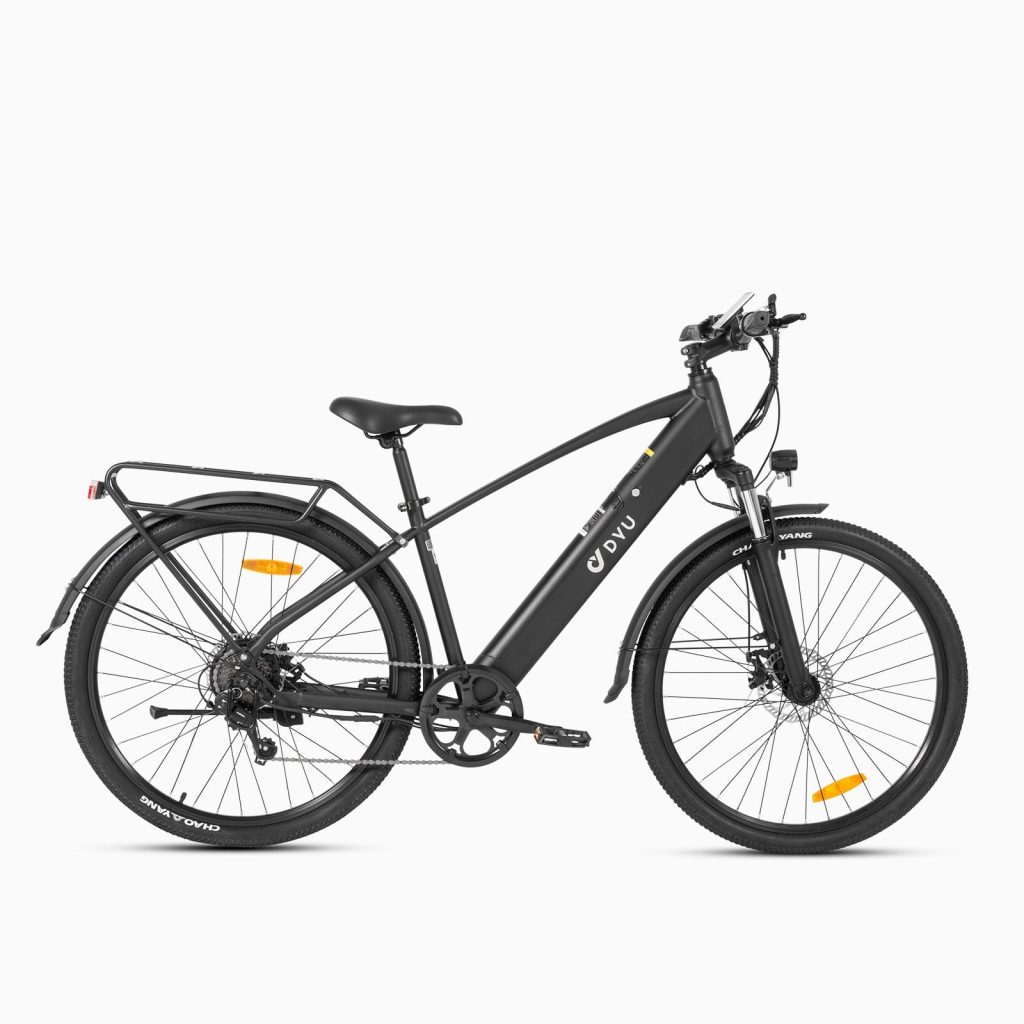
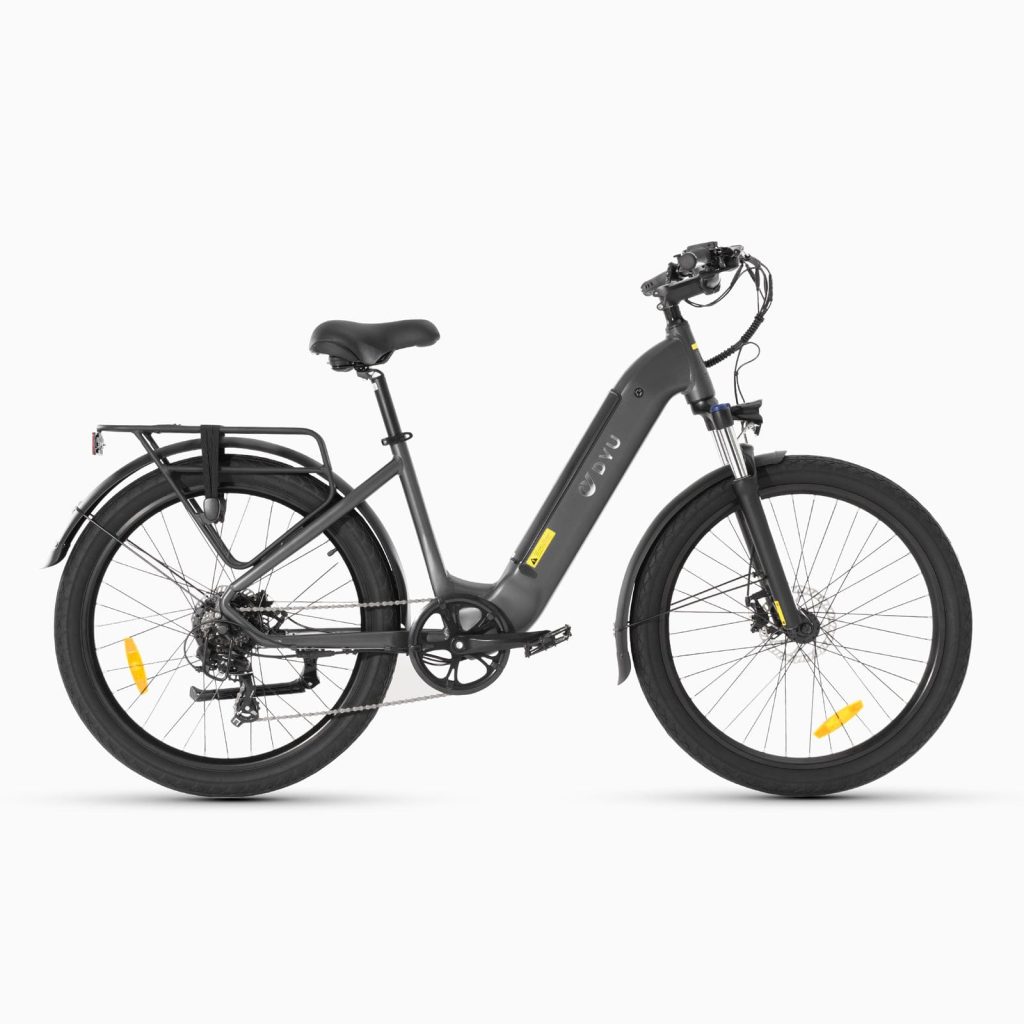
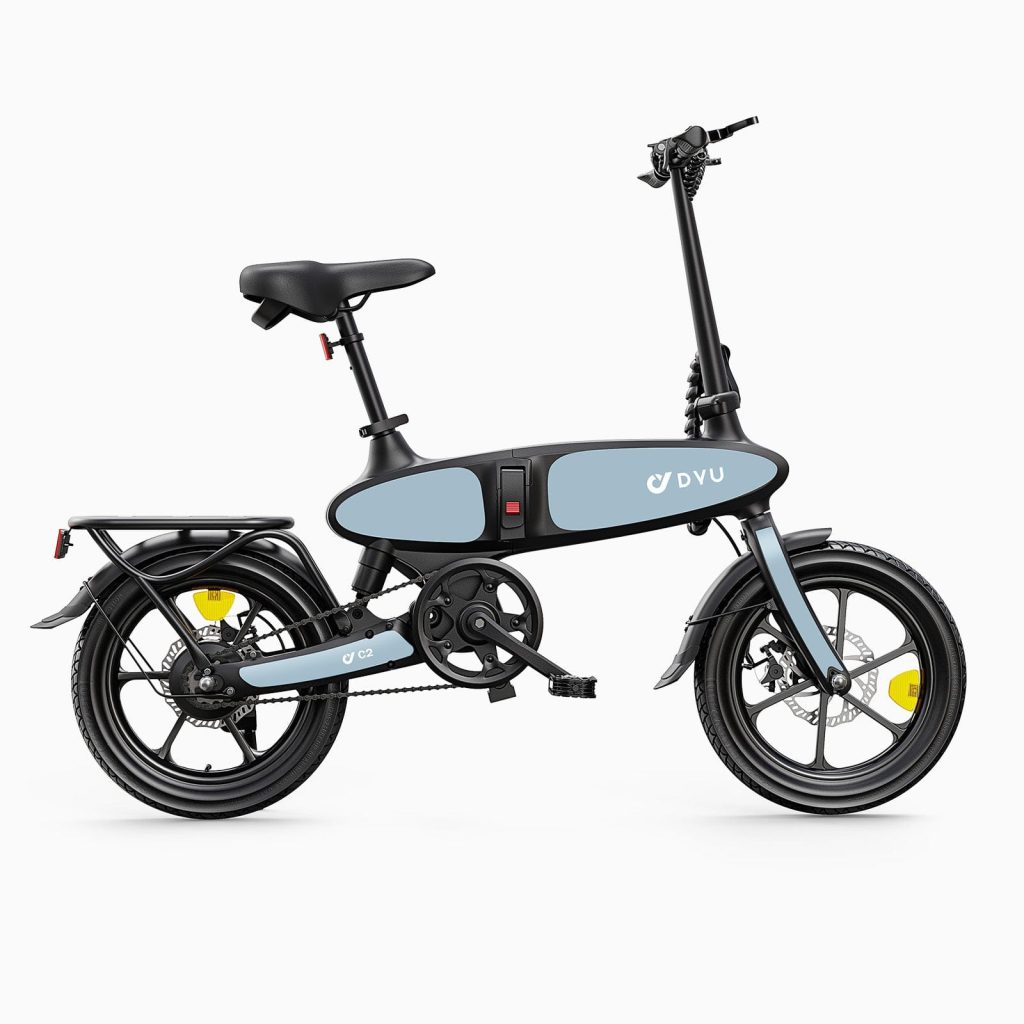
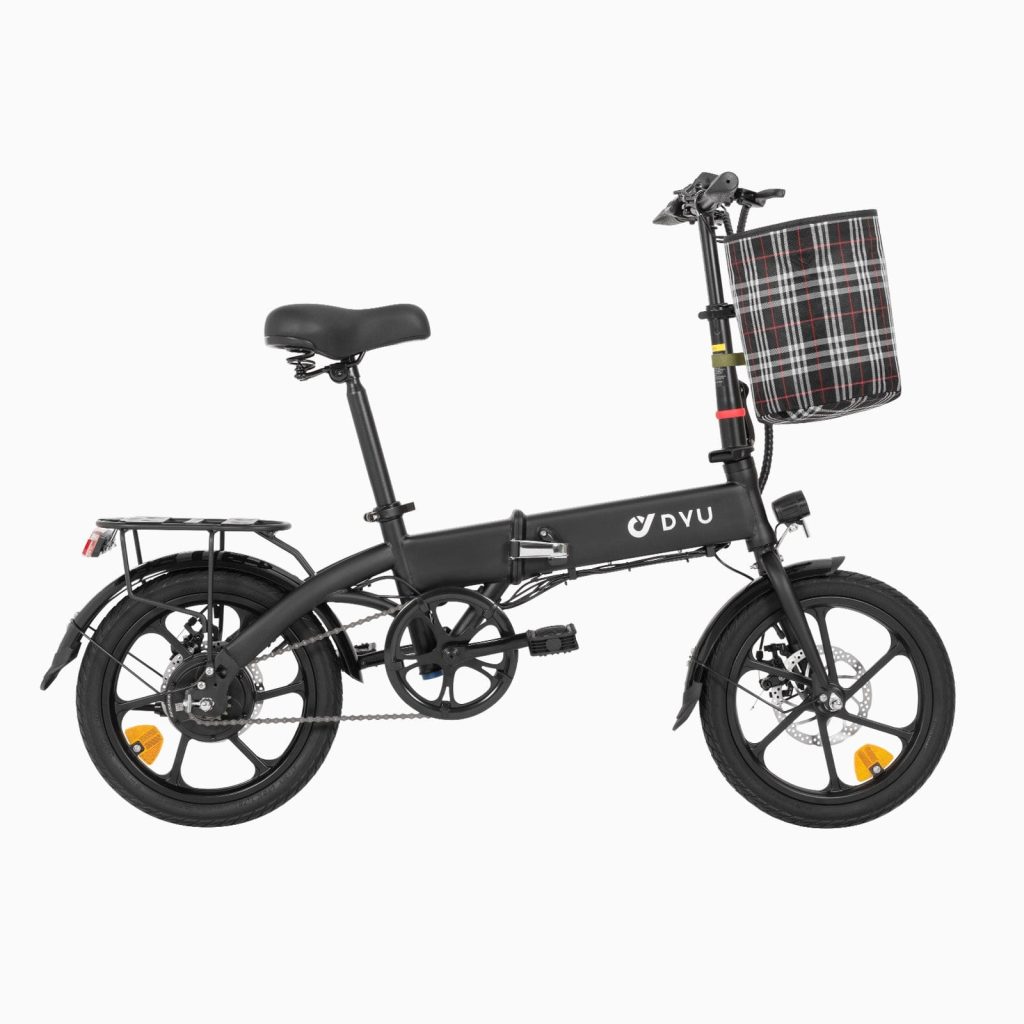



Electric bikes are much more than just “a bike with a motor.” Research reveals that e-bike riders can reach over 90% of the heart rate of traditional cyclists, while also enjoying extended range and better flexibility.
The options are impressive. City commuters can travel 30-50 miles per charge, while mountain models take you 50-100 miles on a single battery. New riders will appreciate how these versatile machines cost less than 15p per charge, and you can choose between challenging yourself or using motor assistance ranging from 250W to 750W.
This piece will help you understand everything about electric bikes. You’ll learn about different types available and get detailed insights about your first e-bike purchase. We’ll explore battery range, frame selection, and other crucial aspects to help you make an informed decision.
Define Your Riding Purpose
You’ll find the right electric bike by understanding what you want to use it for, because different riding purposes need different features. Your primary usage will guide your selection process.
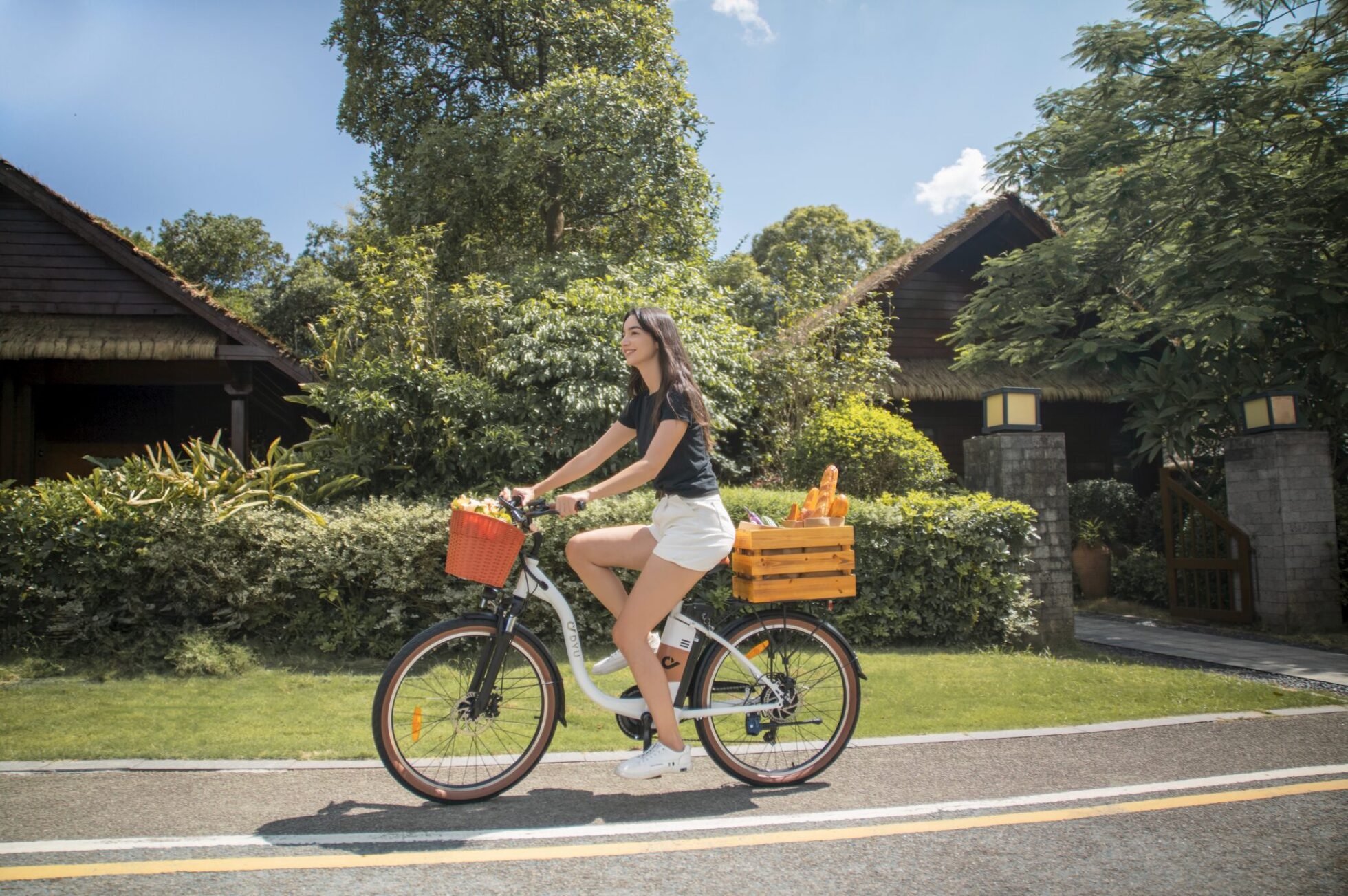
Commuting and daily travel
E-bikes have reshaped the daily commute experience. You can cut through traffic and take bike-friendly shortcuts to work more quickly. A good commuter e-bike can exceed 70 miles on a single charge, which means you can ride for a full week without charging during the day.
These bikes are a great way to save money, since you won’t pay for fuel, parking, or transit passes.
On top of that, you’ll reach your destination without sweating too much, as most commuter models let you adjust how much help you get from the motor.
Fitness and health goals
In stark comparison to what many believe, e-bikes give you real fitness benefits. Studies show e-cyclists accumulate roughly the same amount of physical activity as regular cyclists, because electric assistance lets you ride longer and more often.
E-bikes provide great cardiovascular exercise. Research shows riders reach 89% of the heart rate they would on regular bikes, which gives you a solid workout without pushing too hard.
One rider noted, “Manchester is very hilly, so I used to dread cycling uphill, but the e-cycle was light and easy to use, which made journeys more enjoyable”.
Recreation and weekend rides
Weekend recreation becomes more fun with e-bikes as you cover more ground without getting tired. The motor helps you tackle hills, fight headwinds, and reach new places.
Groups with different fitness levels benefit especially from e-bikes, as beginners can keep up with more experienced riders, creating a better group experience.
Carrying cargo or kids
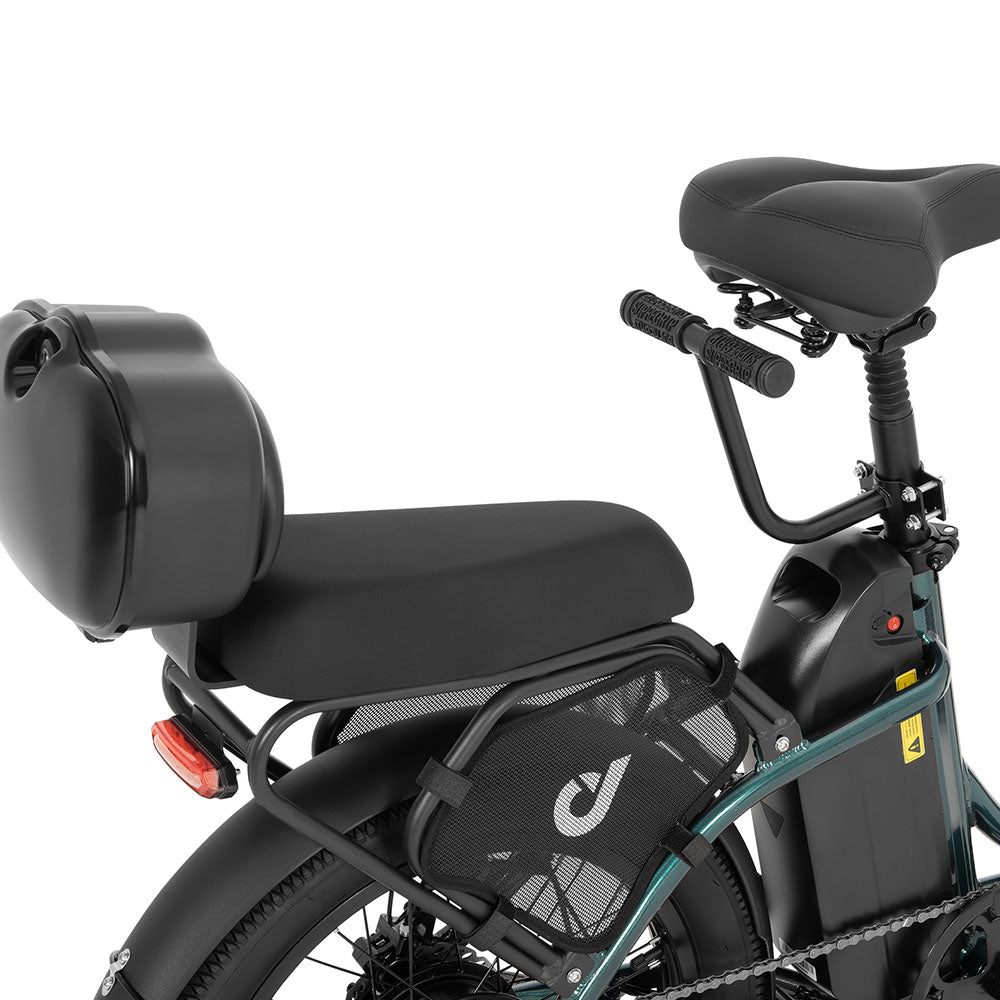
E-bikes have changed how families transport goods and run errands. Purpose-built cargo e-bikes can carry two children (sometimes three) using extended rear racks or front-loading bucket designs.
Electric cargo bikes use high-end motors to handle the extra weight of kids or groceries. Longtail models feel familiar to ride and can carry children, another adult, and plenty of cargo.
Cargo e-bikes work well as car replacements for school runs, grocery shopping, and local deliveries.
Compare the Main Types of E-Bikes
You’ll find it easier to pick the right e-bike by knowing what makes each category unique.
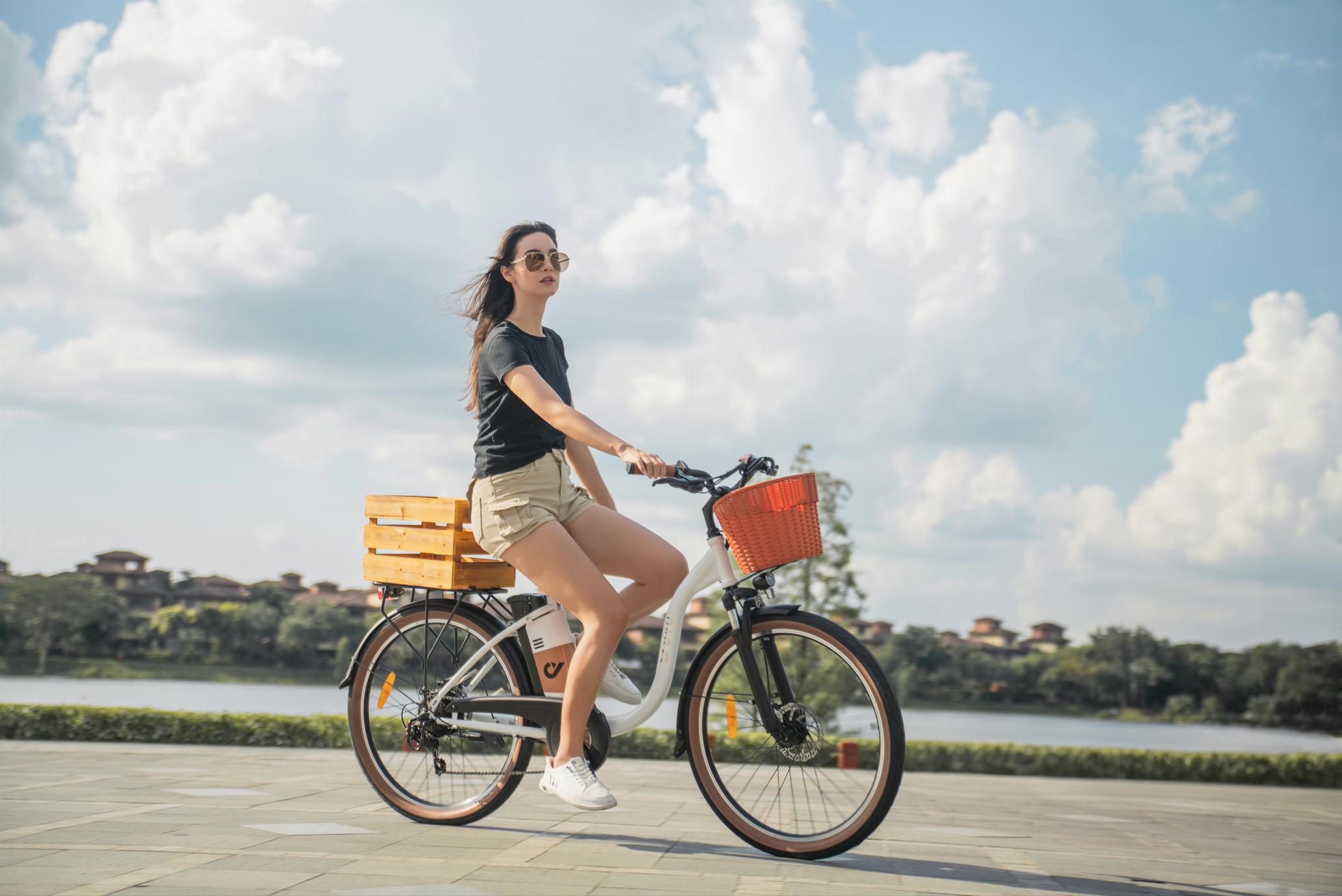
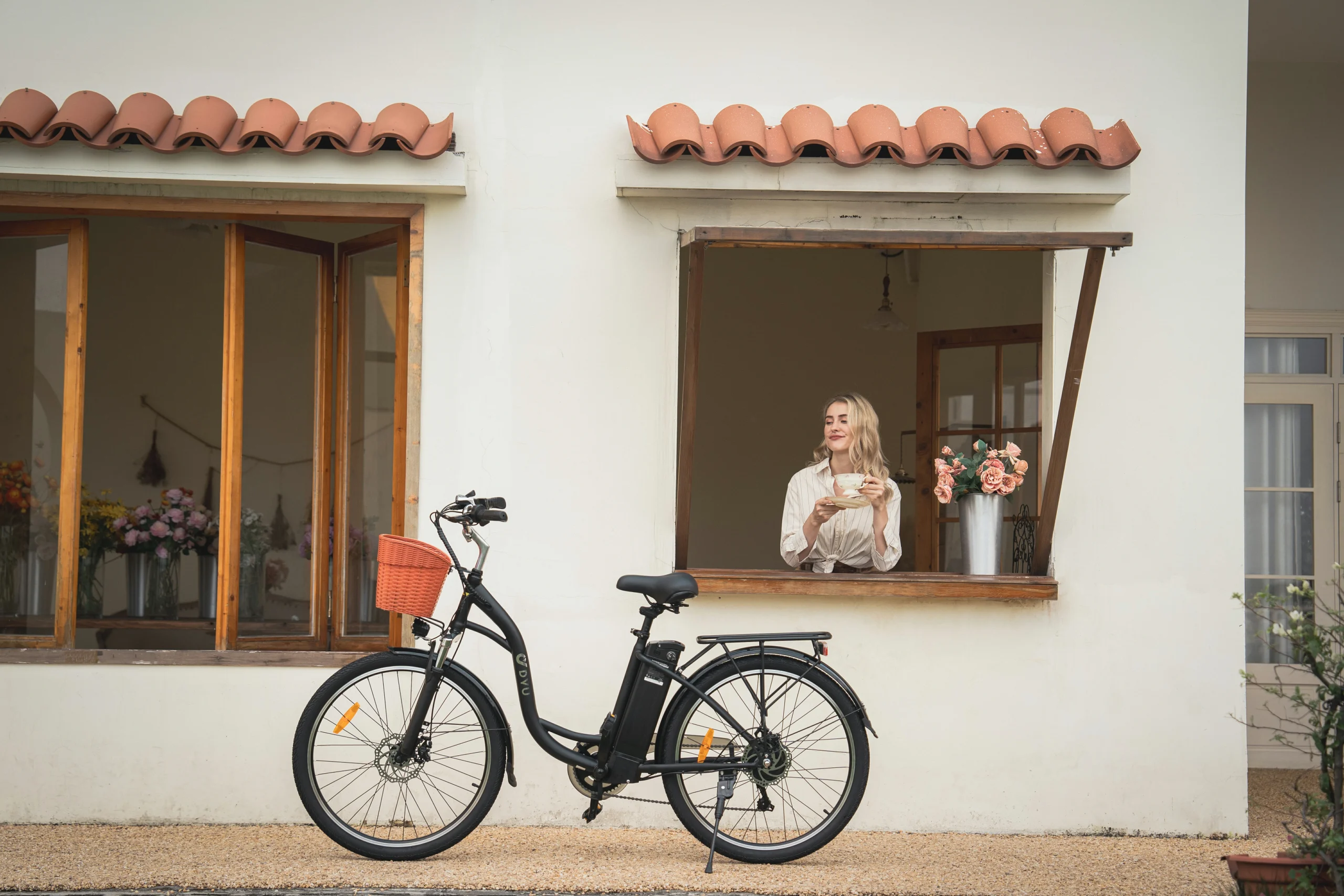
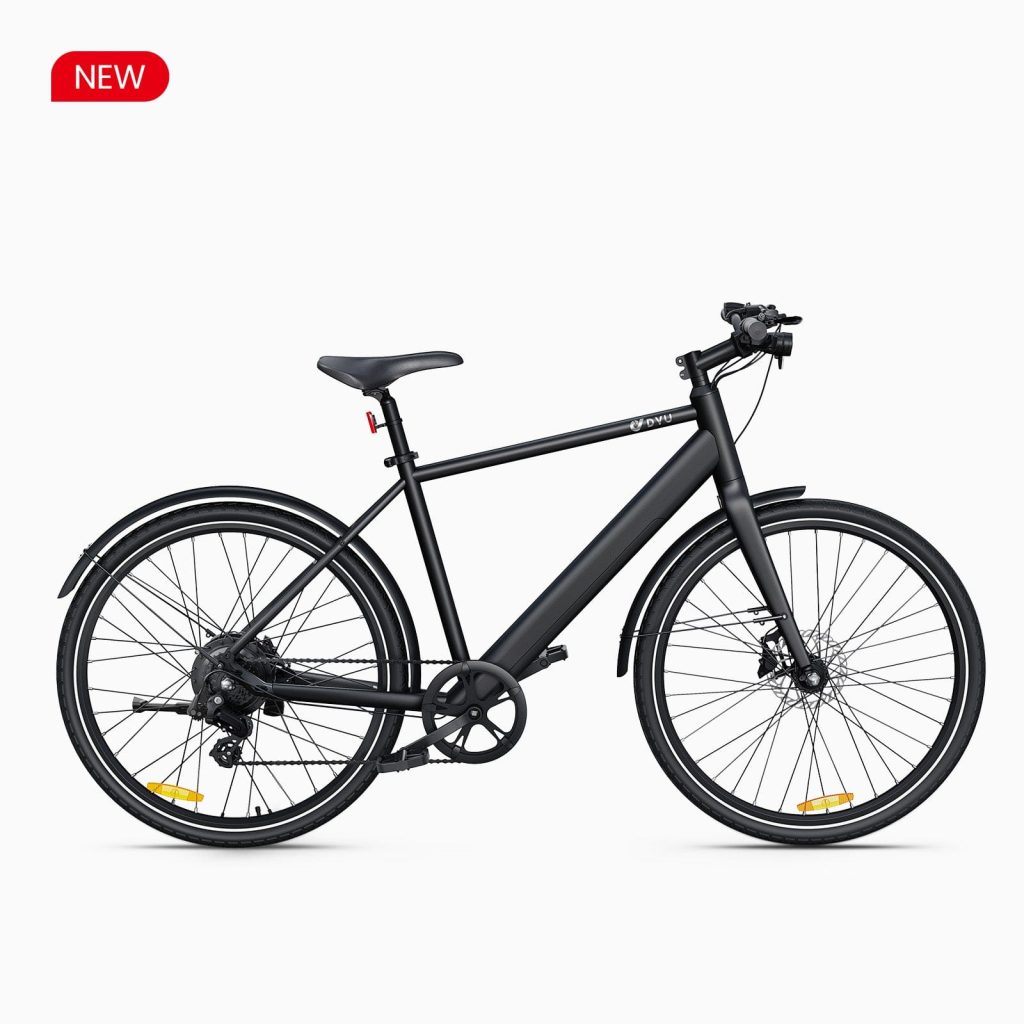
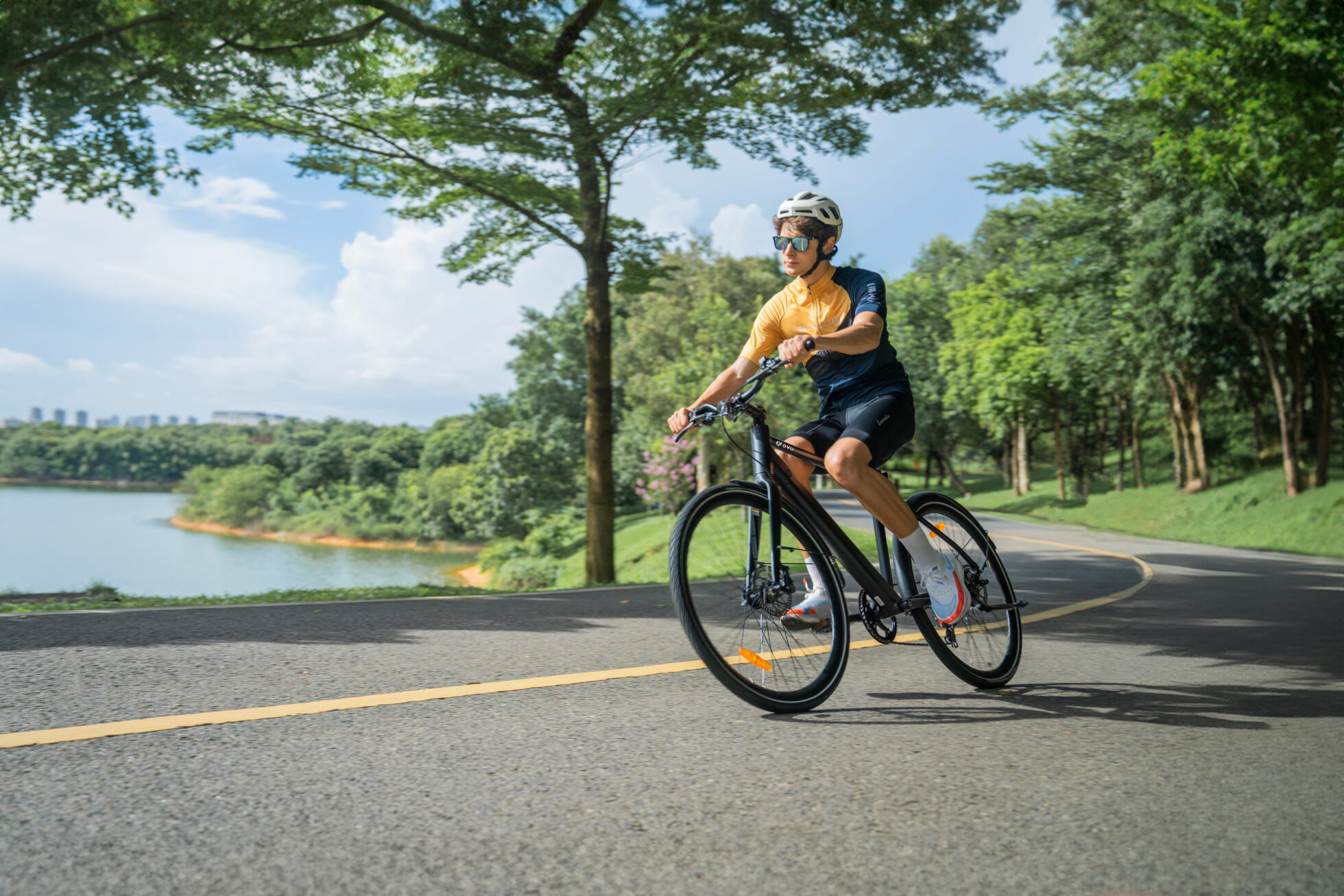
City and commuter bikes
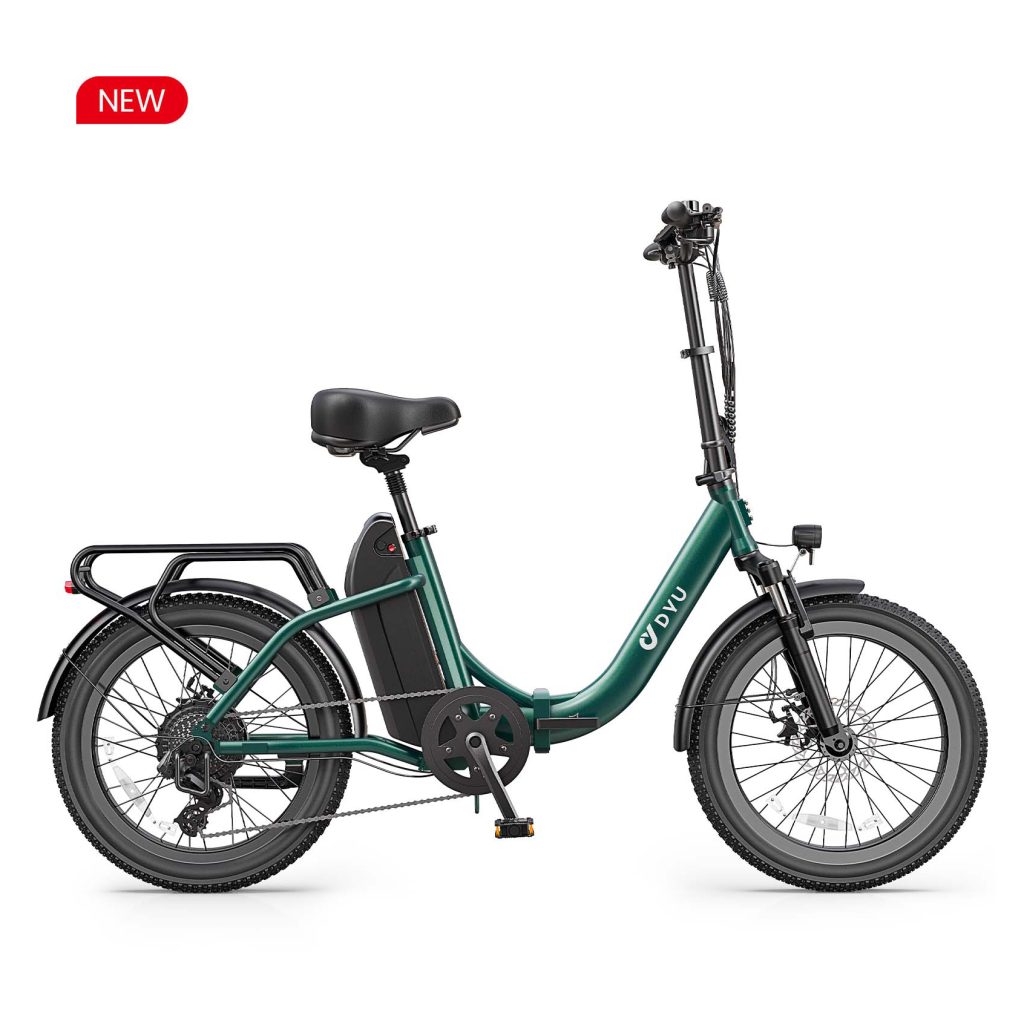
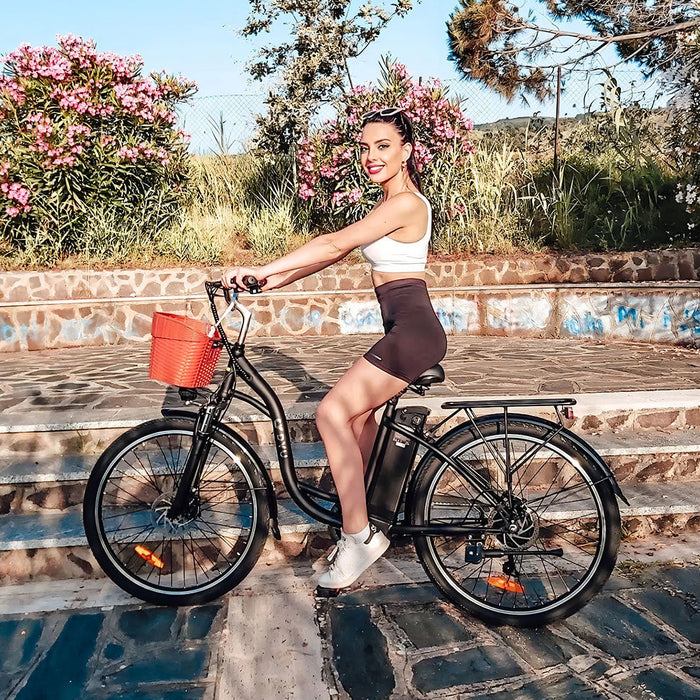
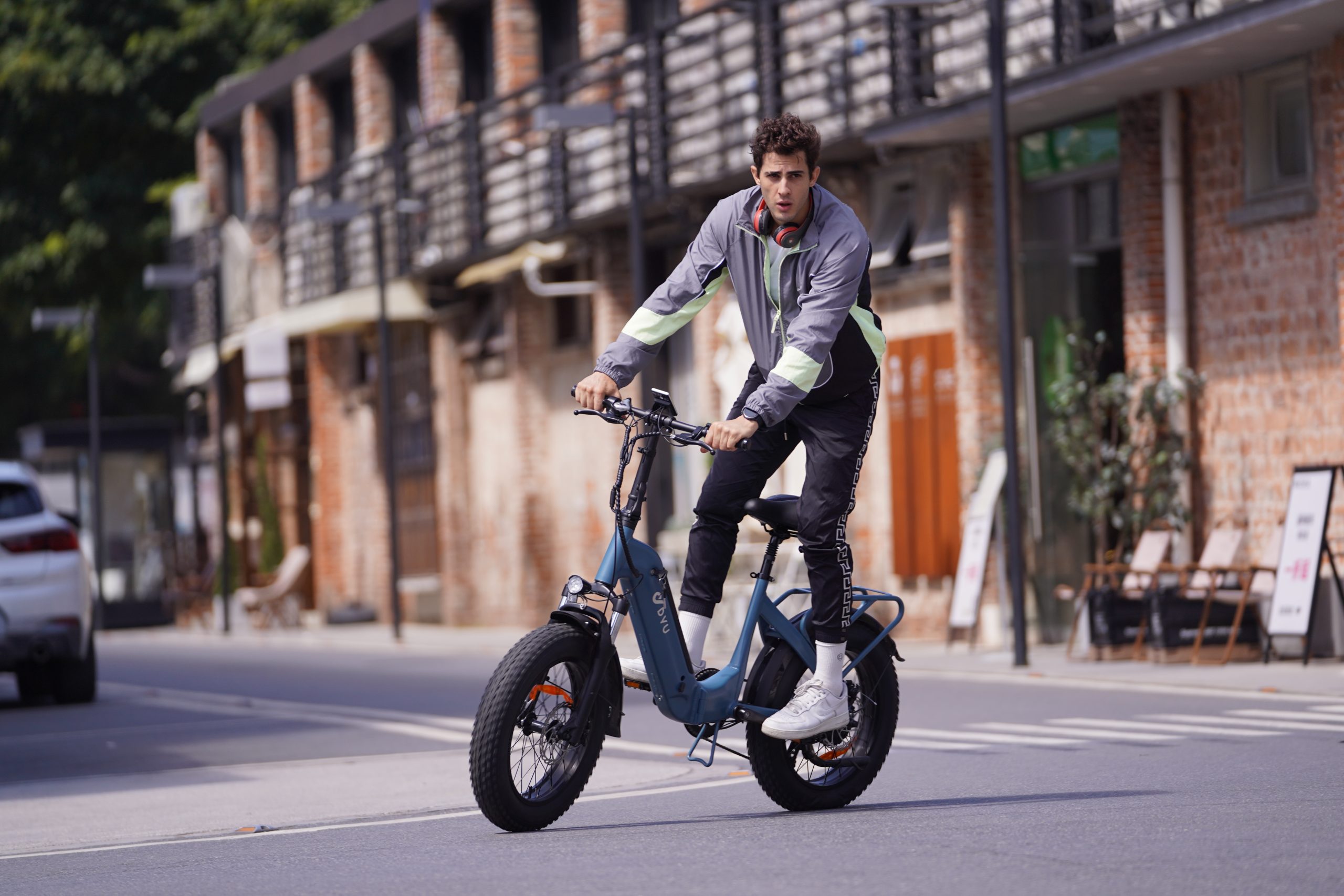
We designed city electric bikes for quick urban travel. They have lightweight frames (18-25 kg) and narrow tires that work great on smooth pavement. Most commuter models pack 250-500W of power and can go 30-60 km on a single charge. These bikes let you sit upright, which helps your back and shoulders stay comfortable during daily rides.
Mountain and off-road bikes
Electric mountain bikes (E-MTBs) come as hardtail (no rear suspension) or full-suspension models. These bikes are heavier than city bikes at 22-28 kg and pack high-torque motors that can handle 50-100 km rides. Riders can tackle tough terrain confidently thanks to the forward-leaning position and reliable suspension systems.
Hybrid and all-rounder bikes
Hybrid e-bikes blend the best features of road and mountain models. You can ride them smoothly on both light trails and city streets. They have comfortable geometry, quick-response brakes, and mid-range suspension systems. These bikes are perfect if you just need one bike that works for daily commutes and weekend trail rides.
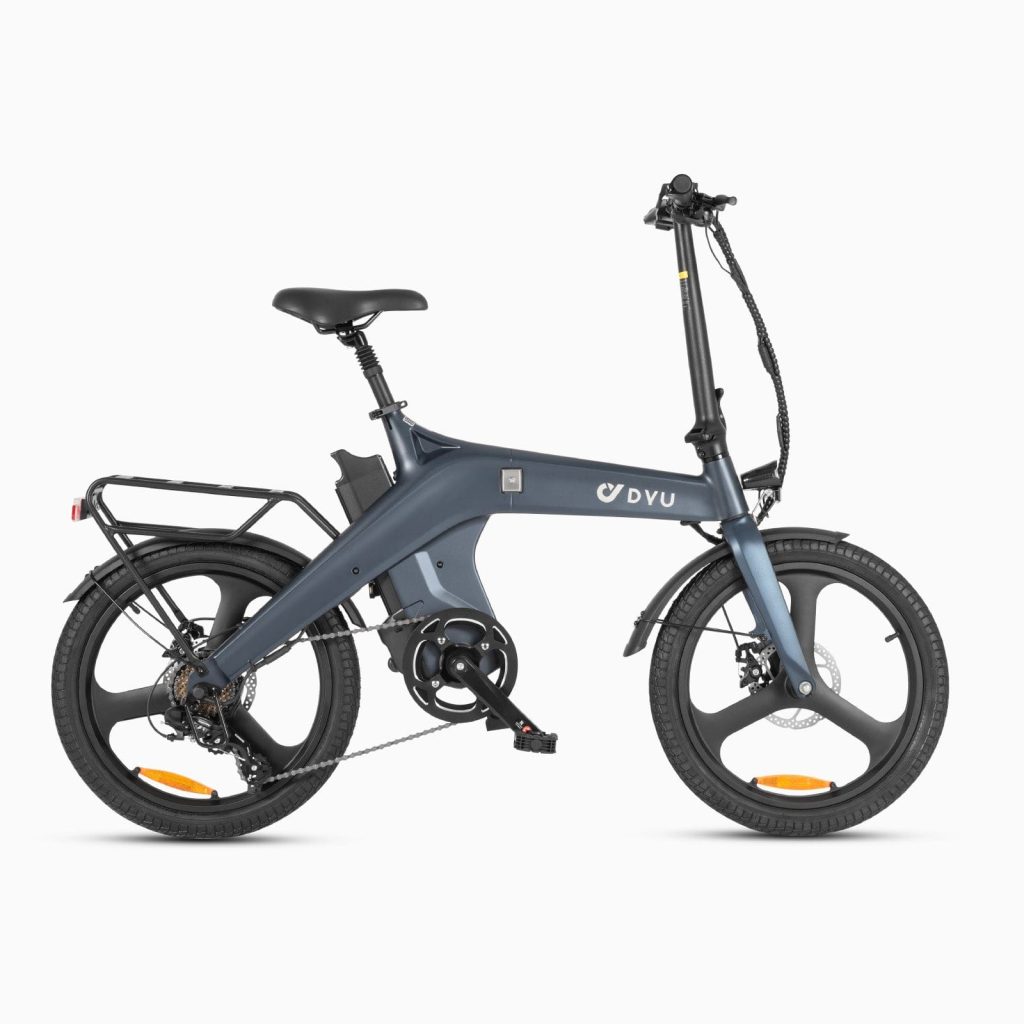
Folding bikes for portability
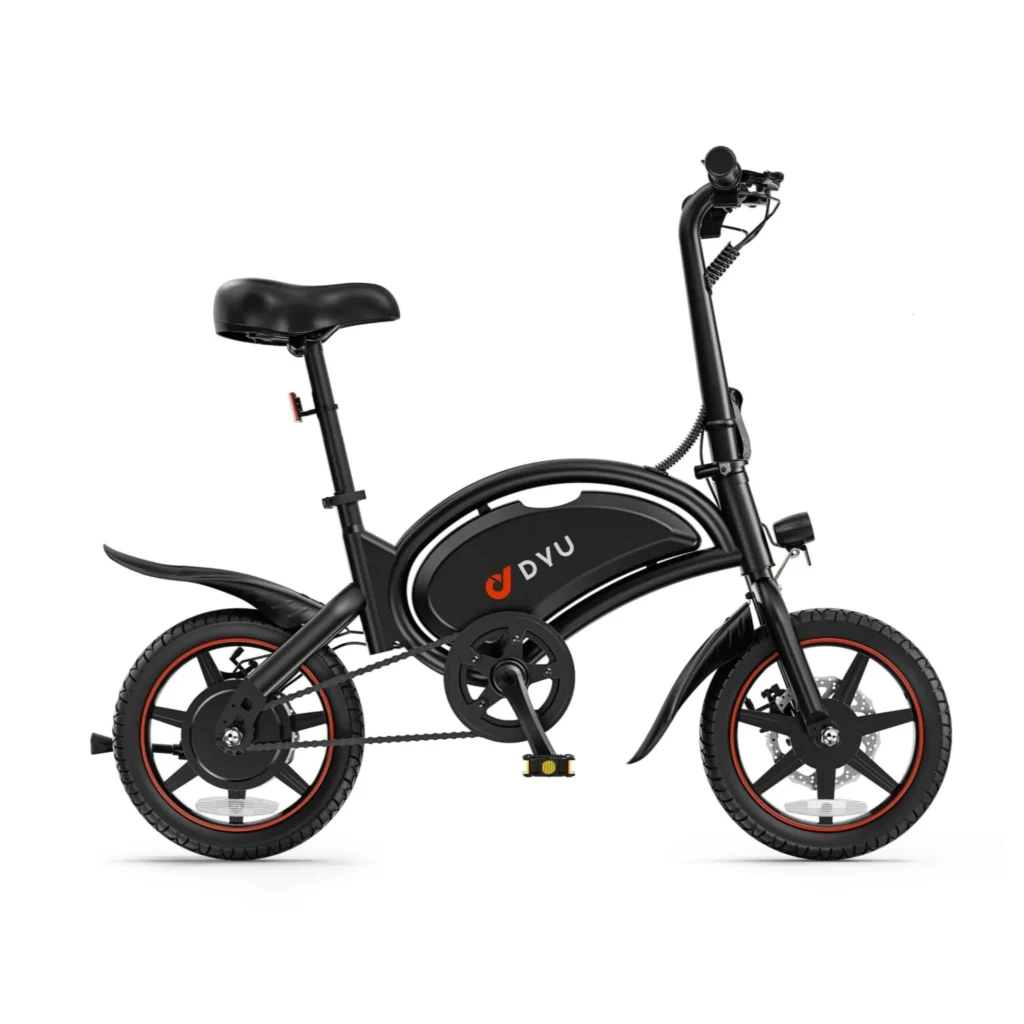
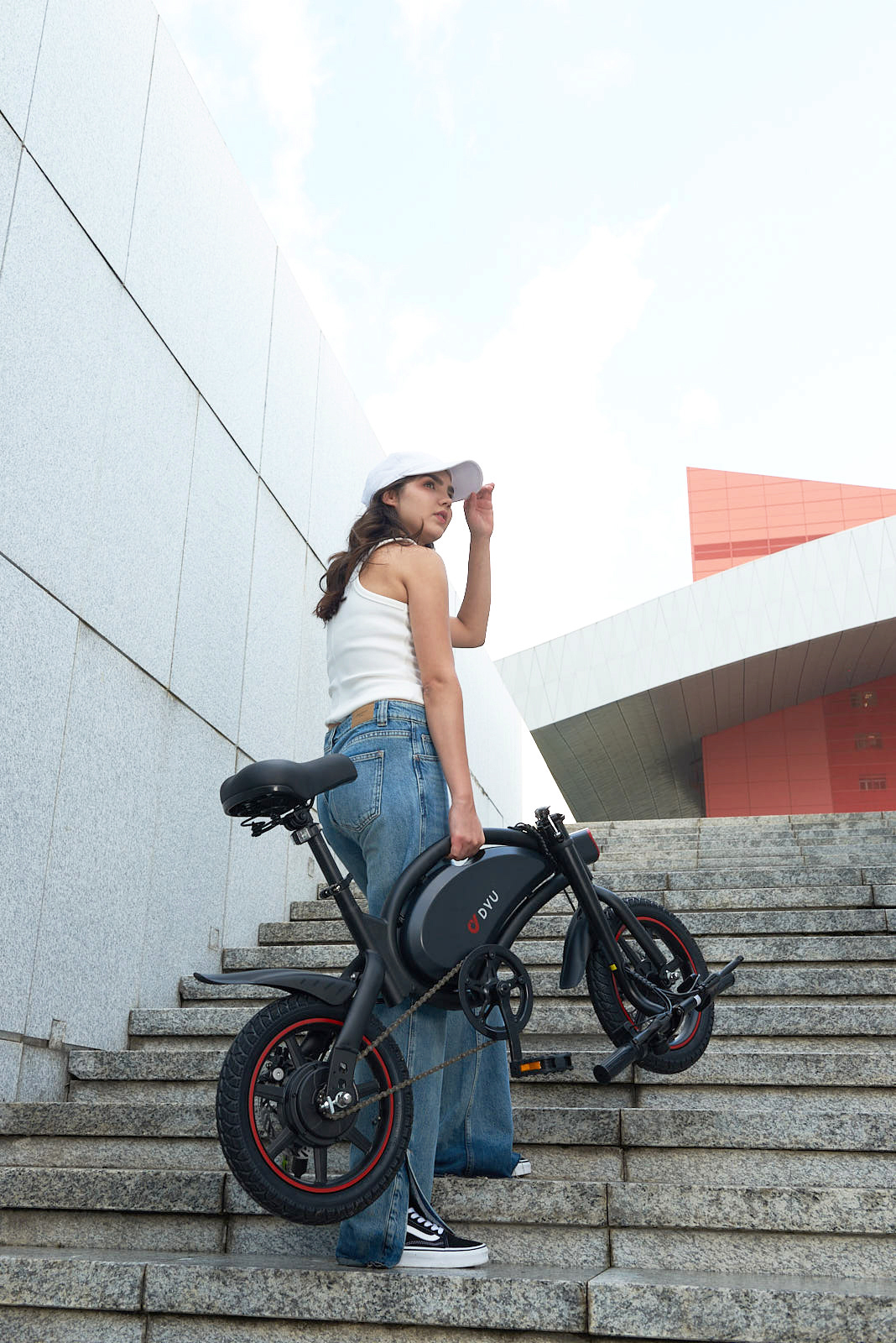
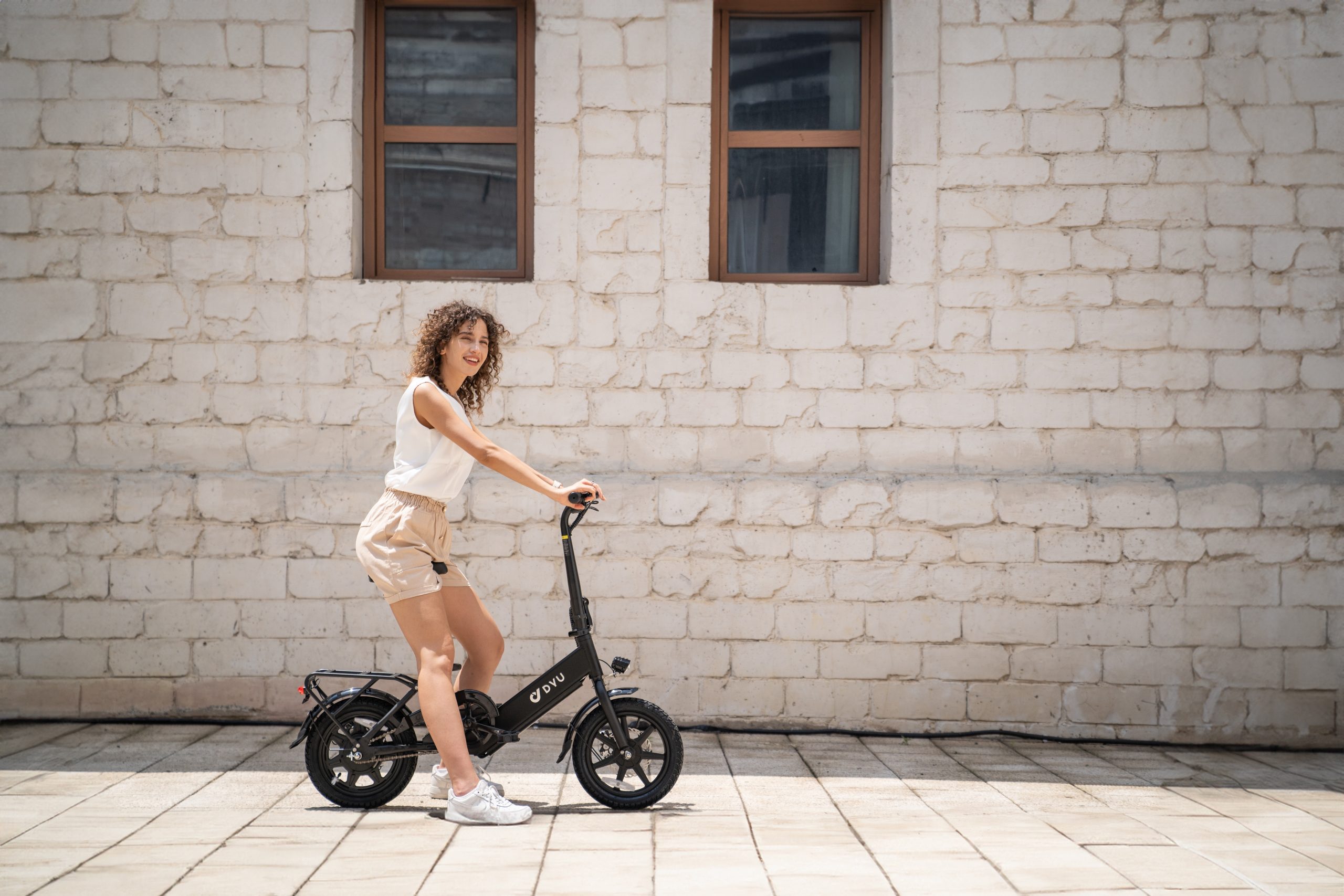
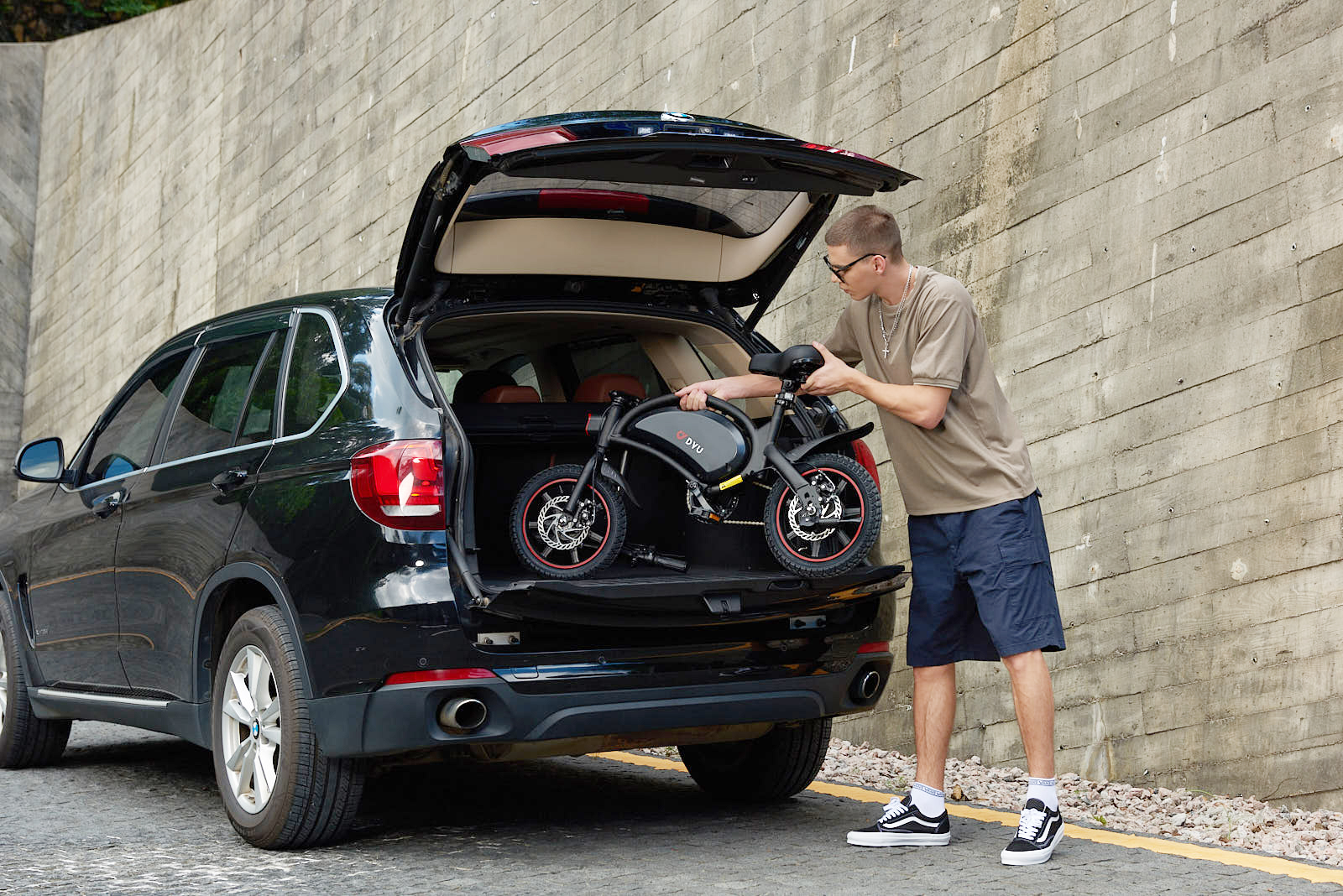
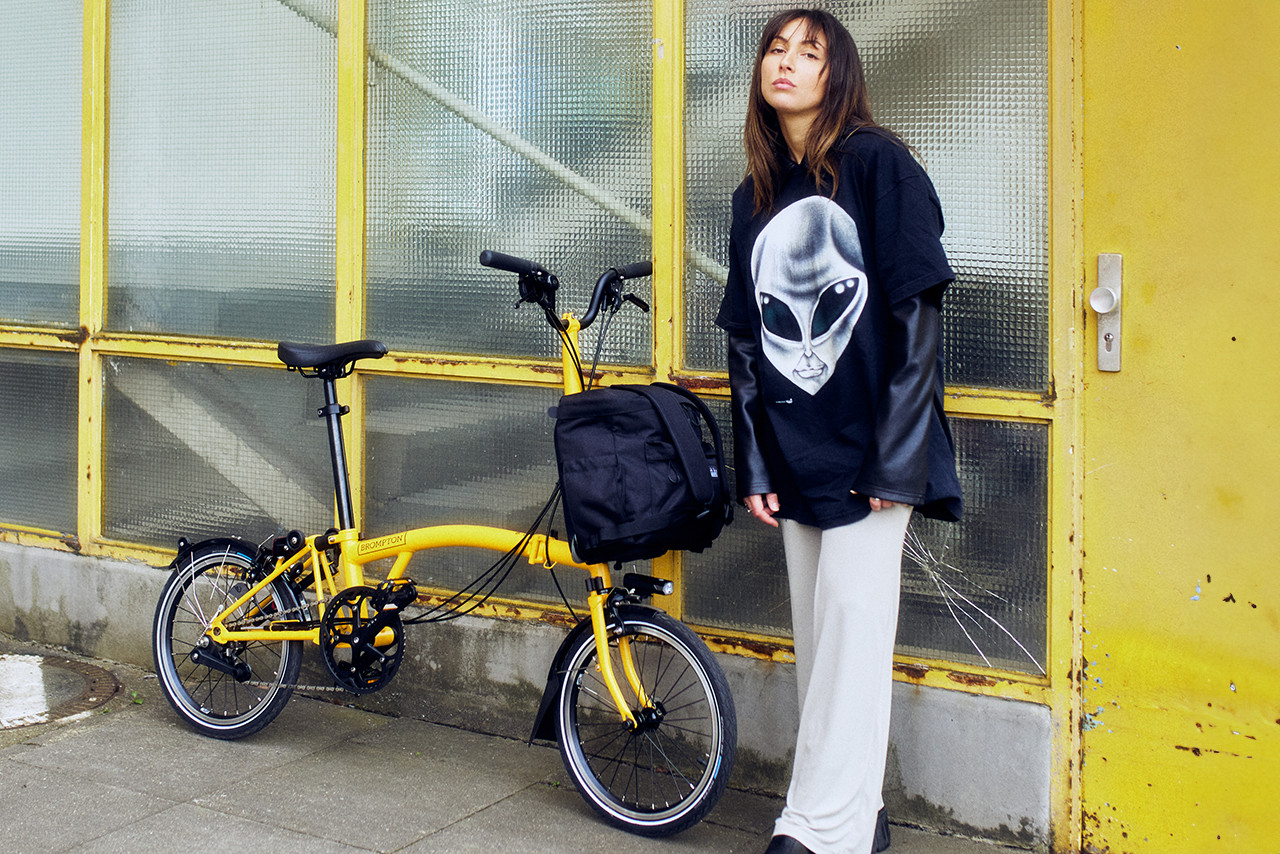
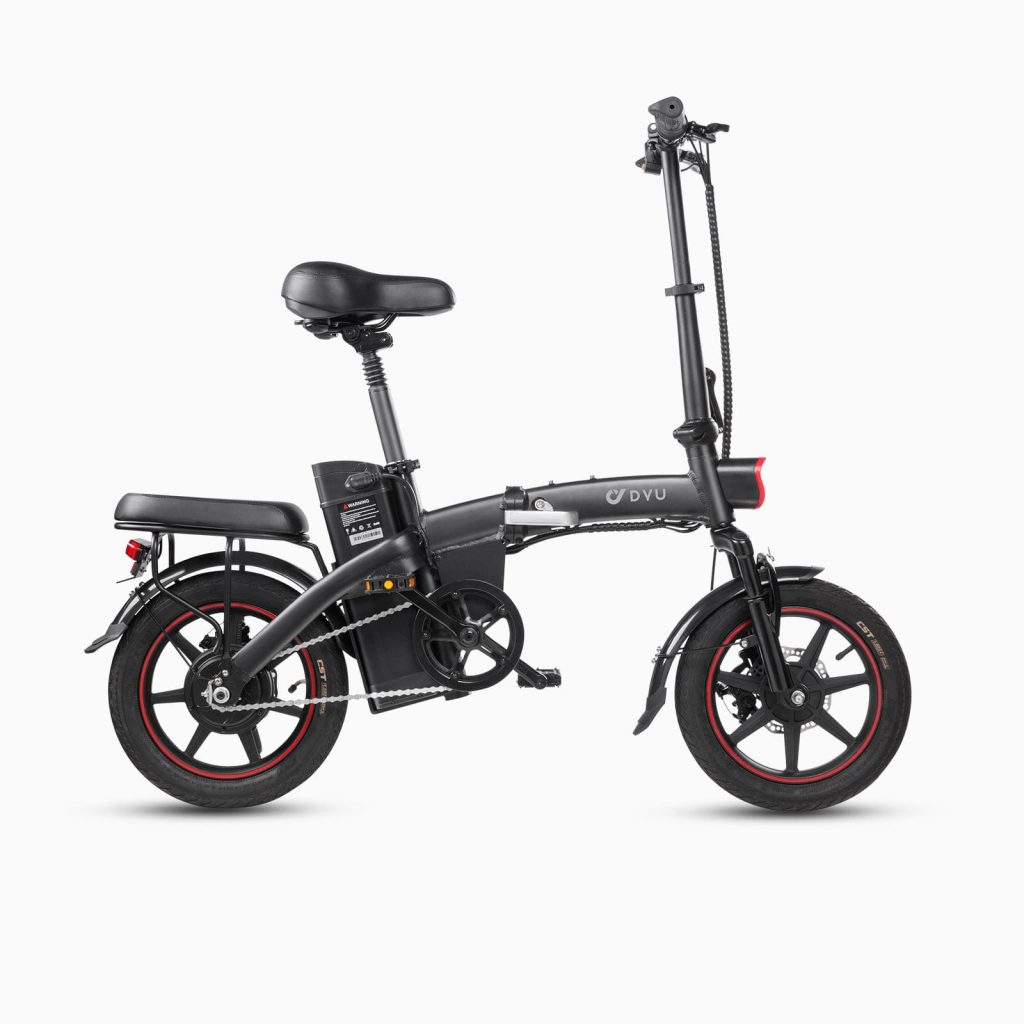
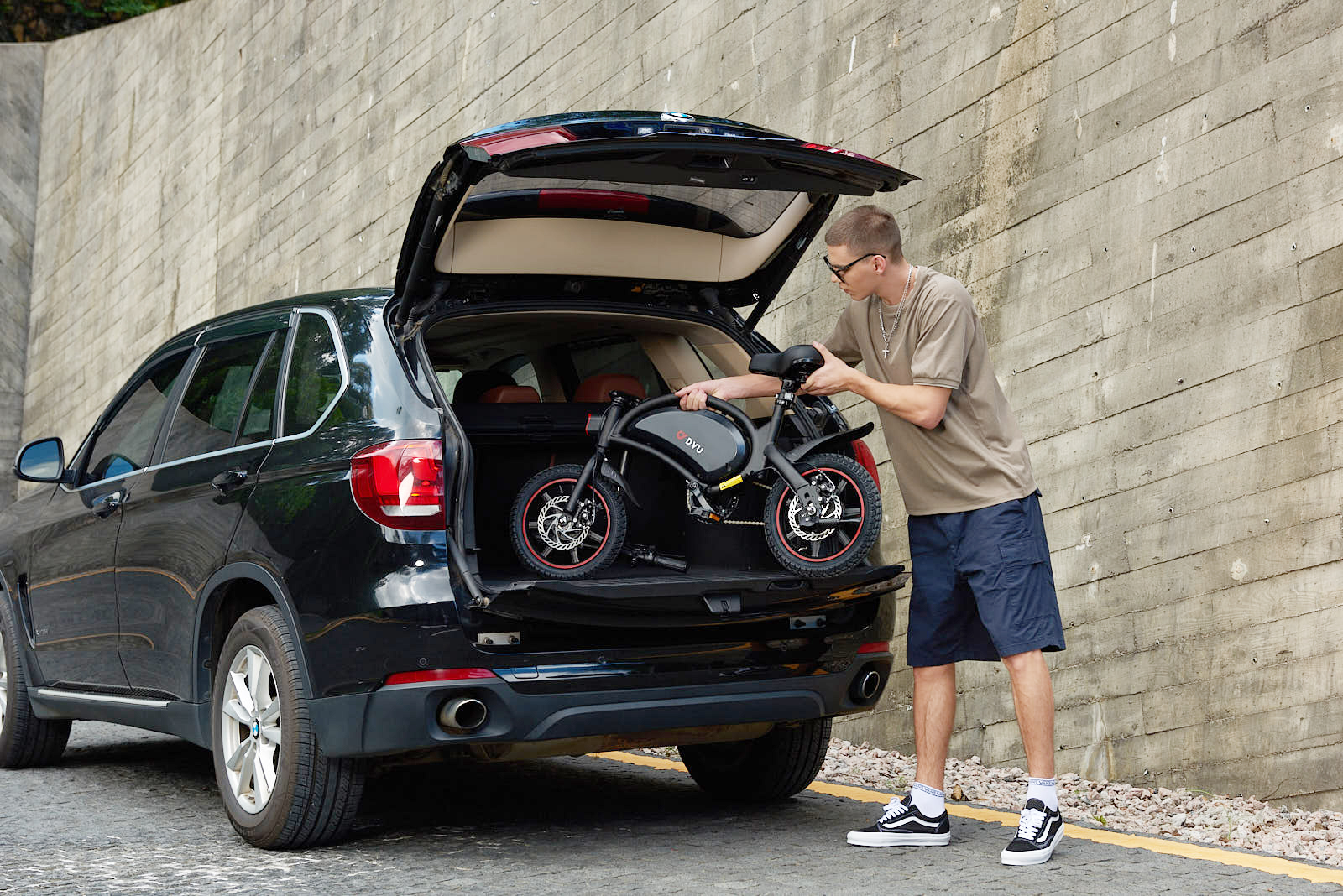
Folding electric bikes are great space-savers. You can fit them in your car trunk, under your desk, or in small apartments. Good folding e-bikes don’t compromise on power—they usually have 250-500W motors. The best ones weigh less than 20 kg, so you can carry them easily.
Fat tire and cargo bikes
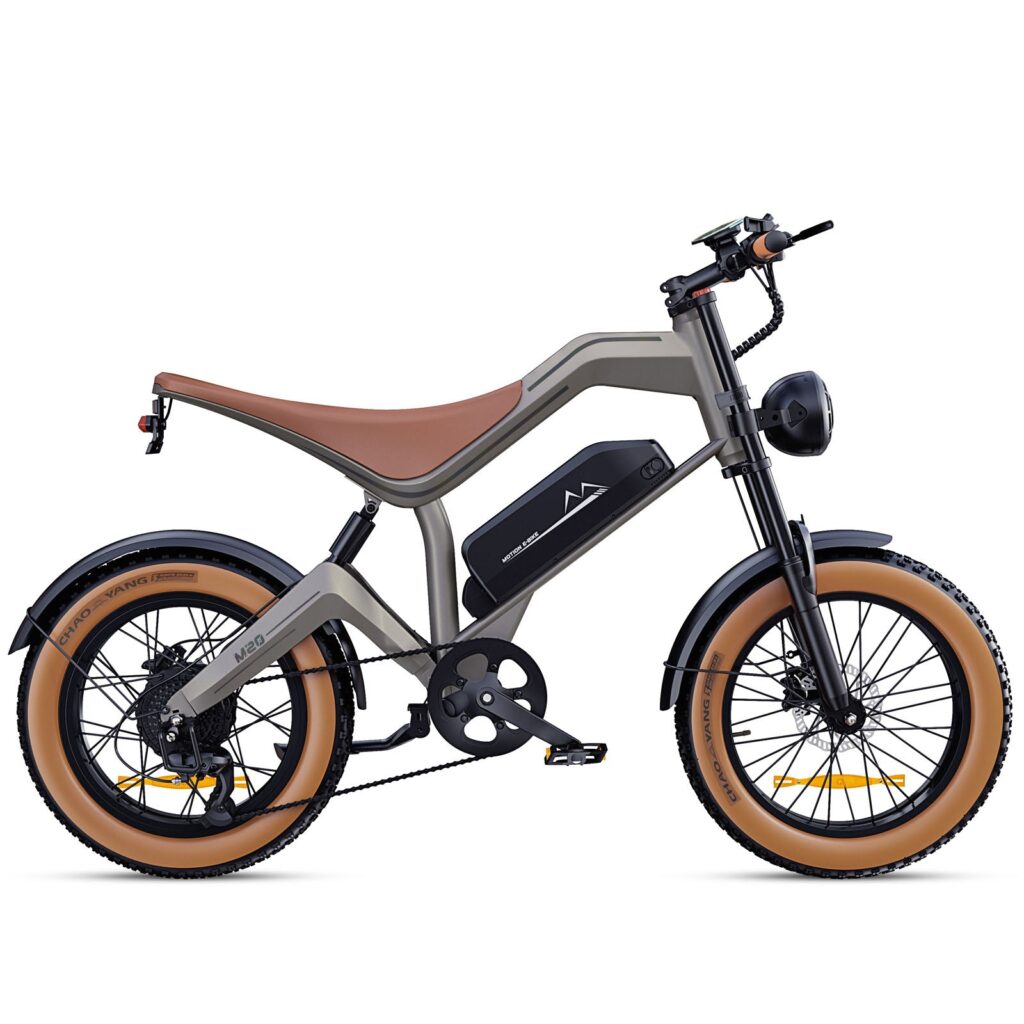
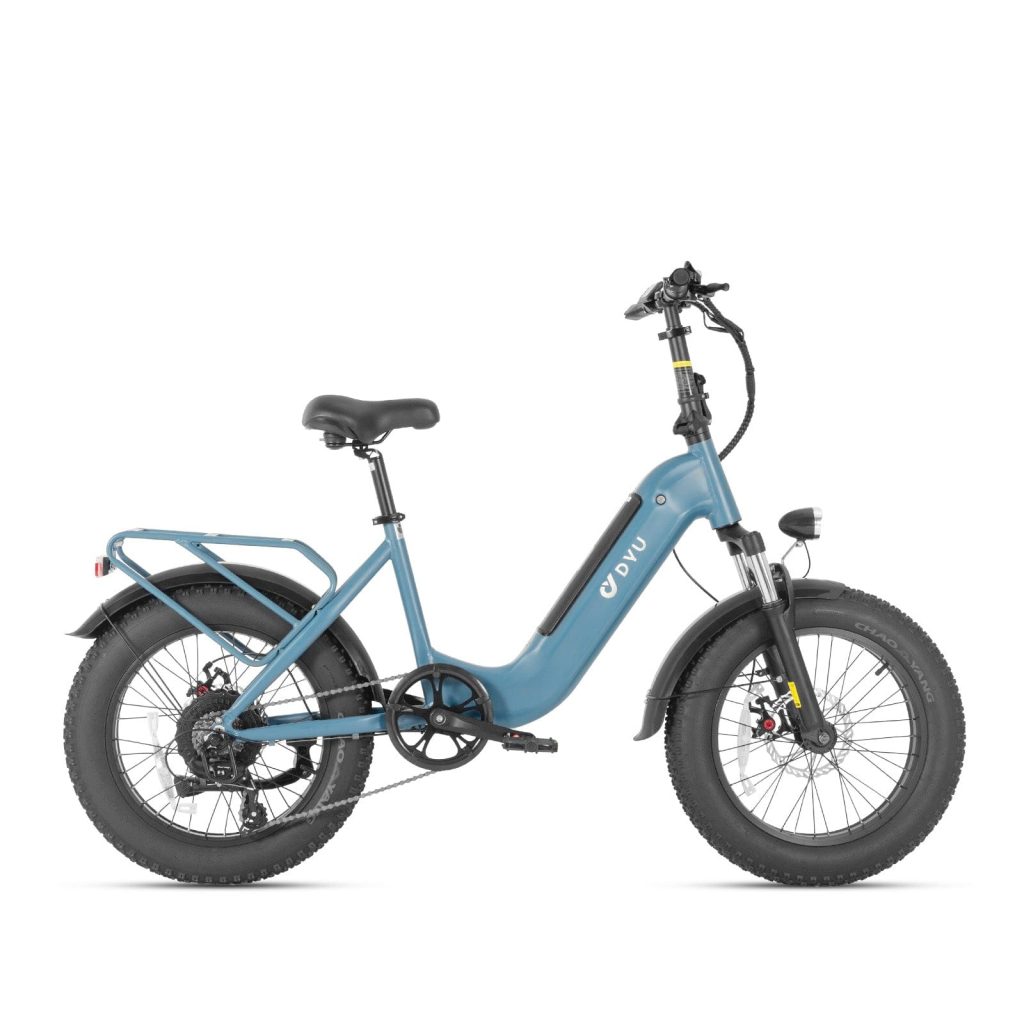
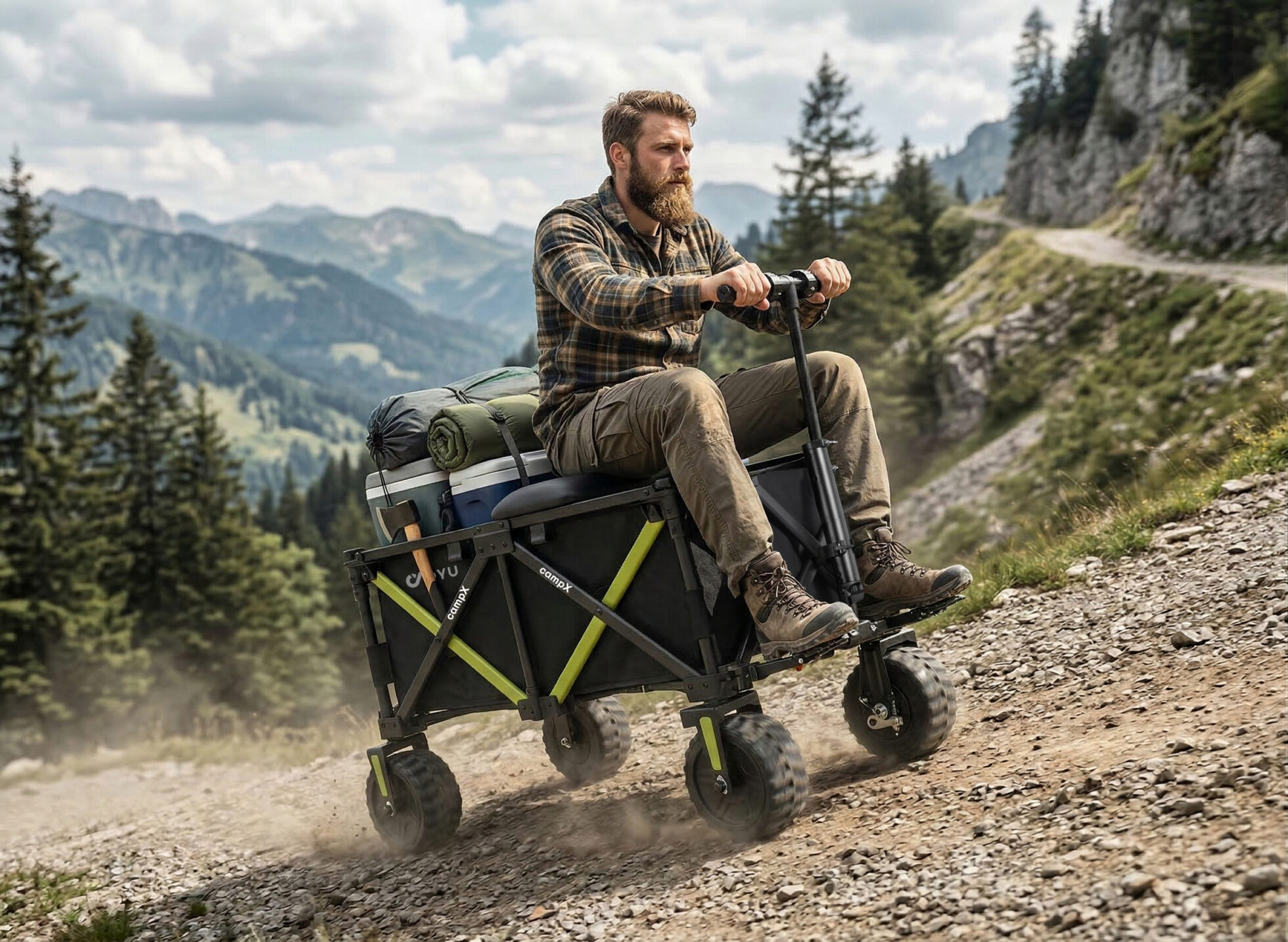
Fat tire e-bikes stand out with their wide tires (4-5 inches), giving you amazing stability and grip on tough surfaces like snow, sand, and loose gravel. Cargo e-bikes can carry heavy loads—usually 300-400 pounds, while heavy-duty versions handle over 500 pounds. These workhorses have longer frames and stronger motors to handle bigger loads.
Understand Key Components and Features
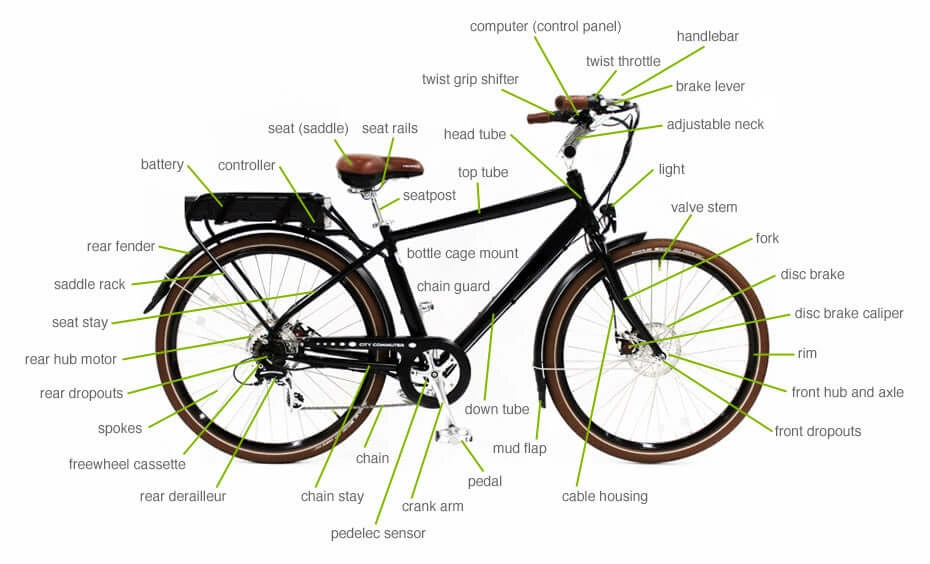
E-bike technical specifications shape both performance and comfort. Let’s get into these key elements.
Motor power: 250W vs 500W vs 750W
Different wattages serve unique purposes. A 250W motor excels in city environments and reaches speeds of 15-20 mph with great energy efficiency. The 500W motors give you balanced performance and handle hills up to 20-25% grade. When you need raw power, 750W motors create enough torque to tackle steep slopes above 25%.
Battery range and charging time
A full charge takes 3.5-6 hours for most e-bike batteries. High-quality lithium-ion batteries maintain performance for over 500 charge cycles before reaching 80% capacity. Your range changes based on the assist level you choose—”Eco” mode maximizes distance while “Turbo” gives you powerful support.
Frame size and geometry
Your height and inseam determine the right size. The frame influences your riding position, handlebar reach, and pedaling efficiency. Since e-bikes carry batteries and motors, their weight distribution makes proper standover clearance crucial.
Brakes, gears, and suspension
Hydraulic disk brakes give you reliable stopping power in all weather conditions. Suspension options include hardtail bikes with front shock absorption and full-suspension models that cushion both wheels.
Display and control systems
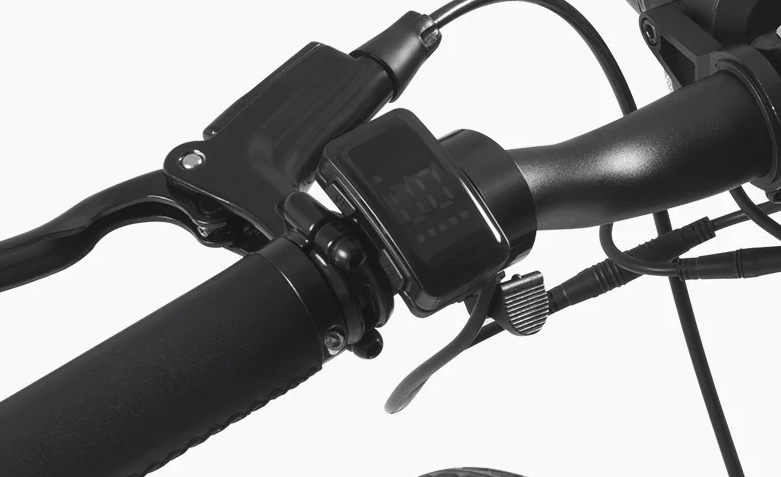
Today’s e-bikes come with LCD displays showing your speed, battery status, and assist mode. These systems range from simple readouts to advanced color screens that offer brightness adjustment and connect to your smartphone.
Know the Rules and Prepare for Your First Ride
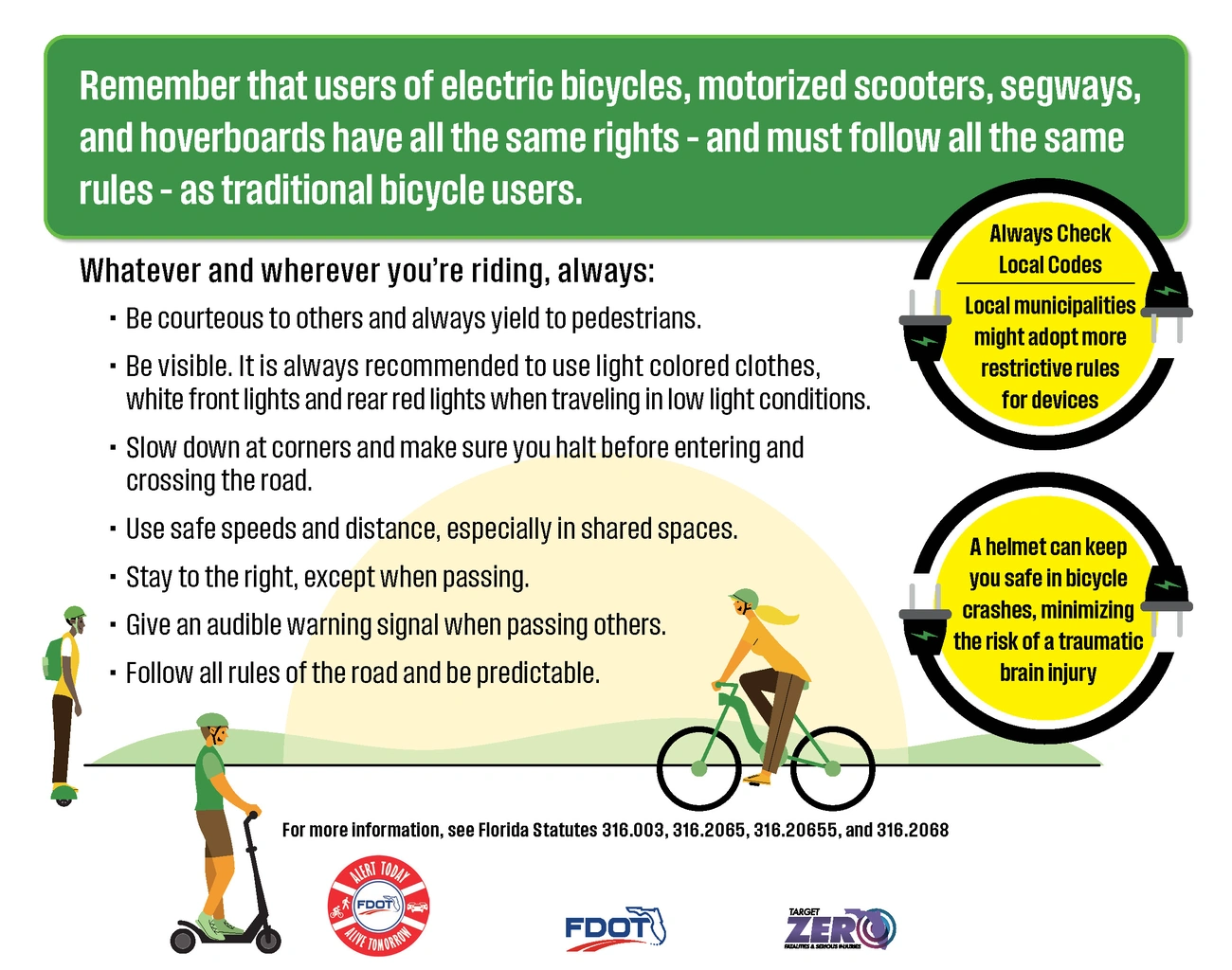
You need to know the rules and prepare well to ride your new e-bike safely and enjoy the experience.
Electric bike rules and classes
Standard e-bikes (also called EAPCs or pedelecs) in most European countries must meet specific requirements: the motor assists only when pedaling, stops at 25 km/h, and has a maximum continuous power output of 250W. You don’t need a license, registration, or insurance for these bikes. But faster “speed pedelecs” that assist up to 45 km/h are classified as mopeds and need licensing and insurance.
E-bikes typically fall into three classes:
- Class 1: Pedal-assist only (no throttle), max speed 20 mph (32 km/h)
- Class 2: Has both pedal-assist and throttle, max speed 20 mph
- Class 3: Pedal-assist only, supports speeds up to 28 mph (45 km/h)
Beginner-friendly safety gear
A certified helmet is essential to stay safe. You should think about gloves to improve grip and protect your hands. High-visibility clothing helps drivers see you better. Proper footwear is vital—never wear sandals or flip-flops.
Tips for your first few rides
Pick a flat, open area to learn how the assistance works. The pedal assist should be at its lowest level at first. Let the bike move a bit before you gently use the throttle. Learn to brake properly—use the rear brake for normal stops and add front brake pressure gradually when needed.
Simple maintenance and battery care
Your e-bike will last longer with regular maintenance. Make sure to check the brakes, tire pressure, and battery charge before each ride. The battery works best when charged at room temperature (between 0°C and 40°C). Don’t let it drain completely, and keep the charge at 30-60% during long storage periods.
Conclusion
Your first electric bike choice comes down to matching your needs with the right features. We’ve explored how your riding purpose—commuting, fitness, recreation, or cargo—substantially narrows your options. On top of that, knowing different e-bike types helps you zero in on models that fit your environment and riding style.
Technical components need careful thought. Your battery range determines recharge frequency, while motor power helps with hill climbing. The frame’s geometry affects comfort, and quality brakes keep you safe in all riding conditions.
New riders should get familiar with local regulations before buying. European countries treat standard e-bikes (250W with assistance up to 25 km/h) differently from speed pedelecs, and these rules affect where and how you can ride legally.
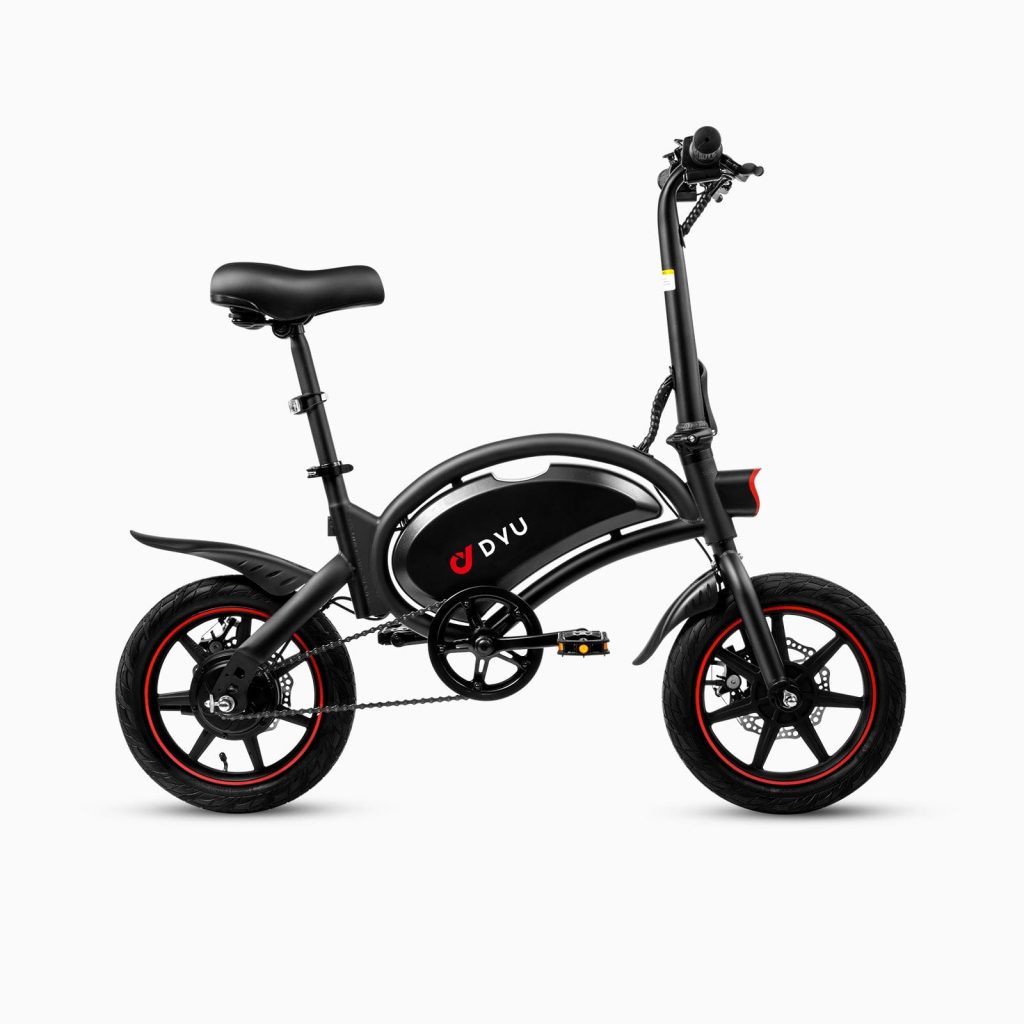
Budget-friendly options like the DYU D3F at €549 give European city commuters an accessible entry point with all needed features. Whatever e-bike you pick, proper safety gear and simple maintenance habits will boost your riding experience.
E-bikes mean more than alternative transportation—they bring freedom, fitness benefits, and fun while cutting your carbon footprint. After weighing all factors in this piece, you’ll have the knowledge to make a choice that fits your lifestyle. Your perfect e-bike is ready to turn your daily rides into amazing experiences.
FAQs
Q1. What factors should I consider when choosing my first electric bike?
Consider your primary riding purpose (commuting, fitness, recreation, or cargo), the type of terrain you’ll encounter, your budget, and desired features like motor power and battery range. Test ride different models to find one that feels comfortable and suits your needs.
Q2. How do different motor powers (250W, 500W, 750W) affect e-bike performance?
A 250W motor is suitable for urban riding and flat terrain, offering speeds of 15-20 mph. 500W motors provide balanced performance for moderate hills, while 750W motors excel in challenging terrain and steep inclines, offering superior torque.
Q3. What’s the typical range and charging time for e-bike batteries?
Most e-bike batteries require 3.5-6 hours for a full charge. Range varies based on factors like assistance level and terrain, but quality commuter e-bikes can often cover 30-60 km on a single charge. Some models can even exceed 70 miles per charge.
Q4. Do I need a license or insurance to ride an e-bike in Europe?
For standard e-bikes (pedelecs) with a 250W motor that cuts assistance at 25 km/h, no license, registration, or insurance is required in most European countries. However, faster “speed pedelecs” that assist up to 45 km/h are classified as mopeds and may require licensing and insurance.
Q5. What safety gear is essential for new e-bike riders?
A certified helmet is crucial for all e-bike riders. Additionally, consider wearing gloves for improved grip, high-visibility clothing to ensure drivers can see you, and proper closed-toe footwear. Integrated lights and reflective gear are also advisable, especially for urban riding.




4 comments
Daisy
I mostly commute short distances — do I really need to worry about all these specs?
Daniel Novak
Not all specs are equally important for short commutes. In that case, comfort, reliability, and ease of charging usually matter more than maximum range or motor power, which is why we suggest defining your riding needs first.
Ethan
Found this while googling, actually answered a few questions I had.
Molly
Didn’t realize there were so many types, this helped a bit.