
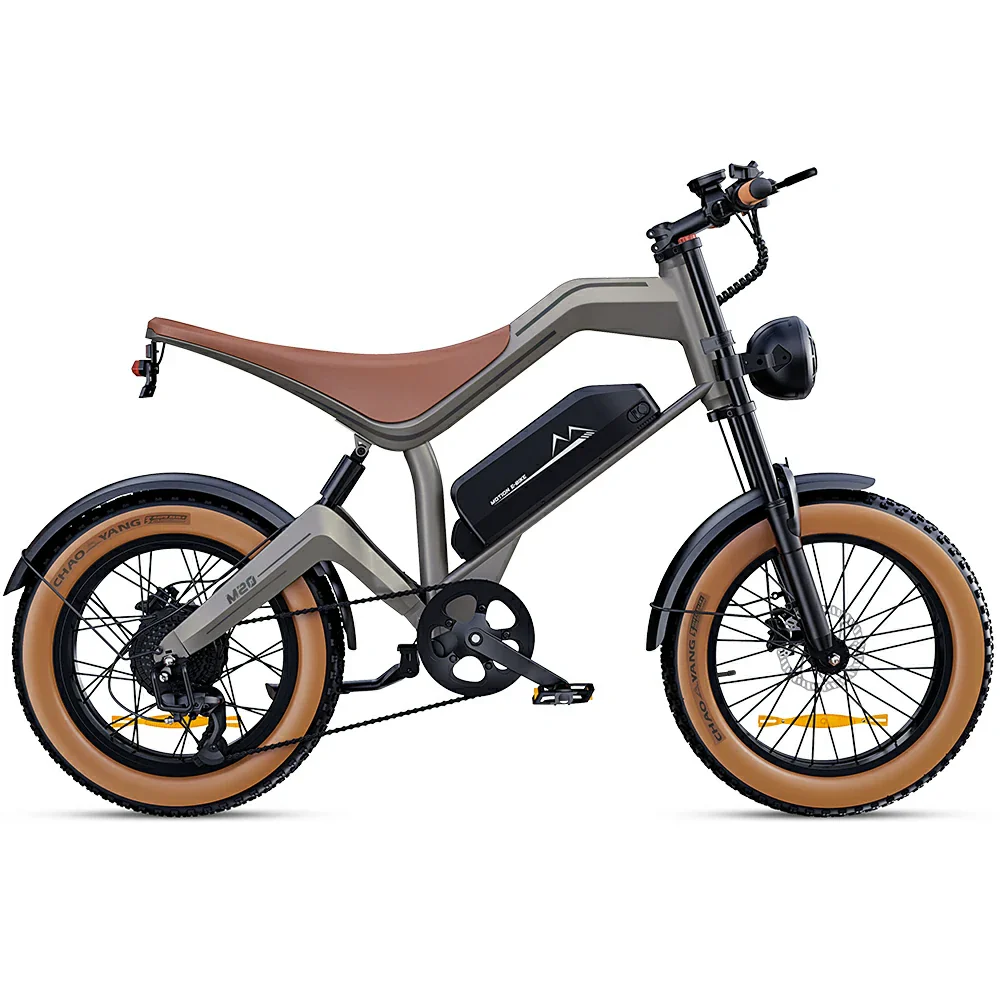
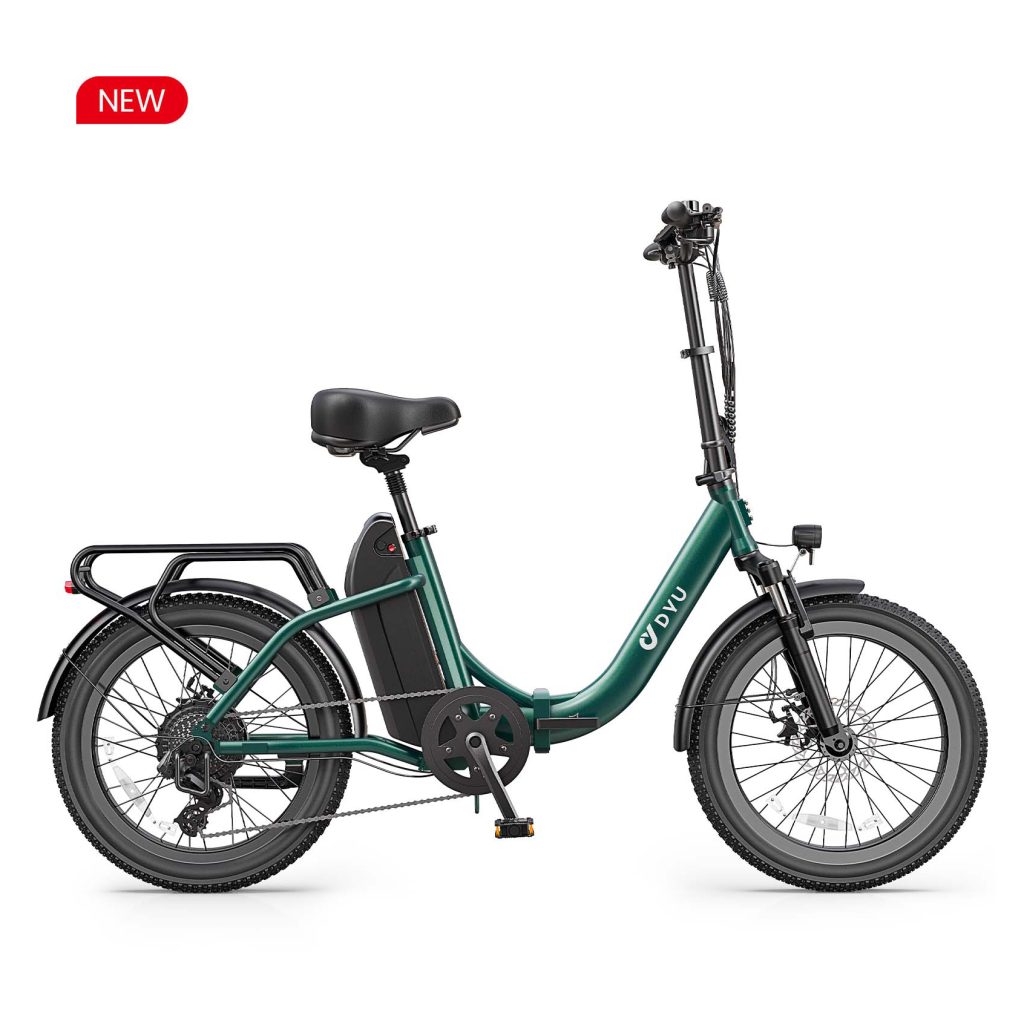
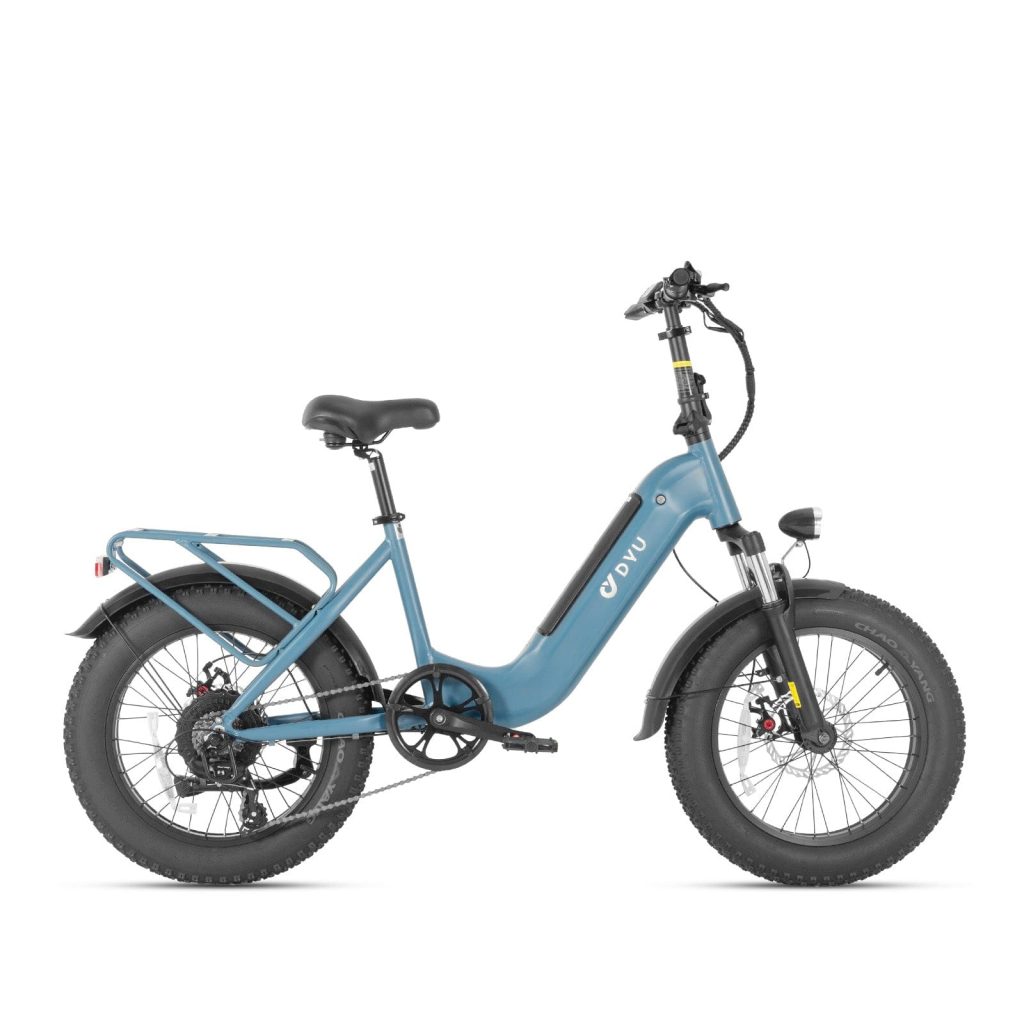
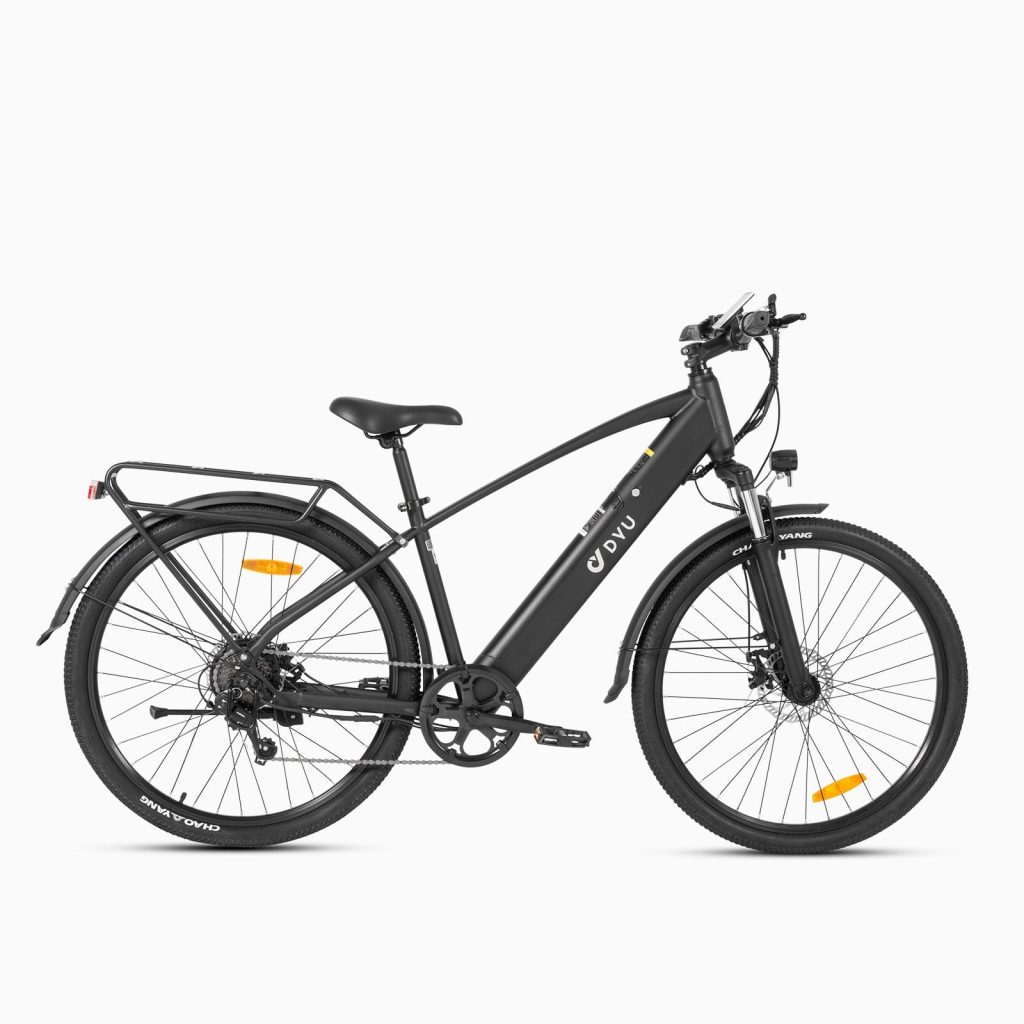


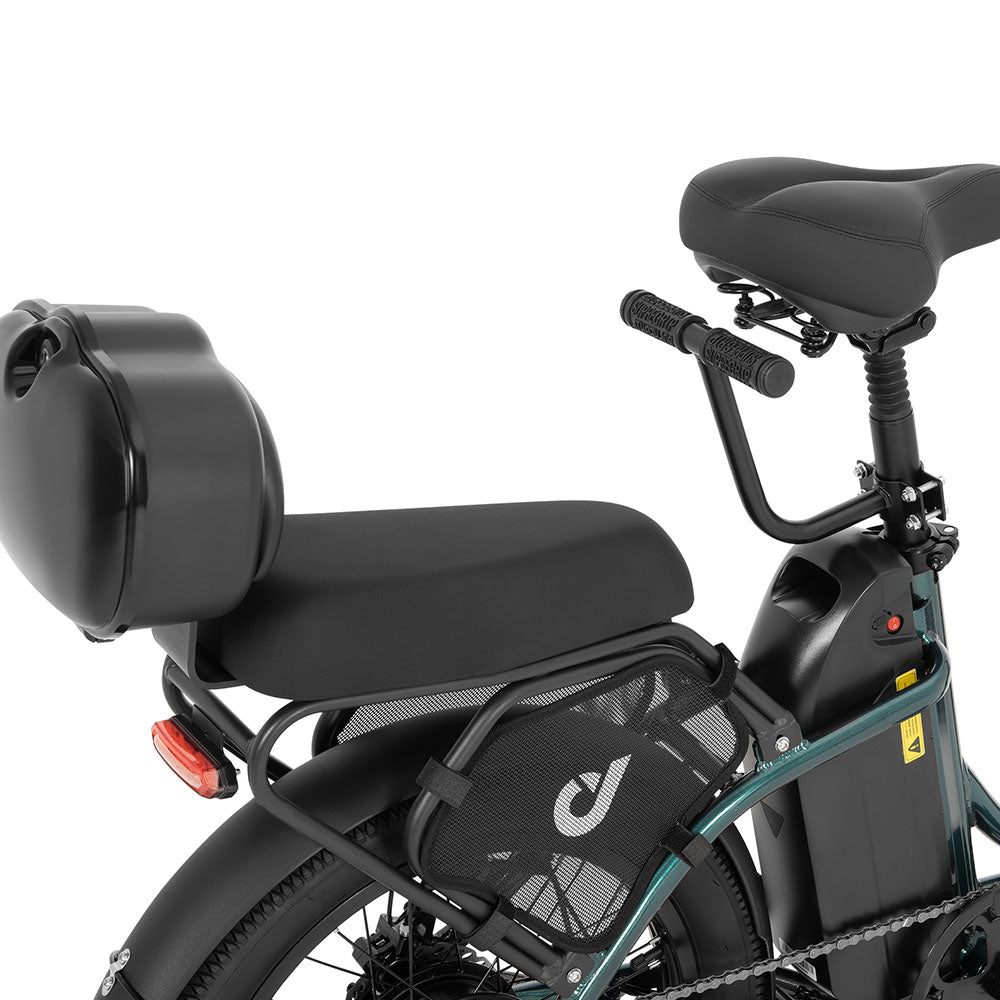
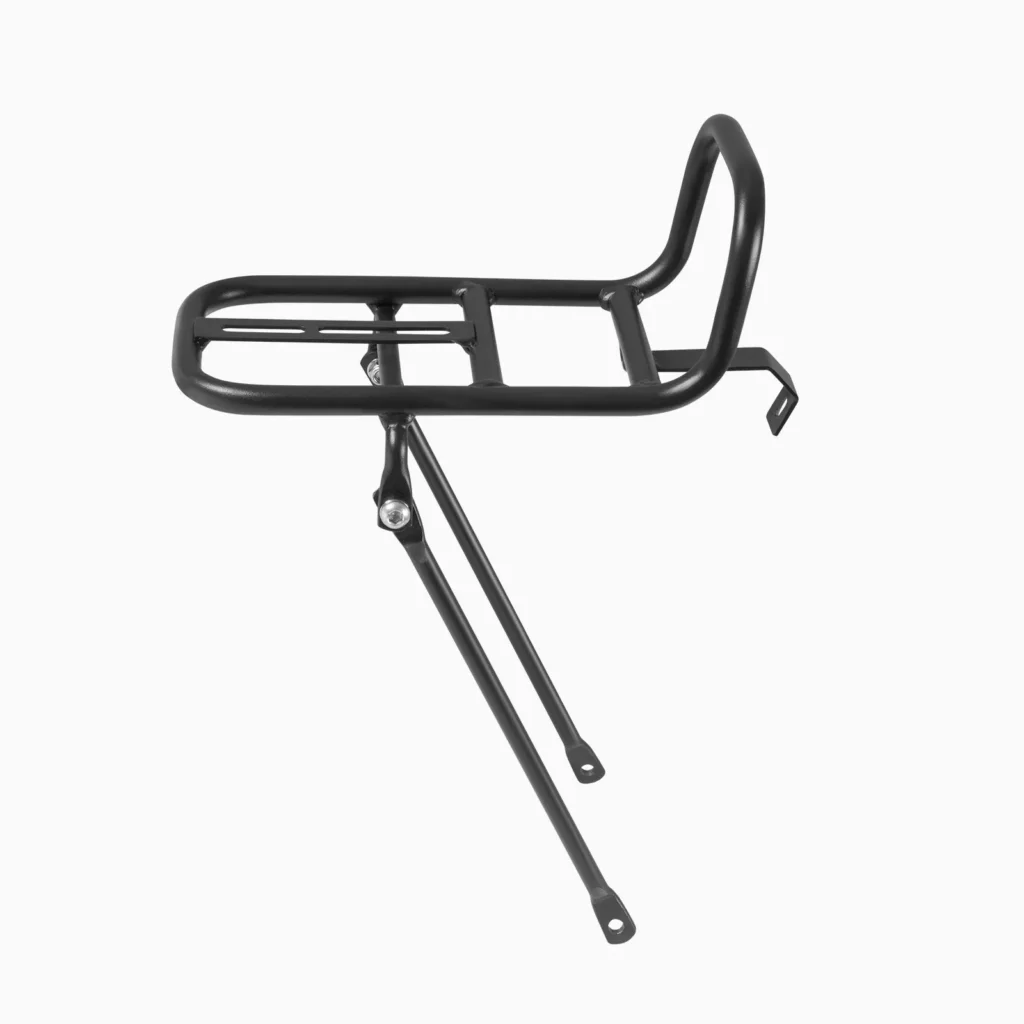
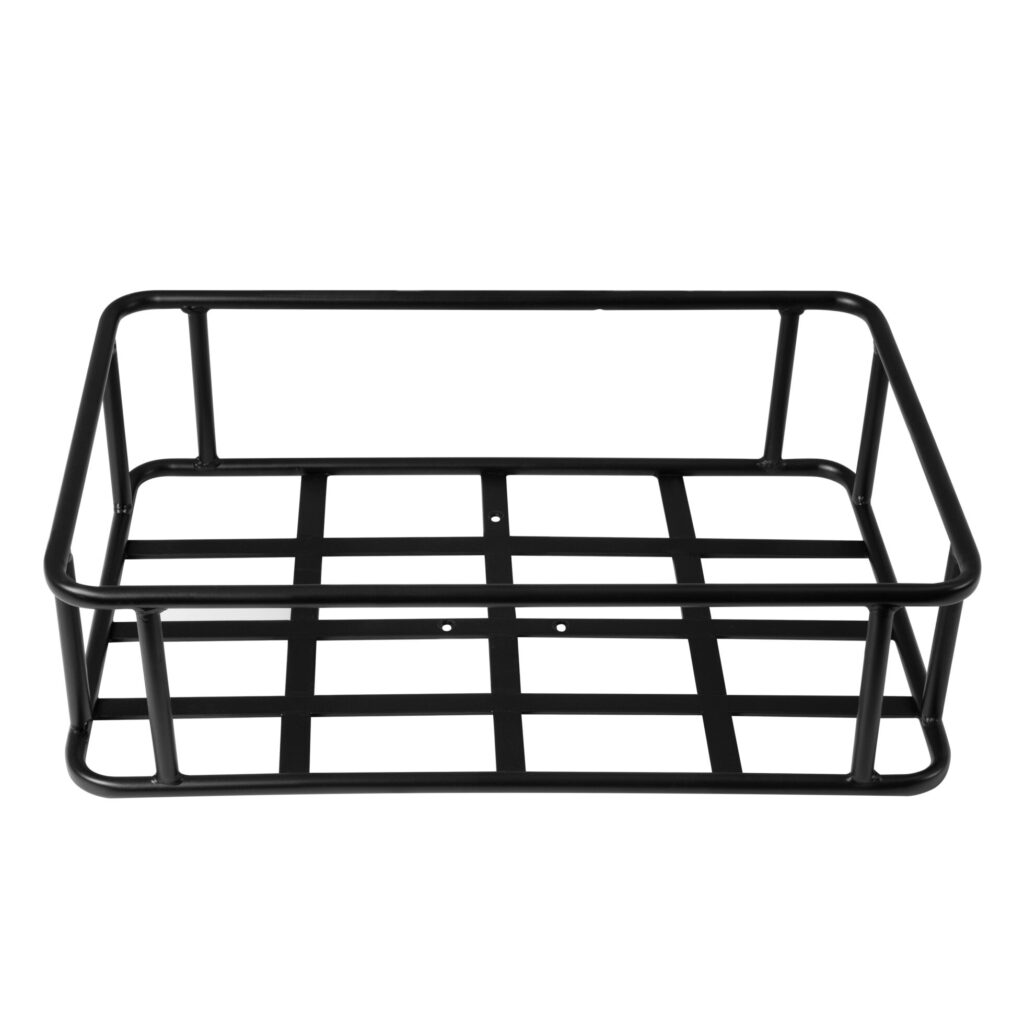











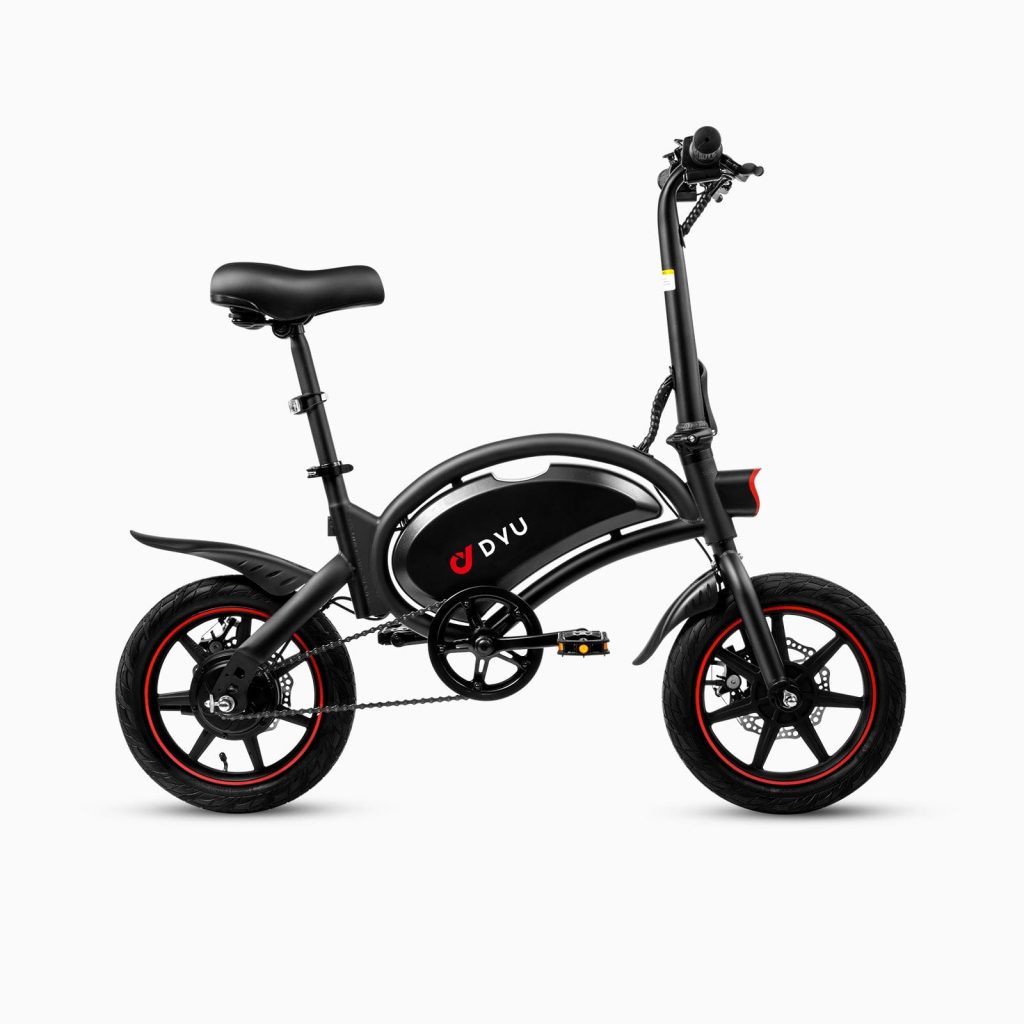
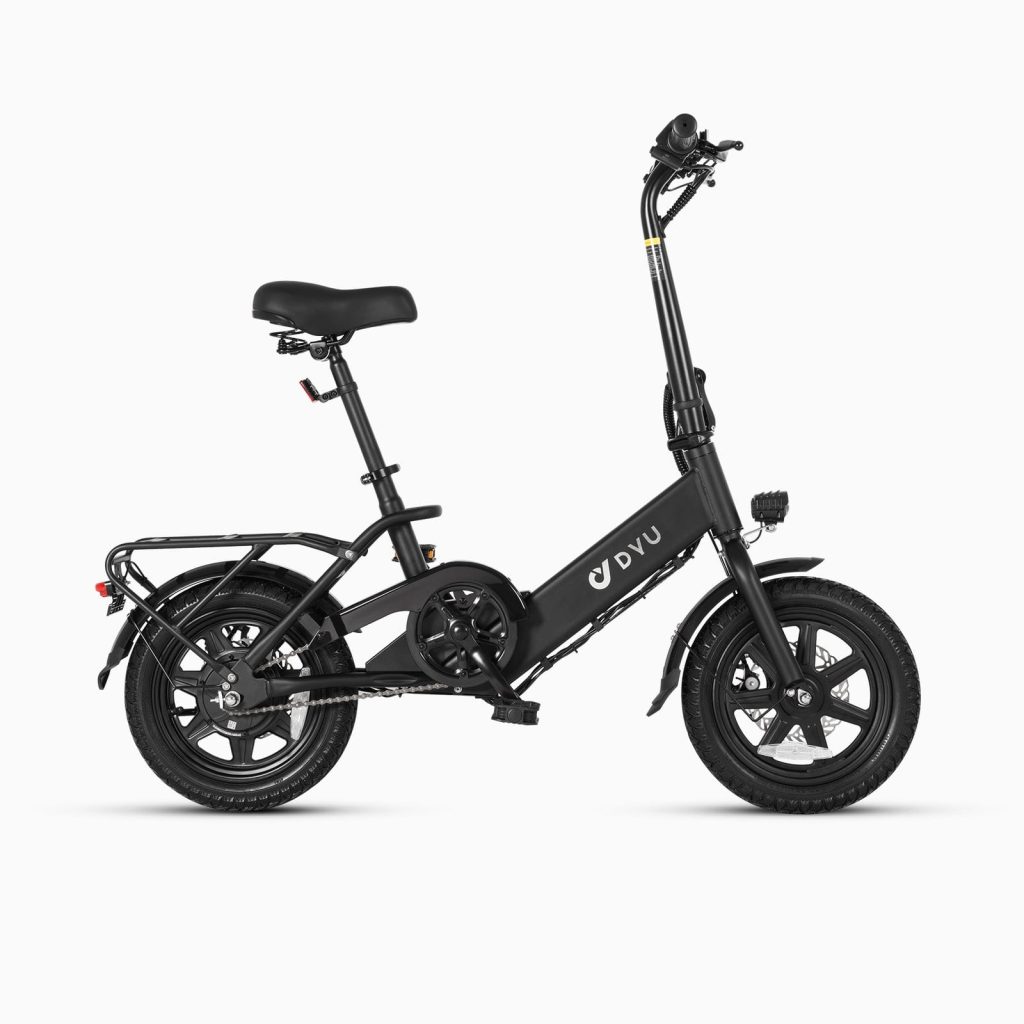
The DYU M20 boasts a powerful 750W motor with 1500W peak power, 20-inch fat tires and hydraulic disk brakes that promise reliable stopping even in difficult weather conditions. But can these specs deliver when you take it beyond smooth city streets? I decided to put this electric bike through ground off-road conditions and find out. This DYU M20 review shares my experience as I test its off-road riding capabilities on terrains of all types. I’ll break down how this bike performed in reality, from dirt trails to steep inclines, and whether it lives up to the hype for riders seeking adventure.
What I Expected vs. What I Got: Setting Up the Test
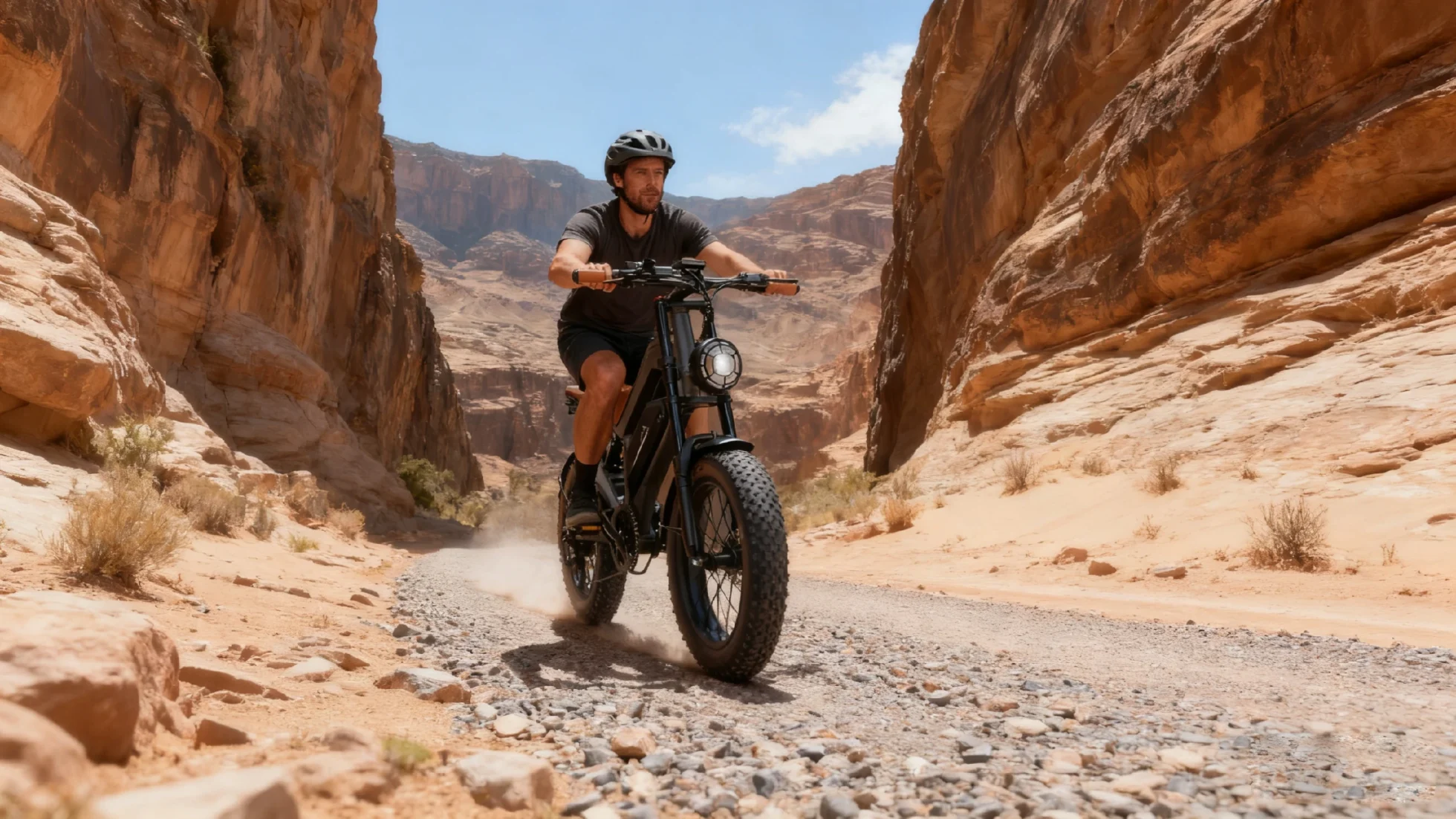
Setting up this test required more than just riding around my neighborhood. I standardized conditions like professional e-bike testing protocols. I managed to keep my gear weight at 175 lbs and chose moderate temperatures between 65-75°F for consistent results across different riding sessions.
My terrain selection focused on surfaces that challenge off-road bikes. I mapped out routes including single-track trails and technical terrain with elevation gains between 1,000-3,000 feet. I wanted to test gravel paths, sandy beach areas and steep inclines that would stress the motor and battery.
Wind resistance plays a role at higher speeds, with headwinds capable of decreasing range by 15-25%. I scheduled multiple test sessions to account for varying weather conditions. The presence of snow and ice negatively affects e-bike performance, so I included winter testing to see how the fat tires handled slippery surfaces.
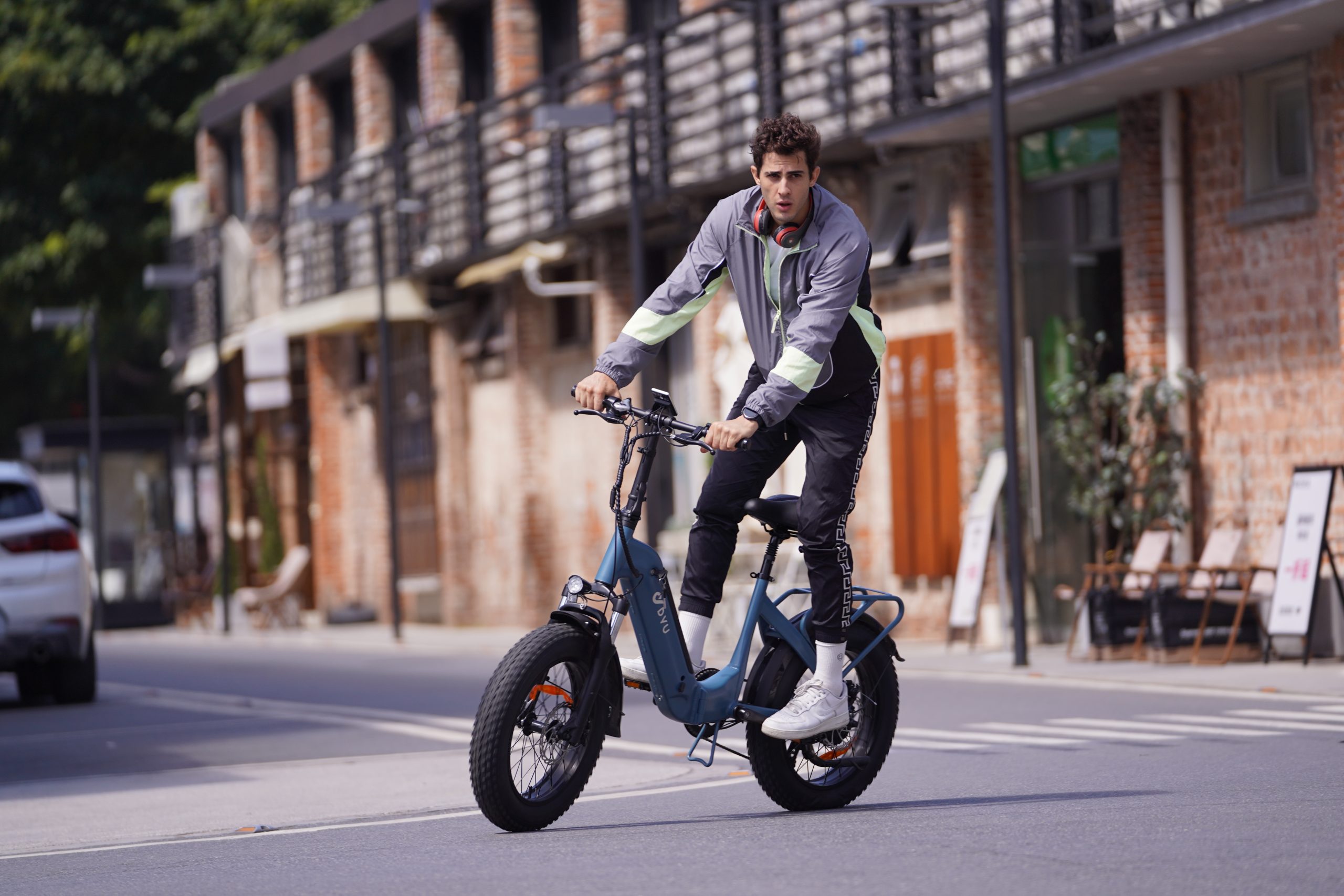
My expectations centered on the DYU M20’s advertised capabilities. The 20-inch fat tires grip well on gravel and snow, while the bike can climb inclines up to 35°. I wanted to find how these specifications translated into real riding scenarios where terrain changes and conditions stay imperfect, as opposed to controlled lab tests.
Performance Breakdown: How the DYU M20 Handled Each Terrain
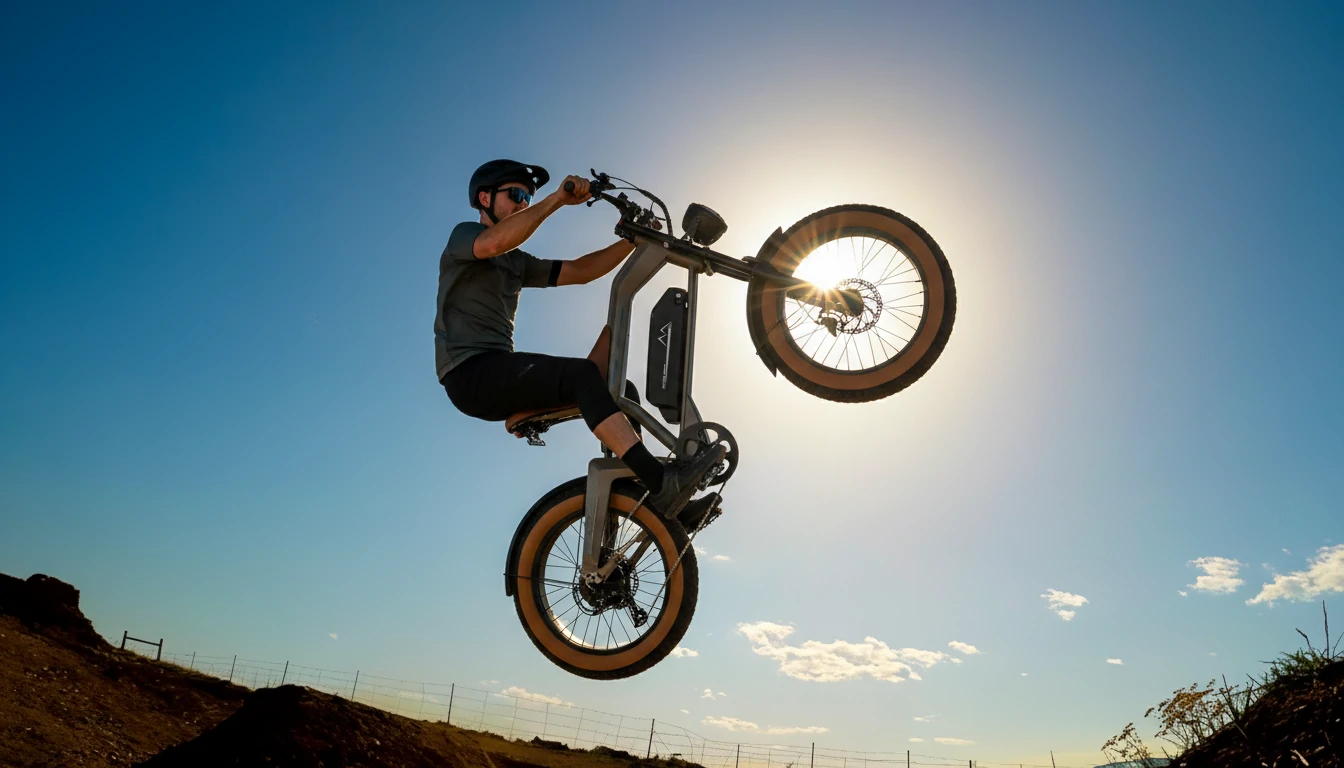
Light trails revealed what the DYU M20 could do. The 20-inch fat tires delivered improved grip on rough surfaces and gave me confident control on gravel paths and sandy areas. The bike managed to keep stability in these challenging terrains, which mattered when navigating loose dirt and uneven ground. Steep inclines up to 35° tested the motor’s limits. The M20 climbed them with steady power delivery. I noticed no power or stability loss even when loaded with groceries. This capability was valuable beyond recreational rides.
The suspension system absorbed shocks from potholes and bumpy roads during my test runs. I experienced minimal fatigue even after extended riding sessions. Fat tires combined with the suspension created a comfortable experience in varied terrain. The bike showed impressive agility on city streets despite its sturdy build. I reached speeds up to 42 km/h in urban settings, below the advertised 45 km/h.
Hydraulic disk brakes performed well, even on wet roads. The LED headlight was useful during night rides and illuminated dark streets well. The 39 kg frame weight made maneuvering easier in difficult terrain. The M20 handled small inclines and muddy trails without stress for a €1,099 bike.
Final Verdict: Is the DYU M20 Worth It for Off-Road Riding?
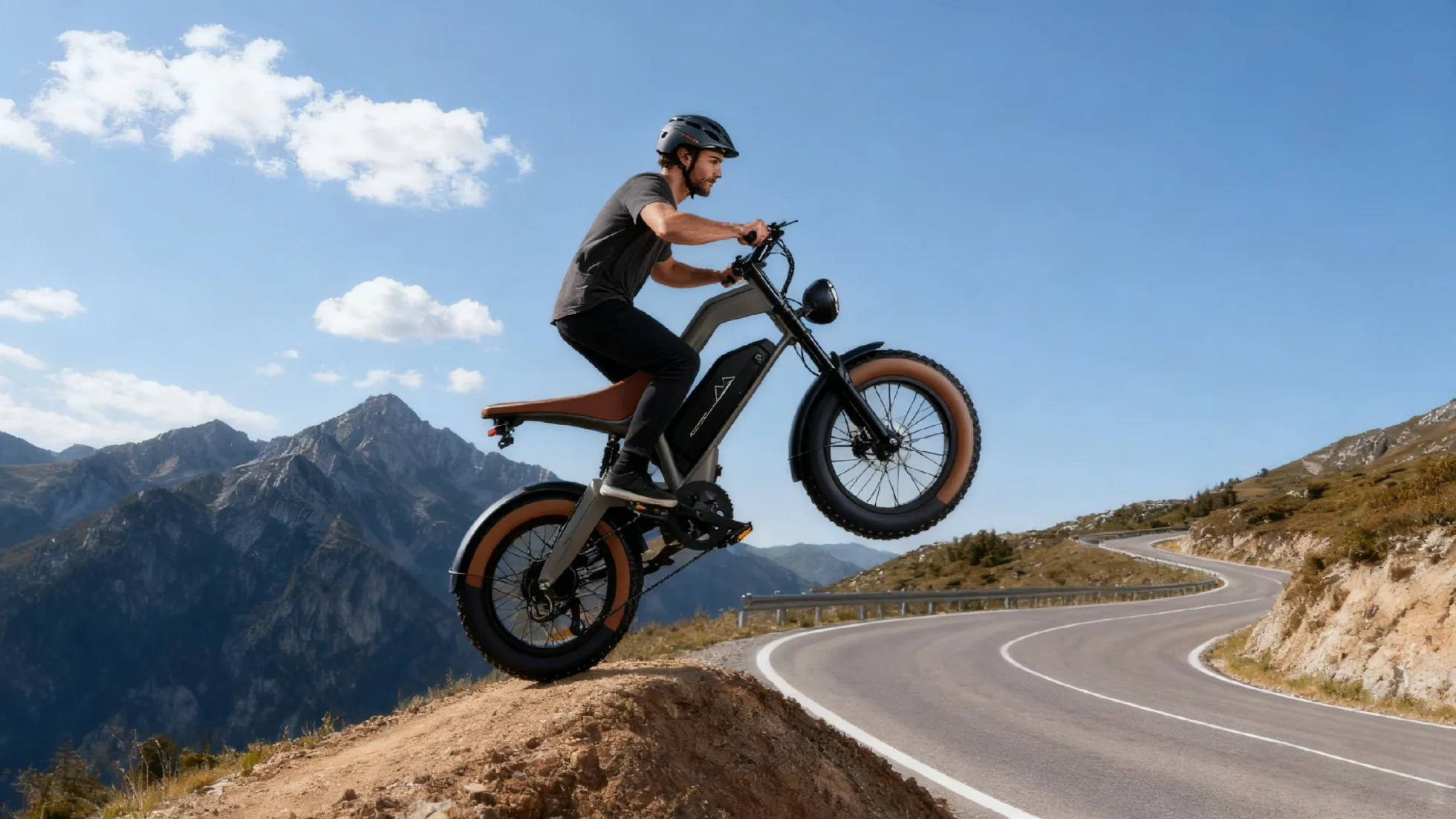
After weeks of testing, the DYU M20 delivers solid value for riders seeking versatile performance without extreme investment. At €1,099, reduced from its original €1,399 price tag, this e-bike positions itself in the mid-range segment. Compare it to models like the Fiido Titan at €1,699. The €600 difference becomes most important when you think over what you’re getting.
The M20 packs hydraulic disk brakes, a 7-speed Shimano transmission system, and IP54 waterproofing at this price point. These features appear on bikes costing much more. The 48V 18.2Ah battery delivers up to 160 km range and outperforms many competitors in its class.
Who benefits most from this bike? The 39kg frame prioritizes stability and traction over portability. This makes it better suited to trails, gravel paths, and mixed-terrain riding rather than dense urban commuting where you’d carry it upstairs often. The M20 fills the gap between simple city bikes and expensive off-road designs and offers a practical middle ground.
Urban users who venture off asphalt from time to time will find this bike works well. The motor handles inclines and varied terrain with confidence, though it won’t match dedicated extreme off-road machines. You’re getting premium features at a price that makes high-performance electric cycling available to everyday European riders.
Conclusion
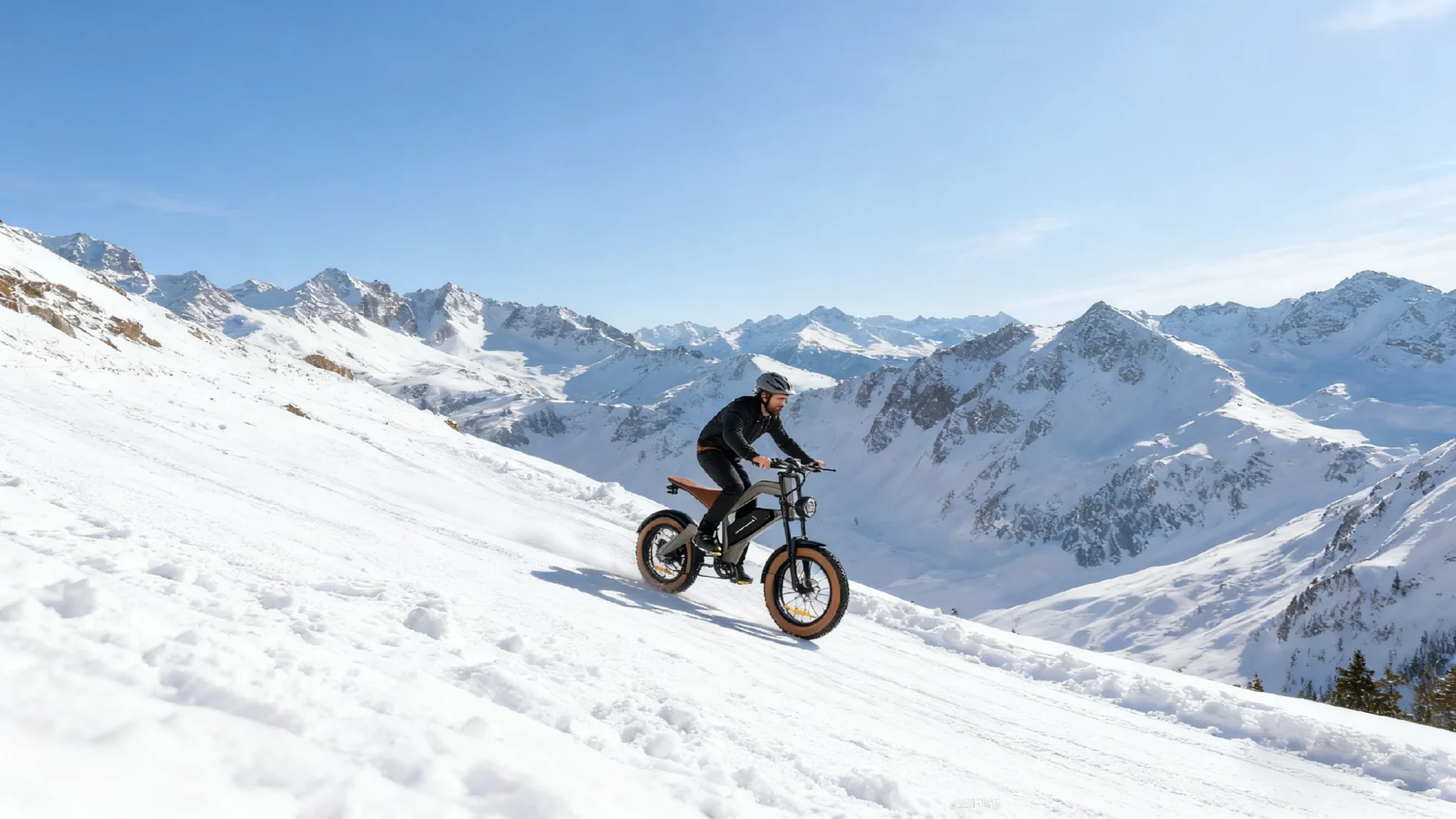
The DYU M20 proved itself as a capable off-road performer, especially for riders seeking versatility without premium pricing. Unlike specialized extreme bikes, this model handles mixed terrain confidently and remains available at €1,099. The 39kg weight is my biggest problem if you live in an apartment with stairs. The hydraulic brakes, fat tires, and reliable motor make it an excellent choice for European riders wanting both trail capability and city practicality in one package.
FAQs
Q1. Is the DYU M20 suitable for beginners who are new to e-bikes?
The DYU M20 can work well for beginners, especially those planning to use it for commuting to work or the gym. However, it’s designed more like a moped with minimal pedaling required, so if you’re looking for a traditional cycling experience with exercise benefits, you might want to consider other options. The bike is relatively straightforward to operate and offers good value at its price point.
Q2. Is the DYU M20 comfortable for longer rides?
The DYU M20 is generally comfortable for short to medium rides thanks to its fat tires and dual suspension (front fork and seat shock absorber). These features help absorb bumps on dirt roads and uneven terrain. However, on very long rides, the seat may feel a bit firm for some riders, so many owners choose to upgrade to a more cushioned saddle for better comfort.
Q3. How well does the DYU M20 handle off-road terrain?
The DYU M20 performs surprisingly well on light off-road trails, gravel paths, and dirt roads. The 20×4.0 inch fat tires provide good grip and stability, especially on loose surfaces. While it’s not a professional electric mountain bike, it works well for casual trail riding and weekend adventures outside the city.
Q4. Is the DYU M20 suitable for daily commuting?
Yes, many riders use the DYU M20 for daily commuting. Its powerful motor and long range make it practical for traveling to work or running errands. The fat tires also handle potholes and rough urban roads better than standard e-bike tires, making it a convenient option for mixed city riding conditions.
Q5. What kind of terrain can the DYU M20 realistically handle?
The DYU M20 performs well on light trails, gravel paths, dirt roads, and moderate inclines. The fat tires provide good traction on varied surfaces including sand and snow. However, it’s best suited for mixed-terrain riding rather than extreme off-road conditions. The bike handles urban commuting and recreational trail riding effectively, making it a versatile option for riders who want both city and light trail capability.






4 comments
Raymond
Is the frame sturdy enough for some light jumps?
Daniel Novak
The welds are thick and the frame feels incredibly solid. I’ve taken it off small ramps and curbs, and there’s zero rattling or flexing. It’s built to take a beating.
Denise
The seat is okay, but I’d probably upgrade it for longer off-road trips.
Kevin
For an entry-level off-roader, the build quality is surprisingly solid.