
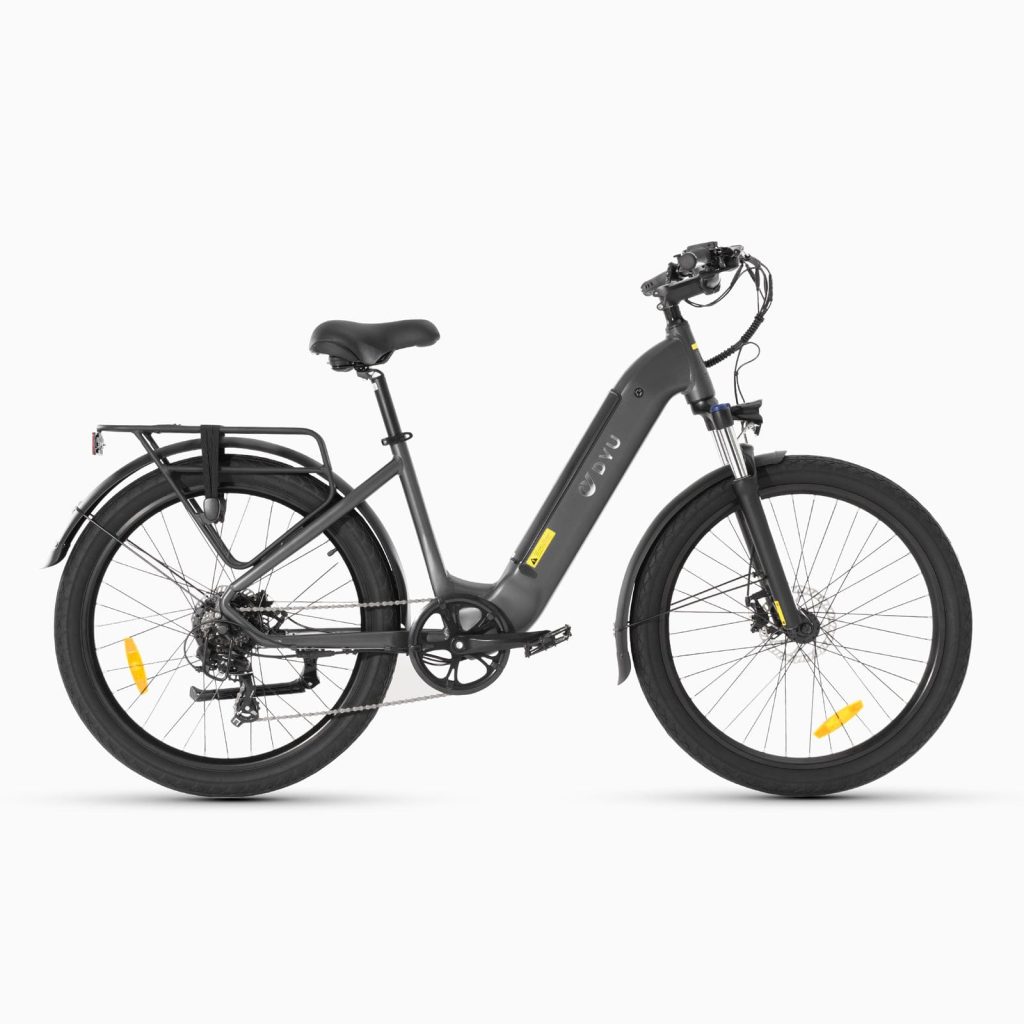
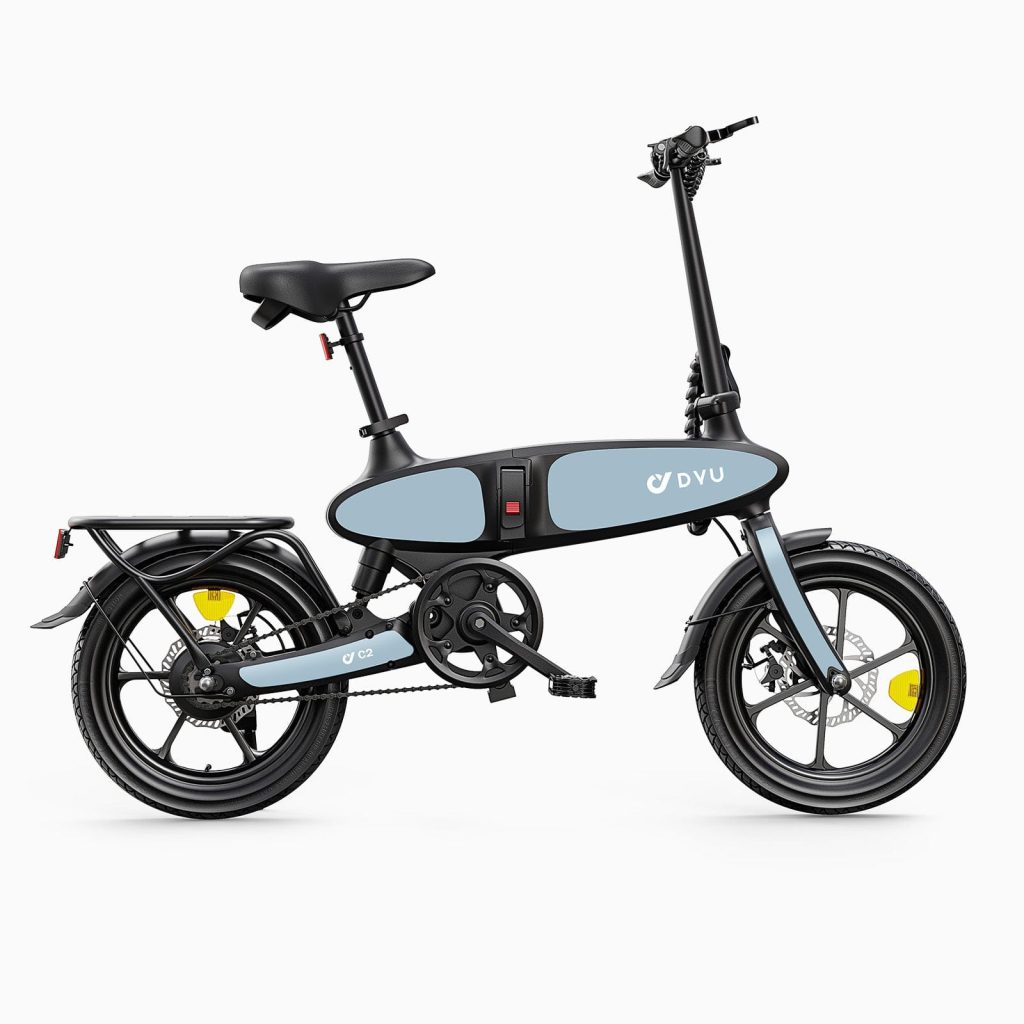
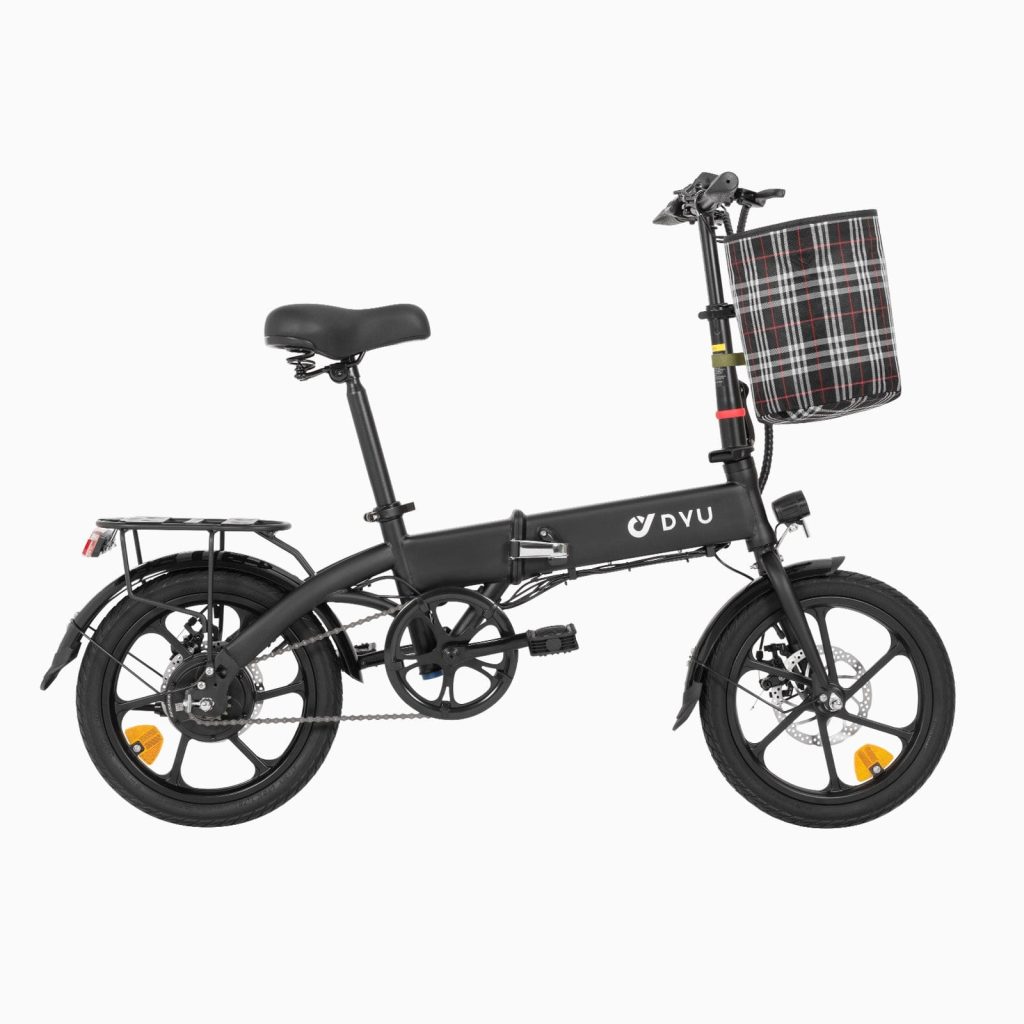
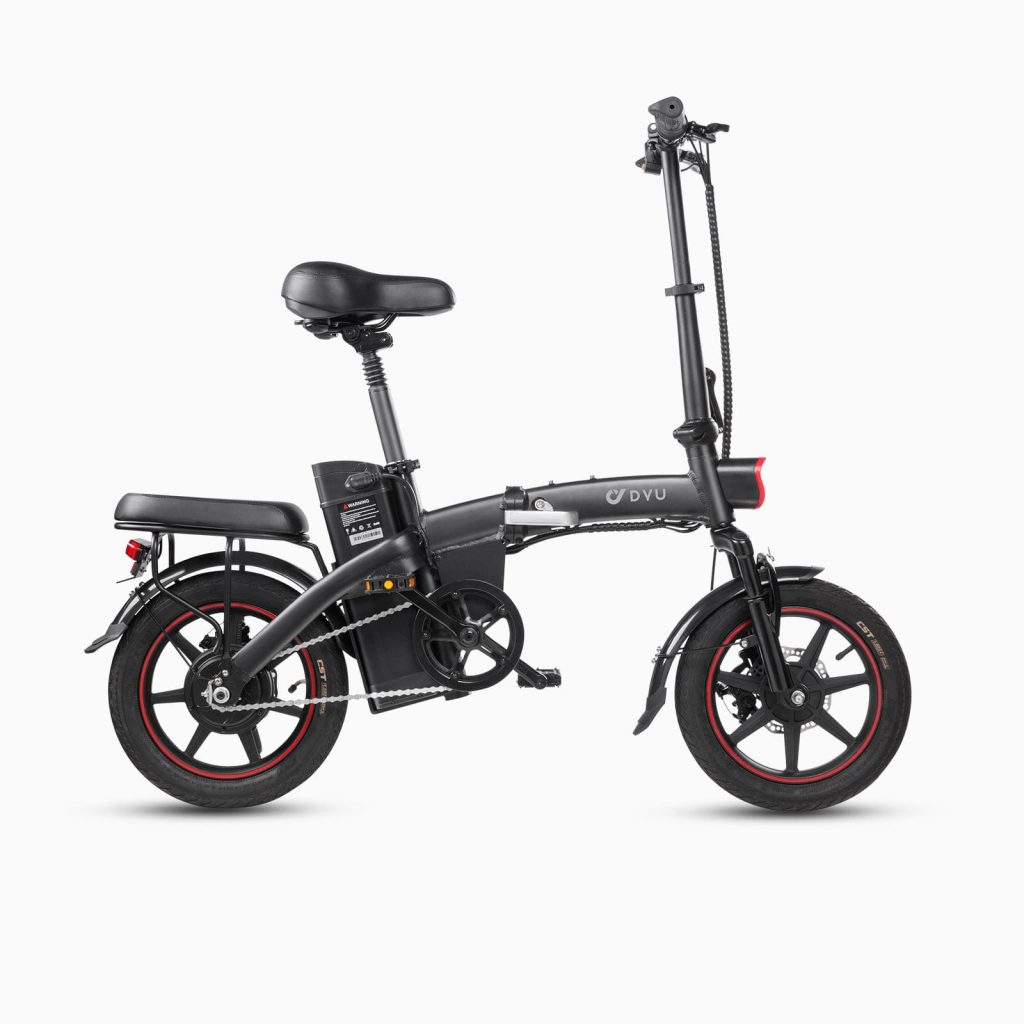
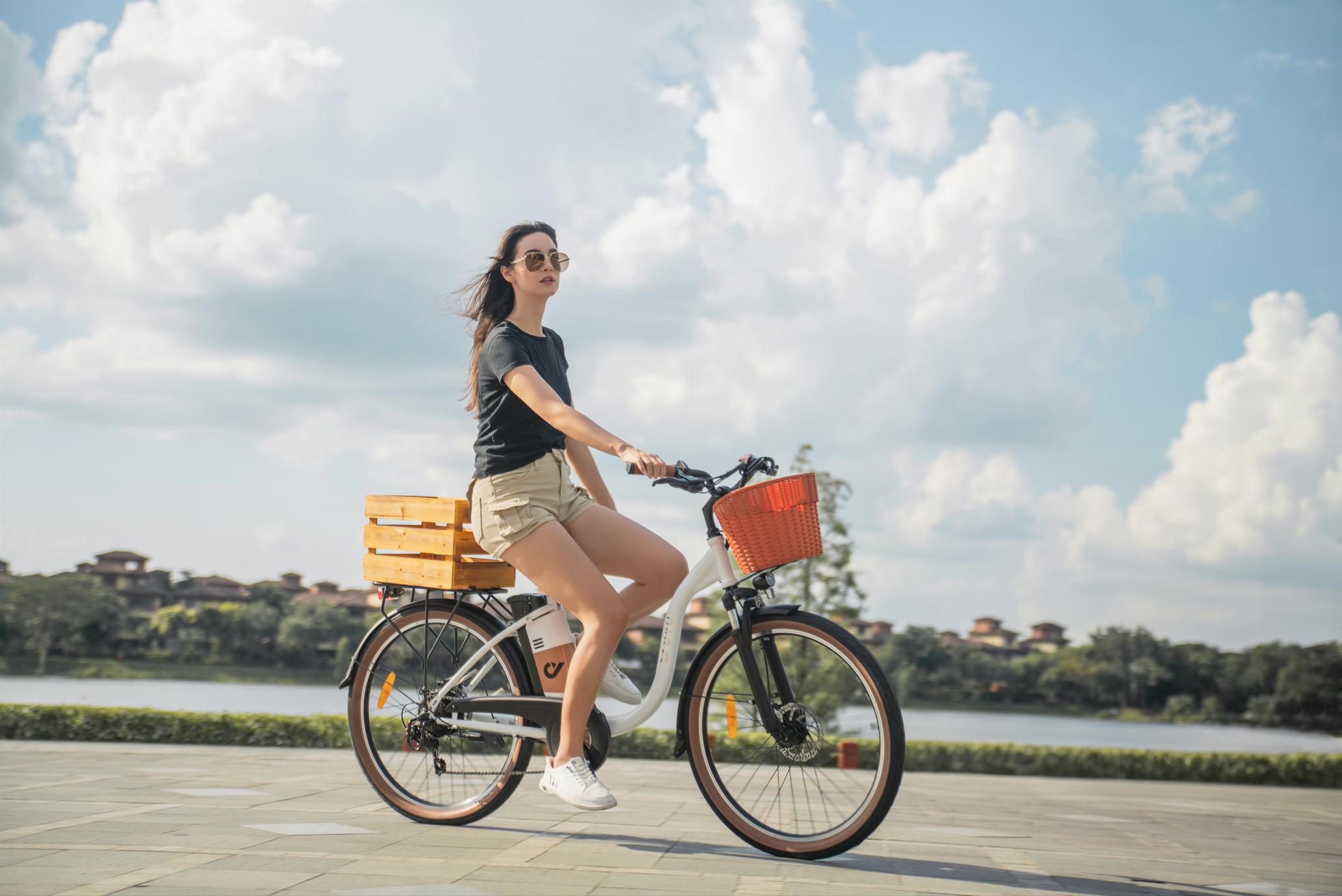
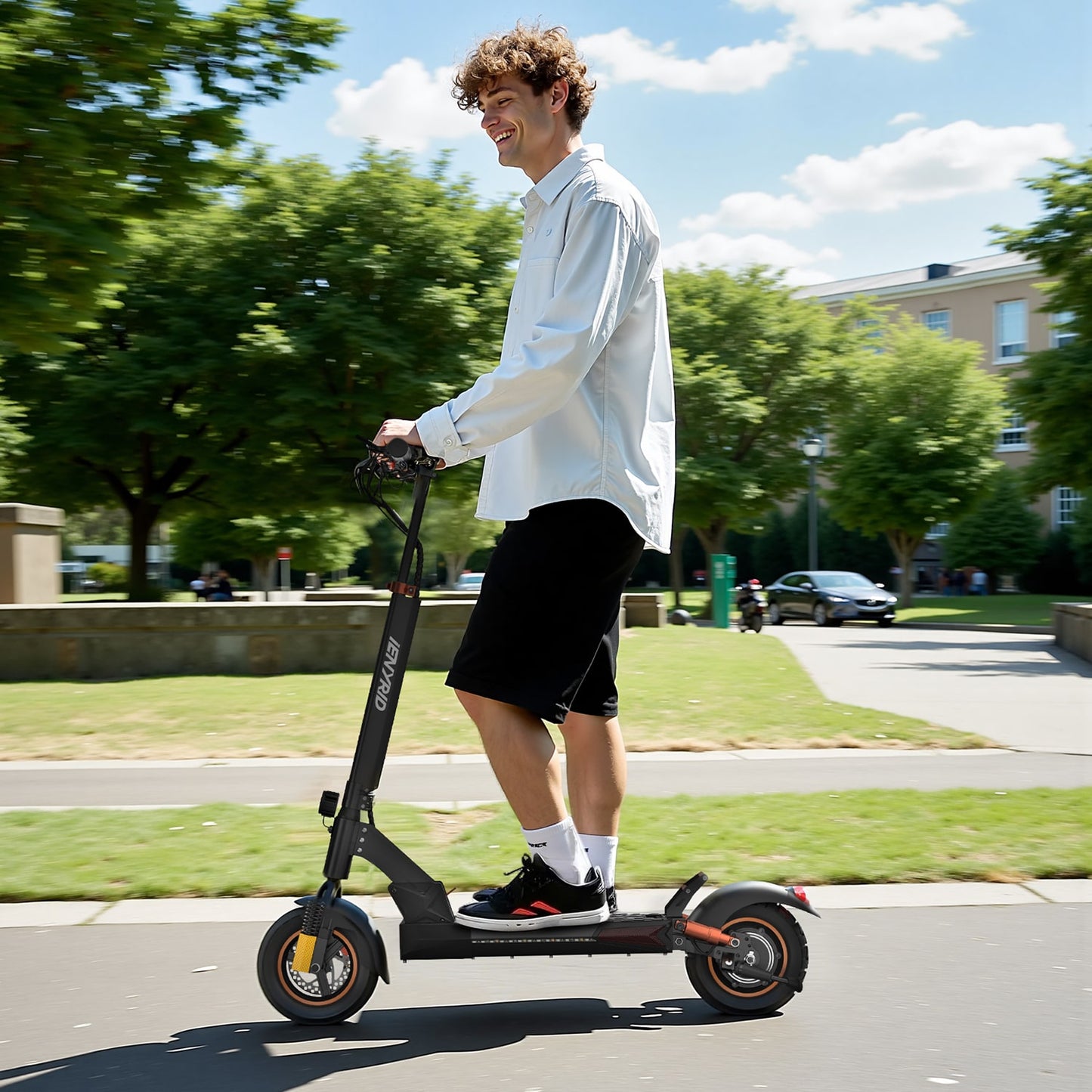
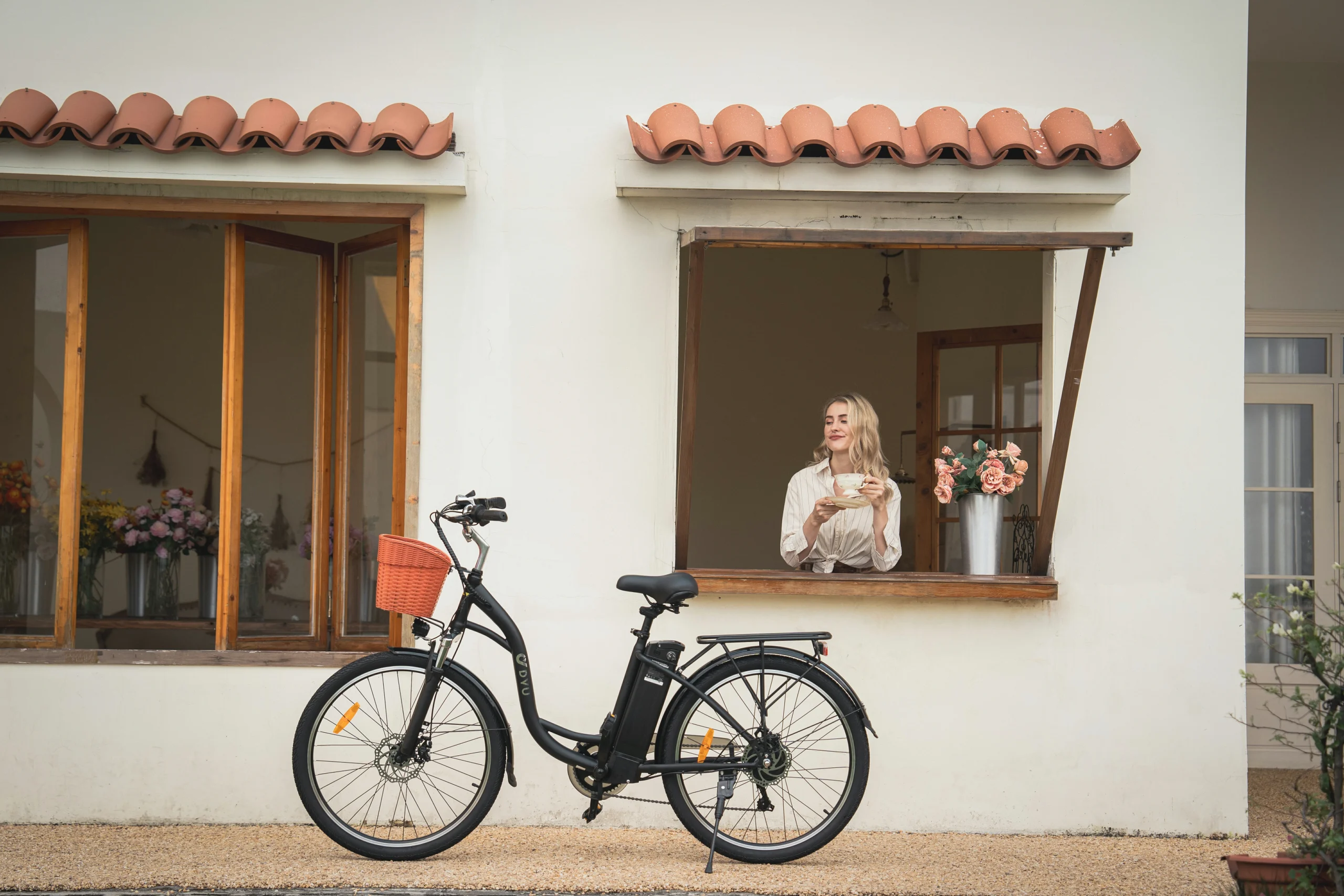












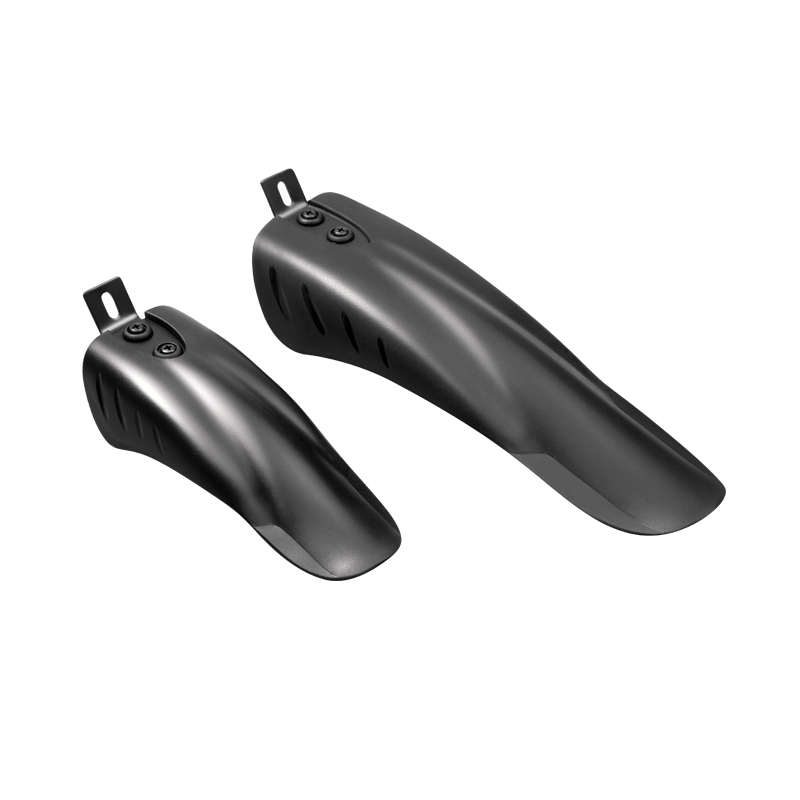
The environmental benefits should top your list as you compare electric bikes. Your switch from a car to an e-bike for daily commutes can slash your carbon footprint by up to 2.6 tons each year and reduce carbon emissions by up to 75%.
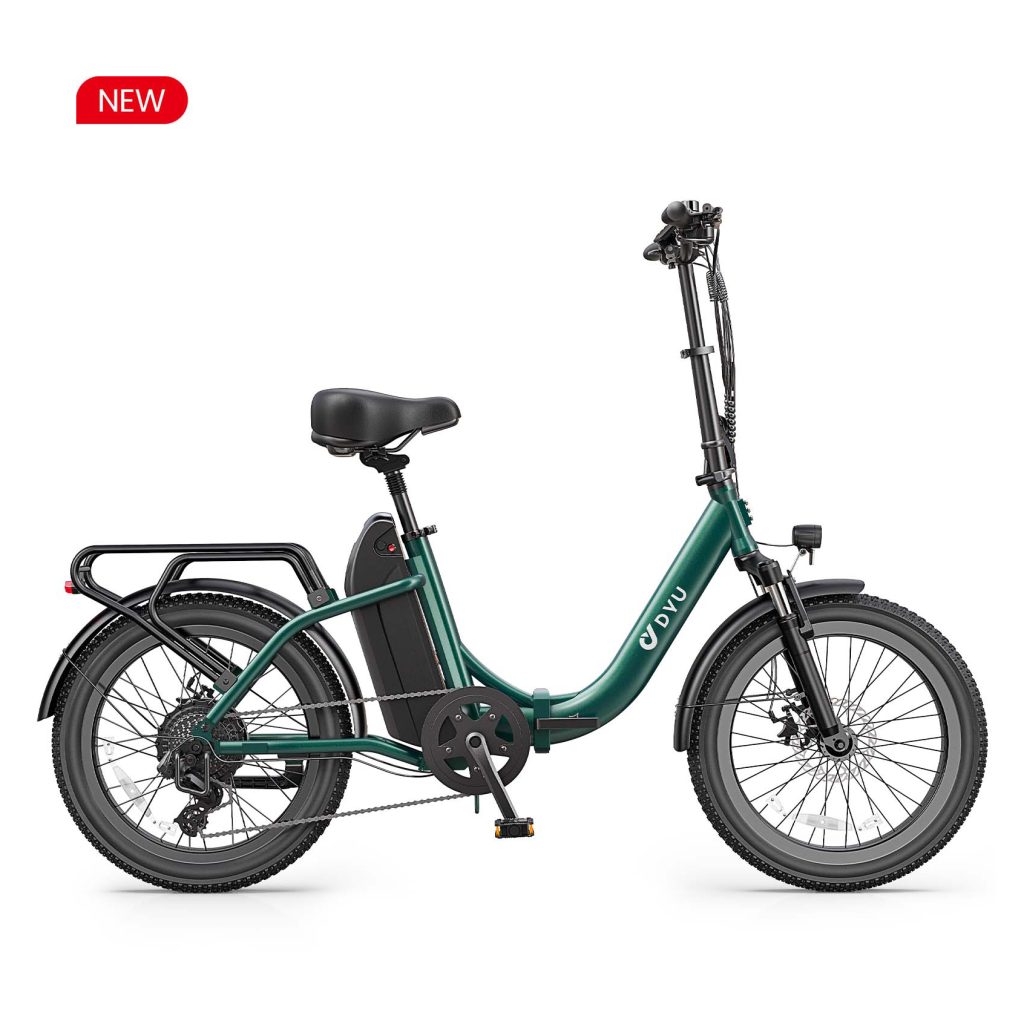
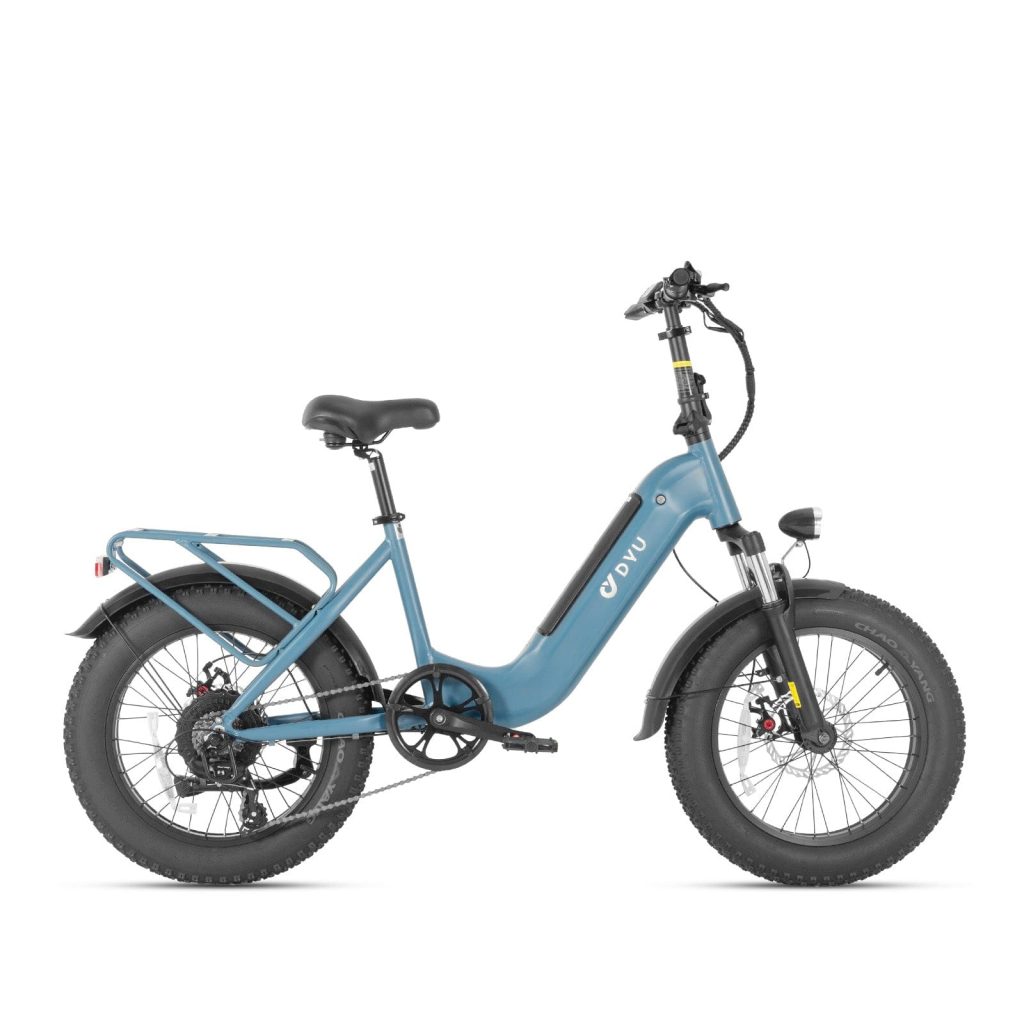
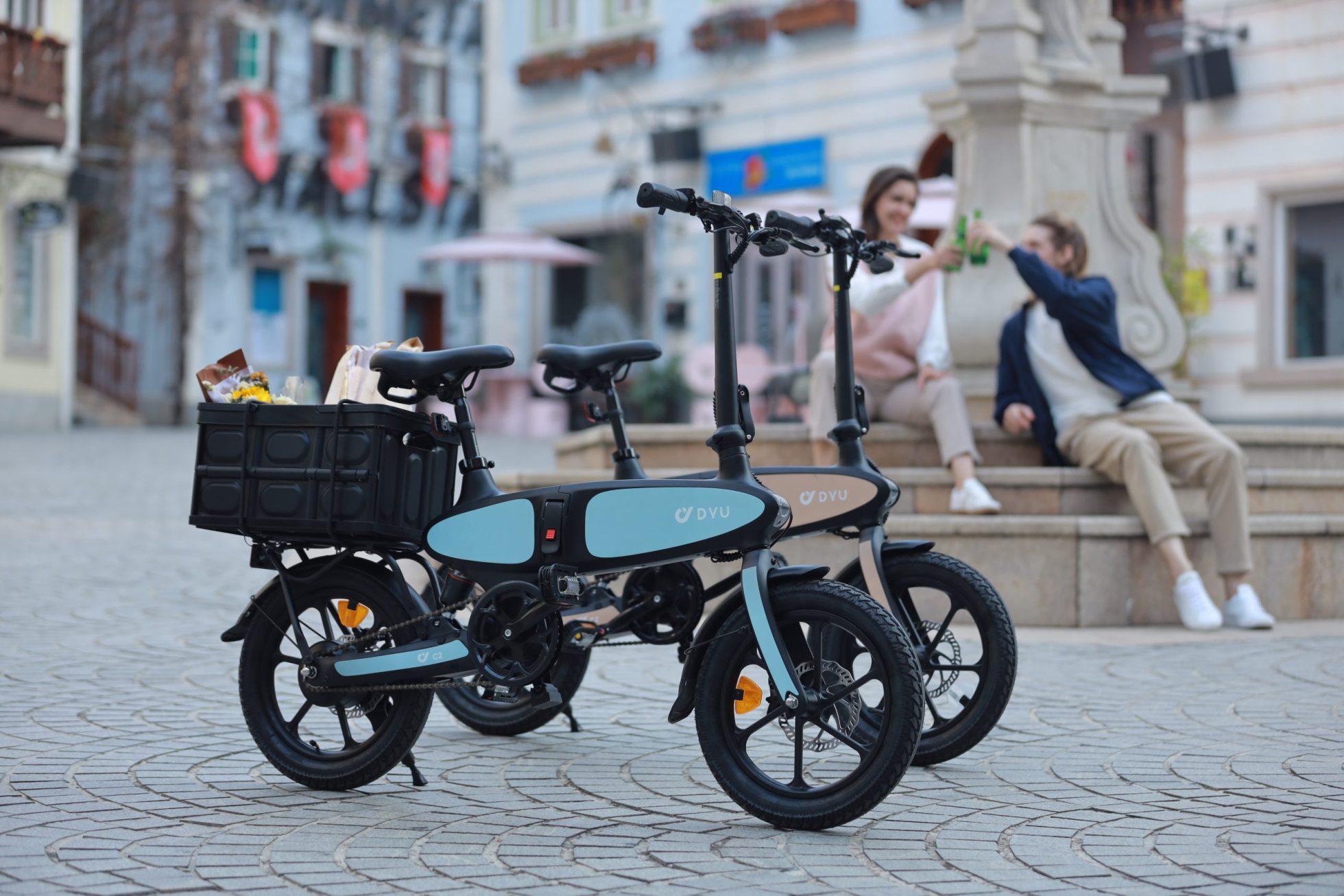
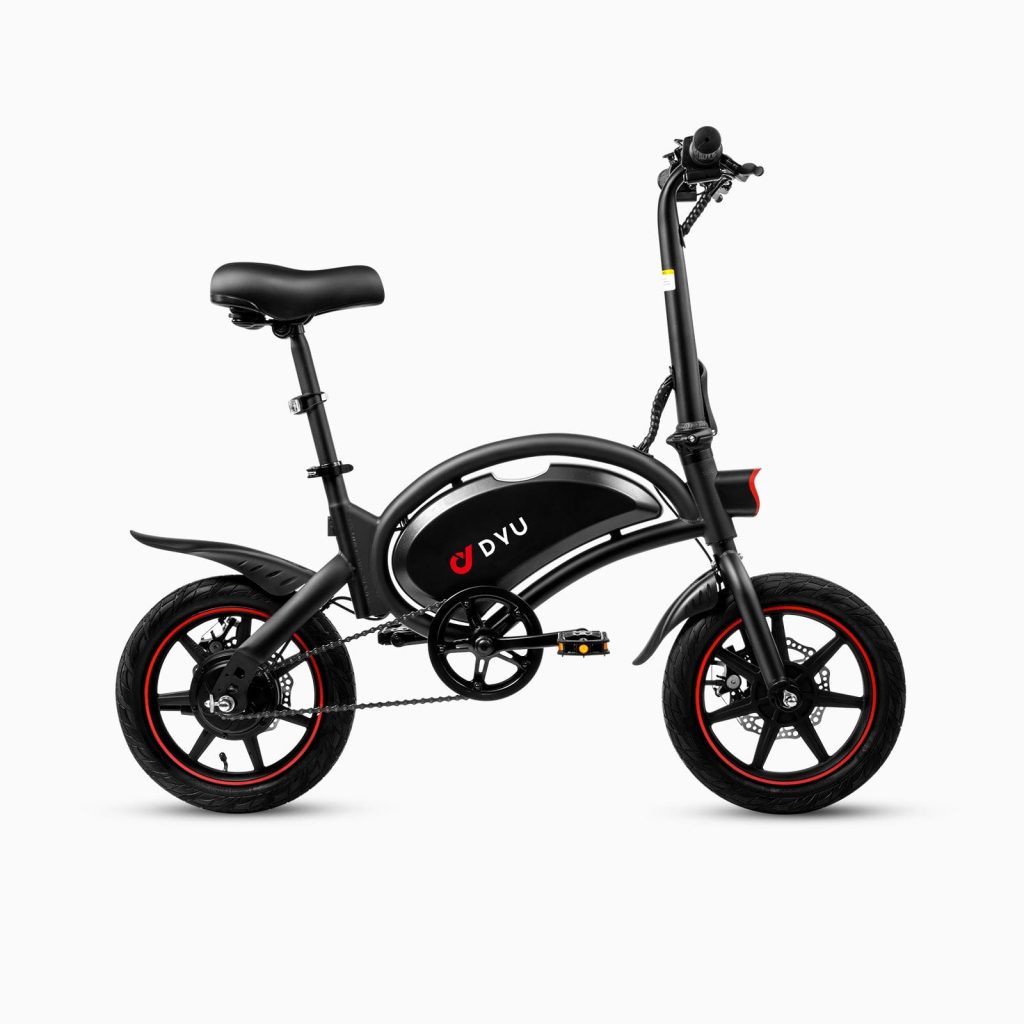
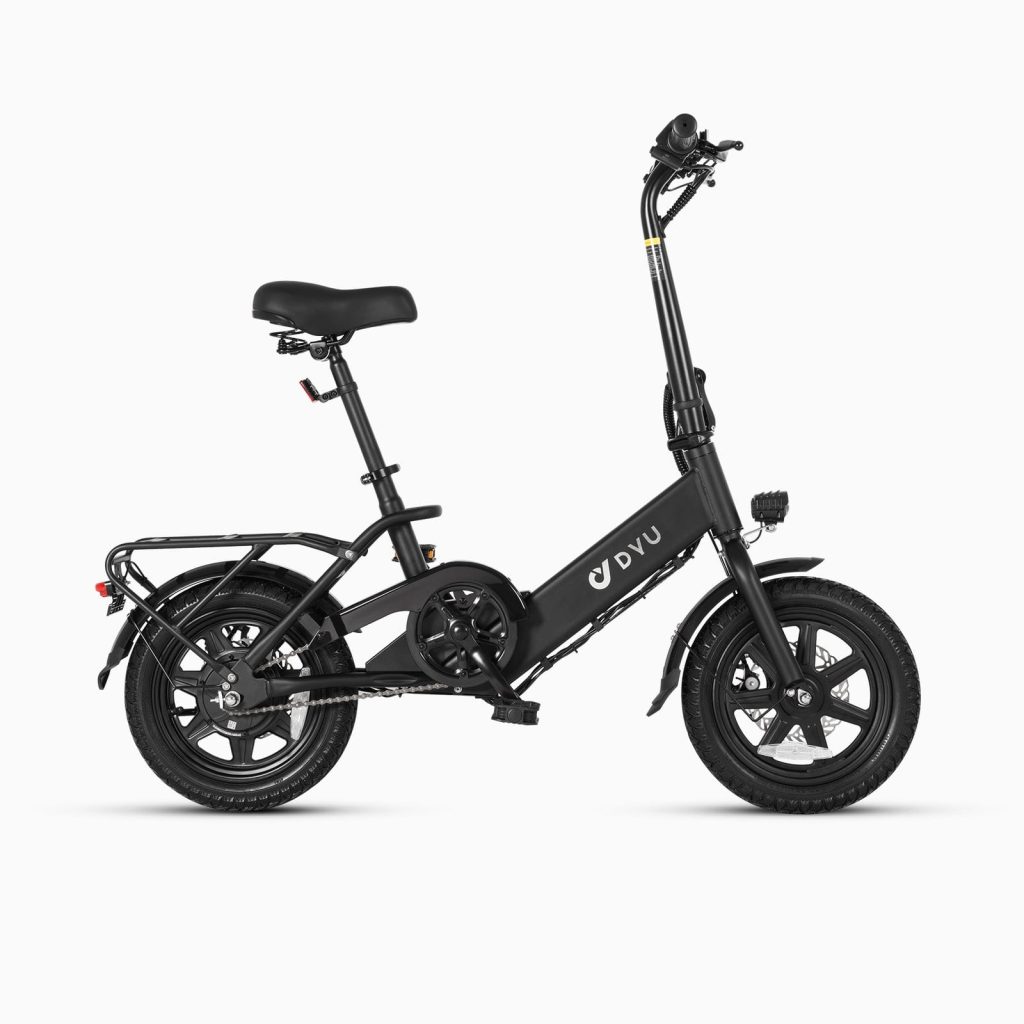
The DYU A5 and Fiido L3 stand out as popular folding electric bike choices. DYU A5 delivers a solid 60KM range, and the Fiido L3 shows remarkable battery efficiency. A user reported using just one-fifth of the battery after a 25KM trip. Both bikes reach speeds of 25km/h, but they differ by a lot in weight and power capabilities.
European commuters need to balance portability, range, comfort, and value between these models. The DYU A5’s 22KG weight makes it easier to carry up stairs or lift into trains. The Fiido L3 comes with eco to turbo riding modes that “make it a rocket”. Both bikes feature top-notch braking systems. The Fiido’s brakes are a match for high-end mountain bike brakes.
Let’s get into how these folding e-bikes compare and which one best fits your daily commute needs and living situation.
Portability and Urban Convenience
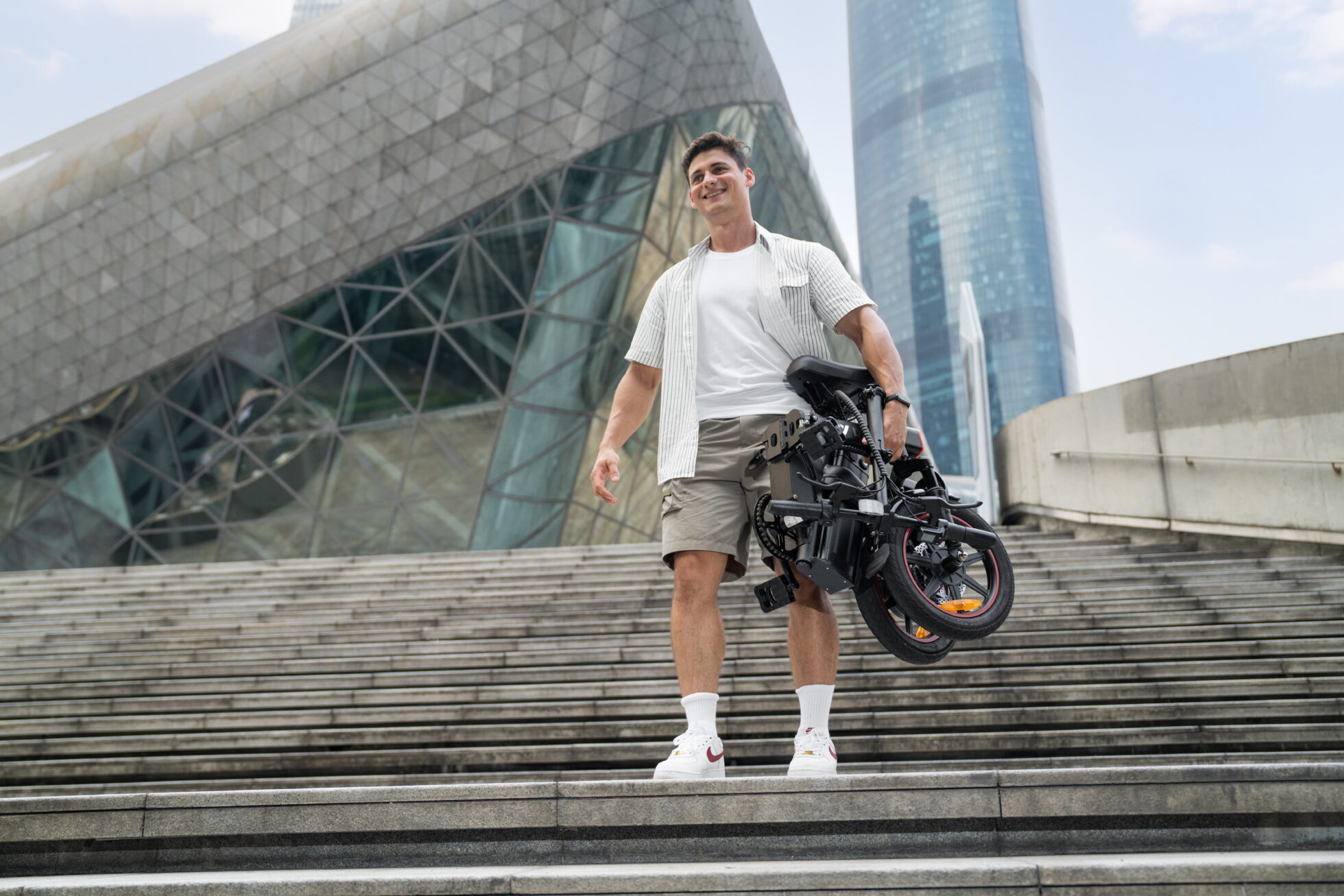
Your folding e-bike’s portability can make or break your commuting experience in the city. The DYU A5 and Fiido L3 both give you compact options but take different paths to urban convenience.
Foldability: 5-Second Fold vs Compact Frame
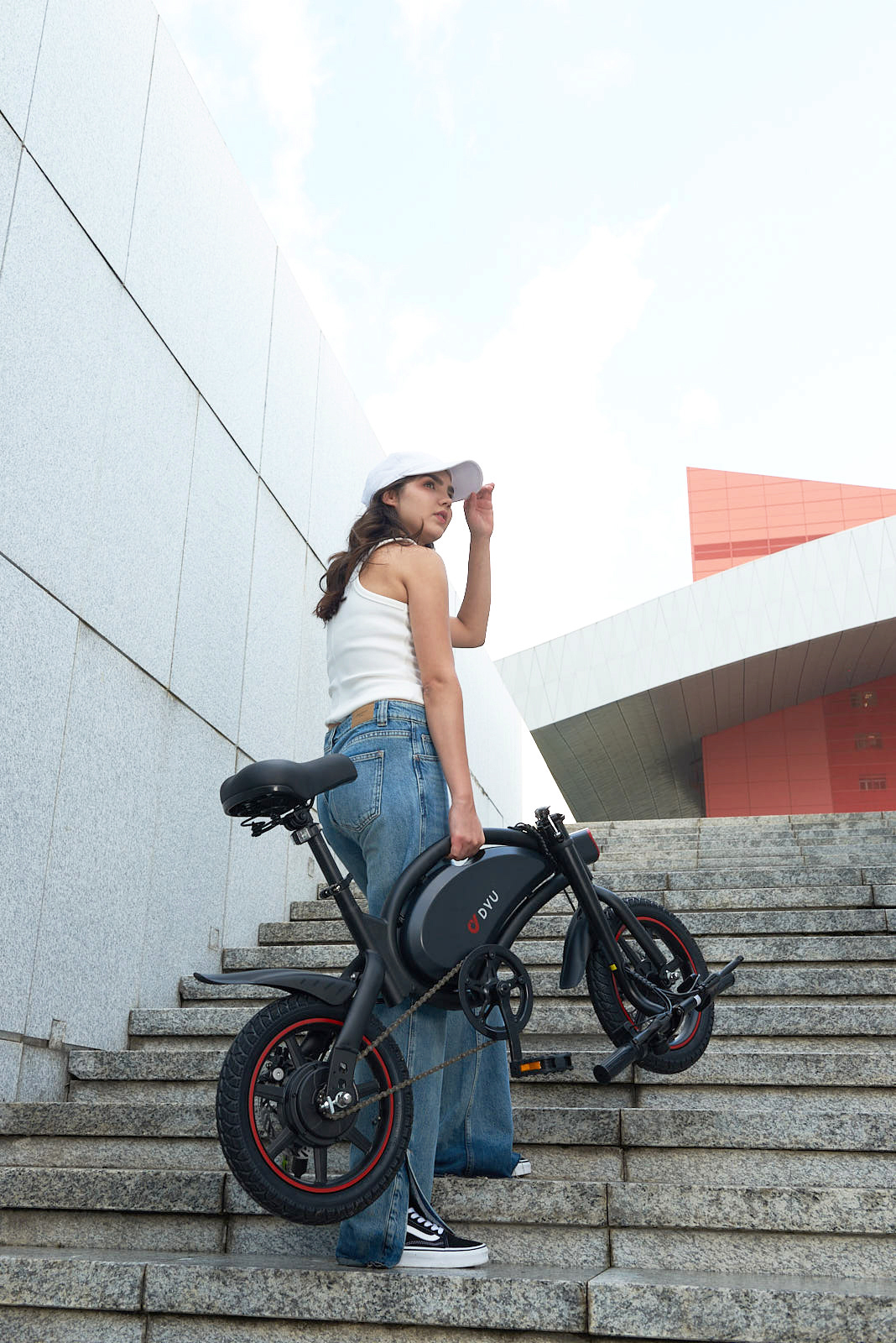
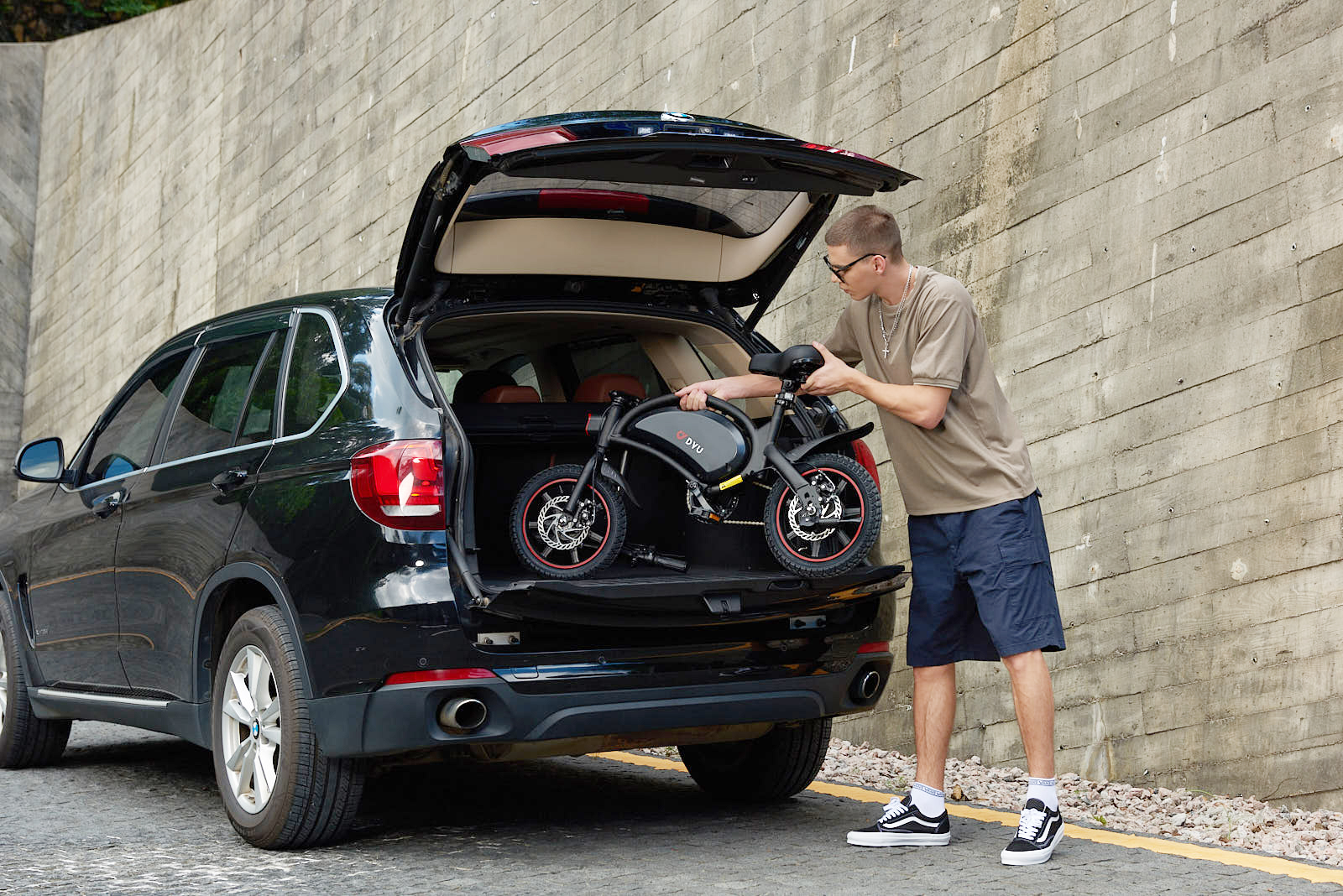
The Fiido L3 comes with a quick that makes the bike much smaller to store or move around. The DYU A5 takes this a step further with an even quicker 3-second folding process. It uses a smart 3-stage system where the seat, handlebar, and frame all fold to create a tiny package. The DYU A5 folds down to just 730mm × 330mm × 650mm, which saves more space than the Fiido L3.
Weight Comparison: 25kg vs 22kg
The weight of your bike matters a lot in the city. The DYU A5 weighs 22kg, which is lighter than the Fiido L3 at 25kg. This 3kg difference adds up quickly if you carry your bike up stairs or lift it onto busses and trains. Both bikes can handle riders up to 120kg, so they work well for people of all sizes.
Storage in Apartments, Cars, and Public Transport
These folding e-bikes really shine when space is tight:
- Apartment storage: You can tuck both models into closets or under desks. The DYU A5’s smaller size works better in very tight spaces
- Vehicle transport: Both bikes fit well in car trunks
- Public transit: The lighter DYU A5 is easier to handle during busy commute hours
Remote Lock and Theft Protection (DYU A5)
The DYU A5’s built-in security features might be its biggest advantage for city life. It comes with a that helps protect against theft. E-bike theft rates keep climbing in European cities, so this built-in security gives the DYU A5 a real edge over the Fiido L3, which doesn’t have similar protection. The remote locks the bike electronically and turns on an anti-theft alarm, letting you park briefly in the city with peace of mind.
Power and Range for Daily Commutes
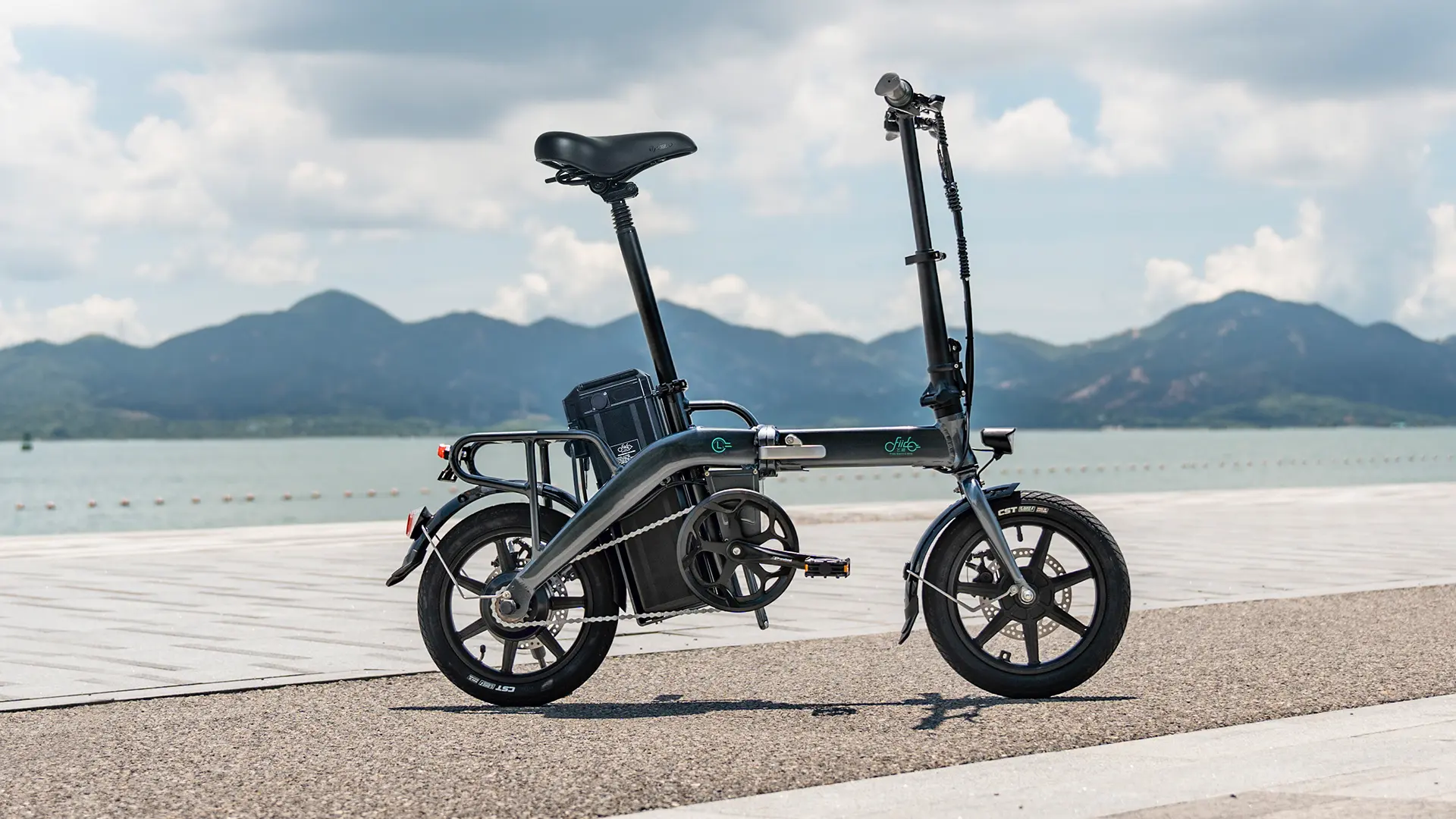
Power systems play a crucial role in your folding e-bike’s daily commute performance. The DYU A5 and Fiido L3 take two different paths with their motor power and battery setup.
Motor Strength: 350W vs 250W
The Fiido L3 has a that delivers 40 Nm of torque and powers through moderate inclines. The DYU A5 uses a 250W brushless motor with 500W peak output that handles steep hills well. The DYU A5’s peak power makes it a strong performer despite its compact size.
Battery Range: 124 km vs 60km
Battery capacity sets these models apart. The Fiido L3’s massive 1113.6Wh battery lets you ride up to 124km in pedal-assist mode. The DYU A5’s 48V 7.5Ah removable battery gives you a solid 60km range that works well for city commutes. The DYU’s lighter battery helps keep the bike’s weight down and makes it easier to carry.
Throttle and Pedal Assist Modes
These e-bikes give you multiple ways to ride. The DYU A5 lets you choose between pure electric, pedal assist, and manual riding. The Fiido L3 matches this with its own 3-mode system: pedal-only, pedelec (motor helps while pedaling), and moped mode (full electric power). You can pick the mode that saves energy and matches your riding style.
Real-life Commuting Scenarios
The DYU A5’s range easily covers a week of 8-10km daily rides on one charge. Long-distance riders love the Fiido L3 because it barely uses any battery even on longer trips. The Fiido L3 costs more at compared to the DYU A5’s €519. This makes the DYU A5 a better deal if you ride less than 30km daily.
Comfort and Ride Quality
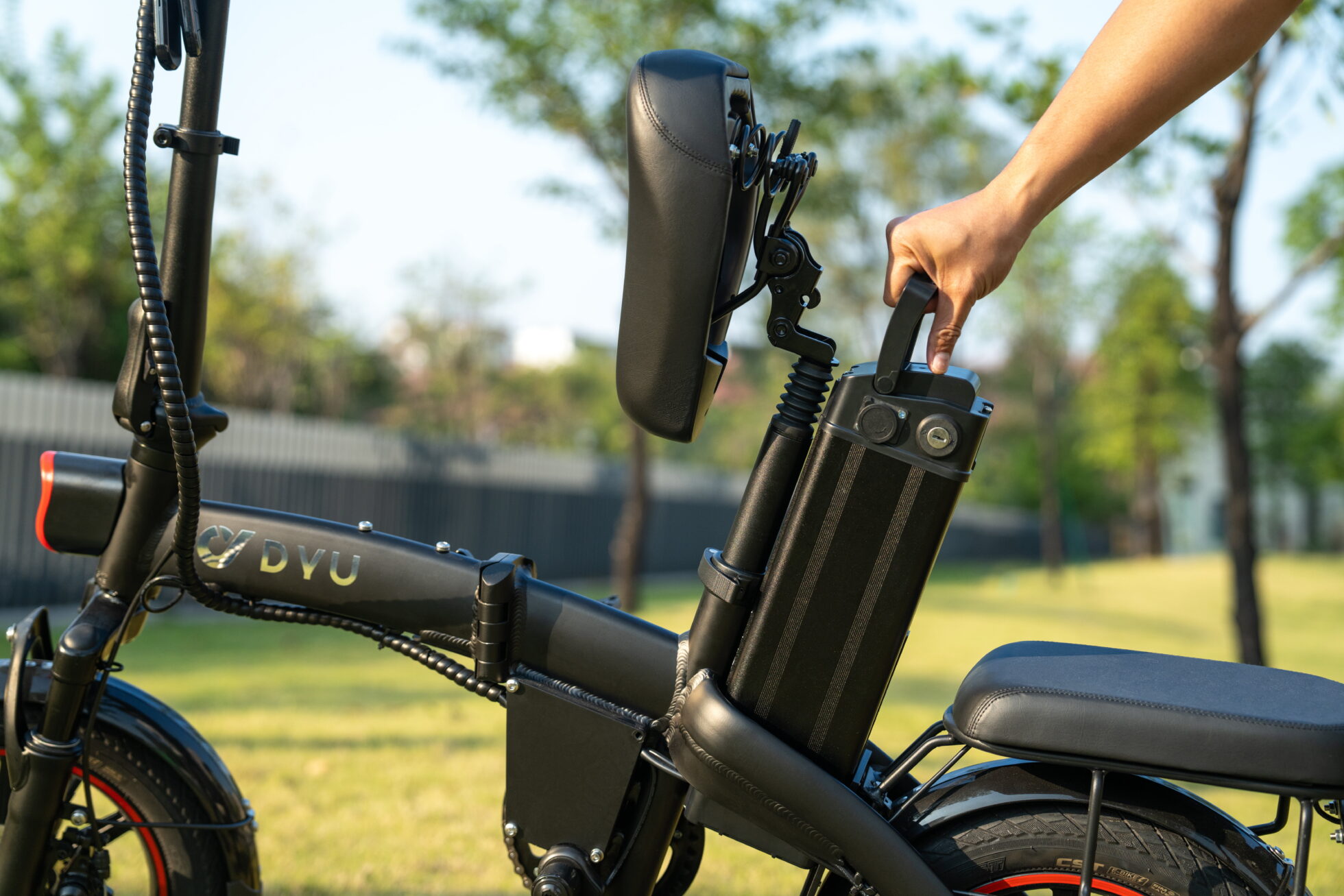
Ride comfort determines whether your commute will be enjoyable or an uncomfortable trip. The DYU A5 and Fiido L3 use different methods to ensure rider comfort.
Suspension Systems: Front Fork vs None
The DYU A5 comes with a front fork suspension system that absorbs bumps and vibrations on uneven terrain. The Fiido L3 lacks dedicated front suspension, making rides less comfortable on rough surfaces. Riders notice this difference most on city streets with potholes or cobblestones. The DYU’s suspension front fork smooths out the ride, while Fiido L3 users feel more road imperfections.
Seat Design and Ergonomics
Both models focus on seat comfort through different approaches. The DYU A5 has a specialized seat with a special foam layer to distribute pressure evenly across your body. A waterproof, shockproof seat with a high-performance shock absorber makes longer rides more comfortable. The cushioned, ergonomic design has been tested by over 35,000 cycling enthusiasts.
Handlebar Position and Upright Riding
The handlebar position plays a crucial role in posture and comfort. Both bikes support an upright riding position to reduce strain on your back, neck, and wrists. Higher handlebar positions suit comfort-focused riders by promoting upright posture, while lower positions create a more aerodynamic ride. The DYU A5’s adjustable handlebar height works well with different rider priorities.
Noise Levels and Ride Smoothness
Both e-bikes run quietly compared to traditional motorized vehicles. The DYU A5’s front suspension creates a smoother, quieter ride by absorbing vibrations that could cause rattling sounds. Some sources claim the Fiido L3 has dual suspension systems, but most reliable documentation shows only the DYU A5 provides genuine suspension benefits.
Value, Pricing, and Warranty
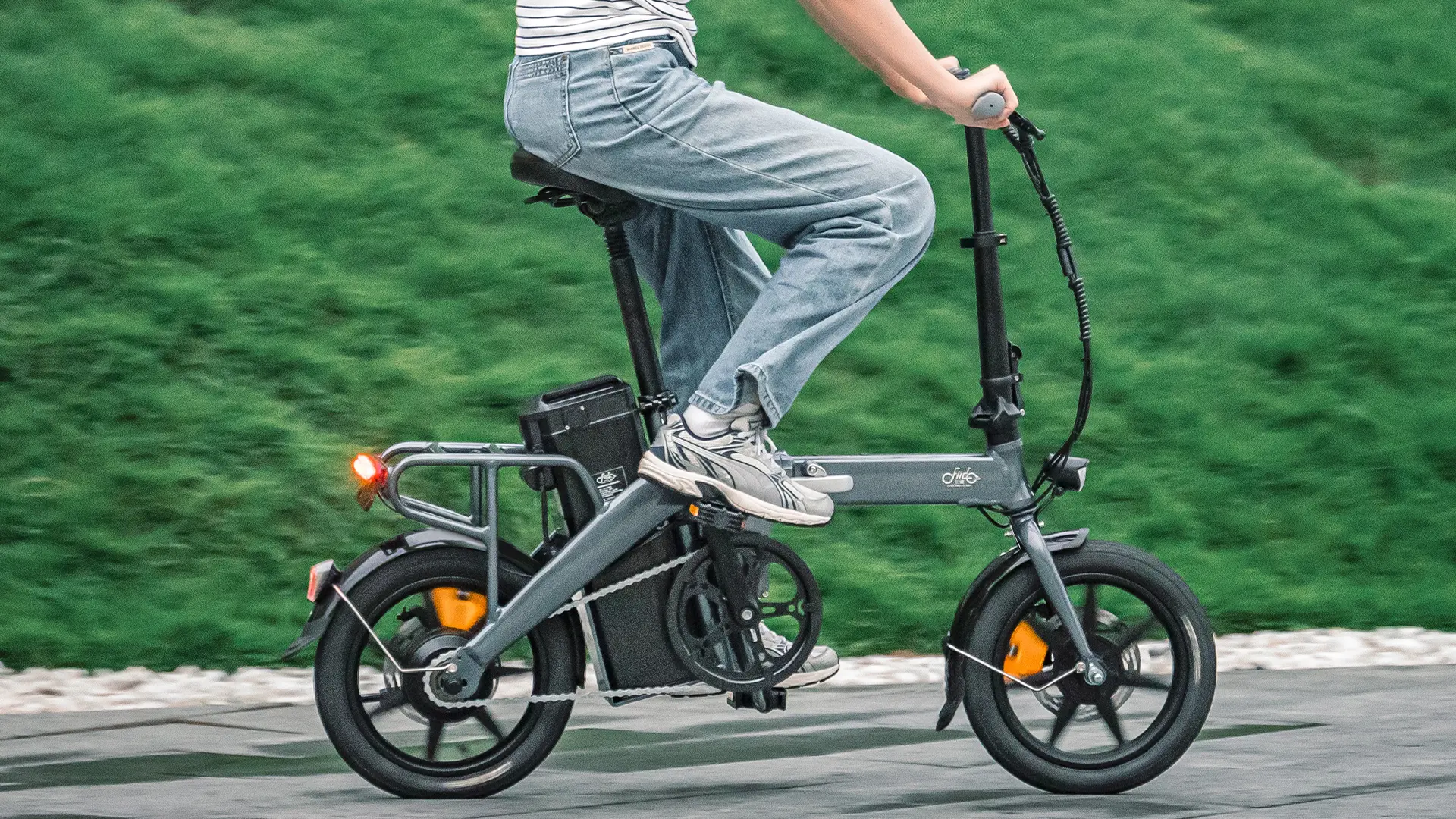
Money plays a big role in choosing between folding e-bikes. The DYU A5 and Fiido L3 bring different value to the table beyond their specs.
Price Comparison: €679 vs €519
The DYU A5 costs €519, which saves you €160 compared to the Fiido L3 at €679. This 23% difference matters a lot to budget-focused commuters. The Fiido L3’s higher price tag comes from its bigger battery and stronger motor. Many city riders find that the DYU A5 works well enough at a more affordable price.
Long-Term Cost of Ownership
The original purchase price is just the start. Here’s what you’ll spend over time:
- Battery replacement: Both makers give 2-year battery warranties, with new batteries costing between €250-600
- Routine maintenance: You’ll spend €50-100 yearly on simple upkeep
- Electricity costs: Daily commuting will add under €50 to your yearly power bill
- Theft protection: DYU A5’s built-in remote lock helps you save on extra security gear
The Fiido L3 shines with its impressive range. However, the DYU A5 gives you better overall value through its lower price tag and good enough performance for most city commutes.
Comparison Table
| Feature | DYU A5 | Fiido L3 |
| Price | €519 | €679 |
| Performance | ||
| Range | 60 km | 124 km |
| Maximum Speed | 25 km/h | 25 km/h |
| Motor Power | 250W (500W peak) | 350W |
| Battery Capacity | 48V 7.5Ah | 1113.6Wh |
| Physical Characteristics | ||
| Weight | 22 kg | 25 kg |
| Load Capacity | 120 kg | 120 kg |
| Folded Dimensions | 730mm × 330mm × 650mm | Not specified |
| Folding Time | 3 seconds | 5 seconds |
| Comfort & Features | ||
| Suspension | Front fork + seat suspension | None |
| Riding Modes | Pure electric, pedal assist, manual | Pedal-only, pedelec, moped mode |
| Security Features | Remote lock with alarm | Not mentioned |
| Additional Features | ||
| Warranty | 2-year battery warranty | 2-year battery warranty |
FAQs
Q1. How do the DYU A5 and Fiido L3 compare in terms of portability?
The DYU A5 is slightly more portable, weighing 22kg compared to the Fiido L3’s 25kg. The DYU A5 also features a faster 3-second folding process, while the Fiido L3 takes about 5 seconds to fold.
Q2. What are the main differences in battery range between these e-bikes?
The Fiido L3 offers a significantly longer range of up to 124km on a single charge, while the DYU A5 provides a more modest but still practical range of 60km.
Q3. How do these e-bikes handle comfort and ride quality?
The DYU A5 includes a front fork suspension and a specialized seat with foam padding for improved comfort. The Fiido L3 lacks dedicated suspension, which may result in a slightly rougher ride on uneven surfaces.
Q4. What security features do these e-bikes offer?
The DYU A5 stands out with its built-in remote lock function and anti-theft alarm system. The Fiido L3 doesn’t appear to have similar integrated security features.
Q5. How do the DYU A5 and Fiido L3 compare in terms of value for money?
The DYU A5 is priced at €519, which is €160 less than the Fiido L3 at €679. While the Fiido L3 offers a longer range and stronger motor, the DYU A5 provides sufficient performance for most urban commuters at a more accessible price point.





4 comments
Dylan
I love the idea of a folding bike, but I’m wondering: do these models ride well on rough roads or gravel paths?
Daniel Novak
That’s a valid concern. The DYU A5 handles rough roads much better, thanks to its front suspension and wider tires. The Fiido L3 doesn’t have suspension, so it’s not as comfortable on uneven surfaces, but it does well on smoother roads.
Samuel
I prefer the Fiido L3 because of the design, but the DYU A5 seems to have a better ride quality.
Millie
The Fiido L3’s lack of suspension is a dealbreaker for me, especially on bumpy roads.