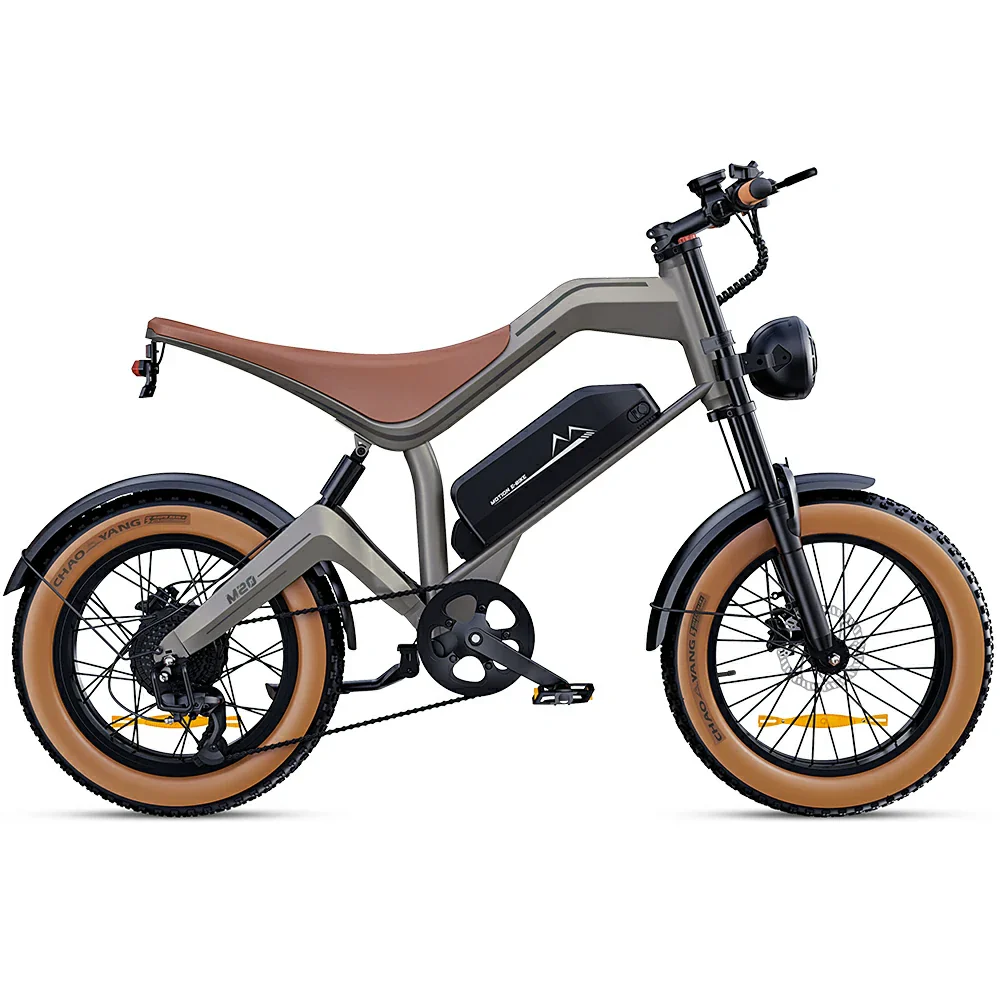
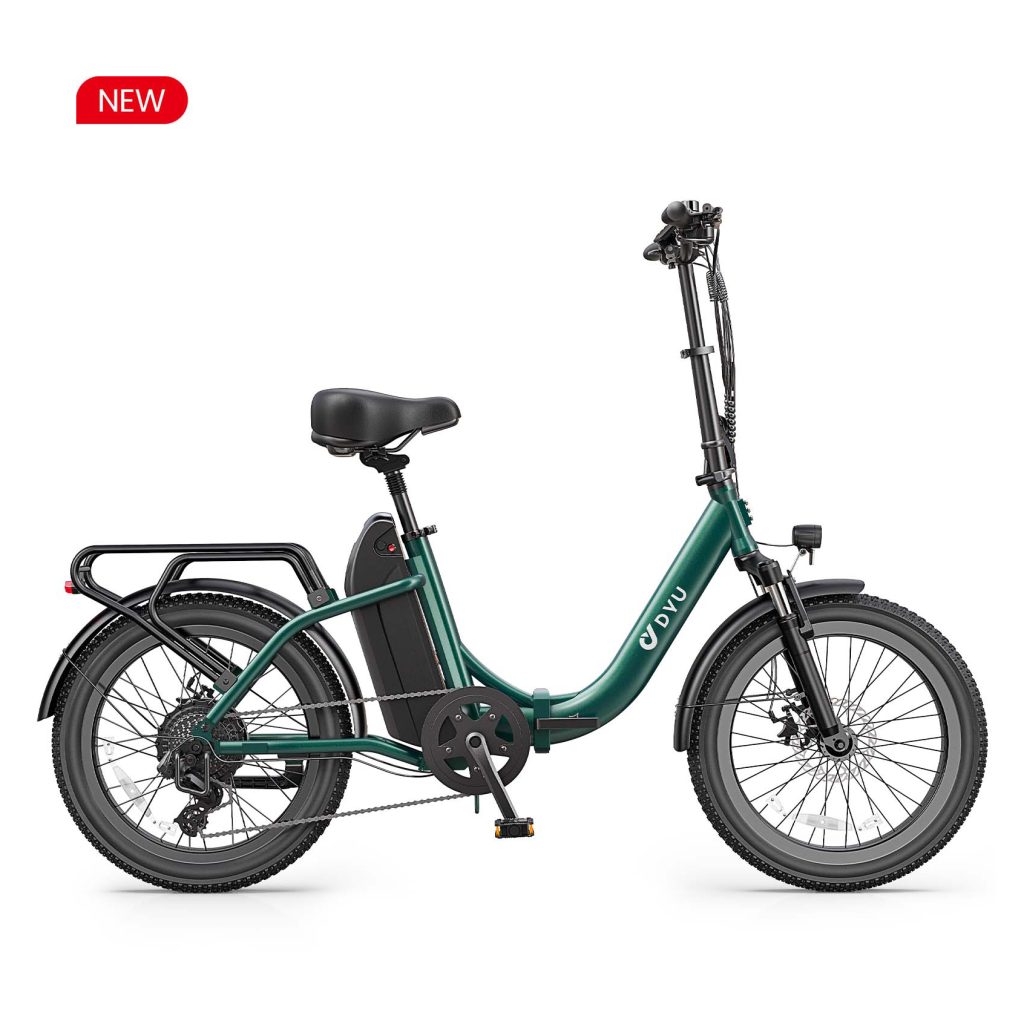
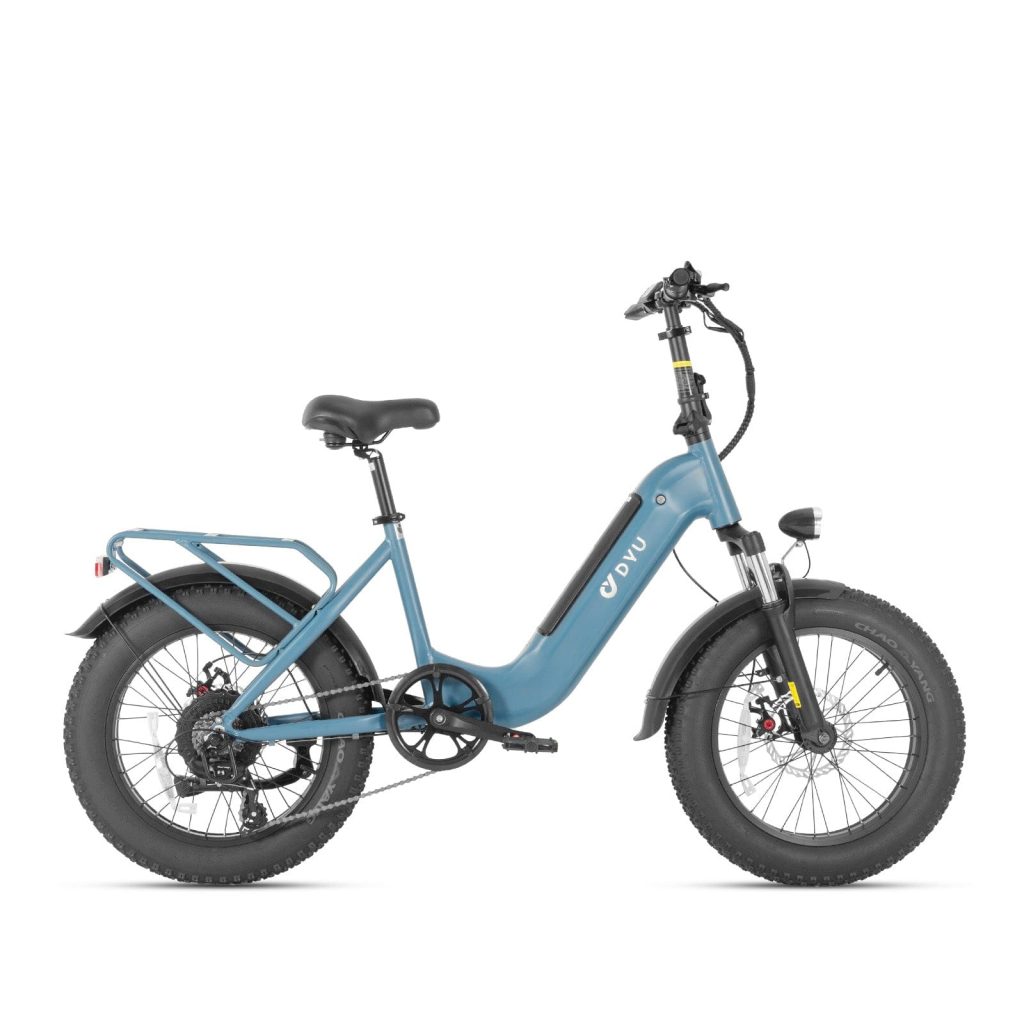
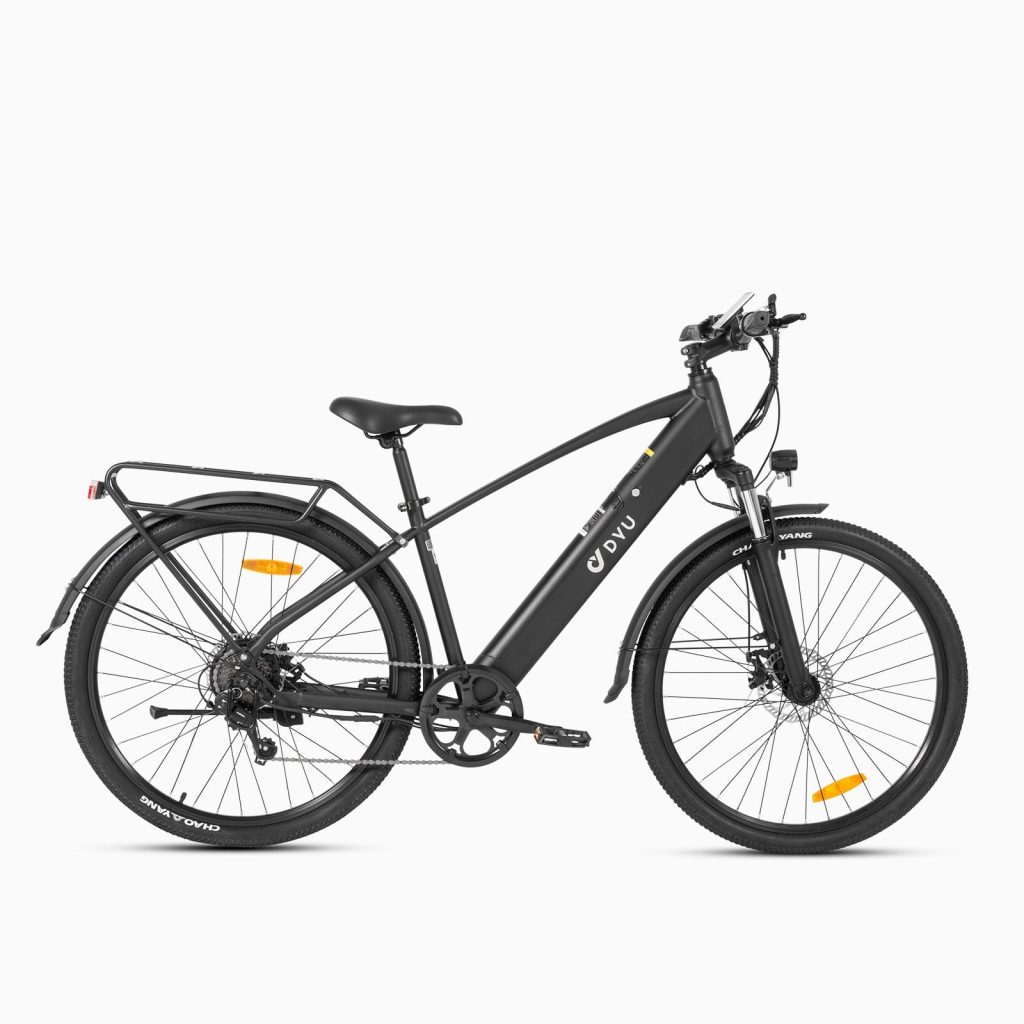



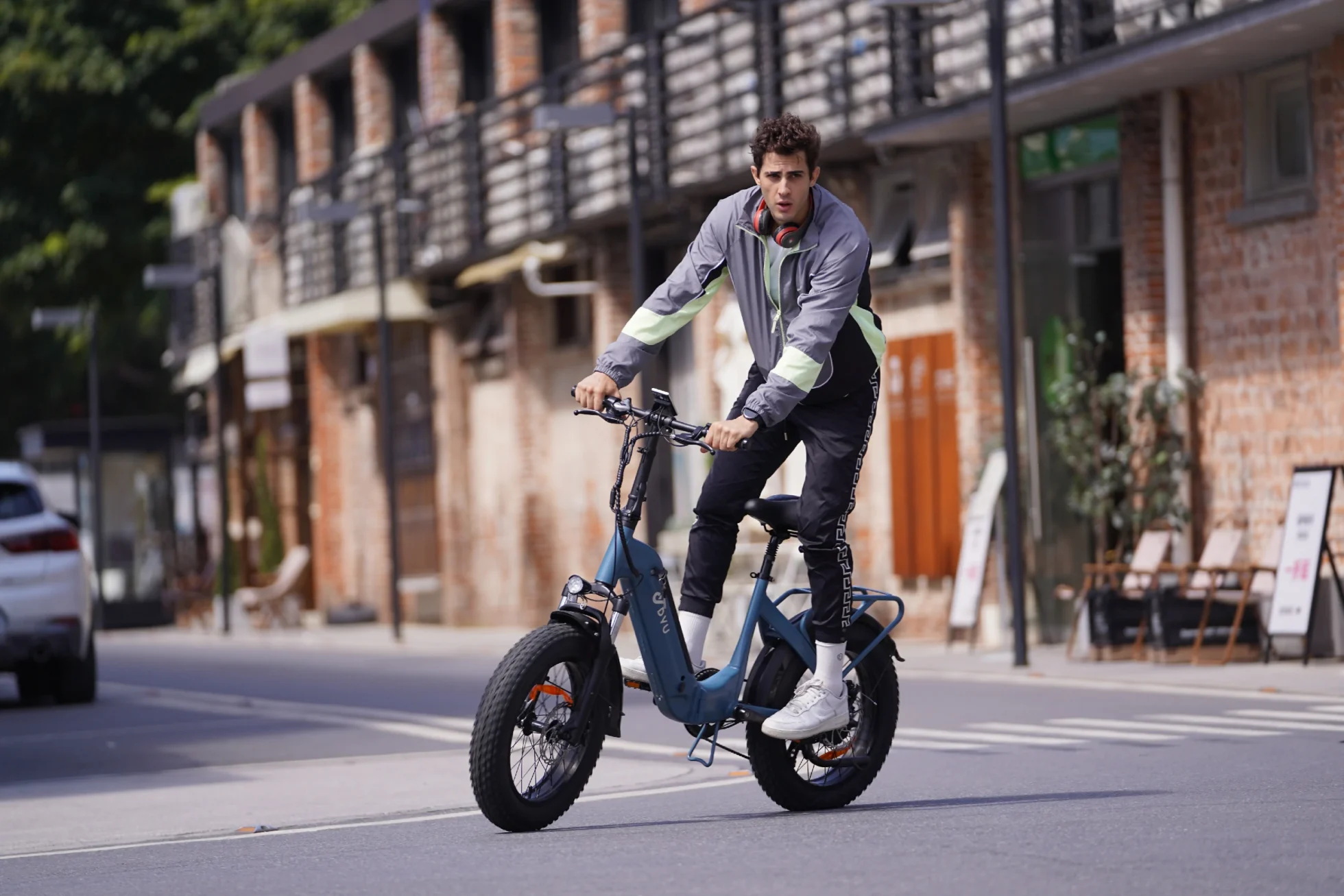
DYU FF500 vs ENGWE EP-2 Boost is the kind of fat tire folding e-bike comparison that looks simple until you ride rough city routes for a week. Both bikes use 20-inch fat tires, both fold, both carry real weight, and both promise mixed-surface confidence. The difference is what each bike is trying to optimize.
The DYU FF500 20-inch fat tire e-bike is currently listed at €1199, down from the regular €1799. ENGWE lists the ENGWE EP-2 Boost at €1,049 with a regular price of €1,099. On paper, the ENGWE looks more regulation-friendly for standard assisted city use. The FF500 counters with a stronger motor rating, heavier-duty load feel, and a more cargo-friendly personality.
DYU FF500 vs ENGWE EP-2 Boost: Quick Comparison Table
| Spec | DYU FF500 | ENGWE EP-2 Boost |
|---|---|---|
| Current price | €1199, regular €1799 | €1,049, regular €1,099 |
| Motor | 500W | 250W brushless motor, 55 Nm boost button |
| Battery | 48V 14Ah | 624Wh removable lithium-ion battery |
| Listed range | 70 km pedal assist | Up to 120 km in PAS 1 |
| Top assisted speed | 32 km/h listed | 25 km/h listed |
| Weight | 31 kg | 30 kg |
| Payload | 150 kg | 150 kg |
| Tires | 20-inch fat tires | 20 x 4.0-inch all-terrain tires |
| Brakes | Disc brakes | 180 mm mechanical disc brakes |
| Best fit | Rough roads, cargo, heavier riders, mixed paths | EU-standard assisted riding, torque-sensor smoothness, longer claimed PAS range |
That table explains most of the buying decision. The FF500 feels like the burlier option. The EP-2 Boost reads like the more polished EU-standard fat tire folder. Neither is automatically better. The right answer depends on your route and how strict your local riding rules are.
Motor and Assist Feel
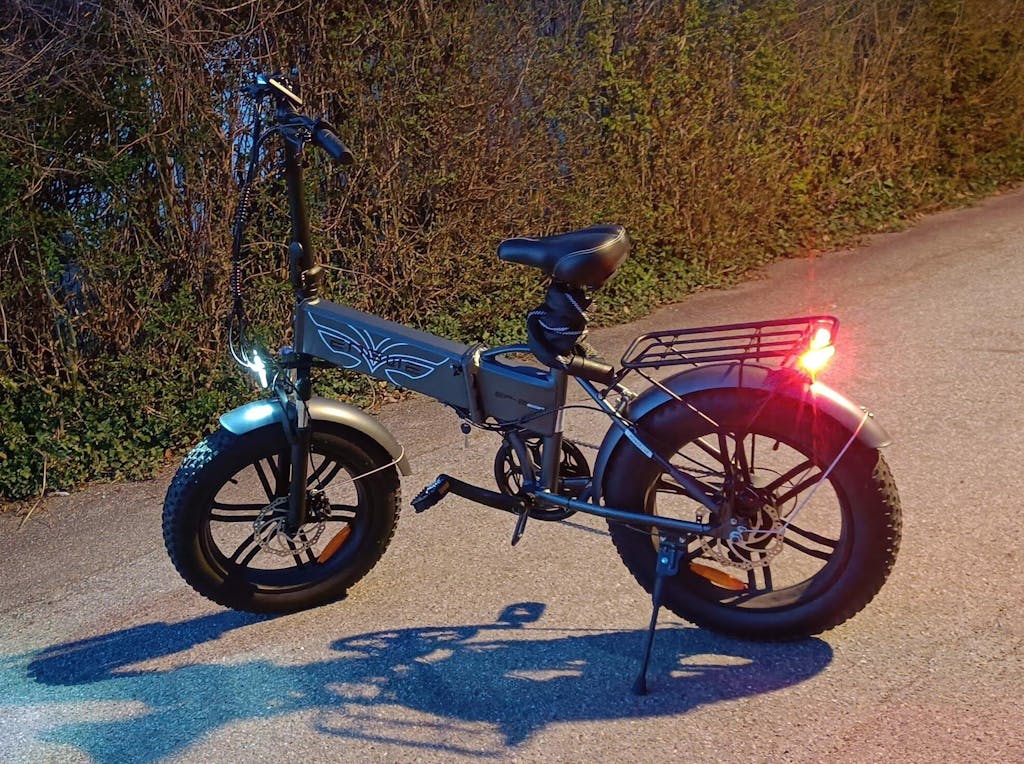
The FF500 uses a 500W motor and lists a 32 km/h top speed. That gives it the stronger spec-sheet punch, especially for heavier riders, rough paving, short climbs, and cargo loads. If your everyday ride includes cracked streets, canal paths, gravel shortcuts, or wet winter roads, that extra shove is easy to understand.
The catch is road classification. Standard EU pedelec rules usually center on a 250W motor rating and assistance limited to 25 km/h. The legal framework is more nuanced by country and class, but this EU vehicle classification regulation is the kind of reference I check before treating a faster e-bike like a normal city pedelec.
ENGWE takes a different route. The EP-2 Boost lists a 250W brushless motor with a 55 Nm boost button and torque sensor. That torque sensor is the feature I would notice first in daily use. It tends to make assistance feel more natural because the motor responds to how hard you pedal, not only how fast the cranks are turning.
Range, Battery and Real-World Planning
DYU lists the FF500 at 70 km of pedal-assist range from a 48V 14Ah battery. ENGWE claims up to 120 km in PAS 1 from a 624Wh removable battery. The ENGWE has the bigger claim, but I would not plan either bike around the top number.
Fat tires take energy. Low tire pressure, cold weather, wet ground, and a rider carrying bags all reduce range. This is why I prefer to compare range as usable margin, not as marketing distance. If your real route is 20 to 35 km per day, both bikes can work. If you want the longest low-assist number and a calmer legal profile, ENGWE has the cleaner argument.
Electric Bike Report has a helpful plain-English guide to volts, amp-hours, and battery capacity. BikeRadar also explains why e-bike range changes with route and rider input. Those principles matter more on fat tires than on narrow city tires.
✨BUY DYU FF500 BUY ENGWE EP-2 BOOST
Folding, Weight and Storage
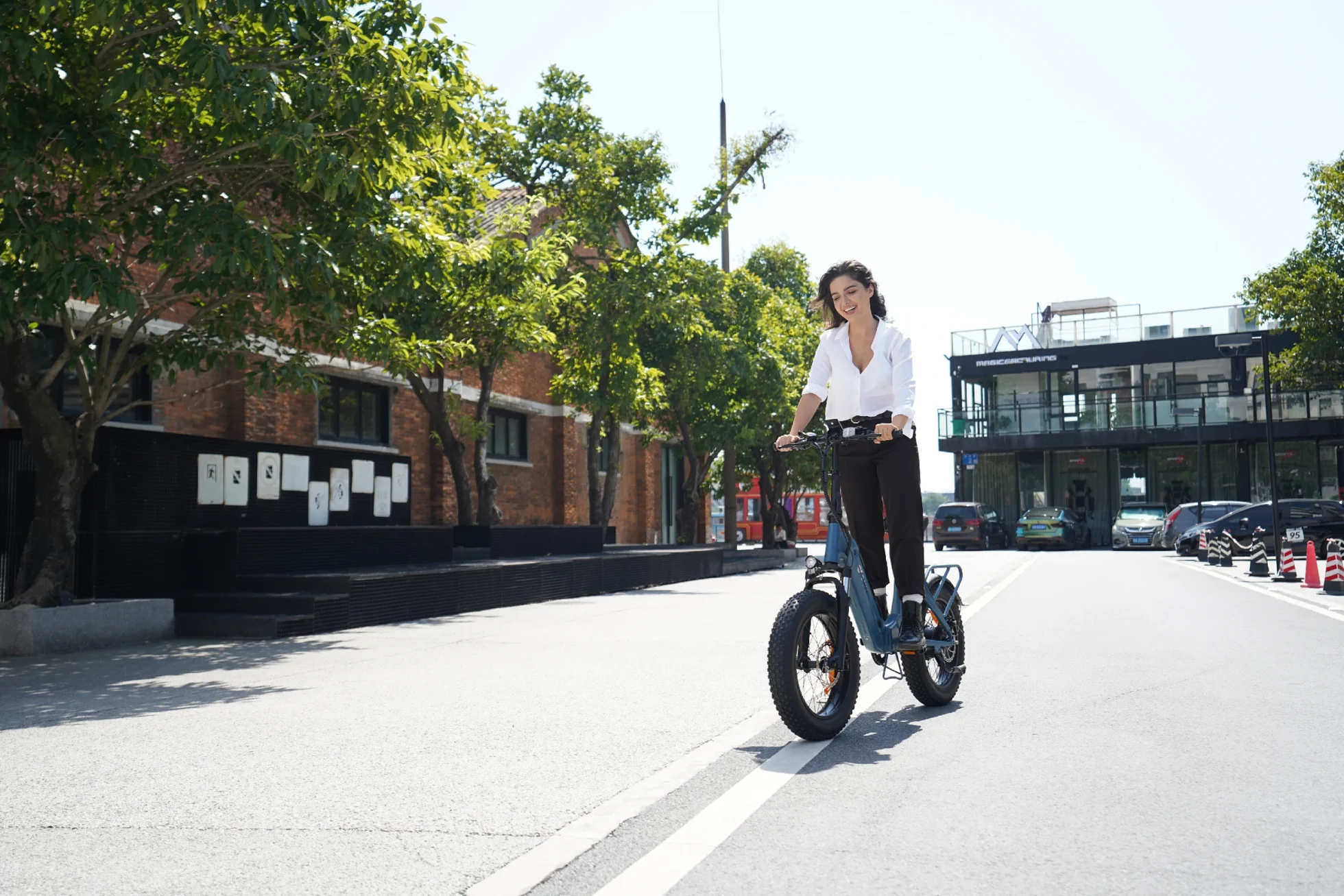
At 31 kg, the FF500 is not a lightweight folder. The ENGWE is listed at 30 kg, so this is not a dramatic difference. Either way, think of folding as a storage and car-boot feature, not as a daily stair-carrying feature.
I would be comfortable folding either bike for a garage corner, hallway, van, or weekend trip. I would not want to carry either one up three floors every evening. The tires, battery, rack, and frame strength all add up.
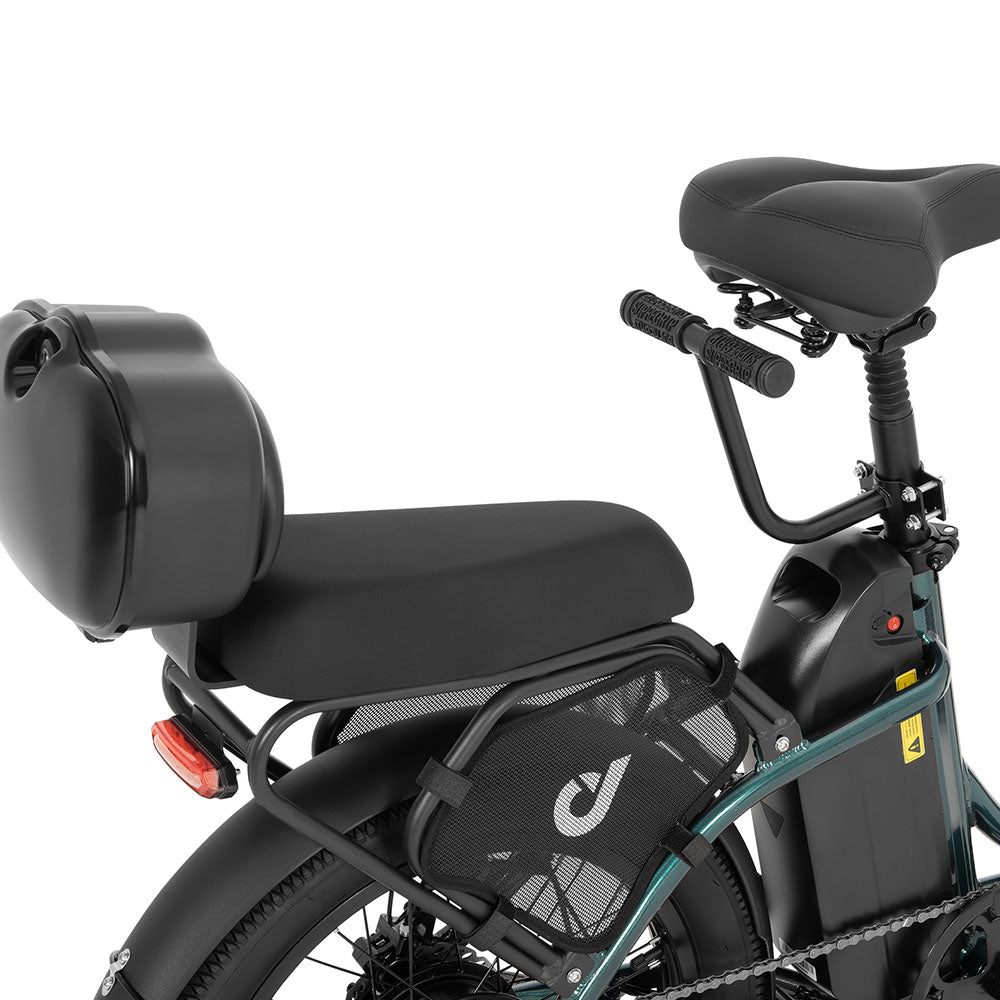
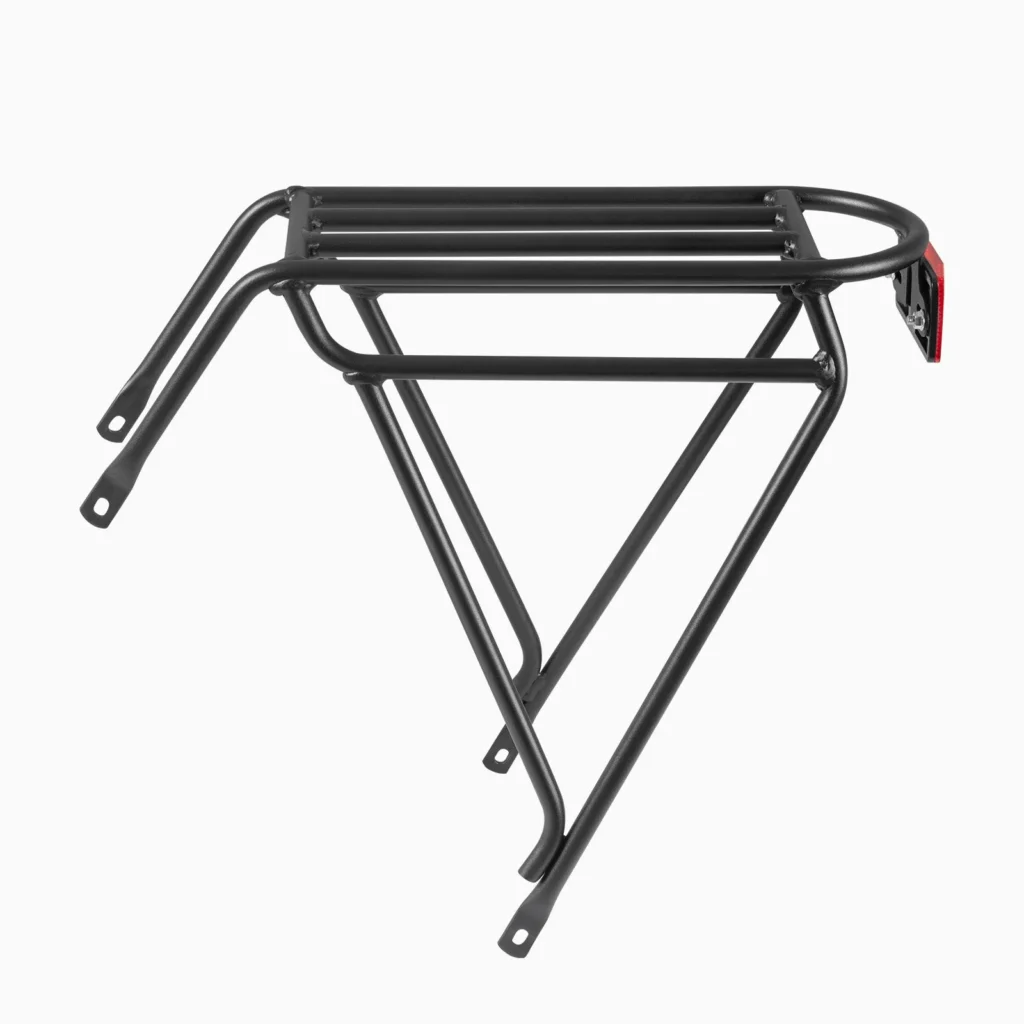
The FF500’s rear rack and 150 kg load capacity make it feel practical for riders who carry work bags, groceries, or a lock plus rain gear. ENGWE also lists a 150 kg payload, so the more important difference is not payload alone. It is ride feel: FF500 is more power-forward, while ENGWE is more sensor-forward.
Fat Tires on Rough European Routes
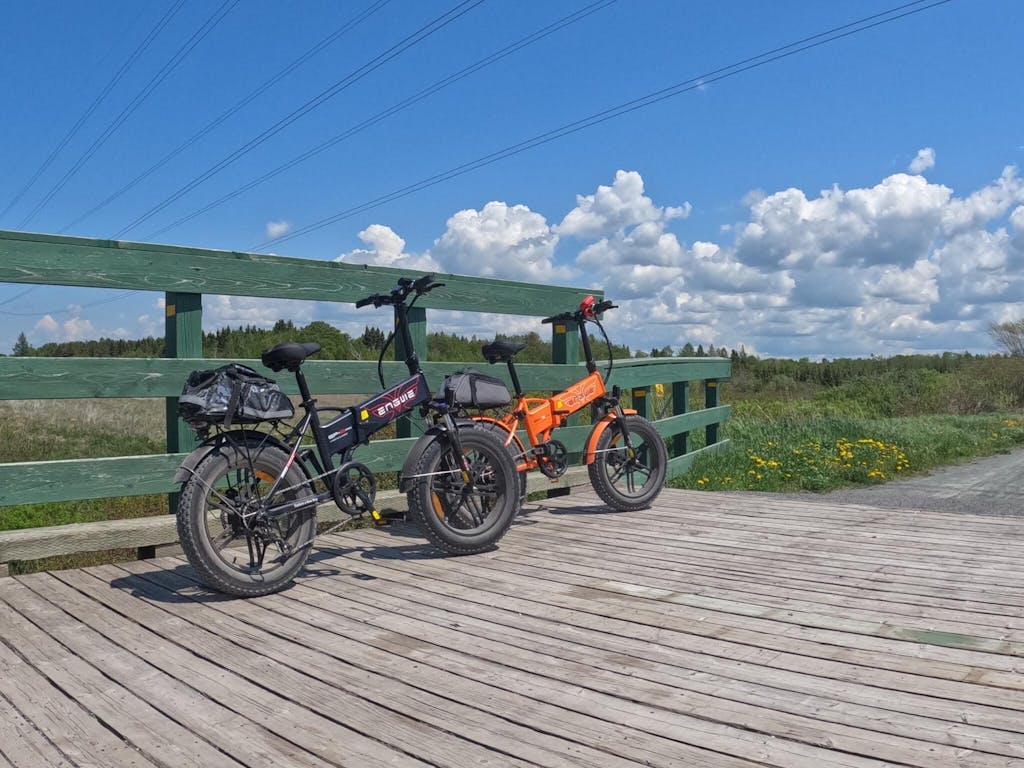
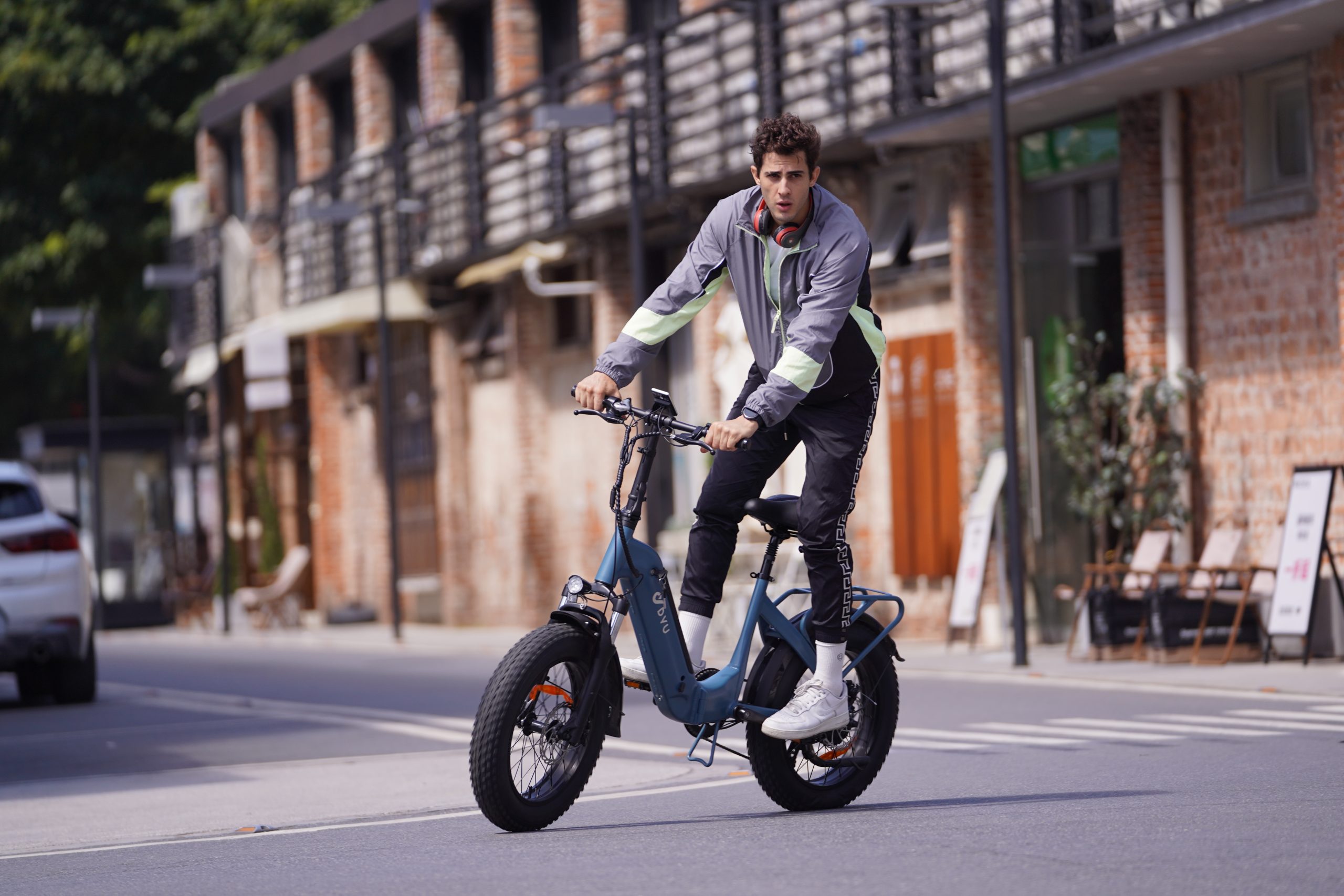
Fat tires are easy to misunderstand. They do not turn a folding e-bike into a mountain bike. What they do well is make bad everyday surfaces feel less sharp. Cobblestones, tram-track edges, gravel paths, wet leaves, and pothole seams feel less nervous when the tire has more air volume.
The FF500 leans into that rugged feel. On a broken side street, I would expect it to feel planted and forgiving. ENGWE’s 20 x 4.0-inch tires do a similar job, but its 25 km/h assisted speed and torque sensor make it feel more like a compliant European fat tire folder.
DYU’s fat tire e-bike guide goes deeper on what fat tires do well and where they are overkill. The gravel and light-trail riding guide is also useful if your route mixes paved lanes with park paths.
Ride Scenarios: Where Each Bike Makes More Sense
I would not choose between these bikes from the motor line alone. I would start with the route. A rider in Amsterdam with mostly flat cycle lanes has a different problem from a rider in a hilly suburb outside Barcelona, or someone in Warsaw who wants one folding bike for winter roads and weekend paths.
The FF500 makes more sense when the surface is the problem. It feels built for riders who care less about a perfect low-weight commuter and more about confidence when the road turns ugly. Think cracked paving, gravel shoulders, wet leaves, older industrial streets, and short hills with shopping on the rear rack.
The EP-2 Boost makes more sense when the legal and assist feel matter most. The 250W assisted profile, 25 km/h listed top assisted speed, torque sensor, and longer PAS claim all point toward a rider who wants a fat tire folder but still wants a more standard city e-bike rhythm.
| Scenario | Better fit | Why |
|---|---|---|
| Mostly public city cycle lanes | ENGWE EP-2 Boost | Its 250W/25 km/h listed profile is easier to understand for standard assisted riding. |
| Rough mixed roads and private paths | DYU FF500 | The stronger motor rating and rugged feel are more useful when the surface is inconsistent. |
| Long low-assist rides | ENGWE EP-2 Boost | The 120 km PAS 1 claim gives it the stronger official range number. |
| Cargo and heavier-rider confidence | Close call | Both list 150 kg payload, but the FF500’s power-forward setup feels more load-oriented. |
| Apartment stair carrying | Neither | Around 30 kg is too heavy for a pleasant daily stair routine. |
Brakes, Maintenance and Ownership
The FF500 uses disc brakes, while ENGWE specifies 180 mm mechanical disc brakes. On heavy fat tire folders, brake setup matters. A 30 kg bike plus rider plus cargo creates more stopping demand than a light city bike.
My rule is simple: check brakes early, not after they start complaining. New pads bed in, cables can stretch, and heavier bikes reward regular adjustment. The DYU hydraulic vs mechanical disc brakes guide explains the main differences, even though this comparison is focused on mechanical disc setups.
| Ownership factor | DYU FF500 | ENGWE EP-2 Boost |
|---|---|---|
| Daily checks | Tire pressure, brake feel, hinge, rack bolts | Tire pressure, brake feel, hinge, torque-sensor response |
| Battery habit | Charge around real route needs, not the claimed maximum | Same habit, with more claimed PAS margin |
| Best storage | Ground-floor storage, garage, lift, car boot | Ground-floor storage, garage, lift, car boot |
| First owner concern | Make sure the riding mode fits local rules | Make sure 30 kg still fits your storage routine |
Cost Analysis: Price Is Not the Whole Budget
The sticker price says ENGWE starts lower: €1,049 versus the FF500 at €1199. That €150 difference matters, but it should not be the only number in the decision. Fat tire folders need the same sensible ownership setup: a strong lock, pump, brake pads over time, a place to charge, and enough storage space that the bike does not become annoying after the first week.
The FF500’s current discount from €1799 to €1199 makes it easier to justify if you specifically want the stronger motor rating. ENGWE’s lower price is stronger if you want a compliant-feeling assisted bike and do not need the FF500’s extra output.
My cost view is practical. If the bike will replace car trips on rough mixed routes, paying more for the FF500 can make sense. If the bike will live mostly on normal city lanes and your main goal is a stable folding e-bike with smooth assist, ENGWE’s value is hard to ignore.
Pros and Cons
| Bike | Pros | Cons |
|---|---|---|
| DYU FF500 | Stronger 500W motor rating, rugged fat tire feel, 150 kg payload, useful for rough routes and cargo. | Higher price, heavier ownership feel, listed 32 km/h and 500W specs need local rule checks. |
| ENGWE EP-2 Boost | Lower price, 250W assisted profile, torque sensor, 120 km PAS 1 claim, smoother city assist feel. | Less power on paper, still heavy, range claim depends heavily on low assist and easy terrain. |
Which One Should You Choose?
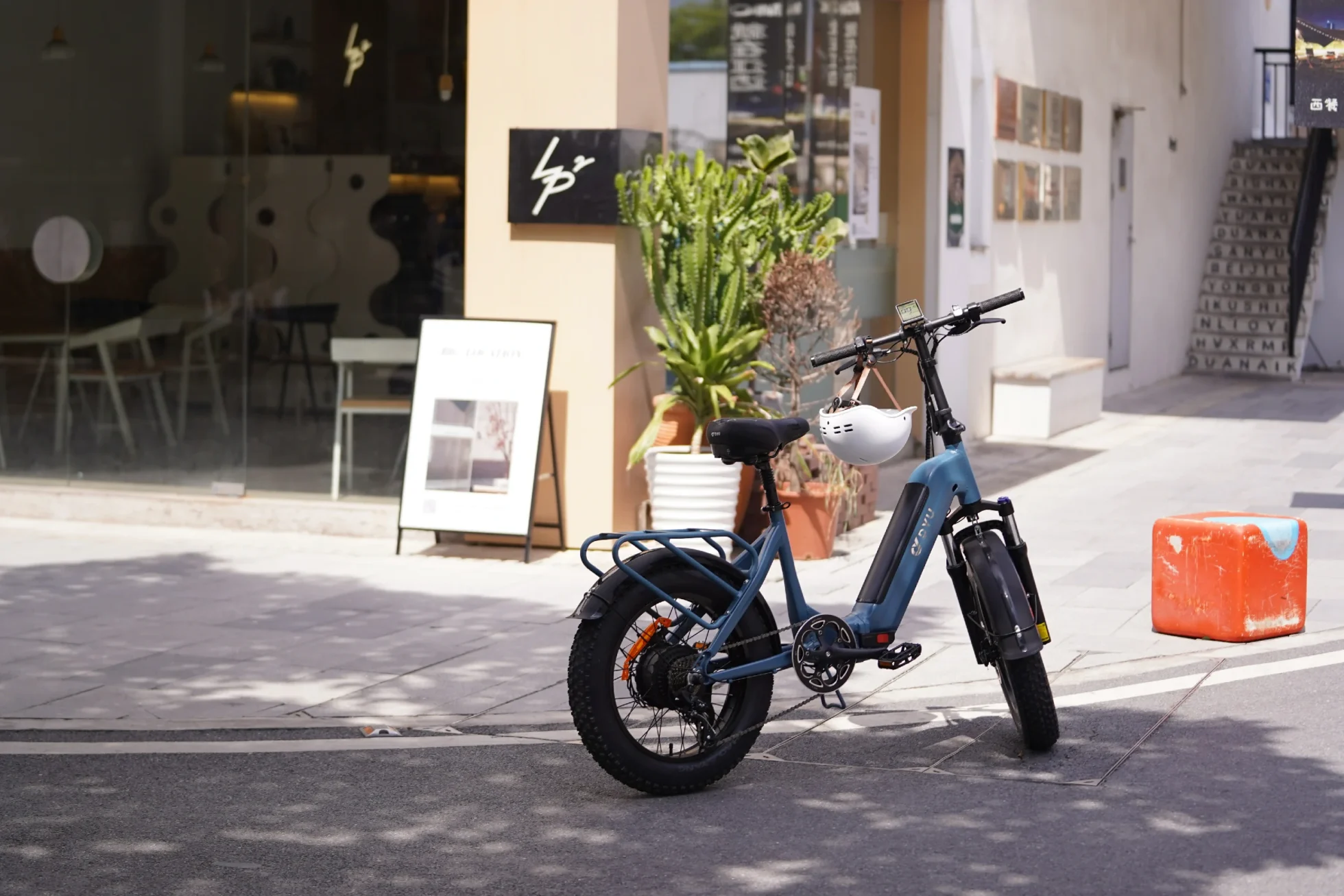
Choose the DYU FF500 if you want a tougher-feeling fat tire folder for rough streets, heavier riders, cargo, and mixed paths. The current €1199 price is not the cheapest in this comparison, but the bike makes sense if power feel and load confidence matter more than strict EU-standard assist specs.
Choose the ENGWE EP-2 Boost if your priority is smoother pedal response, a 25 km/h assisted-speed profile, and a longer official PAS range claim at a lower listed price. Its torque sensor is the strongest argument for riders who want a more natural pedaling feel.
My practical verdict: the FF500 is the more rugged mixed-route choice; the EP-2 Boost is the cleaner compliance-and-smoothness choice. If you ride mostly public city lanes and want fewer legal questions, ENGWE has the advantage. If your riding includes rougher ground, cargo, and private mixed surfaces where the stronger motor spec is useful, the FF500 deserves the closer look.
✨BUY DYU FF500 BUY ENGWE EP-2 BOOST
FAQs
Q1. Is the DYU FF500 better than the ENGWE EP-2 Boost?
The DYU FF500 is better if you want stronger motor output, a rugged mixed-route feel, and a 150 kg load rating. The ENGWE EP-2 Boost is better if you want a 250W assisted profile, torque-sensor smoothness, and a lower listed price.
Q2. Which bike has more range, DYU FF500 or ENGWE EP-2 Boost?
ENGWE lists up to 120 km in PAS 1, while DYU lists 70 km for the FF500. Real range on both bikes depends on tire pressure, rider weight, assist level, surface, temperature, and how often you stop.
Q3. Is a 500W e-bike legal on European roads?
Standard EU pedelec rules usually reference 250W continuous rated power and assistance up to 25 km/h. A 500W, 32 km/h listed bike may fall into a different category depending on local law, so check the rules where you ride.
Q4. Are fat tire folding e-bikes good for commuting?
They can be good for commuting if your route has poor surfaces, gravel paths, wet roads, or cargo needs. They are heavier than normal city e-bikes, so storage and lifting matter.
Q5. Which is easier to store, DYU FF500 or ENGWE EP-2 Boost?
Both fold, but both weigh around 30 kg. Folding helps with garage, hallway, and car storage, but neither bike is ideal for frequent stair carrying.