
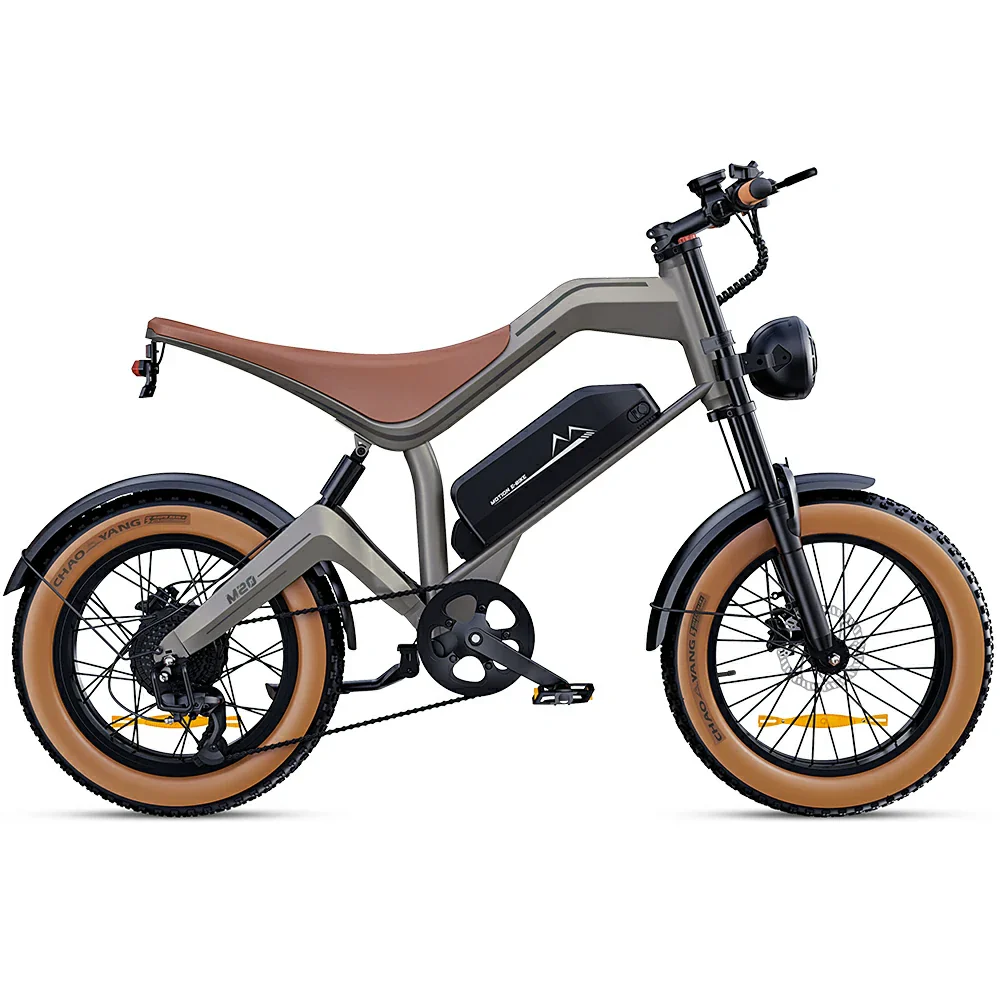
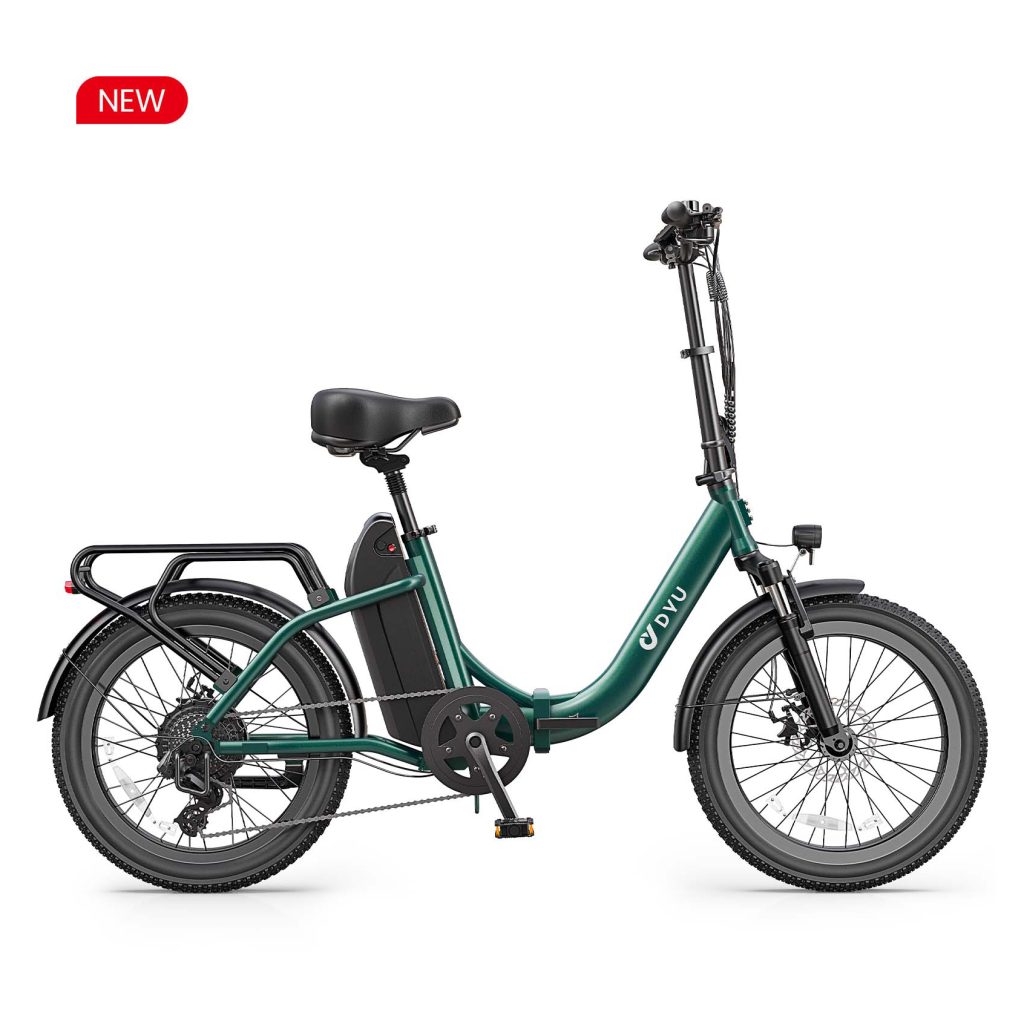
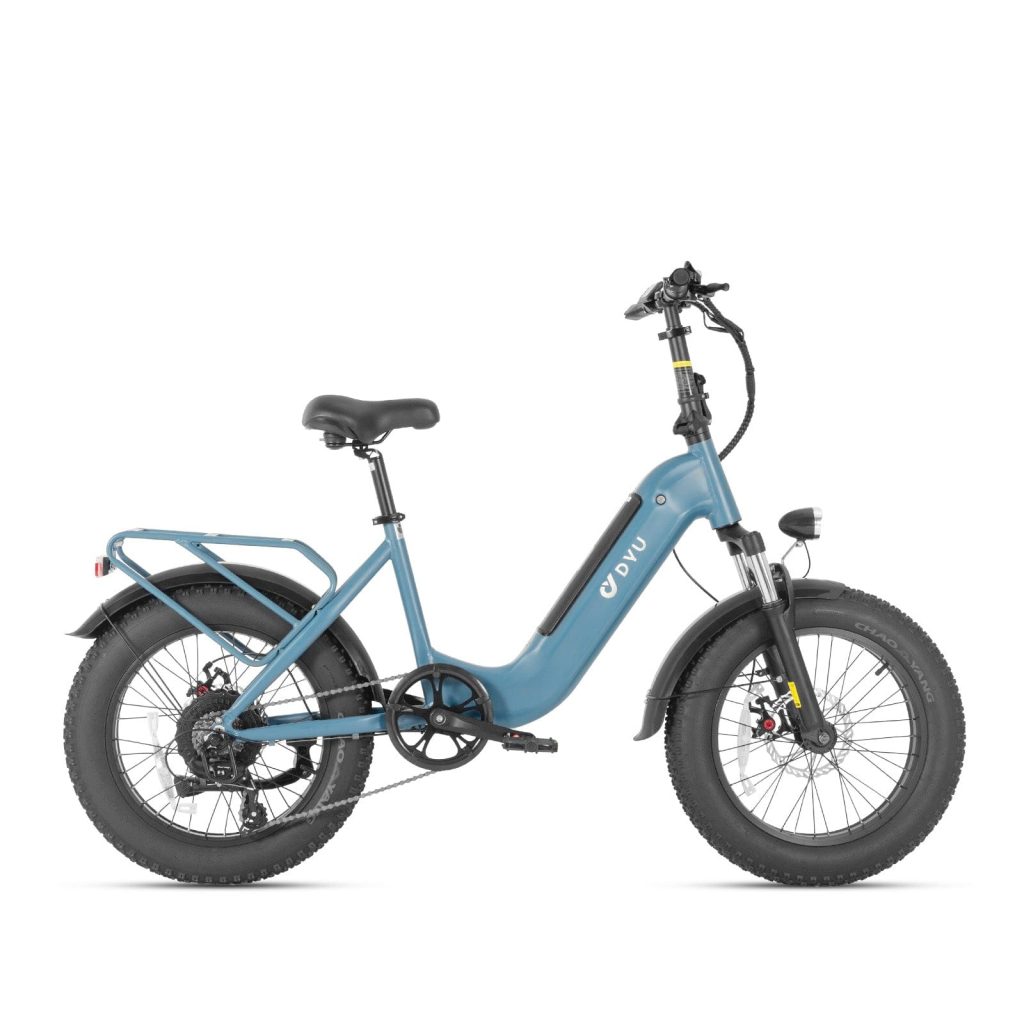
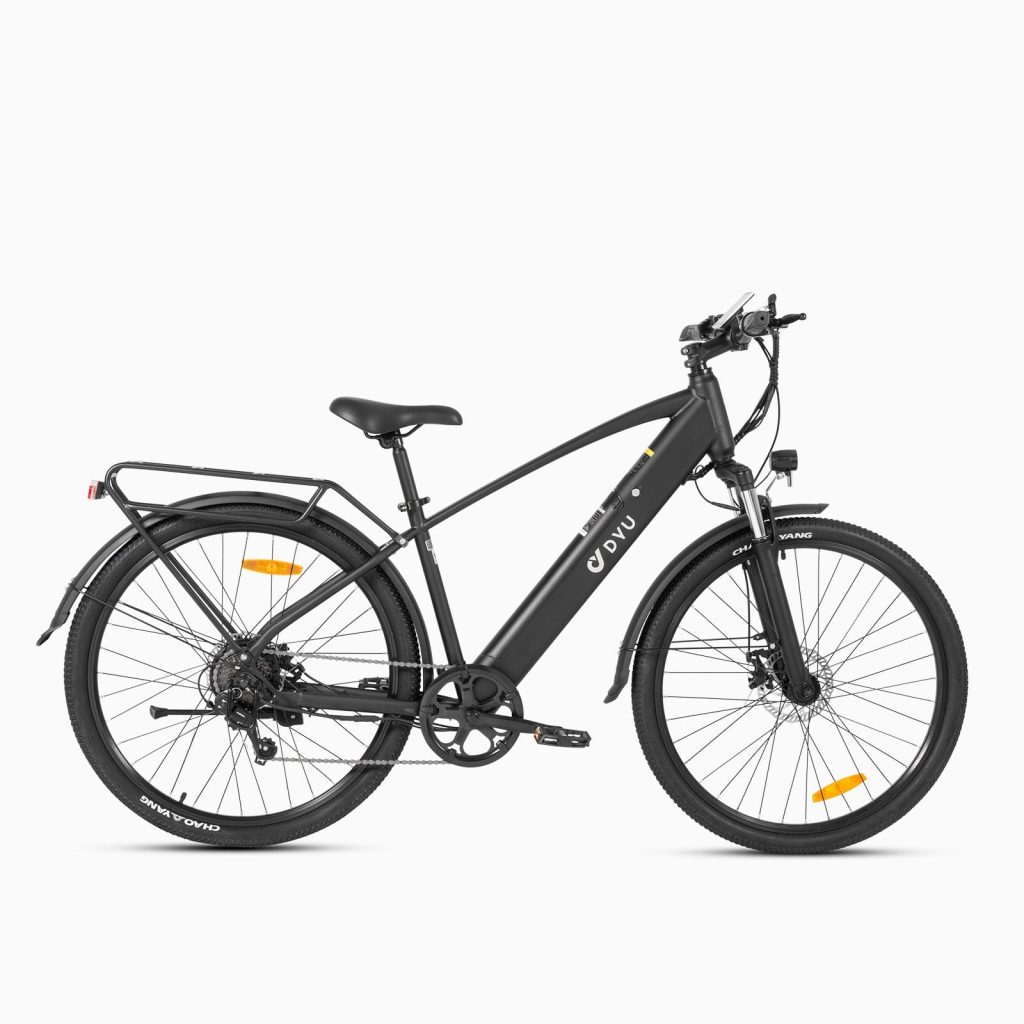
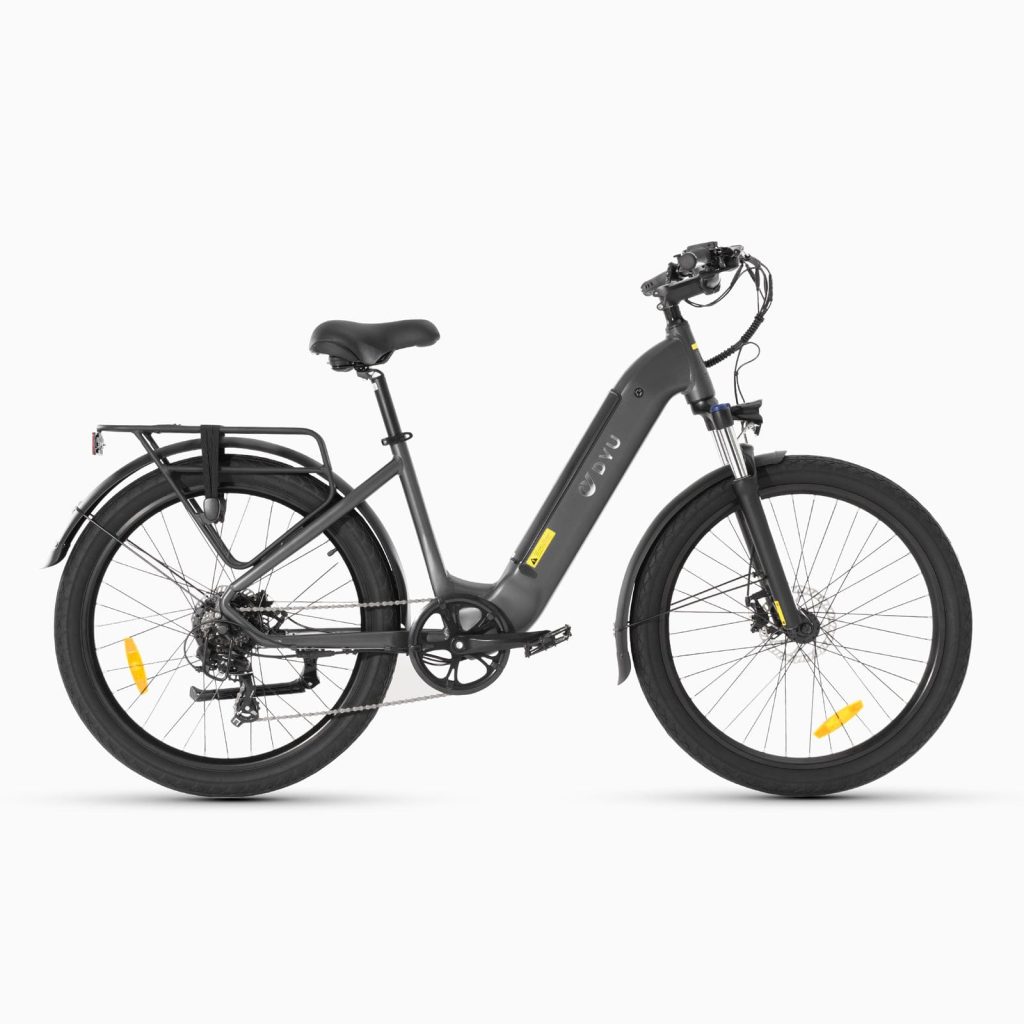
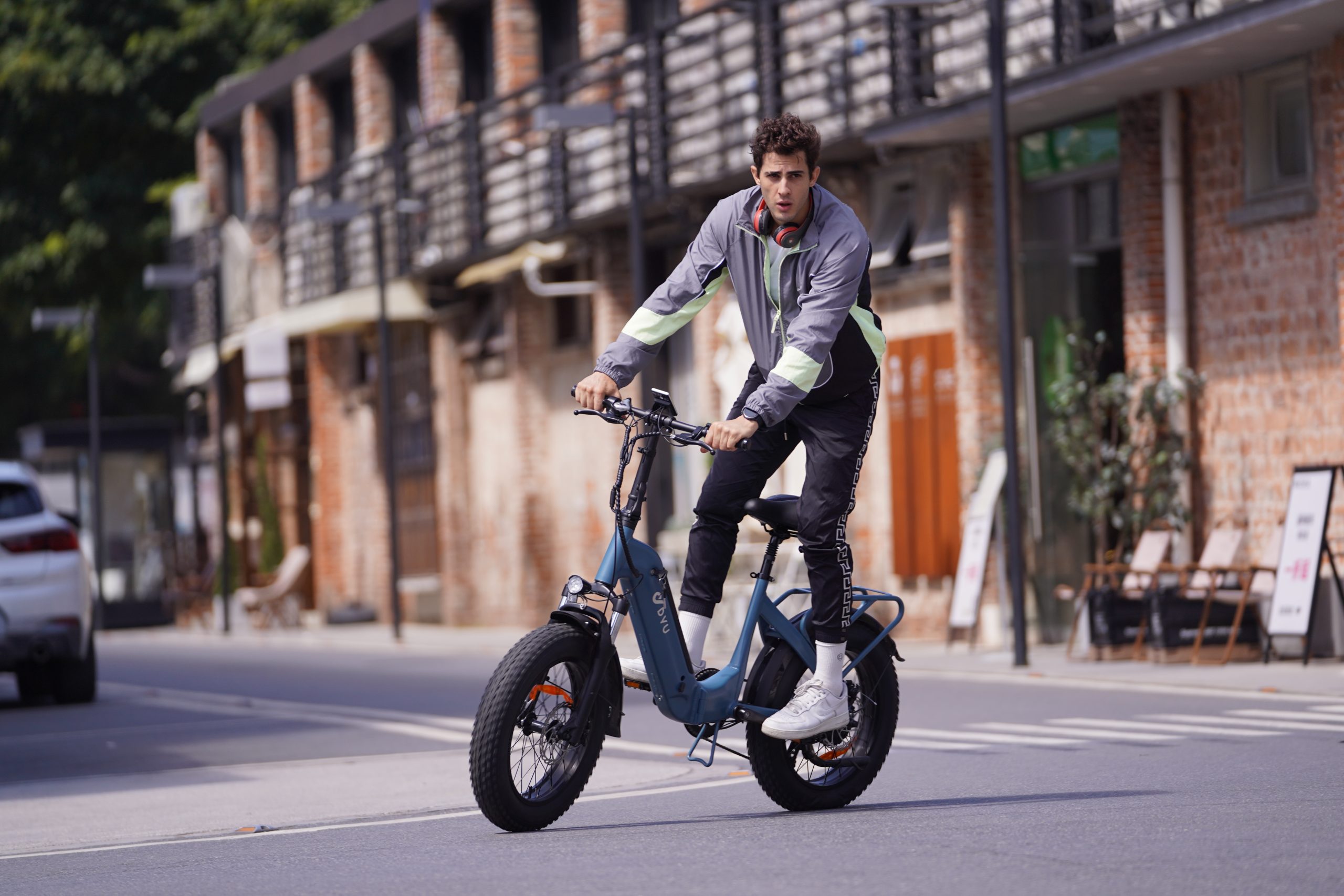












Choosing between the DYU M20 vs Fiido Titan can feel overwhelming when both e-bikes promise serious off-road capability. The DYU M20 delivers speed at 45 km/h and a range of up to 160 km. The Fiido Titan counters with a 200 kg payload capacity and an extended range of up to 347 km with its battery extender. Pricing adds complexity to this dyu vs fiido debate, with the DYU coming in at €1099 compared to the Fiido Titan at €1,699. We’ll break down everything from motor power and battery performance to real-life comfort and braking systems, so you can decide which e-MTB fits your needs and budget.
Comfort and Riding Experience
Riding Position and Frame Design
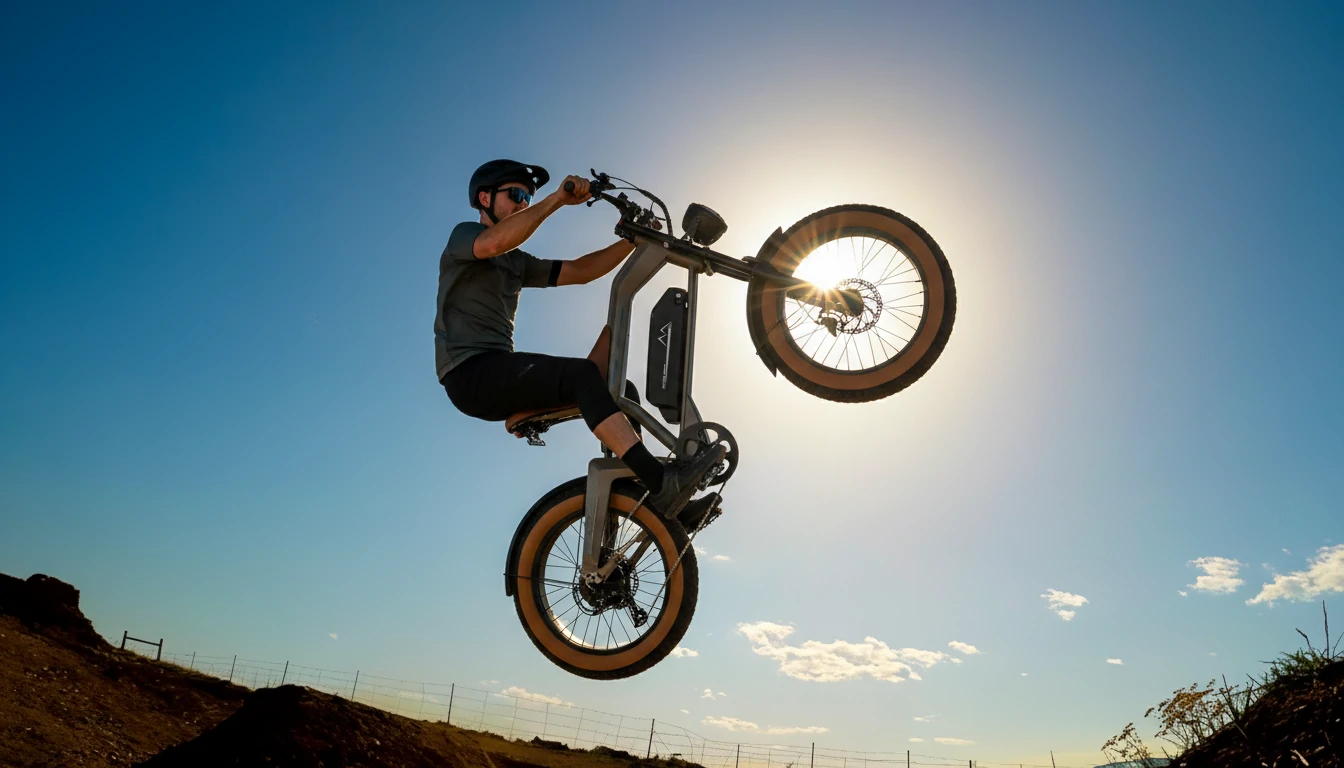
Both e-bikes offer upright riding positions that reducestrain on your back and shoulders during extended rides. The Fiido Titan features a step-thru frame design that accommodates riders from 155cm to 200cm and makes mounting and dismounting easier. This low-entry design proves practical when you need to make quick stops or handle emergency situations.
The DYU M20 takes a different approach with a more compact frame that suits riders between 165cm and 190cm. The height range is narrower, and at 39kg, the M20 sits in a similar weight category to the Fiido Titan’s 37.8kg. As a result, maneuverability differences are minimal, and lifting or navigating tight urban spaces still requires noticeable effort with both bikes.
Saddle Comfort: Ergonomic vs Sprung
The DYU M20 comes with an ergonomic long-seat design that provides stable comfort for both short commutes and long experiences. The Fiido Titan uses an ergonomic saddle engineered specifically to reduce buttock pain and lower back pressure during extended rides. Both saddles target comfort, though the DYU design focuses more on pressure distribution for heavy-duty touring.
Tire Performance: 20-inch Fat Tires Comparison
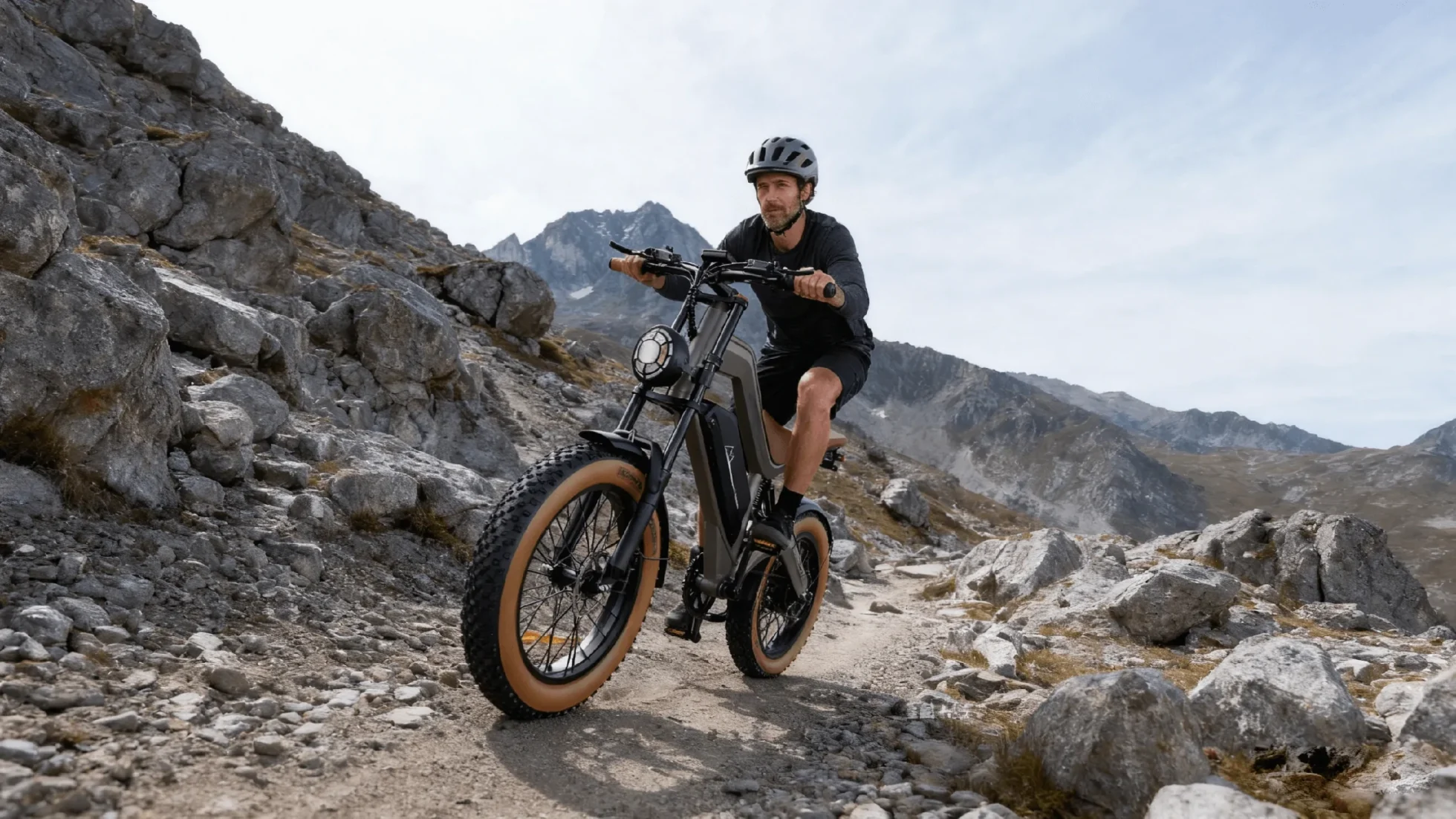
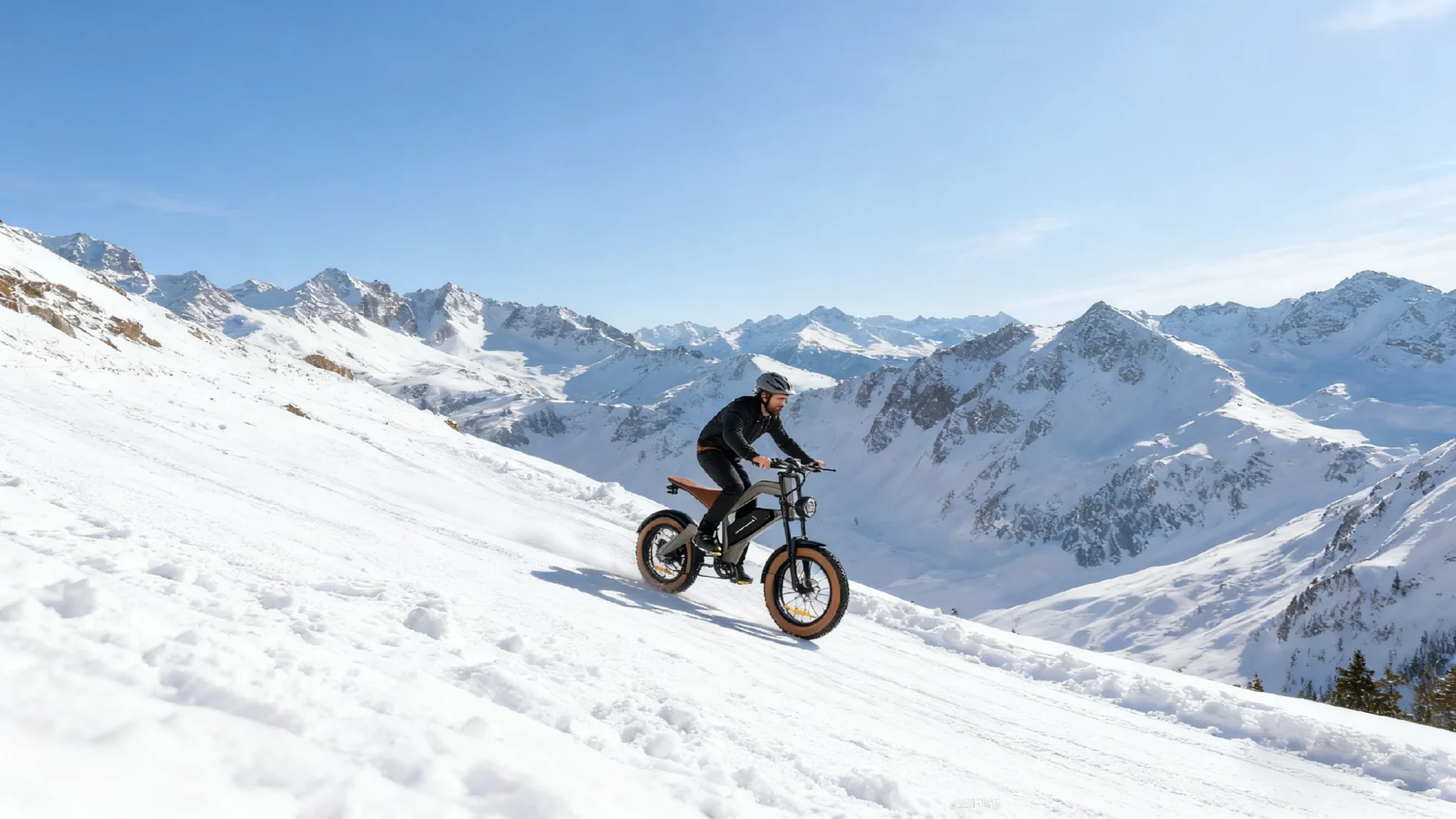
Both bikes use 4.0-inch wide fat tires, but the wheel size creates different riding experiences. The DYU M20’s 20×4.0″ tires deliver superior grip and stability on surfaces of all types including sand, snow, and rough trails. The smaller diameter provides better torque delivery and a lower center of gravity, which benefits handling on technical terrain.
The Fiido Titan’s 26×4.0″ CST tires offer stability on rugged trails and maintain momentum better on longer rides. Larger wheels roll over obstacles more smoothly, though they sacrifice some of the nimble handling that 20-inch wheels provide.
Suspension Systems: Front/Rear vs Front Only
The suspension comparison reveals a clear advantage for the DYU M20:
- DYU M20: Front fork + rear dual suspension absorbs shocks from rough terrain
- Fiido Titan: 60mm adjustable front suspension fork only, with lockout option
The dual suspension system on the DYU M20 provides better shock absorption on terrain of all types. The Fiido’s front-only setup transfers more impact to the rider’s lower back on extended off-road sessions, despite its 60mm travel.
Price Comparison and Value Analysis
DYU M20: €1099 vs Fiido Titan: €1,699
The price gap between these e-bikes tells an important story. The DYU M20 costs €1099, reduced from its original €1,399 price tag. The Fiido Titan sits at €1,699 and positions itself in a premium segment. This €600 difference needs careful examination of what each bike delivers.
The DYU M20 packs hydraulic disc brakes, a 7-speed Shimano transmission system, and IP54 waterproofing at its €1099 price point. These features typically appear on bikes costing much more. The Fiido Titan justifies its higher cost with a UL-certified battery, 4-piston hydraulic brakes, and a torque sensor system. The two bikes also differ in motor philosophy, with the DYU M20 using a 750W motor while the Fiido Titan adopts a EU-compliant 250W motor focused on efficiency and legal road use. Despite these differences, the pricing disparity remains substantial.
Feature-to-Price Ratio
Breaking down the cost per feature reveals where your money goes. The DYU M20 costs €1099 and delivers a 48V 18.2Ah battery providing 160 km range, full suspension. The Fiido Titan’s €1,699 asks you to pay for its 696Wh battery with 115 km standard range, integrated rear rack, and 9-speed drivetrain.
The DYU M20 brings premium e-bike features to a mid-range price point and makes high-performance electric cycling available to everyday riders throughout Europe. The Fiido requires nearly double the investment. But the DYU provides comparable motor power, superior range on a single charge, and faster charging times of 5-6 hours instead of the Titan’s longer charging period.
Best Use Cases: All-Terrain Riding vs Cargo Touring
The DYU M20 excels as a rugged all-terrain e-bike with strong off-road capability. Its 39kg frame and fat-tire setup prioritize stability and traction over portability, making it better suited for trails, gravel paths, and mixed-terrain riding rather than dense urban commuting. Riders who frequently explore off-road routes or uneven surfaces will appreciate the added control and durability the M20 provides.
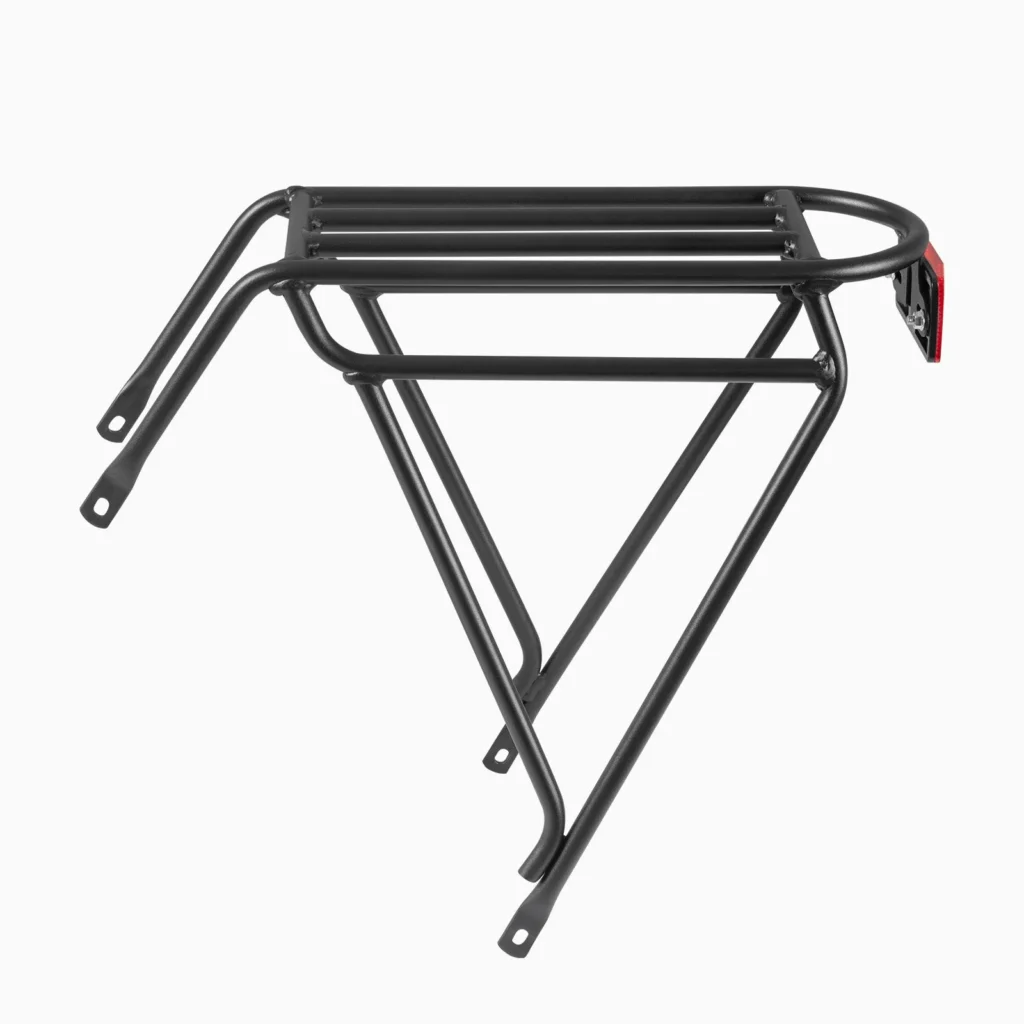
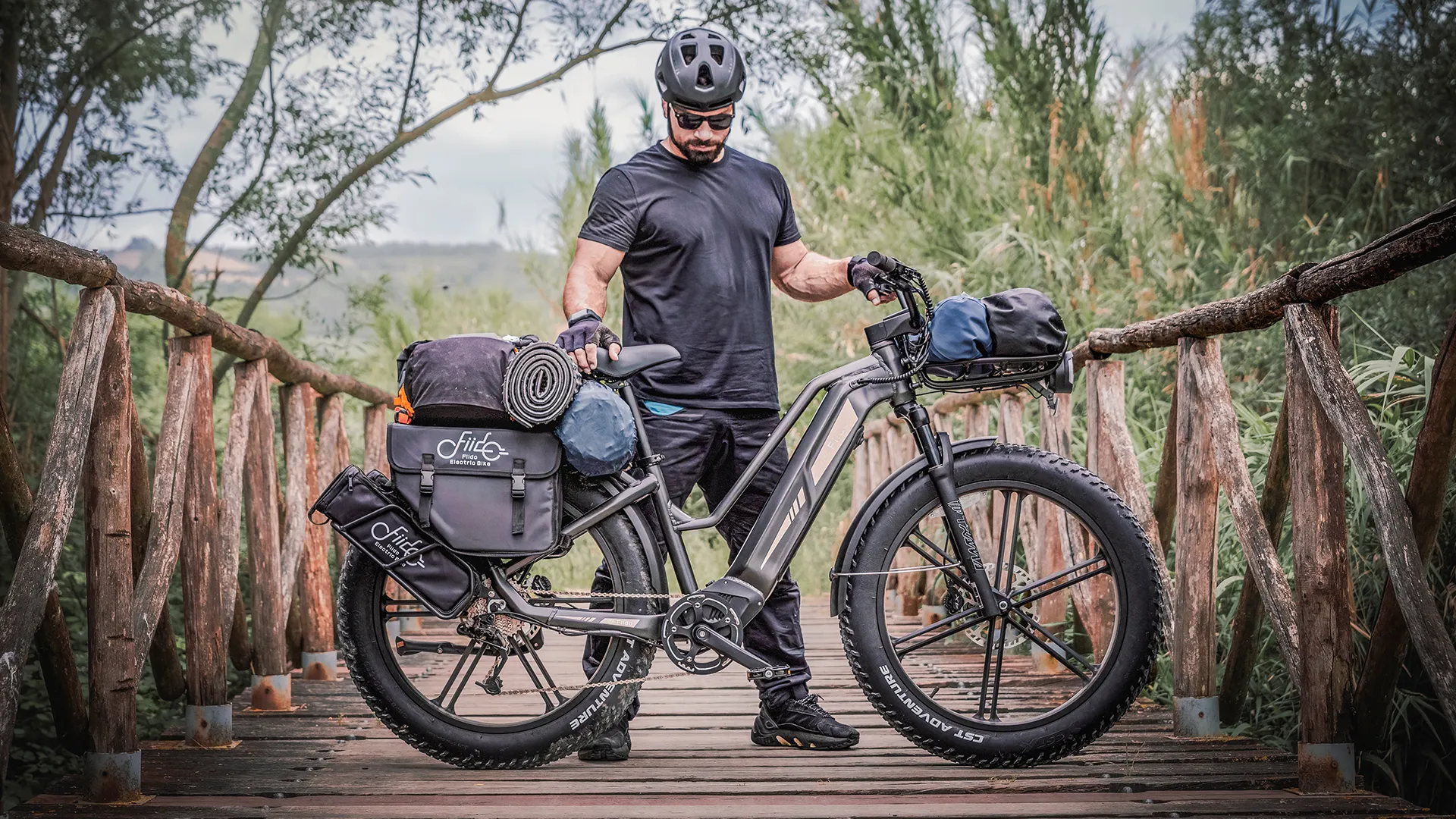
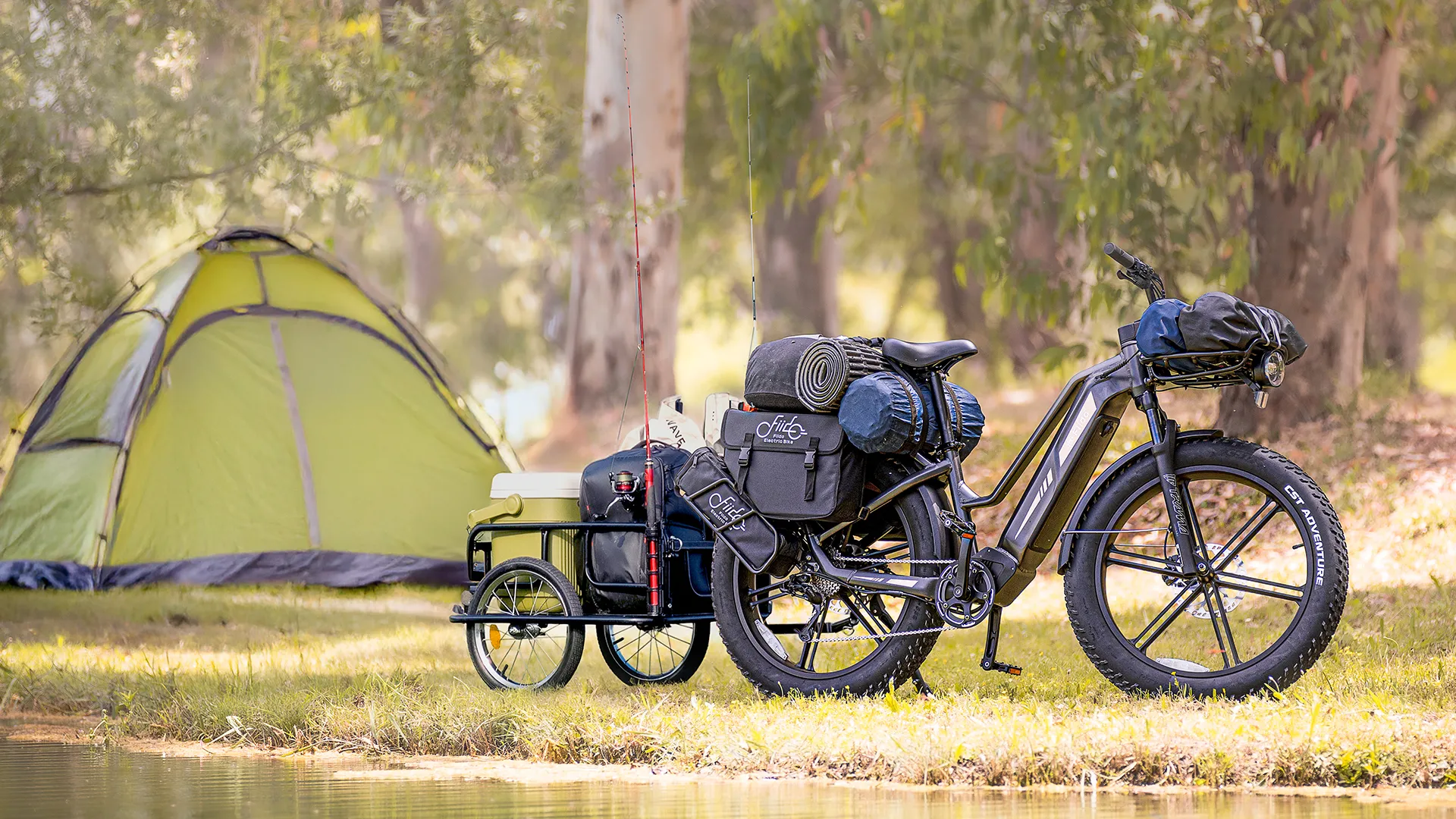
The Fiido Titan targets a different rider. Its 200 kg payload capacity and rugged build serve touring enthusiasts, camping trips, and heavy cargo hauling. But this specialization comes with tradeoffs. The Titan weighs 38 kg and feels more like a motorcycle than a maneuverable city bike. Most European commuters rarely need extreme payload capacity or multi-day touring range, which makes the Titan’s premium price harder to justify for typical daily use.
Payload Capacity: 120kg vs 200kg
The payload difference deserves honest assessment. The DYU M20’s 120 kg capacity handles typical scenarios: an 80 kg rider plus a 10 kg backpack leaves 30 kg for additional cargo. This proves sufficient for daily commutes, grocery shopping, or moderate cargo needs. The Fiido Titan’s 200 kg capacity opens possibilities for camping gear, touring setups, or heavy hauling that most riders never require.
Overall Winner: Why DYU M20 Offers Better Value
The DYU M20 delivers strong value for riders seeking power and all-terrain capability at a more accessible price point. At €1099, it offers robust specifications compared to the Fiido Titan’s €1,699 price tag. The M20 focuses on performance-oriented features, including a more powerful motor setup, fat-tire stability, and versatility across mixed terrain, making it suitable for riders who want both commuting capability and off-road freedom.
The Fiido Titan excels in specific scenarios requiring extreme payload capacity or long-distance touring comfort. However, these use cases represent a smaller segment of typical e-bike riding in Europe. For most riders looking for a balance between performance, capability, and cost, the DYU M20 presents the more practical overall choice.
Comparison Table
Complete Specifications Comparison
| Feature | DYU M20 | Fiido Titan |
|---|---|---|
| Price | €1099 | €1,699 |
| Motor Power | 750W | 250W |
| Battery | 48V 18.2Ah | 48V 696Wh |
| Range (Standard) | Up to 160 km | Up to 115 km |
| Range (Extended) | N/A | Up to 347 km (with battery extender) |
| Max Speed | 45 km/h | 25 km/h |
| Weight | 39 kg | 37.8 kg |
| Load Capacity | 120 kg | 200 kg |
| Braking System | Hydraulic disk brakes | Four-piston hydraulic disk brakes |
| Suspension | Front fork + rear dual suspension | 60mm adjustable front suspension fork only |
| Wheel Size | 20×4.0″ fat tires | 26×4.0″ CST fat tires |
| Rider Height Range | 165cm – 190cm | 155cm – 200cm |
| Charging Time | 5-6 hours | Longer than DYU M20 |
| Transmission | 7-speed Shimano | 9-speed drivetrain |
| Waterproofing | IP54 rated | UL-certified battery |
| Saddle Type | Ergonomic long-seat(pressure distribution focus) | Ergonomic saddle |
| Best For | All-terrain riding + off-road exploration | Heavy cargo hauling + touring |
Value Analysis Summary
DYU M20 Advantages:
- €600 cheaper than Fiido Titan
- 45 km longer range on standard battery
- 20 km/h faster top speed
- Dual suspension to absorb shocks better
- Faster charging (5-6 hours)
- Better value-for-money ratio
DYU M20 Limitations:
- Lower payload capacity (120 kg vs 200 kg)
- Narrower rider height range
- Smaller wheel size (less momentum on long rides)
- Standard hydraulic brakes vs four-piston system
Fiido Titan Advantages:
- 80 kg higher payload capacity
- Wider rider height accommodation
- Four-piston hydraulic brakes
- Larger 26″ wheels for obstacle clearance
- Step-thru frame design
- Extended range option (347 km with battery extender)
Fiido Titan Limitations:
- Double the price (€1,699)
- Slower top speed (25 km/h)
- Front suspension only
- Longer charging time
Overall Verdict
The DYU M20 delivers superior value for most European riders. You get practical features that solve daily problems at €1099. The bike weighs less and maneuvers through urban spaces with ease. The range extends further and speeds reach higher levels to commute efficiently. The Fiido Titan excels in specialized scenarios that demand extreme payload capacity or multi-day touring, but these needs represent a minority of e-bike usage patterns. The DYU M20 provides the right balance of performance and versatility for the typical European commuter who ventures onto trails occasionally. You save €600 while getting features that matter most in everyday riding.
Conclusion
The DYU M20 vs Fiido Titan comparison reveals a clear winner for most European riders. The DYU M20 delivers better value at €1099 than the €1,699 Fiido Titan, especially with the lighter weight and longer range. Of course the Fiido excels if you need extreme payload capacity or extended touring capabilities. But the DYU M20 solves real-life problems at nearly half the price for everyday commuting with occasional trail adventures.
FAQs
Q1. What is the main price difference between these two e-bikes?
The DYU M20 costs €1099, while the Fiido Titan is priced at €1,699, making the DYU M20 €600 more affordable. Despite the significant price difference, the two bikes follow different performance philosophies. The DYU M20 features a more powerful 750W motor designed for stronger acceleration and off-road capability, while the Fiido Titan uses a EU-compliant 250W motor focused on efficiency and legal urban riding. The DYU M20 also delivers a longer range and higher top speed at a lower price point.
Q2. Which e-bike is better for off-road riding and mixed terrain?
The DYU M20 is the better choice for riders who frequently ride on trails, gravel paths, or uneven terrain. Its fat tires, more powerful 750W motor, and all-terrain design provide stronger traction and stability outside paved city roads. In comparison, the Fiido Titan focuses more on cargo capacity and long-distance touring comfort rather than agile off-road performance. Riders prioritizing adventure riding and versatility across different surfaces will find the DYU M20 better aligned with their needs.
Q3. How do the suspension systems compare between these bikes?
The DYU M20 features both front fork and rear dual suspension, providing better shock absorption across varied terrain. The Fiido Titan only has a 60mm adjustable front suspension fork with lockout option, which transfers more impact to the rider’s lower back during extended off-road sessions.
Q4. What are the range capabilities of each e-bike?
The DYU M20 offers up to 160 km range on its standard 48V 18.2Ah battery and charges in 5-6 hours. The Fiido Titan provides 115 km on its standard 48V 696Wh battery, but can reach up to 347 km with an optional battery extender, though it requires longer charging time.
Q5. Which bike can carry more weight?
The Fiido Titan has a significantly higher payload capacity of 200 kg compared to the DYU M20’s 120 kg capacity. However, for most riders, the DYU M20’s 120 kg capacity is sufficient for daily commutes, grocery shopping, and moderate cargo needs, making the Fiido Titan’s extra capacity unnecessary unless you specifically need heavy cargo hauling or touring capabilities.






4 comments
Trevor
These off-road tires and hydraulic systems look high-maintenance. Which bike is easier to fix at a local shop if something breaks in the middle of nowhere?
Daniel Novak
That’s a very practical concern for 2026 riders. The DYU M20 is actually a bit simpler for DIY repairs since its cable routing is more external and its mechanical parts are standard “moto-style” components. However, the Fiido Titan uses more proprietary parts, especially in its frame and motor integration. While the Titan is more durable, you’ll definitely want a professional shop that handles high-end e-bikes for its complex hydraulic and electrical tuning.
Derek
The Titan’s headlight doesn’t turn with the bars, which is annoying at night.
Kelly
DYU M20 is much more affordable if you’re on a tight budget.