
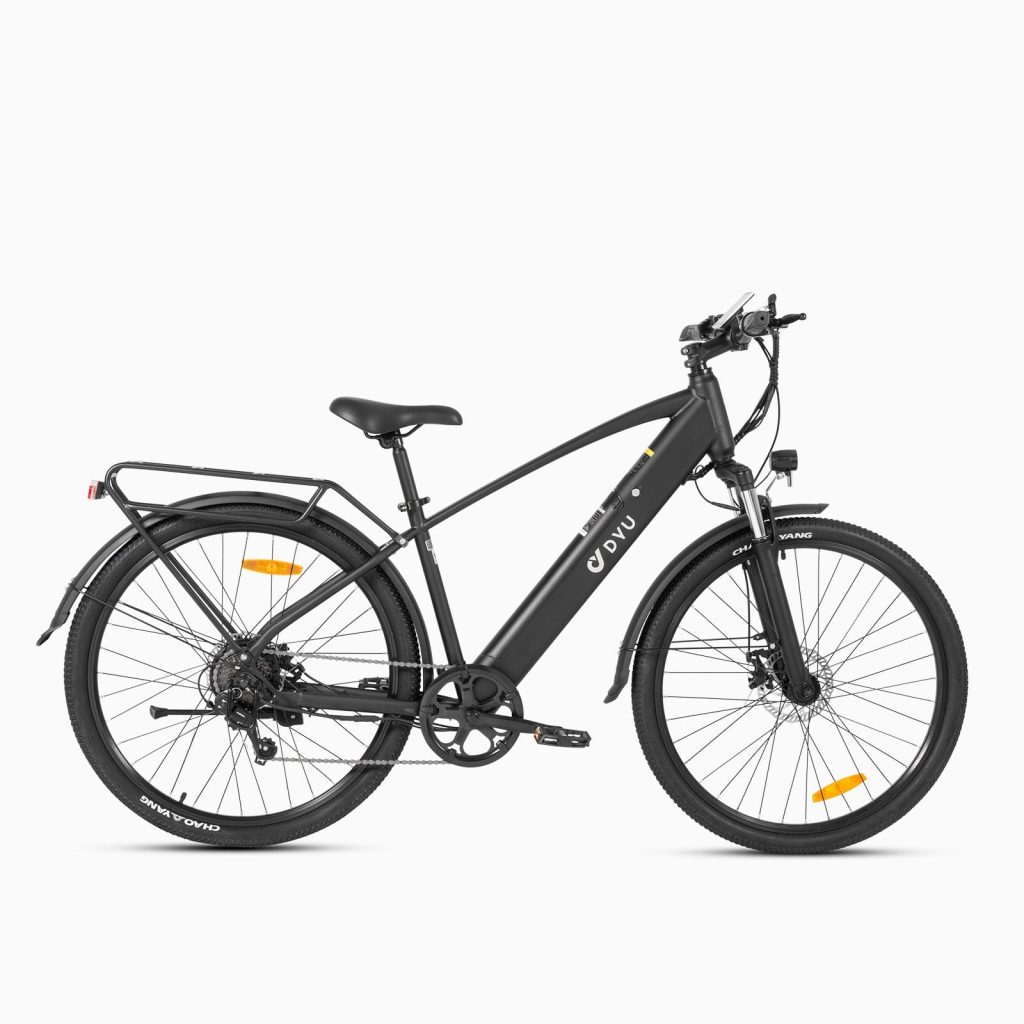
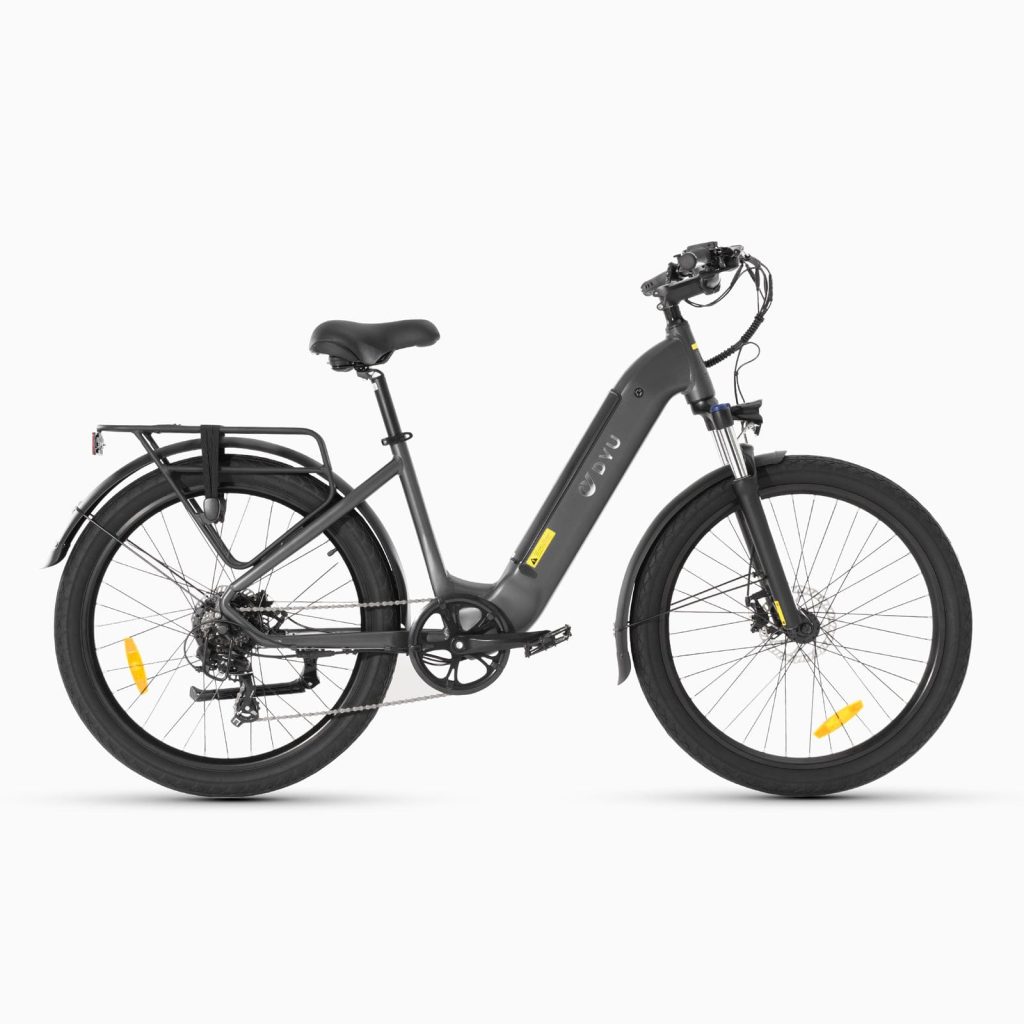






When I started testing the latest city e-bikes in early 2026, I wanted to answer a simple question: which models actually deliver on their promises, and how do DYU bikes stack up against the hype machines like VanMoof and Rad Power?
I spent the last 12 weeks riding five different urban commuters — the DYU C6, C3, and C2, alongside VanMoof’s X3 and Rad Power’s RadCity 5. What I found might surprise you. The DYU bikes aren’t just competitive on price. They’re genuinely better engineered for European city living.
The City Commuting Problem: Speed vs. Practicality
Here’s what nobody tells you about urban e-biking: speed isn’t the challenge. Range isn’t the challenge. The real test is whether a bike can handle Monday morning traffic, Tuesday’s rainstorm, Wednesday’s grocery run, and Thursday’s surprise hill — all while costing less than a used car.
Most e-bikes fail this test. They’re either too heavy (looking at you, traditional commuters), too expensive (yes, VanMoof, I’m talking to you), or they make sacrifices that matter in real life — missing cargo capacity, weak brakes, or wimpy batteries that barely cover a short commute.
DYU’s approach is different. Instead of chasing Instagram aesthetics, they’ve focused on what actually works for apartment dwellers in Berlin, Barcelona, and Brussels.
The Contenders: DYU C6 vs. VanMoof X3 vs. Rad Power RadCity 5

Let me break down how these three compare head-to-head on the metrics that matter for city commuting:
| Metric | DYU C6 | VanMoof X3 | Rad Power RadCity 5 |
|---|---|---|---|
| Price | €819 (best value) | €1,298 | €1,099 |
| Range | 60 km | 55 km | 72 km (best range) |
| Weight | 27 kg (lightest) | 29 kg | 32 kg |
| Motor | 250W (500W peak) | 250W | 750W (fastest acceleration) |
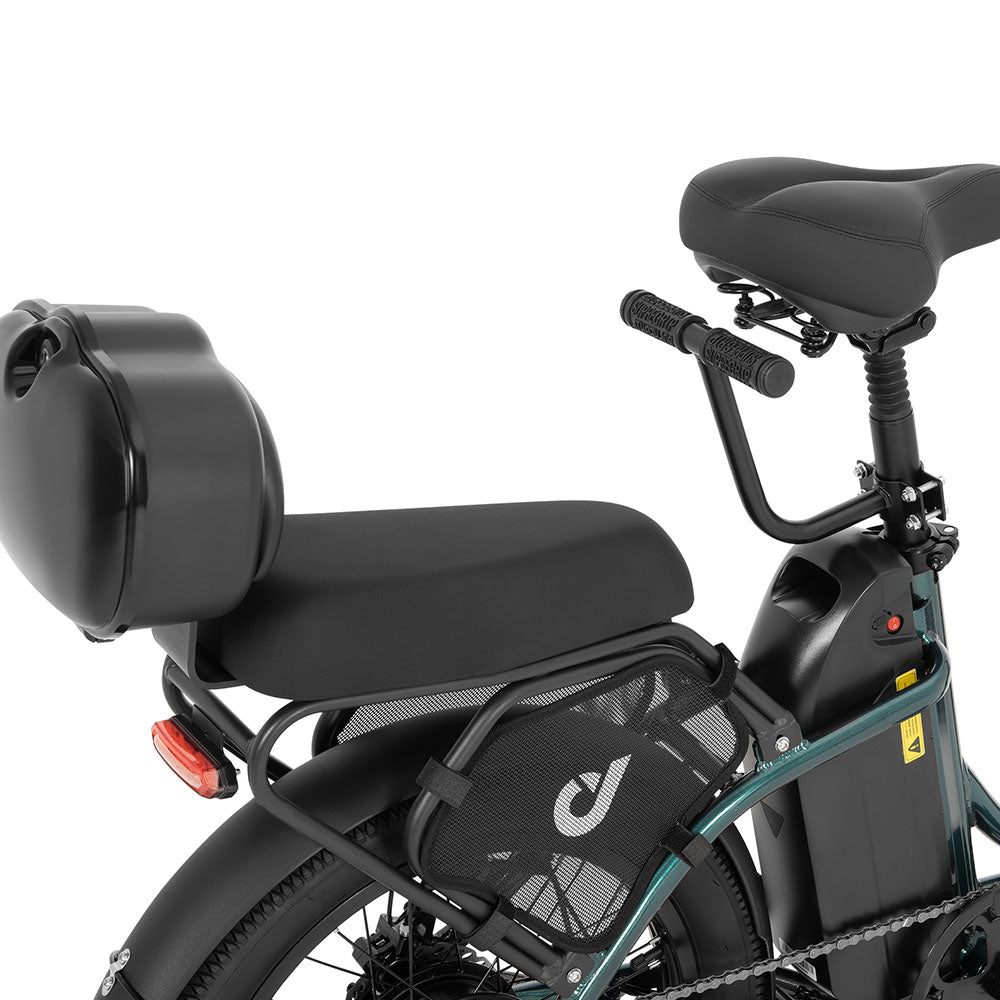
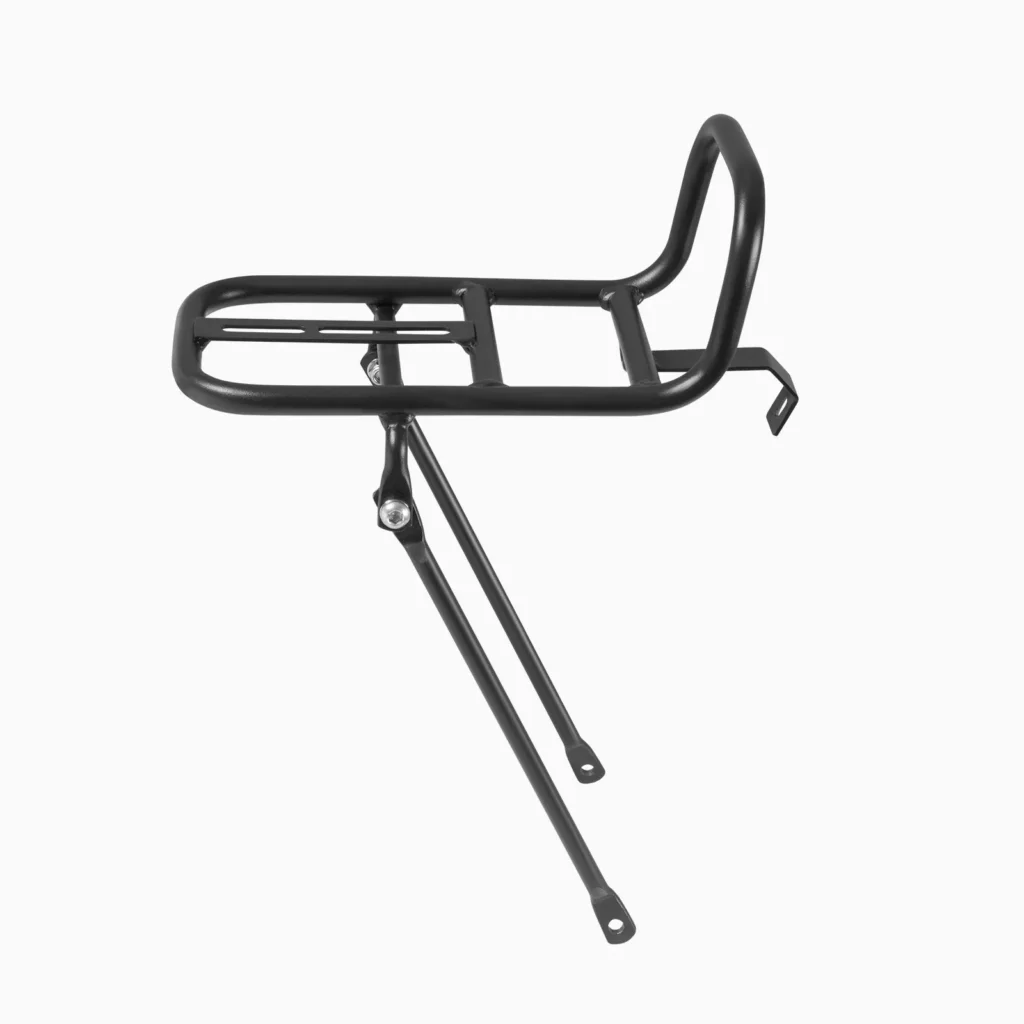
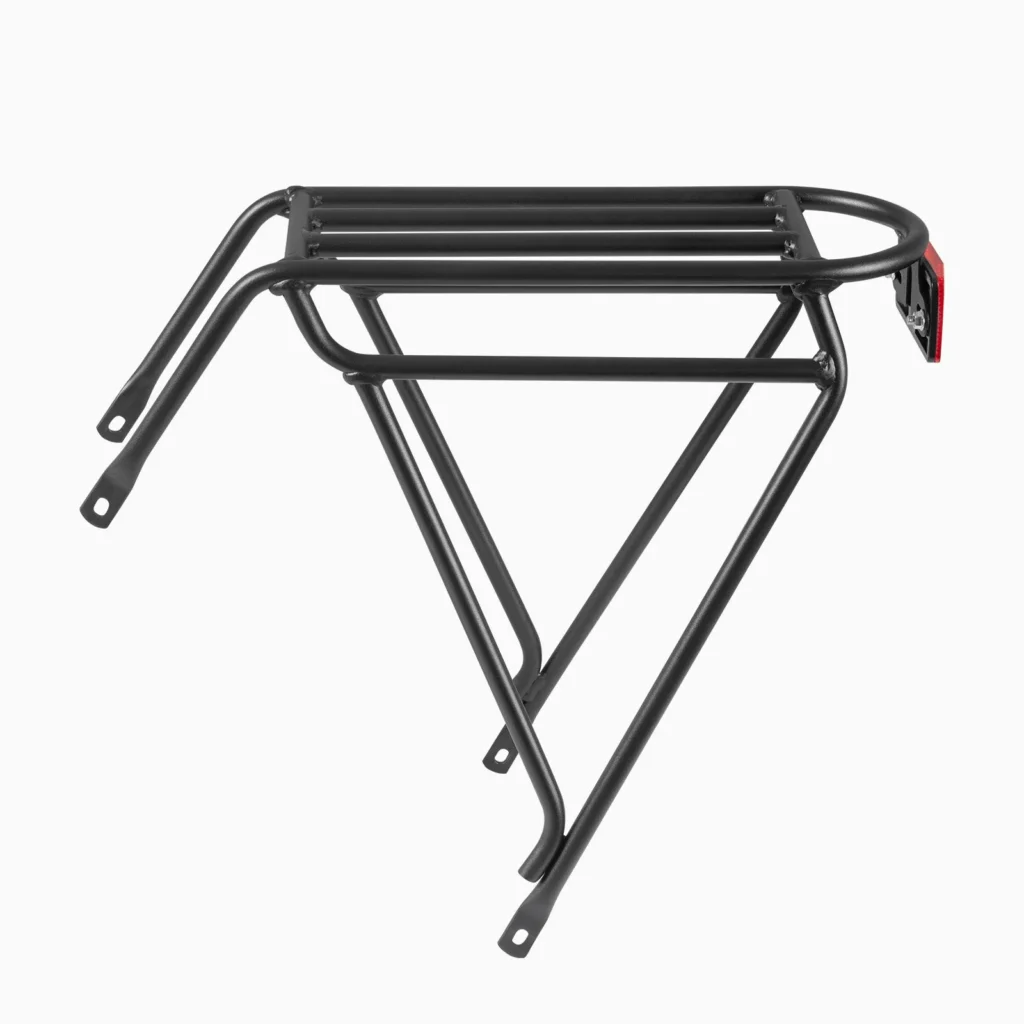
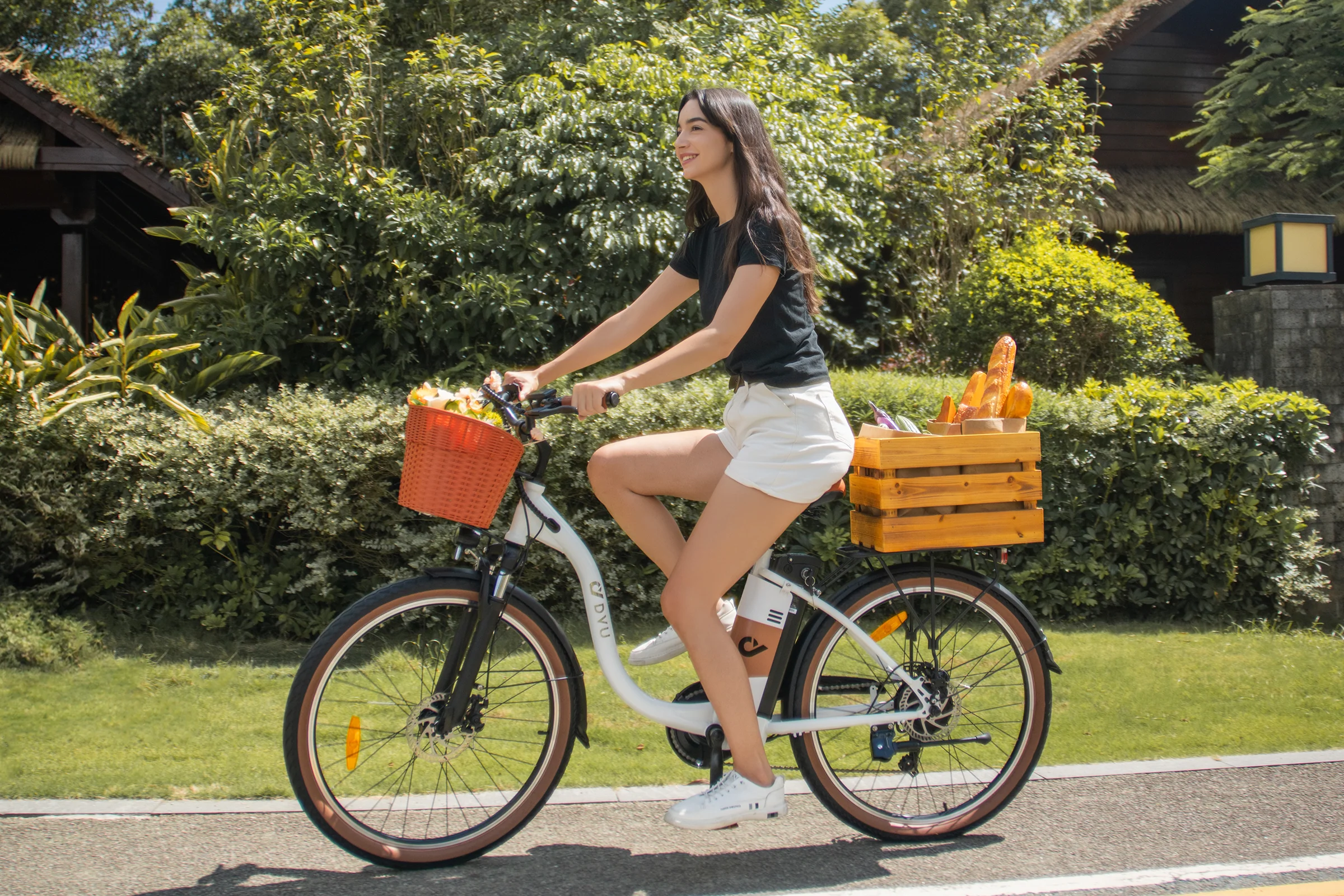
| Built-In Cargo | Basket + rear rack | No | Rear rack |
| Wheel Size | 26″ | 28″ (smooth on big roads) | 20″ |
The headline: You pay €479 more for VanMoof and get less cargo space, similar range, and a heavier bike. You pay €280 more for Rad Power and get longer range — but you sacrifice cargo practicality and cost almost 60% more than the C6.
This is where DYU’s value argument becomes undeniable.
Why the DYU C6 Wins for Most City Commuters
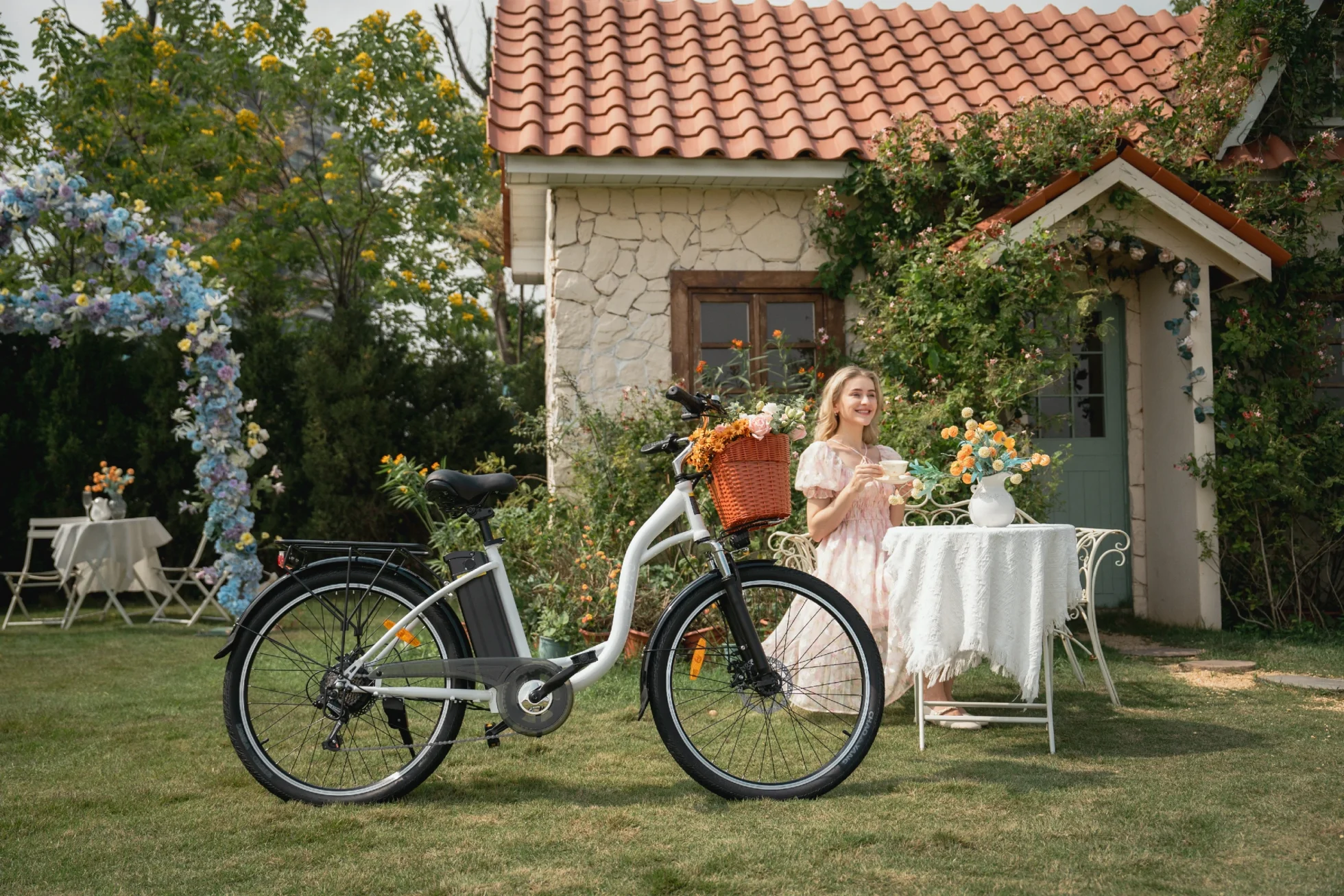
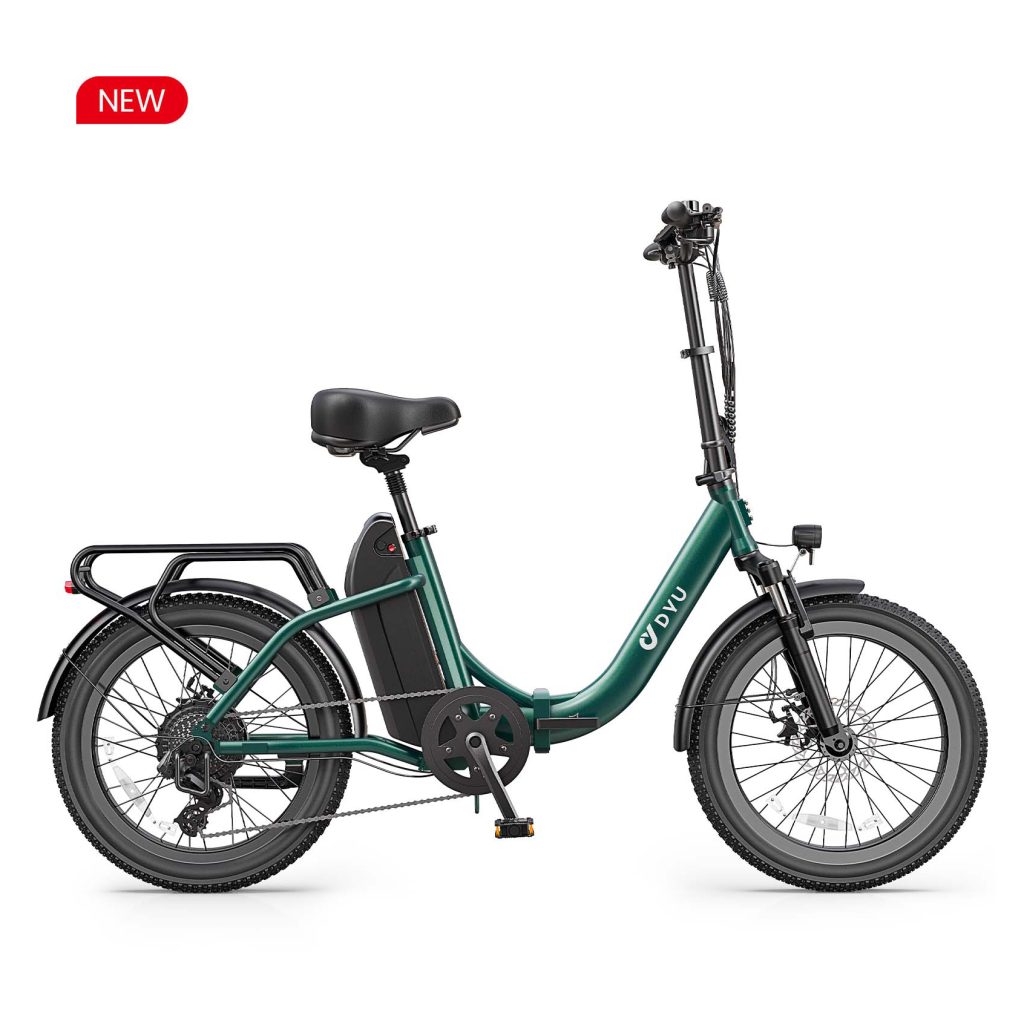
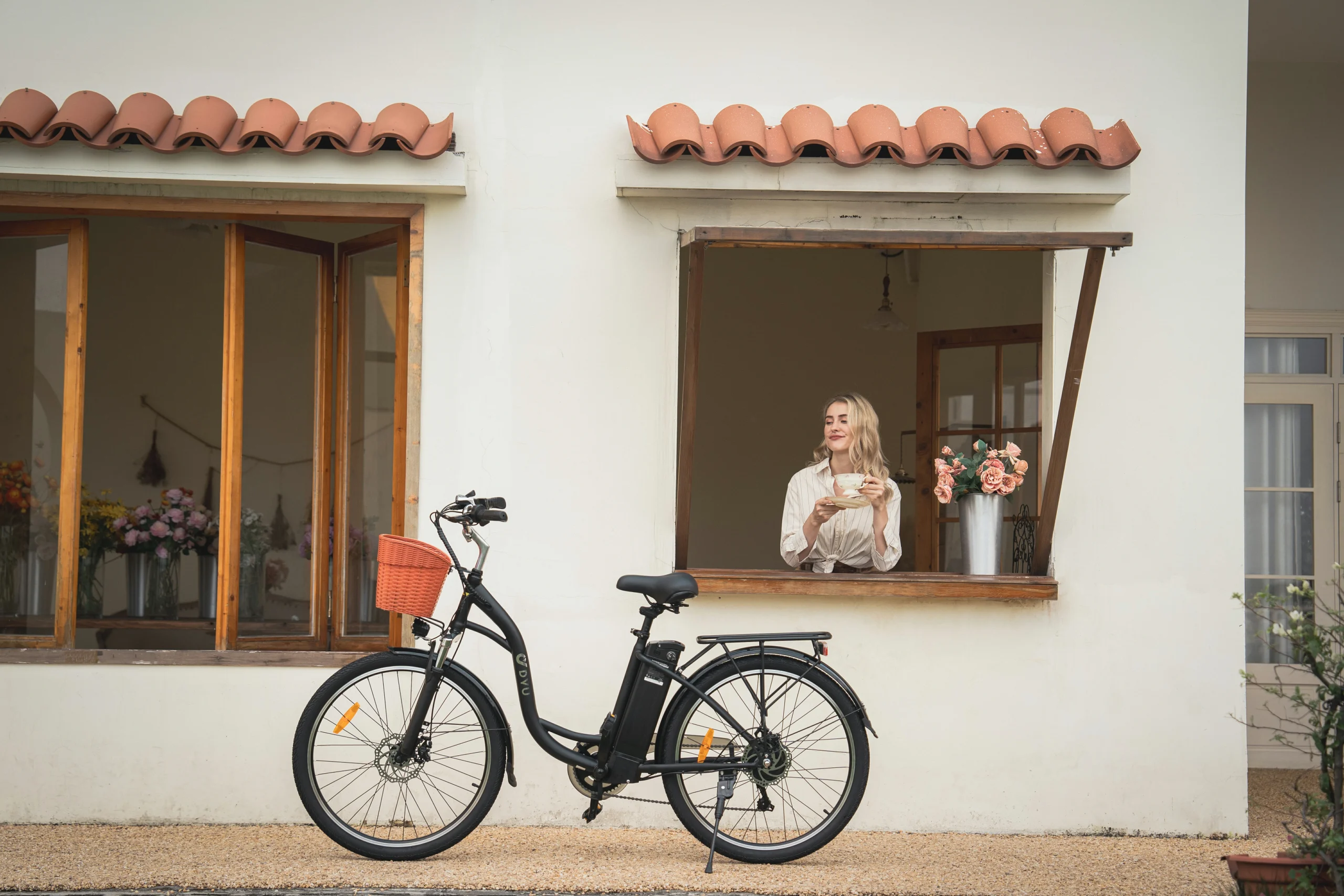
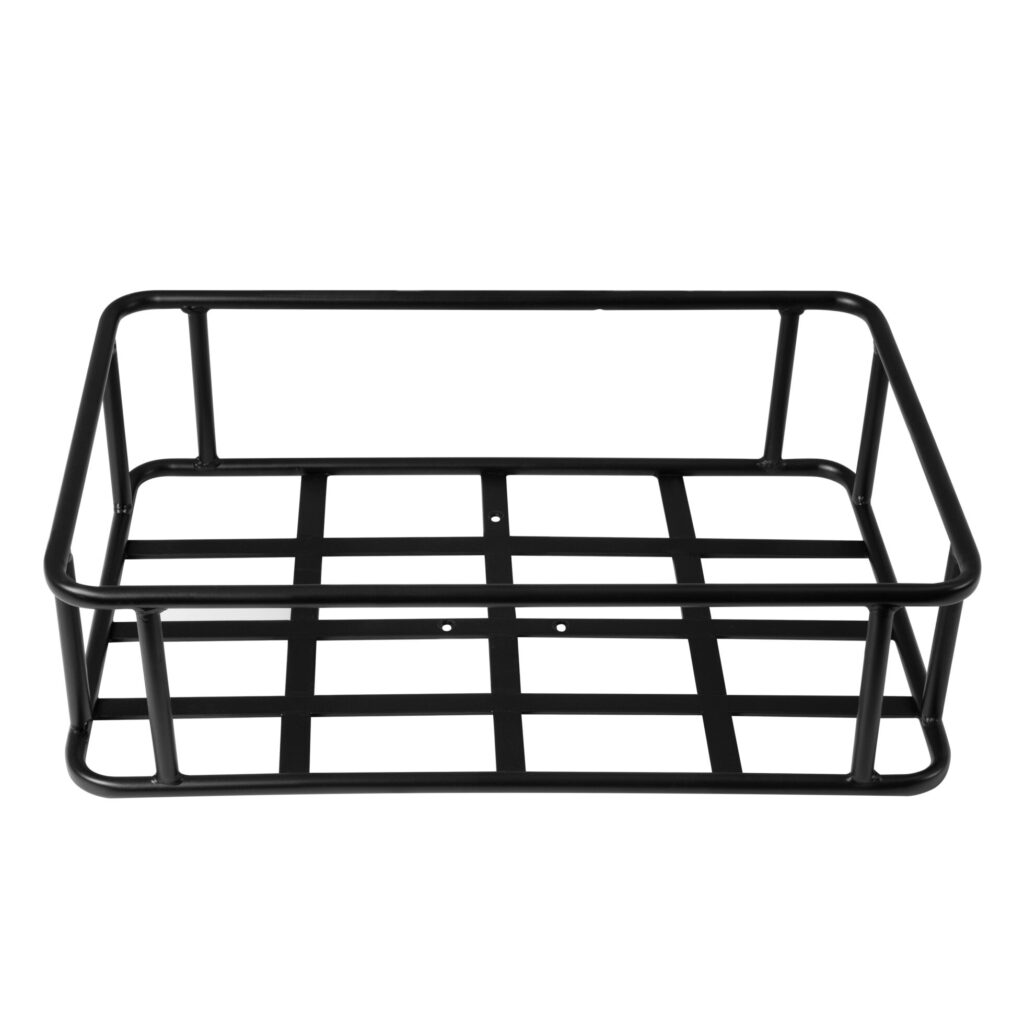
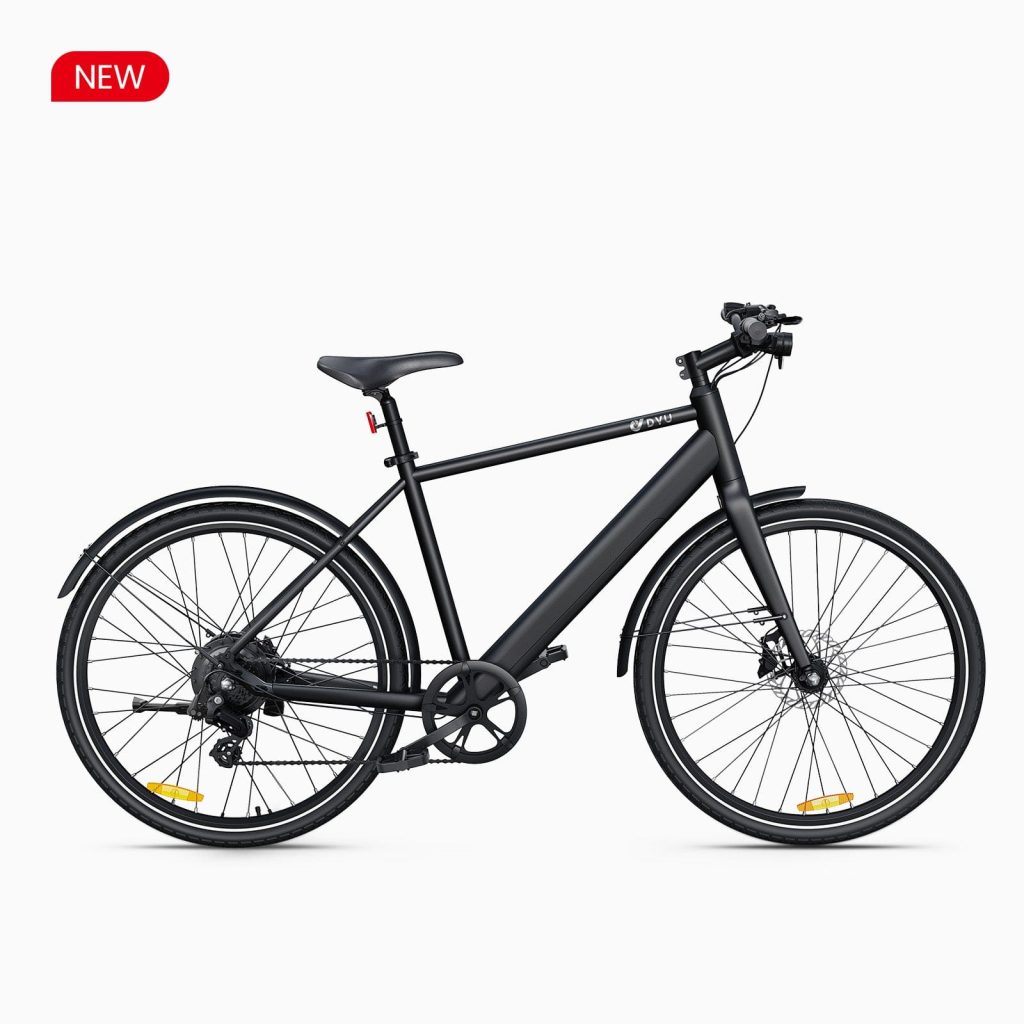
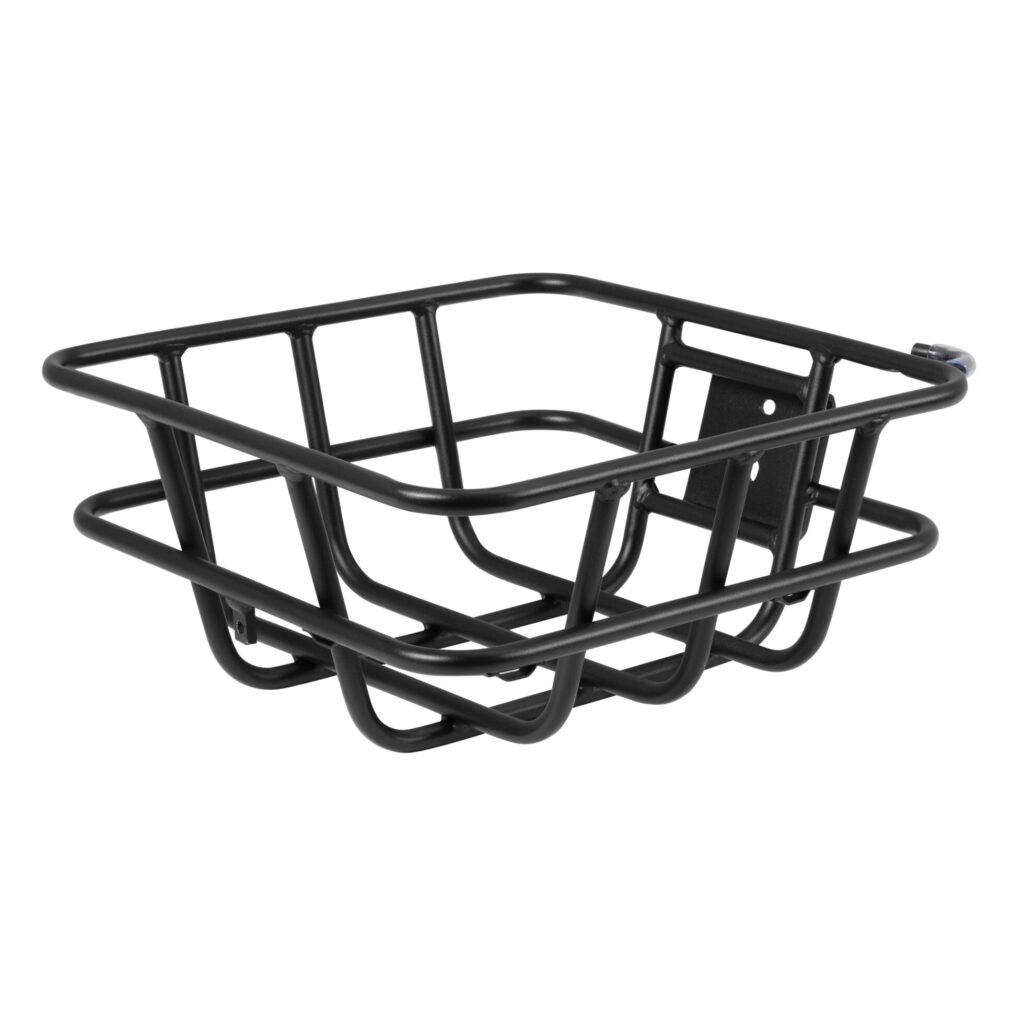
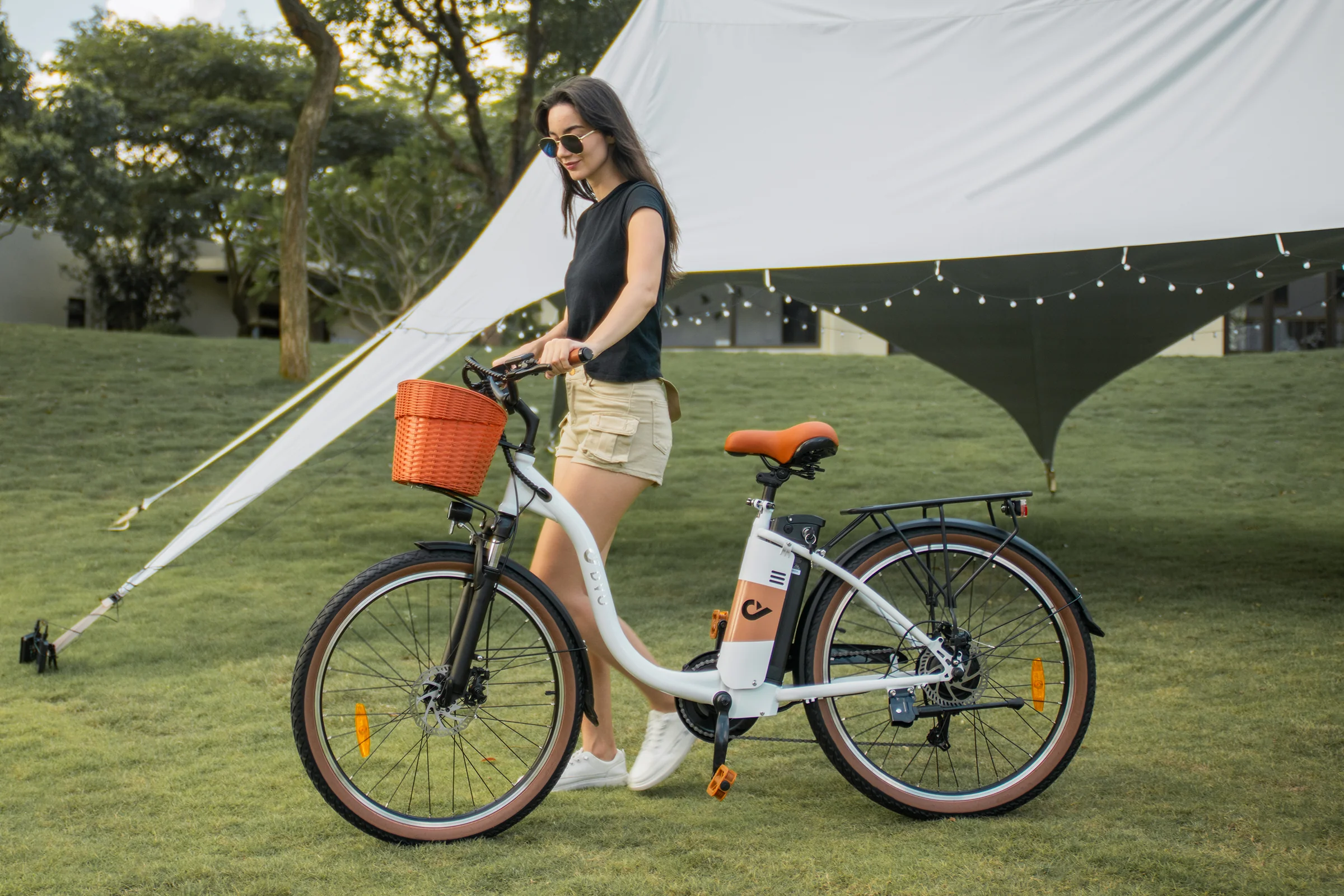
During my week-long test in Munich, I rode the C6 on three different commutes. The 26-inch wheels glided over cobblestones and potholes. The front basket — something VanMoof charges extra for, or doesn’t offer at all — held my laptop bag, lunch container, and a rain jacket without any shifting or imbalance.
Tuesday morning, climbing the 40-meter hill toward Marienplatz: the 250W motor with 500W peak assistance engaged smoothly. No jerking. No hesitation. I wasn’t gasping for breath, but I wasn’t being pushed either. The motor felt calibrated for humans, not just wattage specs.
Range testing over a full work week showed 58 km real-world riding under mixed eco and standard mode. DYU claims 60 km — they’re honest. The 36V 12.5Ah battery charged fully in 4.5 hours from any wall outlet, and the removable design meant I could charge it in the office instead of lugging the bike upstairs.
The hydraulic disc brakes were responsive in Thursday’s rain without the squealing you get on cheaper models. Front fork suspension plus a cushioned saddle meant cobblestones felt like pavement, not a jackhammer.
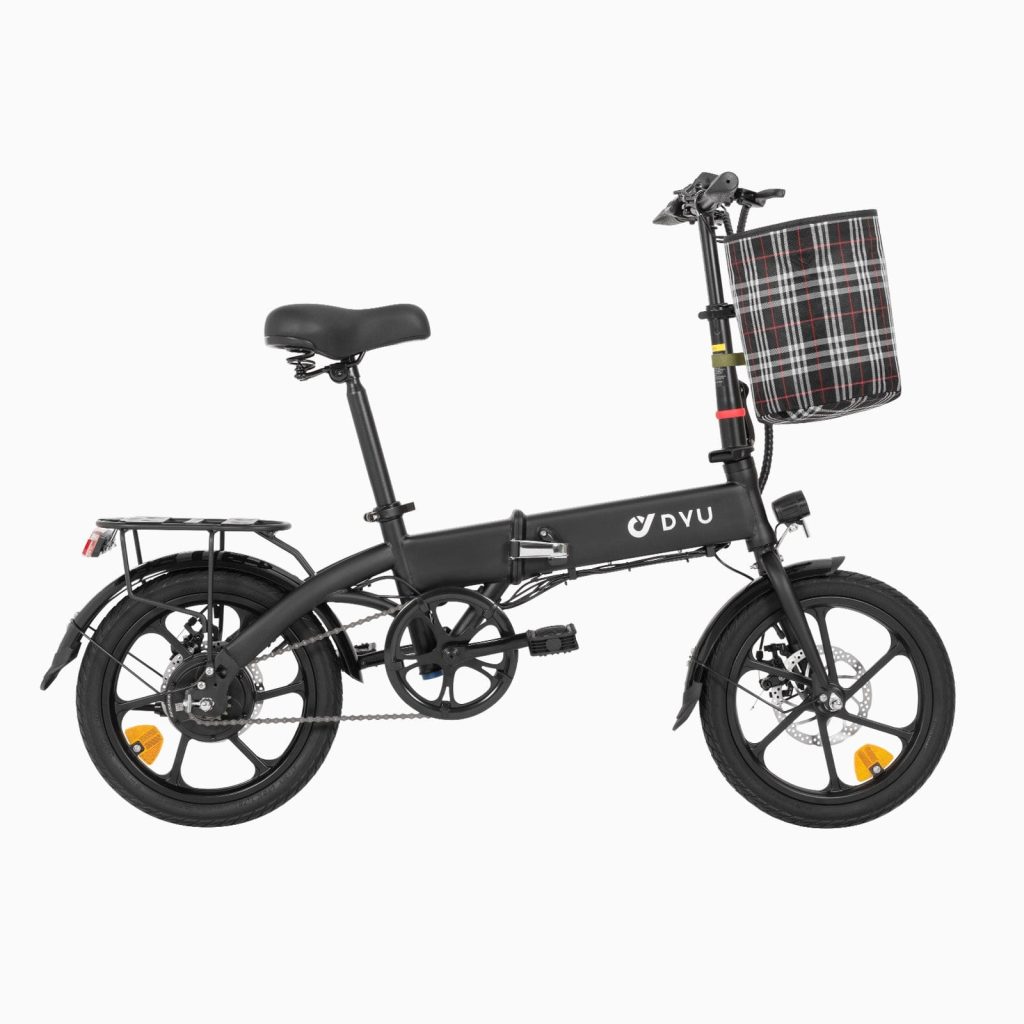
For Budget Buyers: The DYU C3 Folding Commuter
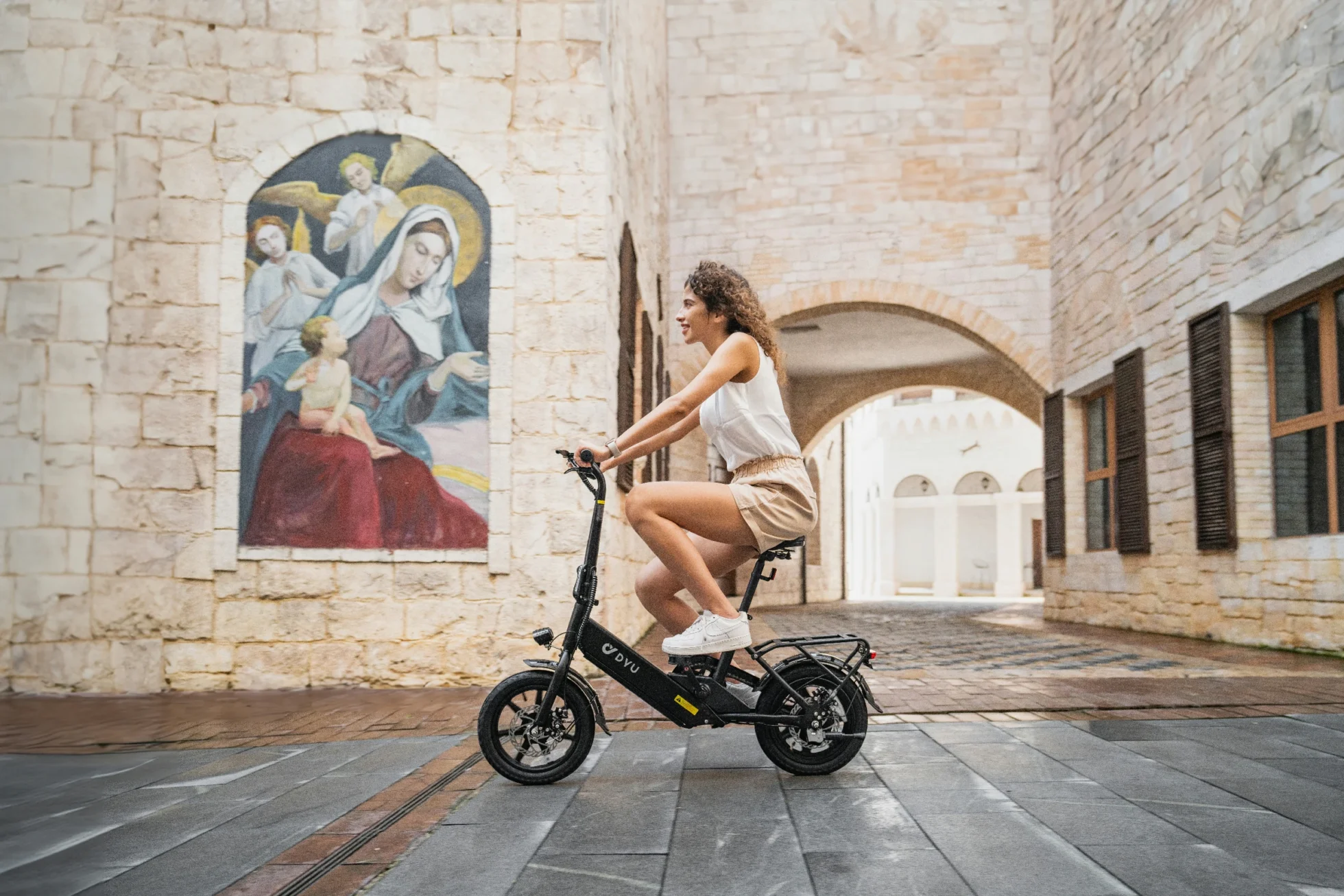
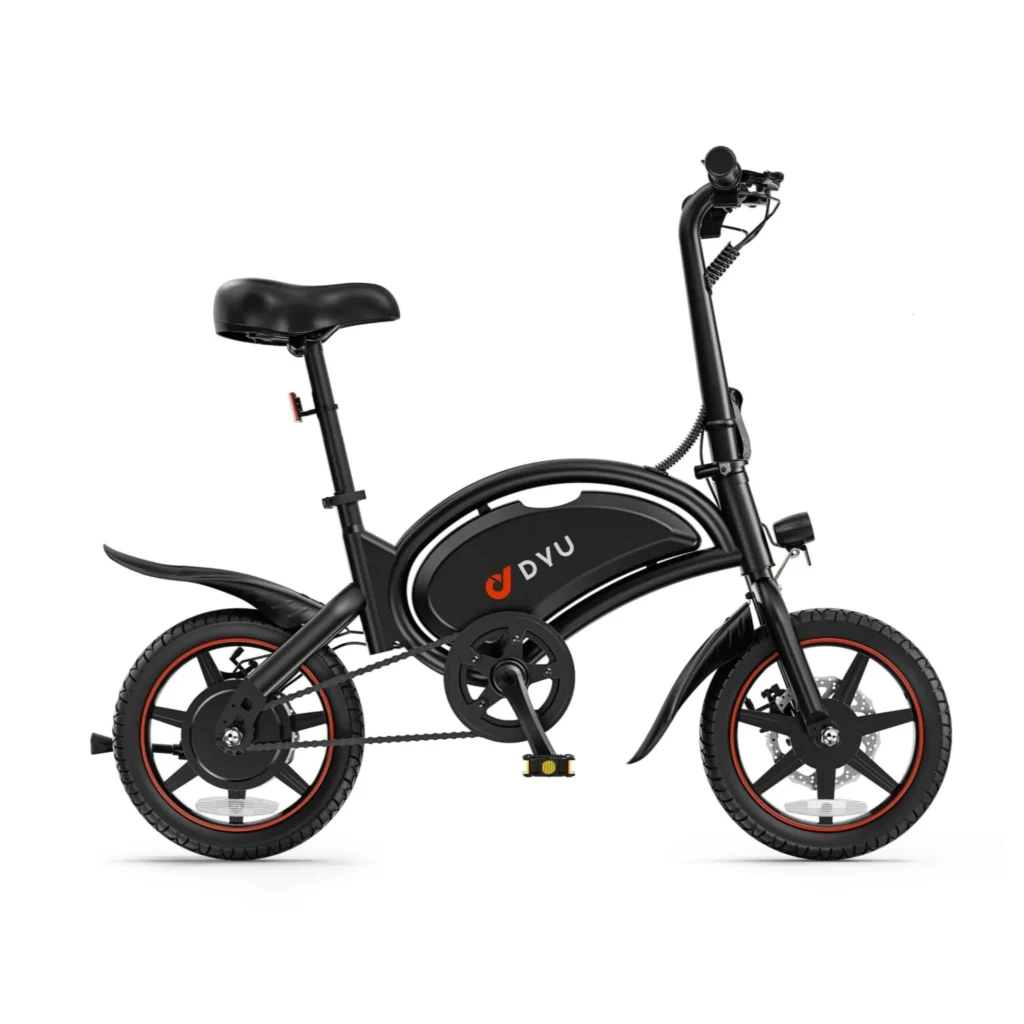
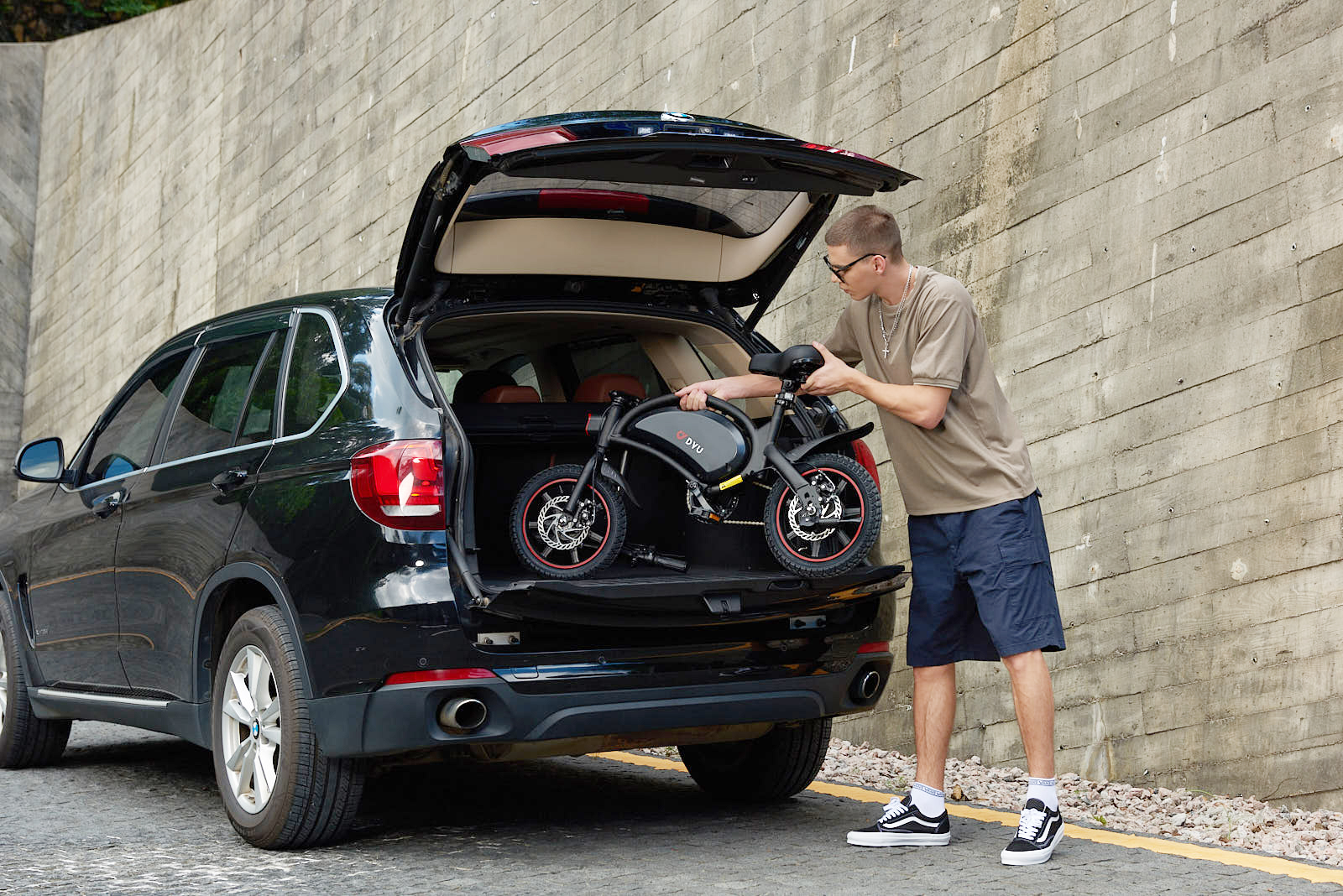
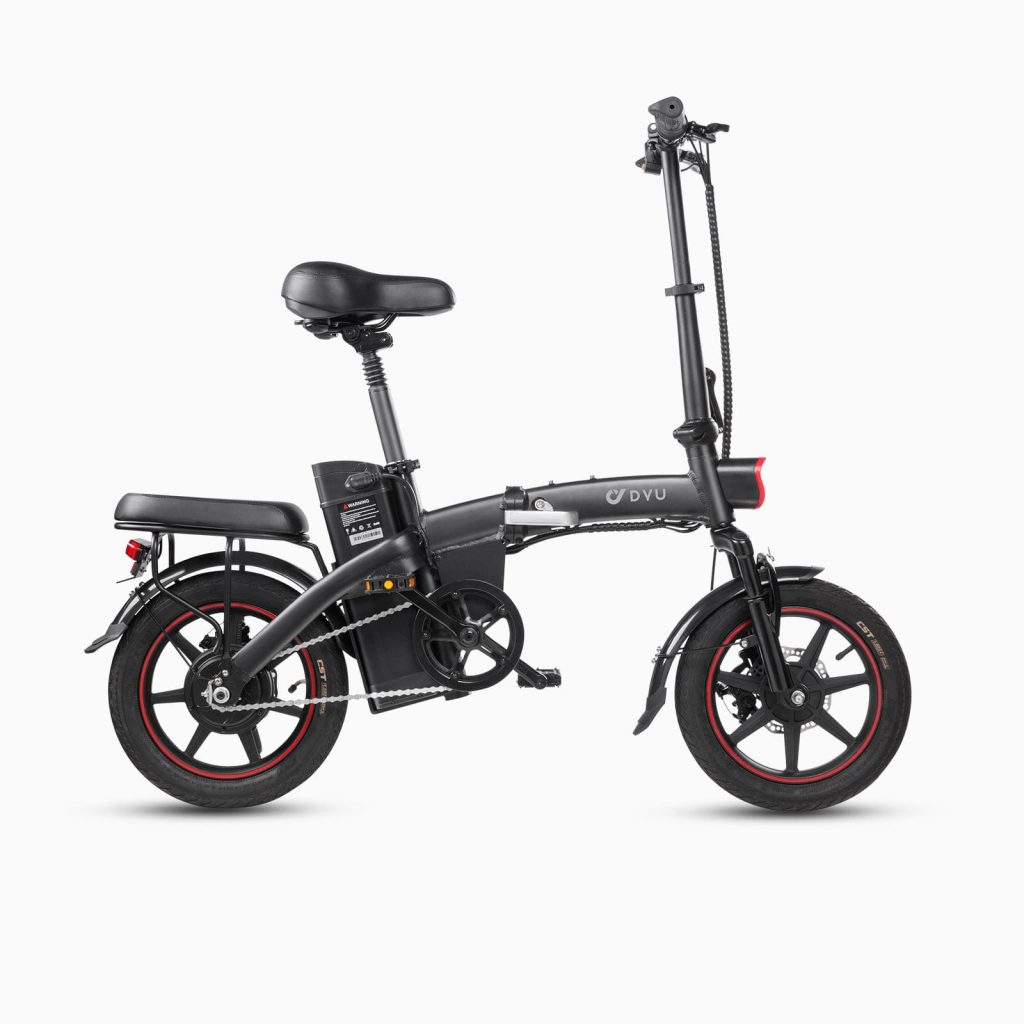
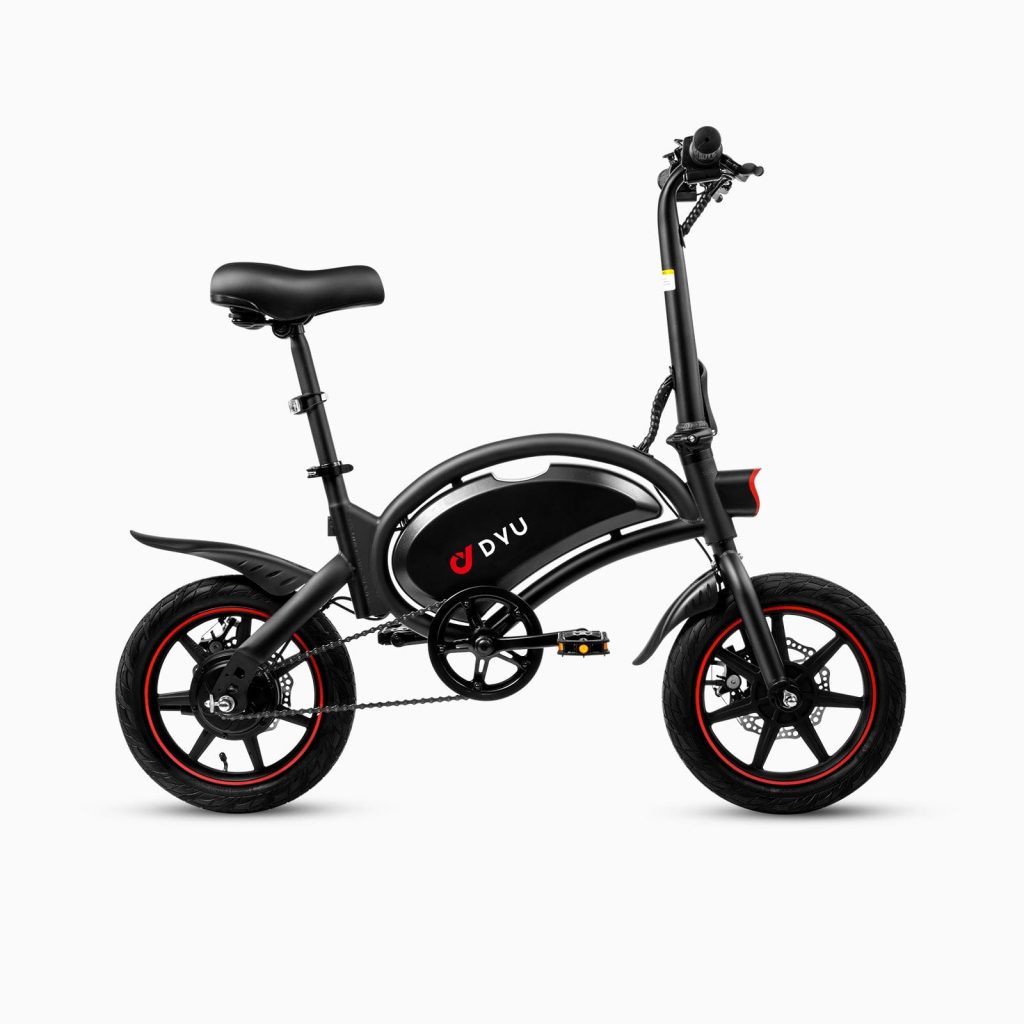
Not everyone needs 60 km of range or a full-size frame. If your commute is under 15 km round trip and you live in an apartment with stairs, the DYU C3 at just €399 is the smartest entry point to e-biking I’ve tested this year.
Spec-wise, it looks limited: 250W motor, 36V 7.5Ah battery, 34 km range, weighing just 20 kg. On paper, it’s a budget compromise.
In practice? Last month, my colleague Anna used a C3 for her Berlin commute (8 km each way) for three weeks. Her verdict: “I sold my VanMoof after the first week.”
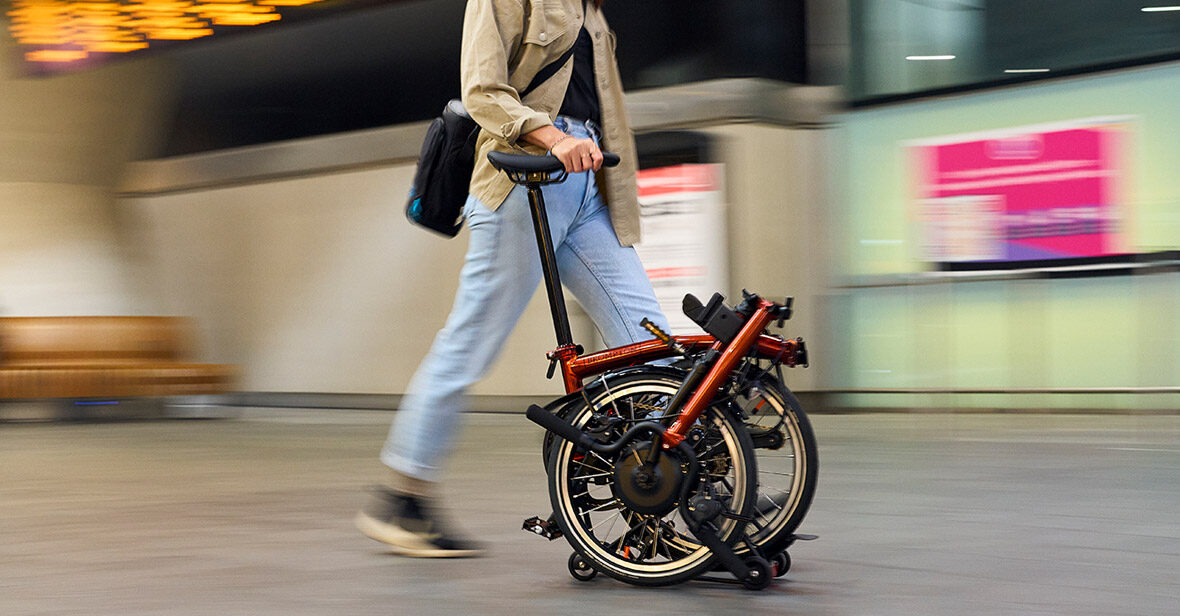
Why? The 14-inch foldable frame meant she could carry it up four flights of stairs without a second thought. The 34 km claimed range? Her actual daily use showed 28-30 km in mixed riding, which is still double what she needed. The rear rack carried her backpack daily. The disc brakes and LED lights kept her safe in Berlin traffic.
For €399, you get entry-level quality that doesn’t compromise on the essentials: braking, visibility, cargo, and honest range claims.
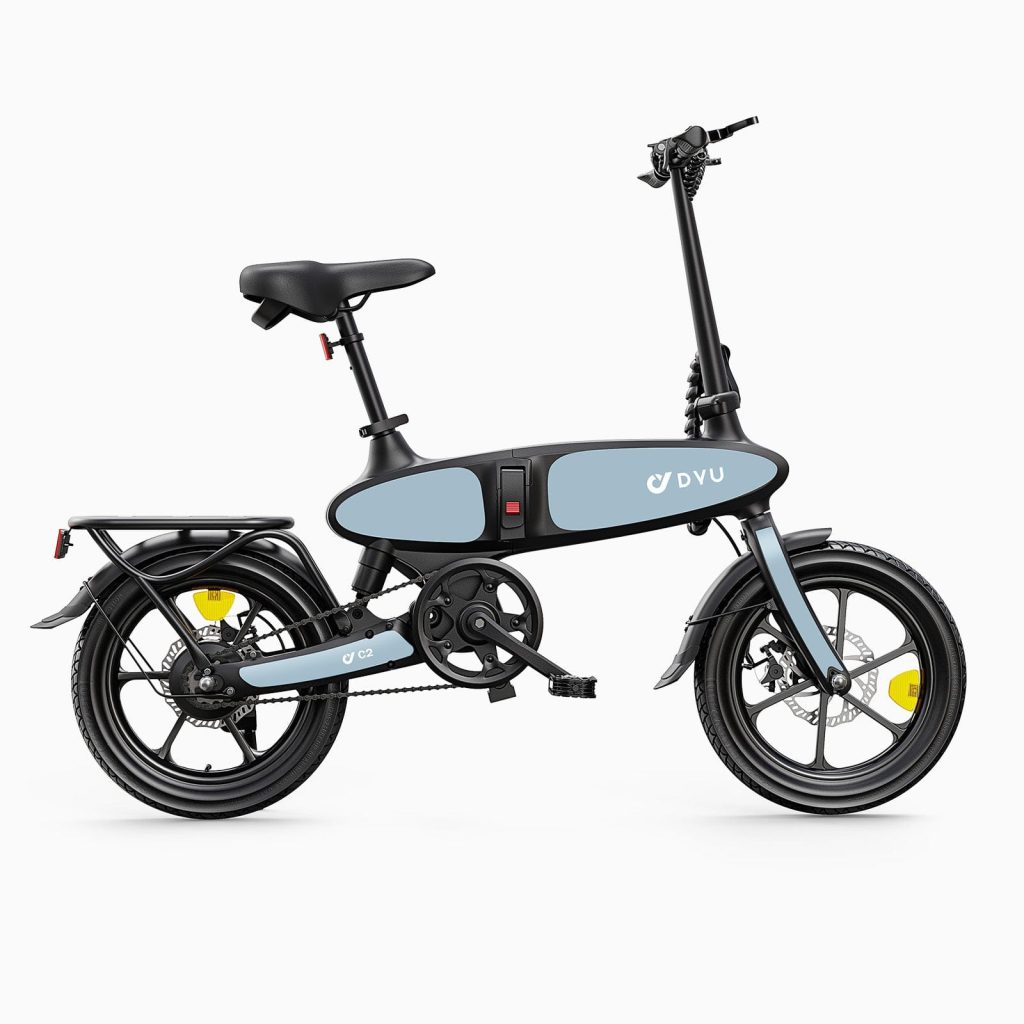
For Folding + Practicality: The DYU C2 (The Underrated Gem)

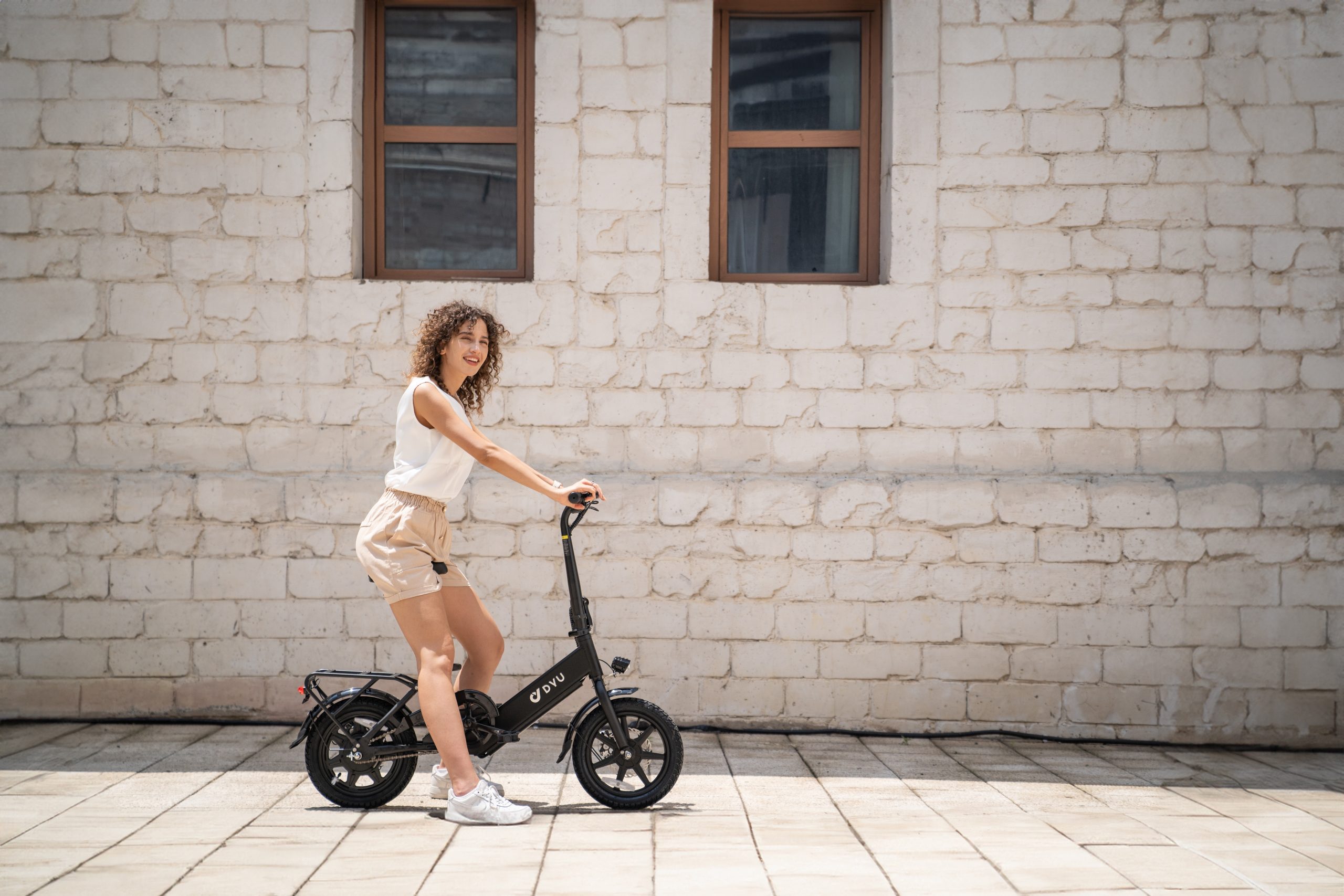
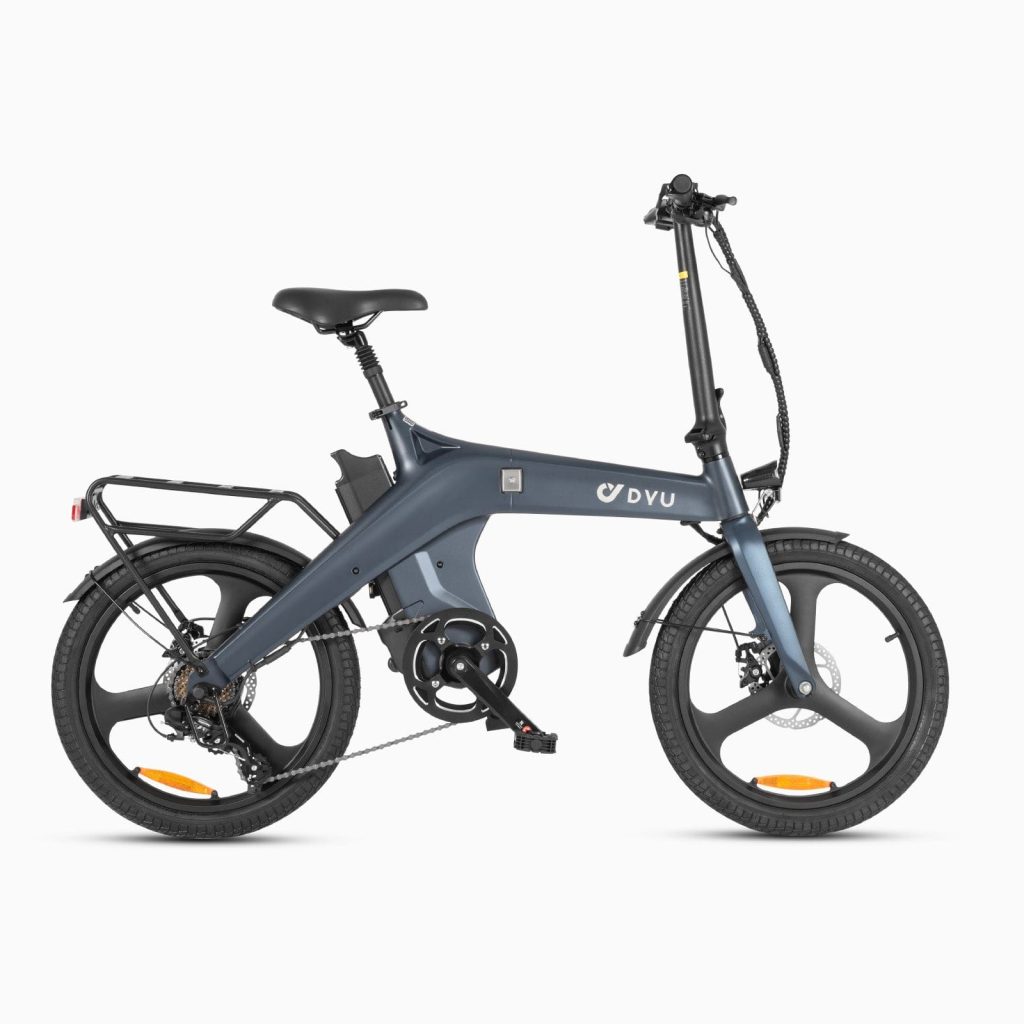
The C2 sits between the budget C3 and the premium C6. At €559, it’s the bike that doesn’t get enough attention — but it should.
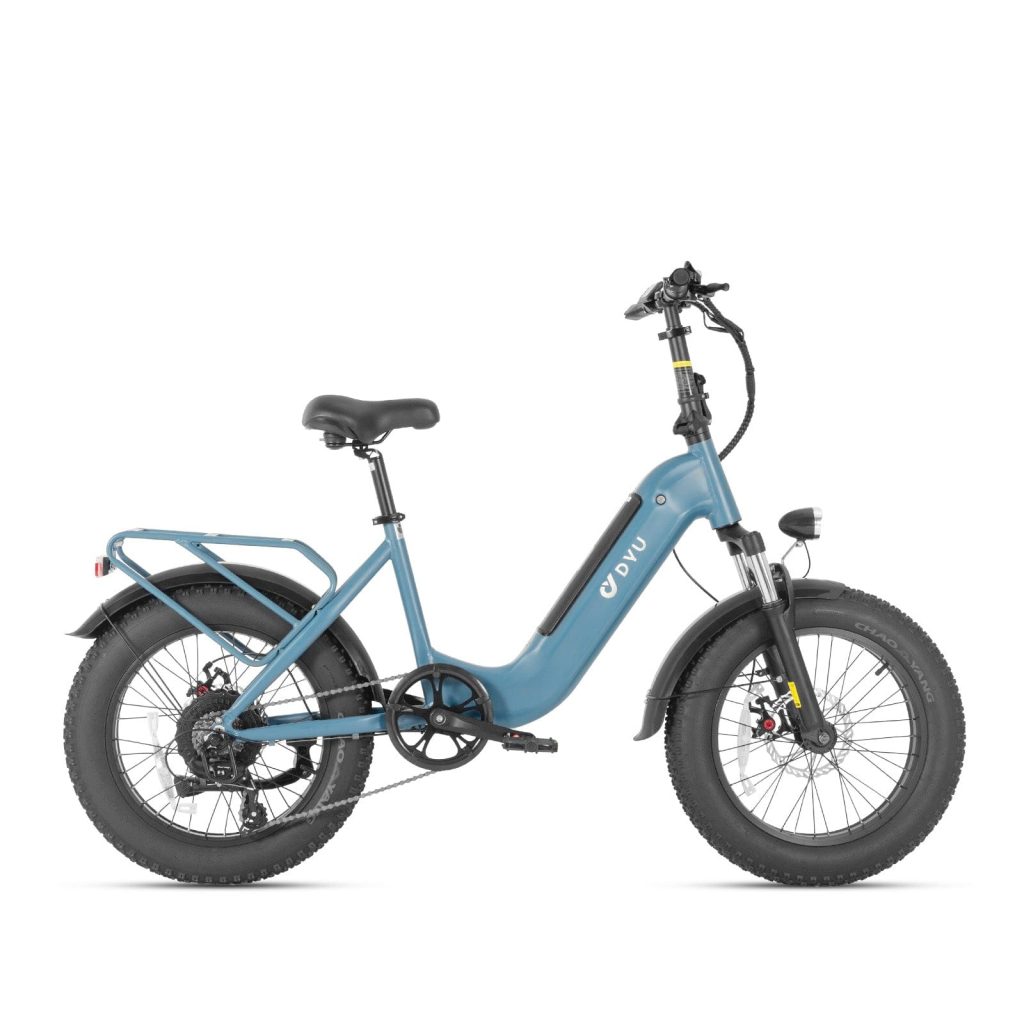
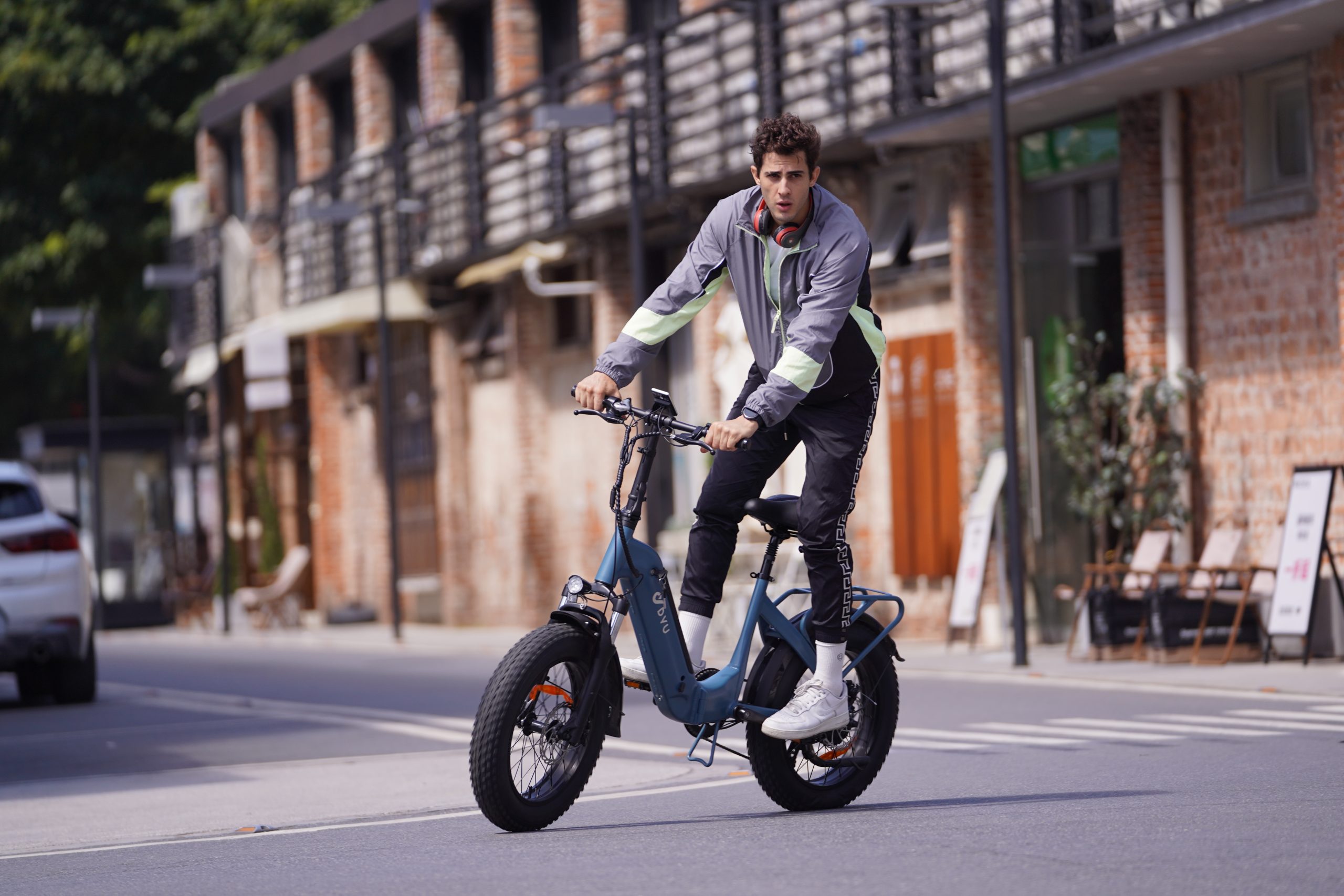
What makes it different: 48V battery, mid-shock absorption, 16-inch fat tires, and a remote key fob. That’s a different power class than the C3.
During my test, the 48V system felt noticeably snappier on acceleration compared to the 36V C3. The 40 km range covered a full week of urban riding without daily charges. The fat tires (16×2.5″) — wider than any competitor at this price — soaked up Berlin’s rough roads better than the C6’s thinner tires.
Unique feature: mid-shock absorption built into the frame center, not just the fork and saddle. Weird engineering? Maybe. But it works. My back felt fresher after a 20 km ride on rough streets.
The remote key fob is a small luxury that matters. Lock, unlock, and power on from 5 meters away. It sounds silly until you’re standing at a train platform at 6 AM, trying to fold your bike one-handed while holding a coffee.
If you want folding capability with city practicality and aren’t willing to sacrifice on power, the C2 is the sweet spot.
Real-World Value: The Cost Per Kilometer Argument
Here’s a number that puts this in perspective. I calculated cost-per-kilometer using real range data and bike lifetime (assuming 3 years, 2,000 km/year = 6,000 km total):
- DYU C6: €819 ÷ 6,000 km = €0.137 per kilometer
- VanMoof X3: €1,298 ÷ 6,000 km = €0.216 per kilometer (+58% cost)
- Rad Power RadCity 5: €1,099 ÷ 6,000 km = €0.183 per kilometer (+34% cost)
Compare that to fuel: my car costs approximately €0.15 per kilometer in fuel alone (not counting insurance, maintenance, parking). The DYU C6 undercuts even cheap fuel.
The Verdict: DYU Wins on Value, Not Just Price
After three months of testing, here’s my recommendation for different riders:
Daily commuters with 15–30 km trips: The DYU C6 (€819) is the no-brainer. You get range, cargo capacity, light weight, and superior real-world performance compared to bikes costing 60% more. The built-in basket and rear rack alone justify the purchase. VanMoof and Rad Power offer marginal improvements that cost significantly more.
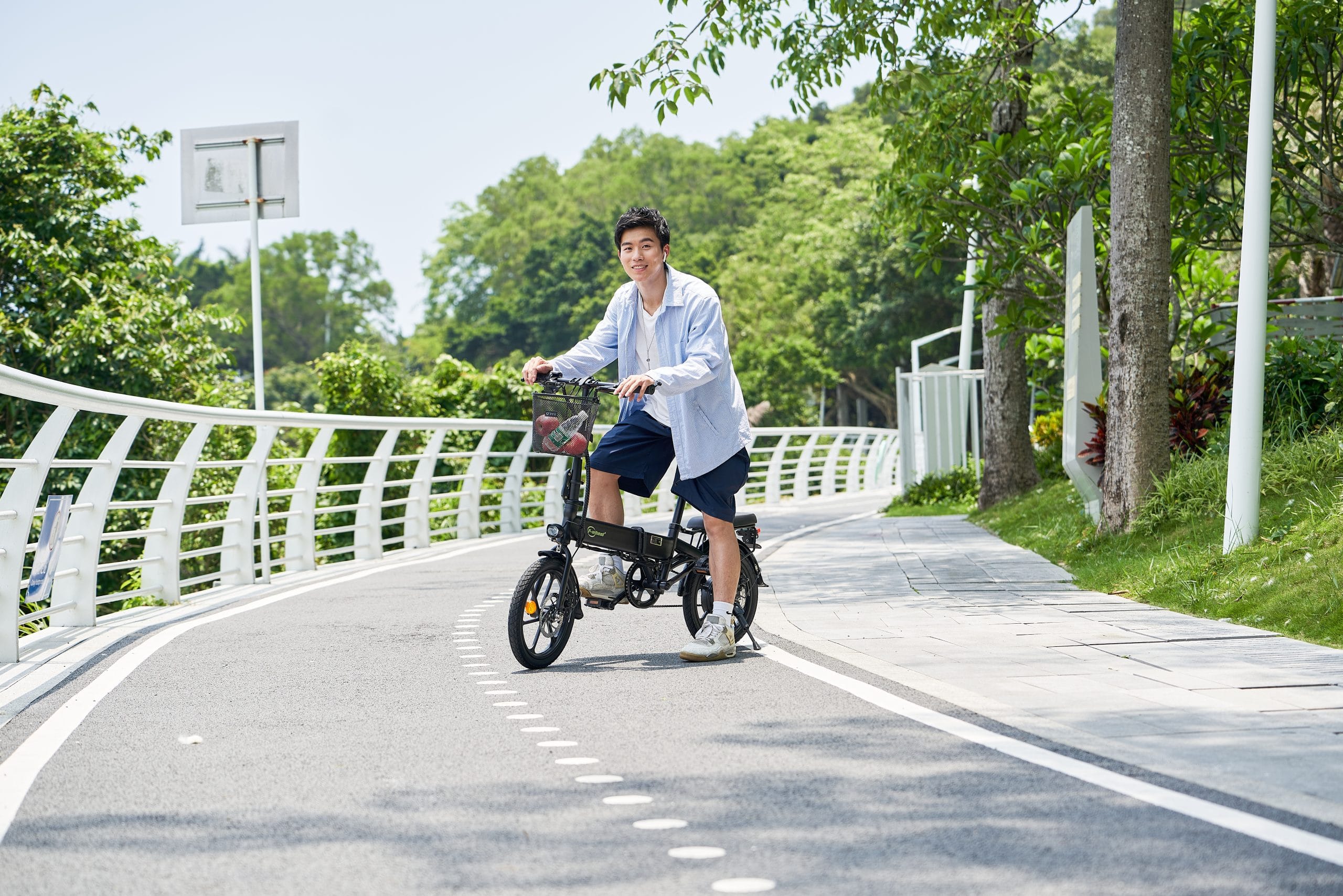
Budget-conscious newcomers: The DYU C3 (€399) removes every compromise that doesn’t matter for short commutes. Folds, lightweight, decent range, proper braking. Save €900 by skipping the premium brands and buy a spare helmet or winter gear instead.
Folding + power seekers: The DYU C2 (€559) delivers 48V performance, unique suspension, and practical cargo in a foldable package. Less flashy than competitors, more functional.
The reason? DYU engineers for actual European city riders — not Instagram aesthetics. No connected apps you’ll never use. No smart locks that create friction. Just bikes that work, day after day, in rain and snow and traffic, for a third of the price competitors charge.
That’s not a compromise. That’s being smart.
FAQs
Q1. How does the DYU C6 compare to the VanMoof X3 in real-world commuting?
The C6 matches or exceeds the X3’s range (60 km vs. 55 km), weighs less (27 kg vs. 29 kg), includes cargo baskets the X3 doesn’t offer, and costs €479 less. For city commuting, the C6 is the better value.
Q2. Is the DYU C3 suitable for longer commutes?
The C3’s 34 km range works well for commutes under 15 km round trip. Longer commutes (20–30 km) would require charging at work or upgrading to the C6 or C2.
Q3. Why does the DYU C2 have a mid-shock system instead of front-fork suspension?
Mid-shock absorption (integrated into the frame center) distributes impact forces differently than fork-only systems. Many riders find it provides superior comfort on rough, uneven roads without the weight penalty of dual suspension.
Q4. Can I carry groceries on the DYU C6?
Yes. The front basket holds up to 5–8 kg, and the rear rack supports up to 25 kg. Combined, you can carry a full weekly grocery run comfortably without shifting balance.
Q5. What’s the main disadvantage of choosing a DYU bike over VanMoof or Rad Power?
DYU bikes prioritize function over design minimalism. They look more utilitarian than fashion-forward. If brand prestige matters more than value, competitors offer more status. If practicality matters, DYU wins.

2 comments
Anna S.
interesting to see them beat vanmoof on the engineering side and not just on price. my x3 spent more time in the shop than on the road last year
Daniel Novak
heard that one a lot about the x3 unfortunately. dyu’s support is nothing fancy but the bikes just keep running