



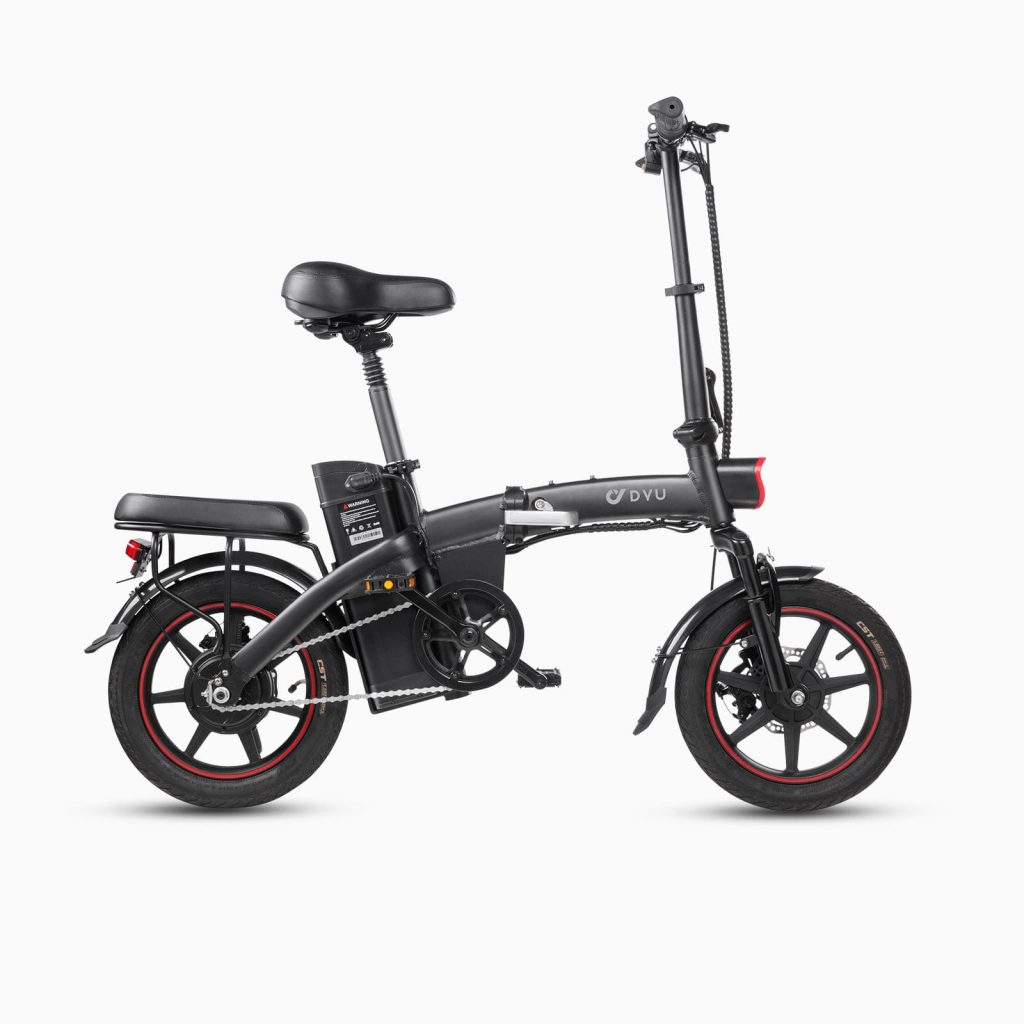
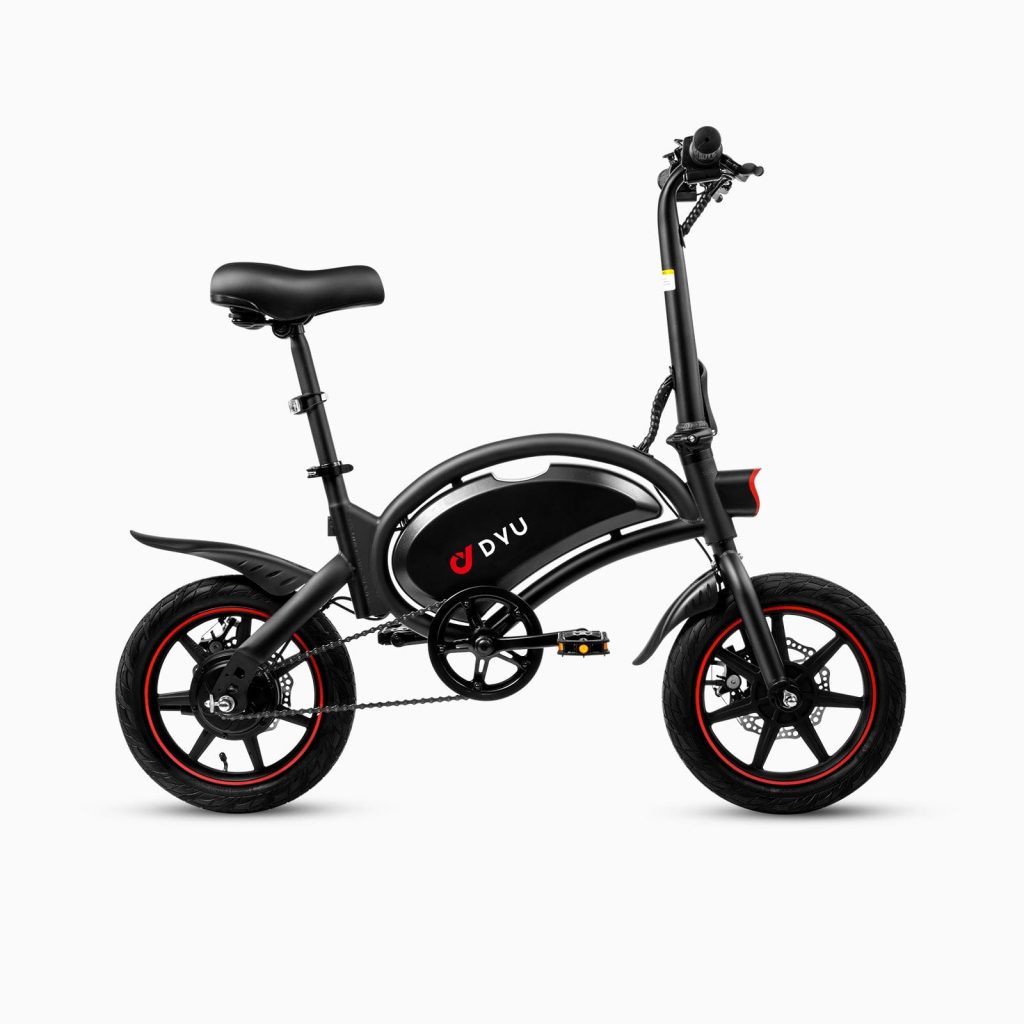
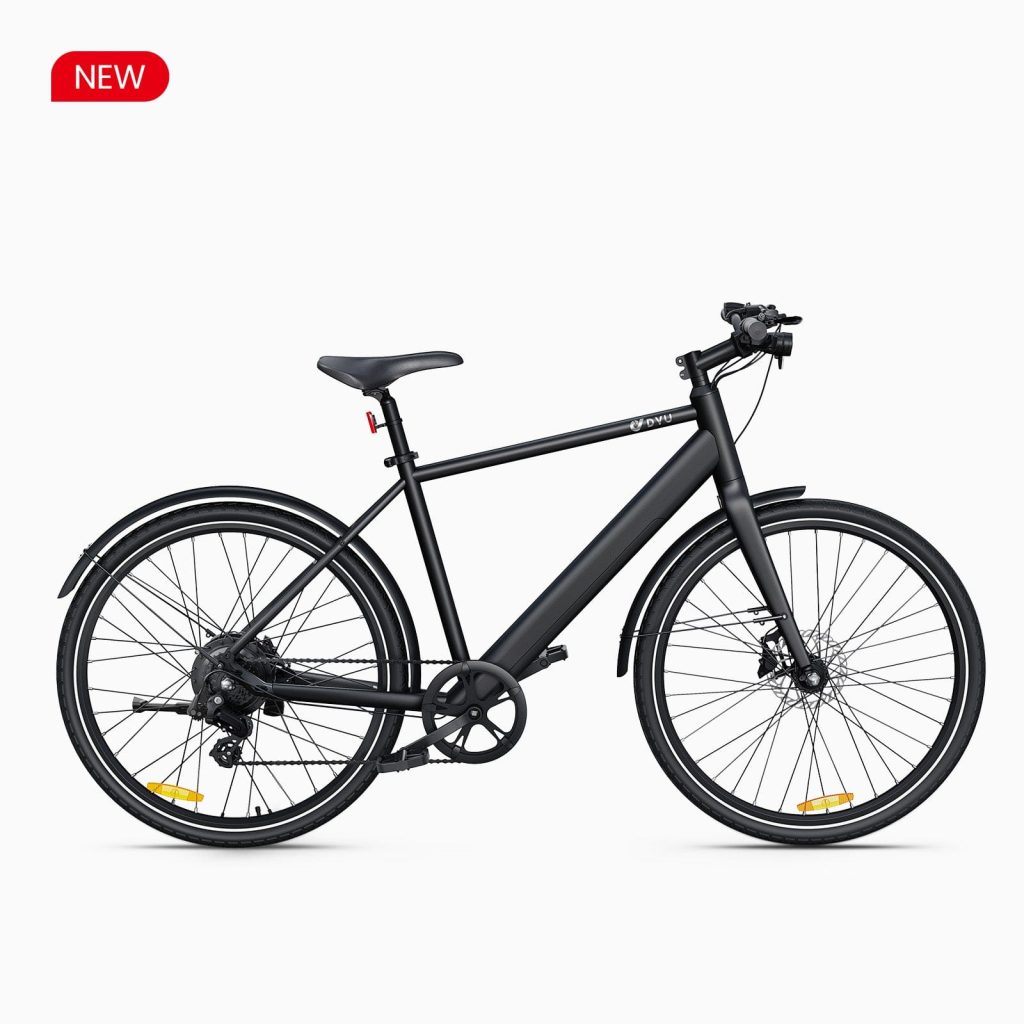
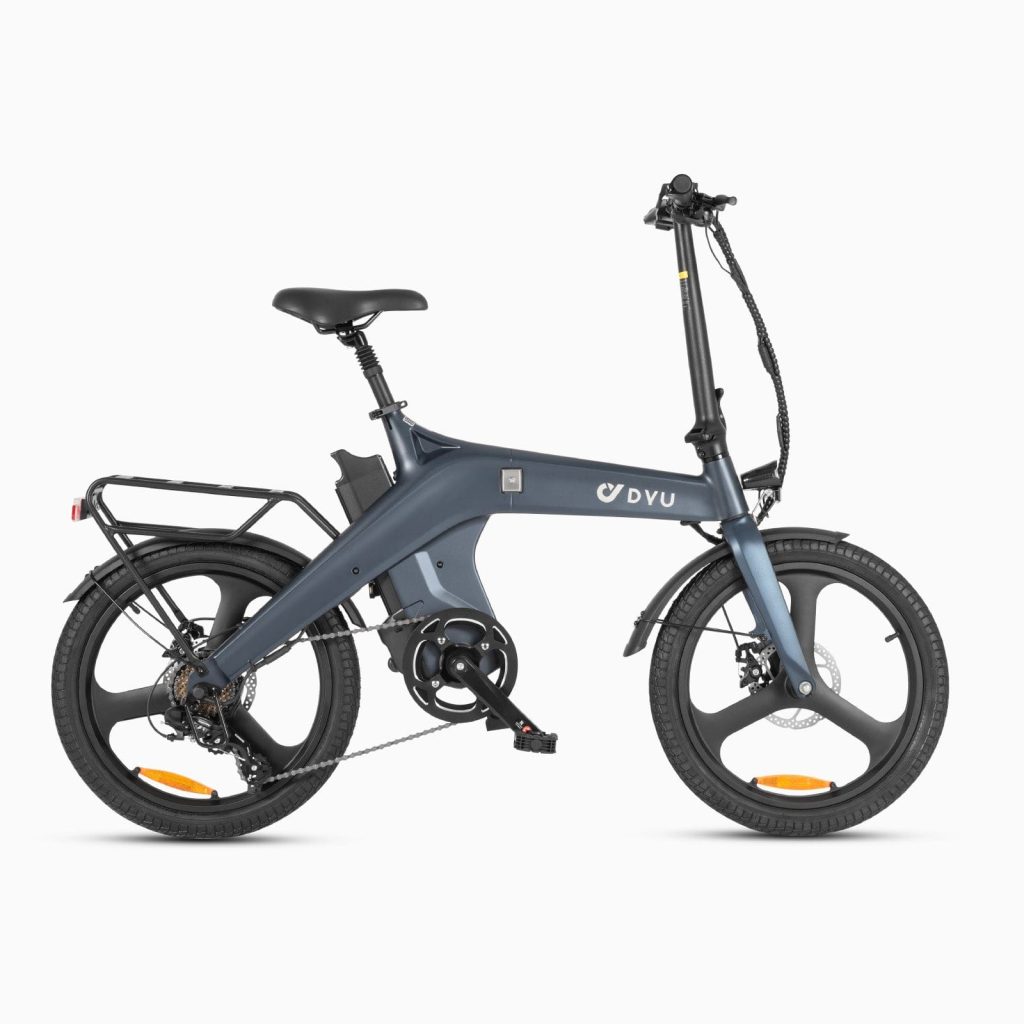


DYU A1F Pro review 2026 notes usually start with the fold, but that is not what made this bike interesting to me. The real test was ordinary errand riding: a small food shop, a backpack, one awkward train platform, and a wet bike lane where I wanted a bike that felt simple instead of clever.
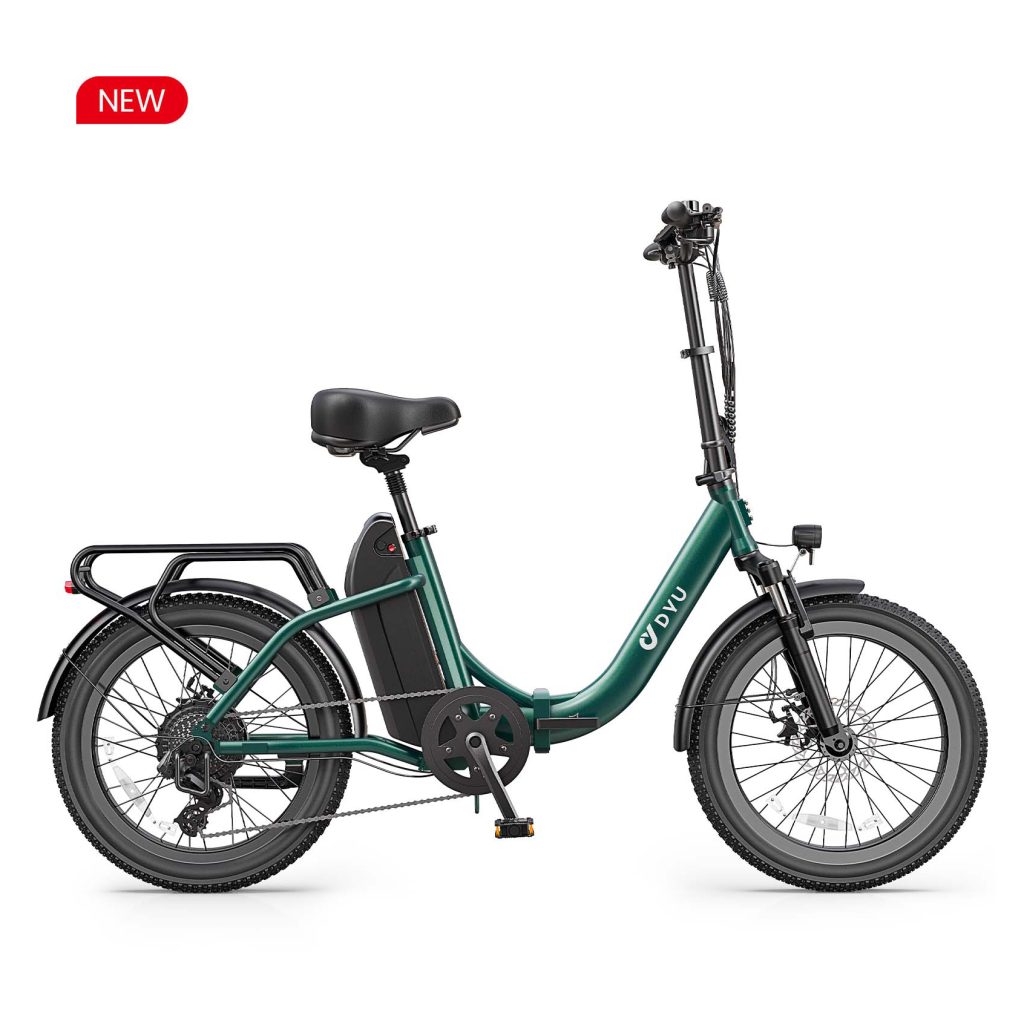
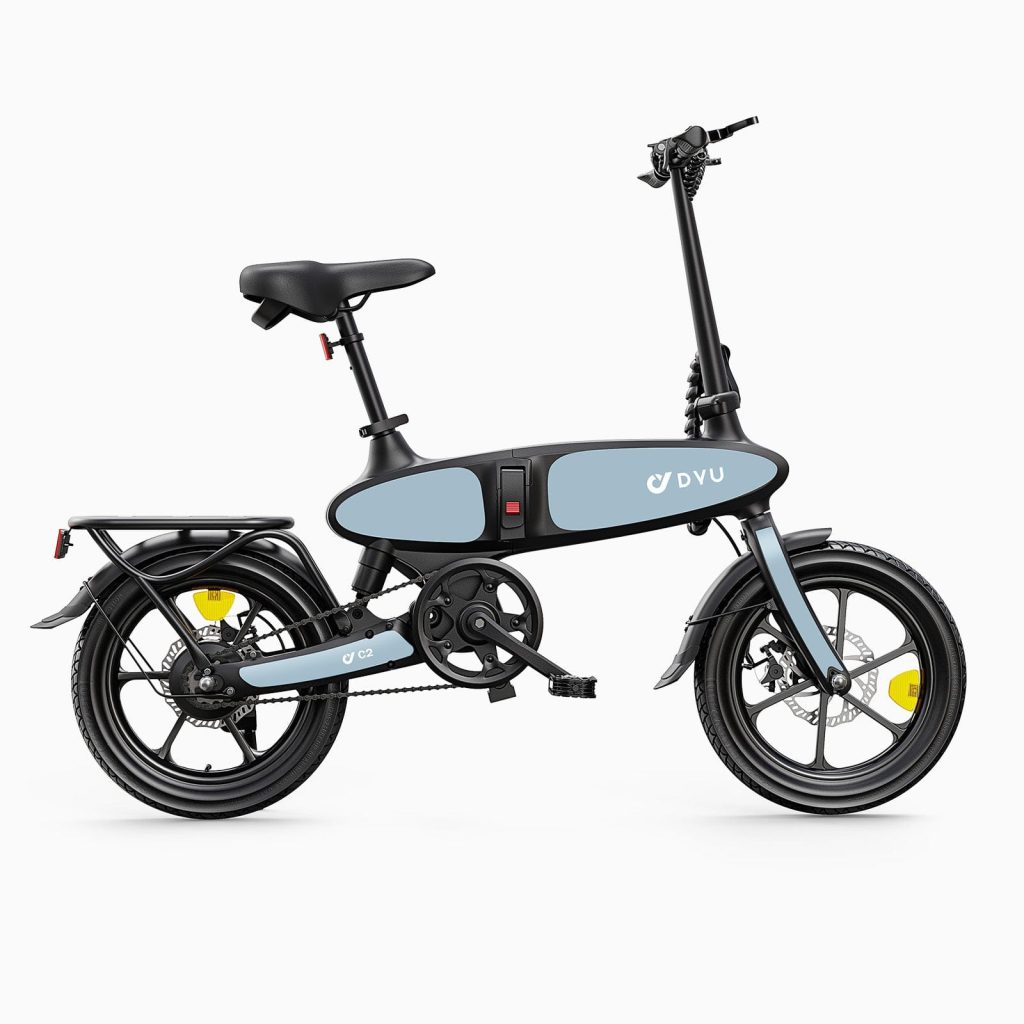
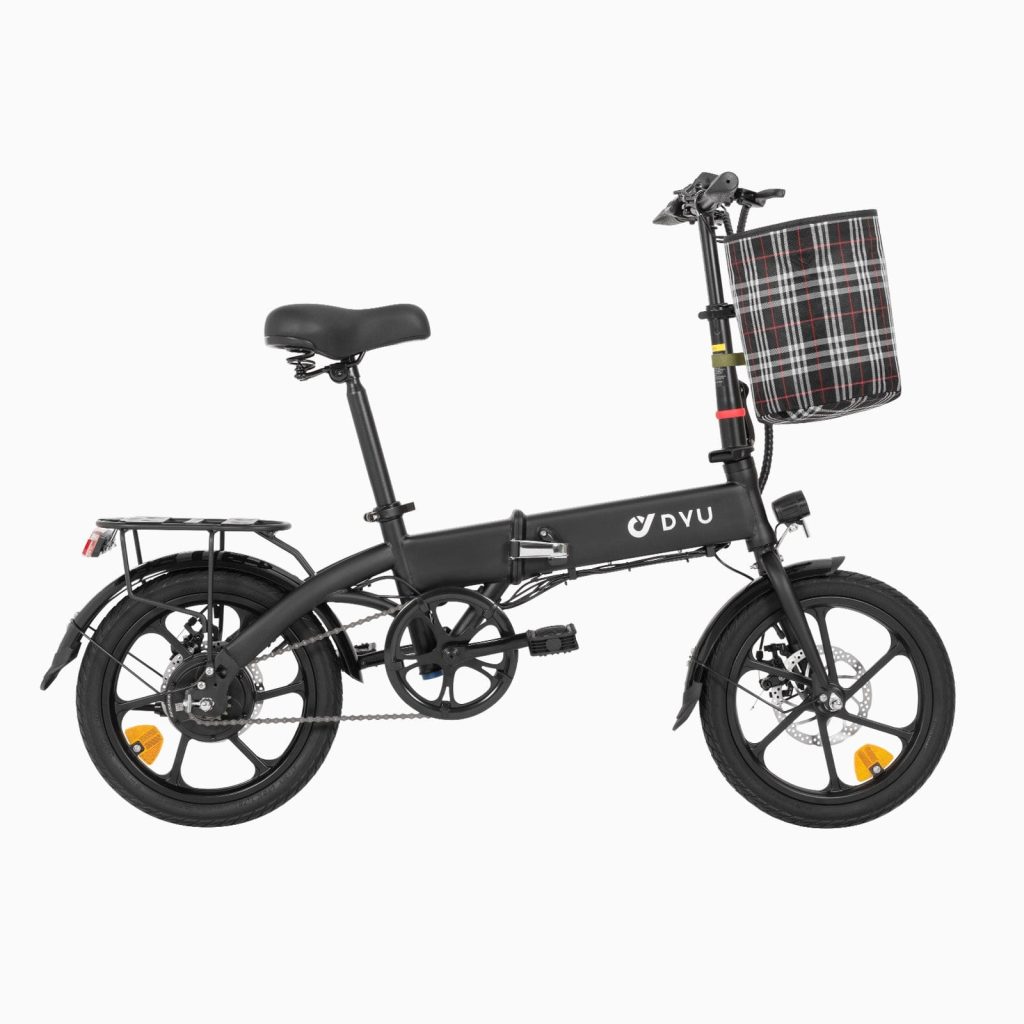
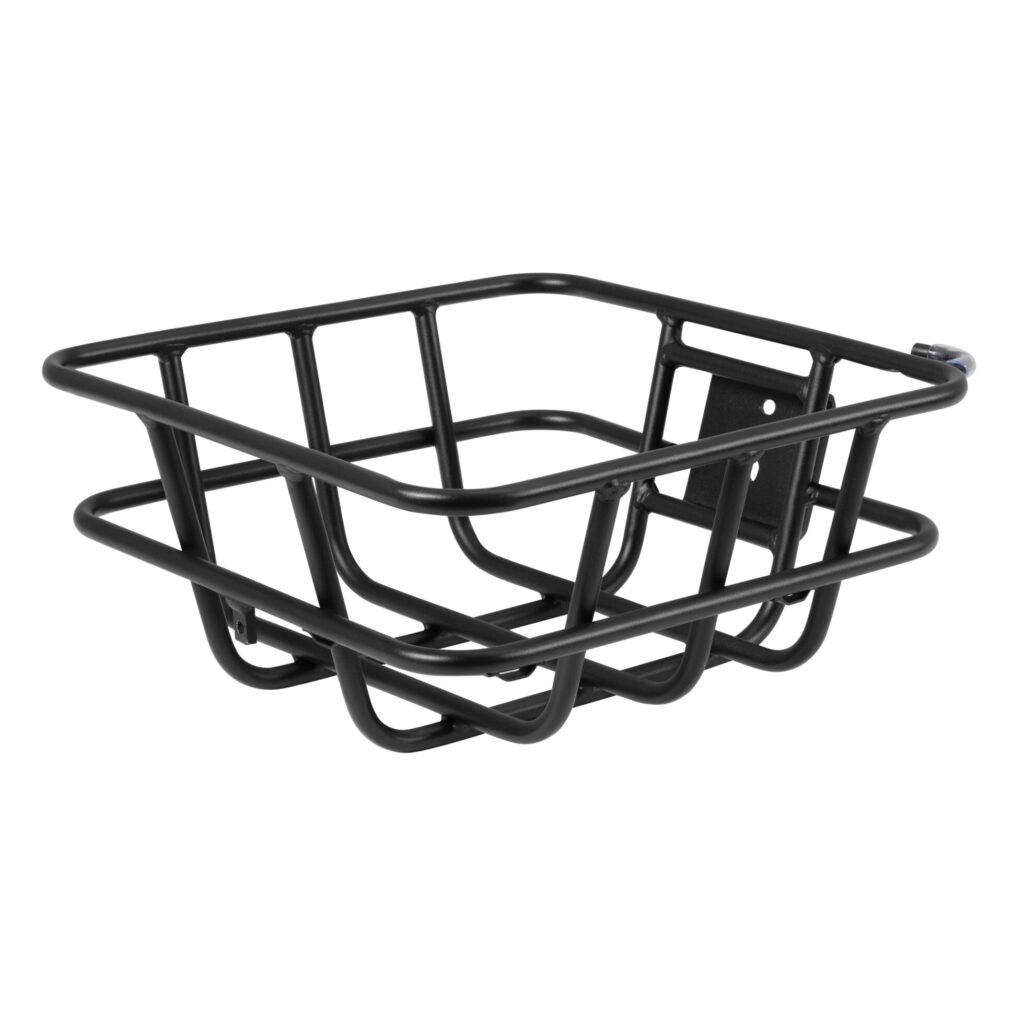
The DYU A1F Pro 16-inch folding e-bike is a compact city bike with a 250W motor, 36V 7.5Ah battery, 16-inch wheels, a front basket, a rear rack, disc brakes, and a folding frame. It is not built to impress riders who only look at power numbers. It is built for people who carry things.
DYU A1F Pro Review 2026: Quick Specs and Live Price
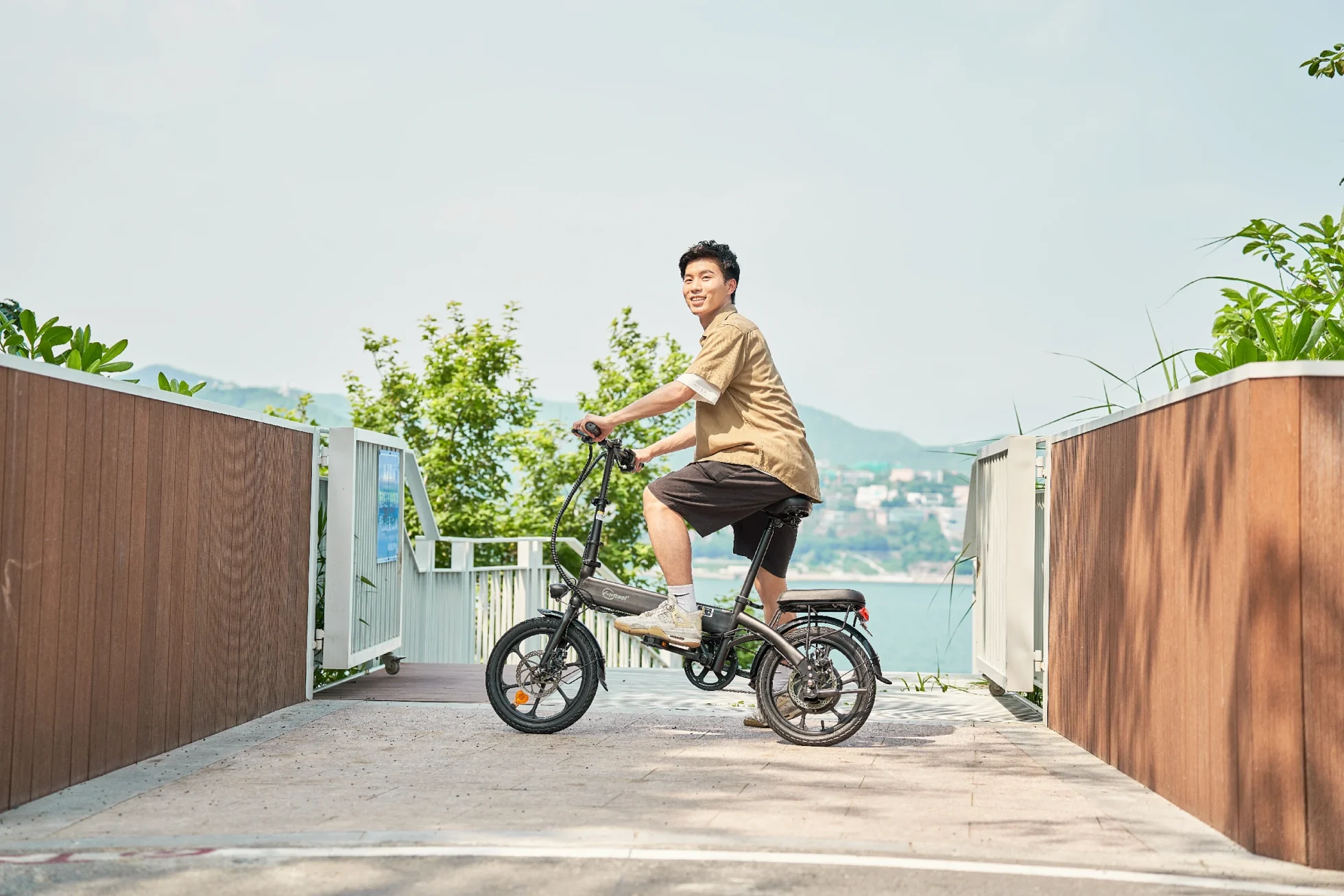
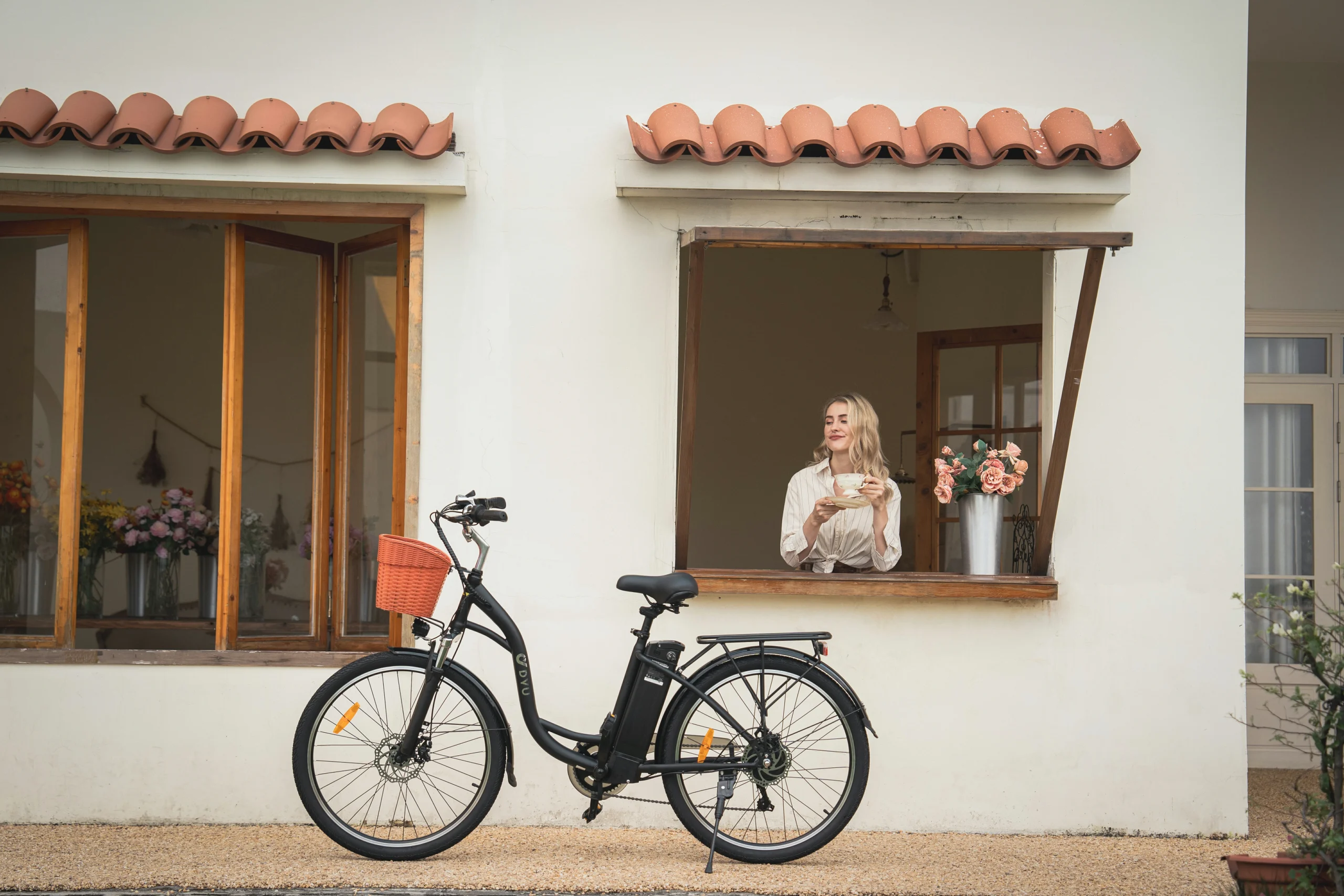
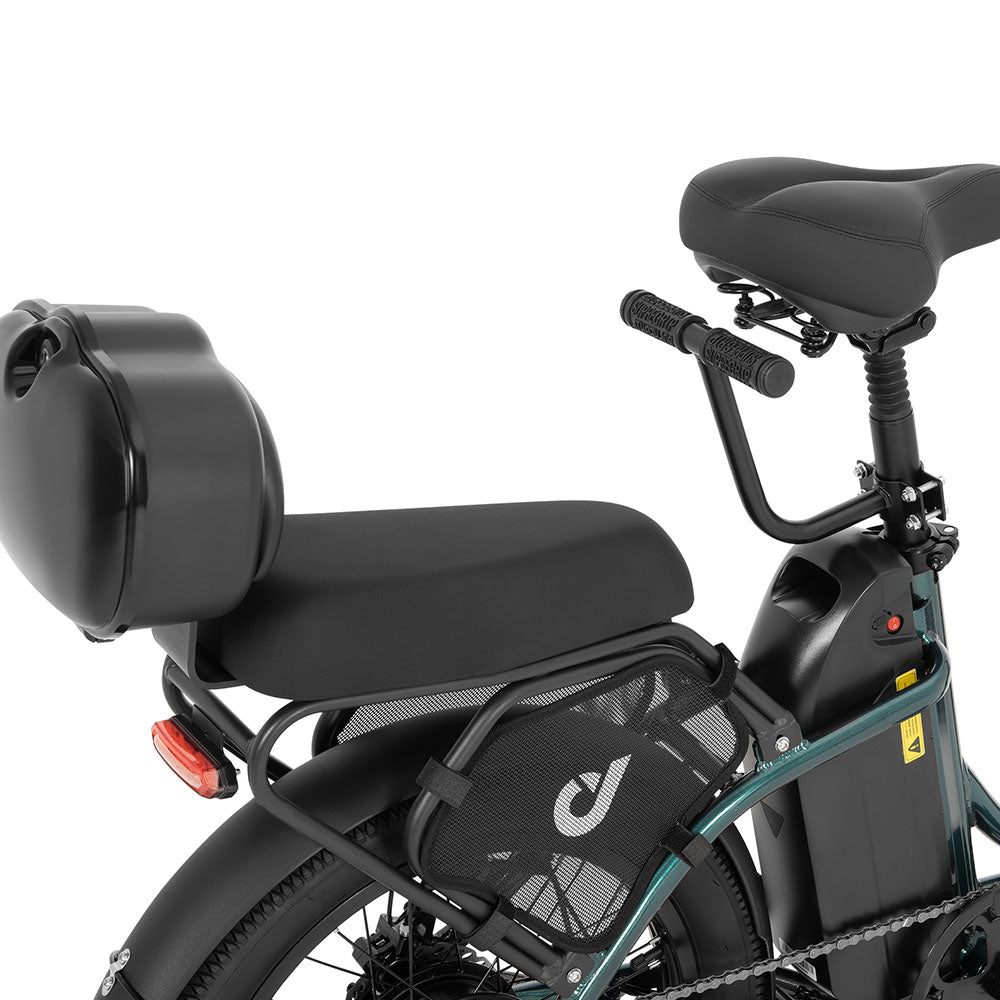
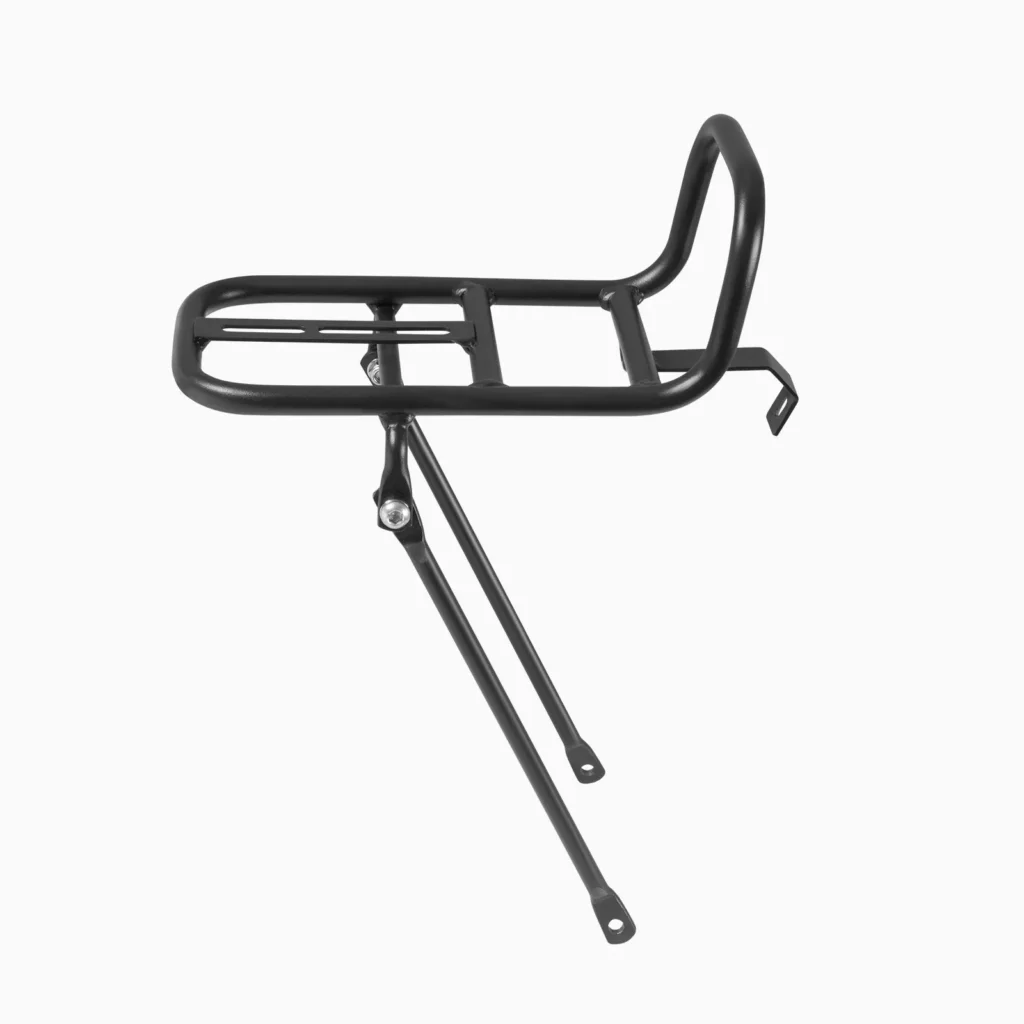
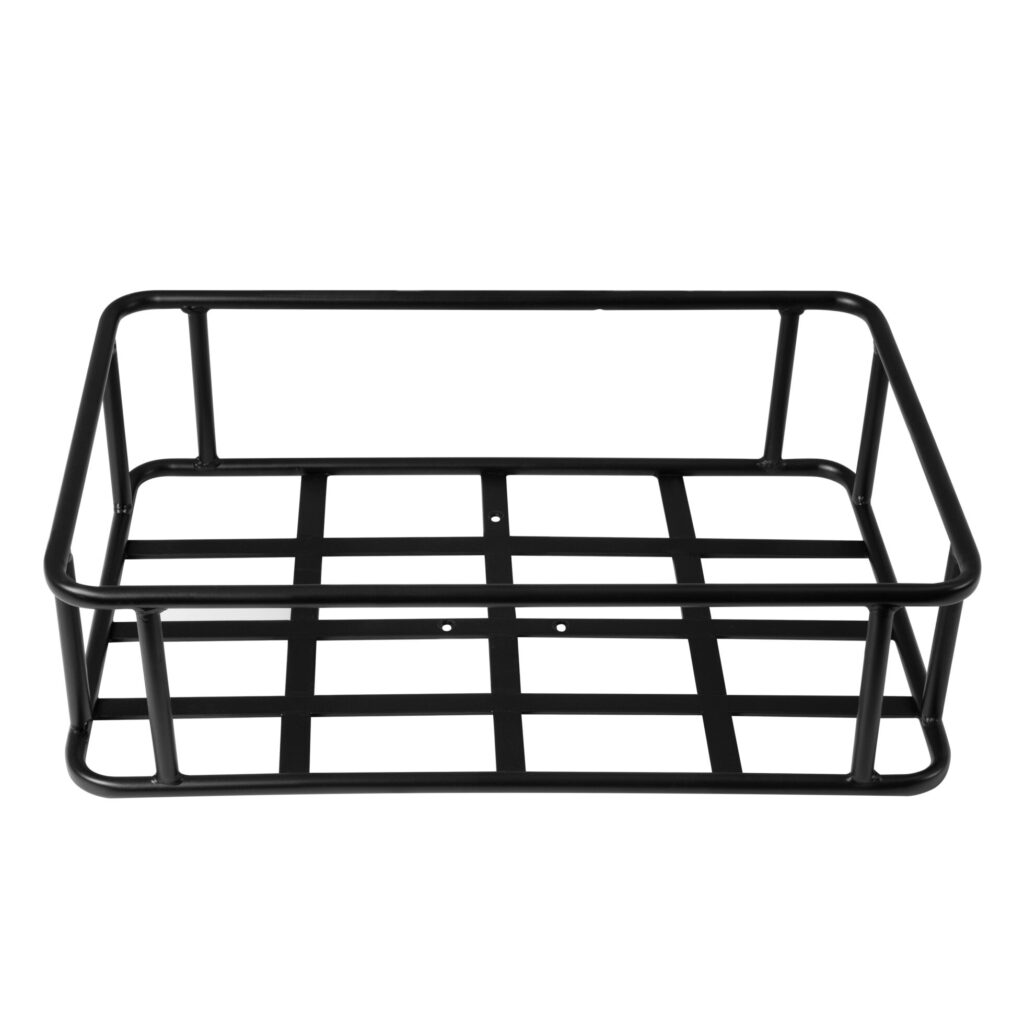
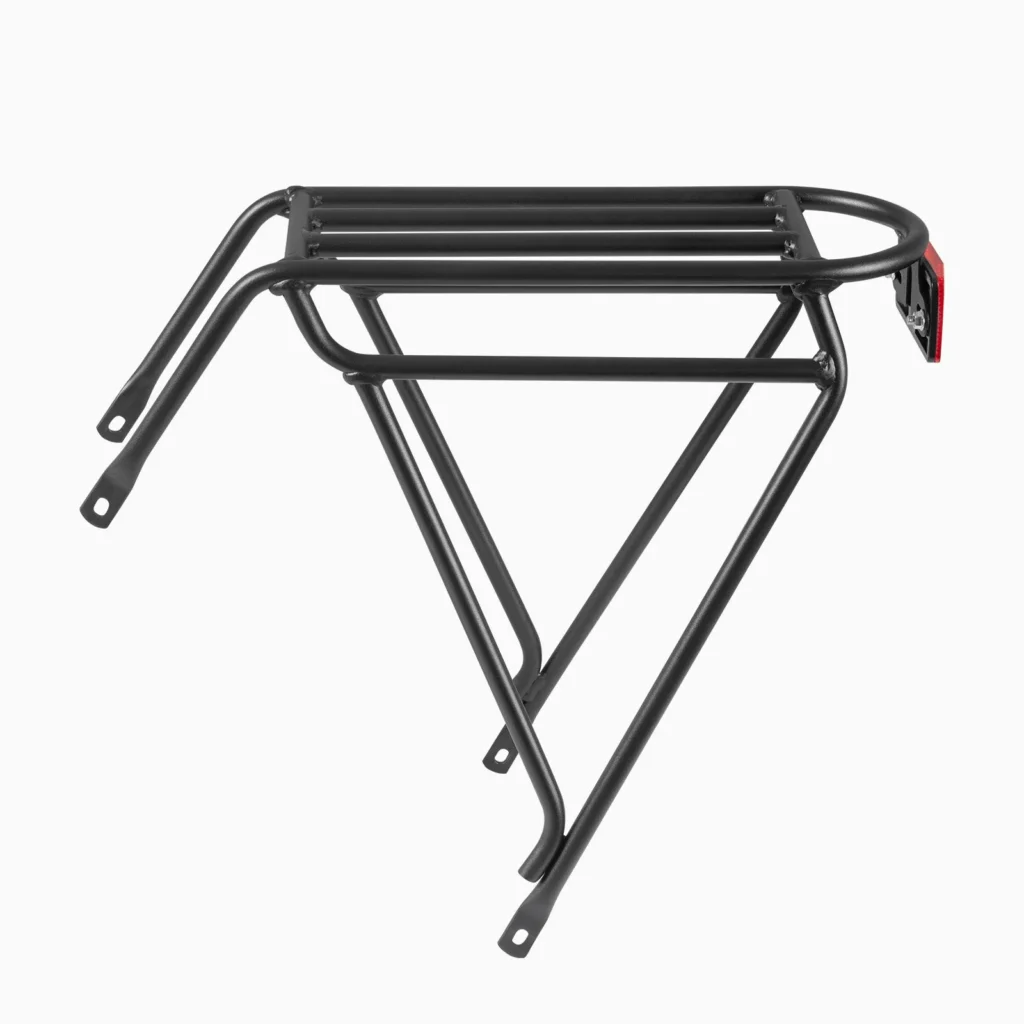
The A1F Pro is one of those bikes where the accessories are not an afterthought. The basket and rear rack are part of the reason to consider it, because they turn short trips into useful trips. A small e-bike that cannot carry anything often becomes a weekend toy. This one feels more like a daily tool.
| Spec | DYU A1F Pro detail | Why it matters |
|---|---|---|
| Motor | 250W | Smooth city support within normal European e-bike expectations |
| Battery | 36V 7.5Ah | Removable enough in practice because the bike itself is compact |
| Range | 60 km listed in pedal-assist mode | Best for short commutes, errands, and mixed transit days |
| Weight | 21 kg | Liftable for brief moments, not something I would carry for fun |
| Load capacity | 120 kg | Enough for rider plus light cargo when packed sensibly |
| Live price | €499 regular €619 | Checked from the DYU WooCommerce product route for this draft |
If you are new to electric bikes, DYU’s first e-bike guide gives useful buying context before you start narrowing choices. For the A1F Pro, I would start with one question: do you need a compact bike that can carry daily items without extra accessories?
How the DYU A1F Pro Feels on Errand Rides
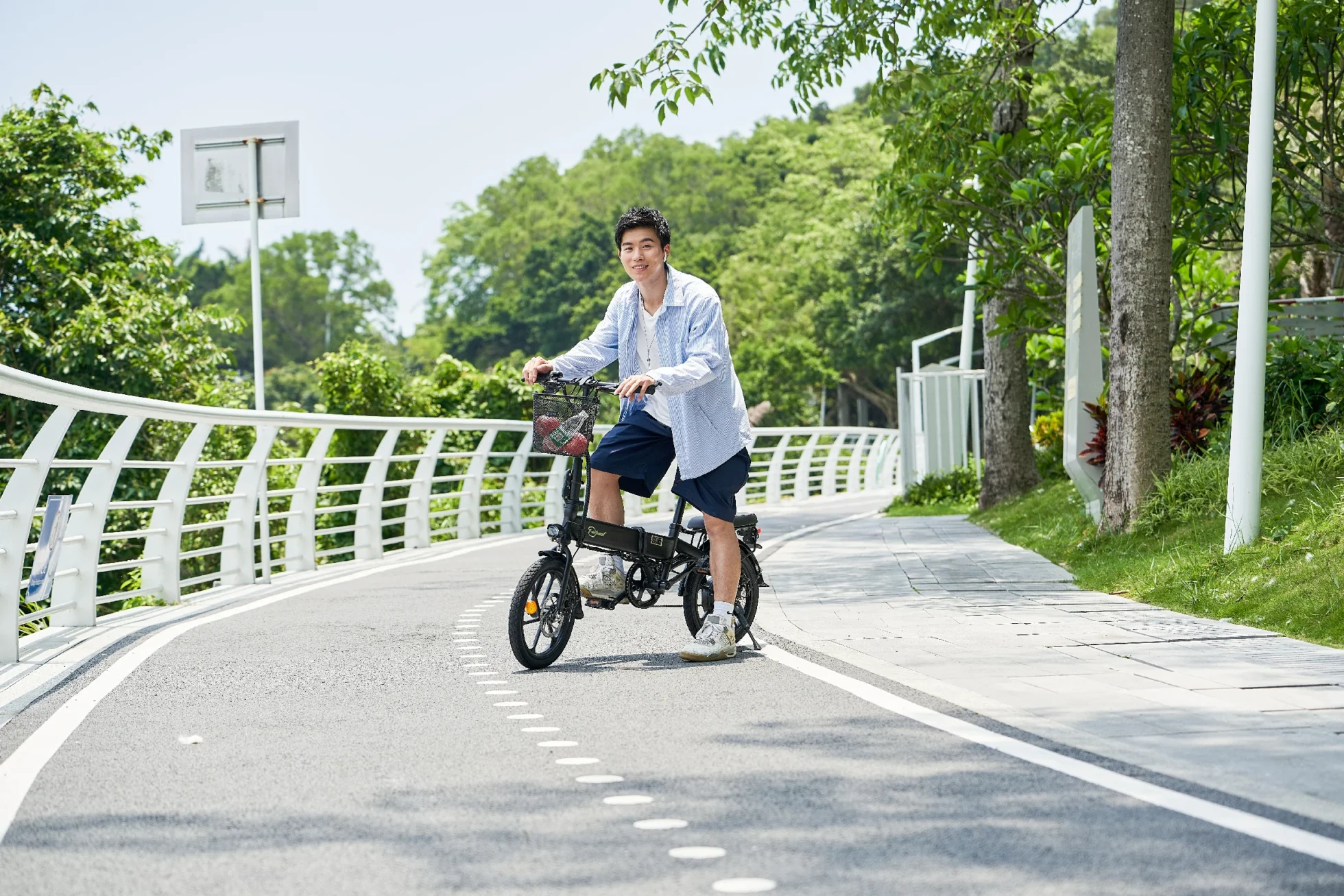
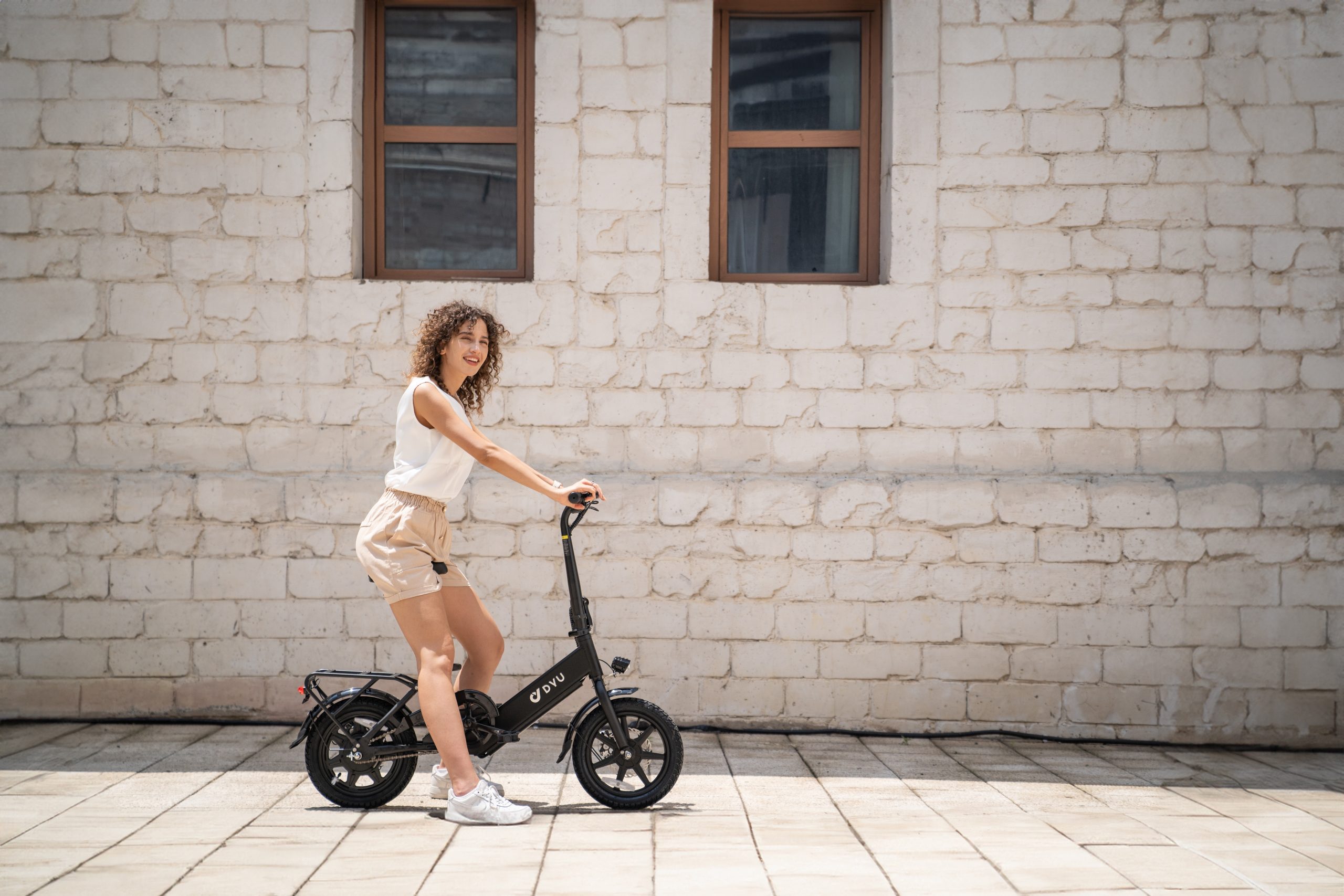
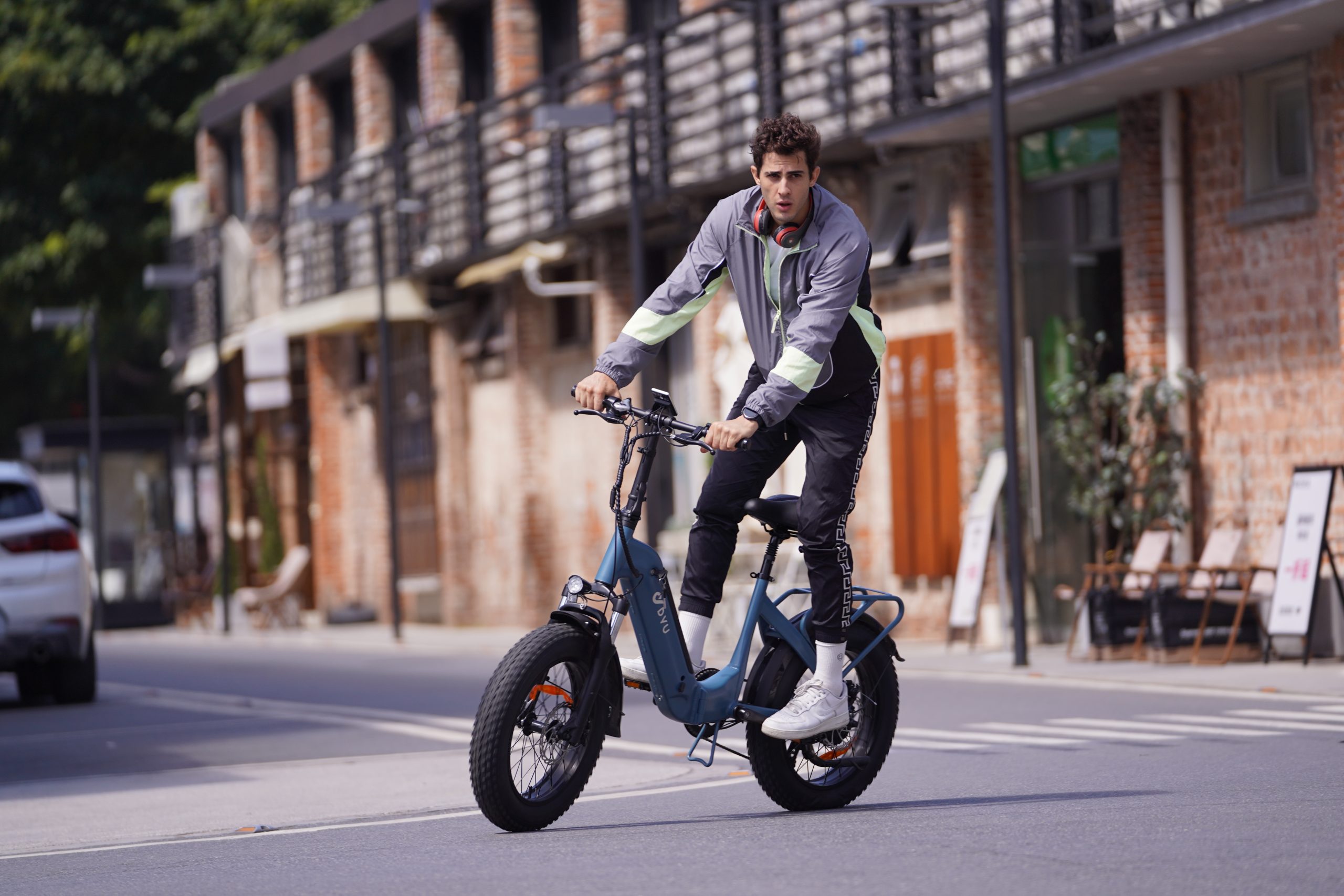
The first ride did not feel dramatic. That is a compliment here. The 250W motor adds enough help from traffic lights and mild slopes, but it does not make the bike lurchy. The small wheels make steering quick, so I took the first ten minutes slowly until the bike felt familiar.
Once loaded with a light grocery bag and a laptop backpack, the A1F Pro made more sense. The front basket kept small items visible, and the rear rack gave me a place for bulkier cargo. I still kept heavier items low and centered because small-wheel bikes reward calm packing.
The 16-inch wheels are the tradeoff. They help the bike stay compact, but they do not glide over broken pavement like a full-size wheel. I felt that most on older stone streets and raised curb ramps. On smoother bike lanes, the ride was easy and predictable.
Folding, Storage, and Public Transport
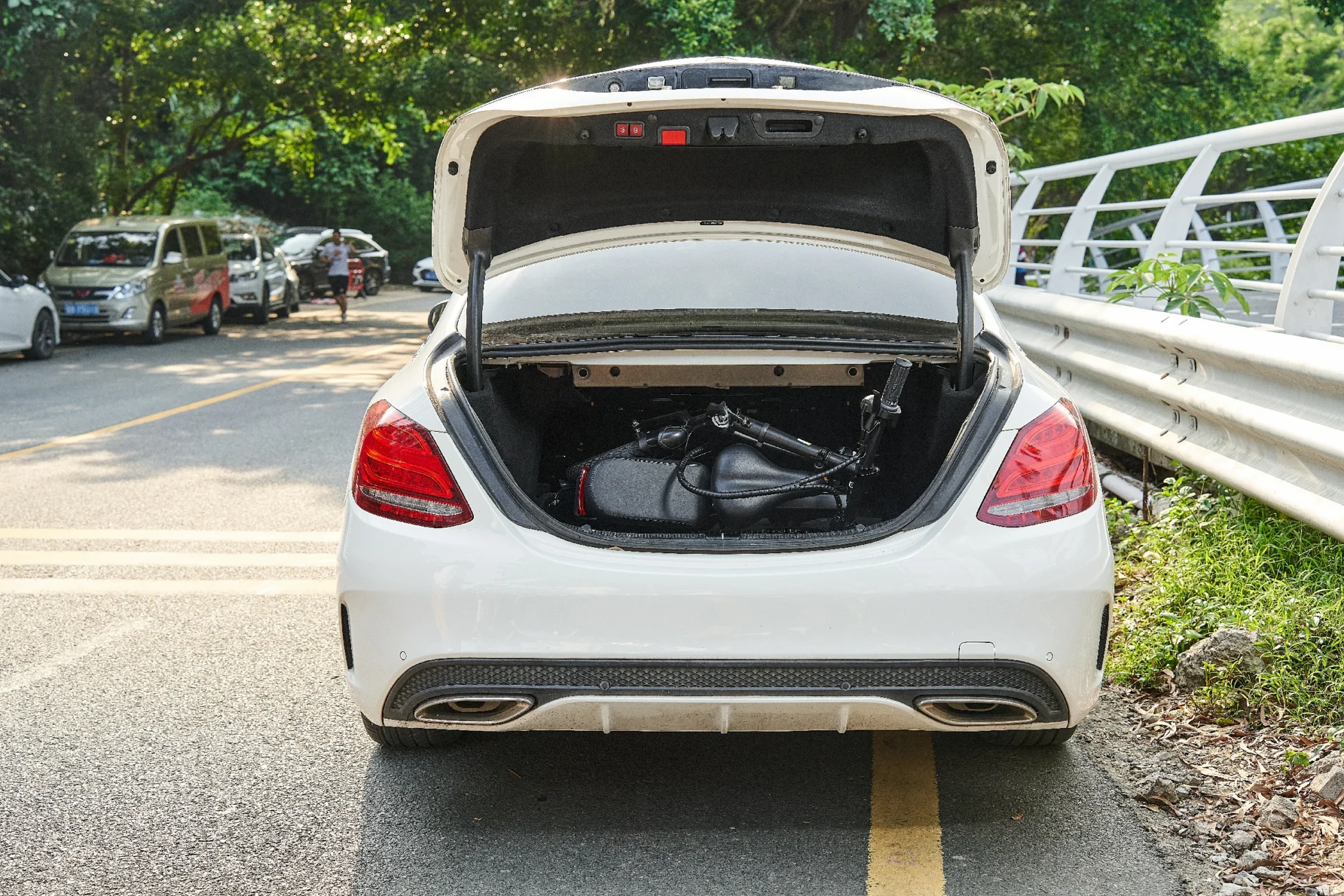
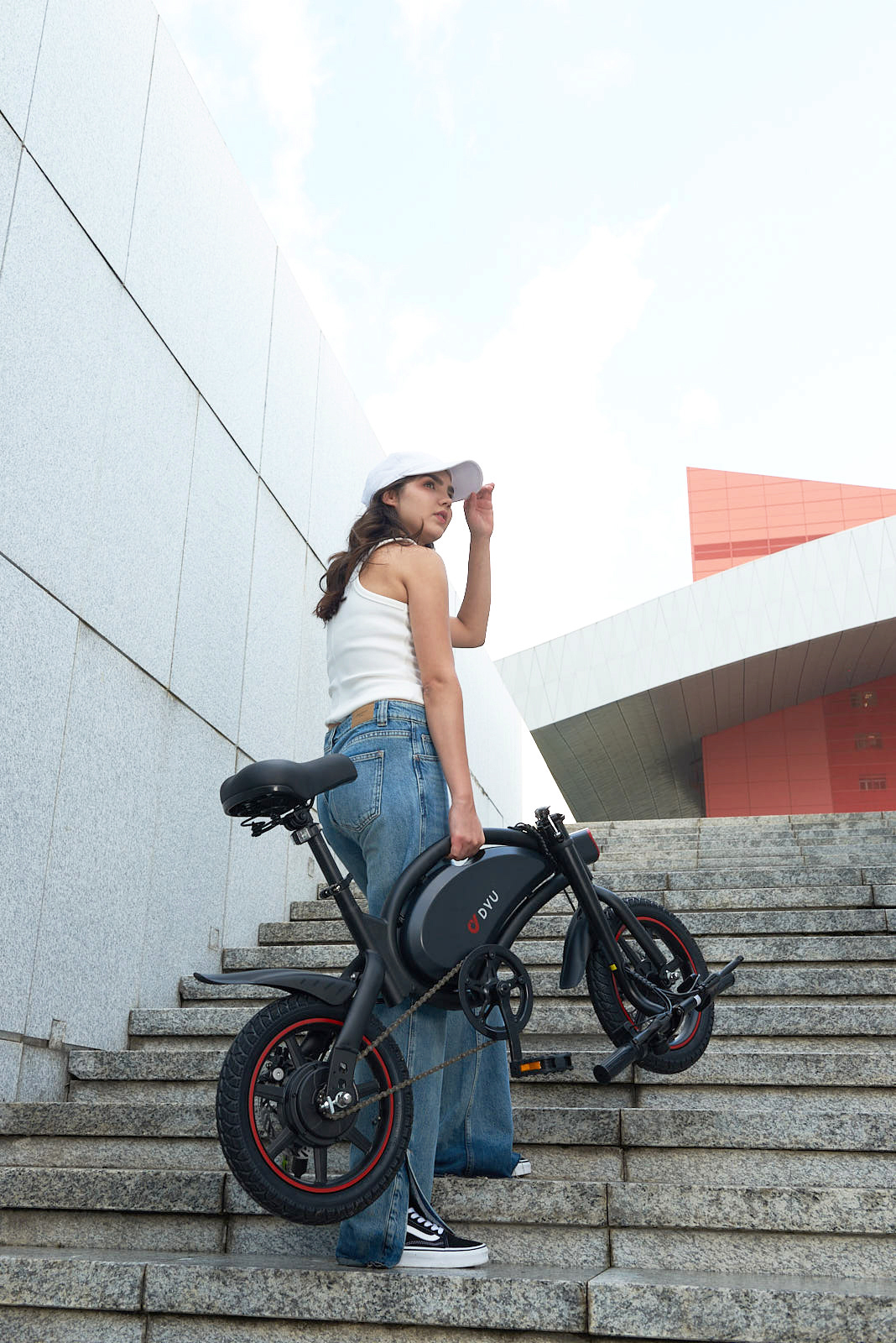
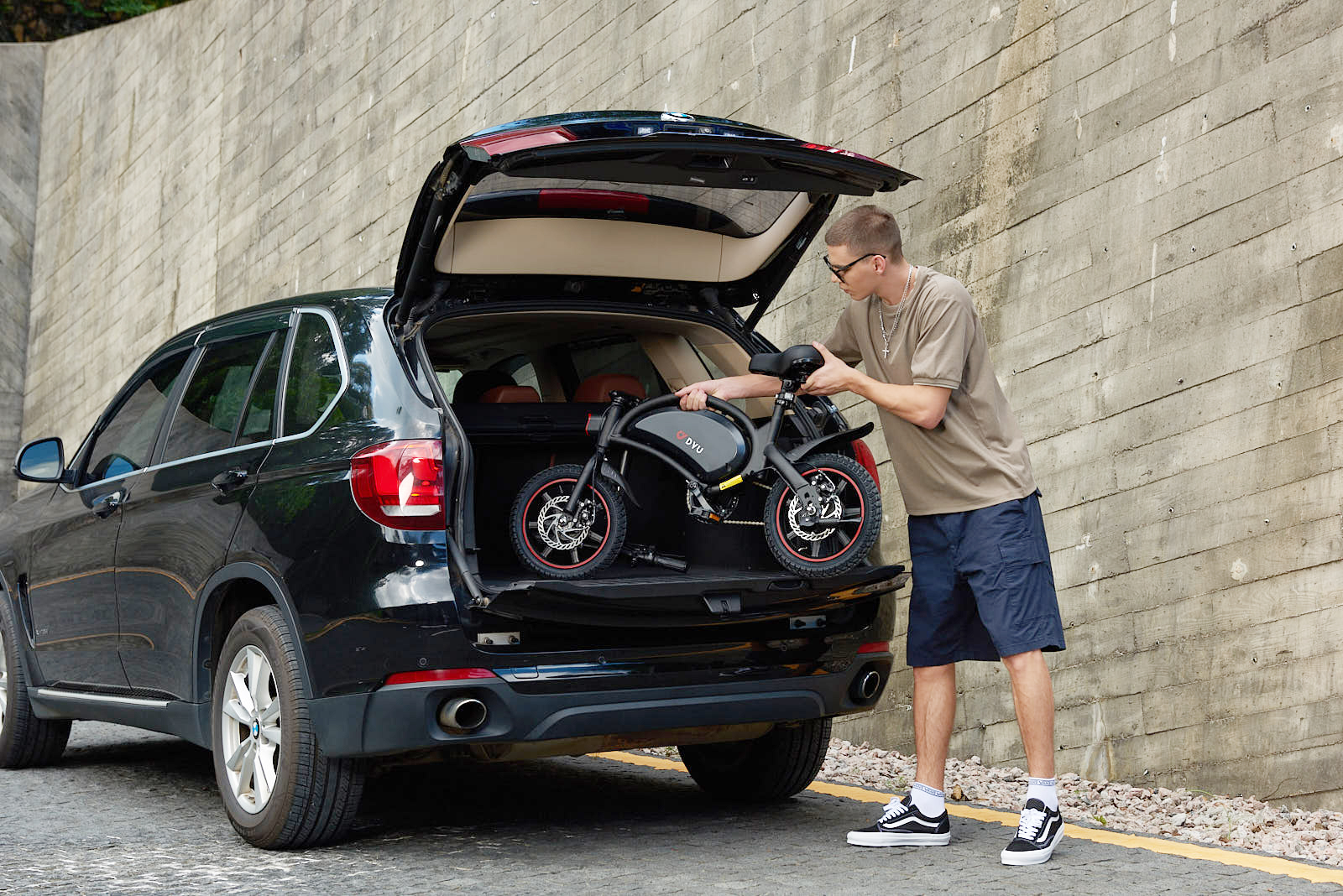
The fold is useful, but I would not describe 21 kg as featherweight. I could lift the A1F Pro into a car boot and move it through a doorway without drama. Carrying it up several flights of stairs every day would still get old quickly.
For train or tram use, the bike works best when you fold before the platform gets busy. That sounds obvious until you try doing it beside commuters who are already annoyed. Fold early, roll calmly, and keep the basket empty or lightly packed before boarding.
This is why the A1F Pro belongs in the same decision space as DYU’s mini folding e-bike guide. Compactness is not just about the frame hinge. It is about how easily the whole routine fits around your building, storage room, car, train, and office.
Motor, Gearing, and Daily Range
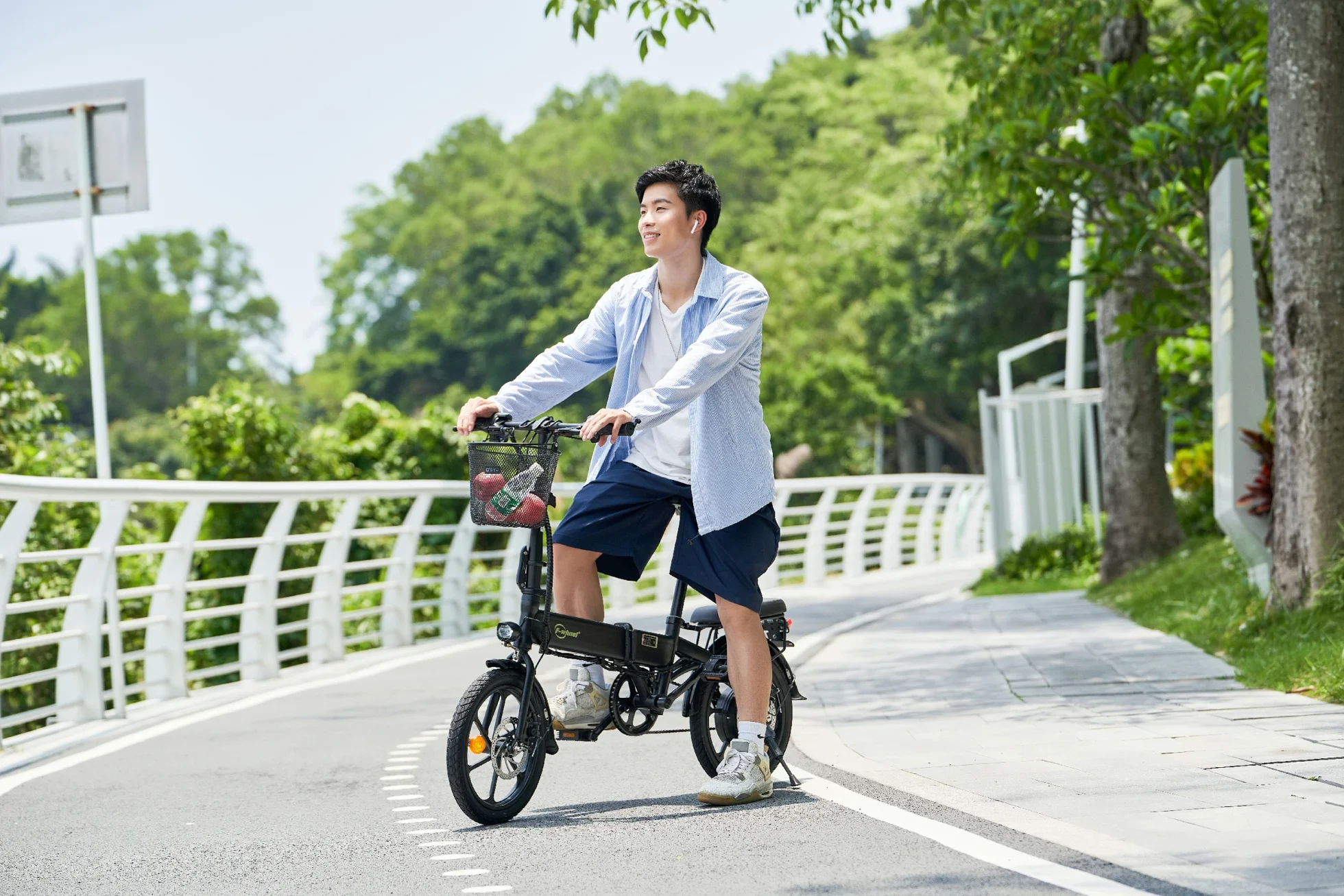
The 250W motor is most useful in the first few seconds after a stop. That matters in European city riding because you are constantly restarting: lights, crossings, roundabouts, delivery vans, and pedestrians stepping into the lane without looking.
DYU lists a 60 km pedal-assist range. Treat that as a planning number, not a personal guarantee. Rider weight, cargo, tire pressure, cold weather, and assist level all change the result. For my errand-style use, the battery size made sense because the trips were short and frequent.
Good battery habits still matter. I would rather charge before the battery gets very low than test the final bar on a windy ride home. Battery University’s lithium battery guide is a useful reference if you want to understand why shallow, sensible charging is kinder to lithium packs.
Brakes, Basket, and the Little Details
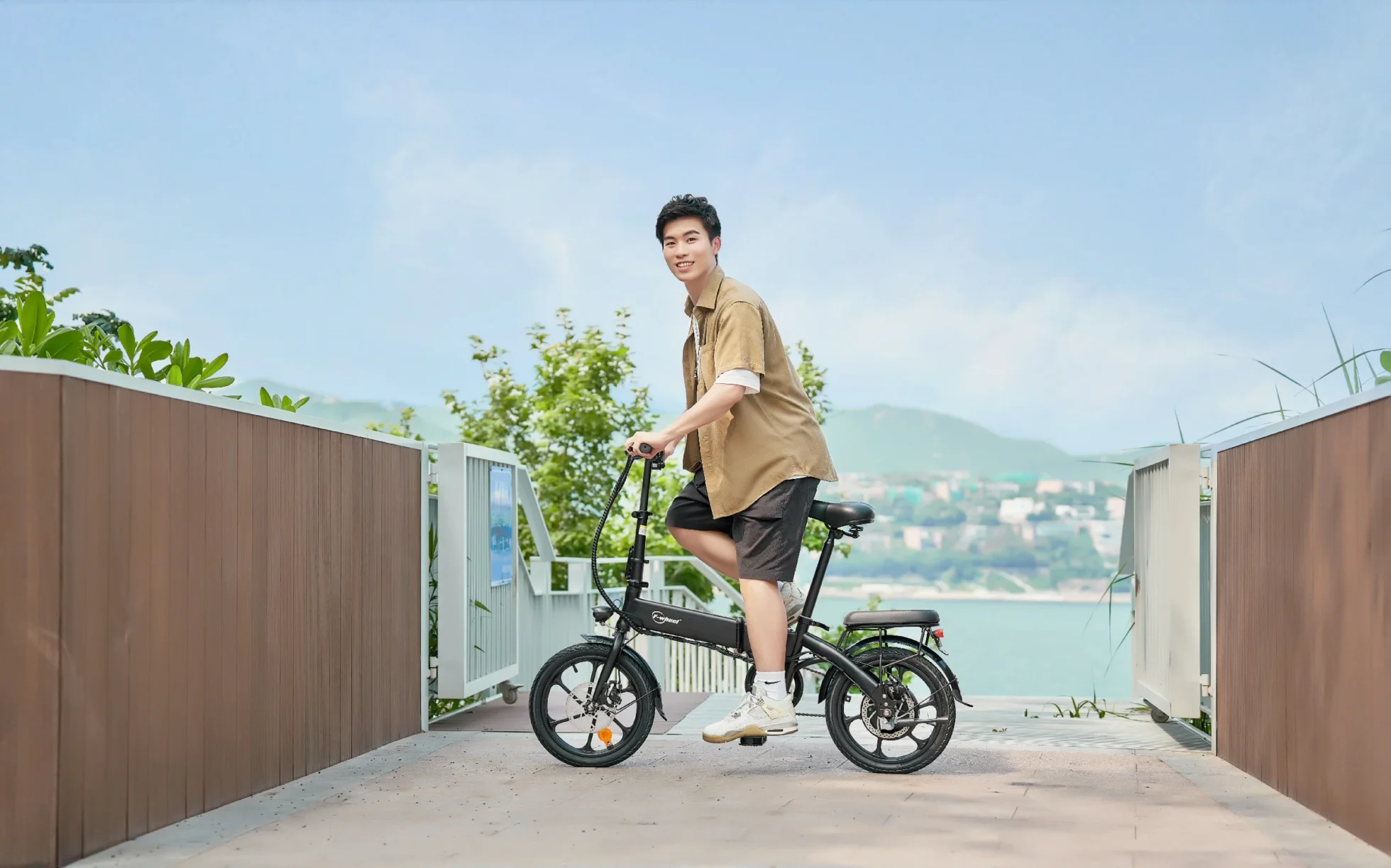
The A1F Pro uses disc brakes front and rear. They are not exotic, but they are the right choice for a small cargo-friendly city bike. Add a basket load, wet pavement, and a downhill turn, and you want predictable brake feel more than another marketing feature.
Brake setup is worth checking after the first rides. Cable stretch and pad wear are normal, and a brake lever that pulls too close to the grip should not be ignored. DYU’s disc brake explainer is a good local primer, and Electric Bike Report’s brake guide gives broader context on why e-bike braking systems deserve attention.
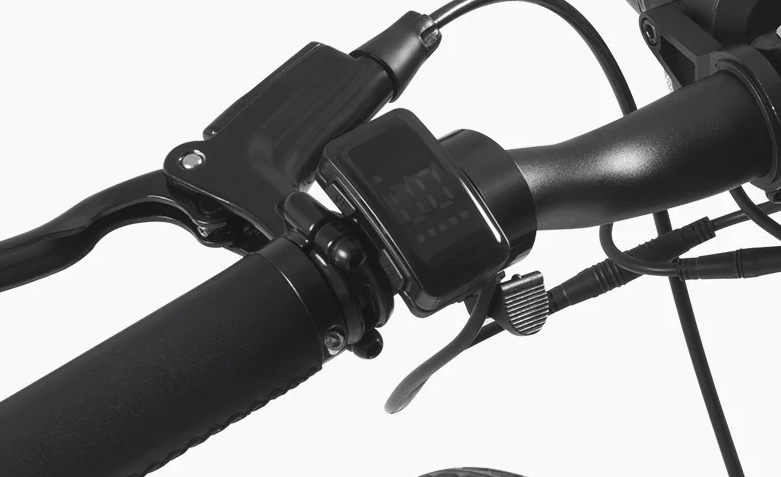
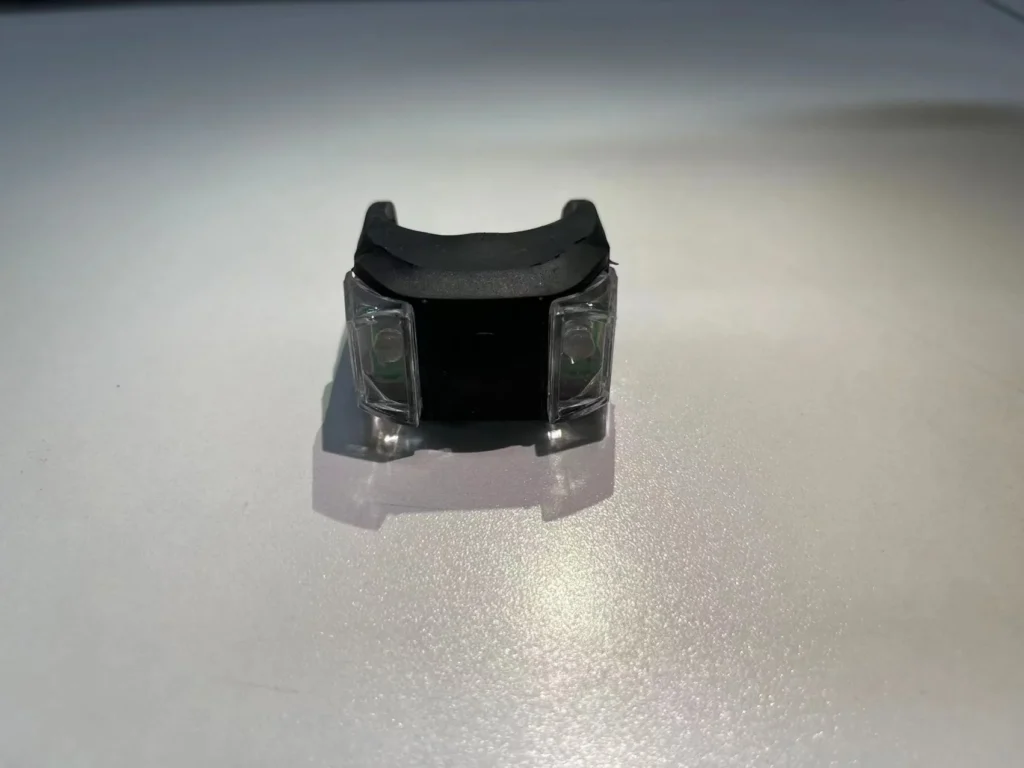
The front light, LCD display, adjustable saddle, and adjustable handlebar are practical details. None of them changed my opinion alone. Together, they made the bike easier to hand to another rider in the household without a long setup conversation.
Where the A1F Pro Makes Sense
The A1F Pro is best when your rides are short, frequent, and useful. Think bakery runs, school drop-offs without a child seat, office storage, train connections, and short city commutes where a normal bike feels like extra effort at the end of the day.
- Good fit: riders who need a compact e-bike with a basket and rear rack included.
- Good fit: short city commutes and errand loops under 10 km each way.
- Good fit: shared homes where different riders need saddle and handlebar adjustment.
- Think twice: daily stair carrying, because 21 kg is still 21 kg.
- Think twice: rough routes where bigger wheels would be more comfortable.
If your main goal is urban commuting, DYU’s city e-bike guide is the better broad read. The A1F Pro has a narrower job: make compact, practical city trips easier without adding a lot of fuss.
Pros and Cons After Testing the DYU A1F Pro
| Pros | Cons |
|---|---|
| Basket and rear rack included | Small wheels feel busy on rough pavement |
| Compact fold for storage and car transport | 21 kg is manageable only for short lifts |
| 250W motor suits calm city riding | 60 km listed range still needs real-world margin |
| Adjustable contact points help shared use | Not the right bike for fast long-distance riding |
Conclusion: My Practical Take on the A1F Pro
The A1F Pro works because it is honest about its role. It is a compact folding e-bike for riders who need storage, simple assistance, and built-in carrying ability. The basket and rack are not small bonuses. They are the whole point.
At €499, I would look at the DYU A1F Pro if my rides were mostly short city trips and errands, especially if storage space was tight. If your route is long, rough, or full of stairs, be realistic before buying. If your life involves many small trips, this bike fits that rhythm well.
FAQs
Q1. Is the DYU A1F Pro good for daily errands?
Yes. The DYU A1F Pro is especially useful for errands because it includes both a front basket and rear rack, so light daily cargo is part of the design.
Q2. What is the range of the DYU A1F Pro?
DYU lists 60 km in pedal-assist mode. Real range depends on rider weight, cargo, weather, tire pressure, route, and assist level.
Q3. How much does the DYU A1F Pro cost?
The live DYU WooCommerce price checked for this draft is €499, with a regular price of €619. Check the product page before ordering because pricing can change.
Q4. Is the DYU A1F Pro easy to carry?
It is compact and foldable, but it weighs 21 kg. Short lifts are realistic for many riders, while daily stair carrying is still demanding.
Q5. Does the DYU A1F Pro fit public transport use?
It can fit mixed cycling and public transport routines when folded early and handled calmly. It is best for riders who need compact storage more than ultra-low weight.