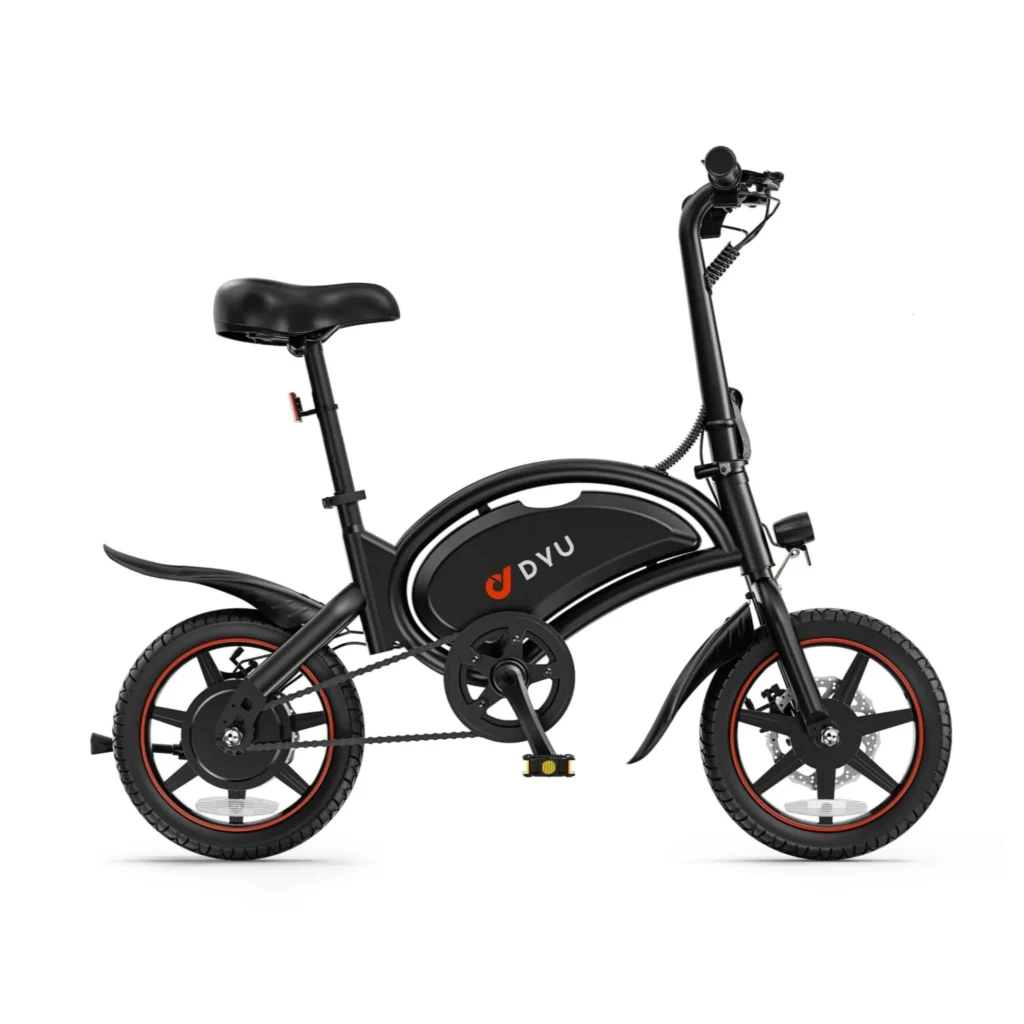
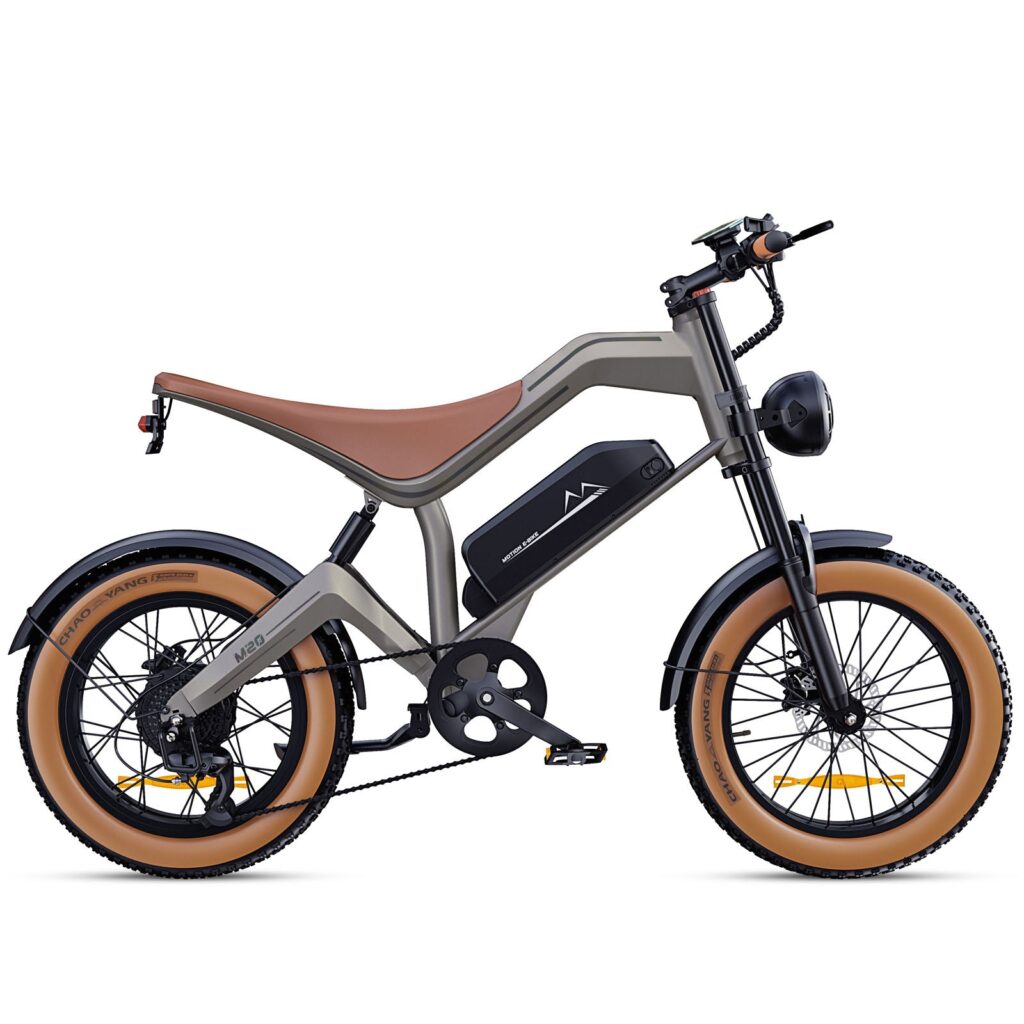
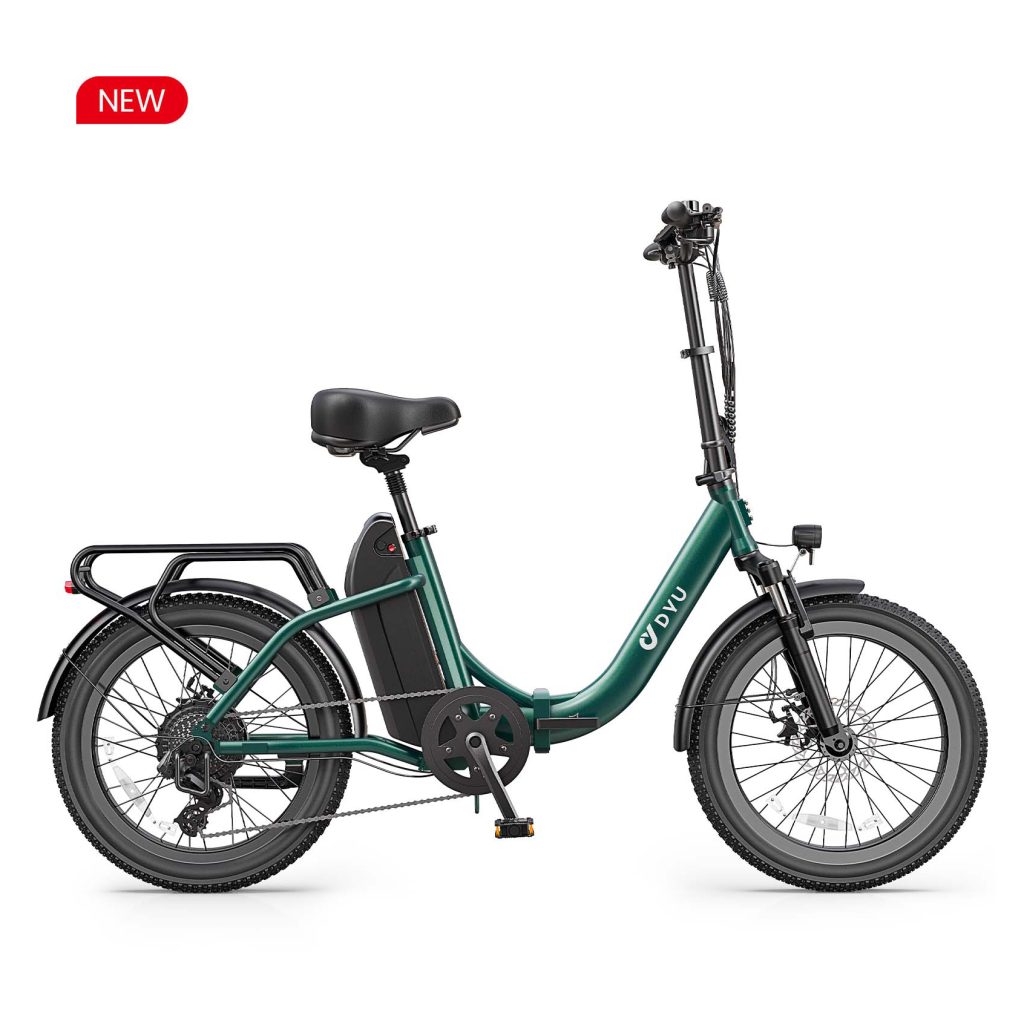
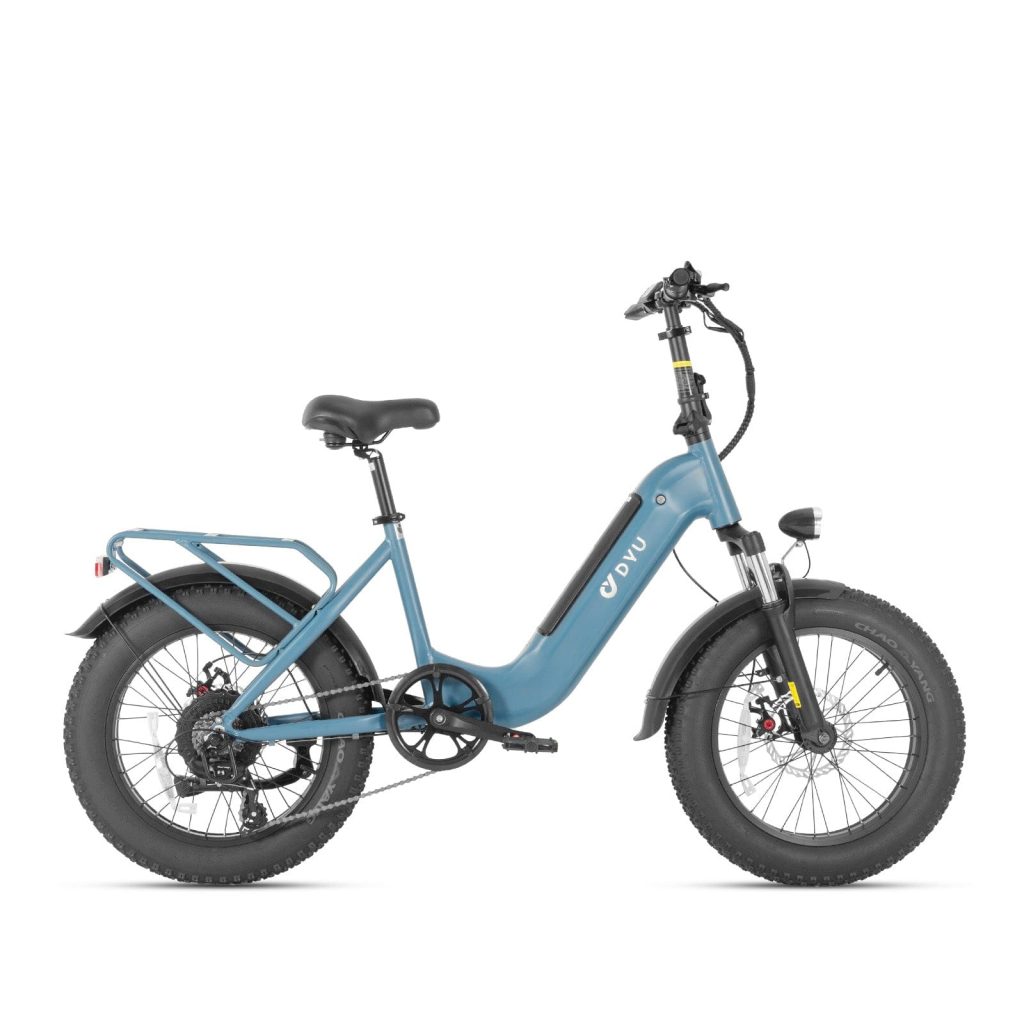
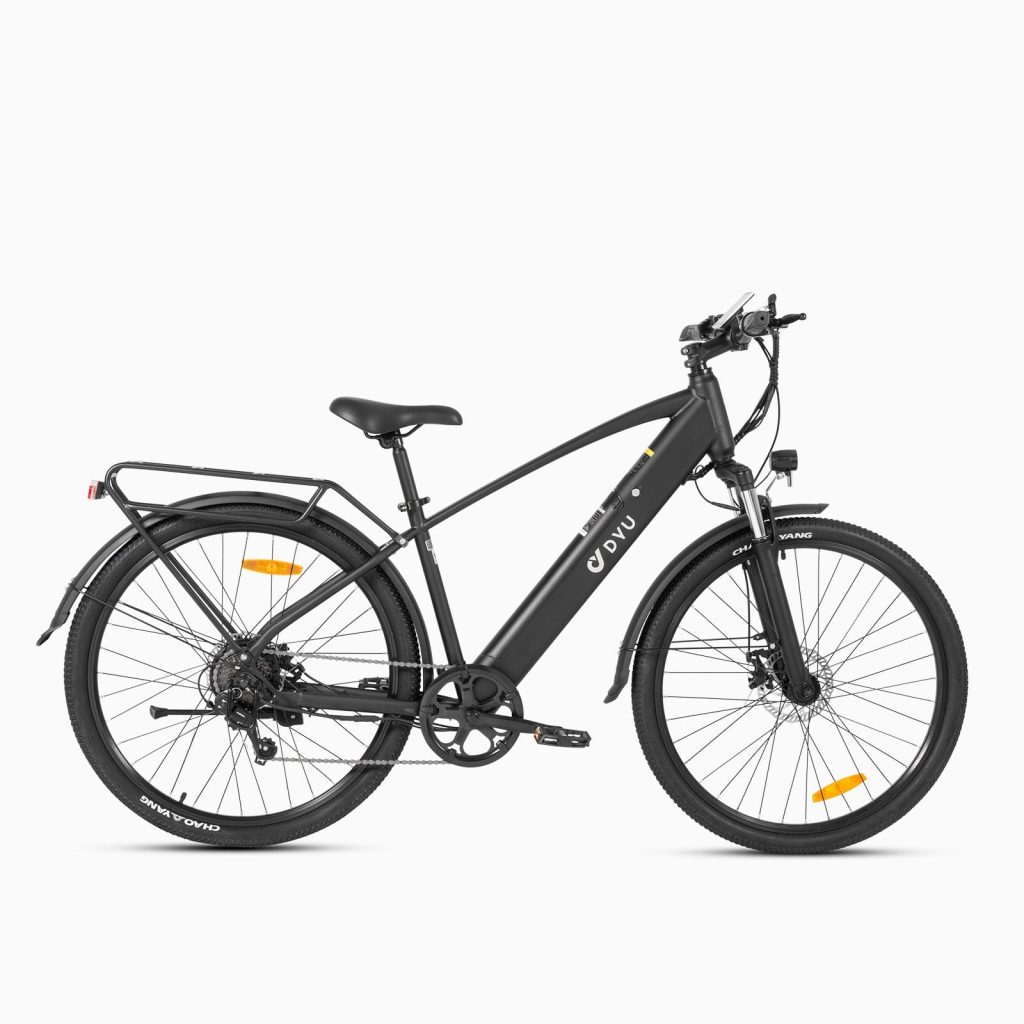
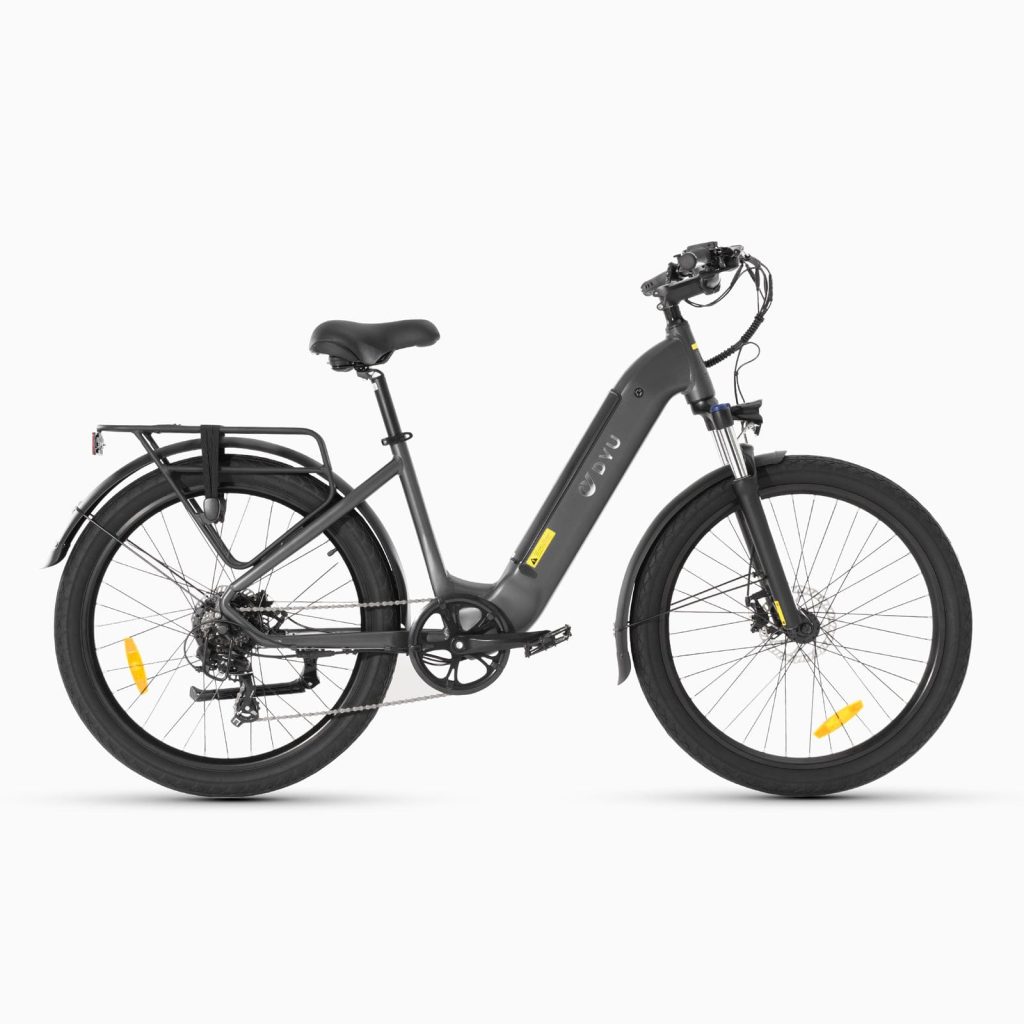
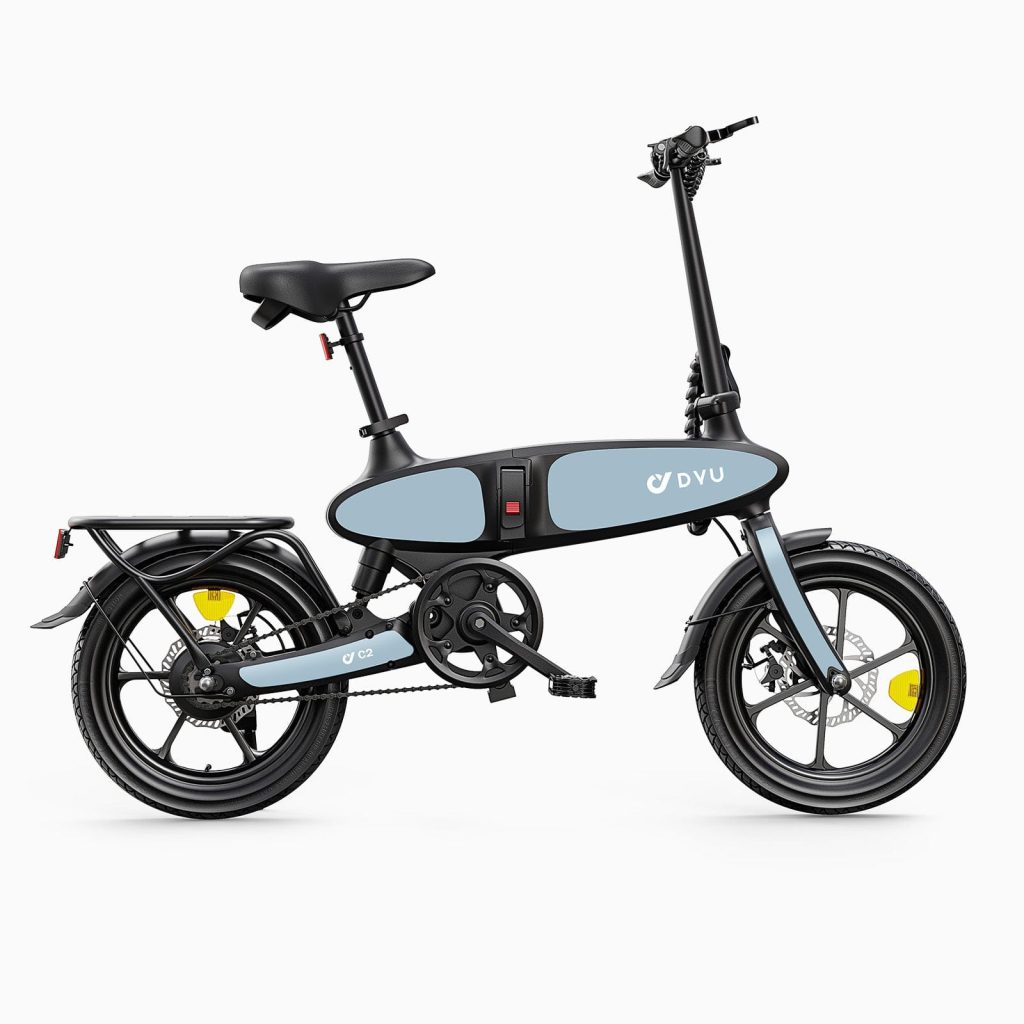
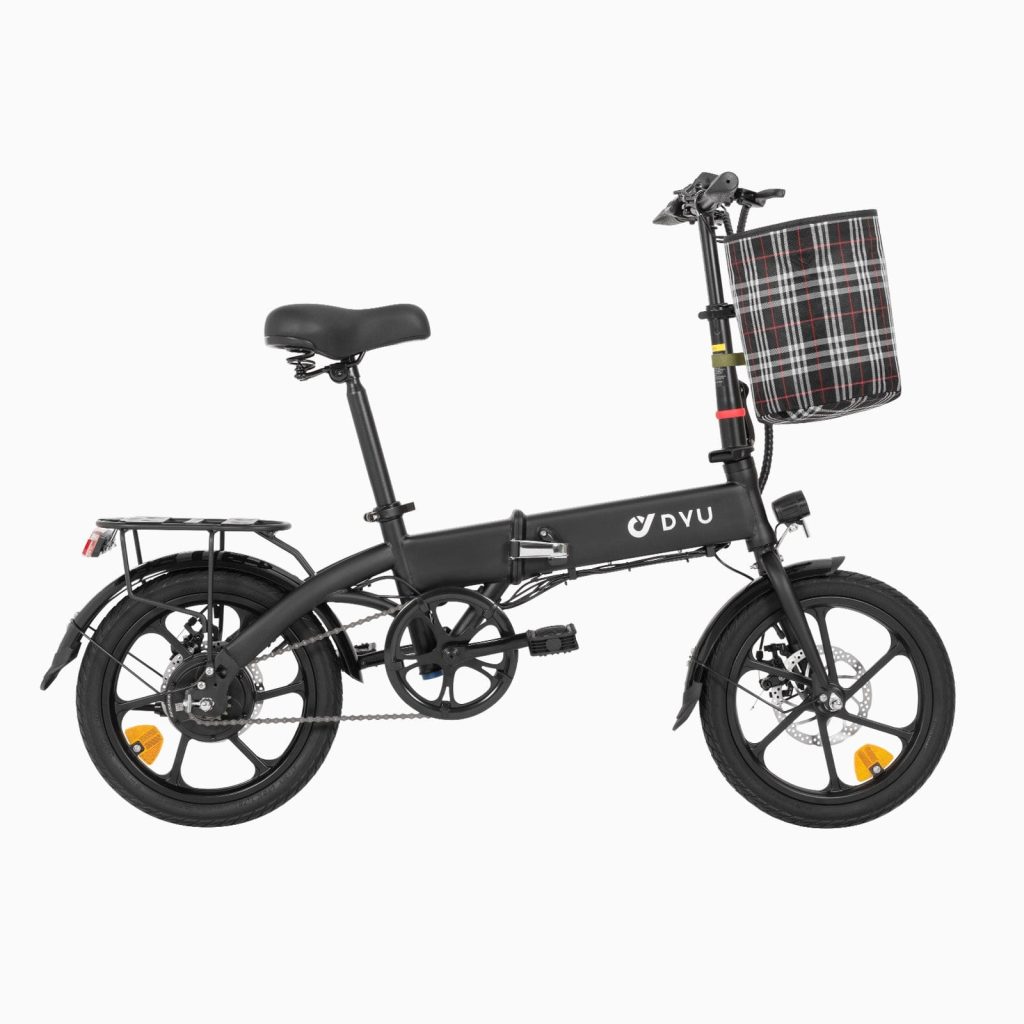
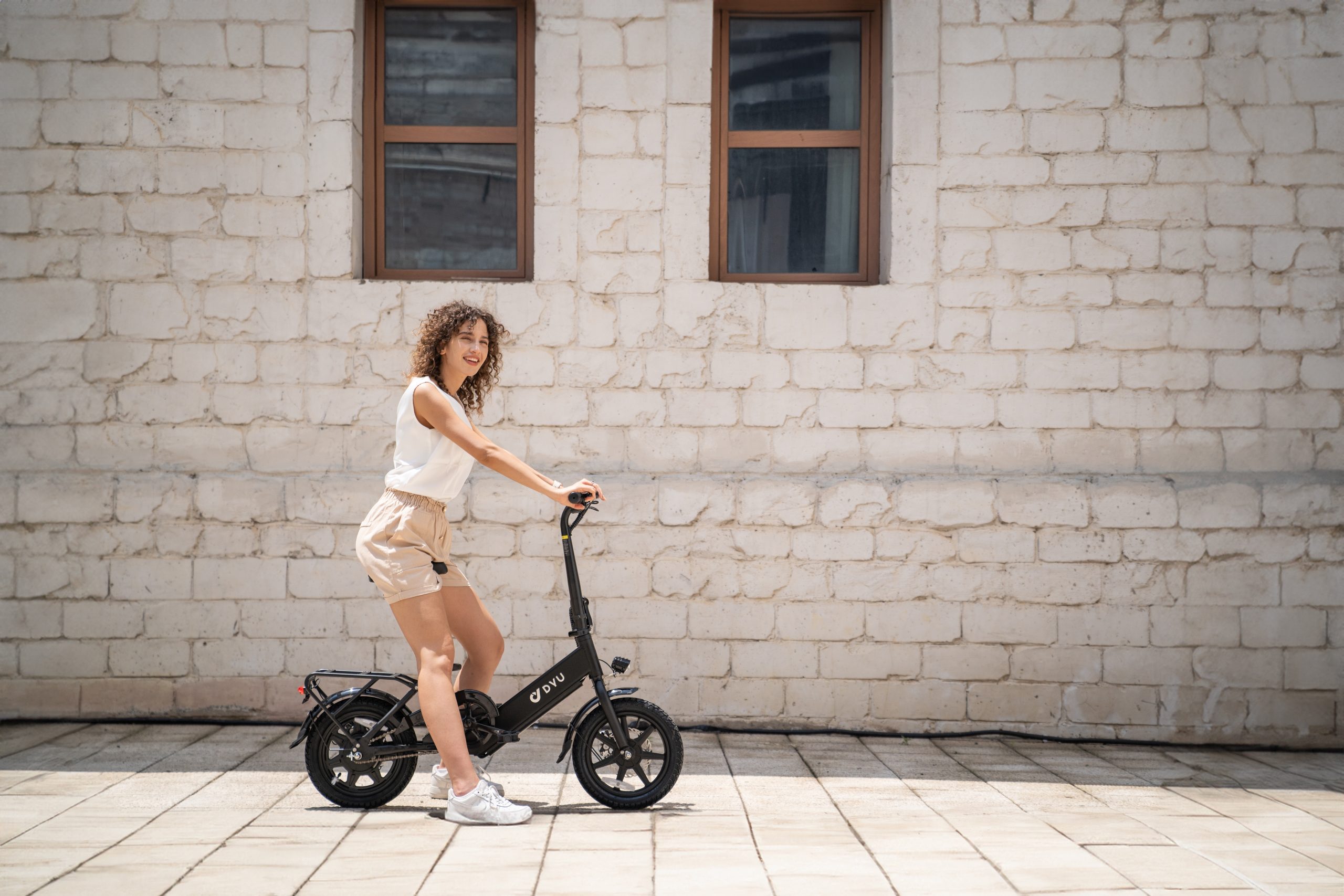
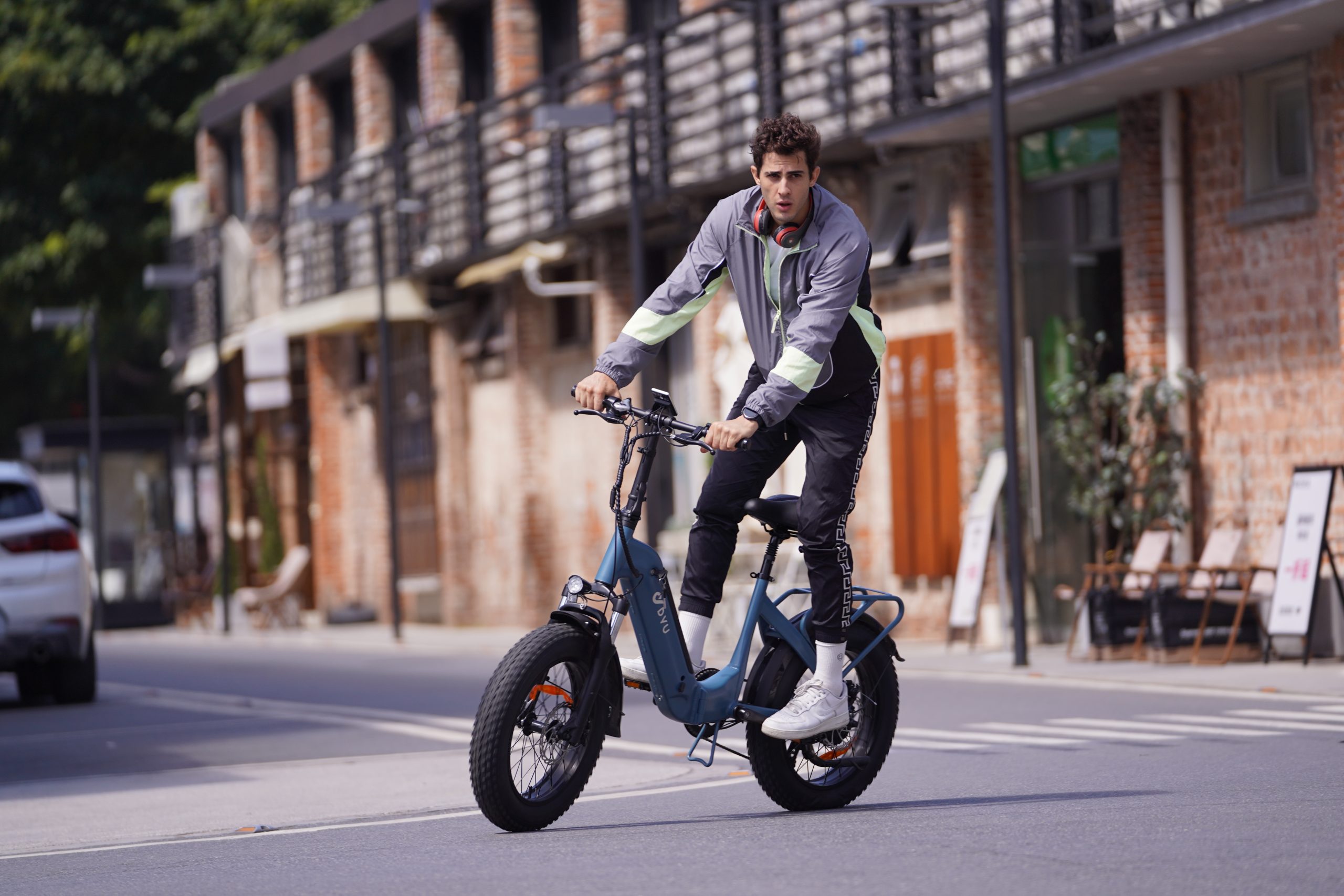
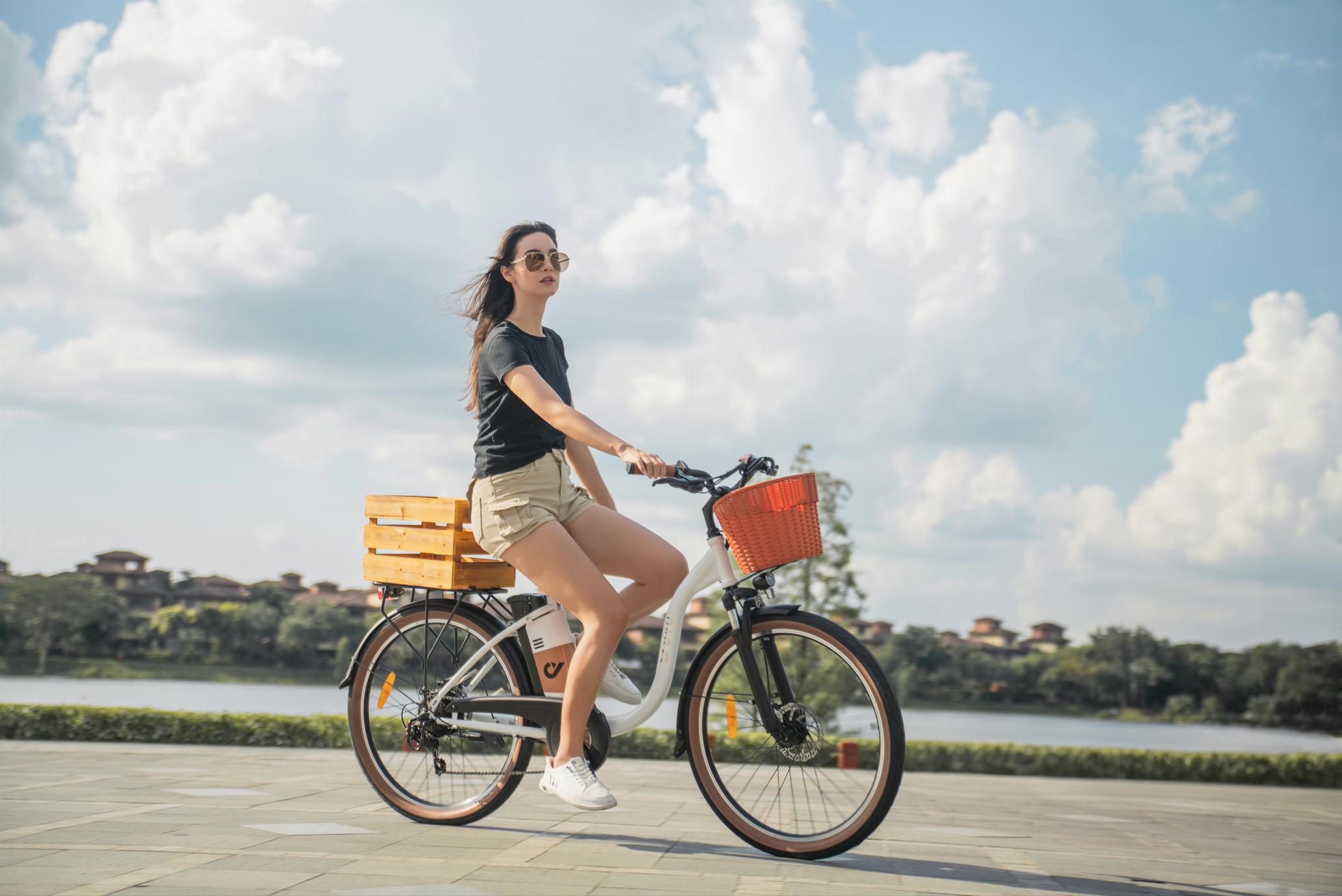
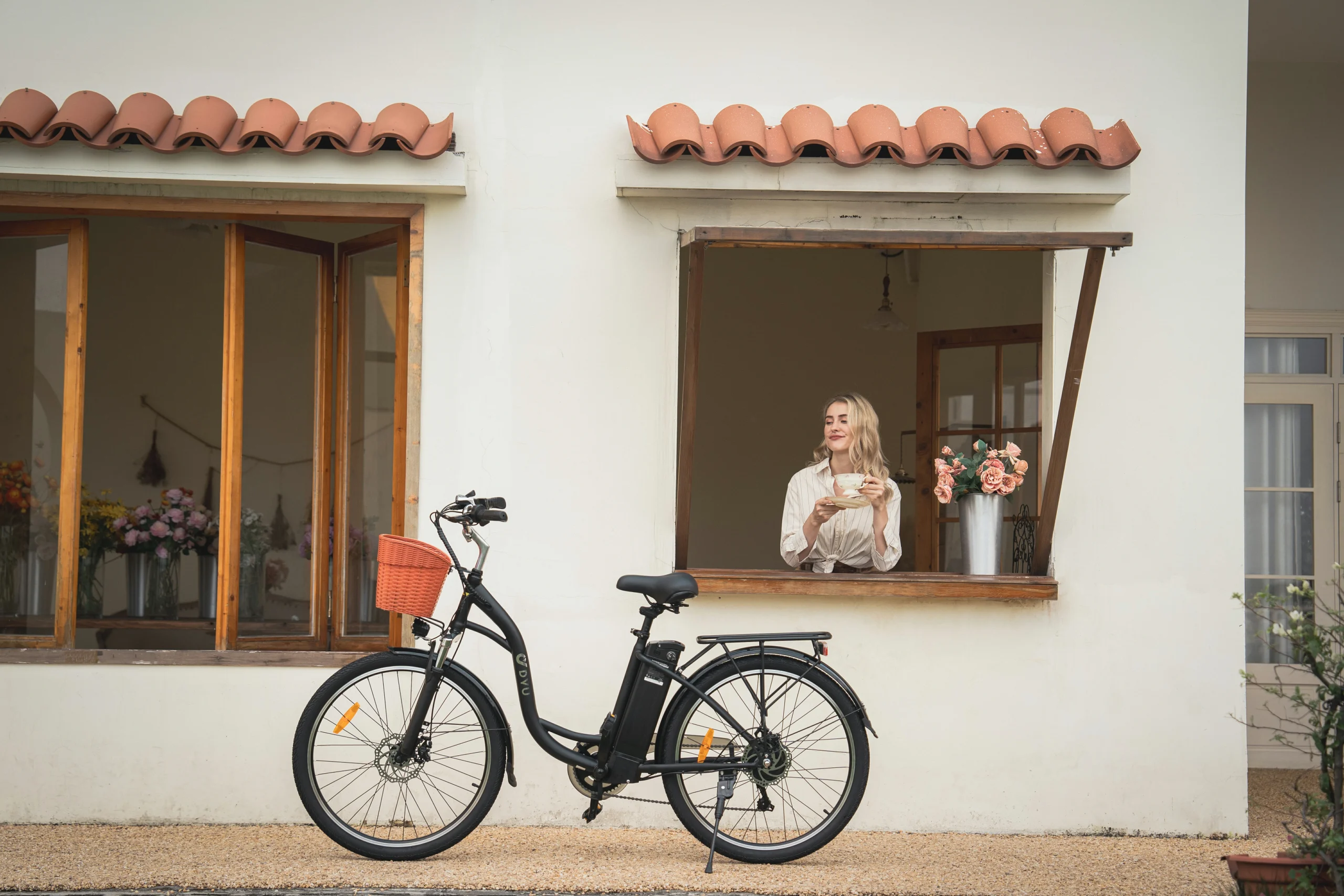
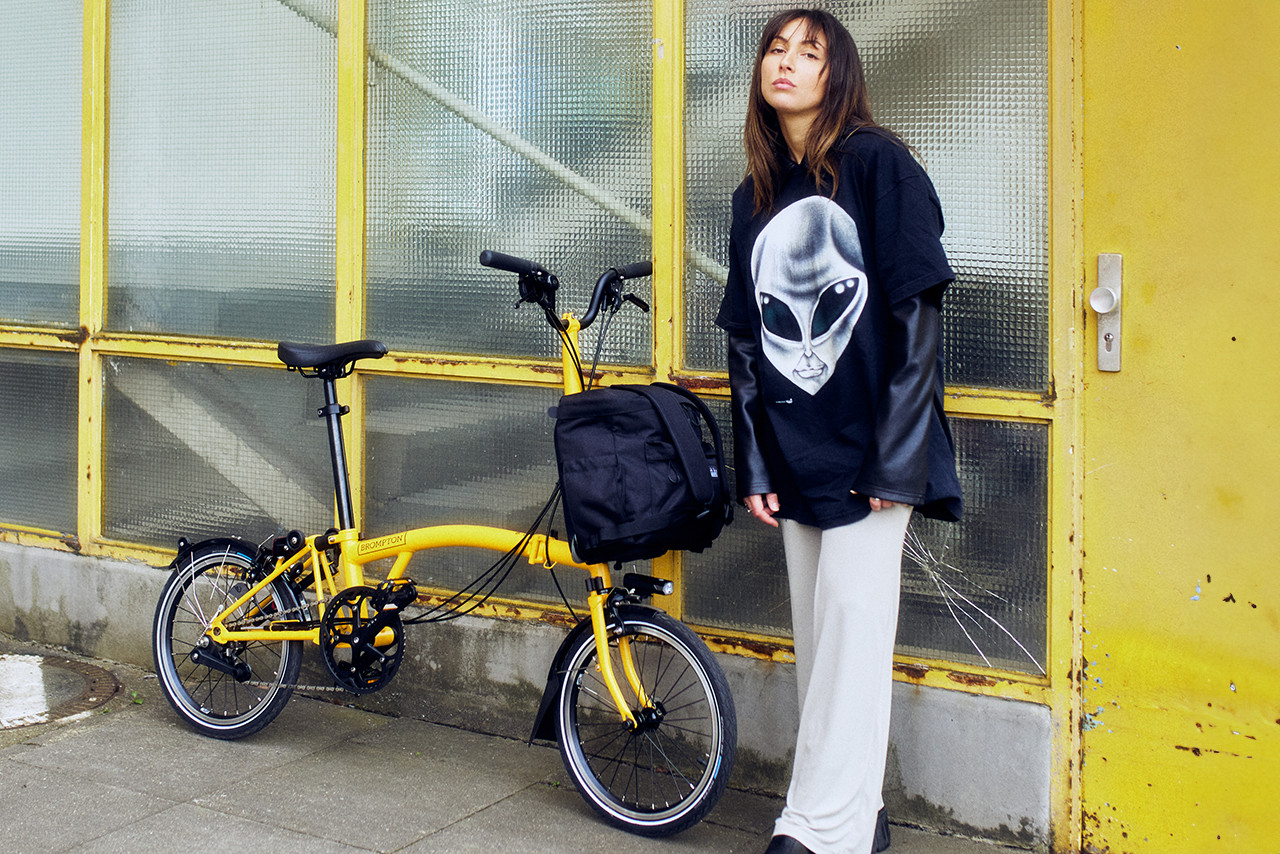
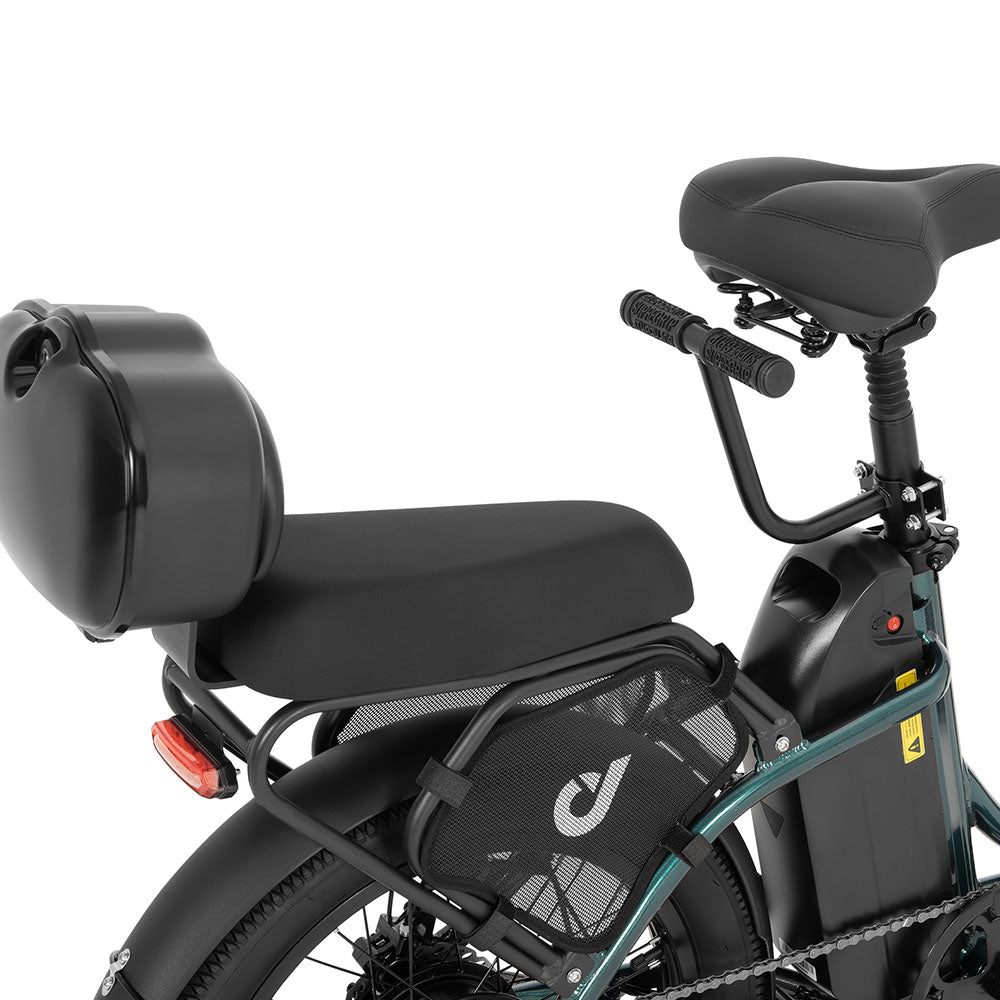
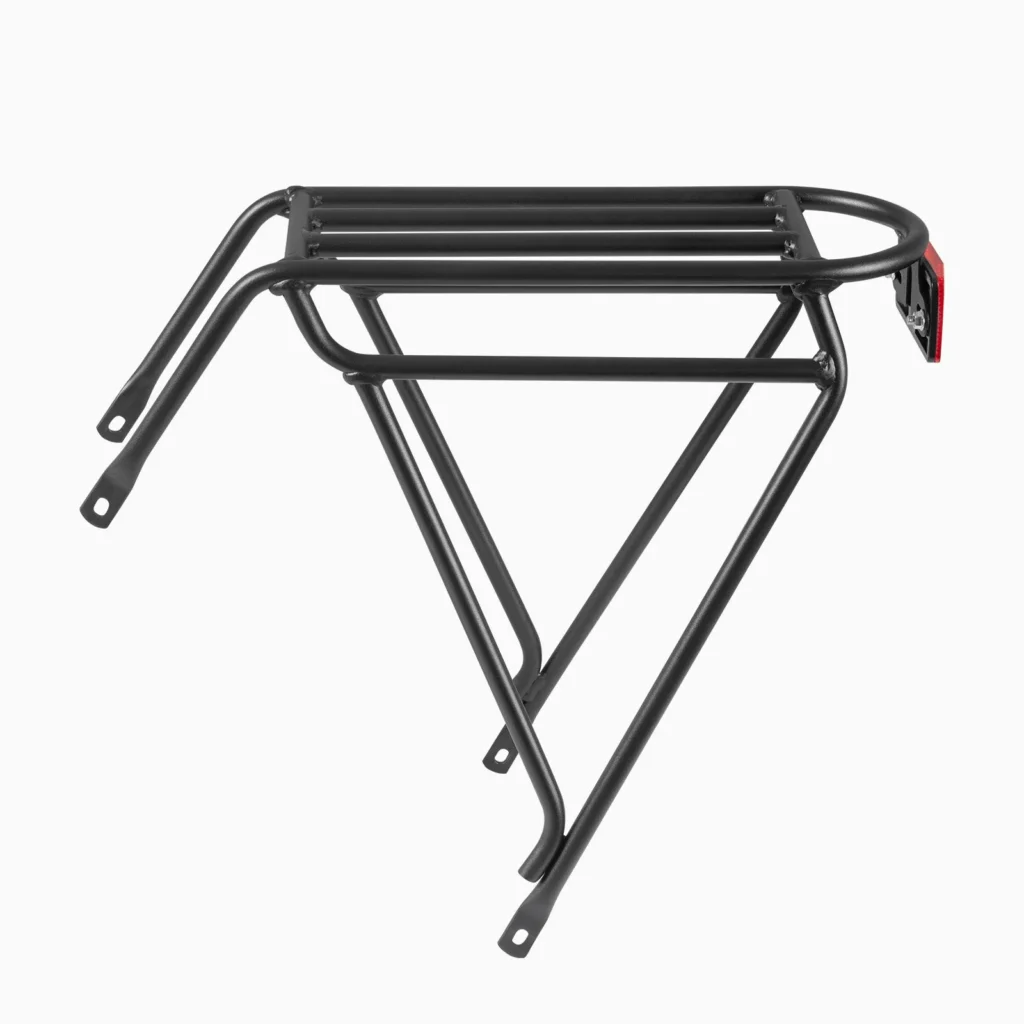
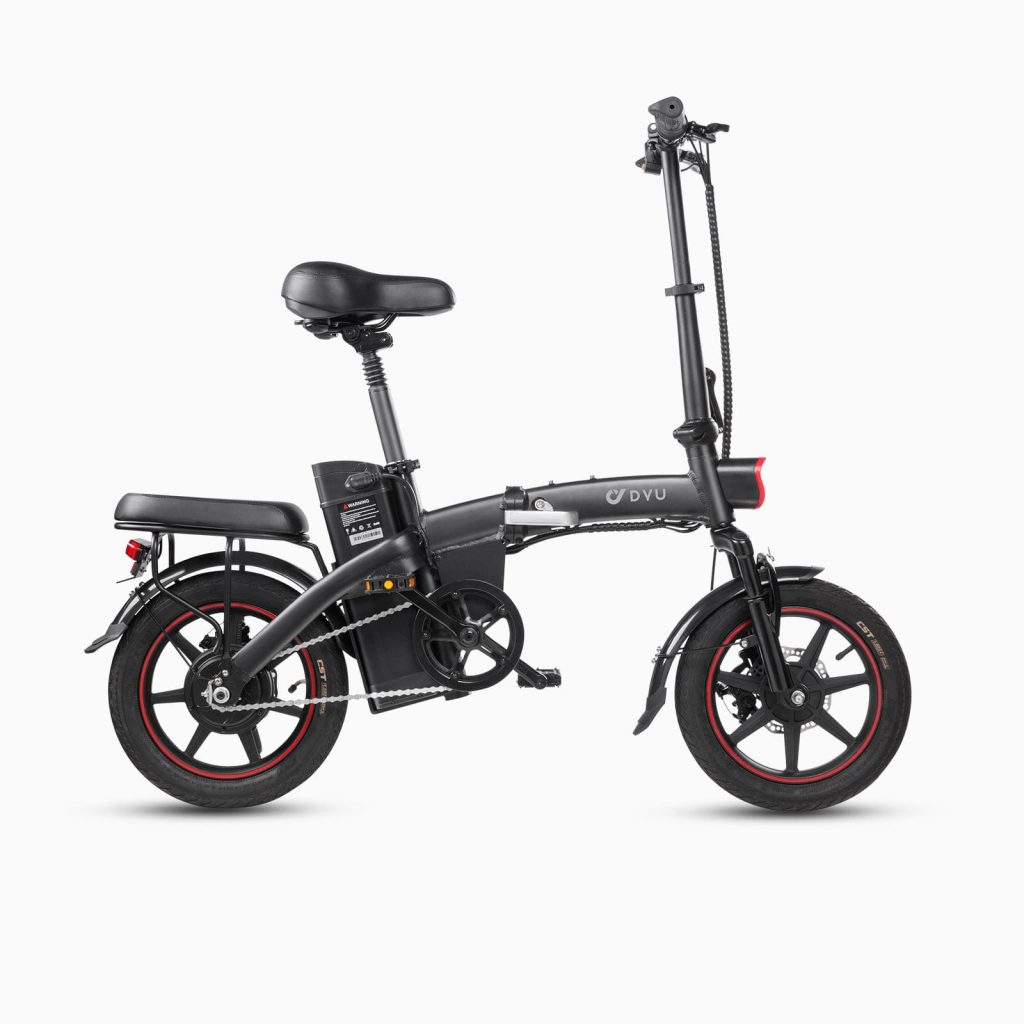
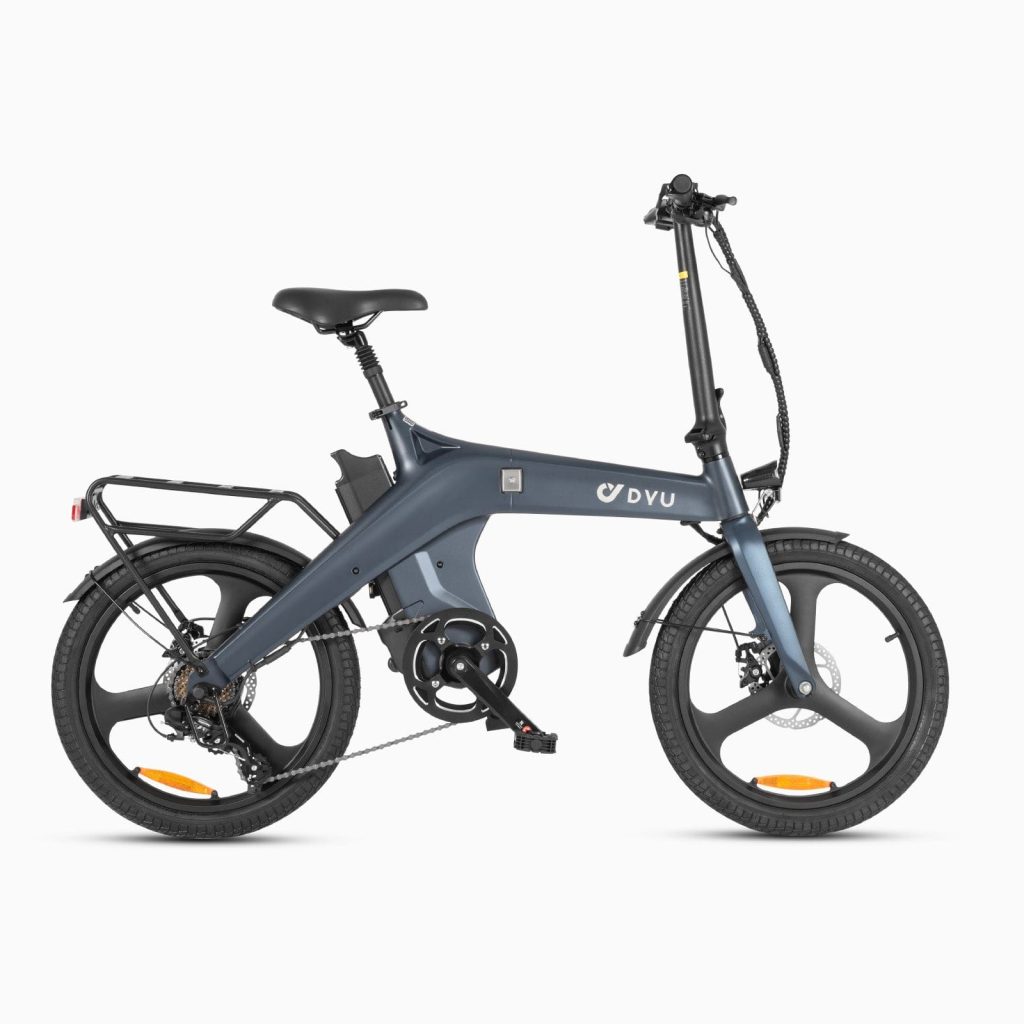


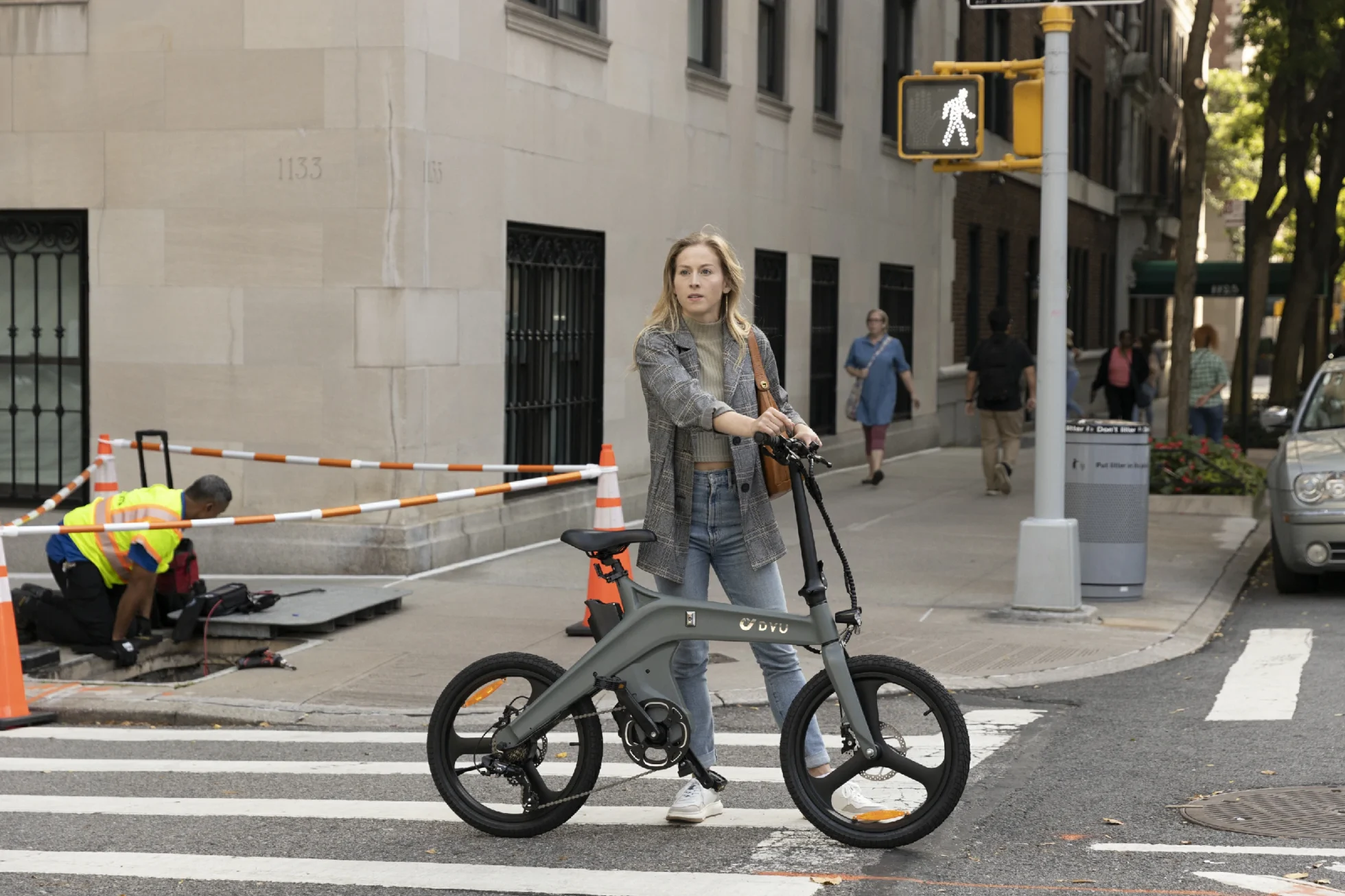
DYU T1 vs ENGWE P20 is the folding e-bike comparison I would make for riders who want a compact 20-inch commuter, not a garage ornament. Both bikes promise a cleaner city routine. The difference is how much you want to pay for weight savings, belt drive hardware, and a more premium component package.
The DYU T1 20-inch foldable electric bike is listed at €699, down from €949. The ENGWE P20 is listed by ENGWE at €999 on its official European product page at the time I checked the specs for this draft. That price gap matters because both bikes target the same practical problem: commuting, storage, and short city hops without owning a full-size e-bike.
DYU T1 vs ENGWE P20: Quick Comparison Table
| Spec | DYU T1 | ENGWE P20 |
|---|---|---|
| Listed price | €699 regular €949 | €999 on ENGWE official page |
| Motor | 250W motor with torque sensor | 250W motor, 42 Nm listed torque |
| Battery | 36V 10Ah | 36V 9.6Ah |
| Listed range | 55 km pedal-assist | Up to 100 km listed range |
| Weight | 22.5 kg | 18.5 kg |
| Wheels | 20-inch | 20 x 1.95-inch |
| Drivetrain | Conventional chain setup | Carbon belt drive listed by ENGWE |
| Brakes | Shimano disc brakes | Hydraulic disc brakes |
If you are new to this category, DYU’s first e-bike buying guide is the better place to start. This comparison is narrower: two folding city bikes, one value-focused and one more premium.
Motor Feel and City Starts
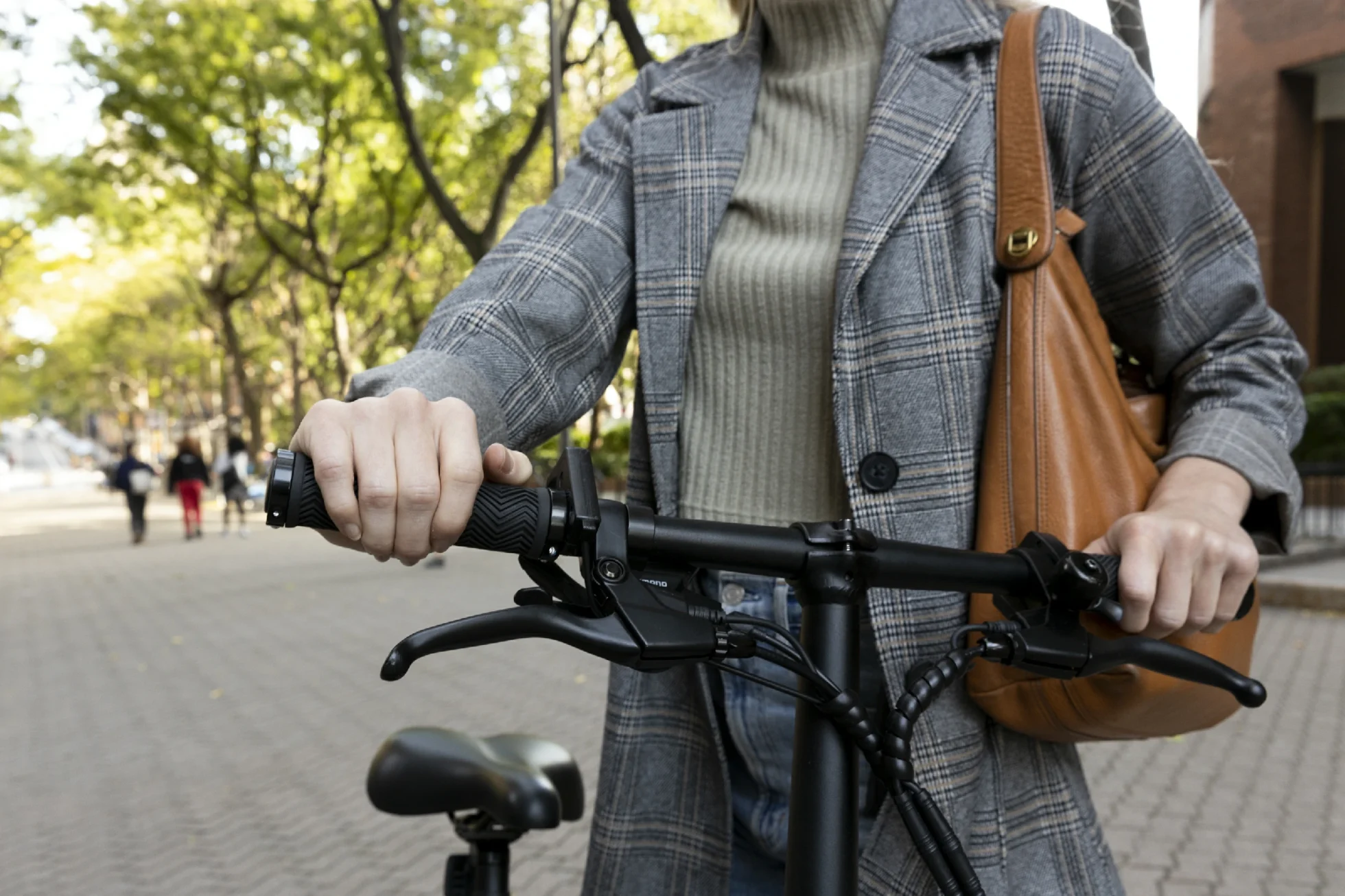
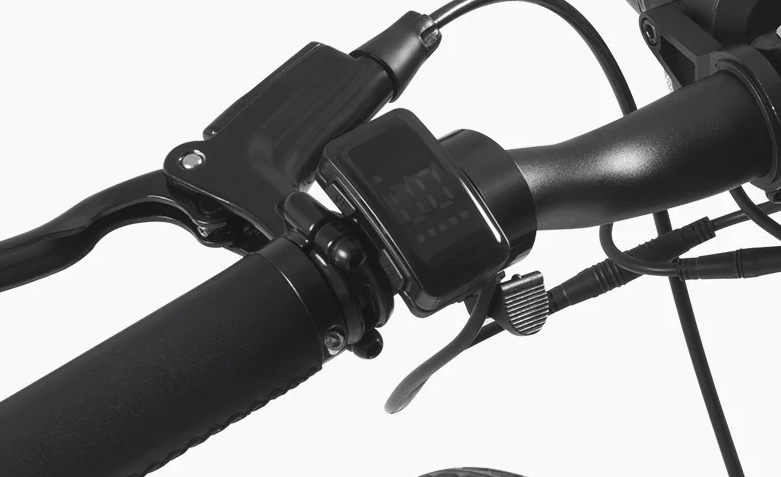
The T1’s key feature is its torque sensor. It reads pedal pressure, so the bike reacts more naturally when you start from a light or roll through a crowded lane. I care about that more than a dramatic speed claim, because city riding is mostly starts, slows, and small corrections.
ENGWE lists the P20 with a 250W motor and 42 Nm of torque. That is a strong number for this class, and the belt-drive setup gives the P20 a cleaner premium feel on paper. BikeRadar’s guide to e-bike motors is useful background here because motor placement, torque, and sensor behavior all change the ride, even when wattage looks similar.
My practical read: the T1 makes the stronger value argument if you want smooth assistance at a lower price. The P20 makes the stronger hardware argument if you are willing to pay more for a lighter bike and a belt-drive package.
Weight, Folding and Daily Storage
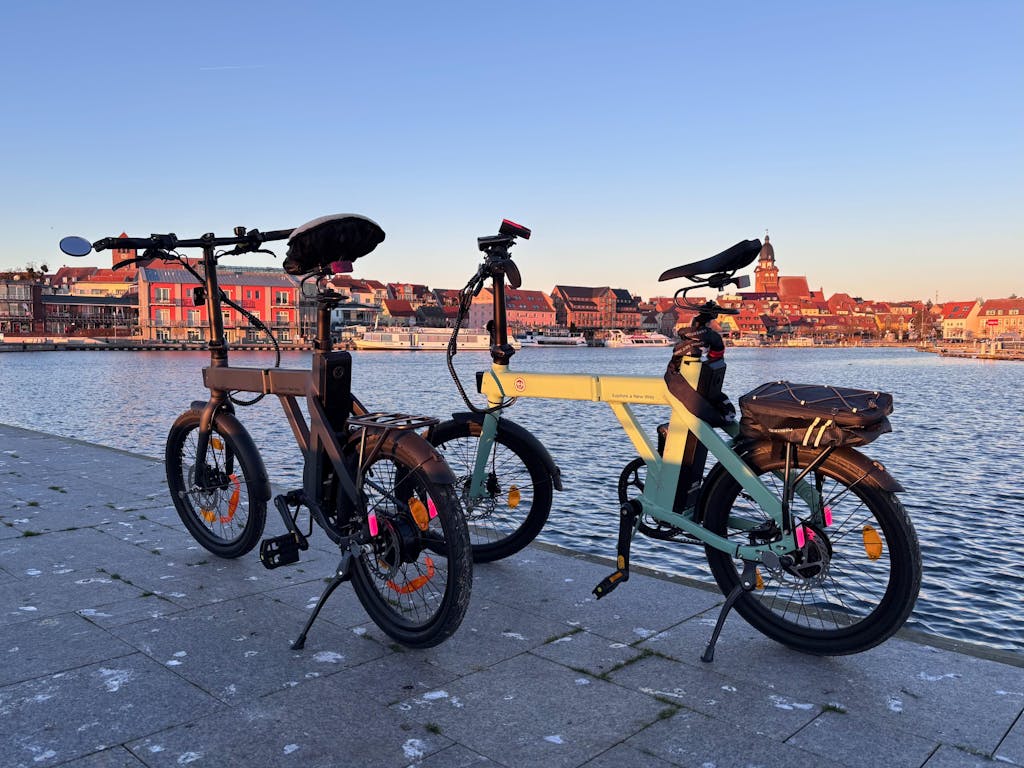
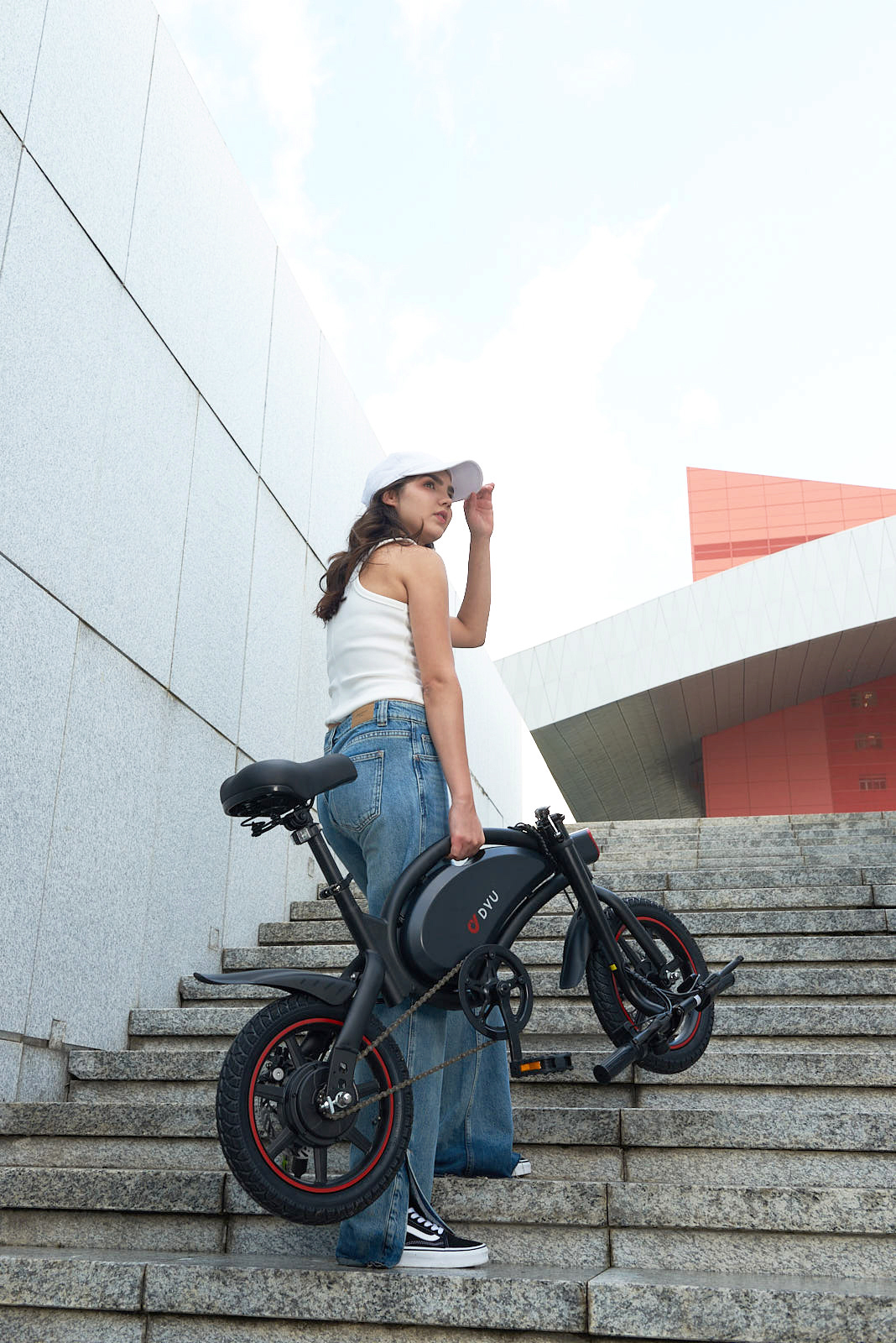
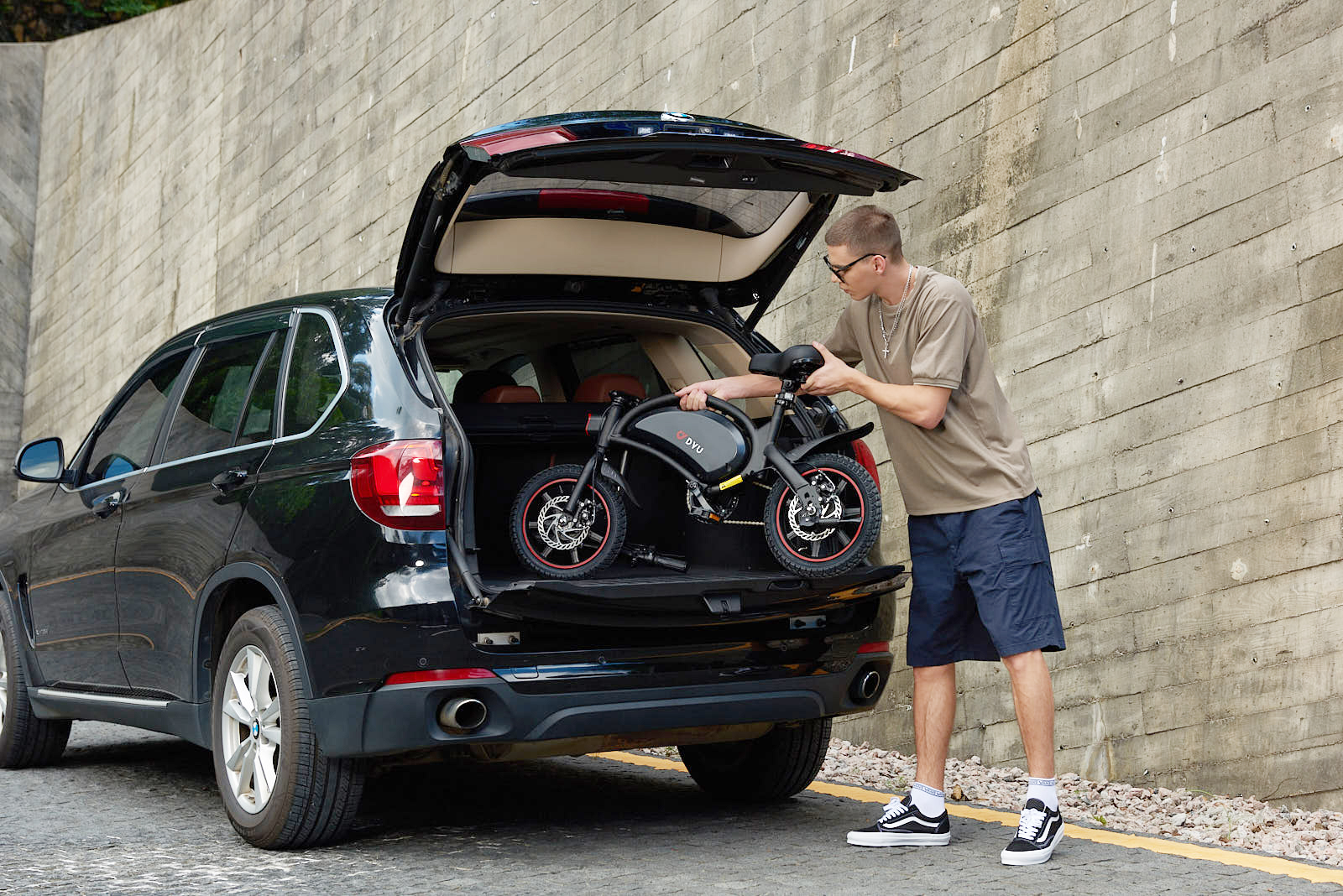
This is where ENGWE lands its cleanest punch. At a listed 18.5 kg, the P20 is meaningfully lighter than the 22.5 kg T1. Four kilograms does not sound huge until you lift the bike into a train, up a small stair set, or into a car boot after a long day.
The T1 is still manageable for short lifts. I would not call it light, but I would call it realistic for riders who fold occasionally and store indoors. The magnesium alloy frame helps here, and the 20-inch wheel size keeps it more stable than tiny folders on longer straight sections.
Choose based on how often you lift. If you fold once a day and roll most of the time, the T1’s lower price is persuasive. If you carry the bike regularly, the P20’s lower listed weight may be worth paying for.
Range Claims and Real-World Planning
DYU lists the T1 at 55 km of pedal-assist range from a 36V 10Ah battery. ENGWE lists the P20 at up to 100 km from a 36V 9.6Ah battery. That is a big claimed range difference, but I would still plan both with a buffer.
Range depends on rider weight, tire pressure, wind, temperature, hills, assist level, road surface, and how often you stop. In European city use, a 10 to 15 km round trip is the more honest planning unit. Both bikes can cover that kind of routine. The question is how often you want to charge and how much confidence you need for detours.
The European Parliament cycling overview gives useful context for why more people are blending bikes into city transport. The real ownership test is less formal: does the bike make the trip predictable enough that you use it tomorrow too?
Brakes, Drivetrain and Maintenance
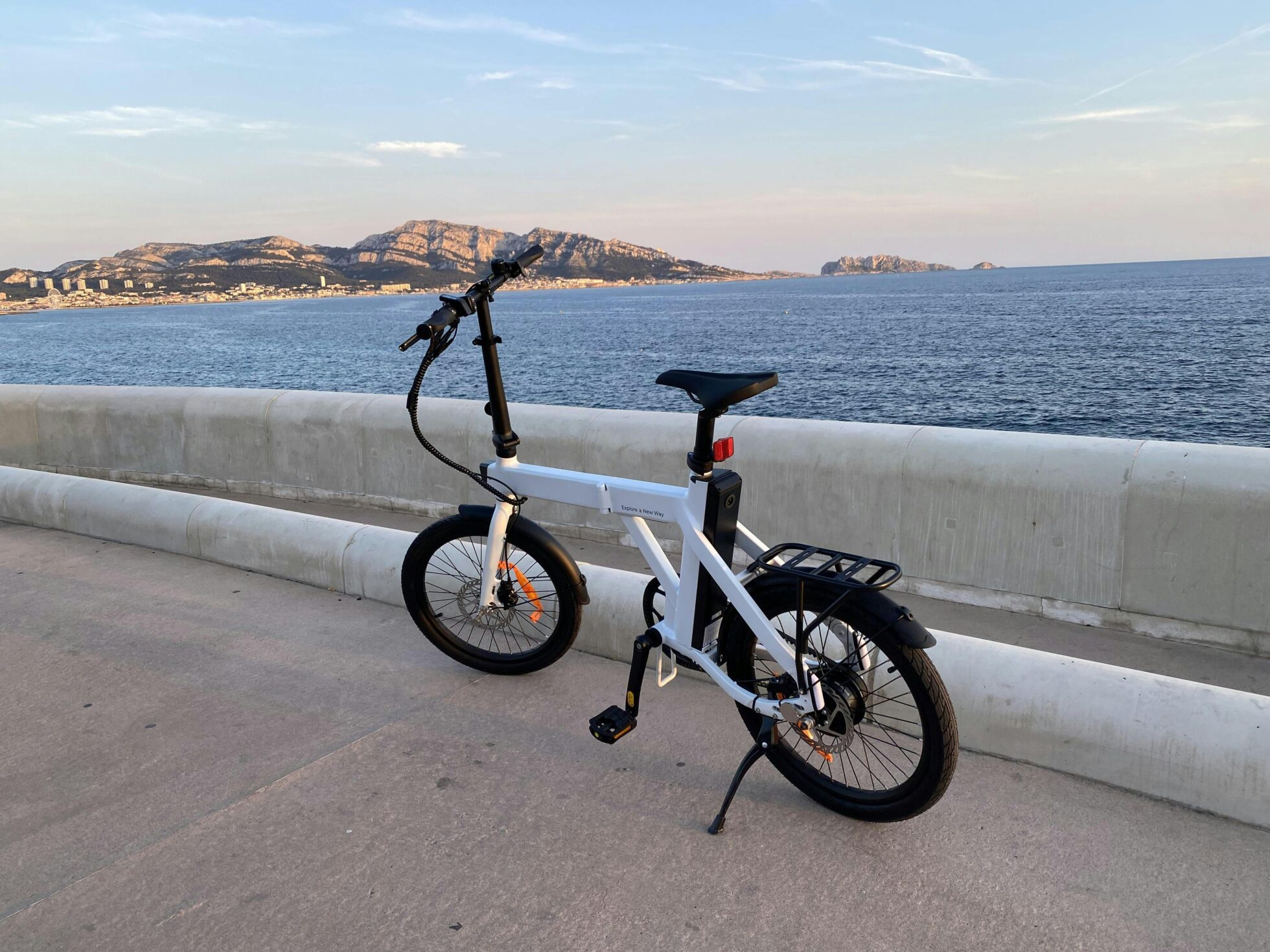
The T1 uses Shimano disc brakes. The P20 lists hydraulic disc brakes. On paper, hydraulic brakes give the P20 a more premium braking setup, especially for wet streets and steeper routes. Still, brake quality also depends on setup, pad condition, and owner maintenance.
DYU’s disc brake explainer covers the basics, and Electric Bike Report’s brake guide gives a broader look at e-bike brake systems. For either bike, I would check lever feel after the first few rides and avoid ignoring squeal, rubbing, or weak stopping power.
The P20’s belt drive is the cleaner low-maintenance choice. It avoids chain oil and looks tidy for office storage. The T1’s conventional setup is less exotic and usually easier for a local shop to understand. Neither path is wrong. They suit different owners.
Cost and Value
At €699, the T1 leaves a lot of room in the budget for a helmet, lock, lights, rain gear, and a service check. That matters for first-time e-bike buyers because the bike is not the whole cost of commuting.
At €999, the P20 asks you to pay more upfront for lower weight, belt-drive cleanliness, hydraulic brakes, and a longer listed range. If those features match your daily pain points, the premium can make sense.
| Rider priority | Better fit | Why |
|---|---|---|
| Lowest purchase price | DYU T1 | Much lower live price in this draft’s WooCommerce check |
| Frequent carrying | ENGWE P20 | 18.5 kg listed weight is easier to lift than 22.5 kg |
| Natural pedal assistance | DYU T1 | Torque sensor is the main ride-feel advantage |
| Cleaner drivetrain | ENGWE P20 | Belt drive is cleaner and lower maintenance |
| Simple value commuter | DYU T1 | Strong feature set without crossing the €1,000 line |
Which One Should You Choose?
Choose the DYU T1 if you want a foldable city e-bike with smooth torque-sensor assistance and a lower purchase price. It is the more sensible pick for riders who mostly roll the bike into storage and only lift it briefly.
Choose the ENGWE P20 if you lift often, care strongly about weight, and want the cleaner feel of a belt drive with hydraulic brakes. It is the more premium choice, and the price reflects that.
For most budget-conscious European commuters, I would start with the T1. For riders whose commute includes stairs, train changes, or strict indoor storage, the P20’s lighter build deserves a serious look.
FAQs
Q1. Is the DYU T1 cheaper than the ENGWE P20?
Yes. The DYU T1 live price checked for this draft is €699. ENGWE lists the P20 at €999 on its official European product page.
Q2. Which bike is lighter, DYU T1 or ENGWE P20?
ENGWE lists the P20 at 18.5 kg, while the DYU T1 product knowledge lists 22.5 kg. That makes the P20 easier to carry on paper.
Q3. Does the DYU T1 have a torque sensor?
Yes. The DYU T1 uses a torque sensor, which helps the motor respond smoothly to pedal pressure during city starts and low-speed riding.
Q4. Which bike has the longer listed range?
ENGWE lists up to 100 km for the P20, while DYU lists 55 km pedal-assist range for the T1. Real range depends heavily on route, rider, weather, and assist level.
Q5. Which folding e-bike is better for commuters?
The DYU T1 is better for value-focused commuters. The ENGWE P20 is better for commuters who prioritize lower weight, belt drive cleanliness, and hydraulic brakes.