

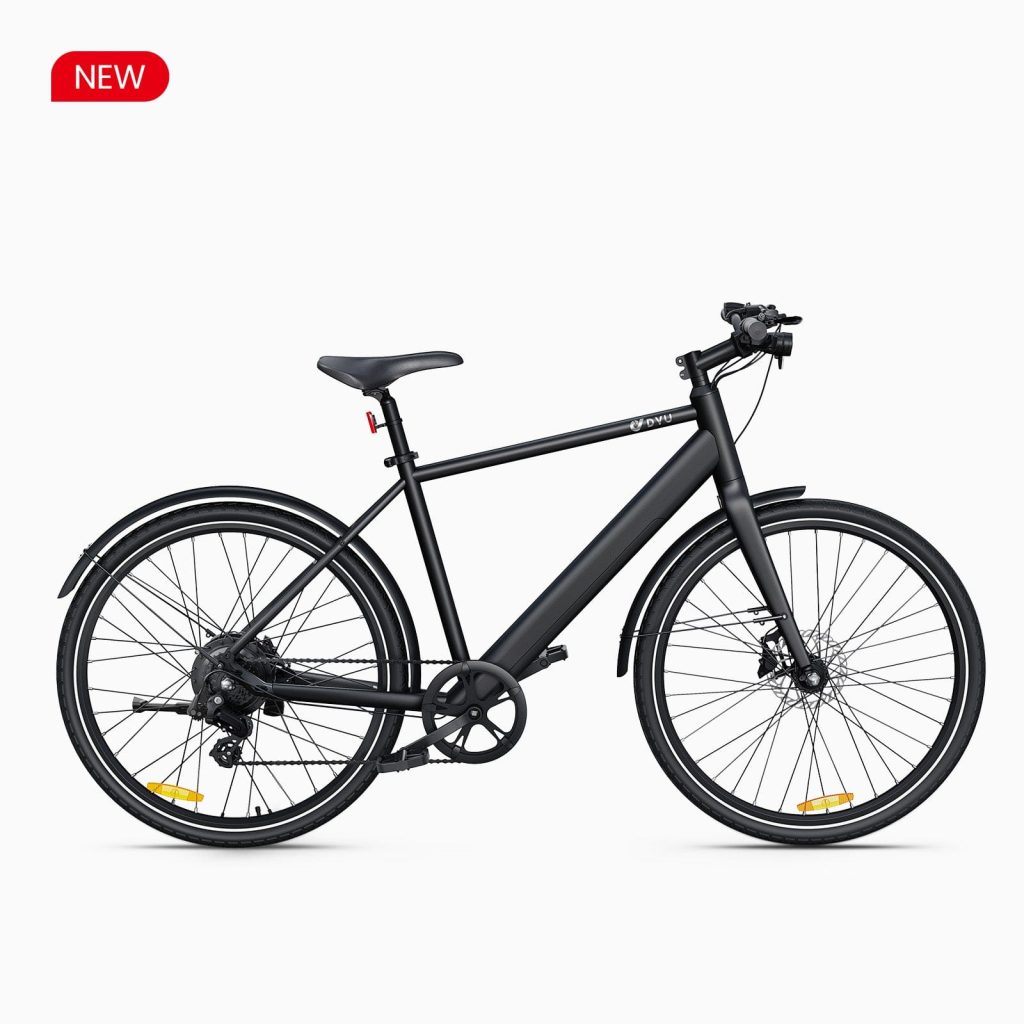
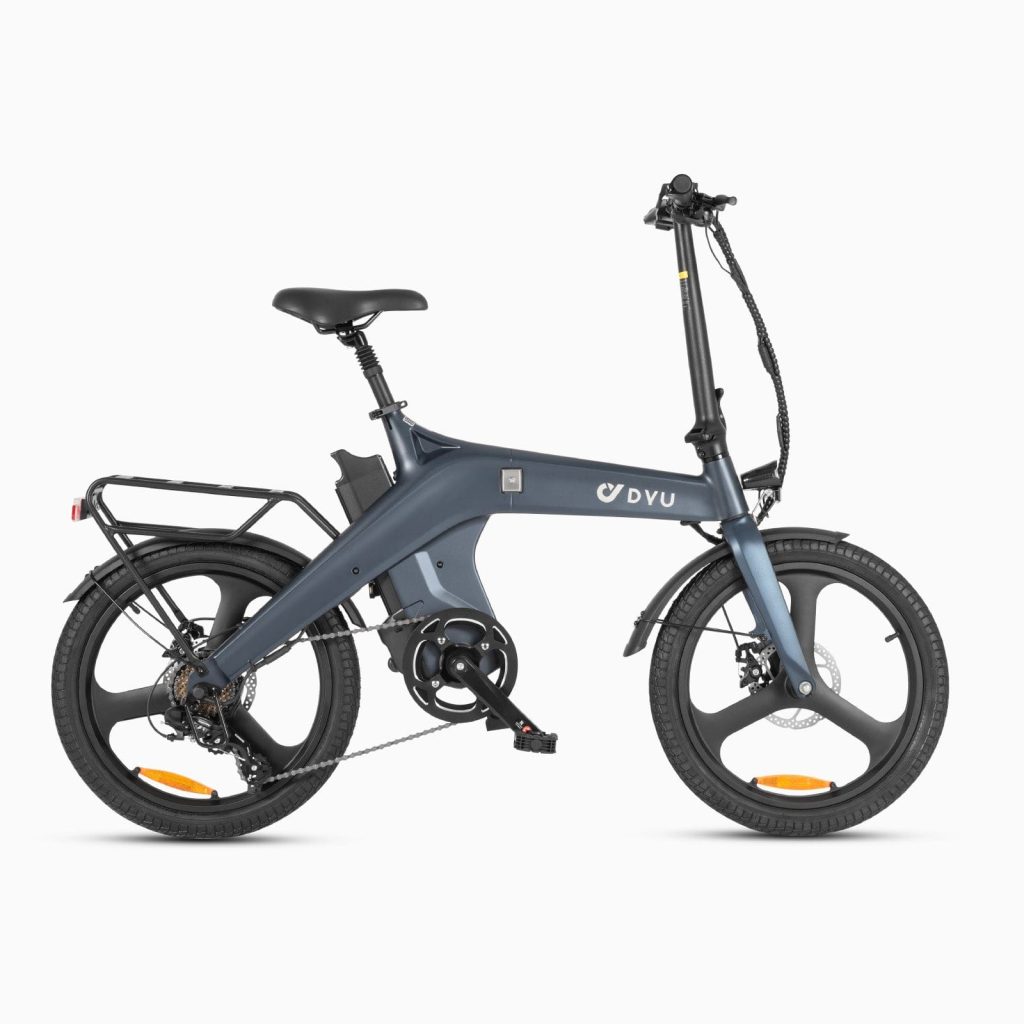

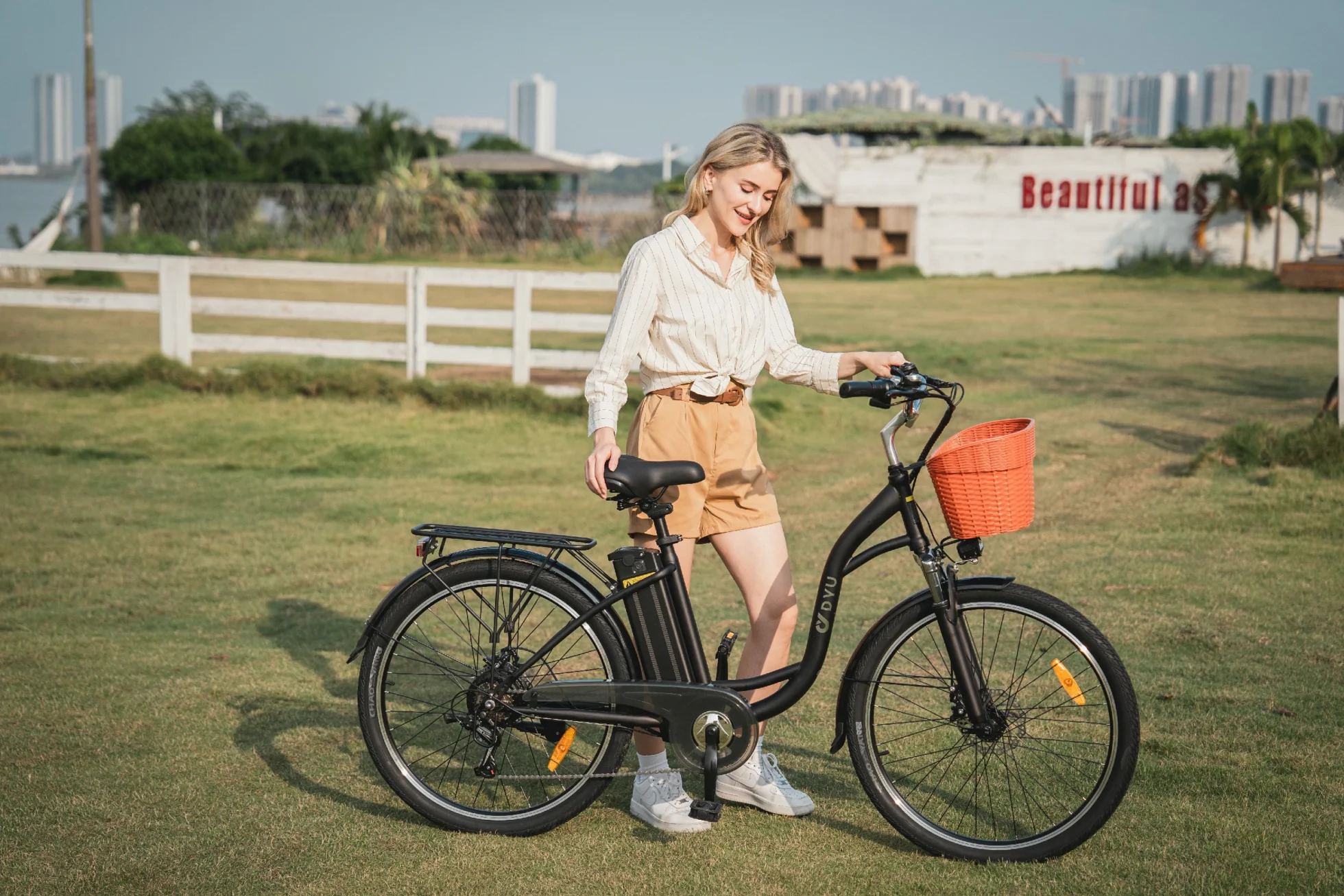
DYU C6 vs TENWAYS CGO800S is a useful comparison because both bikes look like calm, upright European city e-bikes. The real decision is sharper than that: do you want the lower-cost, cargo-ready utility bike, or the lighter premium commuter with a belt drive and torque sensor?
At the time of writing, the DYU C6 is listed at €819, down from the regular €899. TENWAYS lists the CGO800S at €1,899 on its official European page. That price gap shapes almost every part of the buying decision before we even get to the drivetrain.
DYU C6 vs TENWAYS CGO800S: Quick Comparison Table
| Feature | DYU C6 | TENWAYS CGO800S |
|---|---|---|
| Current price | €819 | €1,899 |
| Motor | 250W rated, 500W peak | 250W Mivice M070 rear hub motor, 40 Nm |
| Battery | 36V 12.5Ah removable battery, about 450Wh | 460.8Wh removable lithium-ion battery |
| Range claim | Up to 60 km pedal assist | Up to 100 km |
| Assist speed | 25 km/h | 25 km/h |
| Drivetrain | Shimano 6-speed chain drivetrain | Single-speed Gates CDN carbon belt |
| Brakes | Front and rear disc brakes | TEKTRO hydraulic disc brakes |
| Weight | 27 kg | 19 kg net, 23 kg with accessories |
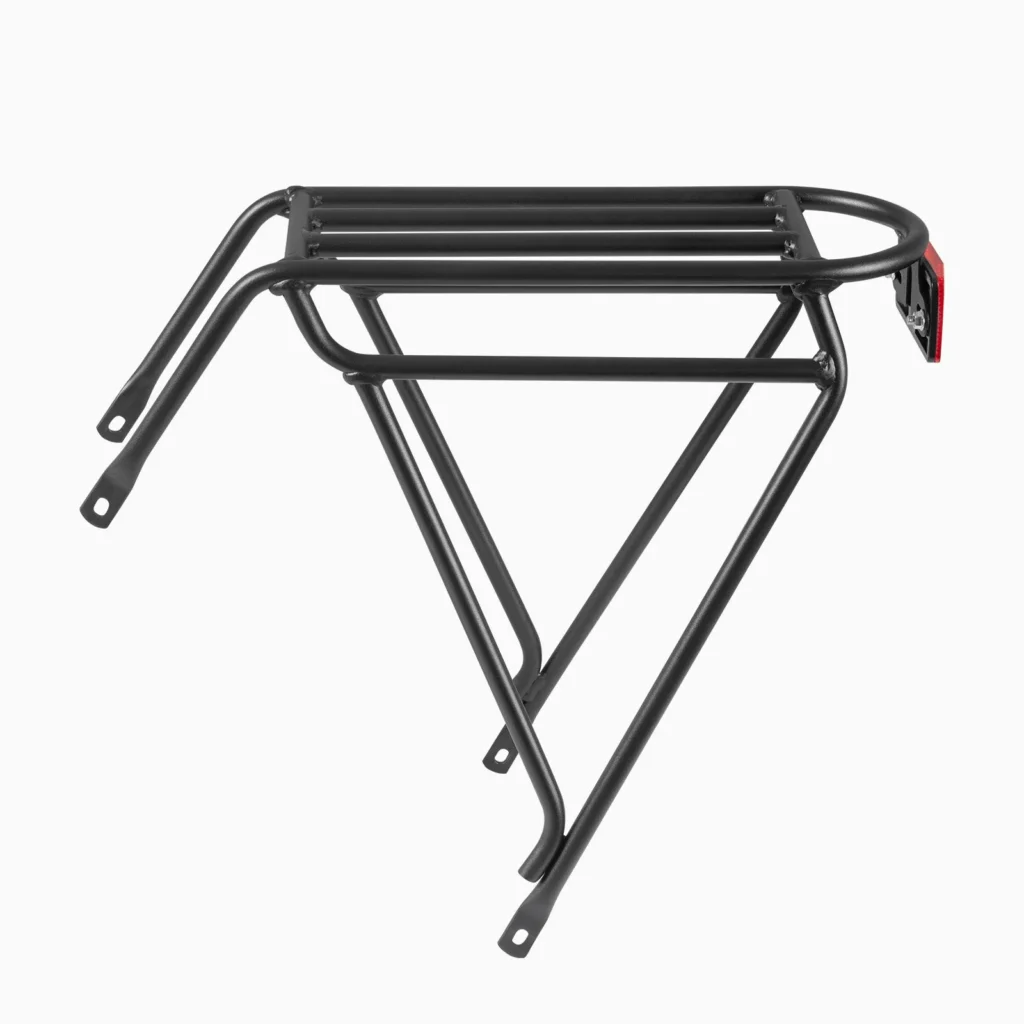
| Cargo setup | Front basket and rear rack included | Accessory setup depends on configuration |
| Best fit | Practical errands and value-focused city riding | Premium low-maintenance commuting on flatter routes |
The table makes the split obvious. TENWAYS has the more refined premium package. The DYU C6 answers a more ordinary question: what if your city e-bike has to carry a bag, handle small hills, stay affordable, and still feel familiar?
What the DYU C6 Gets Right for Everyday Riding
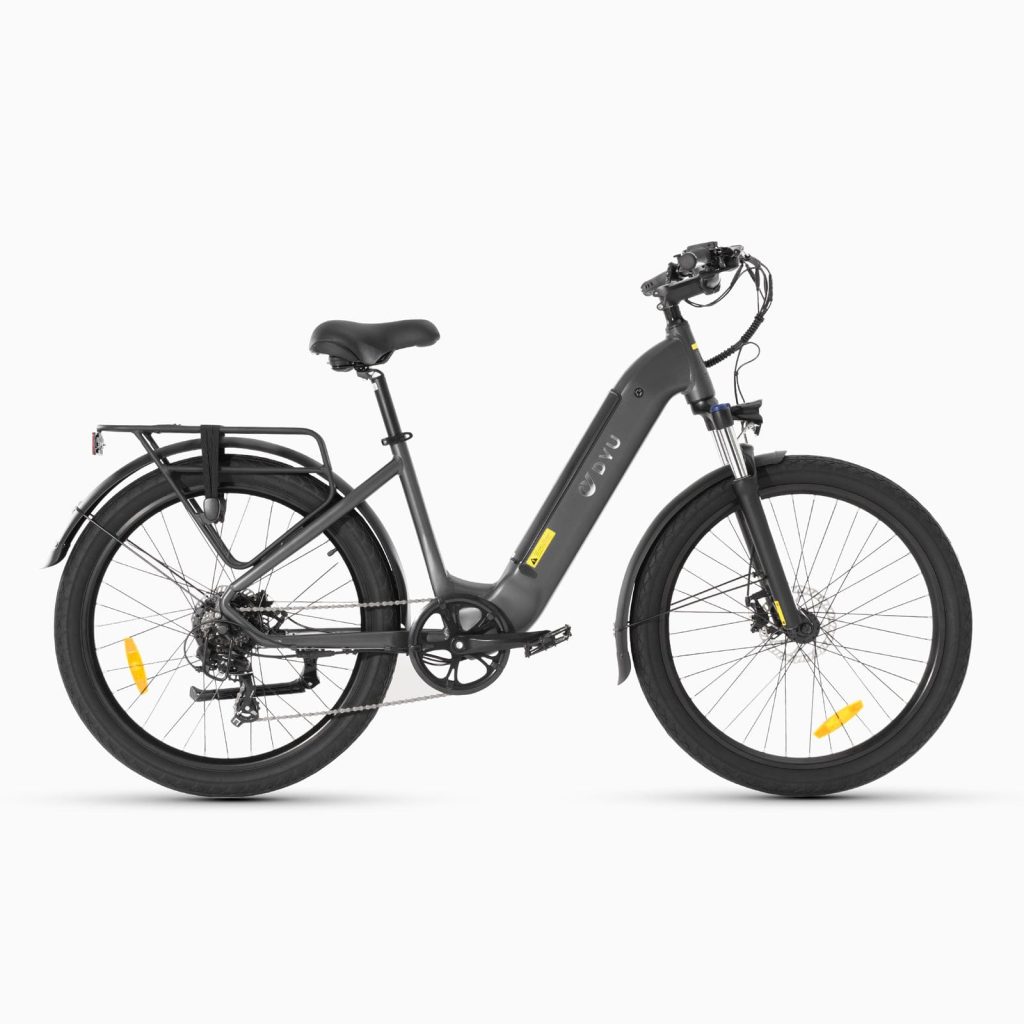
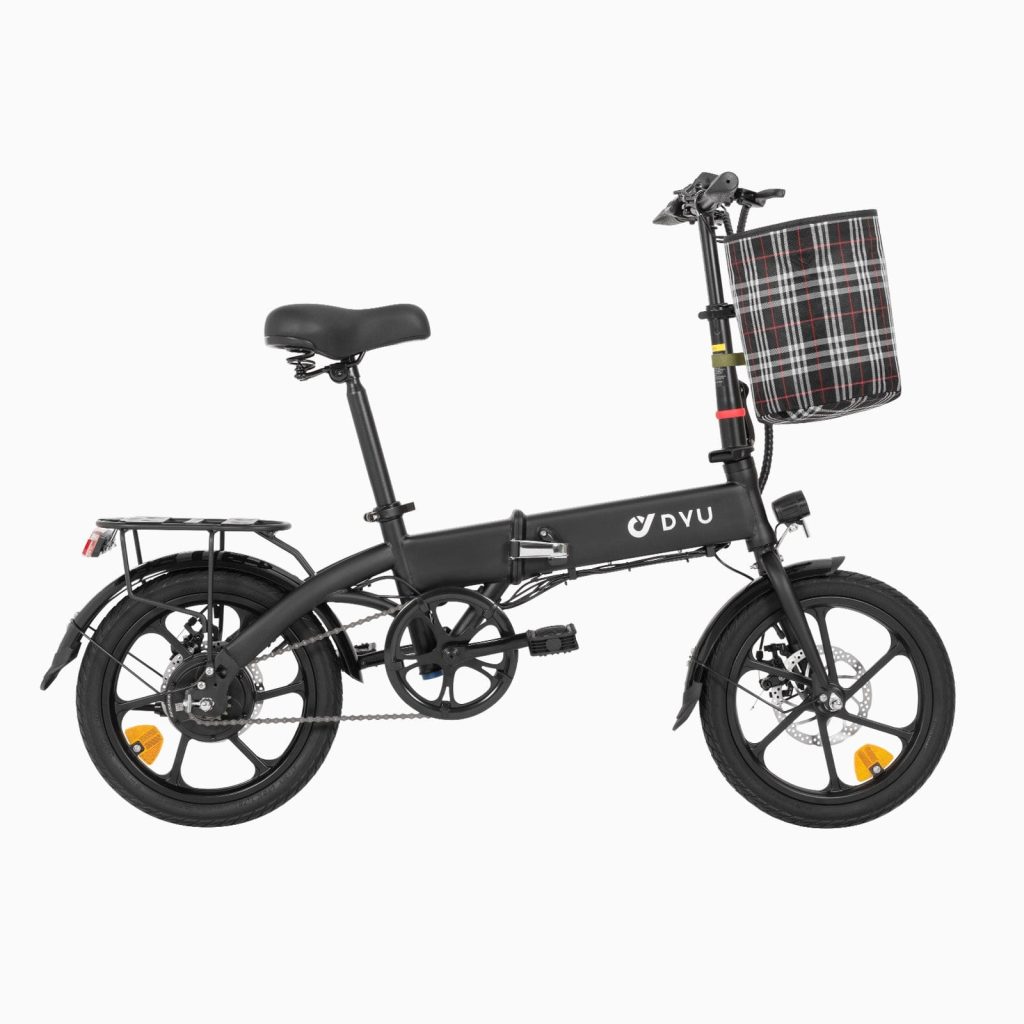
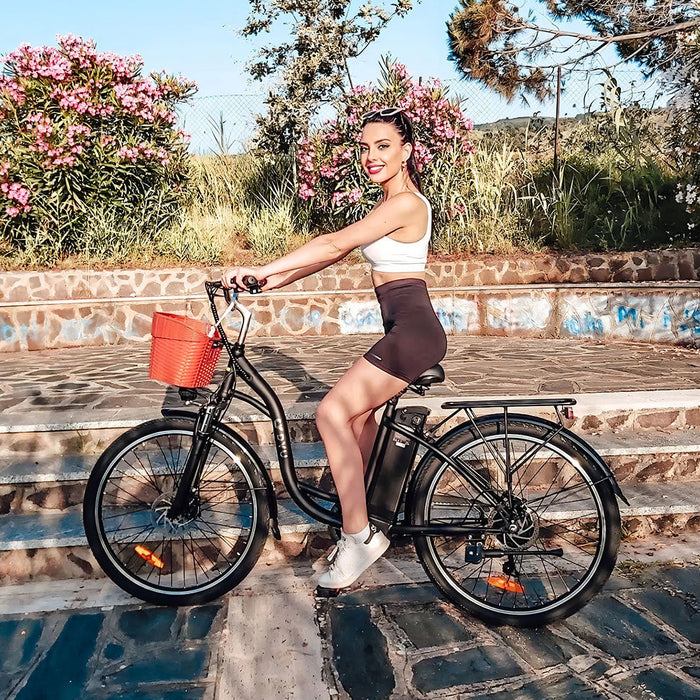
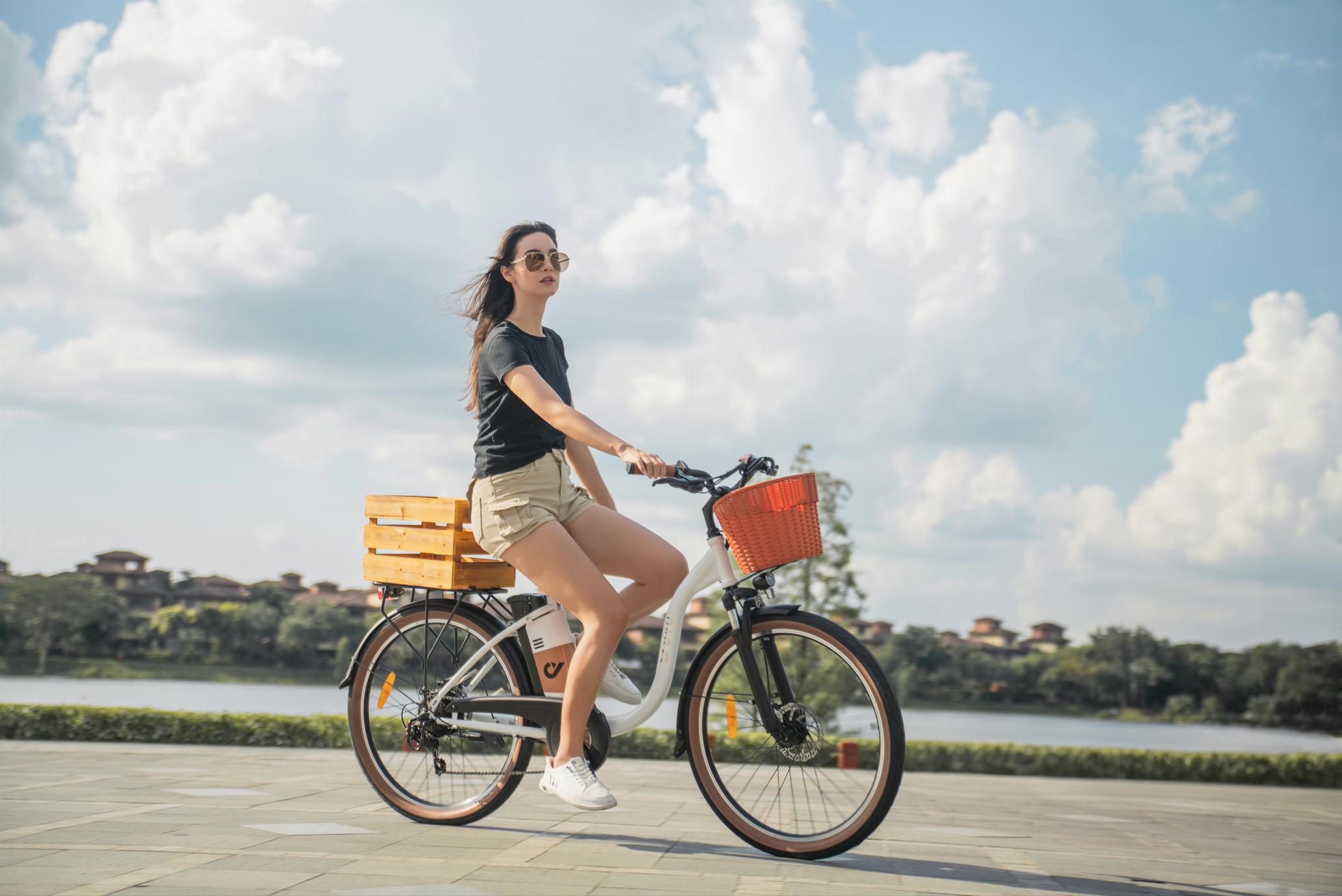
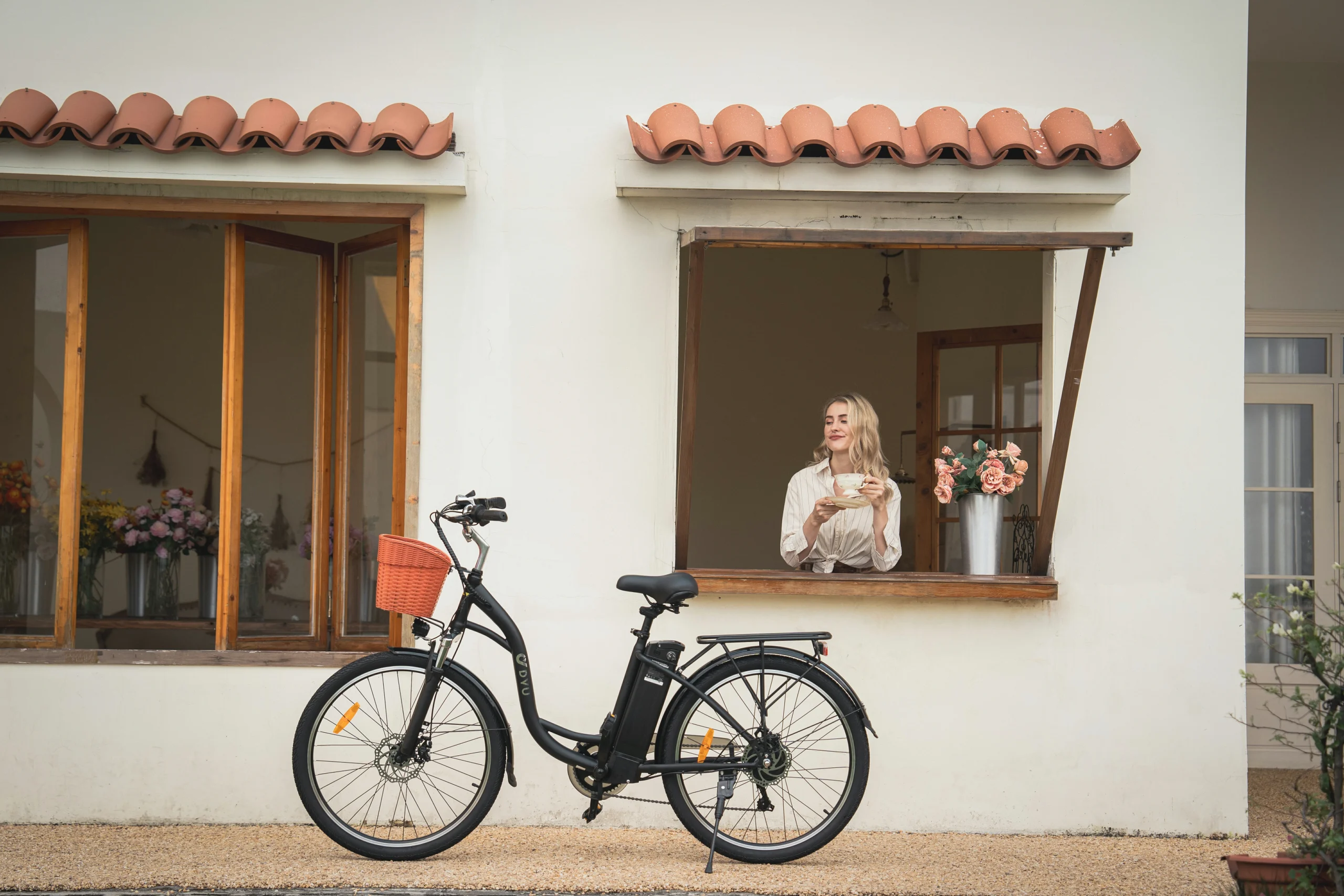
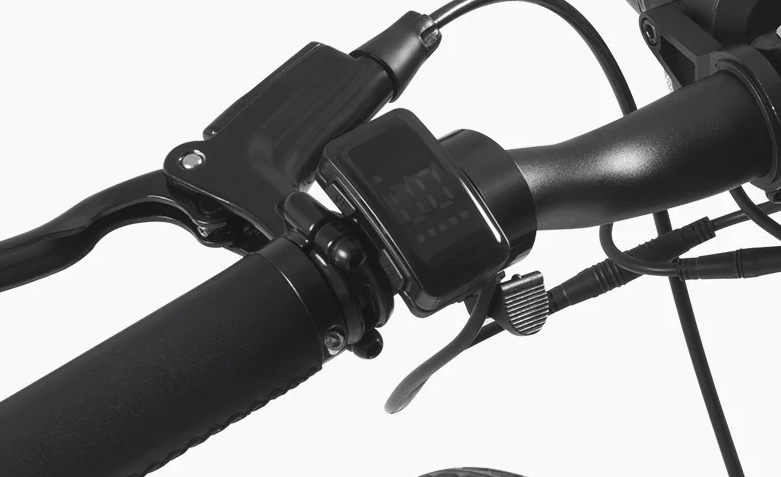
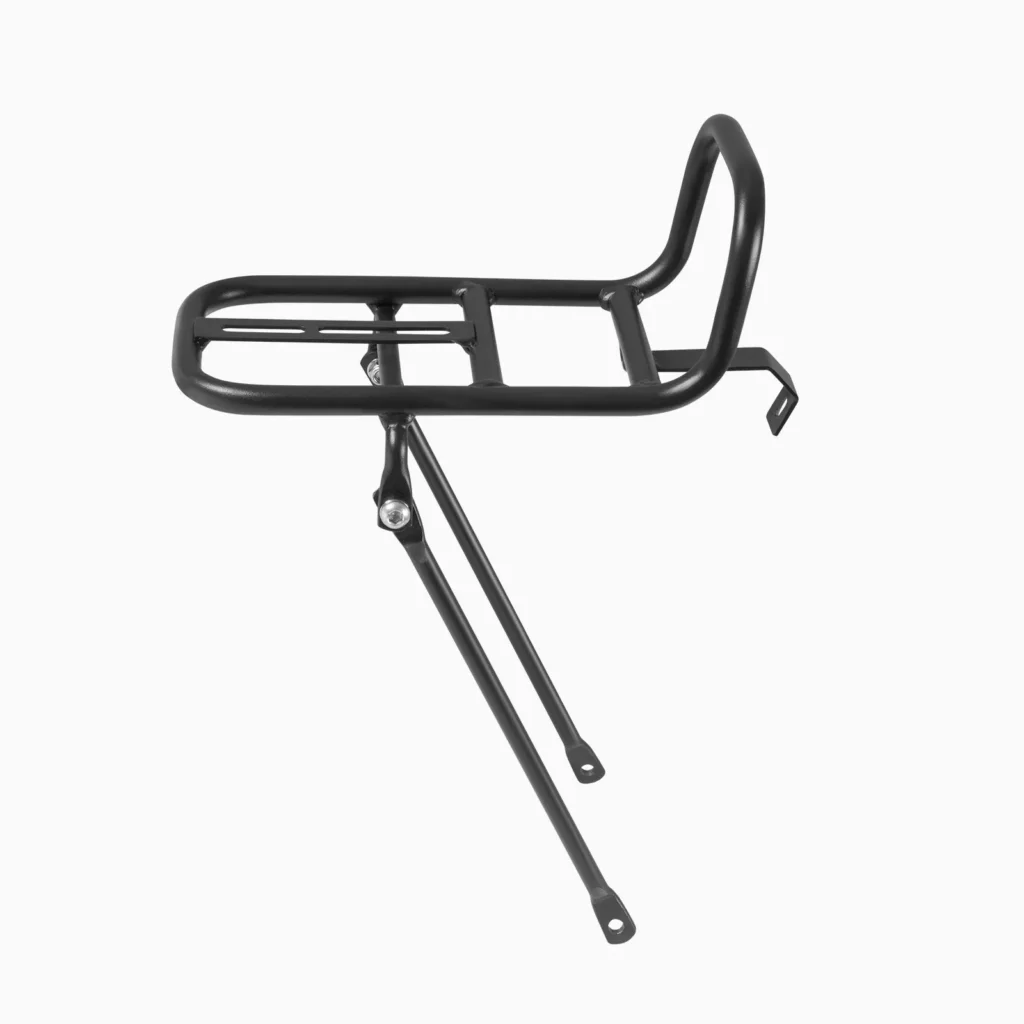
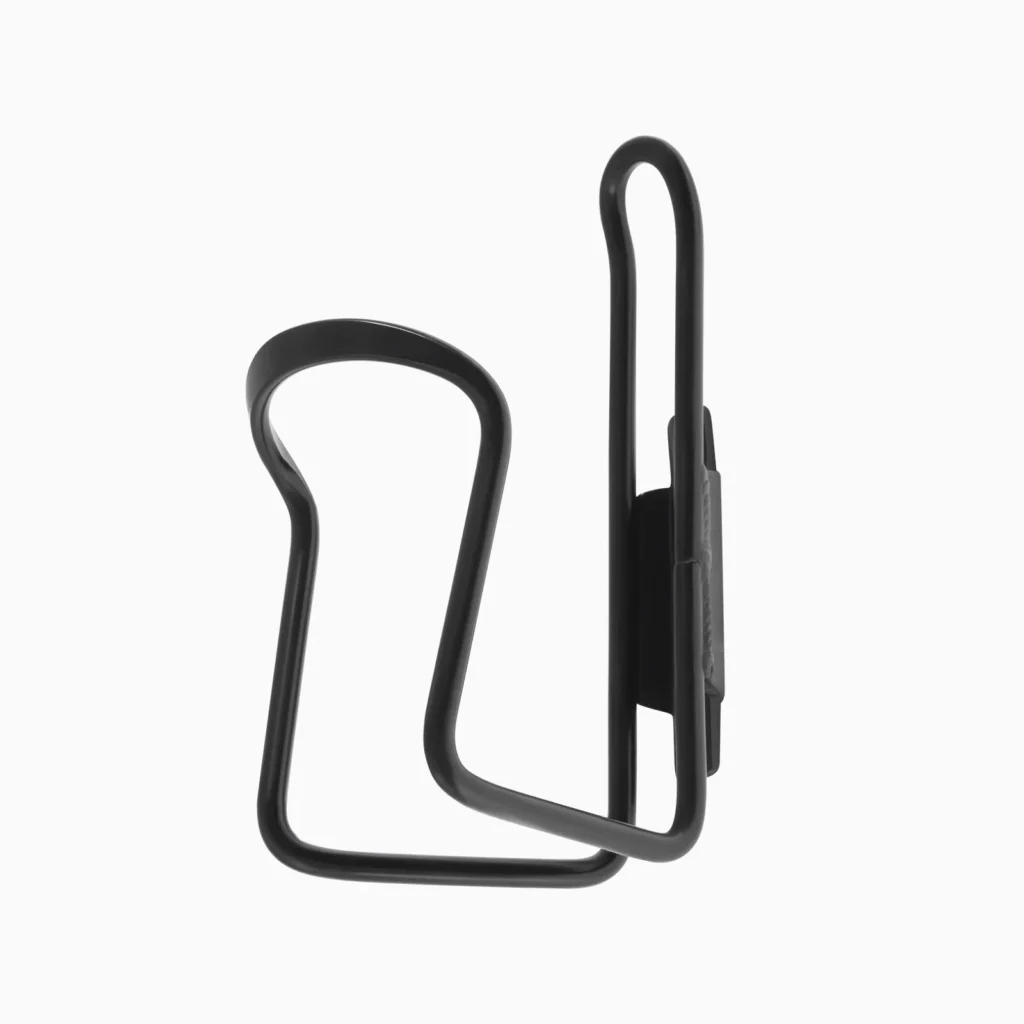
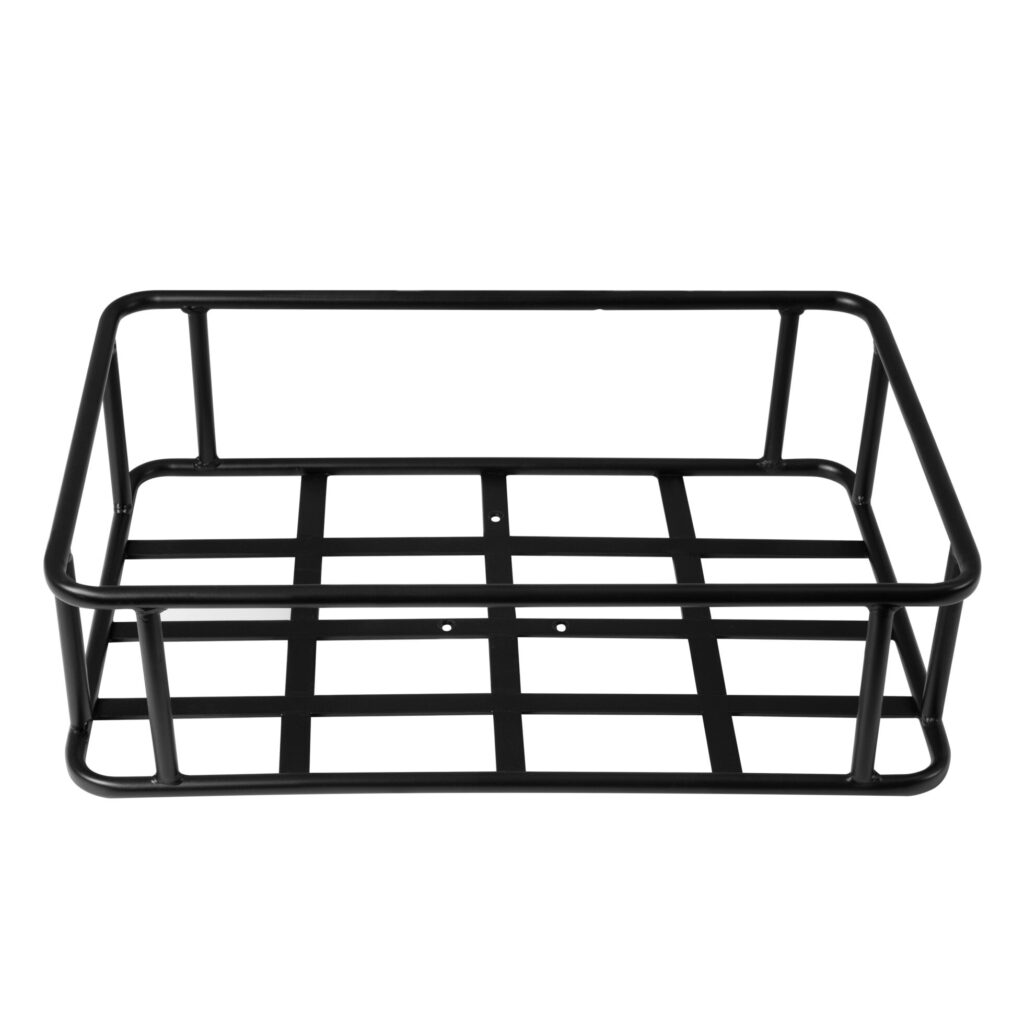
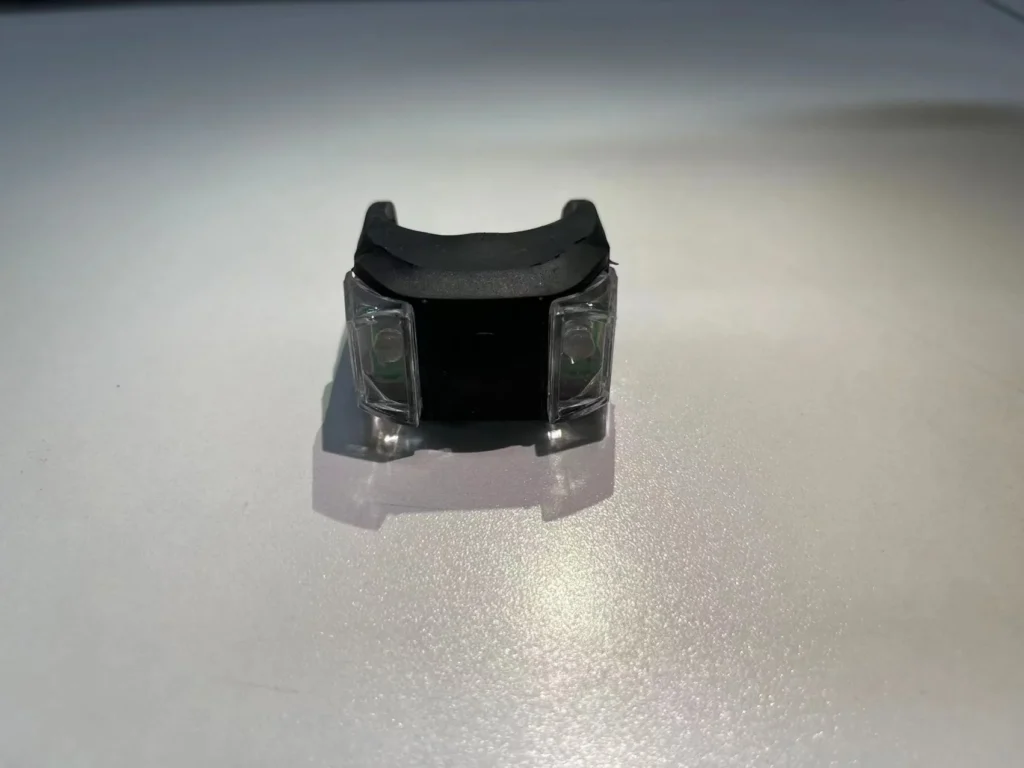
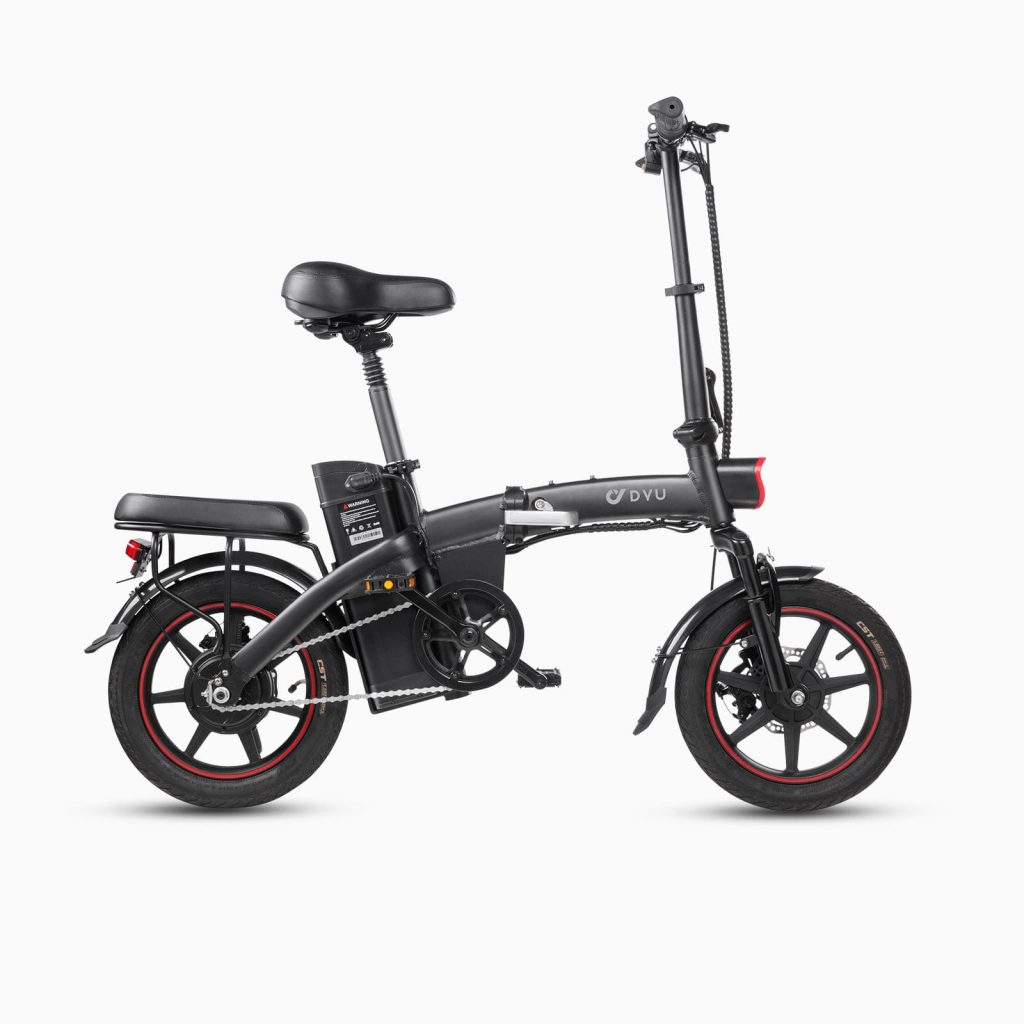
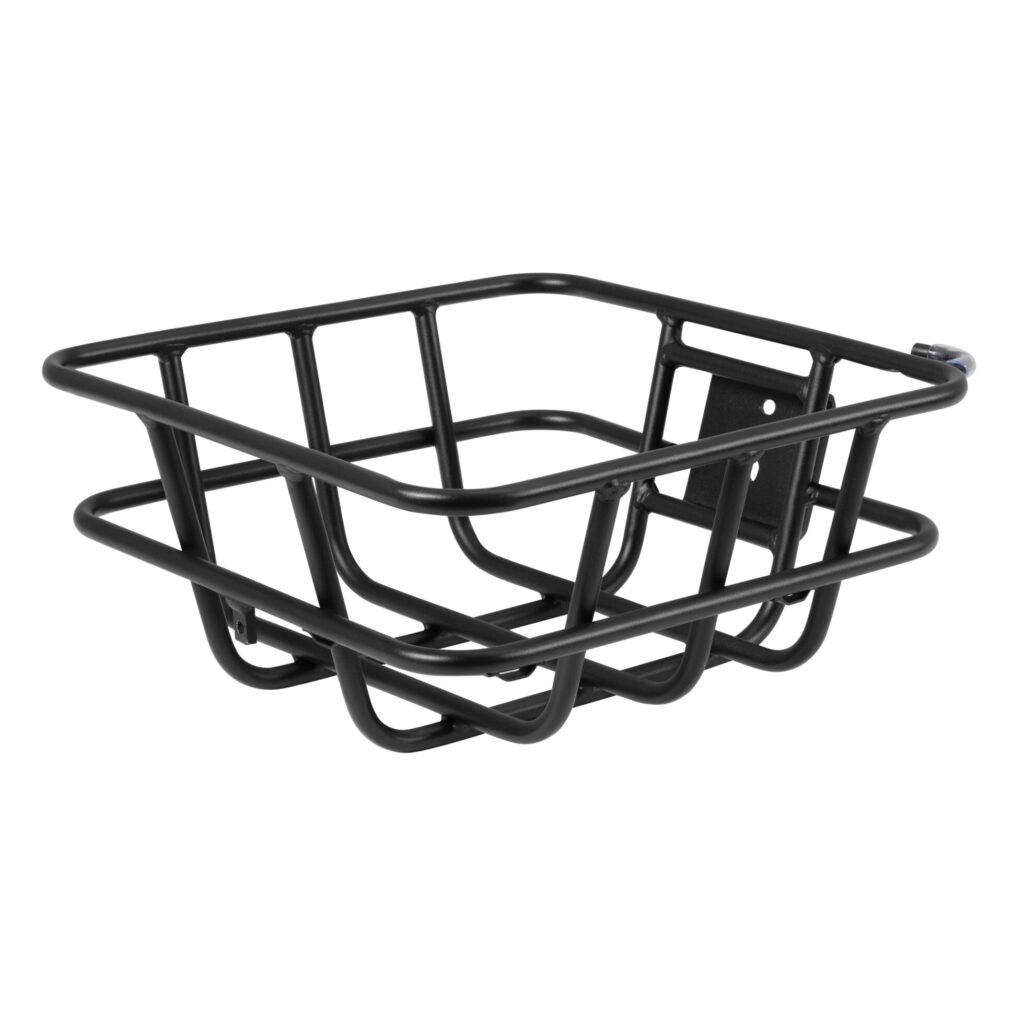
The DYU C6 26-inch city e-bike is built around practical city use. You get a 250W motor with 500W peak output, a 36V 12.5Ah removable battery, a listed 60 km pedal-assist range, 26 x 2.125 inch tires, front fork and seat suspension, a Shimano 6-speed gear system, a front basket, a rear rack, lights, and an LCD control panel.
I like that the C6 does not make the rider add basic utility after checkout. A basket and rear rack sound ordinary, but ordinary is exactly what a city e-bike needs when the ride includes groceries, a laptop, a lock, and a rain jacket. DYU’s own city commuting guide makes the same practical point: the best commuter bike is the one that fits real errands, not only spec-sheet pride.
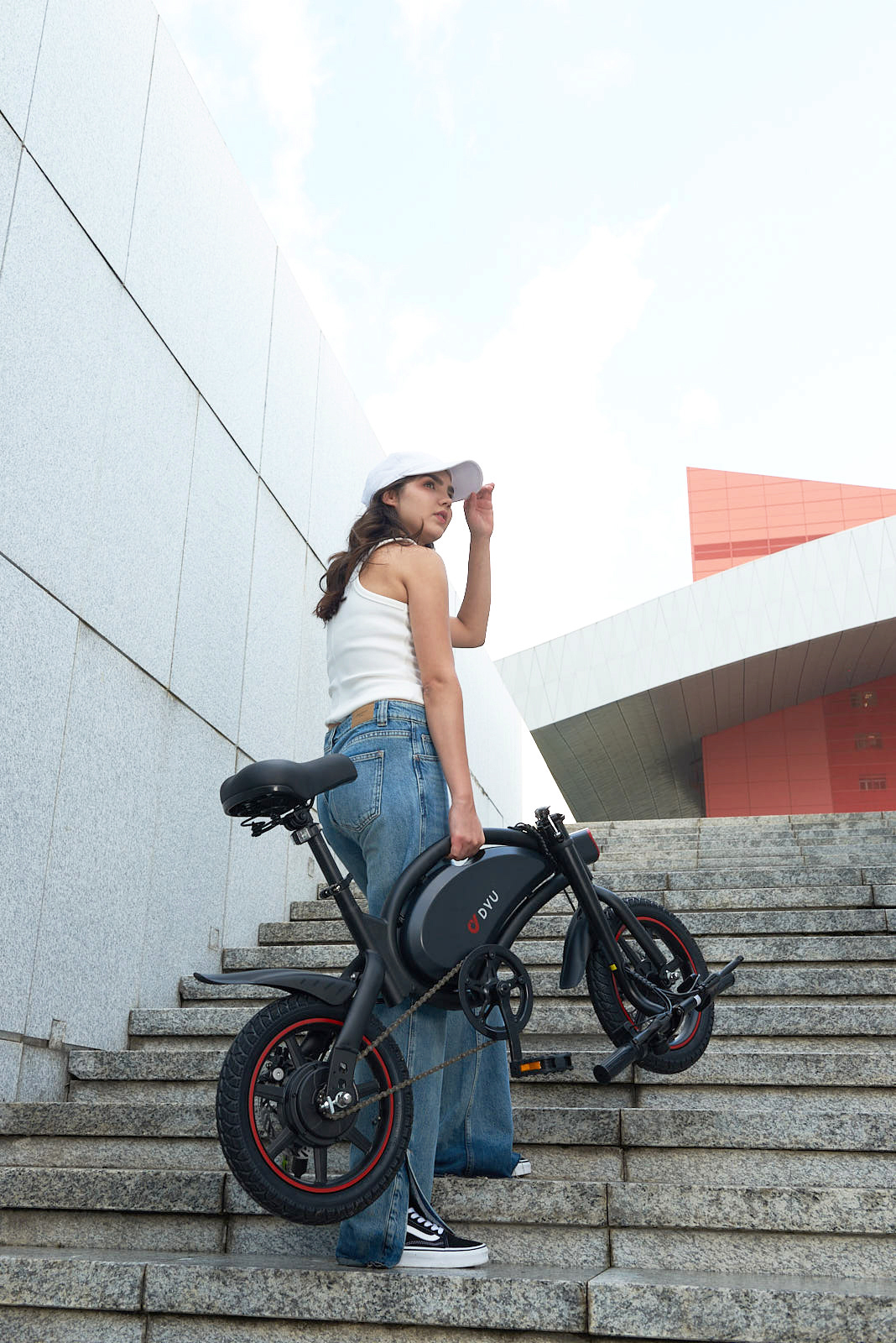
The downside is weight. At 27 kg, the C6 is not the bike I would want to carry up several flights of stairs every night. If your building has ground-floor storage, a lift, or a secure garage, that problem becomes smaller. If you live in a walk-up apartment, it matters.
Where the TENWAYS CGO800S Feels More Premium
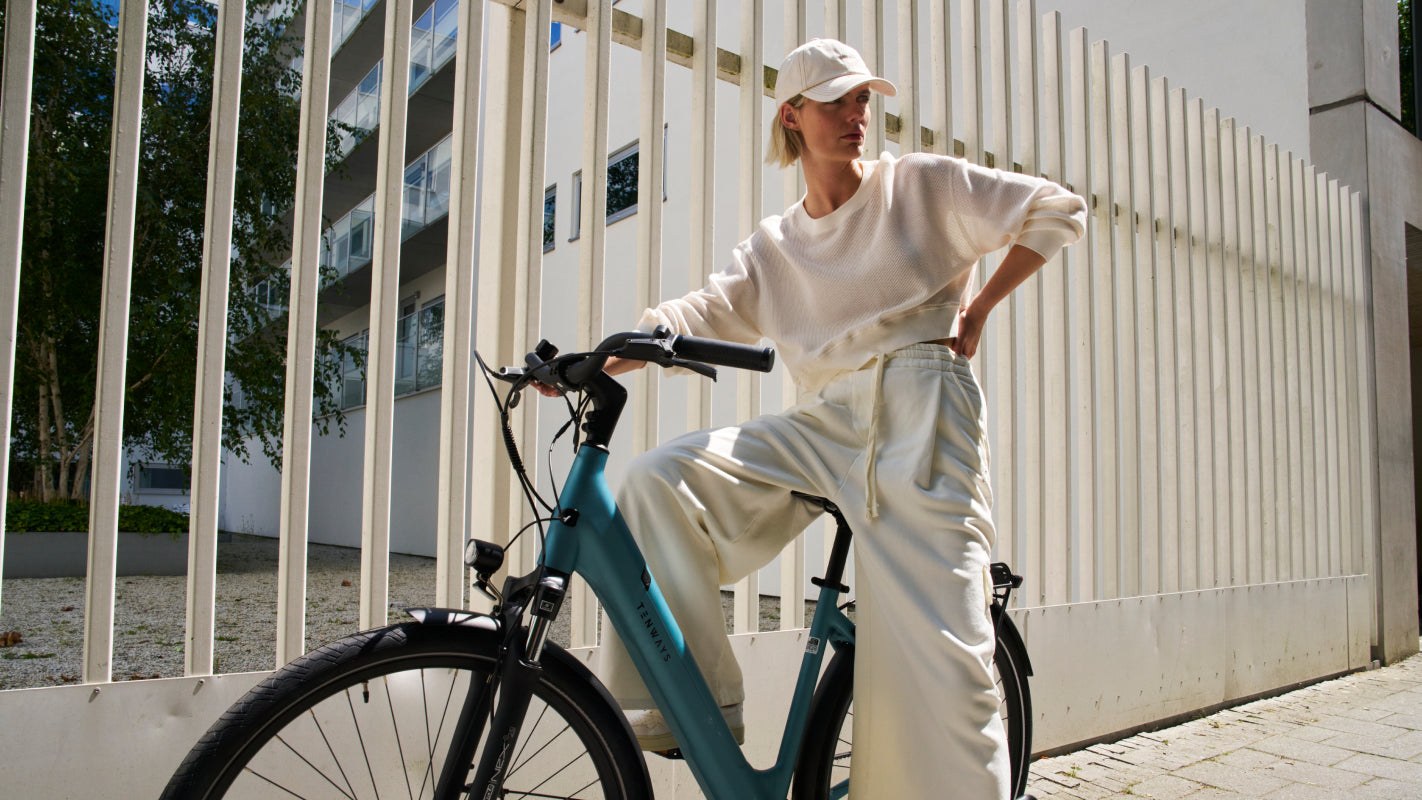
TENWAYS has a cleaner, quieter design story. Its official page lists a Gates CDN carbon belt, torque sensor, TEKTRO hydraulic disc brakes, 460.8Wh removable battery, 700C puncture-proof tires, and a listed 19 kg net weight. That is a strong package for a rider who wants a polished Dutch-style commuter.
The belt drive is the big lifestyle difference. It means less chain grime, less routine fuss, and a smoother ownership feel for riders who park indoors or ride in work clothes. Electric Bike Report’s CGO800S review also frames the TENWAYS as a comfort-oriented city commuter rather than a budget utility bike.
That does not make the DYU C6 weak. It means the TENWAYS is chasing refinement. The DYU is chasing affordable usefulness.
Motor, Battery, and Range: Specs Need Context
Both bikes fit normal European assisted-riding expectations, with 250W-class motors and a 25 km/h assistance limit. The EU regulatory framework behind that speed class is one reason many city e-bikes feel similar on paper. The useful difference is how the motor responds, how the drivetrain works, and how the bike feels when loaded.
The TENWAYS torque sensor should feel more natural when you change pressure on the pedals. It reads rider input more closely than a basic cadence setup. That is a real advantage in stop-start traffic, especially if you care about smooth take-offs rather than simply getting assistance.
The DYU C6 counters with gears. The Shimano 6-speed drivetrain is not exotic, but it is useful when your route includes canal bridges, small climbs, headwinds, or heavier bags. A single-speed belt bike can be lovely on flat routes. A geared chain bike gives more mechanical options when the ride changes.
Battery numbers are close enough that I would not buy on capacity alone. DYU lists 60 km. TENWAYS lists up to 100 km. In real life, rider weight, wind, temperature, tire pressure, hills, and assist level change everything. Battery University’s lithium-ion guide is a useful reminder that battery care and charging habits matter long after the first spec comparison.
How the Choice Looks on Real City Rides
On a short grocery loop, the DYU C6 makes immediate sense. I can put a lock and small bag in the front basket, use the rear rack for the heavier item, and keep my back free. The extra weight is not invisible, but it feels like part of the utility-bike deal.
On a clean 12 km office commute with indoor parking, the TENWAYS argument gets stronger. A lighter bike with a quiet belt drive and torque sensor feels more polished when the ride is repetitive, flat, and mostly on good cycle paths. That is where refinement shows up every morning.
The awkward middle is the rider who wants both: a lightweight premium feel and free cargo practicality at a low price. That rider has to choose. The TENWAYS is the better elegant commuter. The DYU is the better everyday tool.
Weight, Cargo, and Apartment Reality

This is where the comparison becomes personal. The TENWAYS is clearly easier to live with if you must lift the bike often. Its listed 19 kg net weight gives it a big advantage for stairs, tight storage rooms, and riders who regularly move the bike by hand.
The DYU C6 is heavier, but it carries more everyday practicality out of the box. The front basket and rear rack are not decorative. They change how often you can leave the car at home for a supermarket stop, school bag, parcel return, or office day.
If I were buying for a fourth-floor flat with no lift, I would lean TENWAYS. If I were buying for ground-floor storage and daily errands across Berlin, Milan, Vienna, or Amsterdam, I would take the DYU value argument seriously.
Brakes, Drivetrain, and Maintenance

TENWAYS wins the brake-spec line. Hydraulic disc brakes usually offer stronger modulation and less hand effort than basic mechanical discs. For wet city riding, that can feel reassuring. DYU’s disc brake explainer is still useful here because the brake type is only part of the story. Tire condition, rider habits, and setup matter too.
The drivetrain choice is more nuanced. Belt drives are cleaner and lower-maintenance, but they also limit gearing choices on this model. The DYU chain-and-gear setup needs more care, yet it gives the rider six gear ratios and easier parts familiarity at many local bike shops.
For rain, both bikes still need sensible habits: slower cornering, earlier braking, dry charging contacts, and regular tire checks. DYU’s rain riding guide is worth reading if your commute includes painted bike lanes, tram tracks, or rough paving after summer storms.
Cost and Value Breakdown
| Buyer priority | Stronger pick | Why |
|---|---|---|
| Lowest purchase price | DYU C6 | The current DYU price is far below the TENWAYS listing. |
| Premium pedal feel | TENWAYS CGO800S | The torque sensor and belt drive are the refinement story. |
| Carrying groceries or work bags | DYU C6 | Basket and rear rack are included. |
| Frequent stair carrying | TENWAYS CGO800S | Its listed weight is much lower. |
| Varied city routes with small climbs | DYU C6 | The Shimano 6-speed drivetrain gives more gear options. |
OK, let’s talk money. At current listed pricing, the TENWAYS costs more than twice the DYU C6. Some riders will happily pay that for a lighter, cleaner, more premium ride. Others will see a bike that costs much less and already includes the cargo hardware they need.
There is also an ownership-cost angle. A belt drive can reduce routine drivetrain mess, but it does not make the initial price disappear. The DYU chain and Shimano gear setup will need normal care, yet it uses familiar parts and does not ask the buyer to spend premium-bike money before the first ride.
I would also budget differently for each bike. With the C6, the lower price leaves room for a high-quality lock, helmet, rain gear, pannier, or service visit. With the TENWAYS, more of the budget goes into the bike itself. That can be worth it, but it should be a deliberate choice.
Which City E-Bike Should You Choose?

Riders who should avoid the DYU C6 are easy to name: anyone who must carry the bike upstairs daily, anyone who wants a silent belt drive above all else, and anyone who wants the lightest possible upright commuter. The C6 is practical, but it is not a premium lightweight machine.
Riders who should avoid the TENWAYS CGO800S are different. If you need built-in cargo hardware, ride mixed routes with small climbs, or simply do not want to spend nearly two thousand euros on a city e-bike, the TENWAYS may be more bike than your week actually needs.
Choose the TENWAYS CGO800S if you want the lighter, sleeker, more refined commuter. It is the stronger choice for riders who care most about belt-drive cleanliness, torque-sensor smoothness, hydraulic brakes, and lower lifting weight.
Choose the DYU C6 if you want the better value for ordinary city use. It is cheaper, cargo-ready, geared, comfortable enough for daily errands, and practical for riders who use a bike as transport rather than as a premium lifestyle object.
My bottom line is simple: TENWAYS feels like the nicer machine. DYU feels like the smarter buy for many budget-conscious European city riders.
FAQs
Q1. Is the DYU C6 cheaper than the TENWAYS CGO800S?
Yes. At the time of writing, the DYU C6 is listed at €819, while TENWAYS lists the CGO800S at €1,899.
Q2. Which bike has the better drivetrain?
The TENWAYS CGO800S has the cleaner low-maintenance belt drive. The DYU C6 has a Shimano 6-speed chain drivetrain, which is more practical for varied city routes and small climbs.
Q3. Which e-bike is better for errands?
The DYU C6 is stronger for errands because it includes a front basket and rear rack. That makes grocery stops, work bags, and small parcel trips easier from day one.
Q4. Is the TENWAYS CGO800S lighter than the DYU C6?
Yes. TENWAYS lists the CGO800S at 19 kg net and 23 kg with accessories. The DYU C6 is listed at 27 kg.
Q5. DYU C6 vs TENWAYS CGO800S: which is better value?
The DYU C6 is the better value for practical city riders who want cargo hardware, gears, and a much lower price. TENWAYS is the better premium-feel option.