

E-bike range anxiety usually starts before the ride, not during it. You look at a 28 km workday, add a grocery stop, remember the headwind on the way home, and suddenly the battery icon feels more important than the motor.
I do not think the answer is always buying the biggest battery. The better answer is learning how range actually disappears: speed, assist level, tire pressure, cold mornings, cargo, hills, stop-start traffic, and how calmly you ride after a long day.
E-Bike Range Anxiety Starts With the Route
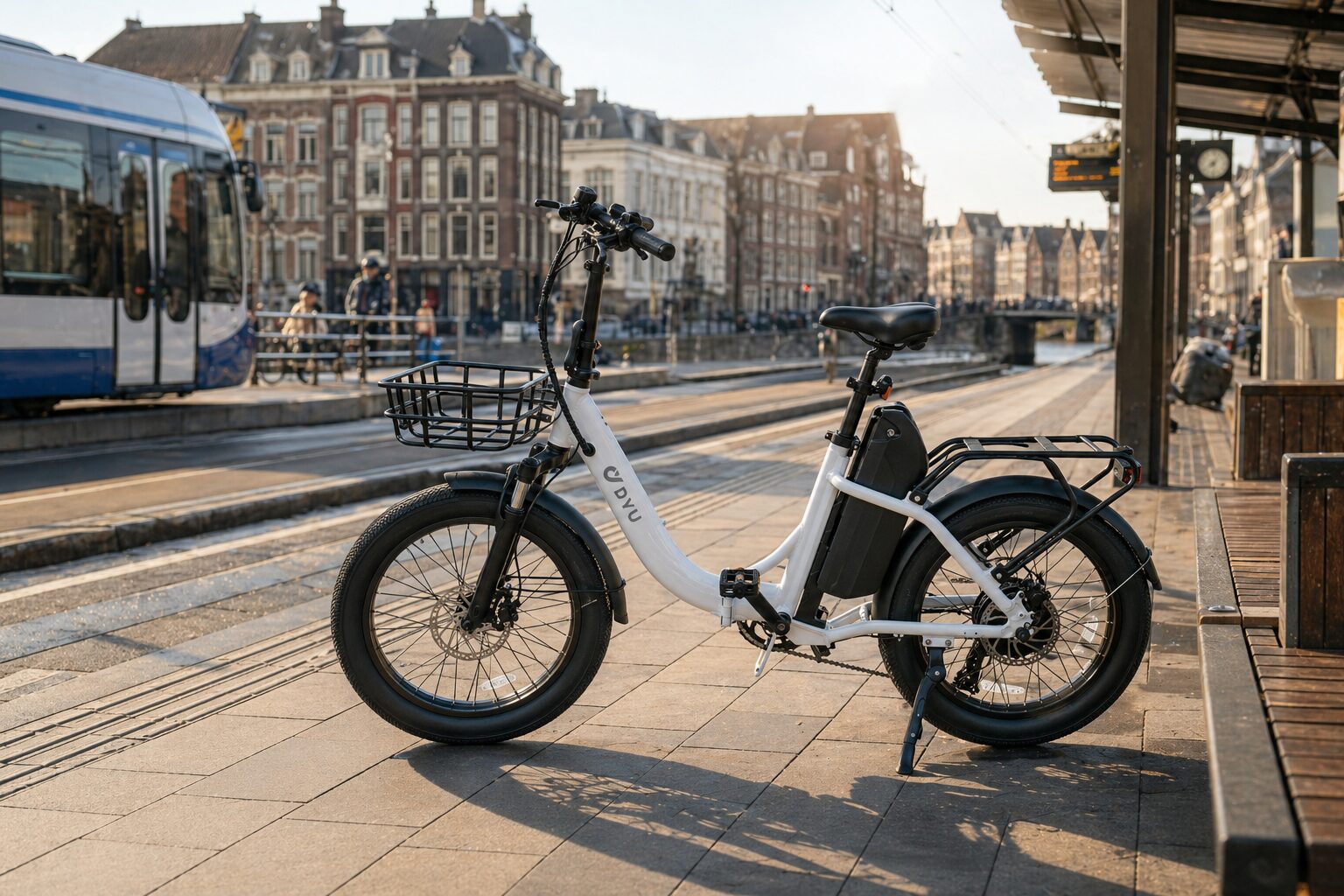
A good range plan starts with the boring map. Count the full round trip first, then add the errands you actually make. A 16 km commute each way is not a 32 km day if you also ride to lunch, stop at the supermarket, and take a longer riverside route home to avoid traffic.
| Range pressure | What changes on the ride | Practical fix |
|---|---|---|
| Headwind | The motor works harder even on flat streets | Use a lower speed target and keep cadence steady |
| Cold or heat | The rider and battery both feel less efficient | Build in margin and avoid immediate charging after hard rides |
| Under-inflated tires | Rolling resistance increases | Check pressure weekly before the first ride |
| Heavy bags | Starts, hills, and braking all demand more energy | Pack lower, ride smoother, and avoid high assist on every start |
| Stop-start traffic | Acceleration drains more than steady cruising | Plan calmer streets where you can keep momentum |
BikeRadar’s general e-bike guide is useful because it explains the wider buying decision without pretending one spec tells the whole story. Range is not a single number. It is a relationship between battery size, bike weight, rider input, route, and weather.
Why the DYU C9 Helps With E-Bike Range Anxiety
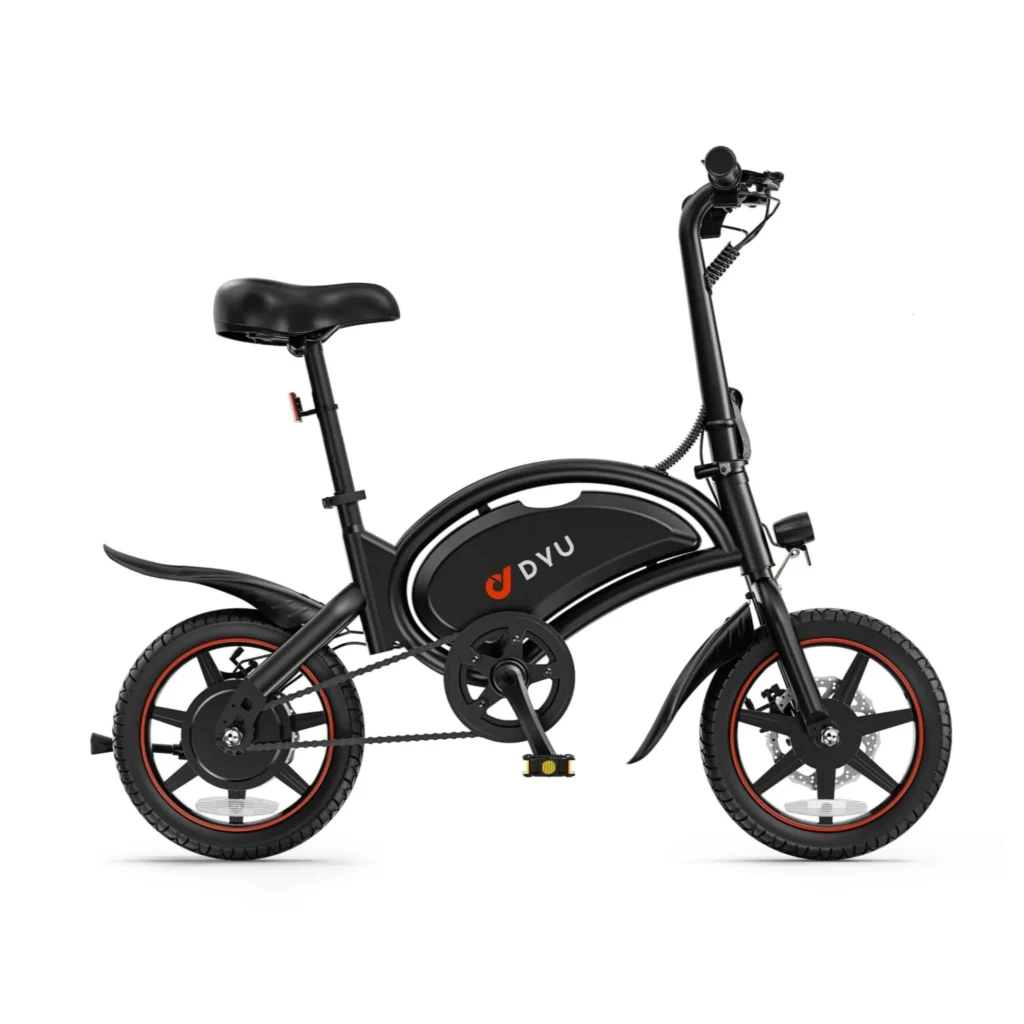
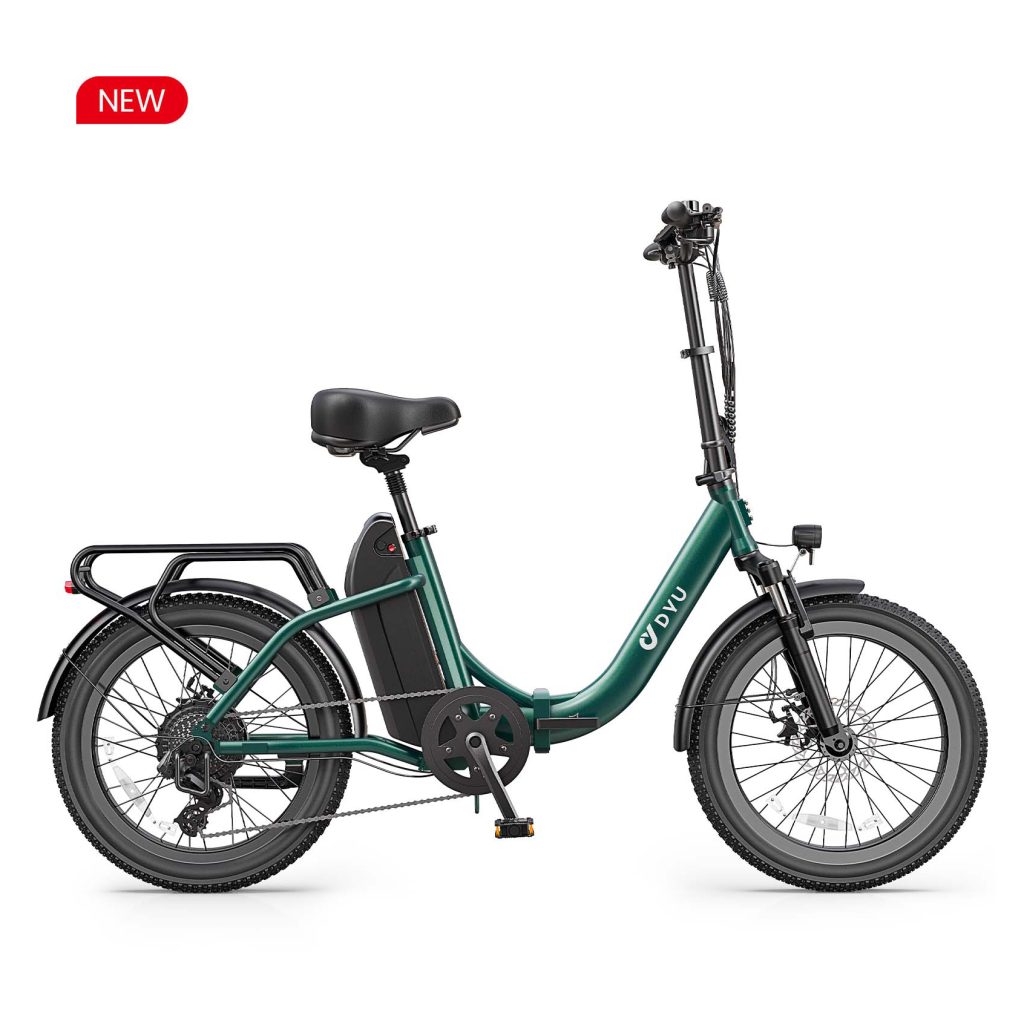
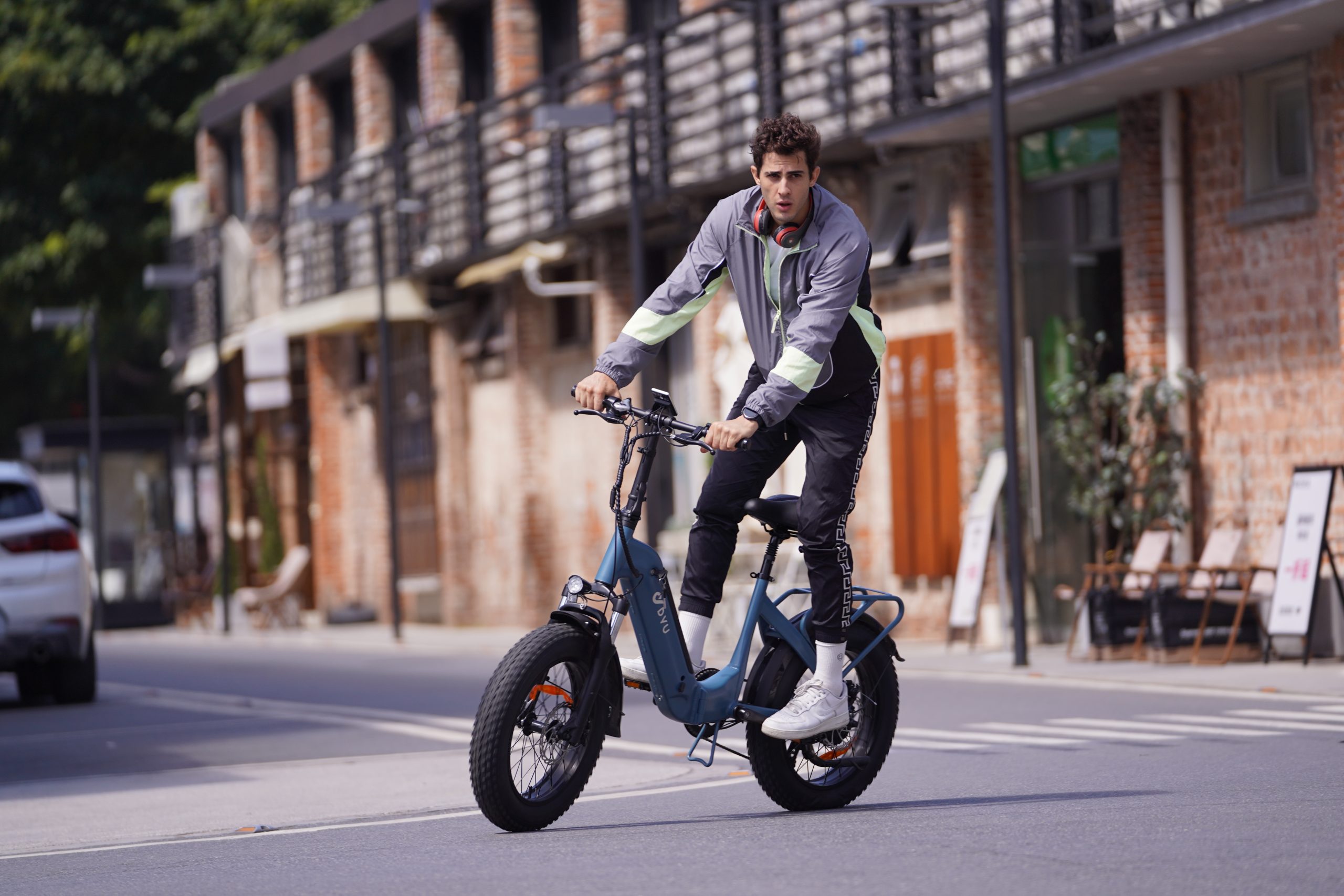
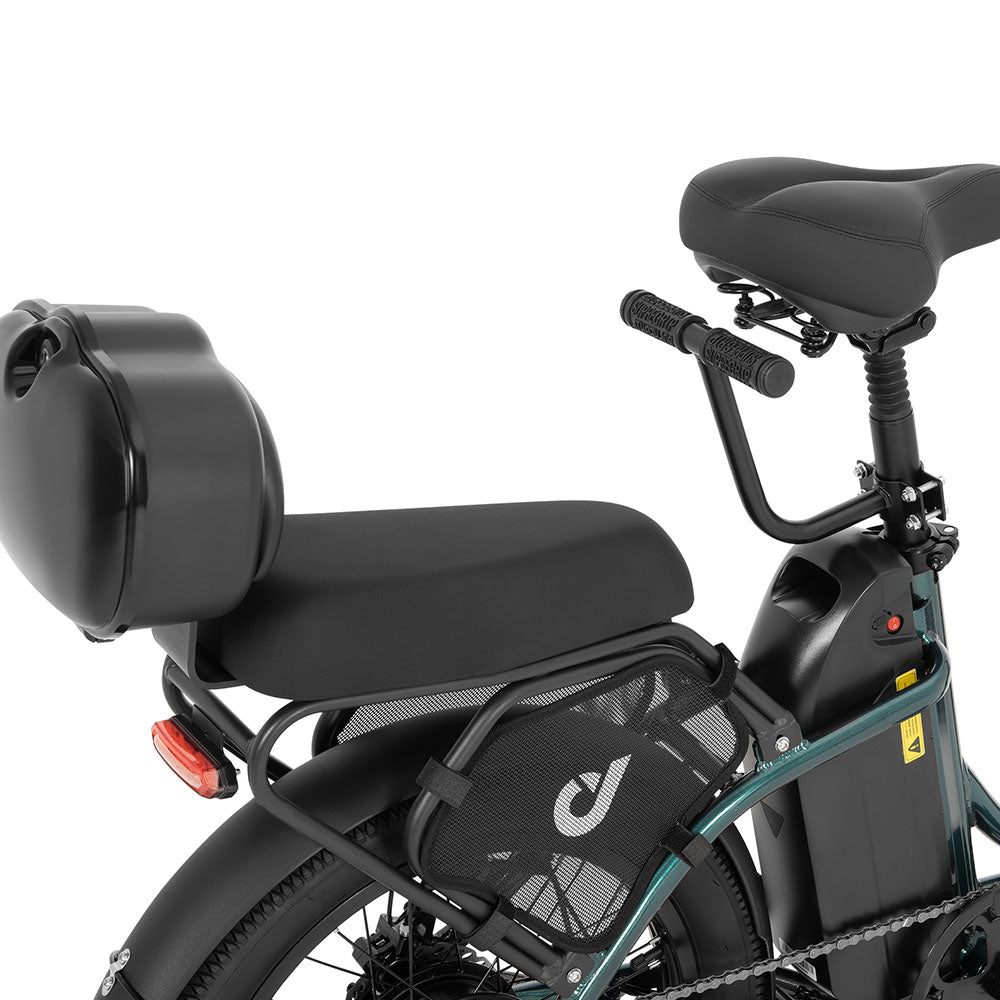
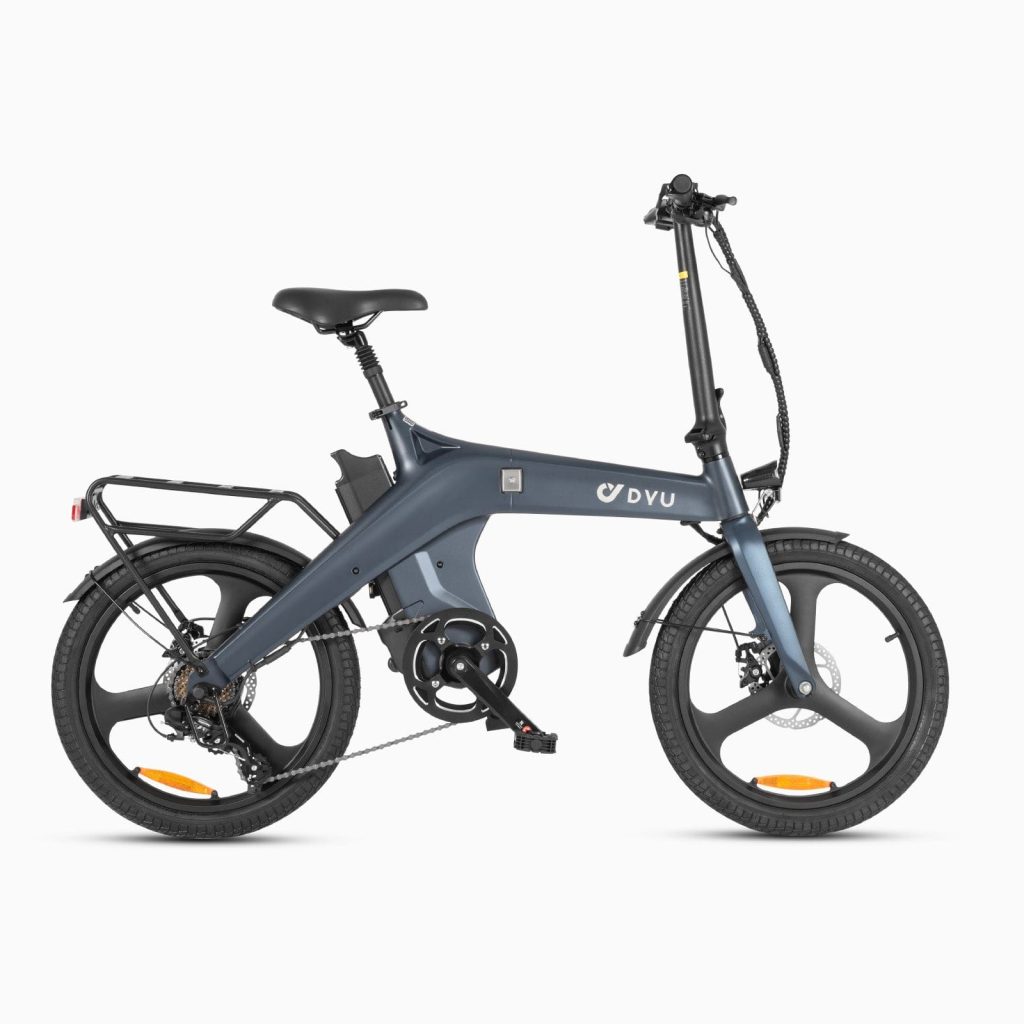
The DYU C9 foldable 20-inch long-range e-bike is the example I would use for this topic because it gives city riders a large range buffer without becoming a full-size cargo bike. The core specs are a 250W motor, 48V 15.6Ah battery, listed 150 km pedal-assist range, 25 km/h assist speed, 30 kg weight, 20 x 3.0 inch semi-fat tires, front fork and seat suspension, hydraulic disc brakes, front and rear lights, and a folded size of 970 x 465 x 760 mm.
At the time of writing, the DYU C9 is listed at €779, down from the regular €1299. That price only matters if the bike fits your week. For someone riding across Berlin, Milan, Paris, Vienna, or Amsterdam with a mix of office days and weekend errands, the C9’s large battery means you can stop thinking about the charger after every short trip.
The honest limit is weight. At 30 kg, this is not a bike I would want to carry up four flights of stairs every evening. If your building has a lift or ground-floor storage, the range advantage becomes much easier to enjoy.
Use Assist Levels Like a Budget
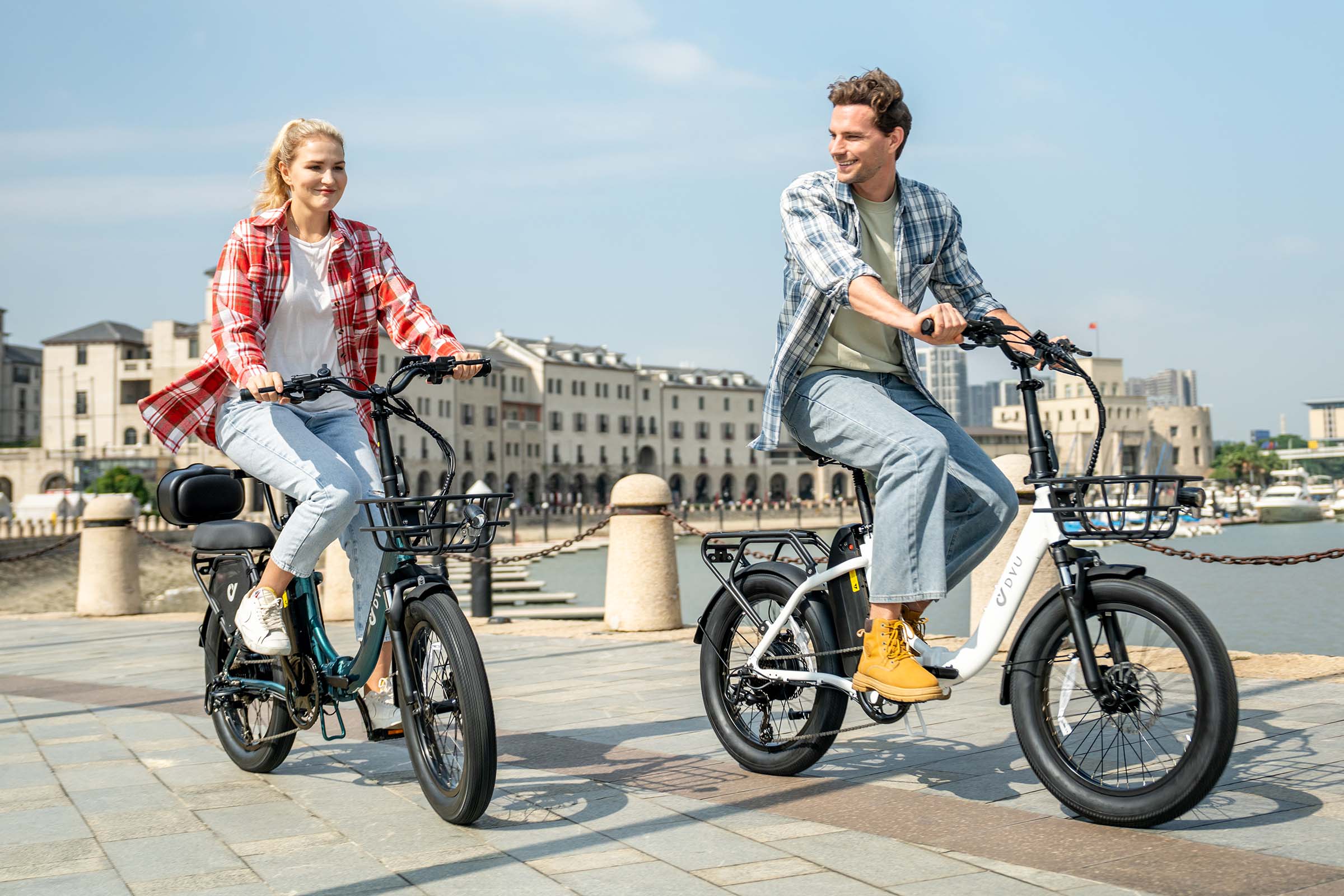
Battery use feels less mysterious when you treat assist like a daily budget. High assist is not wrong. It is simply expensive. Save it for hills, bridges, heavy bags, and days when your legs are genuinely tired.
On a long commute, I prefer a rhythm that feels almost too calm at the start. Eco or standard assistance on flat sections, a little more help for climbs, then back down once the road opens. That pattern keeps the ride smooth and makes the range display feel less jumpy.
Tom’s Guide’s first e-bike shopping checklist makes a similar buyer point: the right e-bike depends on how and where you ride. A bigger range claim is helpful, but a realistic routine is what makes it reliable.
Foldability Helps When Range Planning Includes Trains
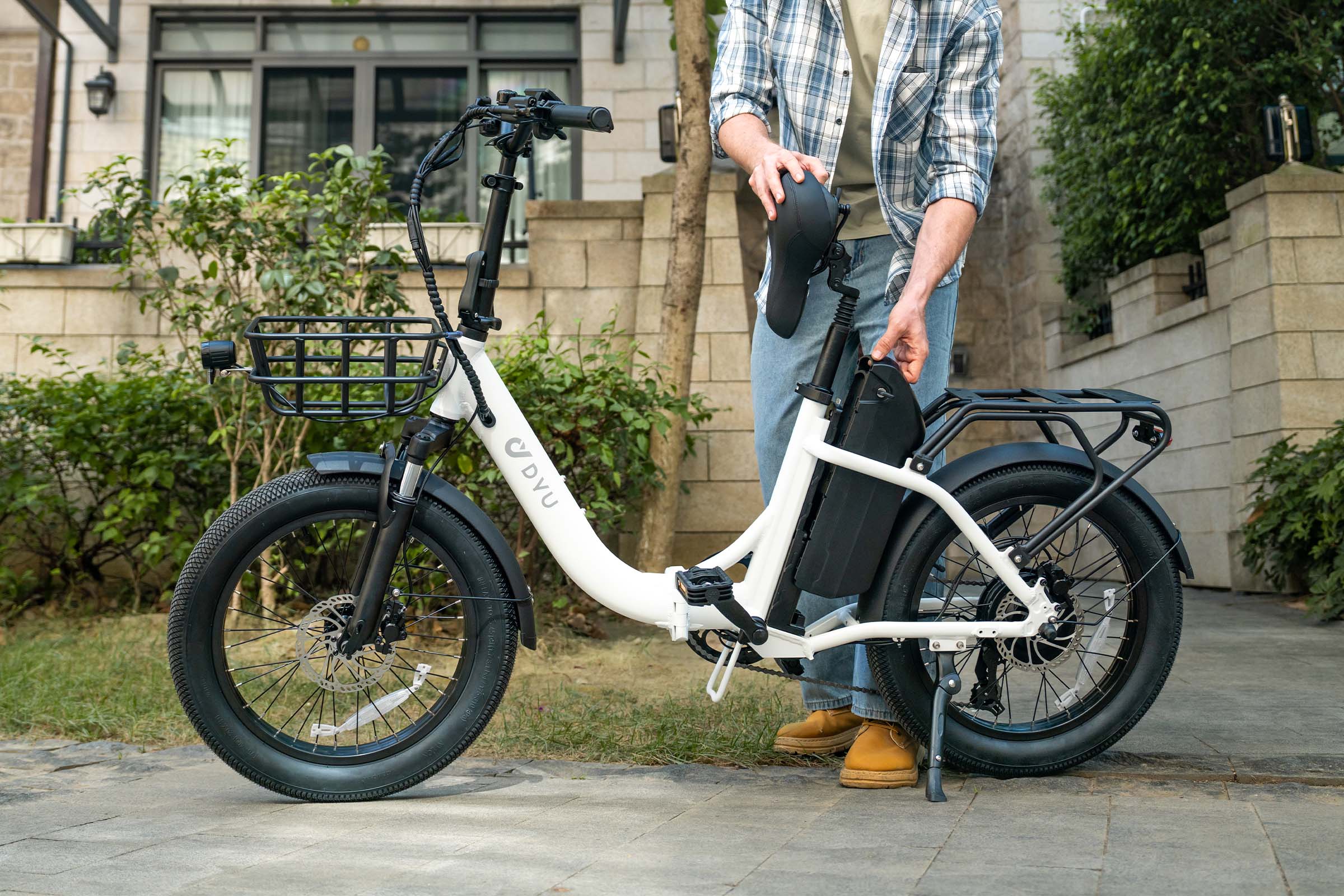
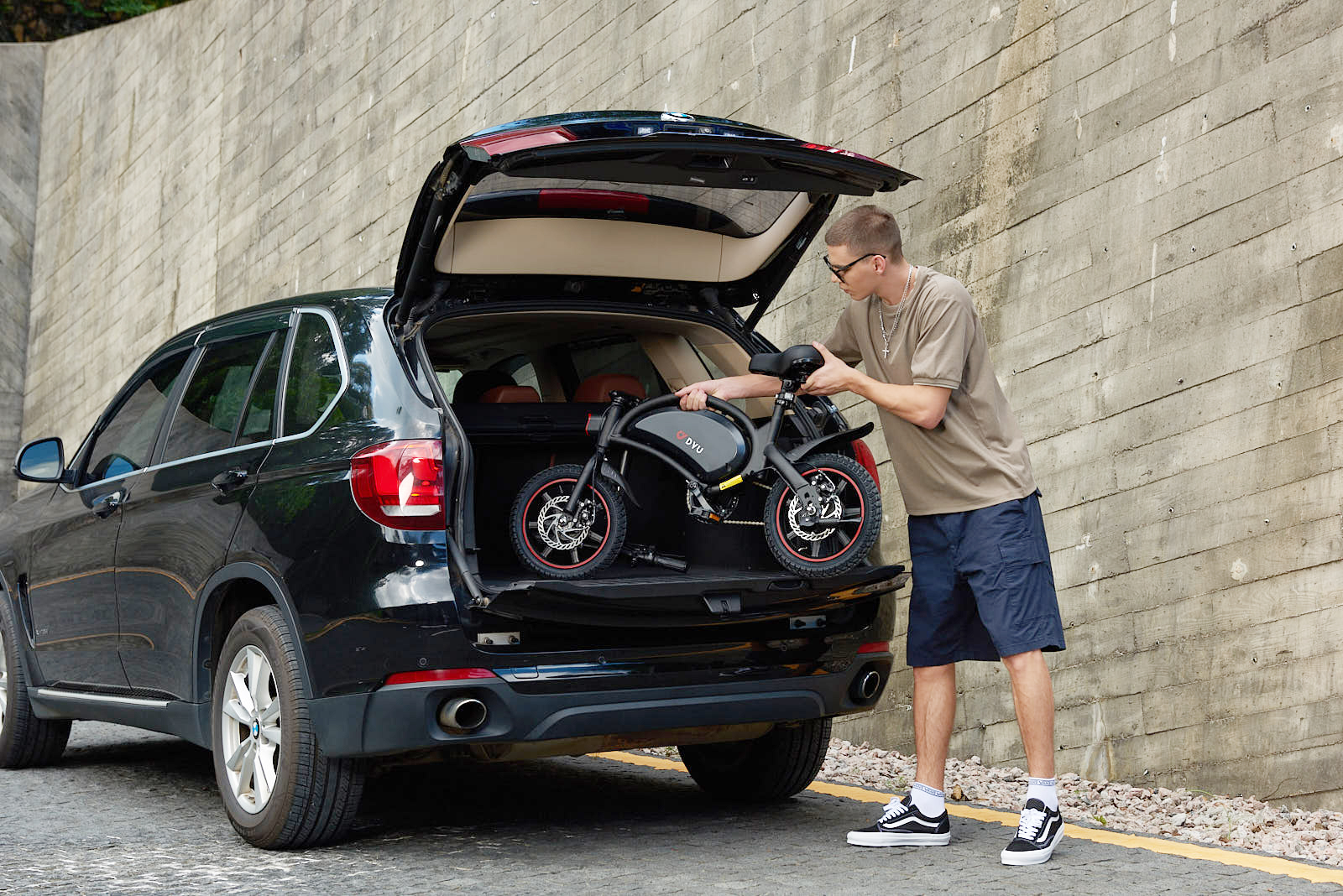
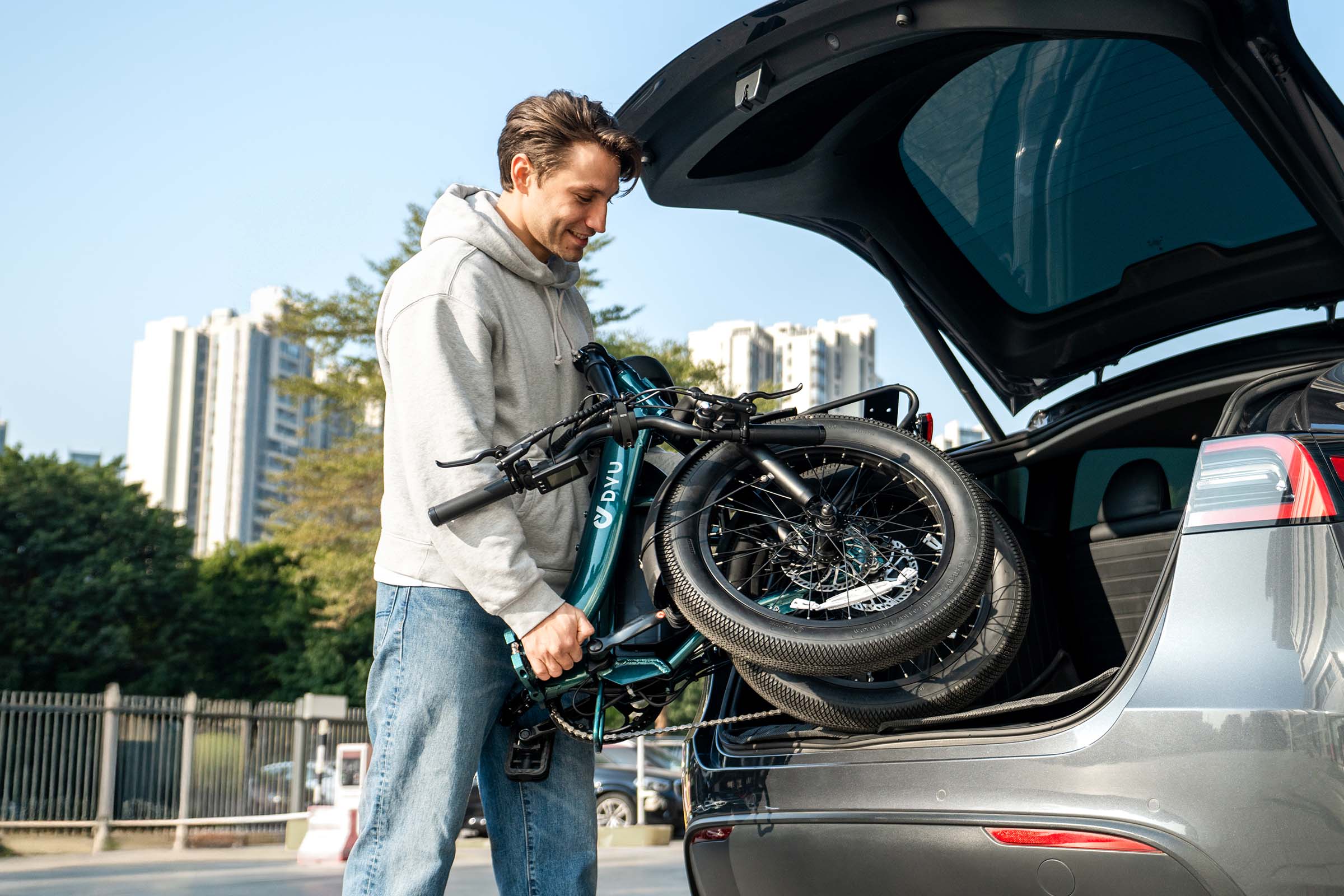
Range anxiety is not only about battery percentage. It is also about escape routes. If the weather turns ugly, a meeting runs late, or you misjudge the distance, a foldable bike gives you more options with a car boot, lift, storage room, or train connection.
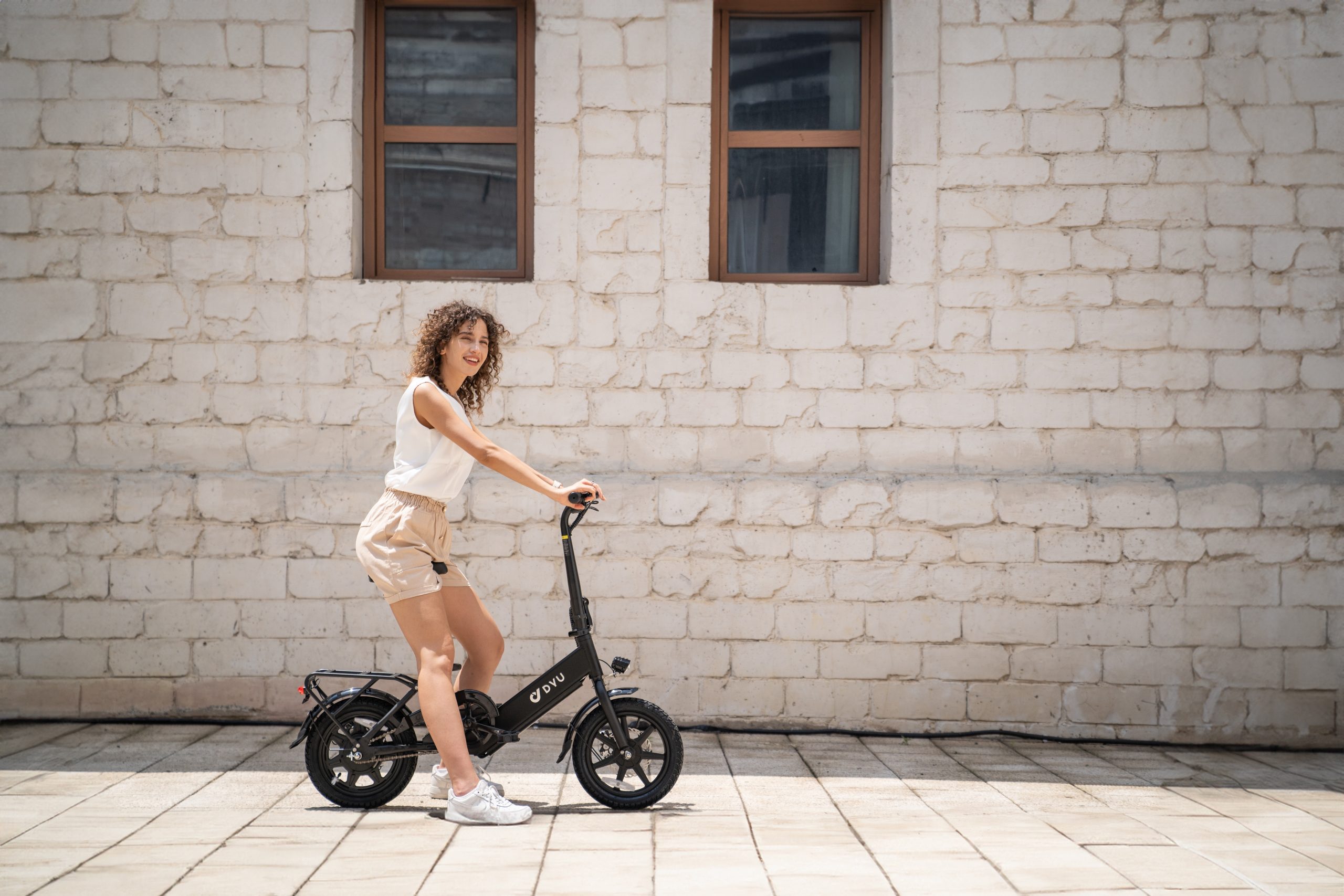
The C9 folds in three steps, and the folded size is compact enough for many apartment and transport routines. It still needs realistic handling because 30 kg is real weight. But the fold means you are not locked into riding every kilometer just because the bike is awkward to move.
DYU’s first e-bike buying guide is useful if you are still deciding whether folding, full-size, or fat-tire design makes sense. For long city commutes, I like folding most when it creates a backup plan, not when it is treated as magic.
Protect Range With Tires, Brakes, and Charging Habits
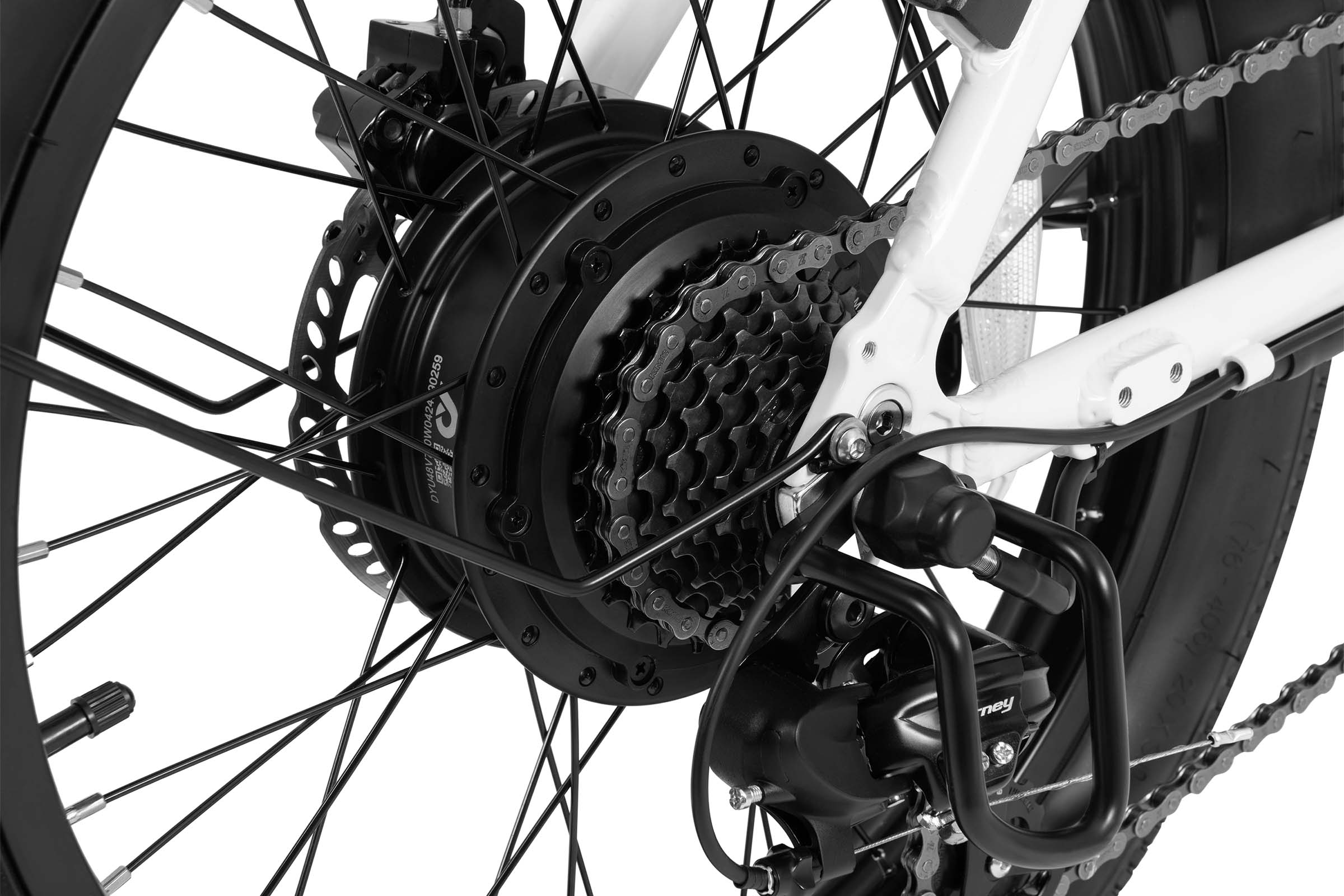
Small maintenance habits change range more than riders expect. A soft tire makes the motor work harder. A dragging brake wastes energy. A dirty drivetrain can turn a smooth bike into a tired one. None of this feels dramatic on one ride, but it adds up over a work week.
BikeRadar’s e-bike maintenance guide is a good neutral checklist for the basics. My shorter C9 routine is simple:
- Check tire pressure before the first commute of the week.
- Listen for brake rub before a long ride.
- Keep the battery contacts dry and clean.
- Charge in a dry, ventilated place after the pack has cooled.
- Plan the next day before the battery is almost empty.
Battery University explains how heat affects lithium-ion battery aging, which is why DYU’s summer e-bike battery care guide pairs naturally with range planning. Range is not just a ride-day issue. It is also a storage and charging habit.
Build a 30 Percent Margin Into Important Rides
I use a simple rule for important trips: do not plan to use the last 30 percent. That margin covers detours, wind, missed trains, extra cargo, and the small mistakes that happen when you are tired.
If your normal day is 35 km, a bike listed for 40 km can work only when conditions are kind. A bike listed for 150 km gives you room to ride normally. You still will not get the full figure every day, but you are not living at the edge of the battery.
The C9’s hydraulic disc brakes also matter here because longer rides usually include more mixed conditions: wet roads, downhill sections, busy crossings, and a heavier bag than you planned. For wet-weather habits, DYU’s rain riding guide is a useful companion read.
When the DYU C9 Makes Sense
The C9 makes most sense for riders who want one folding e-bike for a full week of city life. Not just the commute. The coffee stop, the tram backup plan, the weekend route, the grocery detour, and the evening ride when you forgot to charge the night before.
- Best fit: long city commutes, mixed transport, apartment storage with a lift, and riders who want a large battery buffer.
- Think twice if: you must carry the bike up stairs every day or need the lightest possible folder.
- Best habit: ride the first half of the day gently so the second half never feels like a battery gamble.
Conclusion: Range Confidence Comes From Margin
E-bike range anxiety fades when the bike has enough battery margin and the rider has a repeatable routine. Plan the real route, use assist levels calmly, check tires and brakes, charge sensibly, and leave space for the unexpected.
The DYU C9 is not the lightest folding e-bike, and that matters for stairs. But for long European city commutes where range, comfort, hydraulic braking, and foldability all matter together, it gives riders a lot of breathing room.
FAQs
Q1. How do I reduce e-bike range anxiety?
Plan the full round trip, add a margin for errands and weather, use lower assist on easy sections, keep tires properly inflated, and charge before the battery gets too low.
Q2. What is the real range of the DYU C9?
The DYU C9 is listed with up to 150 km of pedal-assist range. Real range depends on rider weight, assist level, speed, tire pressure, hills, wind, temperature, and cargo.
Q3. Is the DYU C9 good for long commutes?
Yes, the DYU C9 is a strong fit for long city commutes if you want a 48V 15.6Ah battery, hydraulic disc brakes, 20 x 3.0 inch tires, and a foldable frame.
Q4. How much does the DYU C9 cost?
At the time of writing, the DYU C9 is listed at €779, down from the regular €1299. Check the product page for current availability before ordering.
Q5. Should I fully drain an e-bike battery before charging?
No. For normal commuting, it is better to avoid deep drains and charge in a dry, ventilated place. Let the battery cool after a hard or hot ride before plugging it in.