
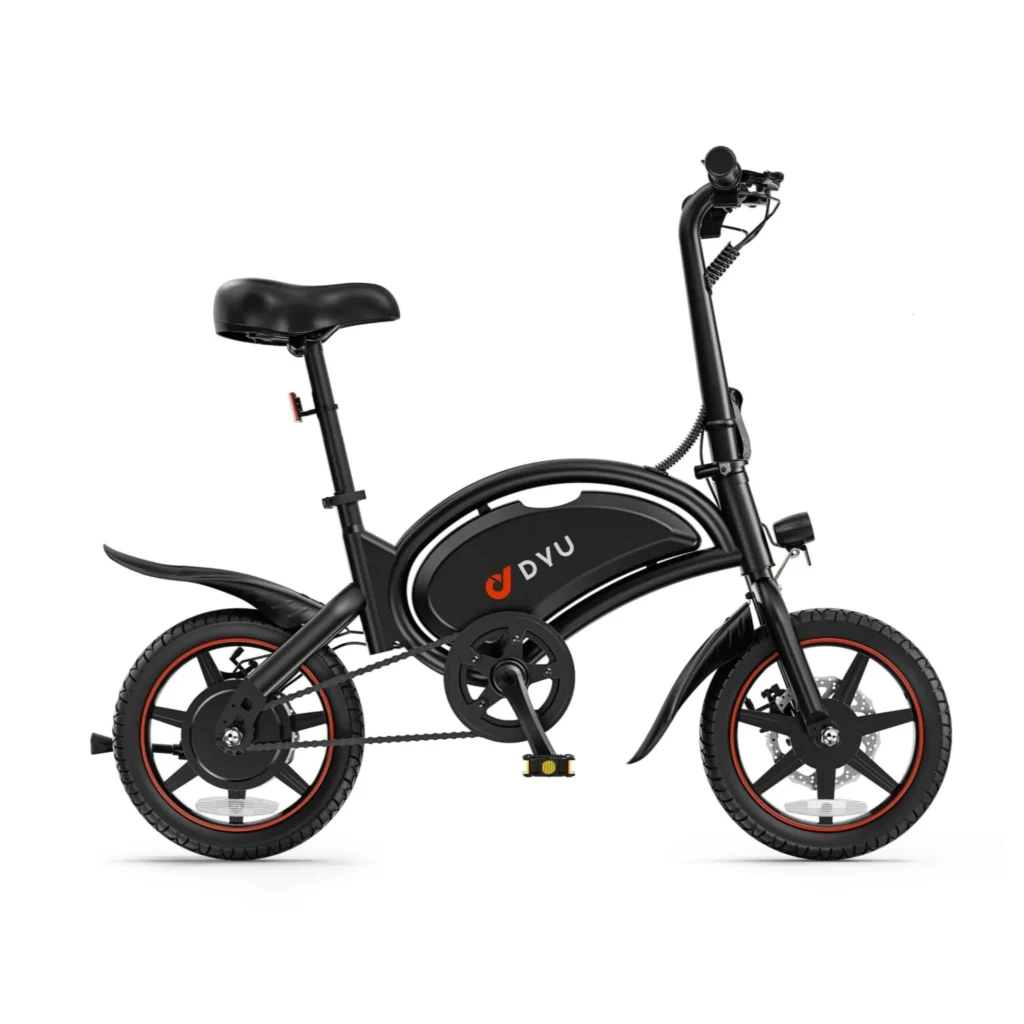
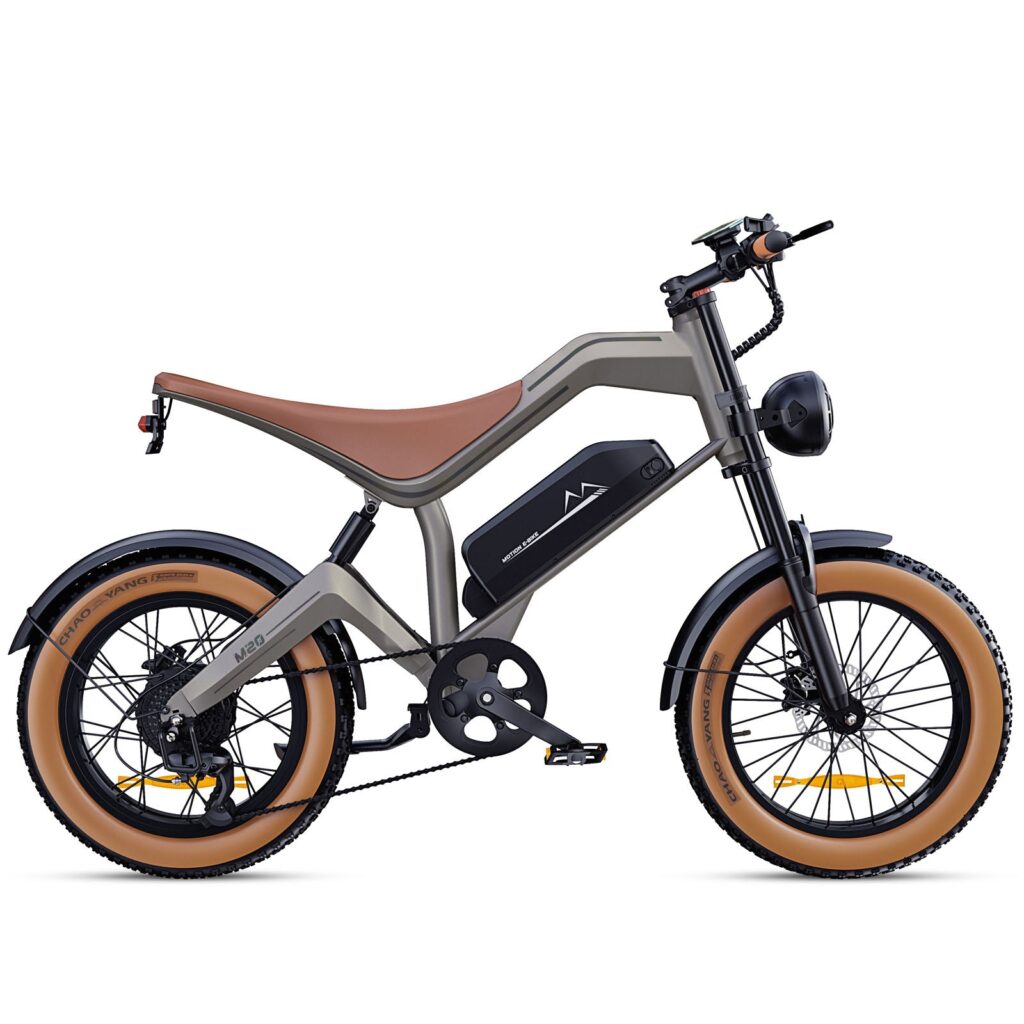
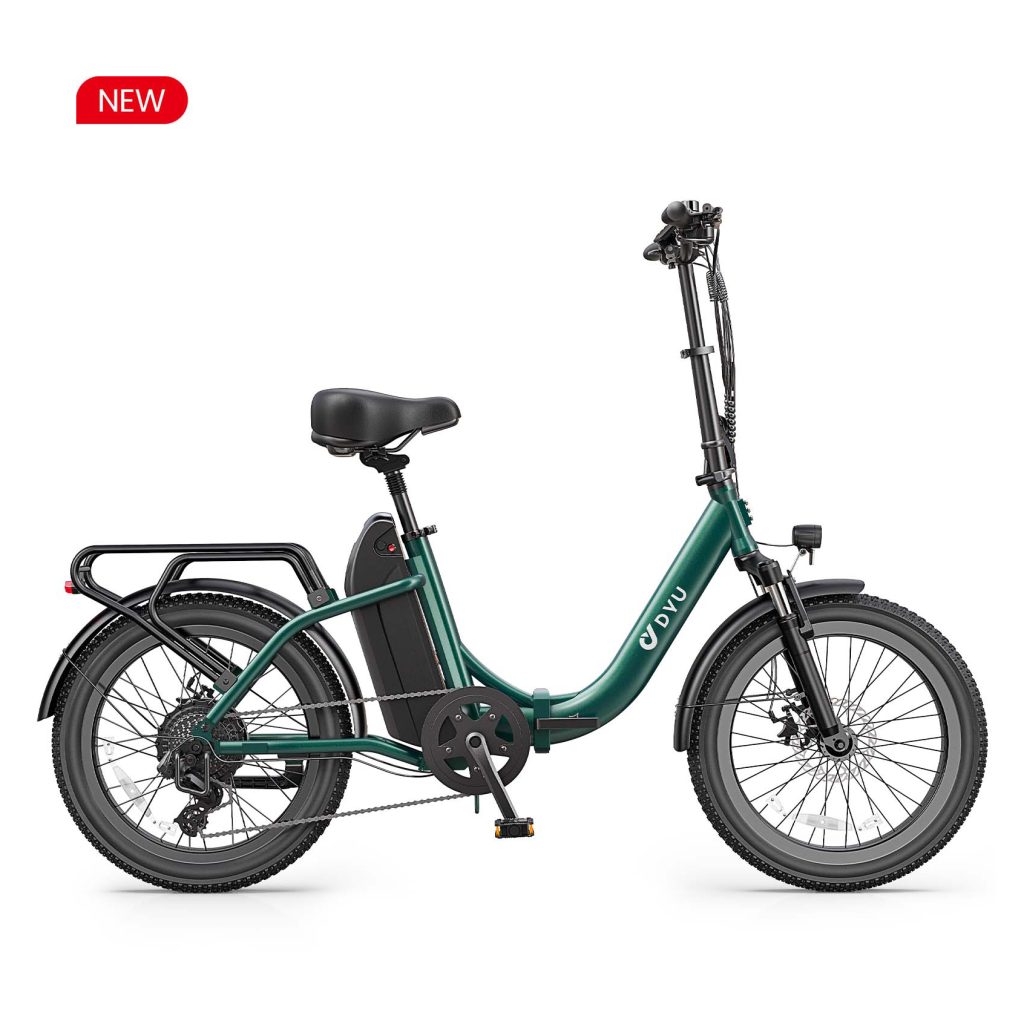
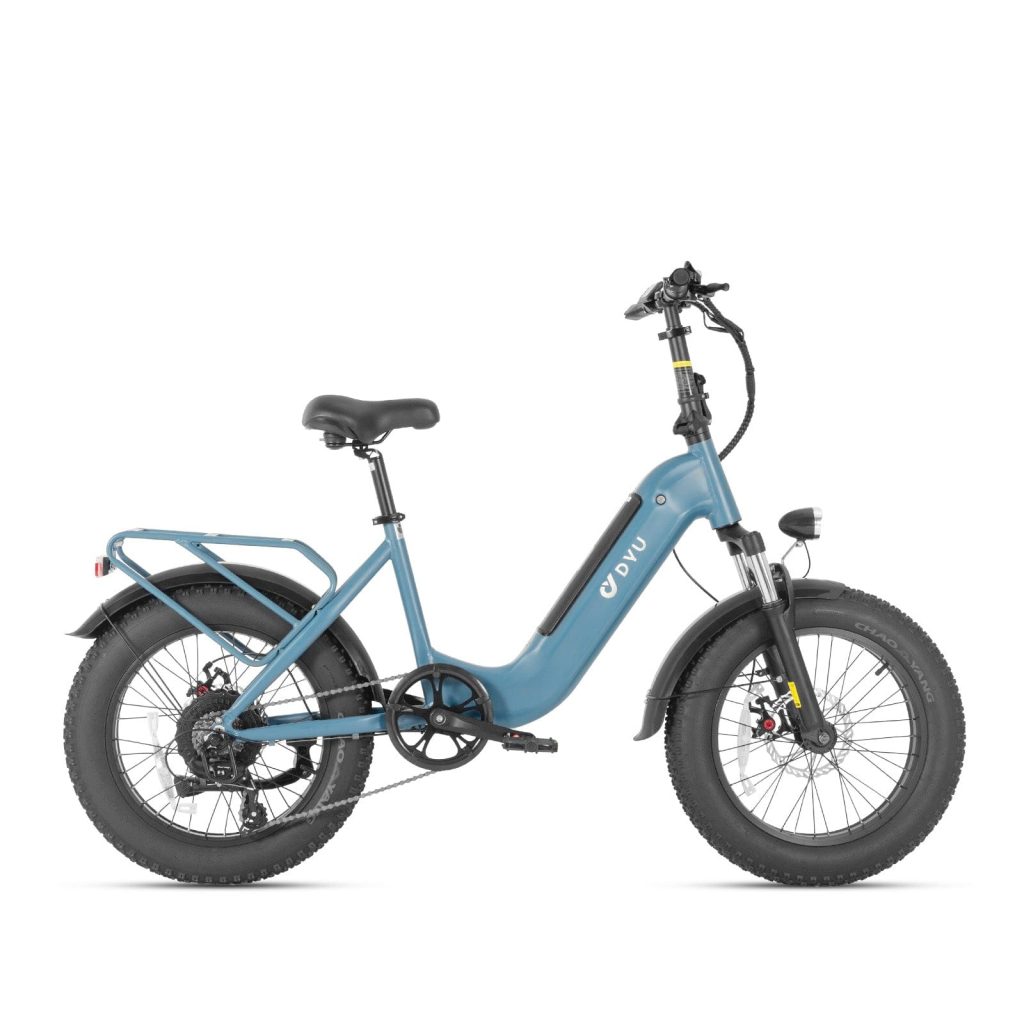
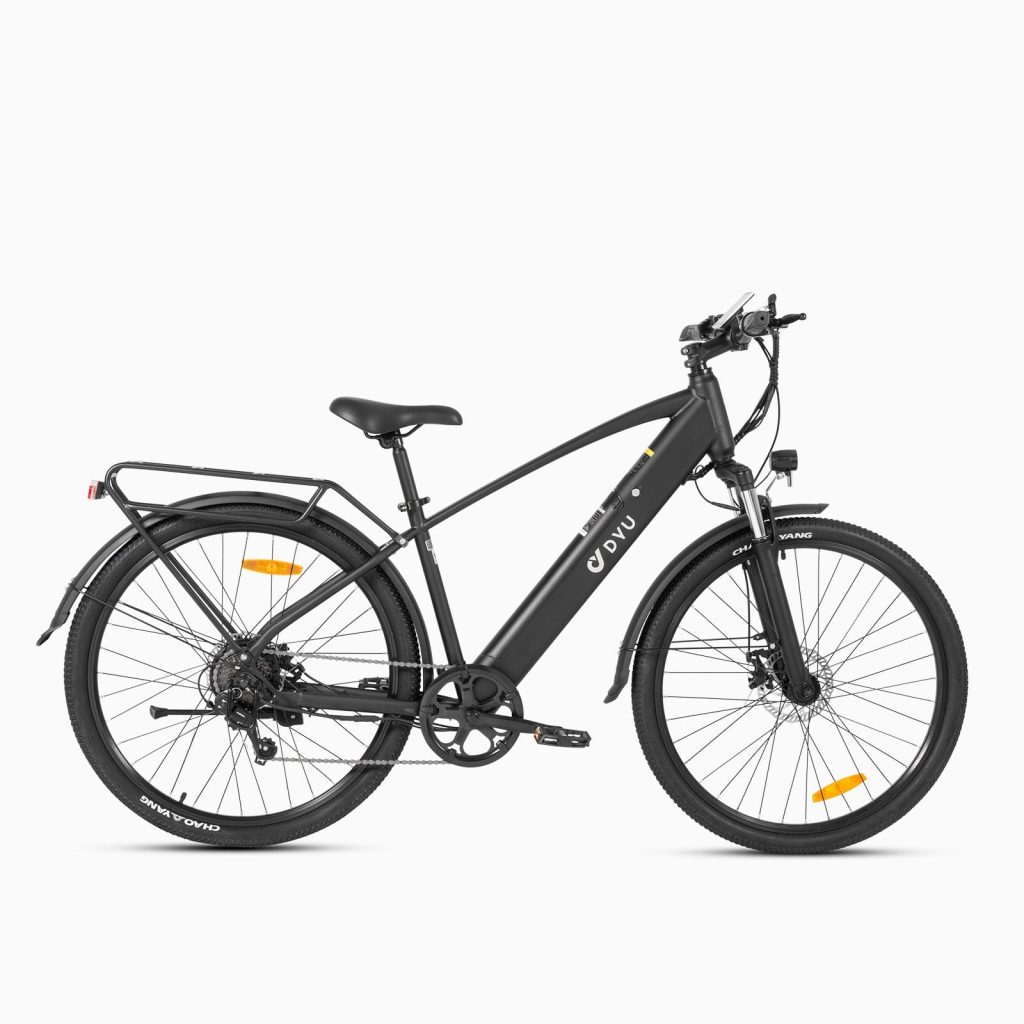
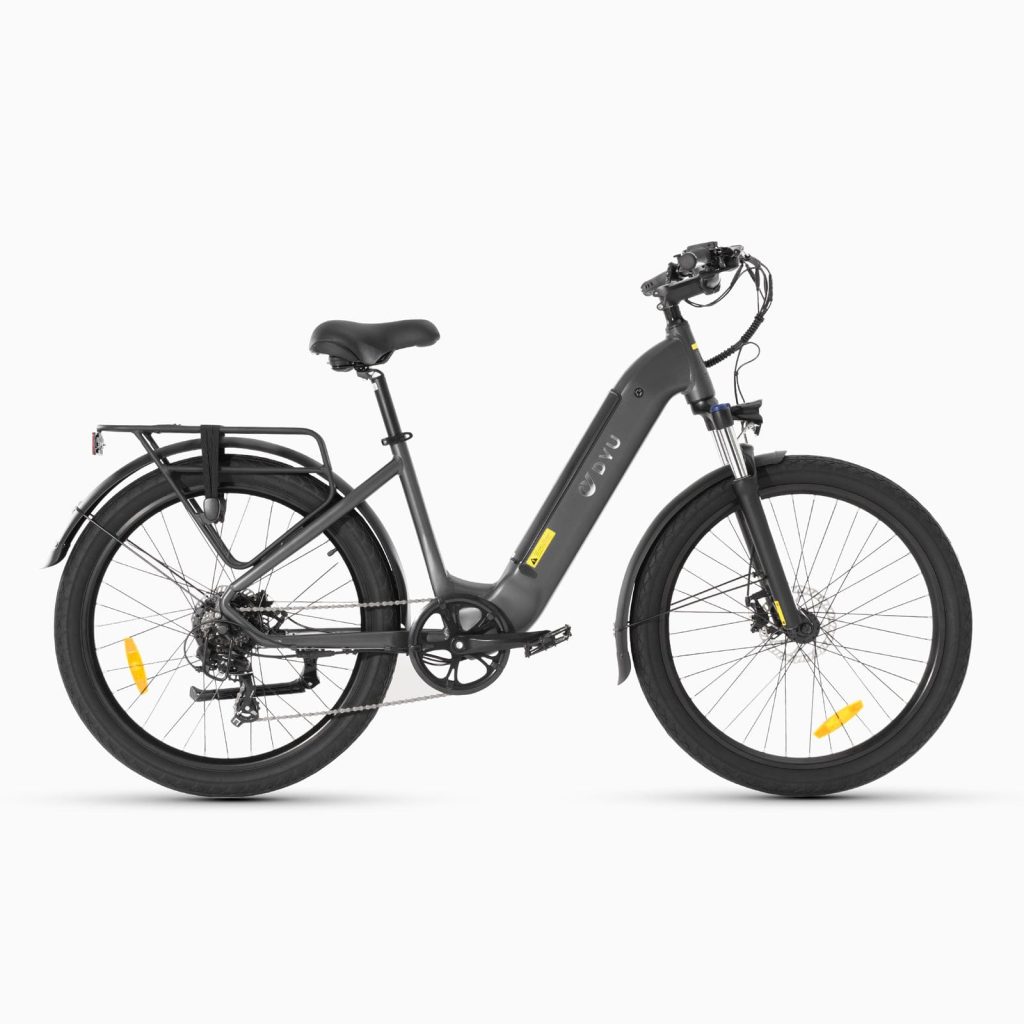
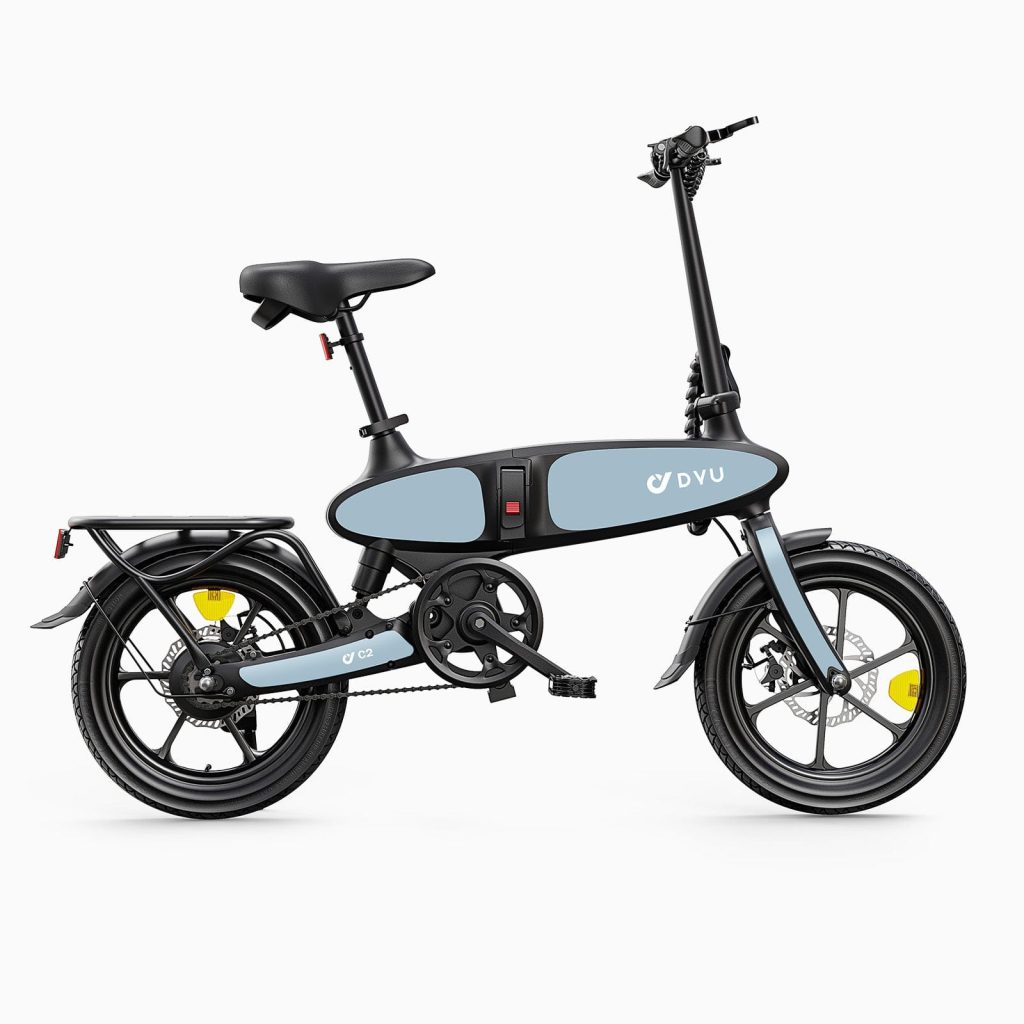
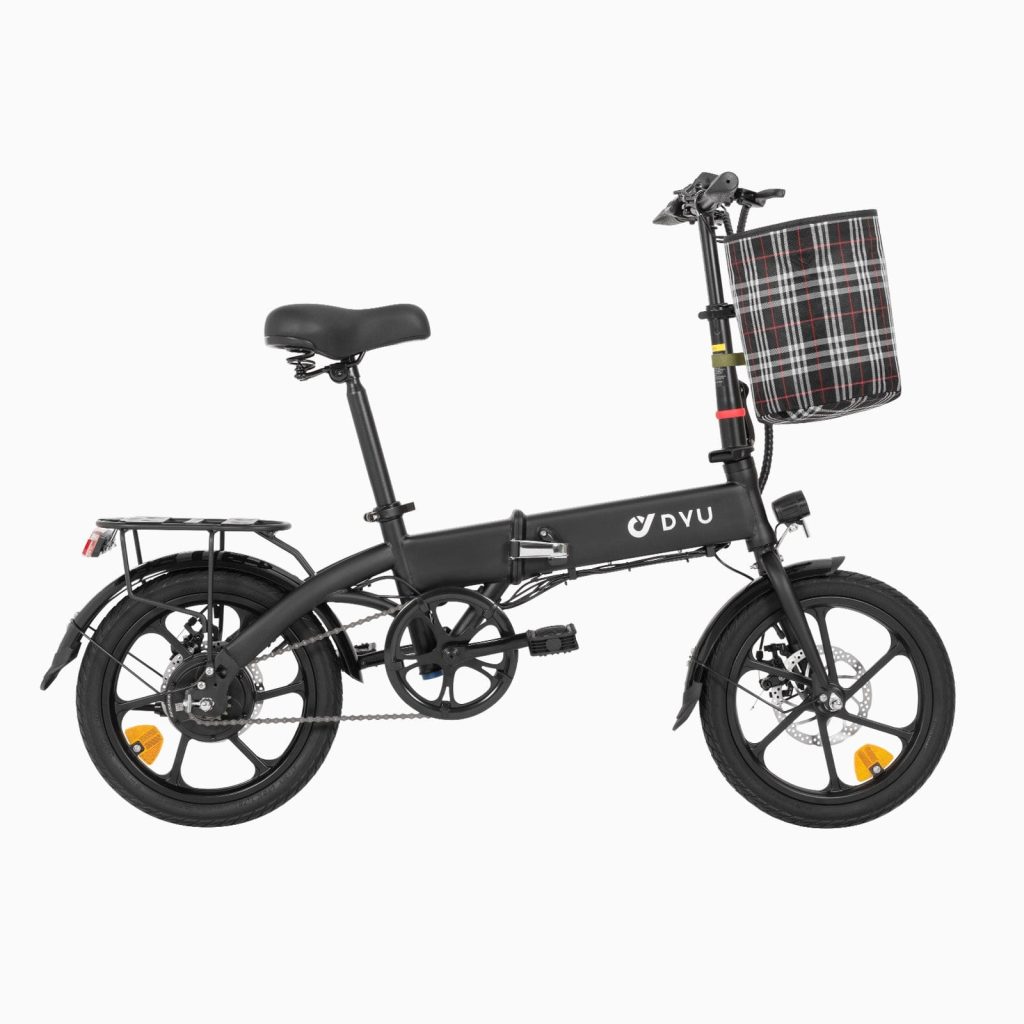

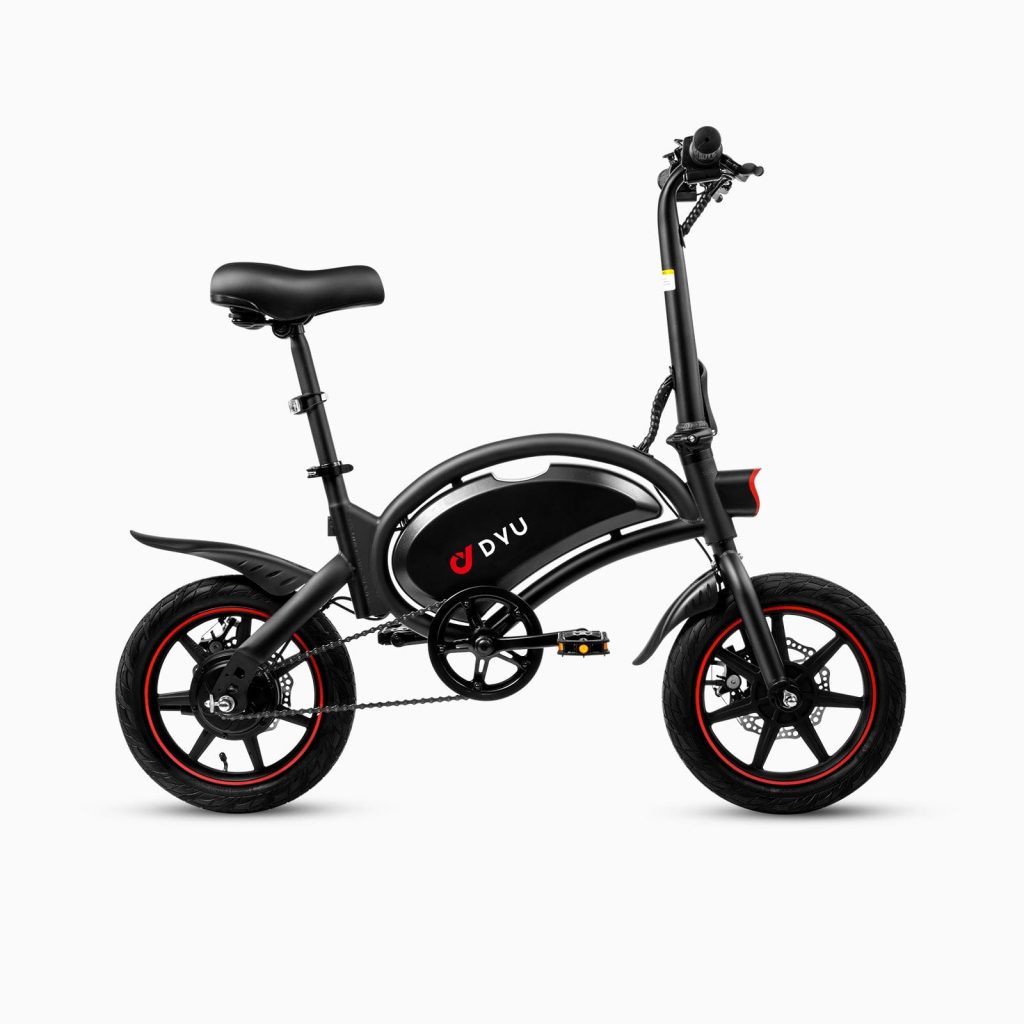
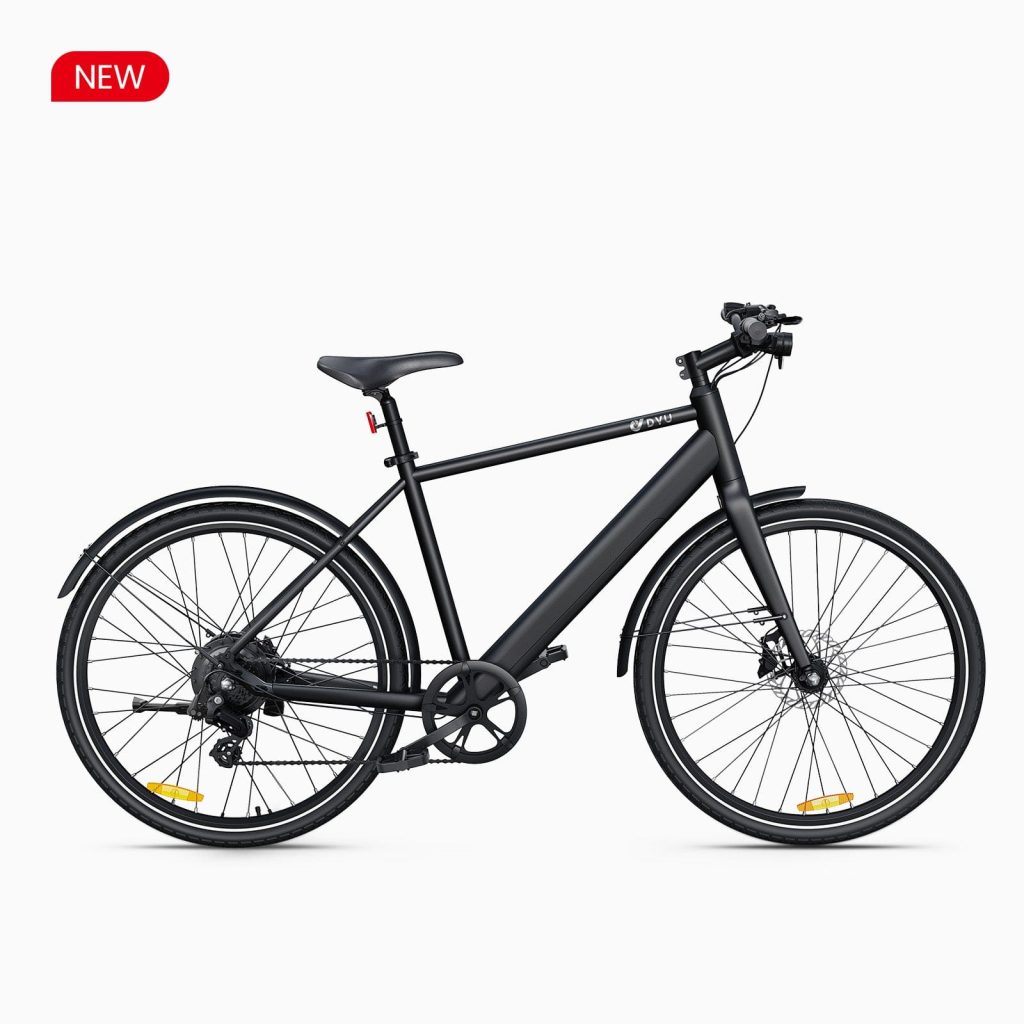
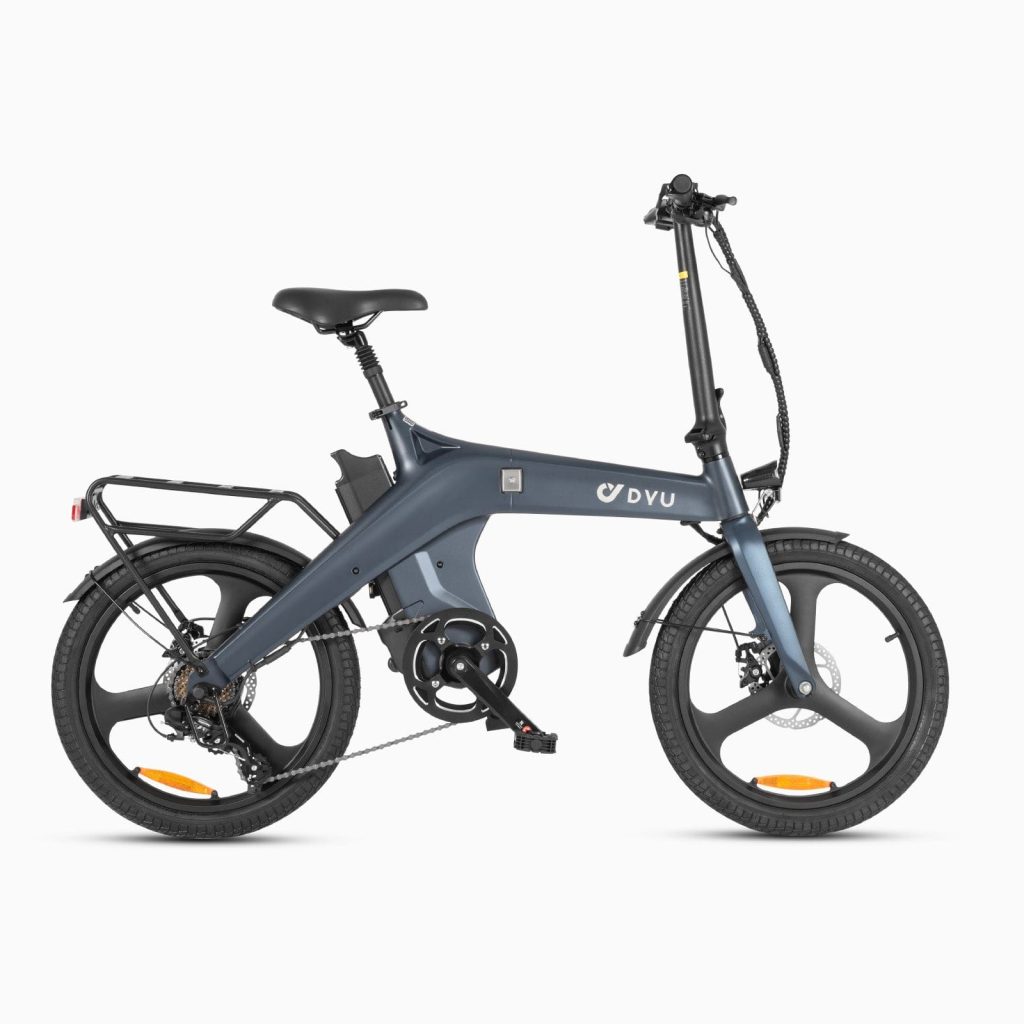


The DYU C6 vs Fiido D21 debate presents a real challenge for electric bike enthusiasts to determine the better value option. DYU has earned its reputation by consistently delivering quality electric bikes. Fiido has also established itself in the e-bike market with impressive specifications.
These e-bikes have some distinct differences in their specifications. The DYU C6 comes with impressive capabilities, and the Fiido D21 responds with an extended range of up to 100 km per charge. DYU models typically provide around 60 km of range. Both bikes use 250W-rated hub motors. The DYU C6 is listed with up to 500W peak output, while Fiido lists the D21 with a 250W brushless motor.
In this piece, we’ll get into everything from design elements to motor performance and overall value. The Fiido D21 stands out with its maximum range, but the DYU ended up being a better overall value for many riders. We’ll explore all the significant factors that will help you pick the right e-bike for your garage.
Design and Build Quality

The practical value of an e-bike depends on its physical characteristics. Let’s look at the notable differences between the DYU C6 and Fiido D21’s construction and design philosophy.
Frame Material: Steel vs Aluminum Alloy
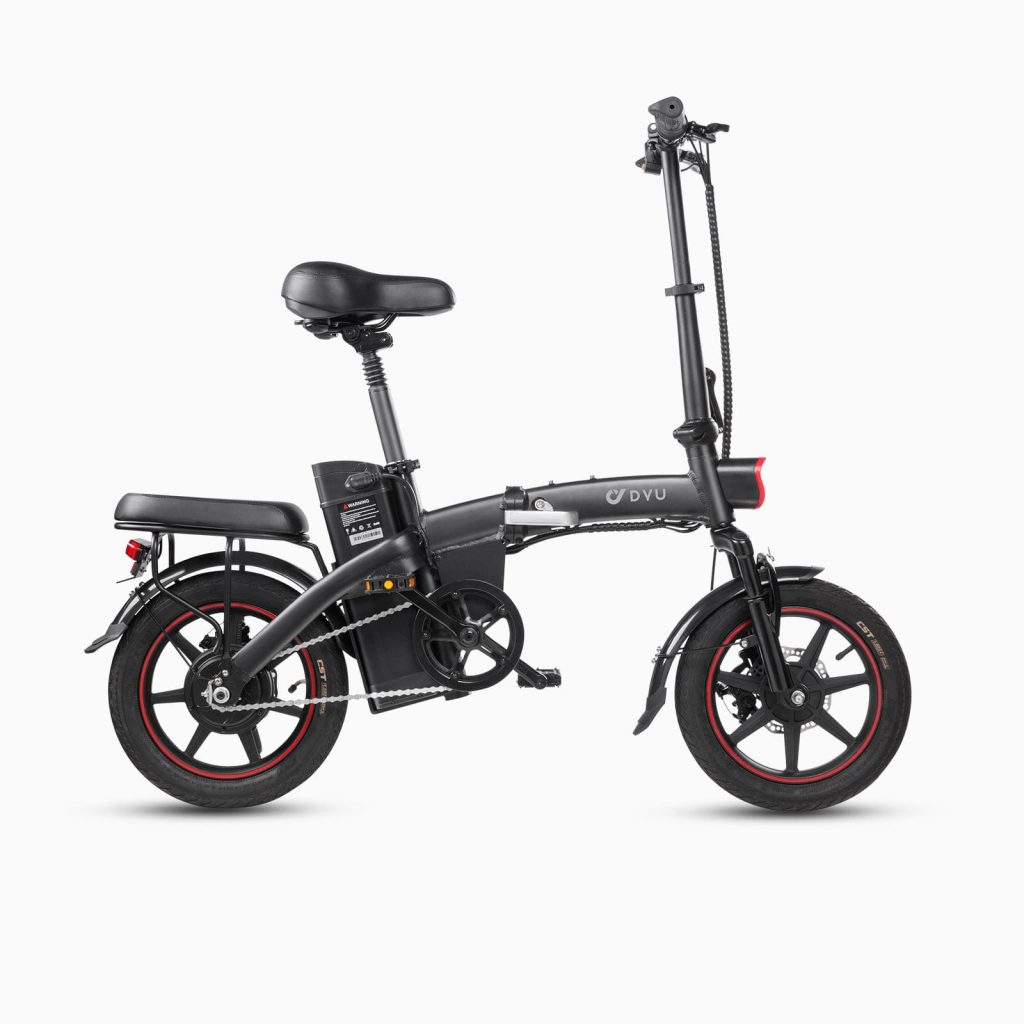
The DYU C6 uses a practical steel step-through frame, while the Fiido D21 uses an aluminium-alloy folding frame. The C6 prioritises stability and everyday cargo utility; the D21 prioritises lower weight and portability.
Weight Comparison: 27 kg vs 17.5 kg
These models differ substantially in weight. The DYU C6 weighs 27 kg, while Fiido lists the D21 at 17.5 kg with its battery. The C6 is therefore less convenient to carry, although its extra mass can feel stable during everyday city riding.
Foldability: Non-foldable vs Fully Foldable
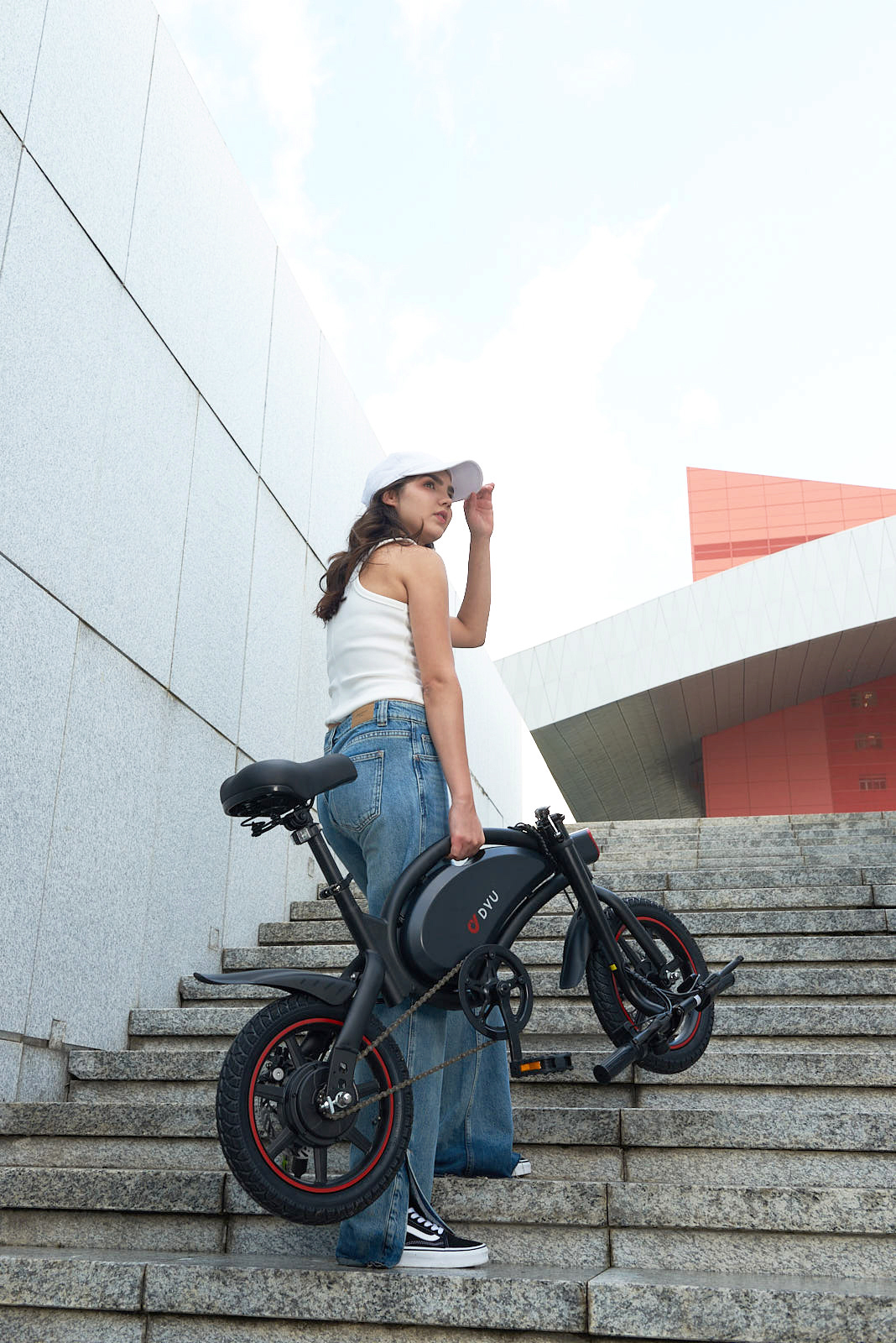
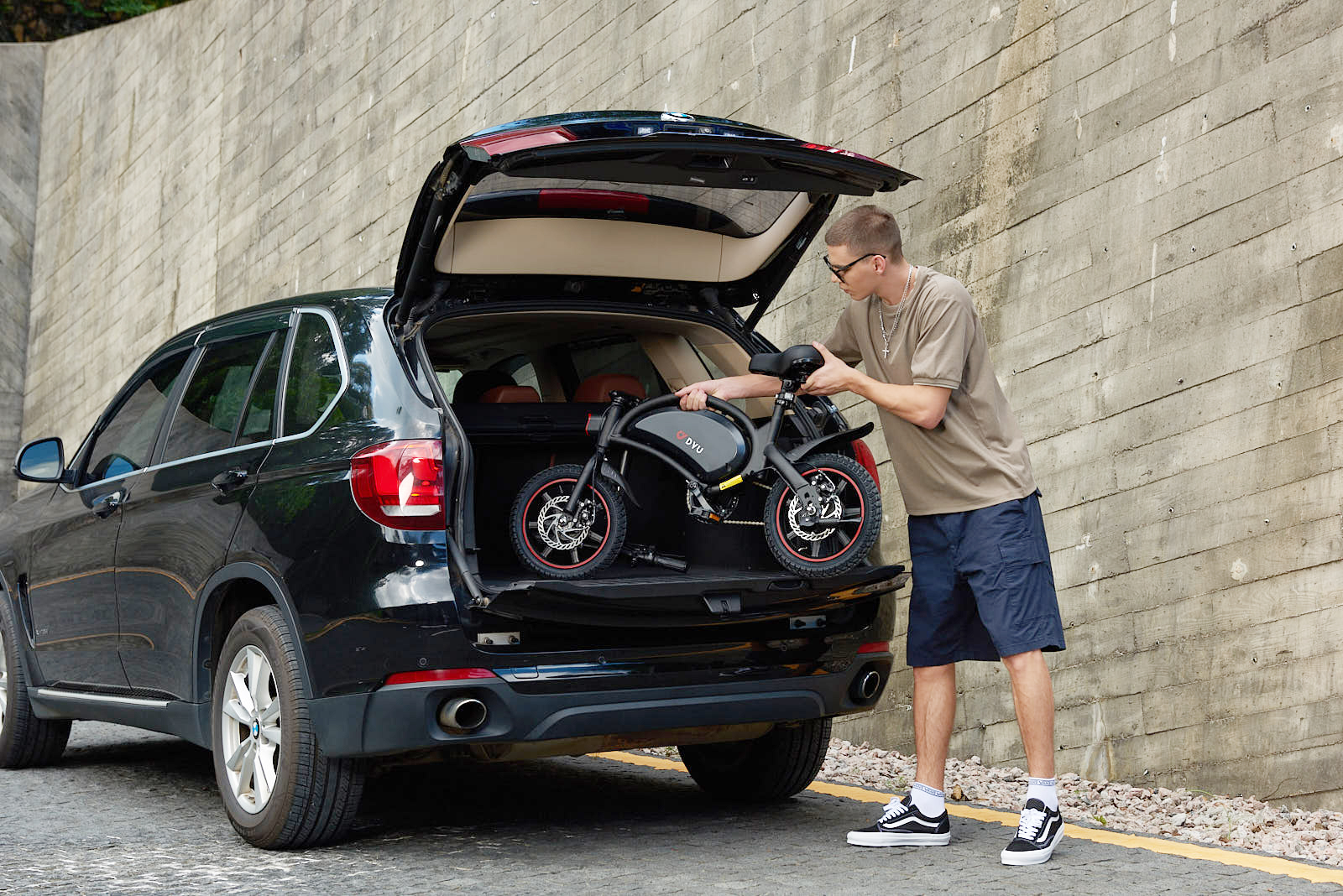
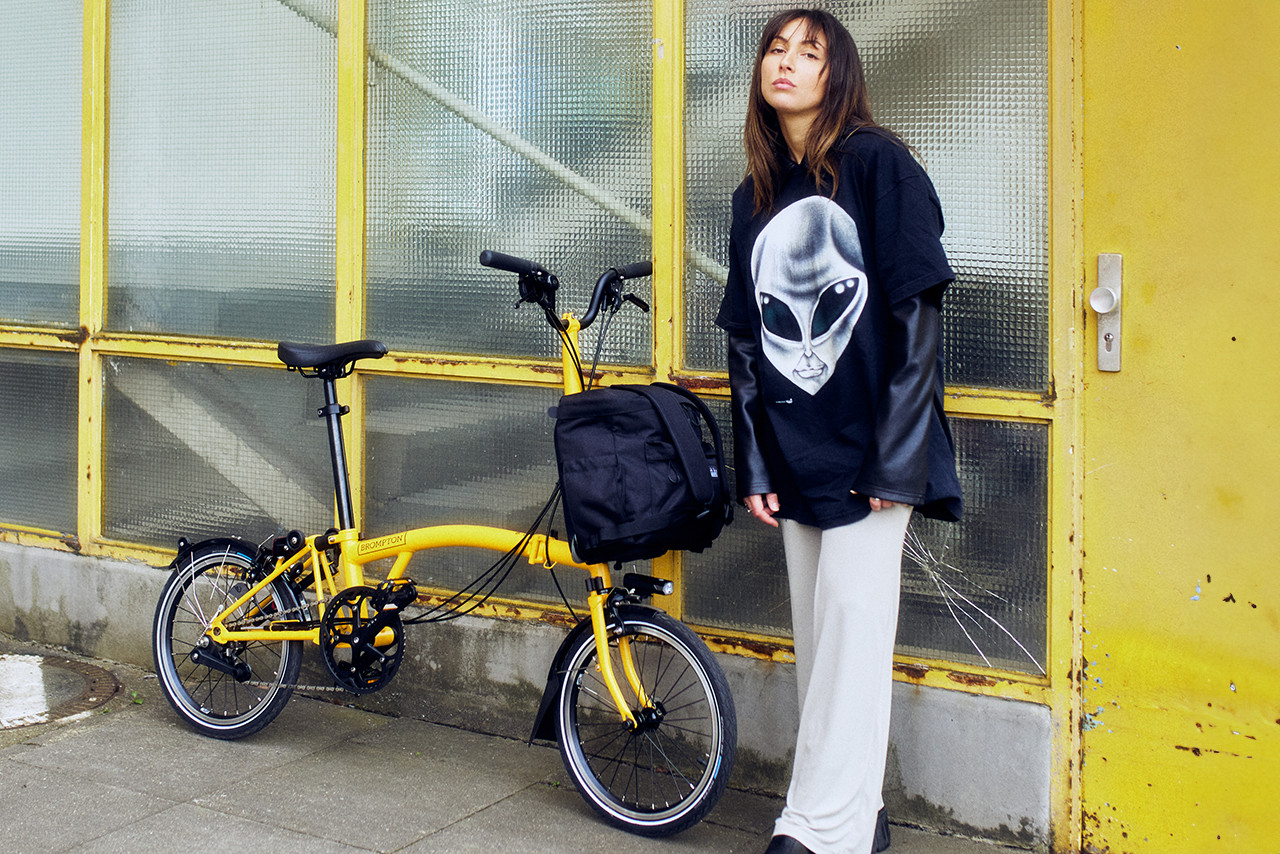
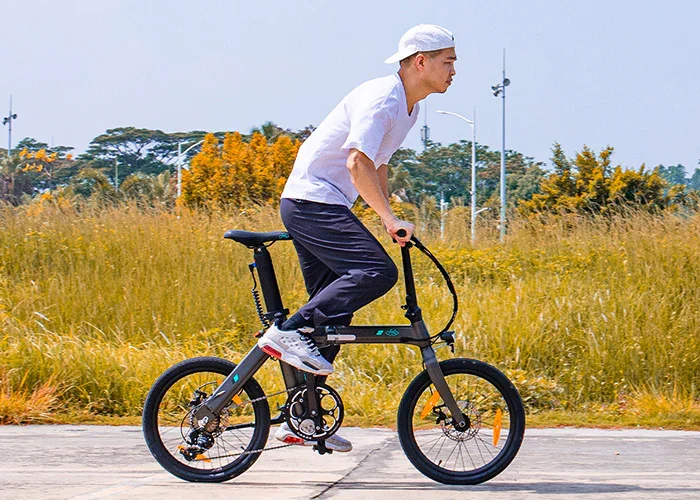
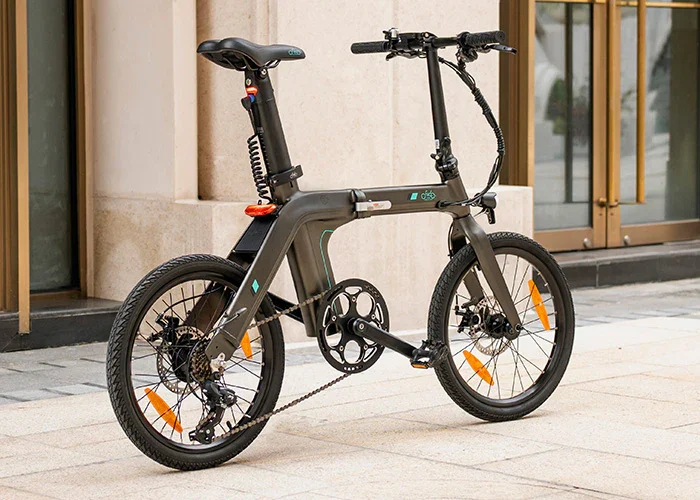
The Fiido D21 stands out with its portability. You can fold it in just two steps and fit it easily in elevators, subways, or car trunks. The DYU C6 doesn’t fold, which limits storage options but makes it more structurally sound for daily commutes.
Esthetic Features: Basket and Step-through vs Minimalist Design
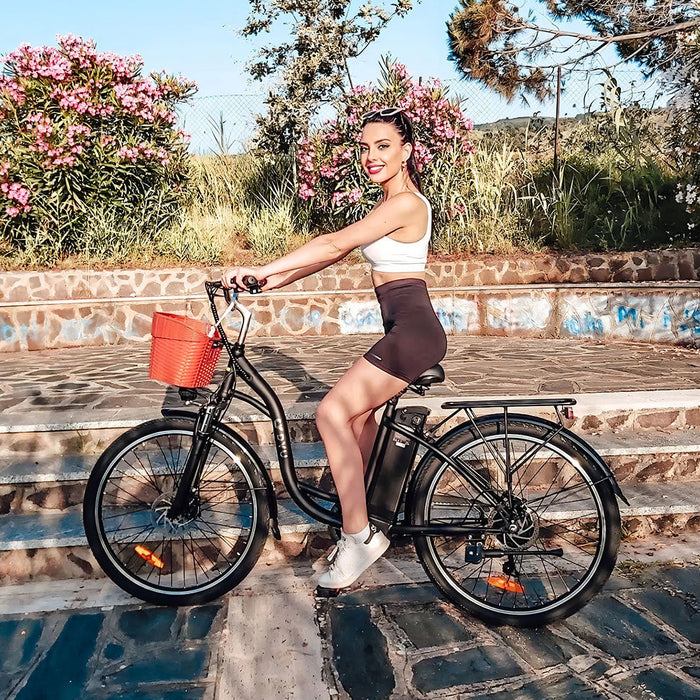
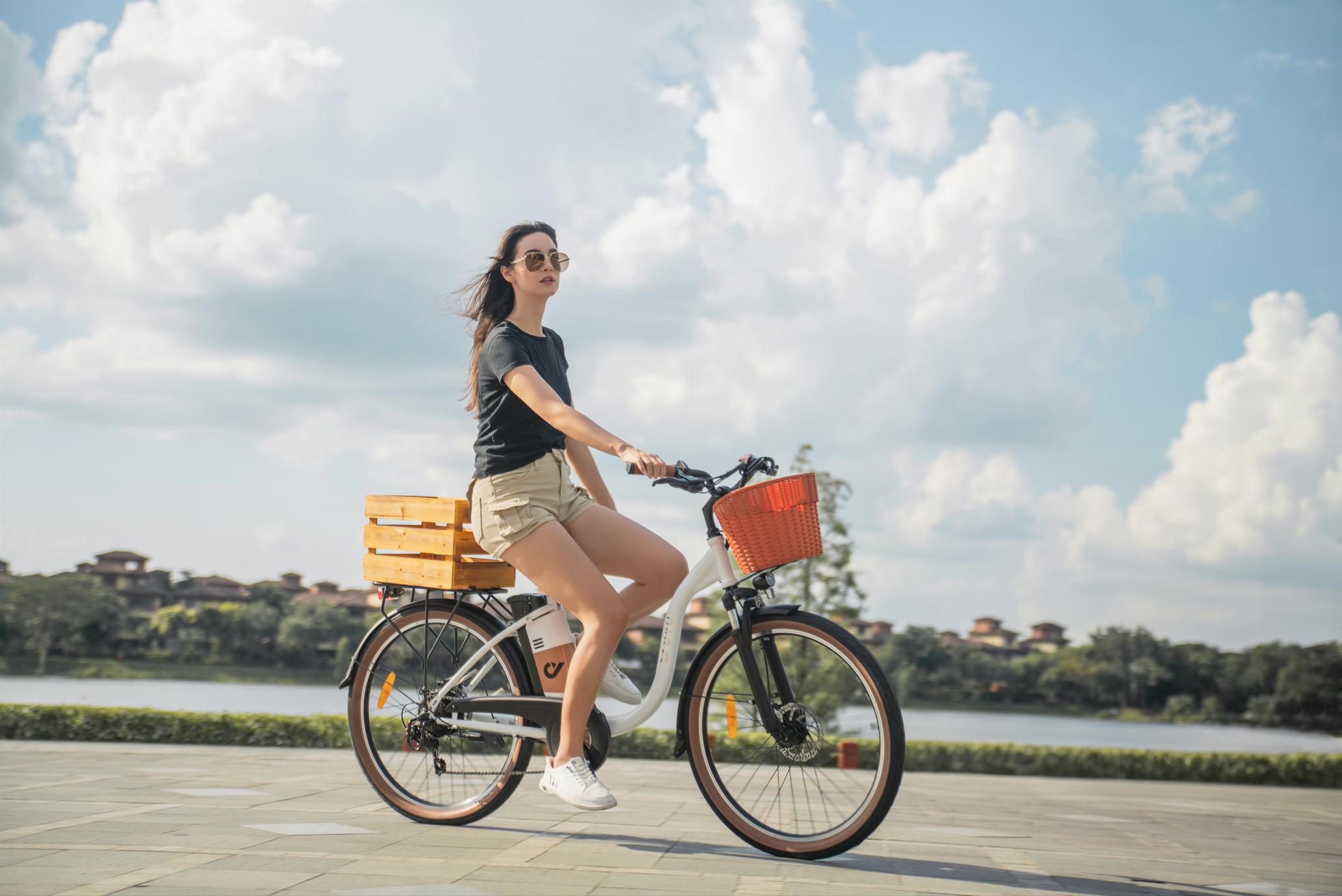
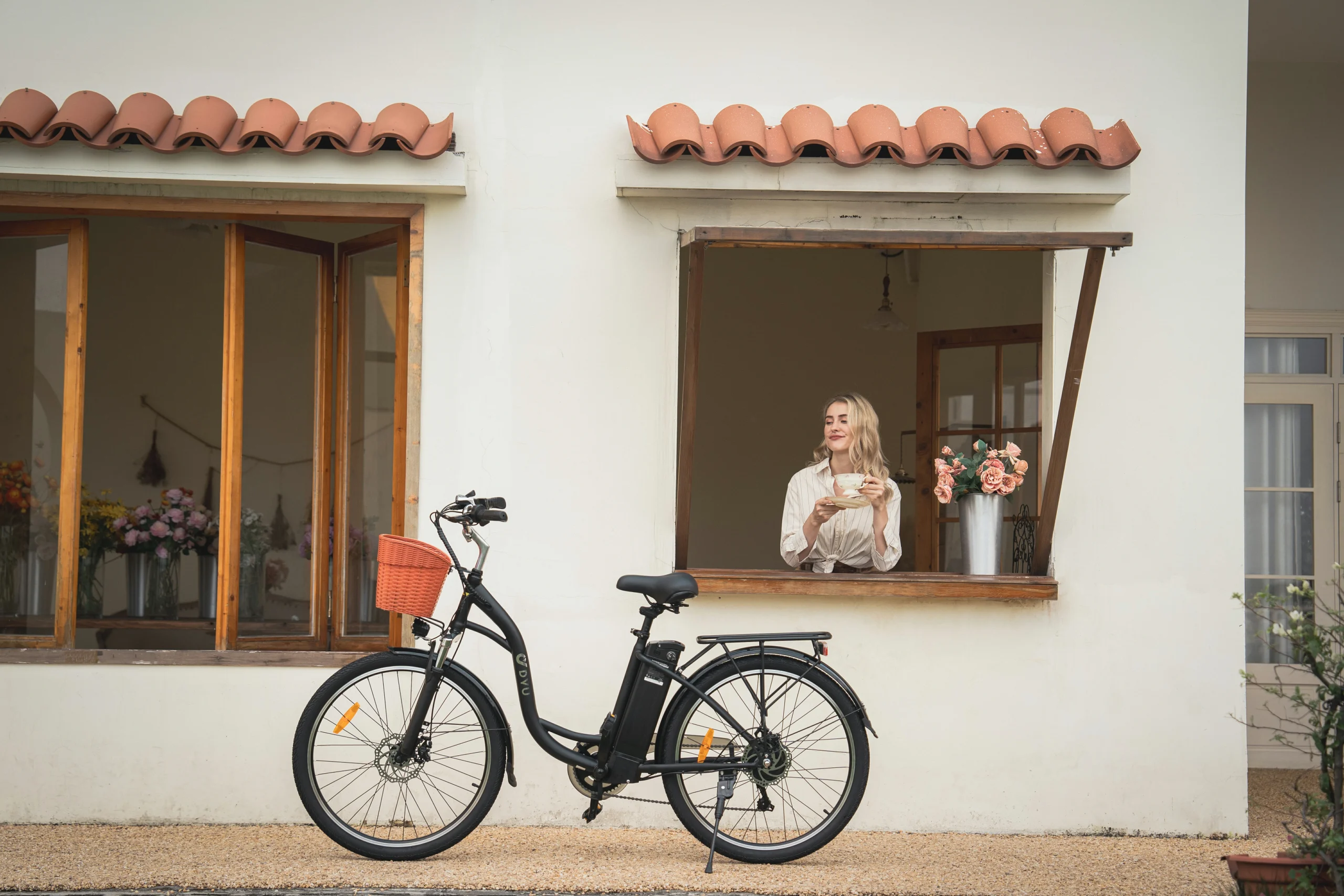
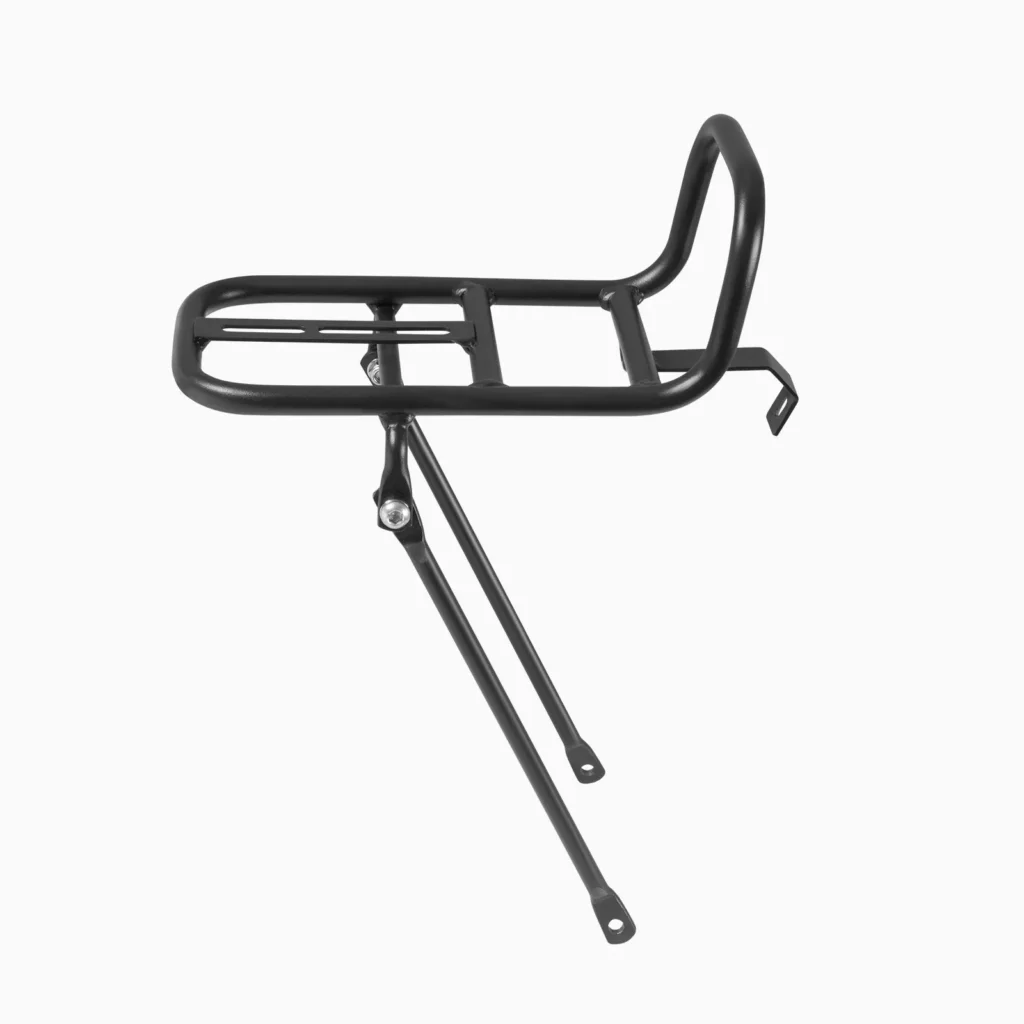
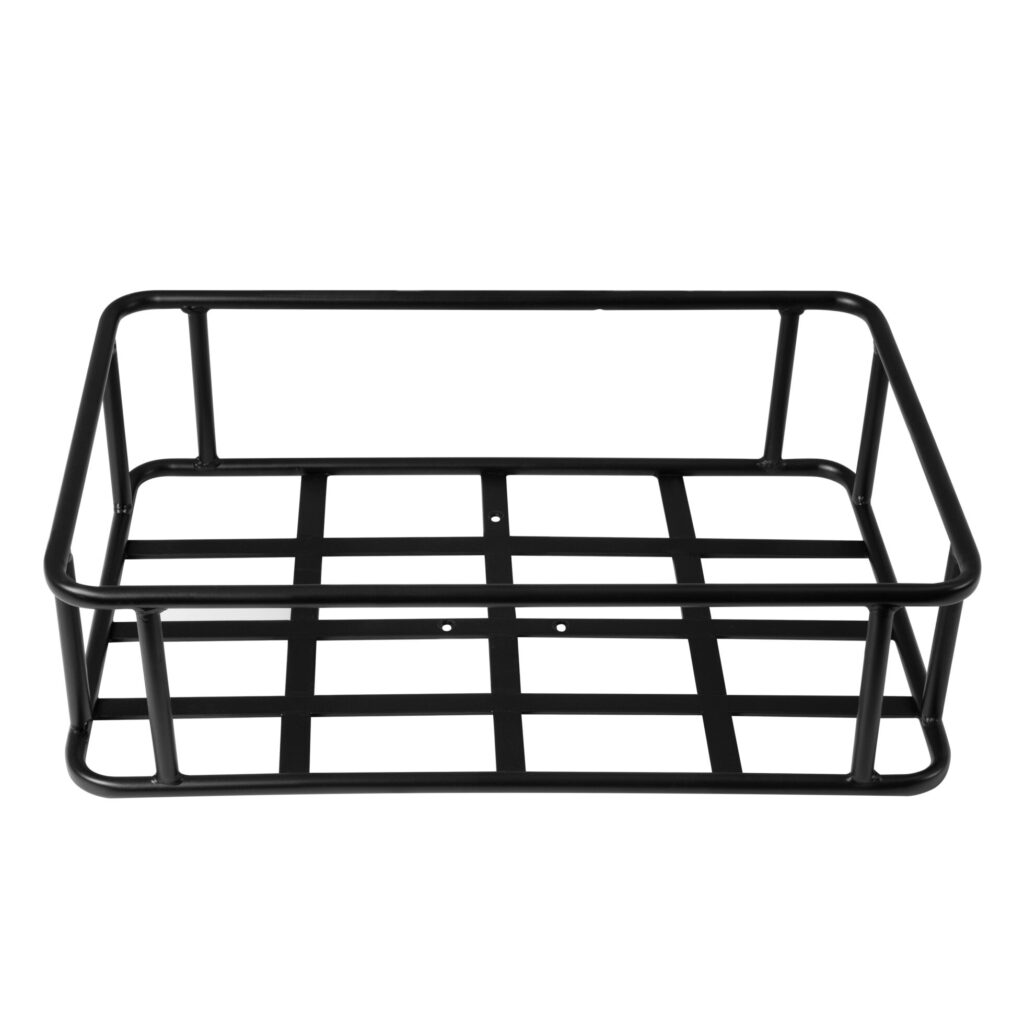
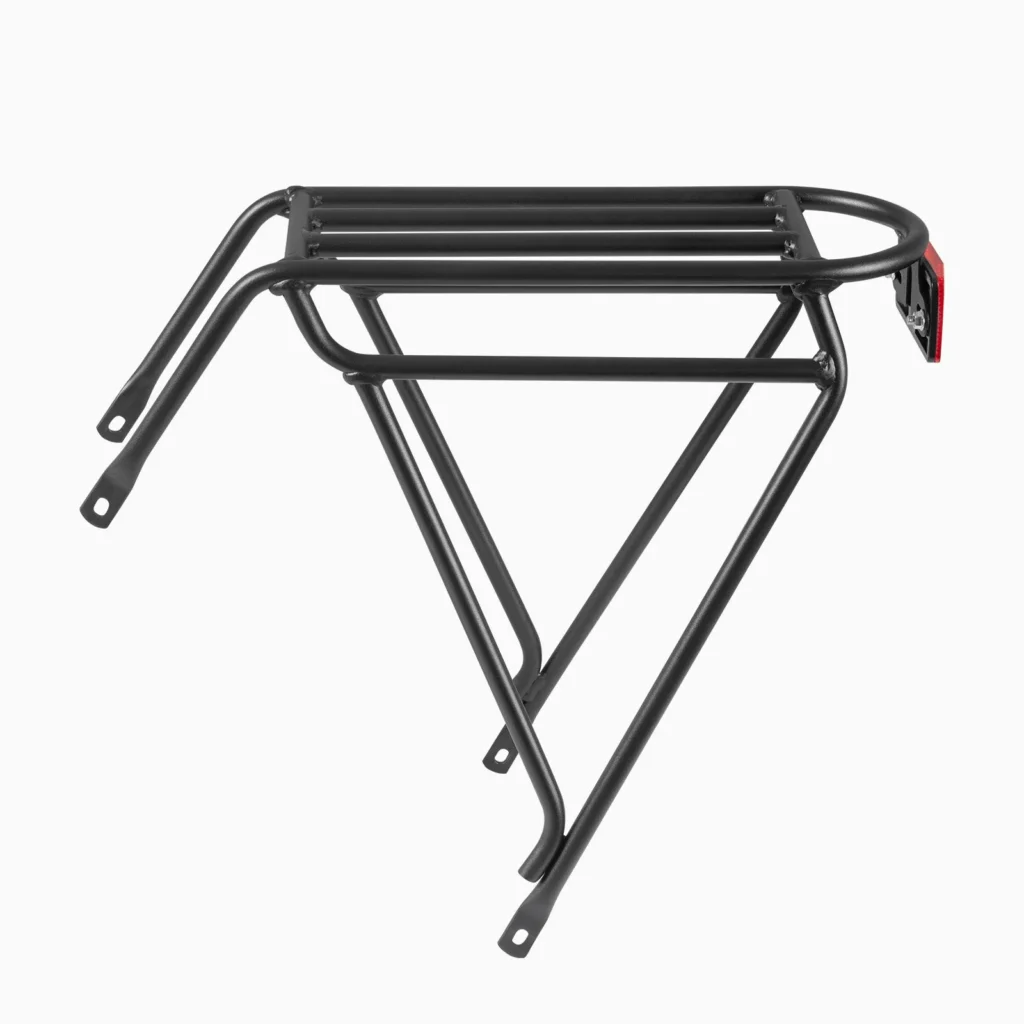
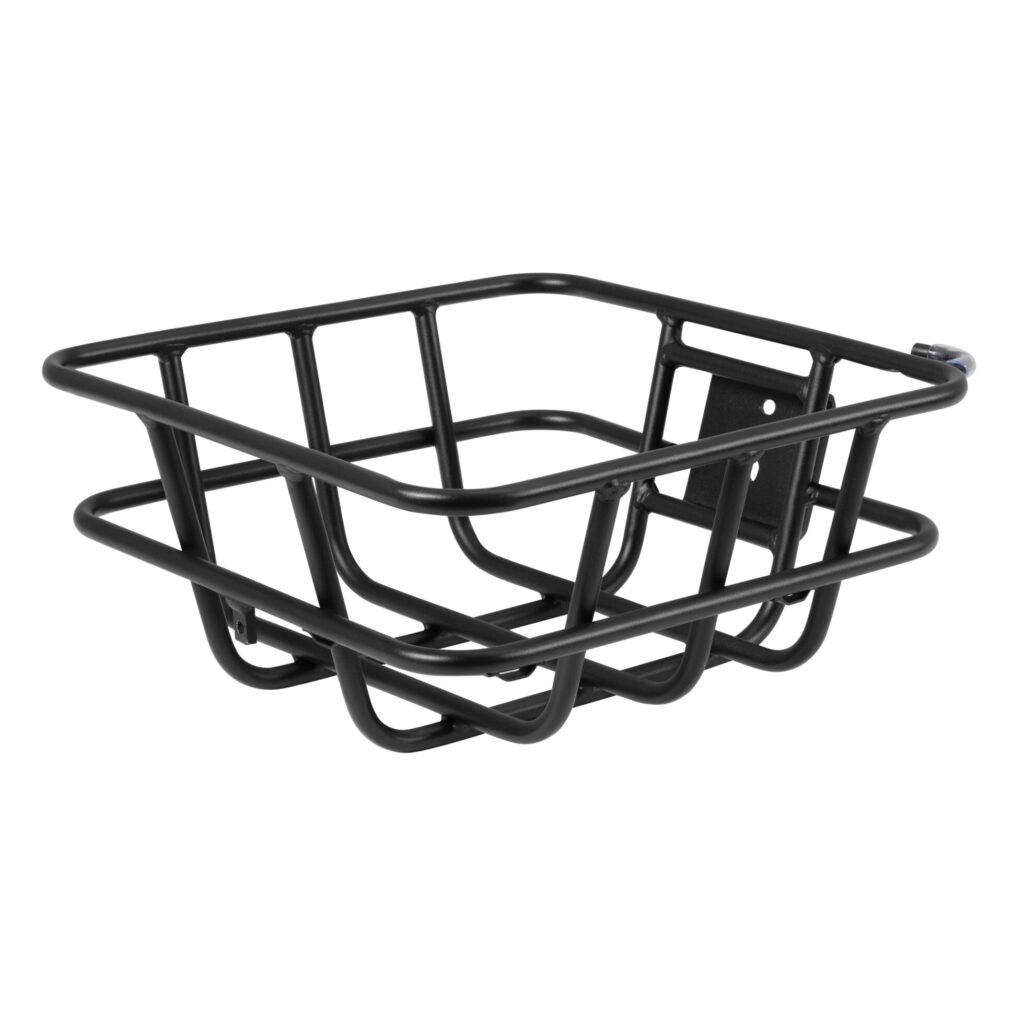
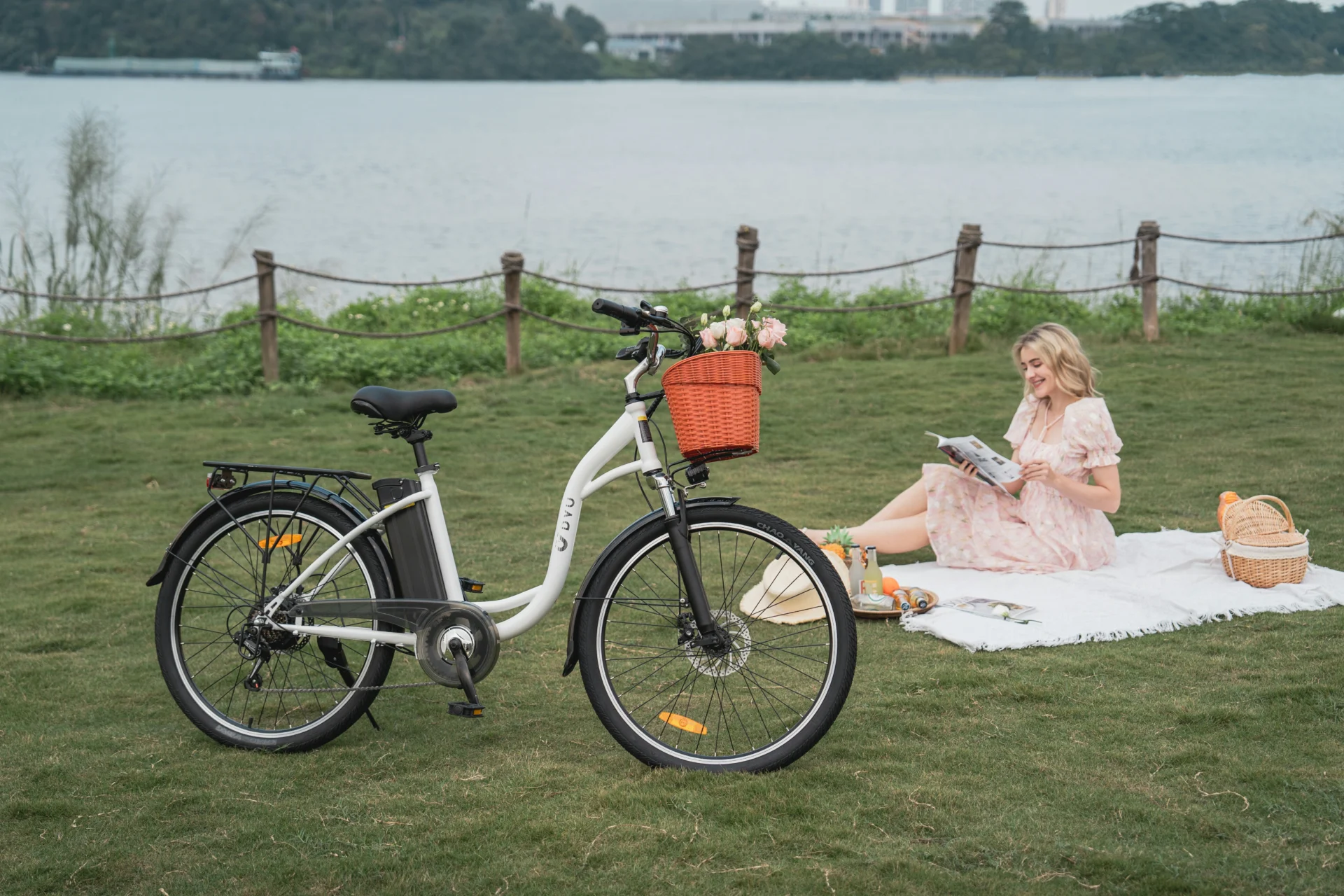
The DYU C6 shines with practical features. Its front basket and rear rack make daily errands a breeze. The step-through frame welcomes riders between 157-193cm, and you can hop on easily whatever you’re wearing or how mobile you are.
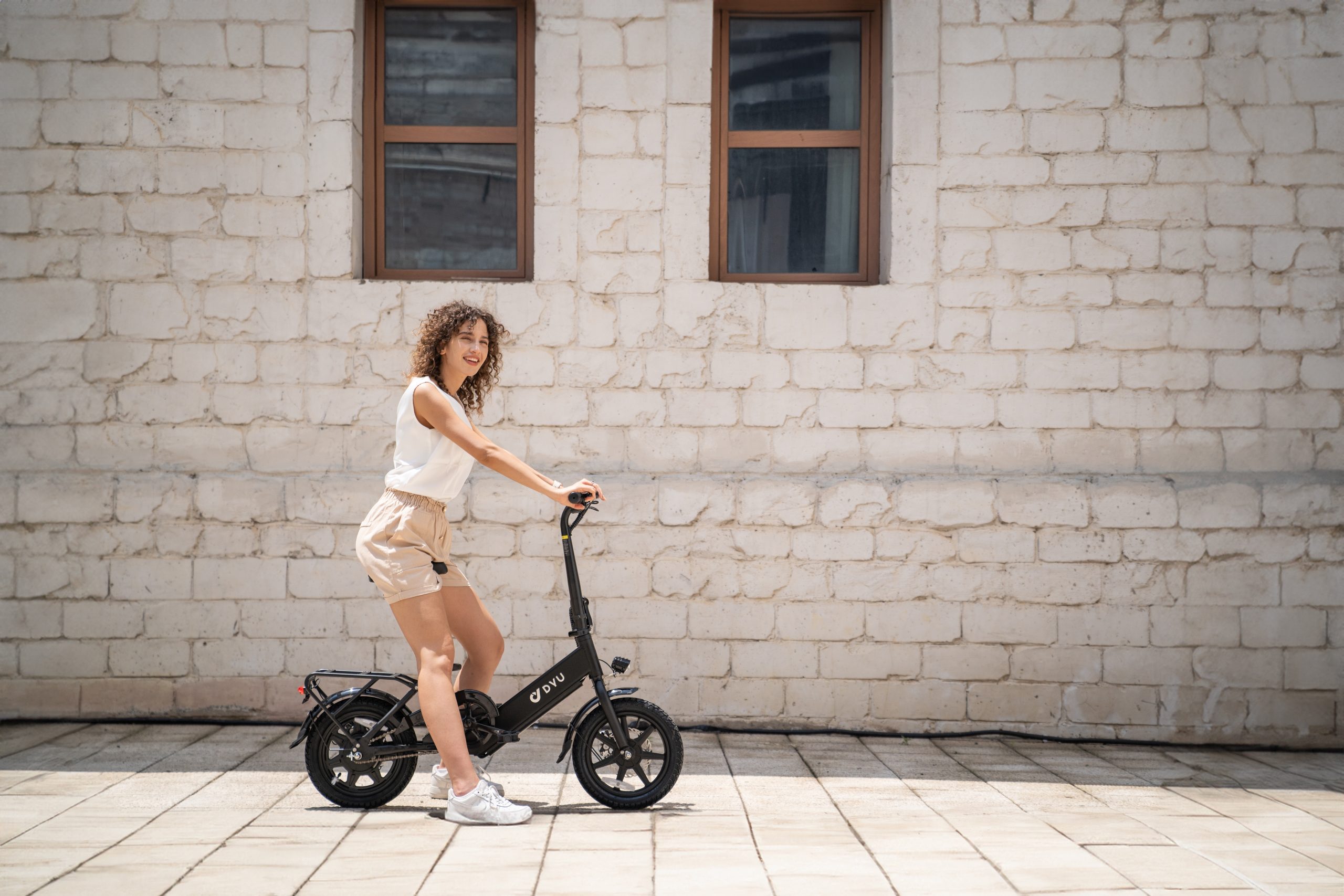
The Fiido D21 welcomes a minimalist approach with its integrated seatpost that houses both battery and taillight. This sleek design cuts down on components but gives up the practical storage options you get with the DYU.
The DYU C6 puts functionality and comfort first for urban use, while the Fiido D21 focuses on portability and esthetic minimalism. Each bike shows a unique view of urban mobility.
Motor and Battery Performance
Power systems determine how electric bikes perform in daily use. The DYU C6 vs Fiido D21 comparison shows key differences in how these models manage their energy storage and use.
Battery Capacity: 36V 12.5Ah vs 36V 11.6Ah
The DYU C6 uses a removable 36V 12.5Ah battery (about 450Wh), while the Fiido D21 uses a removable 36V 11.6Ah battery (417.6Wh). The C6 has slightly more nominal capacity; actual range still depends on assist level, terrain, temperature, rider weight and cargo.
Listed Range: 60 km vs up to 100 km
DYU lists the C6 for up to 60 km of pedal-assisted range. Fiido lists the D21 for 80-100 km in its published specifications. These are manufacturer figures rather than guaranteed real-world distances, so they should be compared under similar riding conditions.
Charging Time: 6 hours vs 7 hours
You can fully charge the DYU C6 in about 6 hours, while the Fiido D21 takes 7 hours. This hour’s difference adds up quickly if you charge your bike daily. The DYU’s faster charging and efficient power use make it more practical for everyday riding.
The Fiido D21 may claim a longer range on paper, but the DYU C6 performs better in practice. Its faster charging time, bigger battery, and great value make it stand out. Riders who need reliable daily transport will find the DYU C6 a better fit than the Fiido D21.
Ride Comfort and Features
The riding experience substantially influences how satisfied you’ll be with an e-bike, beyond just looking at specifications. Let’s examine the comfort differences between the DYU C6 vs Fiido D21.
Suspension System: Front Suspension vs None
The DYU C6’s front suspension fork absorbs road vibration and can reduce wrist and arm fatigue on rough city streets. Fiido does not list a suspension system for the D21, so its lighter folding design is better suited to smoother surfaces.
Cadence-Based Assistance vs Torque Sensor
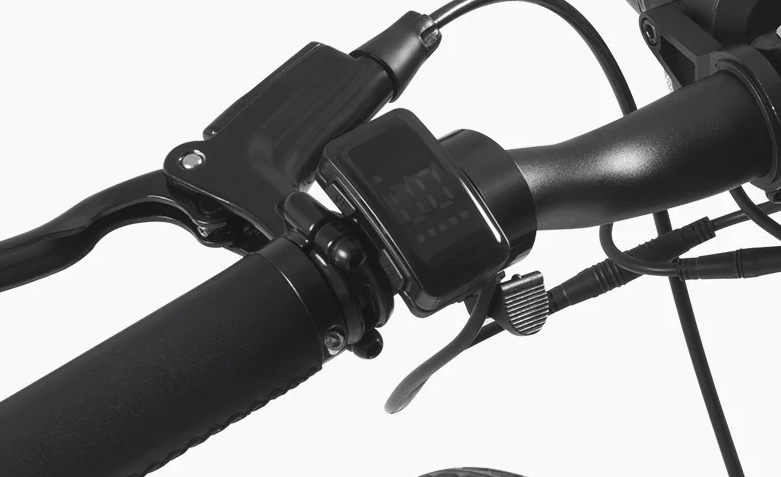
The DYU C6 uses conventional cadence-based hub-motor assistance, while the Fiido D21 is marketed with a torque sensor that adjusts assistance in response to pedal force. The D21 can therefore feel more proportional under changing effort, while the C6 keeps a simpler commuter-oriented assistance system.
Gear System: Shimano 6-Speed vs Shimano 7-Speed
The DYU C6 uses a Shimano 6-speed drivetrain, while Fiido lists the D21 with a Shimano 7-speed drivetrain and three pedal-assist modes. Both provide mechanical gearing for changing terrain; the D21 is not a single-speed bike.
Pricing and Overall Value
The practical value of an e-bike depends on its cost more than its performance specs.
Listed Price and Availability
At the time of this update, the DYU C6 is listed at €819 on DYU’s European pricing. Fiido’s D21 page shows €1,299 but also states that the model is discontinued and sold out. Prices and availability can change, so check both product pages before making a purchase decision.
Included Accessories: Basket, Rear Rack vs None
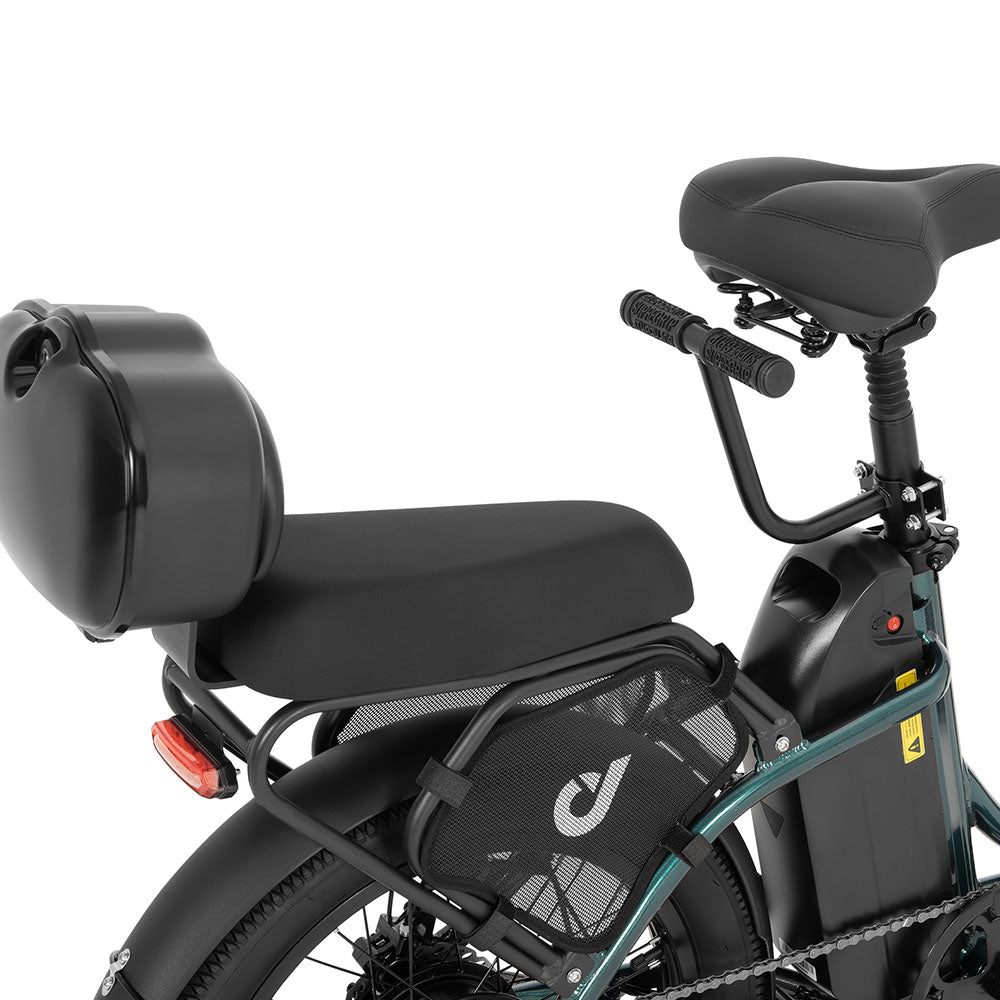
The DYU C6 stands out here with its standard front basket and rear rack that can hold 25 kg (55 lbs). These built-in features save you money on extra purchases. The Fiido D21’s lack of accessories means you’ll need to spend more for storage options.
Maintenance and Durability Considerations
Both bikes need routine checks for brakes, tyres, drivetrain and battery condition. Battery replacement is a separate longer-term expense and can be substantial; the linked maintenance overview gives general context. The C6’s roughly 5-6 hour charge time is slightly shorter than Fiido’s listed 7 hours, but charging time alone does not determine electricity cost.
The C6’s included basket, rack, suspension and lower listed price make it the more utility-focused option. The D21’s lower weight, folding frame and torque sensor are the stronger portability and pedal-feel arguments.
Comparison Table
| Feature Category | DYU C6 | Fiido D21 |
| Design & Build | ||
| Frame Material | Steel | Aluminum alloy |
| Weight | 27 kg | 17.5 kg |
| Foldability | Non-foldable | Fully foldable |
| Height Range | 157-193 cm | Not mentioned |
| Performance | ||
| Battery Capacity | 36V 12.5Ah (450Wh) | 36V 11.6Ah (417.6Wh) |
| Range | 60 km | 100 km |
| Motor Power | 250W | 250W |
| Charging Time | 6 hours | 7 hours |
| Features | ||
| Suspension | Front suspension fork | None |
| Gear System | Shimano 6-speed | Shimano 7-speed |
| Sensor Type | Cadence-based assistance | Torque sensor |
| Storage Options | Front basket and rear rack included | None included |
| Value | ||
| Price | €819 (listed at update) | €1,299 (listed; discontinued) |
| Included Accessories | Front basket, rear rack (25 kg capacity) | None |
| Annual Maintenance Cost | €200-300 | €200-300 |
Conclusion

The DYU C6 and Fiido D21 serve different priorities. DYU lists the C6 at €819 in its European pricing, while Fiido’s D21 page lists €1,299 and says the model is discontinued. The live product pages should always be checked because prices and availability can change.
The C6 is the heavier bike at 27 kg and does not fold, but it includes a front basket, rear rack and front suspension for everyday city use. The D21 is much lighter at 17.5 kg and folds for storage and transport.
Their electrical specifications are close in capacity: 36V 12.5Ah for the C6 and 36V 11.6Ah for the D21. DYU lists up to 60 km for the C6, while Fiido lists 80-100 km for the D21; both are manufacturer figures that vary in real riding.
The drivetrains also differ from the earlier version of this comparison: the C6 uses Shimano 6-speed gearing and cadence-based assistance, while the D21 uses Shimano 7-speed gearing and a torque sensor. Choose the C6 for cargo-ready utility and current availability; choose a folding, torque-sensor alternative if portability and pedal feel matter more, noting that the D21 itself is discontinued.
FAQs
Q1. How do the DYU C6 and Fiido D21 compare in listed range?
DYU lists the C6 for up to 60 km of pedal-assisted range. Fiido lists the D21 for 80-100 km. Both are manufacturer figures, and real range varies with terrain, temperature, rider weight, cargo and assist level.
Q2. Which bike is more suitable for urban commuting?
The C6 is practical for everyday errands because it includes front suspension, a basket, a rear rack and Shimano 6-speed gearing. The D21 is easier to carry and store because it is lighter and foldable, and its torque sensor can provide a more proportional assistance feel.
Q3. How do their prices and availability compare?
At this update, DYU lists the C6 at €819 in European pricing. Fiido’s page lists the D21 at €1,299 but marks it discontinued and sold out. Confirm the live pages before buying.
Q4. What are the main design differences?
The C6 is a 27 kg non-folding steel step-through city bike with built-in cargo hardware. The D21 is a 17.5 kg folding aluminium-alloy bike designed around portability.
Q5. How do the batteries and charging times compare?
The C6 uses a 36V 12.5Ah battery and takes roughly 5-6 hours to charge. The D21 uses a 36V 11.6Ah battery and Fiido lists a 7-hour charge time.





3 comments
Quentin
With the Fiido D21’s price being nearly double the C6’s in some cases, you’re really paying a premium — so you want to be sure the extra features matter to you.
Oscar
The weight difference is significant though: for later rides or hills, 27 kg on the C6 might feel heavy.
Nancy
The inclusion of practical features like the front basket and rear rack on the C6 is a strong plus for city commuting.