

E-bike theft prevention is not the fun part of city riding, but it decides whether the fun lasts. I learned that the boring way: a five-minute coffee stop in a busy square made me think more about locks than range, motor power, or display brightness.
Most city riders do not need a paranoid routine. They need a repeatable one. The bike should be easy enough to park every day, secure enough for normal errands, and light enough that bringing it indoors still feels realistic.
E-Bike Theft Prevention Starts Before You Park
Cycling UK’s guide to locking a bike makes the same point I keep coming back to: lock the valuable parts first, and do not rely on a casual cable for serious stops. With an e-bike, the cost of a lazy lock choice is higher because the battery, frame, wheels, and display all matter.
| Parking situation | Better habit | Why it helps |
|---|---|---|
| Quick shop stop | Frame locked to a fixed stand | Prevents the easiest ride-away theft |
| Busy station area | Two locks in different styles | Forces a thief to bring more tools |
| All-day office parking | Visible rack, frame lock, wheel lock, battery removed if practical | Reduces both theft and accessory loss |
| Rainy evening stop | Choose lighting, foot traffic, and a rack that drains well | Security and weather protection overlap |
| Apartment storage | Bring the bike or battery indoors when possible | Home storage is often the strongest lock |
Why the DYU Stroll 1 Fits a Security-First City Routine
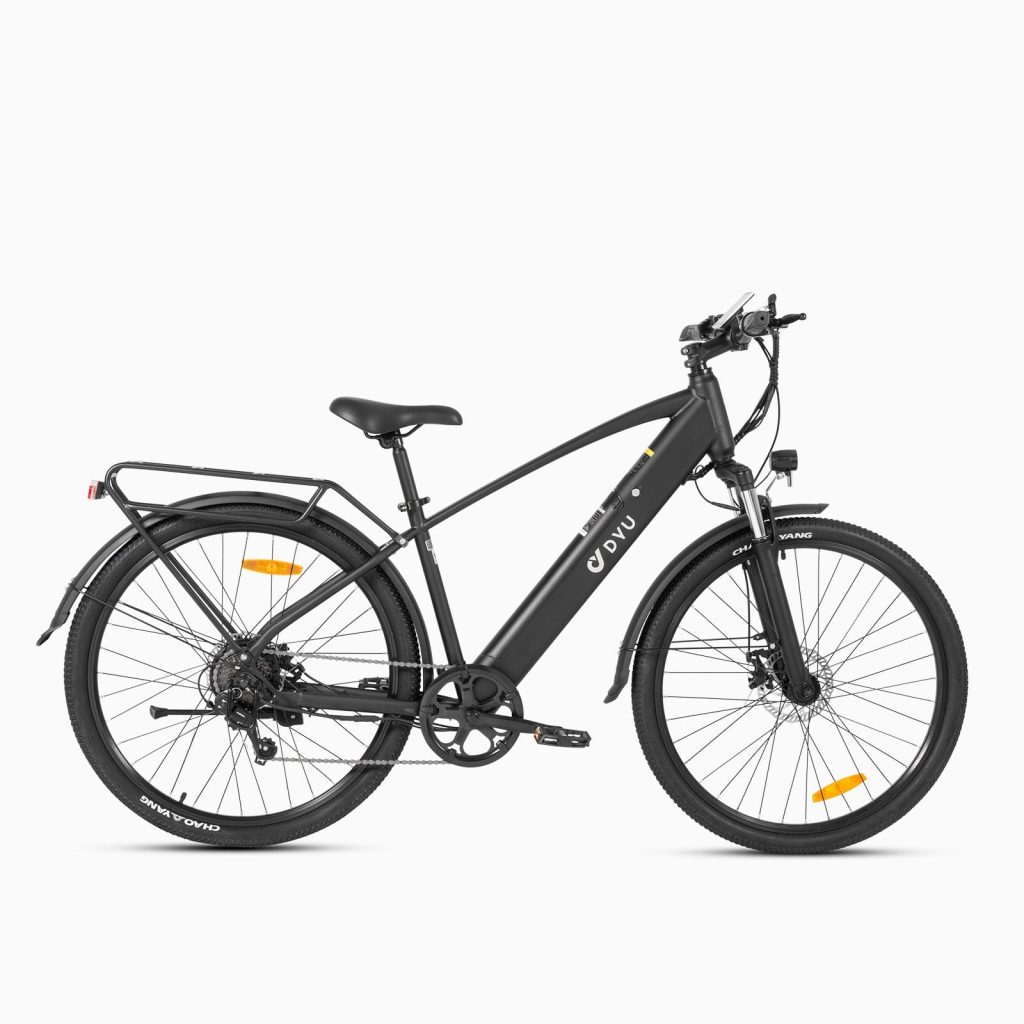
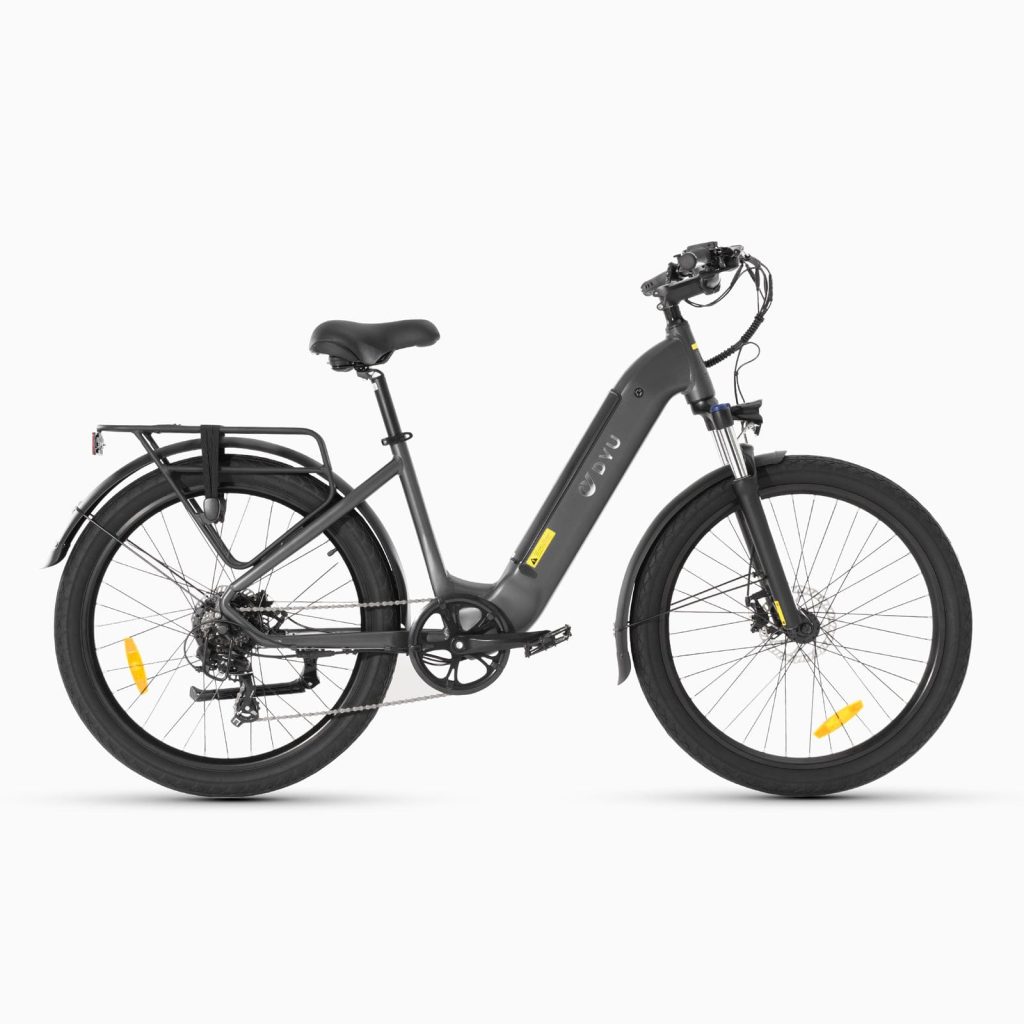
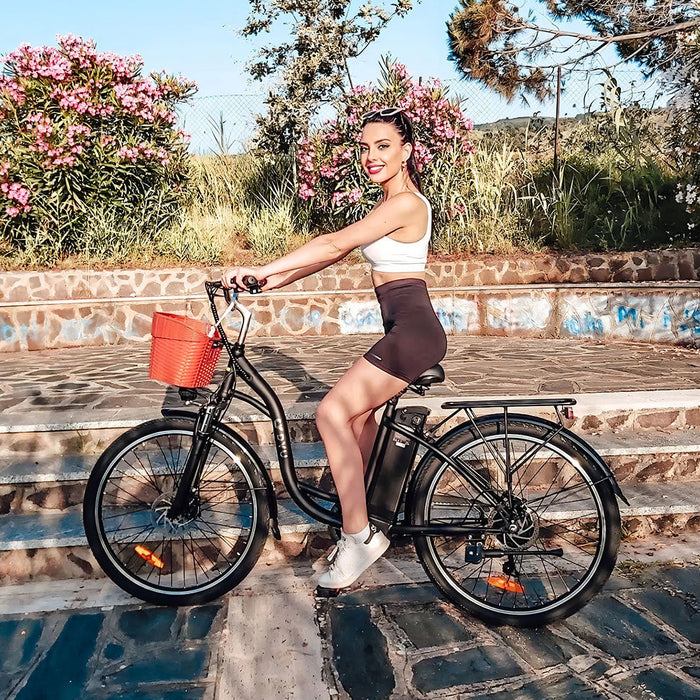
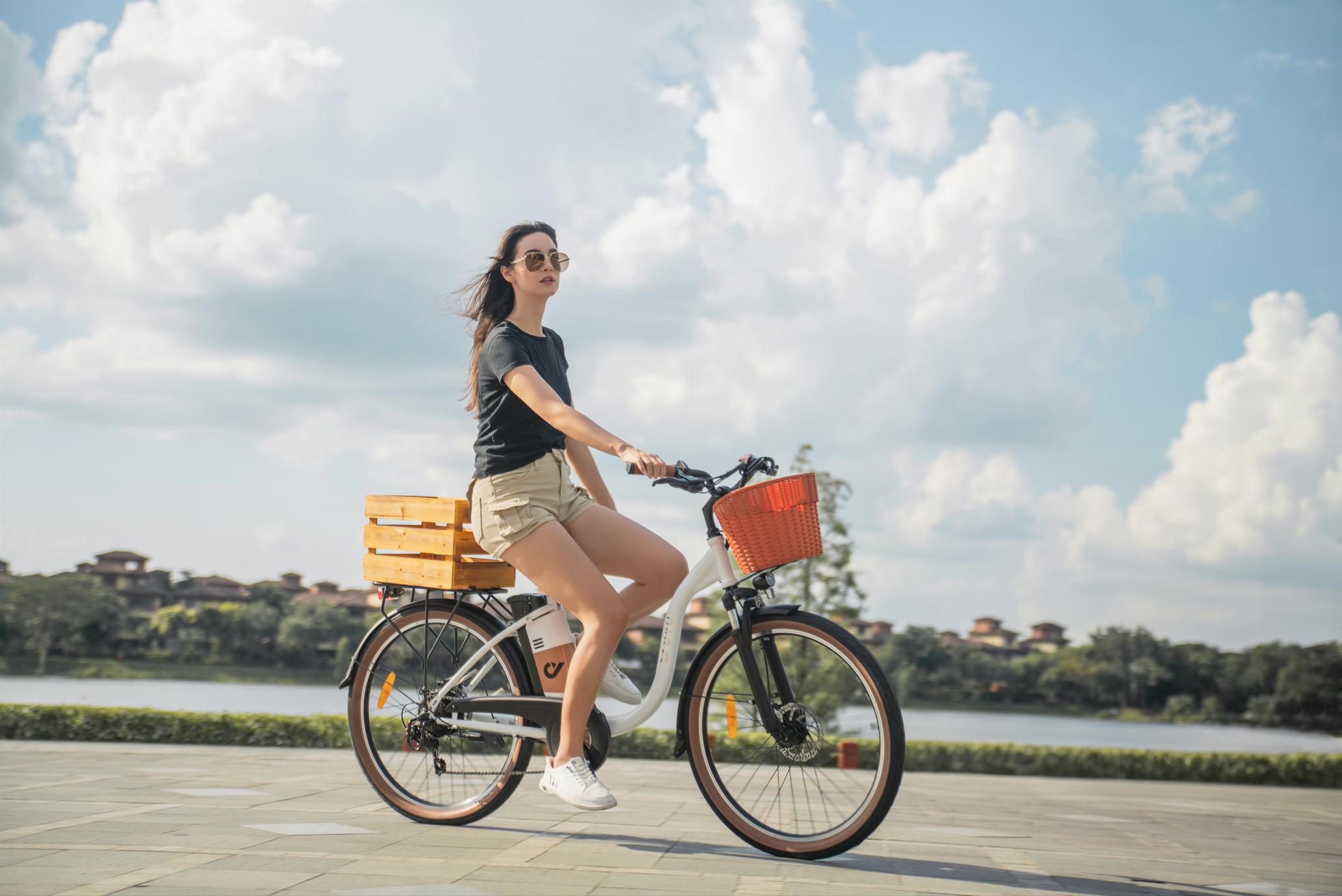
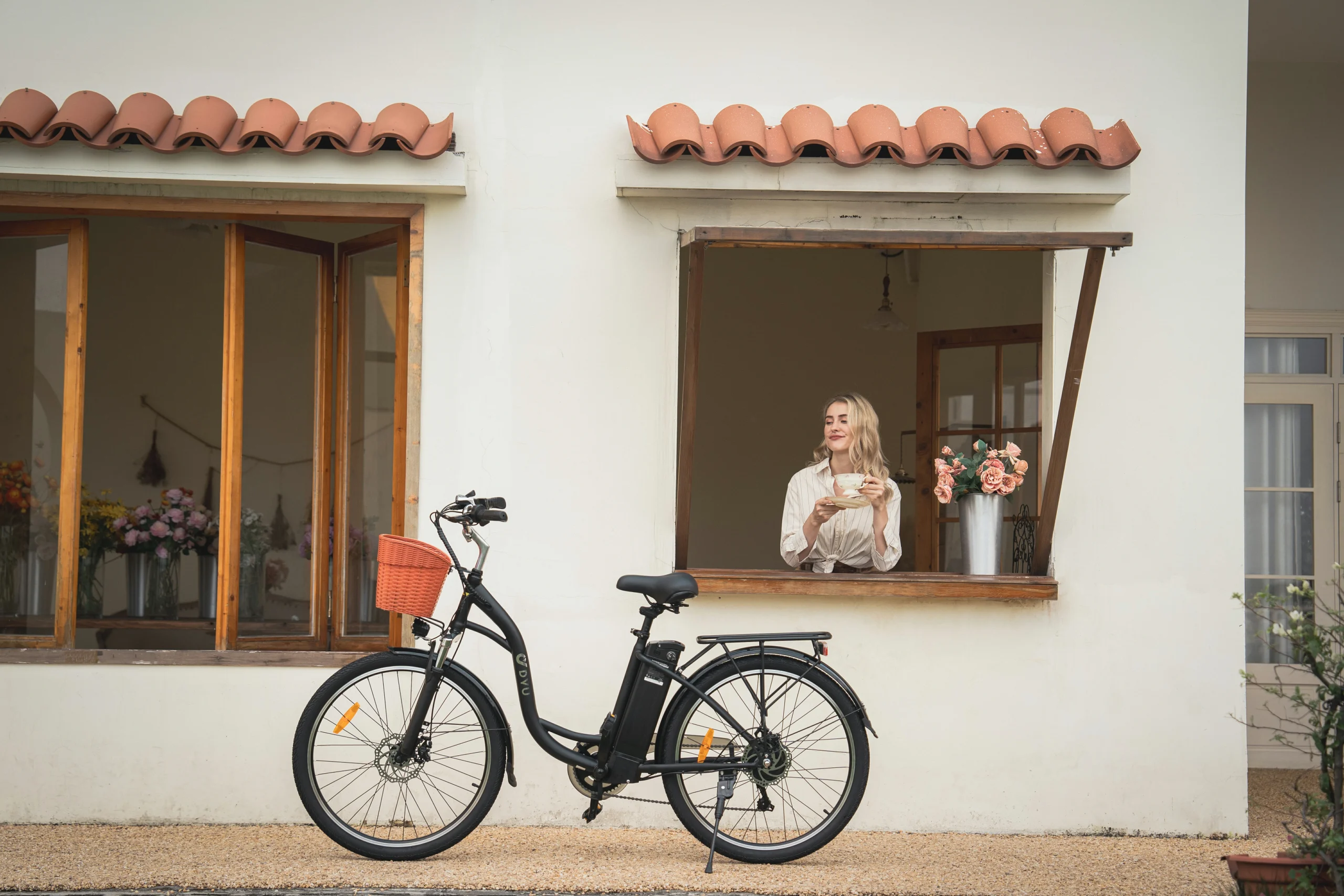
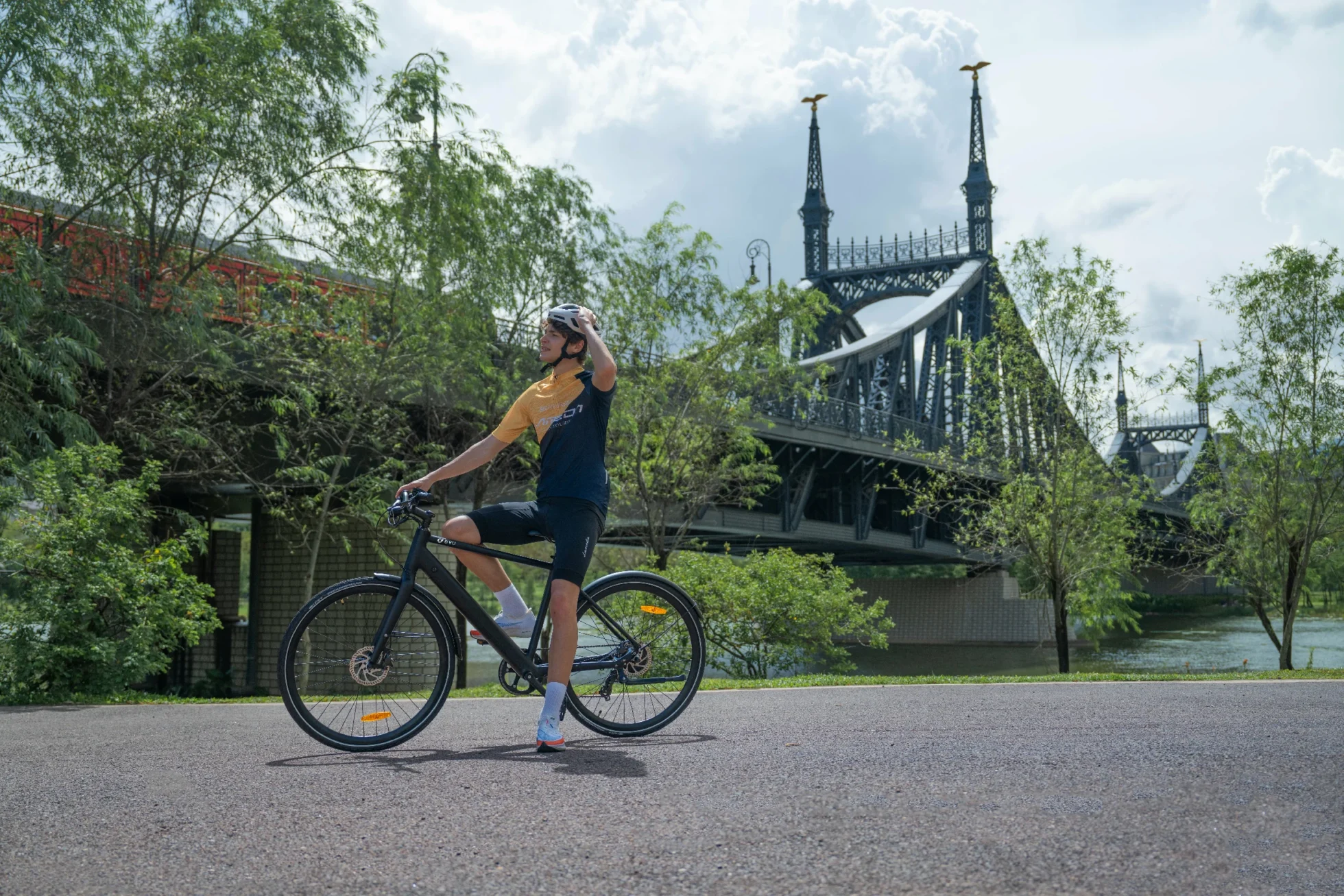
The DYU Stroll 1 700C city e-bike is the example I would use for this guide because it is a light full-size commuter, not a heavy cargo machine. It has a 250W motor, 36V 9Ah battery, listed 100 km pedal-assist range, 25 km/h assist speed, 19.5 kg weight, 700C x 38C tires, oil disc brakes, and a listed 120 kg load capacity.
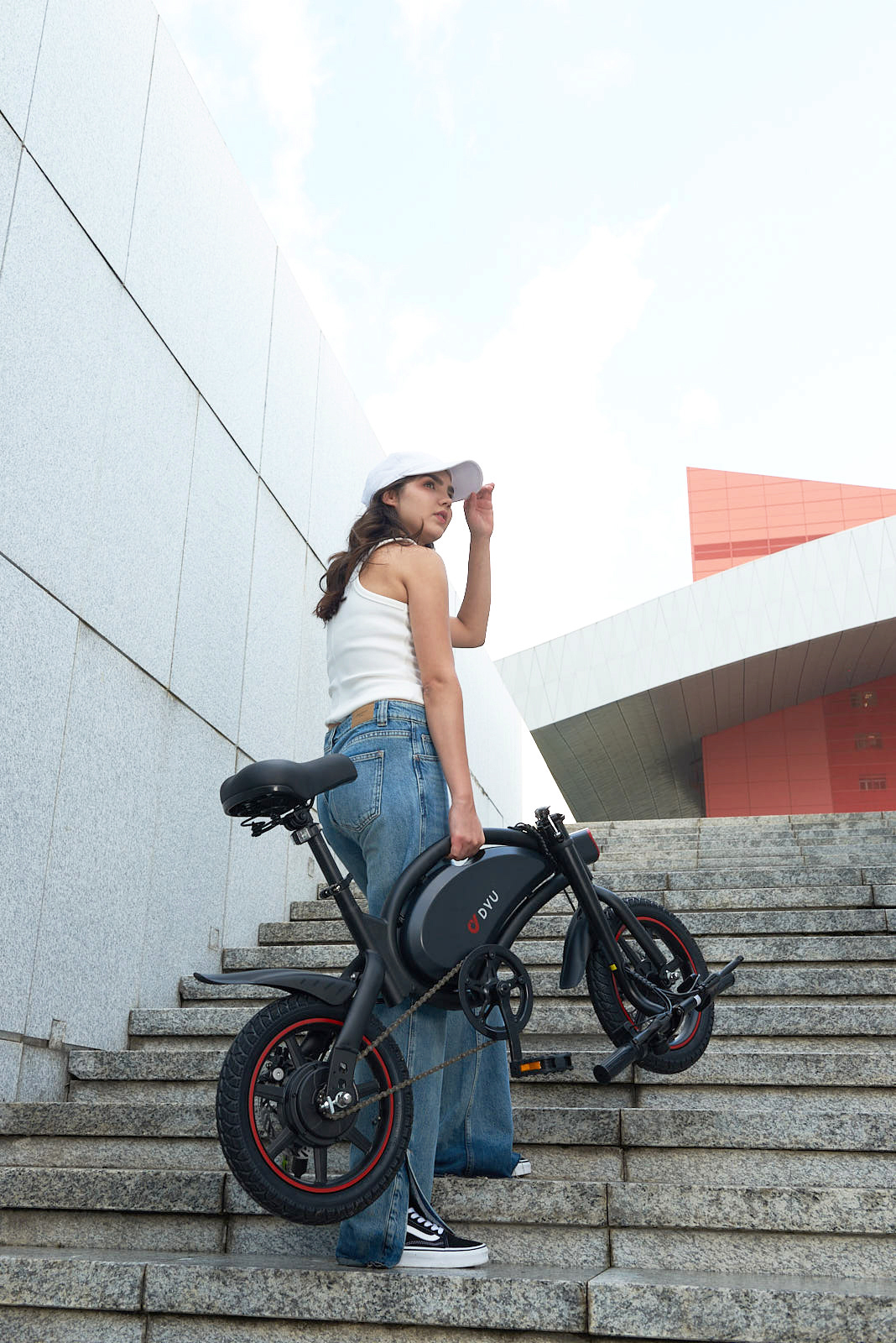
At the time of writing, the DYU Stroll 1 is listed at €999, down from the regular €1299. The important security detail is not hidden in a lock spec. It is the weight. At 19.5 kg, the Stroll 1 is much easier to roll inside a hallway, lift over a threshold, or keep near your desk than a 30 kg folding e-bike.
That does not mean you can skip locking. It means the bike gives you more parking options. More options usually mean better decisions.
Use Two Layers When the Stop Is Longer Than a Coffee
I use one strong primary lock for the frame and one secondary layer for a wheel or accessory risk. The second layer is not magic. It simply changes the theft from quick and simple to slower and more annoying.
CyclingNews’ 2026 e-bike lock guide is useful because it treats e-bike locks as a real investment, not a small accessory. Heavy locks are inconvenient, but losing the bike is more inconvenient.
For normal European city riding, I think about the stop length first:
- Under five minutes: frame locked to a fixed object, in sight if possible.
- Thirty minutes: frame lock plus wheel or secondary lock.
- Several hours: two locks, visible rack, battery removed where practical, and no loose accessories left behind.
- Overnight: indoor storage whenever possible.
Park Where People Can See the Bike
A hidden corner can feel tidy. It is often a gift to the wrong person. I would rather park near normal movement: shop windows, station entrances, office doors, cafe terraces, or racks that other cyclists already use.
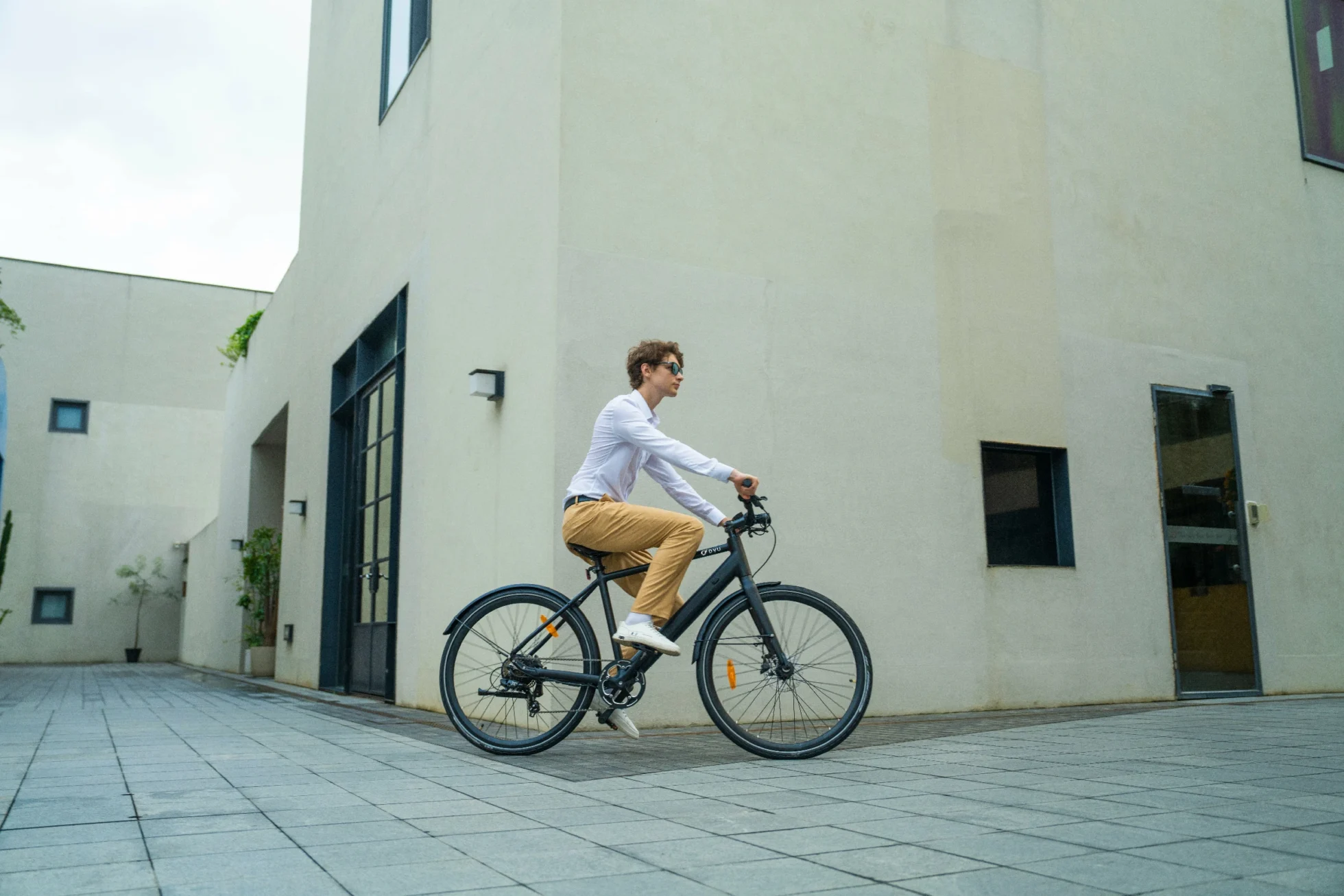
This is where the Stroll 1’s city-bike shape helps. It rolls like a normal full-size bike, so I am less tempted to accept a bad rack just because moving the bike feels like work. If the first rack is awkward, I can keep rolling to a better one.
the University of Wisconsin’s bicycle security guide gives a clear visual reminder about locking the frame and wheel to a proper rack. The exact city may change, but the principle travels well from Amsterdam to Berlin, Paris, Milan, and Warsaw.
Remove What Is Easy To Steal

Locks protect the main bike. They do not protect everything. Lights, phone mounts, bags, small tools, helmets, and loose chargers should not be left behind unless you are comfortable replacing them.
I keep the routine simple. Before walking away, I check four things: frame, rear wheel, front wheel, loose accessories. If the bike will sit longer, I add the battery question. Can I take it with me? If yes, I usually do.
This is also why I like removable-battery city bikes for apartment riders. DYU’s first e-bike buying guide covers the broader buying decision, but in daily use the small practical detail matters: a battery you can take indoors is easier to manage in both theft and weather routines.
Do Not Let a Lock Damage the Ride
A security setup that ruins the ride will eventually be skipped. If the lock is too heavy, rattles on the frame, scratches paint, or takes too long to use, you will start leaving it at home. That is how good intentions fail.
Electric Bike Report’s lock security-rating guide explains why ratings and lock type matter. My practical version is this: buy the strongest lock you will actually carry, then build the habit until using it feels automatic.
On the Stroll 1, I would keep the lock mounted cleanly or carried in a small rack bag. The bike’s light weight is one of its best city advantages. Do not erase that advantage with a messy setup that bangs around on every cobblestone.
Match Security To Weather, Route, and Storage
Security is not separate from the rest of commuting. Rain changes where you park. Heat changes whether you want the battery indoors. A late ride changes how much lighting and foot traffic matter.
If your normal rides involve summer storms, DYU’s rain riding guide pairs well with this routine. If you are still choosing a commuter, the city commuting guide and the broader DYU e-bike category help narrow the style of bike before you obsess over accessories.
The habit I trust most is boring: park in sight, lock the frame first, add a second layer for longer stops, remove loose accessories, and take the battery indoors when the stop or weather makes that sensible.
Conclusion: The Best Lock Is the One You Use Every Day
E-bike theft prevention works when the routine is realistic. A perfect lock left at home is useless. A strong lock used correctly, in a visible place, every single ride, is much better.
The DYU Stroll 1 fits that kind of city life because it is light, full-size, efficient, and easy to move into better parking. Use that advantage. Choose better racks, bring the bike indoors more often, and make security part of the ride instead of an afterthought.
FAQs
Q1. How do I prevent an e-bike from being stolen?
Lock the frame to a fixed object, use a second lock for longer stops, park in visible areas, remove loose accessories, and bring the battery indoors when practical.
Q2. What type of lock is best for an e-bike?
A high-security D-lock or heavy chain is the usual starting point. For longer parking, use two different lock styles so one tool does not defeat the whole setup.
Q3. Should I remove my e-bike battery when parking?
If the battery is removable and the bike will sit outside for a while, taking it with you is a good habit. It reduces theft risk and helps protect the pack from heat or rain.
Q4. Is the DYU Stroll 1 good for city commuting?
Yes, the DYU Stroll 1 is a strong city commuter if you want a light full-size e-bike with 700C wheels, a listed 100 km range, oil disc brakes, and a 19.5 kg frame.
Q5. How much does the DYU Stroll 1 cost?
At the time of writing, the DYU Stroll 1 is listed at €999, down from the regular €1299. Check the product page for current availability before ordering.