



E-bike rain riding guide advice becomes real the first time a dry morning turns into a wet ride home. The street looks the same, but the bike does not feel the same. Painted lines get slick, braking takes more patience, and every puddle hides a small surprise.
I do not think wet riding should scare city riders away from an e-bike. It just needs a calmer routine. Slow down earlier, make the bike more visible, keep the battery and display sensible, and give yourself a few extra minutes so you are not braking late at every crossing.
E-Bike Rain Riding Guide: Start Before You Leave
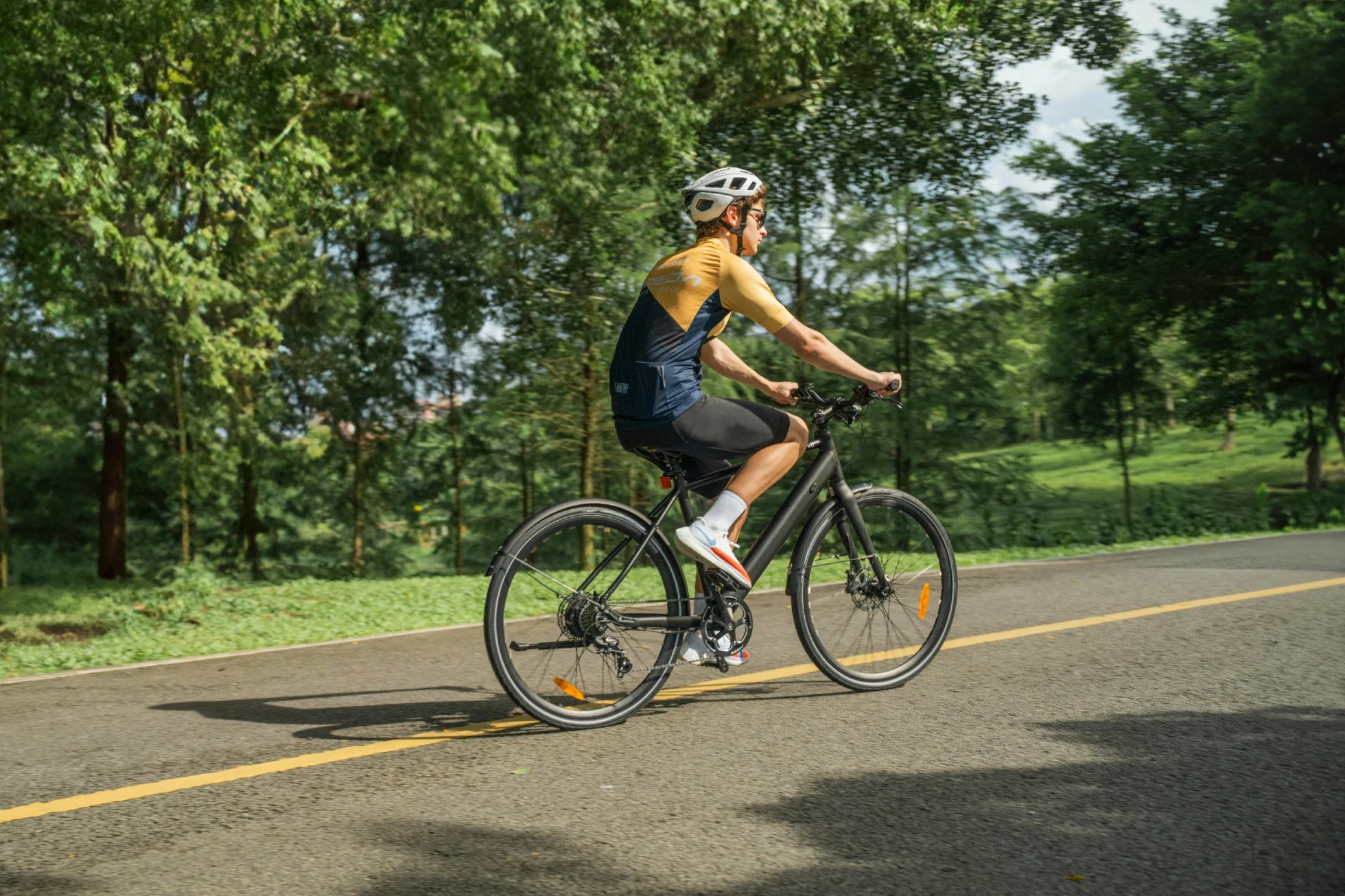
The easiest rain ride is the one you prepare before the clouds open. I check tire firmness, brake lever feel, lights, jacket cuffs, and the route. That sounds basic. It is also exactly what keeps a wet commute from turning into a tense one.
| Pre-ride check | What I look for | Why it matters in rain |
|---|---|---|
| Tires | Firm, no cuts, no glass | Wet roads punish poor contact and damaged rubber |
| Brakes | Both levers feel consistent | Stopping distances can feel longer on wet surfaces |
| Lights | Front and rear lights working | Drivers notice movement later in grey weather |
| Clothing | No loose straps near wheels or chain | Wet fabric can hang lower than expected |
| Route | Avoid deep puddles and fast traffic where possible | Calmer roads make safer decisions easier |
Cycling UK rain-riding advice makes the same practical point: wet rides are manageable when you think about clothing, visibility, and road surface before the ride starts. The trick is not bravery. It is preparation.
Slow Down Before Paint, Metal, and Leaves
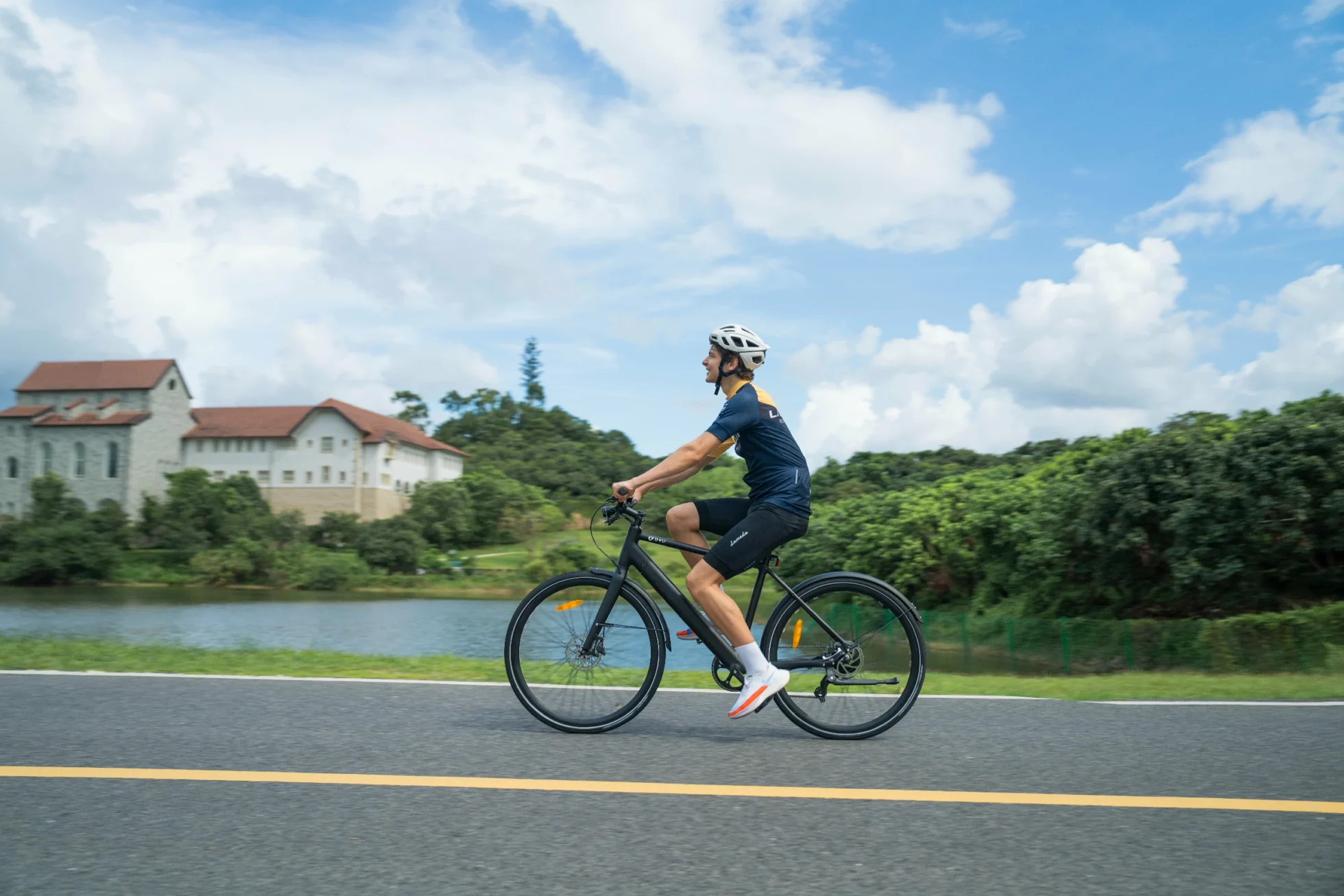
Wet city roads are not evenly slippery. Asphalt may feel fine, then a white line, tram rail, drain cover, bridge plate, or pile of leaves changes everything. I try to finish braking before those surfaces instead of braking on top of them.
That means looking farther ahead than usual. If the crossing is wet and painted, brake early. If the corner has leaves near the kerb, widen the line and keep the bike more upright. If you cannot see how deep a puddle is, do not charge through it just because the motor can.
BikeRadar’s guide to cycling in the rain is useful because it treats rain as a handling problem, not just a clothing problem. Wet riding is mostly about traction, timing, and avoiding sudden inputs.
Where the DYU Stroll 1 Fits a Wet City Routine
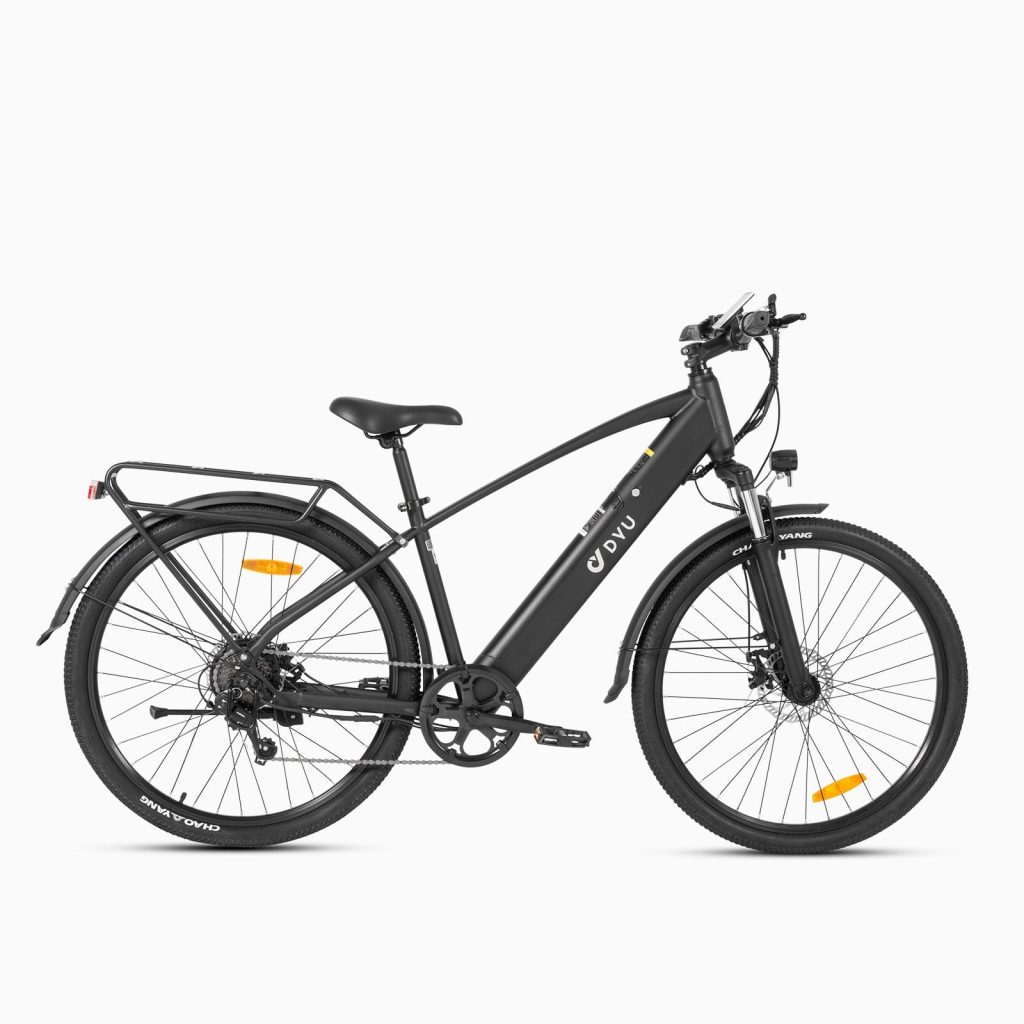
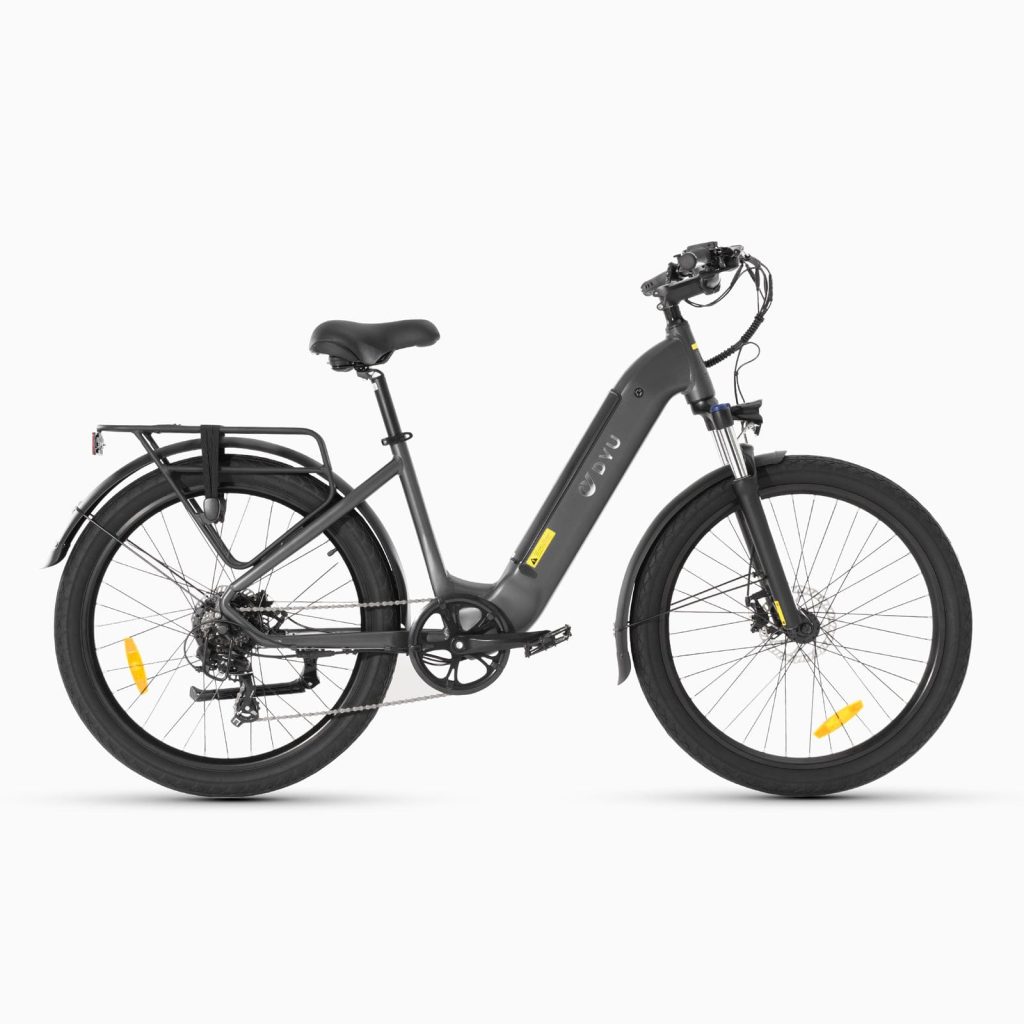
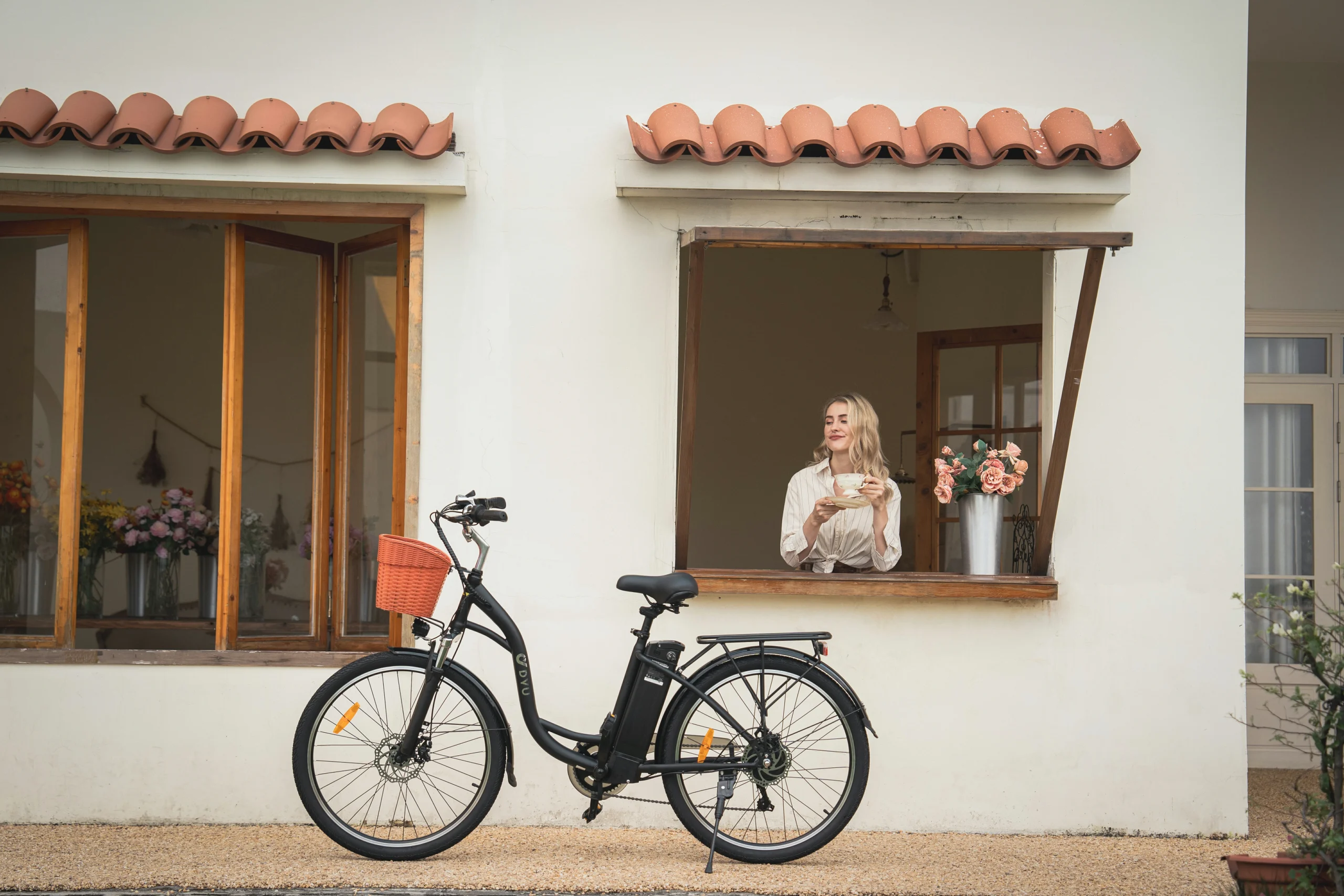
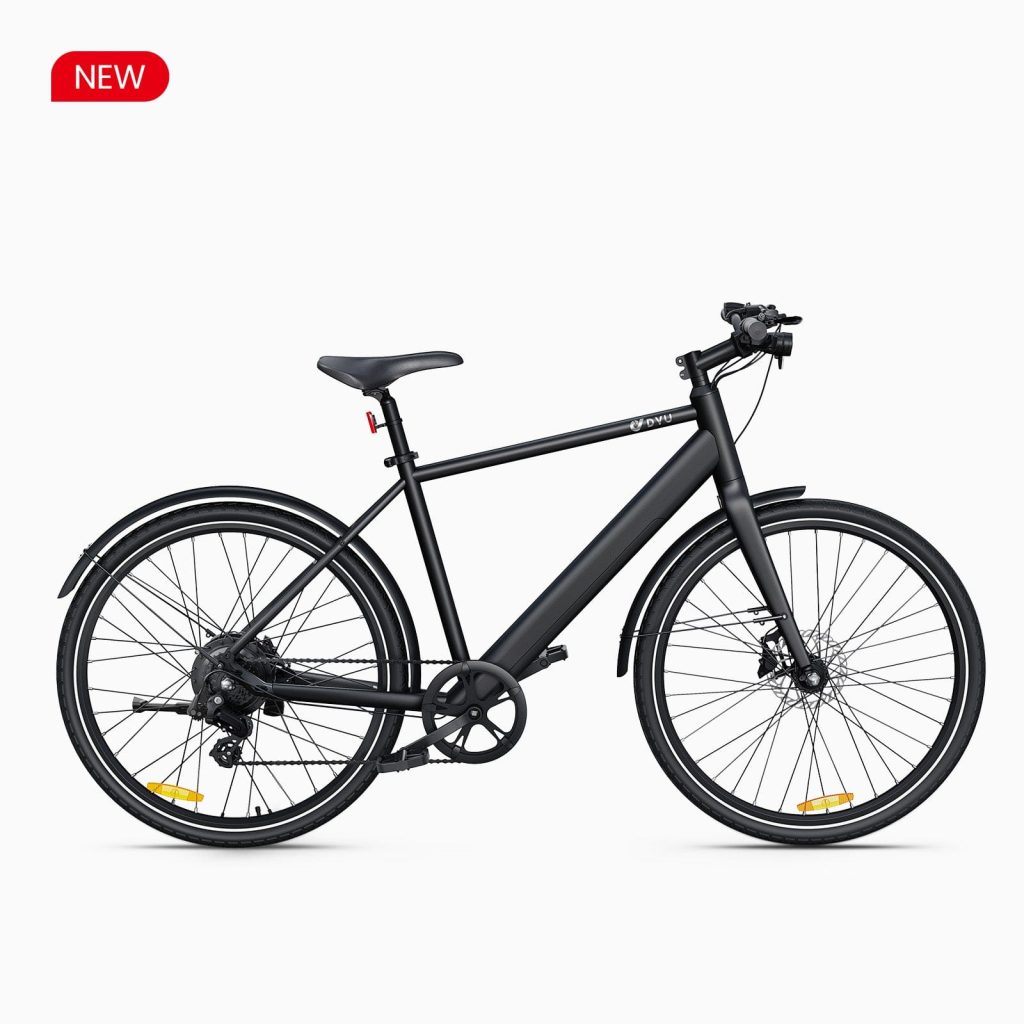
The DYU Stroll 1 700C city e-bike is the model I would use for this version of a European wet commute because its strengths match the routine: 250W motor, 36V 9Ah battery, listed 100 km pedal-assist range, 25 km/h assist speed, 700 x 38C tires, oil disc brakes, three speed modes, a streamlined aluminium alloy frame, and a low listed weight of 19.5 kg.
At the time of writing, the Stroll 1 is listed at €999, down from the regular €1299. The important rain-day detail is not one single spec. It is the combination of rolling efficiency, lower weight, oil disc stopping power, and a long-range setup that makes a bad-weather detour less stressful.
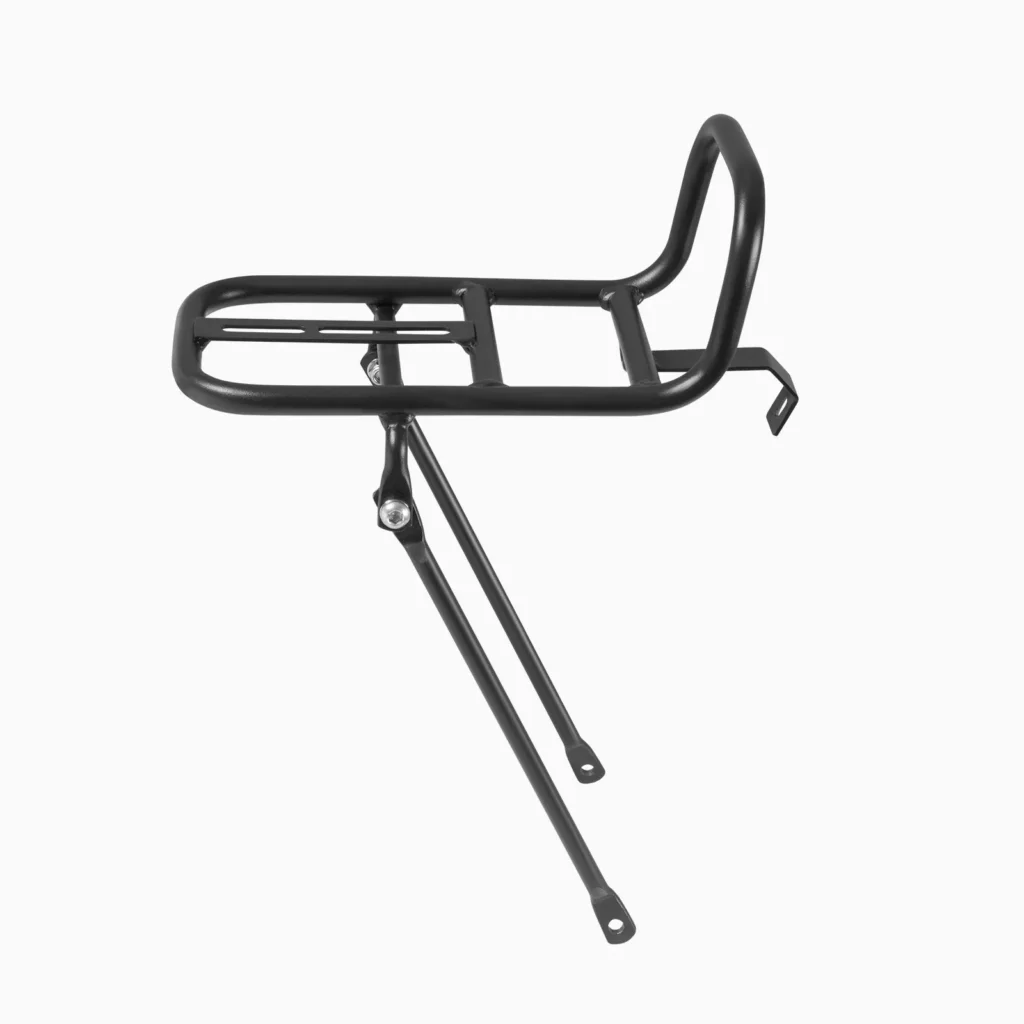
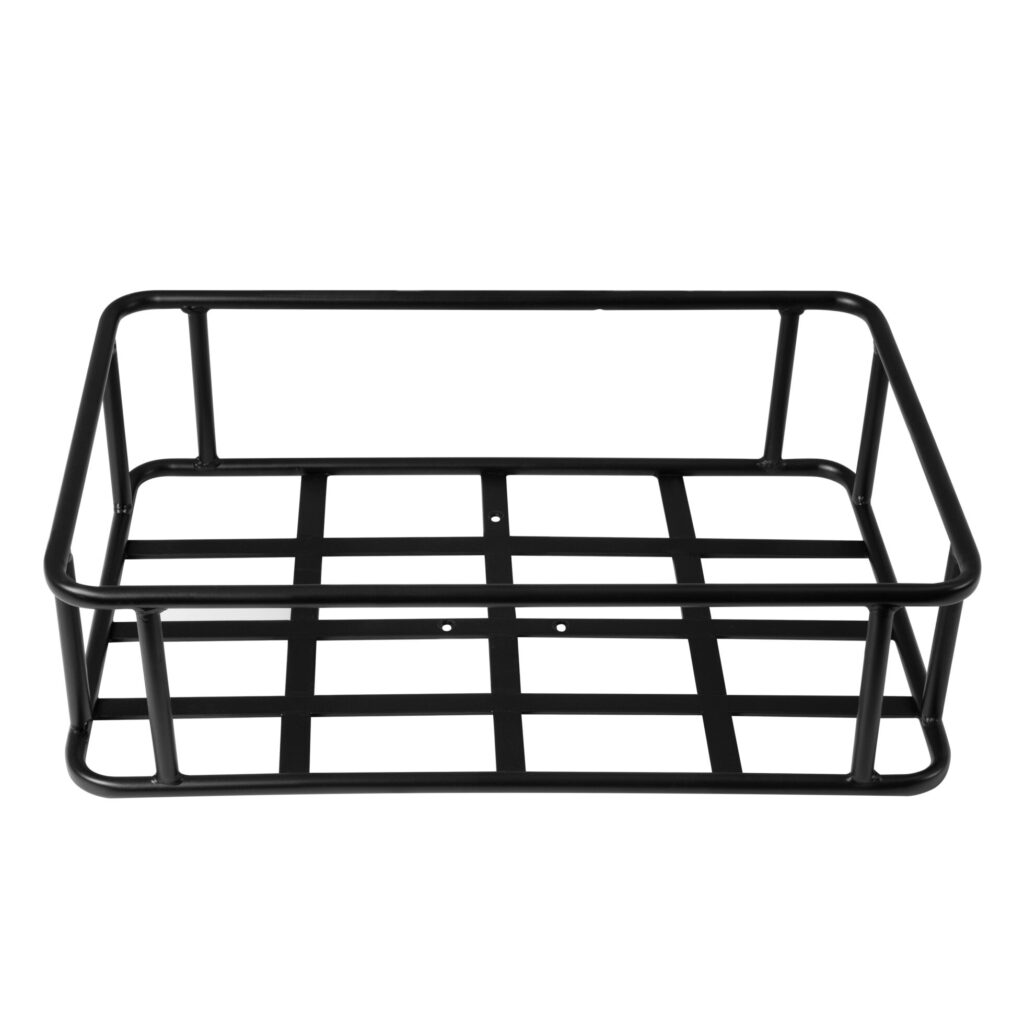
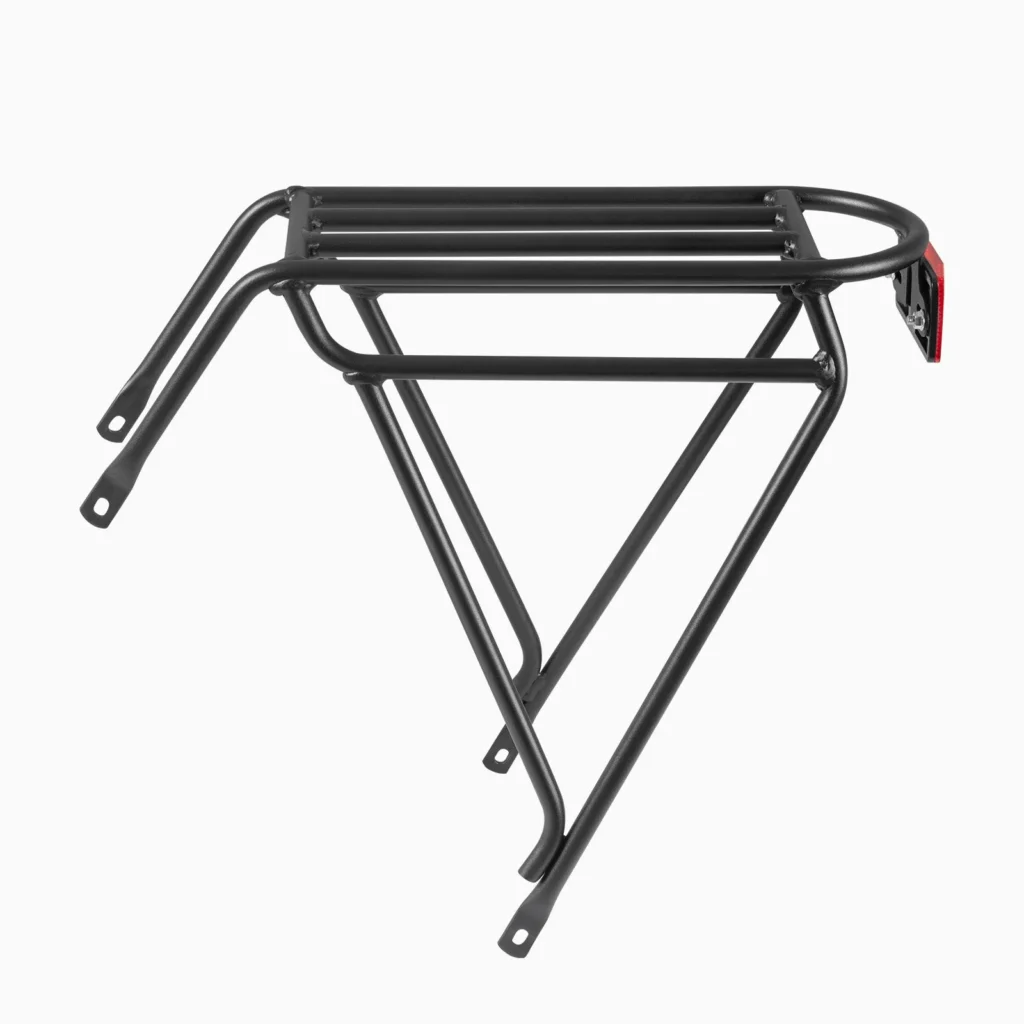
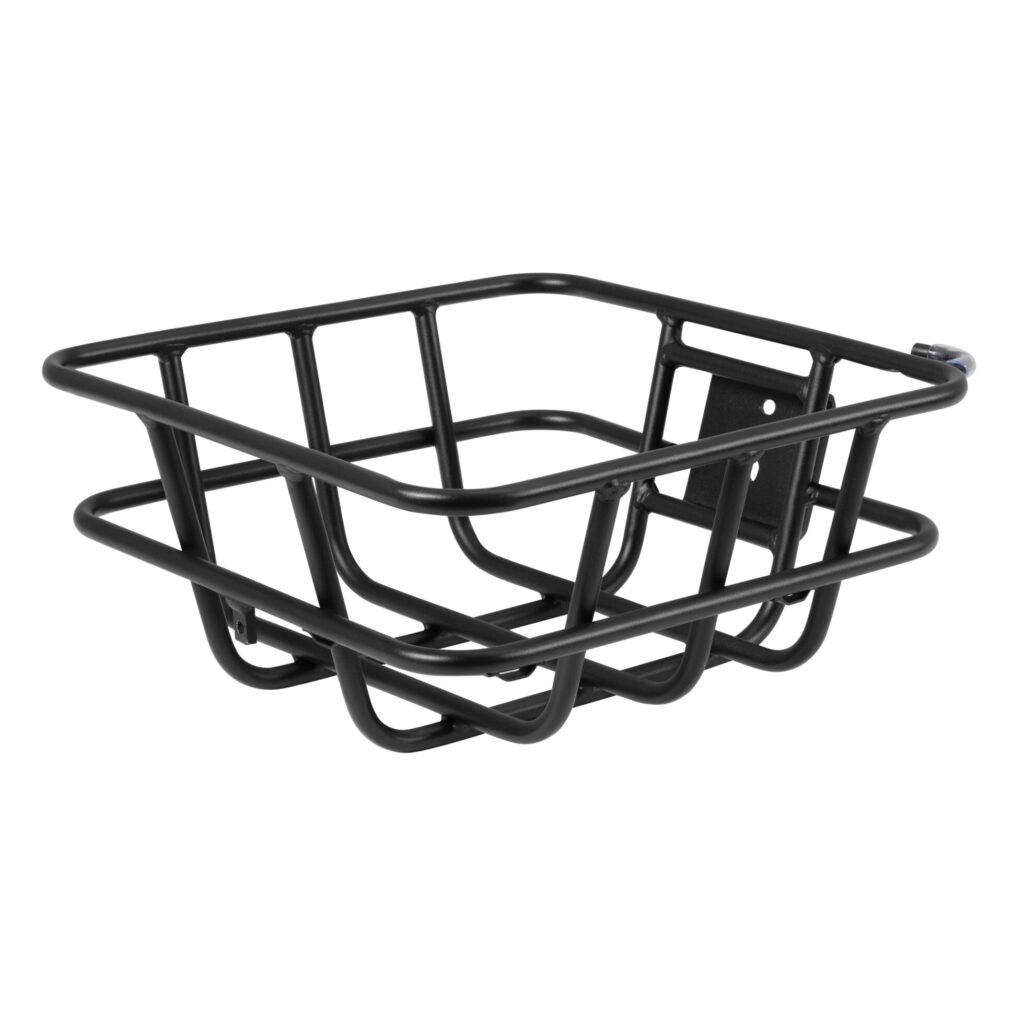
The honest limit is cargo. The Stroll 1 is a clean city bike, not a basket-and-rack errand machine by default. If your wet ride includes heavy shopping, plan accessories or keep the load light. For a commute, fitness ride, or longer city route, it feels more natural.
Brake Earlier Than You Think You Need To
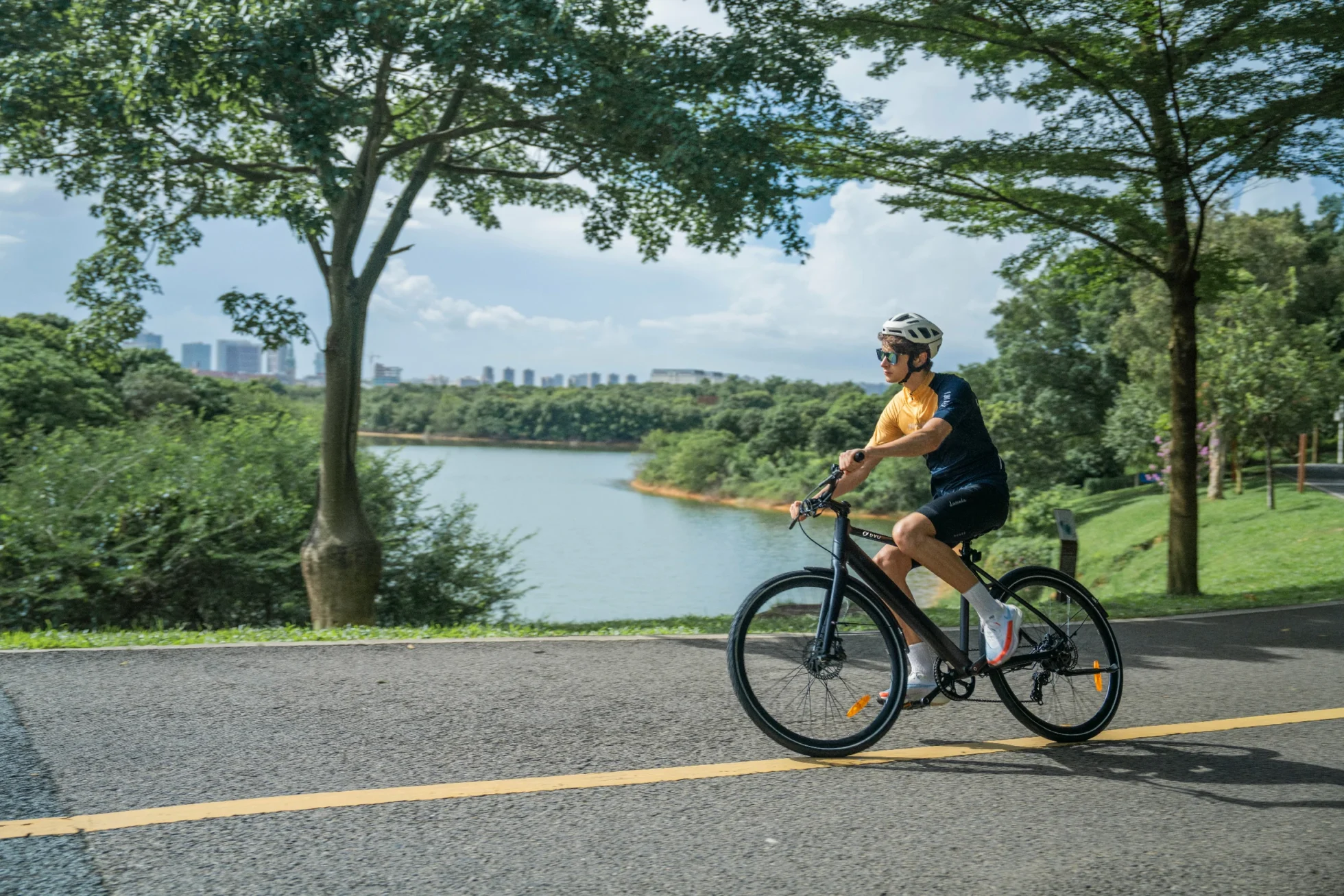
Rain exposes rushed braking. On a dry day, a late squeeze might feel fine. In the wet, it can make the front tire nervous, especially near painted crossings or smooth paving.
The Stroll 1 uses oil disc brakes, which is one of the reasons I like it for a rain guide. Still, the rider has to do the work. Use both brakes smoothly, keep your body relaxed, and give the tire time to settle before the turn.
DYU’s disc brake guide explains the brake types in plain language. Electric Bike Report’s e-bike brake guide is also worth reading because braking systems matter more as bike weight, rider weight, and weather load up the stopping job.
Use the Light Weight, But Do Not Rush It
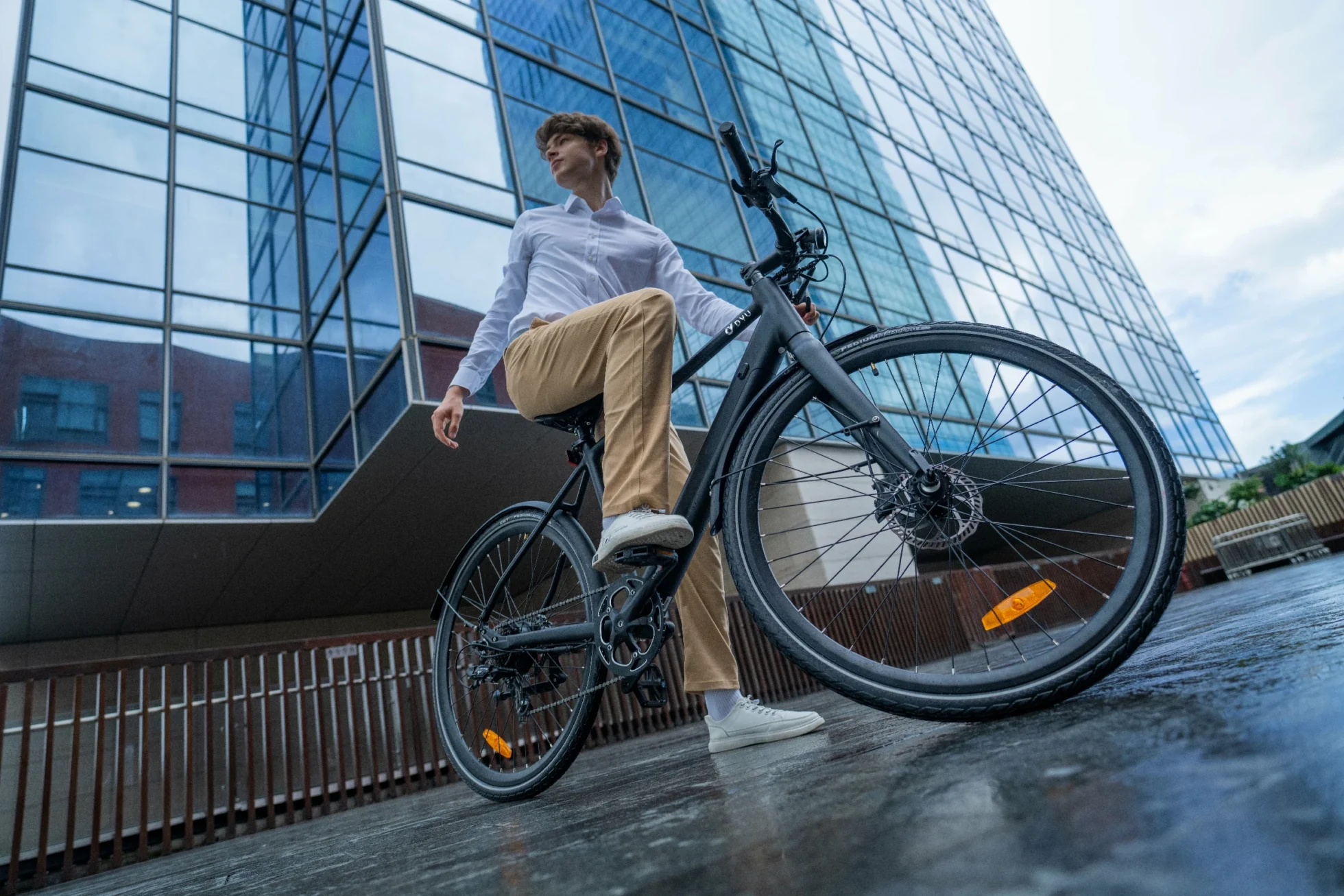
At 19.5 kg, the Stroll 1 is light for a full-size e-bike. That helps when you need to move it through a courtyard, lift the front wheel over a small step, or park it inside after a wet ride.
Light weight does not make wet surfaces disappear. The bike may feel easier to correct, but grip still comes from the tires and the road. I use the lighter handling as a reason to ride smoother, not faster.
Electric Bike Report’s rain riding explainer covers the common e-bike rain questions, and BikeRadar’s e-bike maintenance guide is a good reminder that small post-ride checks matter more when water and grit are involved.
Visibility Is Part of Your Braking Distance
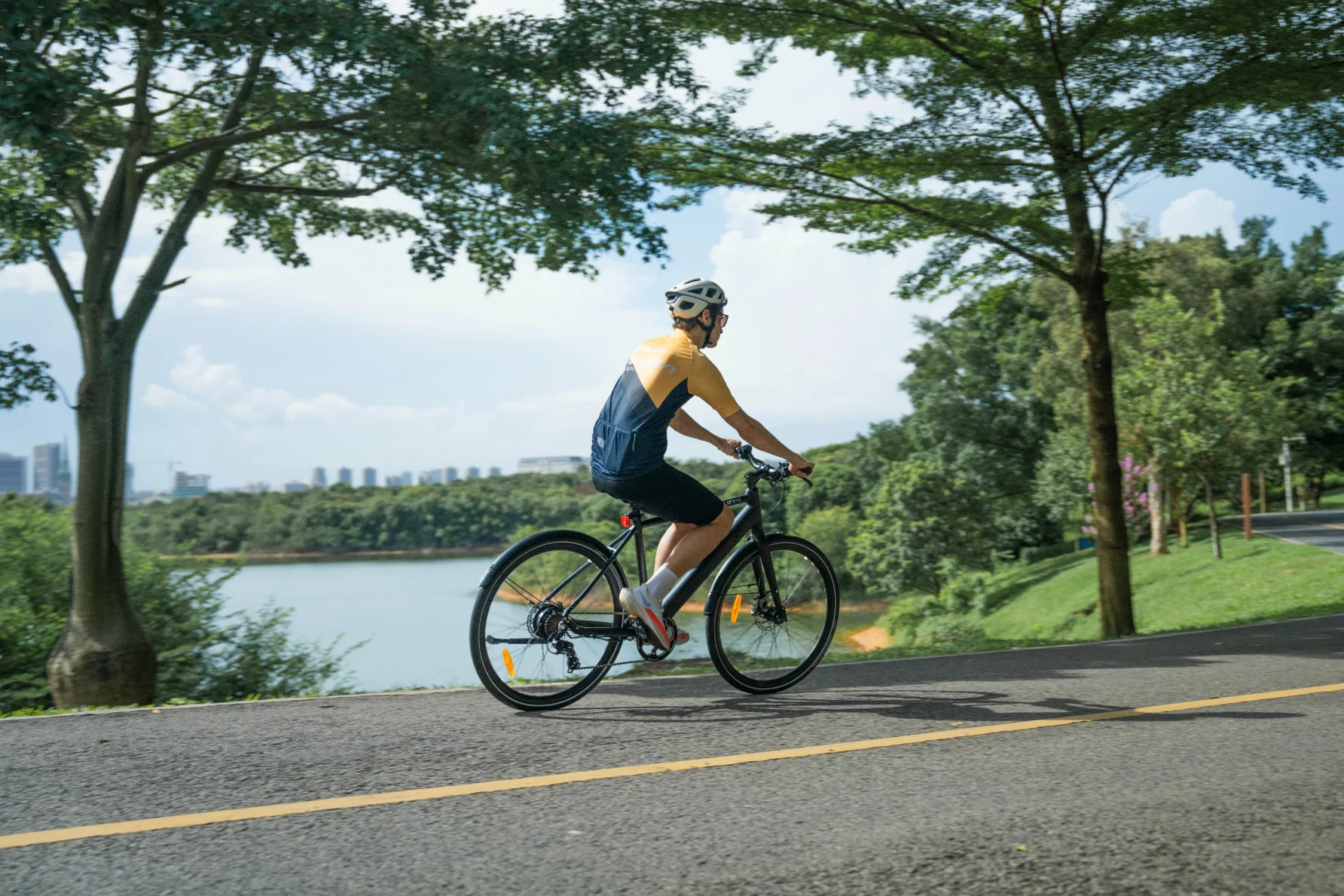
Rain makes everyone later to see each other. Drivers have wipers, fogged glass, reflections, and more road noise. Pedestrians step out with hoods up. Other cyclists may swerve around puddles without warning.
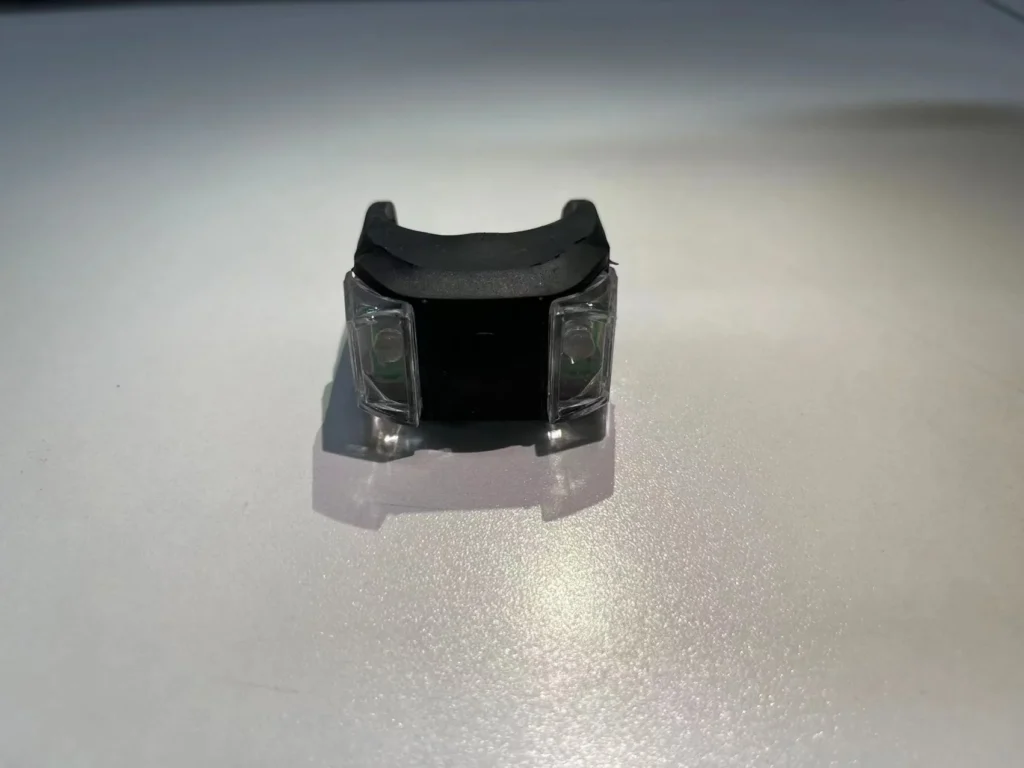
I run lights in grey rain even during the day. I also avoid dark clothing when the forecast looks bad. This is not about looking like a construction sign. It is about giving people one extra second to notice you before you need that second.
- Use lights early: do not wait for full darkness.
- Keep the bike upright: lean less on slick turns.
- Leave more room: cars and bikes both need extra stopping space.
- Avoid sudden assist changes: smooth pedaling keeps traction calmer.
For broader daily-riding context, DYU’s city commuting guide is a good next read. If you are still choosing a city bike, the first e-bike guide and DYU e-bike collection can help you match distance, storage, and budget.
My Wet-Ride Routine After Getting Home
The ride is not finished when you lock the bike. Wet road grit dries into the small places you forget about. I give the frame a quick wipe, check the tires for glass, look at the brake area, and make sure the battery is not going straight from cold rain to a hot corner.
| After the ride | Why I do it | Time needed |
|---|---|---|
| Wipe frame and display area | Removes water and road film | 2 minutes |
| Check tires | Finds glass before the next morning | 1 minute |
| Listen for brake rub | Wet grit can sit near the rotor | 30 seconds |
| Charge indoors when sensible | Keeps the battery routine clean and predictable | As needed |
DYU’s rain and theft safety guide covers a few extra storage habits for wet days. If you are comparing the Stroll 1 against an outside city e-bike, the Stroll 1 and TENWAYS CGO600 Pro comparison may also help. This rain guide is narrower: make the wet days predictable enough that you still choose the bike.
Conclusion: Rain Riding Is a Rhythm
An e-bike rain riding guide should not make wet commuting sound heroic. The better goal is boring confidence. Check the bike before leaving, brake early, respect paint and metal, use lights sooner, avoid deep water, and clean the bike when you get home.
The DYU Stroll 1 fits that routine well because its 700C wheels, oil disc brakes, low 19.5 kg weight, long listed range, and road-bike feel support normal city riding without making the bike feel complicated. It still needs a calm rider. In rain, smooth beats fast every time.
FAQs
Q1. Can you ride an e-bike in the rain?
Yes, you can ride many e-bikes in normal rain, but avoid deep water, pressure washing, submerged roads, and careless storage. Brake earlier and wipe the bike down afterward.
Q2. Is the DYU Stroll 1 good for rainy city commuting?
The DYU Stroll 1 can work well for rainy city commuting because it has 700 x 38C tires, oil disc brakes, low 19.5 kg weight, and a stable road-style city layout.
Q3. How should I brake on a wet e-bike ride?
Brake earlier, use both brakes smoothly, keep the bike upright through slick areas, and avoid hard braking on painted lines, metal covers, tram rails, and wet leaves.
Q4. What should I do after riding an e-bike in rain?
Wipe the frame and display area, check tires for glass, look for brake rub or grit, and charge the battery indoors when the bike has settled in a dry place.
Q5. How much does the DYU Stroll 1 cost in 2026?
At the time of writing, the DYU Stroll 1 is listed at €999, with a regular price of €1299. Check the product page for current availability and promotions.


