













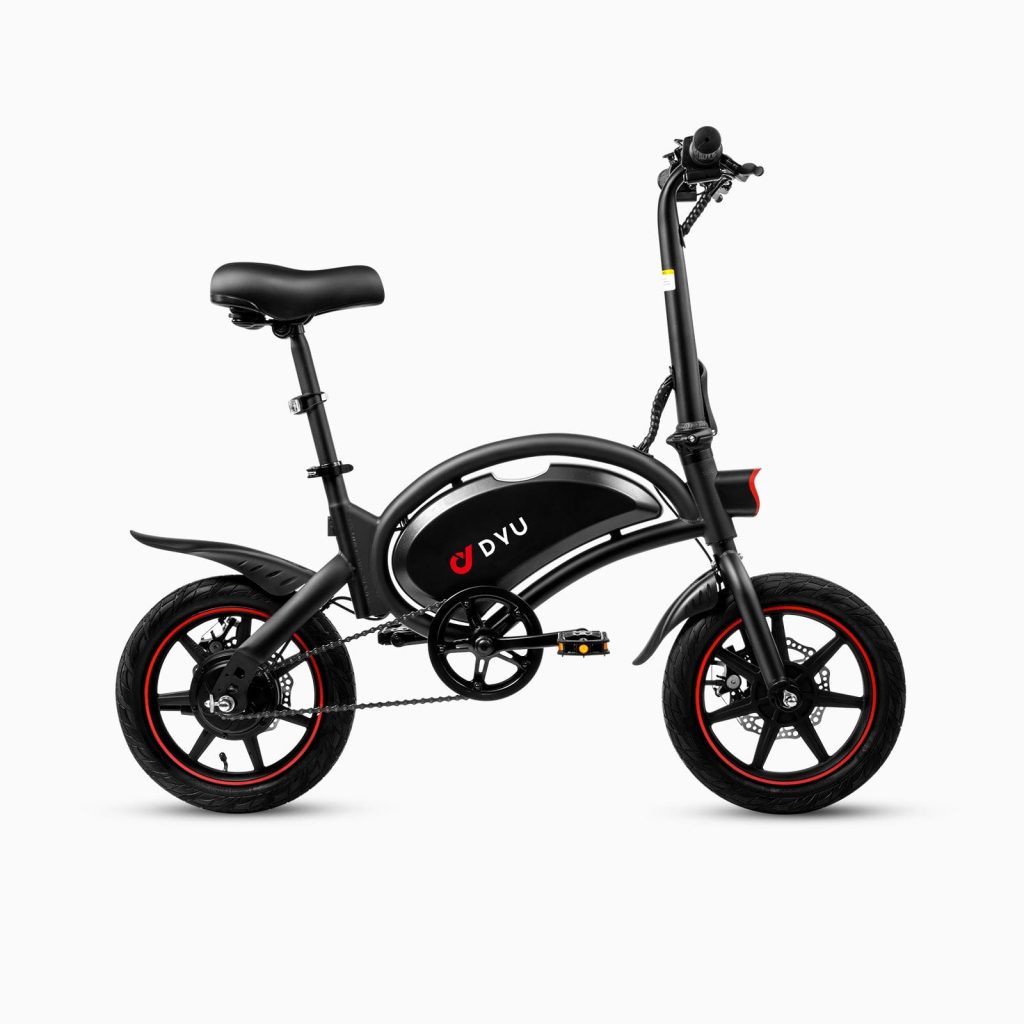
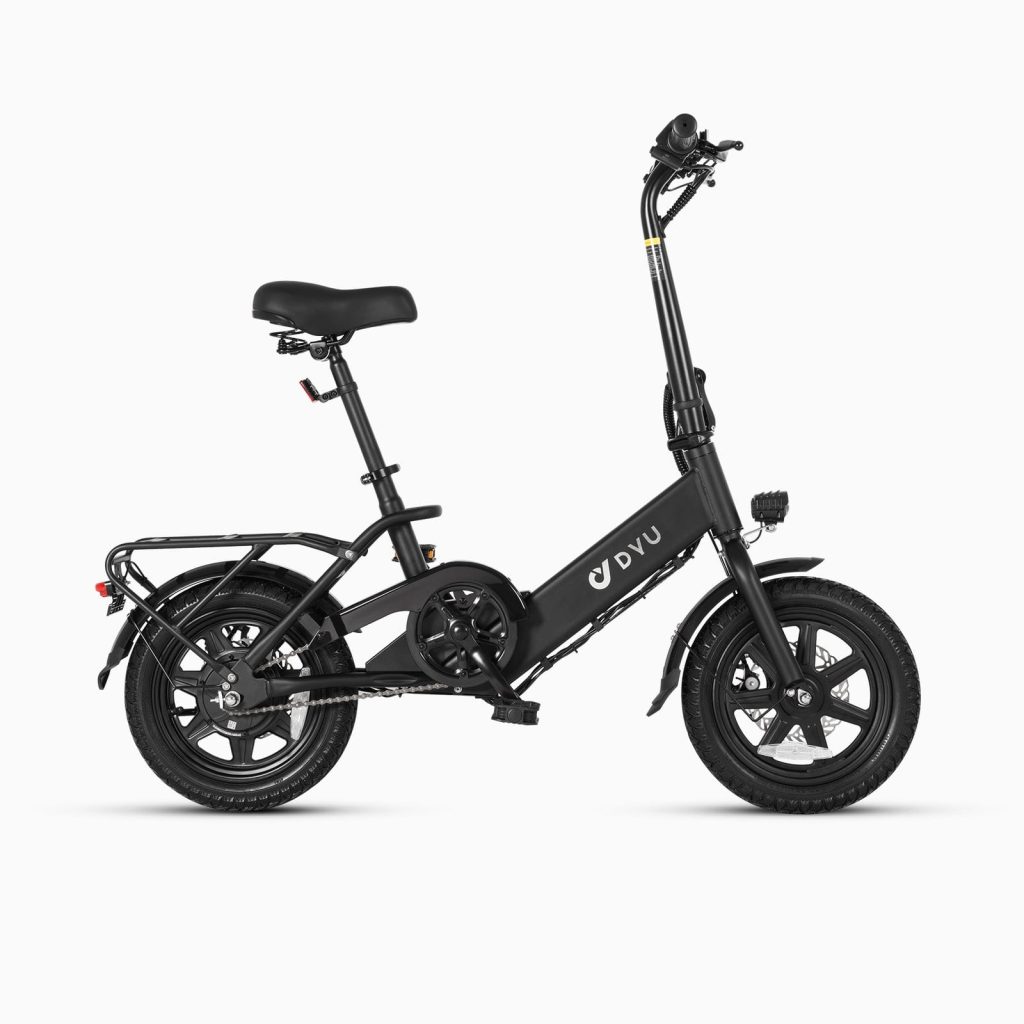
After Weeks of Daily Riding: DYU M20 vs Tuttio ICT
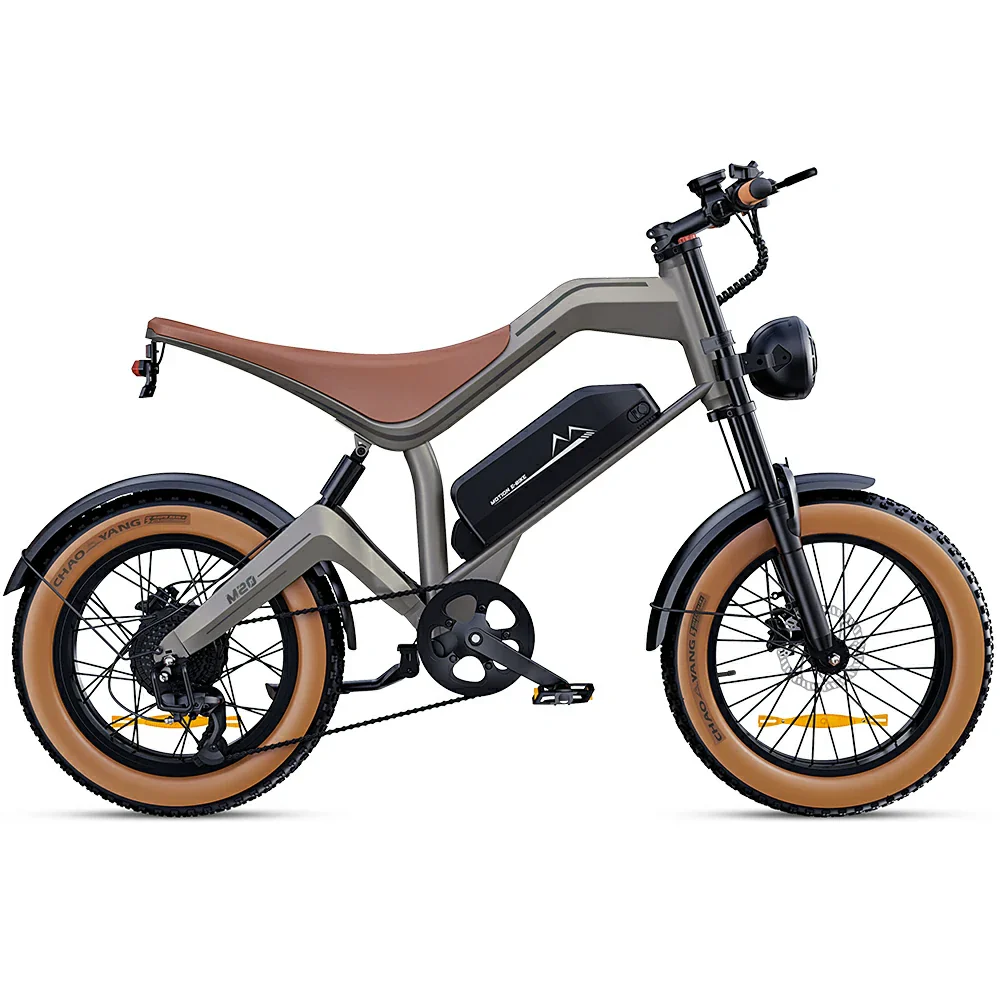
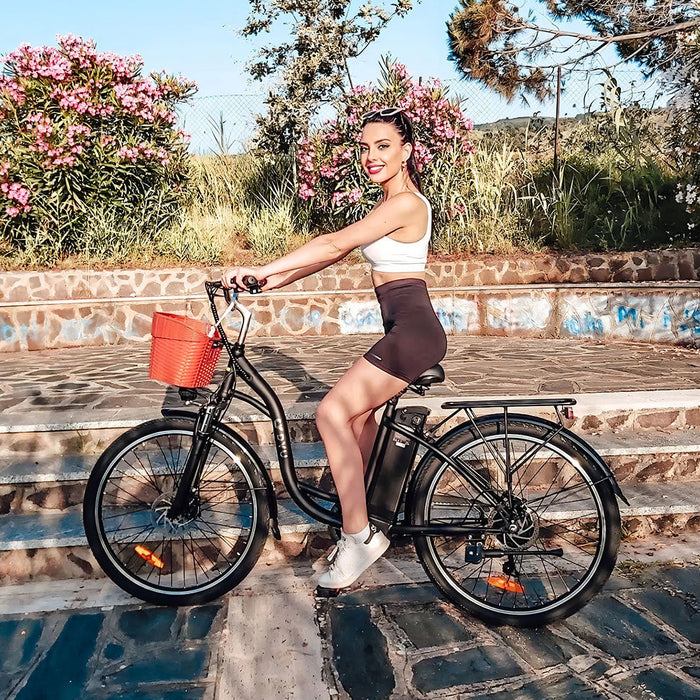
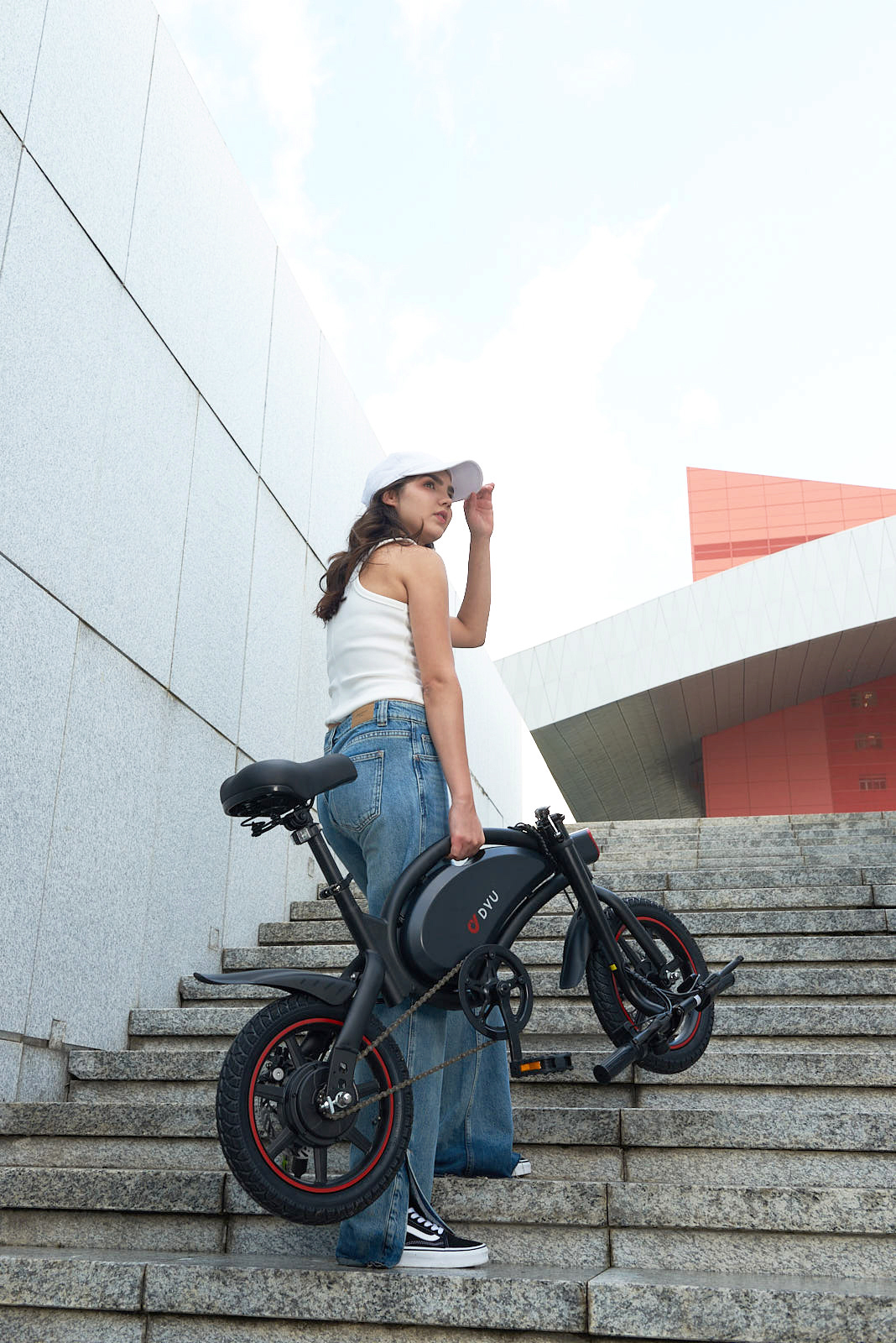
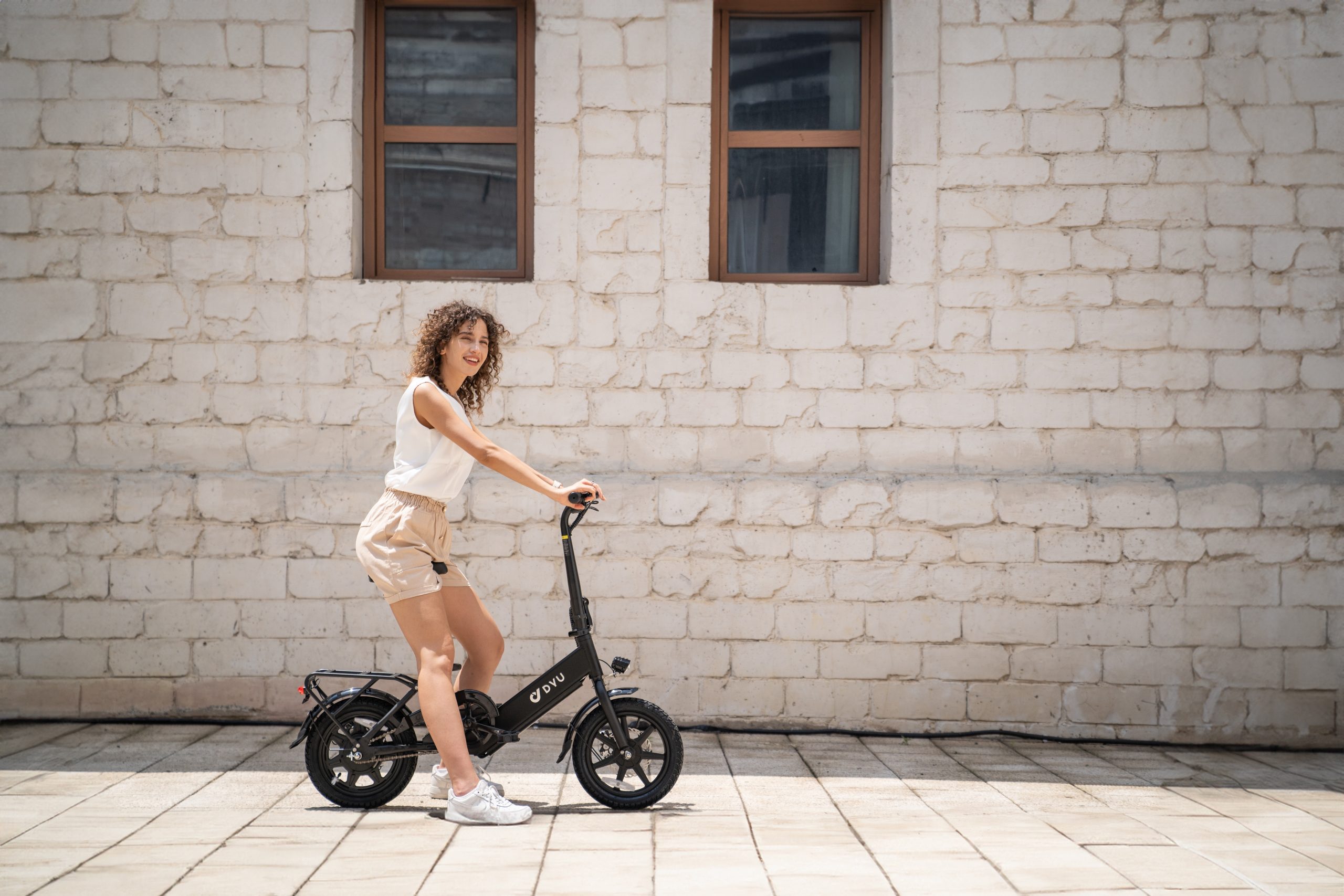
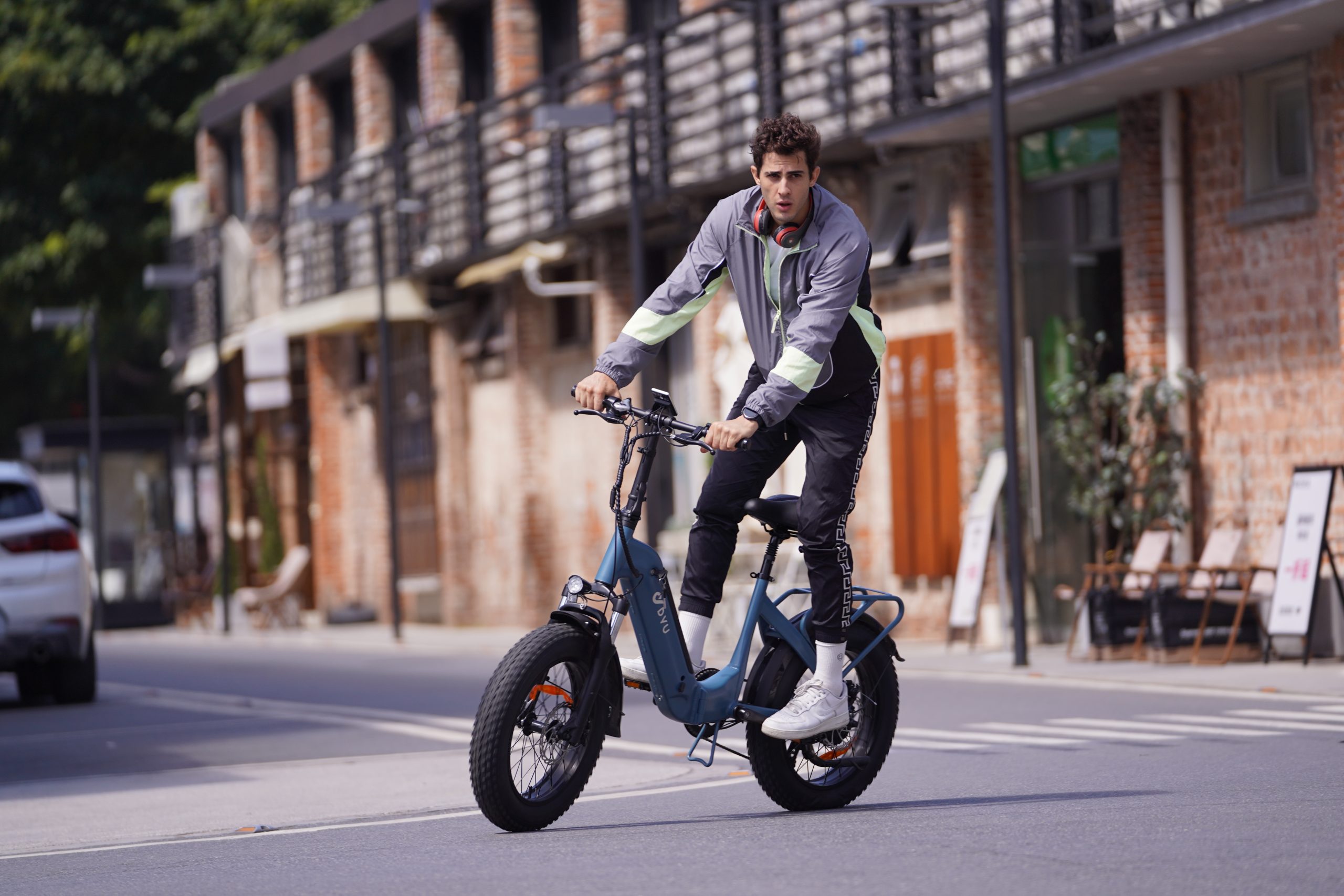
The DYU M20 vs Tuttio ICT comparison kept me busy for weeks of daily testing. The power difference stands out immediately – the DYU M20 runs on a 750W motor (peaking at 1500W), while the Tuttio ICT packs a mighty 2000W motor that peaks at 4000W.
My extensive rides showed these e-bikes deliver completely different experiences despite their similar goals. The DYU M20 hits speeds up to 45 km/h, and the Tuttio ICT redefines the limits of speed by reaching 69 km/h. Speed isn’t the only factor that matters. The DYU shines with its exceptional range – up to 160 km in pedal-assist mode, which beats the Tuttio’s 75–100 miles (120 km) under similar conditions. The price gap is significant too – you can get the DYU M20 for €899, while the Tuttio ICT costs €1499.
My testing covered both bikes in a variety of terrains, from city streets to challenging trails. Each bike excels in different areas, and my tests revealed surprising insights about their overall value. I’ve tested both extensively to help you choose between them based on range, handling, and build quality.
Daily Riding Experience: City and Off-Road
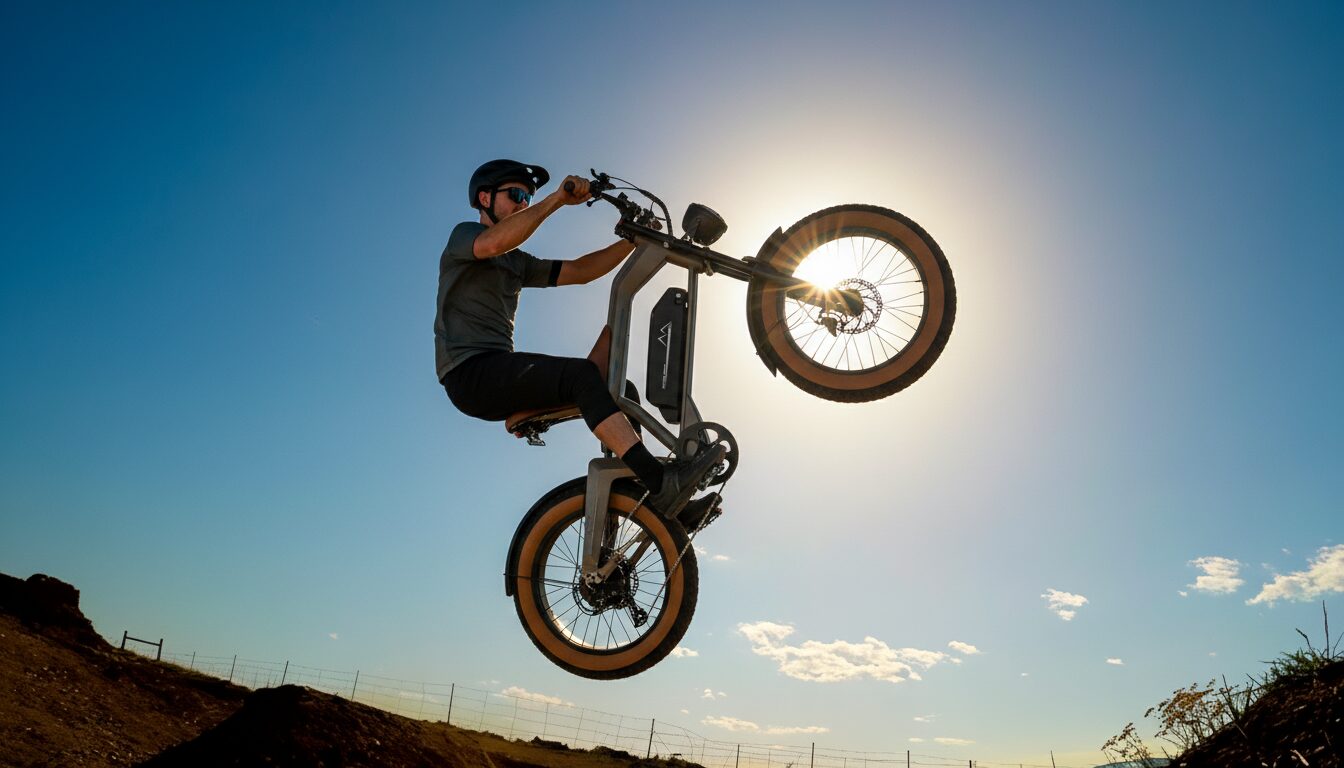
My weeks of alternating between these two e-bikes revealed clear differences in how they handle daily rides.
Urban Commute: Acceleration and Handling
The DYU M20 shines in urban settings, especially when you need quick starts at traffic lights or climbing hills. Testing showed I could reach speeds up to 42 km/h, coming close to the advertised 45 km/h maximum. The Tuttio ICT packs substantially more punch with its 2000W motor (peaking at 4000W), and it can surge from 0–44 mph in under 5 seconds. This raw power comes with a trade-off – the ICT doesn’t handle city streets as well because of its motorcycle-like weight and size.
The M20 managed to keep strong performance even with a full load of groceries or when tackling steep inclines up to 35°. City navigation became effortless thanks to its responsiveness in stop-and-go traffic, and the €600 price advantage over the Tuttio makes it even more appealing.
Trail Performance: Stability on Gravel and Sand
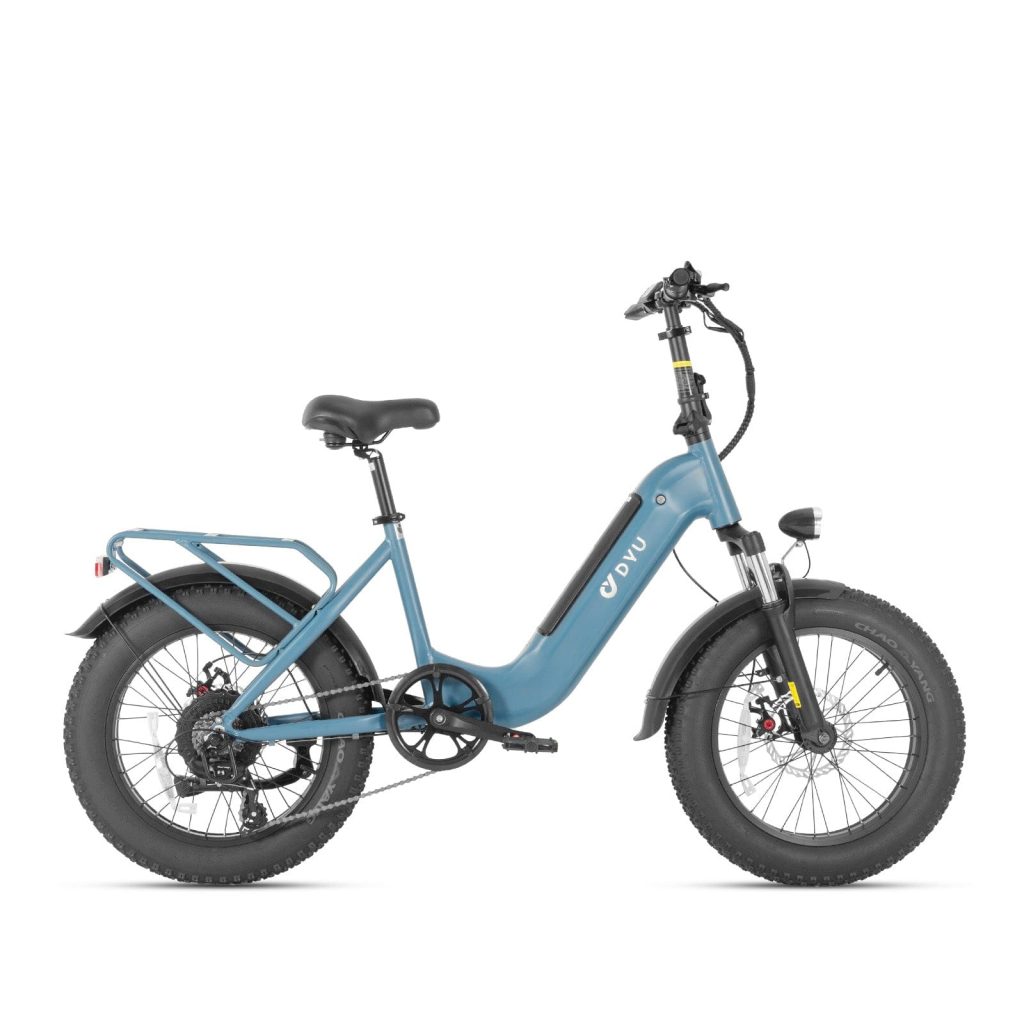
Both bikes come equipped with 20-inch fat tires, but they tackle off-road conditions differently. The DYU M20’s tires substantially improved grip on rough surfaces, giving me confident control on light trails, gravel paths, and sandy areas. The Tuttio ICT holds its own off-road too – its fat tires and full suspension work well to absorb trail chatter.
The M20’s lighter frame (21.8 kg versus the ICT’s 46.7 kg) makes technical sections much easier to handle.
Comfort Over Long Rides: Saddle and Suspension
Each bike offers its own take on rider comfort. The DYU’s suspension system works well at absorbing shocks from potholes and bumpy roads.
The Tuttio ICT surprises with its unusual saddle shape that stays comfortable even after two-hour rides. You get excellent damping from its inverted front fork and rear shock, though the frame’s weight is noticeable.
My extensive testing shows the DYU M20 delivers better comfort relative to its weight for daily use on varied terrain, making it a more practical choice for most riders.
Power Delivery and Speed Control
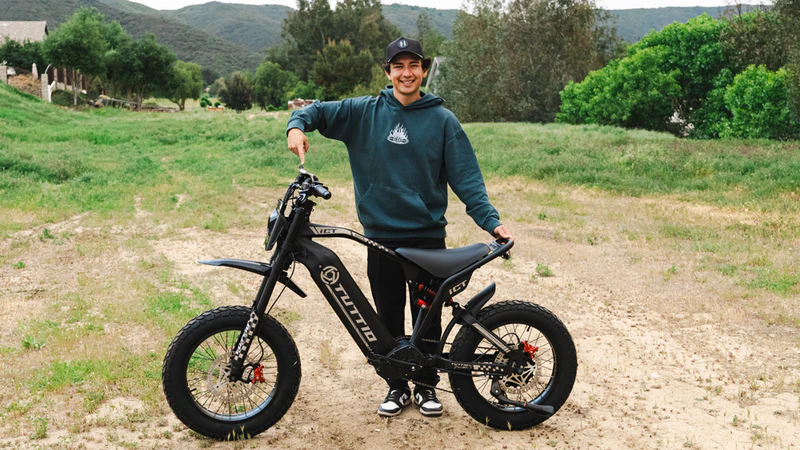
The power management systems of these e-bikes showcase their unique design philosophies. I tested both bikes extensively and found that there was a significant difference in their power delivery to the road.
Throttle Response: Smooth vs Aggressive
DYU M20’s throttle delivers predictable, gradual acceleration that feels accessible even to beginners. The torque sensors match power to pedal pressure intelligently – staying gentle on flat terrain and boosting assistance on inclines. This creates a natural riding experience where the motor assists like an extension of your effort.
The Tuttio ICT comes with a half-twist throttle that responds with immediate, sometimes overwhelming power. The instant power delivery can lift the front wheel during aggressive starts, which makes for an exciting but challenging characteristic in daily rides.
Speed Modes and Assist Levels
DYU M20 makes riding easier with its intelligent torque-based system that adapts to conditions automatically. The Tuttio ICT gives riders more options with three distinct modes: full electric, pedal-assist with five levels, and manual. This offers more customization but needs more attention to settings.
Ground Top Speed Observations
DYU M20 hit just under its rated 45 km/h maximum speed consistently. Tuttio ICT claims speeds up to 69 km/h (43 mph with rider), and this extreme speed affects control and safety in everyday riding conditions significantly.
DYU’s manageable power delivery proves more practical for daily use, especially when you factor in the €600 price difference.
Battery Life and Charging Convenience
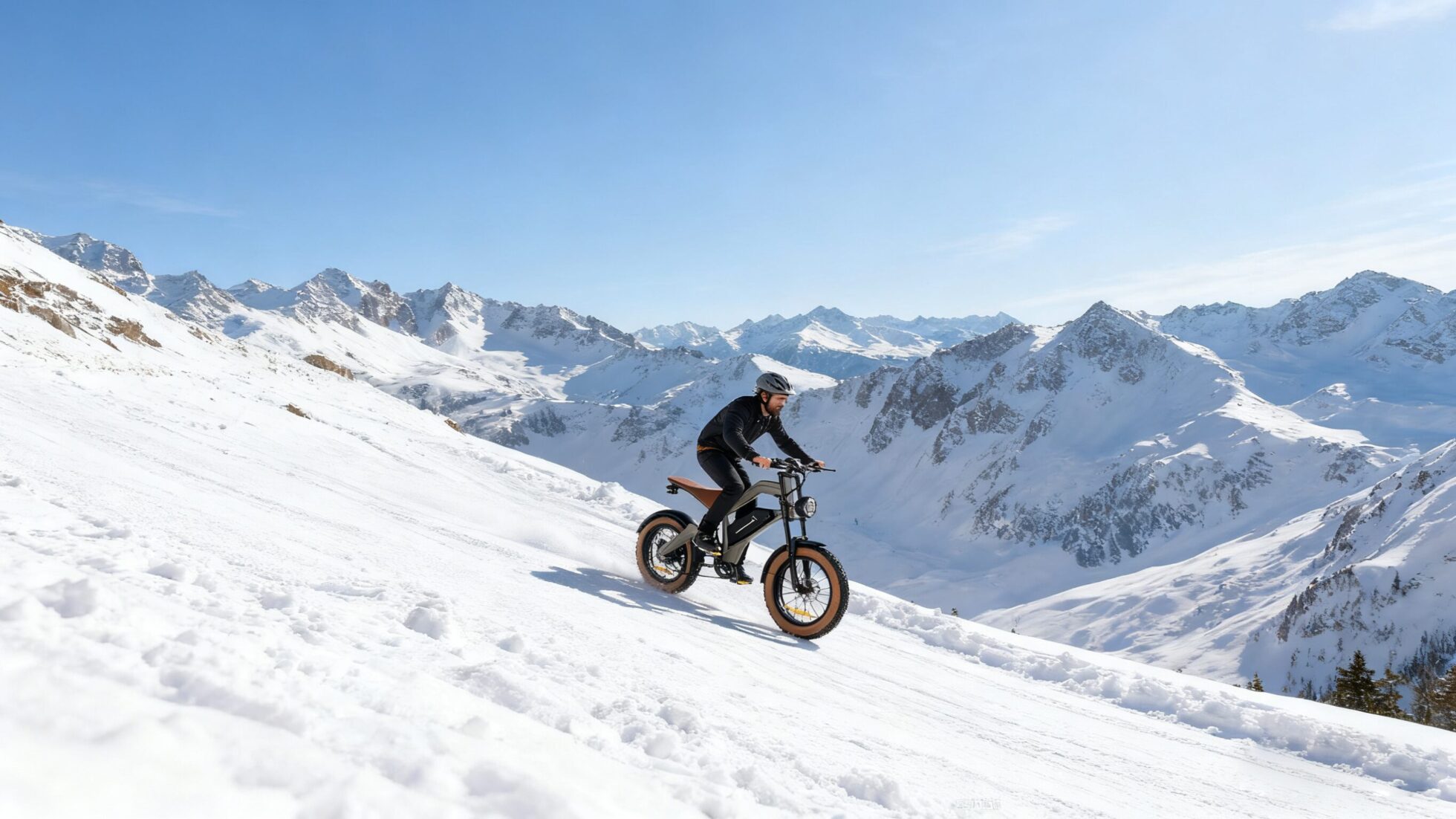
Battery performance emerged as a decisive factor during my real-world testing of both e-bikes. The power management systems showed notable differences.
Battery Range in Mixed Use
The DYU M20’s 48V 18.2Ah battery blew me away with its efficiency, delivering up to 160 km with pedal assist as detailed in my long-term testing experience on DYU Bikes. I got around 70 miles of range even with heavy throttle use, which is impressive considering the €899 price point.
The Tuttio ICT’s beefier 60V 25Ah battery gives you 30–36 miles in full electric mode and 75–100 miles with pedal assist. These are solid numbers, but you’ll pay €600 more than the DYU.
Charging Time and Portability
The DYU M20 takes just 5–6 hours to fully charge, making overnight charging between daily rides a breeze. I rarely worried about running out of power during my tests.
The Tuttio ICT needs 8–10 hours for a full charge, so you’ll need better planning for longer trips.
Build Quality and Feature Set
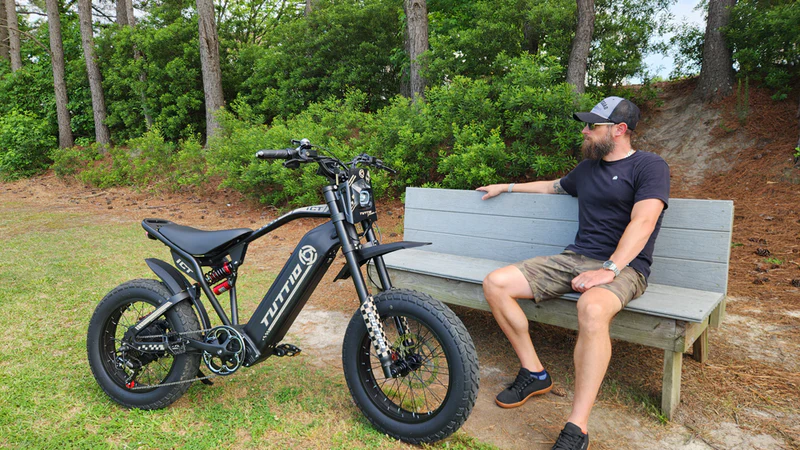
A deep look at both e-bikes shows major differences in their engineering. After weeks of road tests in all conditions, I got a clear picture of how durable they are and how their features work.
Frame Strength and Design Esthetics
The DYU M20’s sturdy frame shows it’s built to last, not just for simple transportation. Its 20-inch wheels give great stability and help you retain control. The Tuttio ICT uses reinforced construction with a patented design, allowing it to handle 330 lbs (150 kg) compared to the DYU’s 120 kg limit. Notwithstanding that, the M20’s lighter 21.8 kg weight makes daily handling easier than the ICT’s hefty 46.7 kg mass.
Brake Performance in Wet Conditions
Both bikes use hydraulic disk brakes with distinct differences. The DYU M20’s system stops reliably even on wet roads, making it safer than mechanical options. The Tuttio ICT comes with a four-piston system and 220mm rotors that deliver smooth, quick braking and better heat dissipation. Both bikes handled rainy conditions well, though the DYU’s lighter frame needed less brake force.
Comparison Table
| Feature Category | Specification | DYU M20 | Tuttio ICT |
| Performance | Motor Power | 750W (1500W peak) | 2000W (4000W peak) |
| Maximum Speed | 45 km/h | 69 km/h | |
| Range (Pedal Assist) | 160 km | 120 km | |
| Charging Time | 5–6 hours | 8–10 hours | |
| Physical | Weight | 21.8 kg | 46.7 kg |
| Load Capacity | 120 kg | 150 kg | |
| Wheel Size | 20-inch | 20-inch | |
| Tire Type | Fat tire (20×4.0″) | Fat tire | |
| Features | Suspension | Front fork + seat suspension | Front inverted fork + rear shock |
| Braking System | Hydraulic disk brakes | 4-piston hydraulic disk (220mm) | |
| Battery Specs | 48V 18.2Ah | 60V 25Ah | |
| Display | Clear LCD display | Large color screen | |
| Price | Retail Price | €899 | €1499 |
| Handling | Urban Maneuverability | Excellent | Less nimble due to weight |
| Off-road Performance | Good stability | Good but heavier |
Conclusion
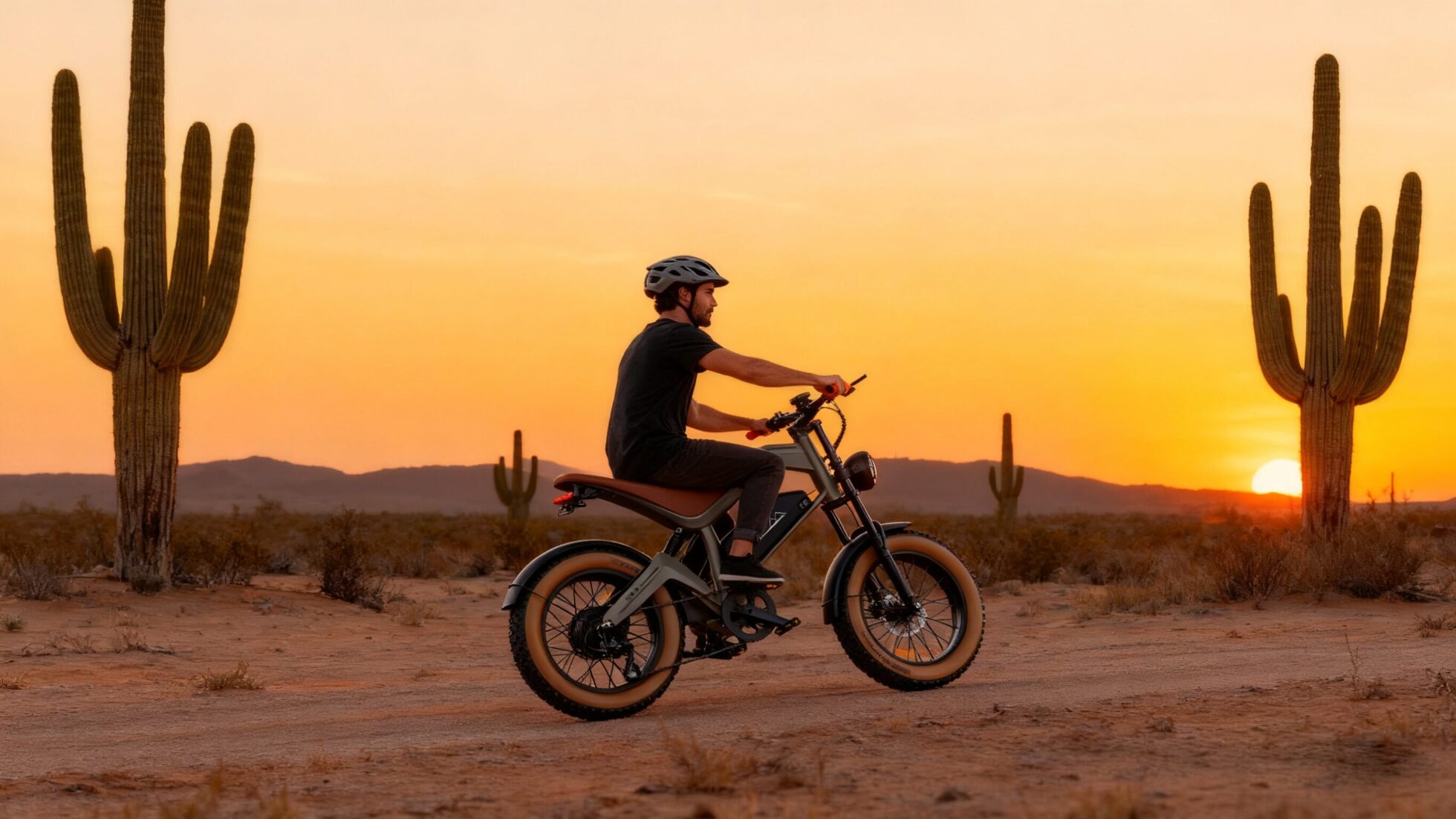
My verdict is clear after testing both the DYU M20 and Tuttio ICT for weeks in all kinds of conditions. The DYU M20 proves to be the better overall choice for most riders, though each bike has its own strengths.
The price makes a compelling case right away. At €899, as also highlighted in this long-range e-bike roundup, the DYU M20 gives you great value compared to Tuttio ICT’s €1499 price tag. You get a more practical e-bike that works better in everyday situations for €600 less, instead of just focusing on raw power numbers.
Without doubt, the Tuttio ICT shows off with its massive 2000W motor (peaking at 4000W) and can hit speeds up to 69 km/h. But this kind of extreme performance isn’t practical for daily rides. The DYU’s 750W motor gives you all the power you need for city commuting and light trail riding, and it’s more efficient too.
The weight difference between these models affects how you’ll use them in real life. The DYU M20 weighs in at a manageable 21.8 kg, while the Tuttio ICT feels more like a motorcycle at 46.7 kg. This became obvious during my tests, especially when I had to move through tight spaces or lift the bike over something.
The DYU’s battery performance is another win, despite its lower price. You can go up to 160 km with pedal assist, again matching the benchmarks discussed in industry comparisons, beating the Tuttio’s 120 km range. On top of that, it charges faster too – 5–6 hours instead of 8–10 hours, which makes more sense for daily riders.
The Tuttio ICT does excel in some areas, especially if raw power and speed top your priority list. Its higher load capacity (150 kg versus 120 kg) and reliable suspension might work better for heavier riders or those who tackle very rough terrain.
Notwithstanding that, my long-term testing shows the DYU M20 hits the sweet spot between performance, practicality, and price. Its smooth power delivery, lighter frame, impressive range, and €600 savings make it the smarter choice for most e-bike fans.
Both bikes are quality options in the fat-tire e-bike market, but the DYU M20 comes out on top. It gives you more of what matters for everyday riding at a much better price point.
FAQs
Q1. How do the DYU M20 and Tuttio ICT compare in terms of power and speed?
The DYU M20 features a 750W motor (peaking at 1500W) with a top speed of 45 km/h, while the Tuttio ICT boasts a 2000W motor (peaking at 4000W) and can reach speeds up to 69 km/h. The Tuttio ICT offers significantly more power, but the DYU M20 provides sufficient speed for most daily riding needs.
Q2. What is the battery range for each e-bike?
The DYU M20 offers an impressive range of up to 160 km in pedal-assist mode, while the Tuttio ICT provides 75–100 miles (120–160 km) under similar conditions. Both bikes offer good range, but the DYU M20 edges out with slightly better performance in this aspect.
Q3. How do these e-bikes handle different terrains?
Both bikes feature 20-inch fat tires suitable for various terrains. The DYU M20’s lighter frame (21.8 kg) makes it more maneuverable on technical sections and city streets. The Tuttio ICT, while heavier (46.7 kg), offers full suspension for better shock absorption on rough trails.
Q4. What are the charging times for the DYU M20 and Tuttio ICT?
The DYU M20 requires 5–6 hours for a full charge, making overnight charging convenient for daily use. In contrast, the Tuttio ICT needs 8–10 hours for a complete charge, which may require more planning for longer journeys.
Q5. How do the prices of these e-bikes compare?
There’s a significant price difference between the two models. The DYU M20 is available for €899, while the Tuttio ICT comes in at €1499. This €600 price gap is an important factor to consider when evaluating the overall value of each e-bike.





4 comments
Nathan
How realistic is the DYU M20’s claimed range in real use?
Daniel Novak
In my experience, the range is very realistic if you ride sensibly. With mixed riding and moderate assist levels, I consistently got close to the advertised figures, which is impressive for a bike in this price range.
Laura
The raw power of the Tuttio ICT sounds crazy fun, but maybe overkill for everyday riding.
Kevin
I like how the author tested both in city and off-road conditions — that’s super useful.