






Folding e-bike hinge care is one of those small routines that makes a city bike feel reassuring every time it comes out of a hallway, train station, or car boot. The hinge is not a decoration. It carries a moving joint, a latch, and the expectation that the frame will feel solid once the bike is open.
Most hinge trouble starts quietly: road grit around the joint, a latch that is closed in a hurry, a new click that goes unexplained, or a bike stored wet after a rainy commute. None of those calls for panic. They do call for a calm, repeatable inspection instead of extra force or a random spray of lubricant.
In my workshop routine, I treat the fold point like a safety-critical interface. Clean it gently, open and close it deliberately, look for changes, and stop riding if the frame or latch does not behave as it should. This guide explains that routine for compact city riders.
Why the Hinge Deserves Its Own Check
A folding e-bike combines the demands of daily transport with a frame designed to move at one defined point. The hinge, latch, safety catch, and their surrounding frame sections should work together without visible damage or unexpected play. A little surface dust is normal; a loose, cracked, bent, or reluctant mechanism is not something to ignore.
Start by separating two ideas. Cosmetic marks from ordinary use are different from a change in how the fold feels. If the handle is suddenly hard to close, if the safety catch will not seat, or if the bike shifts at the joint while you roll it, pause and investigate. Do not compensate by pulling the latch harder or adding a spacer, tape, or non-approved part.
Regular general cleaning helps because mud and road film hide small changes. Park Tool’s bike-washing guidance is a useful baseline: use controlled cleaning rather than a high-pressure blast that can push contamination into places it does not belong. For the drivetrain that sits close to the fold area, Park Tool’s chain-cleaning guidance is also a practical reminder to clean deliberately rather than simply ride until a problem appears.
| What to notice | What it can mean | Best next step |
|---|---|---|
| Dry dust around the joint | Normal city use | Brush and wipe it before it is worked into the mechanism |
| A new click or rough fold action | Dirt, misalignment, or a developing issue | Stop forcing the latch and inspect in good light |
| Visible crack, bend, or missing hardware | Possible structural or retention problem | Do not ride; arrange qualified assessment |
| Latch will not fully close | The bike may not be secured for riding | Clean, re-open, and follow the model instructions; stop if it persists |
| Side-to-side movement at the fold | Unexpected play | Do not tighten at random; seek service guidance |
Set Up a Five-Minute Care Routine
Choose a dry, stable spot and switch the bike off before you touch the fold. If the bike has just arrived from rain, allow obvious water and grit to settle rather than opening it repeatedly in a cramped space. I keep a soft brush, a clean lint-free cloth, and a light handy. That is usually more useful than a shelf full of chemicals.
- Park the bike securely and remove luggage that could pull on the frame while it is folded.
- Look along both sides of the hinge and latch before opening anything.
- Brush away loose dust, leaves, and dried road debris.
- Use a slightly damp cloth on surrounding painted surfaces, then dry them.
- Open and close the mechanism slowly, only as described in the bike’s instructions.
- Finish with the bike fully open and the latch visibly and positively secured before riding.
This is not a race. A commuter who folds twice a day may need a quick visual check more often than someone who folds only for weekend travel. The aim is not to dismantle the hinge after every ride; it is to notice a change early enough that a professional can diagnose it before the next commute.
Avoid directing water into the joint, latch, display, battery area, or cable entries. A garden hose on a gentle setting may be appropriate for the wider bike when the model guidance permits, but a pressure washer is not a shortcut. The same caution applies to strong degreasers. They can remove useful lubrication or leave residue where the manufacturer did not intend it.
If you clean the rest of the bike, work from the upper frame down and keep the hinge area controlled rather than soaked. BikeRadar’s step-by-step cleaning guide has sensible general sequencing: remove loose dirt first, clean with purpose, then dry before applying any product that the component maker recommends.
Inspect the Latch Before and After Every Fold
The latch is where good habits matter most. Open it with the bike supported, keep fingers clear of pinch points, and let the parts move in their intended direction. A properly maintained latch should not need improvisation. If it will not release or lock normally, do not use a tool as leverage unless the official instructions specifically say to do so.
Once the bike is open, take a moment to confirm the lock is complete. Look for the safety catch or secondary lock, not just the main handle. Then hold the bike at a stable point and make a gentle, non-riding check for obvious movement. This is not a strength test. You are simply confirming that the mechanism is seated and behaves as it did when new.
- Keep the hinge faces clean enough that the latch can meet squarely.
- Check that cables and accessories are not trapped across the fold line.
- Do not hang a heavy lock or bag from the open latch while packing.
- Do not ride until every intended lock and catch is visibly engaged.
- Record a repeated noise or symptom with a short video for a technician.
I have found that a photo of the correctly closed mechanism is useful for new riders. It gives you a reference in your phone for what “fully seated” looks like on your own bike. It also makes it easier to describe a change accurately if you need help.
Wet Storage and Public-Transport Habits
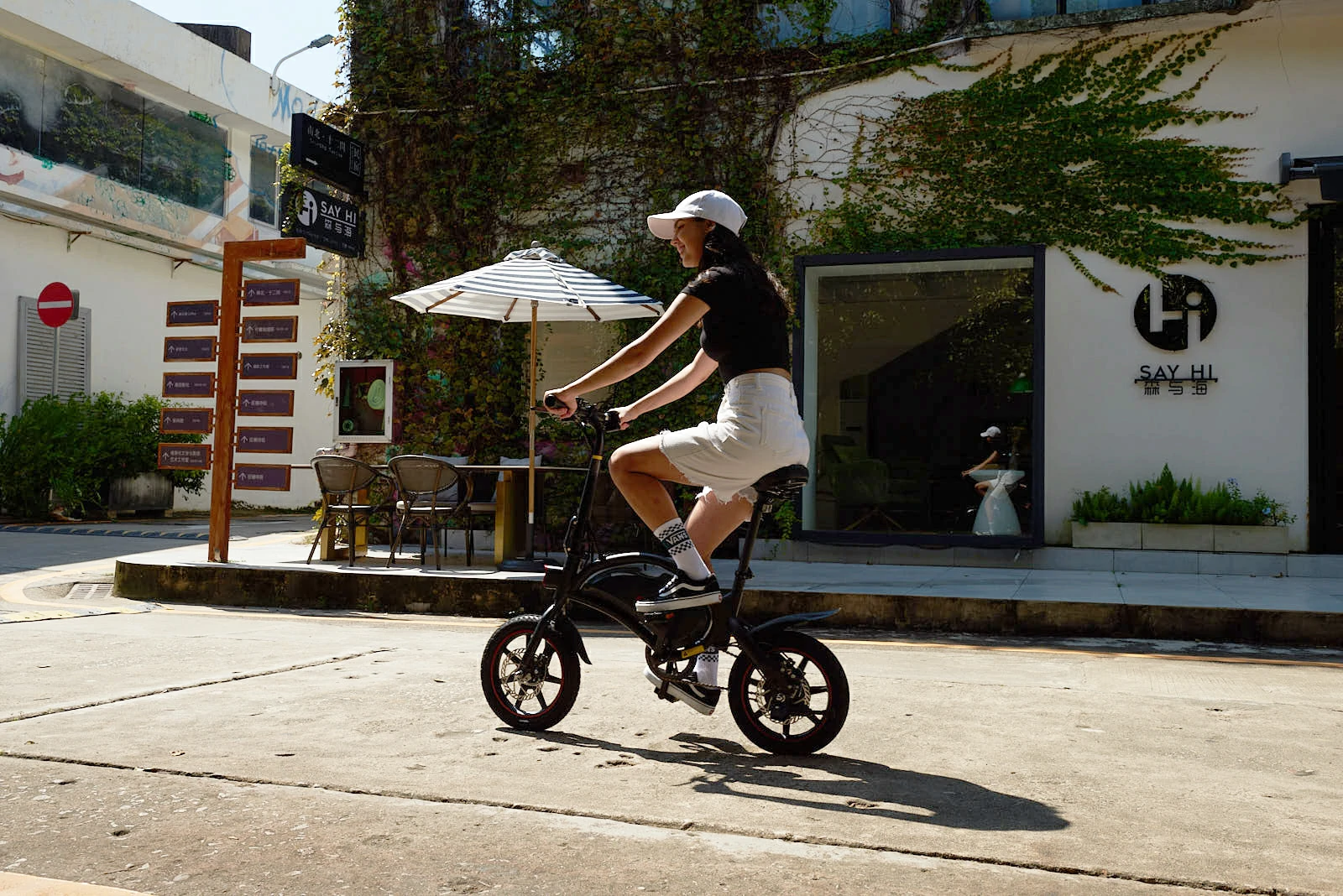
City riders often fold at the least convenient moment: beside a platform gate, after a shower, or just before bringing the bike into a small flat. That is exactly when the hinge gets a rushed close and no drying time. Build a tiny reset into the arrival routine instead. Wipe the joint, leave the bike open briefly if space allows, and fold it only after the obvious moisture is gone.
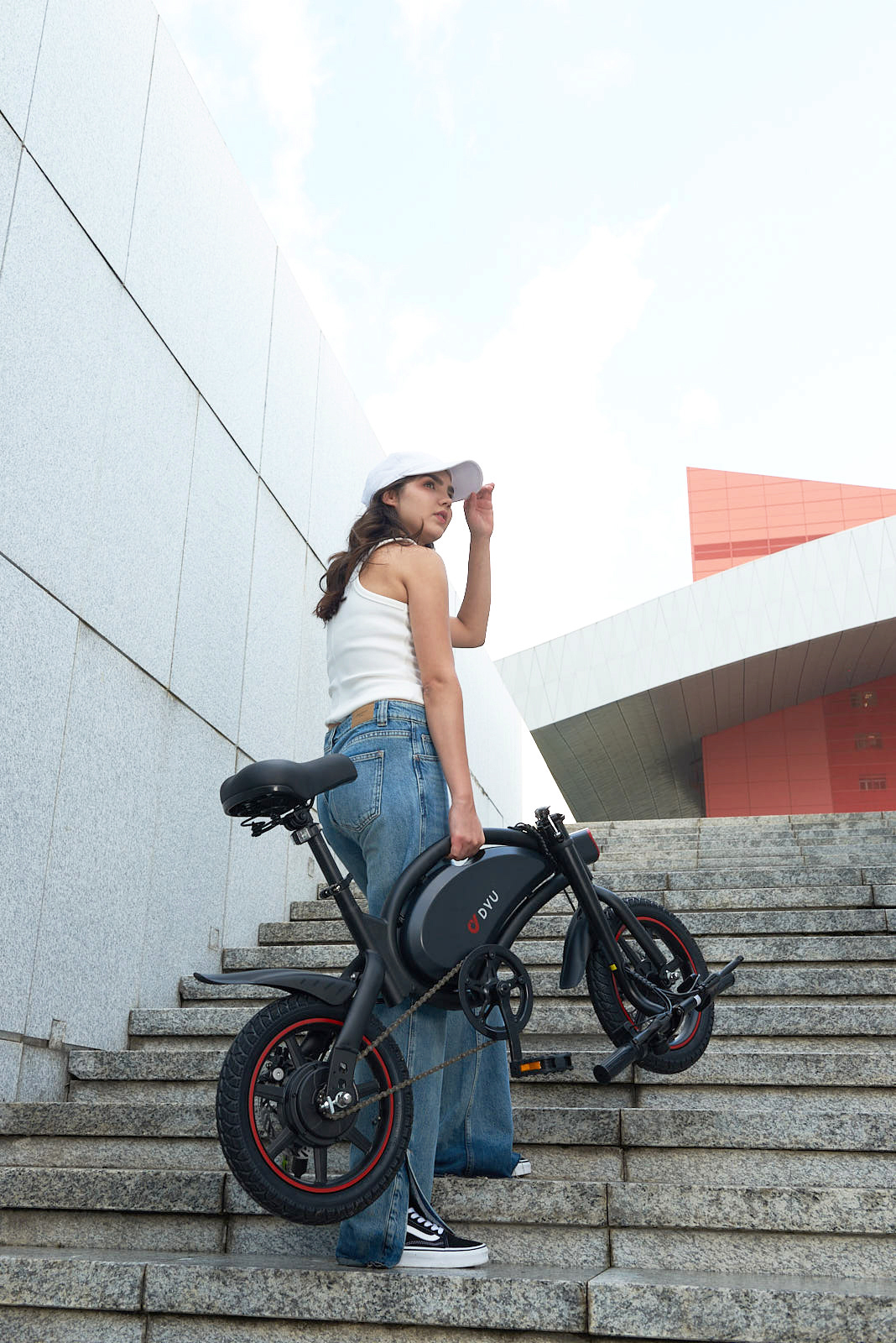
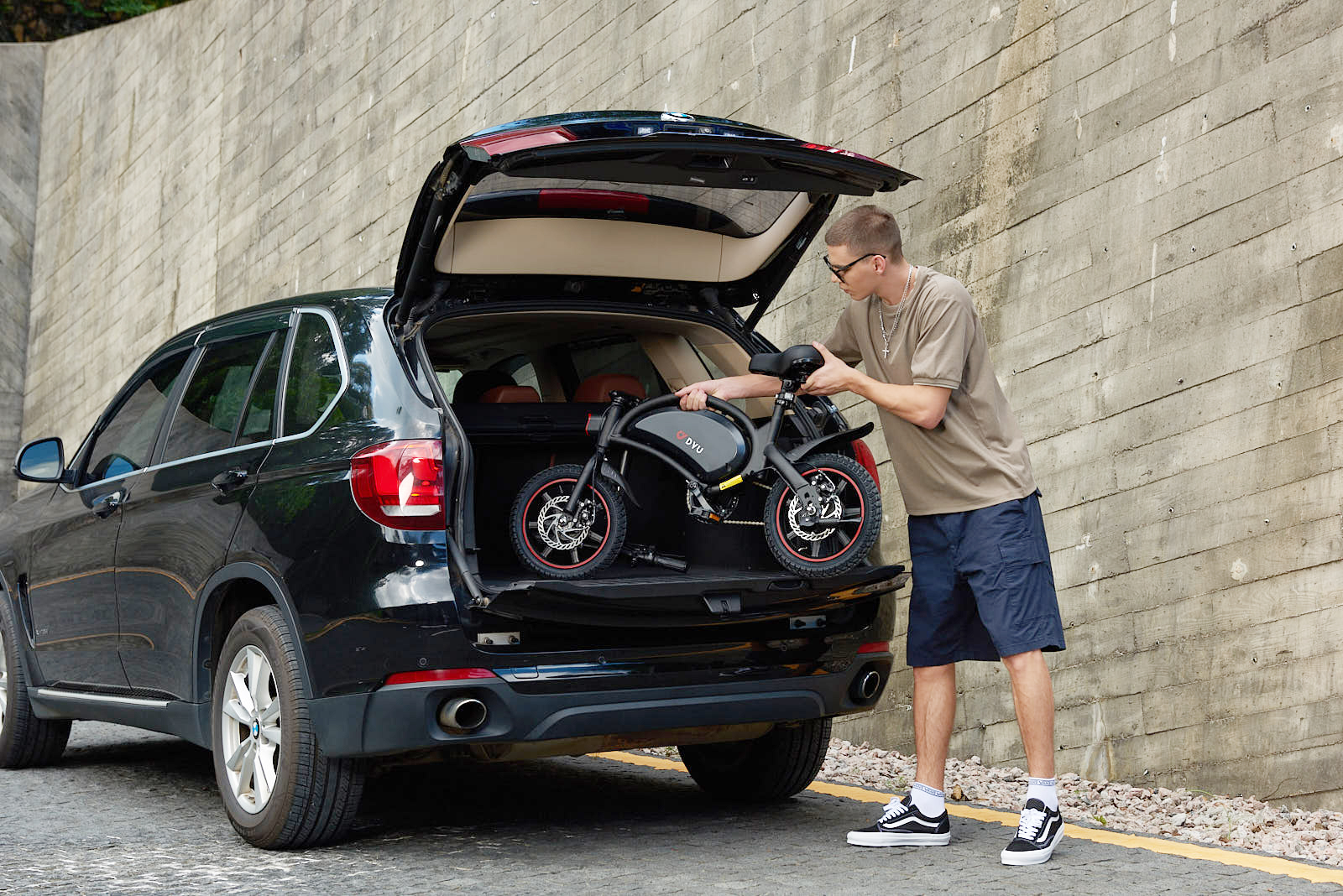
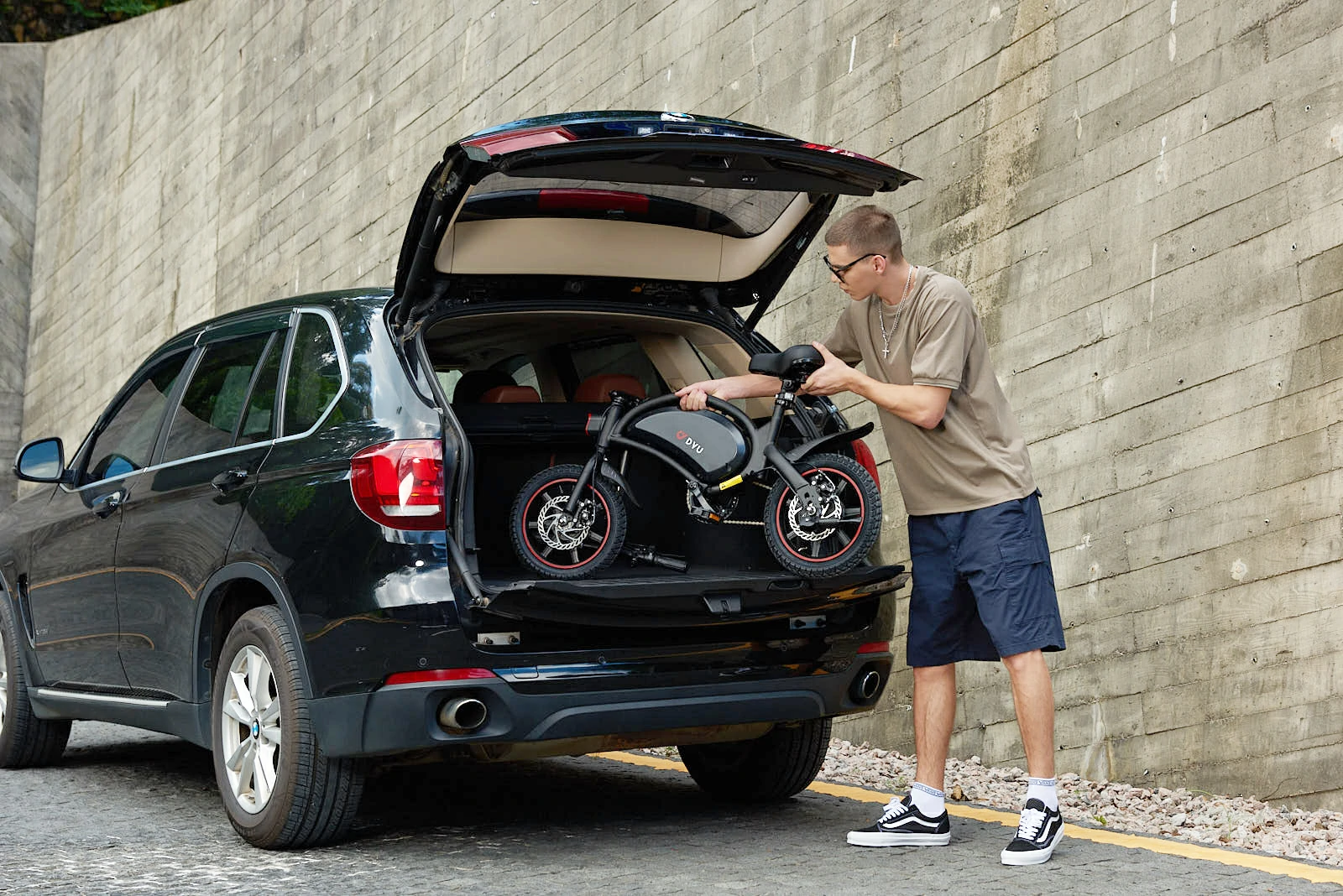
For a train or bus connection, fold before the crowd reaches you when that is practical. Keep straps, bags, and loose accessories away from the joint. Once the bike is compact, lift from the approved carrying points rather than using the latch as a handle. A folding frame is designed to be compact, but the latch is not a luggage hook.
Storage matters too. A dry, protected space is kinder to any mechanical joint than a balcony exposed to grit and rain. If outside storage is unavoidable, use a breathable cover and inspect the fold more frequently. Do not close a wet bike under a non-breathable cover and assume the moisture has disappeared.
Where the DYU D3F Fits This Hinge-Care Routine
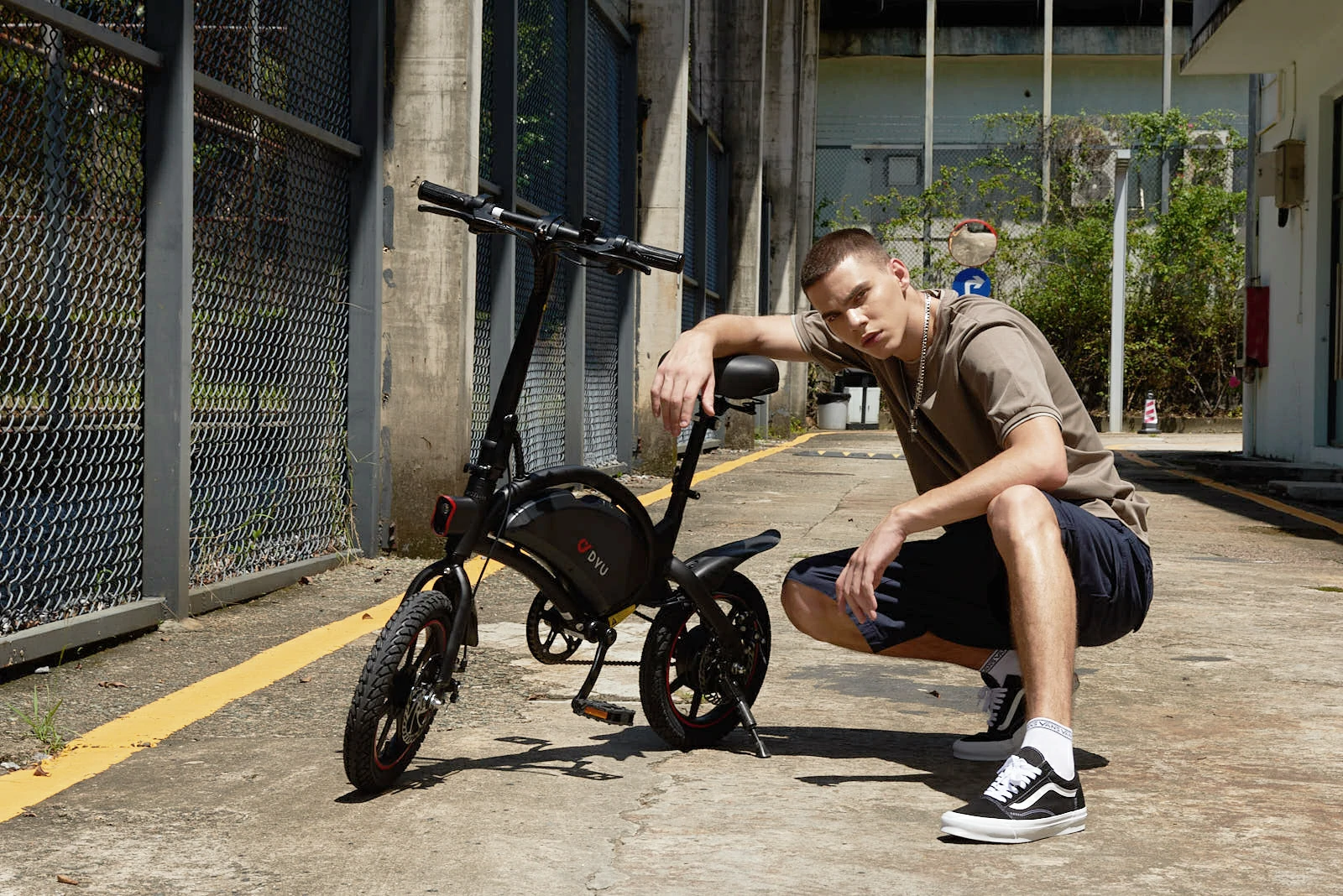
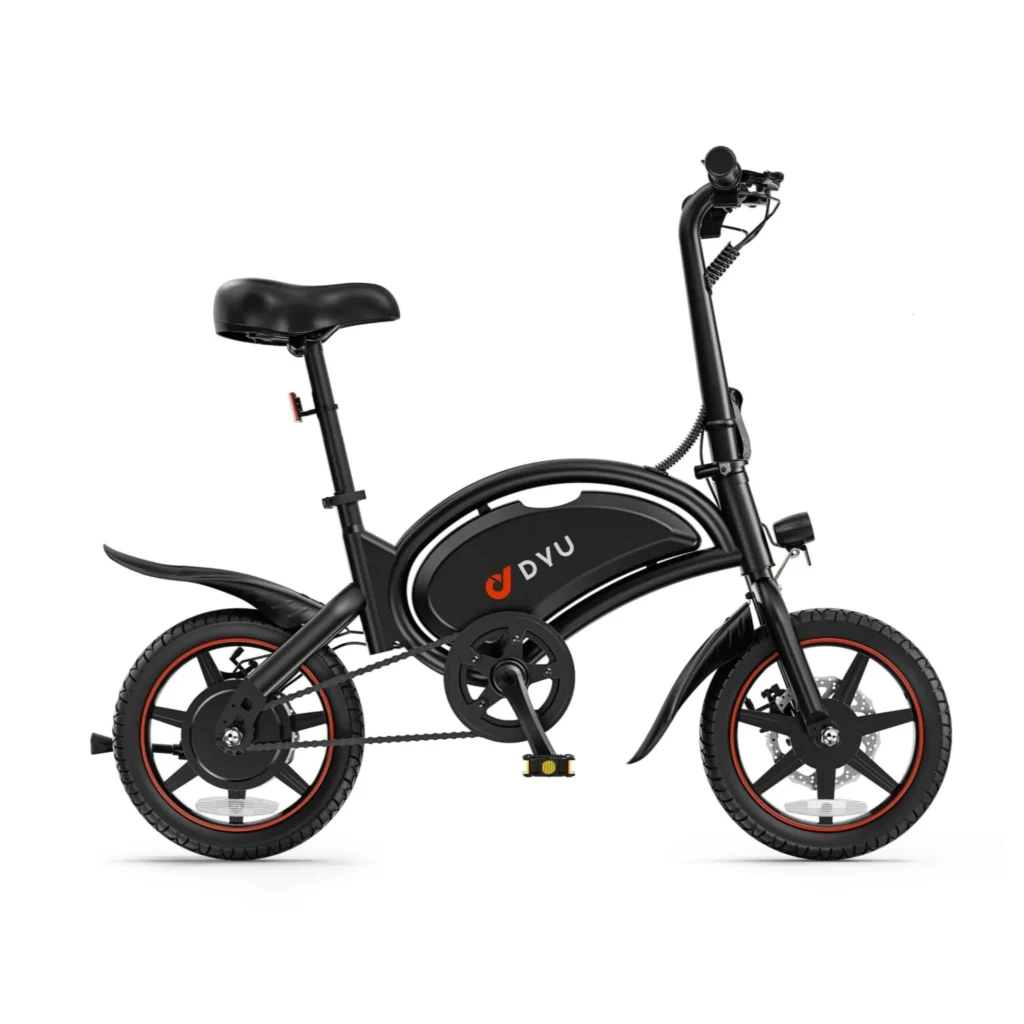
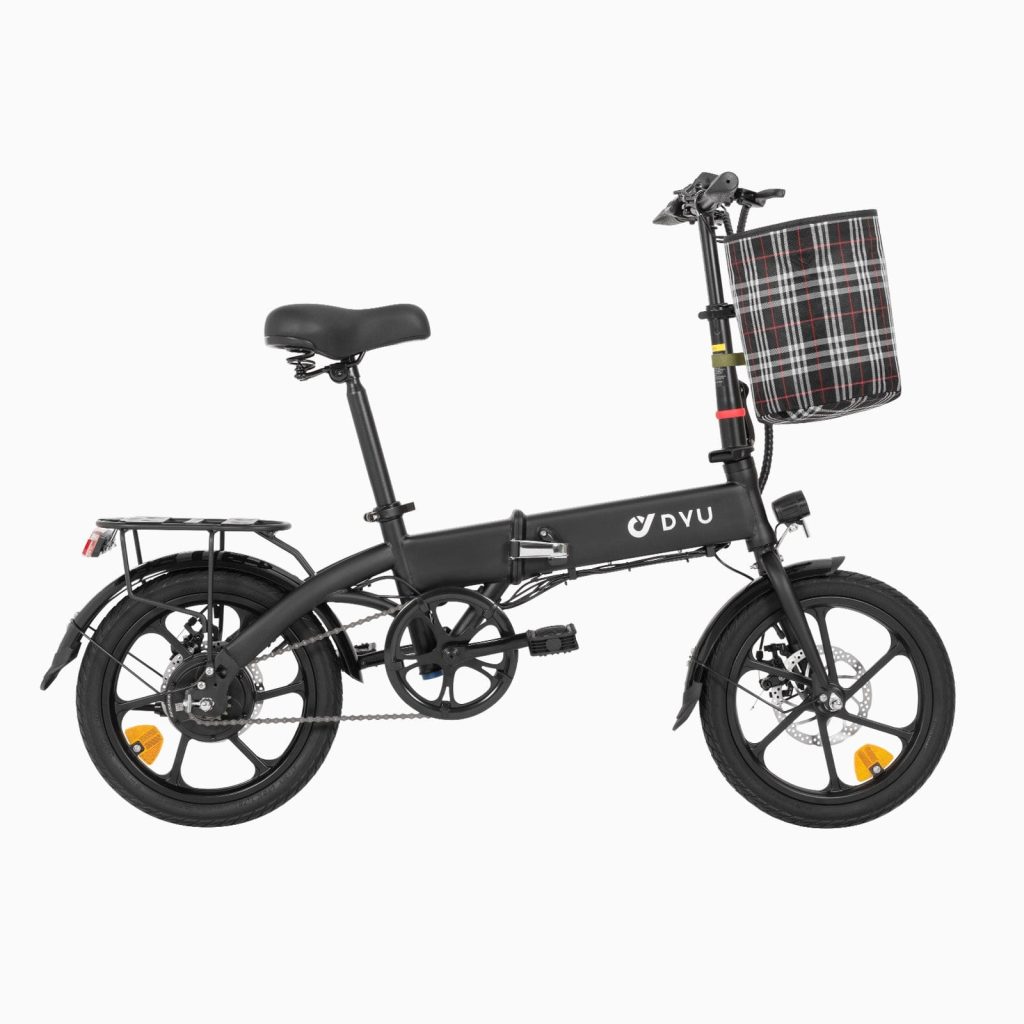
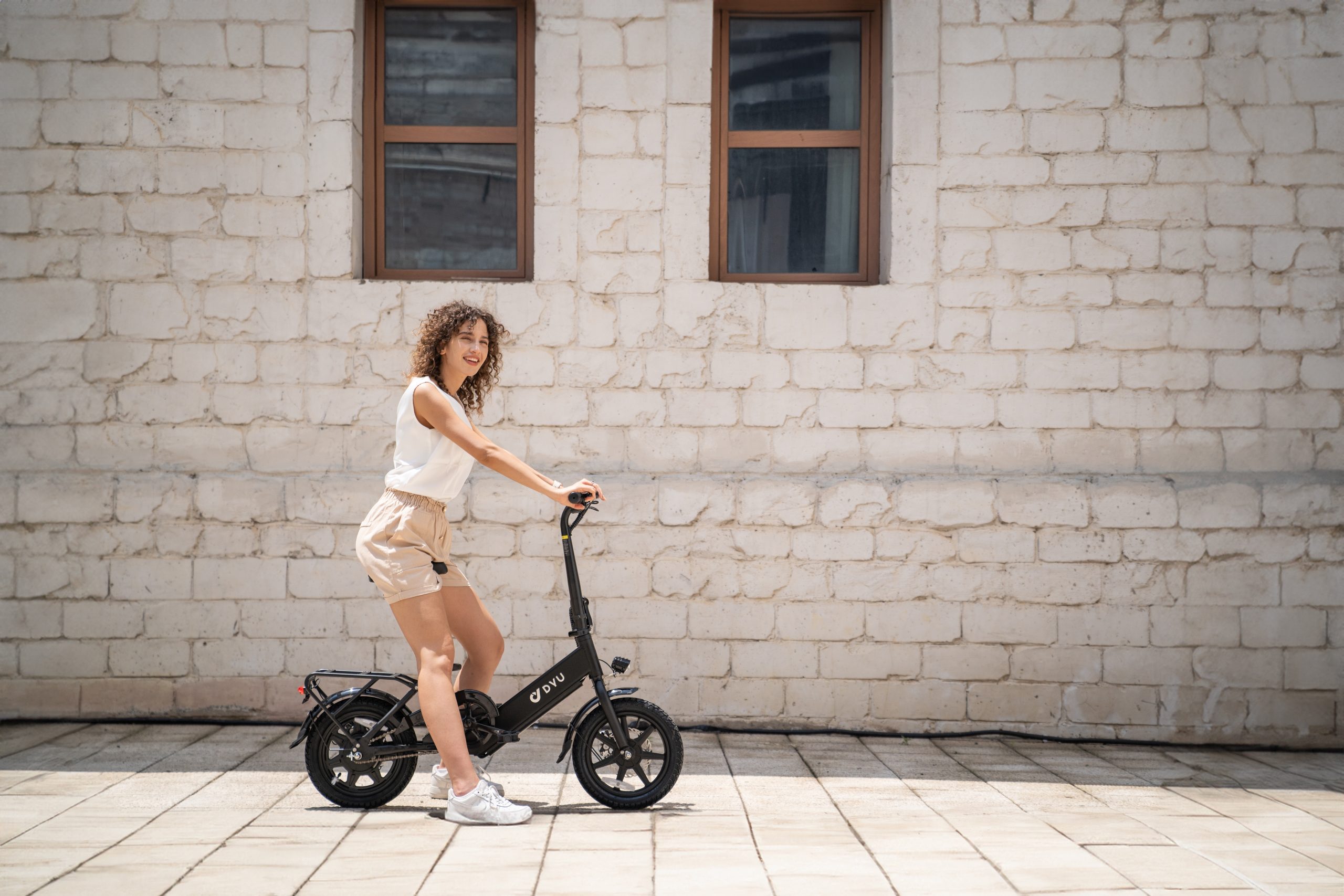
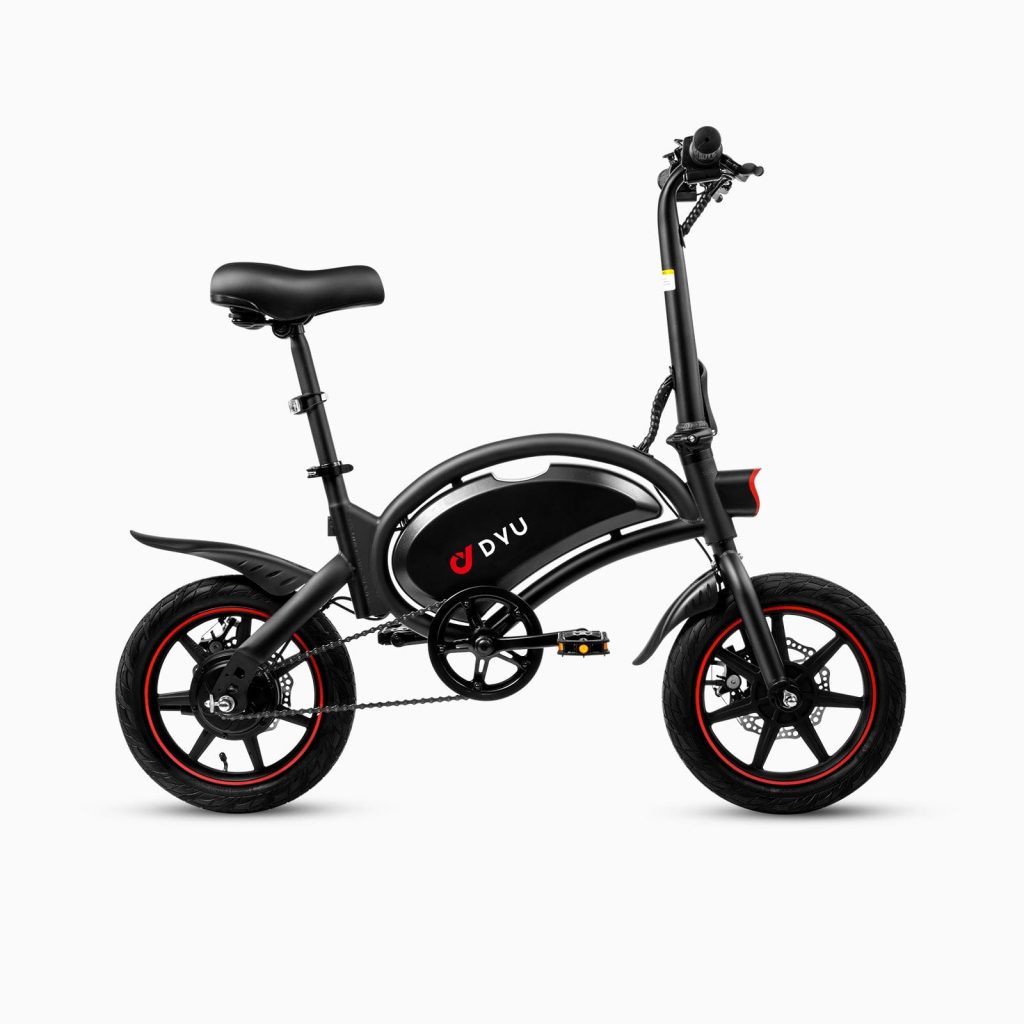
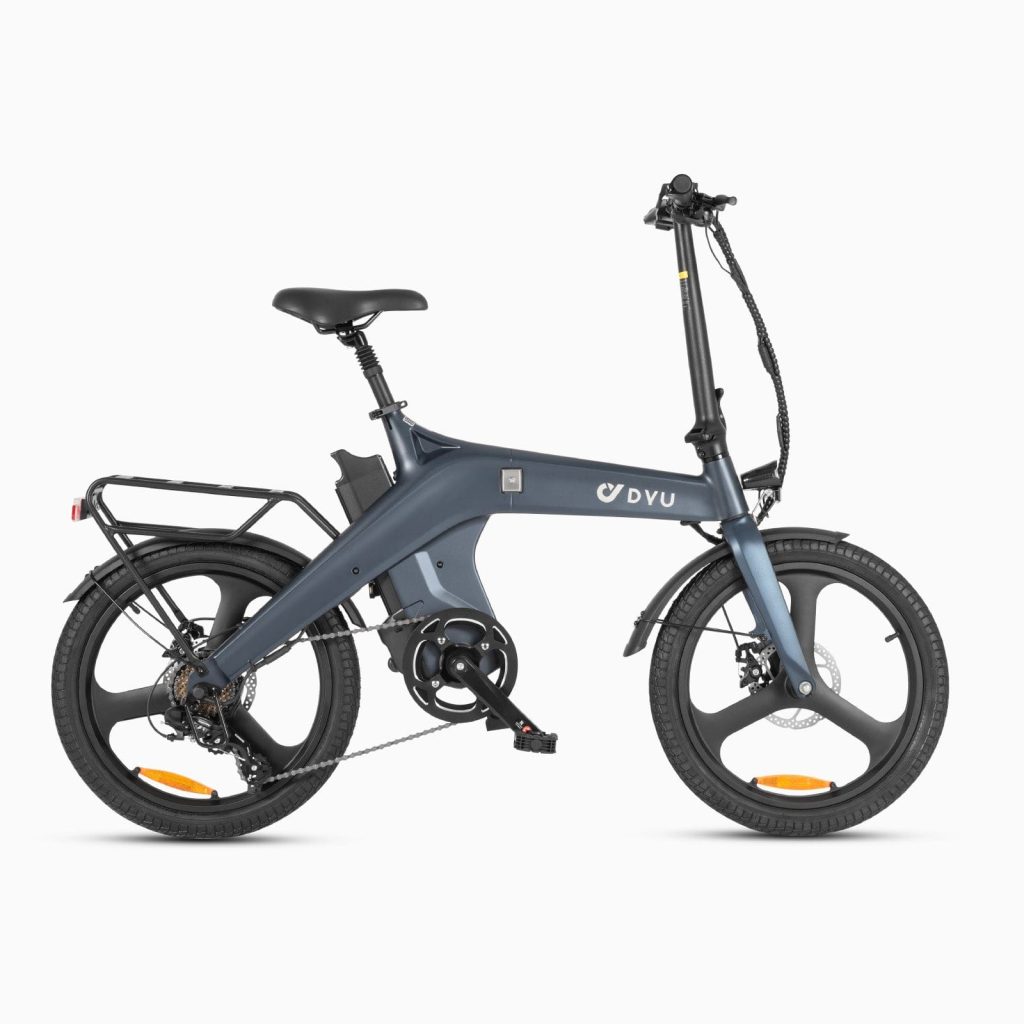
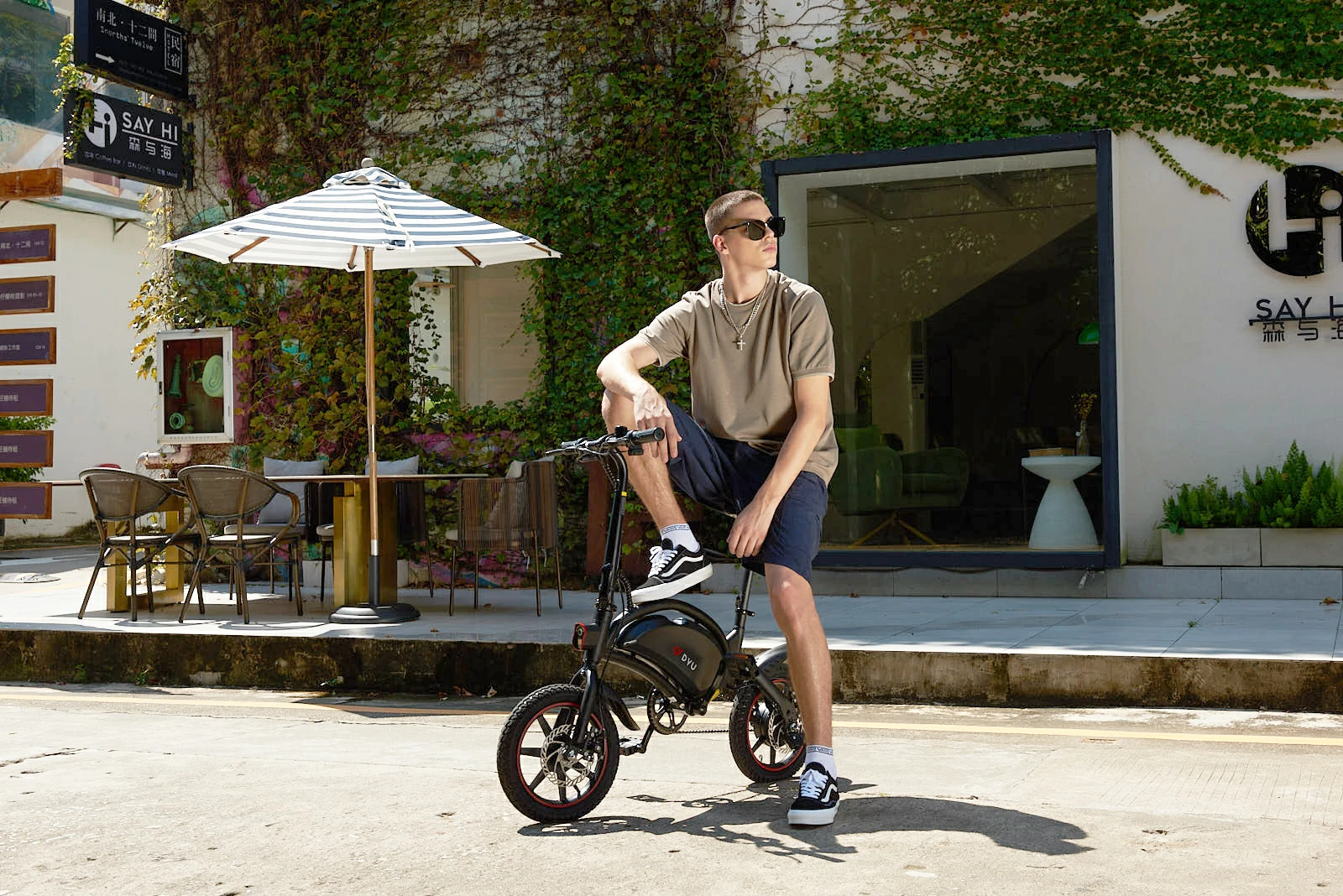
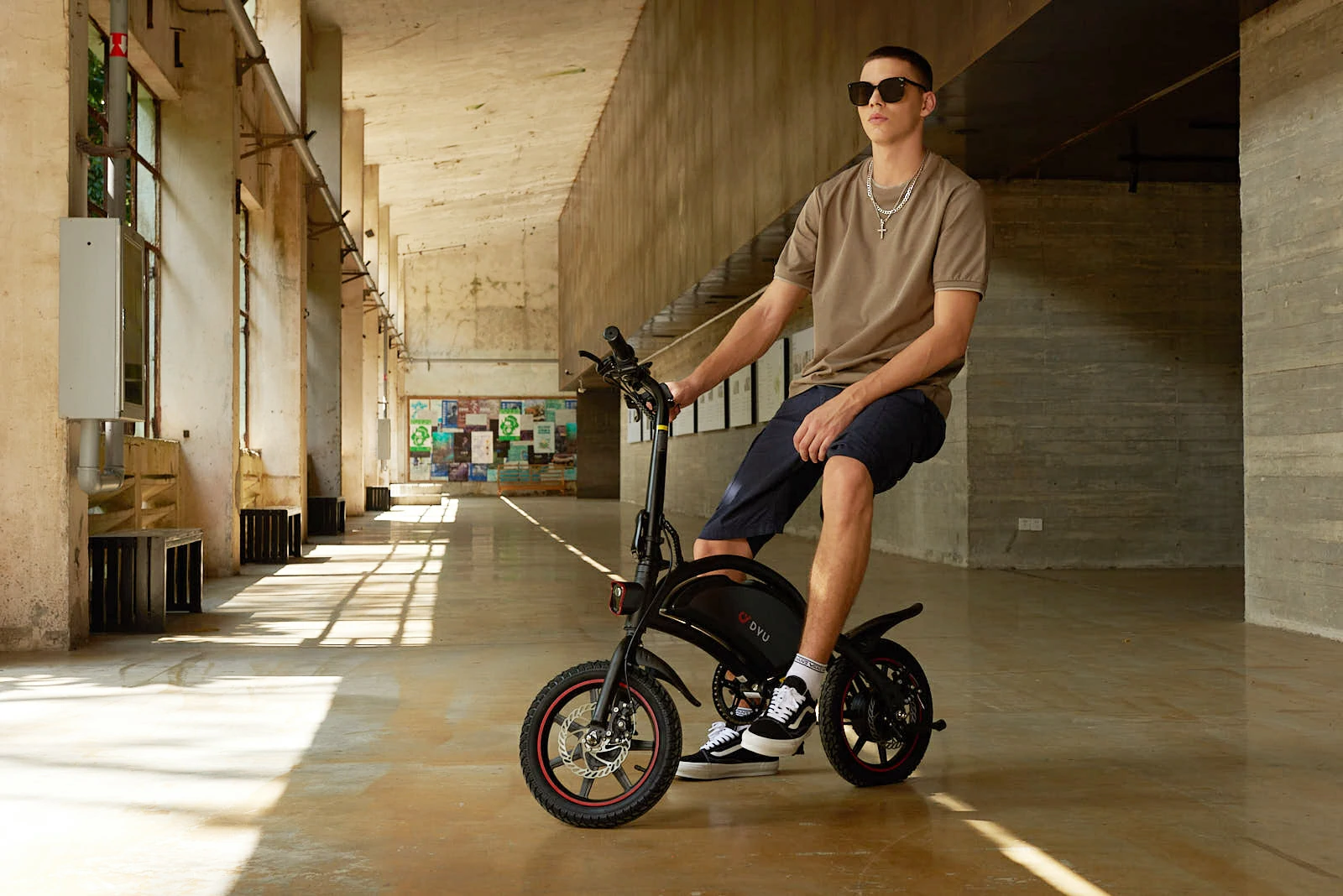
For riders choosing a compact city model, the DYU D3F 14-inch Mini Folding E-Bike is currently listed at €499.00. Its folding handlebar and pedals make a simple pre-ride routine especially worthwhile: clear the fold points, open each moving part in sequence, and check that it is properly secured before the first pedal stroke.
The D3F is a small 14-inch commuter with a listed 250 W motor, 36 V 10 Ah battery, 50 km assisted range, and 25 km/h assistance limit. Those are useful commuting figures, but they do not replace a folding check. Treat the hinge and every locking part as the first item on the daily checklist, whether the day involves a short ride to a station or a longer run through town.
New owners can also read the DYU D3F public-transport commuting guide for compact-travel habits and the DYU brake-pad wear guide for city riders for another useful before-you-ride check. These routines work best together: a secure fold, responsive brakes, correctly inflated tyres, and a battery that is properly seated.
When Cleaning Becomes a Service Question
There is a clear point where care at home should stop. Do not continue riding if you can see a crack near the hinge, if a pin or fastener is missing, if the latch will not lock, if the frame moves unexpectedly, or if a crash has struck the folding area. Stop if you are unsure. A compact bike is only convenient when it is also structurally sound.
Do not make your own adjustment to hinge hardware just because a bolt is visible. Torque, washers, locking compounds, and alignment can be model-specific. The owner documentation and an authorised technician should decide whether adjustment is appropriate. A mechanic can inspect the latch surfaces, pivot hardware, frame alignment, and cable routing far more reliably than a forced roadside repair.
My final habit is simple: fold with attention, not momentum. A clean, deliberate close and a five-second check before riding cost almost nothing. Over a season of city travel, that small pause can be the difference between spotting a developing issue early and discovering it when you are already late.
FAQs
Q1. How often should I inspect a folding e-bike hinge?
Make a quick visual and latch check each time you unfold the bike. Clean more thoroughly after wet or gritty rides, and arrange service immediately if the action, noise, or stability changes.
Q2. Can I use a pressure washer on a folding e-bike hinge?
No. High-pressure water can push moisture and dirt into joints, seals, and electrical areas. Use a controlled low-pressure clean and follow the instructions for your specific bike.
Q3. Should I grease the hinge myself?
Only use a lubricant or service method specified for your model. Random grease can collect grit or interfere with the latch, so check the owner guidance or ask a qualified technician.
Q4. What if the latch closes but the frame still feels loose?
Do not ride it. A latch that appears closed is not enough if you notice play, movement, or a changed feel at the joint. Have the hinge and frame assessed before using the bike again.
Q5. Is it safe to carry a folded e-bike by its latch?
Use only the designated carrying points or handle described for the bike. The latch is a retention mechanism, not a general-purpose carrying handle or bag hook.