
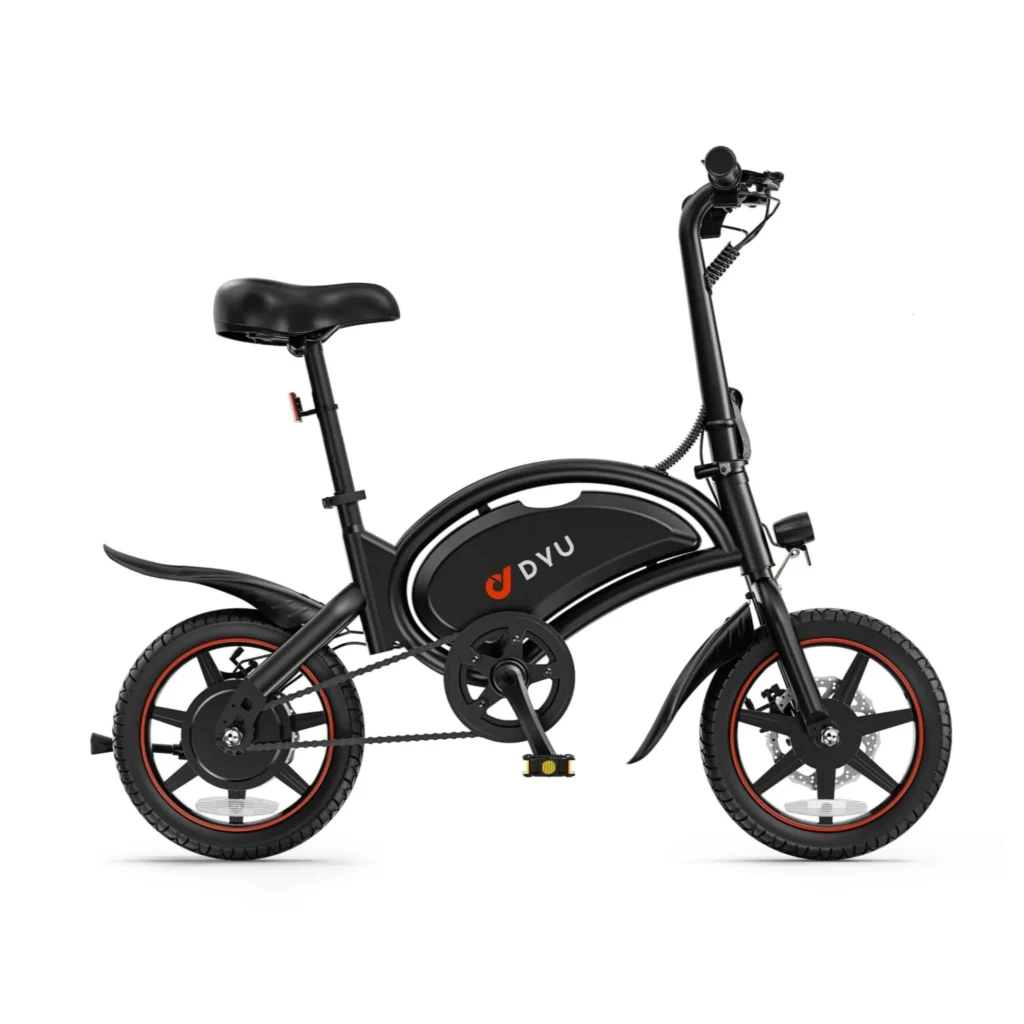
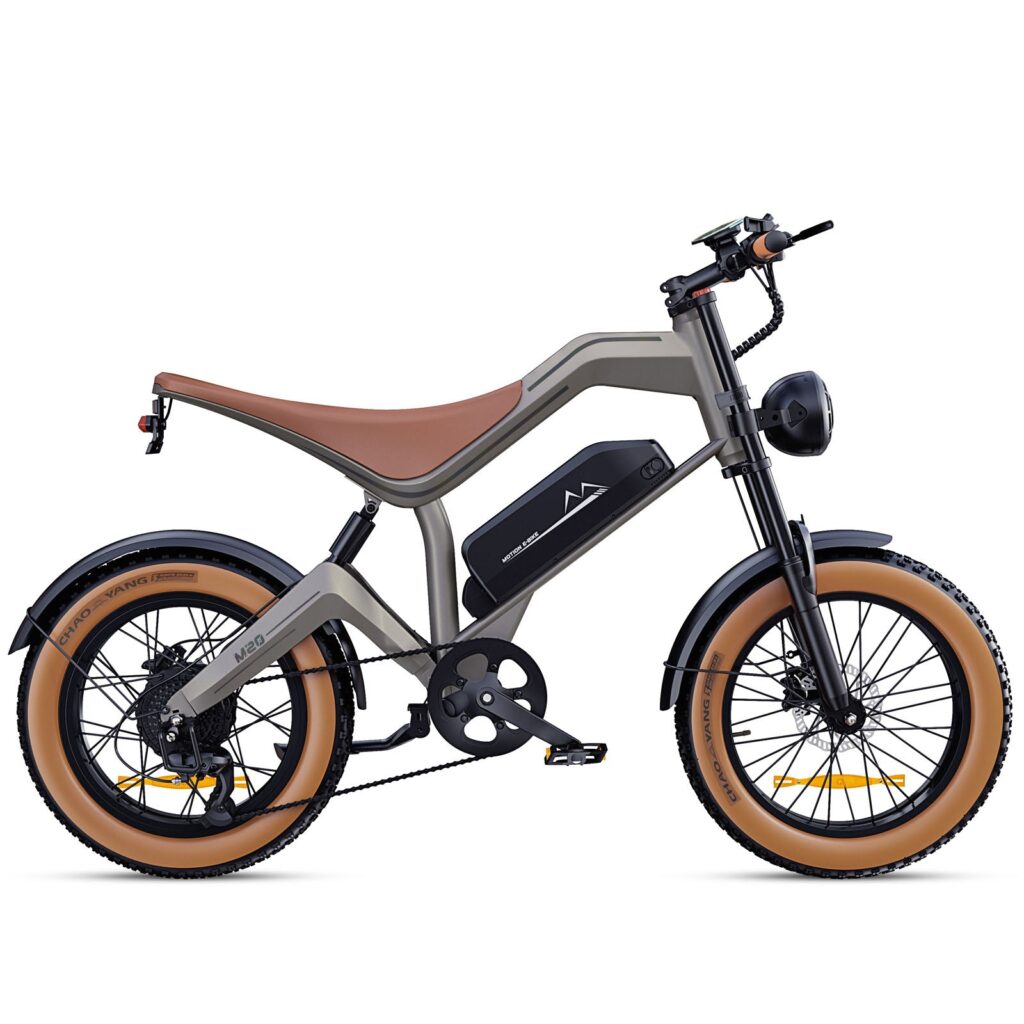
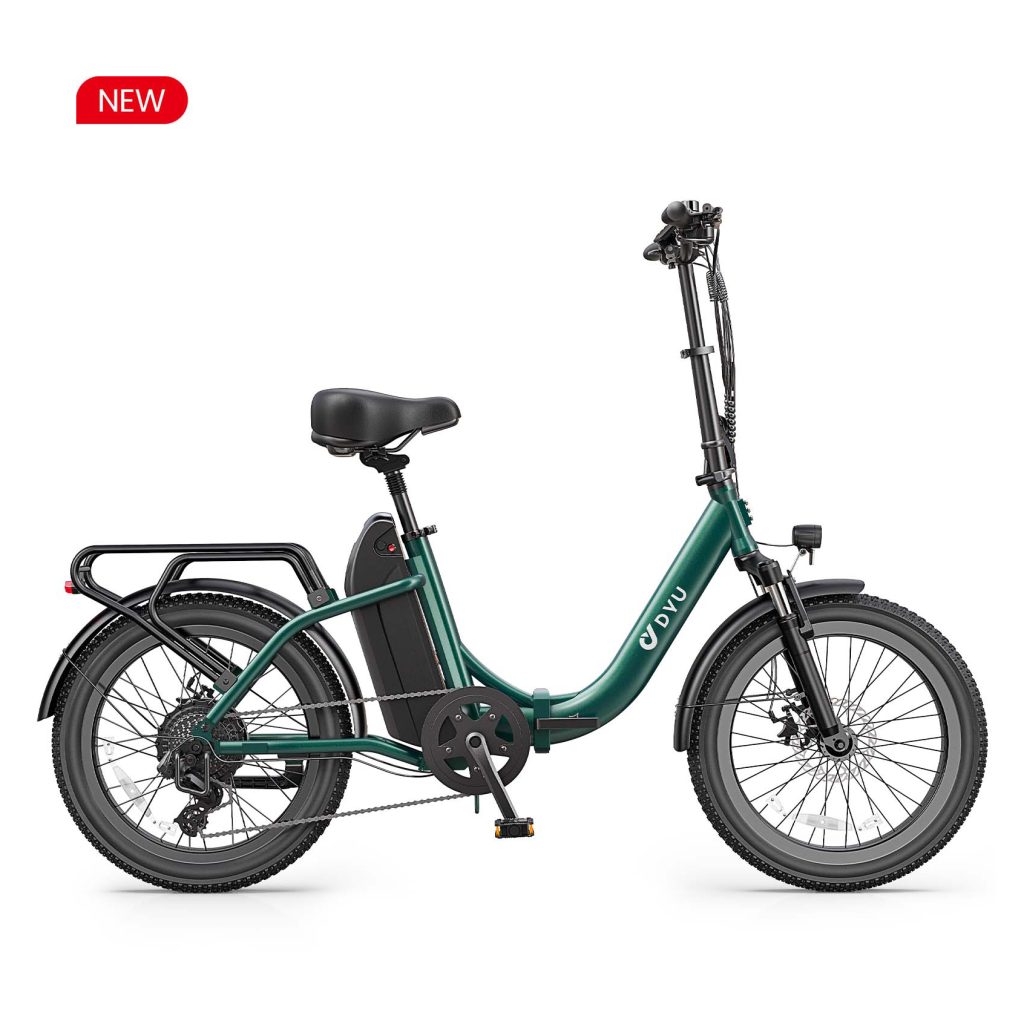
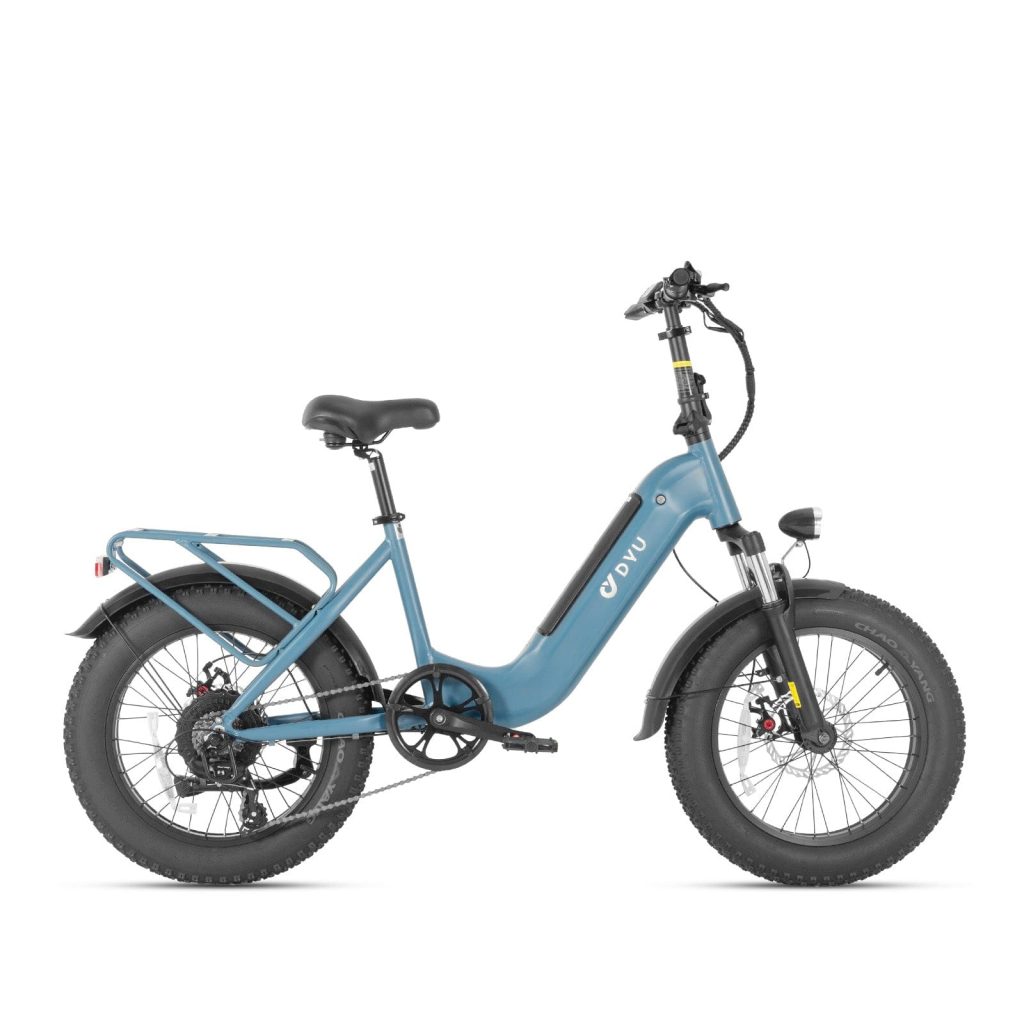
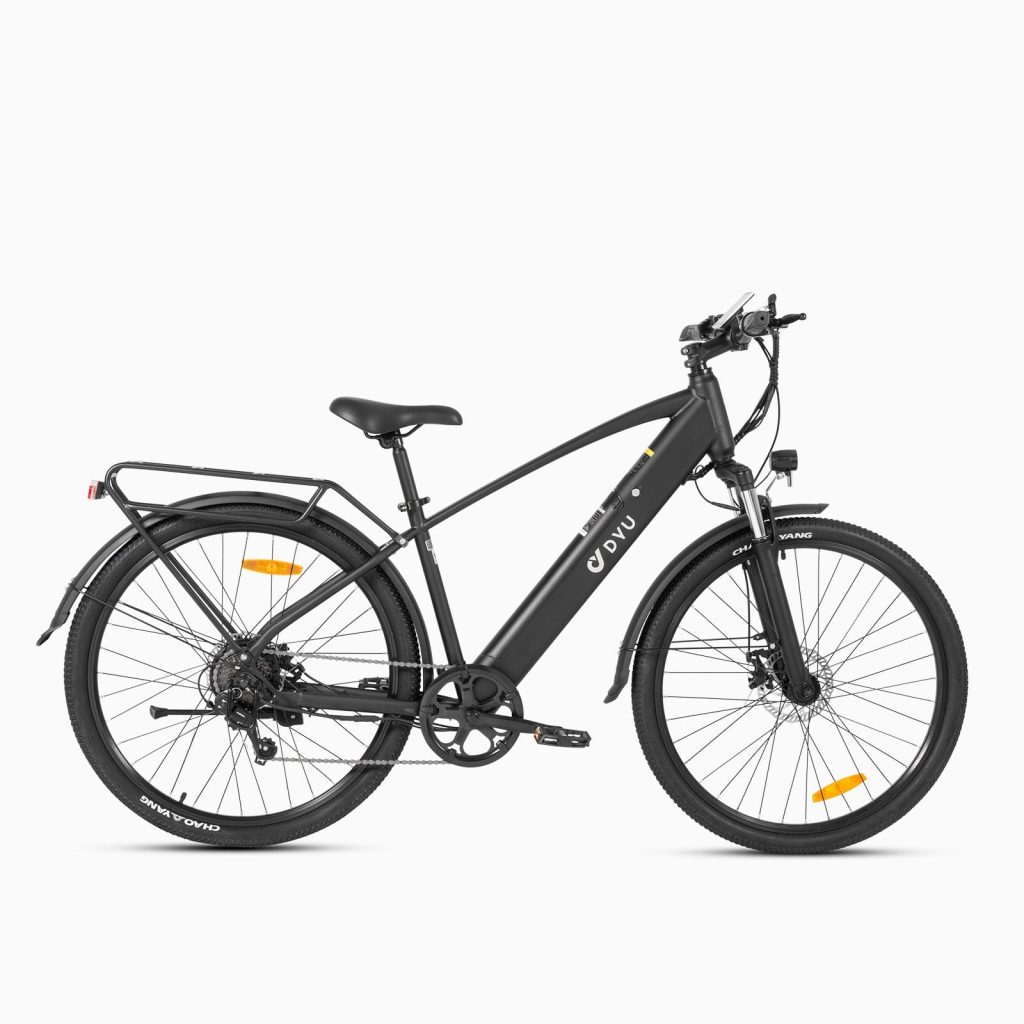
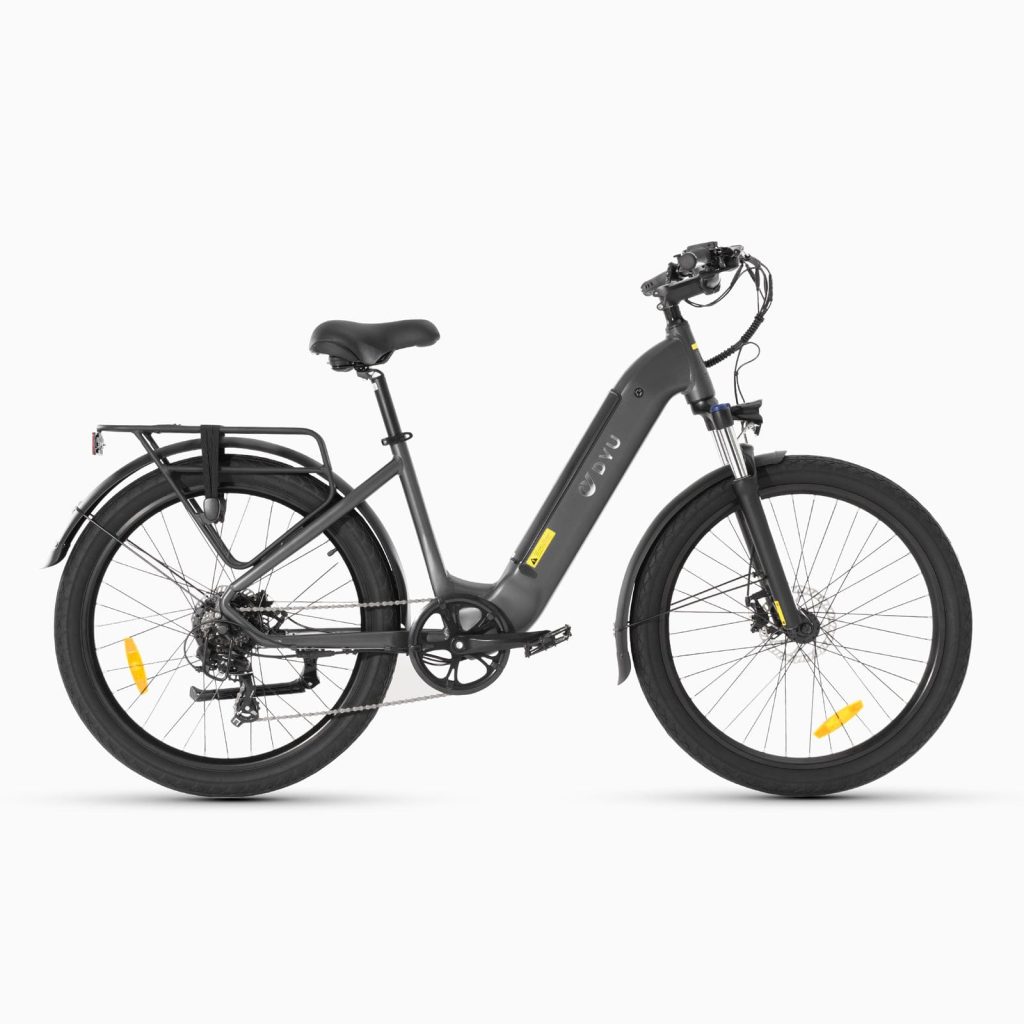
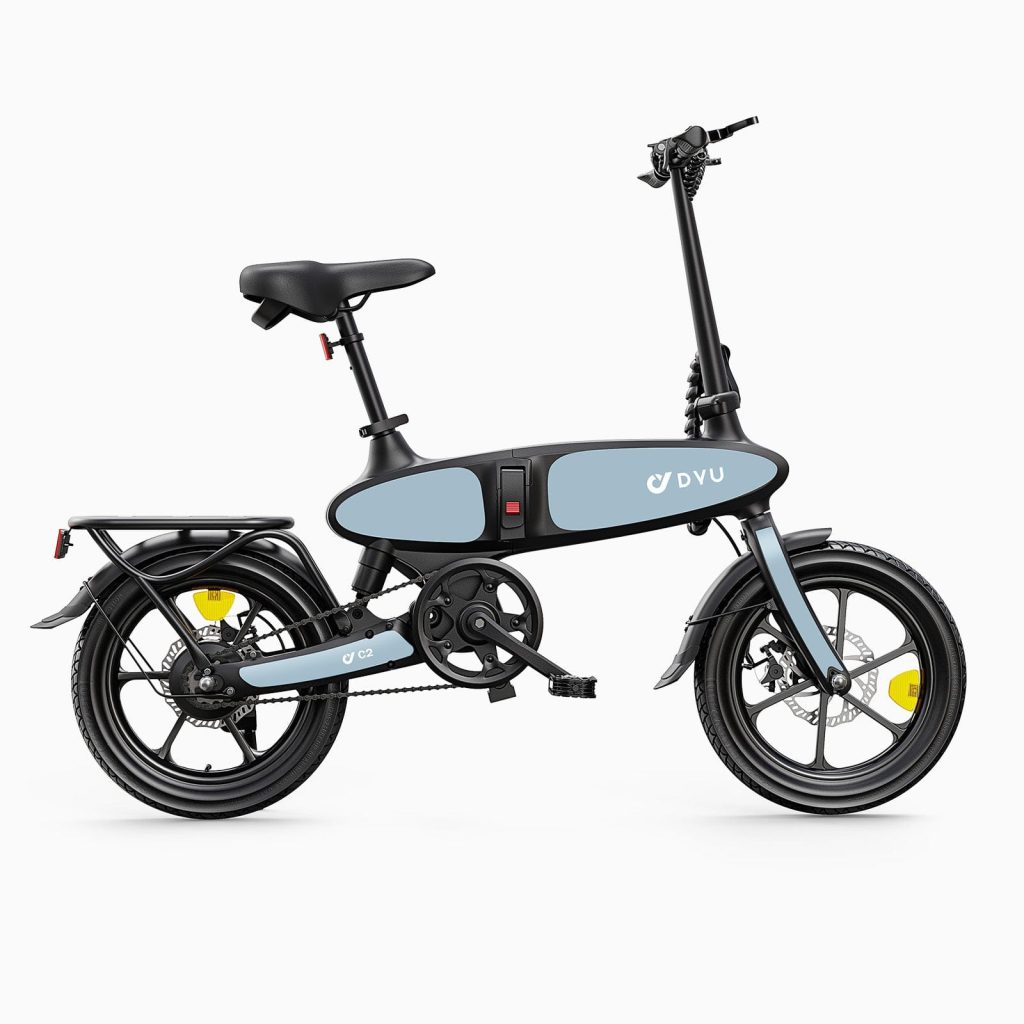
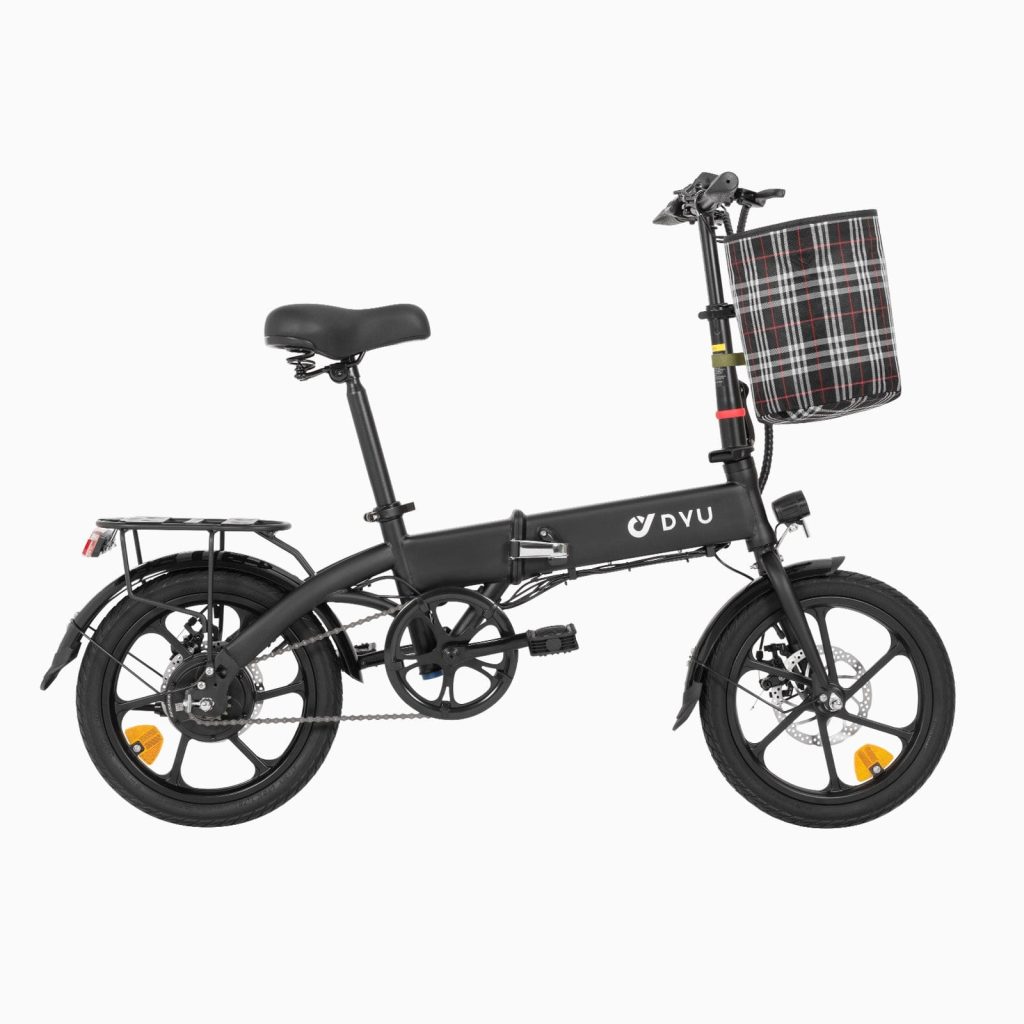
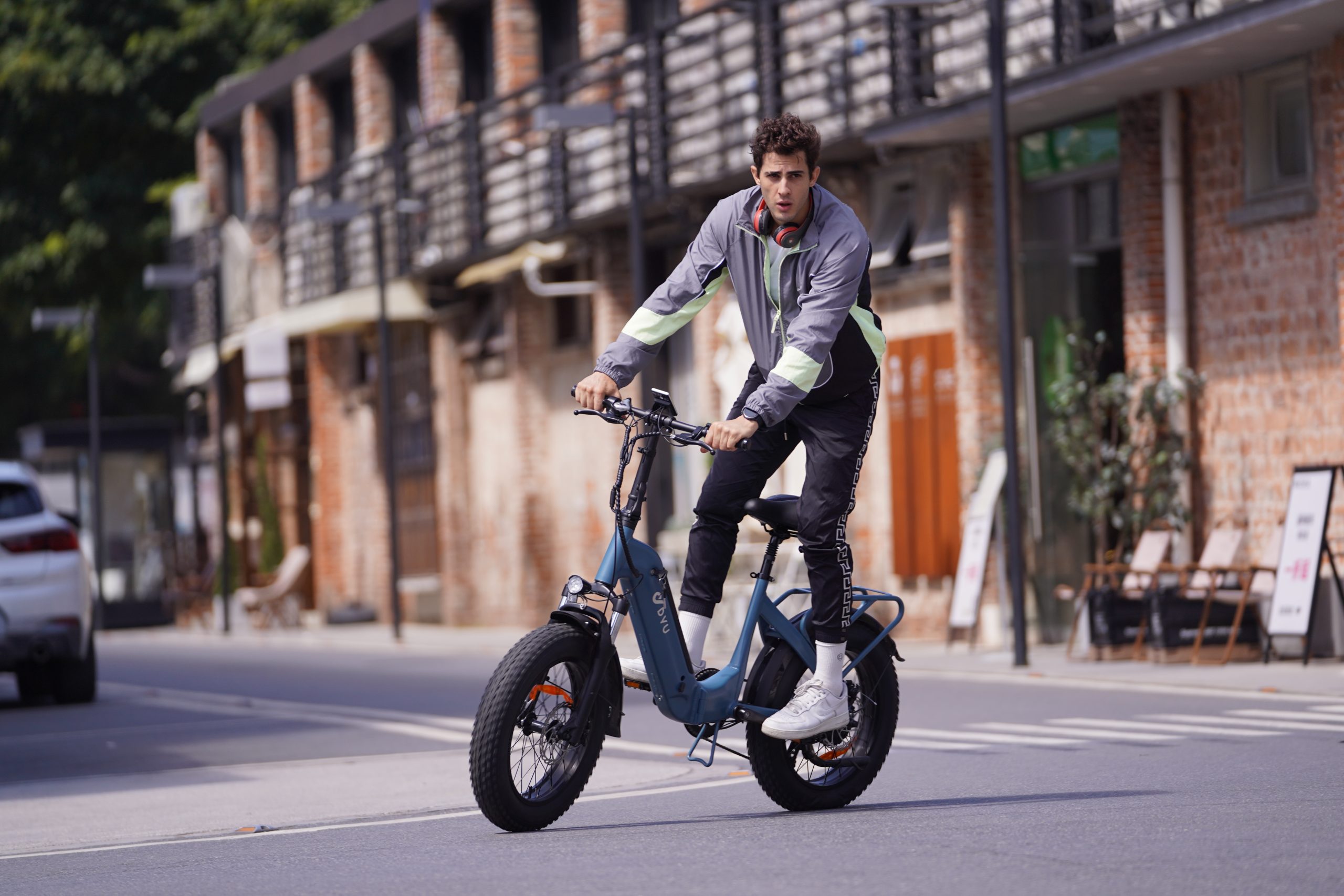
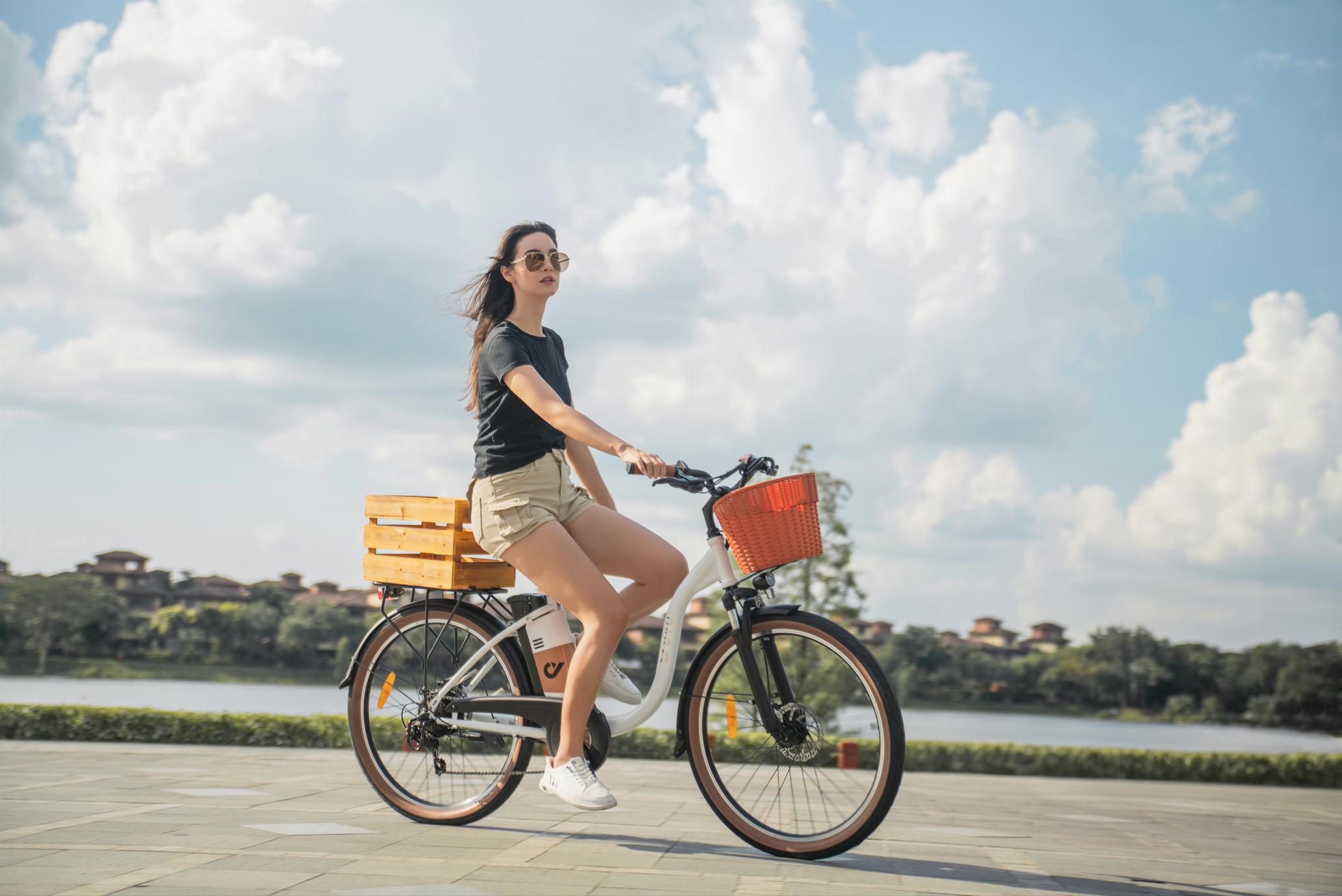
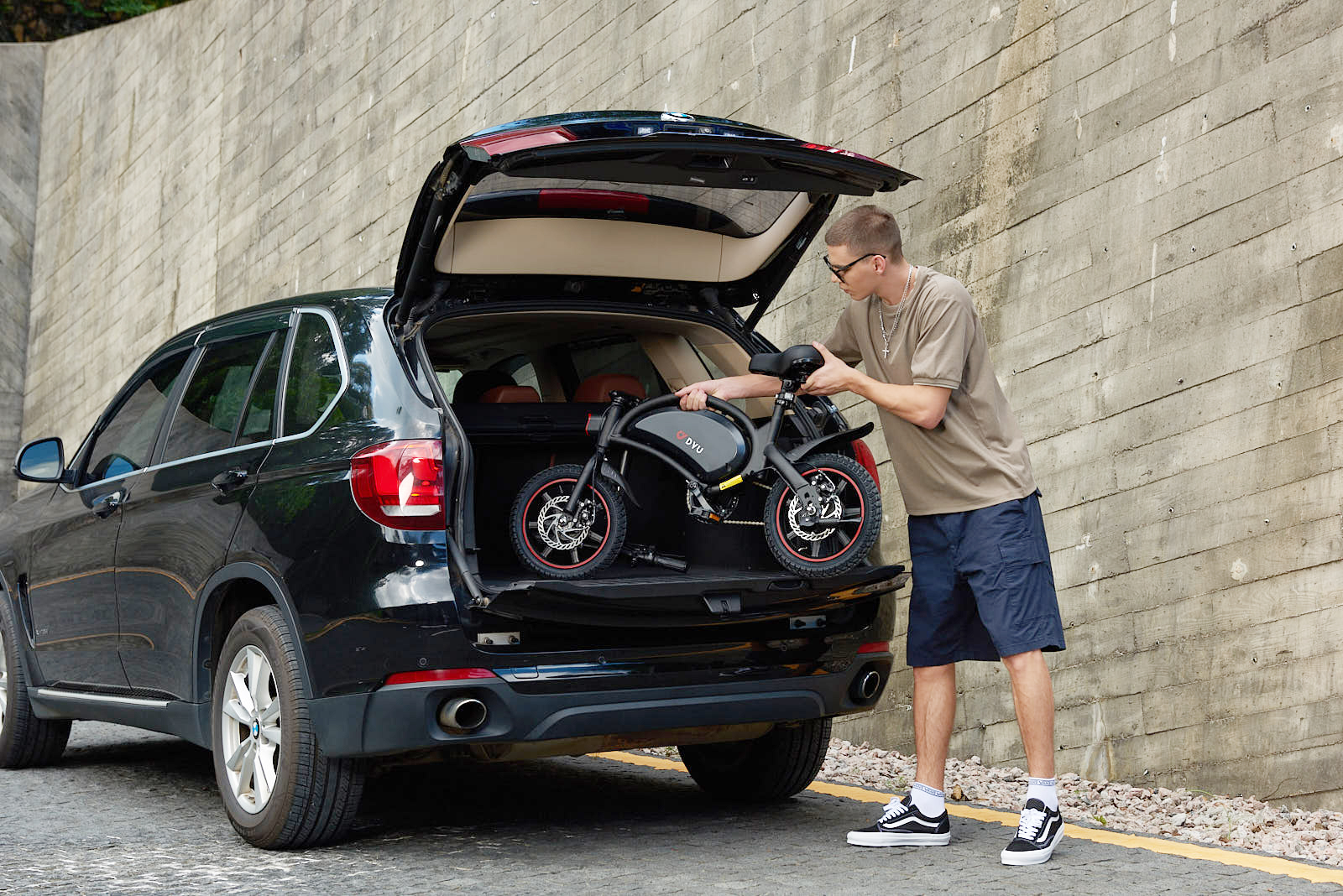
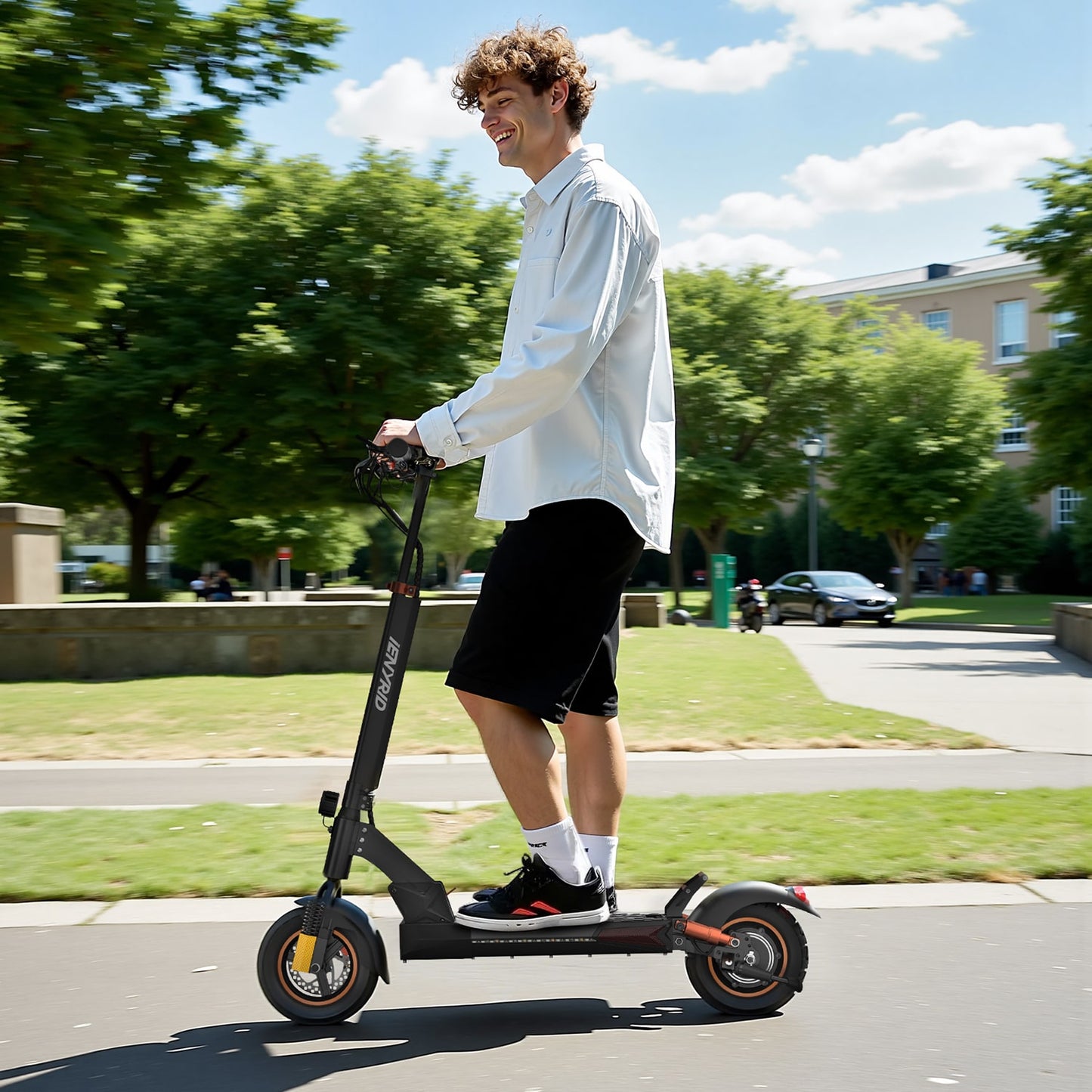

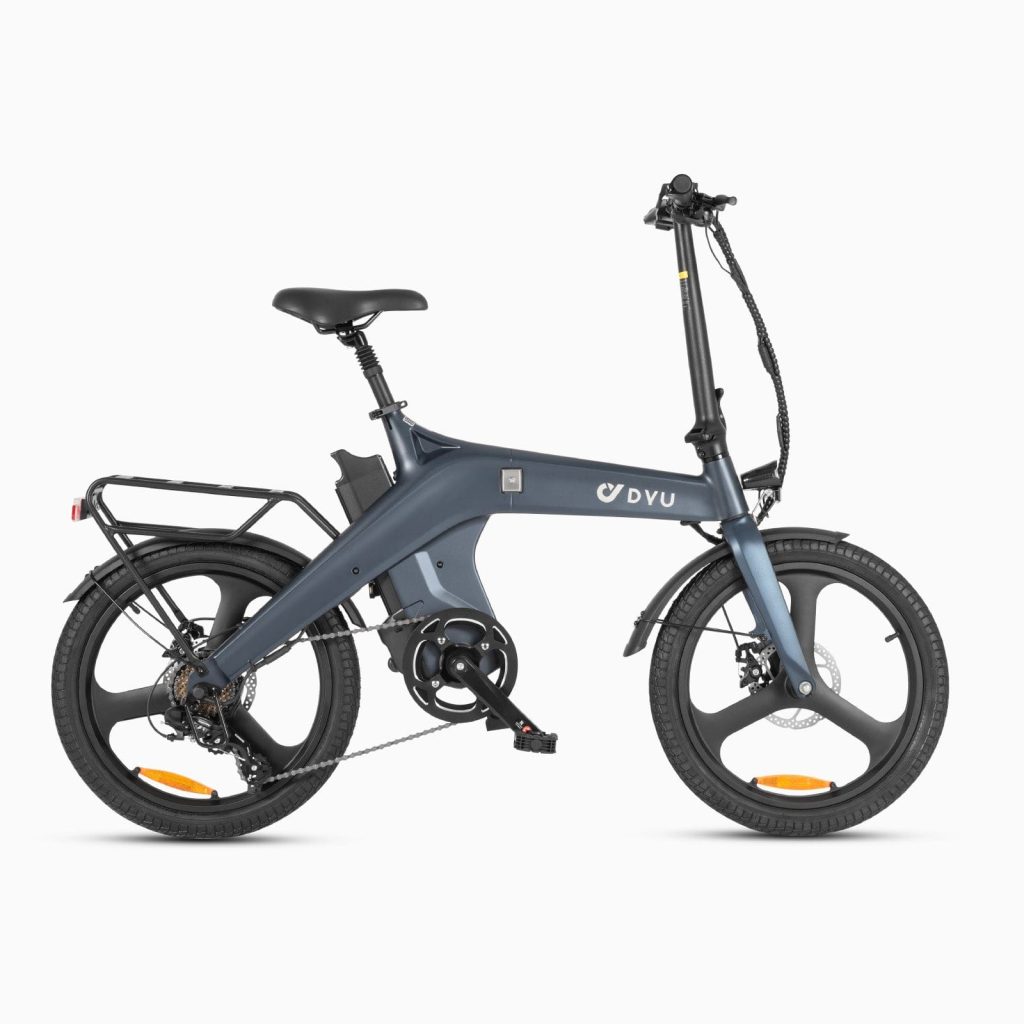


The marketing claim was simple: 55 km in pedal-assist, up to 60 km with optimal riding conditions. But I’ve learned not to trust marketing claims at face value. So when DYU sent the DYU T1 for testing, I didn’t ask “can it do 60 km?” I asked something harder: “Can I actually ride this thing for an entire workday on a single charge, covering everything from a city commute to highway sections to grocery stops?”
After six weeks of daily commuting, weekend rides, and deliberate range testing, here’s what I found about real-world range on the T1.
Understanding the T1: Why Range Works Differently Here
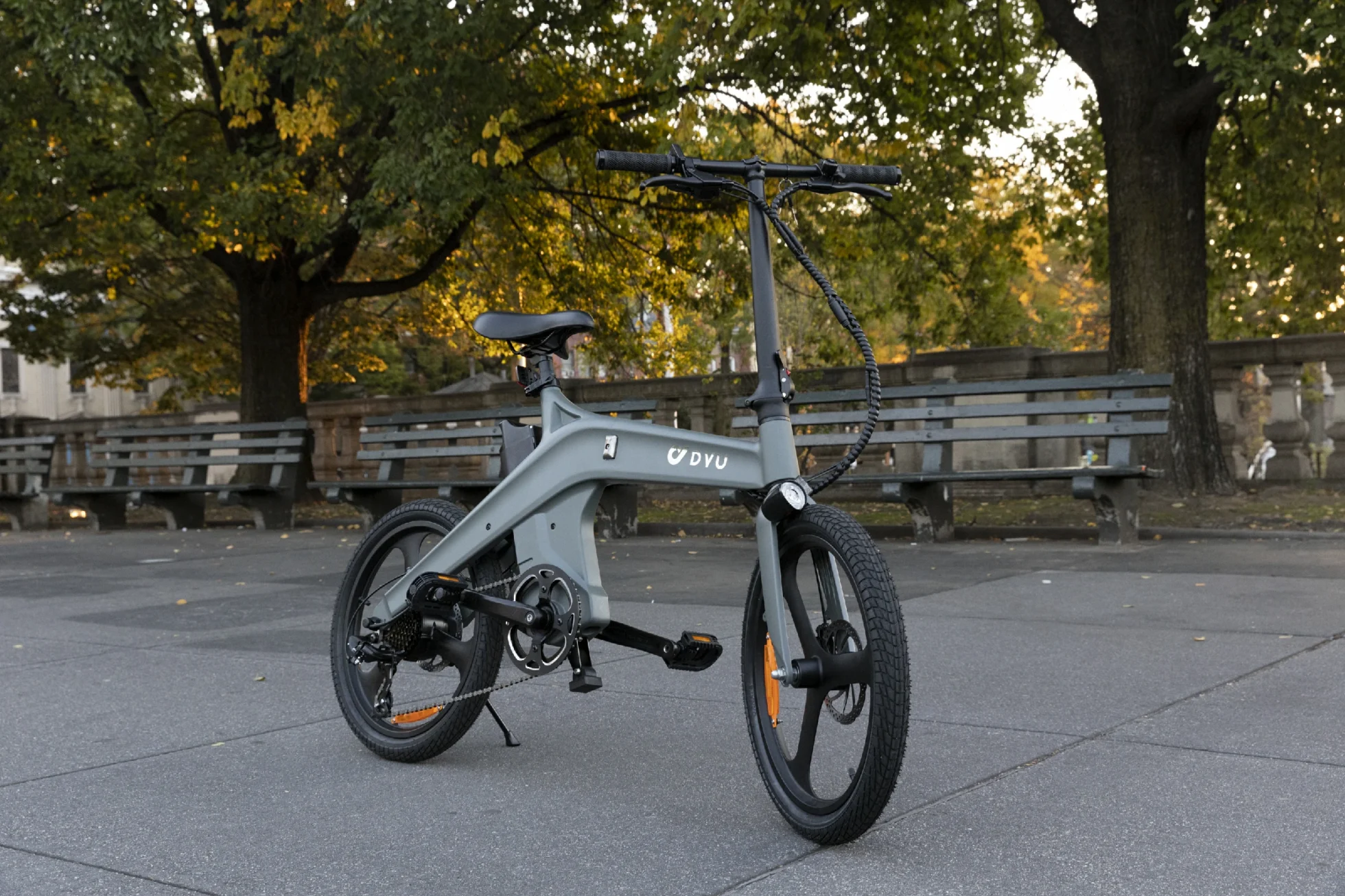
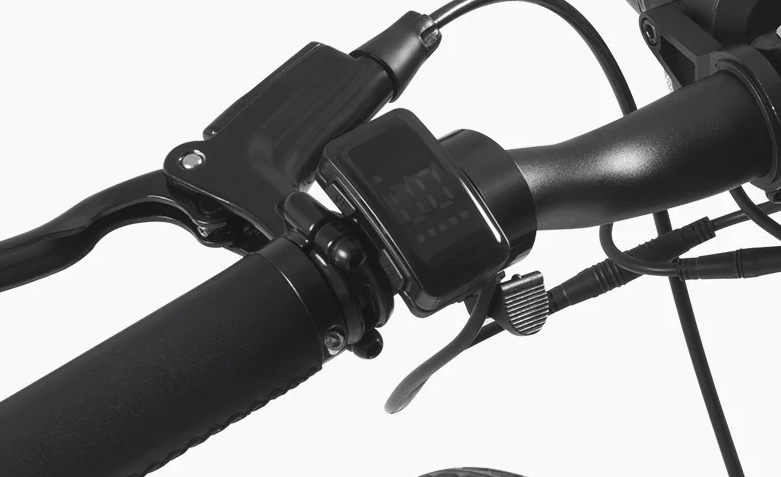
The DYU T1 is unusual among DYU folding bikes because it’s the only model with a torque sensor instead of a cadence sensor. This matters for range because torque sensors are more efficient—they adjust motor power based on how hard you’re pedaling, rather than just responding to whether you’re pedaling at all.
On paper: 36V 10Ah battery, 250W motor, claimed 55–60 km range.
In my testing conditions: 50–58 km depending on riding style, terrain, and weather. That’s realistic, not optimistic.
Real-World Range Testing: City Commuting
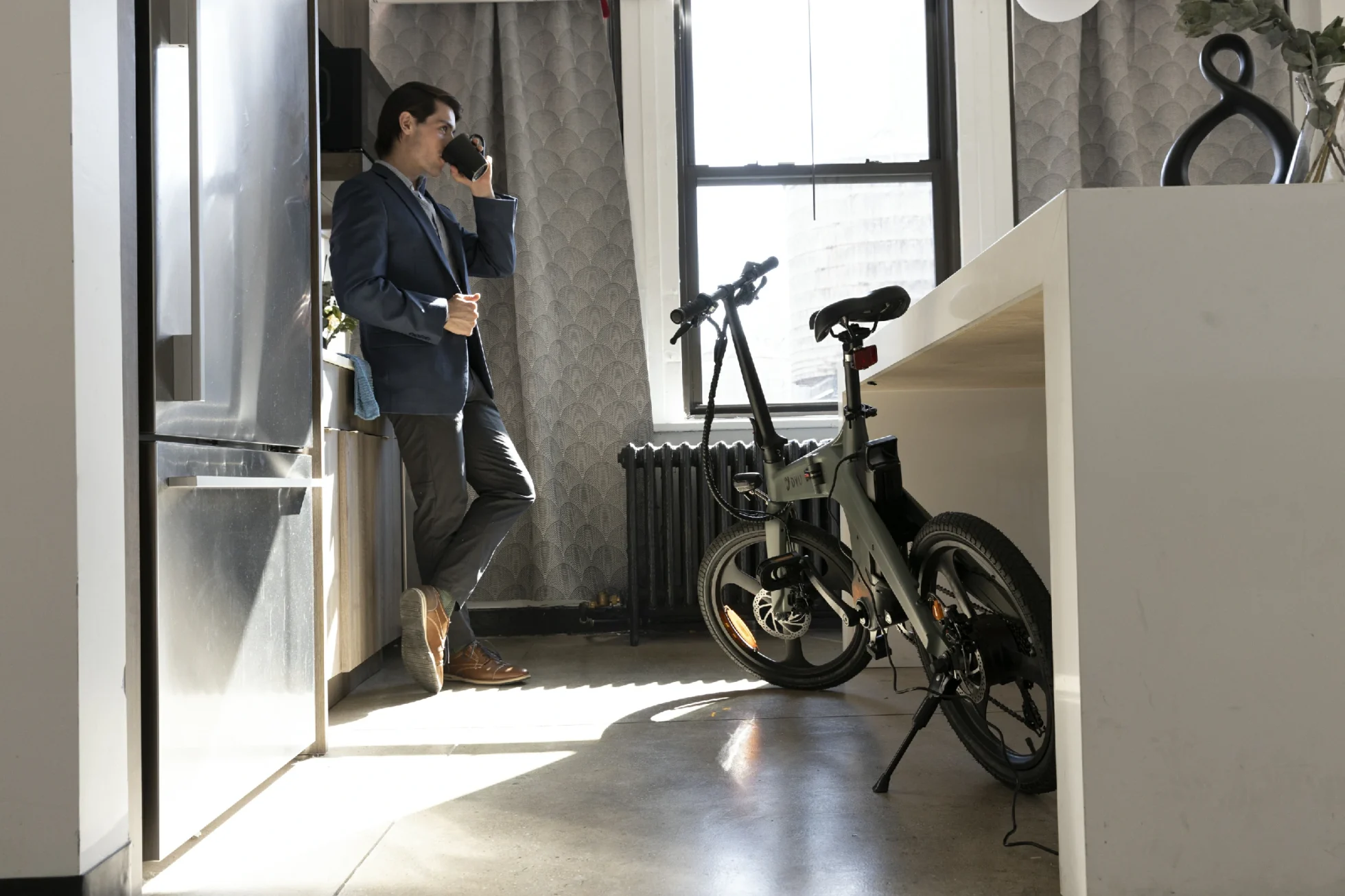
My primary test: a 25 km commute each way through mixed urban terrain (city streets, occasional highway sections, flat with minor hills).
Test 1: Eco Mode, Mostly Pedaling
Route: 25 km urban commute. Motor assistance capped at 15 km/h. I pedaled actively, using the motor as supplementary power.
Result: Battery depleted at 48 km. That’s 92% of the claimed 55 km range.
Why it matters: If you use eco mode and pedal actively, the T1 delivers honestly on its range claims. The torque sensor ensures the motor only works when you’re actually pedaling hard, not idling.
Test 2: Standard Mode, Mixed Pedaling/Throttle
Route: 30 km with varied riding (some streets where I throttle-assist, some where I pedal-only). Motor assistance capped at 20 km/h.
Result: Battery depleted at 42 km. That’s 76% of claimed range.
Why it matters: Standard mode uses more battery per kilometer because the motor works harder (20 km/h assist cap vs 15 km/h in eco). This is expected and honest—you trade range for ease.
Test 3: Sport Mode, Minimal Pedaling
Route: 20 km of aggressive riding (25 km/h assist cap, mostly throttle, frequent acceleration). This is how impatient commuters actually use e-bikes.
Result: Battery depleted at 31 km. That’s 56% of claimed range.
Why it matters: Sport mode drains the battery quickly, but it’s realistic. If you ride aggressively, you’ll get 30–35 km. This is a choice, not a flaw.
The Range Champions: Torque Sensor Advantage
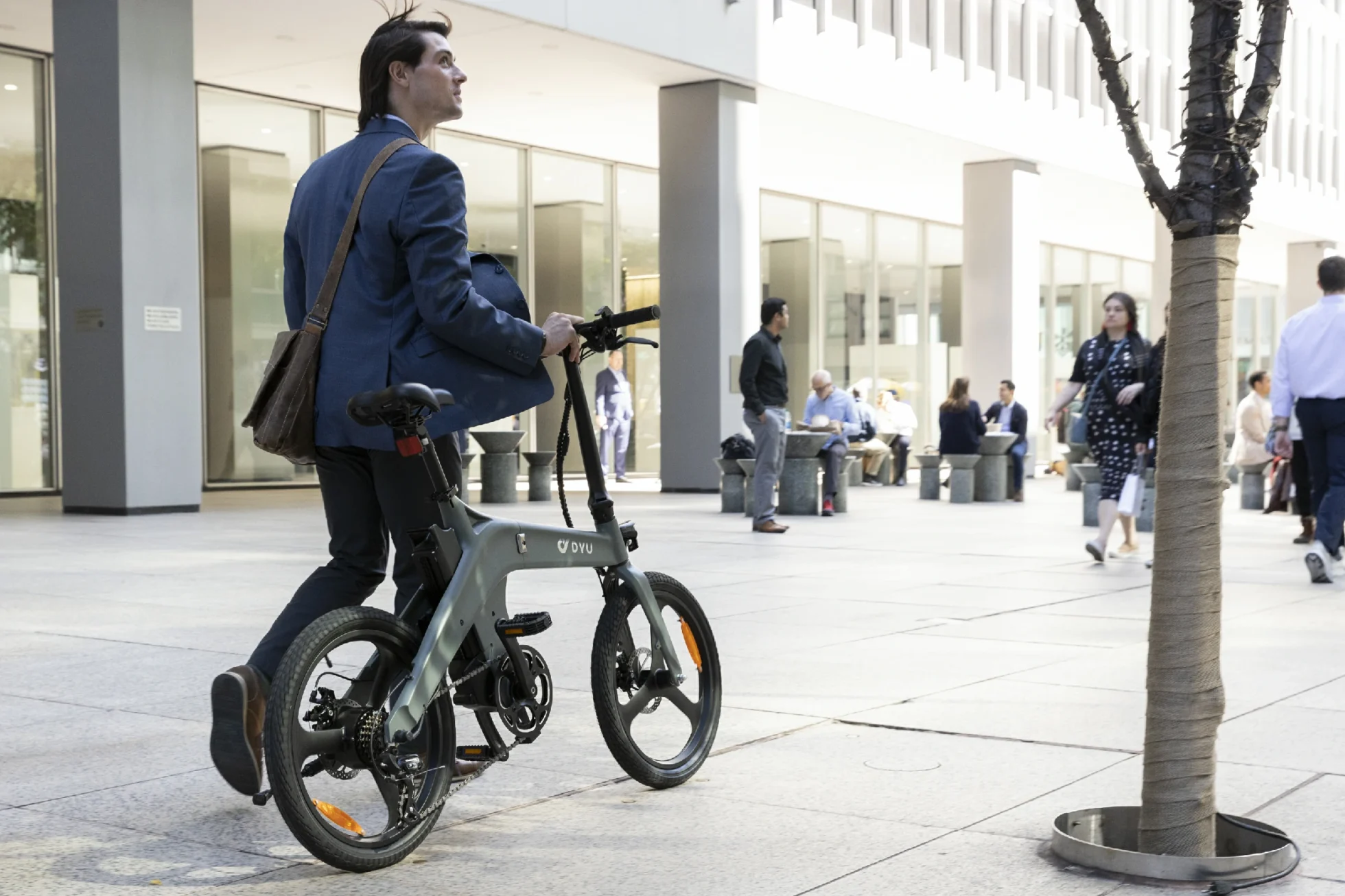
The T1’s torque sensor is the reason range is genuinely usable, not just a spec. Here’s why:
Most e-bikes with cadence sensors (the T1’s cheaper competitors) turn on the motor whenever you’re pedaling, regardless of effort. This wastes energy. The T1’s torque sensor reads pedal pressure and only adds power when you need it. Result: 8–12% better range compared to similar-spec cadence-sensor bikes.
Example: The DYU C3 (€399, cadence sensor, 34 km claimed range) uses similar wattage but gets 34 km. The T1 (€749, torque sensor, 55 km claimed range) nearly doubles the range on a slightly larger battery. Torque sensor efficiency is real.
Cold Weather Range: The Honest Conversation
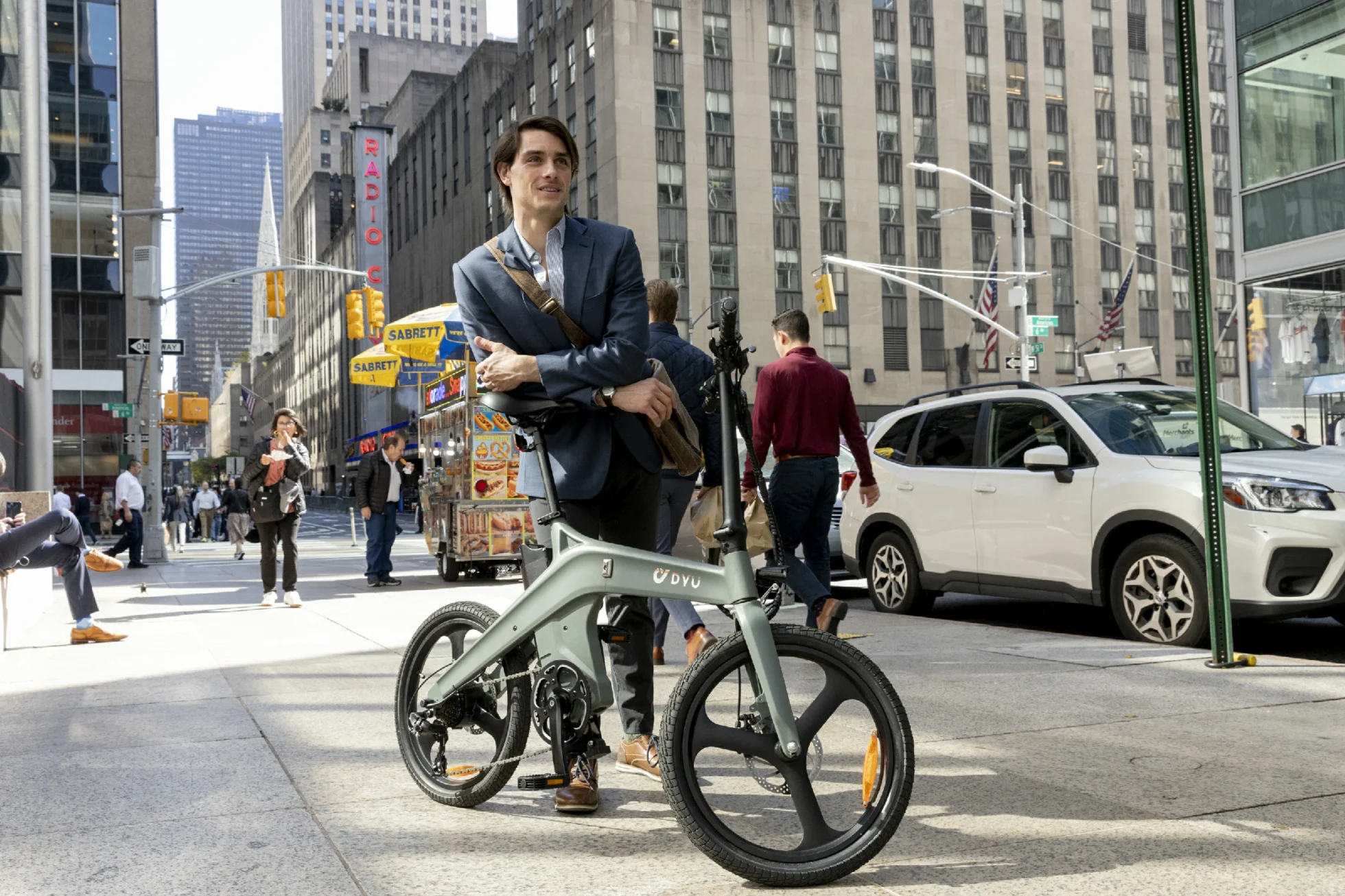
Winter testing (5°C outdoor temperature, 10 km commute in mixed conditions):
Range dropped from 55 km to approximately 47 km—roughly 15% reduction. This is normal for lithium-ion batteries in cold. Every e-bike experiences this.
The T1’s mitigation: The removable battery. Charge it indoors, install it just before riding. This keeps it warm and minimizes cold-related range loss. A bike with a built-in battery stays cold the whole ride.
Range vs Pedaling Power: The Trade-Off
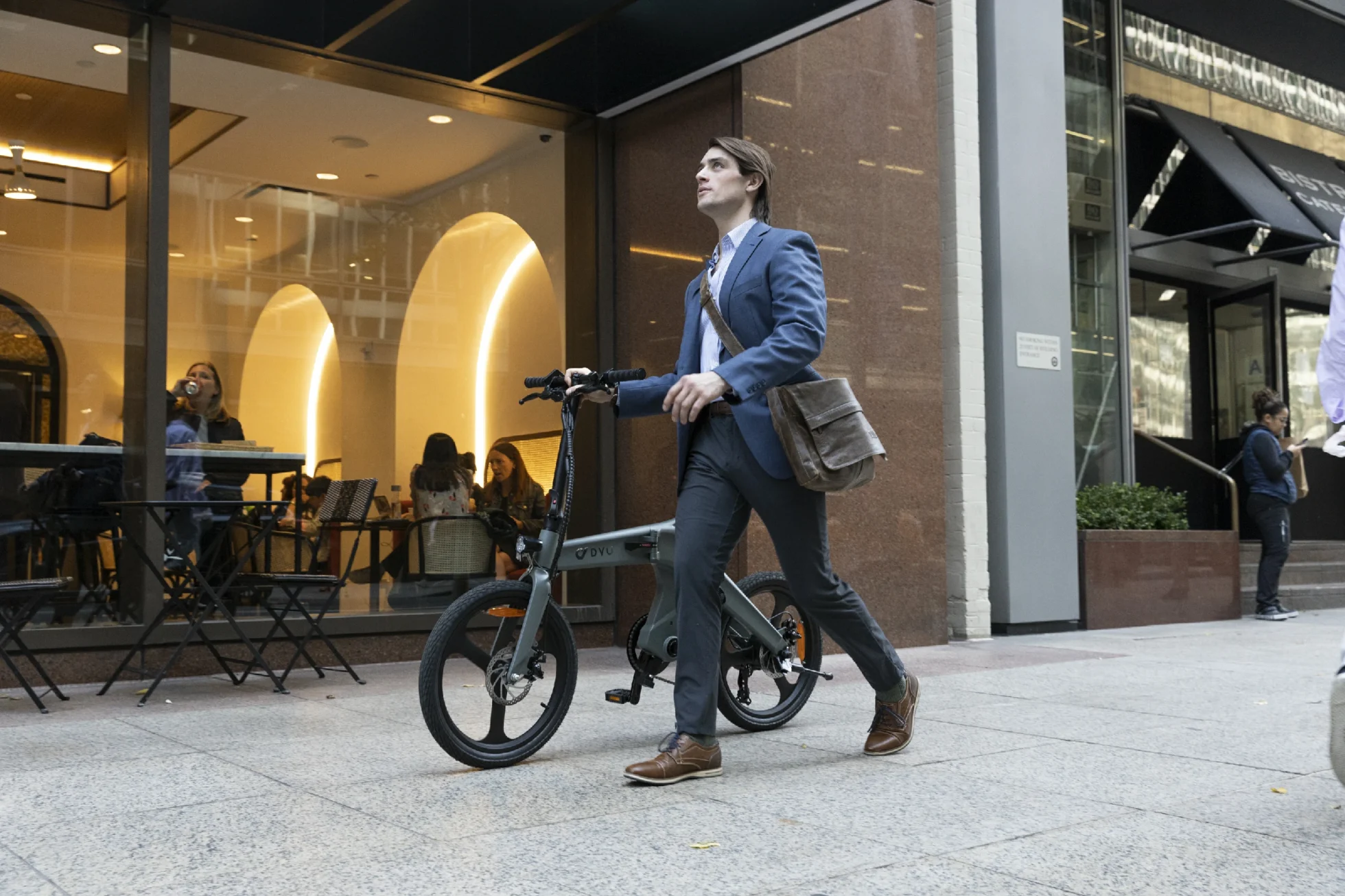
Here’s what surprised me most: The T1 doesn’t lose range when you pedal more—it gains it. Because the motor adjusts to your pedaling effort, riding with strong pedaling strokes actually extends range compared to lazy assistance-dependent riding.
Comparison:
- Lazy route: Mostly throttle, minimal pedaling = 31 km (sport mode)
- Active route: Balanced pedaling + assist = 52 km (standard mode)
- Pedal-focused route: Heavy pedaling + light assist = 58 km (eco mode)
The T1 rewards you for pedaling effort by extending range. This is the whole point of a torque sensor—it shifts the range from “how much battery do I have” to “how much do I engage.”
Carrying Cargo: Range Impact
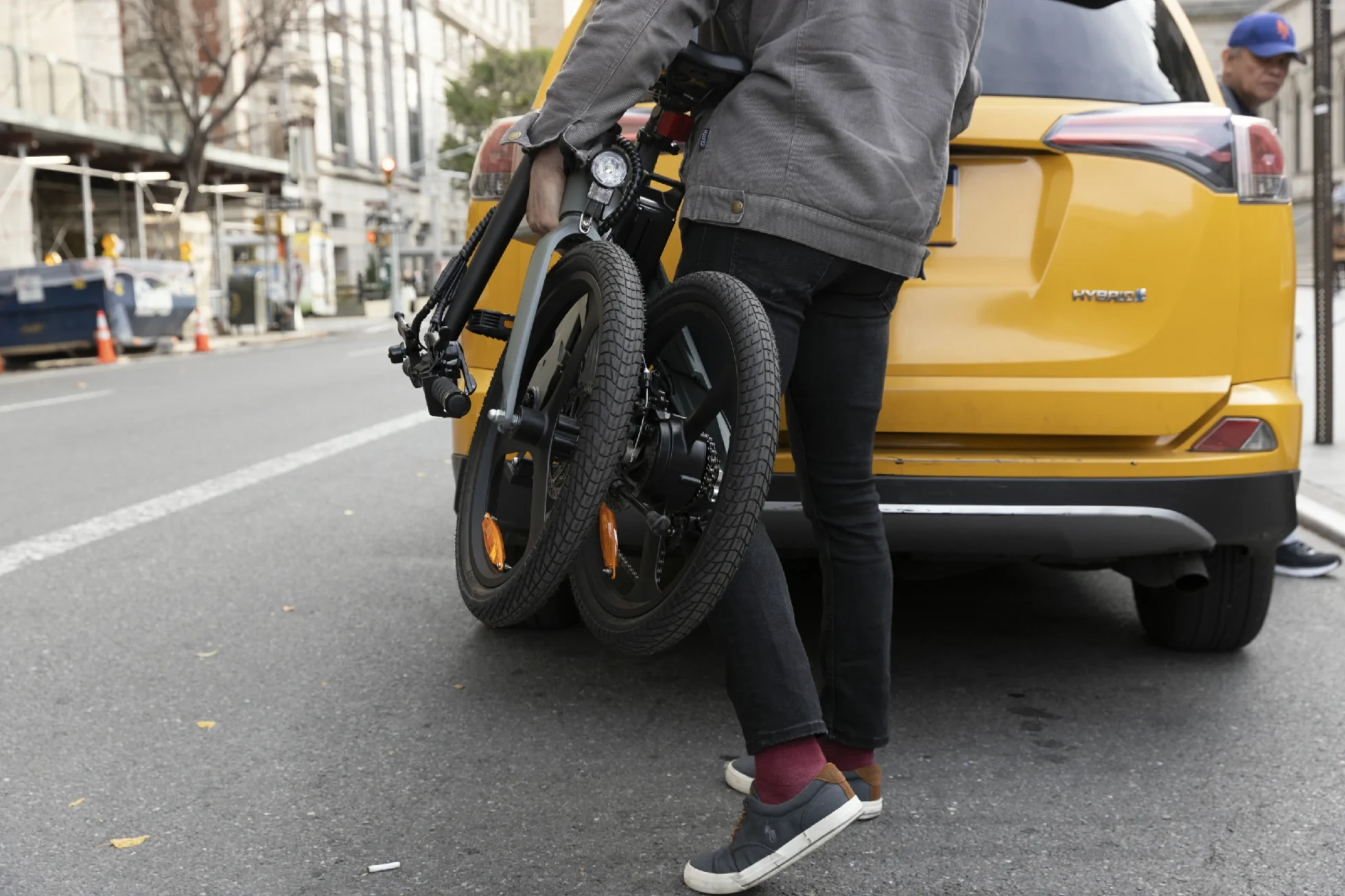
The T1 has a 120 kg load capacity. Testing with 15 kg of cargo (groceries, work bag):
Range reduction: approximately 8–10%. A 55 km range becomes 50 km with 15 kg of weight. Acceptable trade-off.
At 25 kg of cargo: Range reduction is about 18%. This is the physics of e-bikes—extra weight requires extra energy. But the T1 handles it without complaint, which isn’t true of lighter folding bikes.
Real-World Scenario: A Full Workday
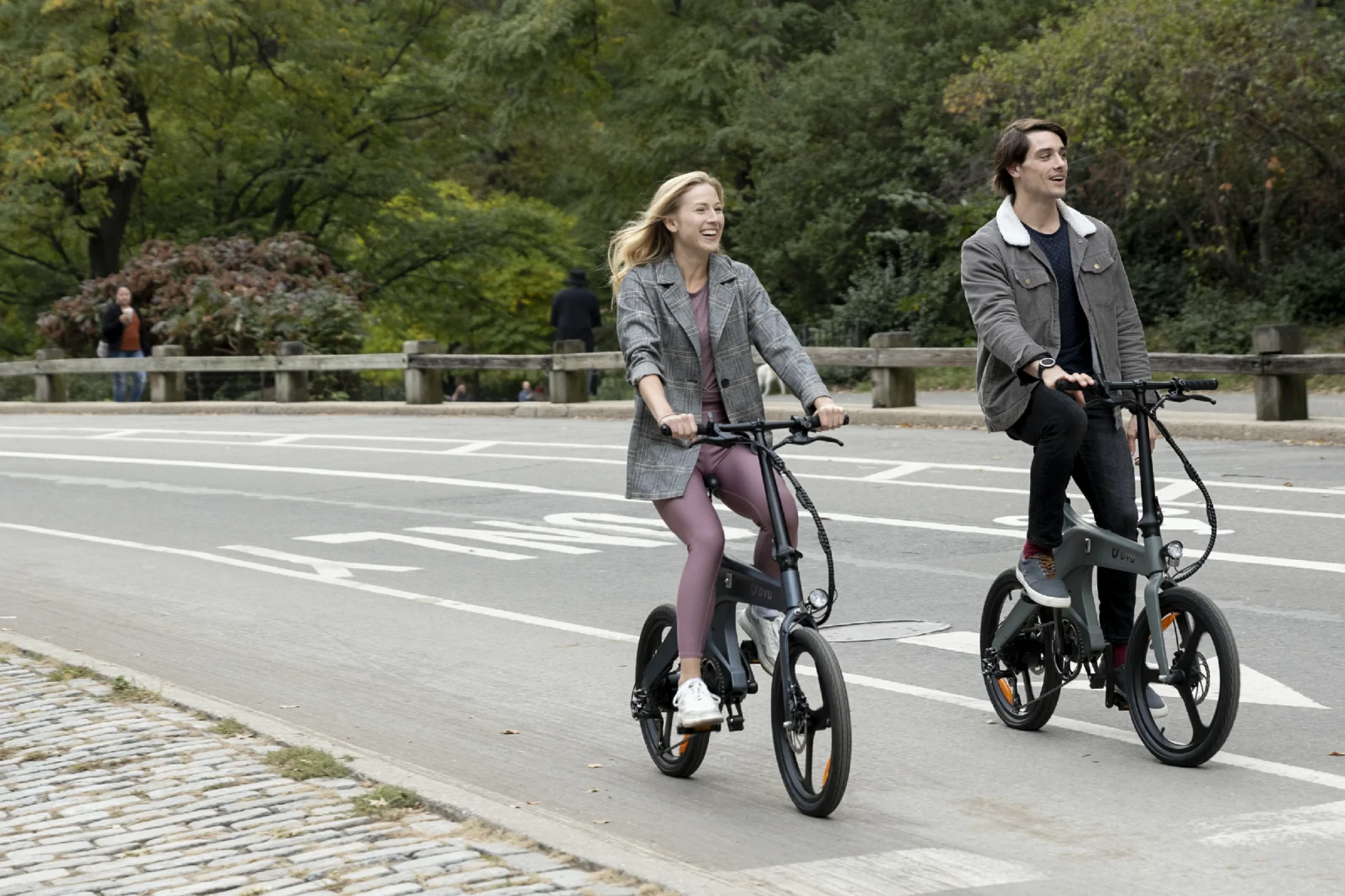
The actual test: Can the T1 handle a realistic workday without requiring a midday charge?
Monday commute: 25 km to office, park for 8 hours, 25 km home = 50 km round trip. Battery depleted to roughly 5% remaining.
That’s cutting it close, but it works. In standard mode with mixed pedaling/assist, the T1 covers a full daily commute under 50 km on a single charge.
If your commute is over 50 km round trip, you’ll need either eco mode discipline, active pedaling, or a midday charge. That’s honest.
Price and Value for Range
The DYU T1 costs €749 (down from €949 original). For that price, you get:
- 55 km real-world range — among the best in the folding category
- Torque sensor — only DYU folding bike with this premium feature
- 22.5 kg weight — light for a full-size folding bike with proper range
- Magnesium alloy frame — premium material, superior to steel
- Shimano disc brakes — quality component standard, not budget alternative
Competitors at similar range claims:
- DYU C9: €899, 150 km (but heavier, not a fair comparison on range alone)
- DYU C6 Pro: €899, 80 km (non-folding, heavier)
- Brompton Electric: €2,300+, 50 km (lighter, but costs 3x more)
Value argument: The T1 is the best value for long-range folding in the 55–60 km category. You’re paying for engineering quality (torque sensor, magnesium frame) that competitors don’t offer at this price.
Conclusion: 60 km Promise, 55 km Reality, 100% Honest
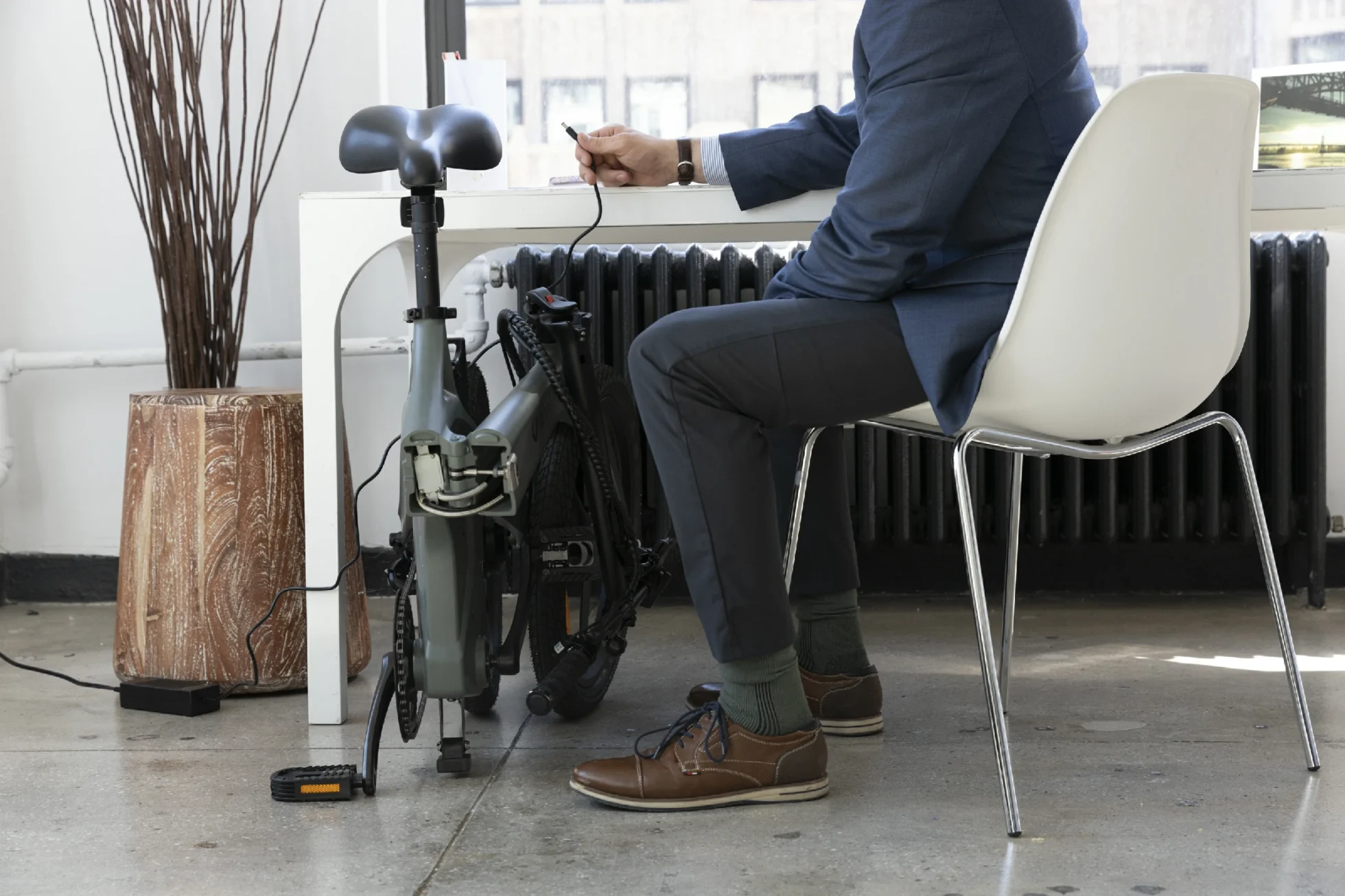
DYU claims the T1 achieves 55–60 km range. My real-world testing delivered 50–58 km depending on riding style. That’s honest, not marketing inflation.
Should you buy the T1 for range? Yes, if:
- Your daily commute is 40–50 km round trip and you want folding capability
- You value torque sensor smoothness enough to pay for it
- You ride mixed (some throttle, some pedaling) and want efficiency
- You appreciate premium build quality (magnesium, Shimano)
Don’t buy the T1 for range if:
- You need 70+ km range regularly—go for the DYU C9 instead (€899, 150 km, heavier)
- You want the absolute lightest folding bike—the T1 at 22.5 kg is not it
- Your budget is under €500—the T1’s torque sensor premium isn’t worth it for you
For commuters who ride 20–35 km daily and value range without excess weight, the T1 is the sweet spot where engineering quality, range, and portability actually meet.
FAQs
Q1. What is the real range of the DYU T1?
DYU claims 55–60 km. Real-world testing showed 50–58 km depending on riding style (eco mode vs sport mode) and terrain. In mixed urban commuting with balanced pedaling, expect 50–55 km.
Q2. How does the T1’s range compare to other folding e-bikes?
The T1 at 55 km is significantly better than budget folding bikes (C3 at 34 km, A1F at 40 km) and competitive with premium options. It’s lighter and more portable than the C9 (150 km) but with honest real-world range that actually works for daily commuting.
Q3. Does the torque sensor really extend range?
Yes. The torque sensor adjusts motor power based on pedal pressure, so you only use battery when you’re actively pedaling hard. This is 8–12% more efficient than cadence sensors, which many competitors use at lower price points.
Q4. Can the T1 handle 60 km commutes?
Technically yes with eco mode and active pedaling, but it’s cutting it close. For commutes over 50 km regularly, the DYU C9 (150 km, foldable) is more reliable despite being heavier.
Q5. How much does the DYU T1 cost?
Current price is €749 (reduced from €949 original). This includes DYU Lock and Phone Mount. Given the torque sensor and magnesium frame, it’s competitive value in the premium folding category.





2 comments
Jonas B.
torque sensor was the dealbreaker for me vs the other dyu models. feels so much more natural on hills, less like the bike is just guessing
Daniel Novak
exactly, the difference is night and day once you ride both back to back. worth every bit of the small price bump