
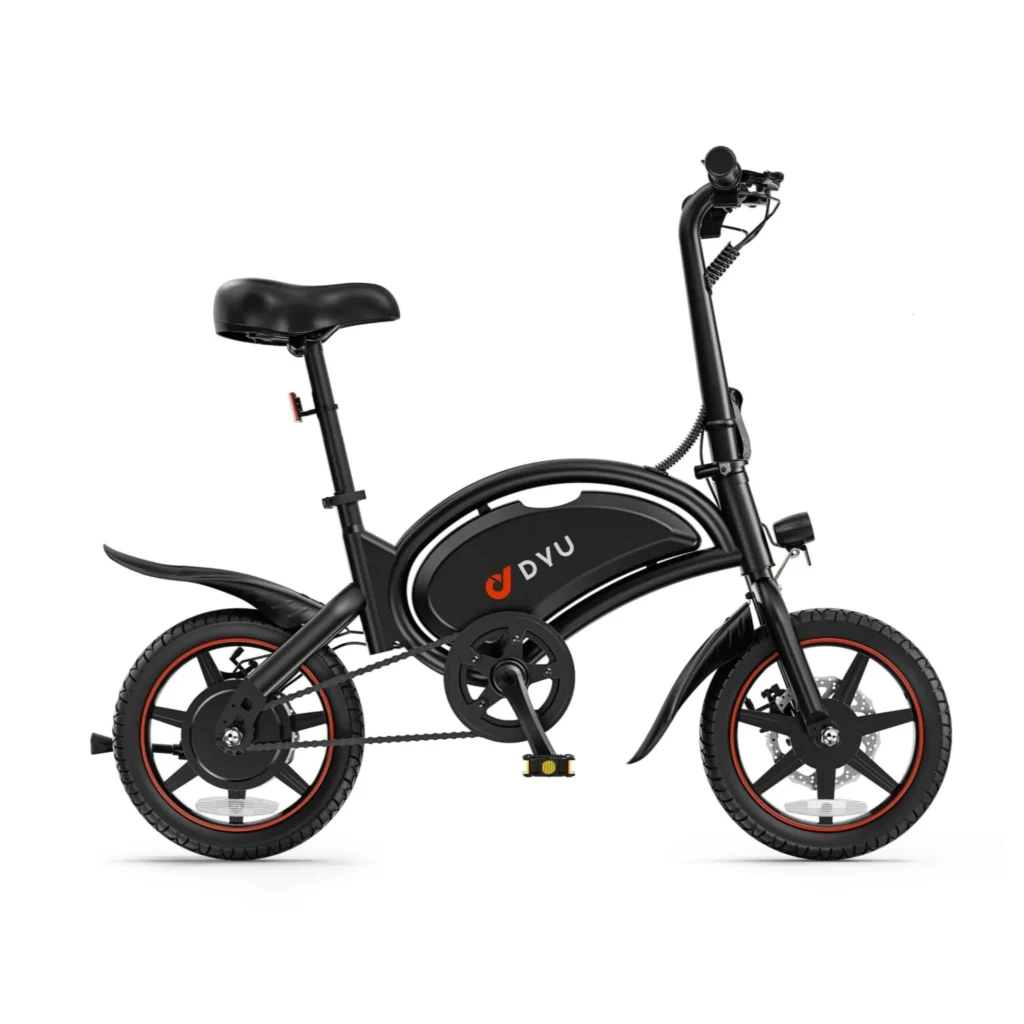
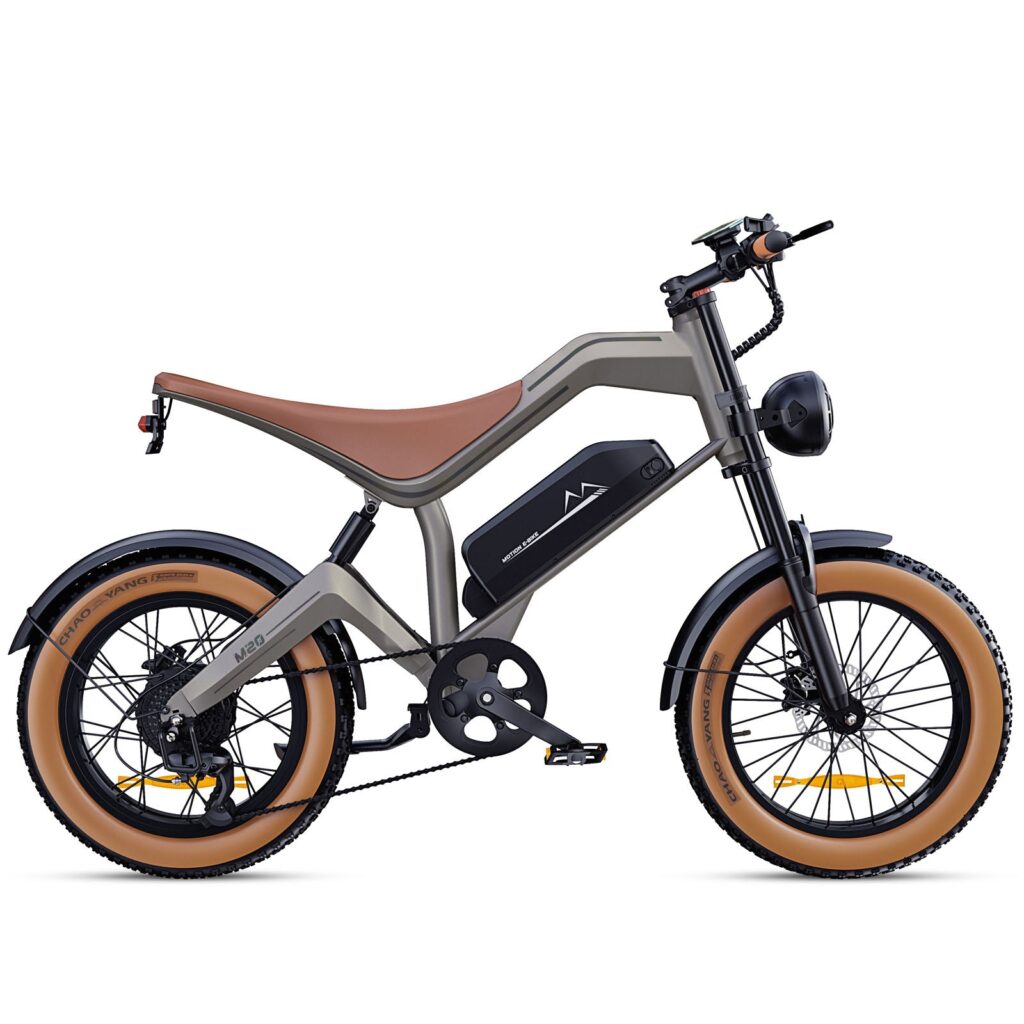
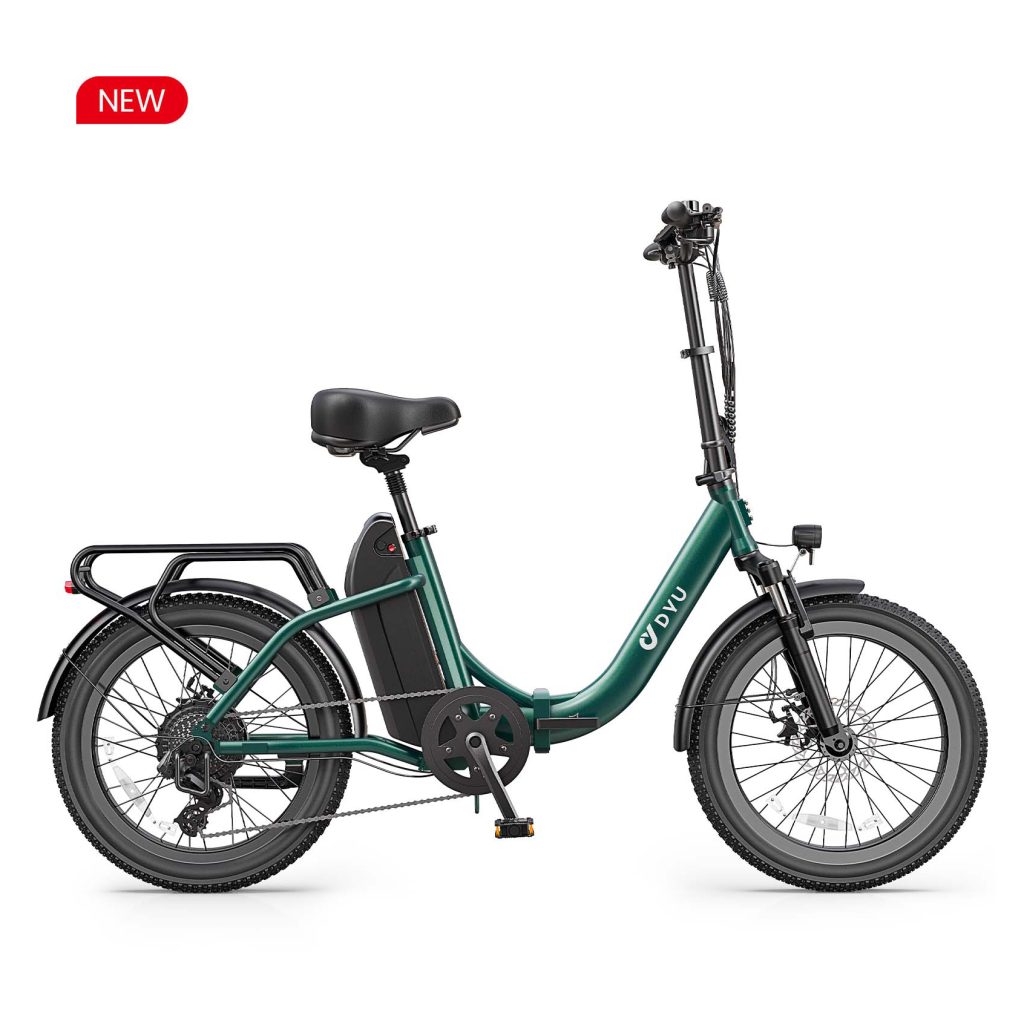
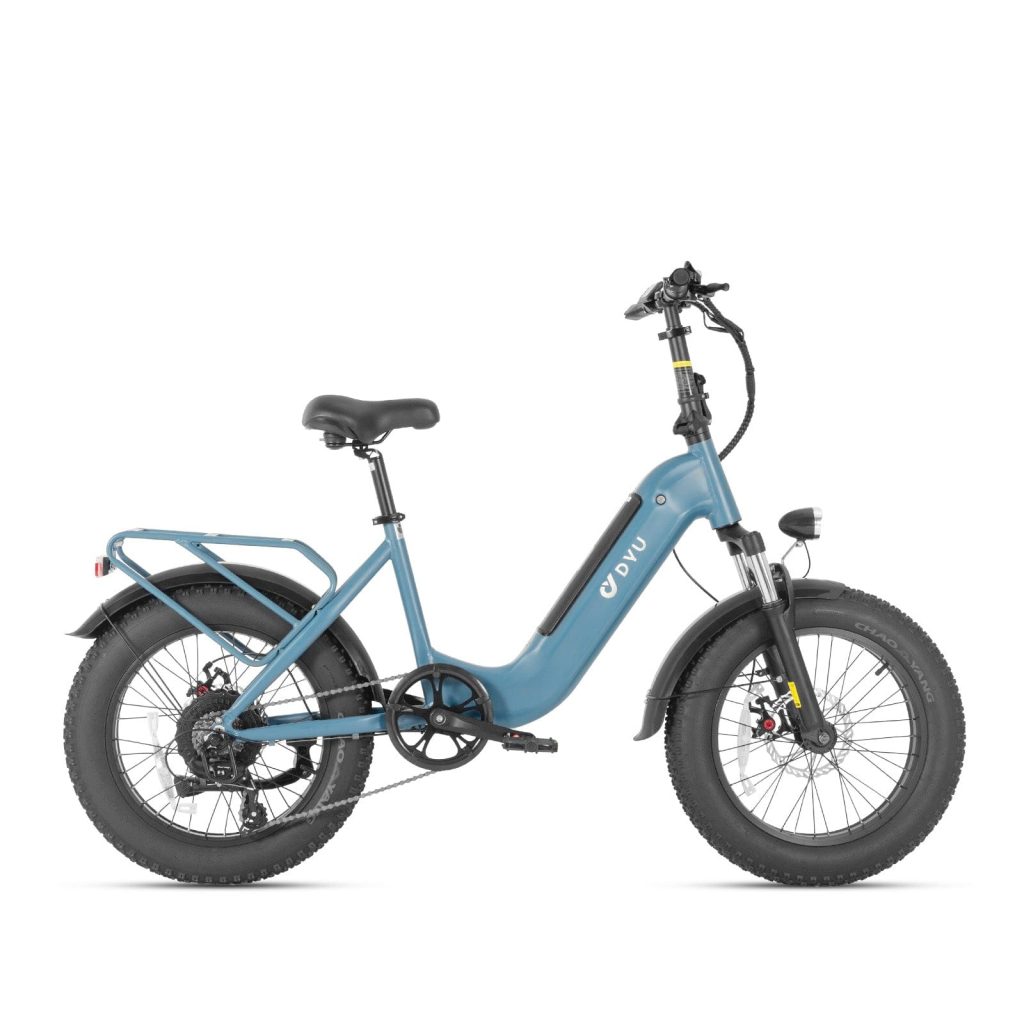
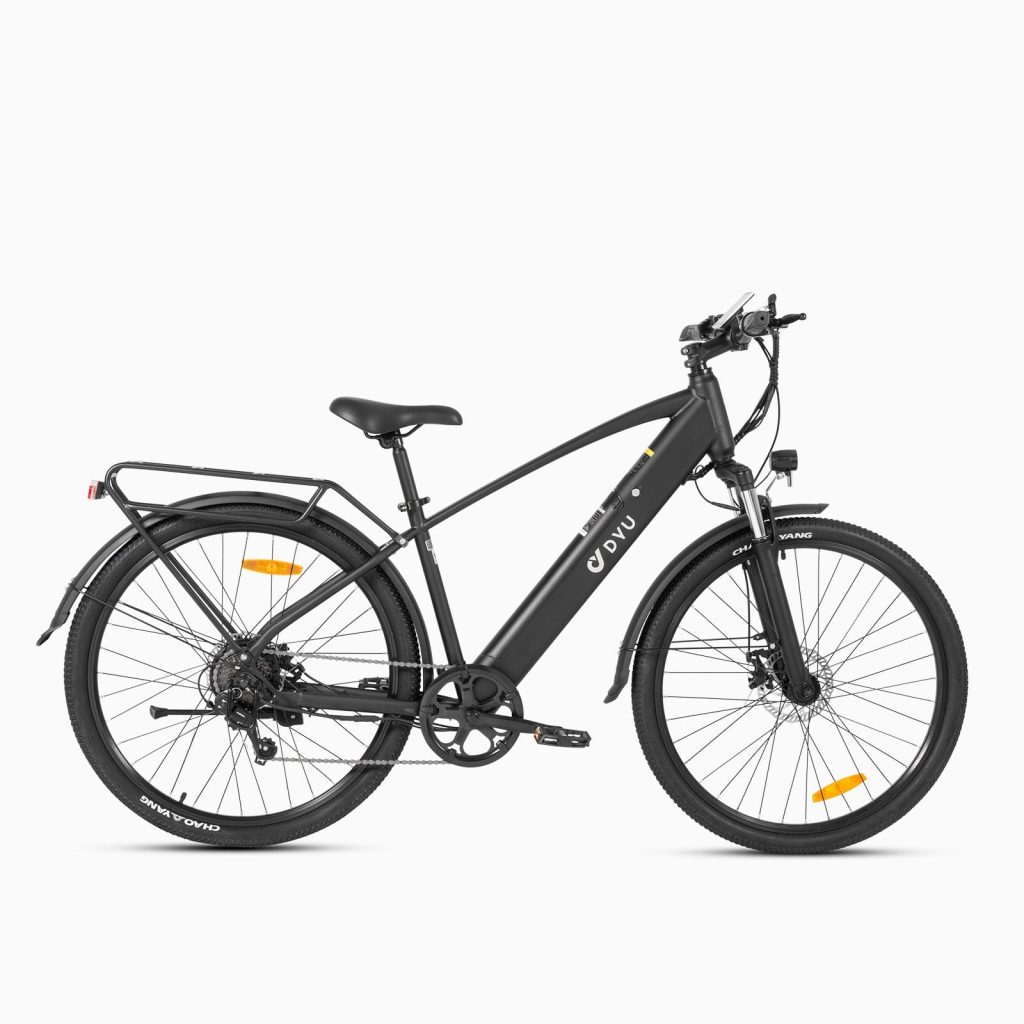
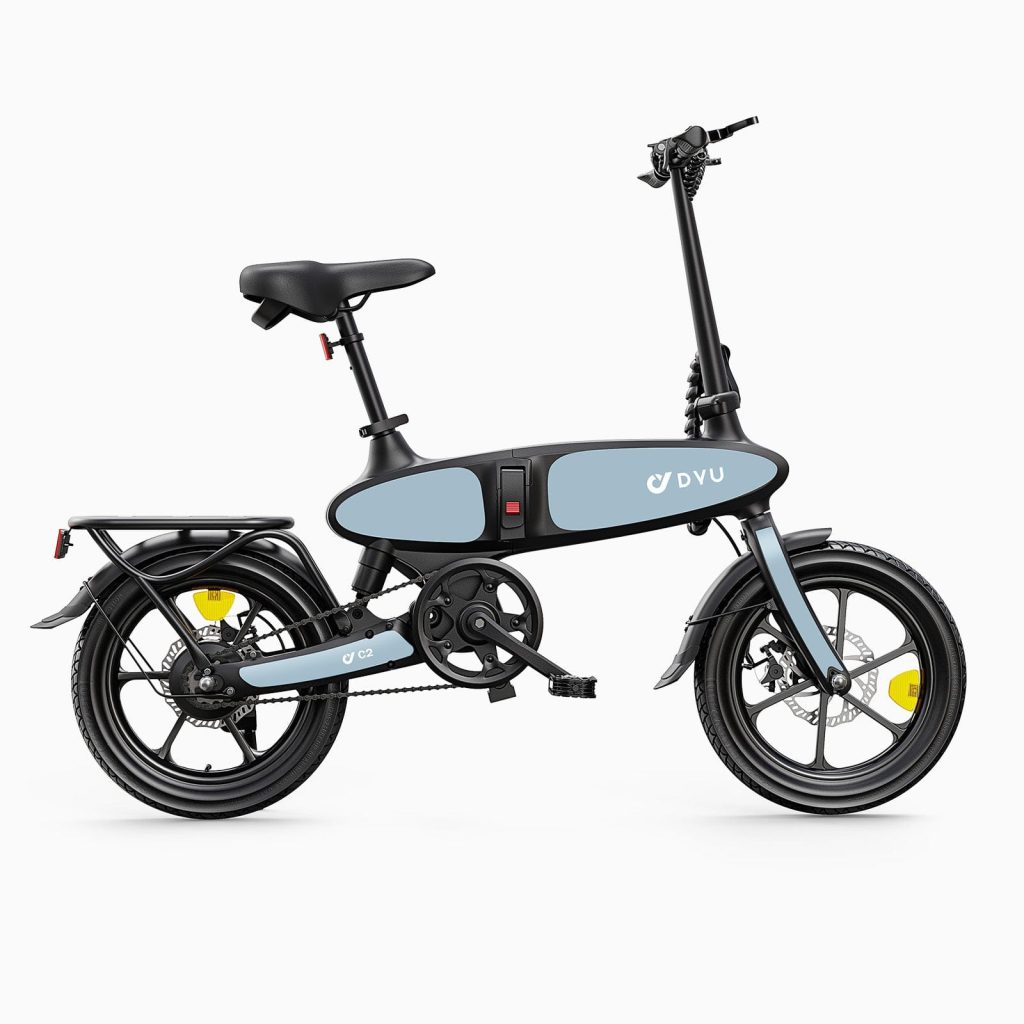
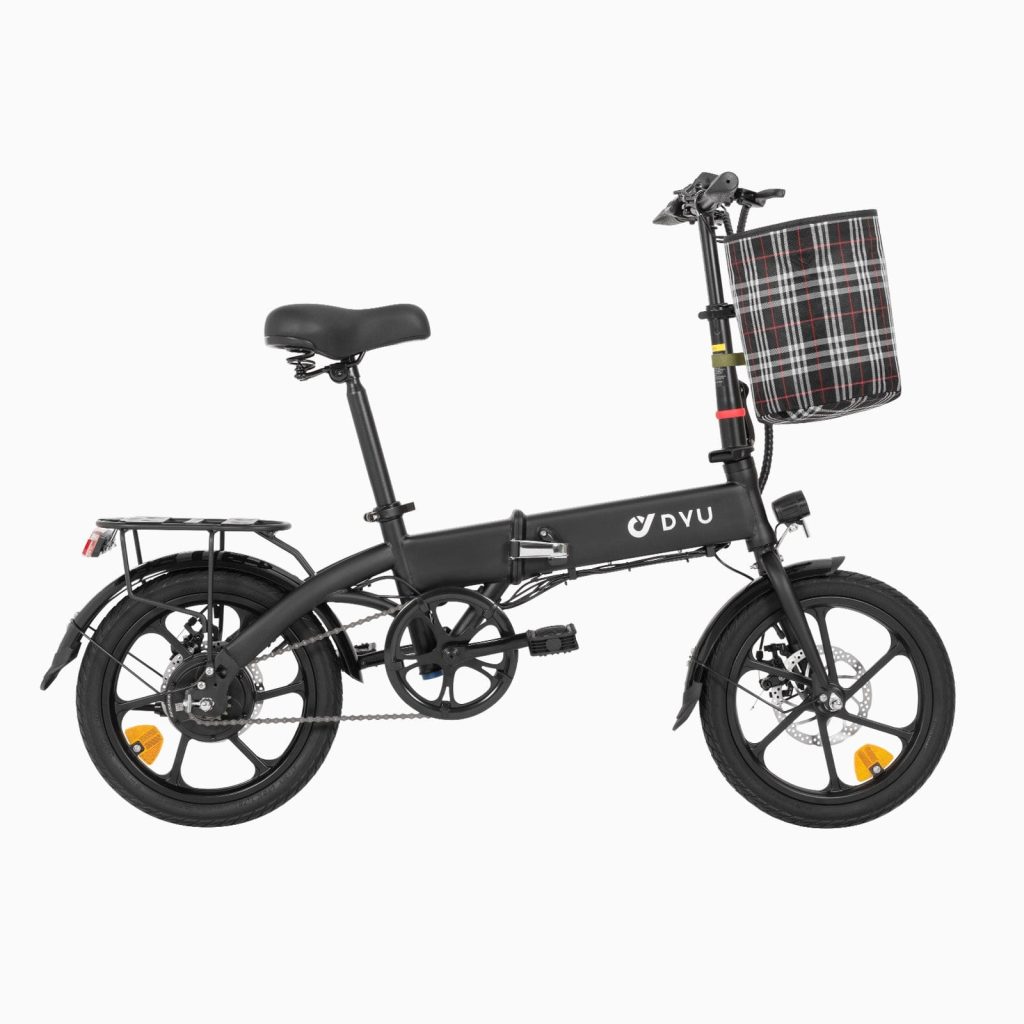






Step-through e-bike design matters most on ordinary city days. You notice it when you stop at a red light, step off near a crowded rack, carry a small bag, or ride home in rain with stiff legs after work.
New riders often judge a city e-bike by range first. Range matters, but frame access decides how natural the bike feels during the parts of the ride that are not actually riding: mounting, stopping, parking, locking, loading, and starting again.
Step-Through E-Bike Comfort Starts at Every Stop

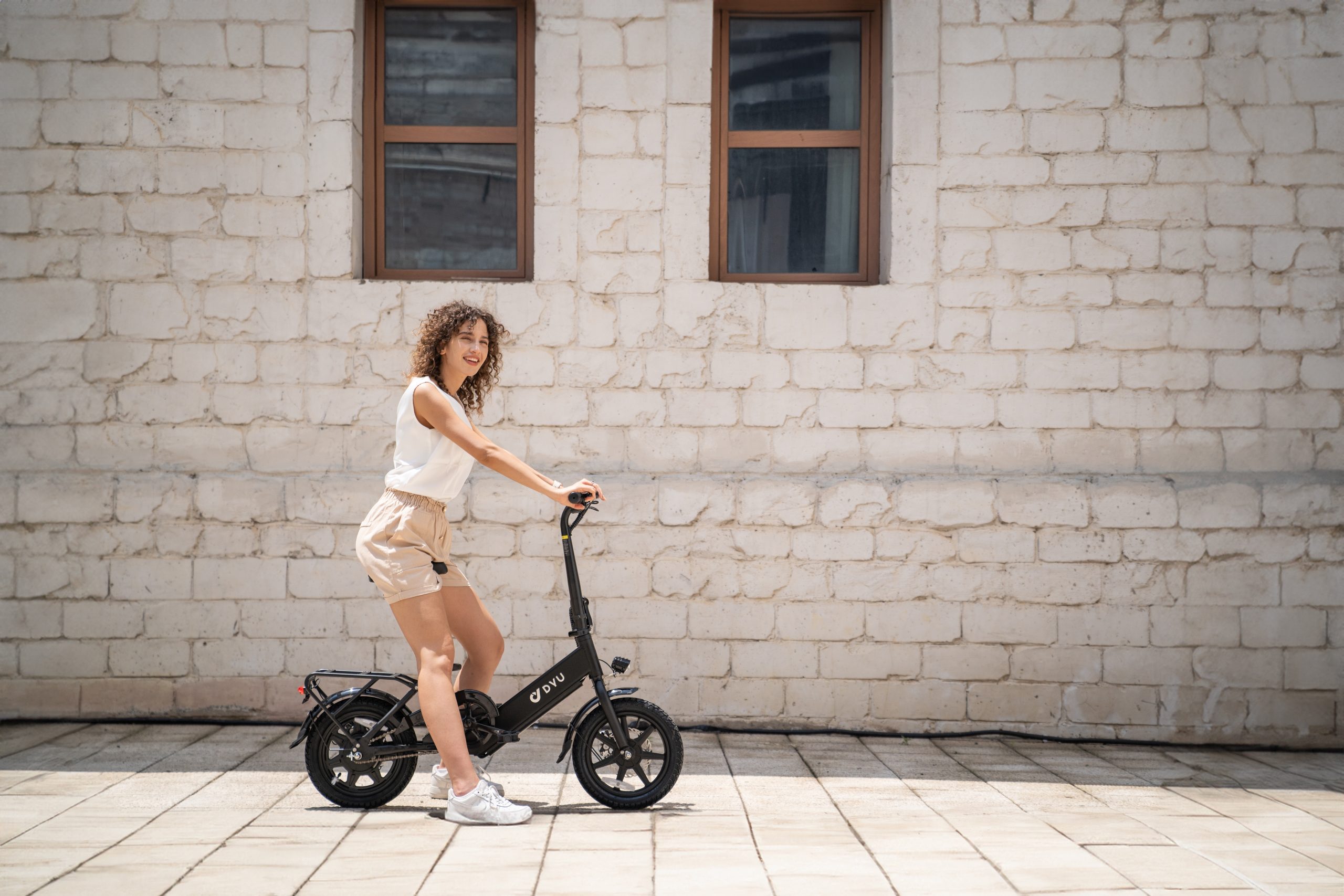
A step-through frame lowers the movement needed to get on and off the bike. That sounds minor until the route includes school gates, train crossings, traffic lights, narrow paths, and quick shopping stops. The easier the bike is to step through, the less the rider has to plan each stop.
| Daily city moment | What the frame should make easier | Why it matters |
|---|---|---|
| Traffic lights | Put one foot down without swinging a leg high | Stops feel calmer in busy intersections |
| Errand stops | Mount again while carrying a light bag | Short trips stay convenient instead of awkward |
| Wet weather | Start and stop without rushing body movement | Rain rewards slower, smoother control |
| Office clothing | Ride in normal trousers, coats, or longer layers | The bike fits the day instead of demanding special kit |
| Shared storage | Move the bike around racks, doors, and walls | Ownership friction drops after the ride |
BikeRadar’s electric bike guide is a useful starting point because it reminds shoppers that an e-bike is still a complete bicycle. Motor, battery, frame, brakes, wheels, and rider position all work together.
Fit Comes Before the Spec Sheet
Frame access does not replace fit. A bike can be easy to step through and still feel wrong if the saddle is too low, the bars are too far away, or the rider’s shoulders stay tense. The right test is not whether the bike looks comfortable in a photo. It is whether the rider can stop, restart, and steer without bracing.
Cycling UK’s bike fit guide gives a useful reminder: small fit details change comfort over time. On a step-through e-bike, I would check these before judging the motor:
- Can the rider touch down confidently at slow speed?
- Do the knees track comfortably when pedaling?
- Can the rider reach the brakes without stretching?
- Are the shoulders relaxed after ten minutes?
- Does the bike stay easy to handle when a bag is added?
Ride Position Changes City Confidence

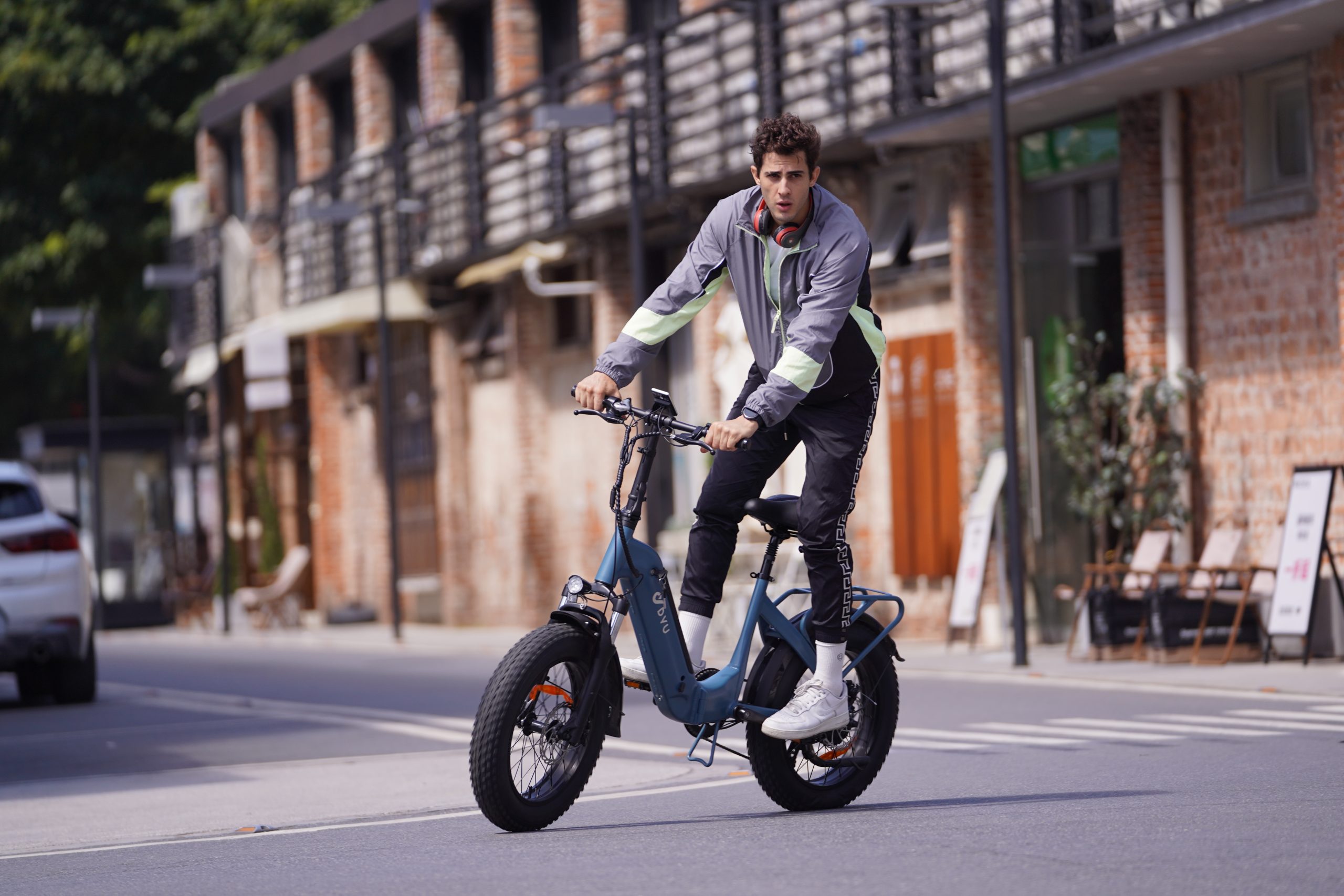
A city rider looks around constantly. Cars, bike lanes, pedestrians, dogs, delivery vans, tram tracks, and open car doors all compete for attention. A more upright riding position can help because the rider is not locked into a low, stretched posture.
That does not mean every upright bike is automatically better. Too upright can feel vague in wind, and a heavy front basket can change steering feel. The useful middle ground is a position that lets the rider scan ahead, brake smoothly, and keep the arms loose.
DYU’s first e-bike buying guide covers the broader decision. For step-through shoppers, I would add one practical test: ride slowly in a tight circle, stop, put a foot down, and start again. If that feels easy, the frame is doing its job.
Cargo Changes the Step-Through Test

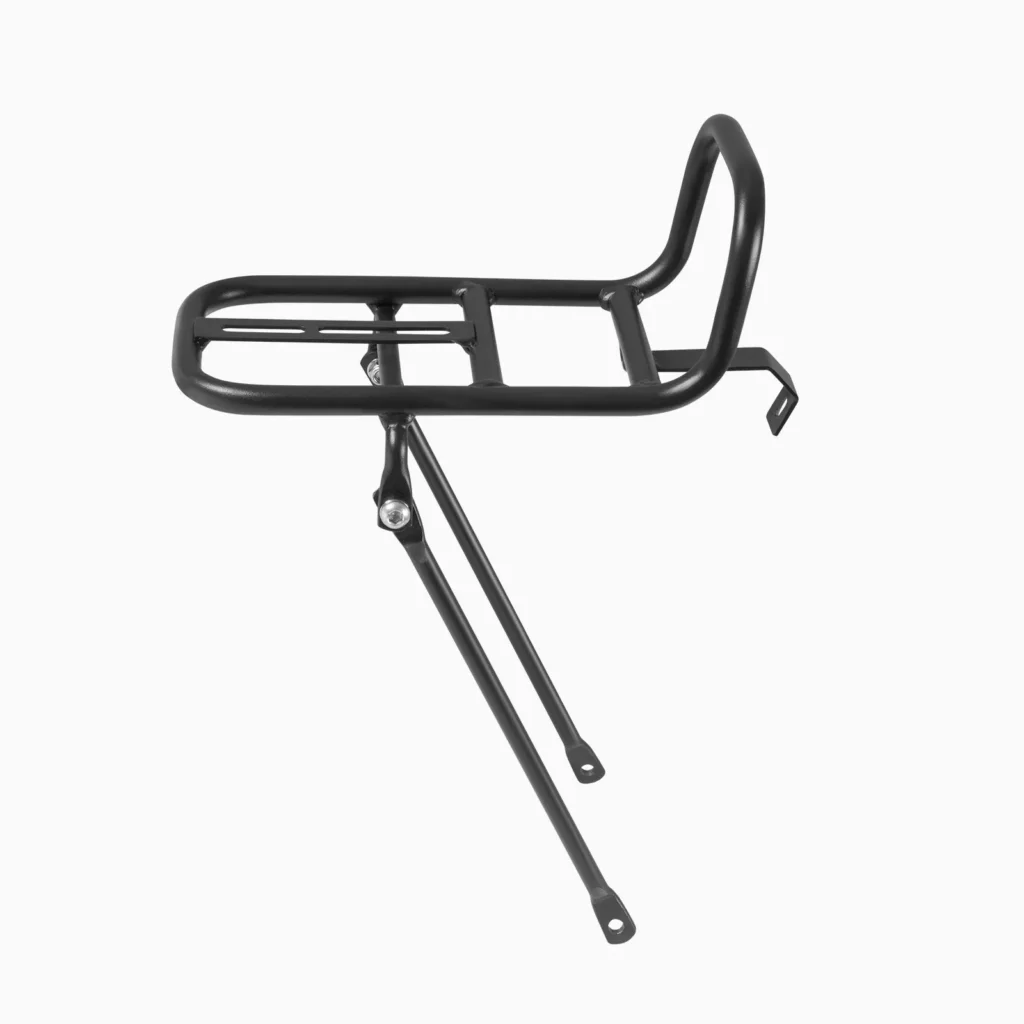
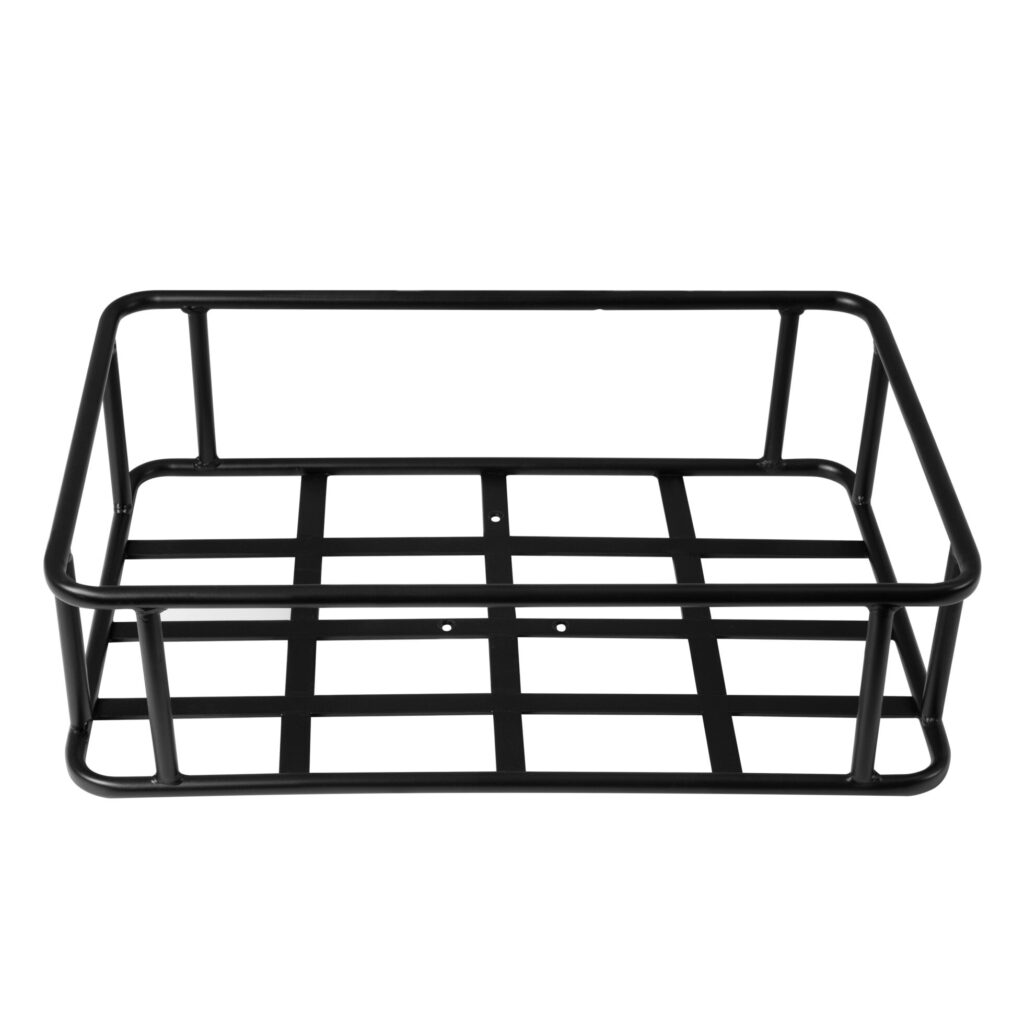
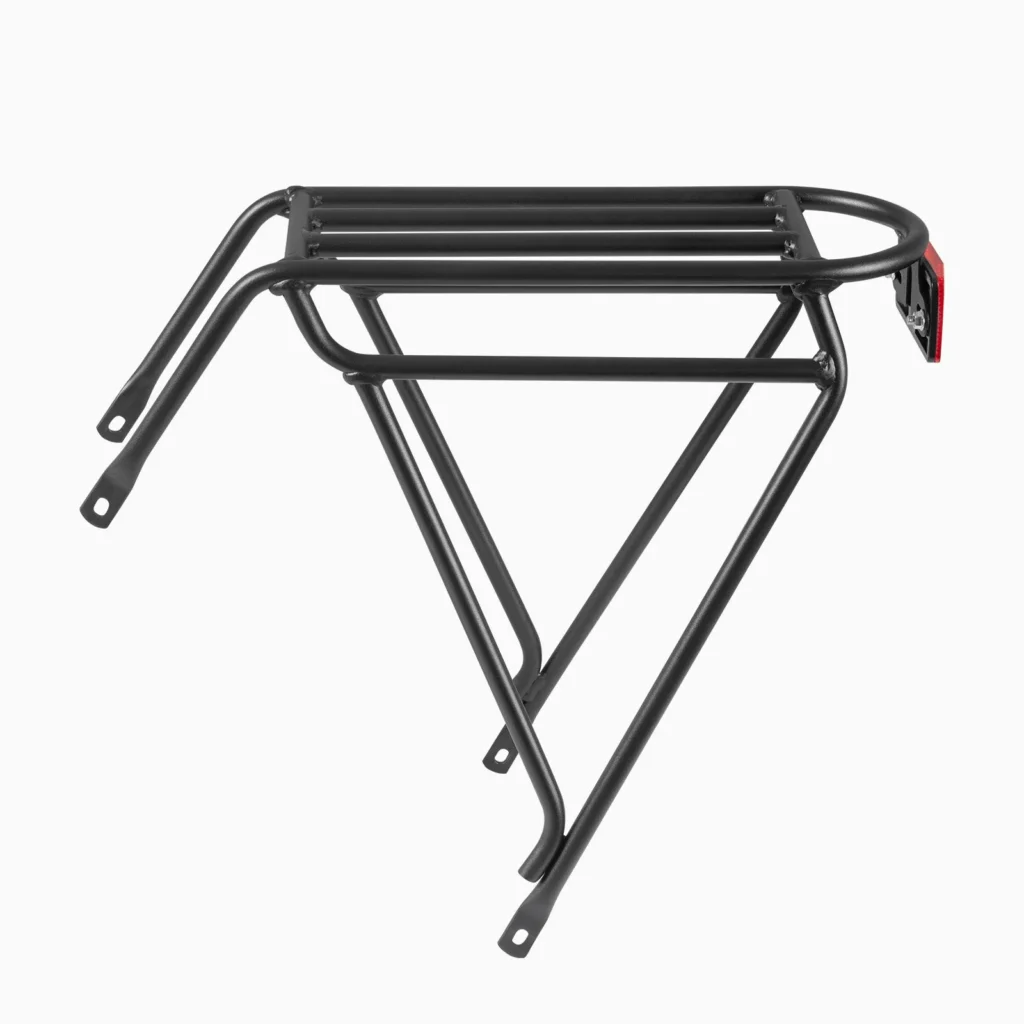
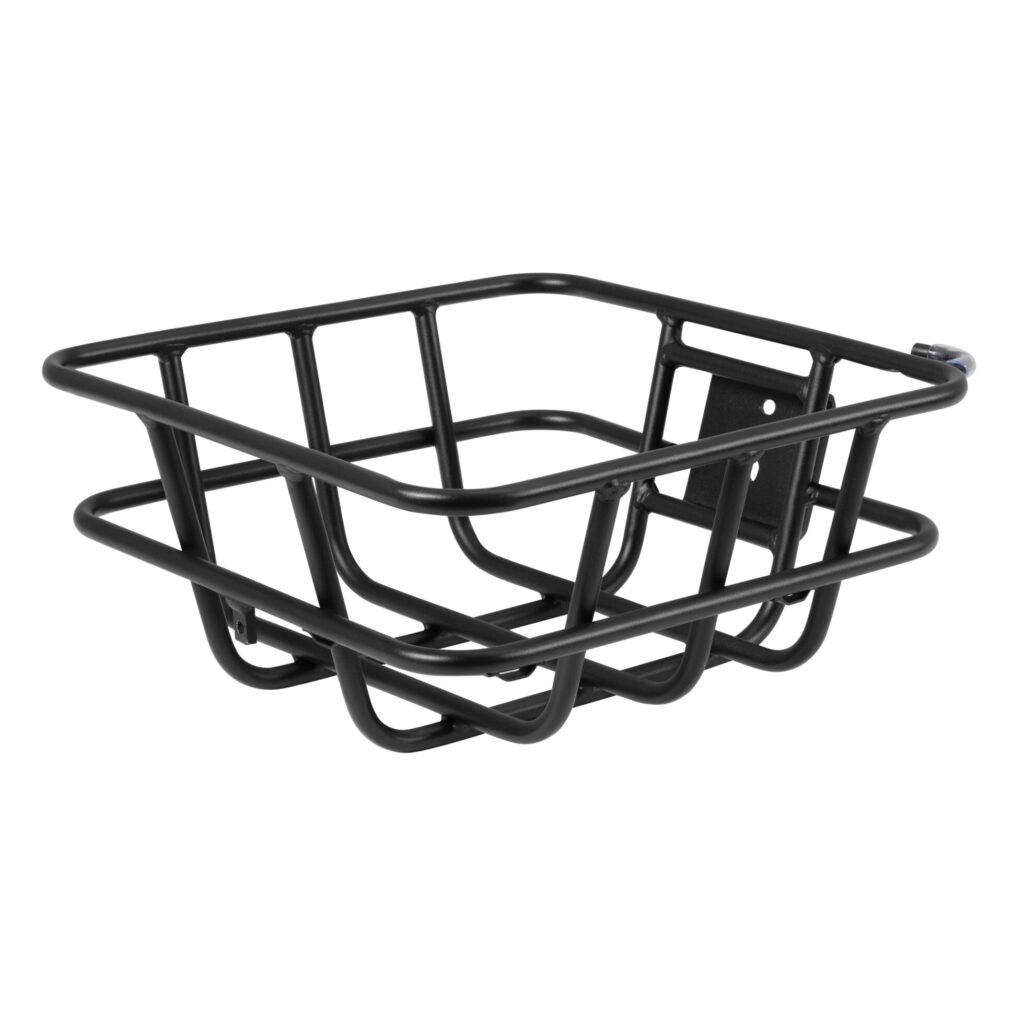
A front basket and rear rack are useful only when the bike still handles calmly with a real load. A step-through frame can help because the rider does not need to swing a leg over bags or a high rear load. That matters for groceries, office bags, school items, and a rain jacket stuffed into the basket.
Keep heavier items low and secure. A light front basket is convenient, but too much front weight can make steering slow or twitchy. If the bike feels strange after loading, stop and repack instead of gripping the bars harder.
Security belongs in the same conversation. Repeated short stops make lazy locking tempting. DYU’s city e-bike security guide is worth reading before using a step-through bike for errands every day.
Rain Makes Easy Mounting More Valuable
Wet roads turn small movements into bigger decisions. Painted lines, metal covers, leaves, and shallow puddles all ask the rider to slow down earlier. A frame that is easy to step through can make stops feel less rushed, especially when the rider is wearing a longer coat or carrying a bag.
DYU’s rain riding guide covers the riding side of wet weather. The short version is simple: brake early, keep the bike upright over slick surfaces, and avoid sudden body movements when the tires already have less grip.
Electric Bike Report’s brake guide explains why brake control matters on e-bikes. Step-through comfort is useful, but it still needs predictable stopping to feel safe in real traffic.
Battery and Maintenance Still Decide the Week

A comfortable frame will not save a poor ownership routine. The battery still needs sensible charging, the tires need pressure checks, and the brakes need attention. A city bike that is easy to ride should also be easy to live with.
Battery University’s lithium-ion care guide is technical, but the daily habit is plain: charge in a dry, ventilated place, avoid careless heat, and do not leave the battery deeply drained. Pair that with BikeRadar’s e-bike maintenance guide and the ownership routine becomes less mysterious.
For a step-through city bike, I would check these once a week:
- Tire pressure and sidewall condition.
- Brake lever feel before the first busy junction.
- Basket, rack, and fastener tightness.
- Battery level before the longest planned day.
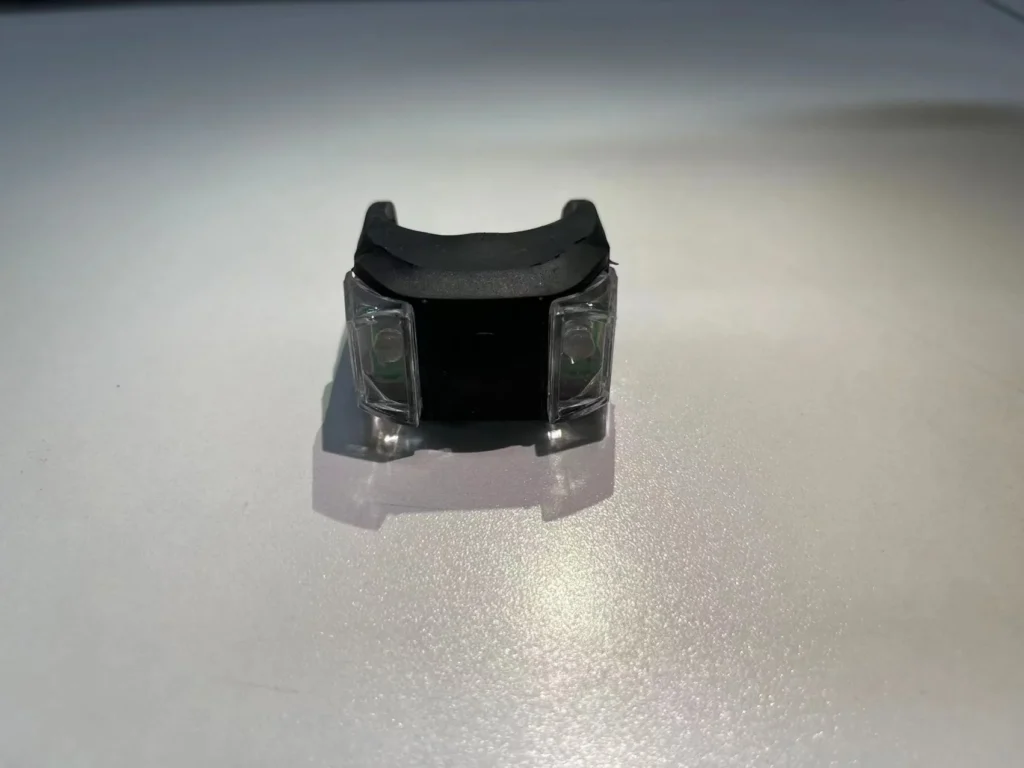
- Lights, reflectors, and lock routine.
Where the DYU C6 Fits Step-Through City Riding

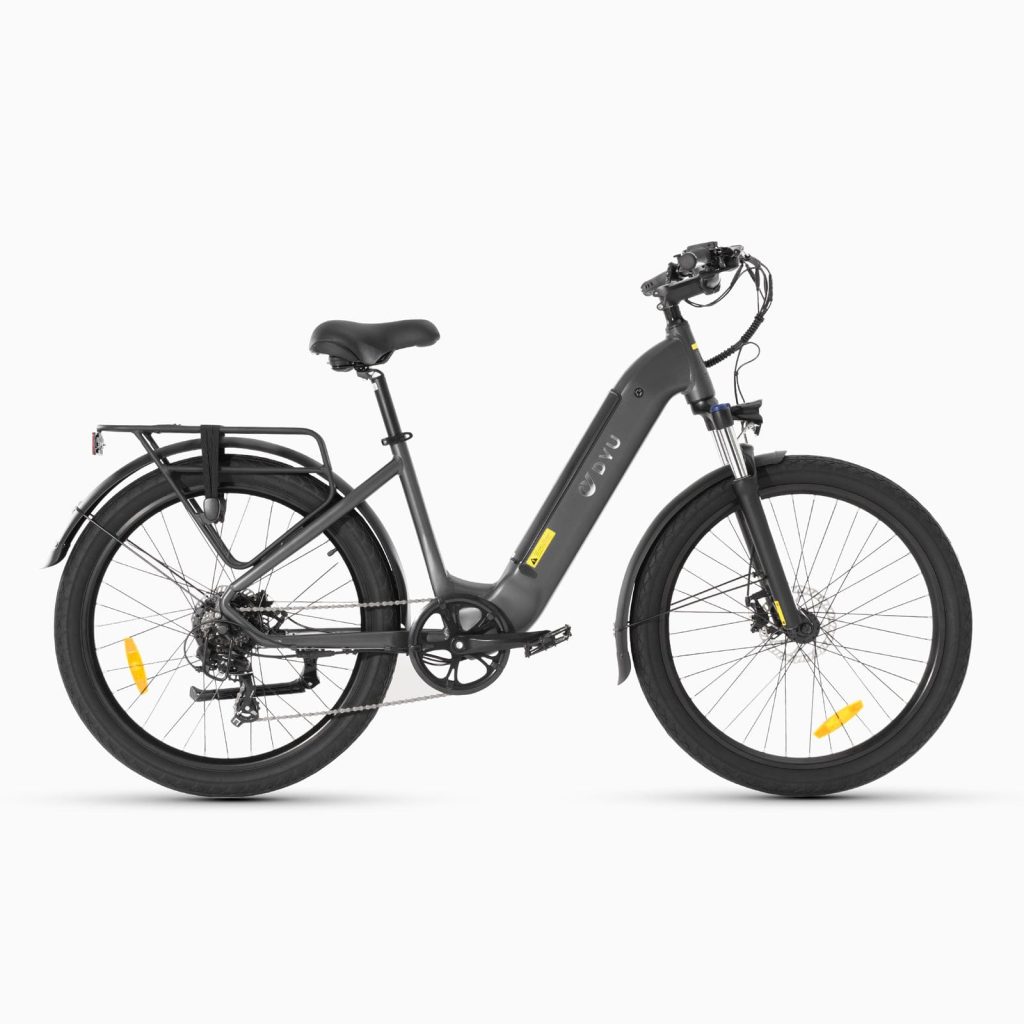
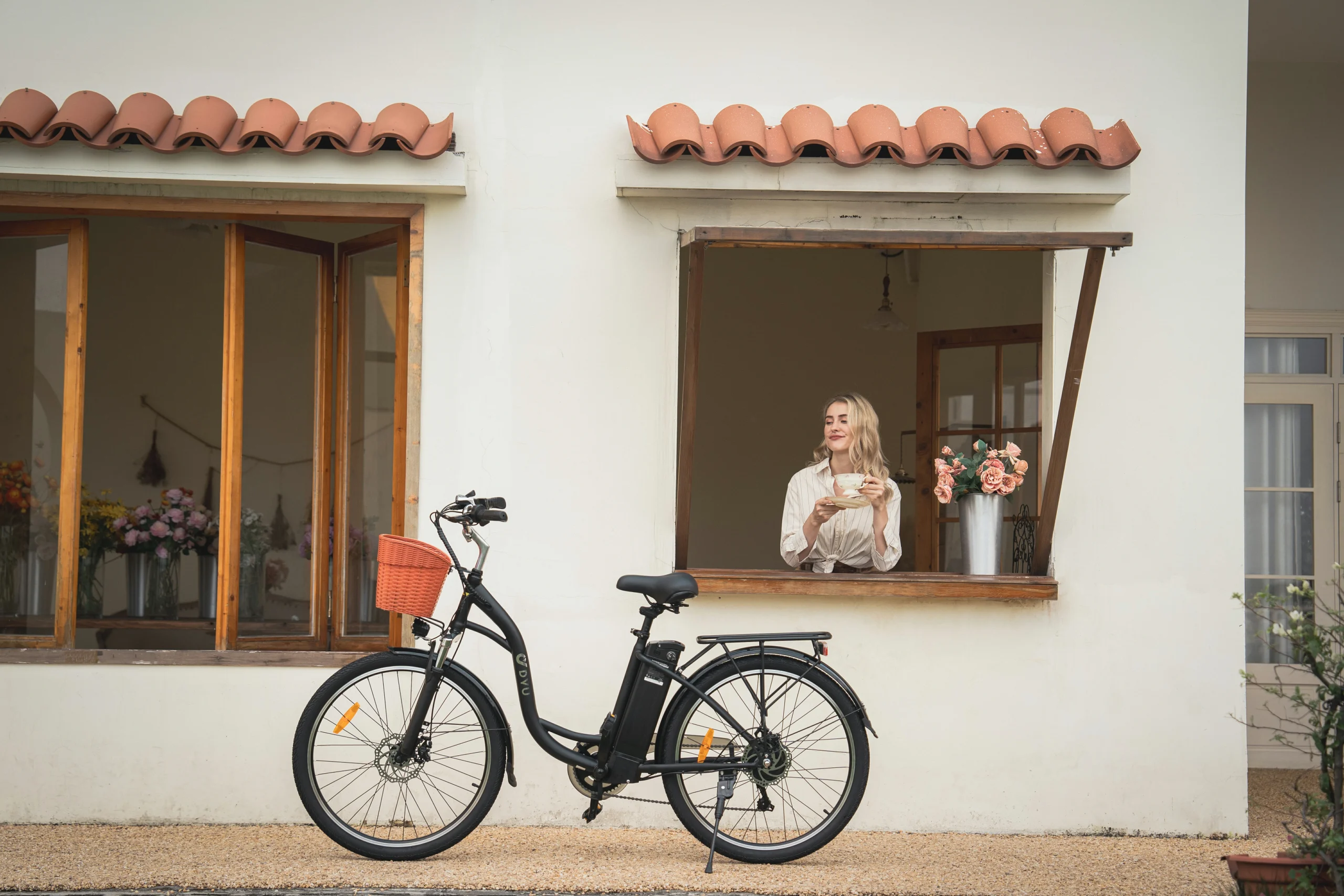
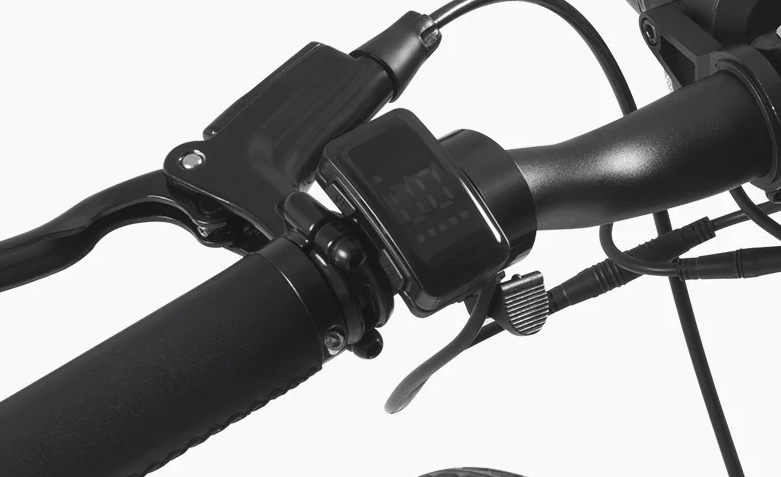
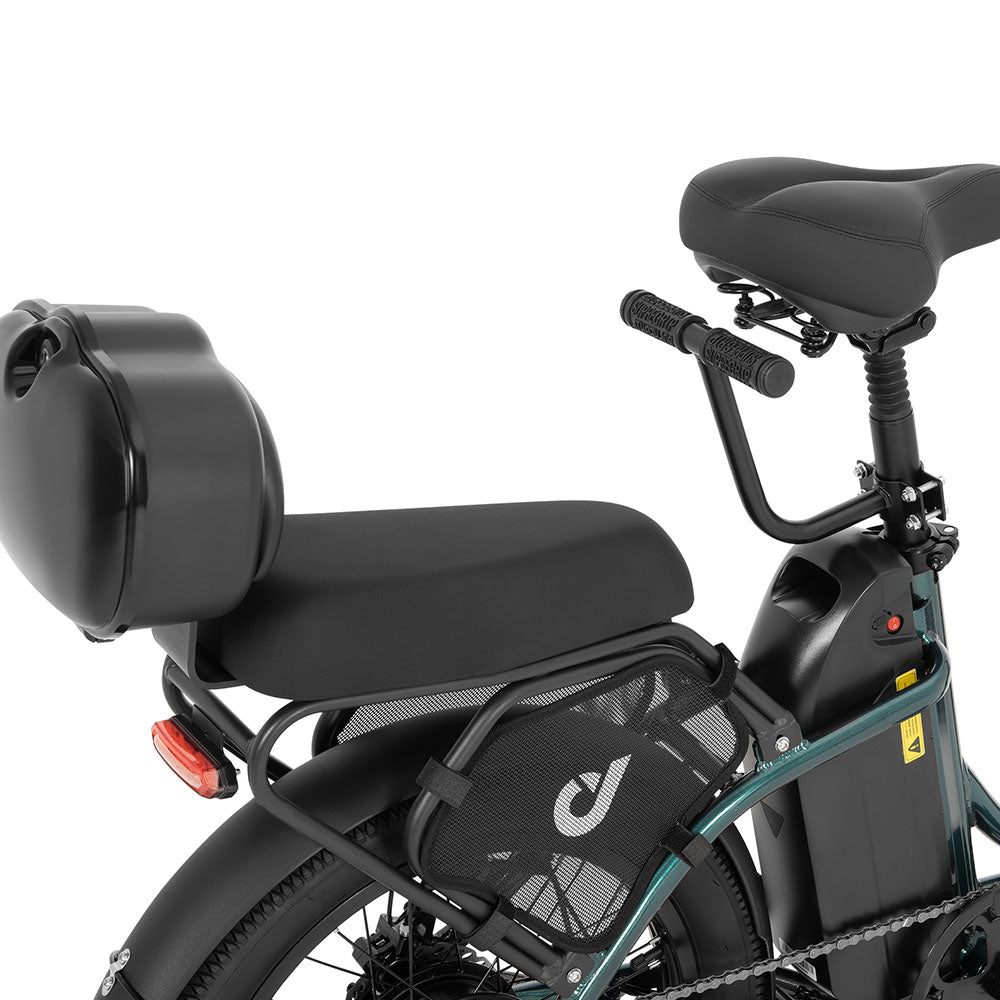
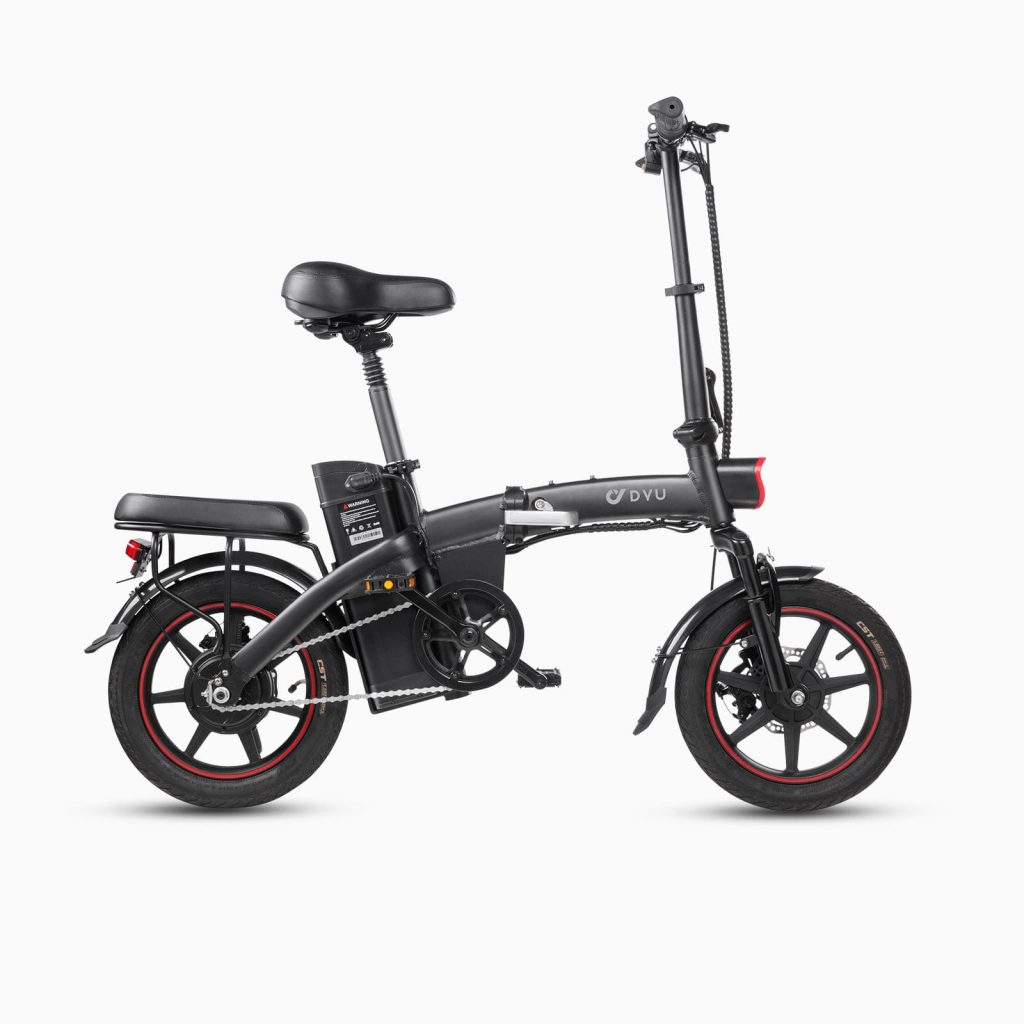
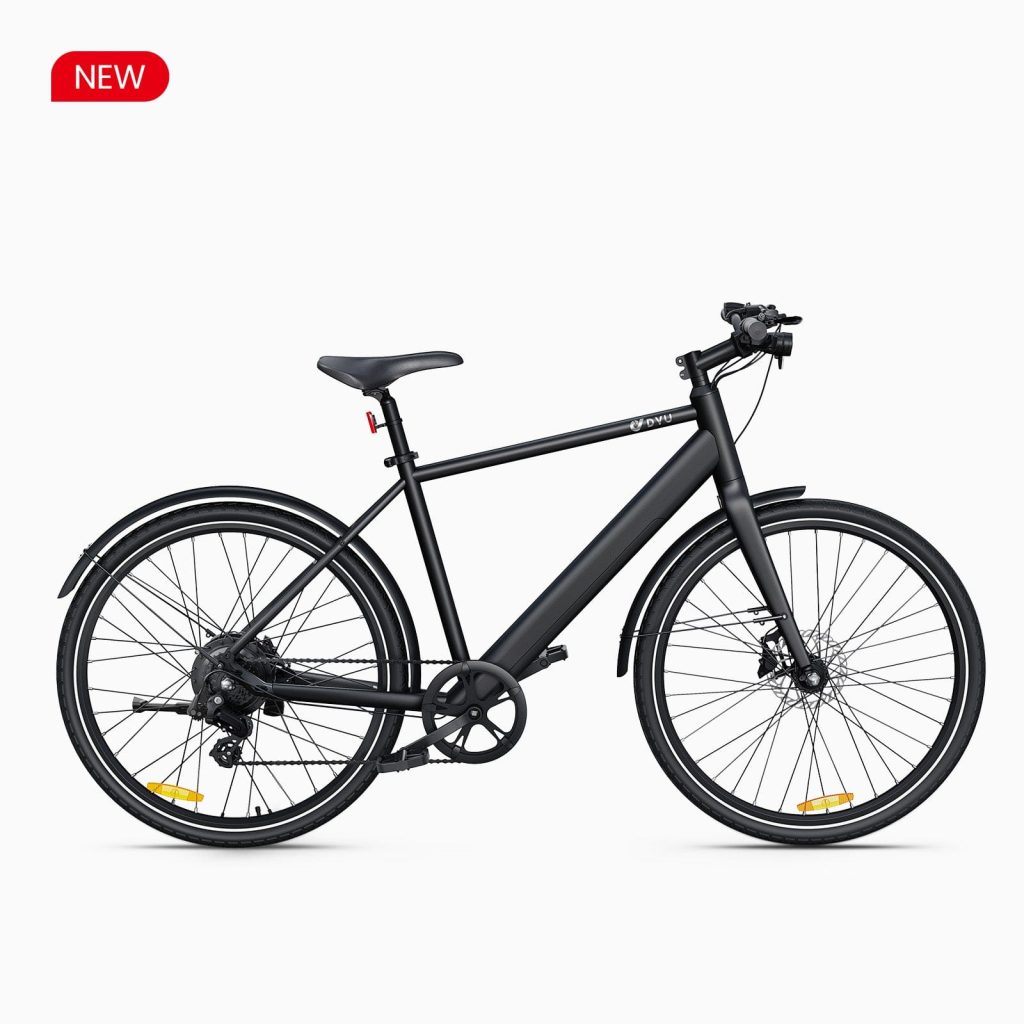
The DYU C6 26-inch city e-bike is the model I would use for this step-through discussion because it combines a low-access city frame with practical carrying hardware. Its key specs include a 250W motor with 500W peak output, 36V 12.5Ah removable battery, listed 60 km pedal-assist range, 25 km/h assist speed, 27 kg weight, 120 kg load capacity, 26-inch wheels, 26 x 2.125-inch tires, front fork and saddle suspension, front and rear disc brakes, Shimano 6-speed gearing, LED lights, an LCD control panel, a front basket, and a rear rack.
At the time of writing, the DYU C6 is listed at €819, down from the regular €899. The practical value is not one flashy number. It is the mix of easy access, upright city fit, included carrying points, removable battery, and enough range for normal daily errands or a moderate commute.
The honest limitation is weight. At 27 kg, the C6 is easier to step through than to carry upstairs. If your building has no lift, no ground-floor storage, and tight stair turns, measure that routine before falling in love with the frame.
Quick Step-Through E-Bike Checklist
Before buying a step-through e-bike, check the routine, not only the frame label:
- Can you mount and stop calmly in normal clothing?
- Does the riding position let you look ahead without tension?
- Can you load a small bag without affecting steering too much?
- Does the battery range fit your normal week with margin?
- Can the bike be stored, locked, charged, and serviced easily?
DYU’s range anxiety guide is helpful if the battery question is still unclear. Buy enough range for the week you actually ride, not the longest number you can find.
Conclusion: Easy Access Is a Daily Feature
Step-through e-bike design is not only for older riders or nervous beginners. It is useful for any city rider who stops often, carries light cargo, rides in normal clothes, and wants the bike to feel natural from the first doorway to the last lock-up.
The DYU C6 fits riders who want a classic city shape, accessible frame, basket and rear rack, removable battery, and calm everyday handling. It is not the lightest bike to carry, but for riders with suitable storage, it makes the stop-start rhythm of city riding feel much easier.
FAQs
Q1. What is a step-through e-bike?
A step-through e-bike has a lower frame opening that makes mounting and dismounting easier. It is useful for city stops, normal clothing, light cargo, and riders who want calmer access.
Q2. Are step-through e-bikes good for city commuting?
Yes, they can be very practical for city commuting because riders stop often and need easy mounting. Fit, brakes, range, storage, and bike weight still matter.
Q3. How much does the DYU C6 cost?
At the time of writing, the DYU C6 is listed at €819, down from the regular €899. Check the product page for current availability and final checkout details.
Q4. How far can the DYU C6 ride on a charge?
The DYU C6 is listed with up to 60 km pedal-assist range from its 36V 12.5Ah removable battery. Real range depends on rider weight, route, weather, assist level, and tire condition.
Q5. What should I check before buying a step-through e-bike?
Check frame access, saddle height, brake reach, battery range, storage space, cargo needs, and total bike weight. The right bike should be easy to ride and easy to live with.