

Fat-tire e-bike suspension setup is easy to get wrong because the tires can hide a poor baseline. A soft 20 x 4.0-inch tire absorbs small chatter, so the bike may feel comfortable on a flat path even when the fork, saddle position, brake control, or body position needs attention.
The problem appears when the surface changes. A curb edge, a washboard gravel section, a shallow rut, or a rocky climb can make the front end bounce, dive, or wander. I would rather find that during a slow test loop than halfway through a long weekend ride.
Fat-Tire E-Bike Suspension Setup Starts With a Baseline
Do not begin by turning every adjuster you can find. First confirm what the bike actually has. Some forks offer preload, compression, or rebound adjustment. Others are designed around a fixed factory setting. If a control is not documented, do not force it.
| Baseline check | What to observe | First response |
|---|---|---|
| Tire pressure | Harshness, squirm, rim strikes, or vague steering | Correct pressure before judging the fork |
| Fork movement | Smooth travel without sticking or oil leaks | Clean the stanchions and inspect before riding |
| Seat and post | Stable clamp, sensible height, no unwanted movement | Tighten to the documented specification |
| Brake control | Predictable lever feel and no rotor rub | Fix braking before increasing trail speed |
| Body position | Soft elbows, level pedals, eyes ahead | Change technique before blaming hardware |
BikeRadar’s explanation of electric-bike systems is useful here because suspension never works alone. Motor response, bike weight, wheel size, tires, brakes, and rider input all arrive at the same contact patches.
Set Tire Pressure Before You Judge the Suspension
Fat tires are part of the suspension system, even though they do not look like a fork or shock. Too much pressure can make the bike skip across loose stones. Too little can make the steering vague, increase drag, and raise the risk of rim damage.
Start inside the tire and bike maker’s allowed range, then change pressure in small steps. Use the same short route and carry the same load. A pressure that feels pleasant on smooth asphalt may feel unstable on a loose corner, while a pressure that grips well on soft ground may feel slow on a firm path.
The DYU guide to fat-tire e-bike tire pressure is the companion check for this step. Pressure is not a magic single number. Rider mass, luggage, temperature, surface, and speed all move the useful range.
Read the Front End Through Braking and Corners
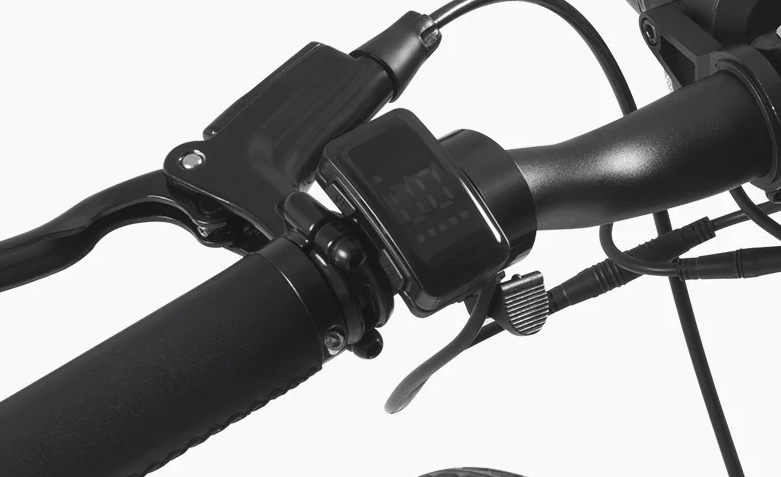
A fork reveals more under braking than it does while parked. Use a quiet, permitted practice area. Build speed gently, apply both brakes smoothly, and notice whether the front settles in a controlled way or dives so quickly that the rider becomes tense.
Electric Bike Report’s e-bike brake guide explains the hardware side. The rider side is just as important: keep elbows soft, move with the bike, and avoid grabbing the front brake in a loose turn.
Repeat the same corner at low speed. If the front wheel pushes wide, check tire pressure, line choice, braking timing, and rider position before assuming the fork is at fault. My most useful setup changes often come from removing one bad habit rather than adding one mechanical adjustment.
Use a Short Mixed-Surface Test Loop
A good suspension test loop is short enough to repeat and varied enough to expose a problem. I like one firm section, one patch of gravel, one small bump, one slow corner, and one controlled braking zone. Ten calm minutes can teach more than an hour of random riding.
- Pass one: ride slowly and listen for rattles, rubbing, or topping-out sounds.
- Pass two: repeat with normal body position and steady pedal assist.
- Pass three: add a little braking load before the bump, not inside the corner.
- Pass four: carry the bag or equipment used on a normal weekend ride.
- Pass five: stop if the result becomes less predictable rather than more comfortable.
DYU’s gravel, dirt, and light-trail technique guide helps separate a setup problem from a riding problem. The goal is not to make every surface disappear. The goal is to keep the tires tracking and the rider calm.
Where the M20 Fits This Suspension Setup
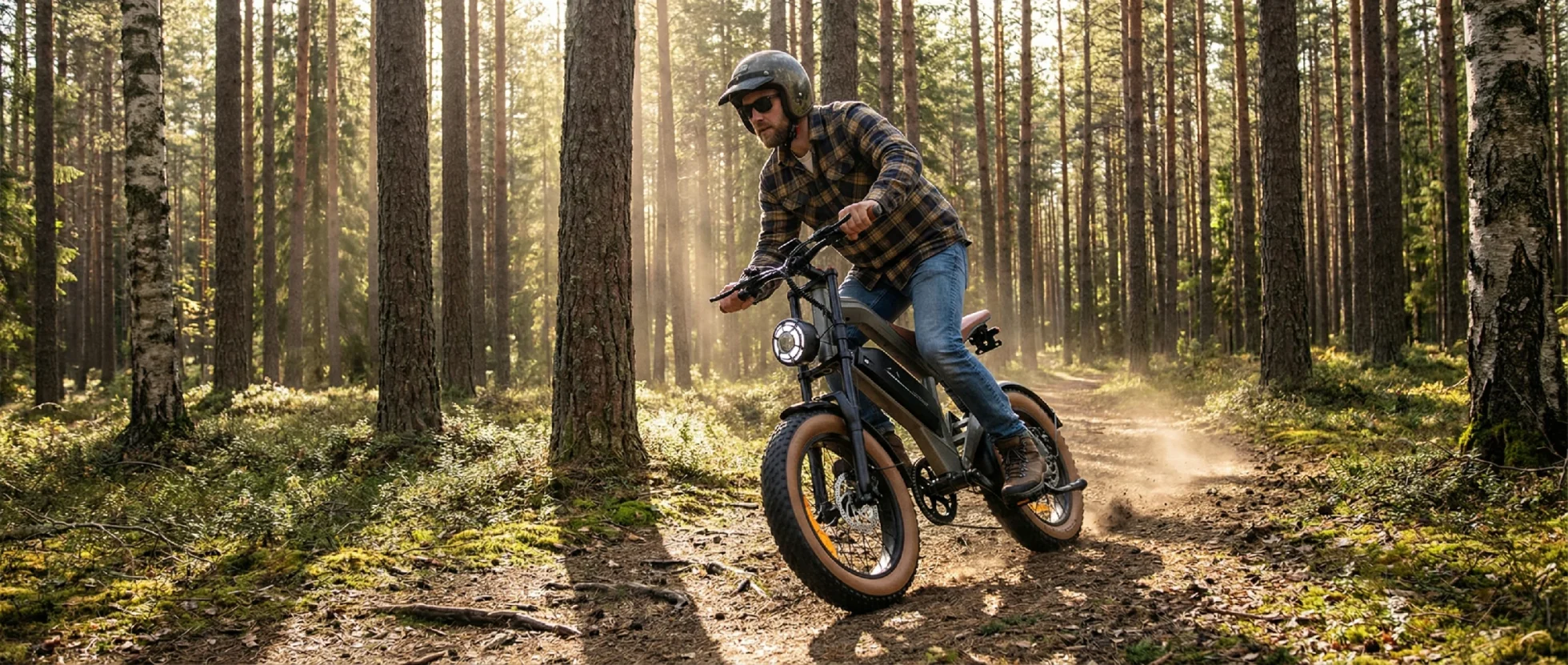
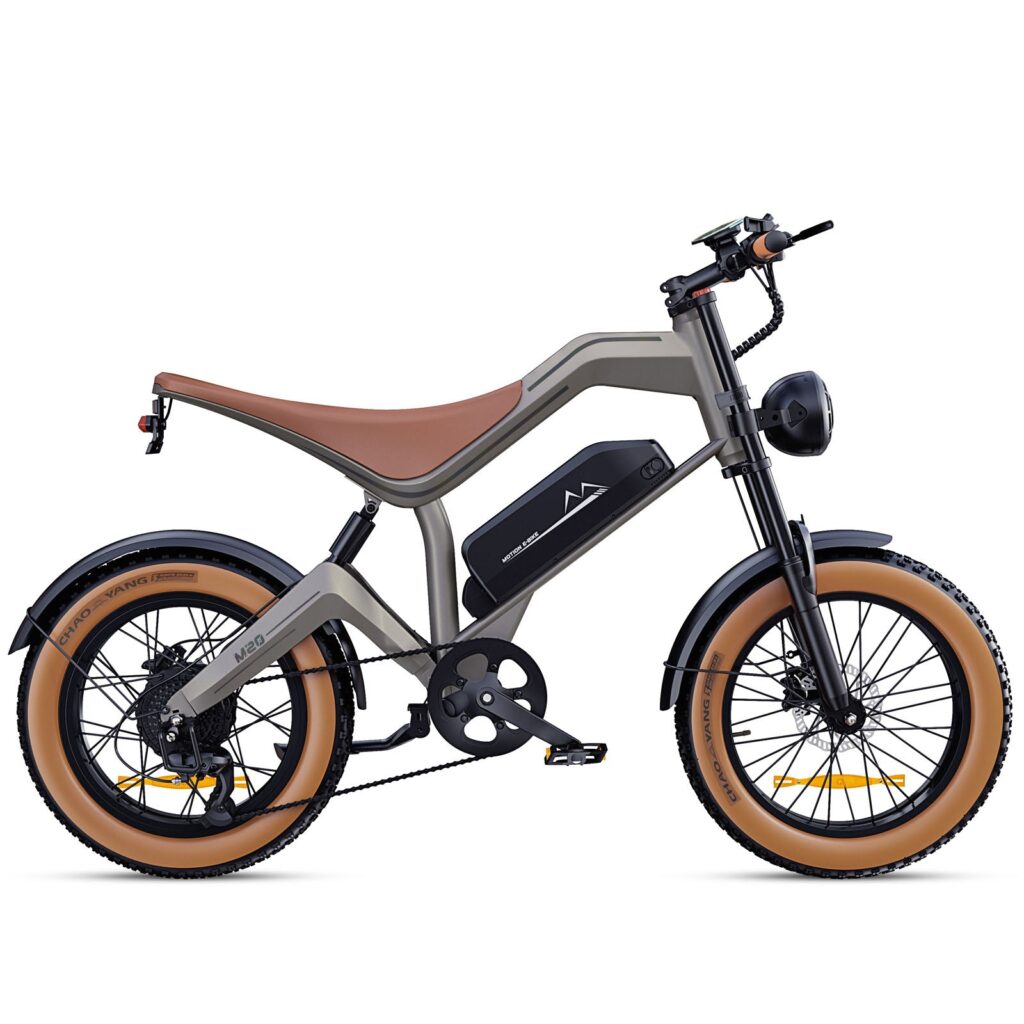
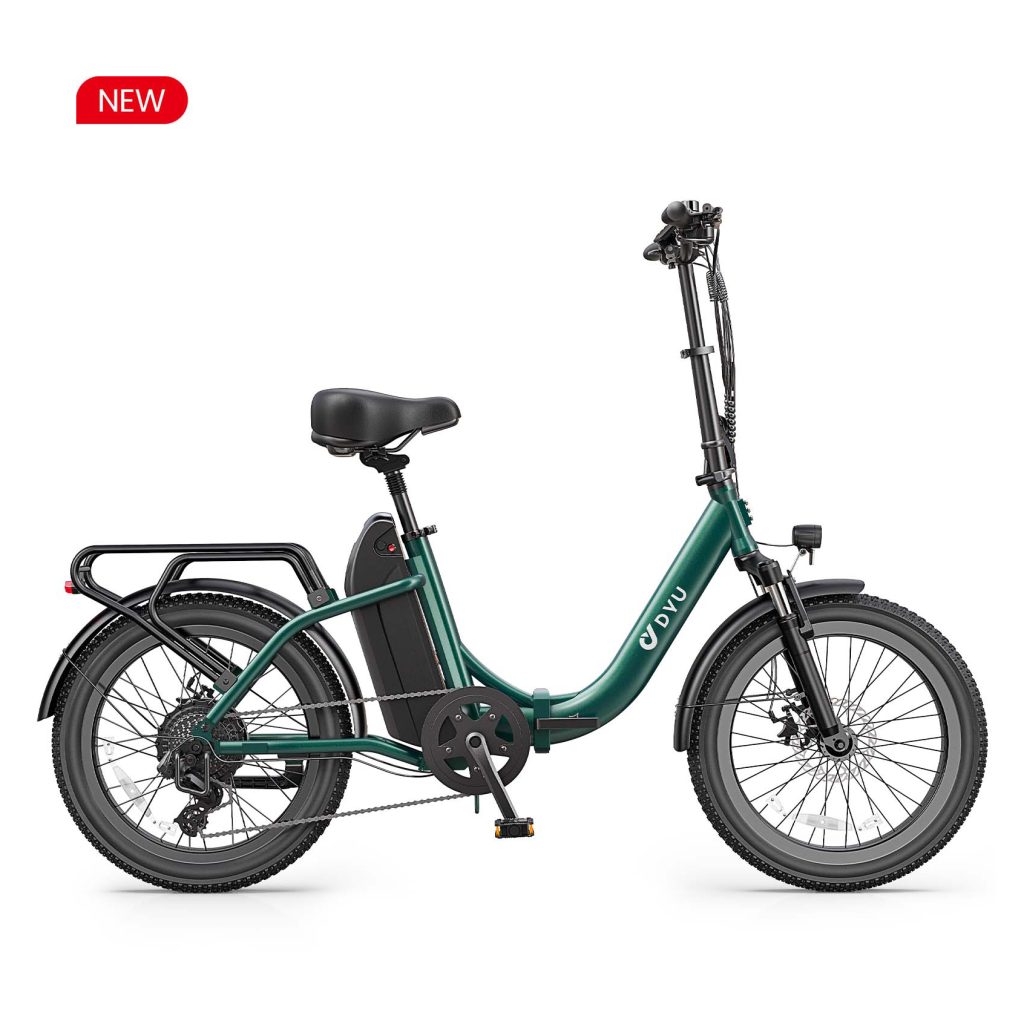
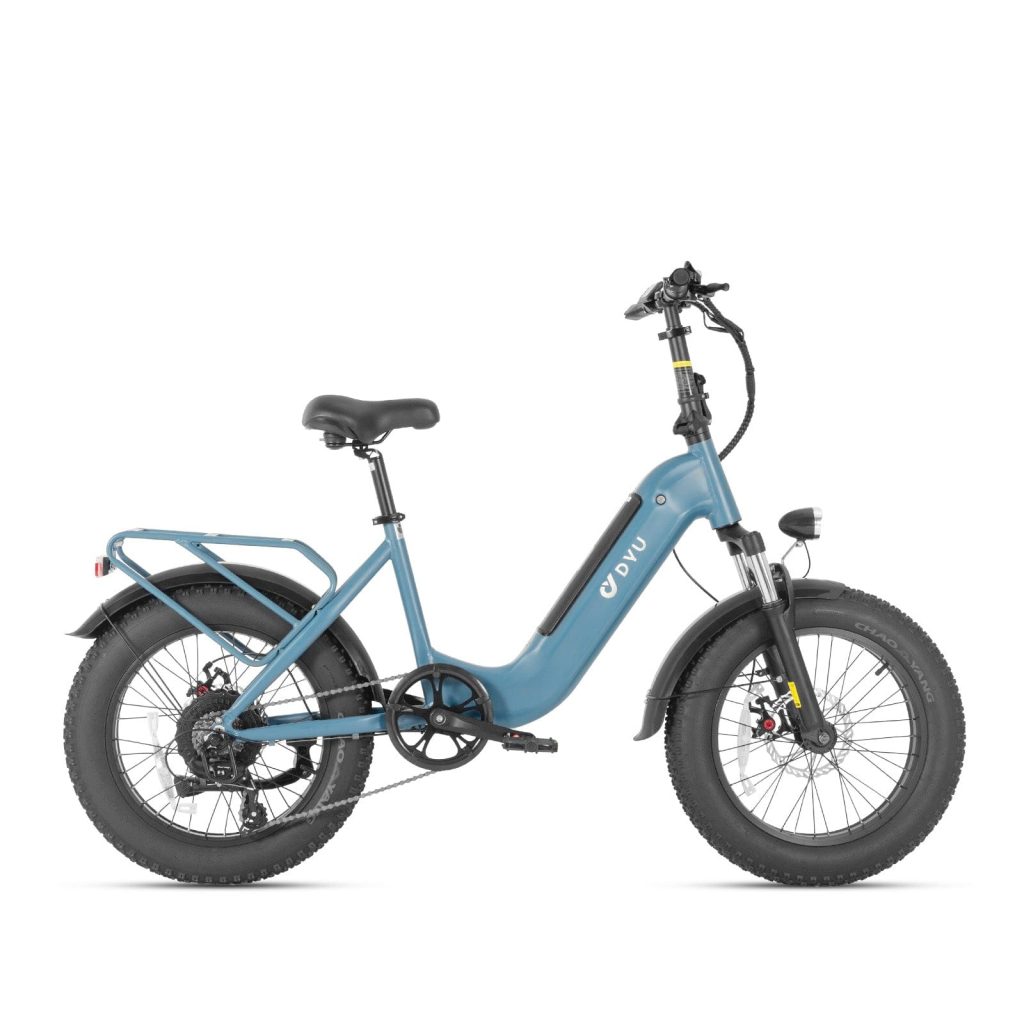
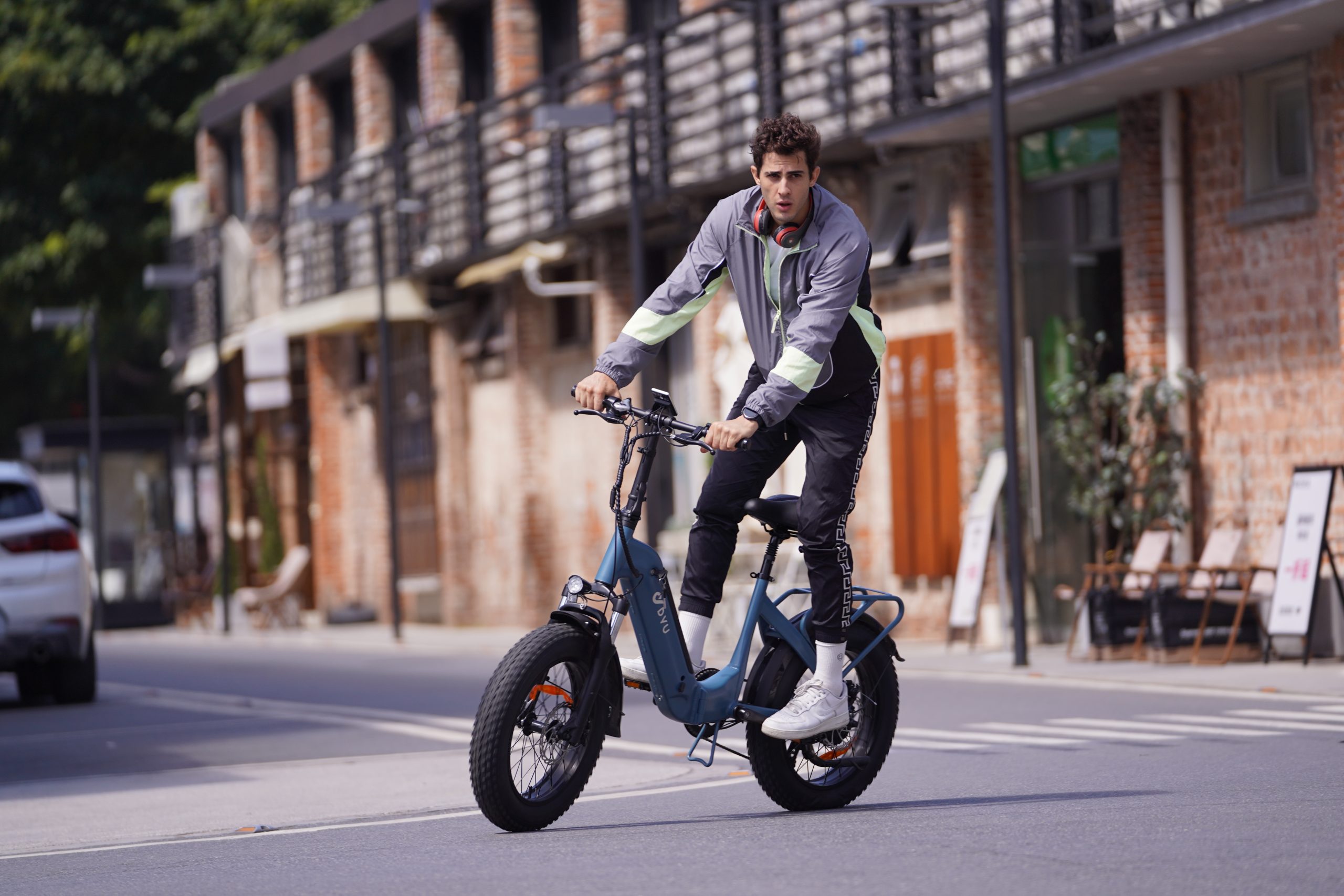
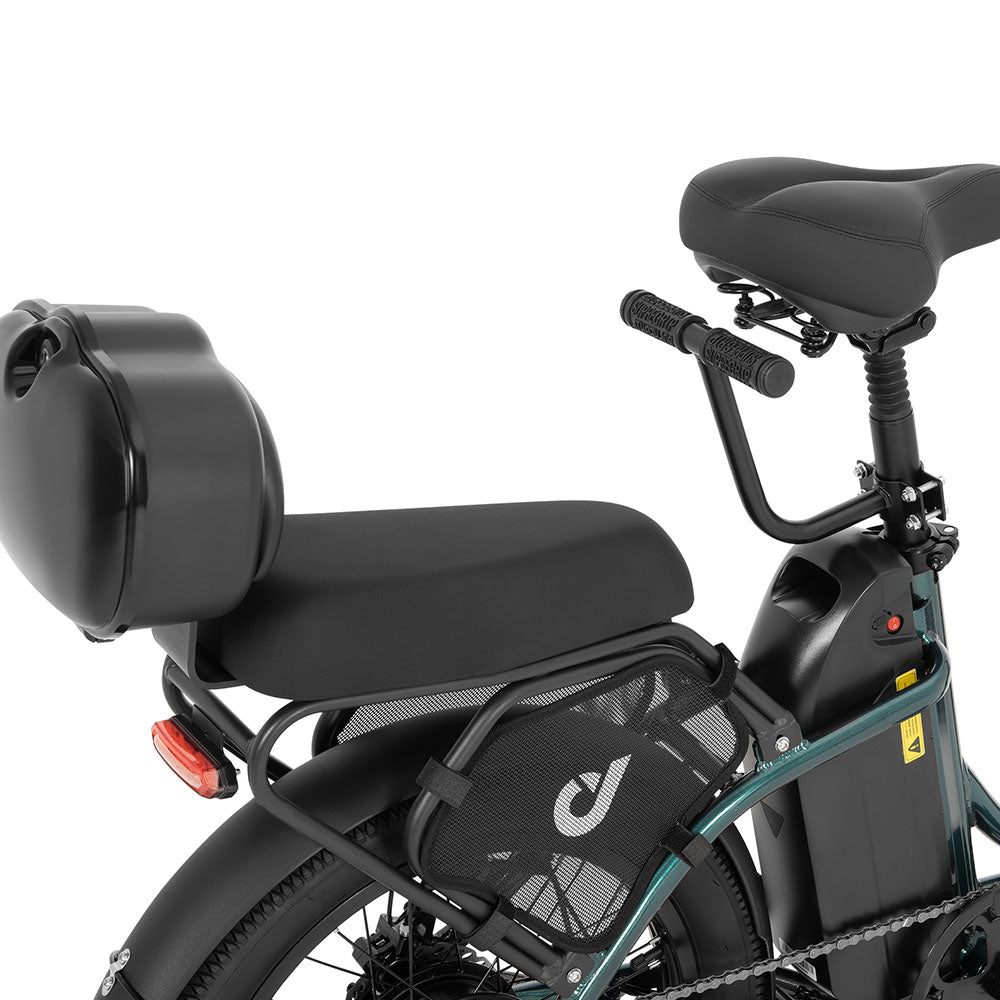
The M20 All-Terrain Long-Range Electric Bike is a useful example because its comfort comes from several parts working together: 20 x 4.0-inch fat tires, a front fork, seat shock absorption, a 750W motor with 1500W peak output, a 48V 18.2Ah battery, hydraulic disc brakes, and a listed 39 kg bike weight.
Its listed pedal-assist range is up to 160 km, load capacity is 120 kg, and listed maximum speed is 45 km/h. The product page also states that this model is for off-road use only, not public roads or streets. That boundary matters when planning a test loop.
At the time of writing, the M20 is listed at €999, down from the regular €1399. The honest tradeoff is mass. A 39 kg bike can feel planted, but it also carries more momentum into a braking zone and is not pleasant to lift over stairs or obstacles. Suspension comfort should never be used as permission to enter rougher terrain faster than the rider can control.
Change One Variable at a Time
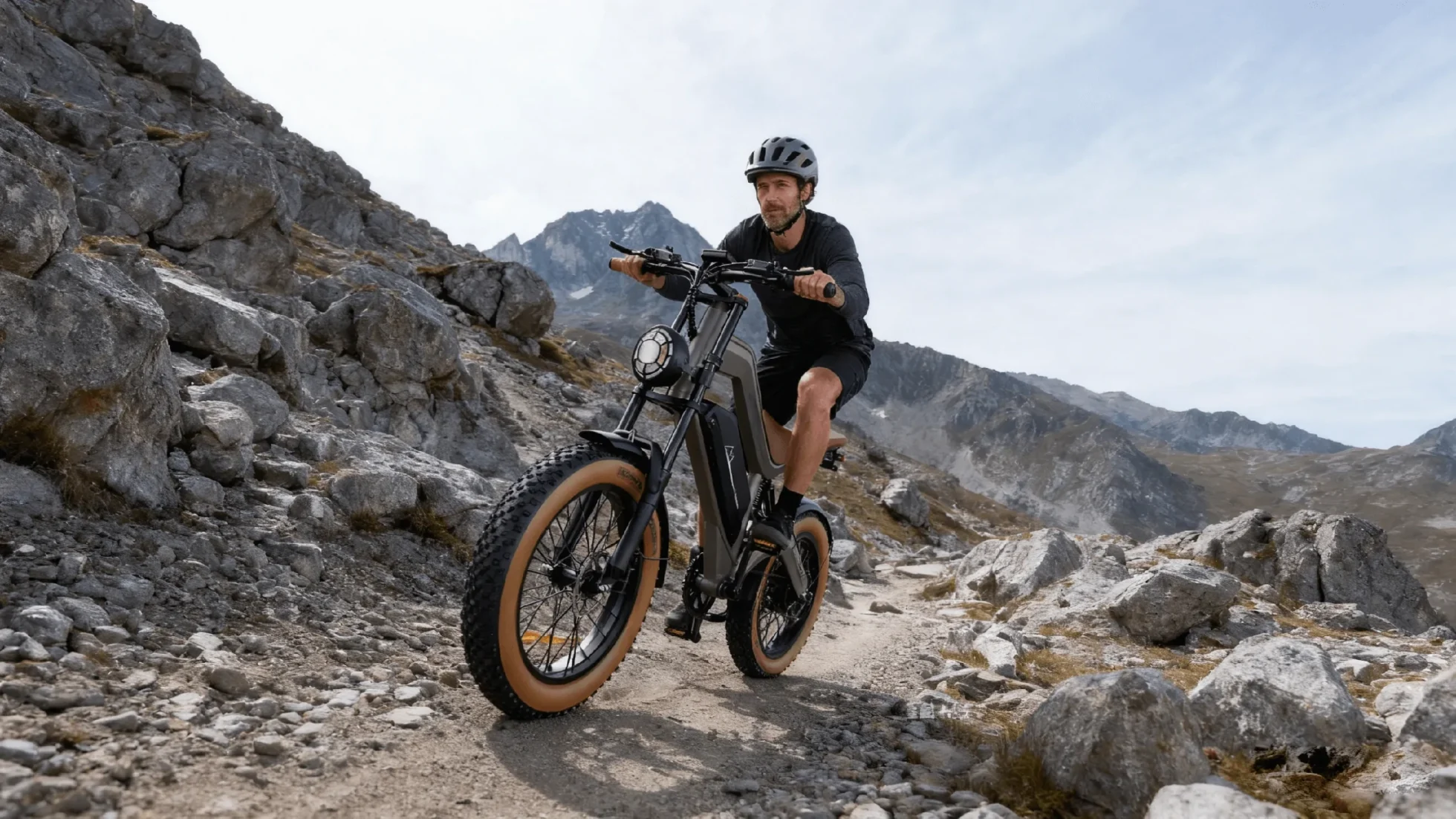
This is the rule that prevents most setup confusion. Change tire pressure, then test. Change saddle height, then test. If the fork has a documented adjuster, move it one small step, write down the original position, and test again.
When three changes happen together, a better ride does not tell you which one helped. A worse ride is even harder to diagnose. Use a note on your phone with the route, pressure, load, weather, and one adjustment. That is enough data to find a repeatable baseline.
Do not copy another rider’s setting without checking their weight, luggage, surface, and pace. Two riders can use the same bike and need different pressure or posture even when the fork itself stays unchanged.
Wet and Dusty Rides Need Different Follow-Up
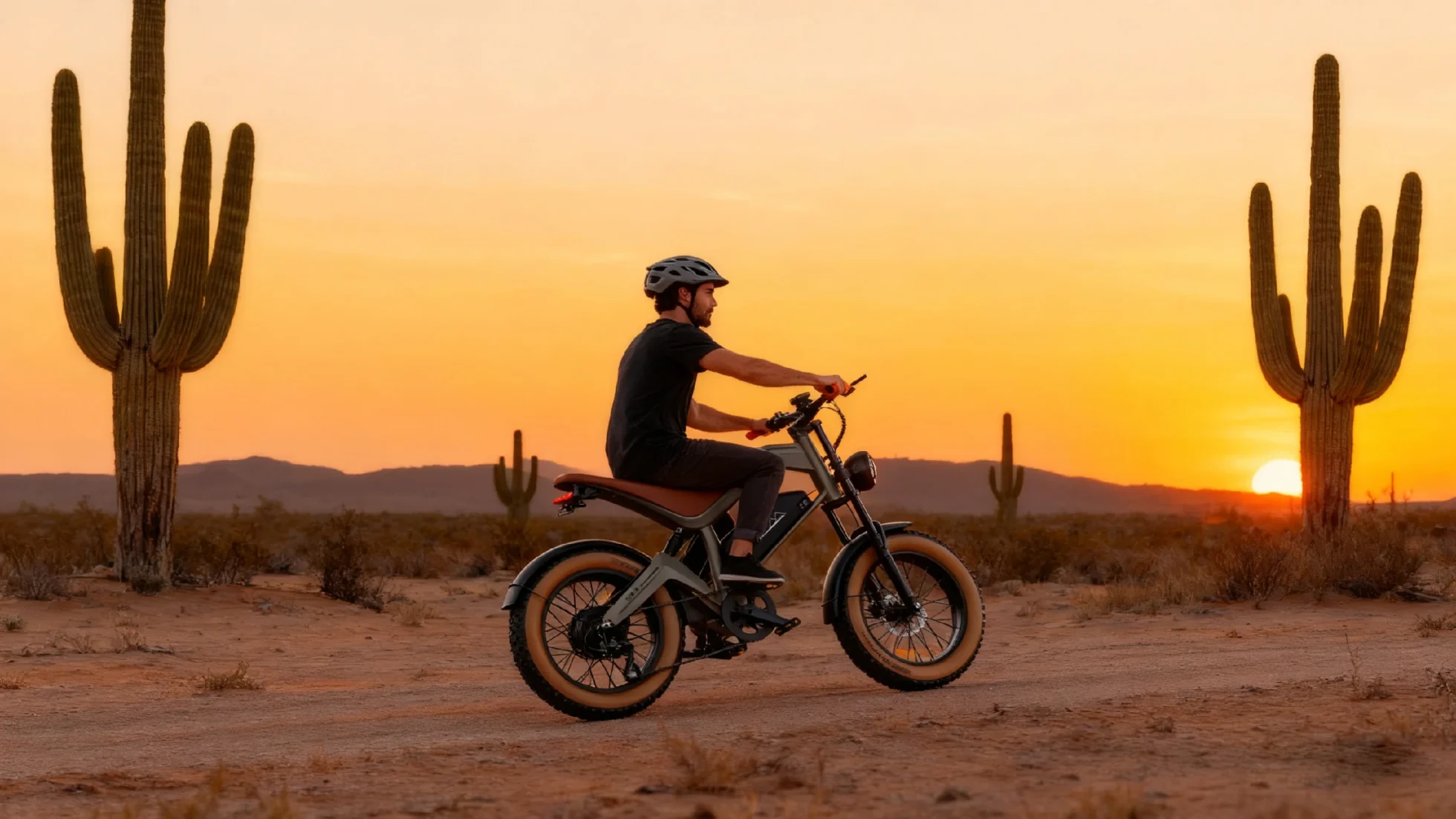
Dust collects around seals and moving parts. Water carries grit into places that looked clean at the start. After either condition, wipe the fork stanchions gently, inspect the tires, listen for brake noise, and look for anything loose.
BikeRadar’s e-bike maintenance guide is a sensible ownership reference. The site guide to e-bike rain riding adds the control side: reduced grip changes how braking, tire pressure, and body movement feel.
Avoid pressure-washing seals, bearings, motor areas, or electrical connections. Clean with control, let the bike dry, and investigate new noises before the next fast ride.
Brakes and Battery Margin Still Set the Limit
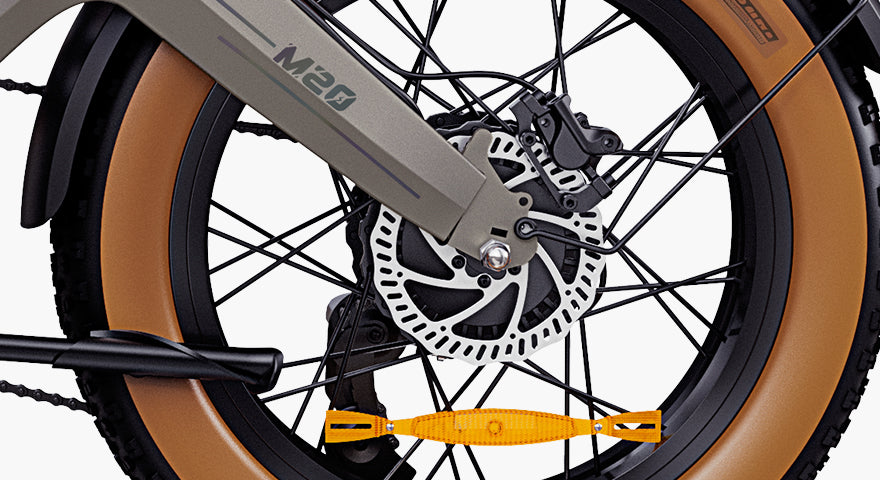
Comfort can make a rough route feel easier, but it does not shorten every stopping distance. Check both brake levers, pad wear, rotor condition, tire grip, and the space available after a descent. A suspension setup is only useful when the bike can slow predictably.
The battery deserves the same margin. Rough ground, soft tires, repeated acceleration, rider weight, and elevation can use more energy than a flat-route estimate suggests. Battery University’s lithium-ion care guide is helpful for charging and storage habits, but route planning still needs a generous return reserve.
Conclusion: Tune for Control, Then Comfort
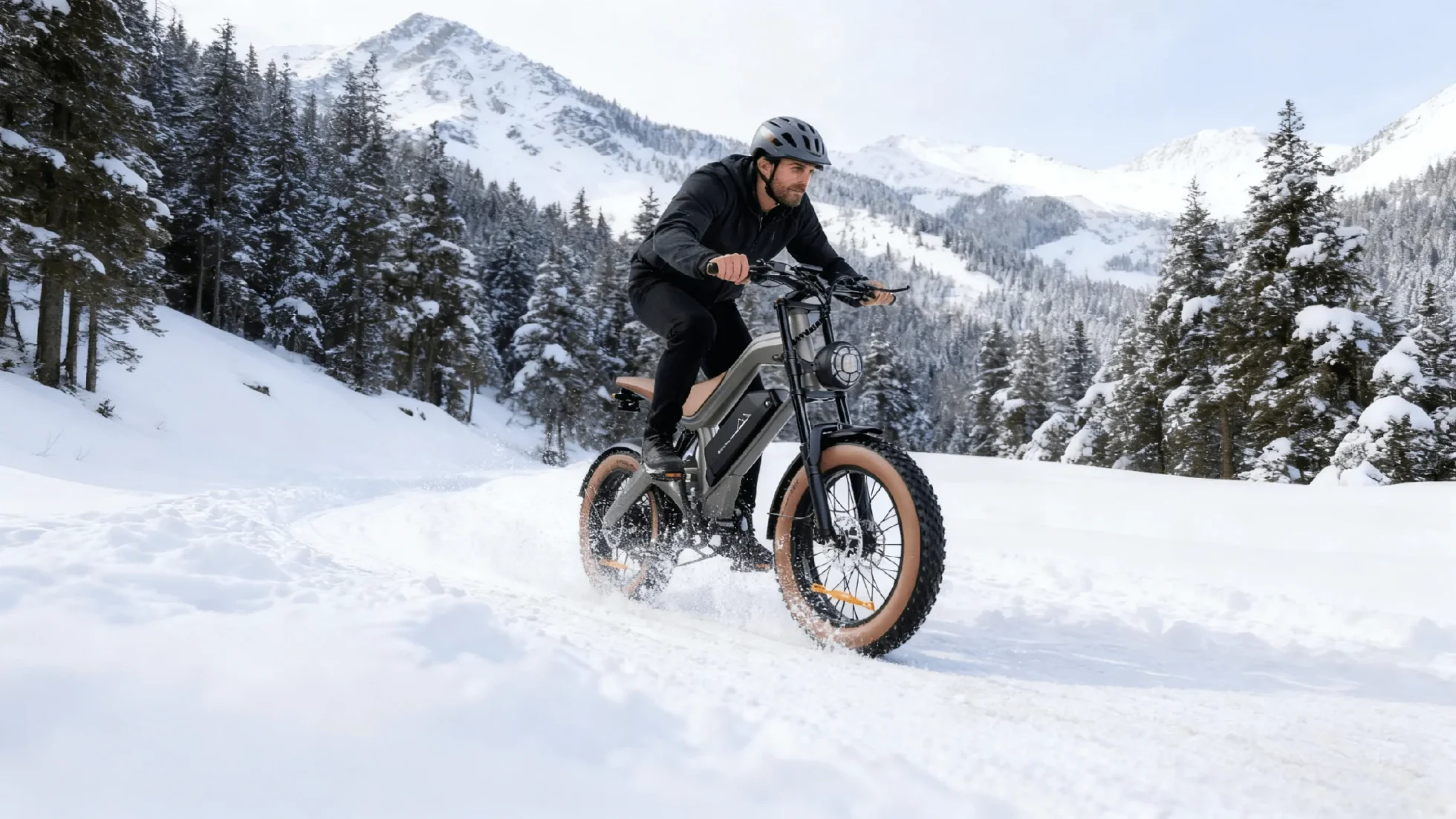
A practical fat-tire e-bike suspension setup begins with the simple things: correct tire pressure, clean moving parts, secure fasteners, predictable brakes, and a repeatable test loop. Only then should a rider use documented fork adjustments.
The M20 combines fat tires, front and seat shock absorption, hydraulic braking, long listed range, and substantial weight. It suits riders who have permitted off-road space, realistic storage, and enough patience to build control before speed.
FAQs
Q1. How do I set up fat-tire e-bike suspension?
Start with correct tire pressure, a clean fork, secure fasteners, and a short mixed-surface test loop. Change only one documented adjustment at a time and record the starting position.
Q2. Does tire pressure affect e-bike suspension?
Yes. Fat tires absorb small impacts and strongly affect grip, steering, comfort, and rim protection. Set pressure before deciding whether the fork feels too firm or too soft.
Q3. How much does the M20 cost?
At the time of writing, the M20 is listed at €999, down from the regular €1399. Check the product page for current availability and final checkout details.
Q4. Is the M20 legal on public roads?
The product page states that the M20 is for off-road use only and is not intended for public roads or streets. Riders should use permitted areas and follow local rules.
Q5. Why does my fat-tire e-bike bounce on rough ground?
Bouncing can come from excess tire pressure, stiff body position, too much speed, poor line choice, or an unsuitable suspension setting. Reduce variables and repeat the same short test section.