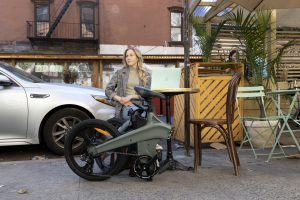
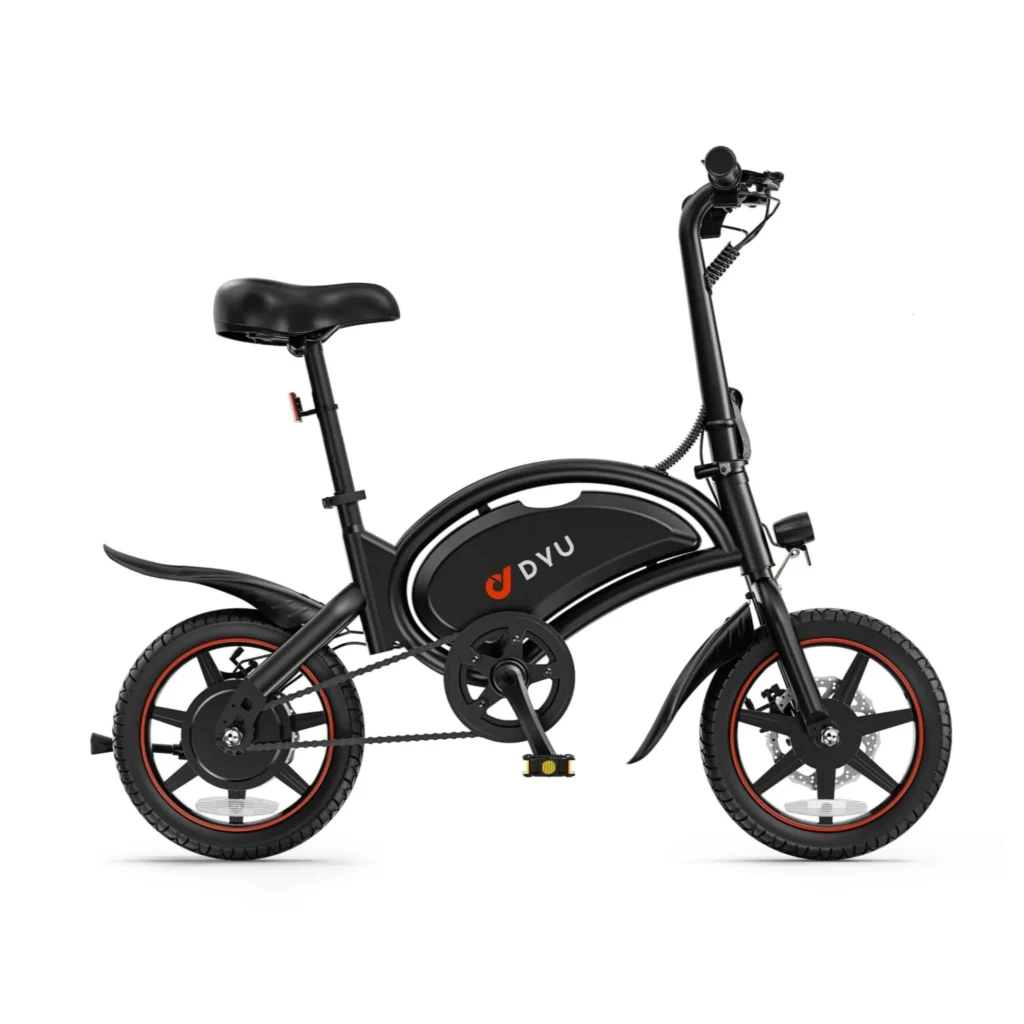
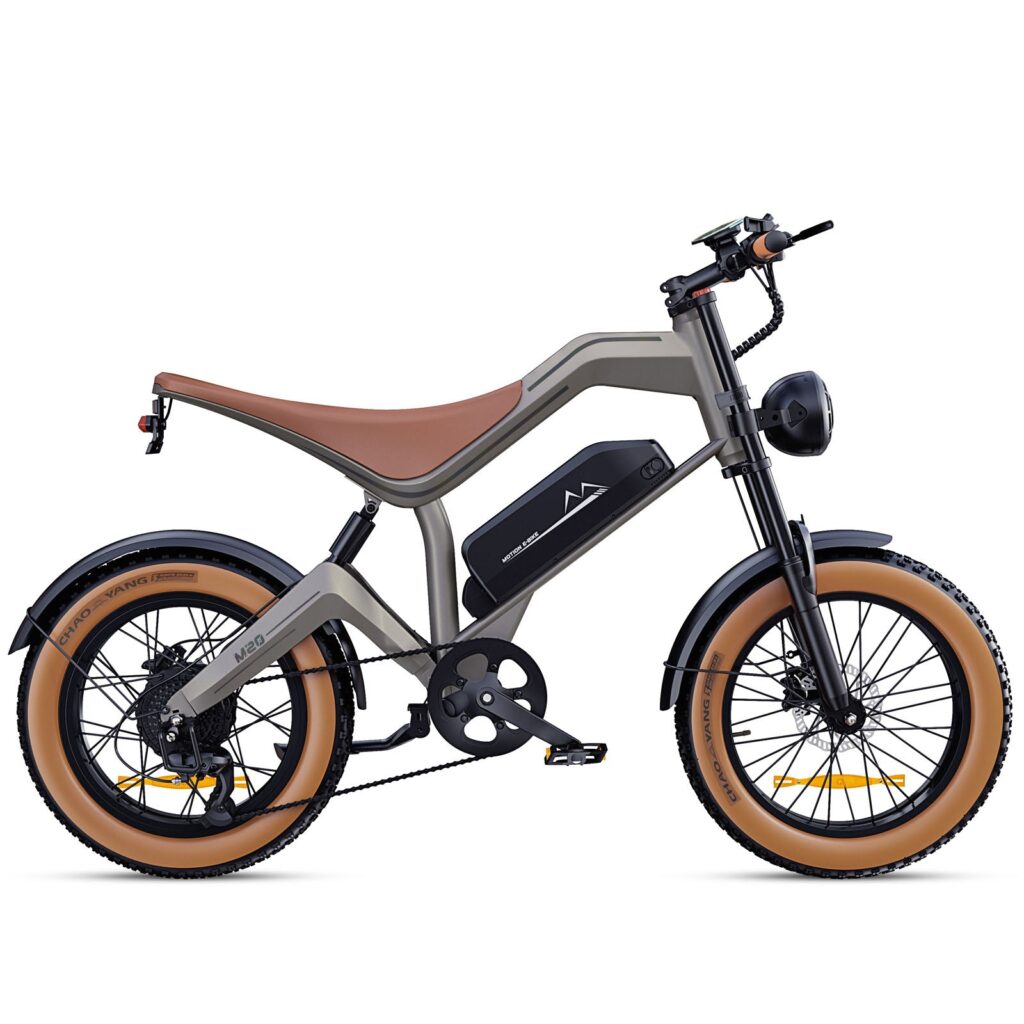
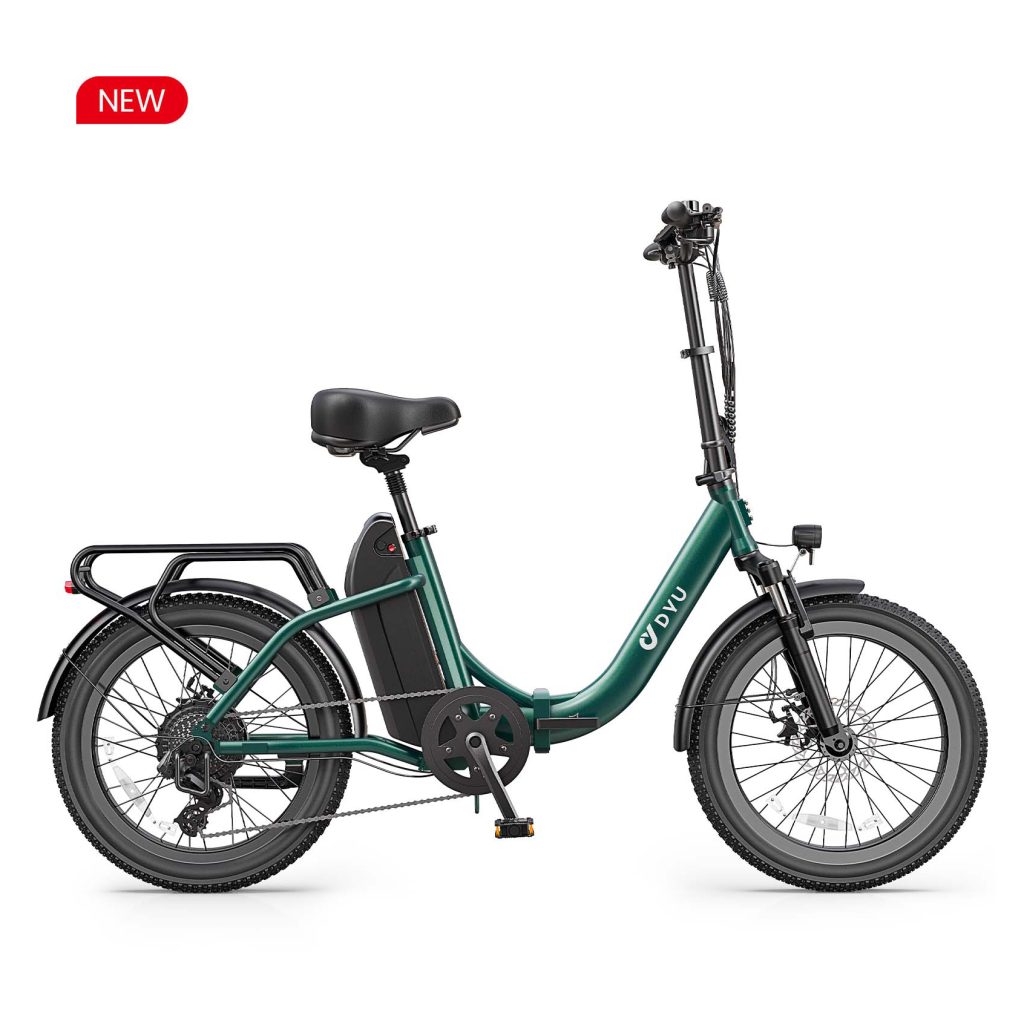
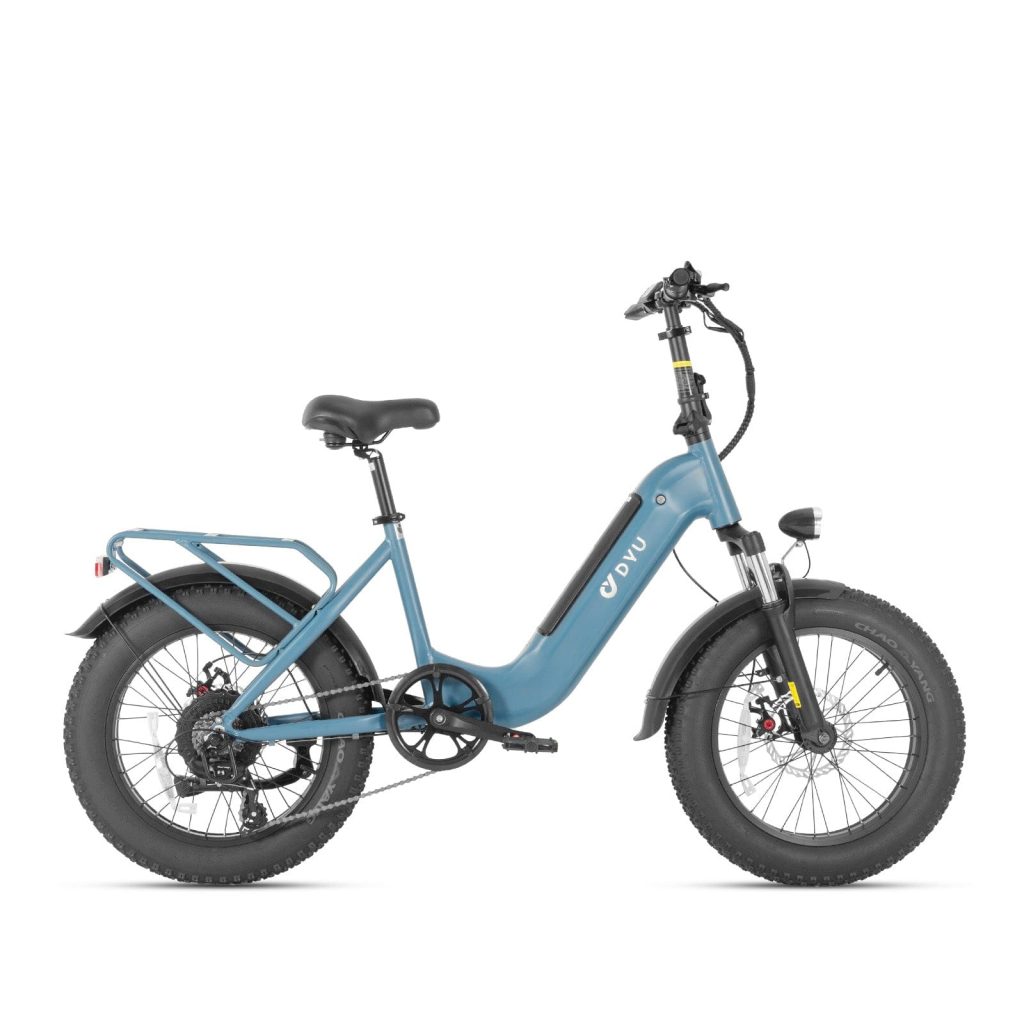
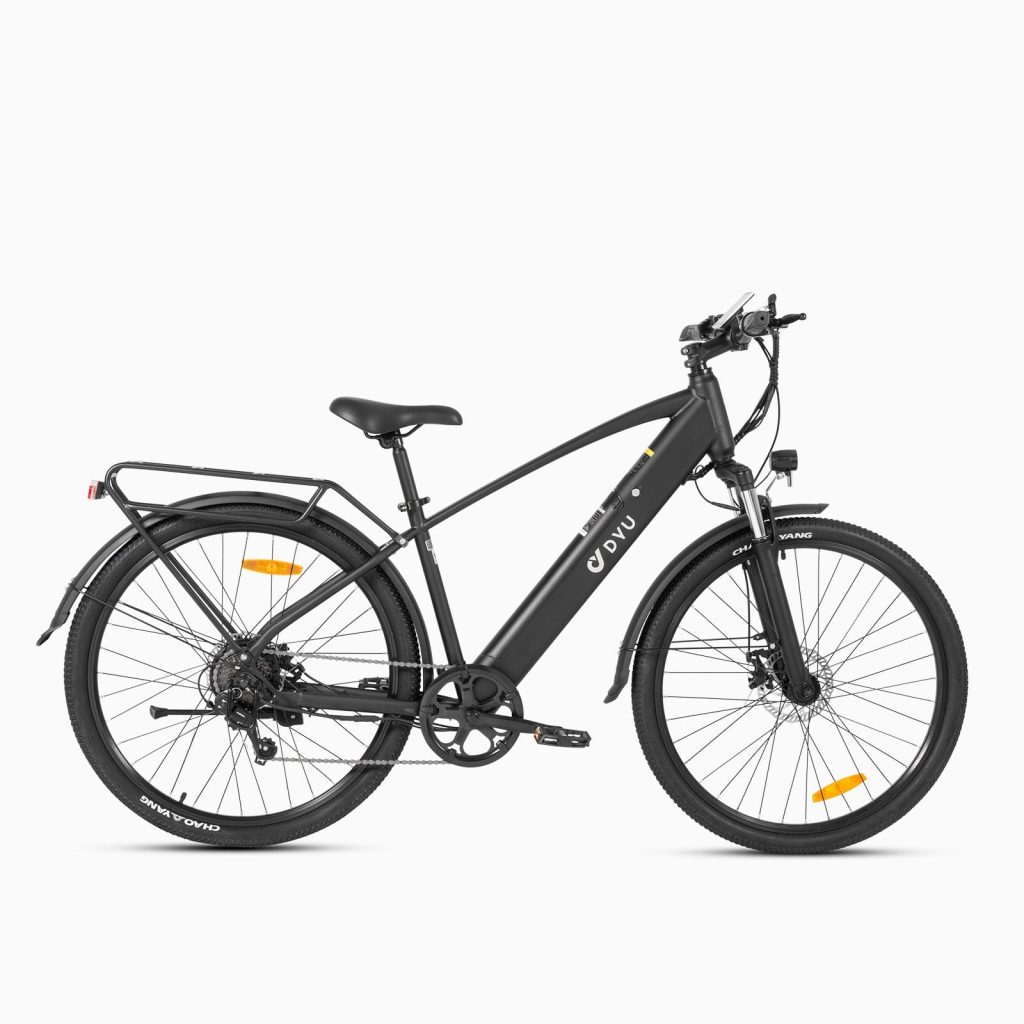
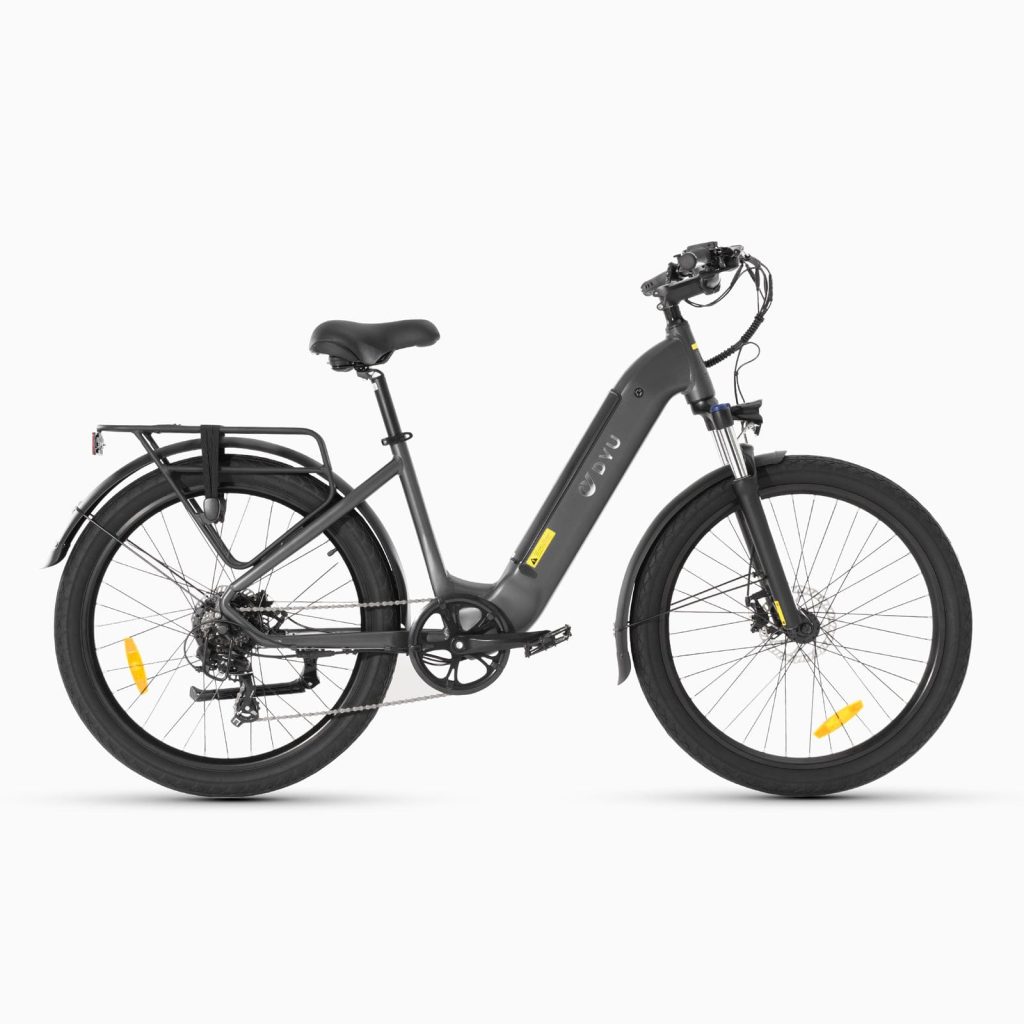
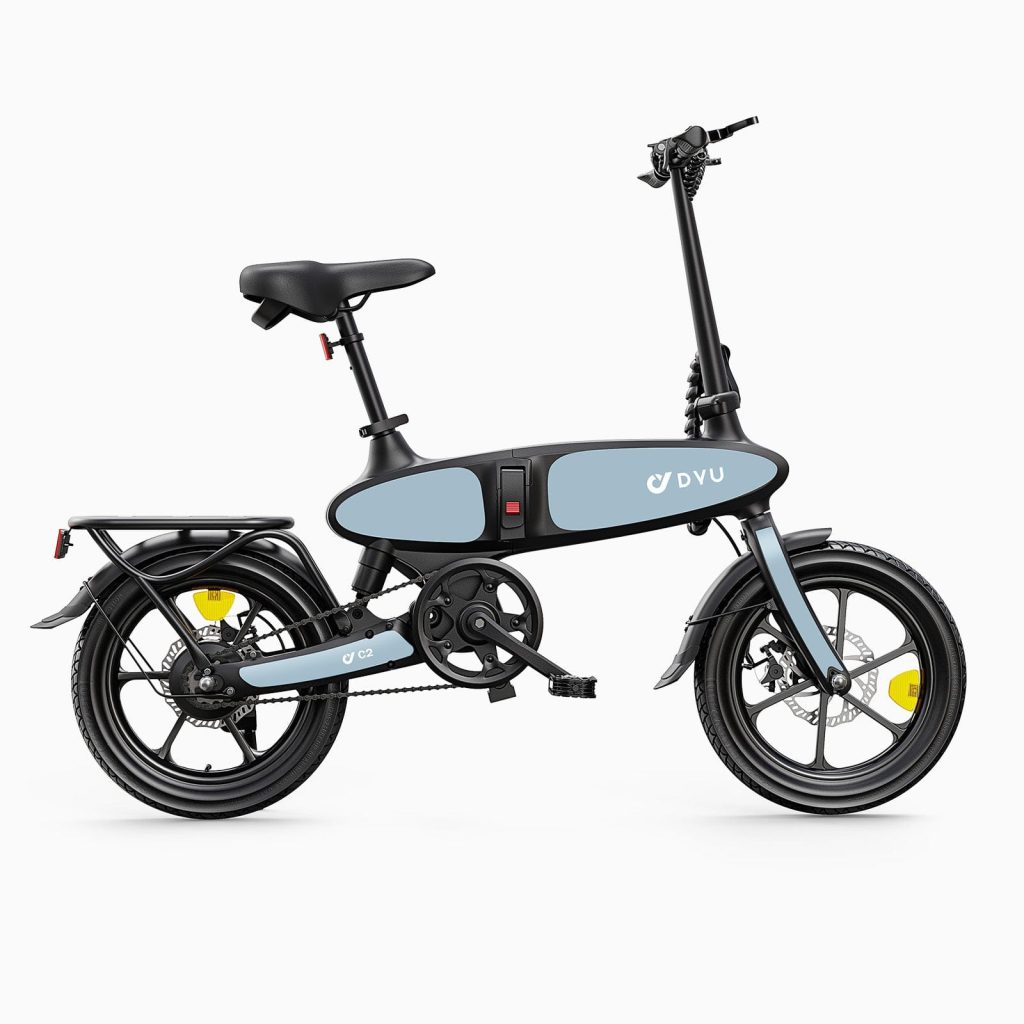
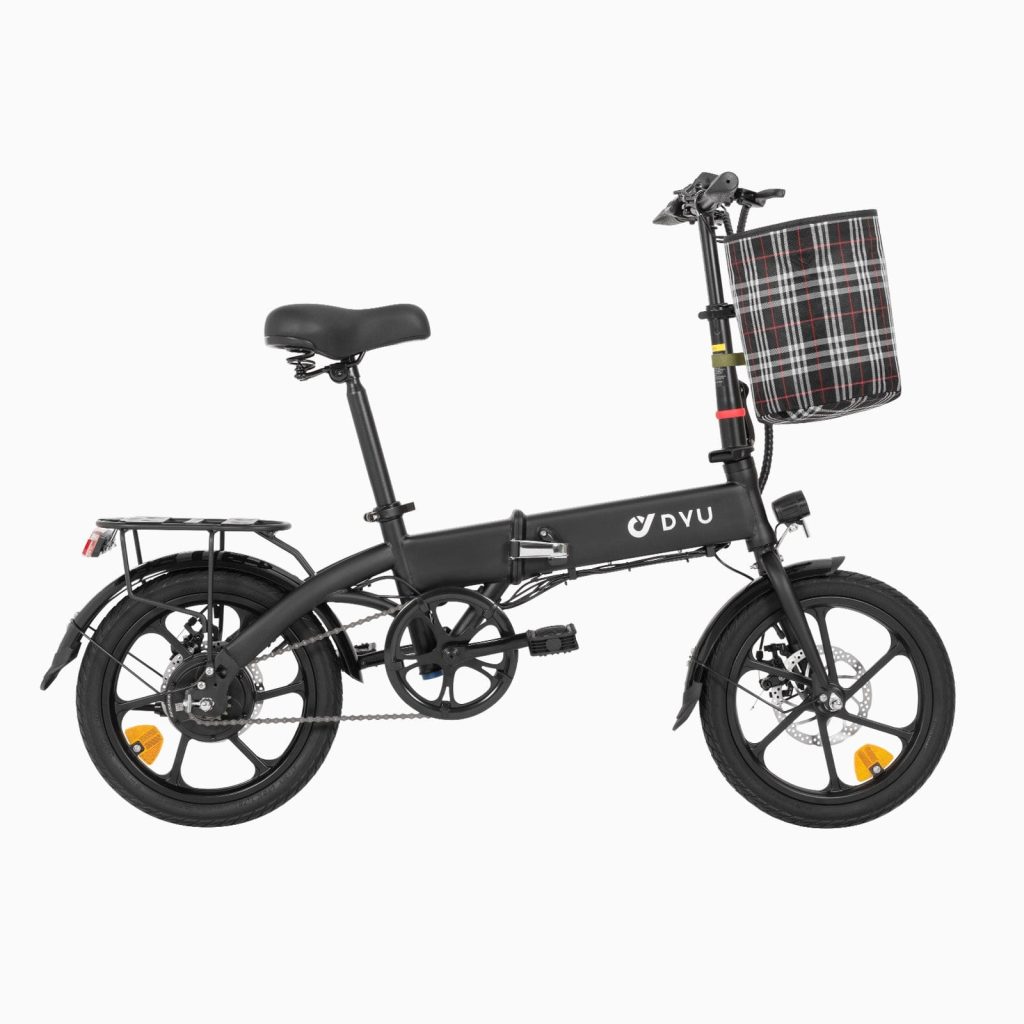

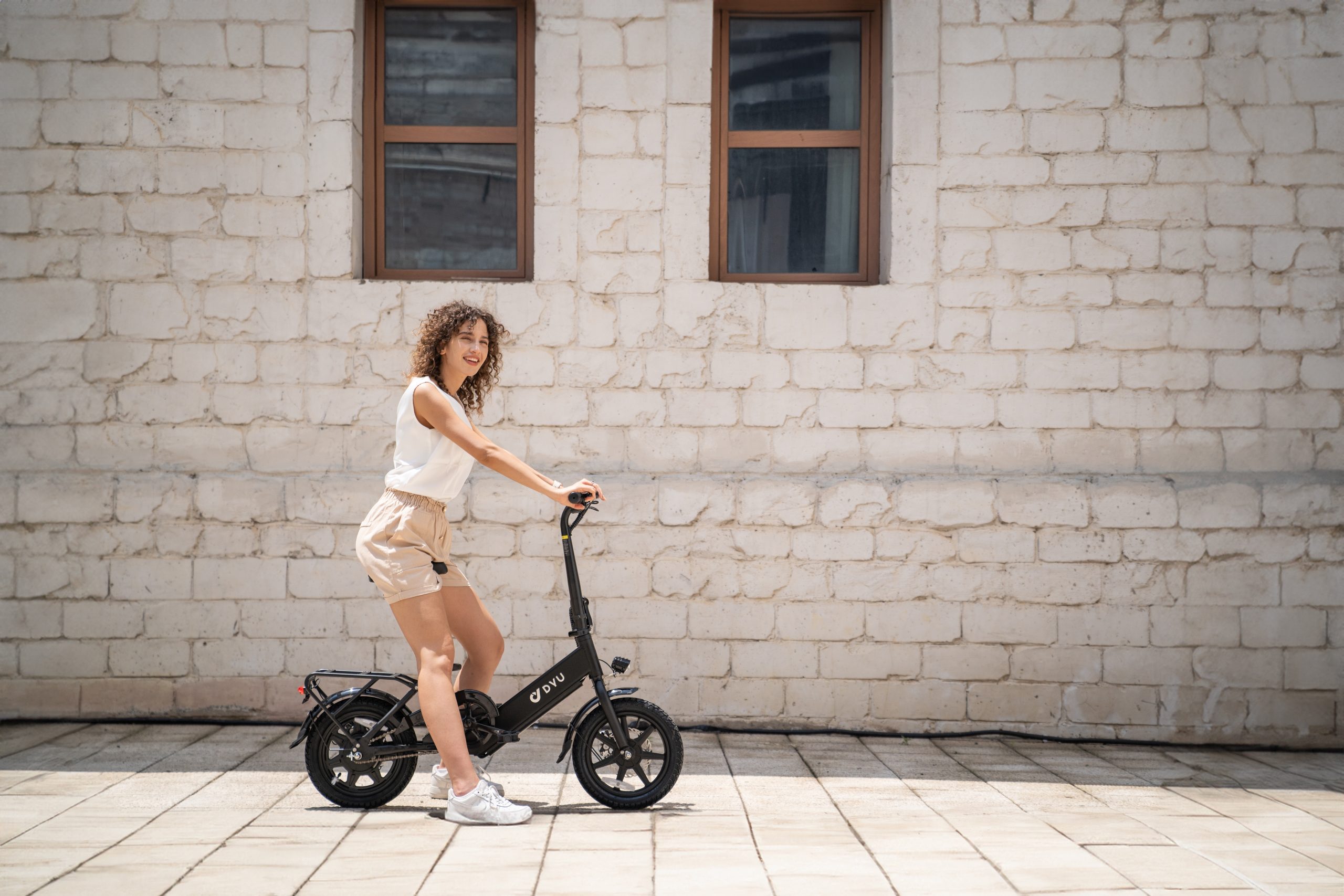
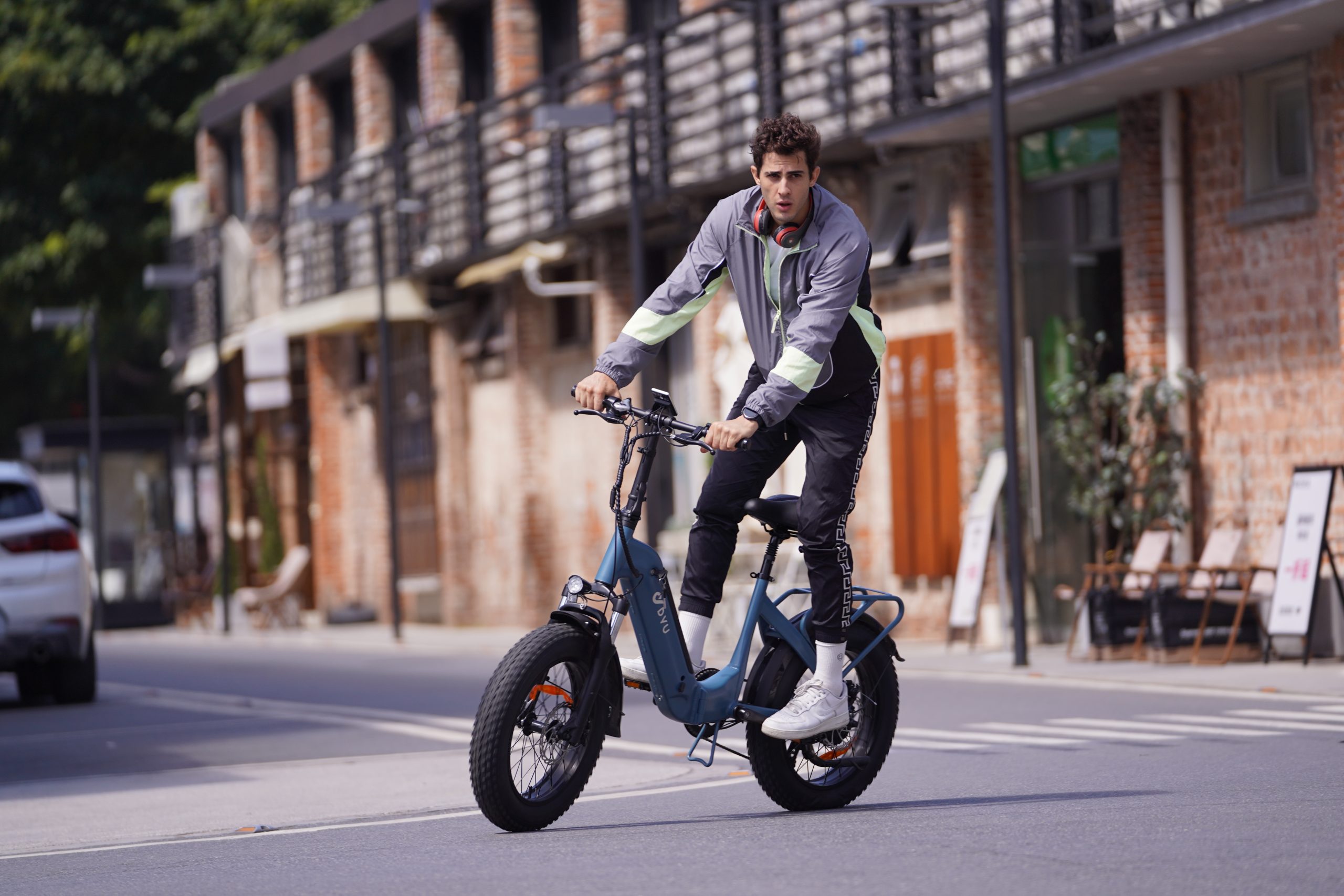



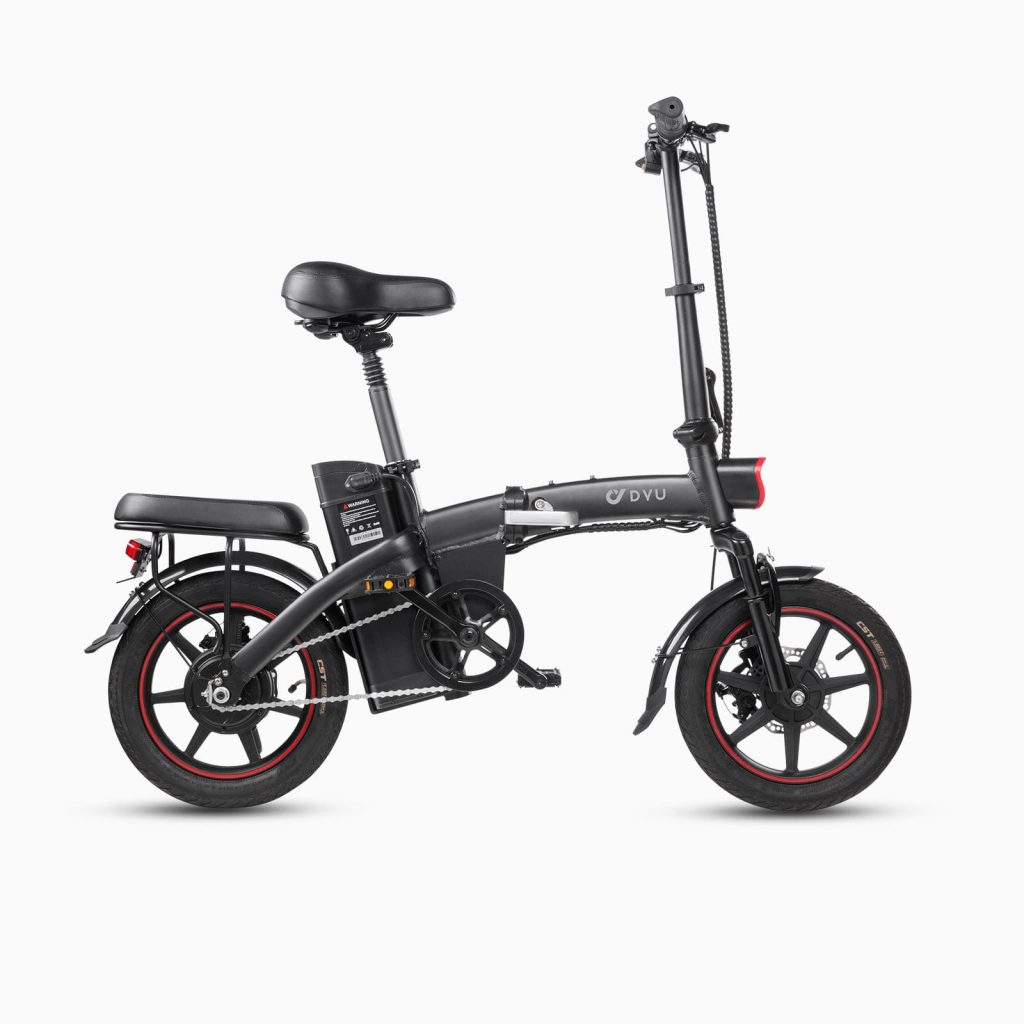
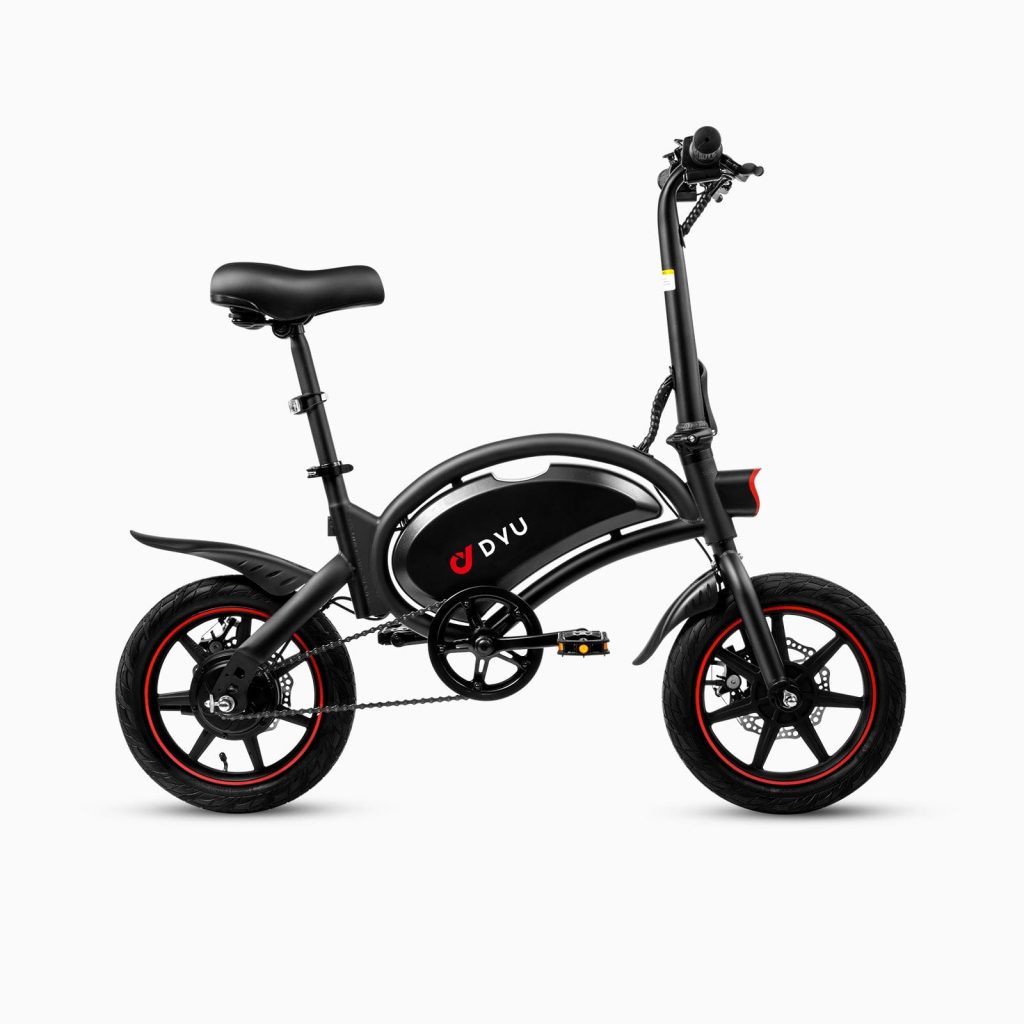
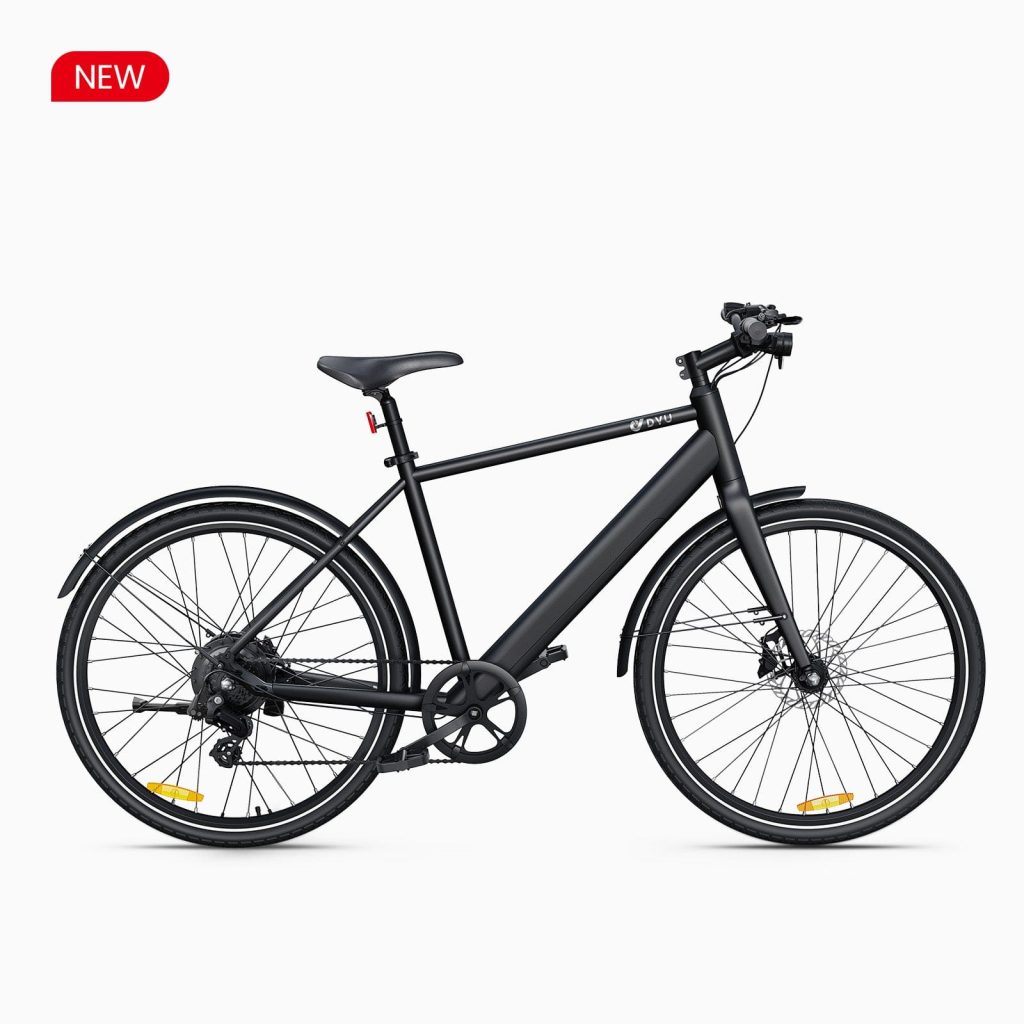
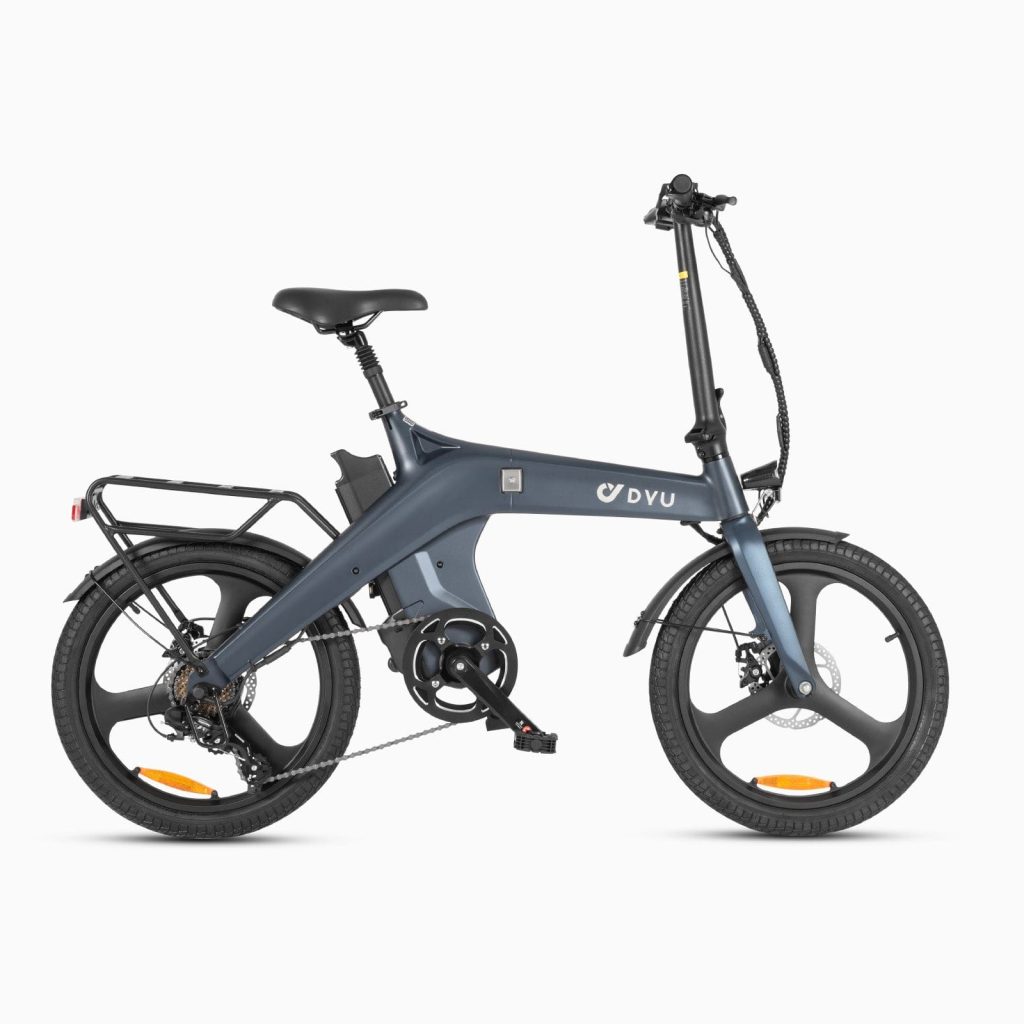


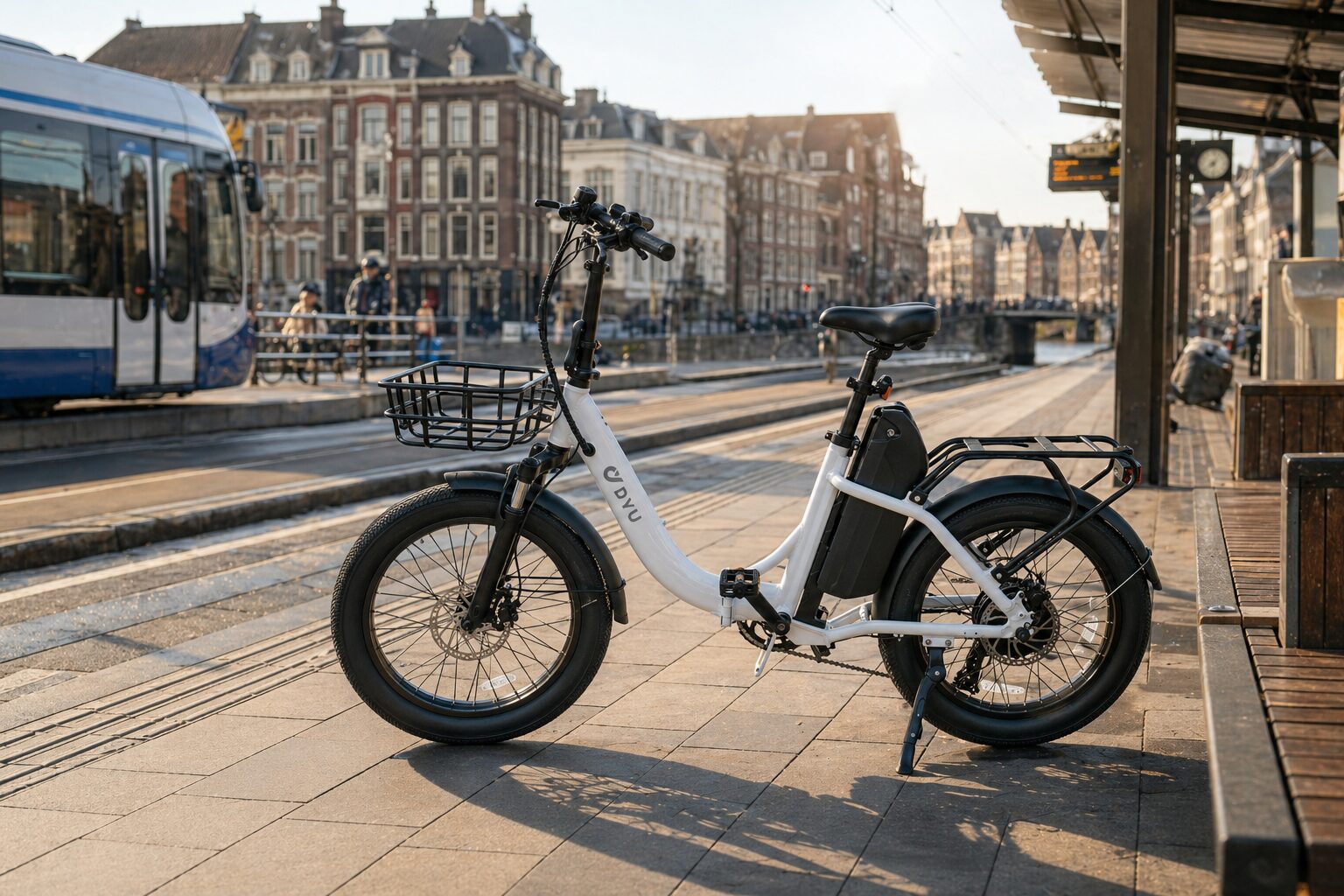
DYU C9 vs ENGWE Engine X is a useful comparison if you want a folding e-bike for European city rides, weekend loops, and storage-limited homes. Both bikes use 20-inch wheels, both fold, and both promise enough range for more than a short errand.
The decision is not as simple as picking the bigger-looking bike. The DYU C9 leans toward long-range folding practicality with hydraulic brakes and 20 x 3.0 inch tires. The ENGWE Engine X leans heavier and more rugged, with 20 x 4.0 inch fat tires, full suspension, and a higher listed price.
DYU C9 vs ENGWE Engine X: Quick Comparison Table
| Spec | DYU C9 Foldable 20in Long-Range E-Bike | ENGWE Engine X |
|---|---|---|
| Current price | €779 | €1,299.00 |
| Motor | 250W | 250W brushless motor |
| Battery | 48V 15.6Ah | 48V 13Ah removable internal lithium-ion battery |
| Listed range | Up to 150 km pedal assist | ENGWE lists 100 km in the product headline and 120 km in the spec block |
| Tires | 20 x 3.0 inch semi-fat tires | 20 x 4.0 inch fat tires |
| Brakes | Hydraulic disc brakes | 160 mm front and rear mechanical disc brakes |
| Suspension | Front fork and seat comfort feature | Full suspension |
| Weight | 30 kg | 31.7 kg |
| Folded size | 970 x 465 x 760 mm | 104 x 55 x 84 cm |
| Best fit | Long city rides, train/car-boot storage, range-first folding use | Rougher paths, fat-tire comfort, heavier all-terrain folding use |
The first thing I notice is the price gap. At the time of writing, the C9 is listed at €779, while ENGWE shows the Engine X at €1,299.00. That does not automatically make one bike better. It does make the value question sharper.
Scoring Criteria: What Actually Matters
I would score these two bikes across six practical areas: range margin, braking, comfort, portability, daily storage, and long-term ownership. A folding e-bike should not be judged only by folded size or one range number. It has to work before, during, and after the ride.
- Range margin: how much battery confidence remains after real detours.
- Braking: whether the brakes feel predictable on wet streets and heavier rides.
- Comfort: tires, suspension, saddle position, and rider posture.
- Portability: folded size, weight, lift height, and storage path.
- Surface fit: city asphalt, cobblestones, gravel paths, and weekend routes.
- Ownership: charging habits, maintenance, accessories, and parts familiarity.
Cycling UK’s bike-fit guide is worth reading before any comparison because fit decides whether either bike feels good after 20 minutes. The best spec sheet still feels wrong if reach, saddle height, or brake access is off.
Range and Battery: C9 Has the Cleaner City Advantage
The C9 uses a 48V 15.6Ah battery and is listed for up to 150 km in pedal-assist mode. The Engine X uses a 48V 13Ah battery. ENGWE’s page describes the model as a 100 km range bike near the title, while its spec section lists 120 km in PAS mode.
I would treat both brands’ top range numbers as ideal-condition figures. Rider weight, tire pressure, hills, wind, temperature, and assist level can cut range quickly. DYU’s range anxiety guide is the better habit: plan the return leg before the outward ride feels exciting.
For range-first shoppers, the C9 has the clearer advantage. More listed battery capacity and a longer claimed pedal-assist range matter when the bike is used for weekend city loops, long riverside paths, and detours across town.
Comfort and Tires: Engine X Feels More Rugged
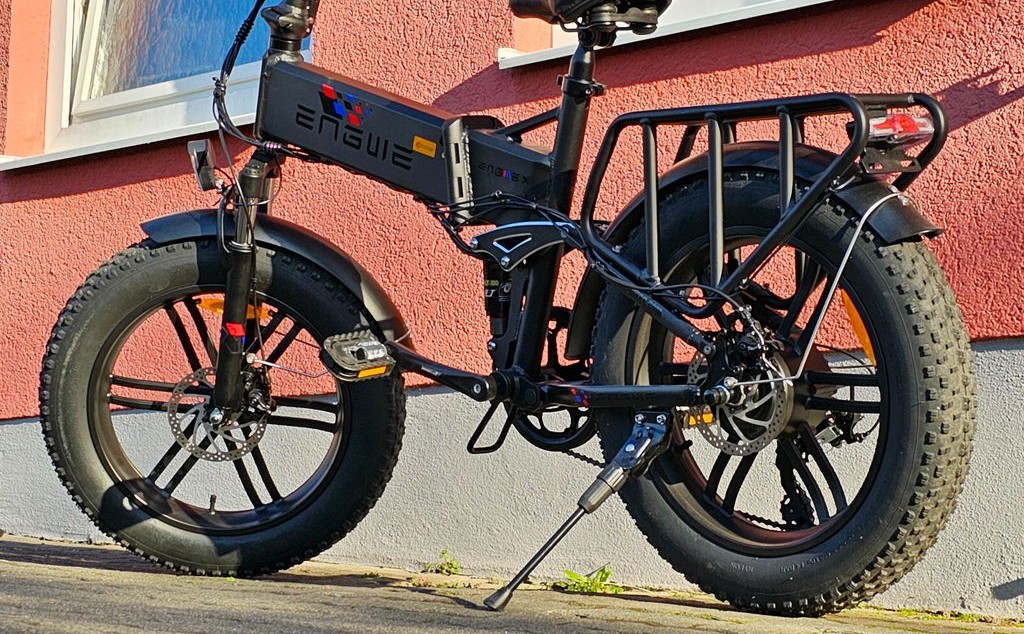
The Engine X fights back with tires and suspension. A 20 x 4.0 inch fat tire and full-suspension setup can feel calmer on rough park paths, gravel edges, and broken pavement. That is the Engine X’s strongest argument.
The C9’s 20 x 3.0 inch tires are narrower, but still wider than many city folders. They make more sense if your week includes asphalt, cobblestones, light gravel, car-boot transport, train transfers, and indoor storage. In other words, they are less dramatic but easier to justify for mixed European city use.
BikeRadar’s e-bike maintenance guide matters here. Full suspension and fat tires can improve comfort, but they also add ownership checks. Tire pressure, hinge condition, brake rub, and suspension wear should all be part of the routine.
Braking: Hydraulic vs Mechanical Is a Real Difference
Both bikes are heavy enough that brakes deserve serious attention. The C9 uses hydraulic disc brakes. The Engine X spec block lists 160 mm front and rear mechanical disc brakes. That difference matters in wet city riding, downhill approaches, and loaded weekend trips.
Hydraulic brakes are not magic, but they usually offer a smoother lever feel and stronger modulation than basic mechanical discs. Electric Bike Report’s brake guide explains why e-bike braking is different from normal bike braking: weight and average speed raise the stakes.
If I were buying for rainy commutes, older riders, or stop-start city traffic, I would give the braking point to the C9. If the route is mostly leisure paths at calmer speed, the Engine X can still make sense, but I would check brake feel carefully on the first ride.
Portability and Storage: Both Fold, Neither Is Truly Light
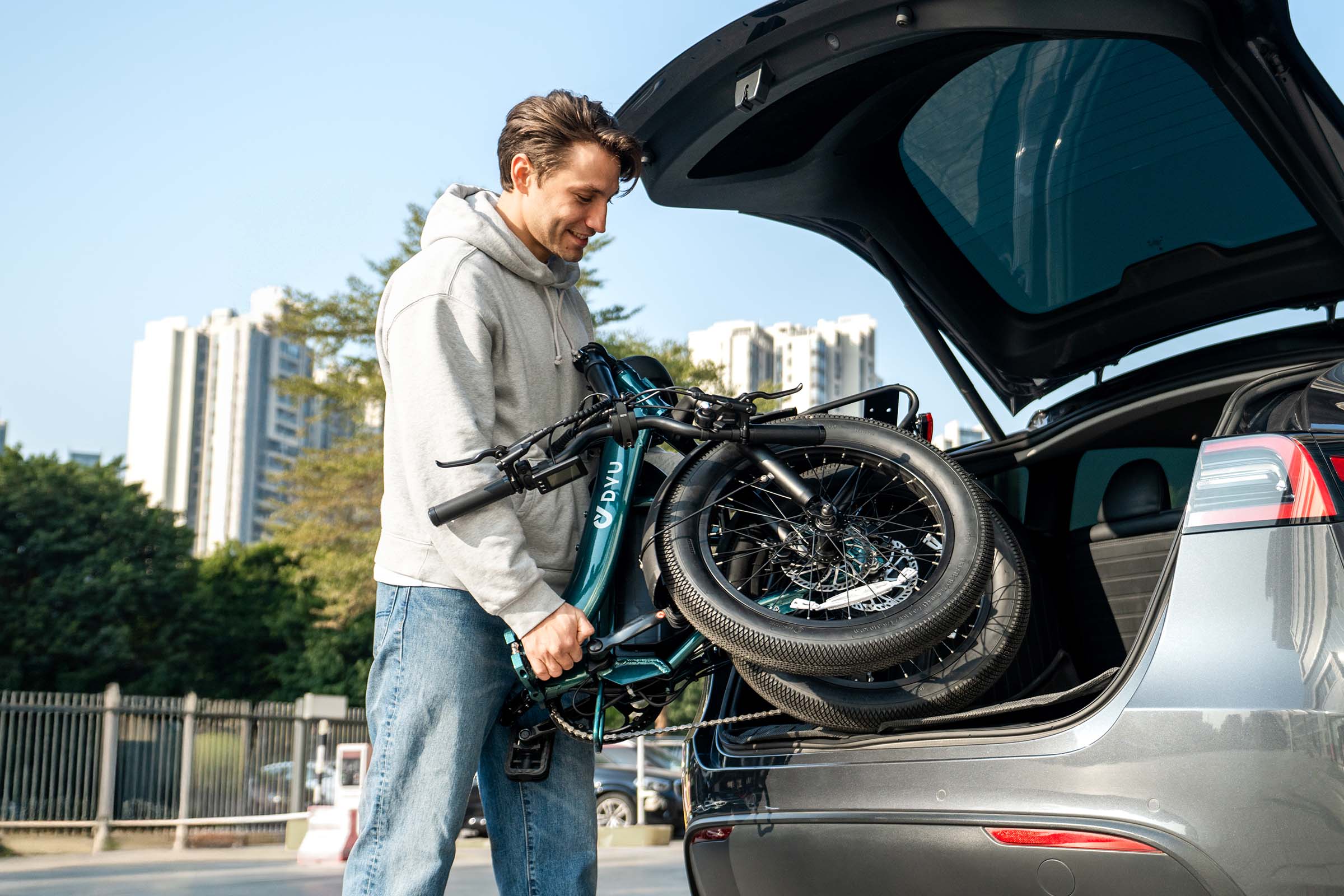
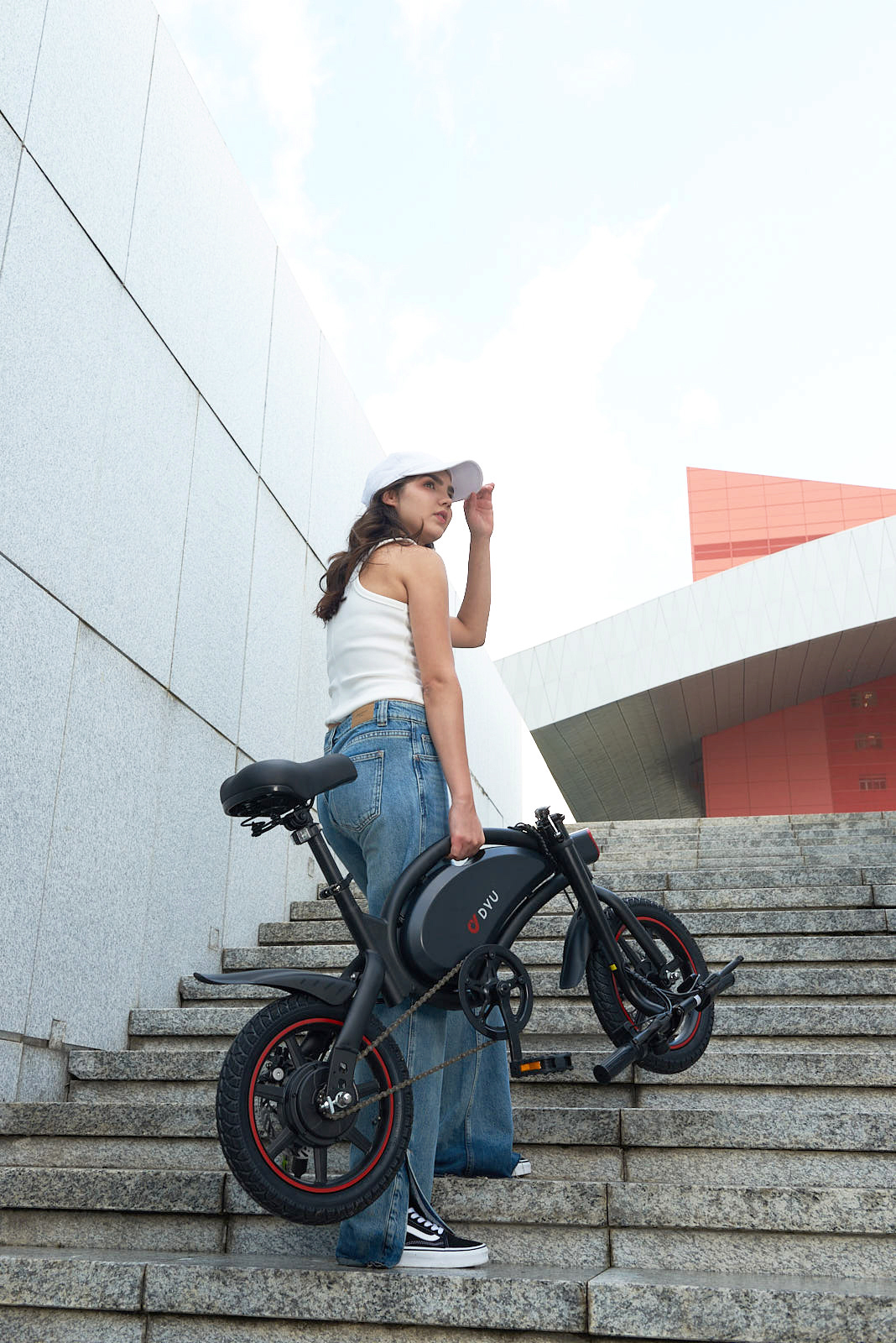
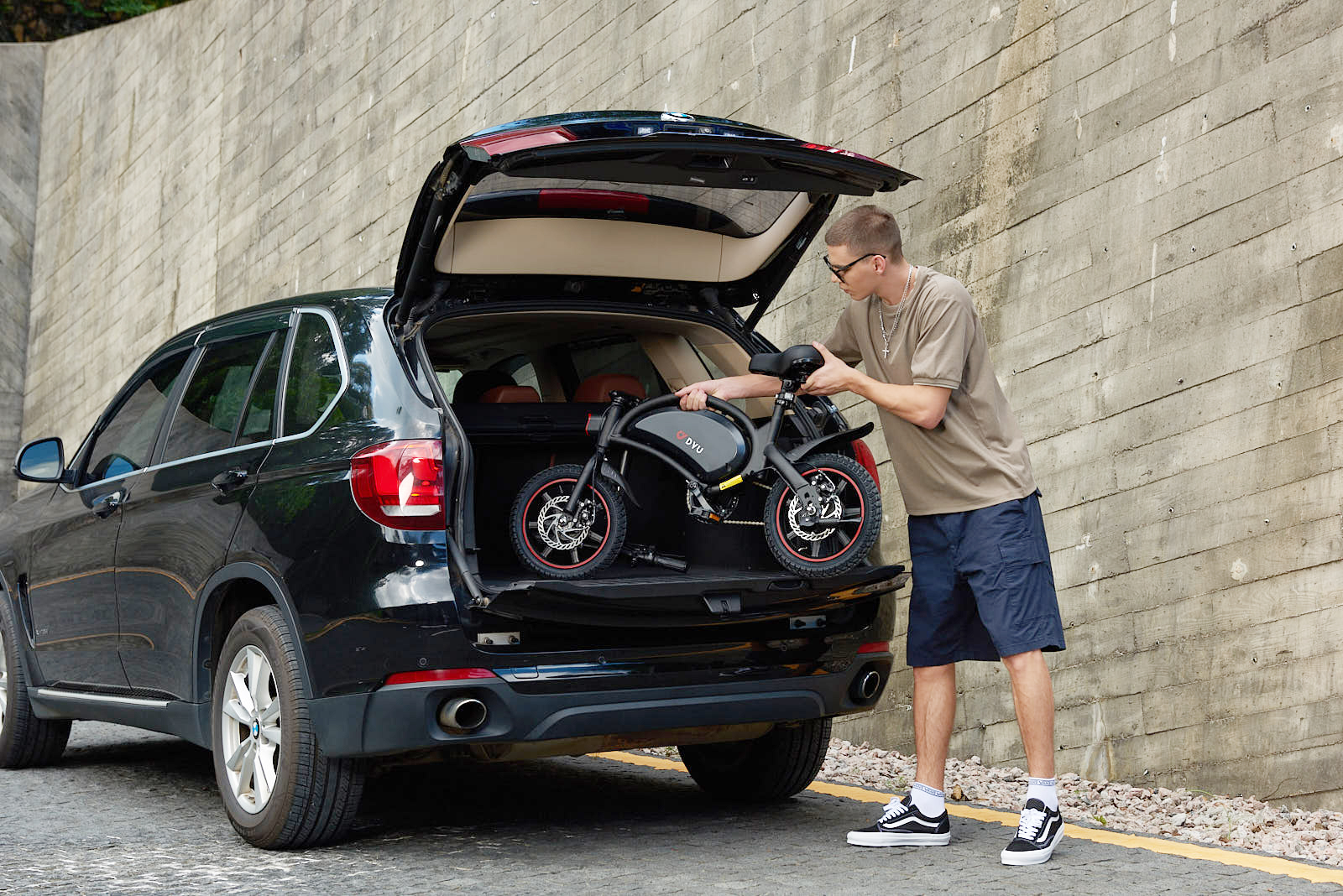
This is where marketing photos can mislead buyers. A folding e-bike is not automatically easy to carry. The C9 weighs 30 kg. The Engine X is listed at 31.7 kg. Both are better for rolling, short lifts, car-boot loading, and ground-floor storage than daily stair carrying.
The folded dimensions are close enough that the real test is your building. Measure the lift, hallway turn, car boot opening, and charging corner. Do not rely on memory. A few centimetres can decide whether the folding feature feels useful or annoying.
For apartment riders, the C9’s slightly lower weight and narrower tire format may be easier to live with. The Engine X feels like the stronger choice only if rough-surface comfort is more important than moving the bike indoors.
Rider Profiles: Who Each Bike Actually Suits
The C9 suits the rider who wants one bike for weekdays and weekends: a commute to the station, a supermarket stop, a riverside ride on Saturday, and a folded car-boot trip on Sunday. That rider probably cares about hydraulic brakes, battery reserve, indoor storage, and a price that leaves room for a lock, helmet, and rain gear.
The Engine X suits a different buyer. If your rides include rough lanes, gravel shortcuts, farm tracks, or holiday paths where fat tires and full suspension feel useful, it has a clearer reason to exist. I would not buy it only because it looks tougher. I would buy it because the route is genuinely rough enough to justify the extra bulk.
Value: C9 Costs Less and Covers the City Brief Better
At €779, the C9 is the better-value pick for riders who want range, hydraulic brakes, a folding frame, and real storage flexibility. It also stays within the European commuter context with a 250W motor and 25 km/h assist limit.
The Engine X asks more money and gives you fatter tires, full suspension, and a rugged visual style. That can be worthwhile if the ride includes rougher paths and the owner has space for a heavier, bulkier folder.
| Choose this bike if… | Better fit |
|---|---|
| You want the longer listed pedal-assist range and lower current price | DYU C9 |
| You care more about fat-tire comfort and full suspension | ENGWE Engine X |
| You ride wet streets and value hydraulic braking feel | DYU C9 |
| You mostly ride rough paths and have easy ground-level storage | ENGWE Engine X |
| You need one folding bike for city errands, trains, and weekend loops | DYU C9 |
Real-World Ownership: The Quiet Details Decide It
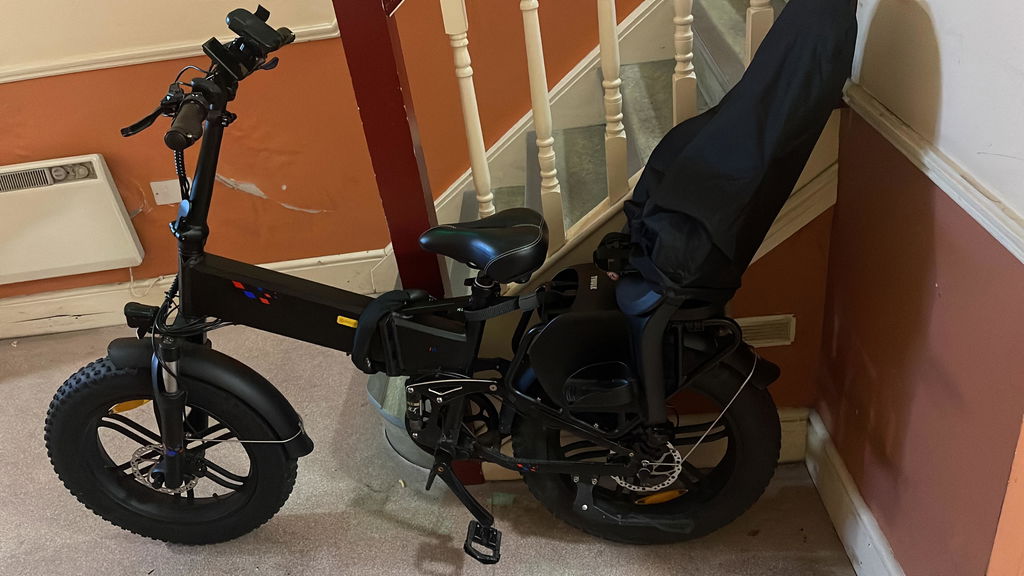
The C9 is not perfect. At 30 kg, I would not call it a stair-friendly folder. The listed 150 km range should still be treated as an ideal-condition number. A rider who expects road-bike lightness will be disappointed.
The Engine X has its own tradeoffs. It is slightly heavier, more expensive, and mechanically more complex. Its fat tires and suspension may feel great on poor surfaces, but they are less necessary if your normal week is mostly paved city riding.
Battery University’s lithium-ion battery guide is the reminder I would keep for both bikes: range confidence comes from charging habits, storage temperature, and realistic ride planning, not only from a headline number.
Which One Should You Choose?
Choose the DYU C9 if you want a folding long-range e-bike for European city use, with hydraulic brakes, a lower current price, a strong listed range, and a format that still fits mixed transport and home storage.
Choose the ENGWE Engine X if you want a heavier fat-tire folder with full suspension and you have the space to live with its bulk. It is the rougher-path choice, not the cleaner city-value choice.
Bottom line: for most commuters and weekend city riders, I would start with the C9. The Engine X becomes more interesting only when fat-tire comfort and full suspension are worth the extra cost and extra handling weight.
FAQs
Q1. DYU C9 vs ENGWE Engine X: which has more range?
The DYU C9 is listed for up to 150 km of pedal-assist range. ENGWE shows 100 km in the Engine X product headline and 120 km in the spec section. Real range for both depends on rider weight, hills, assist level, tire pressure, weather, and cargo.
Q2. Is the DYU C9 cheaper than the ENGWE Engine X?
At the time of writing, the DYU C9 is listed at €779, while the ENGWE Engine X is listed at €1,299.00. Check both product pages before buying because promotions can change.
Q3. Which folding e-bike is better for apartment storage?
The DYU C9 has the edge for many apartment riders because it is slightly lighter and less bulky. Neither bike is truly light, so measure your hallway, lift, stair route, and charging space first.
Q4. Does the ENGWE Engine X have better suspension?
The Engine X has full suspension and wider 20 x 4.0 inch tires, so it has the stronger comfort case on rough surfaces. The DYU C9 uses front fork and seat comfort features with 20 x 3.0 inch tires, which is more city-focused.
Q5. Which bike should I choose for European city commuting?
For European city commuting, the DYU C9 is usually the more practical starting point because it combines a 250W motor, 25 km/h assist, hydraulic brakes, folding storage, and a lower current price. The Engine X is better if rough-path comfort matters more than price and bulk.