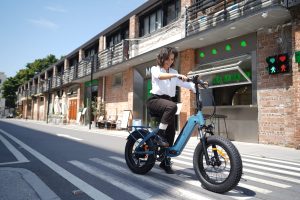
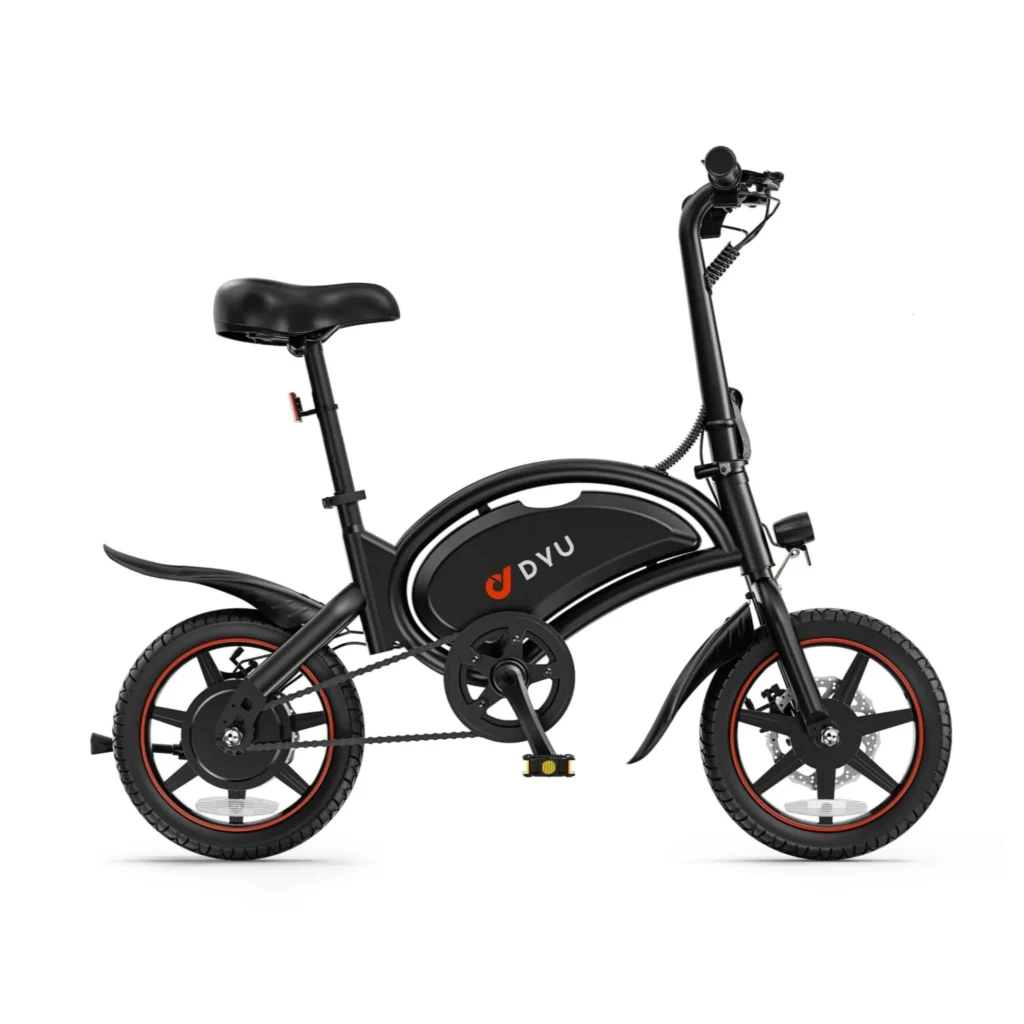
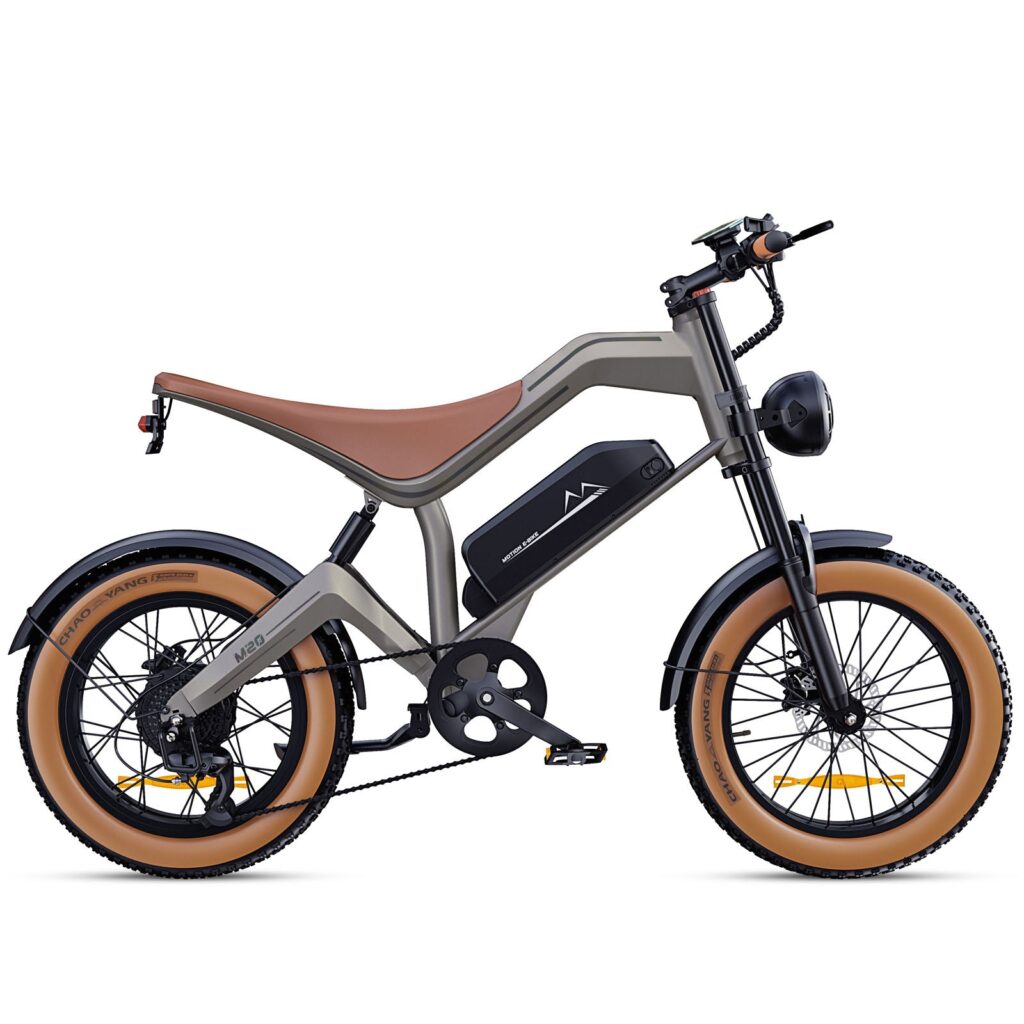
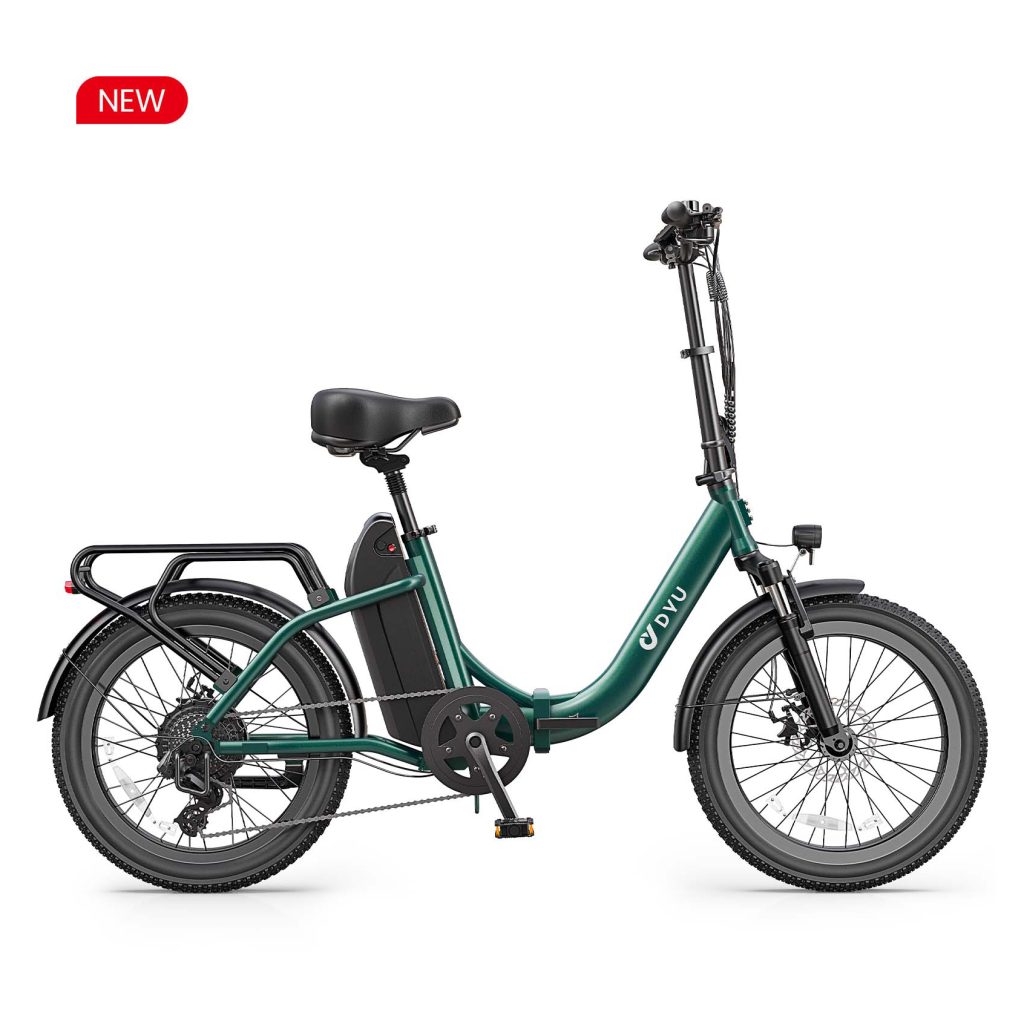


An e-bike puncture prevention guide can never promise a flat-free commute. Glass, sharp metal, damaged rim tape, an old valve, and a hard pothole can still stop a ride. What a sensible routine can do is remove the avoidable causes before they become a wet roadside repair.
I treat tyres as a weekly system rather than two rubber parts that only need attention when they look soft. Pressure, tread, casing, rim, tube, load, route, and riding style all influence whether a small hazard becomes a puncture.
E-Bike Puncture Prevention Starts With Pressure
The correct starting point is the pressure range printed on the tyre sidewall and the limits stated by the bike or tyre maker. Do not copy a number from another rider without checking tyre width, rider mass, luggage, weather, and road surface.
Pressure that is too low lets the tyre deform sharply against kerbs and pothole edges. That can pinch an inner tube between tyre and rim, often leaving two small cuts. Pressure that is too high can reduce comfort and grip, and it may make the bike skip across broken paving instead of following it calmly.
| Tyre check | What to look for | First response |
|---|---|---|
| Pressure | Stable reading inside the approved range | Use a gauge, not a thumb test |
| Tread | No glass, wire, flint, deep cuts, or exposed casing | Remove debris carefully and inspect the cut |
| Sidewall | No bulges, splits, or abrasion | Stop riding if the casing is damaged |
| Valve | Straight, secure, and not leaking | Investigate movement or damage at the base |
| Rim and tape | No sharp edges, protruding spokes, or displaced tape | Repair the internal cause before fitting a new tube |
Cycling UK’s routine safety and service checks recommends regular pressure and damage checks. I like doing this with a track pump at home because the gauge makes changes repeatable.
Temperature and storage can change the reading even when there is no sharp object in the tyre. A bike moved from a warm hallway to a cold morning street may show a different pressure, while every inner tube also loses a small amount of air over time. That is why I record the normal reading instead of topping up at random.
If one tyre loses much more pressure than the other across two or three days, treat it as a clue. Check the valve, tube, tread, bead, and rim tape before a long commute. Repeatedly adding air without finding the cause can turn a manageable slow leak into a roadside stop.
Read the Tread Before Every Busy Week
A tiny piece of glass may sit in the tread for several rides before it works through to the tube. Once a week, rotate each wheel slowly and look closely. Good light matters. Remove loose debris with care, then squeeze suspicious cuts gently to see whether anything remains inside.
Do not dig aggressively into the rubber or use a blade near an inflated tyre. If a cut is deep, the casing is visible, or the sidewall has a bulge, stop and ask a qualified mechanic or tyre specialist whether replacement is necessary.
The useful lesson in Park Tool’s tyre and tube inspection guide is to find the cause, not only the hole. A new tube will fail again if the nail, glass shard, damaged rim strip, or protruding spoke is still there.
Choose a Cleaner Line Through City Hazards
Puncture prevention happens while riding too. The gutter often collects glass, metal, gravel, and broken plastic. Tram tracks, drain covers, construction zones, and cobblestone edges add other risks. I leave enough space to look ahead and move smoothly rather than swerving at the last second.
- Scan beyond the front wheel so hazards do not arrive as surprises.
- Cross rails and sharp seams at a controlled angle where traffic conditions allow.
- Slow down before a pothole instead of braking hard while the wheel hits it.
- Avoid riding through piles of leaves when they hide broken glass or deep holes.
- After roadworks, inspect both tyres at home even if the ride felt normal.
The guide to e-bike rain riding for city commuters is useful because wet roads hide debris and reduce the grip available for sudden avoidance. A smooth, early line change is safer than a sharp move on a slippery surface.
Load and Speed Change What the Tyre Has to Absorb
A tyre that feels fine on an unloaded bike may behave differently with panniers, a backpack, or a full shopping run. More load increases the work at both contact patches. Check the bike’s stated load limit, distribute luggage securely, and stay inside the tyre maker’s permitted pressure range.
Speed matters for the same reason. At a calm pace, there is more time to avoid a broken kerb edge. At higher speed, the tyre receives a harder impact and the rider has less time to react. Pedal assistance should never replace route reading.
My simple test is a short loop with the normal commuting load. I listen for rubbing, feel whether steering stays precise, and check pressure again the next morning. A noticeable pressure loss deserves investigation before another long ride.
Where the DYU Stroll 1 Fits This Guide
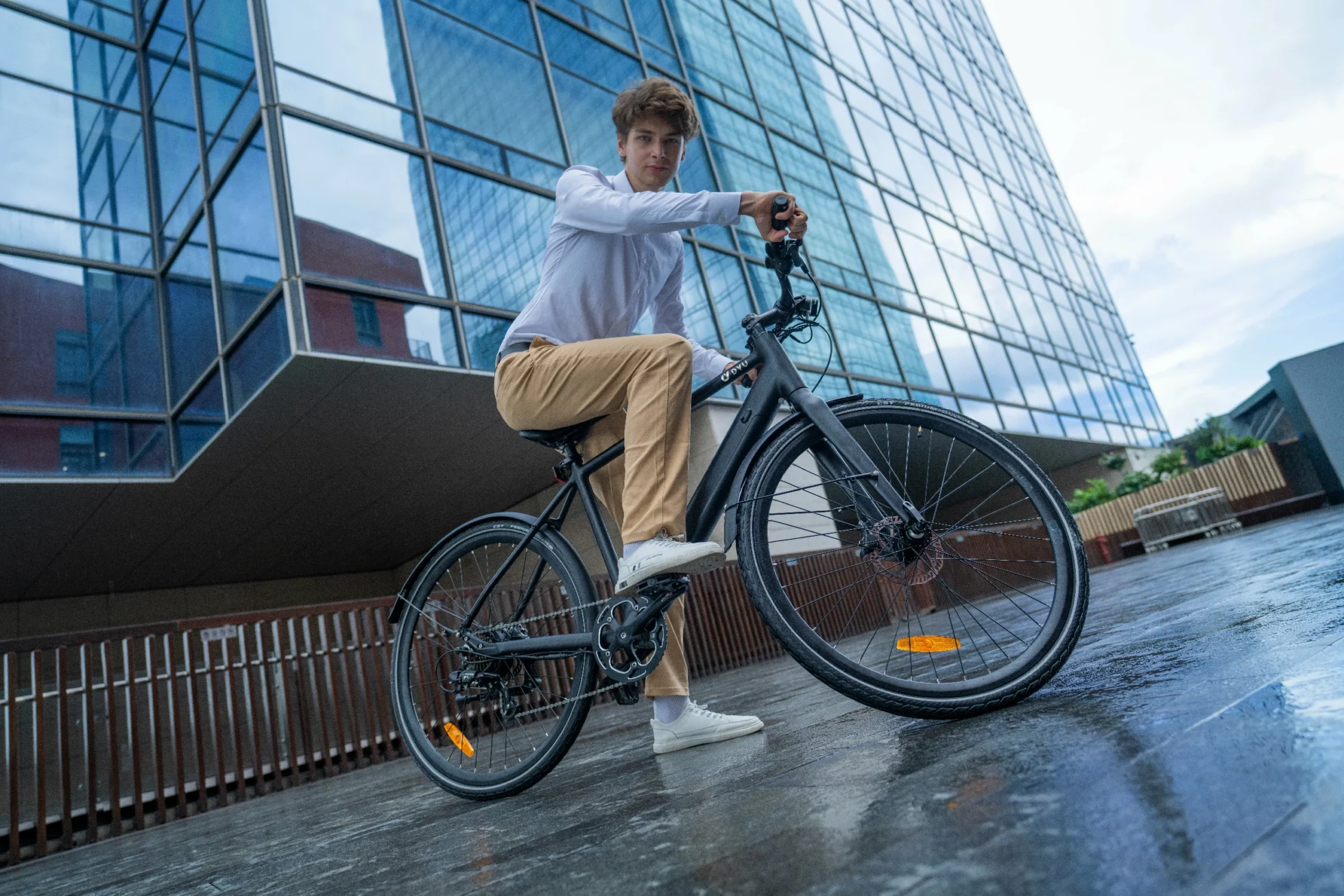
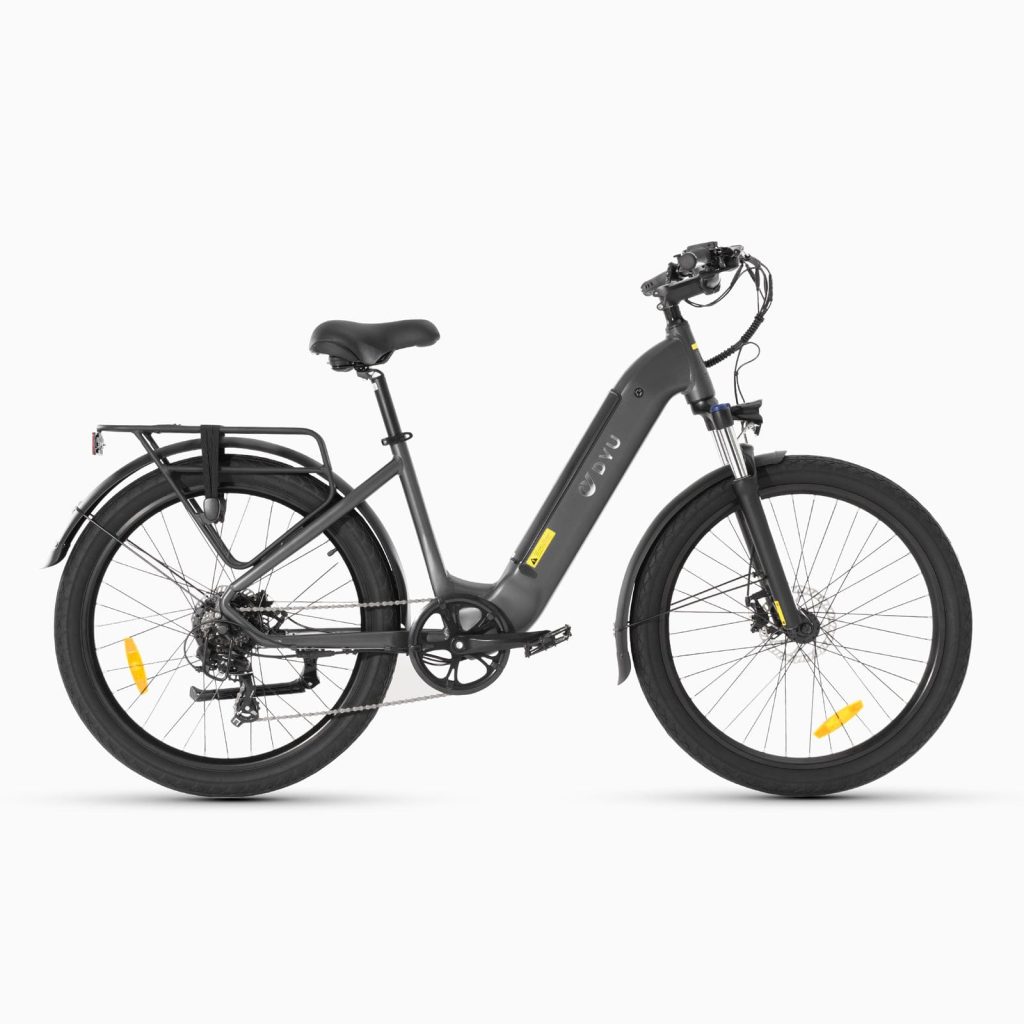
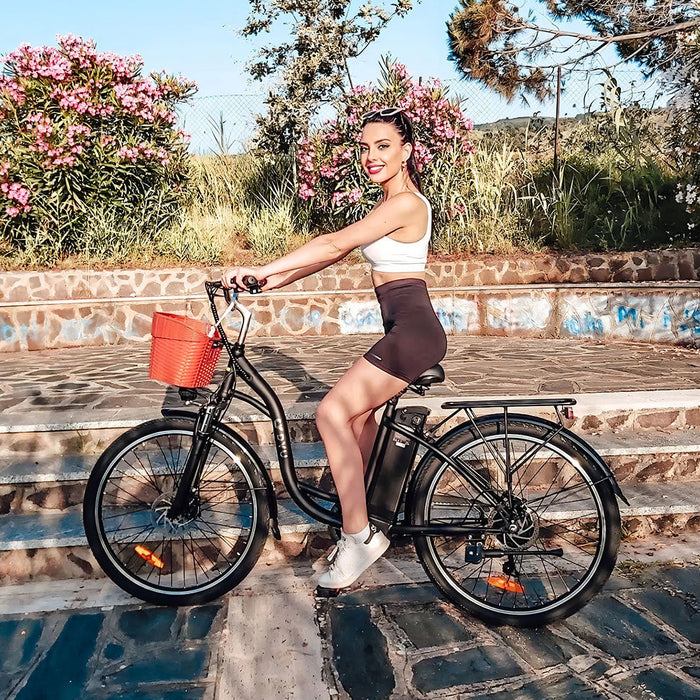
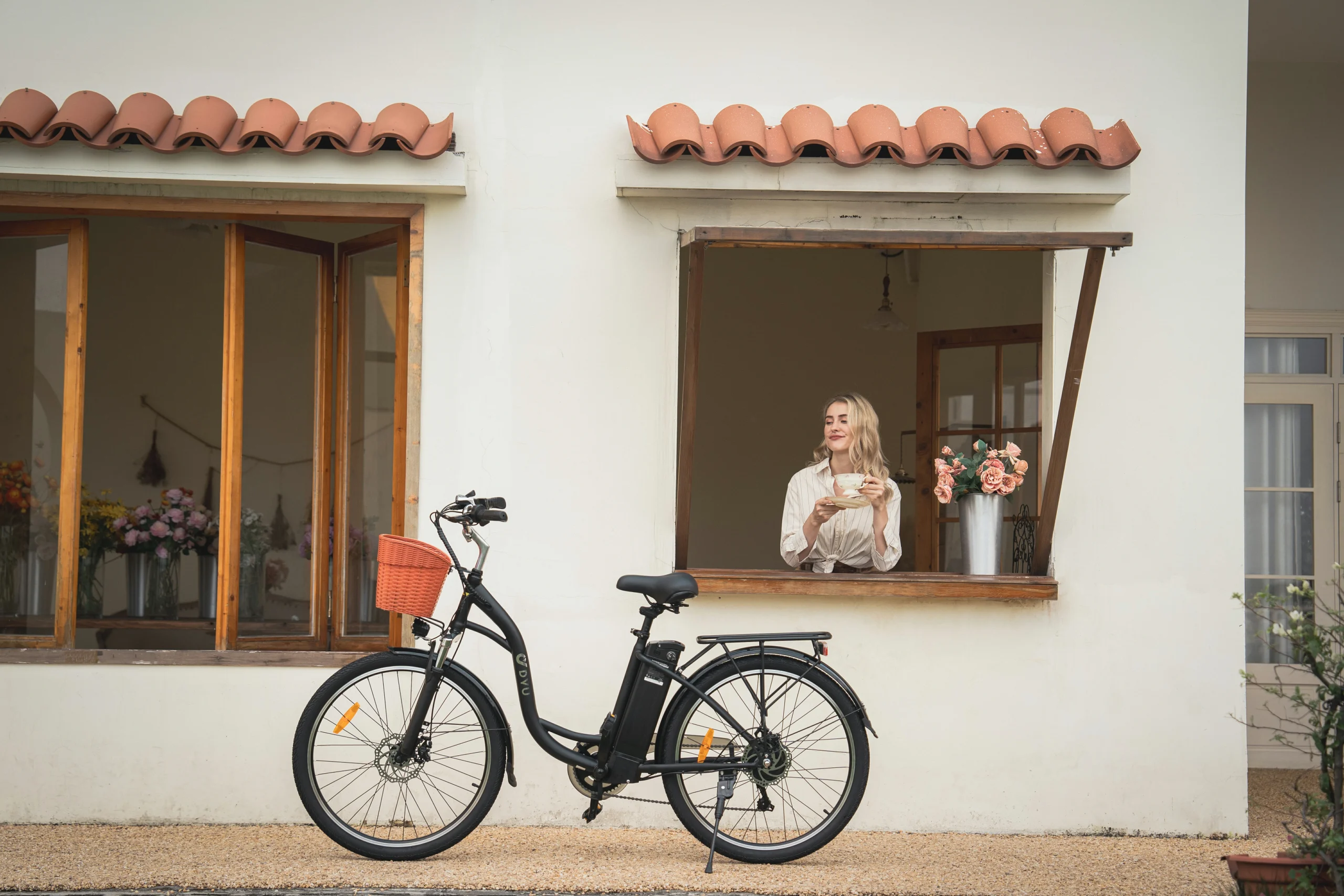
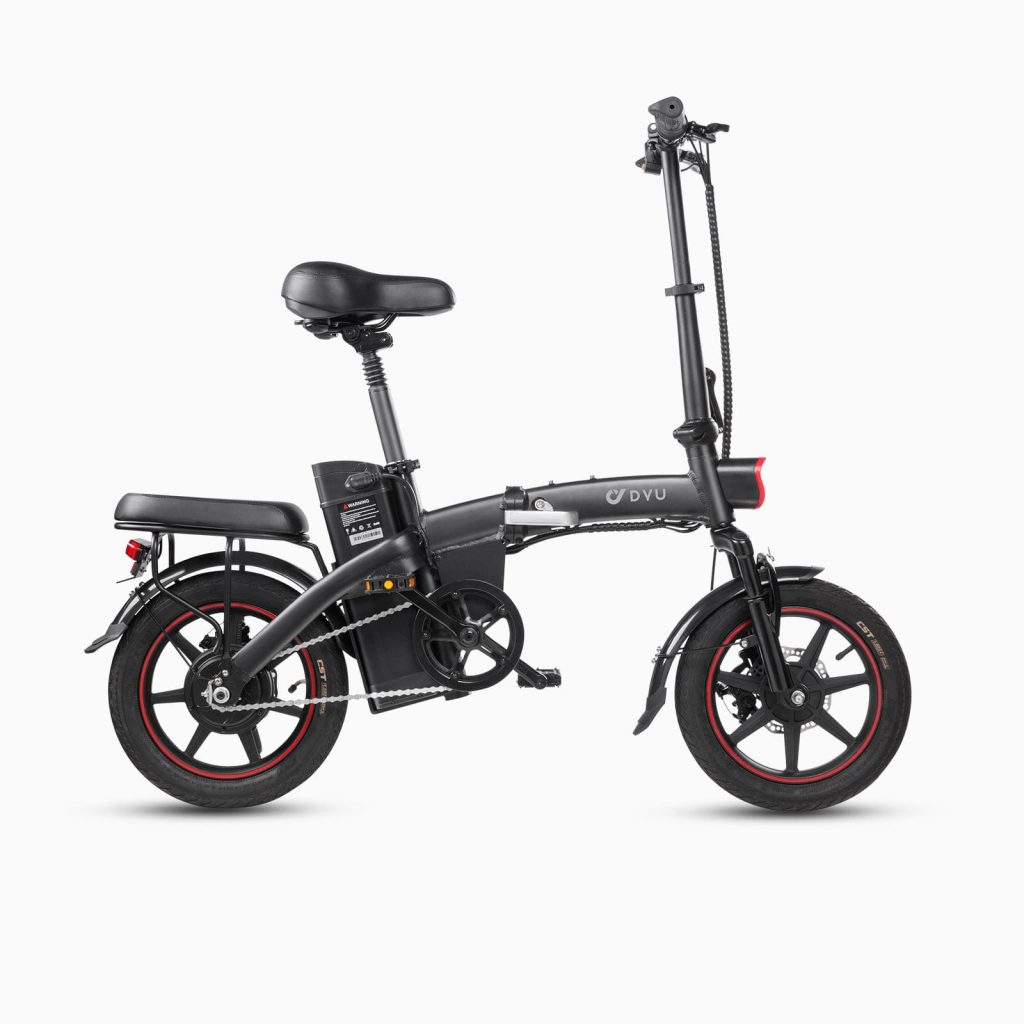
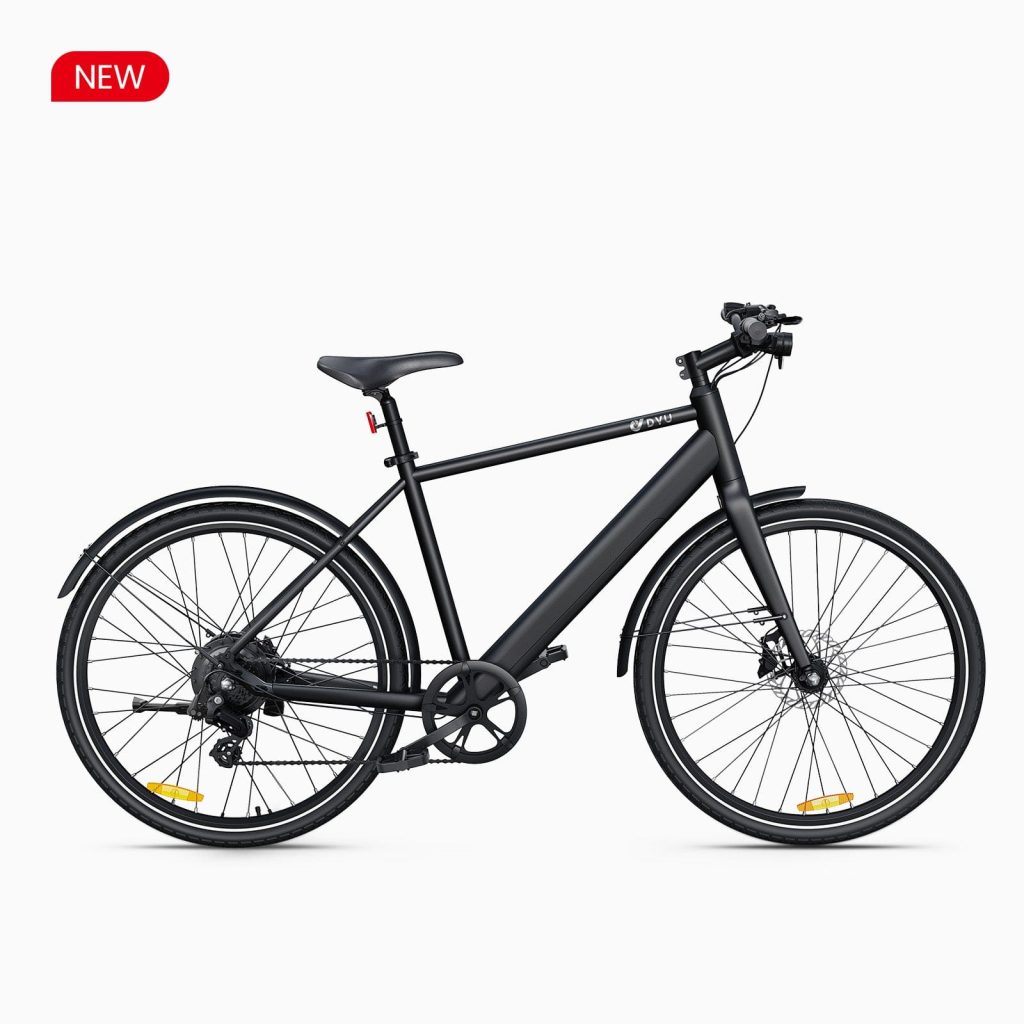
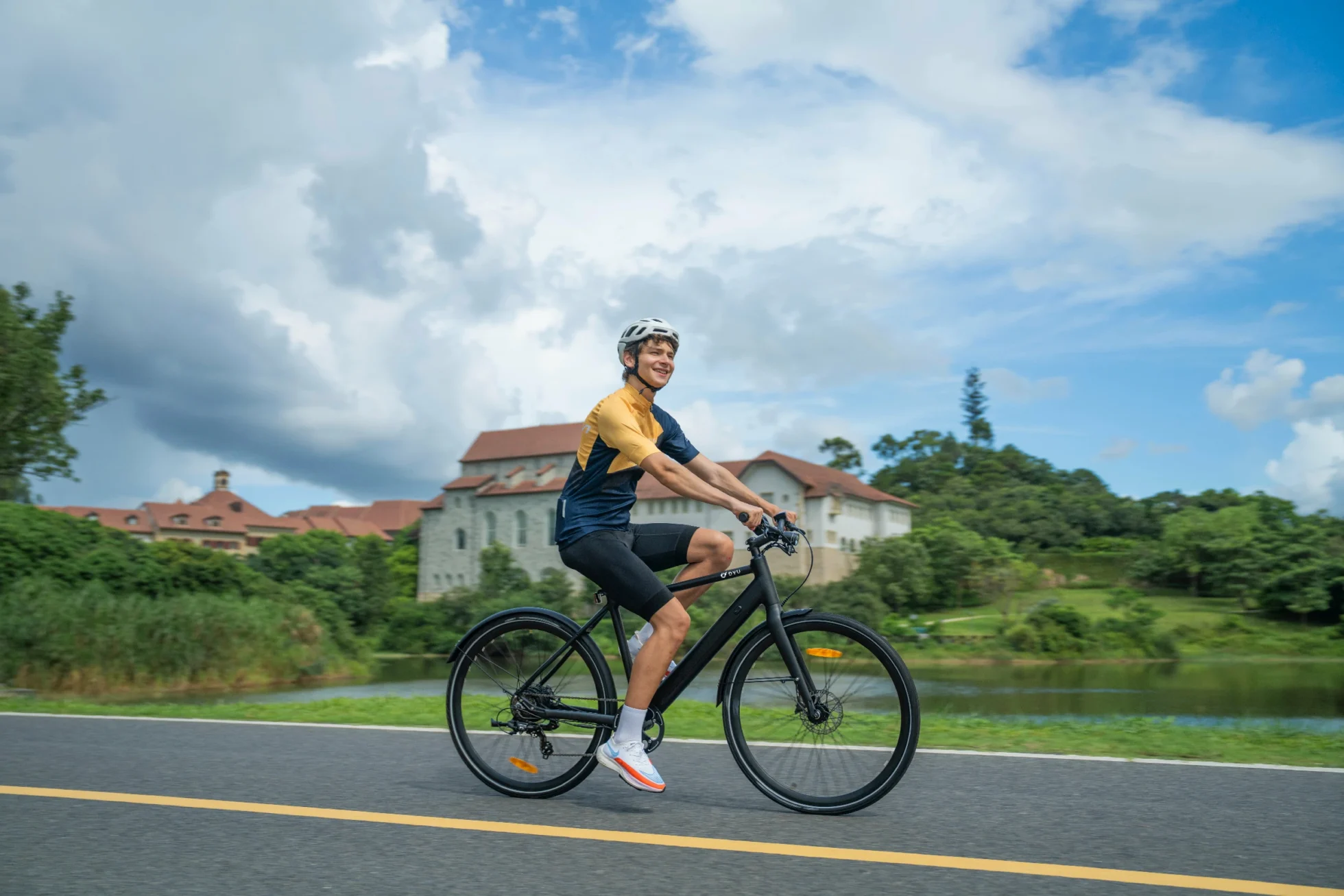
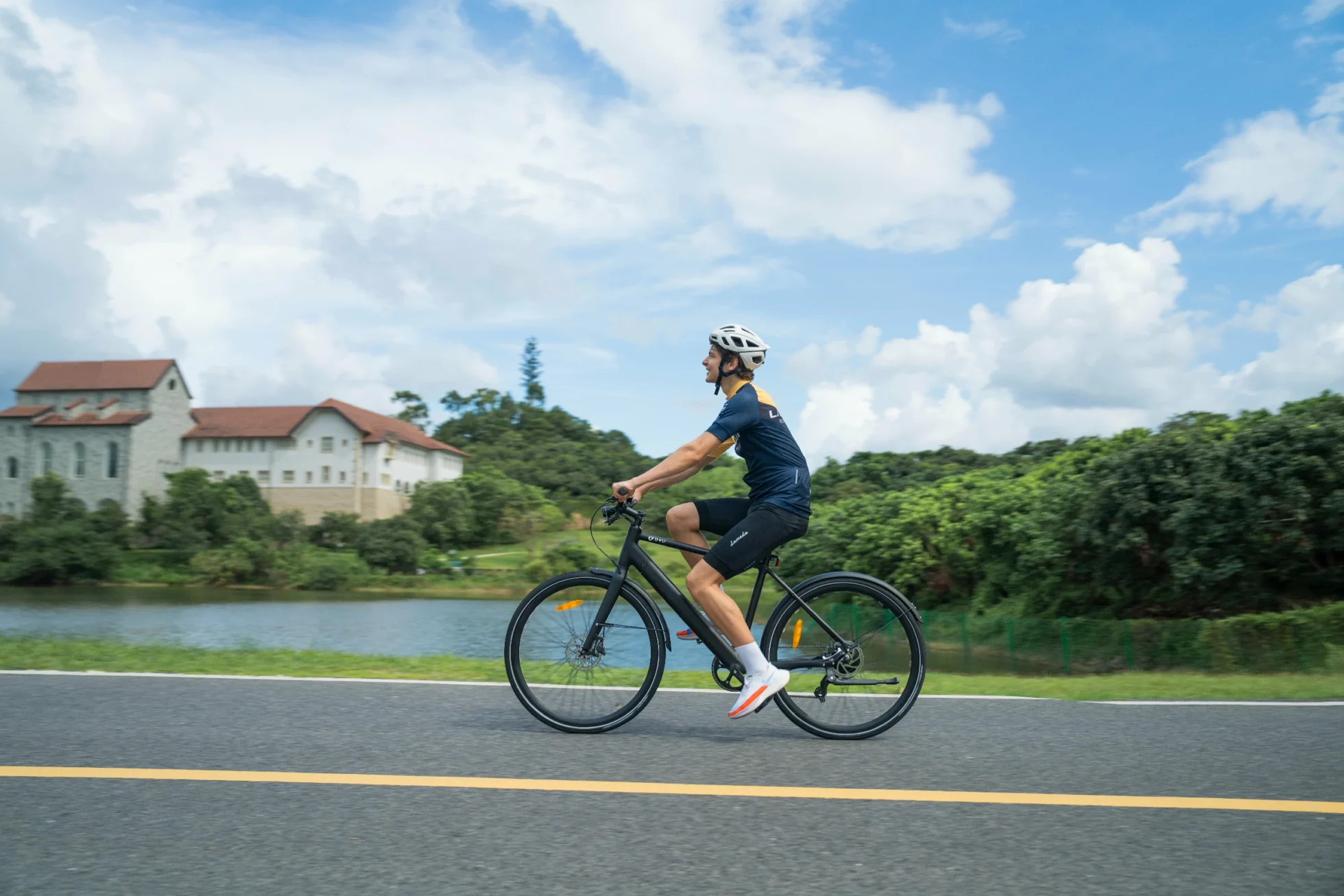
The DYU Stroll 1 700C City E-Bike is a practical example because its 700 x 38C tyres combine a full-size city wheel with useful air volume. The bike is listed with a 250W motor, 36V 9Ah battery, pedal-assist range up to 100 km, oil disc brakes, and a weight of 19.5 kg.
At the time of writing, the DYU Stroll 1 is listed at €999, down from the regular €1299. Its product feedback describes the tyres as puncture resistant, but I would still follow the same inspection and pressure routine. Puncture resistance reduces risk; it does not make glass, casing damage, poor pressure, or rim problems irrelevant.
The tradeoff of a fast-rolling city setup is that route choice still matters. A Stroll 1 is better matched to asphalt, cycle paths, and ordinary urban surfaces than repeated sharp rubble or heavy off-road impacts. The site guide to large-wheel e-bike comfort on city streets explains why wheel diameter and tyre volume should be judged together.
Carry a Repair Kit That Matches the Bike
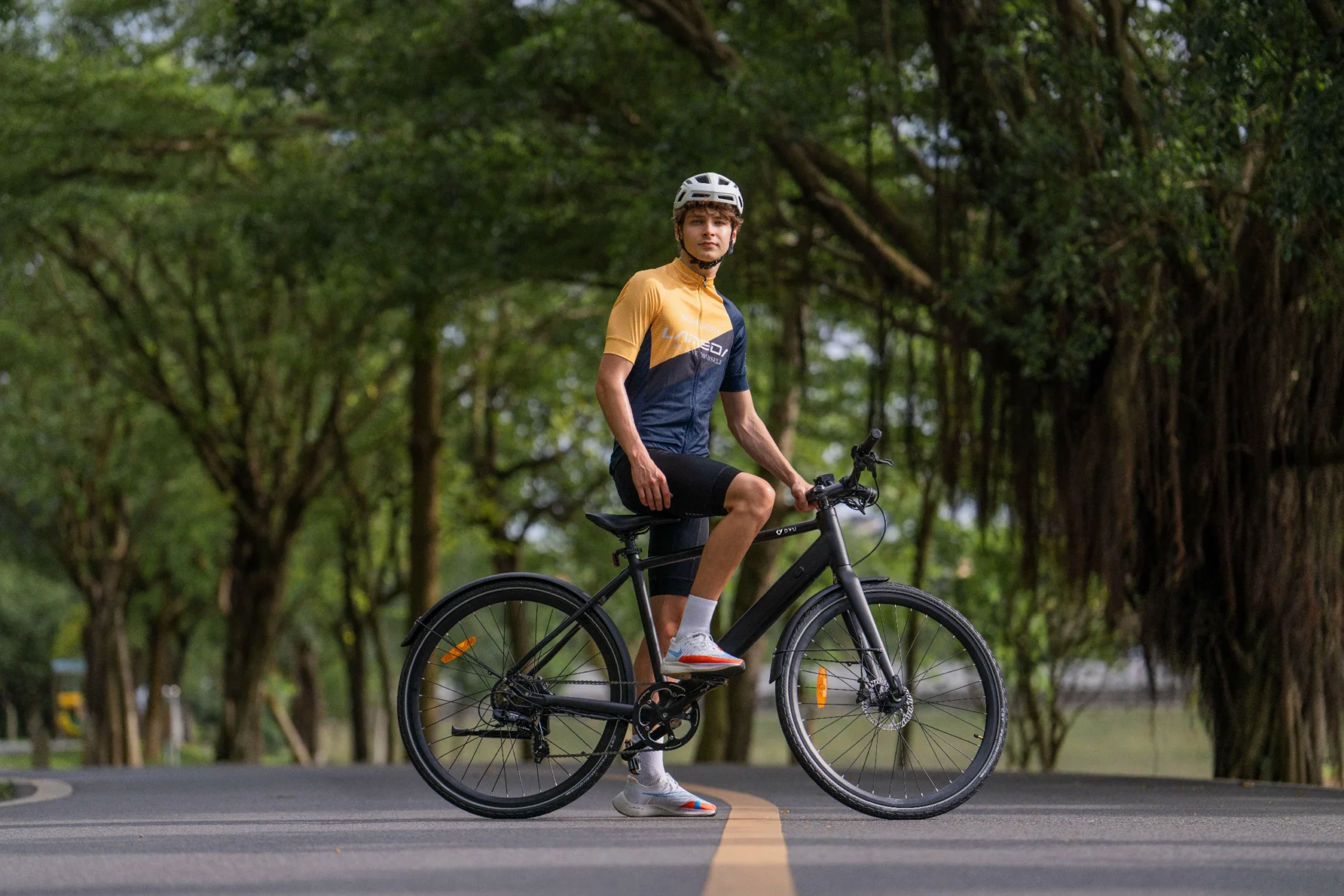
A repair kit is only useful when the tube, pump, levers, and tools fit the actual bike. Check the tyre size and valve type before buying spares. If the wheel uses axle nuts or another retention system, make sure the correct tool is in the bag.
- A compatible spare inner tube.
- Two reliable tyre levers that will not damage the rim.
- A pump that fits the valve and can reach the required pressure.
- Patches, adhesive or self-adhesive patches, and a small marker.
- A small cloth for checking the inside of the tyre casing.
- Gloves and a light for dark or wet roadside repairs.
Cycling UK’s puncture repair guide also recommends carrying a spare tube. In rain, replacing the tube is often more reliable than trying to prepare a dry patch surface at the roadside.
After a Flat, Find the Pattern
One small hole on the road-facing side often points to a sharp object. Two parallel slits suggest a pinch impact. Damage near the valve may indicate movement, incorrect seating, or running too soft. A hole on the inner side of the tube can point toward rim tape or a spoke issue.
Keep the tube aligned with the tyre as it comes out. That makes it easier to match the hole with the likely point in the tread or rim. Run a cloth around the inside of the casing before using bare fingers, because glass or wire may still be sharp.
If the tyre bead, rim, sidewall, electrical cable, motor cable, or brake system was disturbed, do not rush the reassembly. Follow the bike manual and ask a qualified mechanic when the cause or safe repair is uncertain.
Conclusion: Reduce the Avoidable Flats
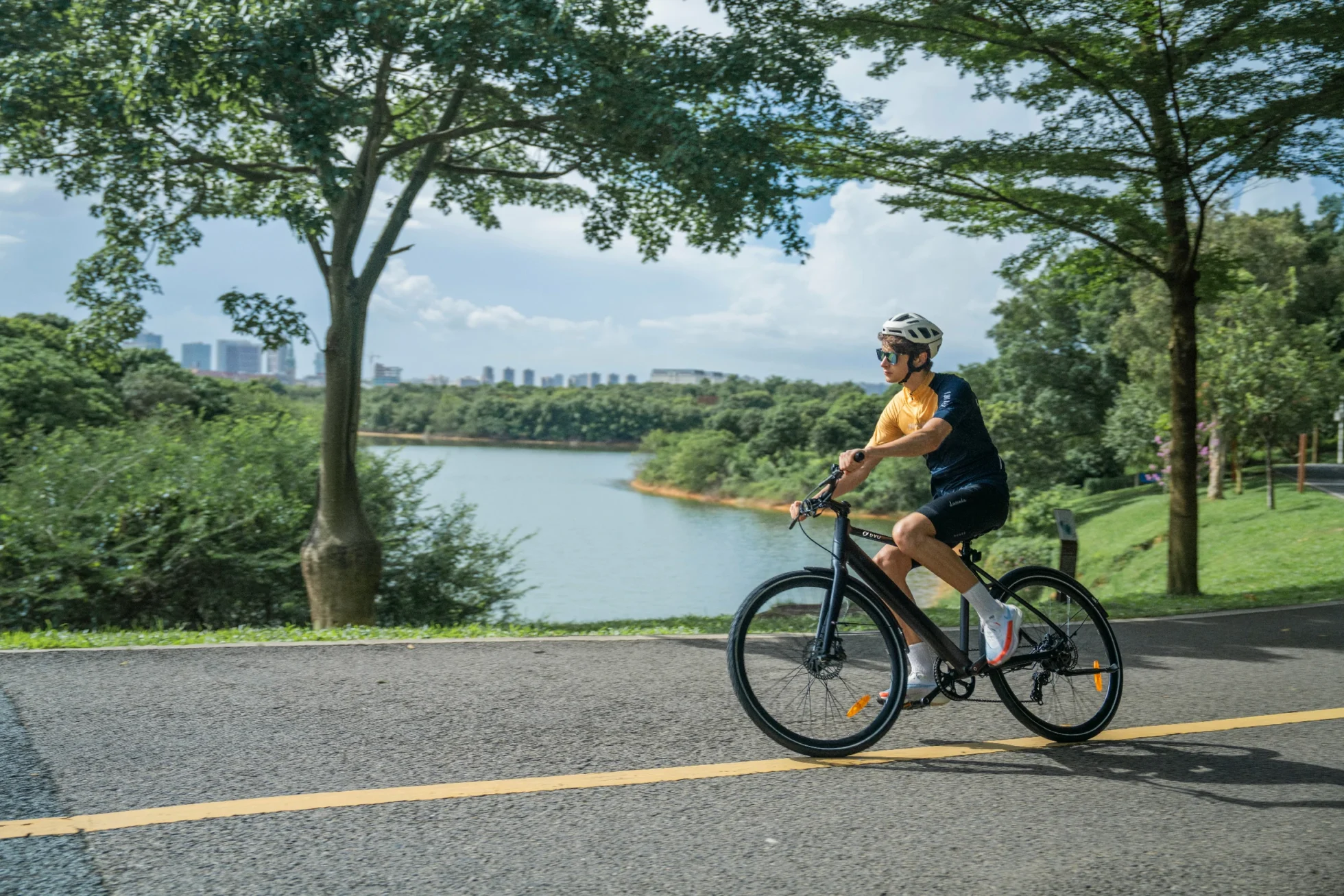
A good e-bike puncture prevention guide is built around routine, not a miracle tyre. Check pressure with a gauge, inspect tread and sidewalls, choose a cleaner line, respect load and speed, and carry parts that fit the bike.
For riders who want a light full-size city e-bike, the Stroll 1 combines 700 x 38C tyres, low listed weight, oil disc brakes, and long pedal-assist range. It still deserves the same weekly tyre care as any commuter bike.
FAQs
Q1. How can I prevent punctures on an e-bike?
Keep pressure inside the tyre maker’s approved range, inspect tread and sidewalls regularly, avoid debris where possible, and repair any rim-tape or valve problem before fitting a new tube. No method prevents every puncture.
Q2. Does low tyre pressure cause e-bike punctures?
It can. A soft tyre is more likely to pinch the tube against the rim when it hits a sharp edge. Use a gauge and consider rider weight, luggage, tyre width, and road surface.
Q3. What should I carry to fix an e-bike puncture?
Carry a compatible spare tube, suitable tyre levers, a valve-compatible pump, patches, and any tool needed to remove the wheel. Check the bike manual before the first roadside repair.
Q4. Are puncture-resistant tyres completely puncture-proof?
No. They may reduce the chance of certain flats, but sharp objects, casing damage, poor pressure, rim problems, and large impacts can still cause failure.
Q5. How much does the DYU Stroll 1 cost?
At the time of writing, the DYU Stroll 1 is listed at €999, down from the regular €1299. Check the product page for current availability and final checkout details.