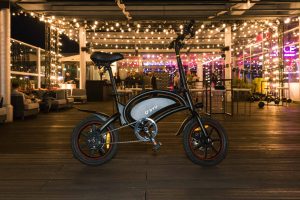
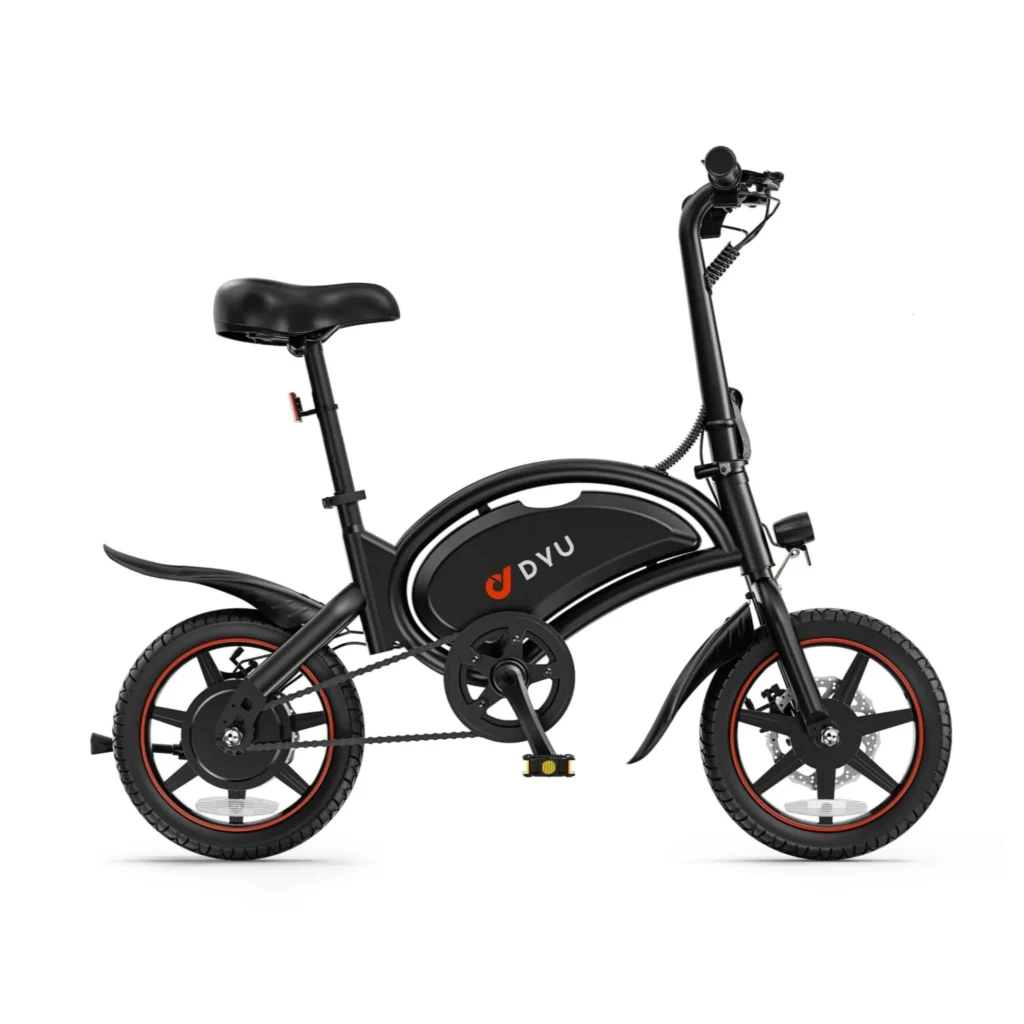
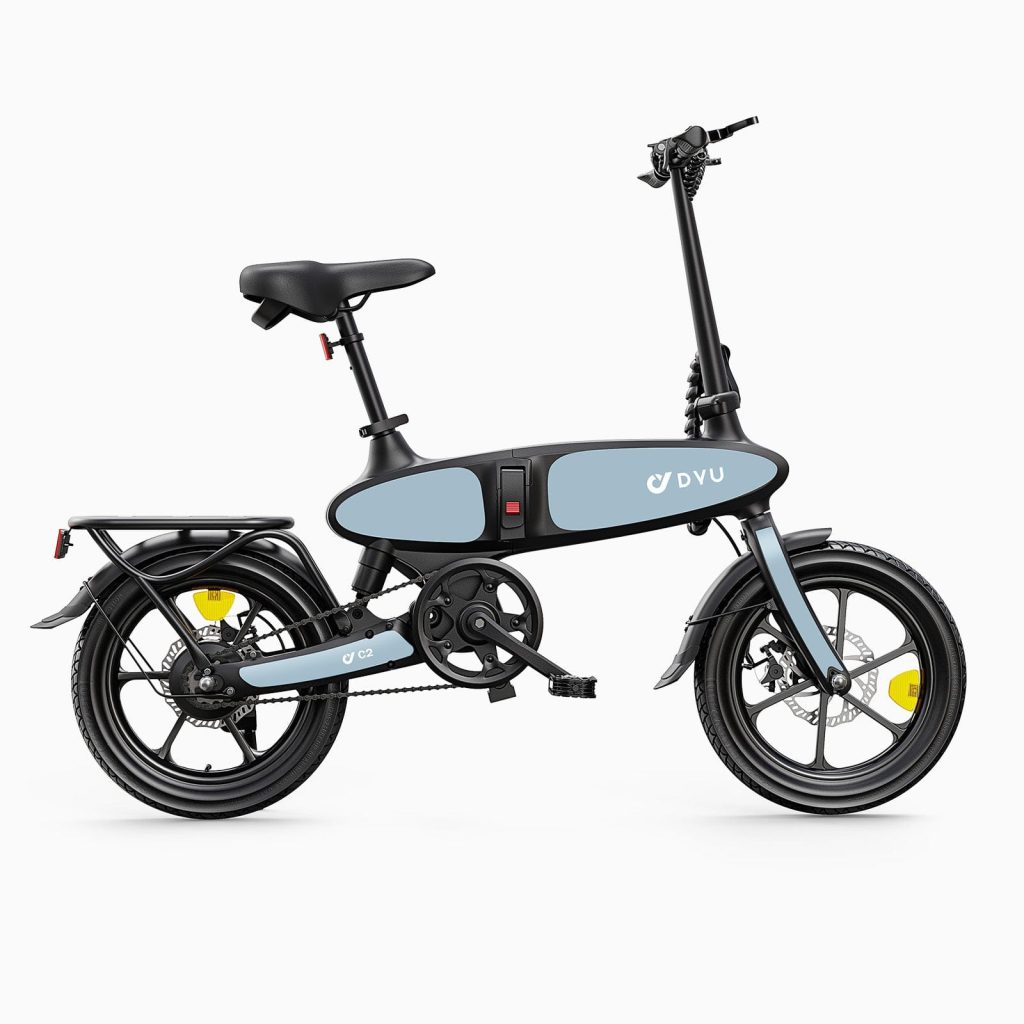
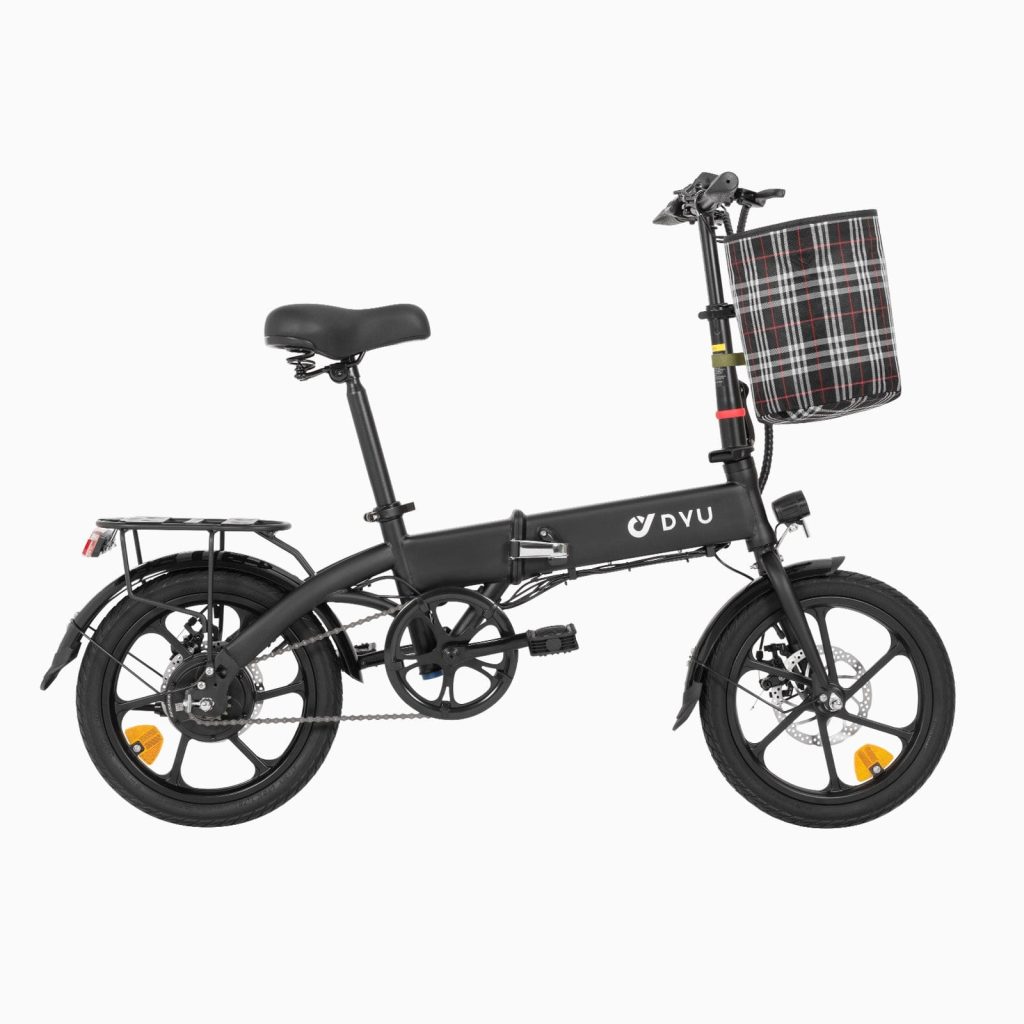
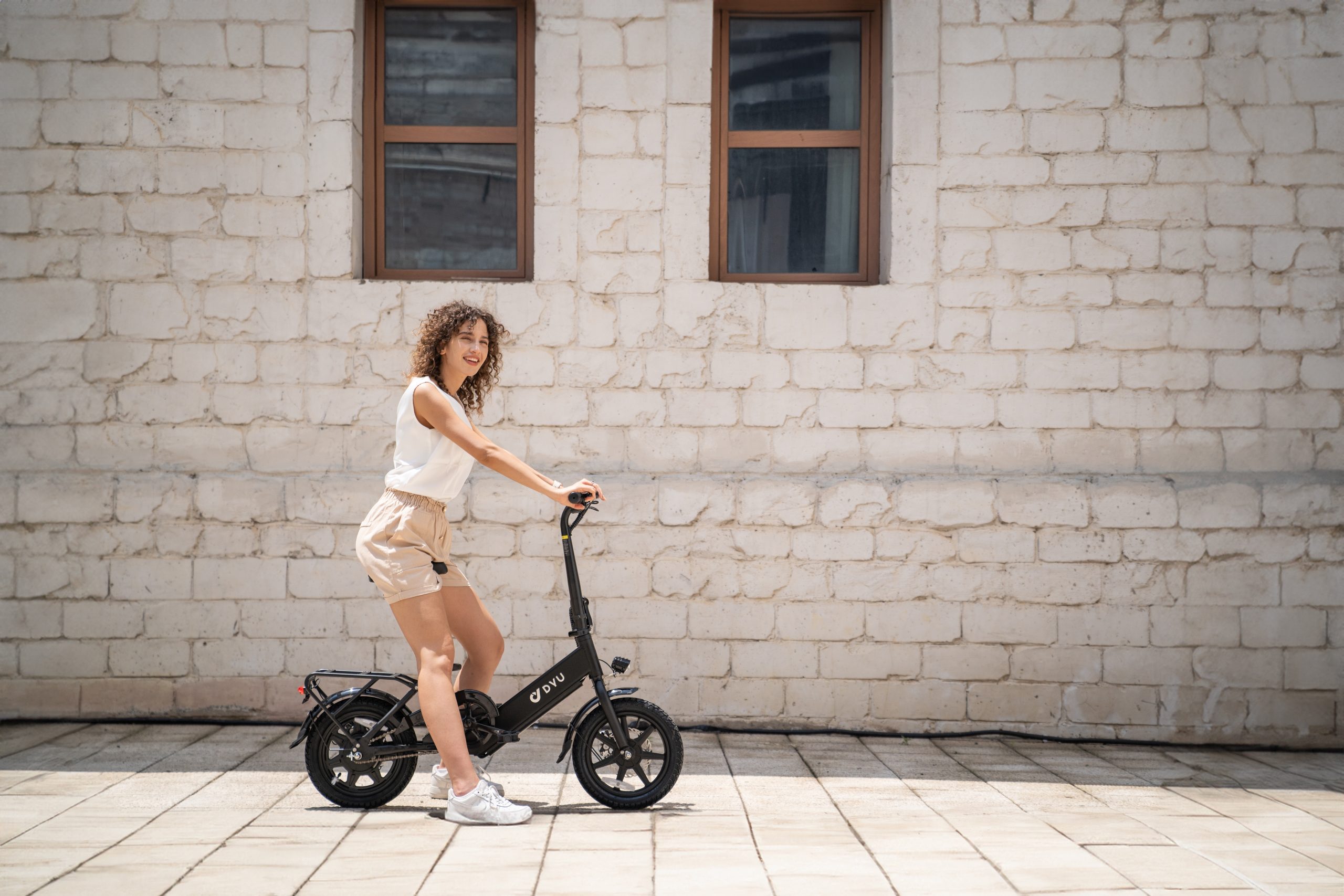
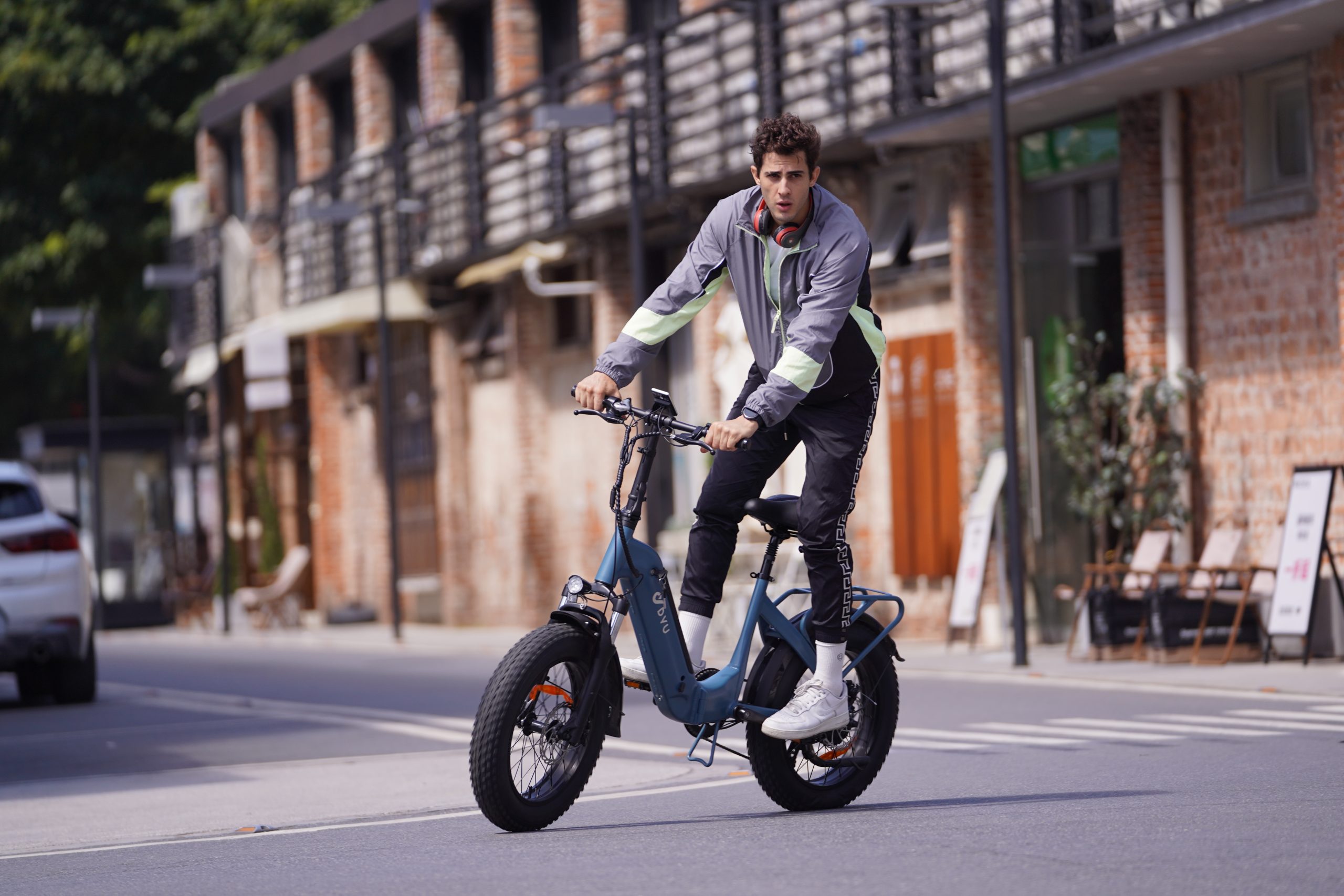

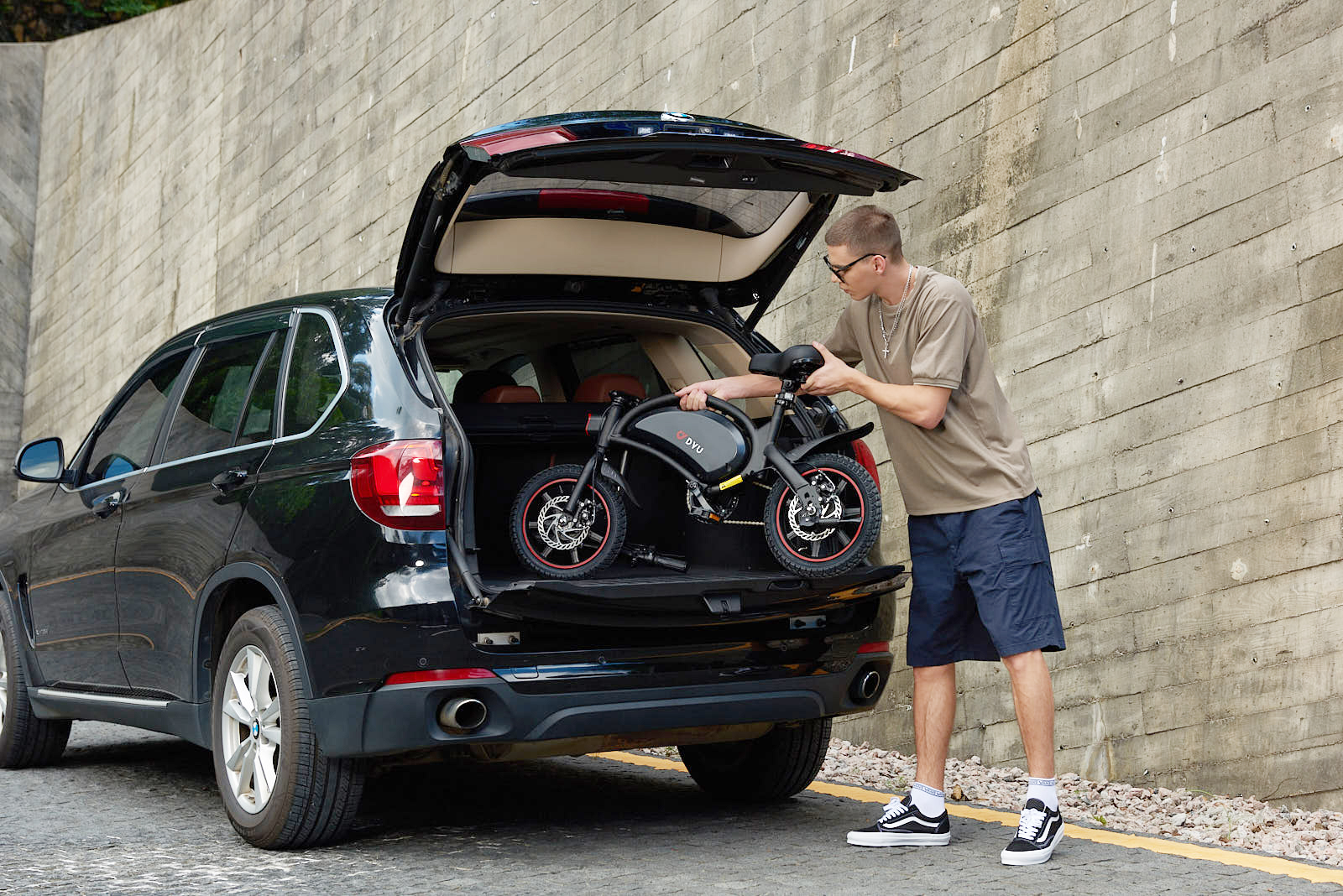
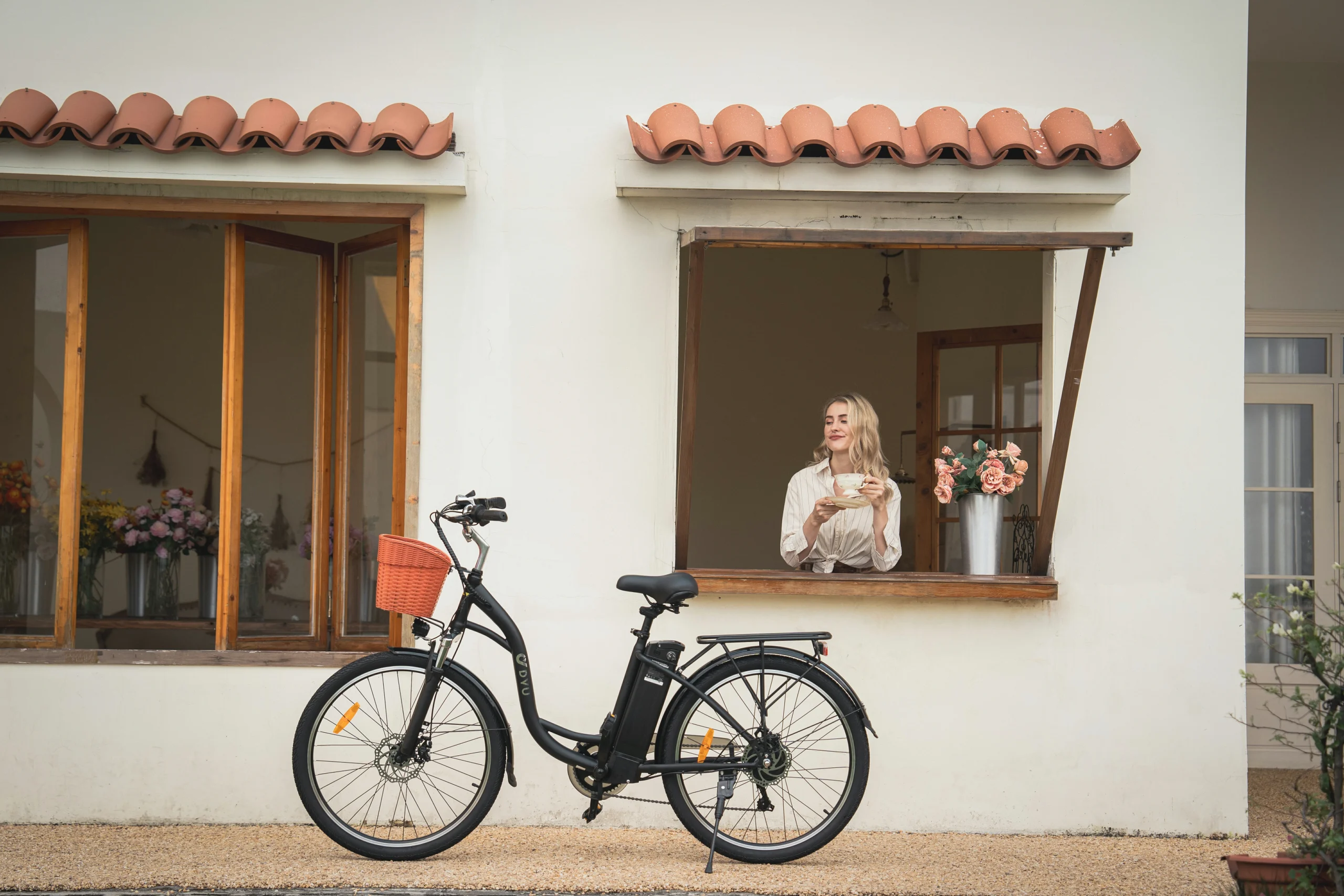
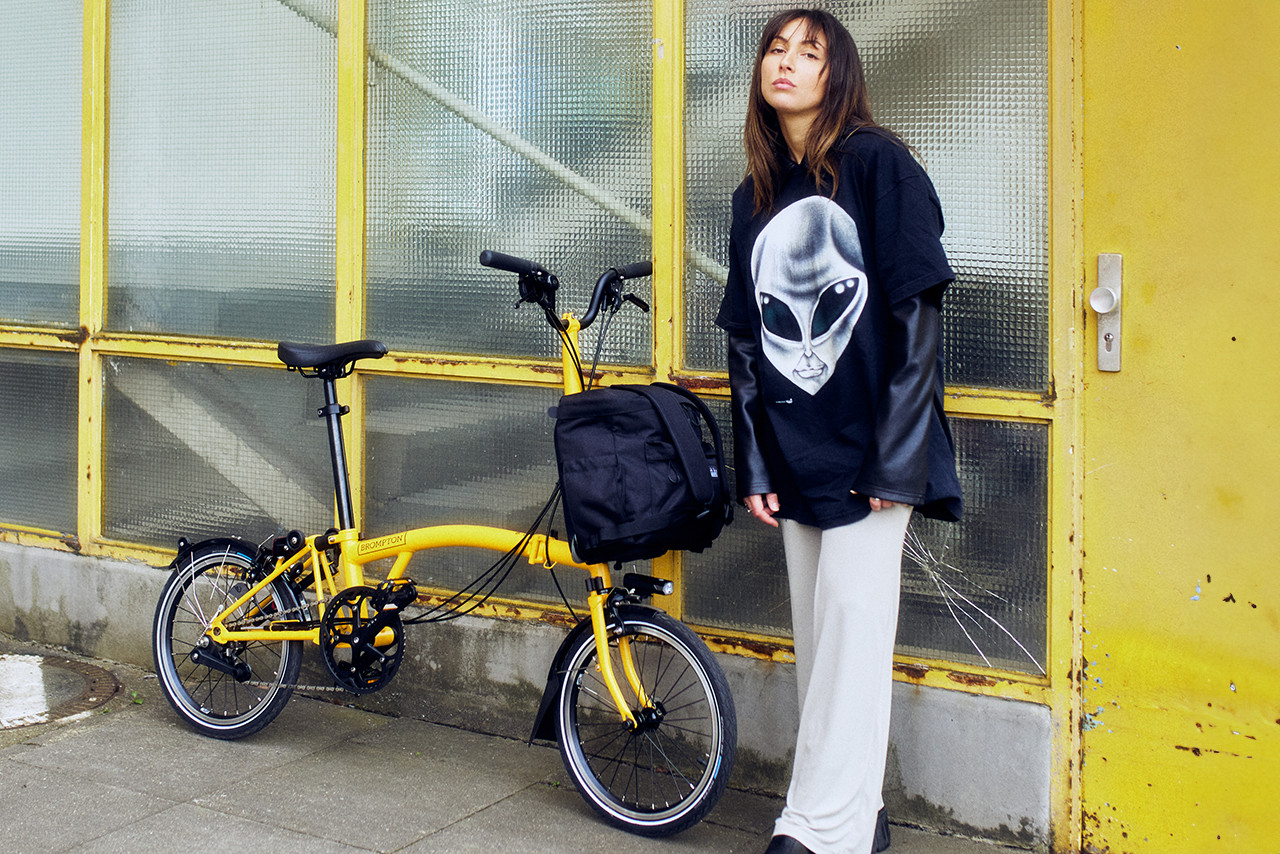

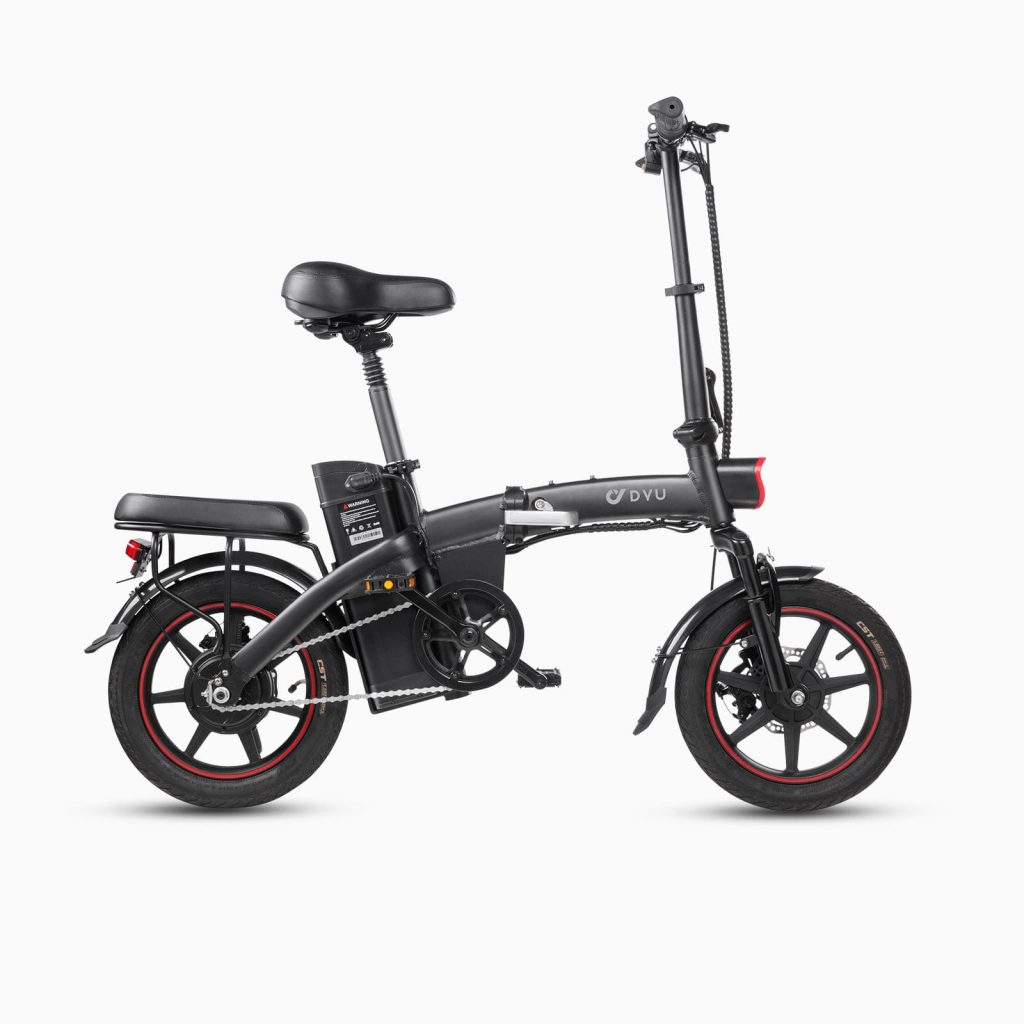
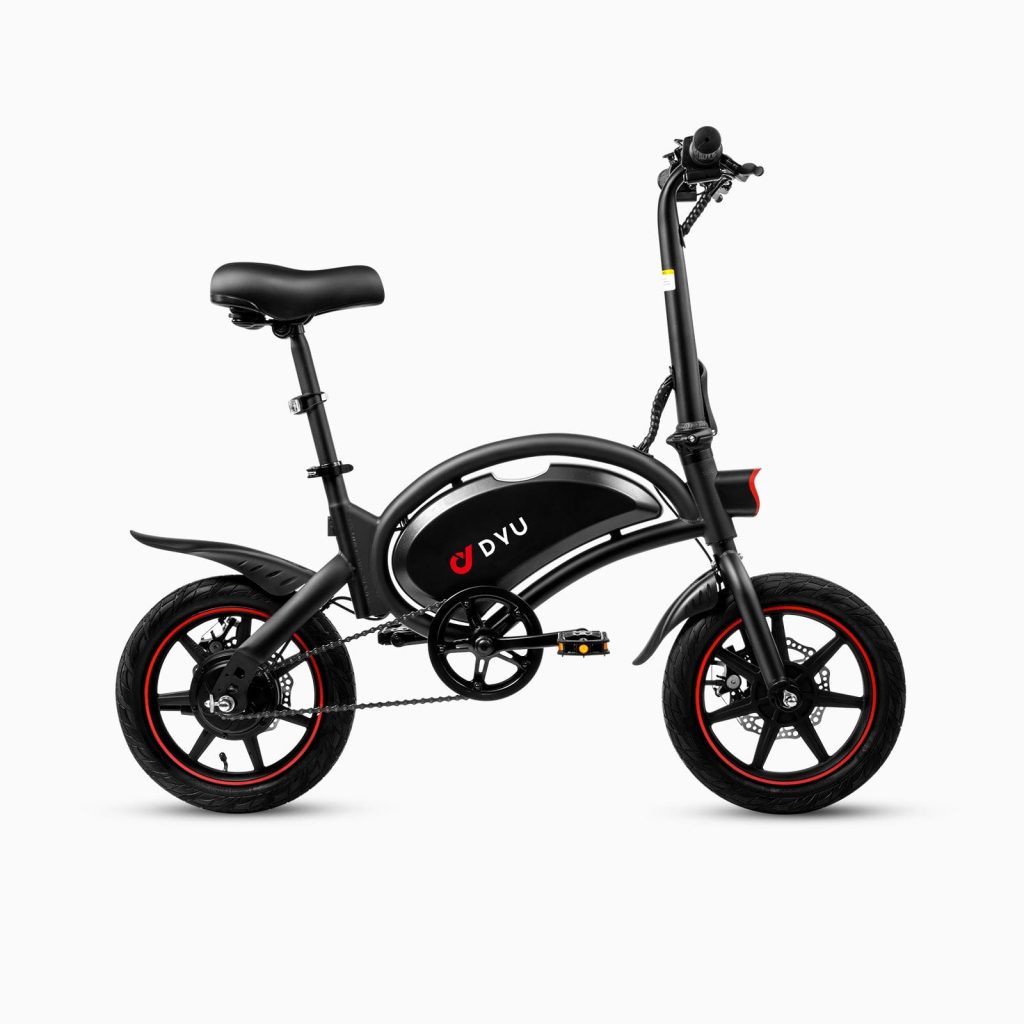

DYU D3F vs ENGWE T14 is a comparison between two compact 14-inch e-bikes that solve a similar urban problem in different ways. Both aim to take less storage space than a conventional commuter bike, both use a 250W rear hub motor, and both are limited to 25 km/h in their European specification. The differences appear in weight, battery size, payload, suspension, rider fit, and price.
This guide compares the current published specifications and prices rather than pretending that catalogue range figures are guaranteed. A light rider on smooth, flat roads will not get the same result as a heavier rider dealing with wind, hills, cold weather, repeated stops, or low tire pressure.
DYU D3F vs ENGWE T14: Quick Comparison
| Specification | DYU D3F | ENGWE T14 |
|---|---|---|
| Current listed price | €499 | €599 |
| Motor | 250W rear hub | 250W rear hub, 30 Nm listed torque |
| Battery | 36V 10Ah, 360Wh | 48V 10Ah, 480Wh |
| Listed assisted range | Up to 50 km | Up to 42 km in pedal-assist mode |
| Assisted speed | 25 km/h | 25 km/h |
| Listed weight | 19 kg | 22.7 kg |
| Maximum load | 120 kg | 100 kg |
| Wheels | 14-inch high-strength tires | 14 x 2.125-inch tires |
| Brakes | Front and rear disc brakes | Mechanical disc brakes |
| Suspension | Seat suspension | Front, middle, rear, and saddle support described by ENGWE |
| Published rider height | Not specified on the current product page | 137-167 cm |
The table points to a clear split. The D3F is lighter, less expensive, and supports a higher listed load. The T14 offers a larger 480Wh battery and a more elaborate comfort package, but it is 3.7 kg heavier and its published rider-height range is relatively short. Buyers should check body fit as carefully as motor or battery numbers.
Portability: The D3F Has the Weight Advantage
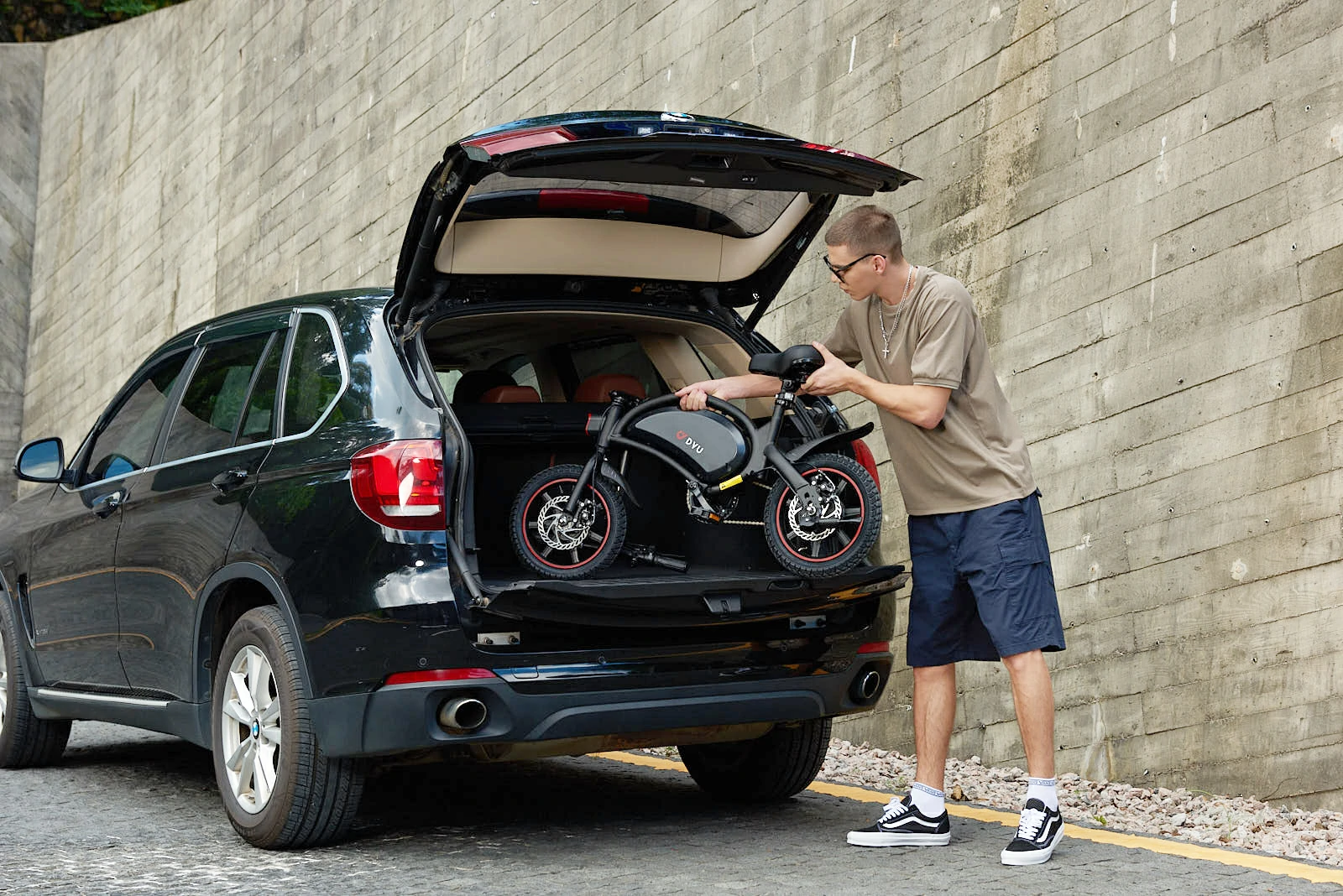
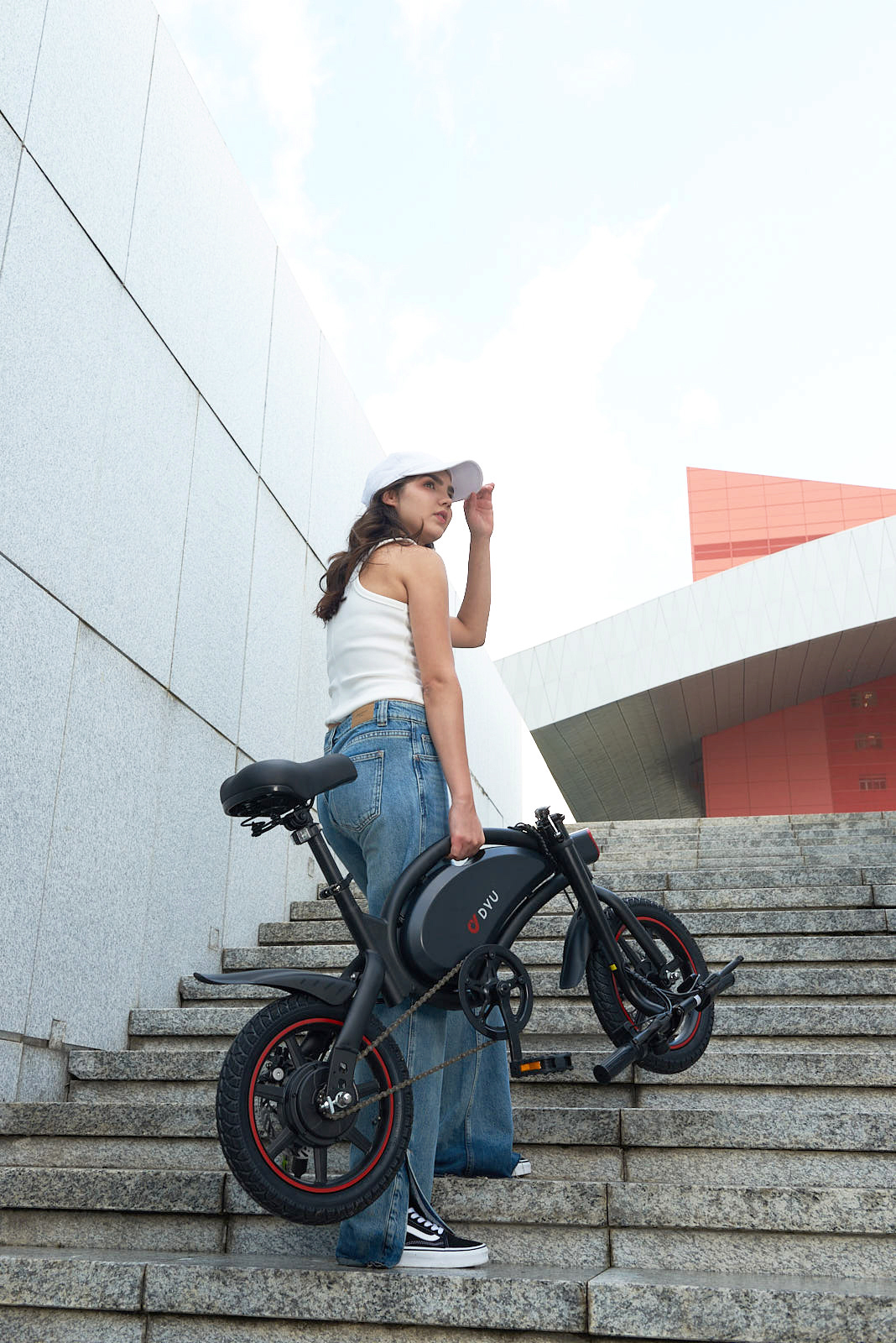
A compact e-bike is not automatically an easy e-bike to carry. Nineteen kilograms is still a meaningful lift, but the D3F’s listed weight is 3.7 kg lower than the T14’s 22.7 kg. That gap matters on stairs, at the lip of a car boot, or when turning the bike in a narrow hallway.
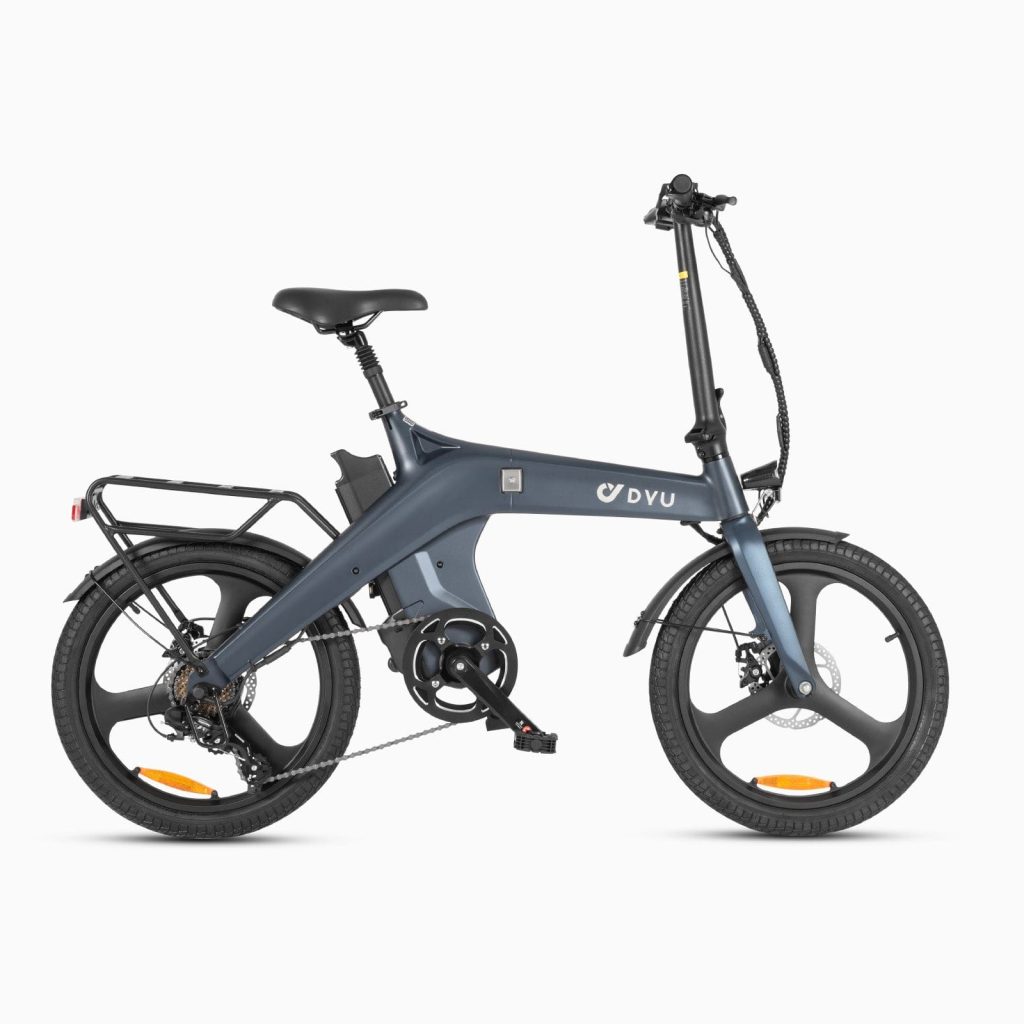
The D3F uses folding pedals and a foldable handlebar, plus a carry handle built into the frame. The T14 also folds for storage and publishes a folded size of 79 x 47 x 73 cm. DYU does not currently publish a complete folded-size measurement on the D3F page, so buyers with a strict cupboard or car-boot limit should measure the available space and confirm dimensions before ordering.
The larger lesson from our folding electric bike buying guide is that folded volume, carry weight, latch access, and whether the bike can roll while folded are separate questions. The D3F has the advantage for lifting. The T14 provides clearer folded-dimension information.
Battery and Range: Capacity Does Not Tell the Whole Story
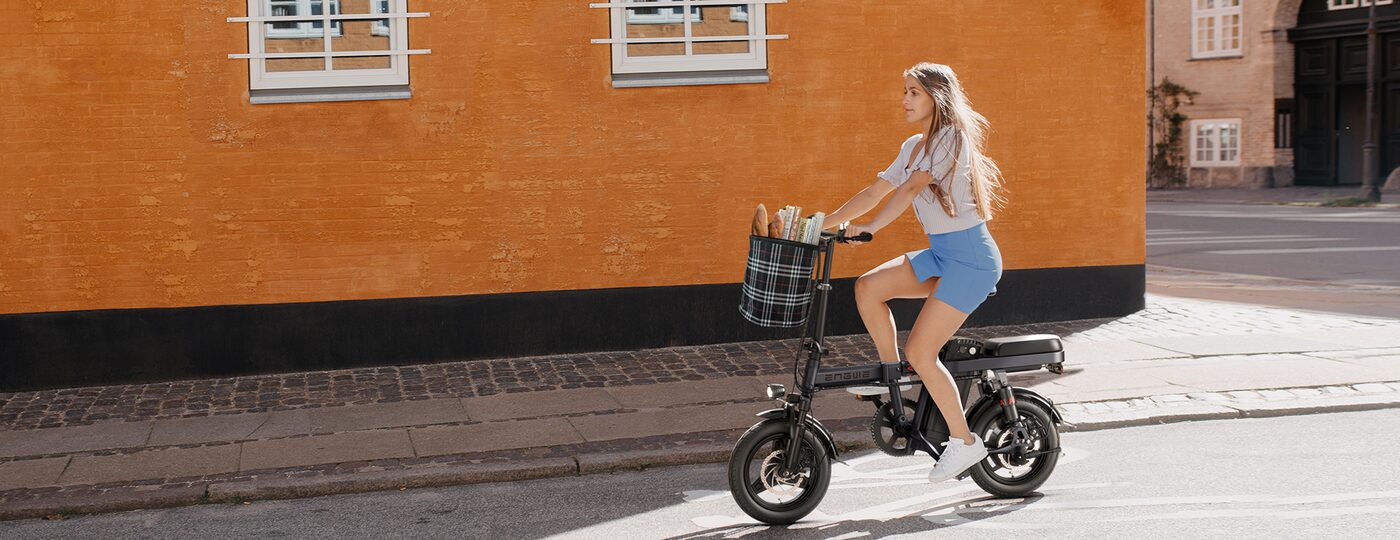
The D3F uses a 36V 10Ah battery, equal to 360Wh, and lists up to 50 km of pedal-assisted range. The T14 uses a 48V 10Ah battery, equal to 480Wh, while ENGWE lists 42 km in pedal-assist mode and 25 km in electric mode. It may look odd that the larger battery carries the lower assisted-range claim, but brands do not always use identical test conditions.
Battery capacity is useful because watt-hours provide a common starting point. Range is less transferable. Rider mass, hills, temperature, tire pressure, start-stop traffic, assist level, headwinds, and mechanical drag all change consumption. The sensible approach is to treat both figures as best-case planning numbers, then keep a generous reserve until your own route is familiar.
Battery University’s lithium-ion care guide explains why heat, storage charge, and repeated deep discharge affect battery life. For daily use, charge in a dry, ventilated place with the supplied compatible charger and inspect the battery, plug, and cable before use.
The T14’s 480Wh pack offers more stored energy on paper. The D3F’s lower total weight may help efficiency and is paired with a higher published assisted-range figure. Neither claim should be read as a promise for every rider.
Small-Wheel Handling and Ride Comfort
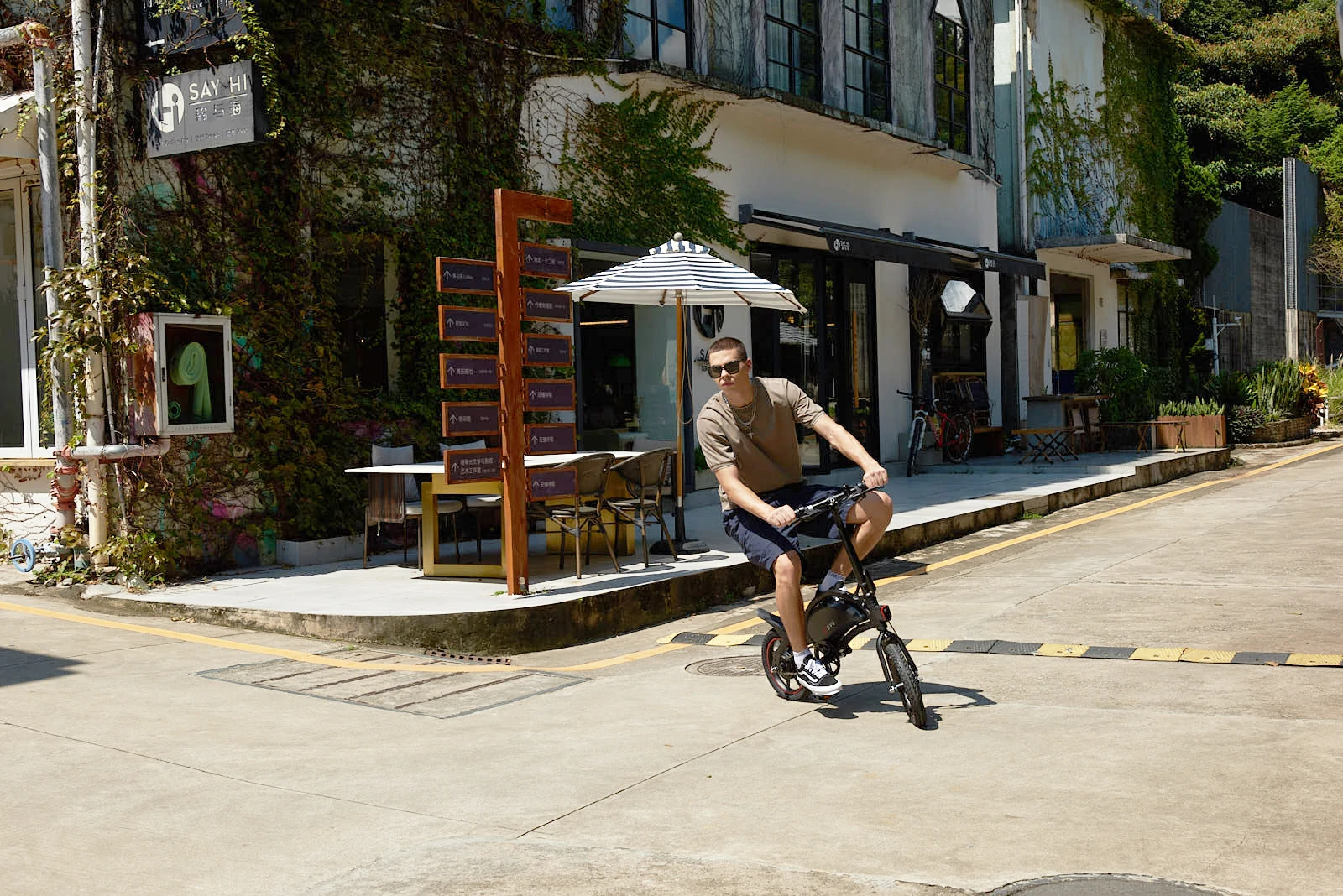
Fourteen-inch wheels are compact and quick to steer, which is useful in crowded storage spaces and slow urban turns. They also react more sharply to potholes, tram tracks, curb edges, and broken asphalt than larger wheels. Route quality therefore matters more than a simple specification table suggests.
The D3F pairs its small wheels with seat suspension. The T14 promotes a multiple-shock-absorption arrangement covering the front, middle, rear wheel, and saddle area. That gives the ENGWE a stronger comfort story on paper, especially for riders dealing with patchy surfaces.
Suspension does not make a 14-inch bike behave like a full-size trekking bike. Tire condition, correct pressure, relaxed arms, controlled speed, and sensible line choice still matter. Buyers who regularly cross severe potholes or unpaved paths may be better served by a larger-wheel model even if it occupies more space.
For smooth cycle lanes and short city errands, the lighter D3F should feel easier to position and manage. For rougher urban streets, the T14’s additional comfort hardware may be worth its extra weight. This is one of the most route-dependent decisions in the comparison.
Brakes, Payload, and Rider Fit
Both bikes use disc brakes; ENGWE explicitly identifies the T14 system as mechanical. The D3F product page lists front and rear disc brakes without naming the actuation type. Mechanical systems are widely serviceable, while hydraulic systems generally offer different lever feel and self-adjustment characteristics. Our hydraulic versus mechanical disc brake guide explains the distinction without assuming that one system suits every owner.
The D3F has a listed maximum load of 120 kg, compared with 100 kg for the T14. Maximum load should include the rider, clothing, lock, bags, and any permitted cargo. It is a structural limit, not a target, and riders near a limit should leave room for everyday items.
Fit needs more care on the T14 because ENGWE publishes a rider-height range of 137-167 cm. A taller buyer should not assume that an adjustable saddle automatically creates a comfortable cockpit. Reach to the handlebar, knee clearance, braking position, and stable starts all matter. Cycling UK’s bike-fit guide offers a useful baseline, but a published manufacturer range should still be respected.
DYU does not list a rider-height range on the current D3F page. That absence is not proof of universal fit. Buyers should confirm saddle adjustment, reach, and stand-over comfort, particularly at the edges of common adult sizing.
How the Two Bikes Behave in Everyday City Use
Specification tables are most useful when translated into ordinary moments. At a crowded bike rack, the lighter D3F should be easier to angle into position. At a rough crossing, the T14’s additional suspension may take some sting out of the surface. At a narrow doorway, both benefit from 14-inch proportions, while their full e-bike weight still demands patience.
Low-speed control deserves more attention than maximum assisted speed. A compact wheel changes direction quickly, so a new owner should practise starting, stopping, looking over the shoulder, and making a tight turn in a quiet permitted area. Assistance should begin predictably and stop when the rider stops pedaling or applies the relevant control. If the motor response feels unfamiliar, use a lower assist level until the timing becomes natural.
Neither bike is the obvious answer for every commute. A short, flat route with a lift and limited storage makes compactness valuable. A 20 km daily round trip across broken roads makes comfort, charging margin, and service access more important. A route involving several flights of stairs can make even the lighter D3F feel unsuitable.
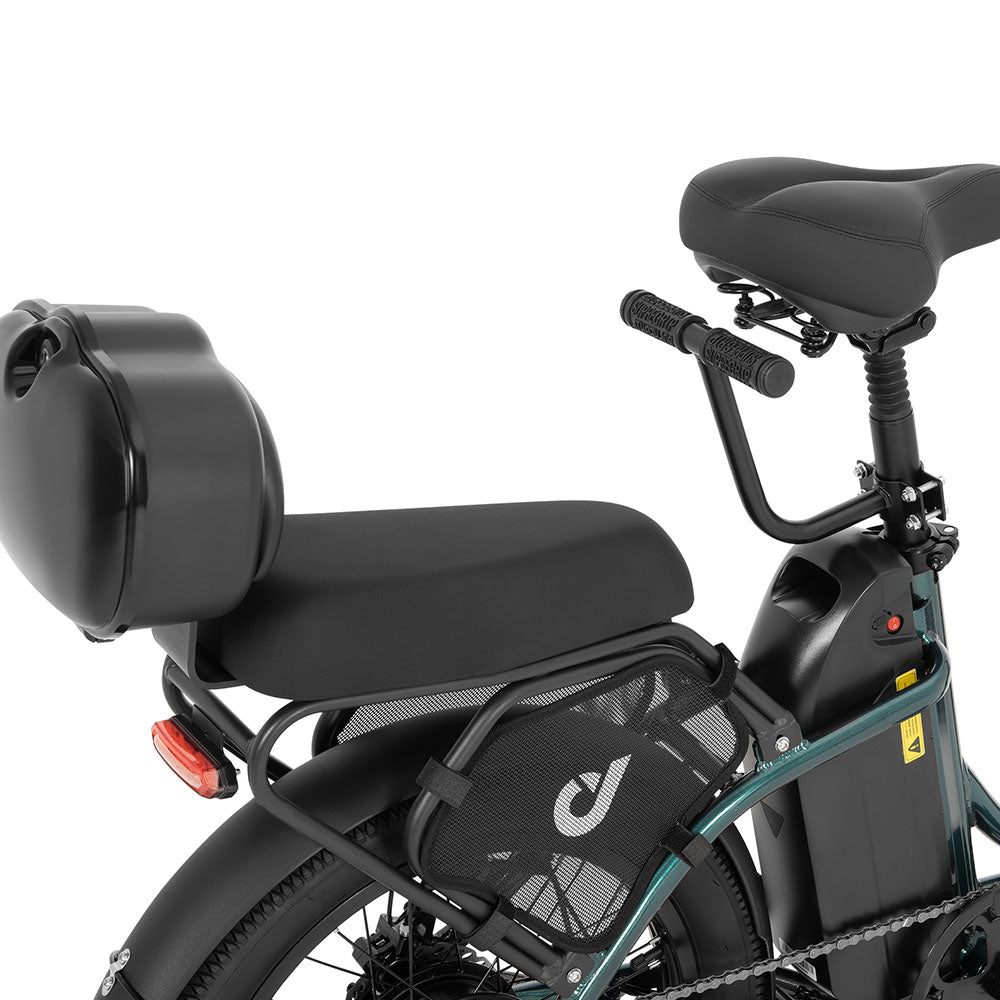
Cargo changes the experience too. A heavy backpack raises fatigue and can affect balance, while bags attached to an approved rack keep weight lower. Confirm whether the bike supports the accessory and load you intend to use. Never assume that a high total payload means every basket, child seat, or rack is approved.
Weather should also influence the choice. Small wheels can drop more deeply into potholes hidden by water, and all brakes need more stopping space on wet or contaminated surfaces. Lights, reflective clothing, clean lenses, correct tire pressure, and slower corner entry are more valuable than using the highest assist setting.
A Practical Pre-Purchase Test
If a local test ride is available, use the same short checklist for both bikes. Set the saddle, confirm the folding joints are locked, start in low assistance, and ride a repeatable loop. Include a smooth straight, a slow turn, a controlled stop, a gentle rise, and one rough but safe patch. The goal is not speed; it is to notice which bike feels predictable.
- Can you place a foot down confidently without sliding off the saddle?
- Can you reach both brake levers while keeping the shoulders relaxed?
- Does the bike hold a straight line when you look over your shoulder?
- Can you lift the front or complete bike enough for your storage routine?
- Does the folding sequence leave cables relaxed and latches fully closed?
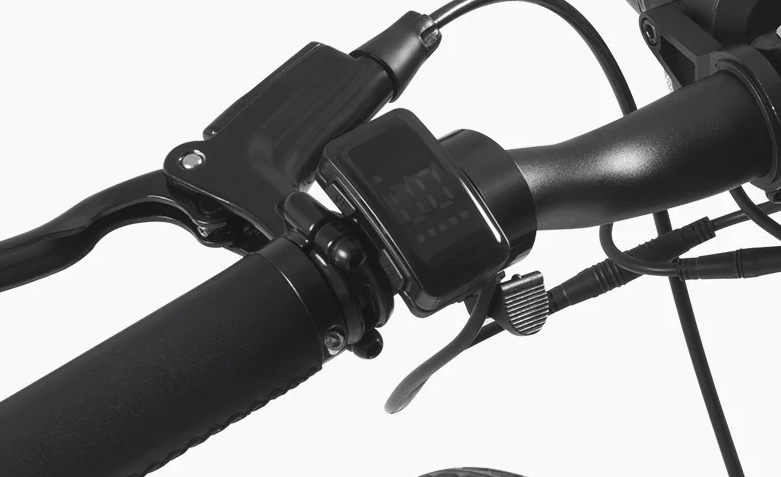
- Can you read the display and change assistance without staring down?
Then repeat the storage task. Fold the bike, move it through a doorway, position it where it will live, and simulate connecting the charger. A model can feel excellent on the road and still be wrong for the home. Conversely, the lightest option may not be comfortable enough for the daily surface.
When an in-person test is not possible, measure more than floor length. Mark the published folded dimensions with tape, check turning clearance, measure the narrowest doorway, and weigh a 19 kg and 23 kg object if safe to do so. This exercise makes the D3F’s 3.7 kg advantage much easier to understand.
Service, Warranty, and Replacement Parts
A compact e-bike is a vehicle, not a disposable gadget. Before choosing either model, read the current warranty terms and ask how brake pads, tires, tubes, charger, display, controller, motor wheel, and replacement battery are supplied. The best specification sheet has limited value if the bike cannot be returned to service after a common wear item or electrical fault.
The T14’s 14 x 2.125-inch tire size is published clearly. DYU describes the D3F as using 14-inch high-strength tires. In both cases, confirm the exact replacement size printed on the installed tire before ordering spares. The same principle applies to brake pads: match the installed component rather than buying from a generic search result.
Keep proof of purchase, record the serial number, photograph the bike when new, and save the correct manual. Avoid unapproved electrical modifications, incompatible chargers, or changes that exceed local assisted-speed rules. They can introduce safety problems and complicate warranty support.
For routine care, check pressure, brake feel, wheel security, cables, folding latches, lights, and unusual noises. Have a qualified mechanic inspect anything involving structural play, persistent brake problems, electrical faults, or a damaged battery. A short preventive check is cheaper than discovering a loose part during traffic.
Storage and Car-Boot Use
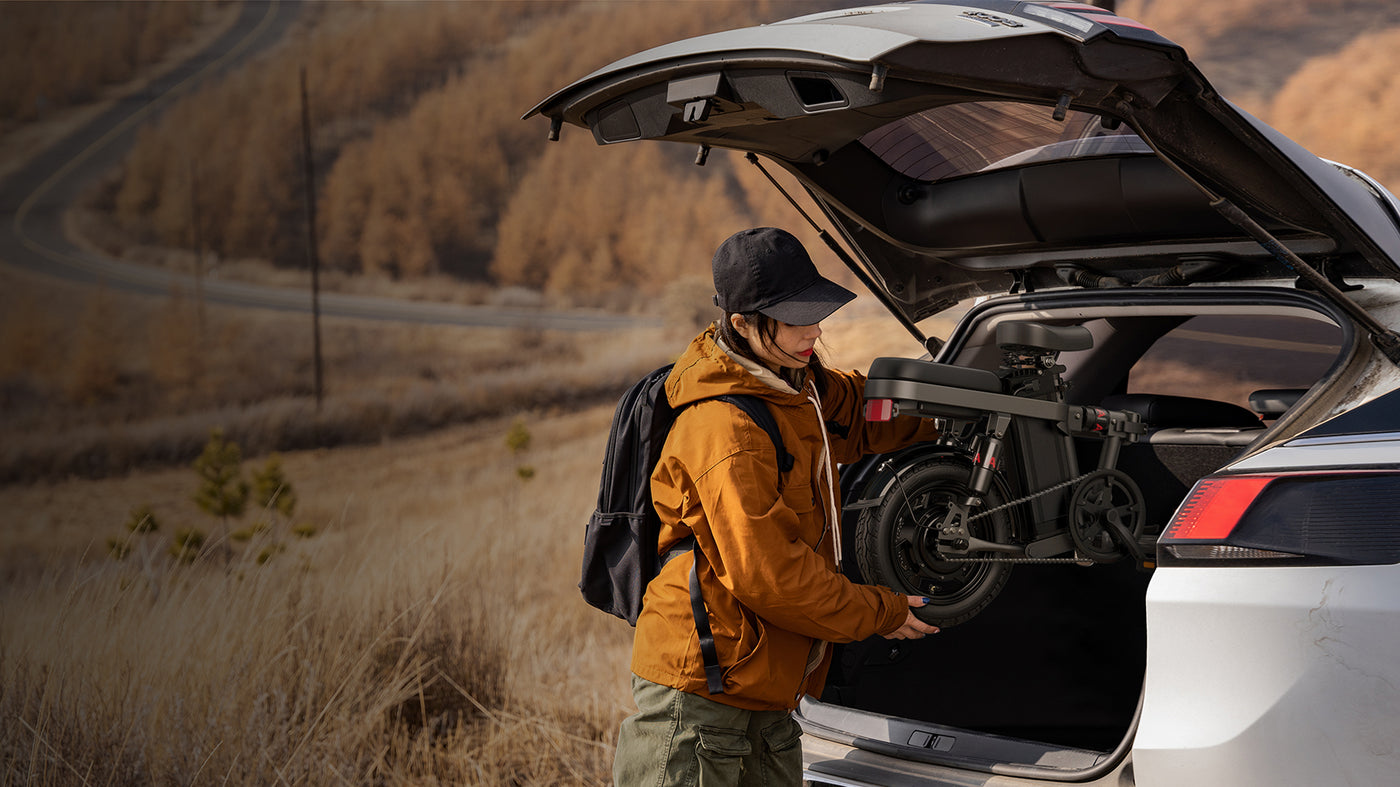
The T14’s published folded dimensions make it easier to compare against a known boot or cupboard. Its 22.7 kg weight, however, can turn loading into a two-stage task: bring the bike close, then lift with a stable stance rather than twisting at arm’s length.
The D3F’s lower 19 kg weight and integrated carry handle are practical advantages for occasional lifting. It remains too heavy for many people to carry comfortably over a long distance. Before purchase, use a suitcase or gym weight to simulate the lift from floor to boot height.
Neither bike should block a building exit or be charged in an unsafe escape route. A compact frame solves floor-space problems, but the owner still needs a dry charging location, a secure lock point, and enough room to inspect folding joints. Our e-bike theft-prevention guide covers parking and layered security for city routines.
Price and Value: €499 vs €599
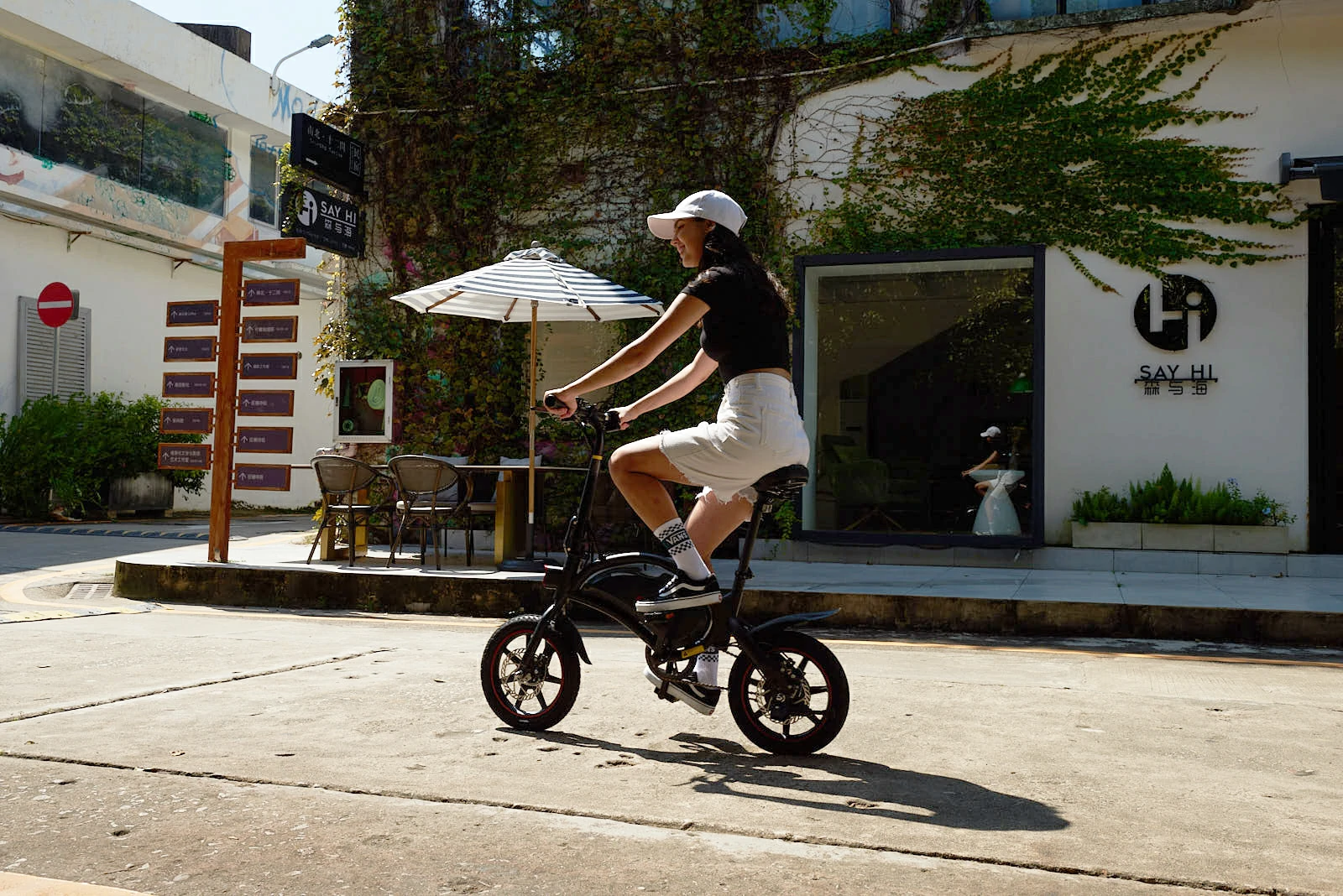
The DYU D3F is currently listed at €499, reduced from €699. The ENGWE T14 is currently listed at €599 on the official product page. That creates a straightforward €100 difference.
The D3F offers the lower entry price, lower weight, higher listed payload, and a 50 km assisted-range claim. It is the stronger value choice when compact storage and manageable lifting are the priorities.
The T14 asks for more money in exchange for a larger 480Wh battery, published folded dimensions, and a more extensive suspension setup. That premium makes more sense for a shorter rider who fits the official range and values comfort above carry weight.
Value also includes ownership. Check local service access, replacement-part availability, warranty terms, tire sizes, brake consumables, and battery replacement options. BikeRadar’s e-bike maintenance overview is a useful reminder that tires, brakes, drivetrain parts, and fasteners still need routine attention.
Which Compact E-Bike Should You Choose?
Choose the DYU D3F if:
- You want the lower current price.
- You expect to lift the bike into a car or across short flights of stairs.
- You need a listed load limit above 100 kg.
- Your route is mainly smooth, short, and urban.
- You prefer a lighter compact bike over a larger battery specification.
Choose the ENGWE T14 if:
- You fit its published 137-167 cm rider-height range.
- You value additional suspension hardware for uneven streets.
- You want a 480Wh battery and published folded dimensions.
- You do not need to carry the bike far.
- You are comfortable paying €100 more for those features.
For many apartment commuters, the D3F’s lower weight and price are the decisive advantages. The T14 becomes more persuasive when comfort and battery capacity matter more than lifting. In either case, use the first e-bike buyer guide to check route, storage, fit, service, and security before focusing on headline range.
FAQs
Q1. Is the DYU D3F lighter than the ENGWE T14?
Yes. The DYU D3F is listed at 19 kg and the ENGWE T14 at 22.7 kg, a difference of 3.7 kg. Both are still substantial objects to lift, so test a similar weight before buying for stairs or car-boot use.
Q2. Which bike has the larger battery?
The ENGWE T14 has the larger published battery at 48V 10Ah, or 480Wh. The DYU D3F uses a 36V 10Ah, 360Wh battery. Real range depends on the route, rider, weather, assist level, tire pressure, and other conditions.
Q3. Which bike supports more weight?
The DYU D3F lists a 120 kg maximum load, while the ENGWE T14 lists 100 kg. Count the rider and all carried items, and leave a practical margin below the stated limit.
Q4. Is the ENGWE T14 suitable for tall riders?
ENGWE publishes a rider-height range of 137-167 cm. Riders outside that range should not assume that saddle adjustment alone will create a safe fit; confirm reach, leg extension, braking control, and manufacturer guidance.
Q5. How much do the DYU D3F and ENGWE T14 cost?
The DYU D3F is currently listed at €499, reduced from €699. The ENGWE T14 is listed at €599 at the time of writing. Prices and availability can change, so check both product pages before ordering.