






A fat-tire e-bike cleaning guide should solve one simple problem: removing mud without pushing water, grit, or degreaser into the parts that matter most. After a wet gravel ride, the temptation is to reach for the strongest hose setting and blast the bike clean. That is also the fastest way to turn a ten-minute wash into an expensive electrical or bearing problem.
My rule is simple. Let the worst mud soften, work from gentle to detailed, keep oil away from the brake rotors, and finish with a slow function check. A clean bike is useful. A clean bike with contaminated brakes is not.
Fat-Tire E-Bike Cleaning Starts With the Right Order

Before water touches the bike, choose a stable place with good light and enough room to walk around both sides. Switch the bike off. Remove the key if it has one, and make sure the tyres cannot roll while your hands are near the chain, brake discs, or spokes.
The order matters because dry grit behaves differently from wet grime. Brushing loose soil away first reduces the amount of abrasive paste you rub across paint, seals, fork stanchions, and electrical covers. The BikeRadar e-bike maintenance guide also recommends protecting charging ports and avoiding careless washing around electrical parts.
| Stage | What to use | Main purpose |
|---|---|---|
| Dry inspection | Soft brush and good light | Find damage and remove loose grit |
| Gentle wash | Bucket, sponge, low-pressure water | Lift mud without forcing water into seals |
| Detail cleaning | Small brushes and bike-safe cleaner | Reach tyres, frame joints, and drivetrain areas |
| Drying | Clean microfibre cloths | Remove moisture and reveal anything missed |
| Function check | Hands, eyes, and a short slow roll | Confirm brakes, controls, tyres, and electronics |
Keep separate cloths for the drivetrain and the rest of the bike. A rag that touched chain lubricant should never wipe a brake rotor. It sounds fussy until a rotor starts squealing on the first descent.
Protect the Battery, Display, Motor Area, and Charging Port
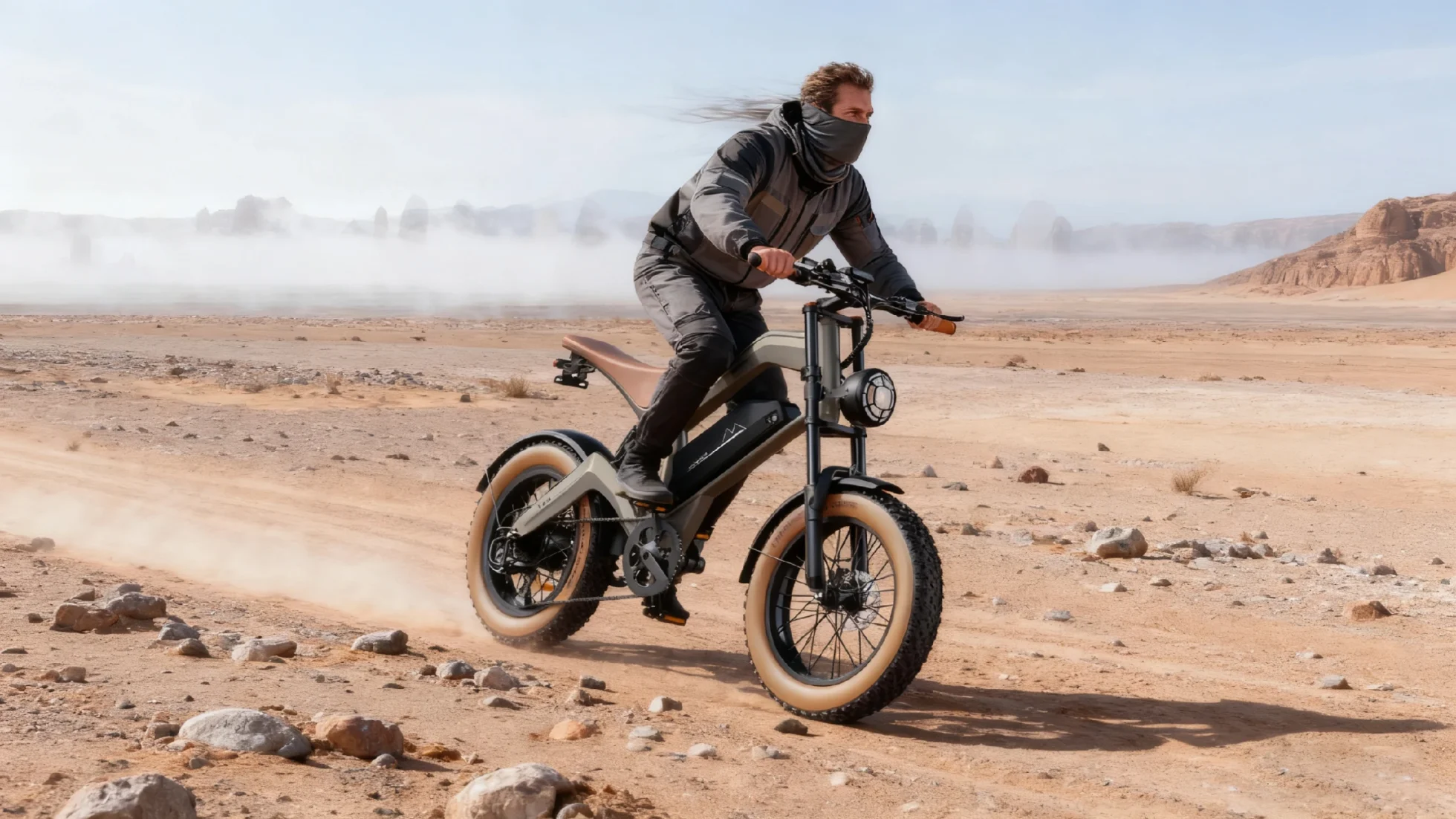
Turn the system off before cleaning. If the battery and display are designed to be removed, take them off only according to the manual and keep them somewhere dry. Close the charging-port cover, then inspect the seal for trapped grit before washing around it.
Bosch eBike Systems’ care guidance warns against steam jets and high-pressure cleaners because water can enter sensitive drive components. That advice is sensible even when a different motor system is fitted. Water resistance is not permission to aim concentrated pressure at connectors, bearing seals, displays, or motor covers.
- Do not submerge the bike, battery, charger, or display.
- Do not spray directly into the charging port or cable entries.
- Do not open a sealed motor or battery case for cleaning.
- Do not reconnect a battery while contacts are wet or dirty.
- Do not charge immediately if the battery or port still feels damp.
Use a dry, soft brush around electrical contacts. If a connector looks corroded, bent, cracked, or burnt, stop there. Cleaning cannot repair electrical damage, and guessing with contact sprays can make diagnosis harder.
Loosen Mud Before You Start Scrubbing

Thick mud should be softened, not attacked. Give the bike a gentle rinse from a normal garden hose or use water from a bucket and sponge. Keep the flow broad and low-pressure. Work from the upper frame toward the tyres so dirty water moves away from already cleaned areas.
Fat tyres hold surprising amounts of clay between the tread blocks. Rotate each wheel by hand and use a medium-soft brush to release the packed material. Stay aware of the brake rotor while you work. Sharp rotor edges and moving spokes are both good reasons to keep the bike switched off and stable.
- Brush away loose leaves, sand, and dried clumps.
- Wet one area at a time rather than soaking the entire bike.
- Apply a mild bike cleaner to the frame and tyres.
- Agitate the dirt with separate frame and drivetrain brushes.
- Rinse gently before the cleaner dries on the surface.
The current BikeRadar seven-step bike-cleaning method follows the same basic logic: loosen, wash, brush, rinse, and dry. On an e-bike, the extra discipline is protecting the electrical system and avoiding direct pressure.
Clean the Drivetrain Without Contaminating the Brakes
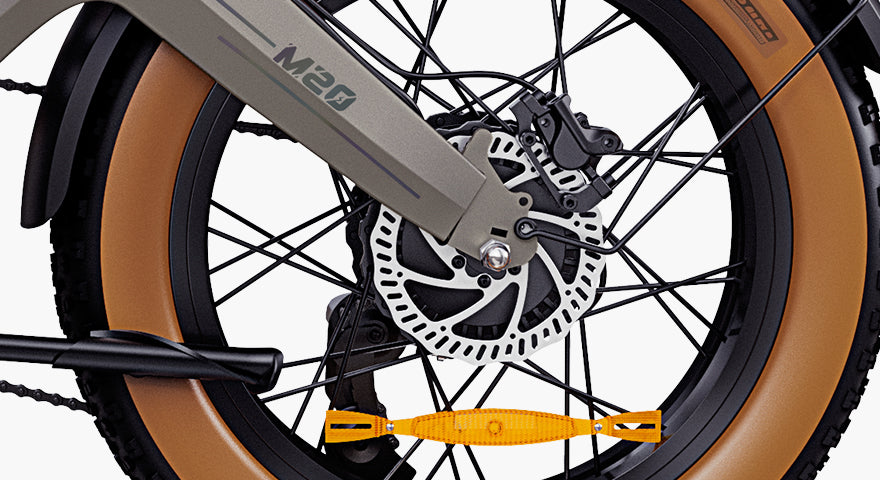
The chain, rear sprockets, and derailleur pulleys collect the darkest grime. Use a drivetrain-specific brush and a bicycle-safe degreaser, keeping the product controlled rather than spraying it across the rear wheel. A piece of clean cardboard can shield the rotor while you work, but it does not replace careful application.
Park Tool’s chain-cleaning instructions explain why the chain should be dried before fresh lubricant is applied. Add lubricant to the chain rollers, let it settle, then wipe away the excess. The outside of the chain does not need to look wet.
Brake rotors and pads need a cleaner working environment. Do not use chain degreaser, polish, silicone spray, or general lubricant near them. If the brake lever suddenly feels soft, the rotor is visibly bent, or braking remains weak after the bike is dry, leave the bike parked and arrange a proper inspection.
| Area | Safe approach | Avoid |
|---|---|---|
| Chain and sprockets | Targeted degreaser, brush, full drying, light relubrication | Flooding the motor or rotor |
| Brake rotors | Clean dedicated cloth and approved brake cleaner if needed | Oil, polish, silicone, dirty drivetrain rags |
| Fork stanchions | Soft damp cloth, wipe around the seals | Hard scrubbing or pressure at the seals |
| Tyres | Brush between tread blocks and inspect for cuts | Solvents that can attack rubber |
Dry the Bike and Turn Cleaning Into an Inspection
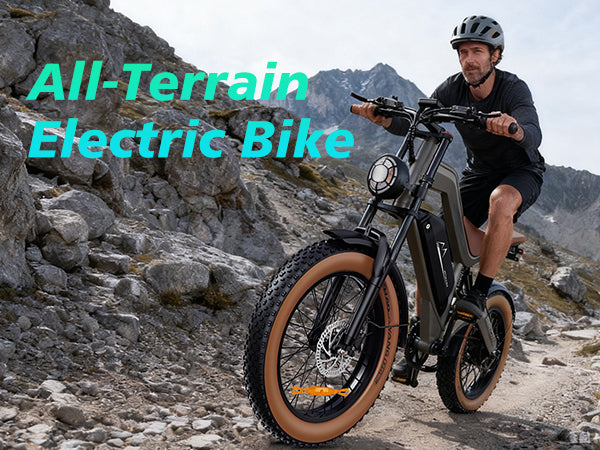
Drying is when the useful details appear. Wipe the frame, fork, wheels, and controls with clean cloths. Let water drain from low points, then inspect the battery mount, cable entries, lights, tyre sidewalls, spokes, brake hoses, and fasteners.
Spin each wheel by hand. It should rotate without a new scrape, wobble, or grinding sound. Squeeze both brake levers while the bike is stationary, then check tyre pressure against the tyre sidewall and the bike manual. The related fat-tire e-bike pressure guide explains why pressure should be reset for the next surface rather than guessed from appearance.
Once everything is dry and correctly reassembled, switch the bike on and perform a short, low-speed check in a controlled area. Confirm the display, lights, assist response, steering, and both brakes before returning to a trail. The fat-tire suspension setup guide is a useful next read if cleaning reveals fork dirt rings, unusual sag, or a change in ride feel.
Where the DYU M20 Fits This Cleaning Routine
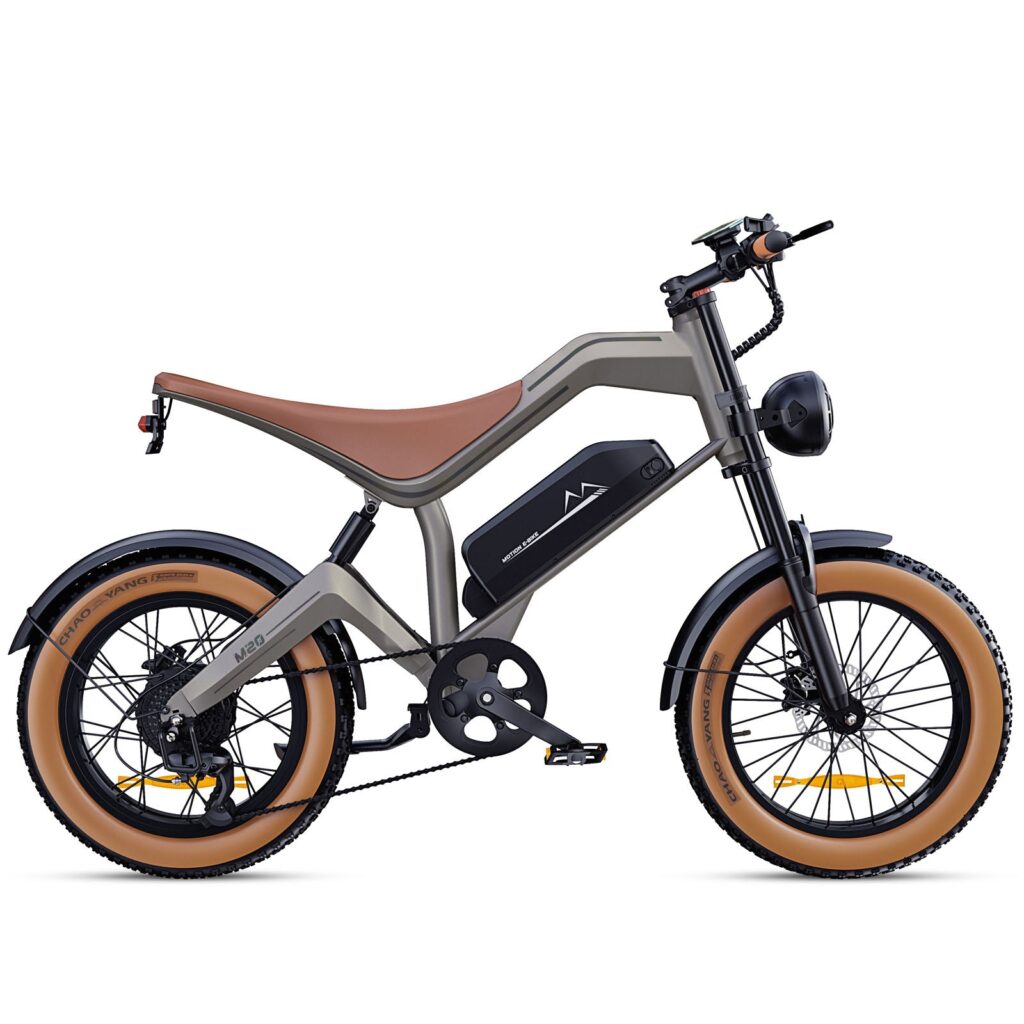
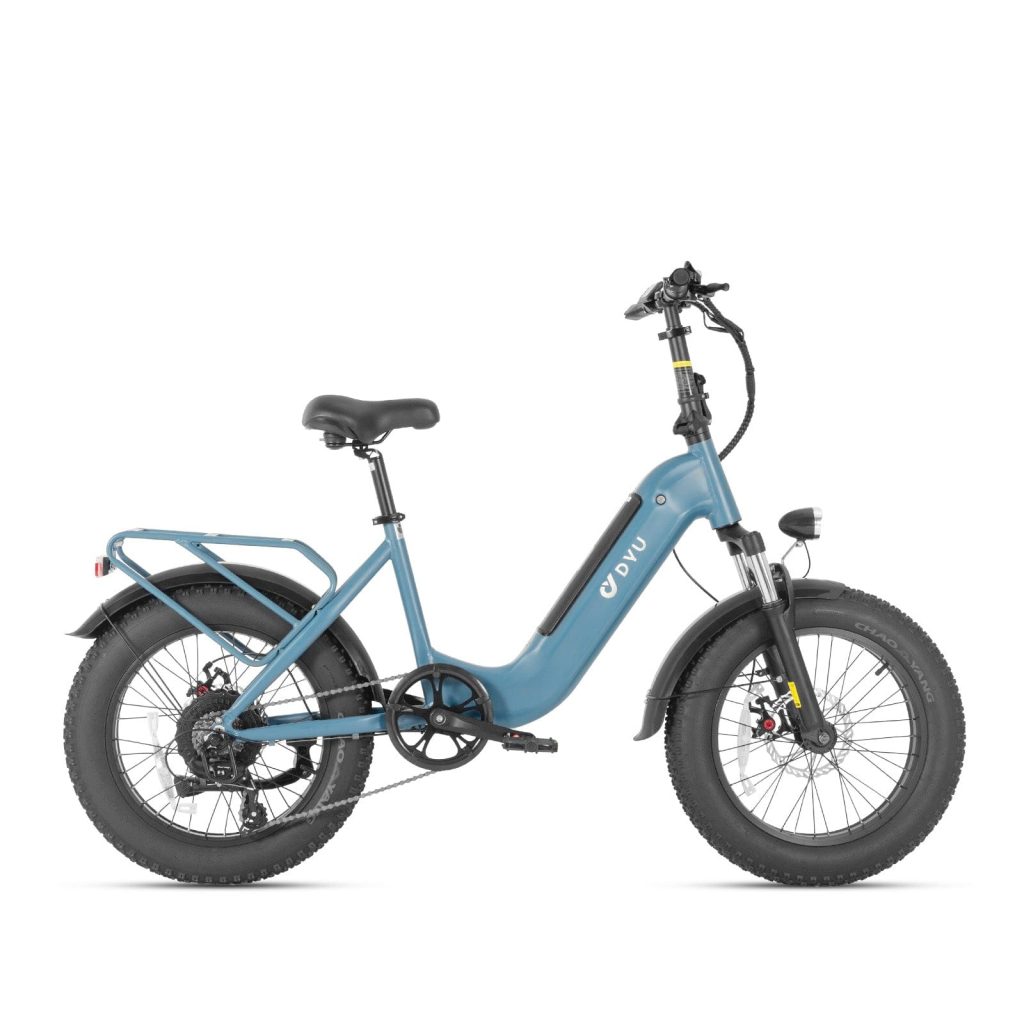
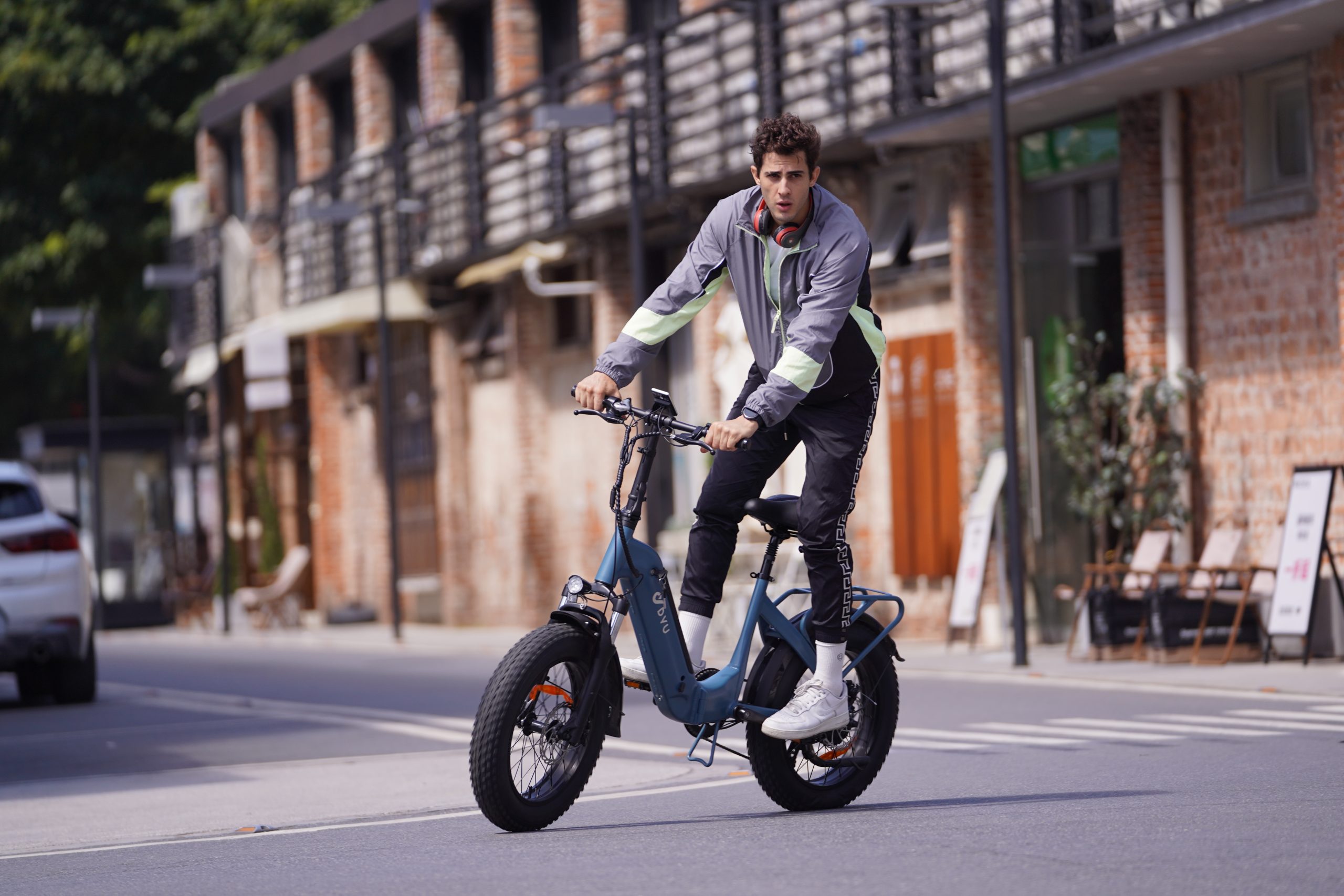
The DYU M20 All-Terrain Long-Range Electric Bike is exactly the kind of machine that benefits from a calm post-ride wash. Its fat tyres are nominally about 51 cm in diameter and 10 cm wide, while the front suspension, rear motor area, chain drive, and hydraulic disc brakes can all collect mud after gravel or light off-road riding.
The M20 uses a 48V 18.2Ah battery, is listed with up to 160 km of pedal-assist range, and weighs 39 kg. At the time of writing, it is listed at €949, down from the regular €1,399. The product page also states that this configuration is for off-road use rather than public roads or streets.
Its honest cleaning tradeoff is weight. A 39 kg bike is not something most riders should casually lift, flip upside down, or balance against a weak fence. Keep it upright, stable, and supported while you rotate the wheels by hand. If mud has reached a cable opening, damaged cover, or battery contact, stop at gentle cleaning and ask for technical help.
Common Cleaning Mistakes That Create New Problems
- Using pressure as a shortcut: it can drive water and grit past seals.
- Washing while the system is active: moving controls and electronics add avoidable risk.
- Using one rag everywhere: drivetrain oil can contaminate the braking surfaces.
- Leaving the chain wet: surface corrosion and noisy running can follow.
- Charging too soon: the bike and charging port should be clean and dry first.
- Skipping the final test: cleaning can reveal, or occasionally disturb, a loose part.
For broader service planning, the e-bike maintenance checklist covers the jobs that belong outside a quick wash. Cleaning is inspection time, not a substitute for brake, wheel, drivetrain, or electrical service.
A Five-Minute Post-Ride Finish
Once the full wash is complete, build a shorter habit for future rides:
- Wipe mud from the fork, frame, and battery area before it hardens.
- Brush the tyre tread and check for cuts or embedded debris.
- Dry the chain and remove obvious grit.
- Squeeze both brakes and spin both wheels.
- Store the bike dry, then charge only in a suitable monitored area.
The bottom line is restraint. Gentle water, patient brushing, separate cloths, and a proper drying check protect more than a powerful spray ever will.
FAQs
Q1. Can I pressure-wash a fat-tire e-bike?
A high-pressure cleaner is a poor choice because concentrated water can enter seals, bearings, connectors, displays, and drive components. Use low-pressure water, a bucket, sponge, and suitable brushes instead.
Q2. Should I remove the e-bike battery before cleaning?
If the battery is designed to be removed, switch the system off and follow the manual before taking it out. Keep the battery dry, protect the contacts, and do not reinstall it until the mount and connectors are clean and dry.
Q3. How do I clean mud from fat e-bike tyres?
Rotate the wheel by hand and loosen packed mud with a medium-soft brush. Rinse gently, inspect the tread and sidewalls, then set pressure for the next ride according to the tyre and bike guidance.
Q4. Can chain cleaner damage e-bike disc brakes?
Yes, overspray or a dirty rag can contaminate rotors and pads. Apply drivetrain cleaner carefully, shield the rotor if useful, and keep separate tools and cloths for the braking system.
Q5. How long should an e-bike dry before charging?
There is no universal time because temperature, airflow, and how wet the bike became all matter. Charge only when the battery case, charging port, contacts, and surrounding areas are fully clean and dry.