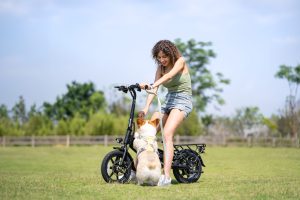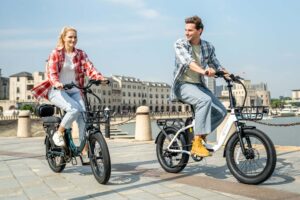
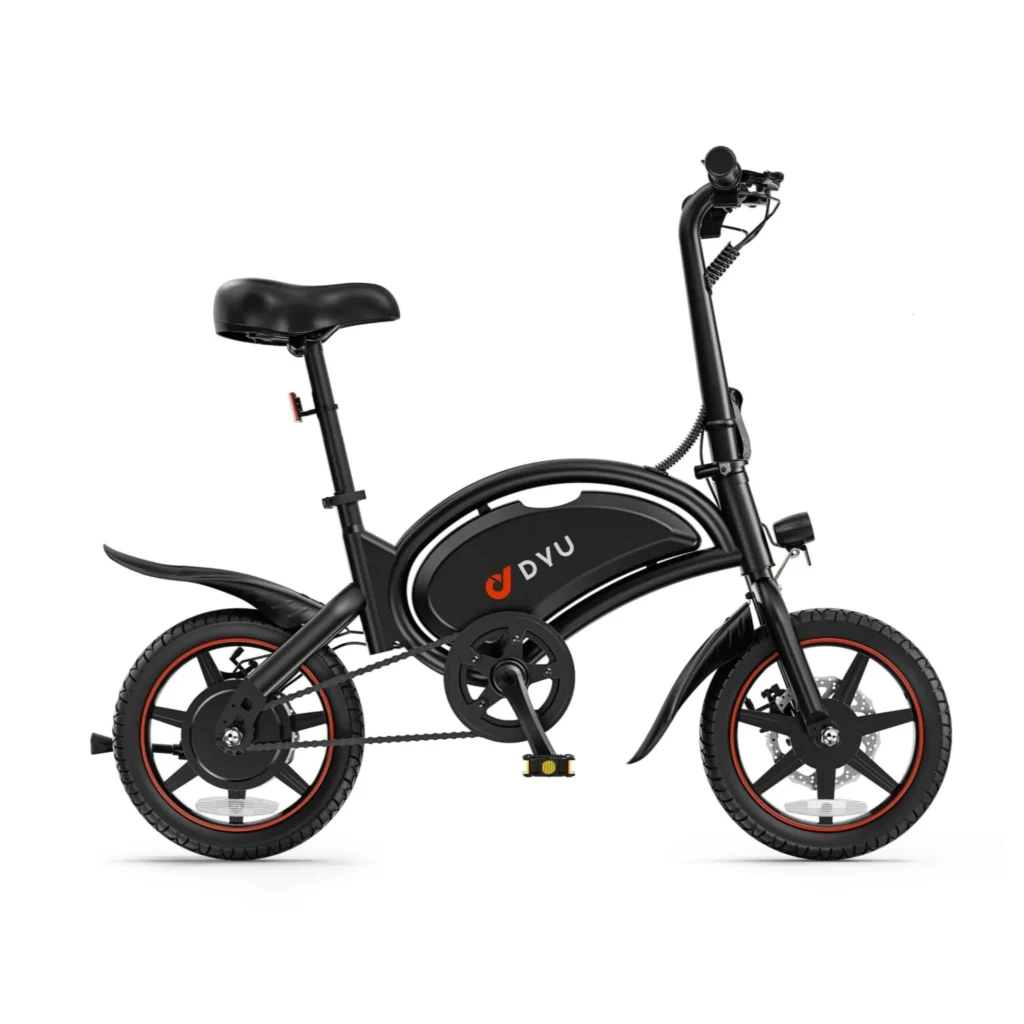
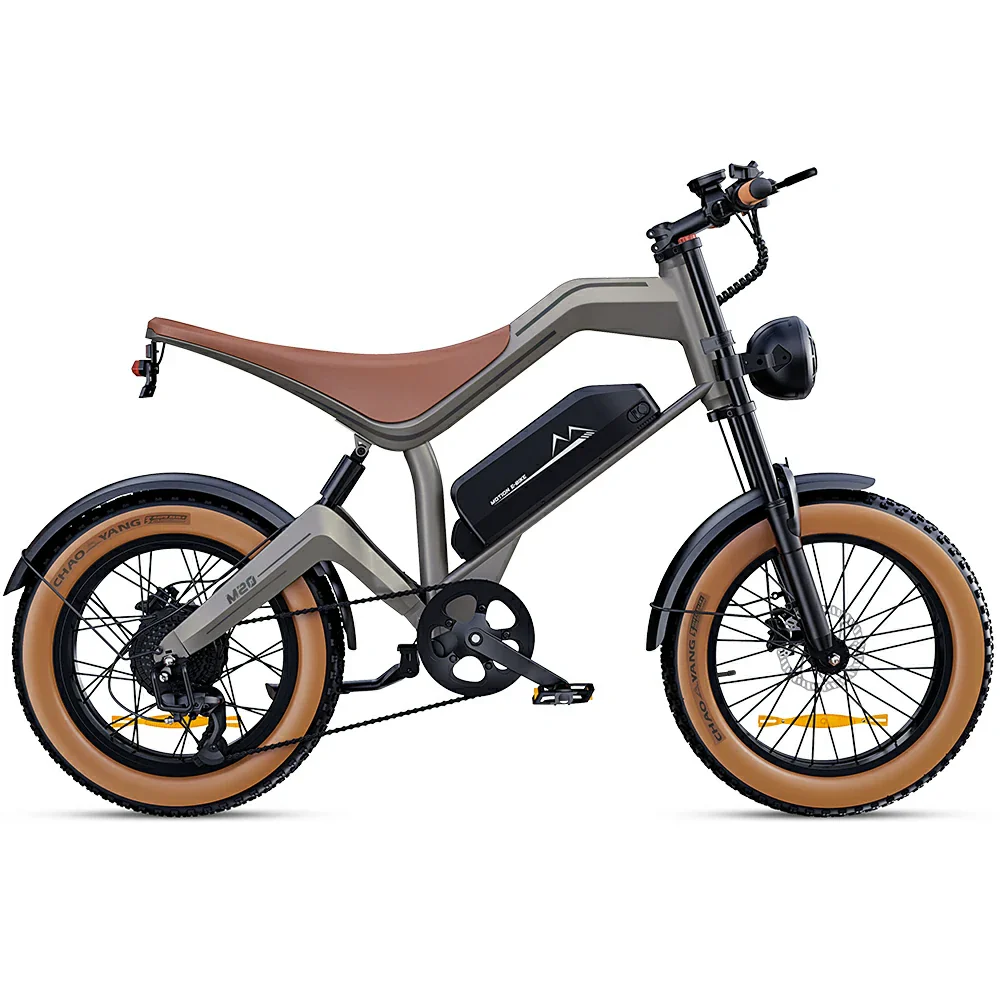
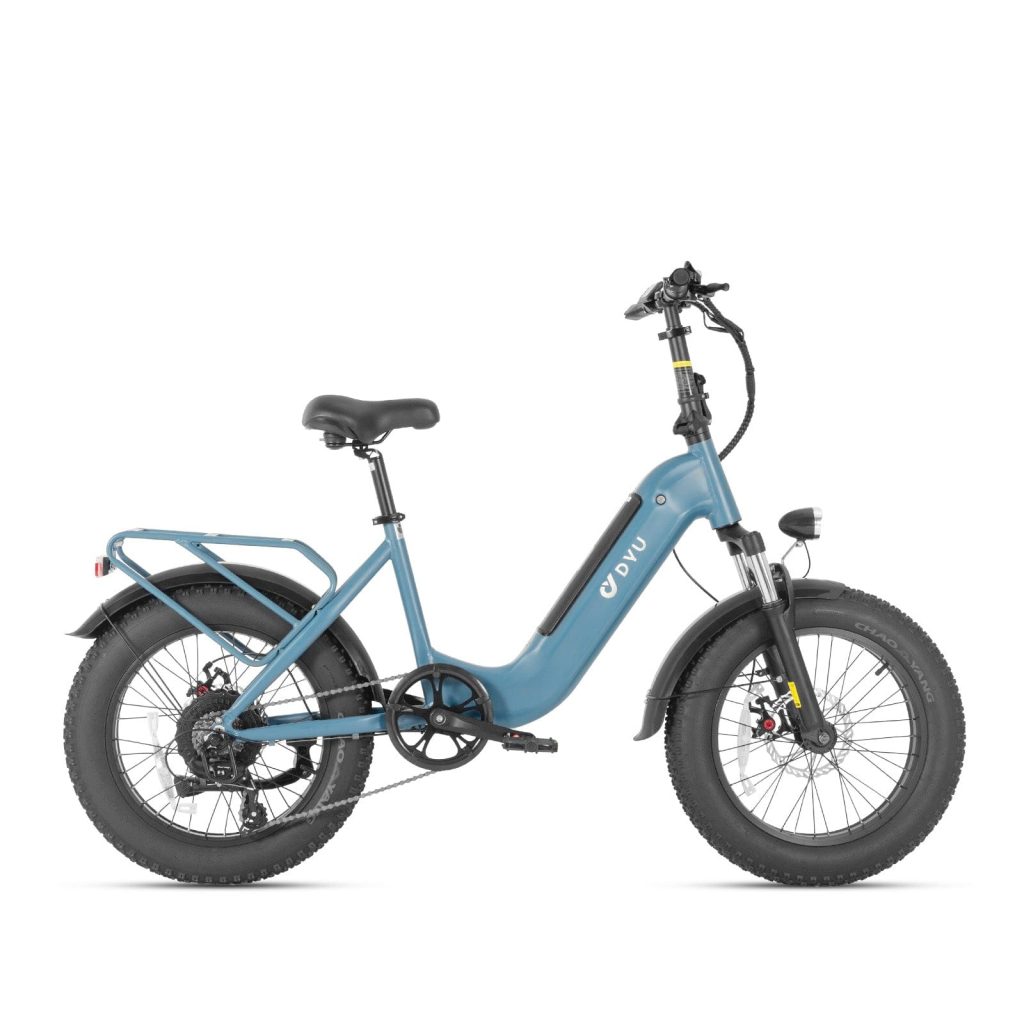
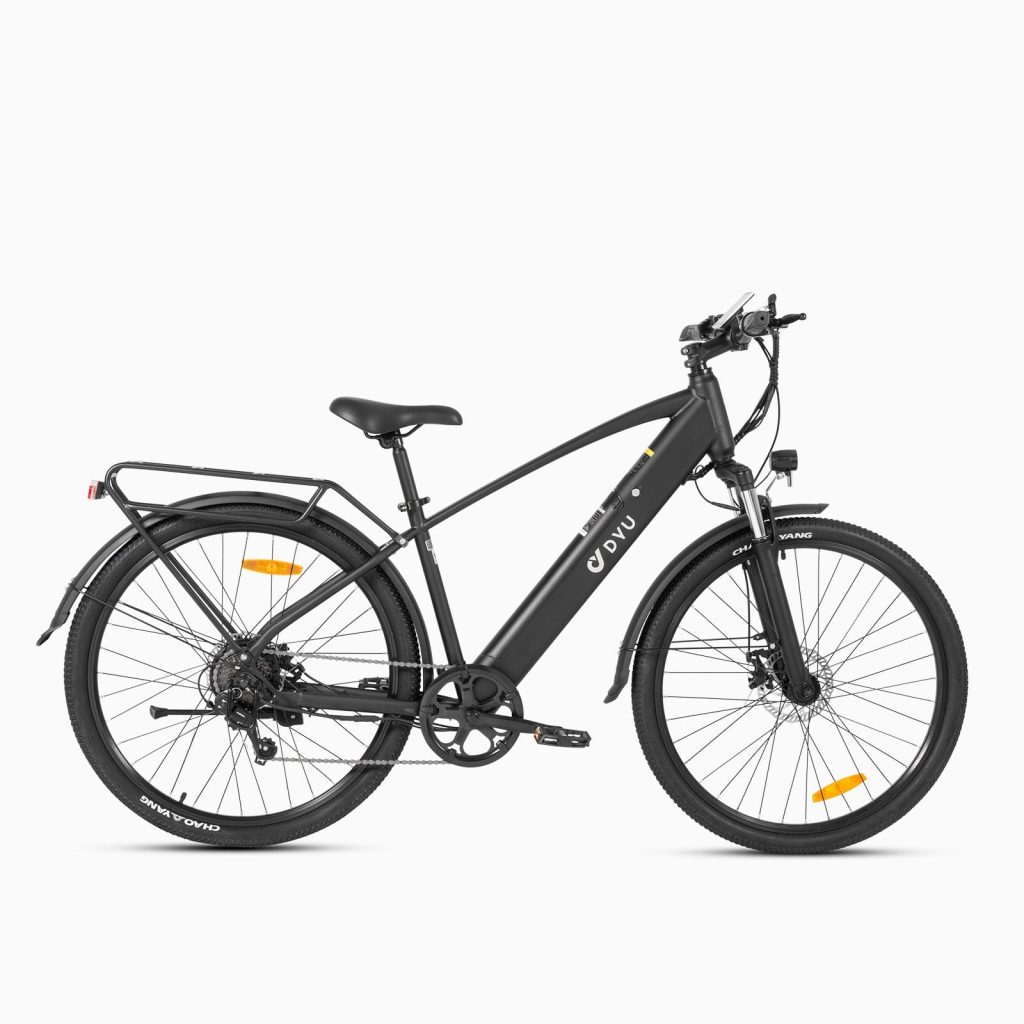
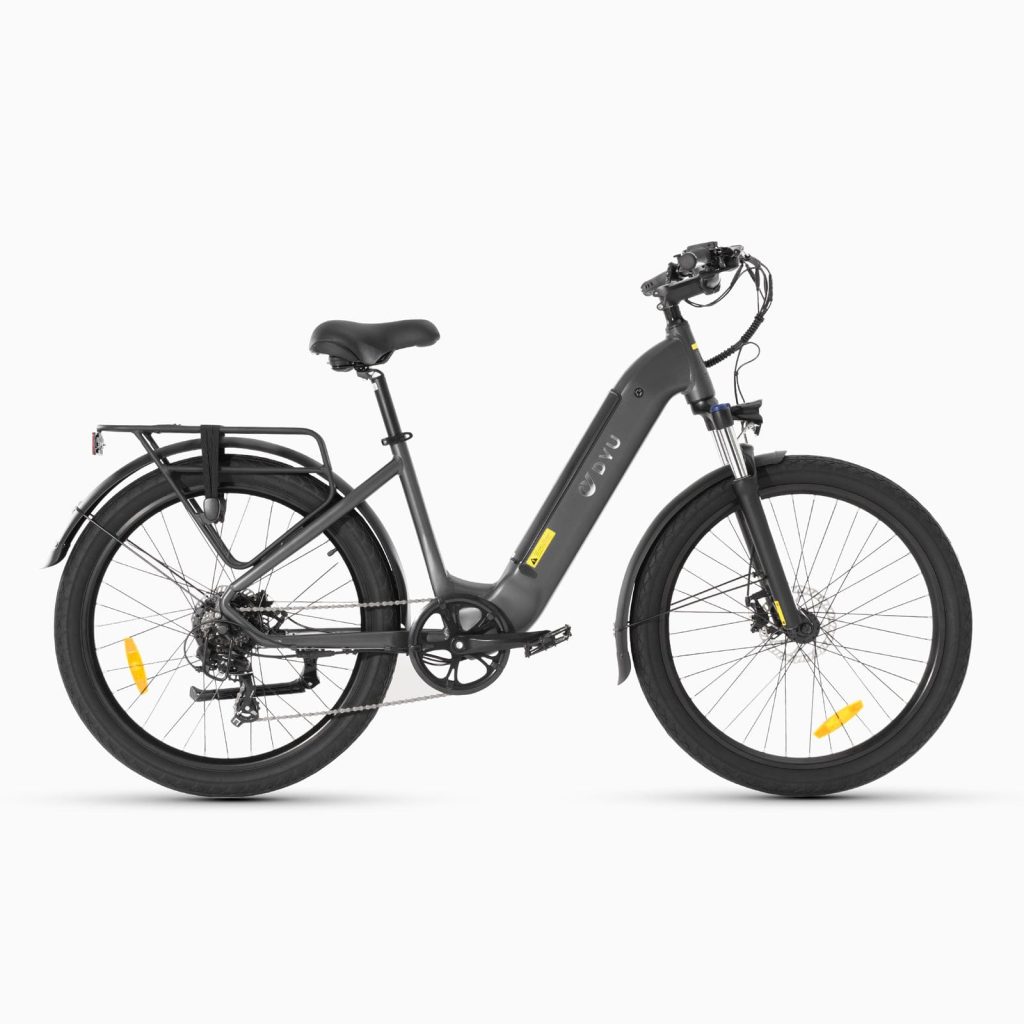
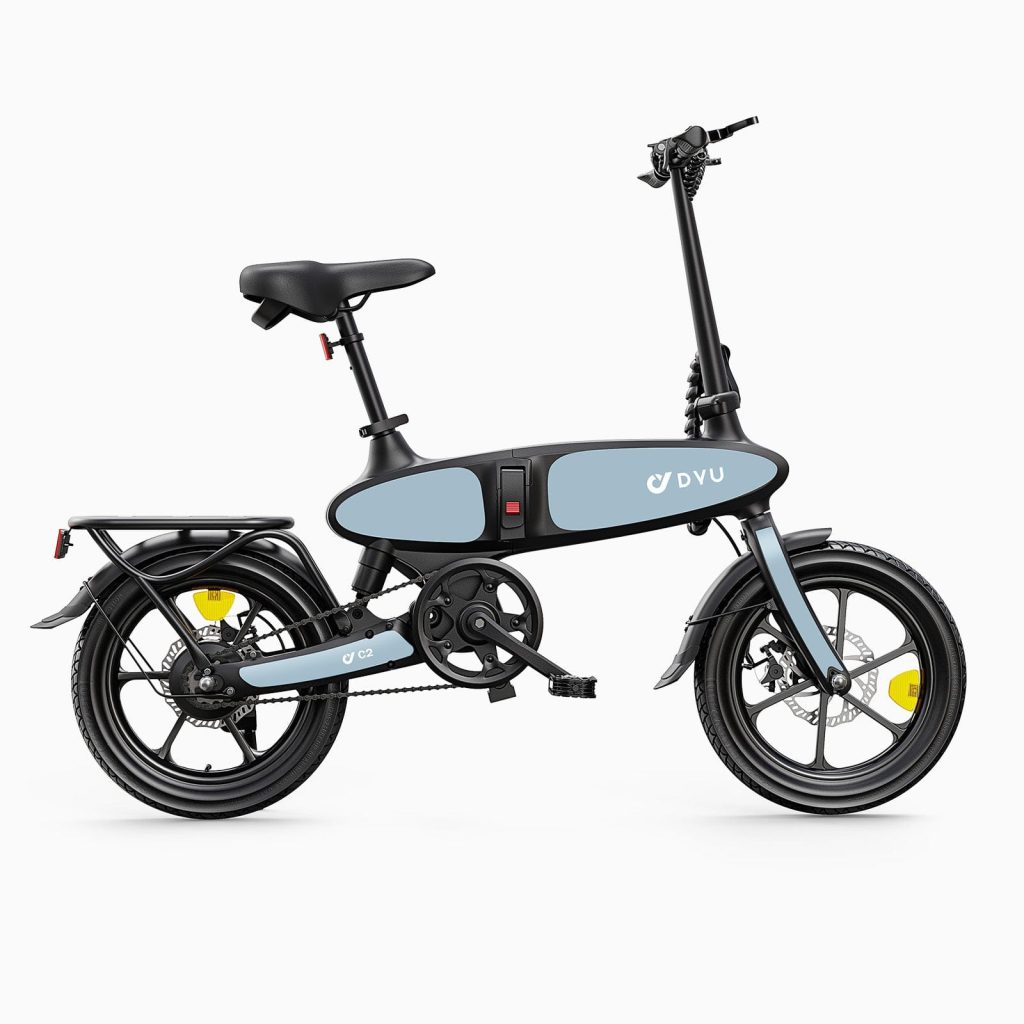
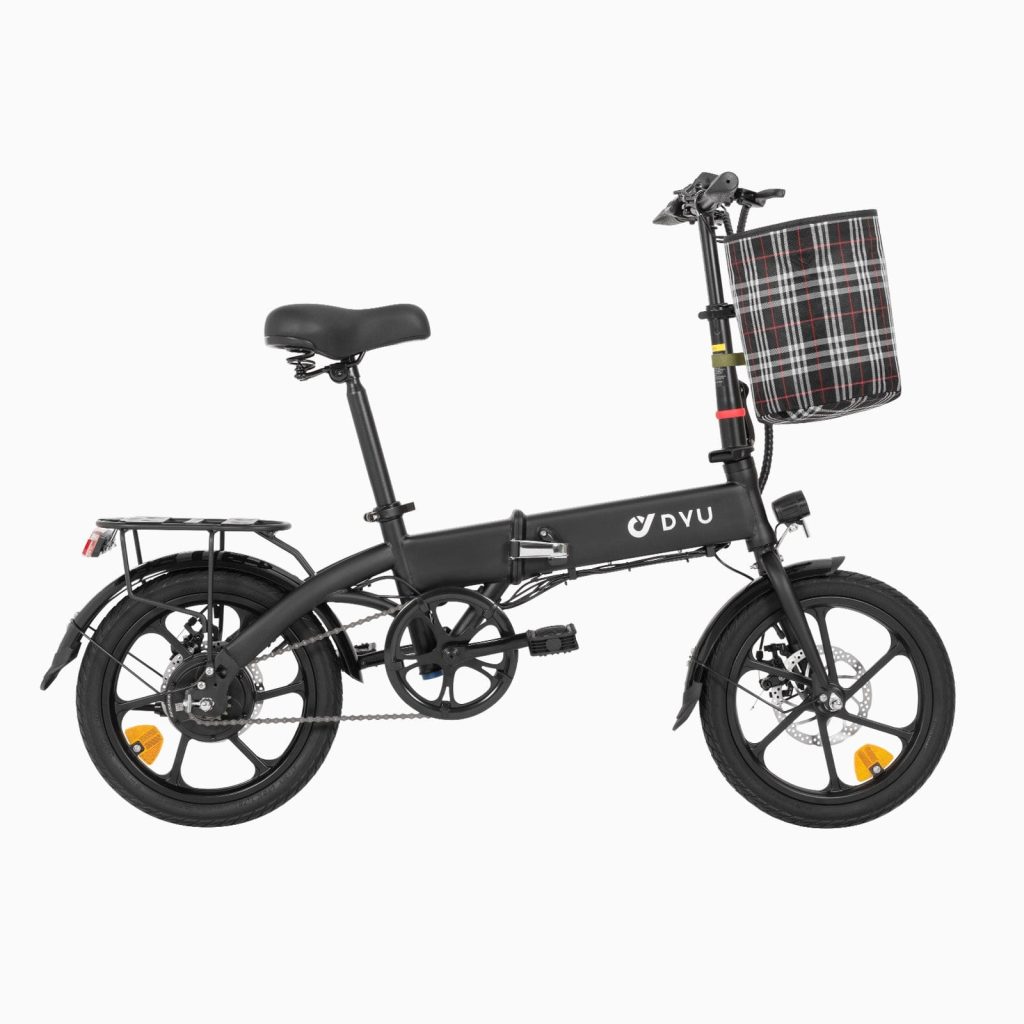


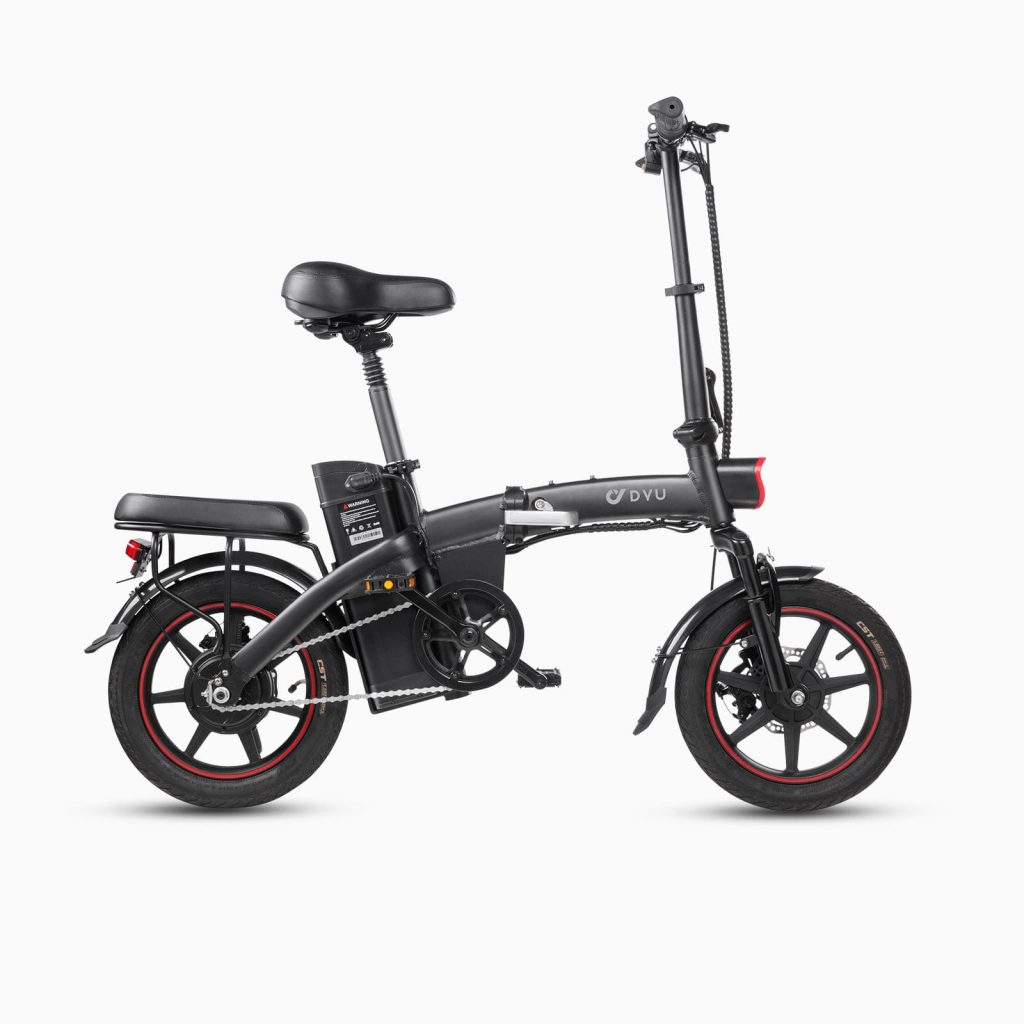
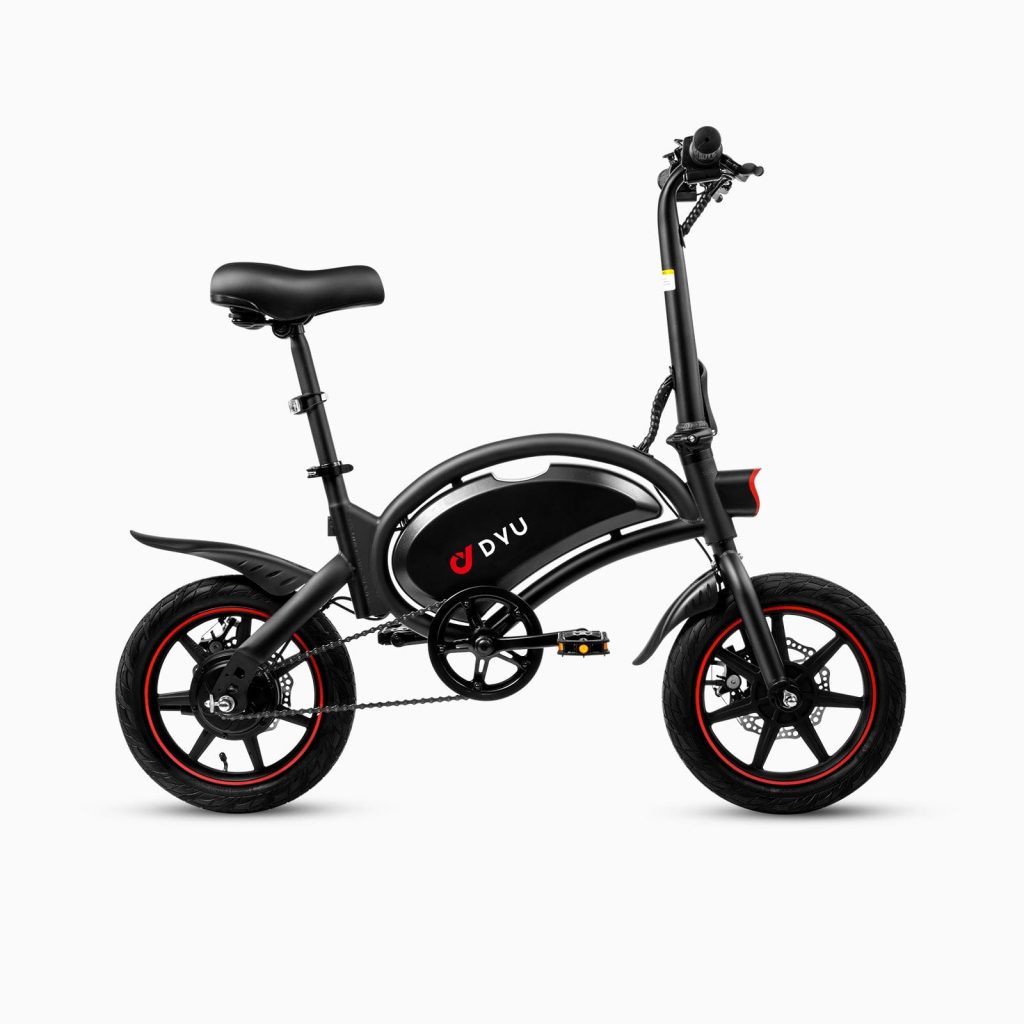
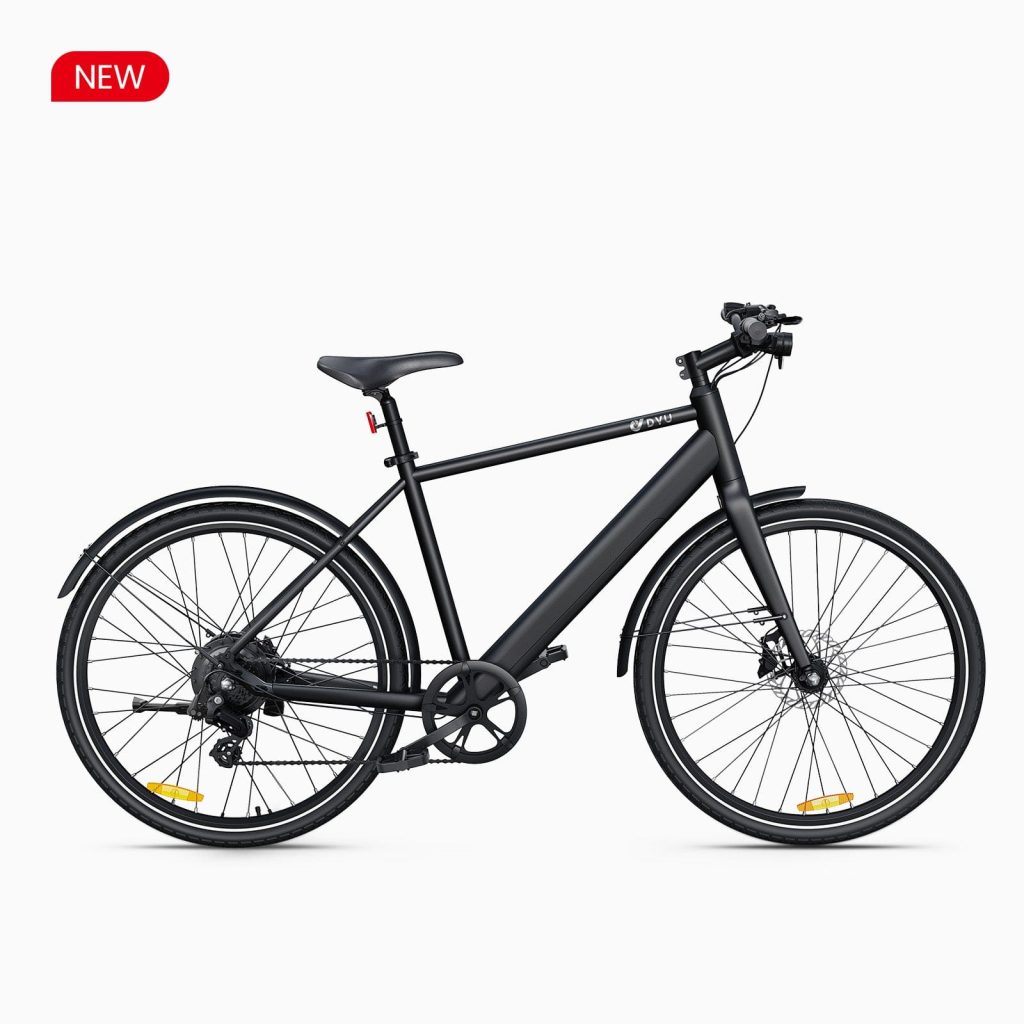


E-bike for students is a practical question before it is a style question. A campus bike has to survive small rooms, shared stairwells, wet mornings, late library rides, crowded racks, and the boring reality of charging near a safe socket.
I would not start with motor power. I would start with the week. How far is the ride, where will the bike sleep, what happens when it rains, and can the rider move it without turning every class change into a workout?
E-Bike for Students Starts With Storage
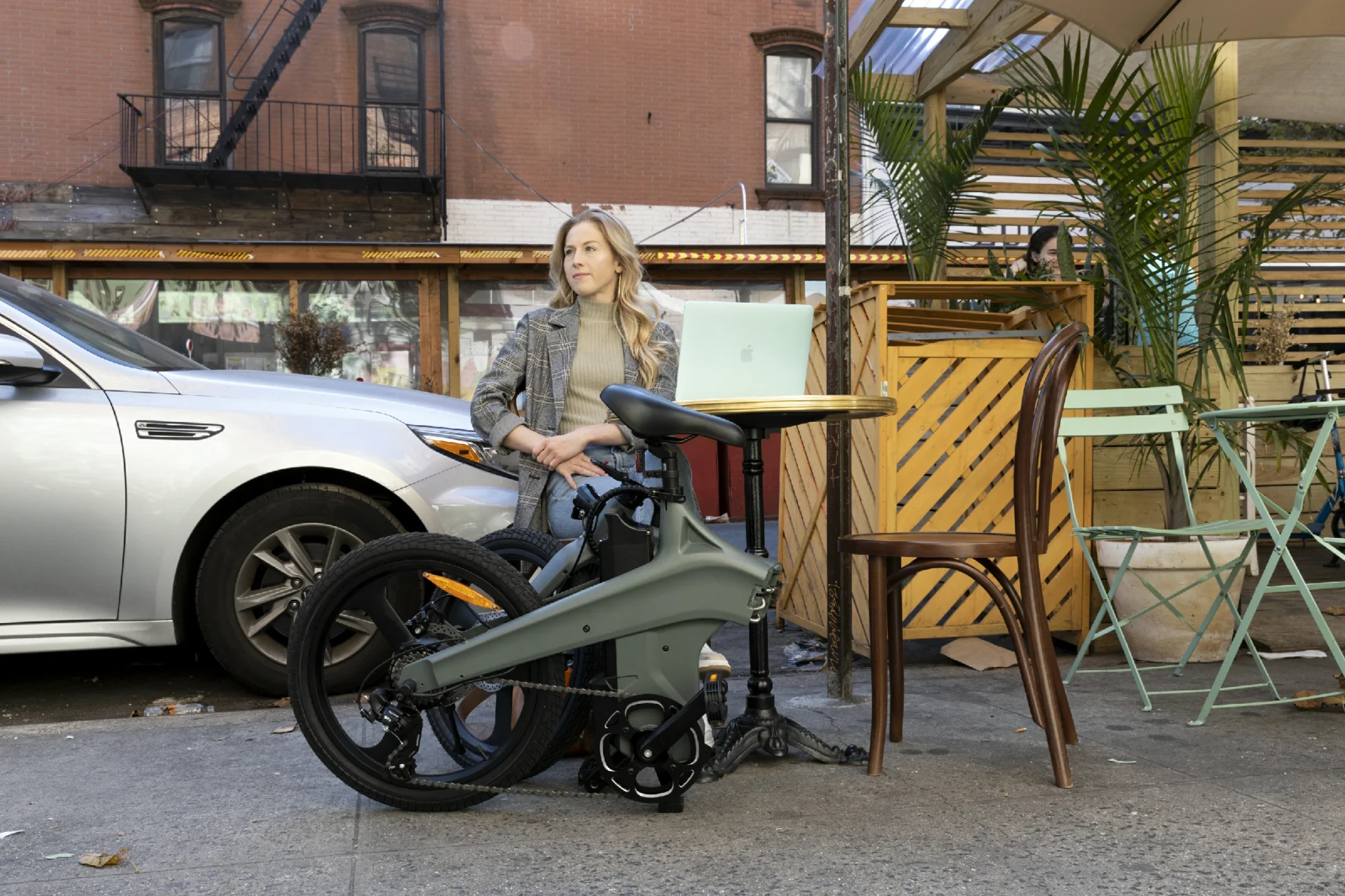
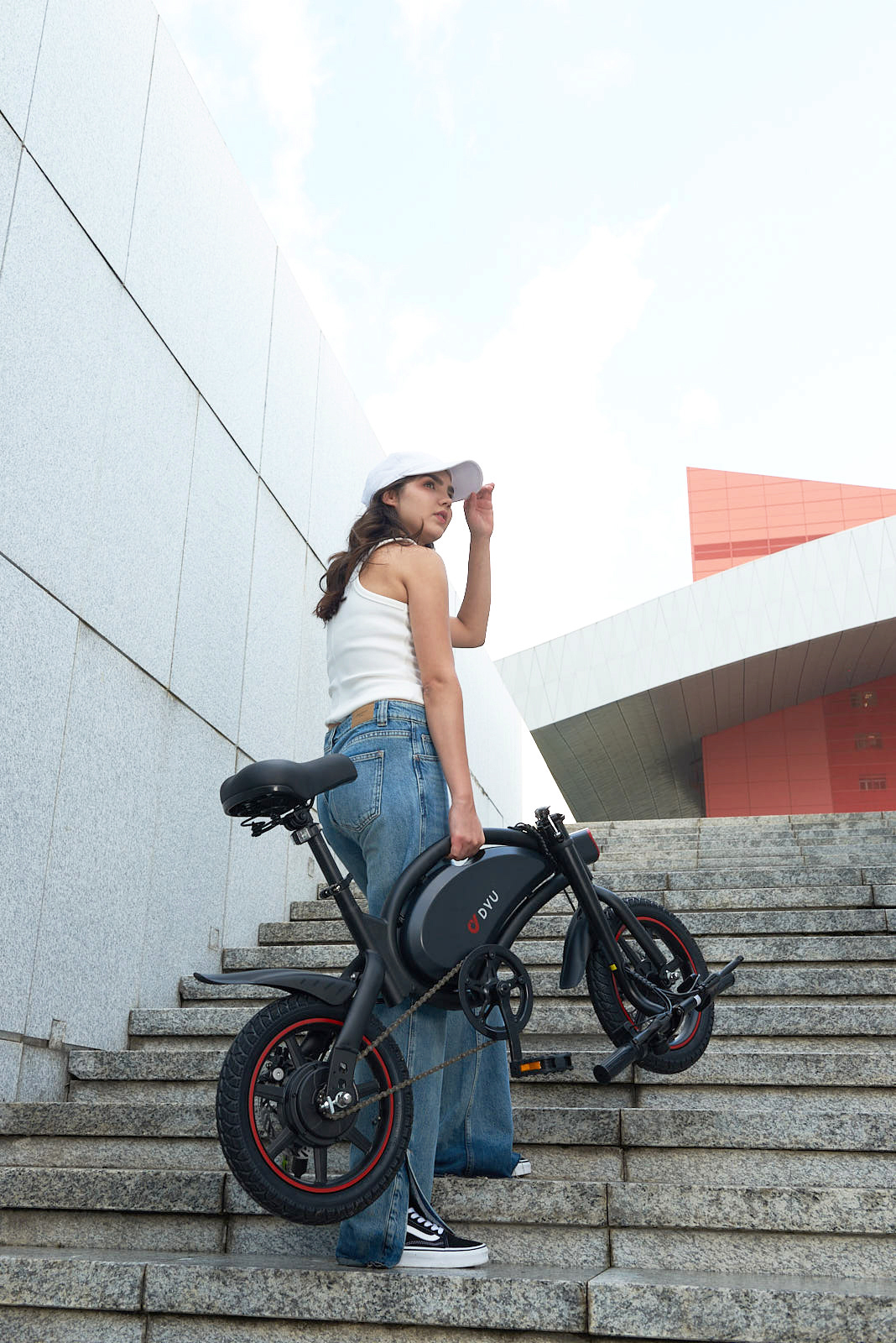
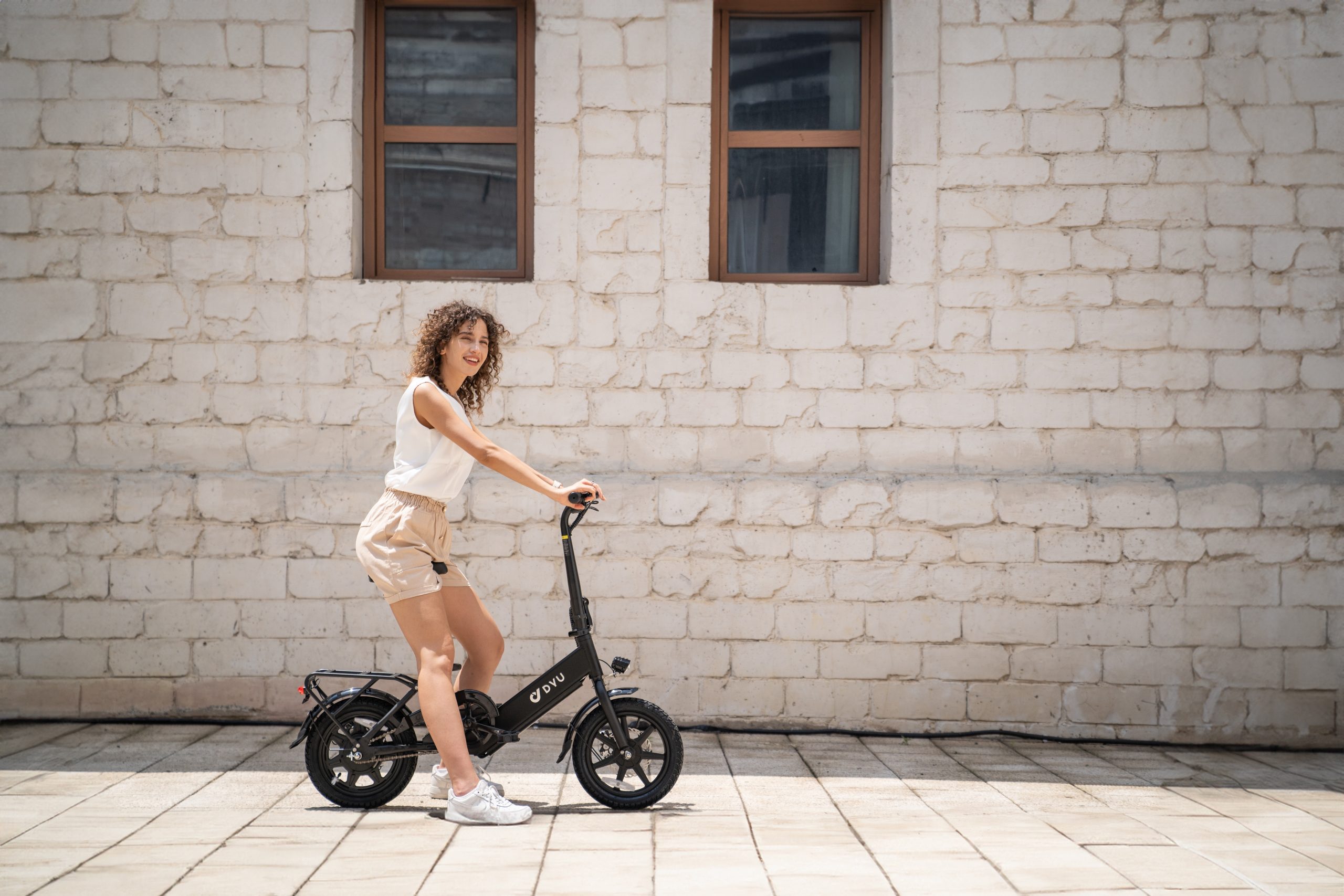
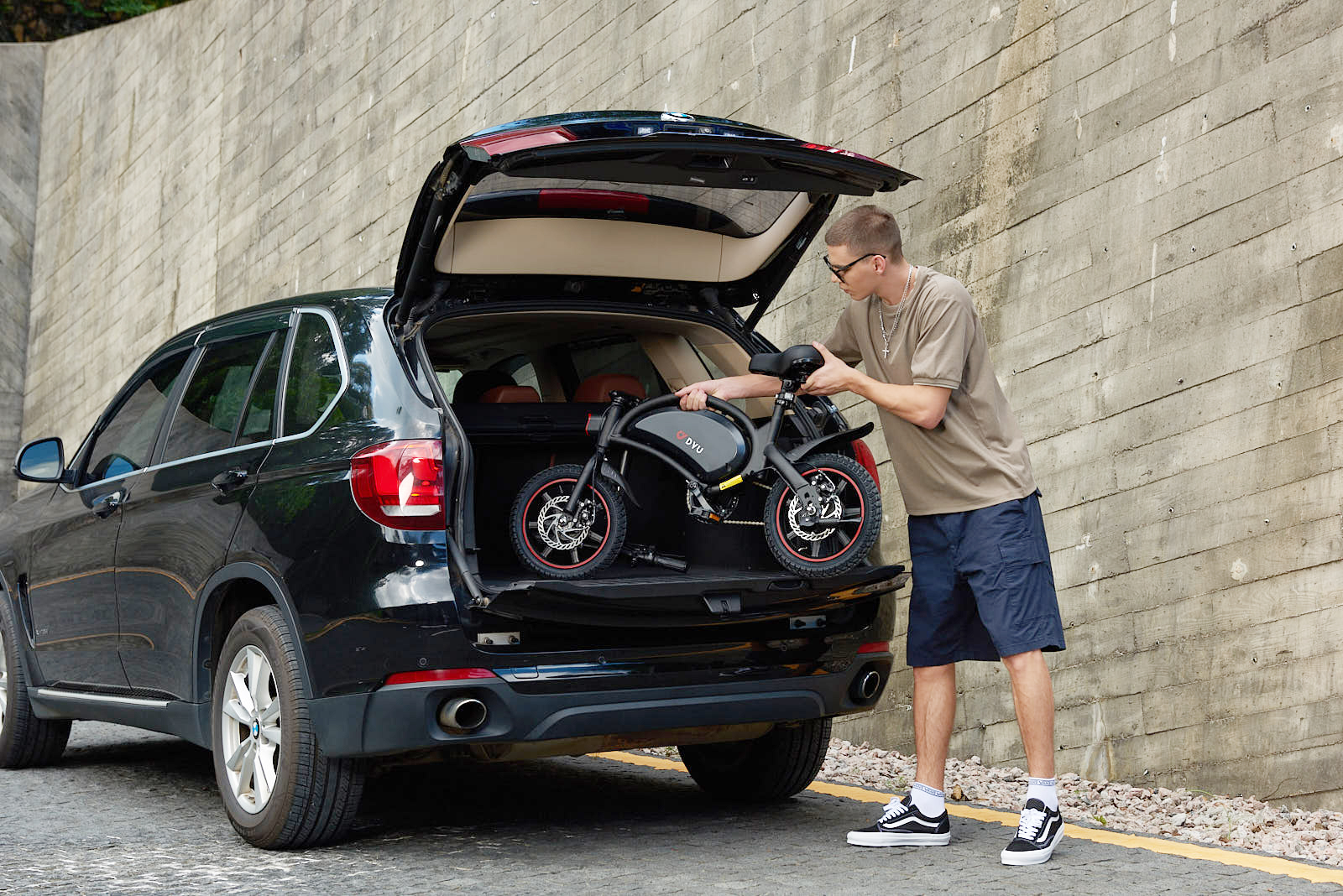
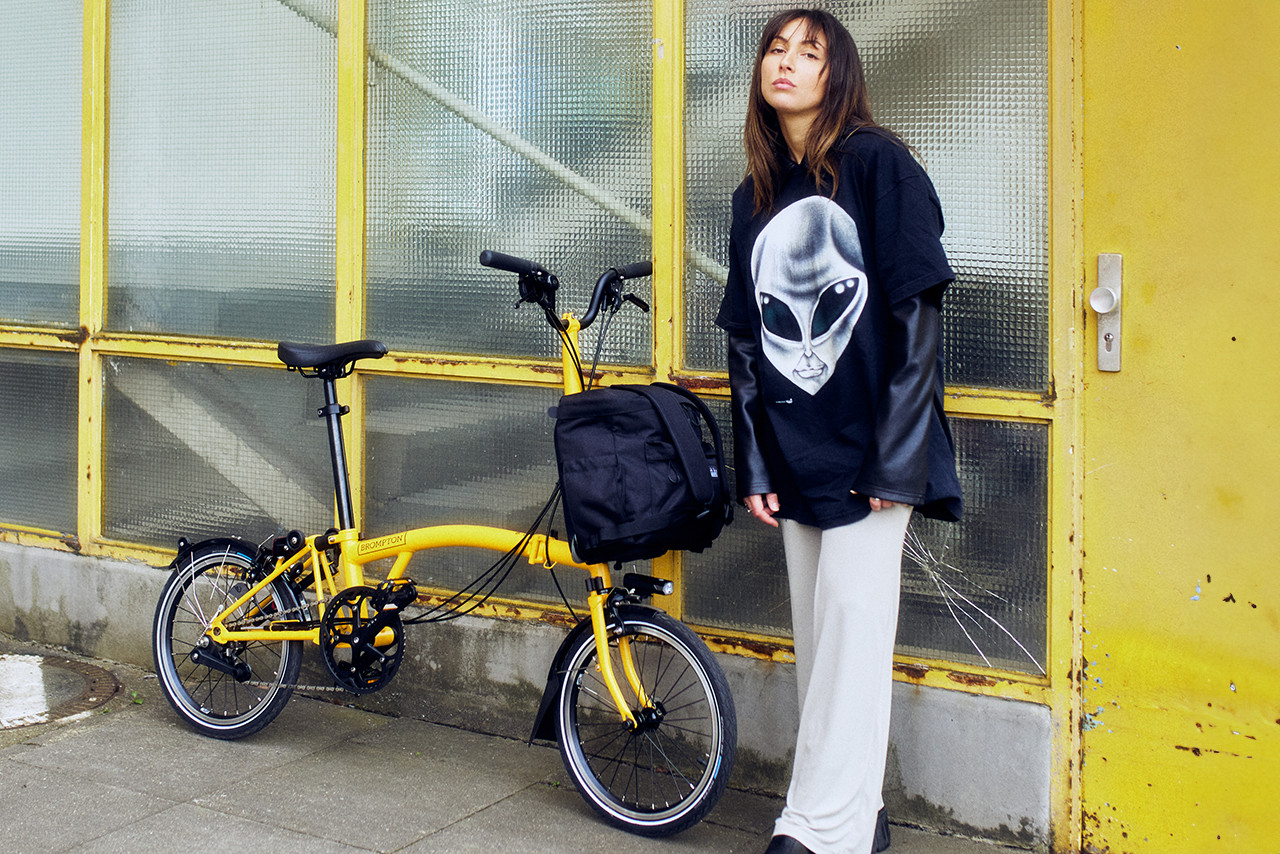
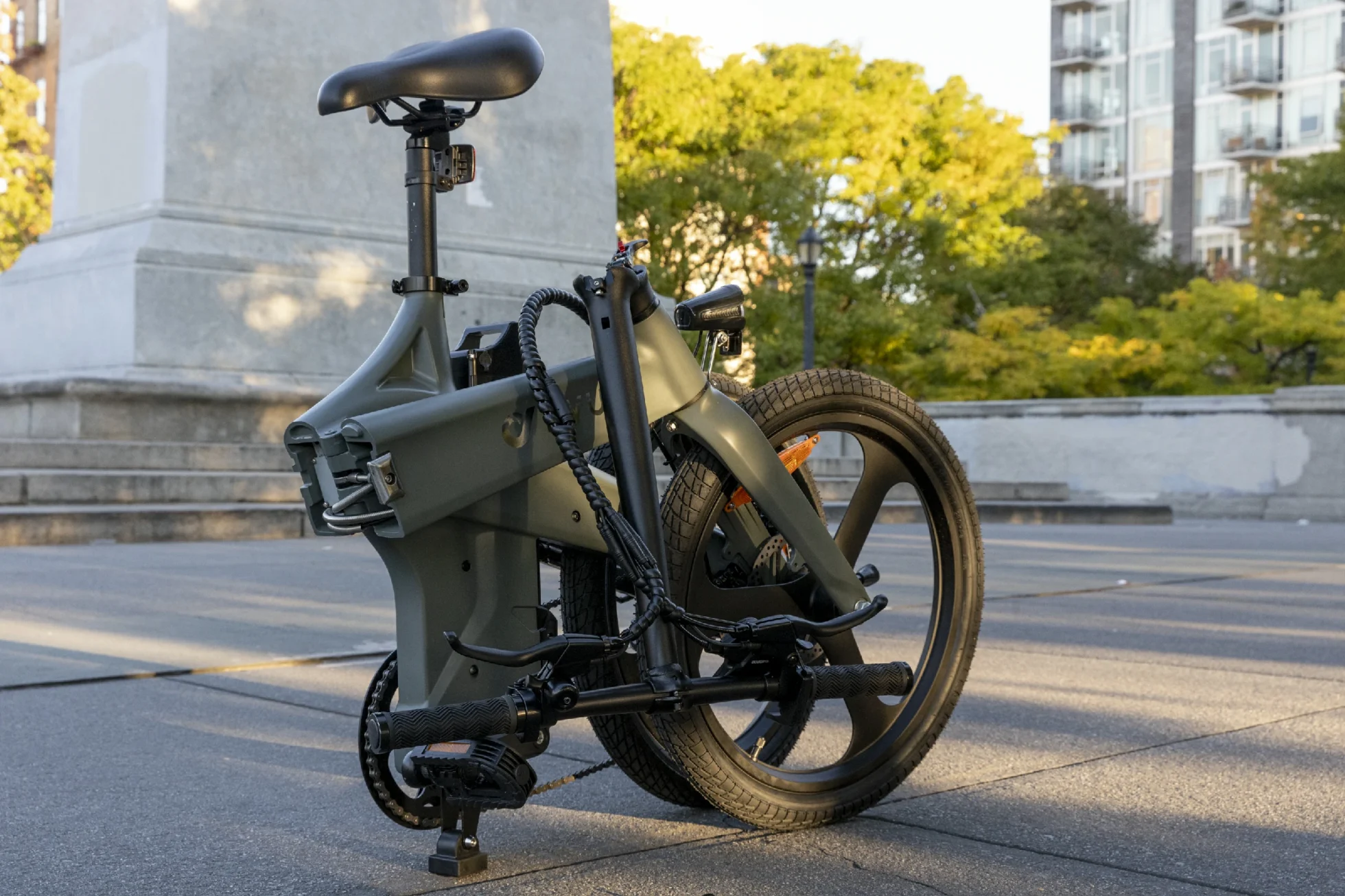
A student e-bike needs a parking plan before it needs a wish list. If the building has a lift, secure indoor storage, or a ground-floor bike room, a heavier full-size bike may be fine. If the bike has to fit beside a desk, under a stairwell, or in a small flat, folding size and weight become serious specs.
| Student need | What to check | Why it matters |
|---|---|---|
| Room storage | Folded footprint, handlebar position, and pedal clearance | A bike that blocks a door will not be welcome for long |
| Campus racks | Frame shape and lock access | Good lock points make short stops less stressful |
| Shared buildings | Weight and whether the bike rolls folded | Stairs and narrow corridors punish heavy choices |
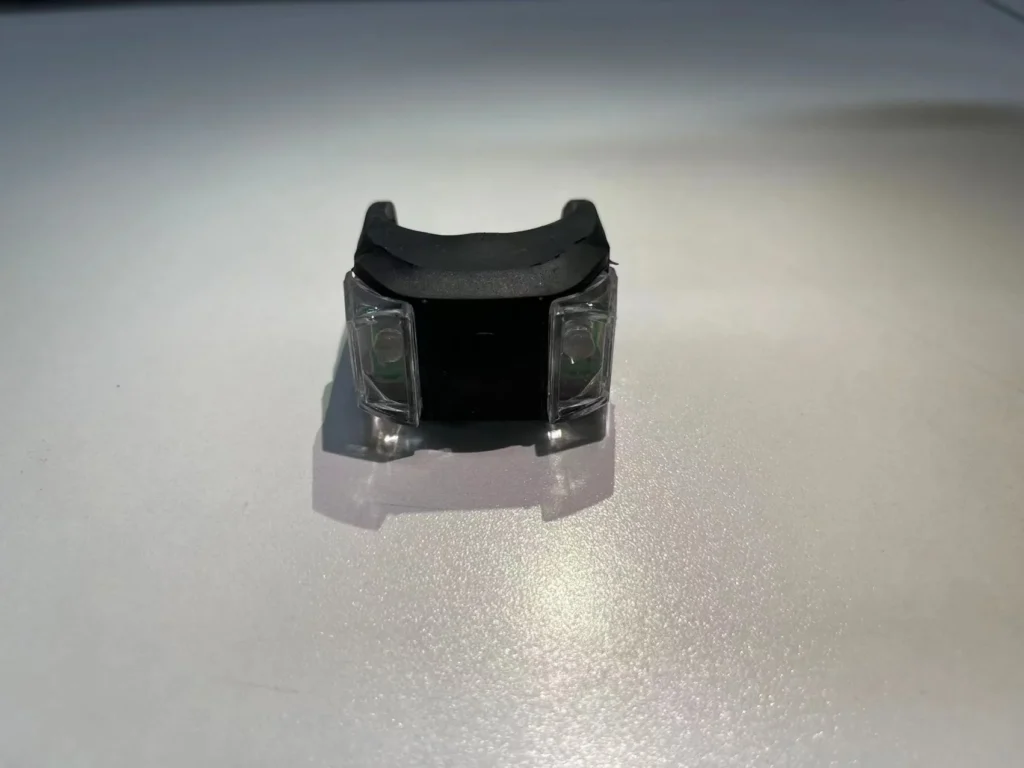
| Evening rides | Front and rear lights | Visibility matters after lectures, work shifts, and library sessions |
| Weekly charging | Battery access and safe charging spot | Charging should fit the routine, not become a daily argument |
BikeRadar’s e-bike explainer is useful because it separates the basic parts of an electric bike from the marketing noise. For student use, the practical details usually decide more than the biggest headline number.
Measure the Real Campus Route
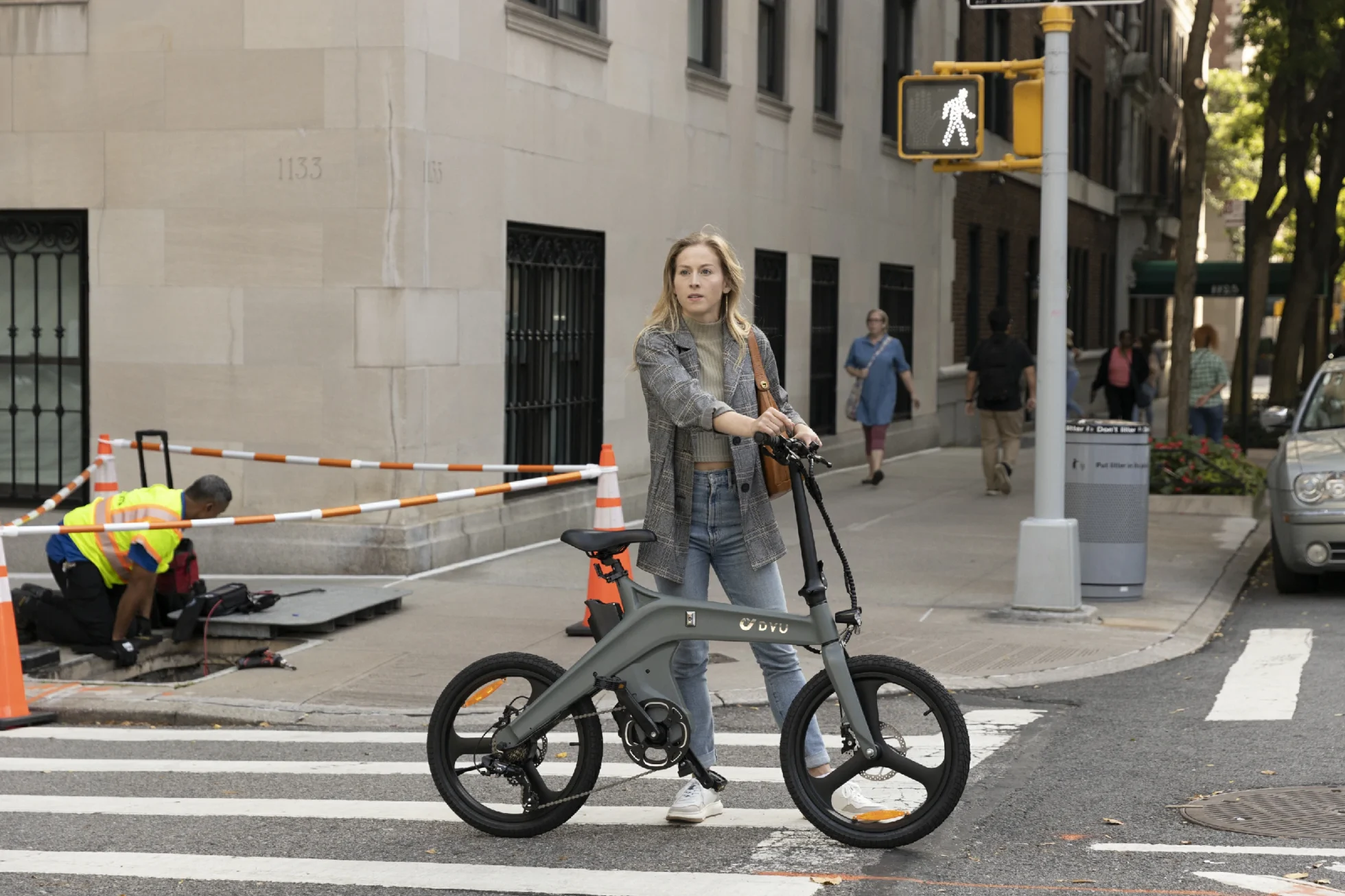
A campus route often looks short on a map and longer in real life. Add the ride to class, the supermarket detour, the train station, the part-time job, and the late ride home when the weather has changed. A 3 km trip can become a 15 km day without feeling like a long-distance commute.
Tom’s Guide’s first e-bike shopping checklist makes a simple point that applies here: the right bike depends on where it will be ridden. A student should think about pavement quality, kerbs, hills, tram tracks, cobblestones, bike lanes, and whether the route gets busy at the same time every morning.
For Europe, I would also keep the assist speed and motor rating sensible. A 25 km/h assist limit and 250W pedelec-style setup fits many normal city routines better than chasing speed that creates rule, storage, and safety questions.
Campus rules can be surprisingly local. Some residences allow bikes in rooms but not batteries in shared corridors. Some campuses require bikes to use specific racks. Some libraries or lecture halls have strict rules about folded bikes indoors. Ask those boring questions before buying, because a technically good bike becomes frustrating if the place where you study makes it hard to park or charge.
Budget Beyond the Purchase Price
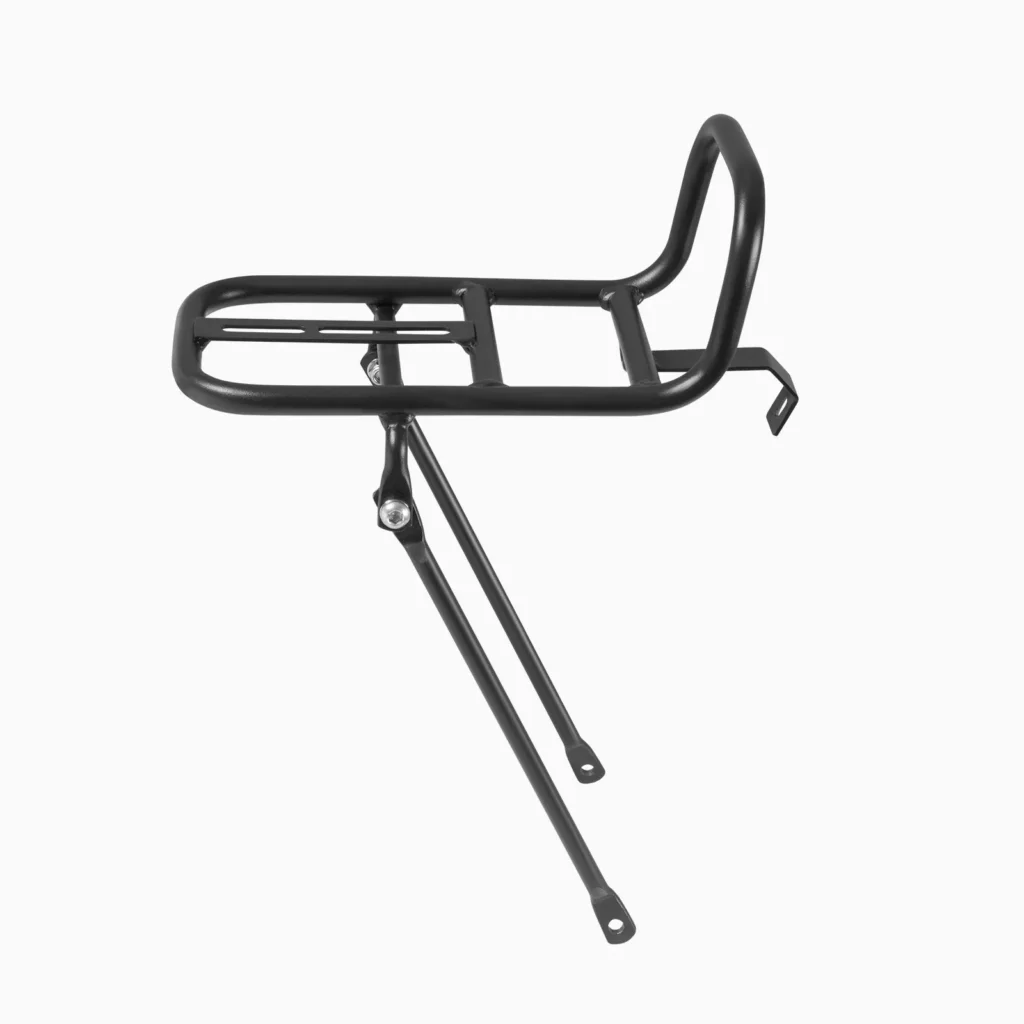
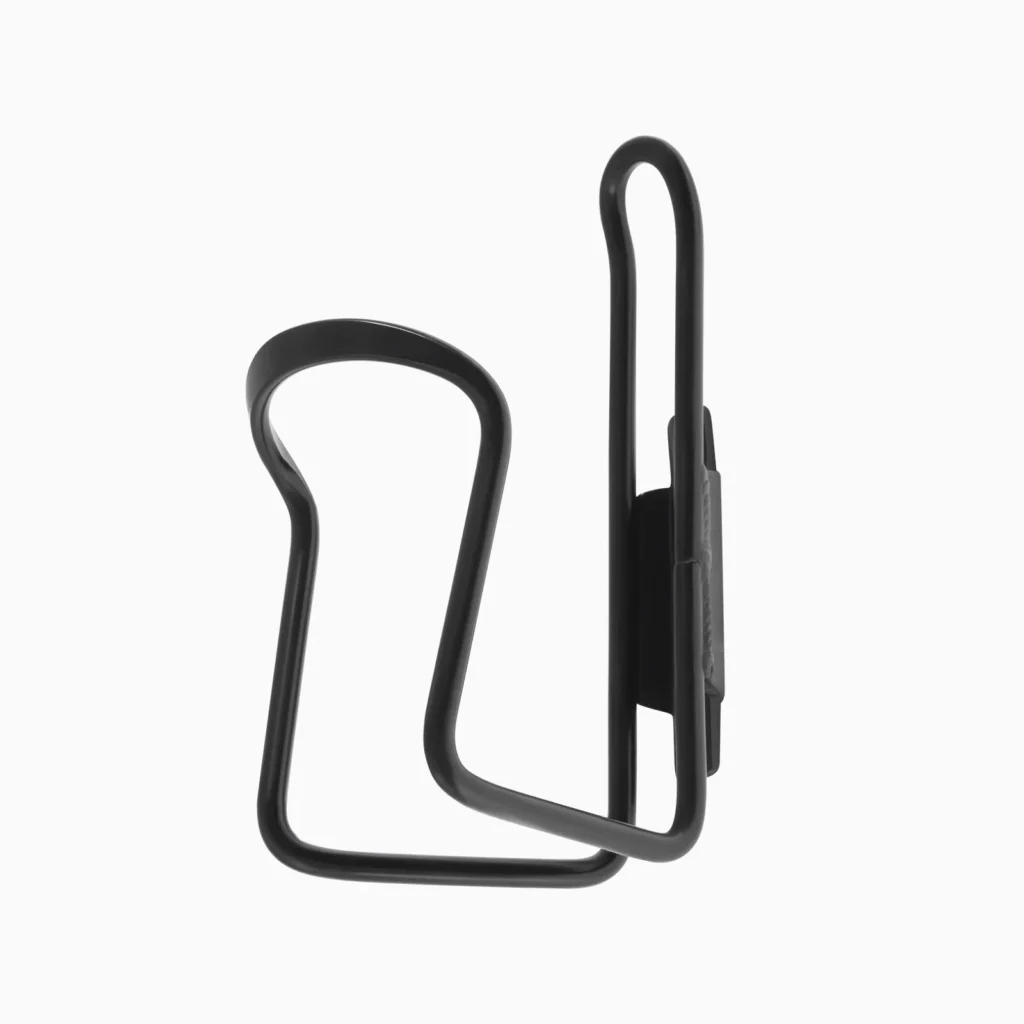
The bike price is only the first number. Students also need a lock, lights if the built-in setup is weak, a helmet, rain layer, pump, basic tools, and somewhere dry to charge. A cheaper bike can become expensive if it needs awkward accessories before it feels usable.
My budget check is blunt:
- Can the student lock the frame and at least one wheel properly?
- Can the bike be charged away from rain, heat, and bedding?
- Does the battery range cover the hard day, not just the easy day?
- Are replacement brake pads, tires, and chargers easy enough to source?
- Will the bike still be manageable during exams, winter, and crowded mornings?
DYU’s first e-bike buying guide covers the broader buying decision, while the folding e-bike guide is the better read when storage is the main problem.
Security Is Part of the Student Commute
Campuses create a strange mix: lots of people, lots of bikes, and many short stops. That makes lazy locking tempting. It also makes a repeatable lock routine more important.
I would use one serious lock for the frame and a second layer for longer parking. Remove loose lights, bags, phone mounts, and anything that can disappear in seconds. If the battery is removable and the bike will sit outside for hours, bring the battery indoors when practical.
DYU’s city e-bike security guide pairs naturally with student riding because the best lock is not the heaviest lock in a drawer. It is the strongest lock the rider will actually use every day.
Charging Habits Matter in Small Rooms
Students often charge where space is available, not where conditions are perfect. That is exactly why the routine needs to be simple and conservative. Keep the charger on a hard surface, use the correct charger, avoid covered bedding or sofas, and let the battery cool after a hard ride before plugging it in.
Battery University’s lithium-ion care guide gets technical, but the everyday lesson is clear: heat, rough handling, and careless charging shorten battery life. In a dorm or flatshare, that matters as much as range.
Wet-weather planning matters too. A student who has to ride through rain should dry the bike sensibly, keep the charging area dry, and check brakes before the next morning. DYU’s rain riding guide is a useful companion for that routine.
Where the DYU T1 Fits a Student Commute
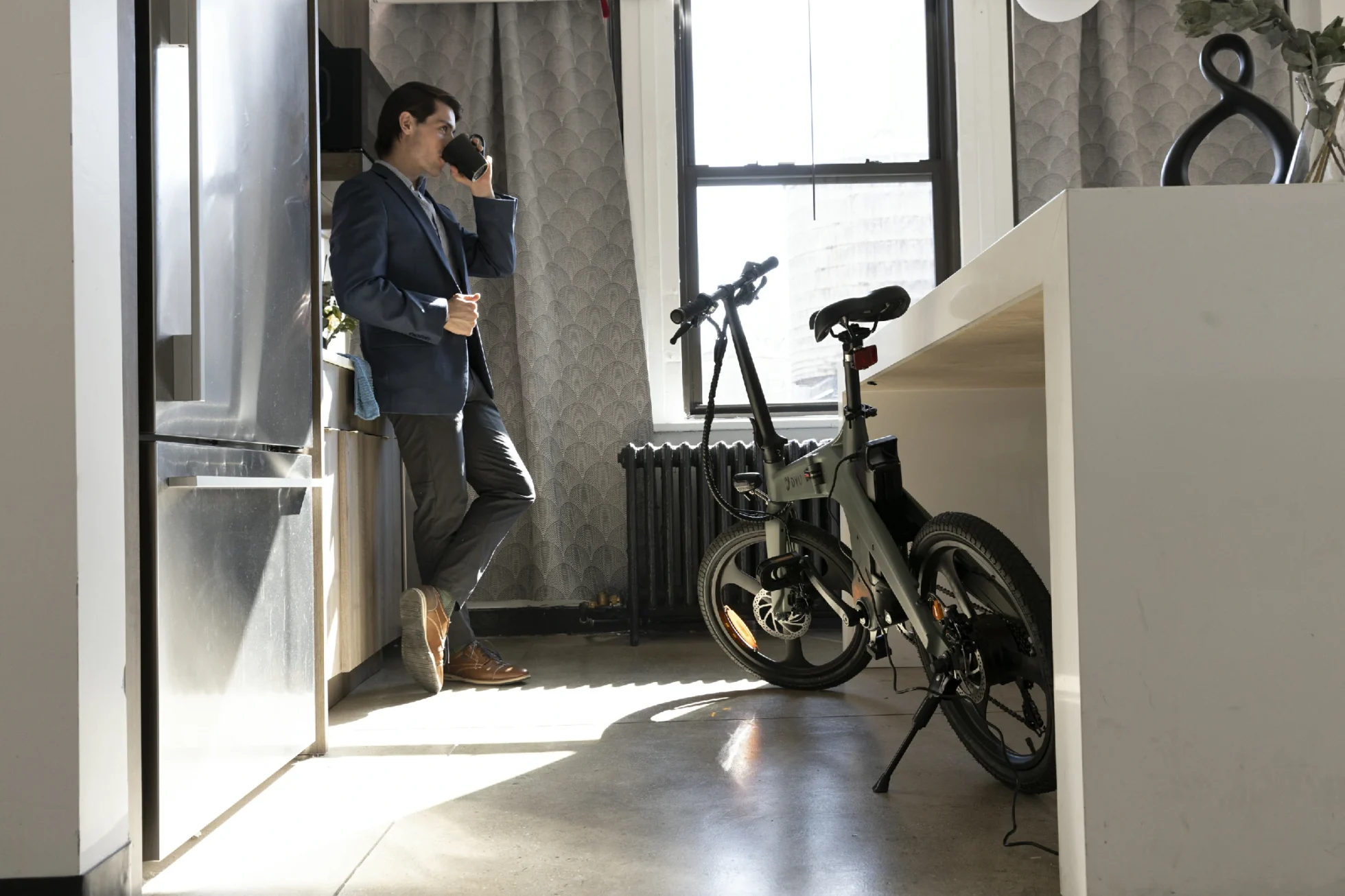
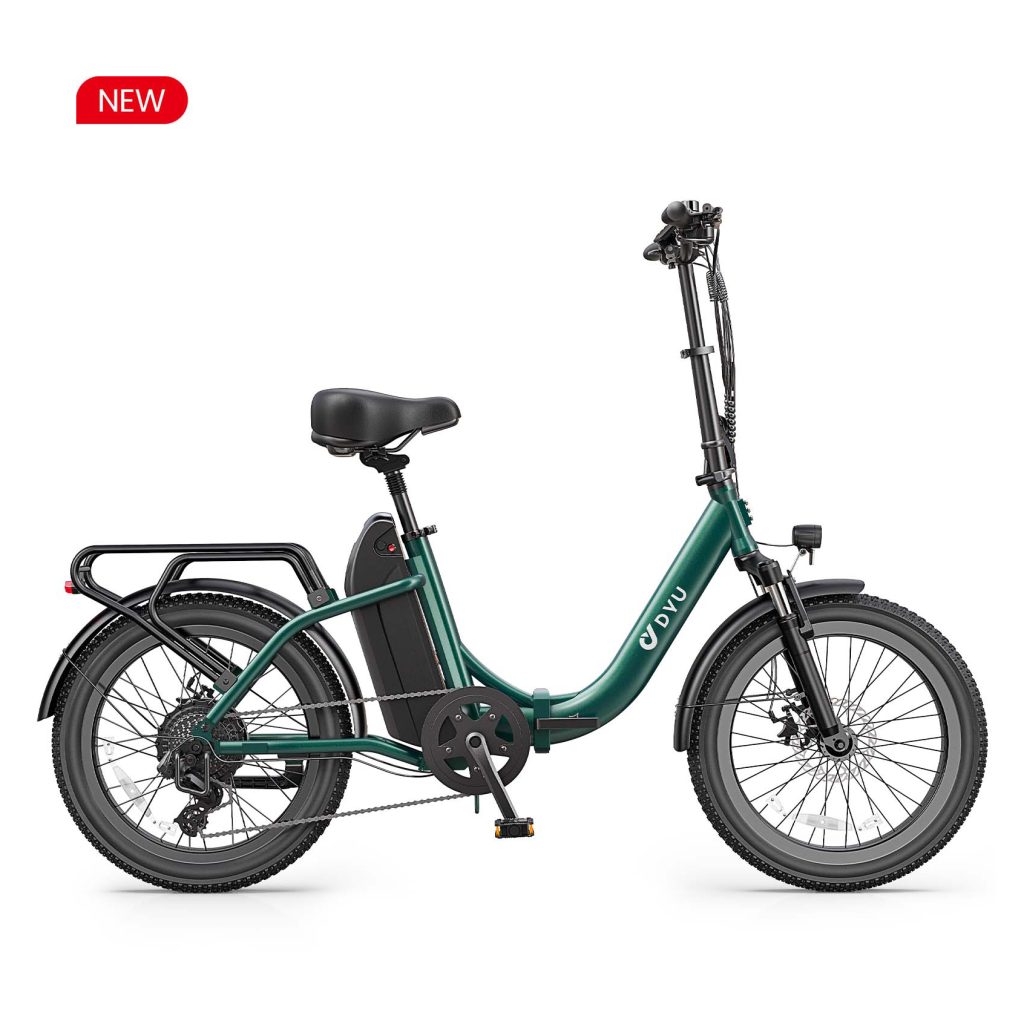
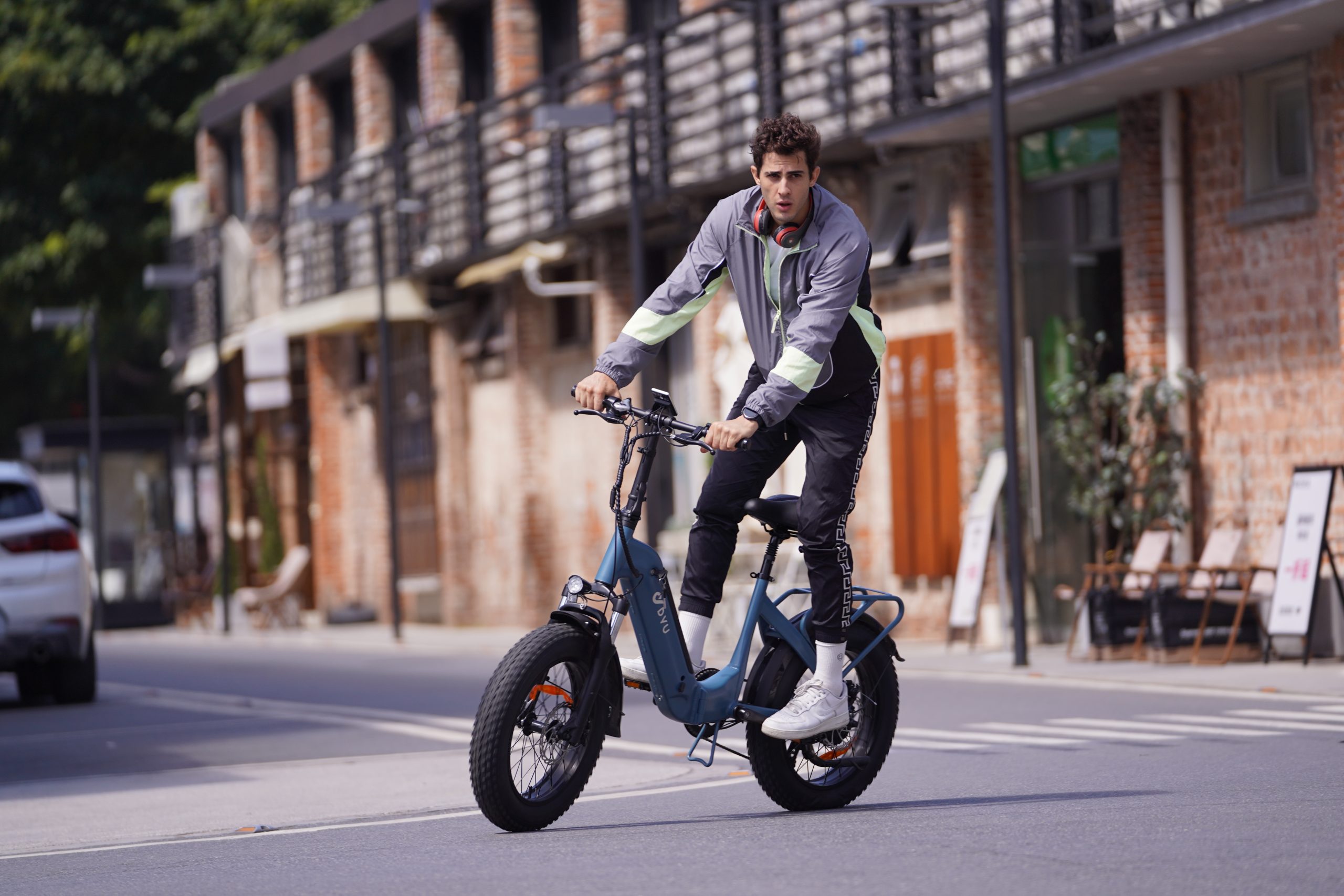
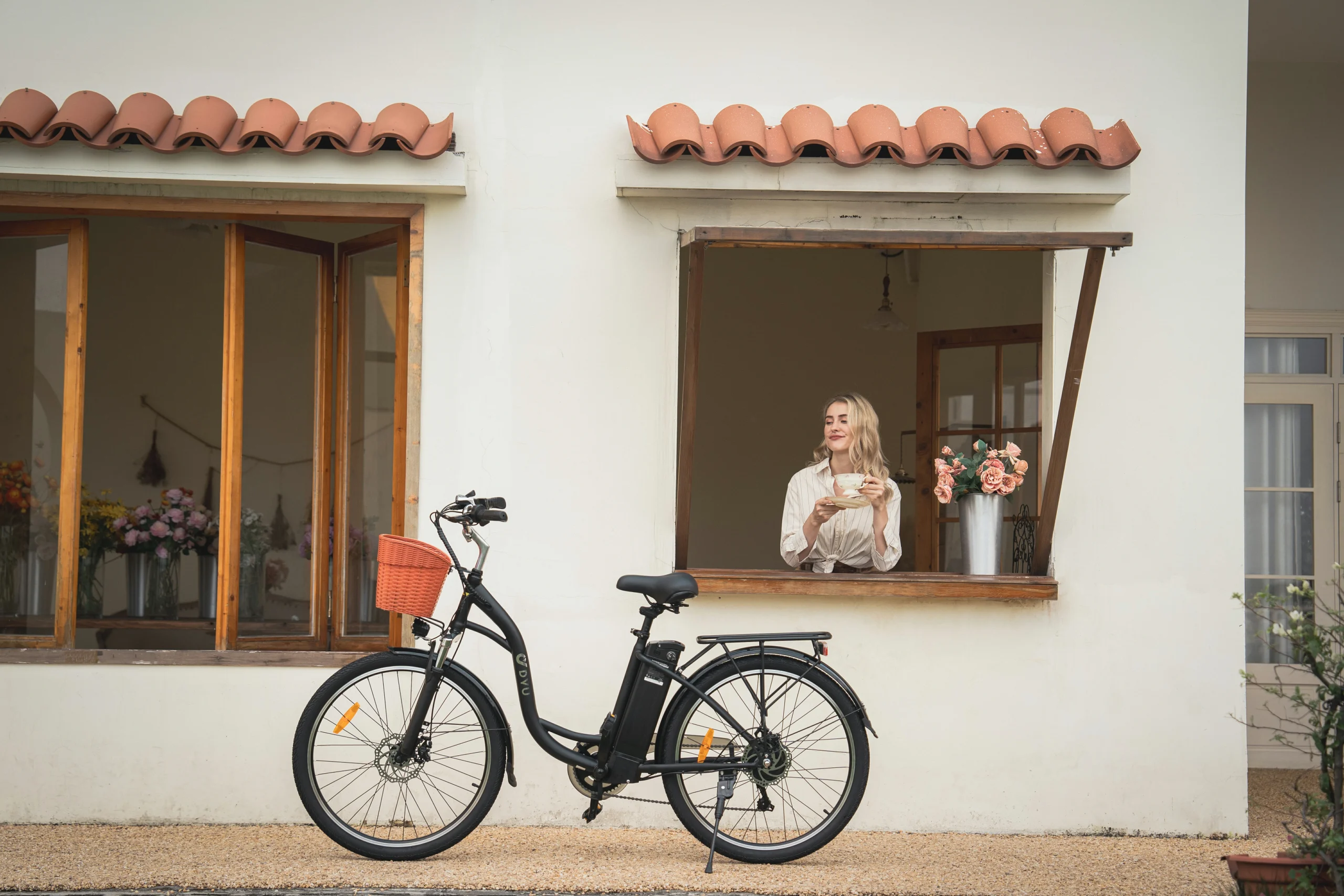
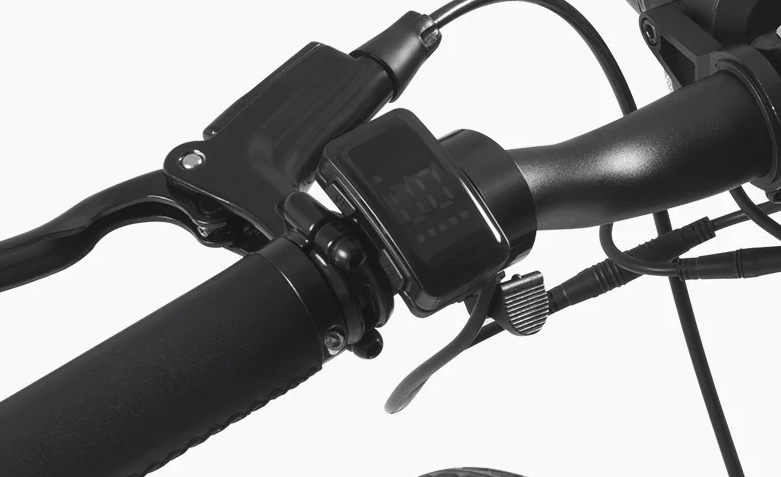
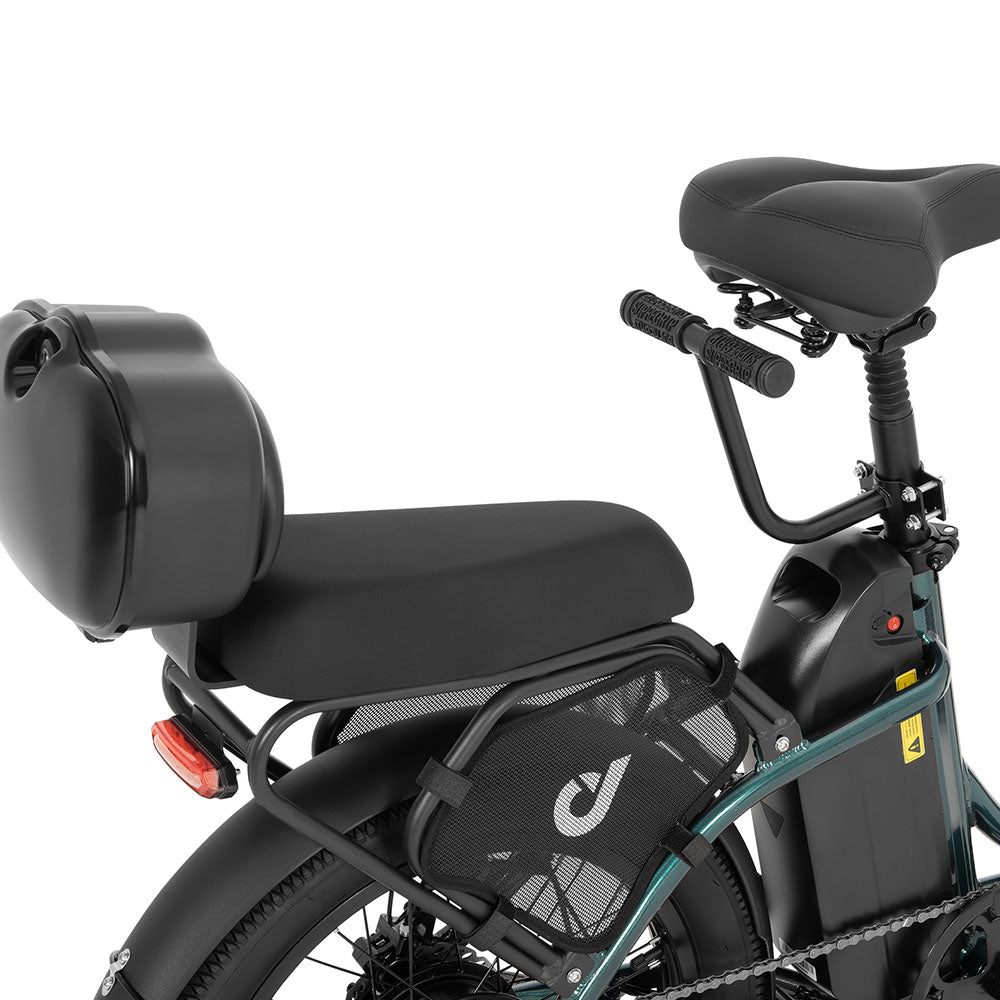
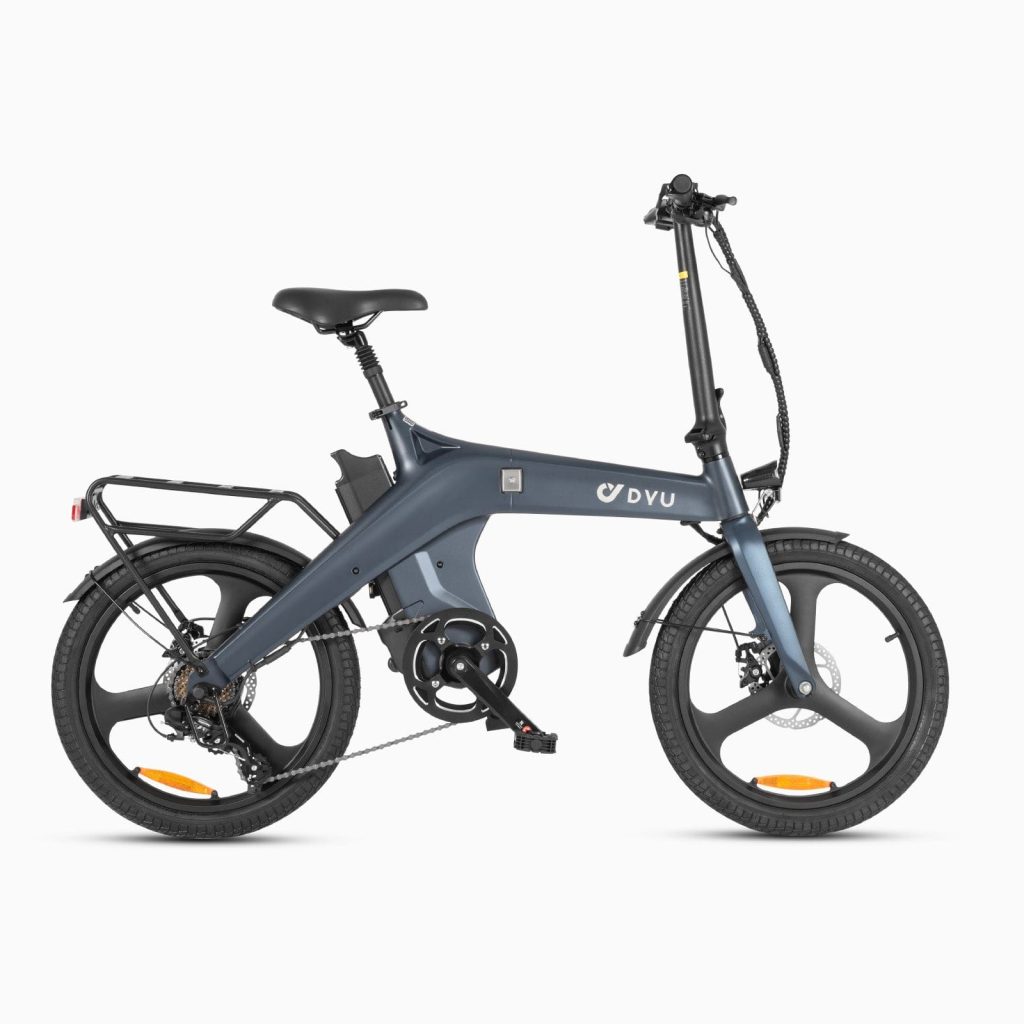
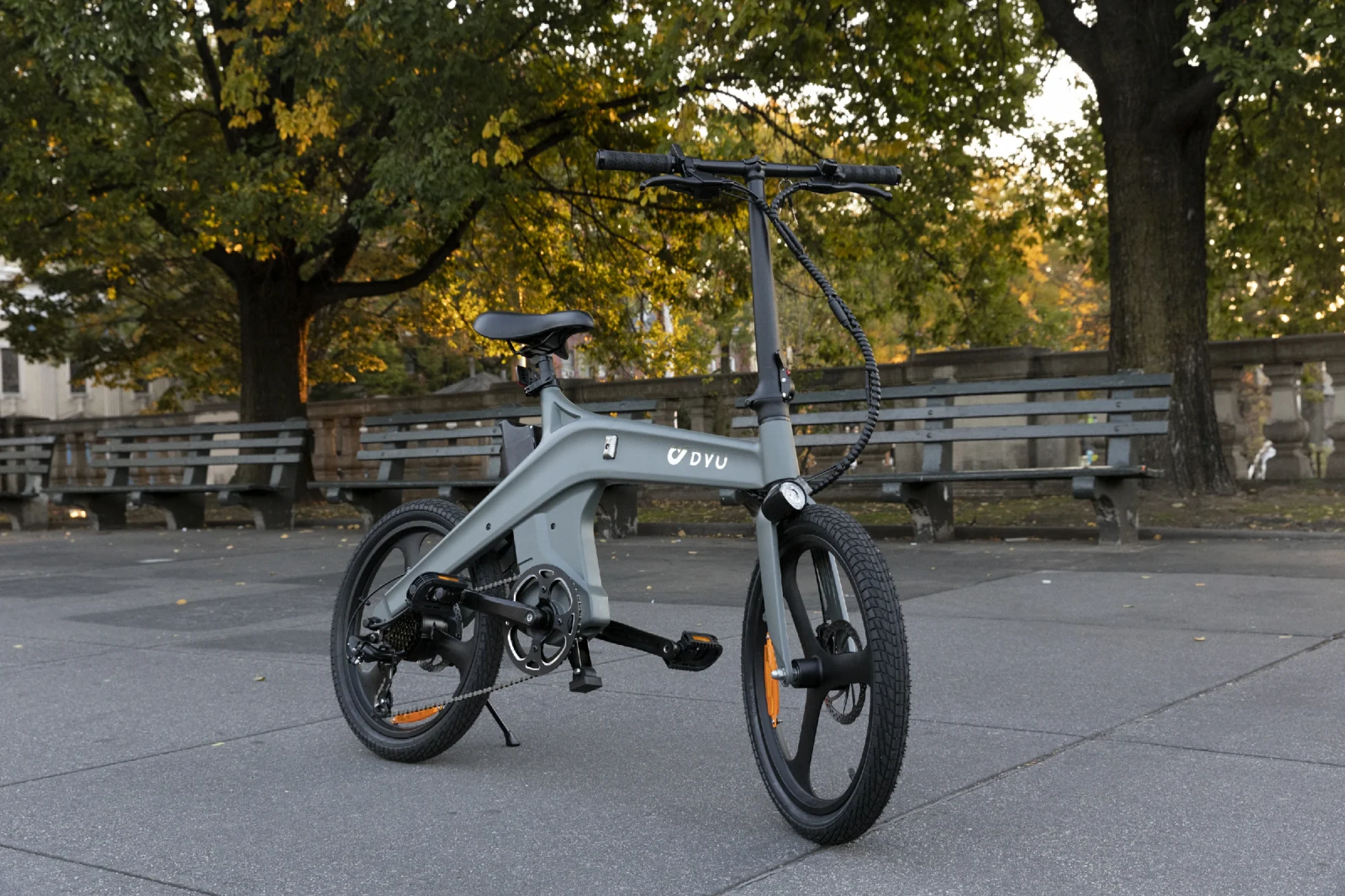
The DYU T1 20-inch foldable e-bike is the model I would bring into this discussion after the storage, route, and charging questions are clear. The key specs are a 250W motor with torque sensor, 36V 10Ah battery, listed 55 km pedal-assist range, 25 km/h assist speed, 22.5 kg weight, 120 kg load capacity, 20-inch wheels, a magnesium alloy frame, Shimano disc brakes, front and rear LED lights, and an LCD display.
At the time of writing, the DYU T1 is listed at €699, down from the regular €949. The important student detail is the torque sensor. It makes the assist feel smoother when starting from crossings, campus gates, or crowded bike lanes. The magnesium alloy frame and folding design also make it easier to store than a full-size city bike.
The honest limitation is still weight. At 22.5 kg, the T1 is lighter than many larger e-bikes, but it is not something I would want to carry up four floors twice a day. If there is no lift or storage space, measure that reality before buying.
Maintenance Should Be Easy Enough to Repeat
A student bike is usually ridden in short bursts, which can hide small problems. Brake rub, soft tires, loose bolts, and weak lights are easy to ignore until the morning is already rushed.
BikeRadar’s e-bike maintenance guide is a good neutral reminder that small checks prevent bigger repairs. My student version takes five minutes: squeeze both brakes, check tire pressure, look at lights, listen for rattles, and make sure the charger and lock are where they should be.
If the bike passes that little check, the ride starts calmer. That is the real goal. Not a perfect bike. A routine that survives normal student life.
Conclusion: Choose the Bike That Fits the Week
E-bike for students should mean compact storage, sensible range, safe charging, reliable brakes, and a lock routine that actually happens. Do not buy for the easiest day. Buy for the tired day, the wet day, the crowded rack, and the week when everything runs late.
The DYU T1 makes sense for students who want a folding 20-inch e-bike with smooth pedal assist, a manageable city range, and a storage-friendly frame. It is strongest when the rider has a realistic place to keep it and a simple routine for charging, locking, and checking the bike.
FAQs
Q1. What is the best e-bike for students?
The best student e-bike is one that fits the route, storage space, charging plan, and budget. A compact folding model with lights, reliable brakes, and enough range is often easier to live with than a larger bike.
Q2. Is a folding e-bike good for campus commuting?
Yes, a folding e-bike can work well for campus commuting when storage is limited. Check the folded size, total weight, wheel size, brakes, and whether it can be moved through your building comfortably.
Q3. How much range does a student e-bike need?
Most students should buy with margin. If the normal day is 10-20 km, a bike listed around 40-60 km gives useful room for weather, detours, hills, and battery aging.
Q4. How much does the DYU T1 cost?
At the time of writing, the DYU T1 is listed at €699, down from the regular €949. Check the product page for current availability before ordering.
Q5. Can I charge an e-bike in a dorm room?
Only do it if your building rules allow it and the charging setup is safe. Use the correct charger, keep it on a hard dry surface, avoid covered bedding or escape routes, and unplug when charging is complete.