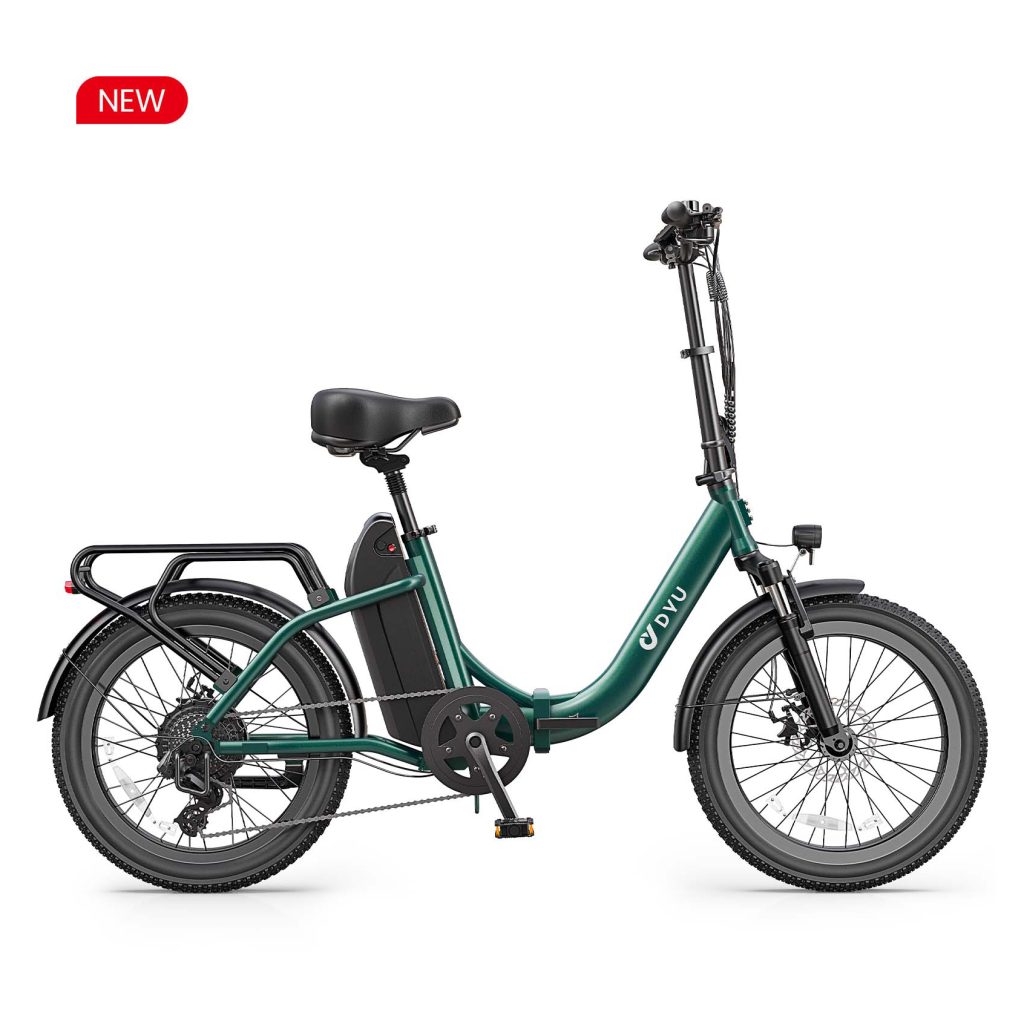
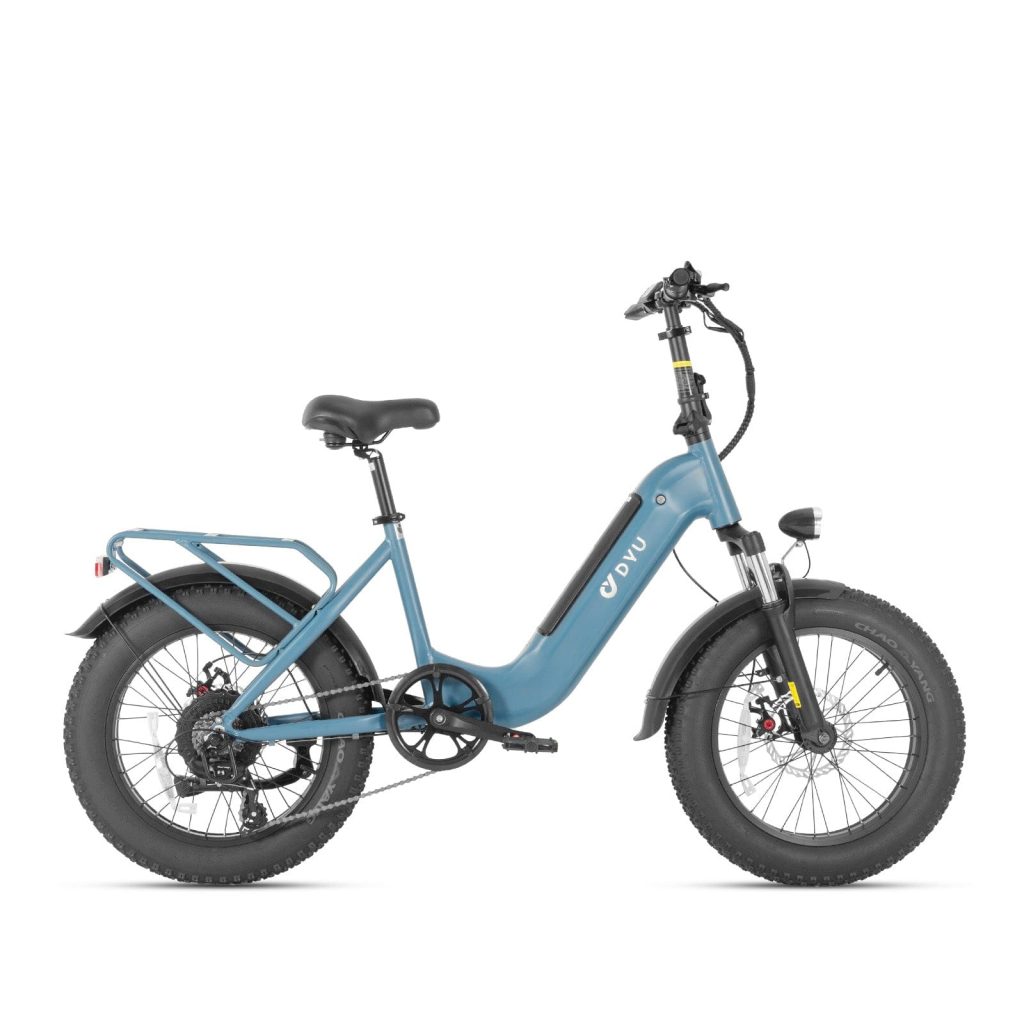
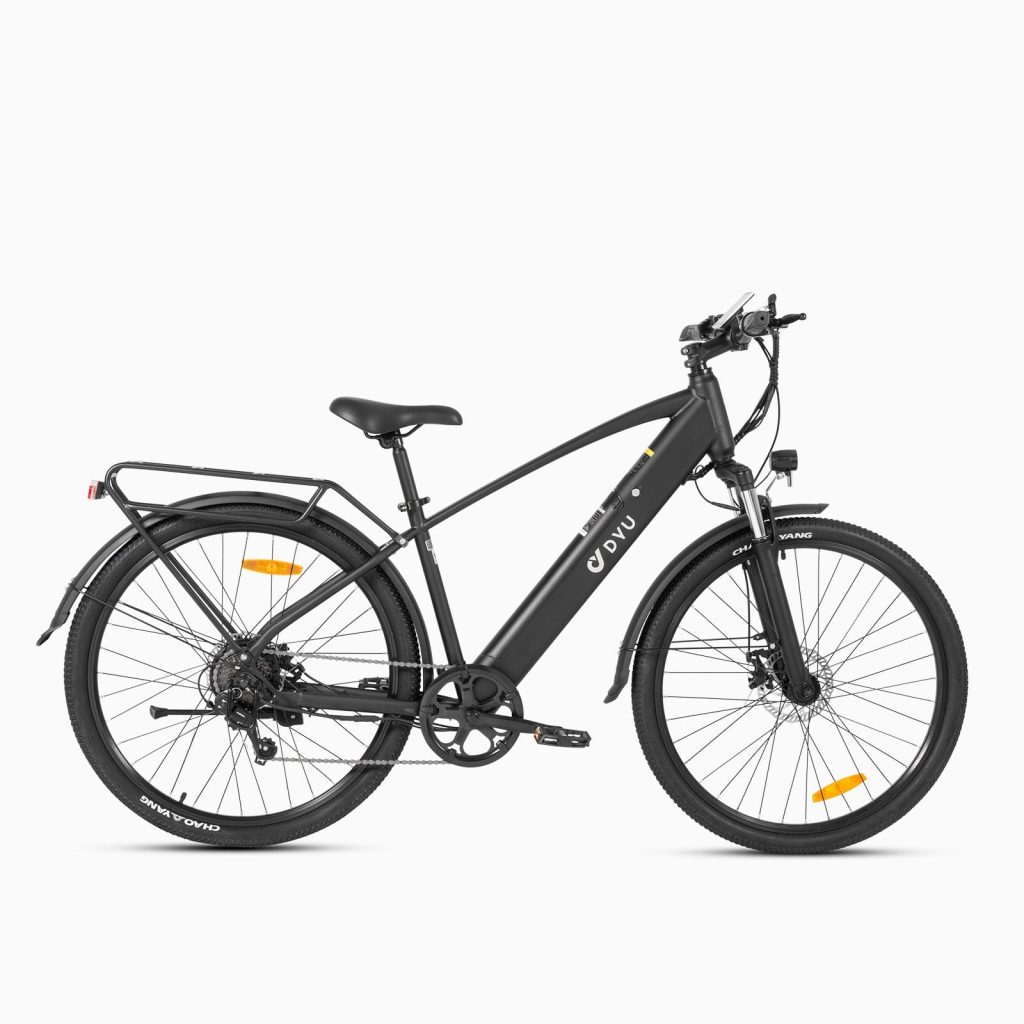
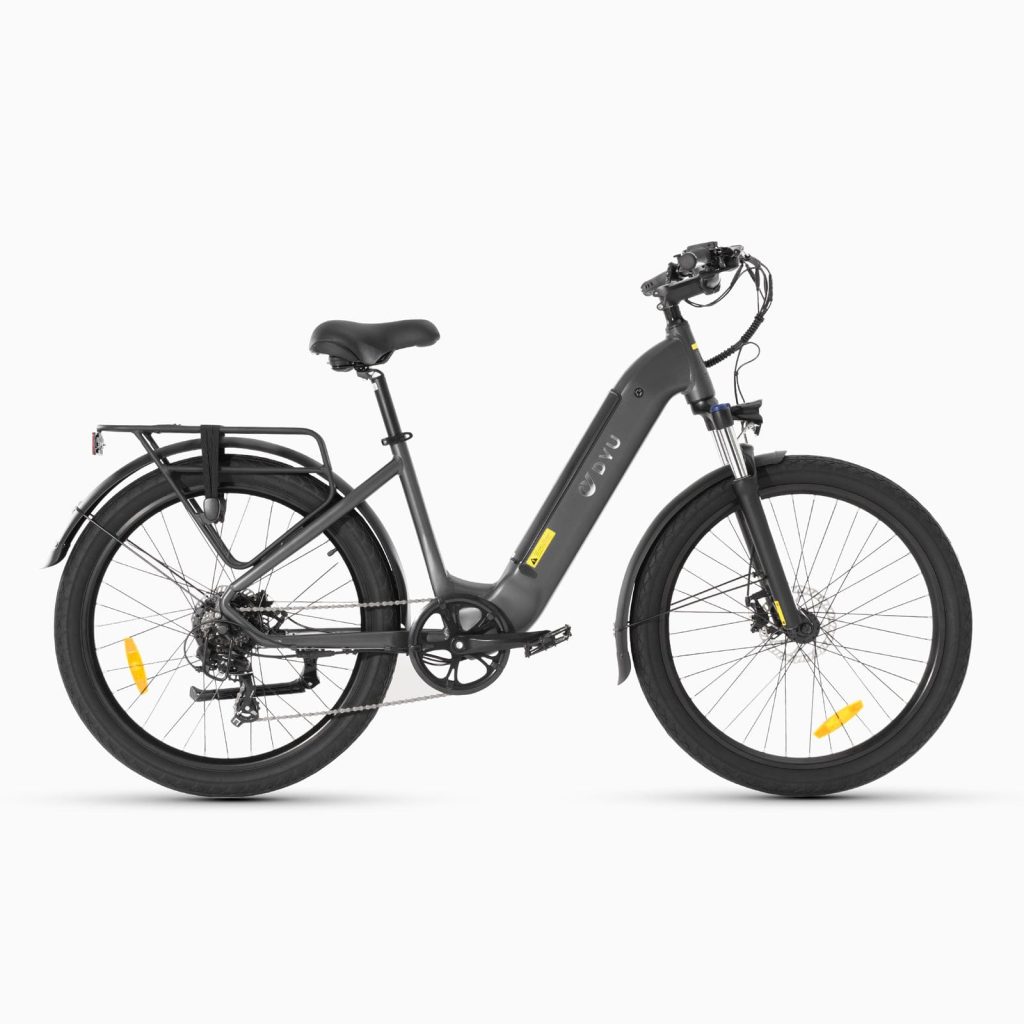
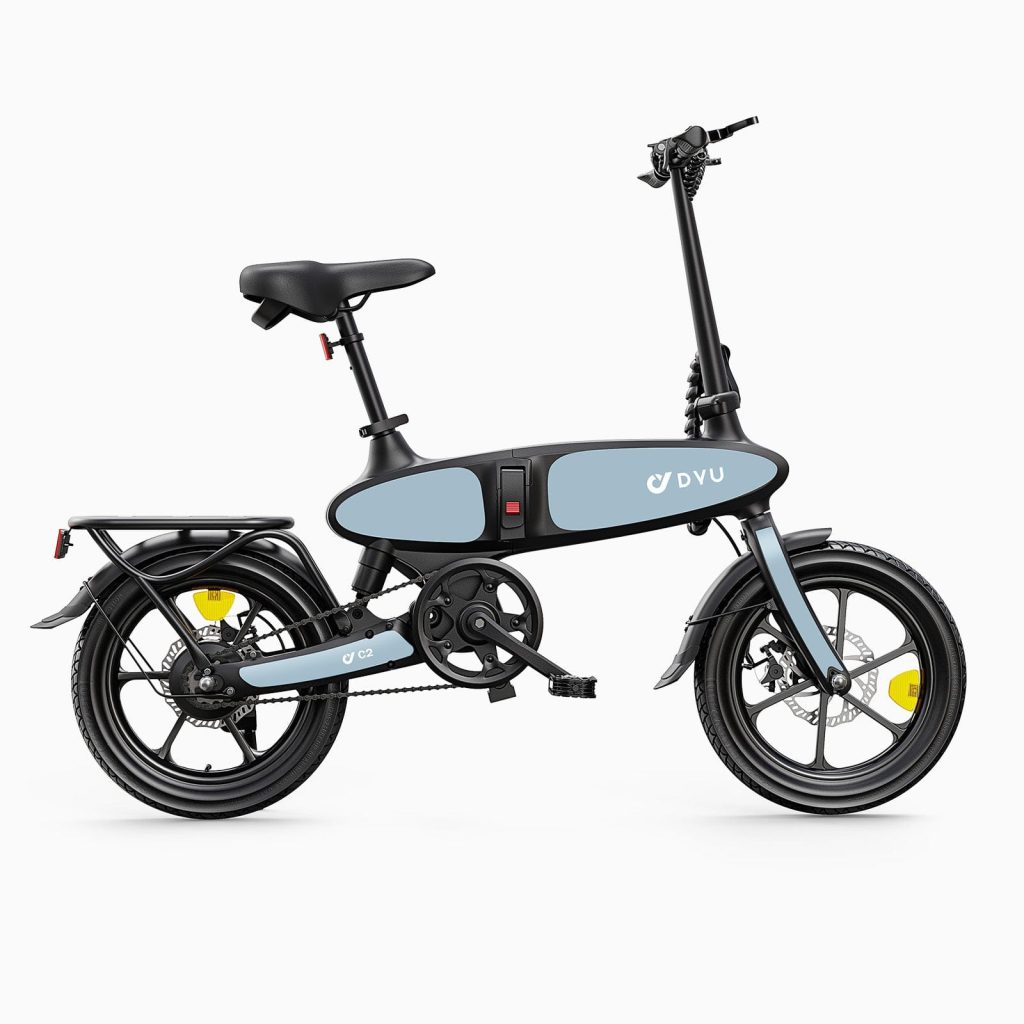
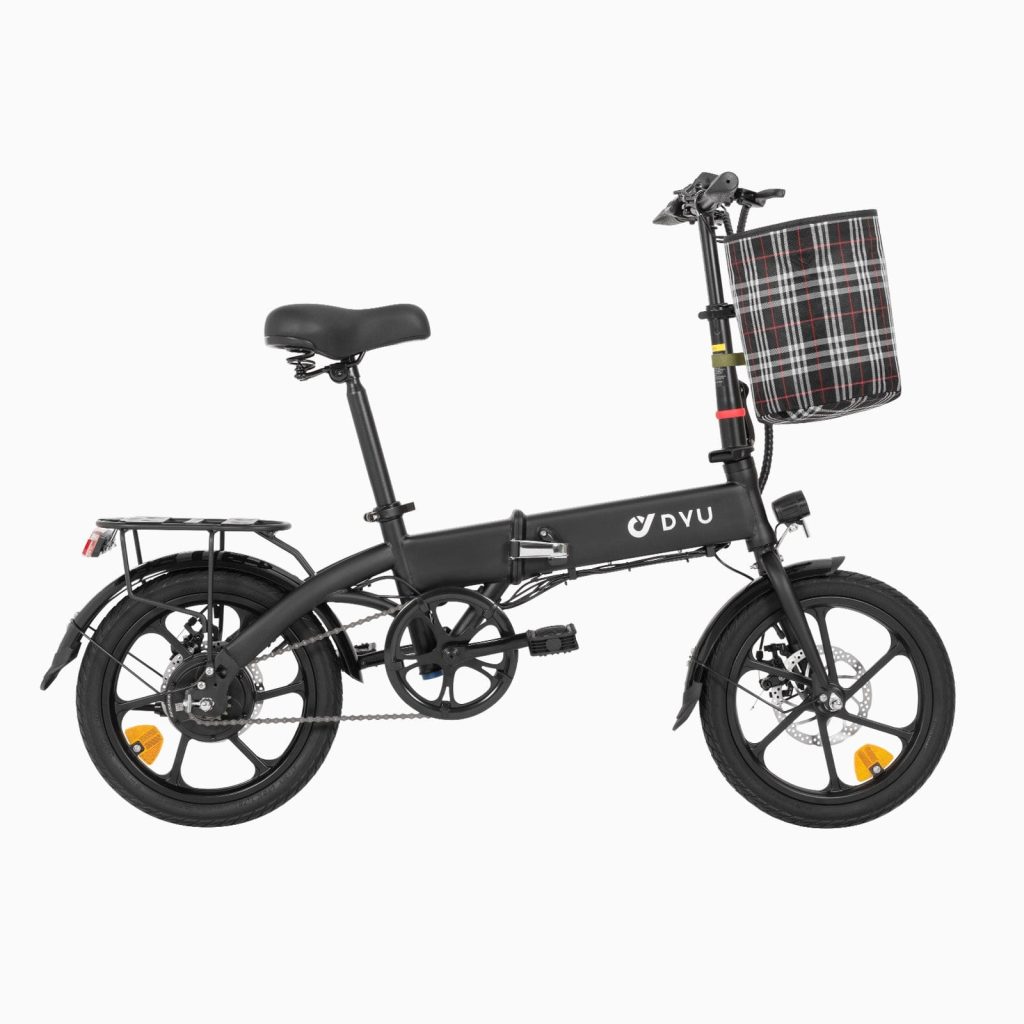

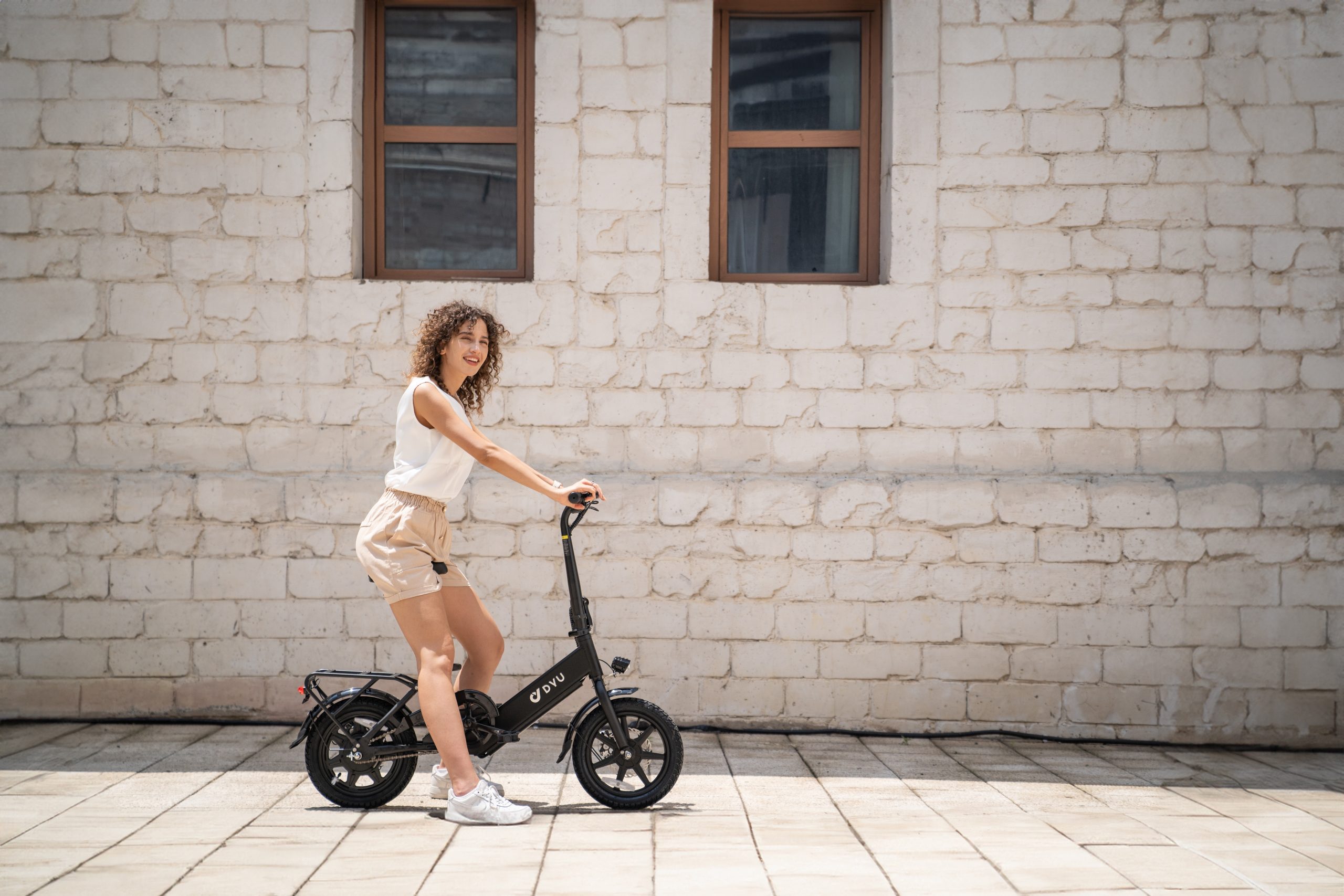
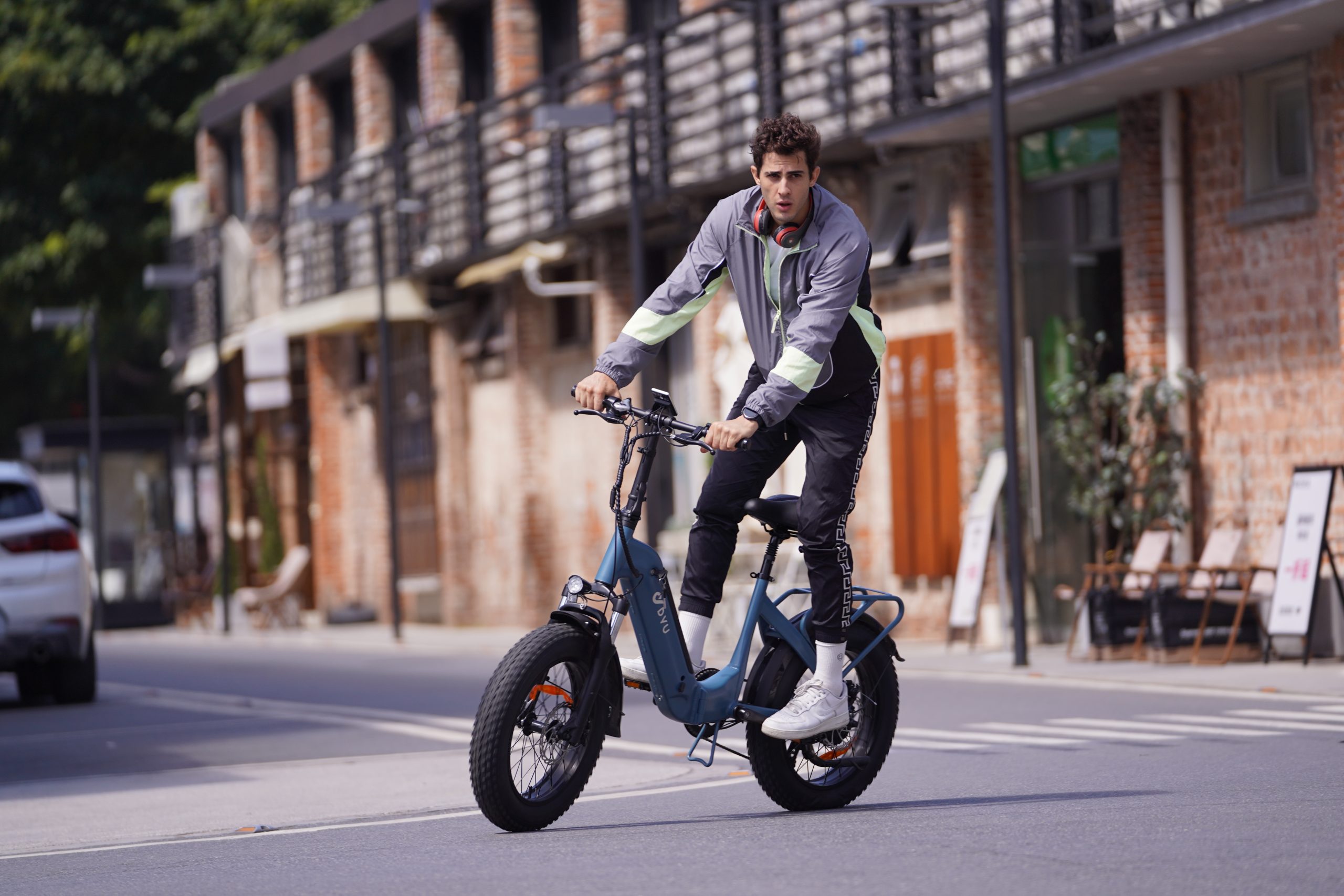

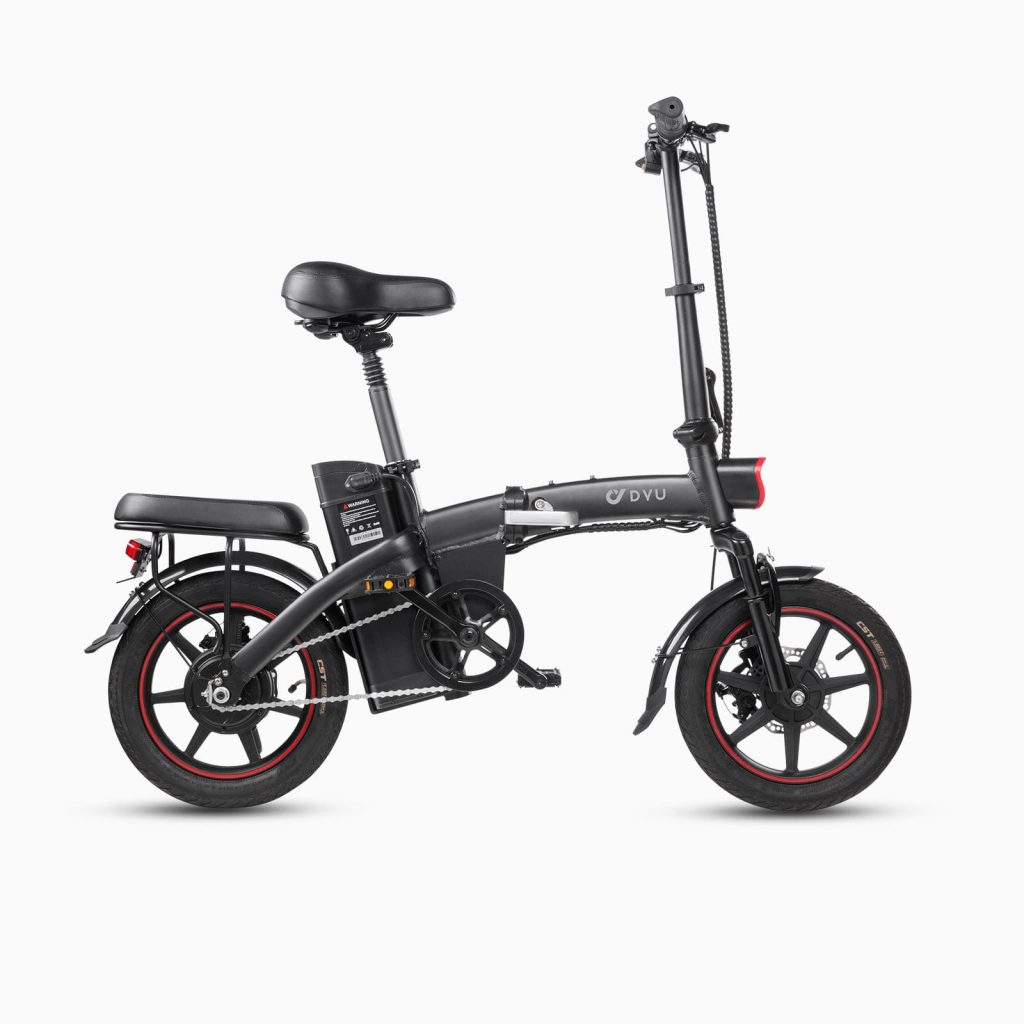
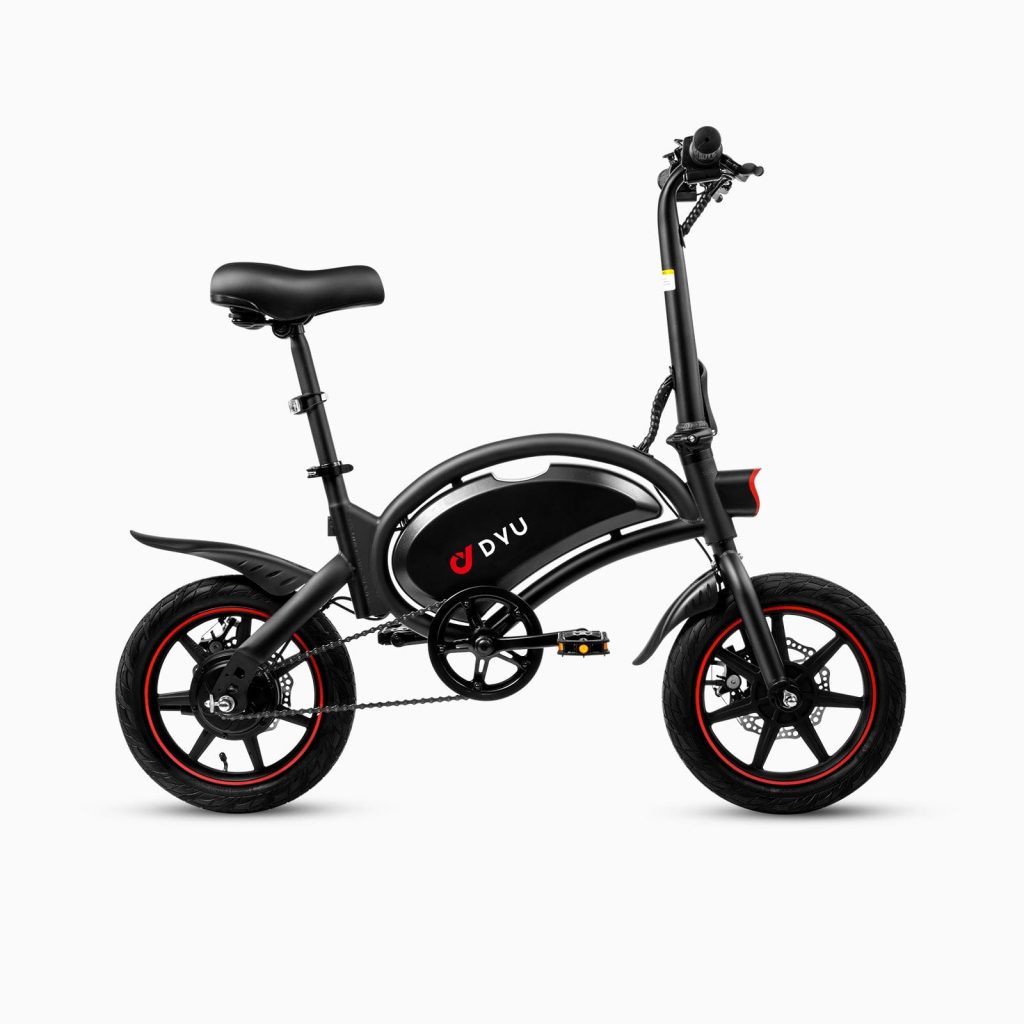
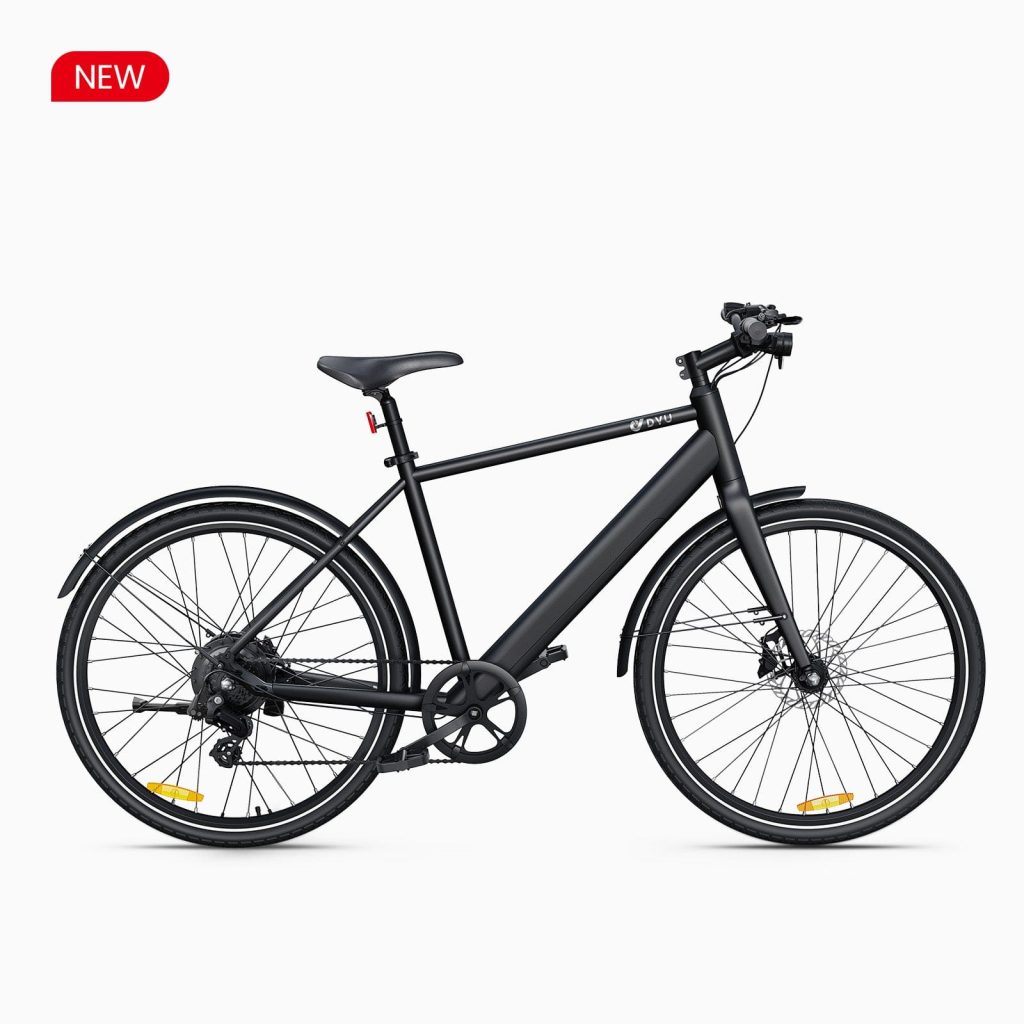
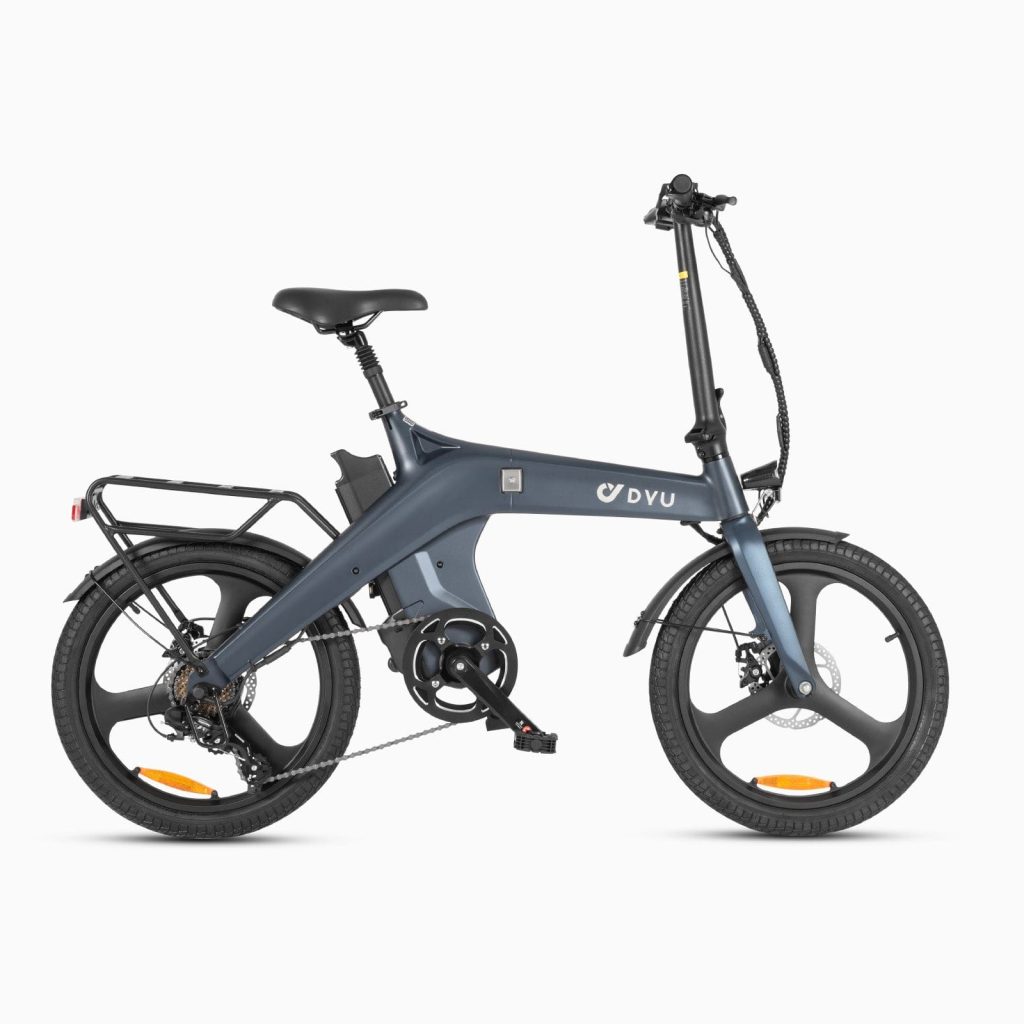


DYU T1 vs ADO Air 20S 2026 is a useful comparison because these two 20-inch folding e-bikes begin with similar ideas and then take very different routes. Both use a road-legal 250W motor, both offer torque-sensing assistance, and both stop helping at 25 km/h in their European versions. The biggest difference is not speed. It is what each brand asks you to pay for portability, low maintenance, braking hardware, and claimed range.
At the time of writing, the DYU T1 is listed at €699. The ADO Air 20S 2026 is listed at €1,299, reduced from €1,399. That makes the sale-price gap €600, enough to make a careful comparison worthwhile.
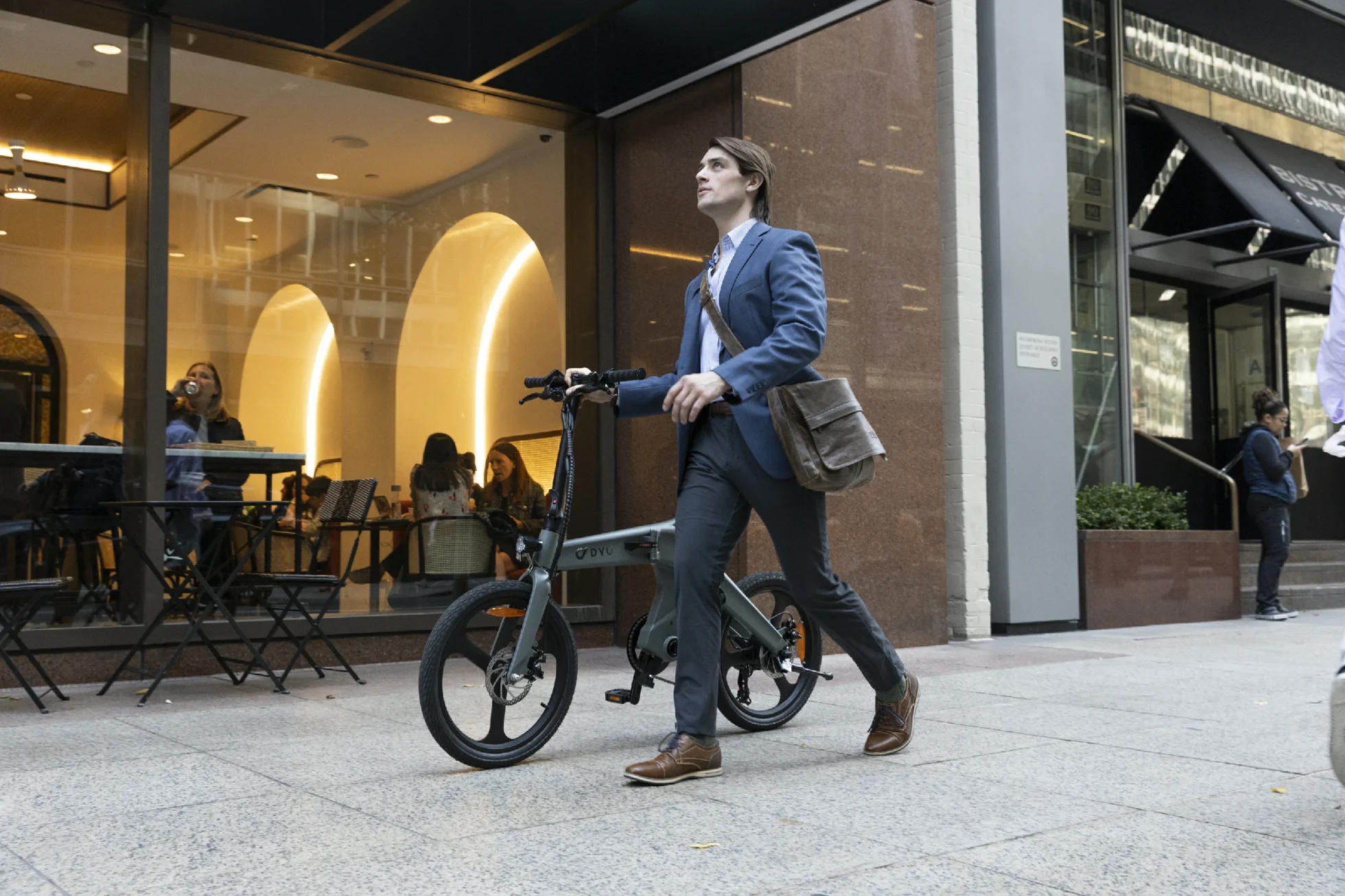
I would not choose between them from one headline number. A folding bike has to work through the whole commute: riding, stopping, folding, lifting, storing, charging, and maintaining it. Here is how the two options compare when those practical jobs are separated.
DYU T1 vs ADO Air 20S 2026: Quick Comparison
| Specification | DYU T1 | ADO Air 20S 2026 |
|---|---|---|
| Current price | €699 | €1,299 sale / €1,399 regular |
| Motor and sensor | 250W, torque sensor | 250W VINKA motor, dual-sided torque sensor; 50 Nm headline |
| Battery | 36V 10Ah / 360Wh | 36V 9.6Ah / 345.6Wh |
| Listed maximum range | 55 km pedal assist | Up to 100 km claimed |
| Assisted speed | 25 km/h | 25 km/h |
| Weight | 22.5 kg | 18 kg net, excluding accessories |
| Maximum load | 120 kg | 120 kg |
| Wheels | 20-inch | 20 x 1.95-inch reflective tyres |
| Brakes | Shimano disc brakes | Hydraulic disc brakes |
| Drivetrain | Chain drive with gears | Single-speed carbon belt drive |
| Frame and folding | Magnesium-alloy folding frame | Aluminium folding frame, quick-fold design |
| Rider fit | Check personal fit on product page | Listed for riders 150-200 cm |
One specification needs a note. ADO’s main 2026 product summary states 50 Nm, while a technical table lower on the same listing states 42 Nm. I would use 50 Nm only with that qualification and avoid treating the difference as a proven hill-climbing result.
Price and Value: What Does the Extra €600 Buy?

The T1 has the simpler value argument. At €699, it provides a torque sensor, 360Wh battery, folding frame, Shimano disc brakes, gears, lights, and a 25 km/h EU-compliant assisted speed. It leaves a large part of the budget available for a helmet, lock, luggage, servicing, or train tickets.
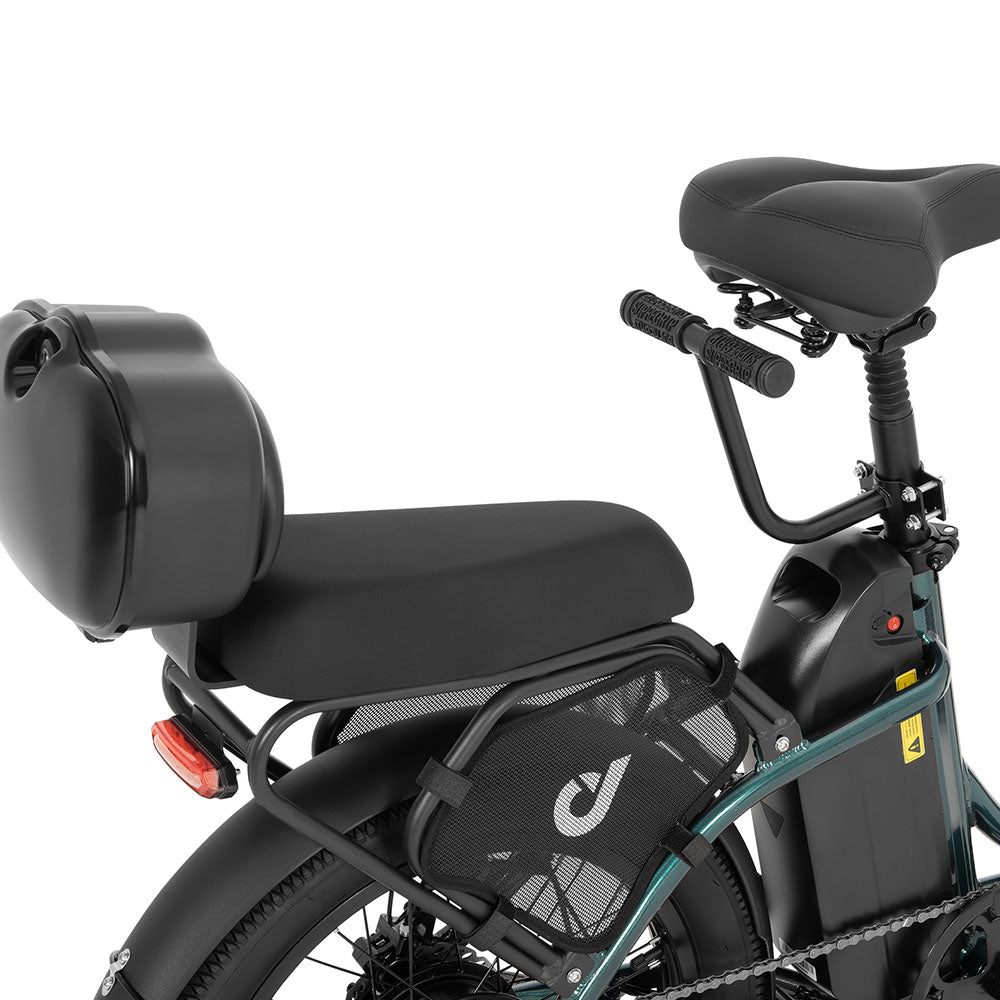
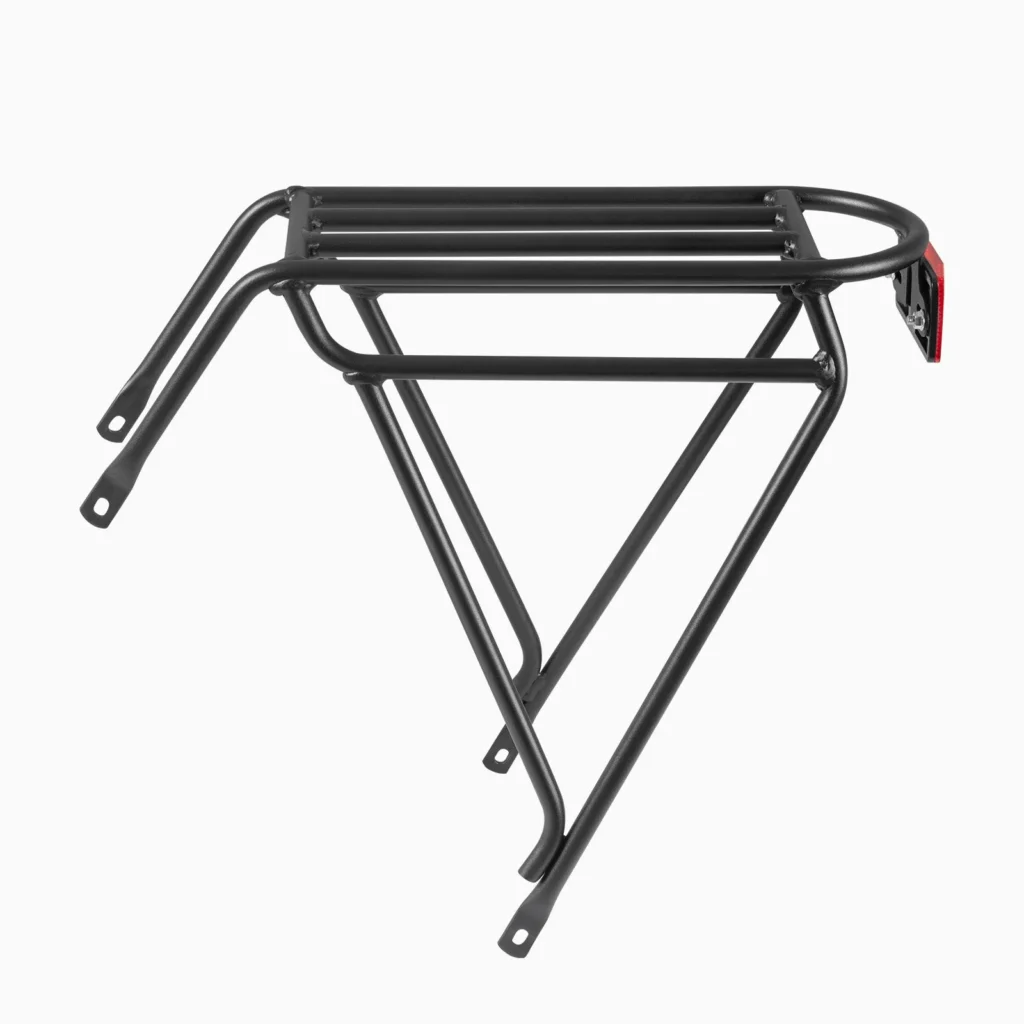
ADO asks more, even at its sale price, but the extra money is connected to visible hardware differences. The Air 20S 2026 is 4.5 kg lighter on the published net figures, uses hydraulic disc brakes, replaces the oily chain with a carbon belt, and includes a rear rack designed around ADO’s AQS 2.0 and MIK-compatible accessory system.
That does not automatically make the ADO the better-value-bike. A rider who folds once a month may not receive much benefit from paying for a lighter carry. Someone who lifts the-bike onto a train every weekday may value those 4.5 kg more than battery size or gearing. Value depends on which inconvenience you are paying to remove.
Motor Feel and City Speed
Both bikes use torque-sensing assistance, which is a meaningful advantage in stop-start traffic. A torque sensor responds to pedal pressure, so the motor can increase support as the rider pushes harder. This normally feels more connected than assistance that waits only for the cranks to rotate.
The T1 combines its 250W motor with a chain-driven geared system. Gears let the rider choose a more comfortable cadence for starts, short slopes, or riding without assistance. That flexibility matters when the battery is low or when a route changes repeatedly between flat cycle lanes and bridges.
The Air 20S 2026 is a single-speed bike. Its dual-sided torque sensor and VINKA motor are designed to make support feel immediate, but there is no mechanical gear change to reduce pedal effort on a steeper section. The clean, quiet setup suits flatter urban riding particularly well. Riders with regular hills should test the ratio rather than relying only on the disputed 50 Nm headline.
Neither bike is intended to win a speed contest. Their European versions assist to 25 km/h, which keeps the decision focused on control, comfort, and daily usability.
Battery Capacity and Why the Range Claims Are Not Directly Comparable
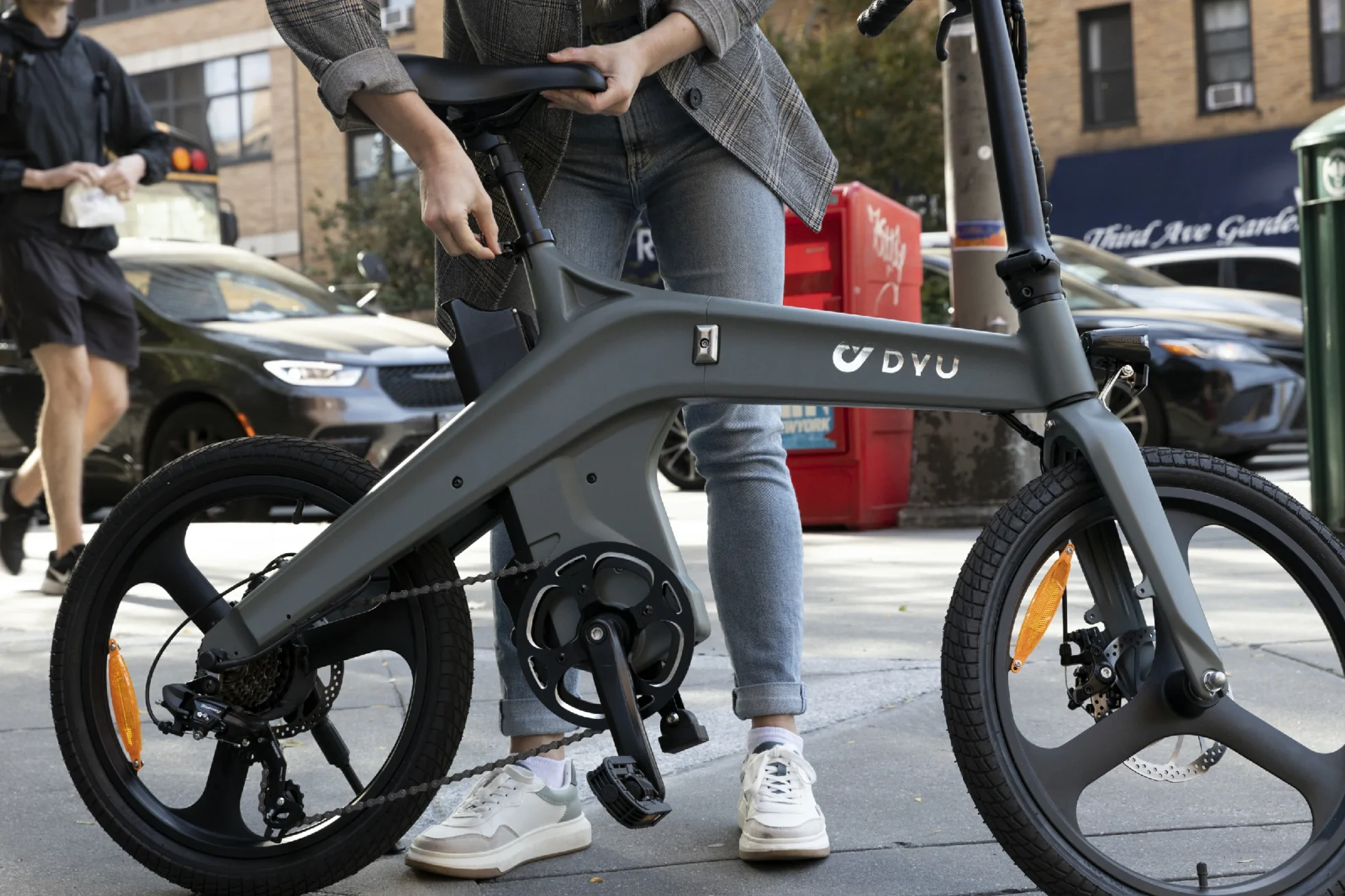
The T1 battery is rated at 36V 10Ah, or 360Wh. Its listed pedal-assist range is 55 km. The ADO battery is slightly smaller at 36V 9.6Ah, or 345.6Wh, yet ADO claims up to 100 km.
Those figures should not be read as proof that the ADO travels almost twice as far. Manufacturers can use different rider weights, support levels, speeds, temperatures, surfaces, tyre pressures, and stopping patterns. A lightly assisted test on flat ground is not comparable with a mixed city route in winter.
The honest conclusion is narrower. T1 has about 14.4Wh more nominal battery energy, while ADO publishes the higher maximum-range claim. Real commuting range for either bike will depend heavily on the route and rider. DYU’s e-bike range planning guide explains why leaving a reserve is more useful than planning to arrive on the final battery bar.
- Frequent stops: expect more energy use than on a continuous test route.
- Cold weather: expect less usable range than in mild conditions.
- High assistance: reduces rider effort but usually increases battery use.
- Low tyre pressure: adds rolling resistance and wastes energy.
- Rider and luggage mass: must be included when judging both range and the 120 kg load limit.
Folding, Carrying, and Apartment Fit
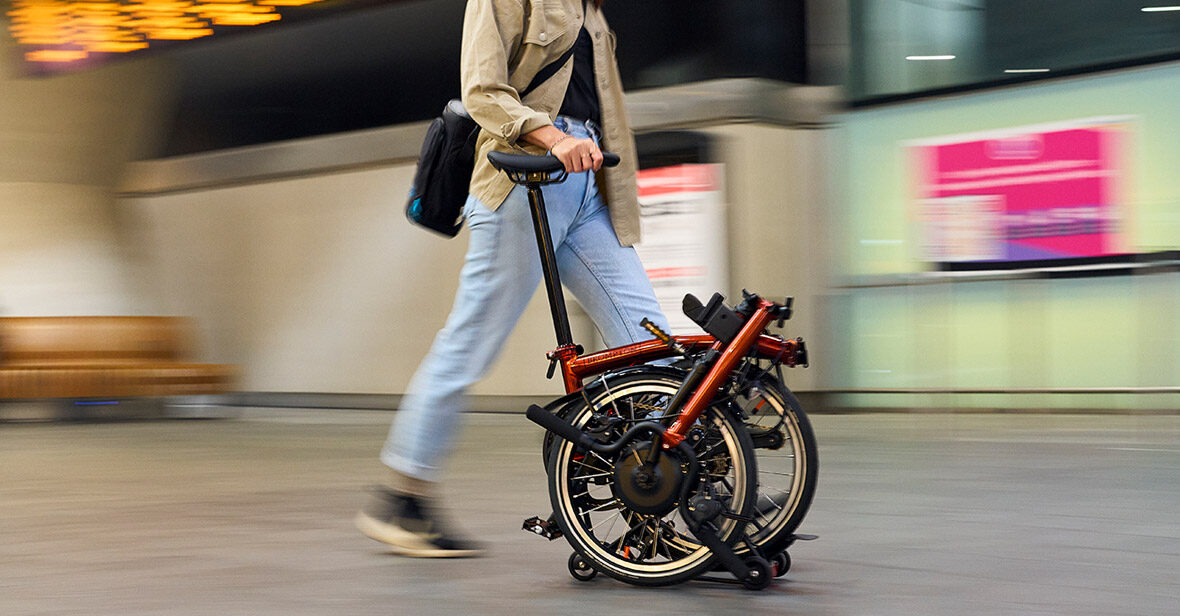
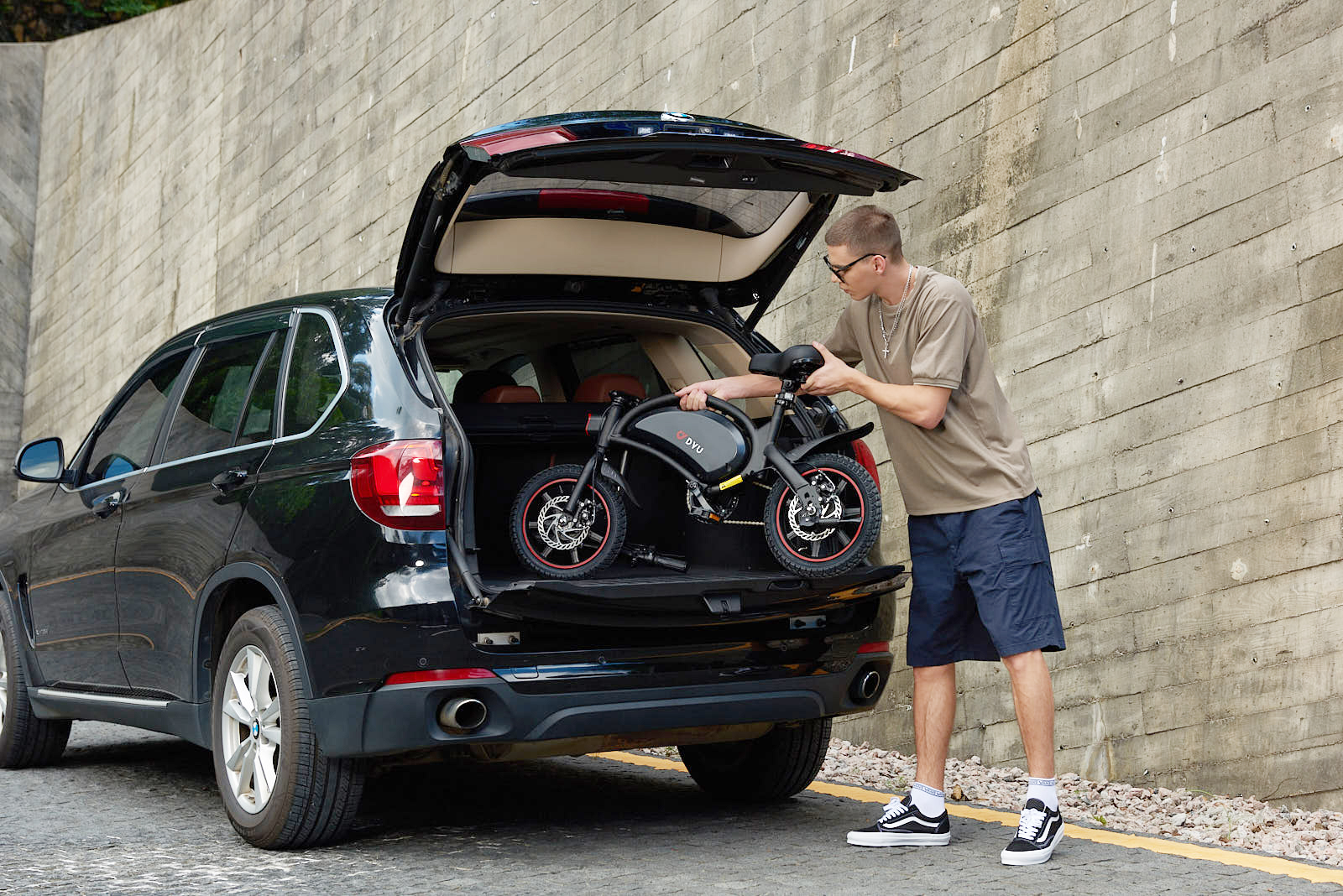
Portability is where the ADO has its clearest paper advantage. Its stated net weight is 18 kg, compared with 22.5 kg for the T1. A 4.5 kg difference is noticeable on stairs, across a station, or when lifting a bike into a car boot.
There is an important measurement caveat. ADO describes 18 kg as net weight with the battery but excluding accessories, and also lists 24 kg as full weight with accessories. Compare the exact configuration you intend to carry, including mudguards, rack, lock, bag, and anything left on the-bike.
Both frames fold, but neither comparison should invent a winner from unverified folded dimensions. The current ADO listing gives overall geometry and rider height, not a dependable folded length, width, and height. The practical test is whether the folded bike clears your hallway, lift, train space, desk, or boot, and whether it stays secure while being moved.
ADO lists a wide rider-height range of 150-200 cm. Fit is still personal. Saddle height, reach, wrist position, and confidence at low speed matter more than simply falling inside a broad height range.
Brakes, Belt, Chain, and Everyday Maintenance
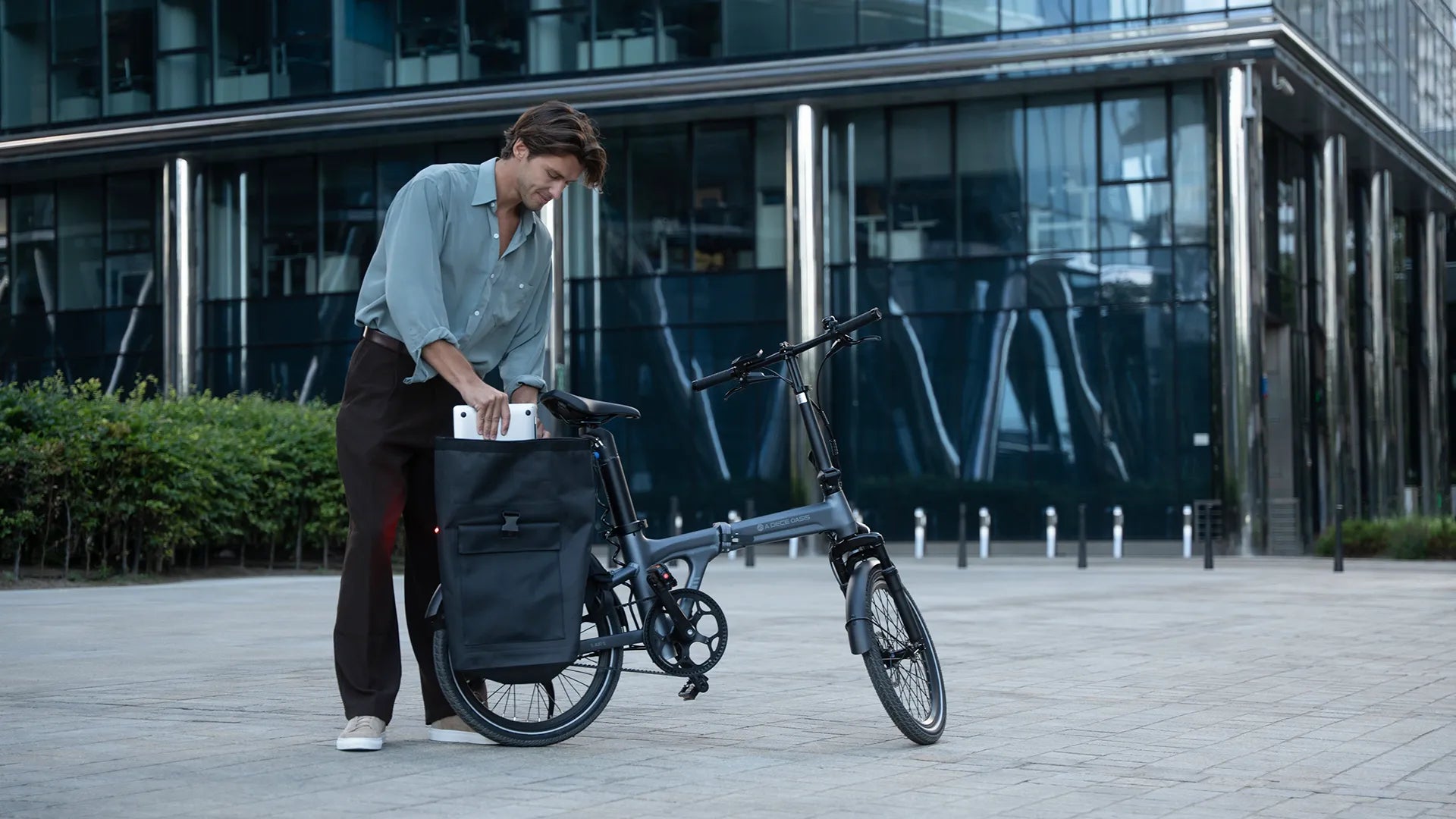
ADO’s hydraulic disc brakes are the stronger specification on paper. Hydraulic systems can provide powerful, consistent braking with lighter lever effort when they are correctly set up. The T1 uses Shimano disc brakes, a familiar arrangement that still needs clean rotors, suitable pads, and regular inspection.
The drivetrain choice is more balanced. ADO’s carbon belt is quiet, clean around clothing, rust-resistant, and marketed for very low maintenance. Its single-speed layout also removes derailleurs and gear cables from the routine.
The T1’s chain and gears need cleaning and lubrication, but they offer ratio choice and are familiar to most bicycle workshops. A chain system can be more practical for riders who expect local servicing or want easier parts sourcing. A belt is attractive for clean commuting, but replacement parts and belt tension still deserve attention.
Rain does not remove the need for care on either bike. After a wet commute, dry the-bike, check the brakes, inspect the tyres, and store the battery sensibly. DYU’s rain-riding guide covers visibility, grip, and post-ride checks, while the brake pad wear guide explains warning signs that should not be ignored.
Warranty and Ownership Details
ADO’s dedicated warranty policy uses different periods for different parts. It lists up to 60 months for the aluminium frame, 24 months for the motor and battery, and shorter periods for some drivetrain, braking, lighting, and wear-related components. That is more precise than saying the whole-bike has one five-year warranty.
Warranty terms can change and exclusions matter, especially for water ingress, collisions, modifications, storage, and normal wear. Read the policy that applies in your delivery country before ordering. Do the same on the T1 product page, and keep the purchase record, serial number, and maintenance evidence for whichever bike you choose.
| Bike | Clear strengths | Trade-offs to accept |
|---|---|---|
| DYU T1 | Lower price, slightly larger battery, torque sensor, familiar chain and gears | Heavier to carry, chain maintenance, non-hydraulic brake specification |
| ADO Air 20S 2026 | Lighter net weight, belt drive, hydraulic brakes, rack system, higher claimed range | €600 higher sale price, single speed, inconsistent torque figures on its listing |
Which Folding E-Bike Should You Choose?
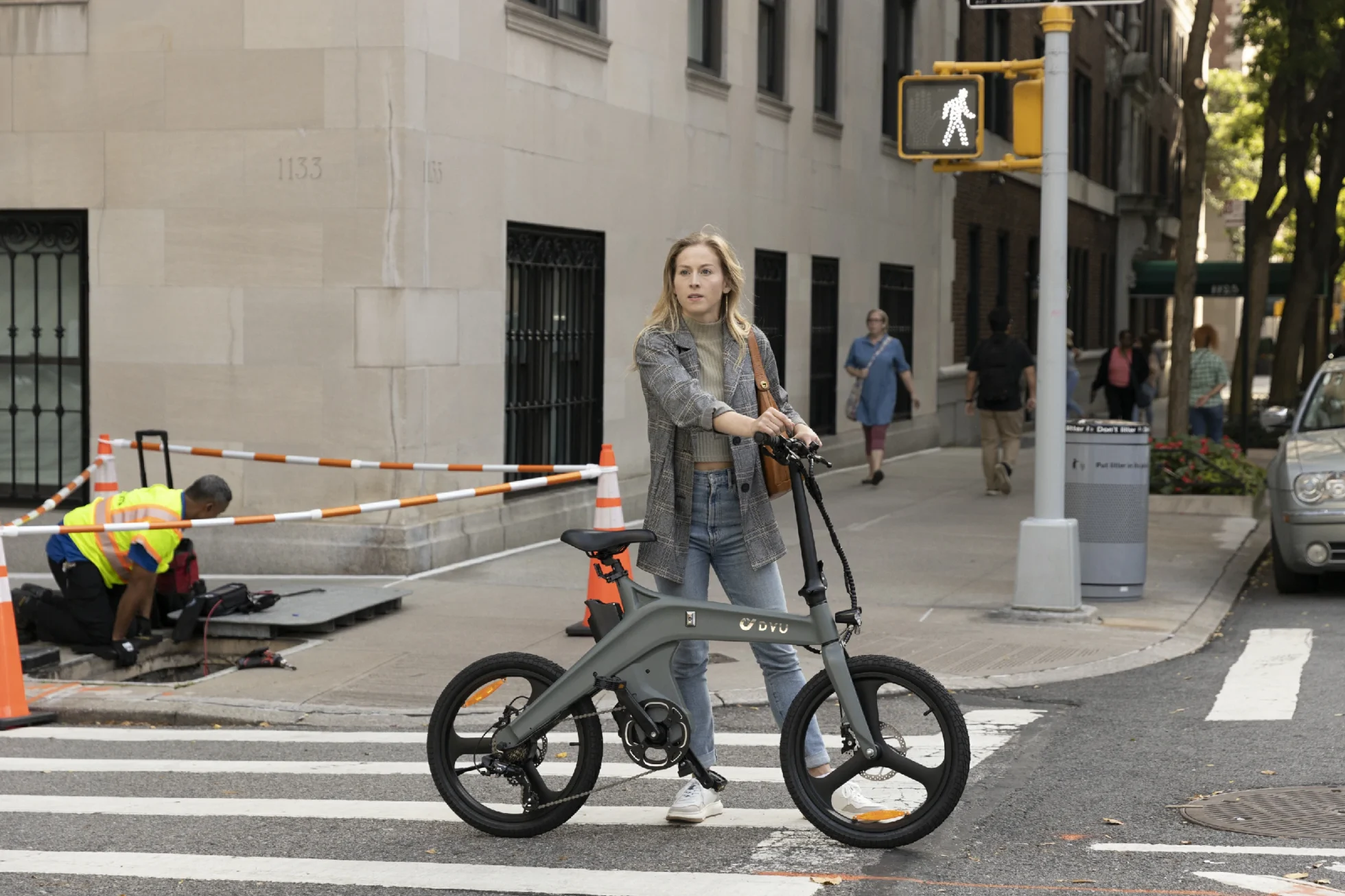
Choose the DYU T1 if price discipline matters, you want gears for a varied route, and a 22.5 kg bike is manageable for your storage routine. It offers the essential city package at a much lower price, and its torque sensor prevents the lower cost from meaning crude assistance.
Choose the ADO Air 20S 2026 if carrying weight, clean clothing, hydraulic braking, and low drivetrain maintenance justify an extra €600. It is especially persuasive for frequent train users or apartment riders who lift the-bike often and mostly travel on flatter urban routes.
Neither is the universal winner. The T1 is the stronger budget and gearing choice. The ADO is the stronger portability and clean-drivetrain choice. Measure the storage space, test the lifting routine, and compare the actual route before letting the 100 km claim or the lower price decide alone.
Bottom Line
The DYU T1 vs ADO Air 20S 2026 decision comes down to use, not prestige. At €699, the T1 delivers strong practical value, gears, a torque sensor, and a 360Wh battery. At €1,299, the ADO asks a premium for lower net weight, a carbon belt, hydraulic brakes, and a more accessory-focused commuter setup.
If you carry the-bike every day, the ADO’s weight saving may be worth more than it looks on a table. If you mostly ride and rarely lift, the T1’s €600 saving and geared chain drive are difficult to ignore.
FAQs
Q1. How much cheaper is the DYU T1 than the ADO Air 20S 2026?
Using the prices at the time of writing, the DYU T1 at €699 is €600 cheaper than the ADO sale price of €1,299. The gap rises to €700 against ADO’s €1,399 regular price.
Q2. Is the ADO Air 20S 2026 easier to carry than the DYU T1?
On the published net figures, yes. ADO lists 18 kg excluding accessories, while the T1 is 22.5 kg. Compare the fully equipped carry weight, because ADO also lists 24 kg with accessories.
Q3. Does the ADO Air 20S really travel 100 km per charge?
ADO describes 100 km as a maximum range claim, not a guaranteed result for every rider. The T1’s 55 km listing and ADO’s 100 km claim use unknown or different test conditions, so they should not be treated as a direct real-world comparison.
Q4. Is a carbon belt better than the DYU T1’s chain and gears?
A carbon belt is cleaner, quieter, and lower maintenance. The T1’s chain and gears provide ratio choice for hills and are familiar to bicycle workshops. The better system depends on route, servicing access, and how much you value clean, single-speed simplicity.
Q5. Which bike is better for a train-and-bike commute?
The ADO has the advantage when frequent lifting is the main problem because it is lighter on its net specification. The T1 may be the better overall choice when price and gearing matter more, provided its 22.5 kg weight works for your station and storage routine.