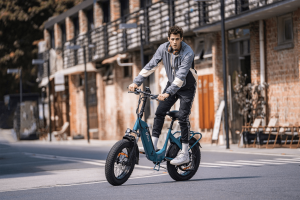
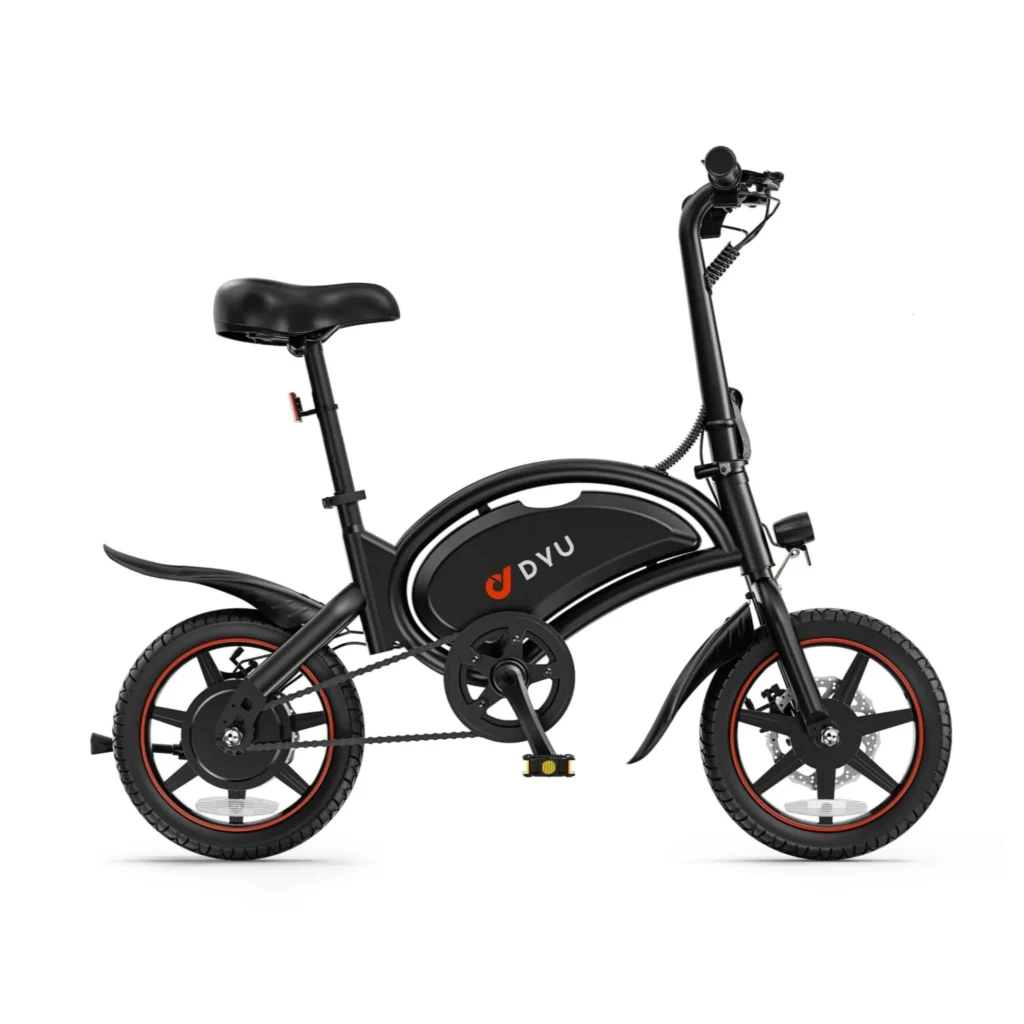
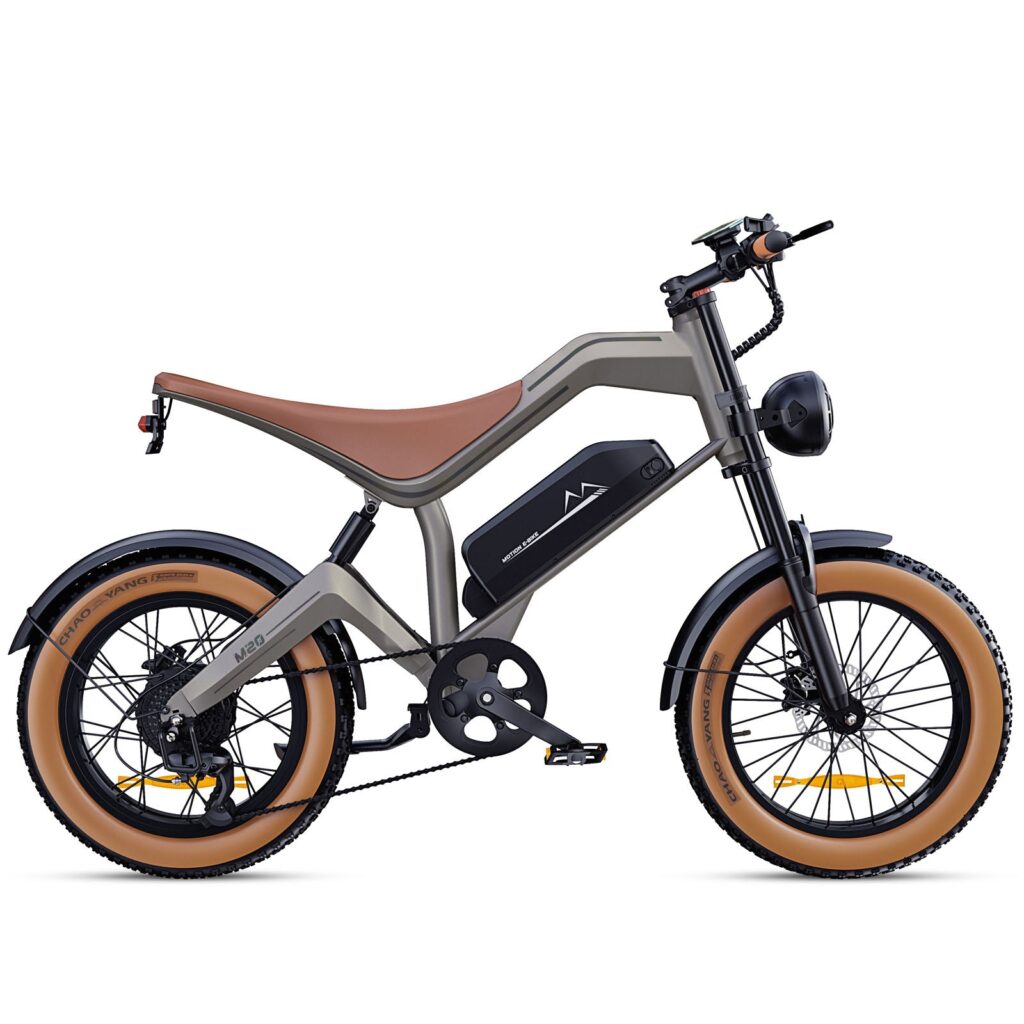
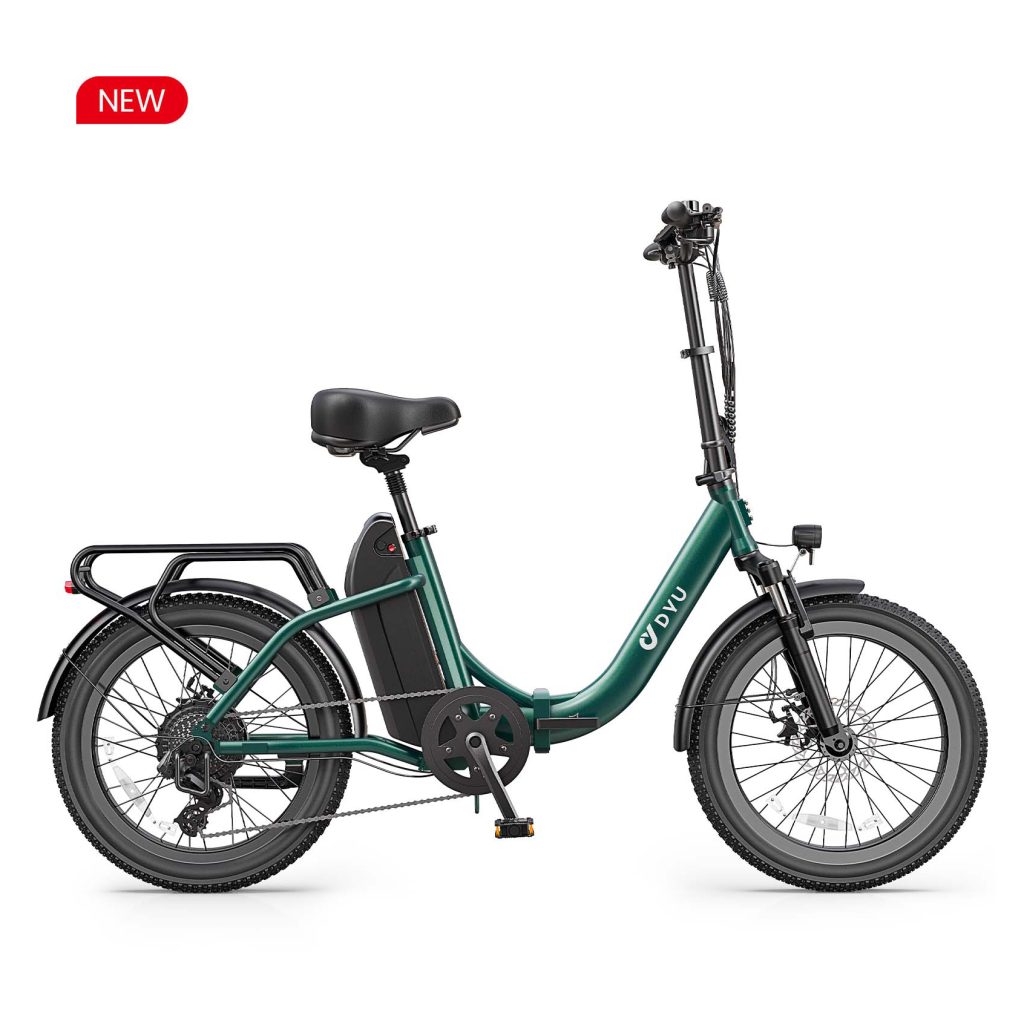
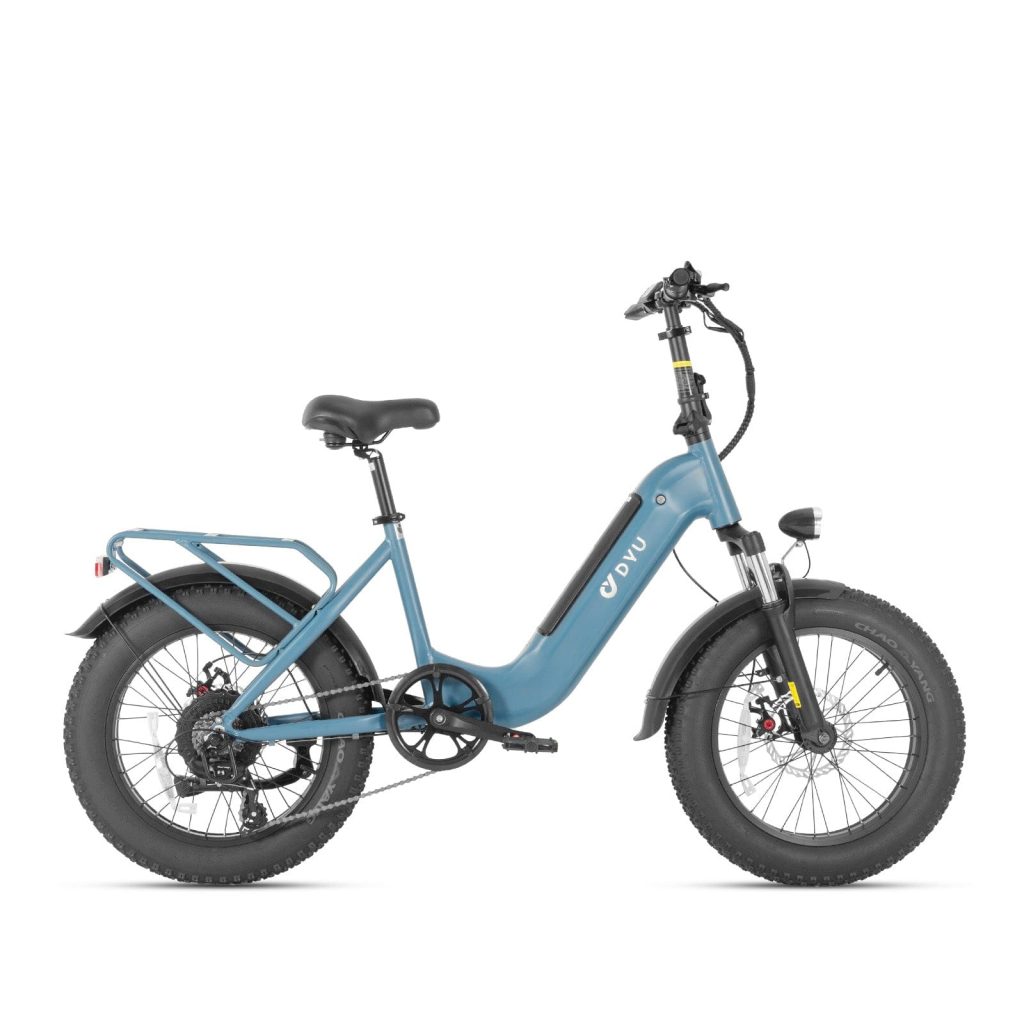
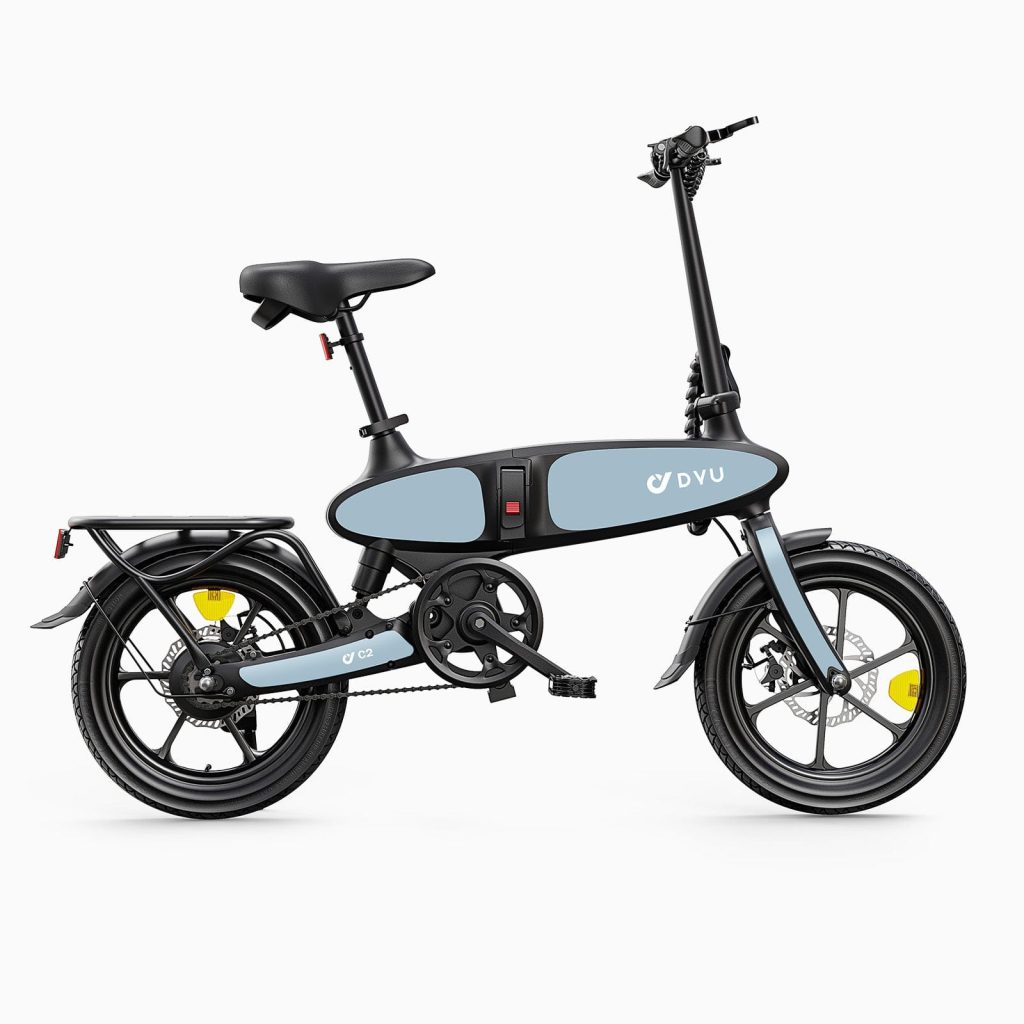

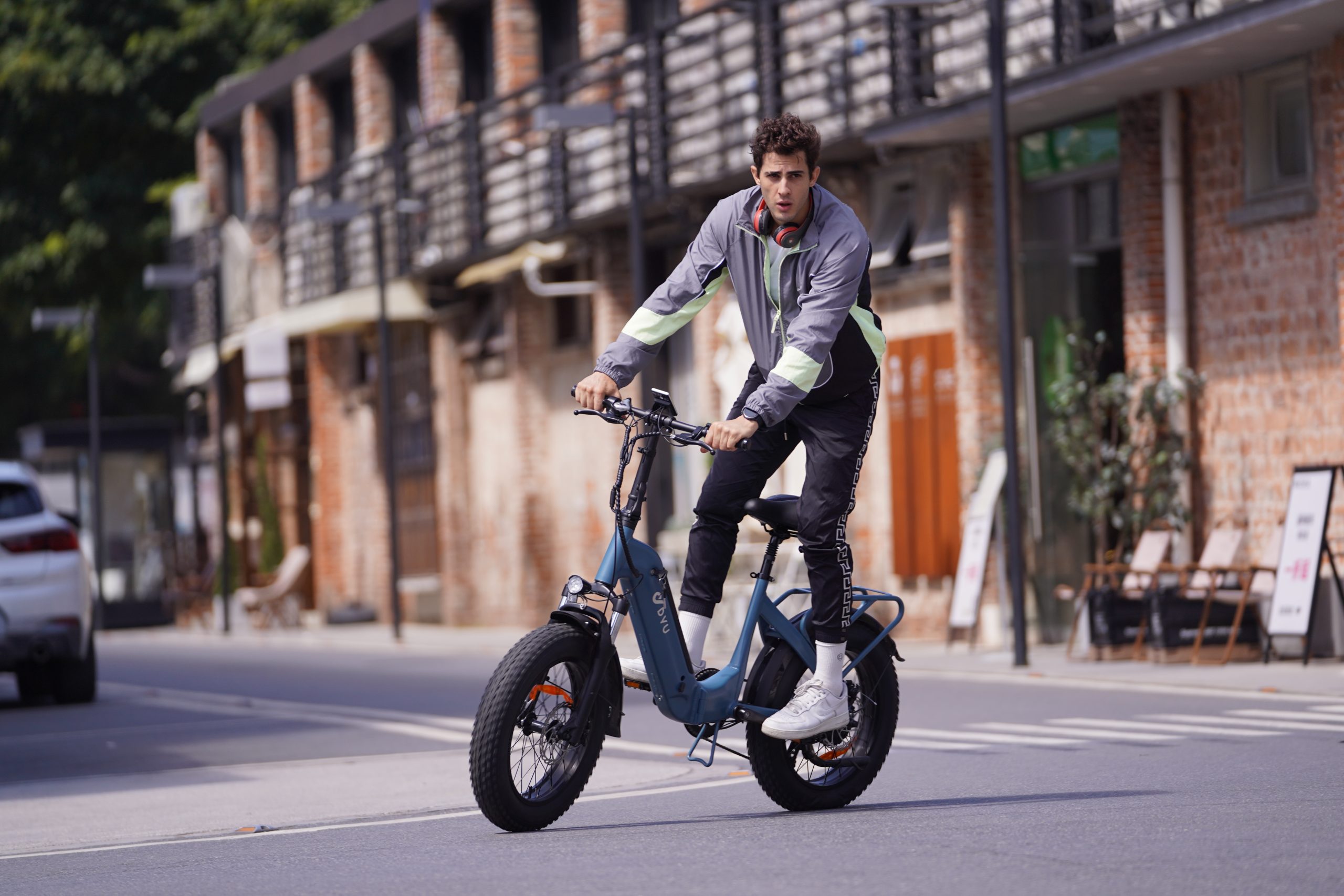



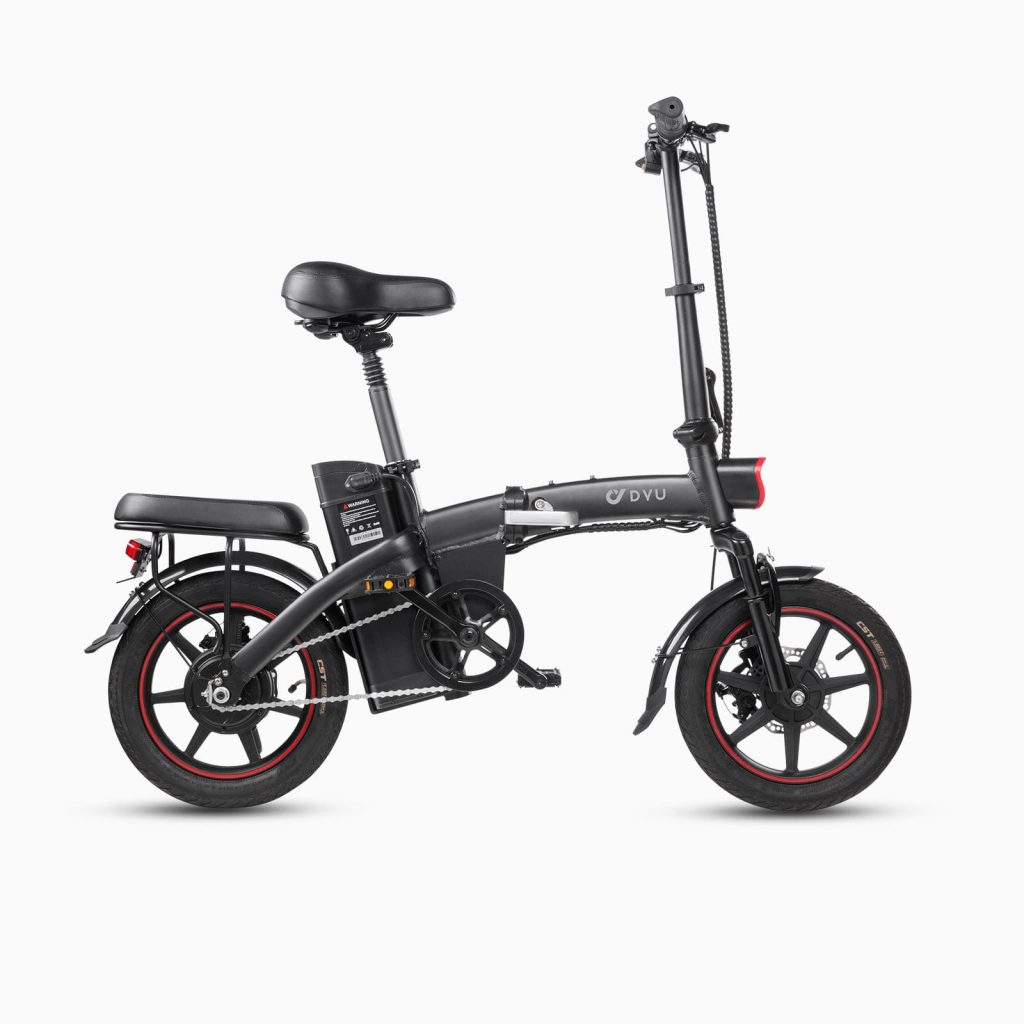
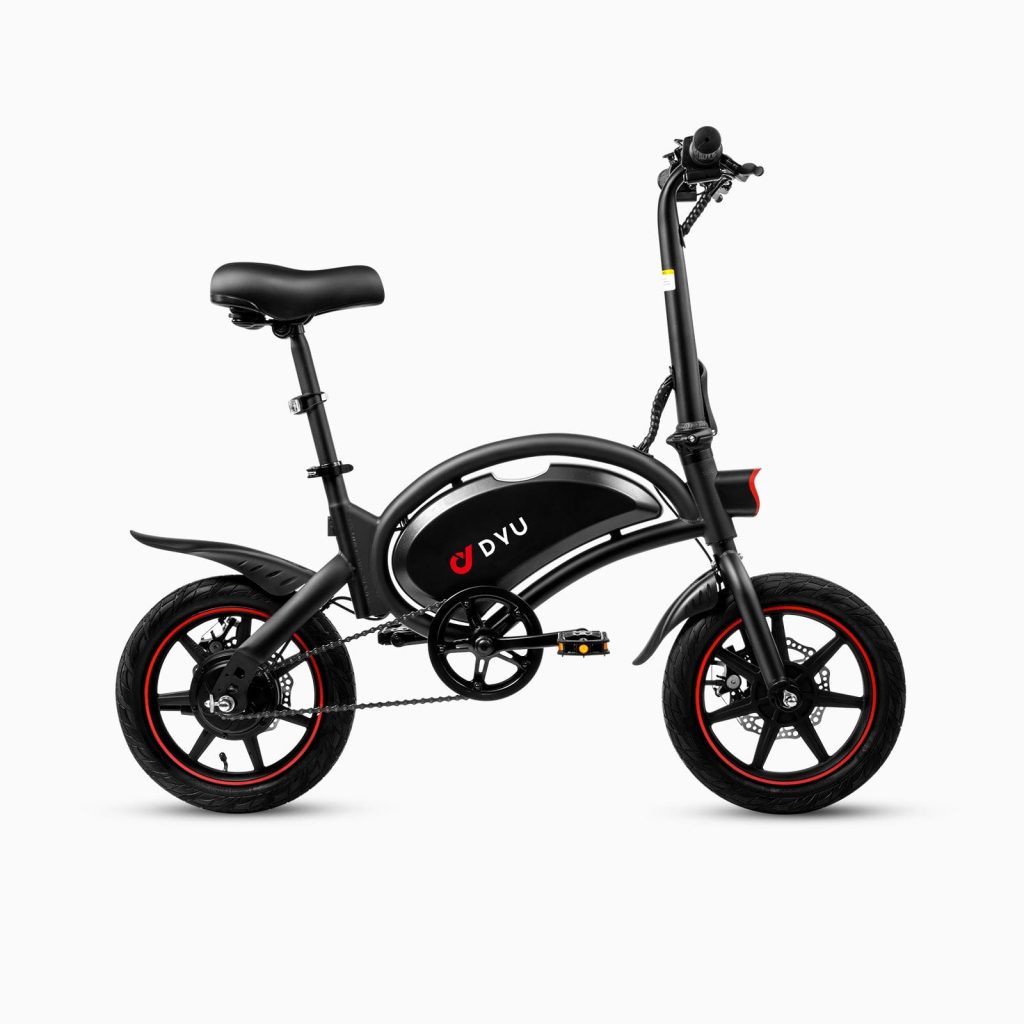
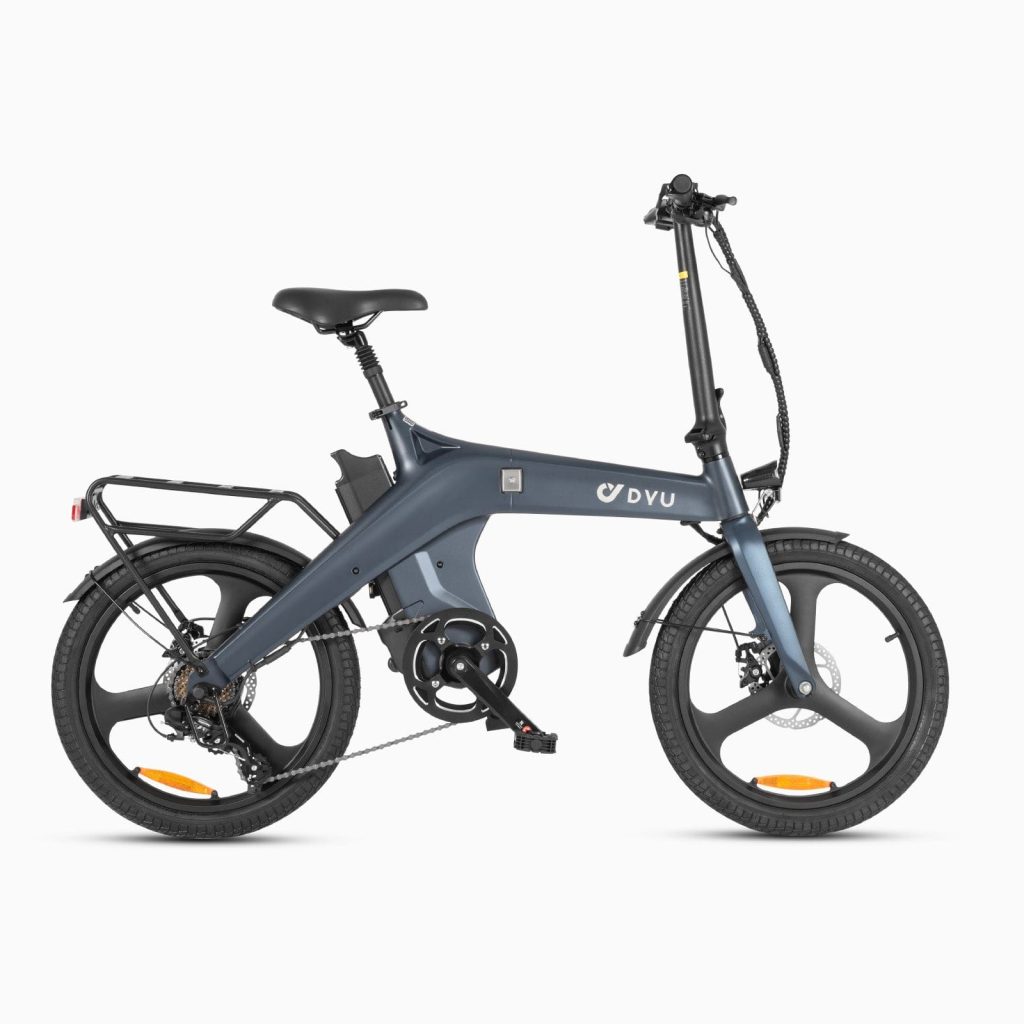

Large wheel e-bike comfort is not only about a softer saddle. Wheel size changes how a bike rolls over patched asphalt, tram crossings, cobblestones, shallow potholes, and the little curb cuts that make up a normal European city ride.
I notice it most on tired evenings. The route is familiar, the distance is ordinary, but every broken surface feels louder than it did in the morning. That is when a smoother rolling bike starts to feel less like a spec and more like relief.
Large Wheel E-Bike Comfort Starts With Rolling Smoothly
A larger wheel usually rolls across small surface changes with less drama than a tiny wheel. It does not make the road perfect, and it does not replace good tires, but it can calm the bike down when the surface keeps changing every few meters.
| Comfort factor | What to check | Why it matters |
|---|---|---|
| Wheel size | How the bike handles rough city surfaces | Larger wheels can feel calmer over small bumps |
| Tire condition | Tread, sidewalls, and pressure before long rides | Comfort disappears quickly with poor tire care |
| Brake feel | Predictable stopping without grabbing | Rough streets require earlier, smoother braking |
| Riding position | Reach to the bars and relaxed shoulders | A tense rider feels every surface hit harder |
| Battery margin | Enough range for detours and lower assist days | Comfort is better when the rider is not rushing home |
BikeRadar’s e-bike explainer is a useful starting point because it treats the electric bike as a complete system. For comfort, that system is wheel size, tires, frame fit, brakes, battery, rider posture, and the surface under the bike.
Do Not Judge Comfort From the Saddle Alone

A soft saddle can help, but it can also distract from the real cause of discomfort. If the rider is reaching too far, braking late, running the tires too firm, or bouncing through rough sections with locked elbows, no saddle can fix the whole ride.
On a city route, I would check comfort in this order:
- Can the rider keep shoulders relaxed for 20 minutes?
- Does the bike track calmly over patched asphalt?
- Can the rider brake before rough sections instead of inside them?
- Does tire pressure feel supportive without being harsh?
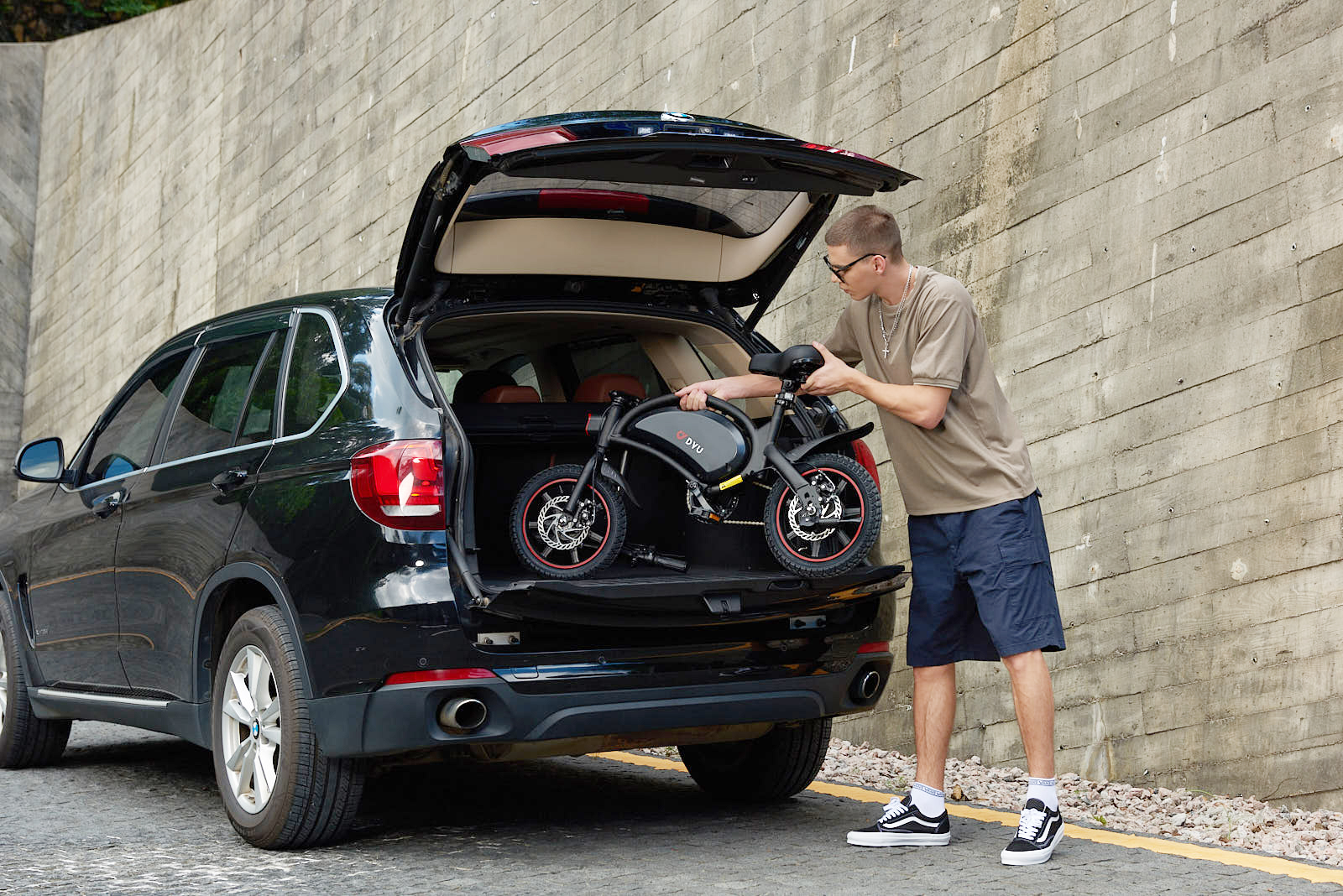
- Can the bike be stored without turning every ride into a lifting session?
DYU’s first e-bike buying guide is useful if you are still choosing the general type of bike. Comfort should be judged across the whole week, not only during one smooth test ride.
Rough Streets Reward Smooth Braking
Comfort and braking are connected. A rider who brakes late has to grab more lever when the road gets busy. That transfers weight forward, stiffens the arms, and makes broken surfaces feel sharper than they need to feel.
Electric Bike Report’s brake guide explains brake basics clearly. The city version is simple: brake earlier, stay relaxed, and let the bike settle before the rough patch. DYU’s disc brake guide goes deeper into why predictable brakes matter for everyday e-bike control.
Large wheels help most when the rider gives them time to work. If the bike is rushed into every junction, the wheels, tires, brakes, and rider all have to solve the problem at once.
Range Comfort Is About Not Riding Stressed
Comfort is not only physical. A rider who is watching the battery every minute tends to ride tense, skip detours, and push harder than necessary. That is why range margin belongs in a comfort guide.
Battery University’s lithium-ion care guide is technical, but the everyday habit is easy to understand: avoid careless heat, deep drains, and messy charging routines. For city riders, a calm routine looks like this:
- Charge in a dry, ventilated place on a hard surface.
- Check battery level before the long day, not after leaving home.
- Leave margin for wind, detours, hills, and colder mornings.
- Keep tire pressure sensible because soft tires can reduce range.
- Use assist levels deliberately instead of riding every trip at maximum support.
DYU’s range anxiety guide pairs well with this habit. A comfortable e-bike commute should feel planned, not improvised.
Wet Roads Change the Comfort Test
Rain makes a comfortable route feel different. Painted lines, metal covers, wet leaves, and puddles all ask for smoother inputs. Large wheels can feel stable, but the rider still needs to slow down before slick sections.
DYU’s rain riding guide is worth reading before judging any city bike for year-round use. My shorter rule is this: comfort in rain comes from patience. Brake early, keep the bike upright over suspicious surfaces, and leave more space than you think you need.
The same goes for cargo. A backpack, lock, or small shopping load changes how the bike feels over bumps. If the ride suddenly feels harsh or vague, check the load before blaming the frame.
Security and Storage Still Count as Comfort
A bike can feel wonderful on the road and still be annoying to own. If it is hard to park, difficult to lock, or awkward to store, the rider starts avoiding short trips. That is not comfort. That is friction.
For a full-size city e-bike, check the building routine before buying. Measure the lift, storage room, hallway turn, and rack space. If the bike must live outside, plan the lock setup and weather protection in advance. DYU’s city e-bike security guide covers that repeated daily routine.
BikeRadar’s e-bike maintenance guide is a good reminder that comfort depends on maintenance too. Tires, brakes, bolts, lights, and drivetrain condition all affect how smooth a bike feels after the first month.
Where the DYU C5 Fits City Comfort
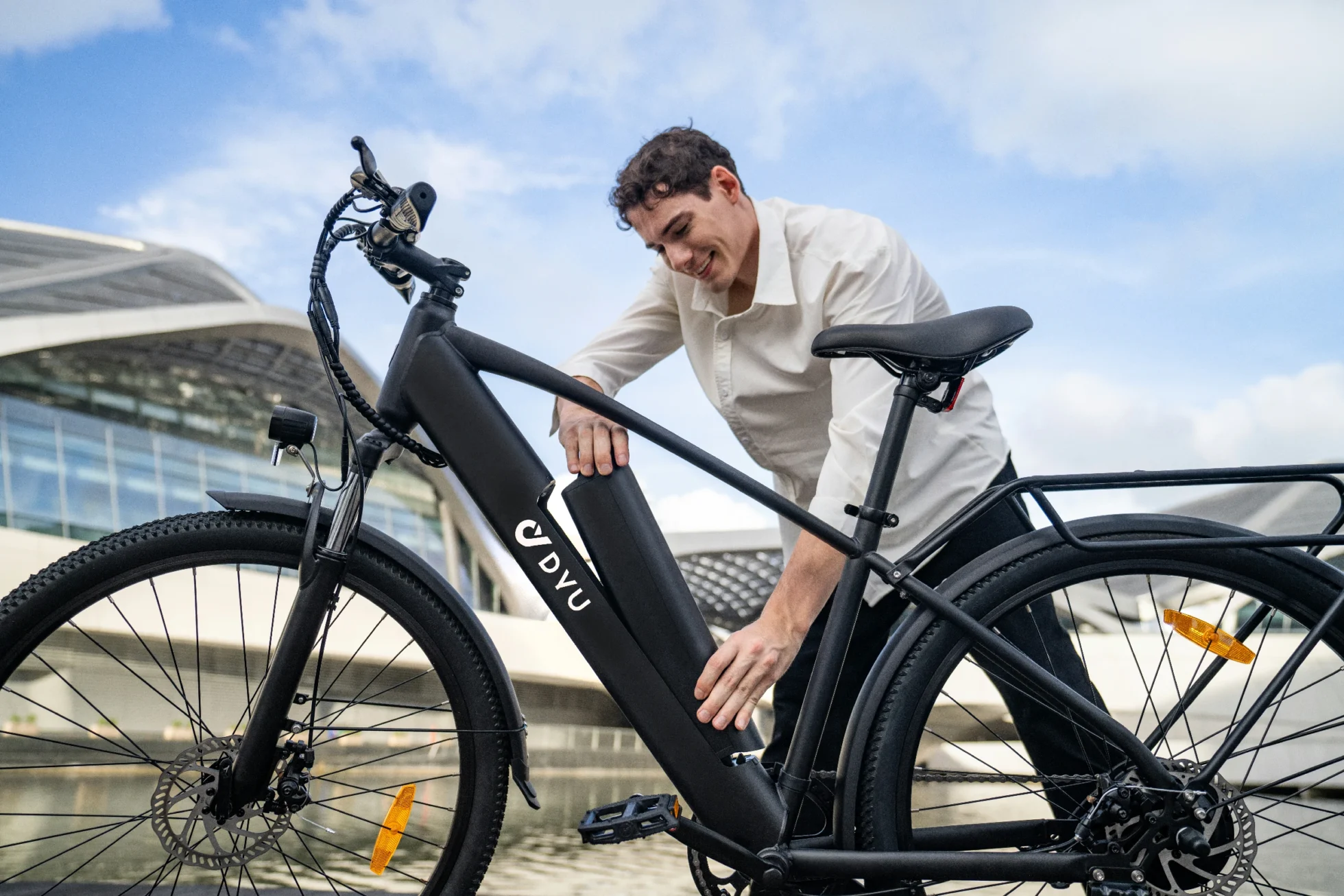
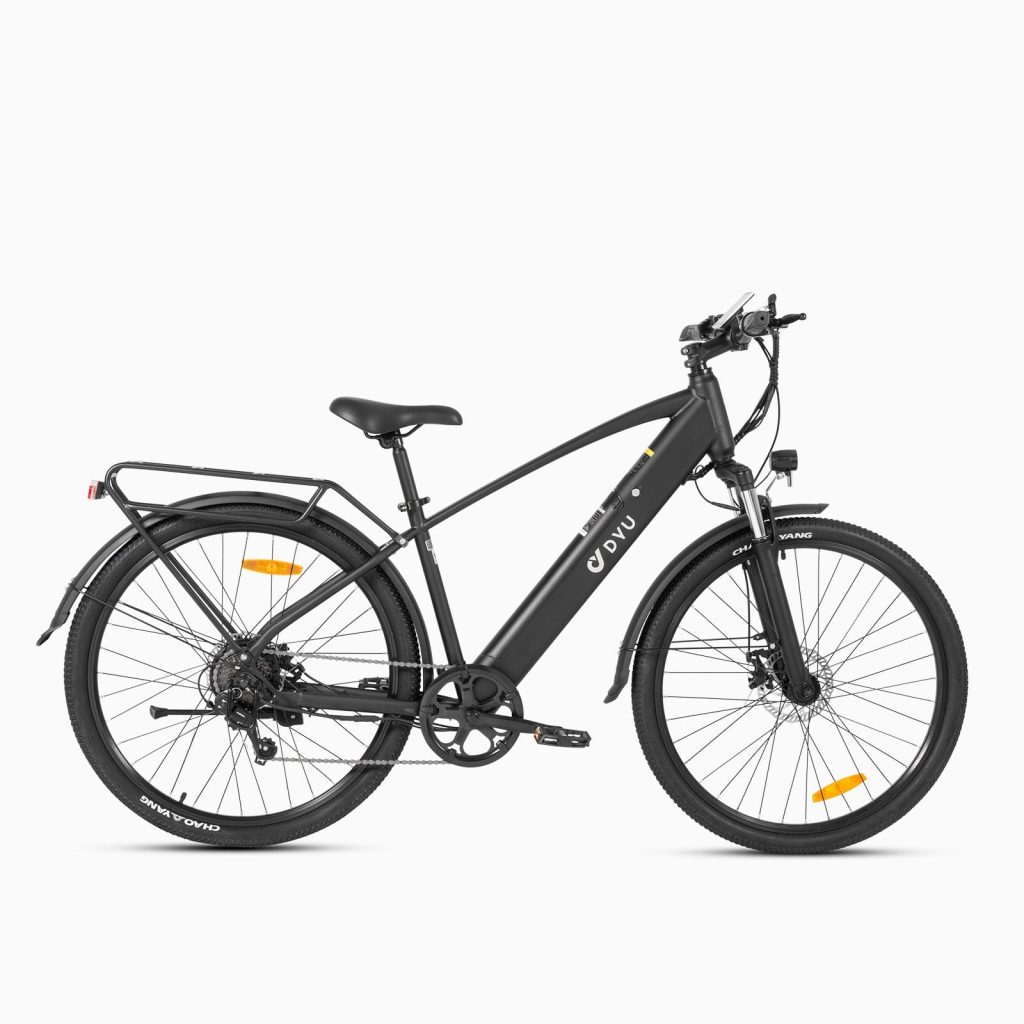
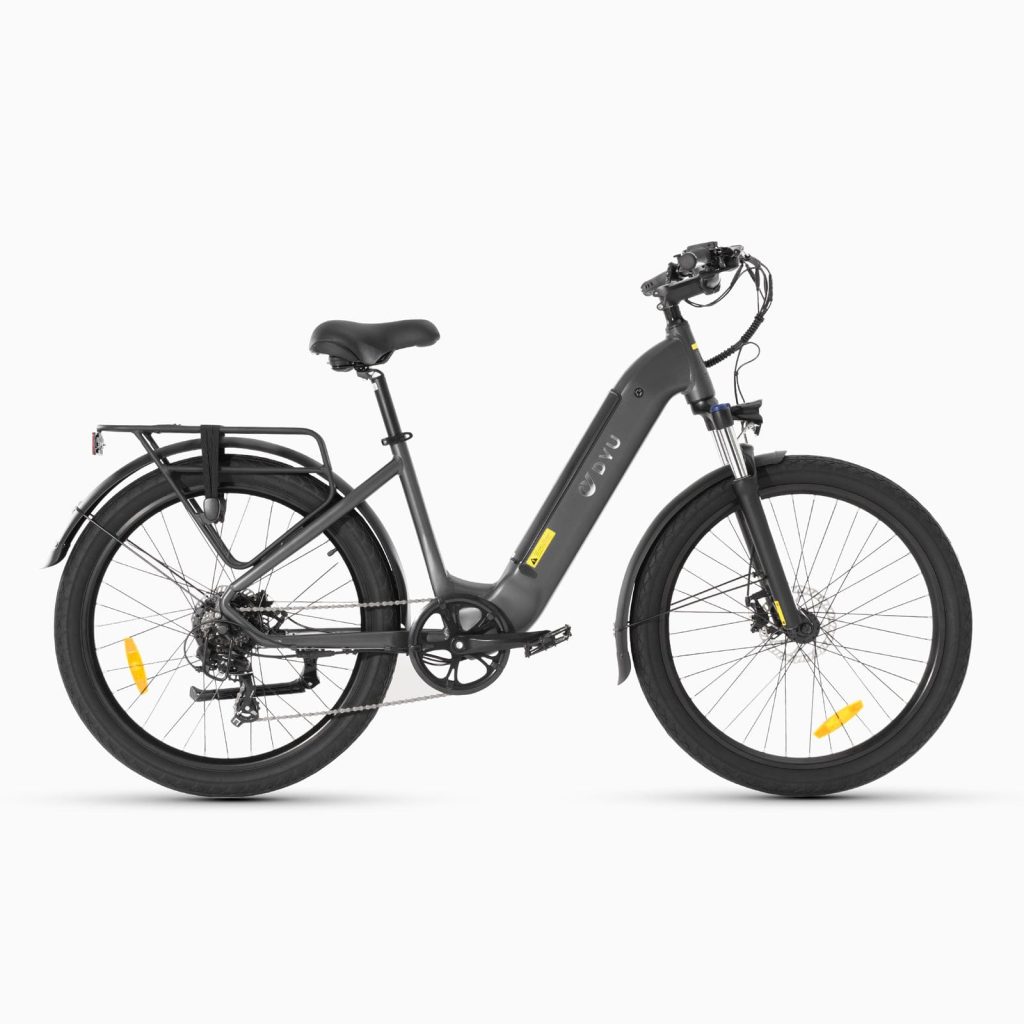
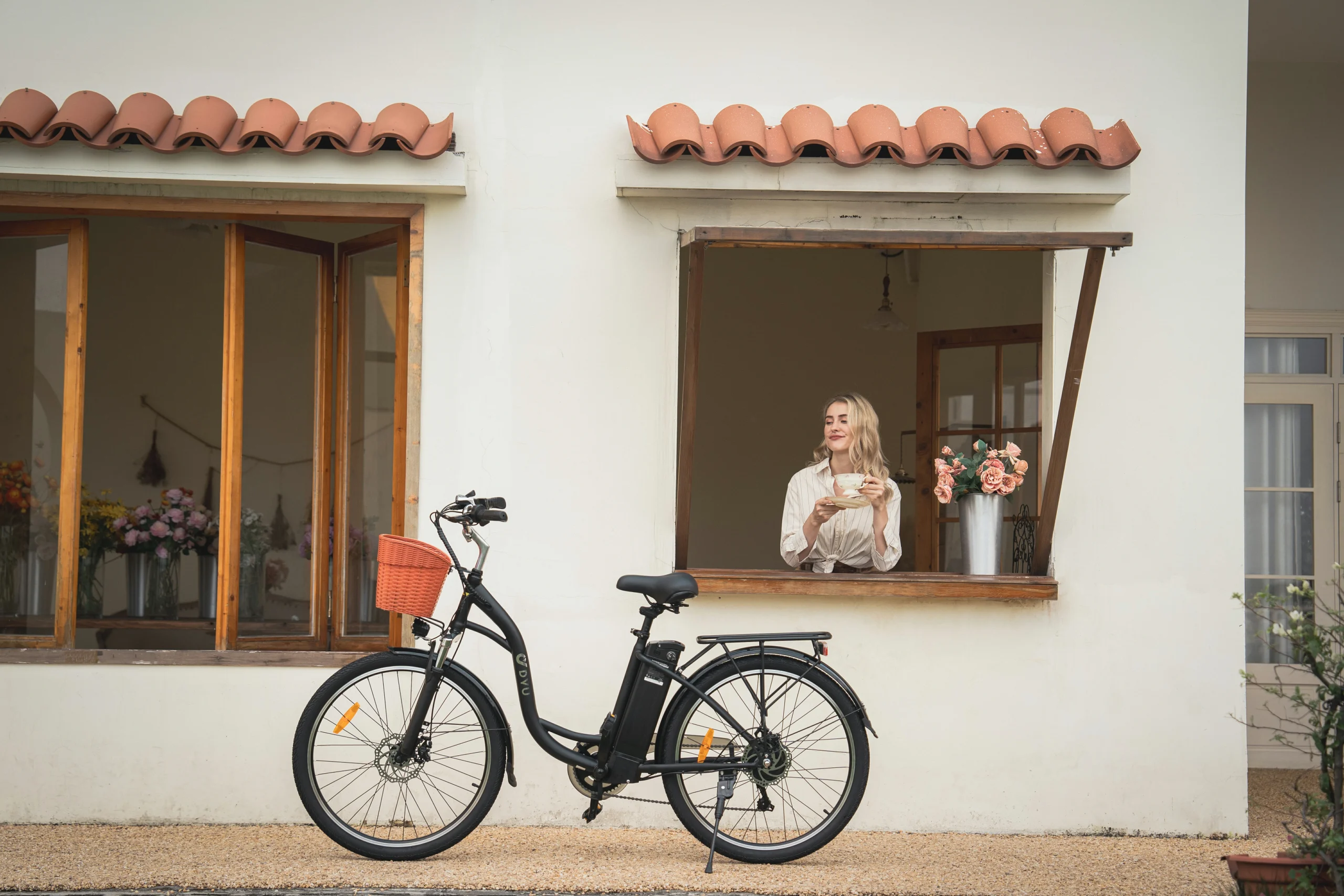
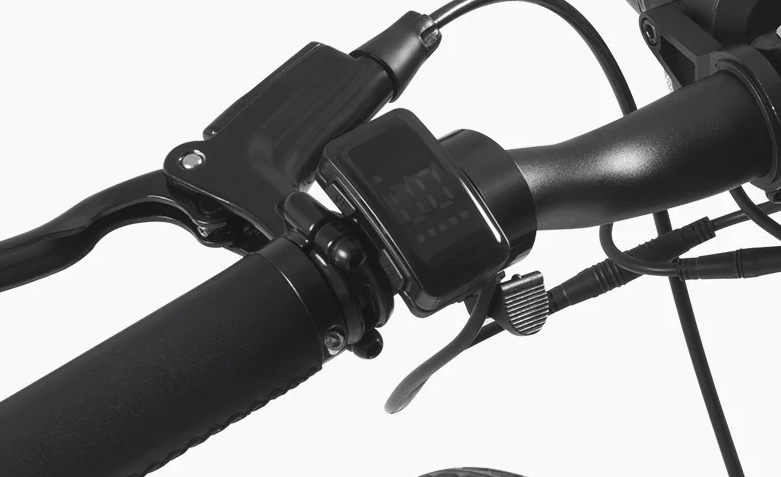
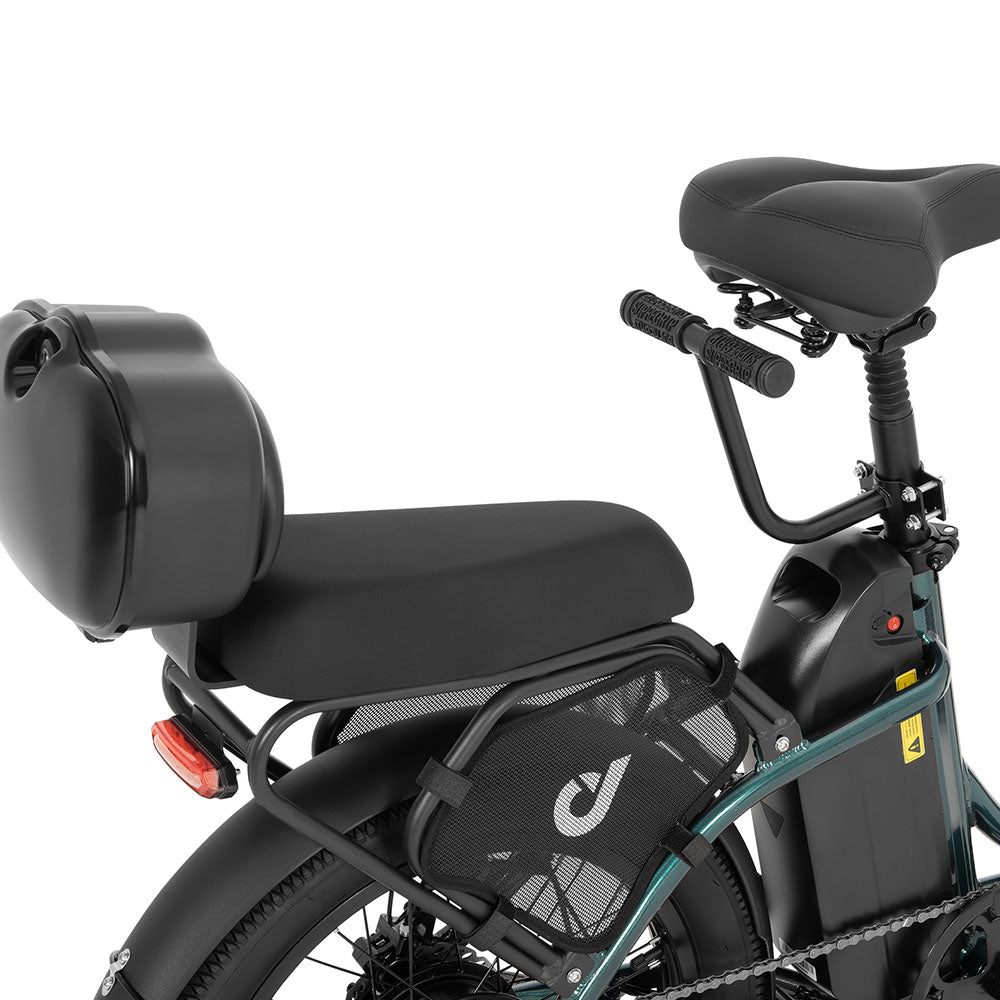
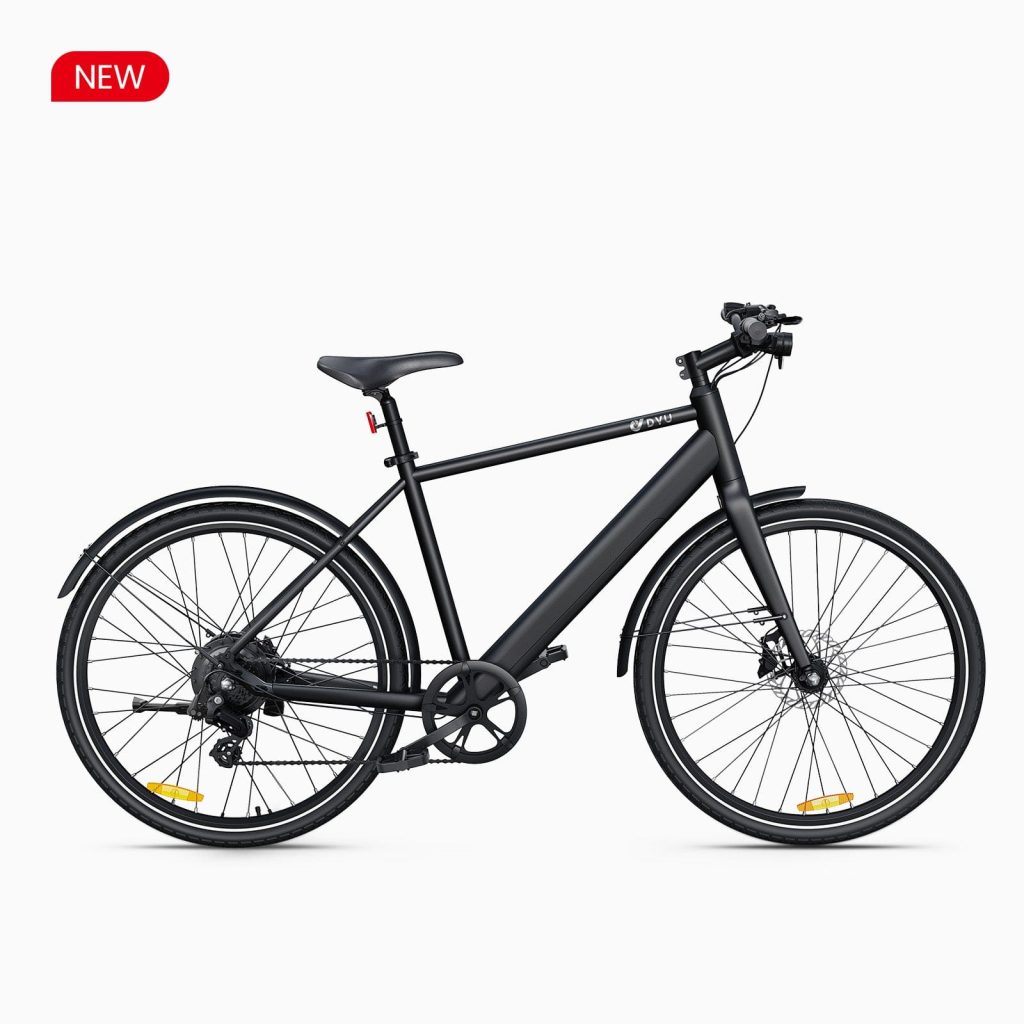
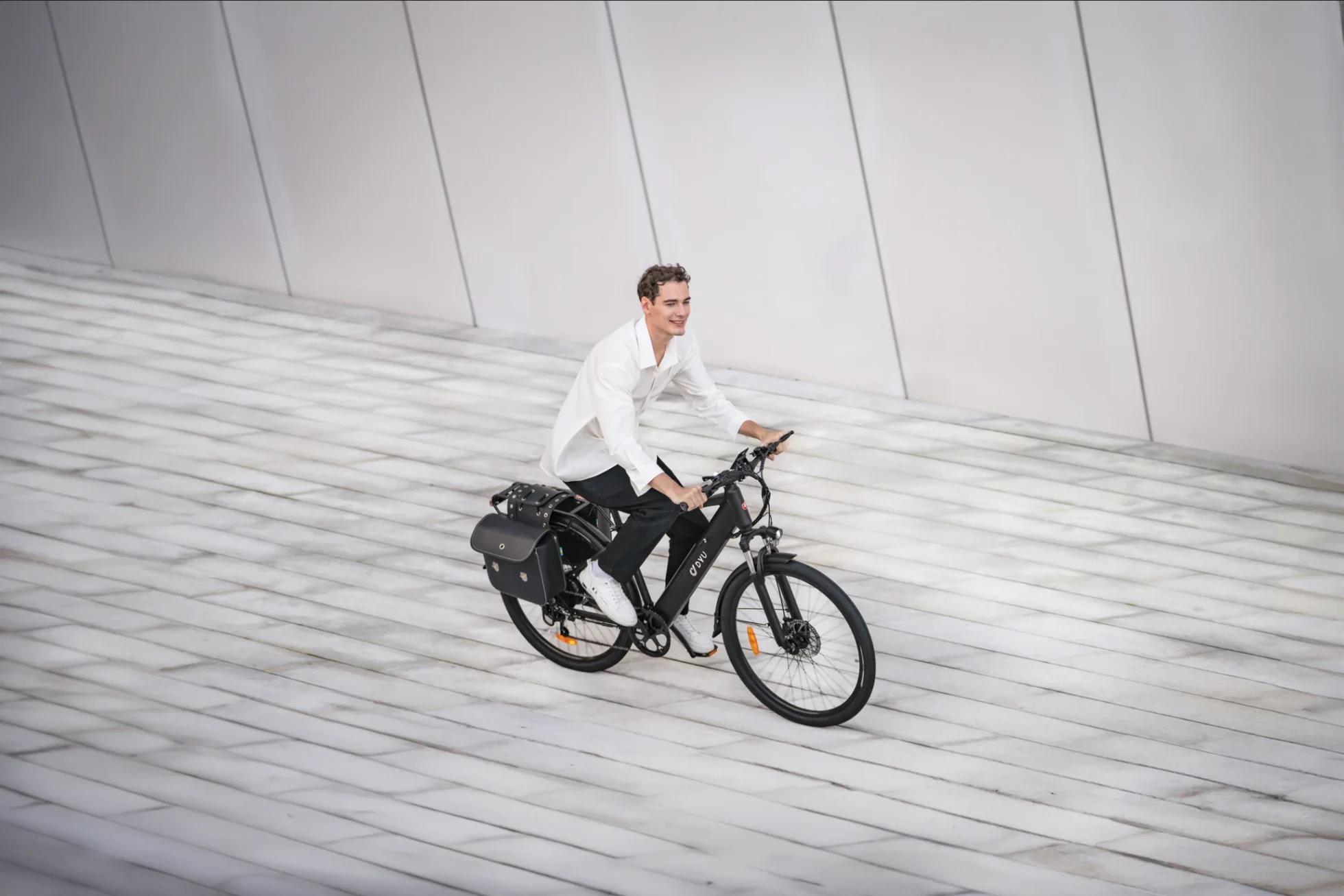
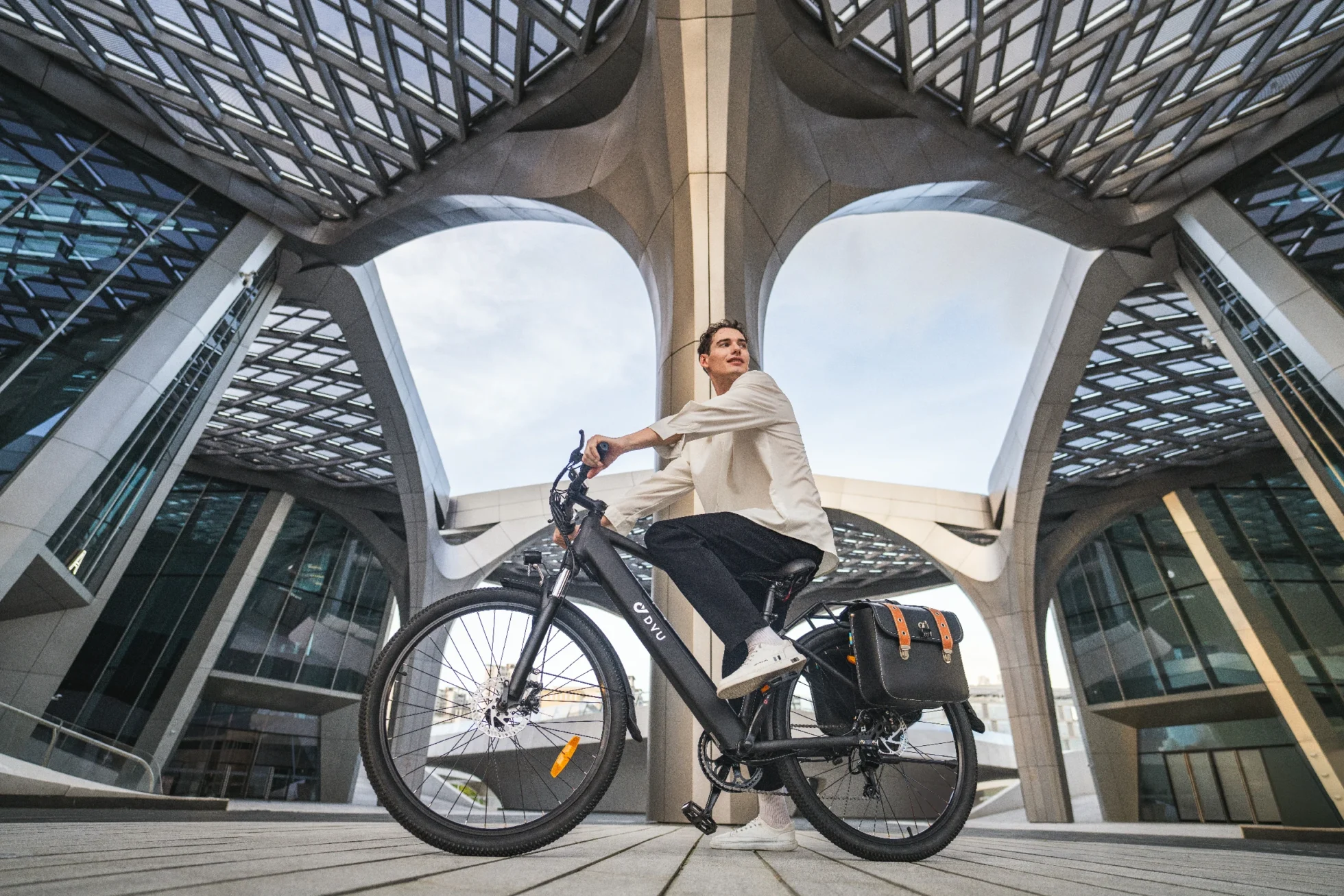
The DYU C5 27.5-inch city e-bike is the model I would bring into this discussion after the route and storage questions are clear. Its key specs include a 250W motor, 48V 10Ah battery, listed 65 km pedal-assist range, 25 km/h assist speed, 27 kg weight, 120 kg load capacity, 27.5-inch wheels, all-terrain tires, front fork and seat shock absorption, disc brakes, built-in LED lighting, multiple pedal-assist modes, and an LCD display.
At the time of writing, the DYU C5 is listed at €799, down from the regular €899. The comfort argument is the wheel format. A 27.5-inch city e-bike feels closer to a traditional bicycle than a compact folder, and that can be useful for riders who value stable rolling on mixed urban surfaces.
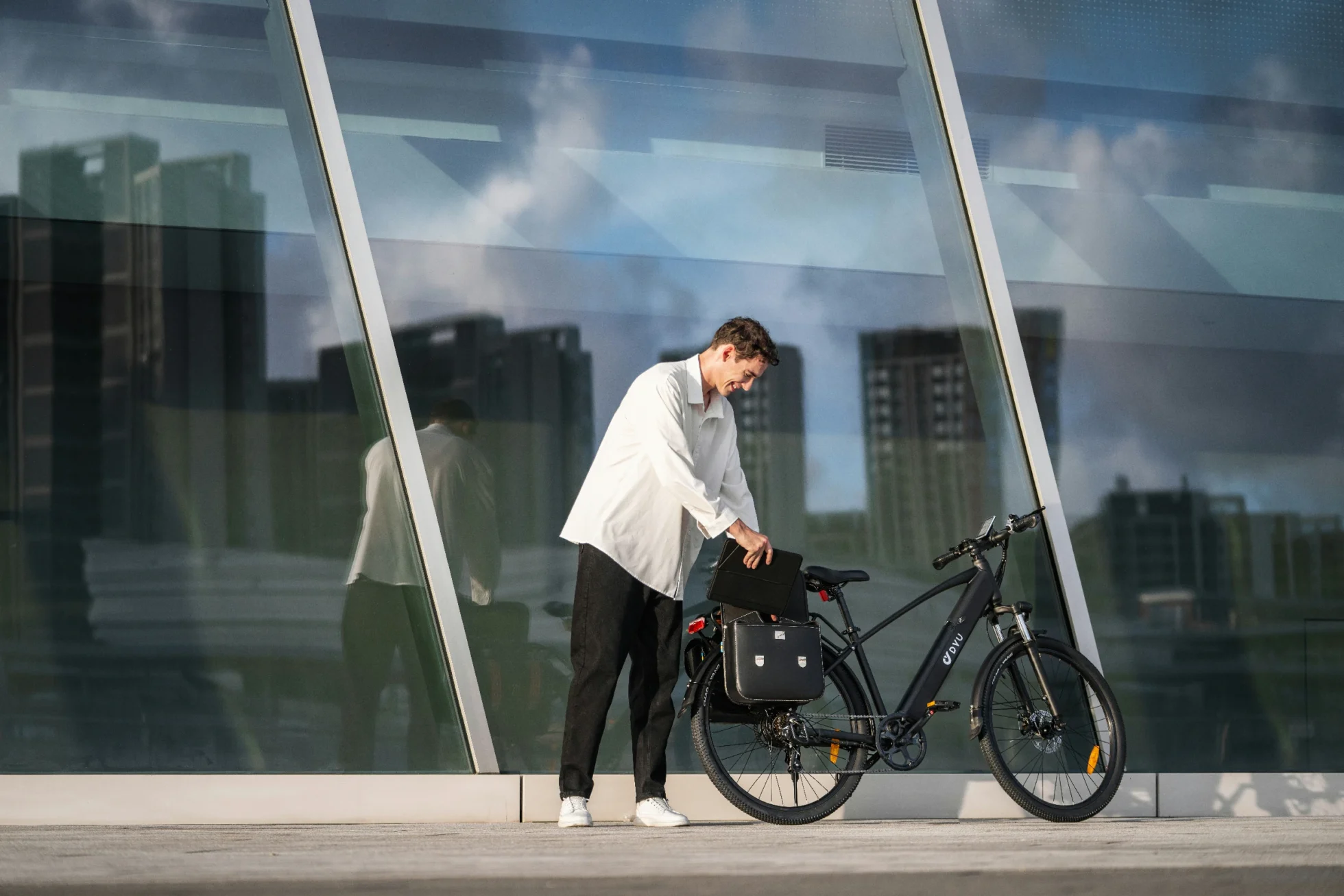
The honest limitation is storage. A full-size bike is easier to ride smoothly than to hide in a small flat. If the building has stairs, narrow halls, or no secure parking, measure that before getting excited about the ride feel.
Quick Comfort Check Before Buying
Before choosing a large wheel e-bike, run through this practical checklist:
- Ride or visualize the roughest section of your normal route.
- Check whether the bike fits your storage space, not only the road.
- Look for predictable brakes and easy-to-service tire sizes.
- Keep enough range margin for detours, cold mornings, and wind.
- Plan the lock, charging, and maintenance routine before ordering.
If those answers are clear, wheel size becomes easier to judge. You are not buying the largest number on a spec sheet. You are buying a calmer ride across the surfaces you actually meet.
Conclusion: Comfort Is the Whole Routine
Large wheel e-bike comfort is about rolling quality, relaxed posture, tire care, braking habits, range margin, storage, and maintenance. A smooth ride begins on the road, but it survives only if the ownership routine makes sense.
The DYU C5 is strongest for riders who want a traditional full-size city feel, 27.5-inch wheels, practical range, and a steady ride over varied urban surfaces. It is not the smallest storage choice, but for the right route and building setup, that larger wheel format can make daily riding feel noticeably calmer.
FAQs
Q1. Are larger wheels better on an e-bike?
Larger wheels can feel smoother over small bumps and rough city surfaces. They are not automatically better for every rider because storage space, weight, and route type still matter.
Q2. What wheel size does the DYU C5 use?
The DYU C5 uses 27.5-inch wheels with all-terrain tires. That format gives it a more traditional city-bike feel than compact folding e-bikes.
Q3. Is the DYU C5 comfortable for city commuting?
It can be a good fit for city commuting when the rider wants large wheels, upright control, front fork and seat shock absorption, and a full-size frame for mixed urban surfaces.
Q4. How much does the DYU C5 cost?
At the time of writing, the DYU C5 is listed at €799, down from the regular €899. Check the product page for current availability and final checkout details.
Q5. What should I check before buying a comfort e-bike?
Check wheel size, tire condition, brake feel, riding position, battery range, storage space, and maintenance access. Comfort is the whole routine, not only the saddle.