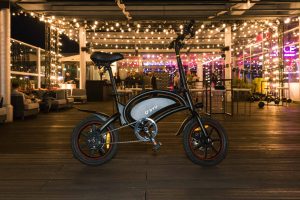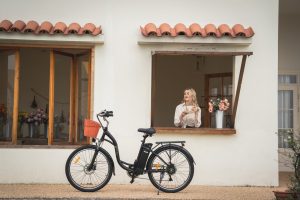
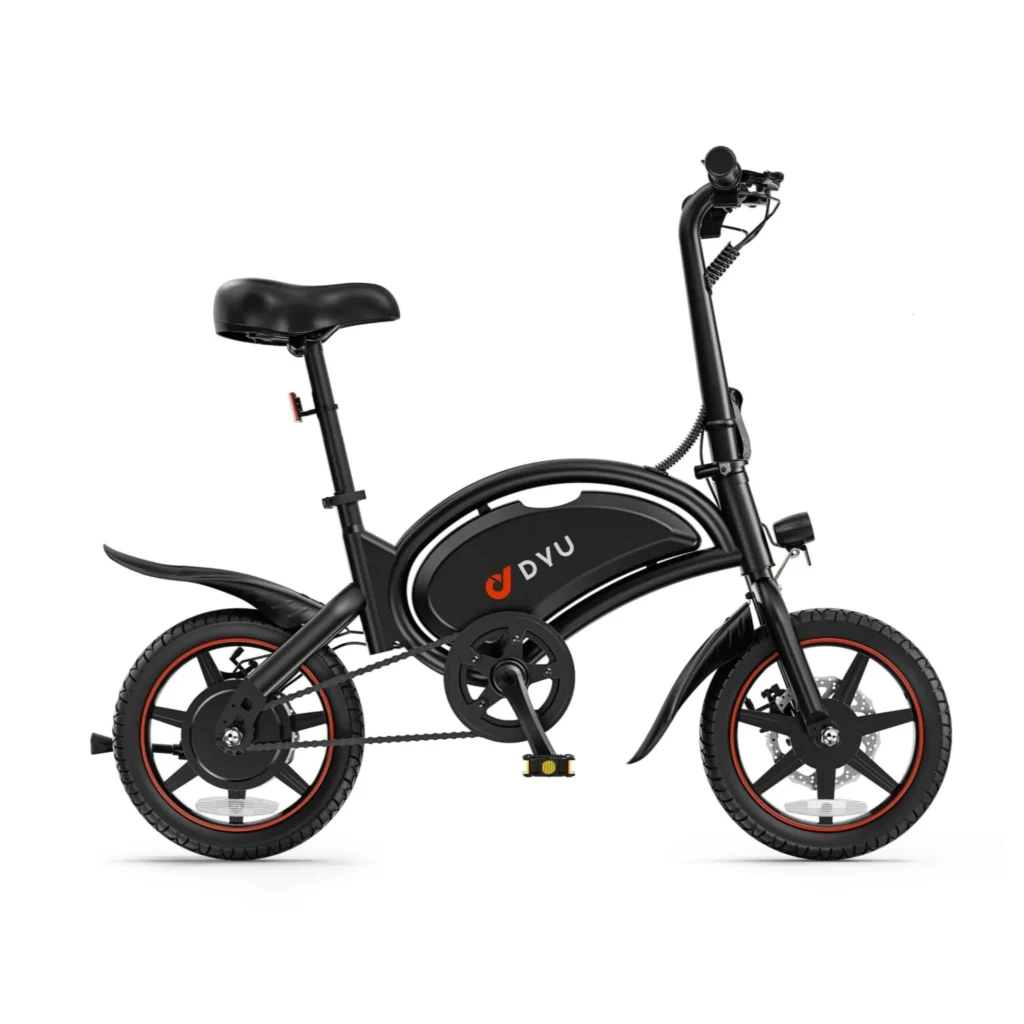
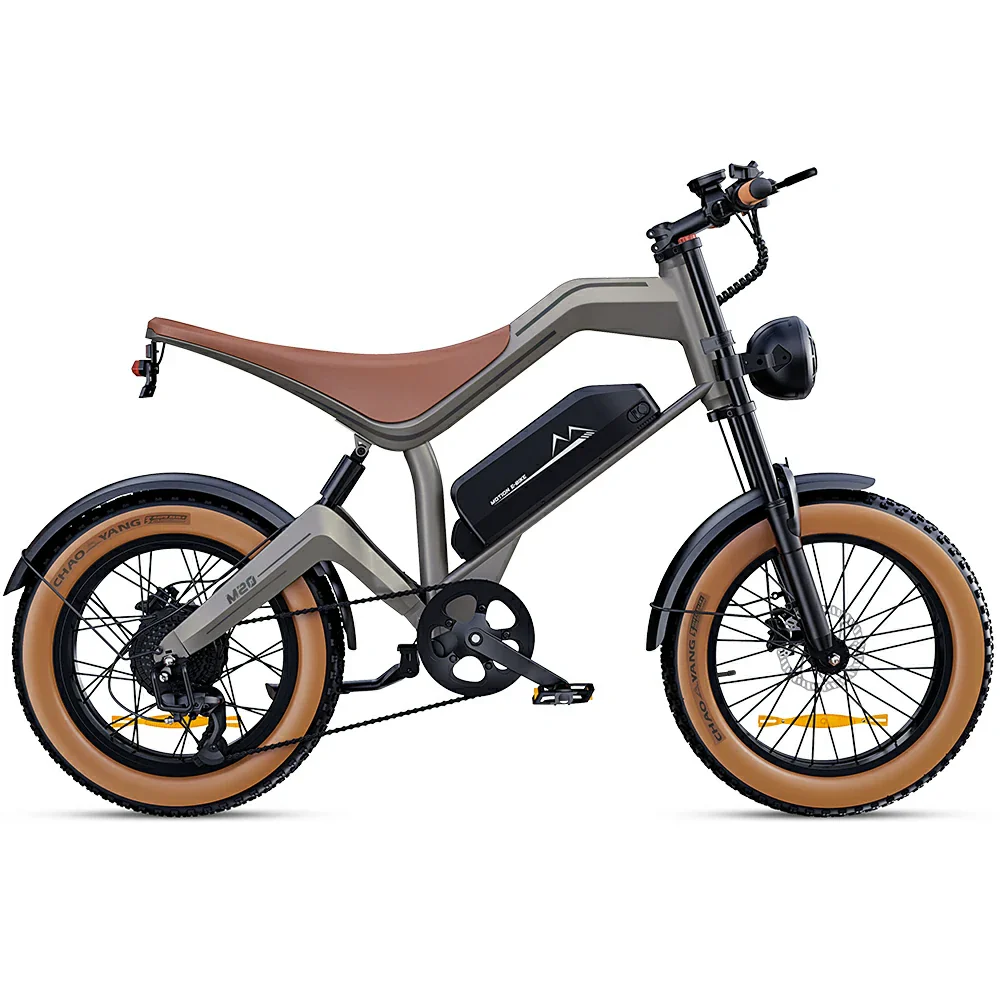
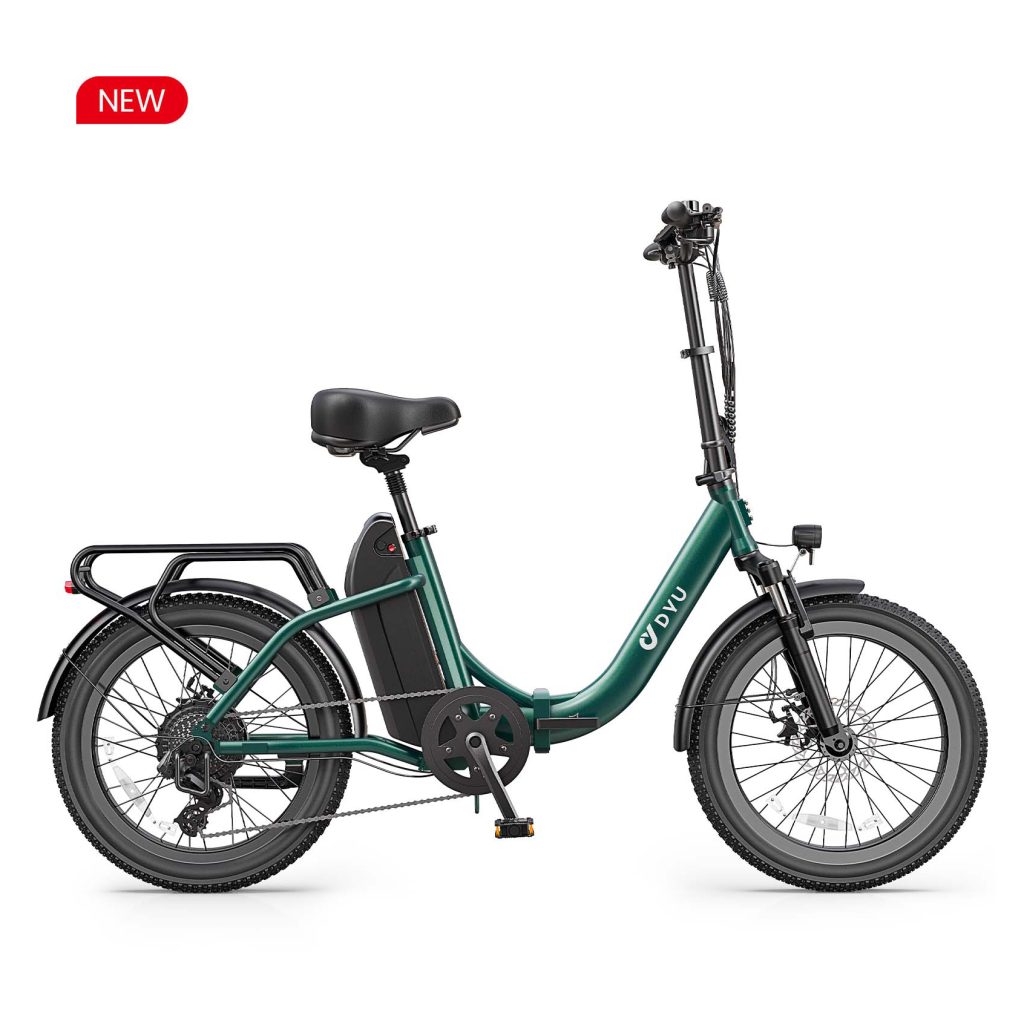
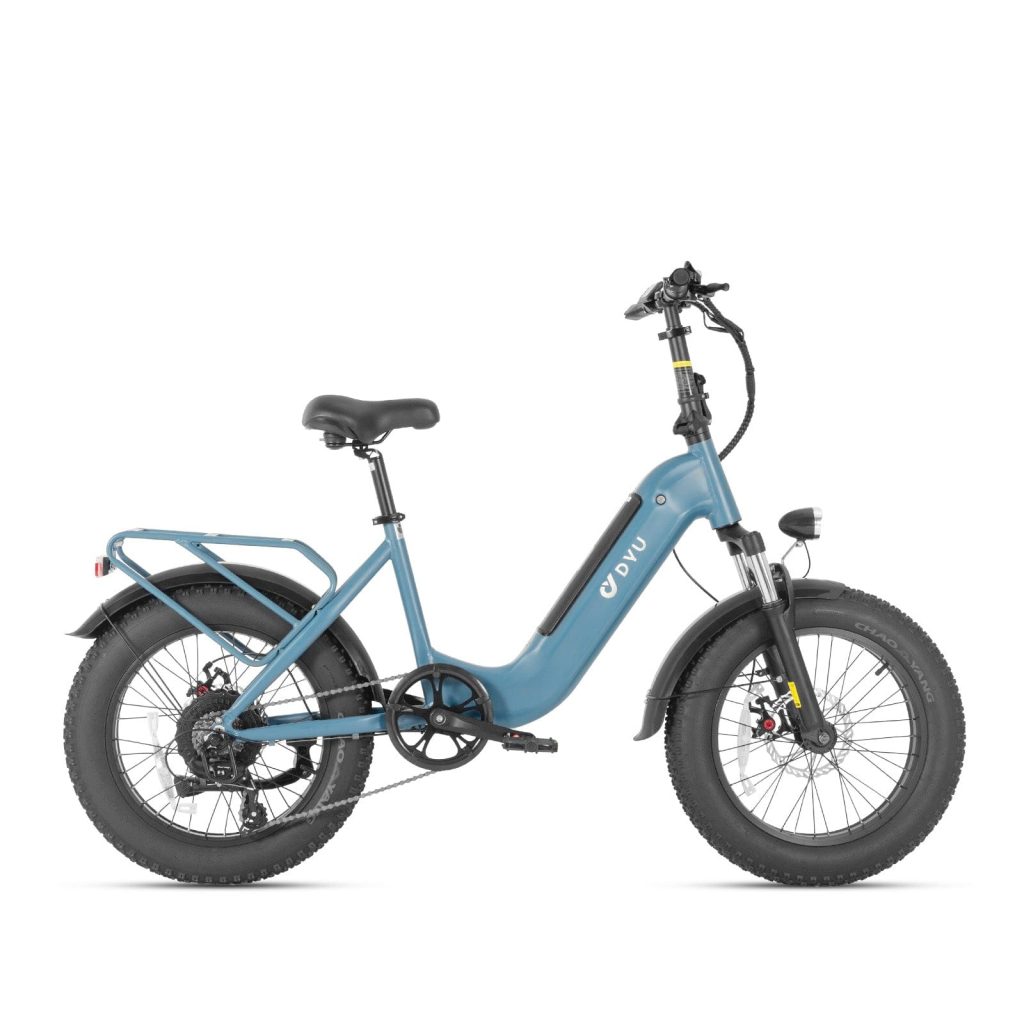
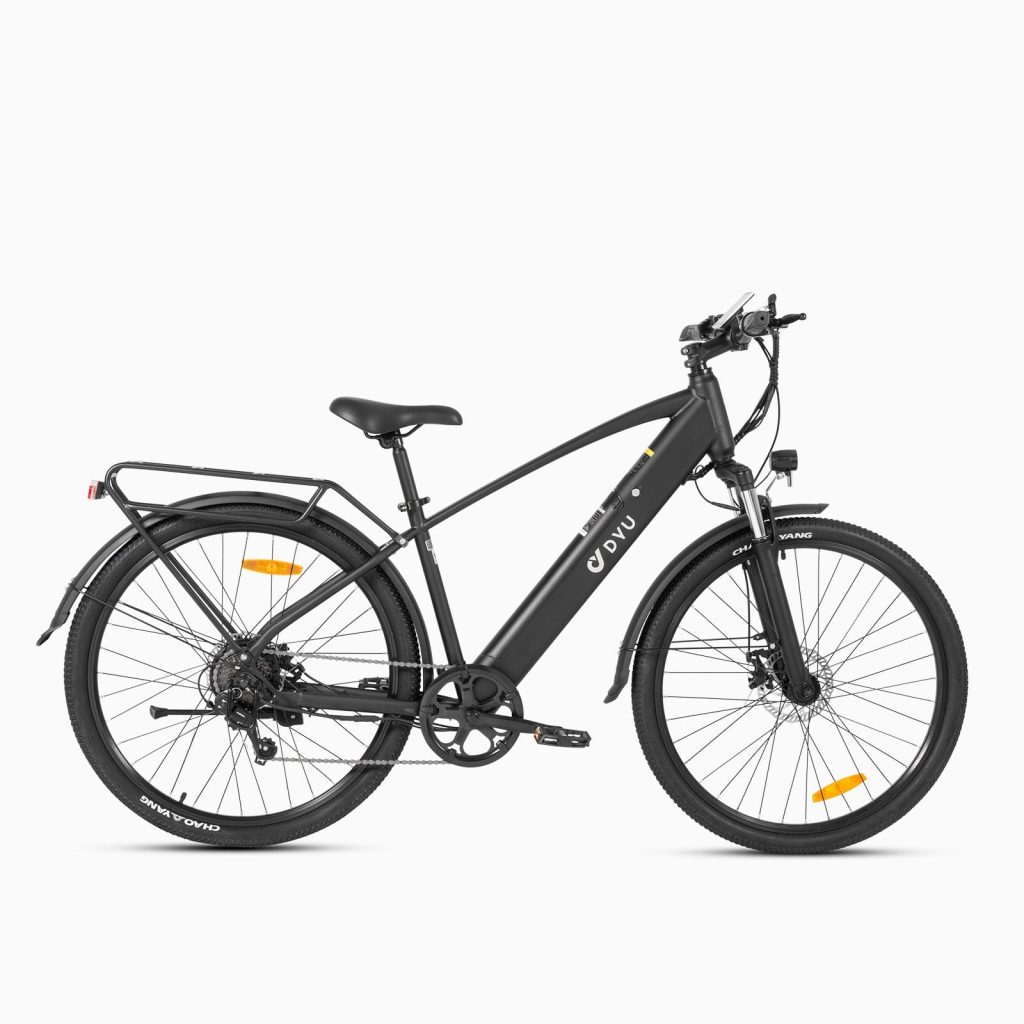
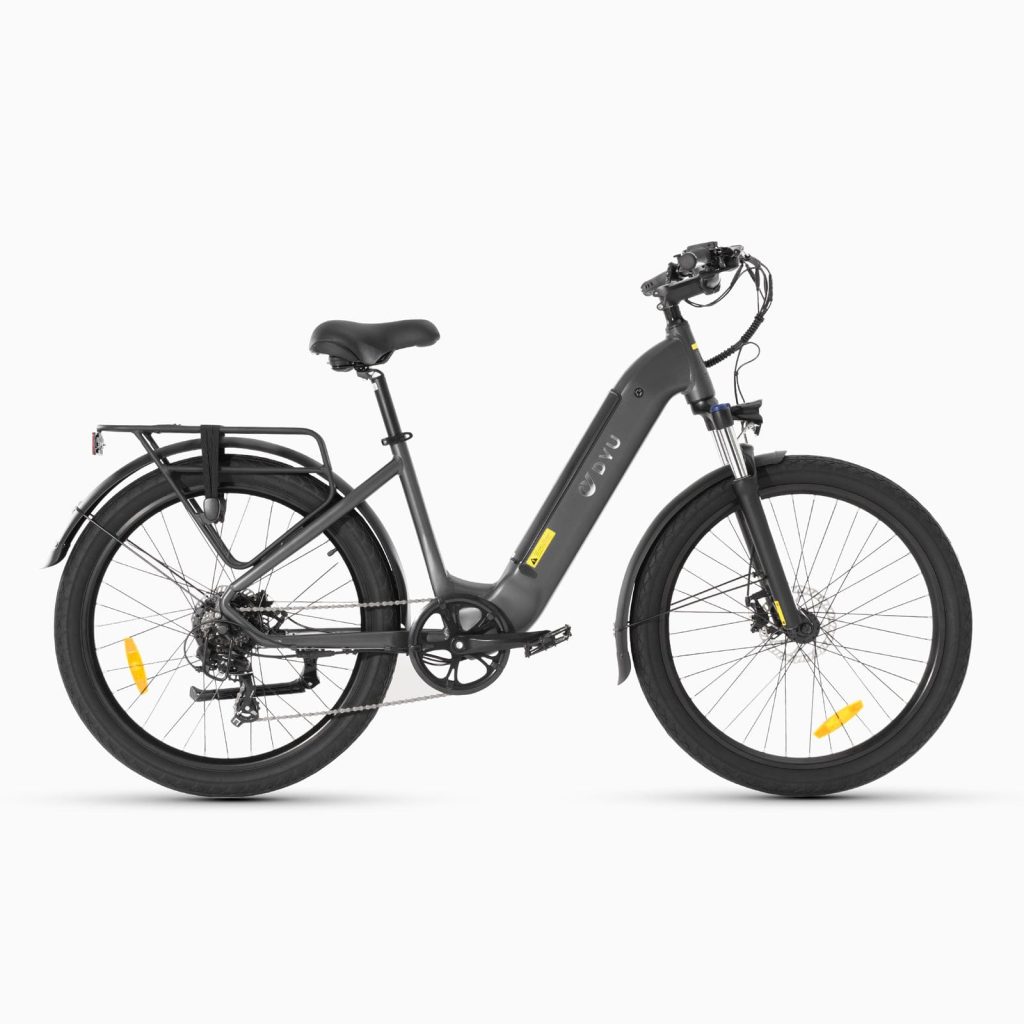

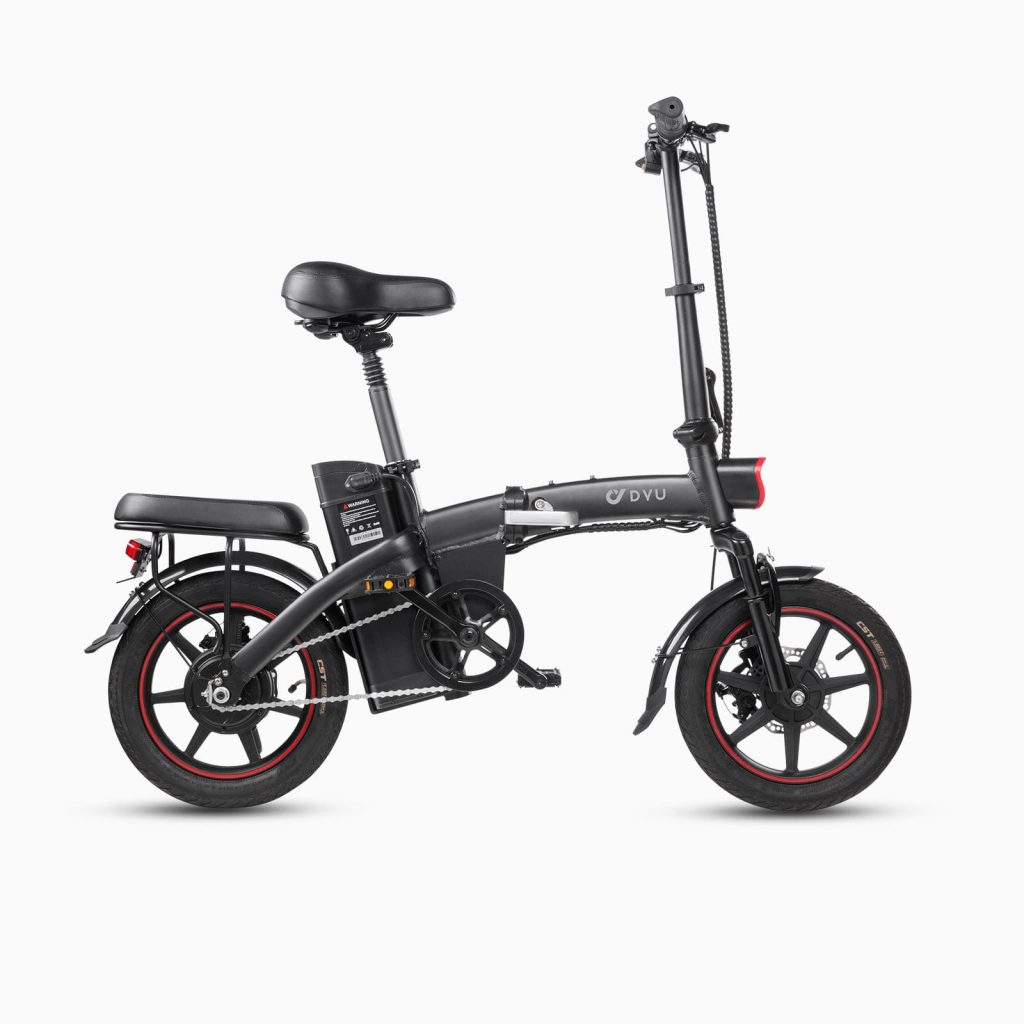
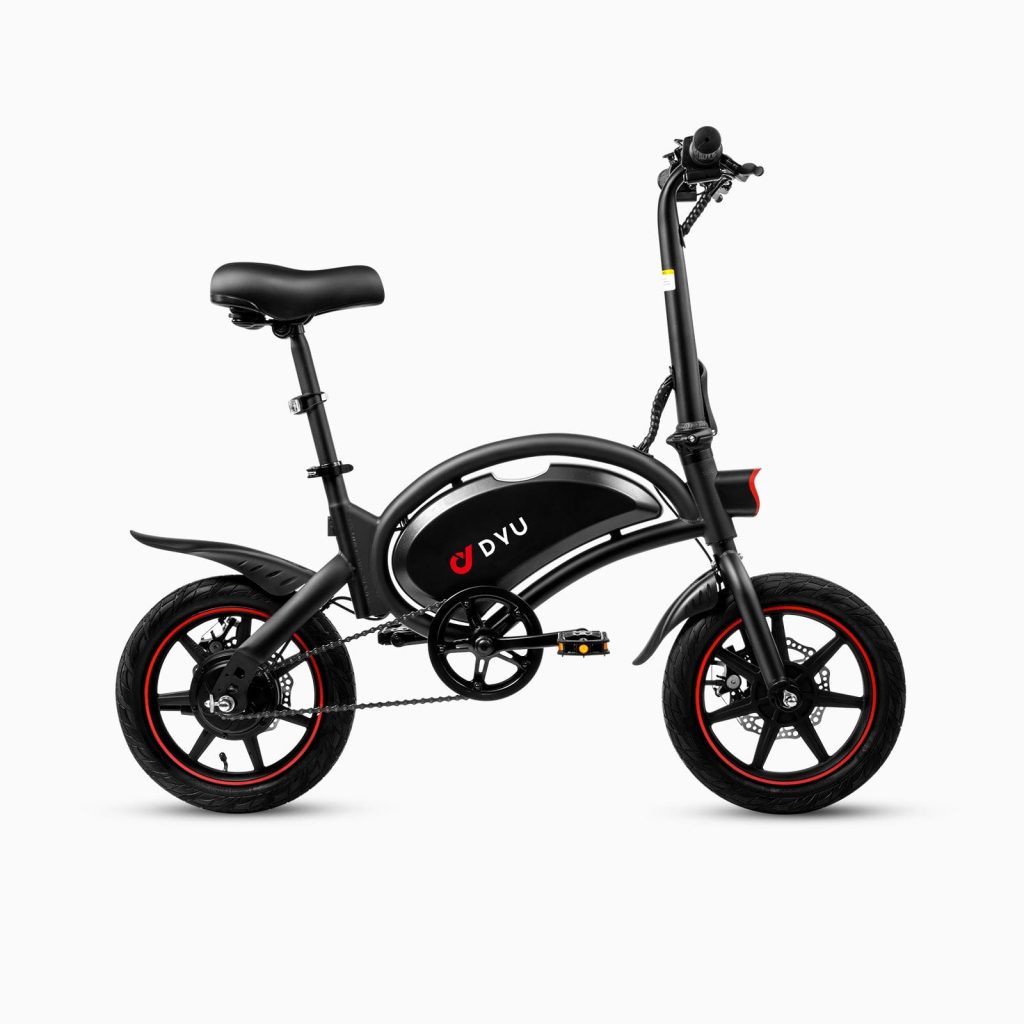
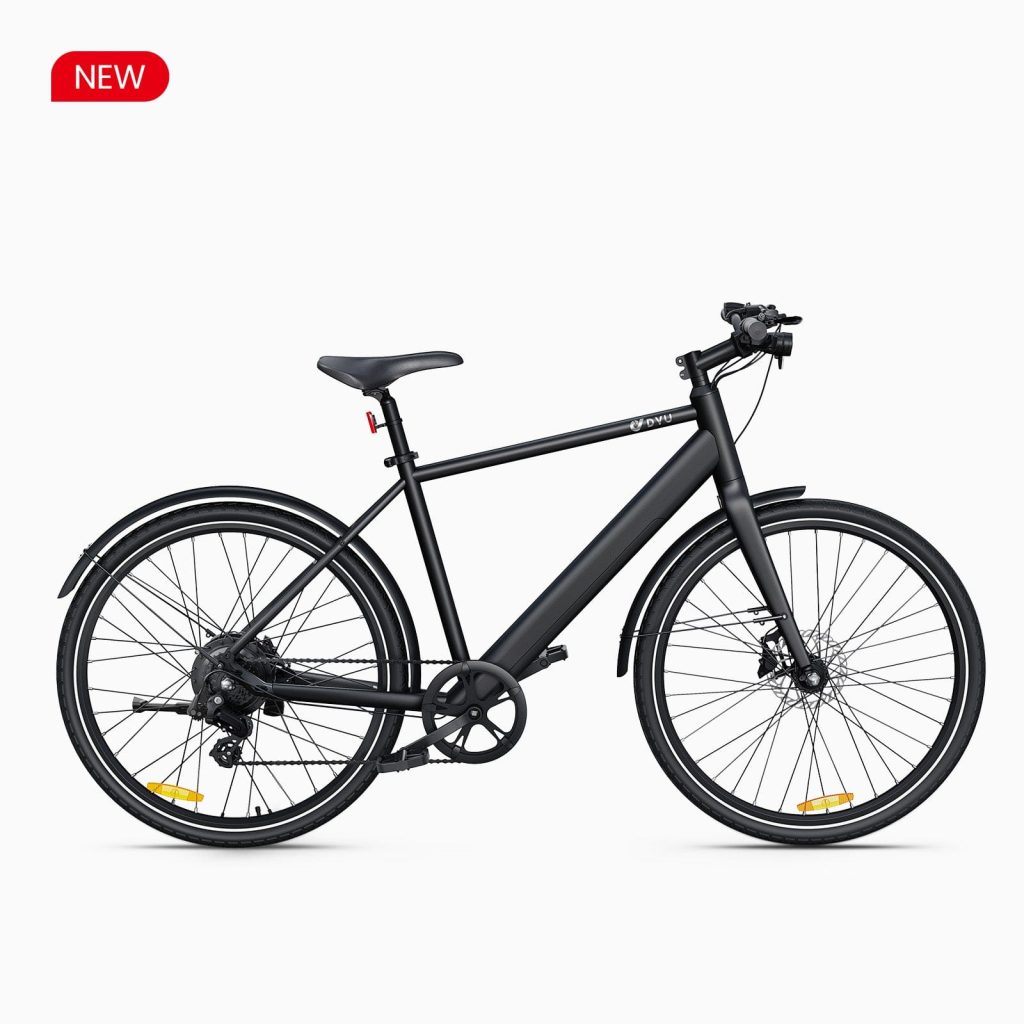
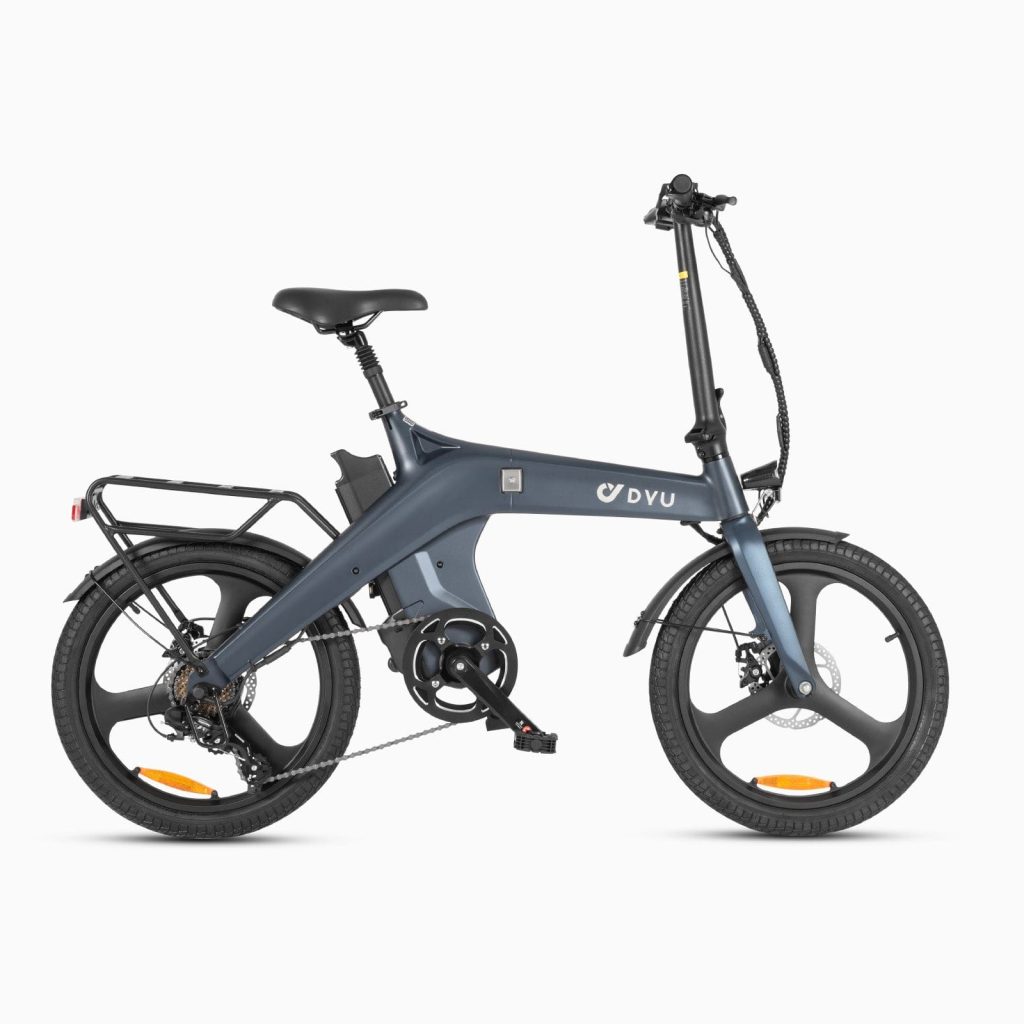

DYU A1F Pro vs ENGWE T14 is a practical comparison for riders who want a compact folding e-bike for short city trips, errands, and storage in tight spaces. Both bikes use small wheels, both keep the speed in normal European city-bike territory, and both appeal to riders who do not want a full-size commuter in the hallway.
The decision is not only about motor power. It is about which small e-bike fits your real week better: the cargo-ready foldable bike with a basket and rack, or the suspension-heavy mini bike with a lower listed range and a slightly heavier frame.
At the time of writing, the DYU A1F Pro is listed at €499, down from the regular €619. ENGWE lists the T14 at €599 on its official EU product page. That makes the A1F Pro the lower-priced option in this comparison at the time checked.
DYU A1F Pro vs ENGWE T14: Quick Comparison Table
| Feature | DYU A1F Pro | ENGWE T14 |
|---|---|---|
| Official price checked | €499 | €599 |
| Motor | 250W | 250W motor, 30 Nm listed torque |
| Battery | 36V 7.5Ah | 48V 10Ah lithium-ion battery |
| Range claim | Up to 60 km in pedal-assist mode | 25 km electric mode, 42 km pedal-assist mode |
| Top assisted speed | 25 km/h | 20-25 km/h |
| Wheel size | 16-inch | 14 x 2.125-inch tires |
| Brakes | Disc brakes | Mechanical disc brakes |
| Bike weight | 21 kg | 22.7 kg |
| Load capacity | 120 kg | 100 kg |
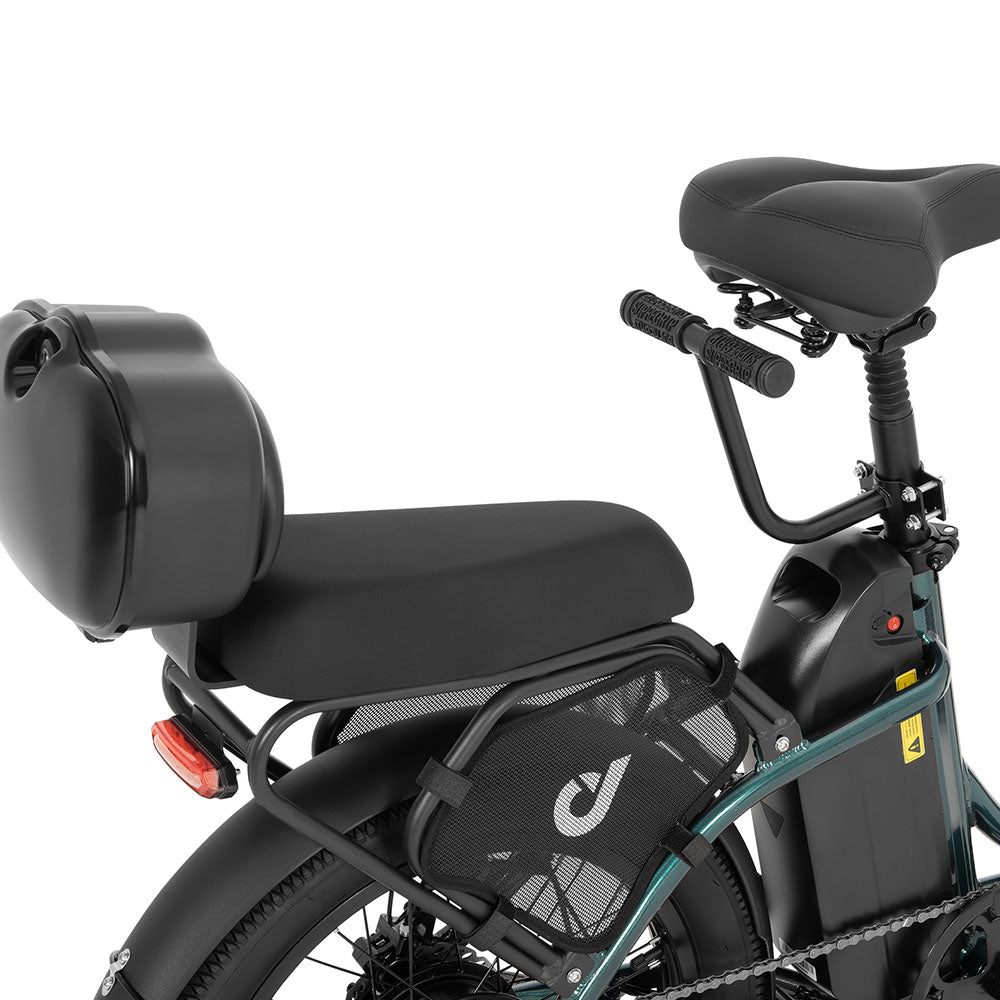
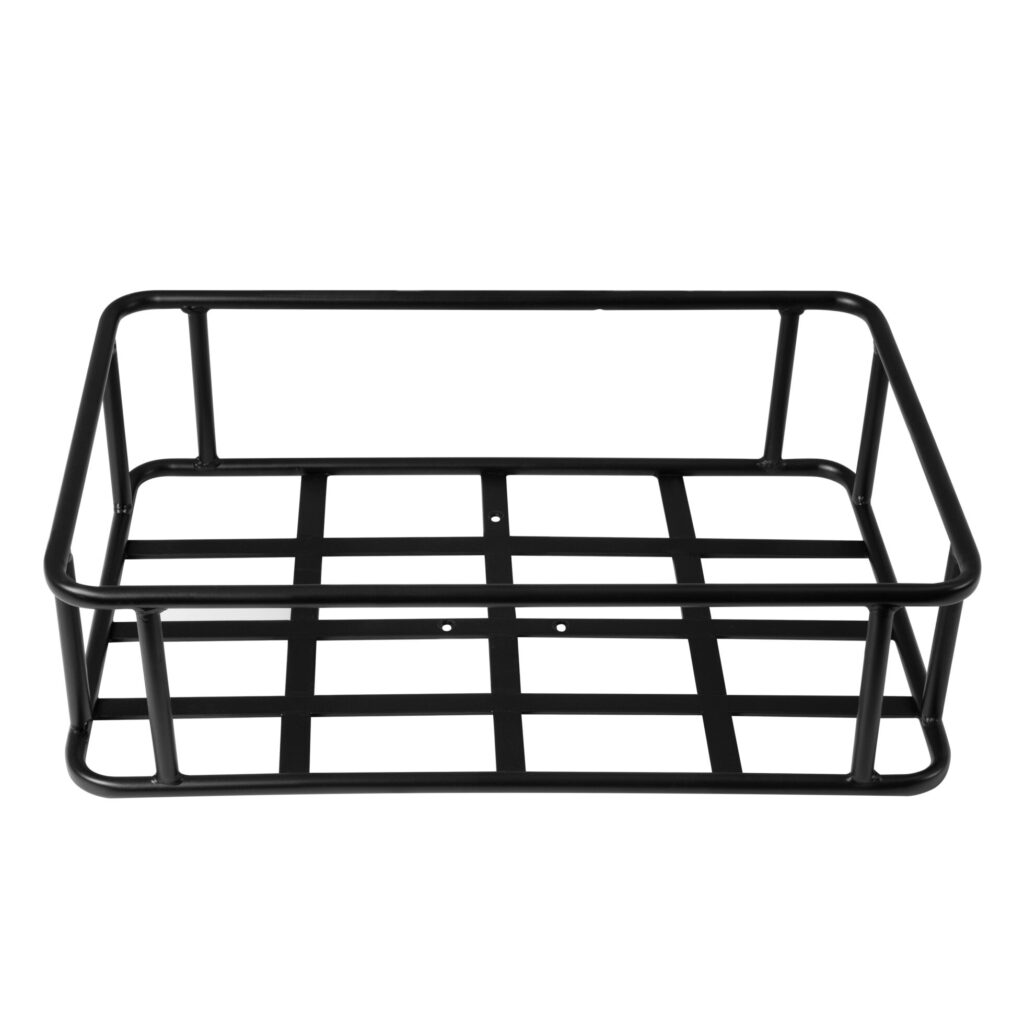
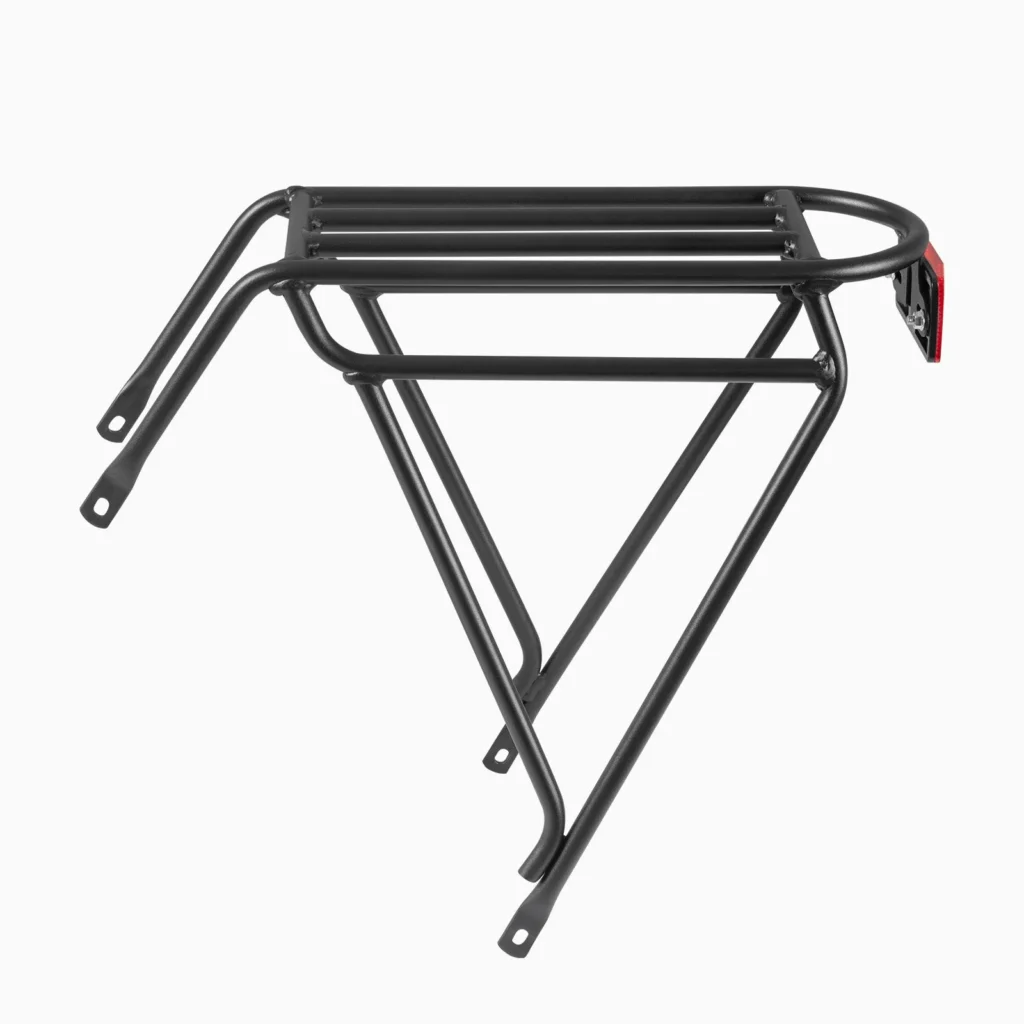
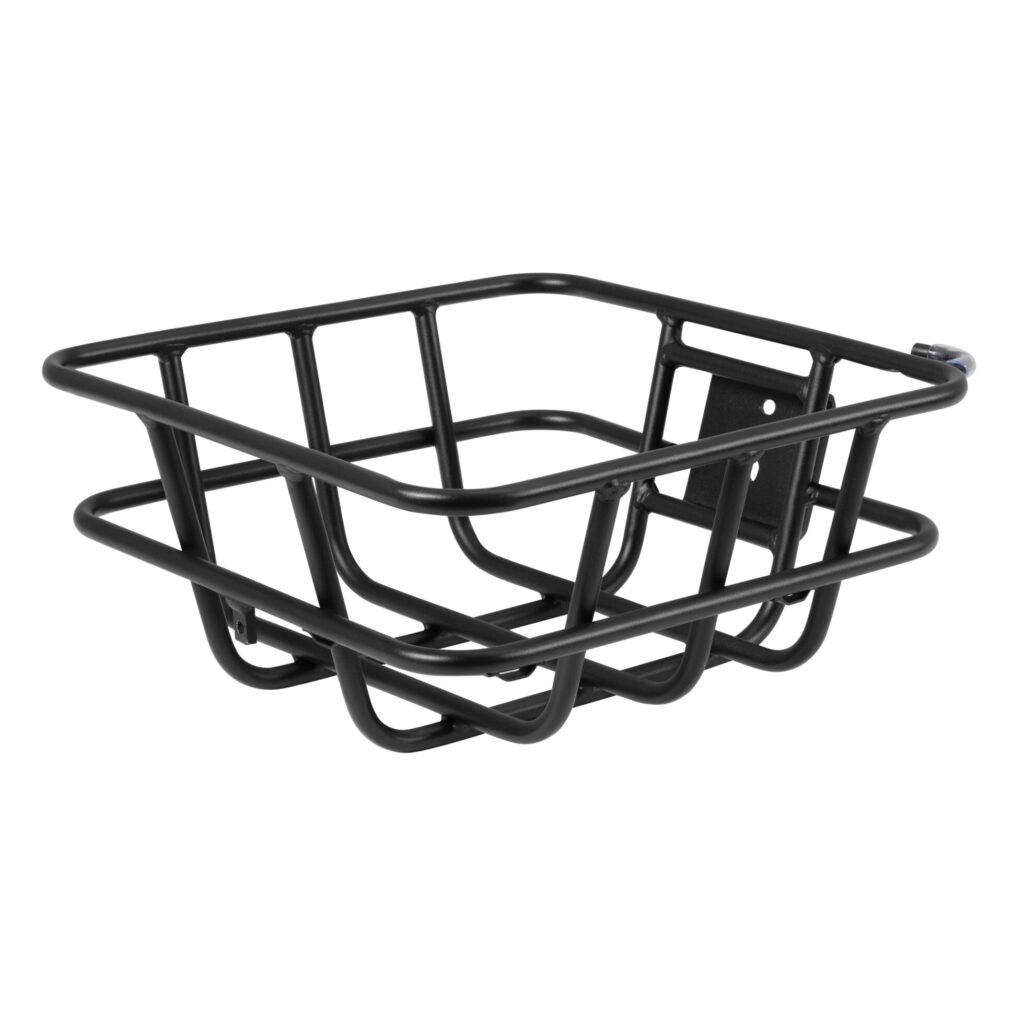
| Cargo setup | Front basket and rear rack included | No built-in basket-and-rack package listed as standard |
| Best fit | Errands, short commutes, shopping, and practical storage | Short urban rides where suspension comfort matters more than cargo |
The table shows the split clearly. ENGWE gives the T14 a larger battery and multiple suspension points. DYU gives the A1F Pro stronger cargo practicality, lower weight, higher listed pedal-assist range, higher load capacity, and a lower checked price.
What the DYU A1F Pro Gets Right
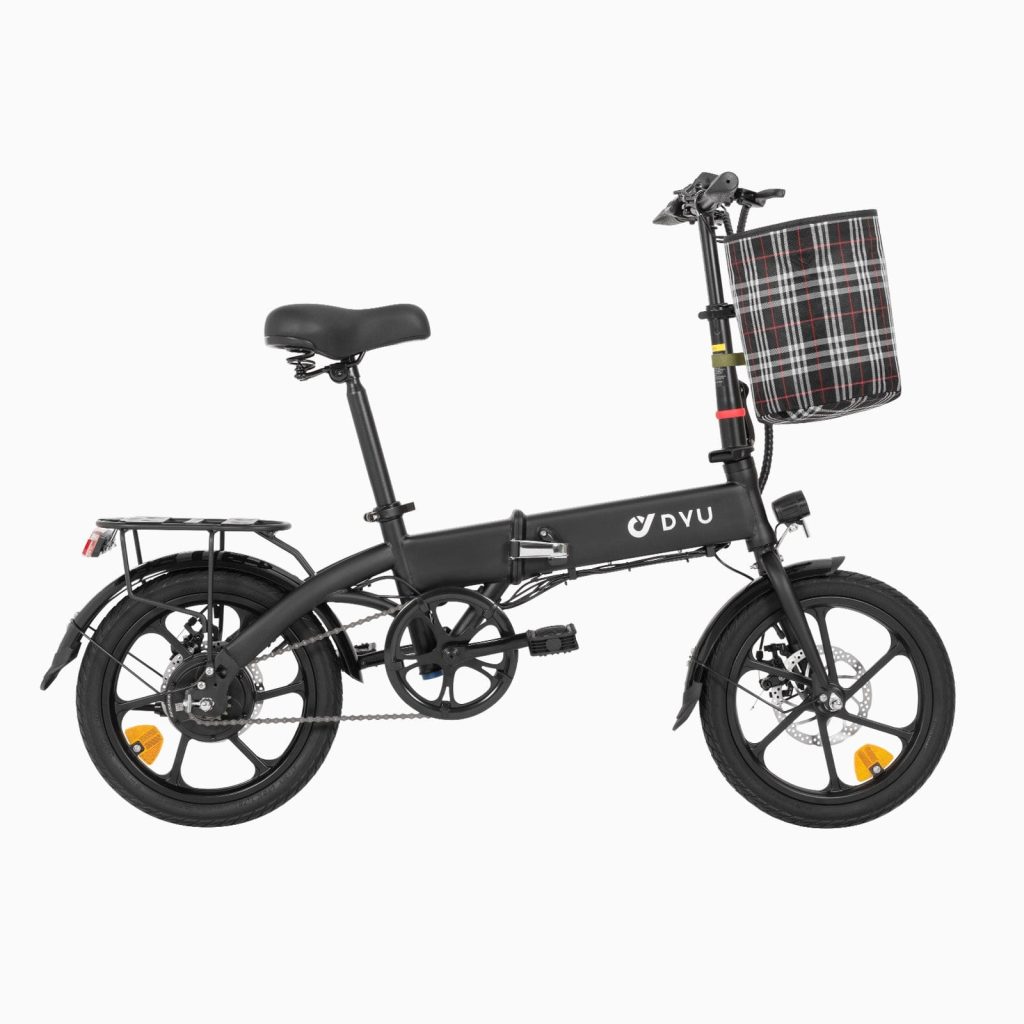
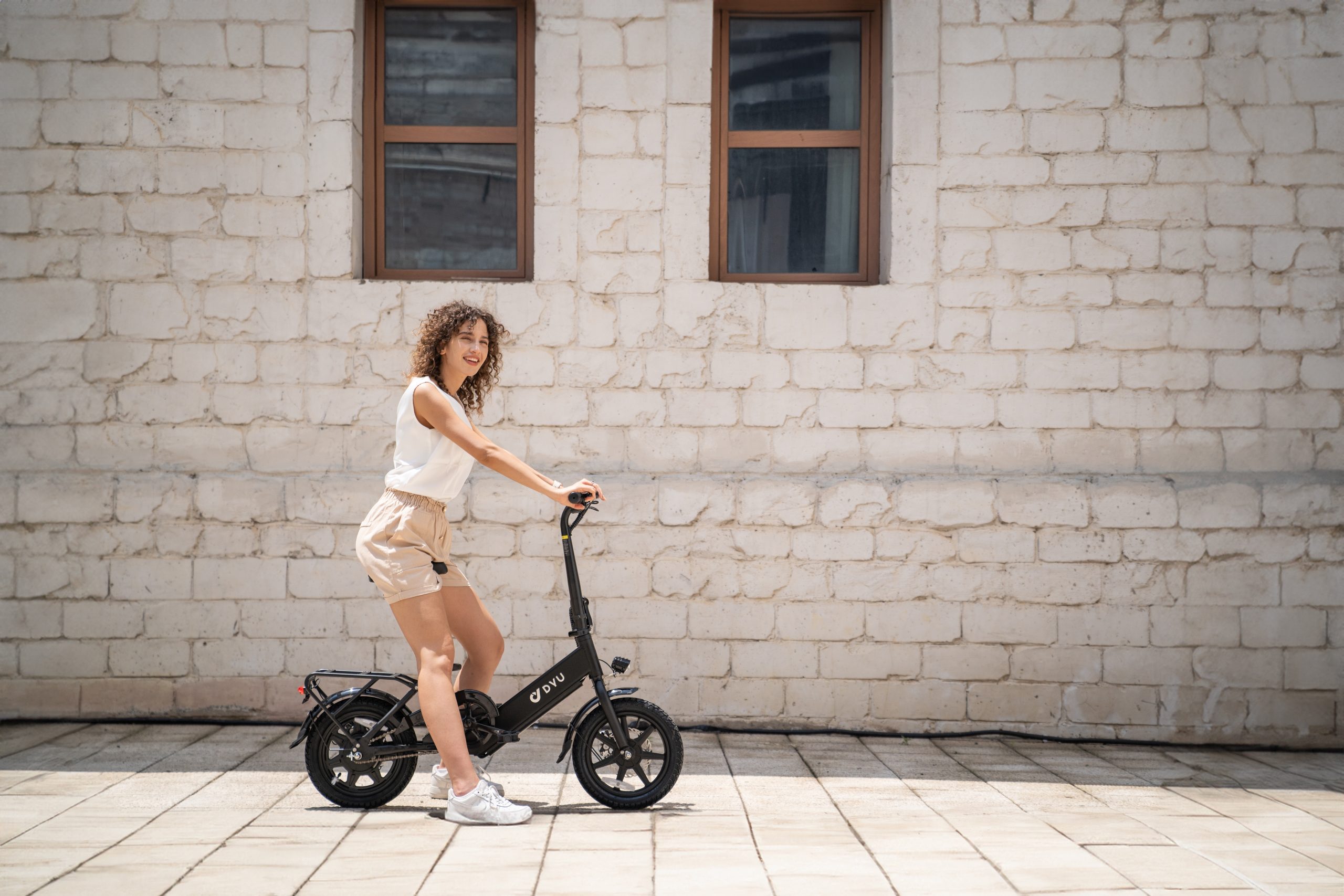
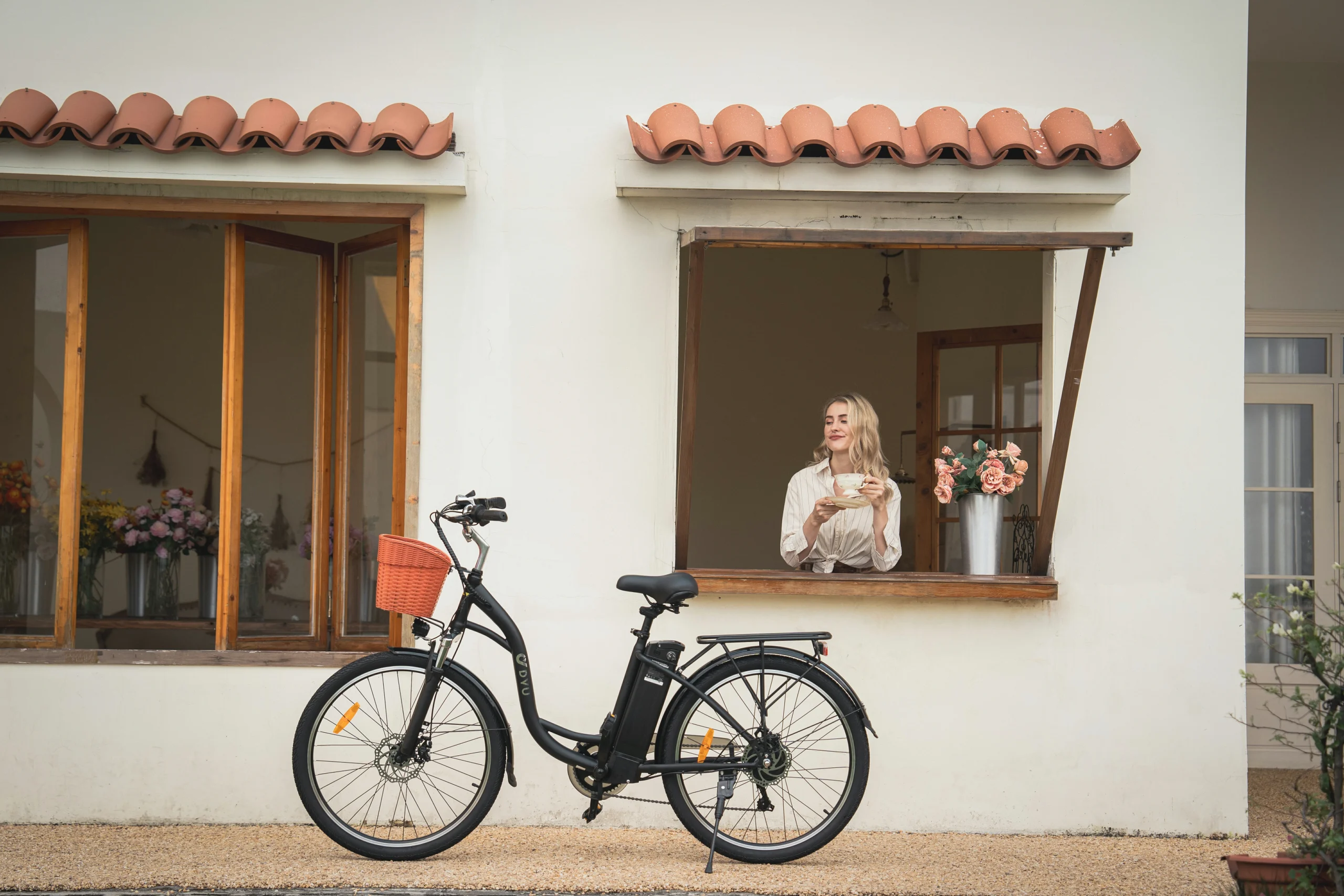
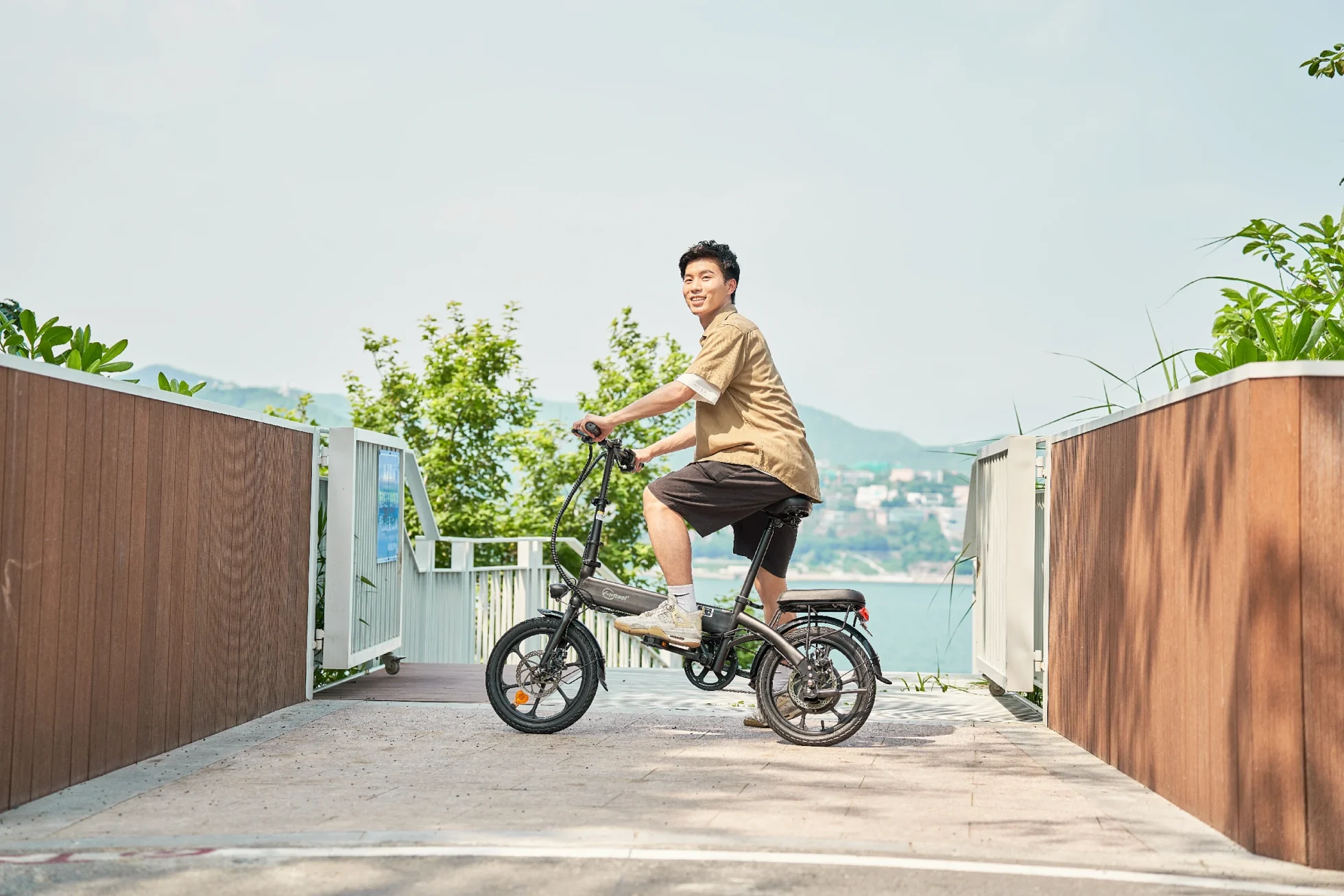
The DYU A1F Pro 16-inch folding e-bike is strongest when the ride includes normal city friction: carrying a bag, stopping for food, storing the bike in a flat, loading it into a car, or using it as a first e-bike. The front basket and rear rack matter because a compact e-bike without carrying space often becomes less useful than it looks.
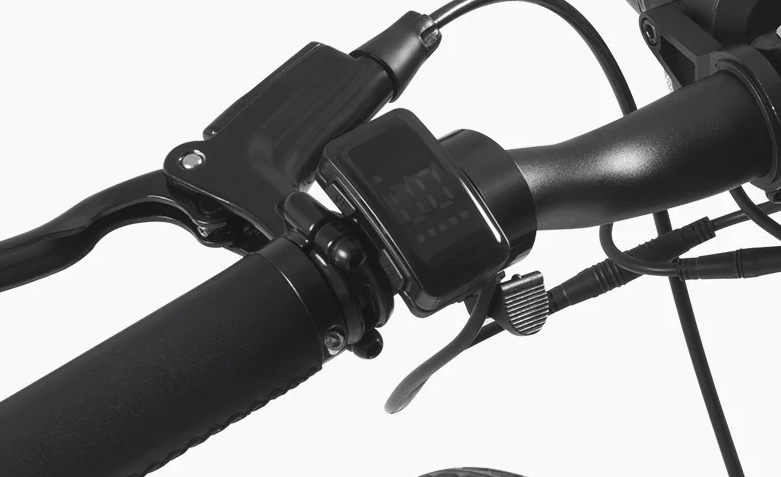
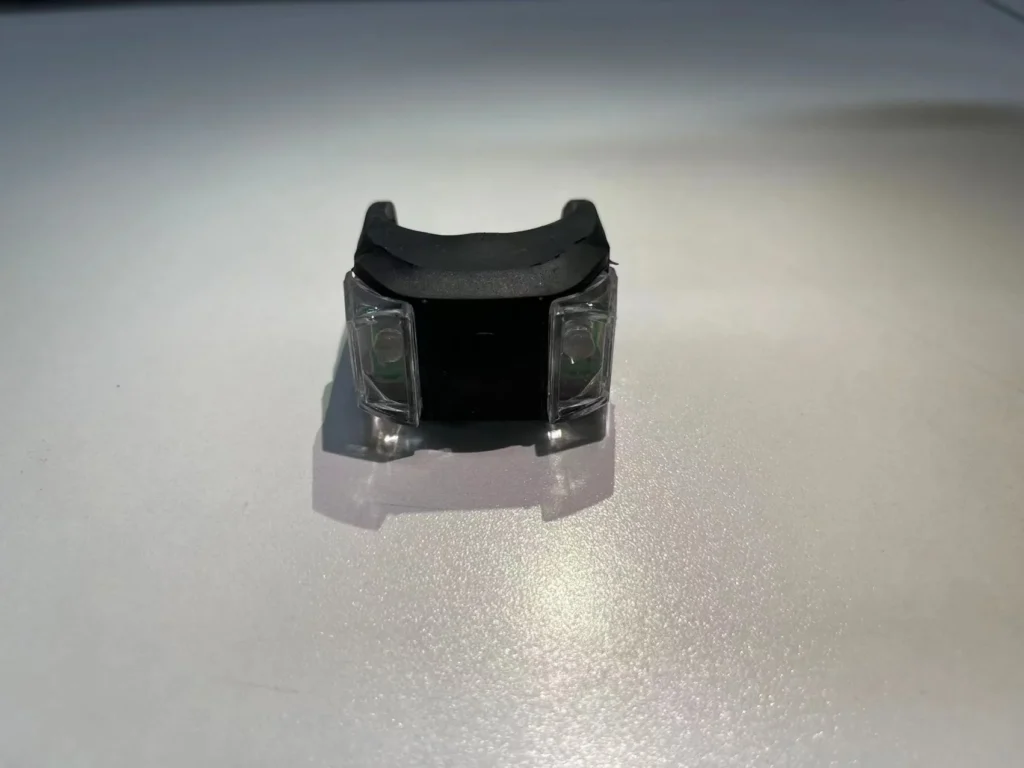
DYU lists a 250W motor, 36V 7.5Ah battery, up to 60 km in pedal-assist mode, 25 km/h max assisted speed, 21 kg bike weight, 120 kg load capacity, disc brakes, a foldable frame, front light, rear reflector, LCD display, adjustable saddle, and adjustable handlebar. For a small folding bike, that is a practical setup.
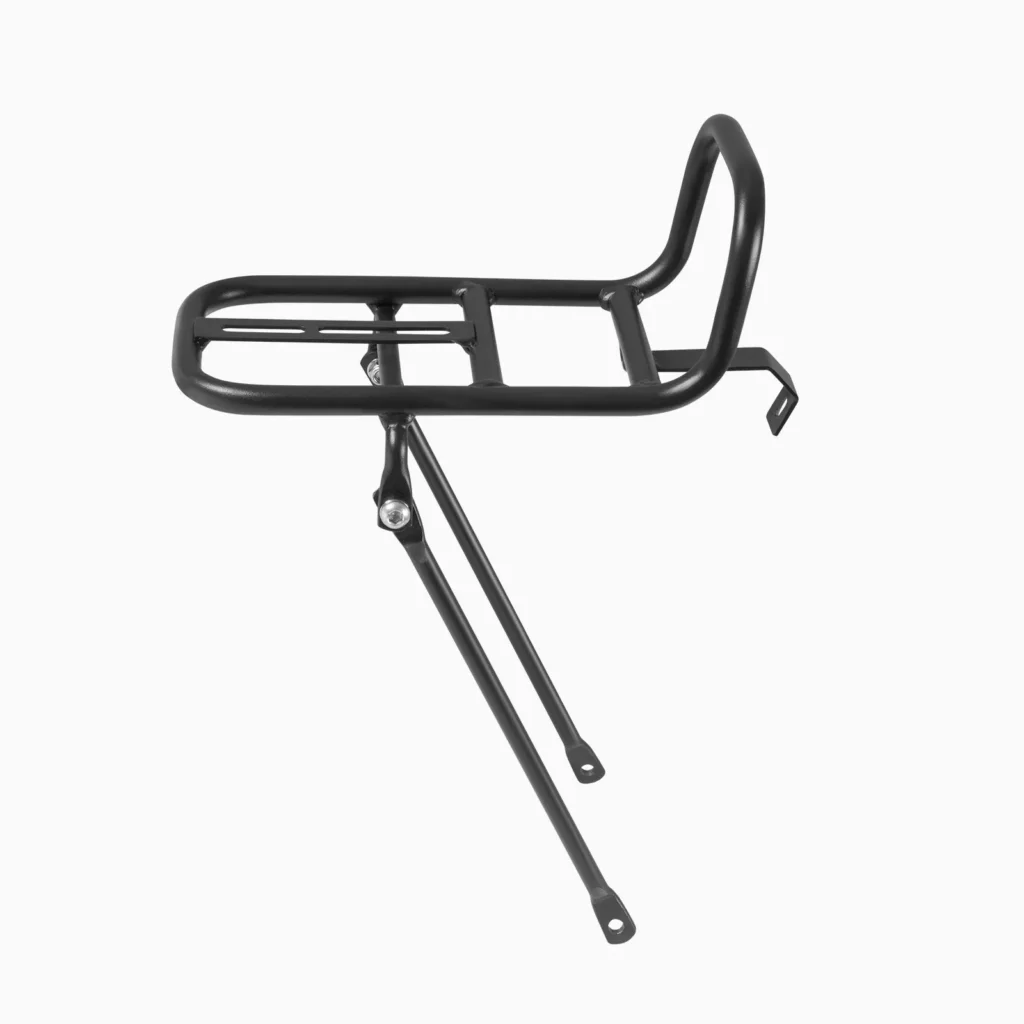
The best part is the overall errand package. The A1F Pro does not ask the buyer to solve cargo later. A small basket is perfect for a lock, lunch, gloves, a light grocery bag, or a rain shell. The rack handles the kind of small load that would otherwise end up hanging from the handlebar, which is never ideal.
The honest limitation is that the A1F Pro is still a compact e-bike. A 16-inch wheel bike is nimble and easy to store, but it will not feel as calm over bad paving as a larger-wheel city bike. Riders who hit broken streets, cobbles, and rough lanes every day should factor that into the decision.
Where the ENGWE T14 Has a Real Advantage
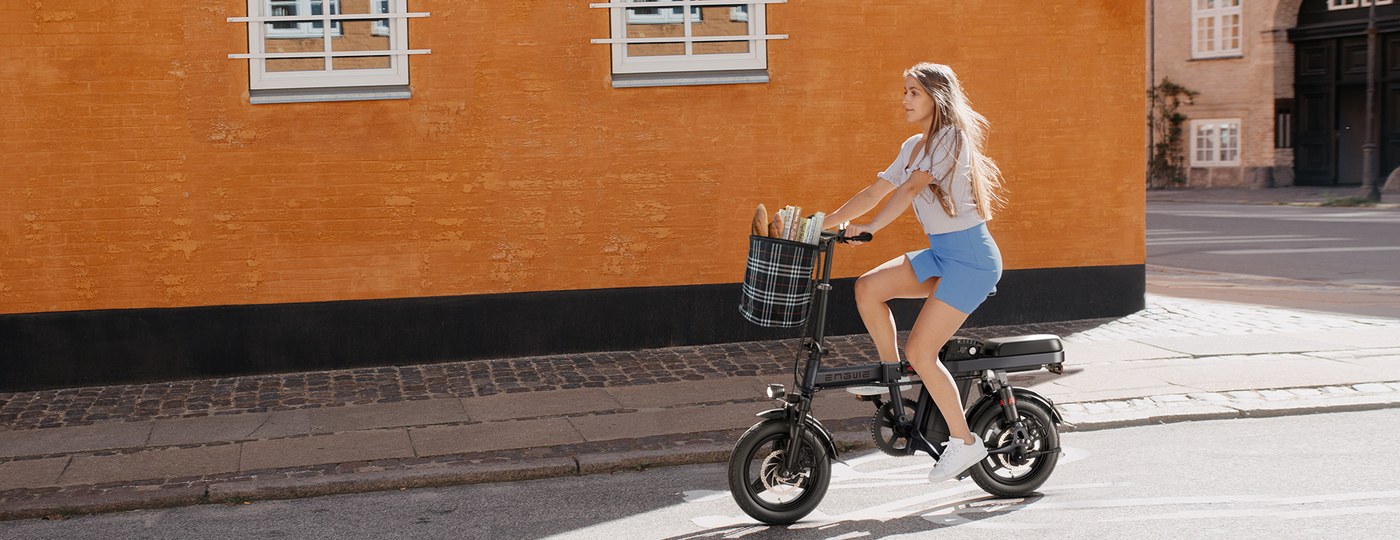
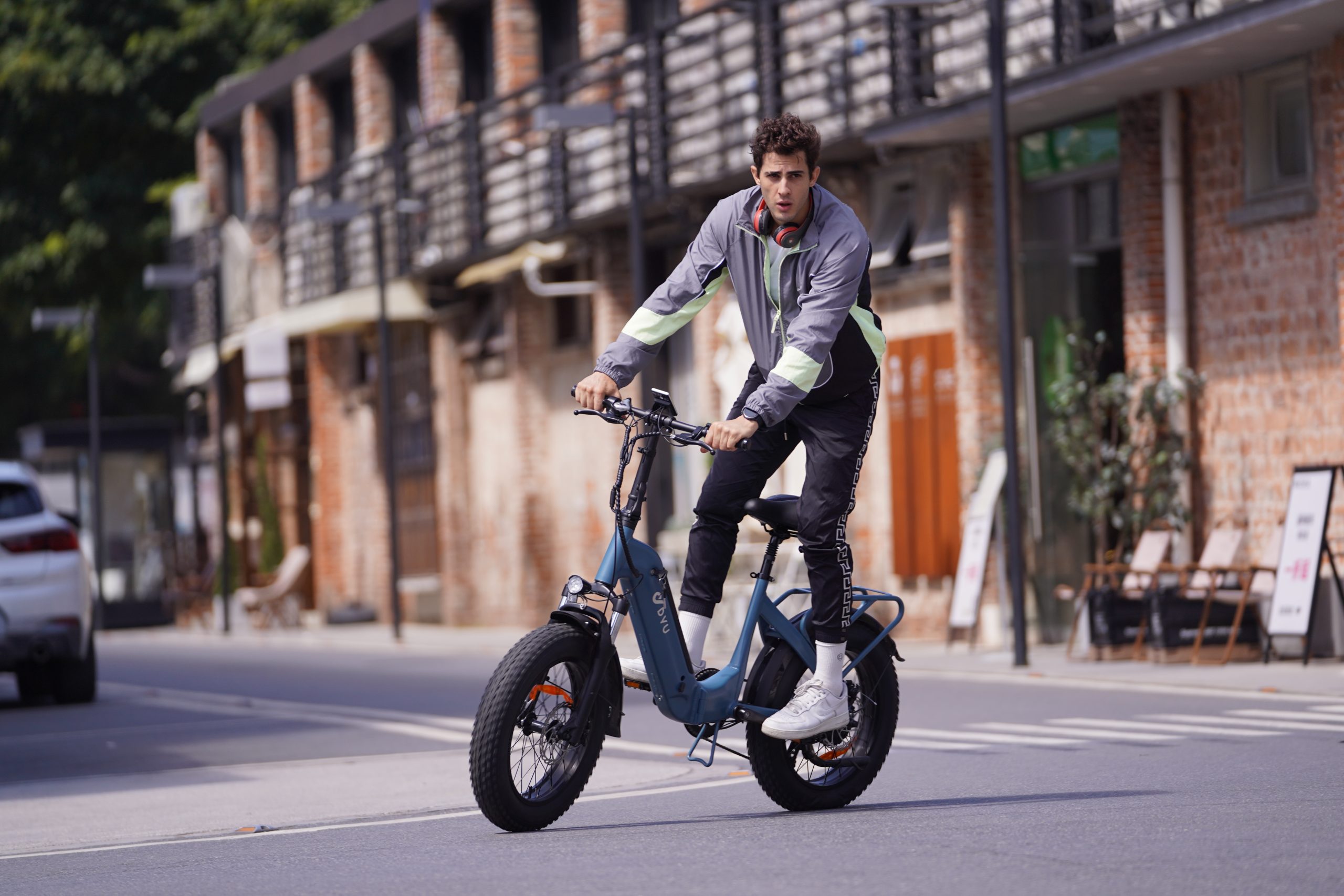
The ENGWE T14 is not a weak competitor. Its official EU page lists a 250W motor, 30 Nm torque, 48V 10Ah battery, 14 x 2.125-inch tires, 20-25 km/h max speed, mechanical disc brakes, about 6-8 hours charging time, 22.7 kg bike weight, and a full-suspension-style comfort message around multiple bump absorbers.
That suspension story is the T14’s best argument. Small-wheel bikes can feel busy on rough surfaces. If your route is full of patched roads, uneven paths, or short leisure rides where comfort matters more than cargo, the ENGWE layout deserves attention.
The tradeoff is practical utility. The T14’s listed pedal-assist range is 42 km, below the A1F Pro’s 60 km claim. ENGWE also lists 100 kg payload capacity, while DYU lists 120 kg. For lighter riders taking short rides, that may not matter. For errand riders, shared-family use, or heavier loads, it can.
Range and Battery: Do Not Buy From Voltage Alone
On paper, ENGWE’s 48V 10Ah battery looks larger than DYU’s 36V 7.5Ah pack. But the official range claims point in the other direction for pedal-assist use: DYU lists up to 60 km, while ENGWE lists 42 km in pedal-assist mode and 25 km in electric mode.
Range claims always need context. Rider weight, wind, tire pressure, route surface, temperature, stop-start traffic, and assist mode can change the result quickly. If your daily ride is 5-10 km each way, either bike has enough quoted range. If you want fewer charging cycles and more buffer, the A1F Pro has the stronger official pedal-assist range claim.
That range buffer also matters for new e-bike riders. DYU’s first e-bike guide makes a useful point for beginners: comfort, control, storage, and real route needs usually matter more than chasing one headline number.
Carrying Things Around the City
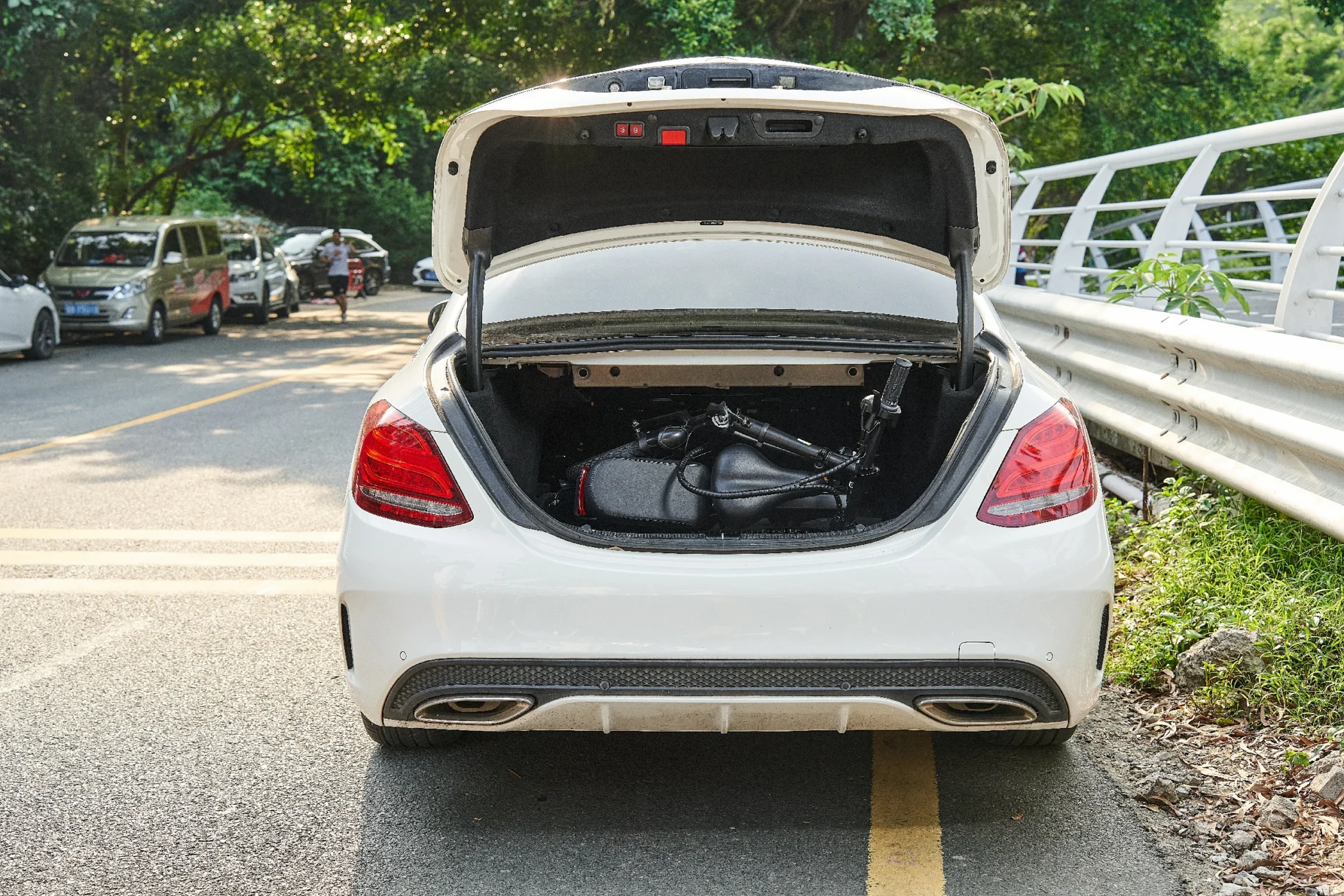
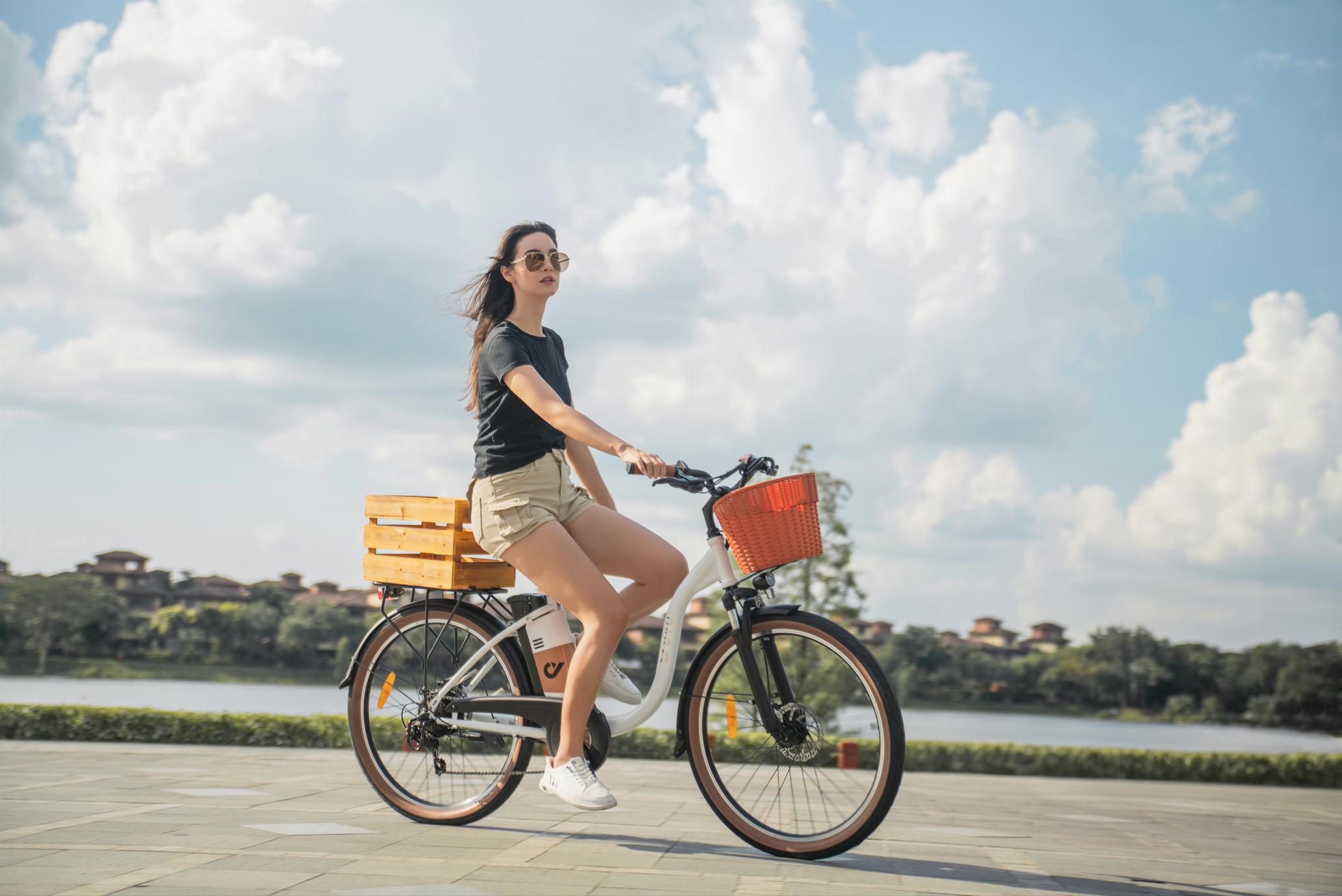
This is where the A1F Pro feels more purpose-built. A front basket and rear rack make short errands easier immediately. You can carry a small grocery load, a chain lock, a jacket, a parcel, or a work bag without turning the handlebar into a hook.
ENGWE’s T14 focuses more on comfort and compactness than standard cargo hardware. That may be fine if you mostly ride with a backpack. It is less ideal if your reason for buying a small e-bike is to replace short car trips or supermarket walks.
For city security, cargo setup also affects habits. A basket makes it easier to carry a serious lock, and DYU’s e-bike theft prevention guide is worth reading before you decide that a light cable lock is enough. A practical e-bike should make the secure choice easy.
Folding, Storage, and Car-Boot Use
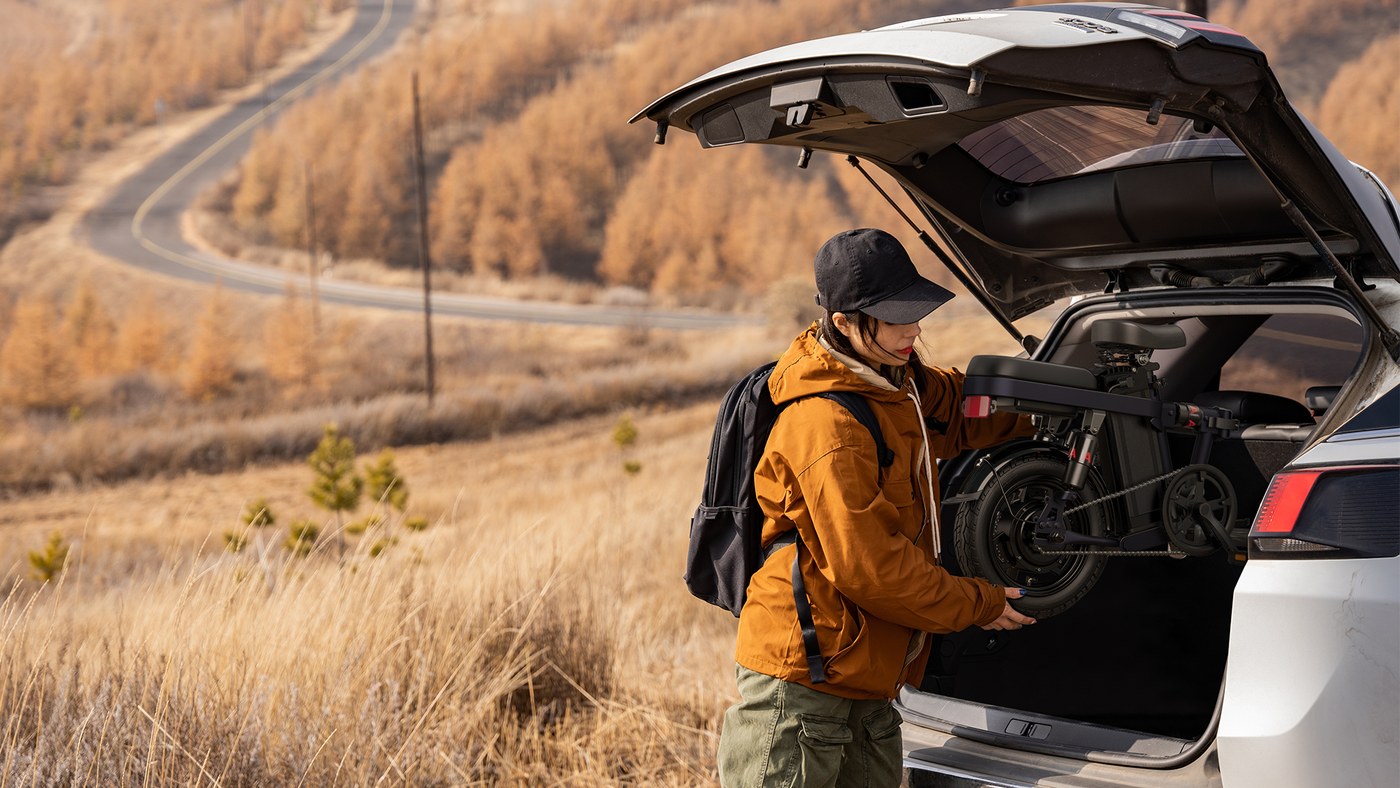
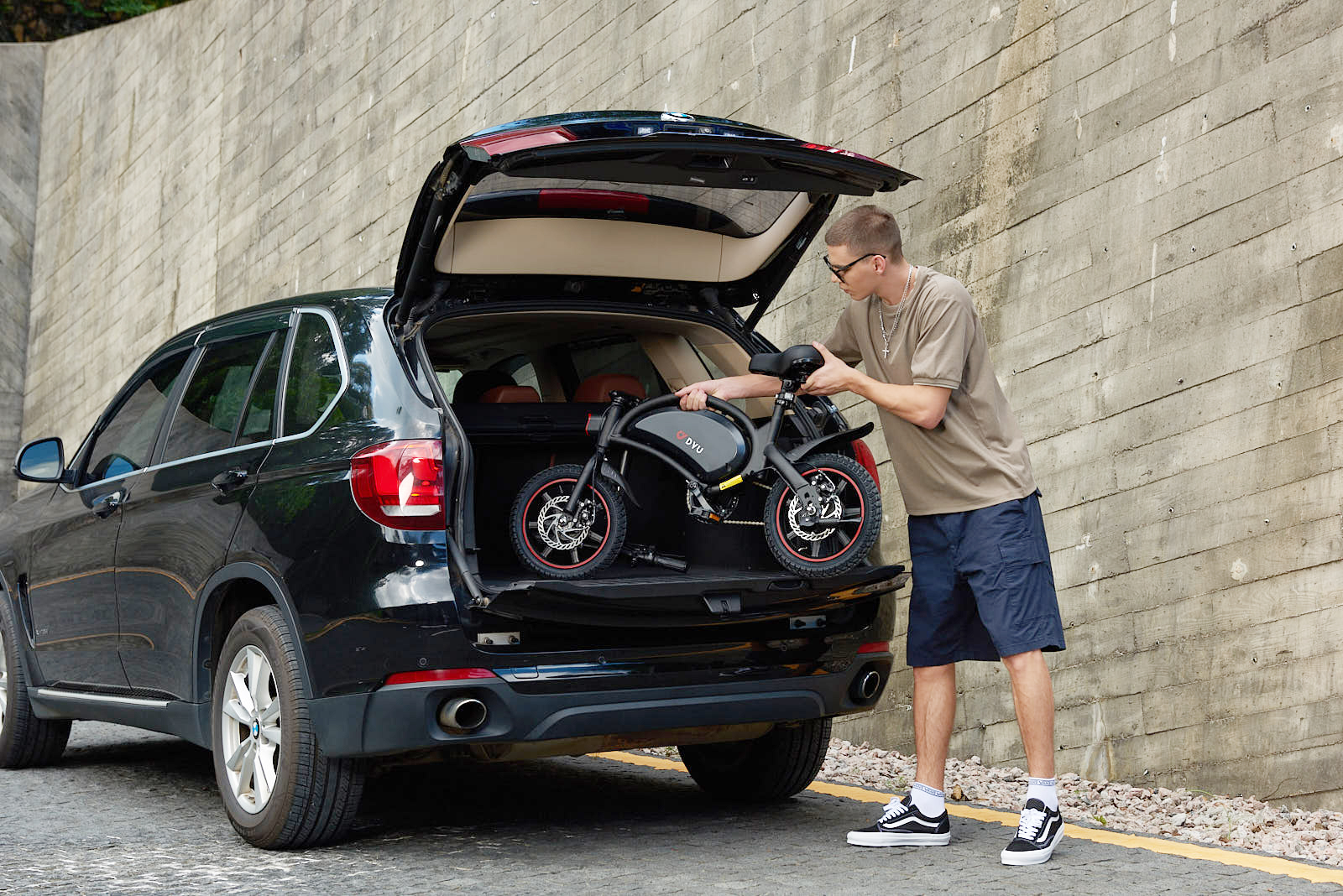
Both bikes are easier to store than a full-size city e-bike. That is the main reason to consider this category in the first place. The A1F Pro is listed at 21 kg, while the ENGWE T14 is listed at 22.7 kg. The difference is not huge, but every kilogram counts when you lift a folded bike into a hallway, lift, car boot, or storage room.
The A1F Pro’s 16-inch wheels give it a slightly more grown-up rolling feel than the T14’s 14-inch tires. The T14 counters with its comfort-focused suspension pitch. If you mostly fold the bike at home and ride smoother paths, DYU’s lighter and cargo-ready package is stronger. If you ride very short routes over rougher surfaces, ENGWE’s comfort story may be more attractive.
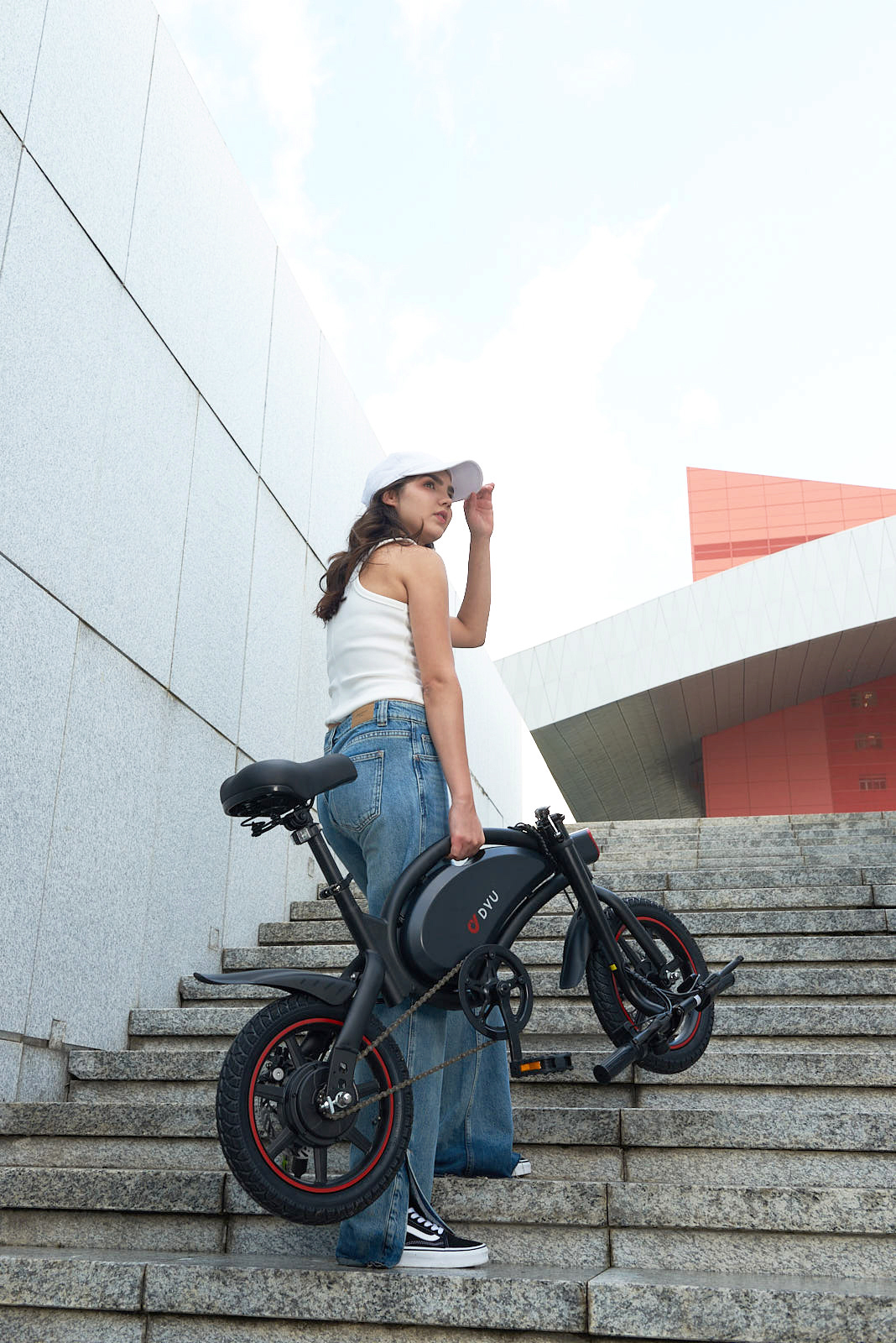
I would not choose either bike for daily stair carrying unless the stairs are short. Folding helps storage, but it does not erase weight. For apartment living, measure the actual storage corner, lift opening, and car boot before buying.
Brakes, Comfort, and Wet Roads
Both bikes list disc brakes. ENGWE specifies mechanical disc brakes, while DYU lists disc brakes for the A1F Pro. For normal 25 km/h city riding, setup and rider habits matter as much as the label. Keep the pads aligned, check tire pressure, brake earlier in rain, and avoid hard cornering on painted lines or metal covers.
Comfort is more split. ENGWE has the stronger suspension pitch. DYU has the larger wheels, lower listed weight, and higher load rating. On clean cycle paths, I would rather have the A1F Pro’s carrying utility. On broken paving, the T14 may feel friendlier, especially for shorter rides.
If you ride year-round, DYU’s rain riding guide is more useful than any single spec row. A compact e-bike is still only as safe as its tires, brakes, visibility, and rider judgment.
Cost and Ownership Value
| Buyer priority | Stronger pick | Why |
|---|---|---|
| Lowest checked price | DYU A1F Pro | The A1F Pro is listed below the ENGWE T14 at the time checked. |
| Built-in cargo utility | DYU A1F Pro | Front basket and rear rack are included. |
| Suspension comfort story | ENGWE T14 | ENGWE emphasizes multiple suspension points for rougher surfaces. |
| Higher listed pedal-assist range | DYU A1F Pro | DYU lists up to 60 km, while ENGWE lists 42 km PAS mode. |
| Higher listed load capacity | DYU A1F Pro | DYU lists 120 kg; ENGWE lists 100 kg. |
The A1F Pro is the easier value argument. It costs less at the time checked, weighs less, carries more, lists more pedal-assist range, and includes the errand hardware many riders actually need.
The ENGWE T14 is the bike to consider if your first concern is comfort on short rides. It has a larger battery on paper and a stronger suspension message. The weaker point is that its listed range, weight, payload, and cargo setup do not beat the A1F Pro for practical errand use.
Which Compact Folding E-Bike Should You Buy?
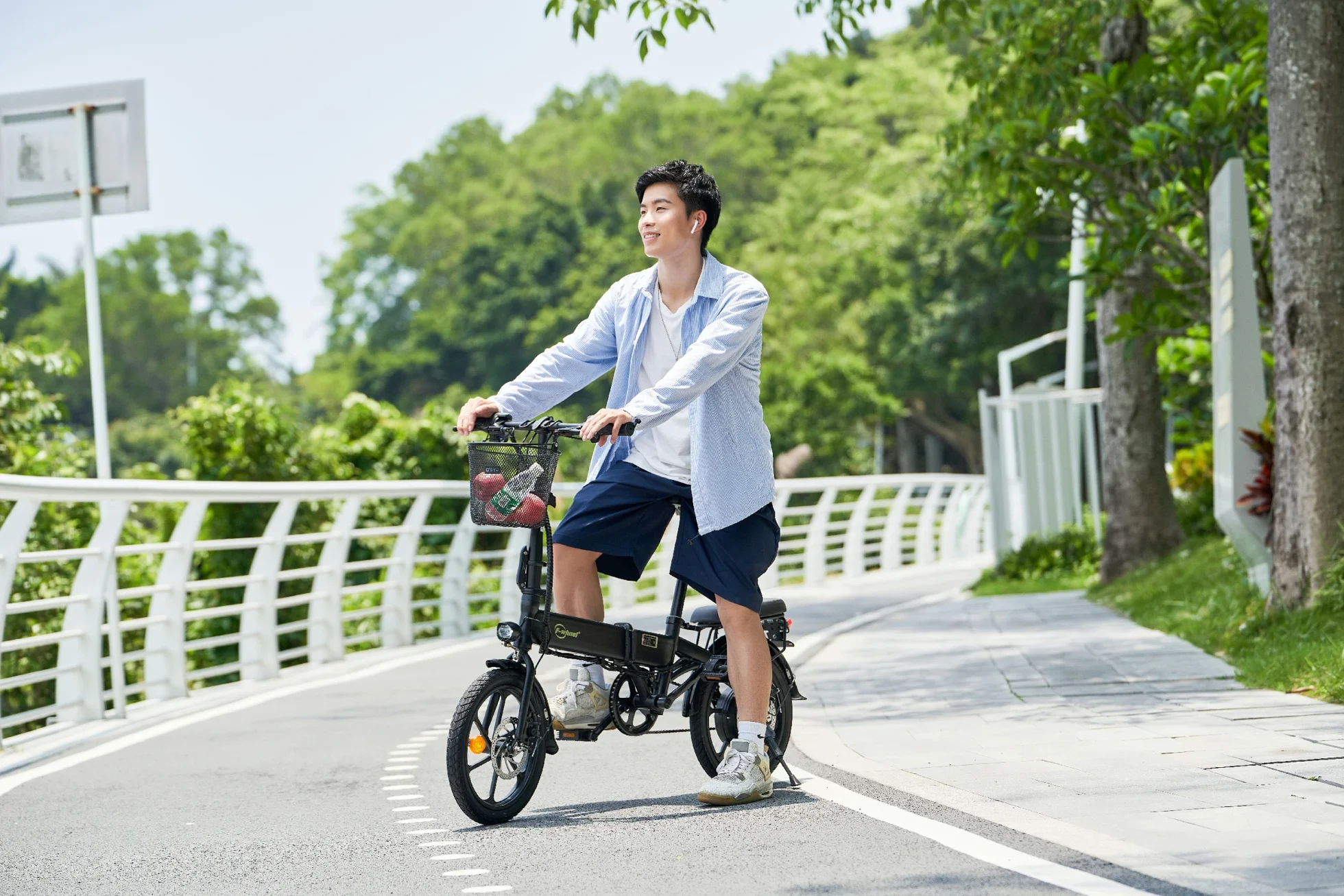
Choose the ENGWE T14 if your rides are short, your roads are rough, you like the suspension-focused design, and you do not need built-in basket-and-rack utility.
Choose the DYU A1F Pro if your compact e-bike has to be genuinely useful: carrying small loads, folding for storage, staying affordable, and covering everyday city trips with a stronger pedal-assist range claim.
My verdict is straightforward. The ENGWE T14 has a real comfort argument, but the DYU A1F Pro is the more practical buy for city errands. It is less expensive at the time checked, lighter, rated for more load, and better equipped for the way small e-bikes are often used.
FAQs
Q1. Is the DYU A1F Pro cheaper than the ENGWE T14?
Yes. At the time checked, the DYU A1F Pro is listed at €499, while the ENGWE T14 is listed at €599.
Q2. Which bike has better listed range?
The DYU A1F Pro has the higher official pedal-assist range claim at up to 60 km. ENGWE lists 42 km in pedal-assist mode and 25 km in electric mode for the T14.
Q3. Which bike is better for carrying groceries?
The DYU A1F Pro is the stronger errand bike because it includes both a front basket and rear rack.
Q4. Which bike is lighter?
DYU lists the A1F Pro at 21 kg. ENGWE lists the T14 at 22.7 kg.
Q5. DYU A1F Pro vs ENGWE T14: which is better value?
For most city errand riders, the DYU A1F Pro is the better value. The ENGWE T14 is stronger if suspension comfort matters more than price, range, load rating, and included cargo hardware.