
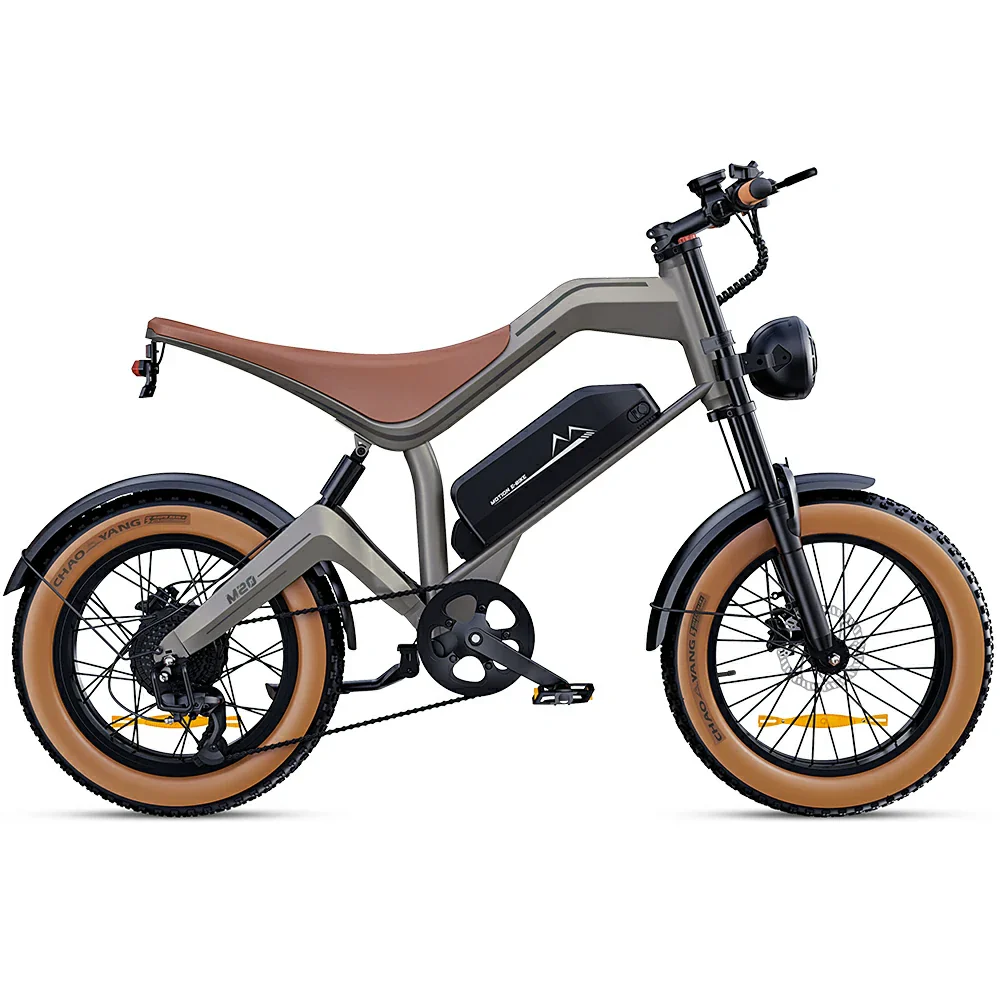
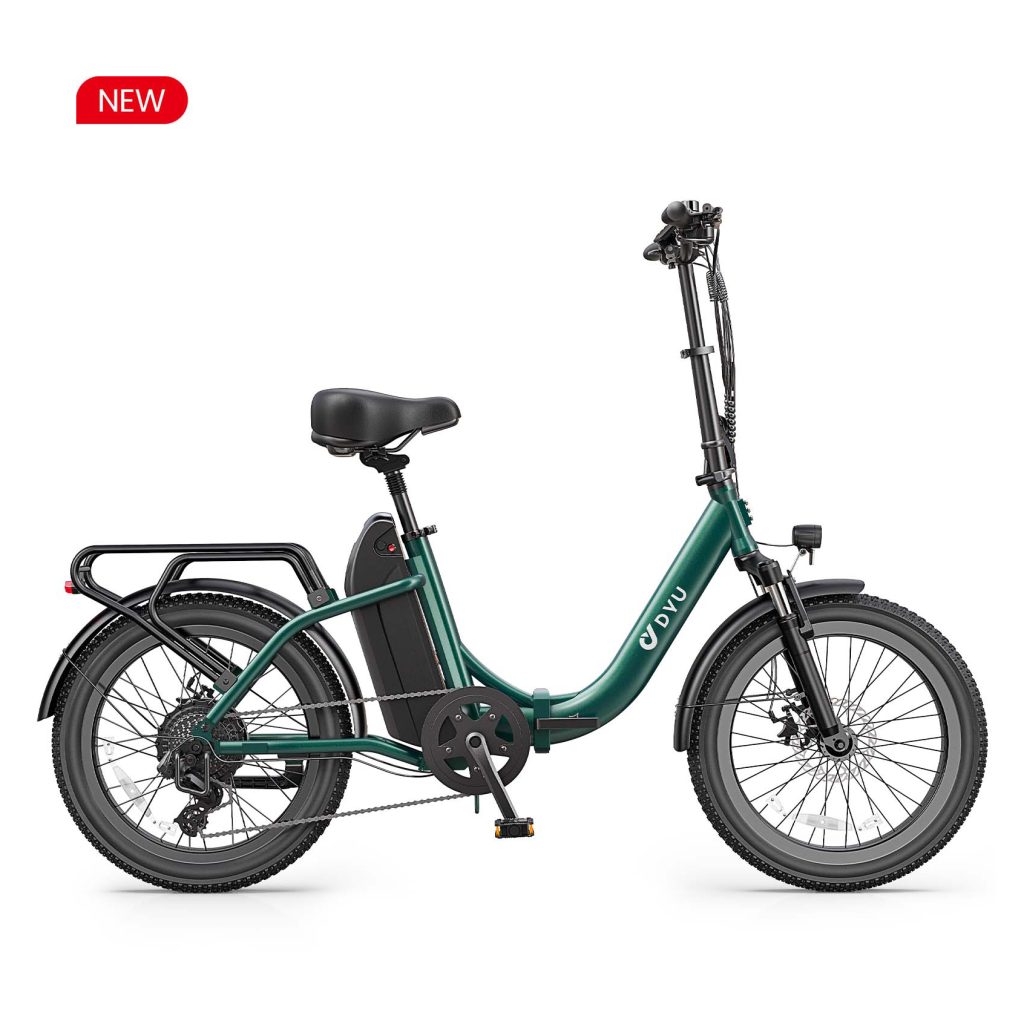
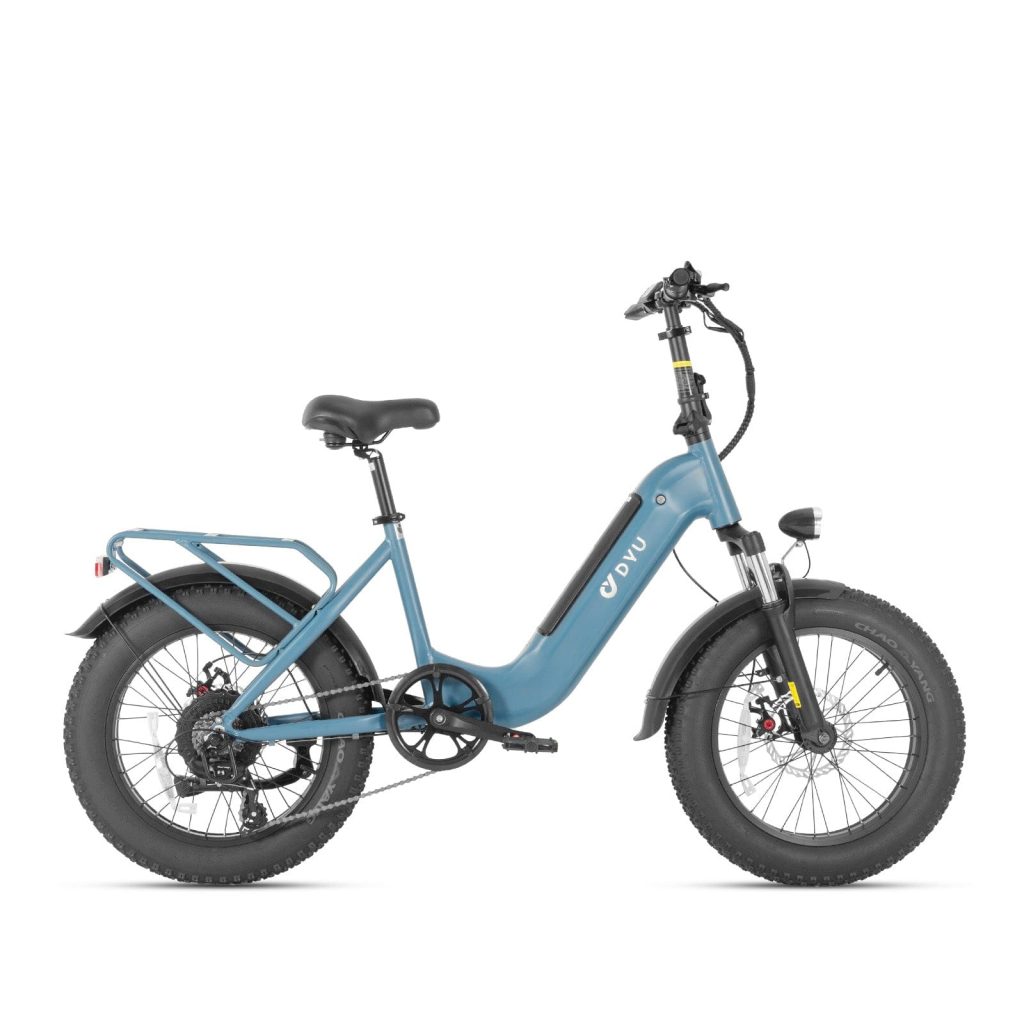
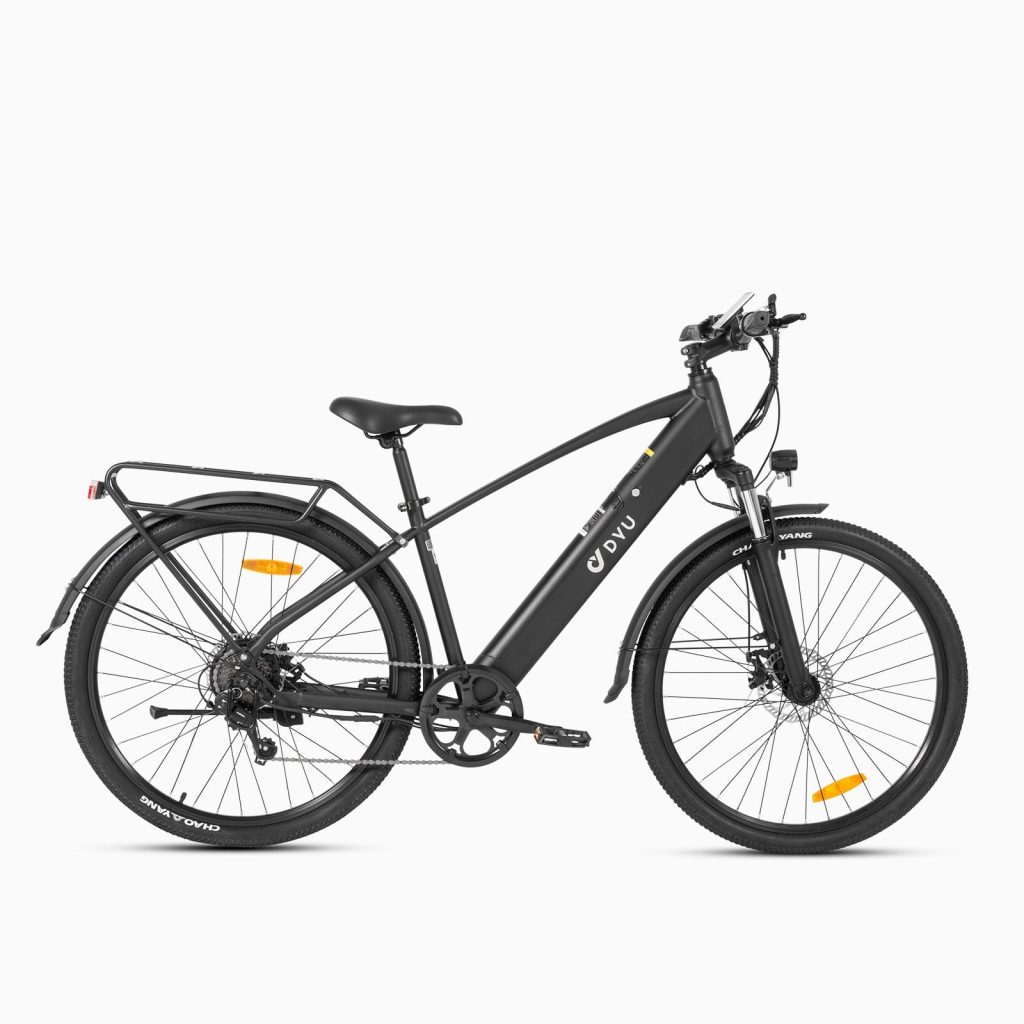
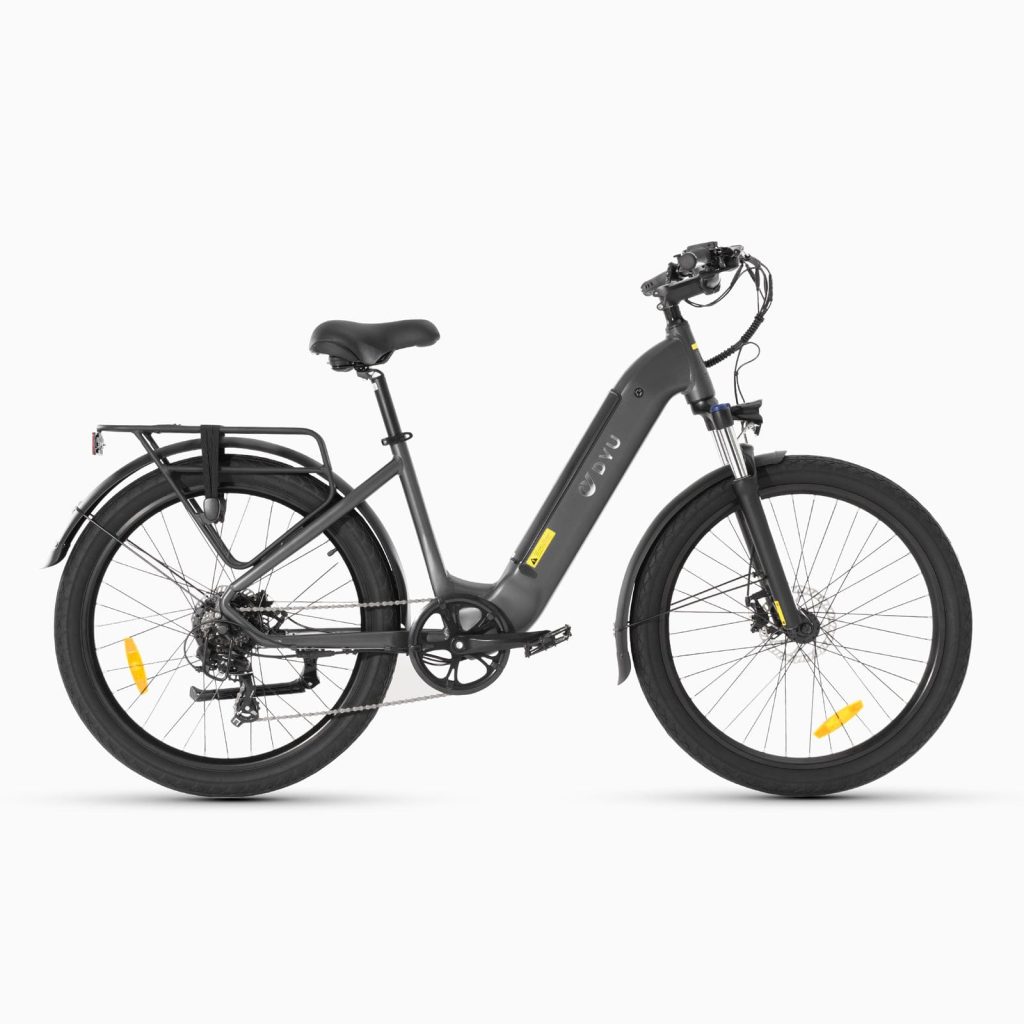
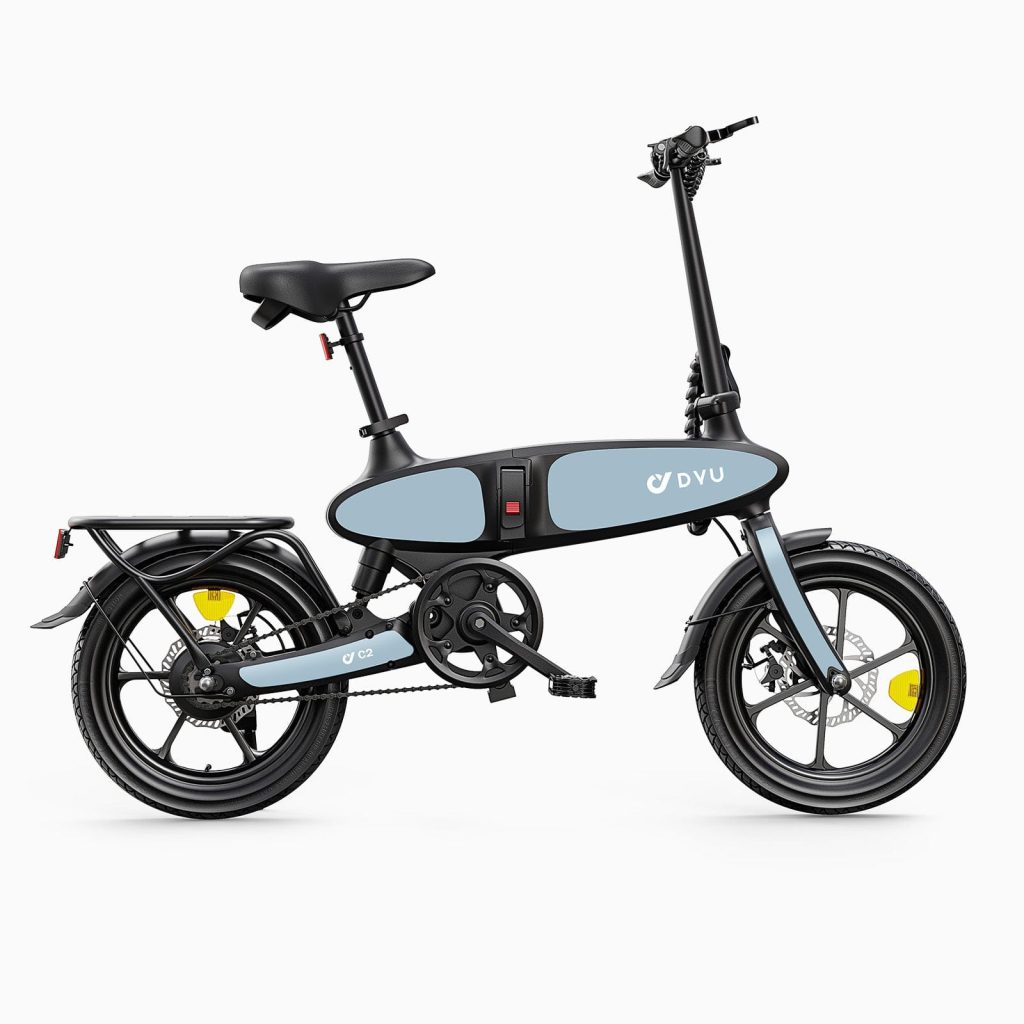
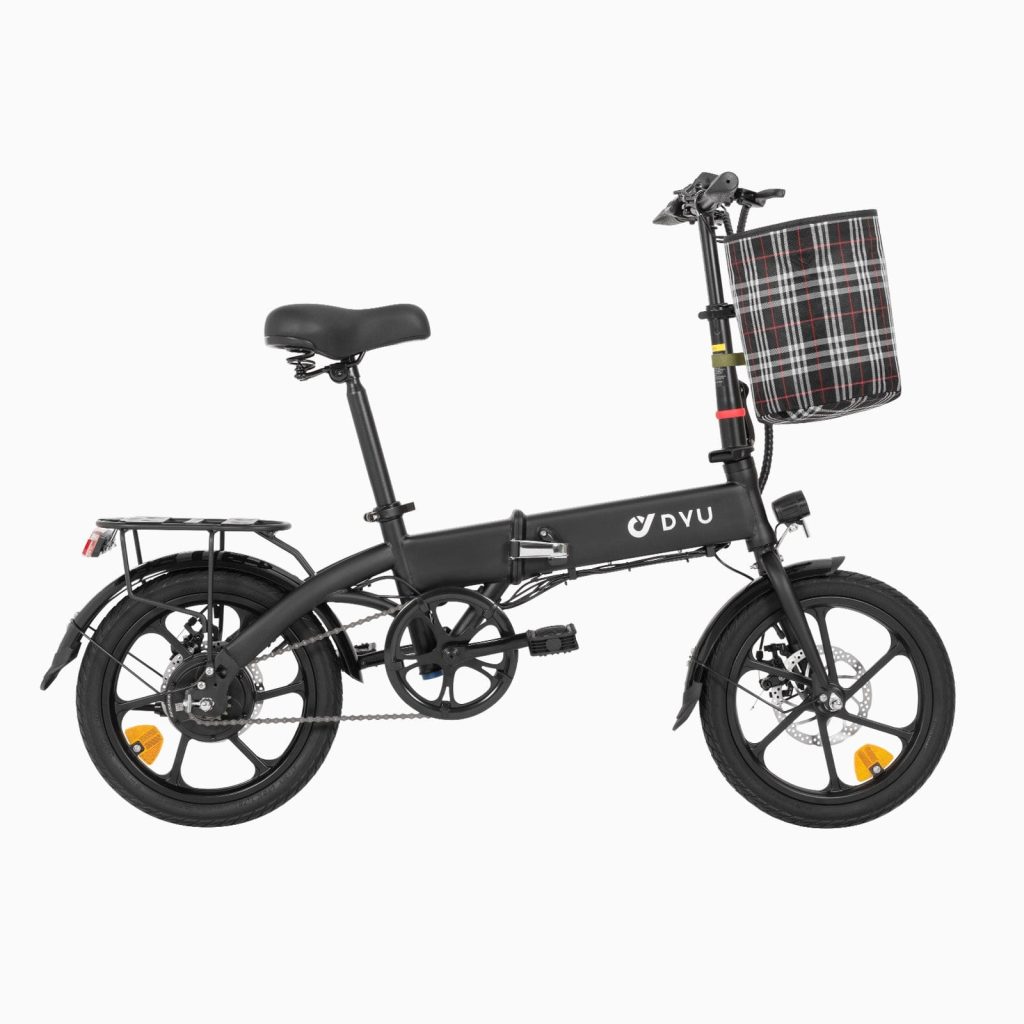
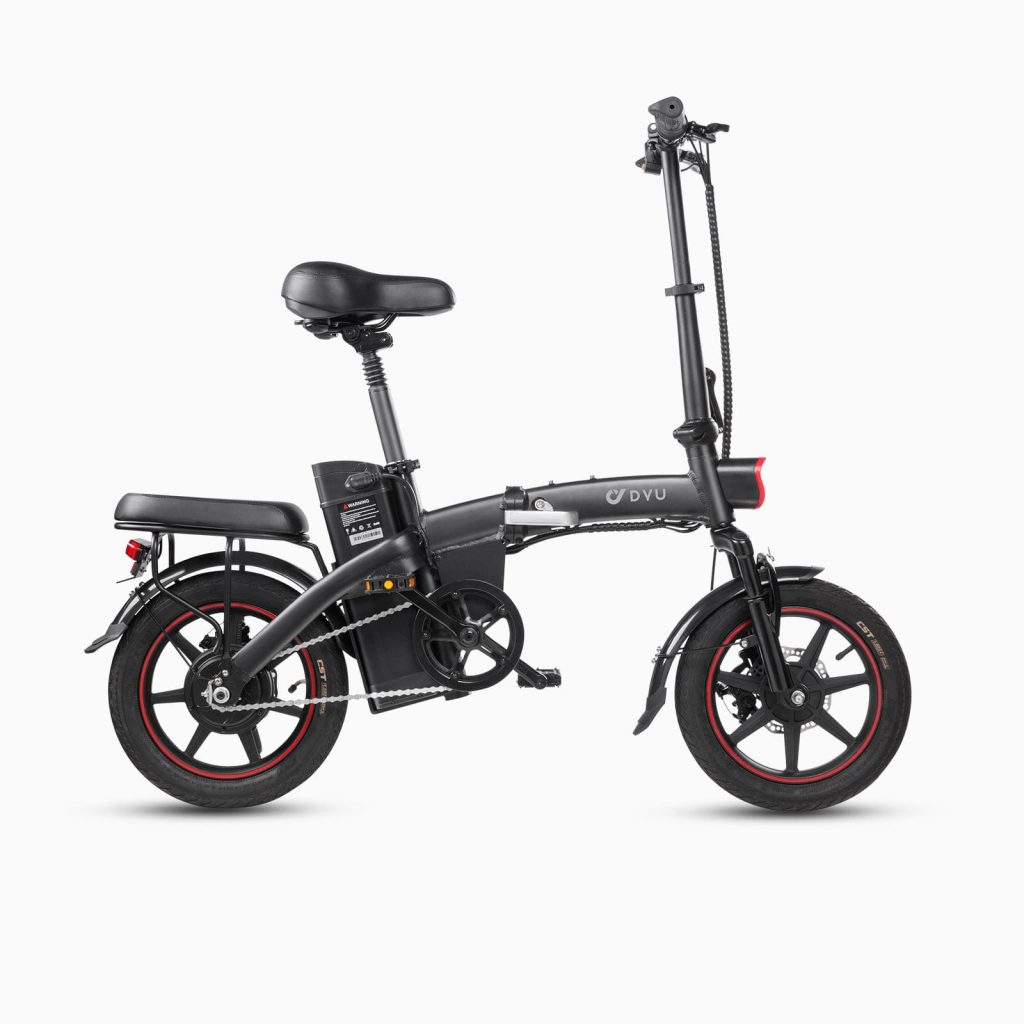
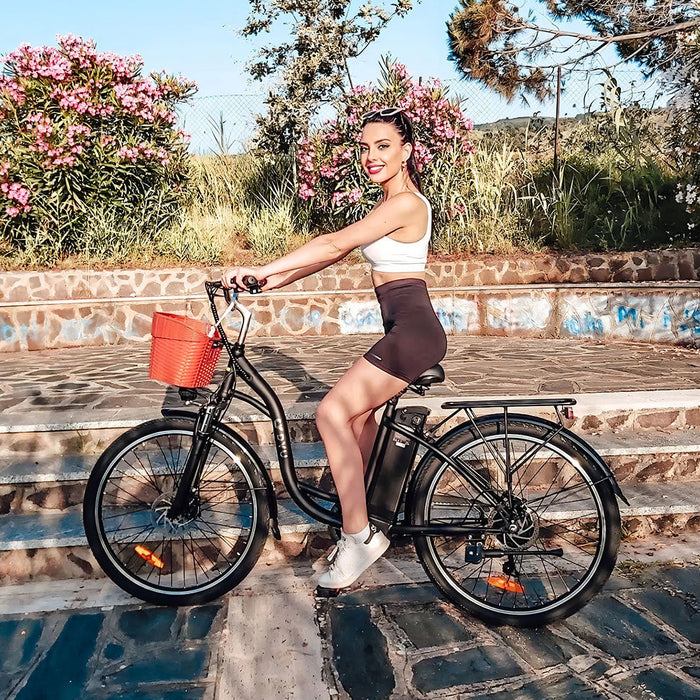
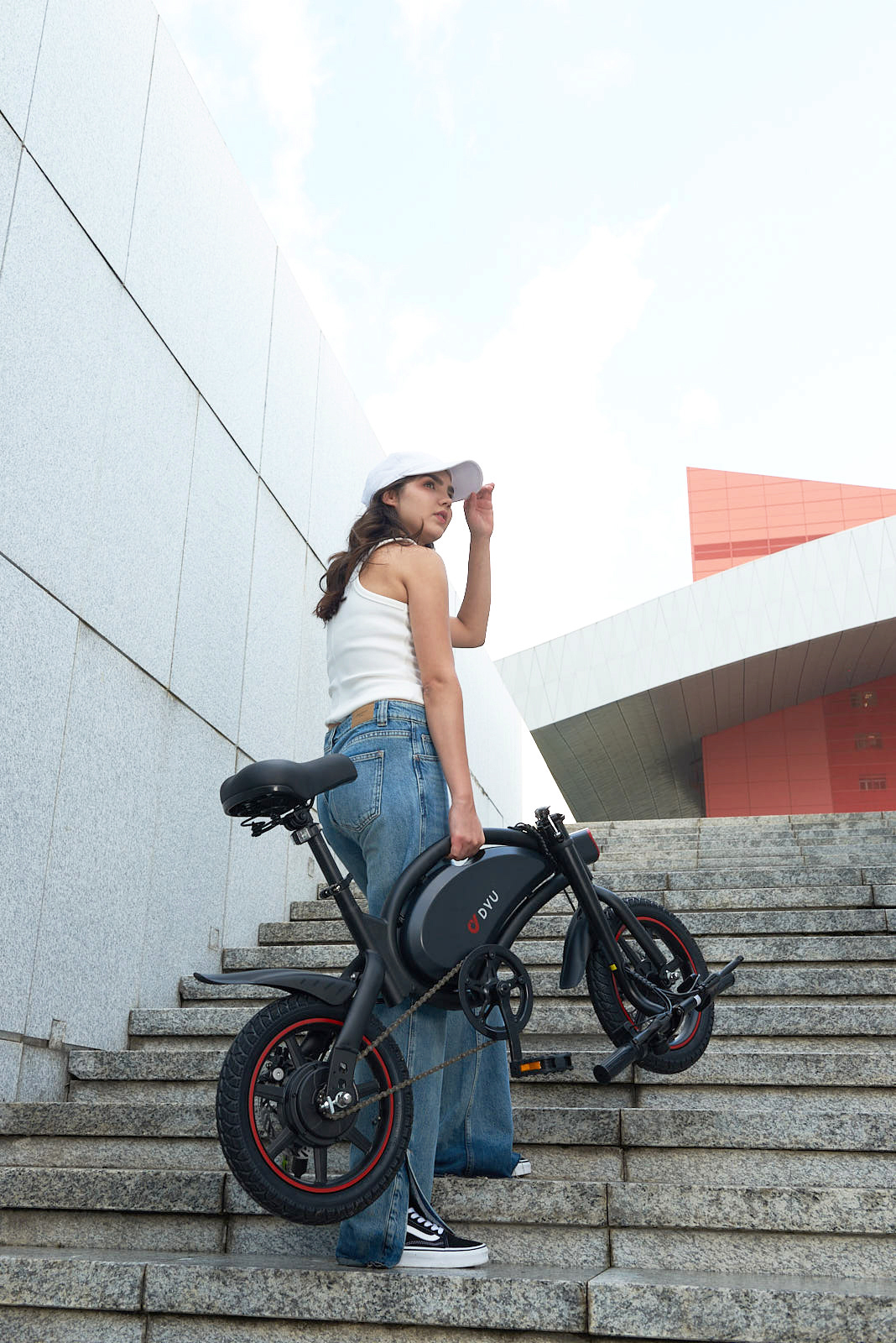
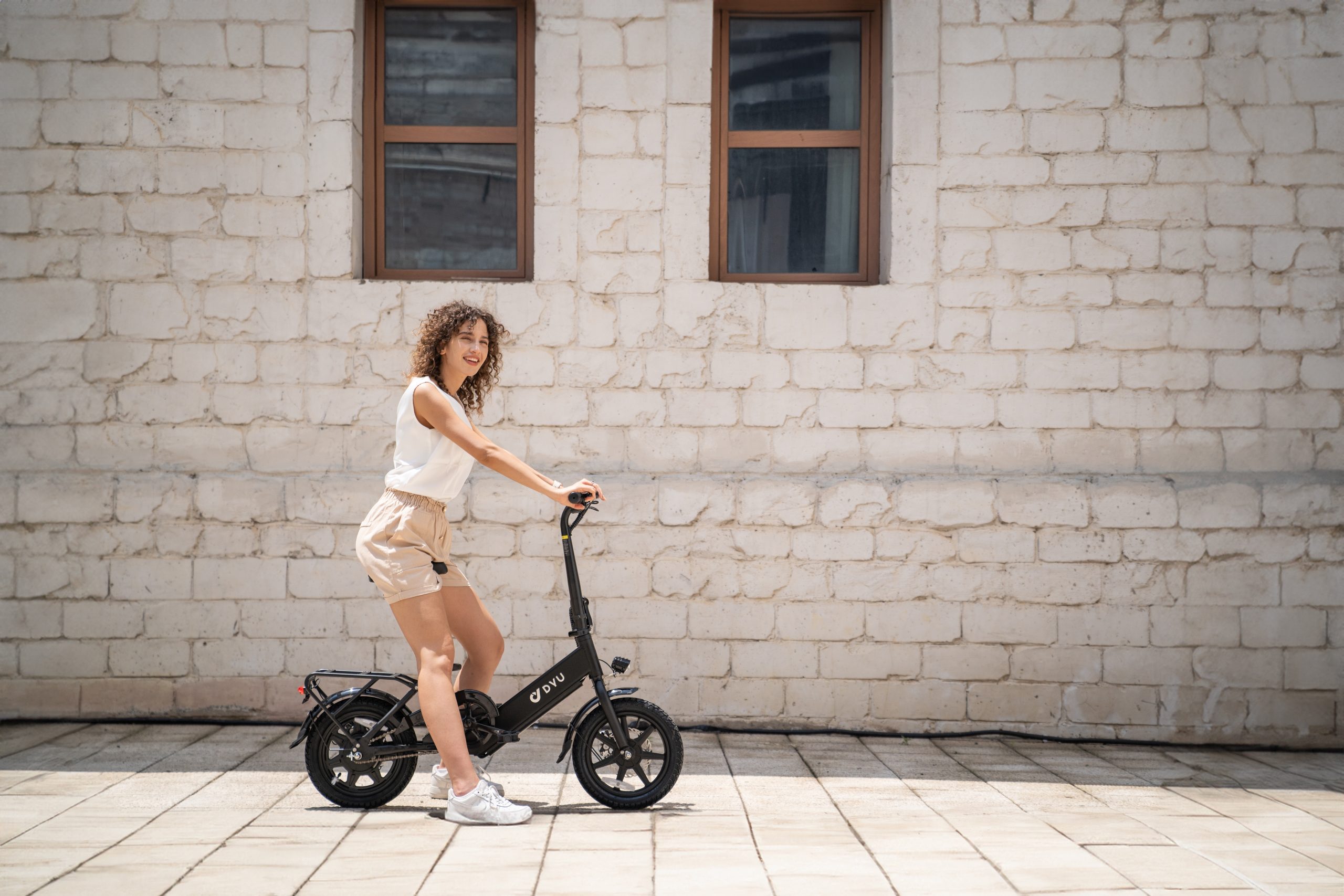
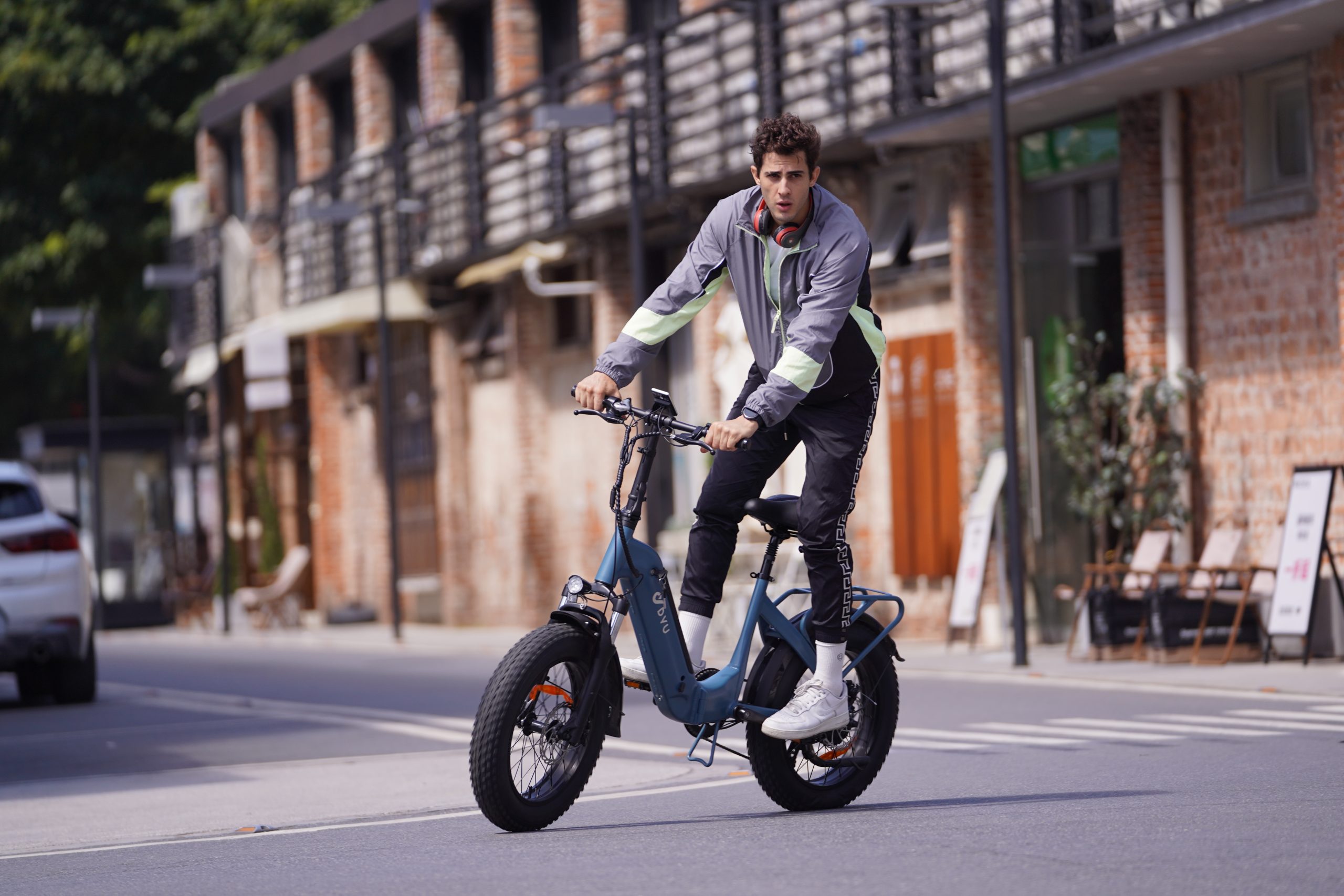


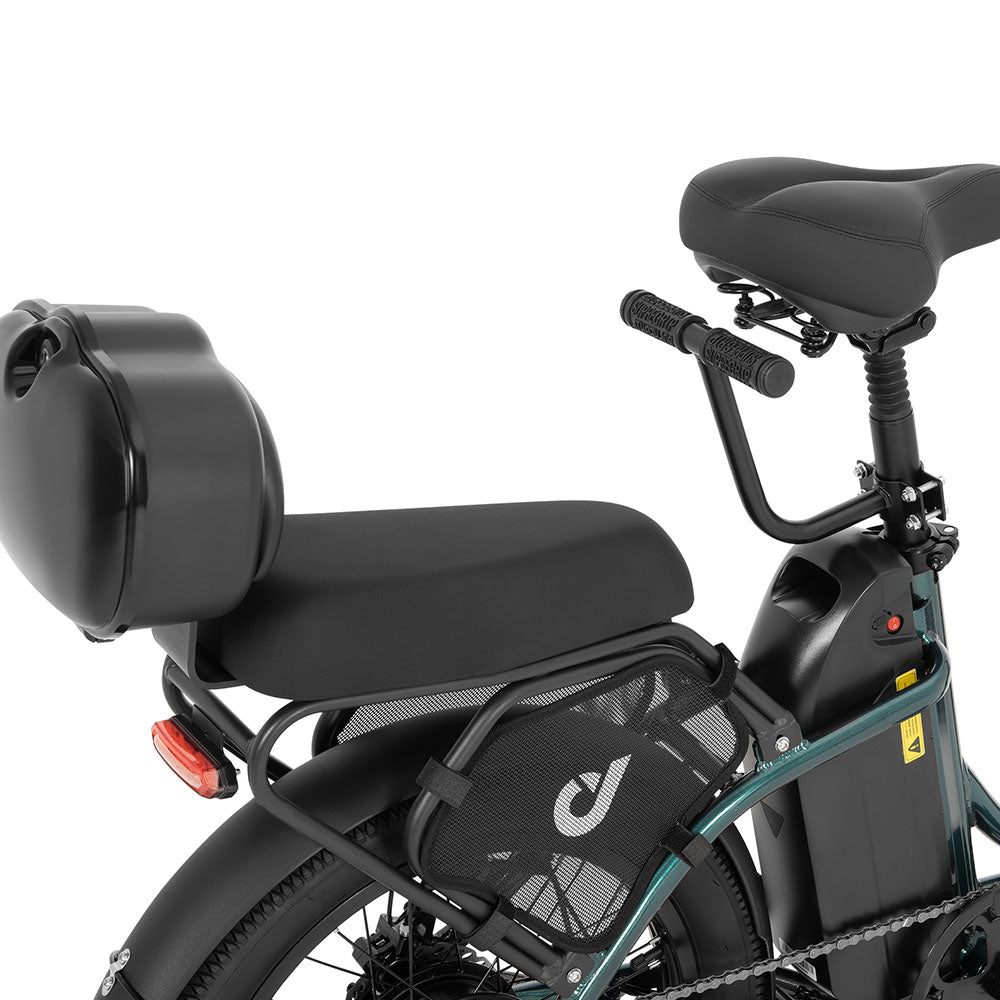
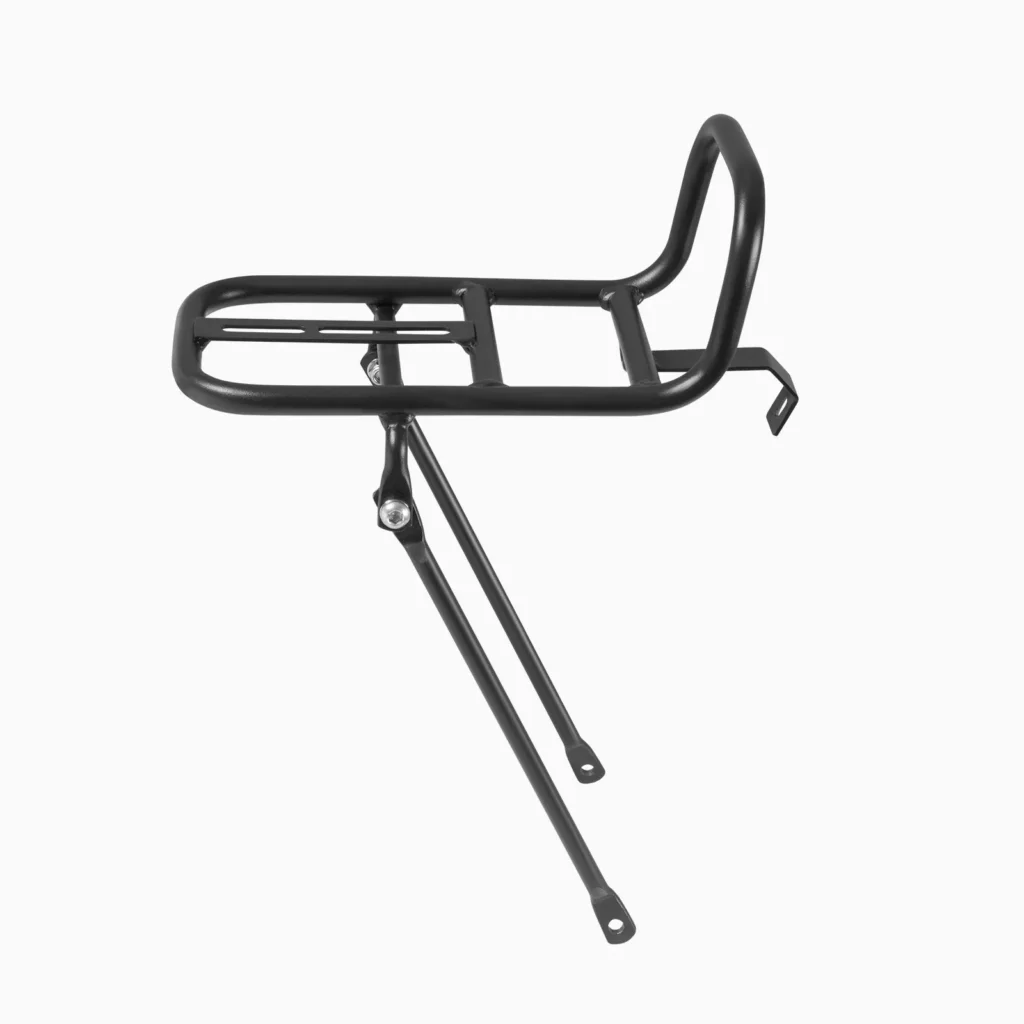
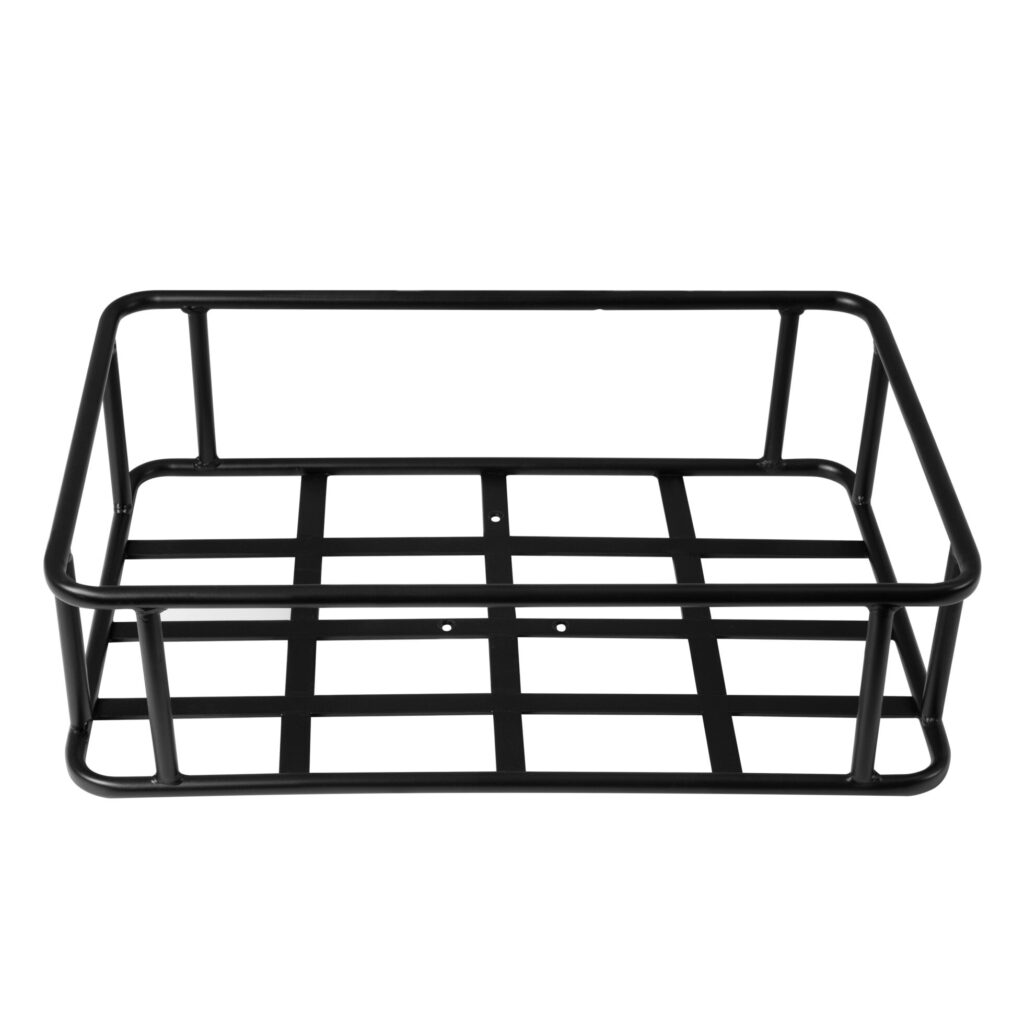











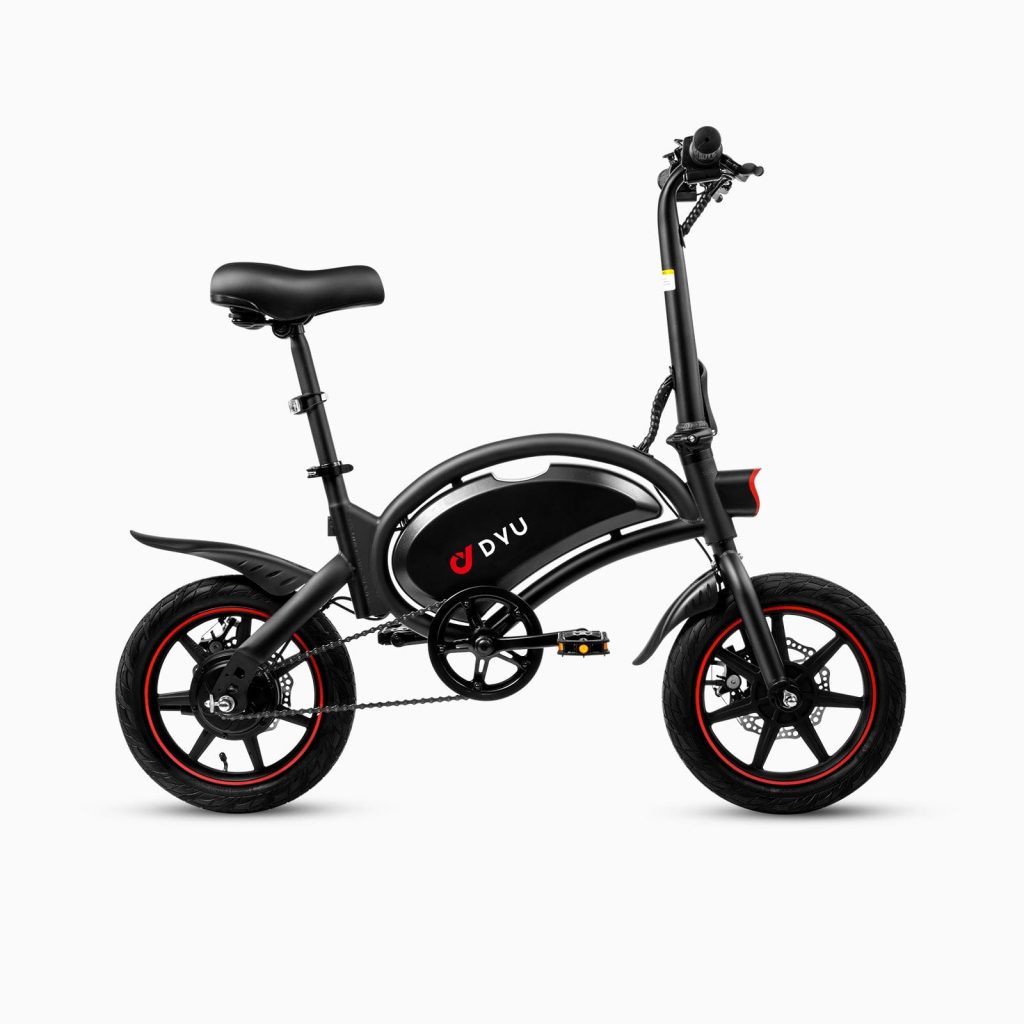
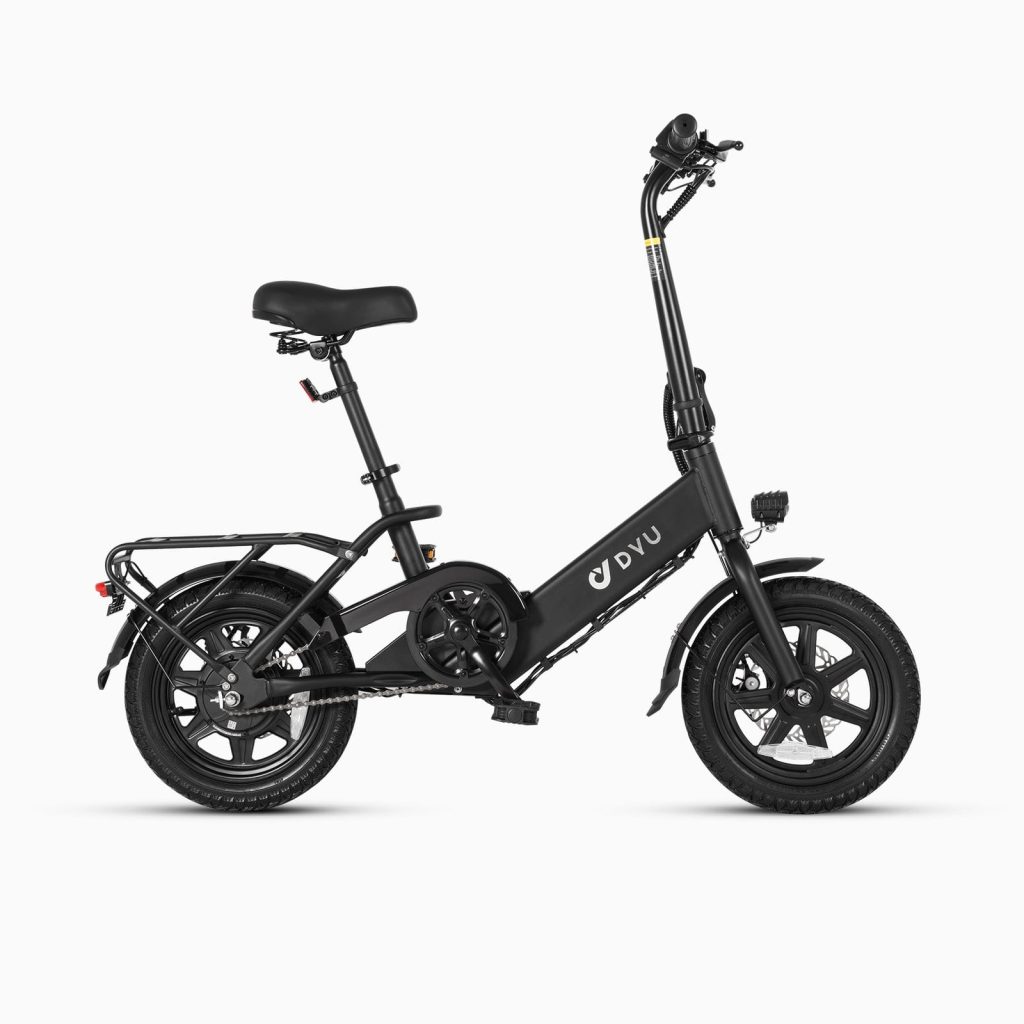
Il peso è il fattore più importante che distingue la DYU FF500 dalla Fiido Titan. La DYU FF500 pesa 31 kg, risultando quindi più leggera di 6,96 kg rispetto alla Fiido Titan. Questa differenza offre ai ciclisti una migliore maneggevolezza e un maggiore controllo. Entrambe le e-MTB vantano caratteristiche prestazionali impressionanti che soddisfano diverse priorità di guida.
Il DYU FF500 presenta un design compatto con un motore da 250 W (con picchi di 500 W), raggiunge una velocità di circa 32 km/h e offre un'autonomia fino a 70 km. Il Fiido Titan, d'altra parte, utilizza anch'esso un motore da 250 W, ma lo abbina a un sistema di batterie più grande che gli consente di raggiungere un'autonomia impressionante fino a 115 km (84 miglia in modalità PAS Eco). Mentre il Titan offre un'autonomia significativamente maggiore, il telaio più leggero e il design pieghevole dell'FF500 possono essere più convenienti per i ciclisti che danno priorità alla portabilità e agli spostamenti urbani.
Questa guida tratterà tutti gli aspetti, dal comfort alle prestazioni su strada, dalle caratteristiche di sicurezza al valore. Scoprirai quale e-bike si adatta meglio alle tue esigenze, sia che tu pedali per le strade trafficate della città o che affronti percorsi fuoristrada accidentati.
Comfort e praticità nell'uso quotidiano
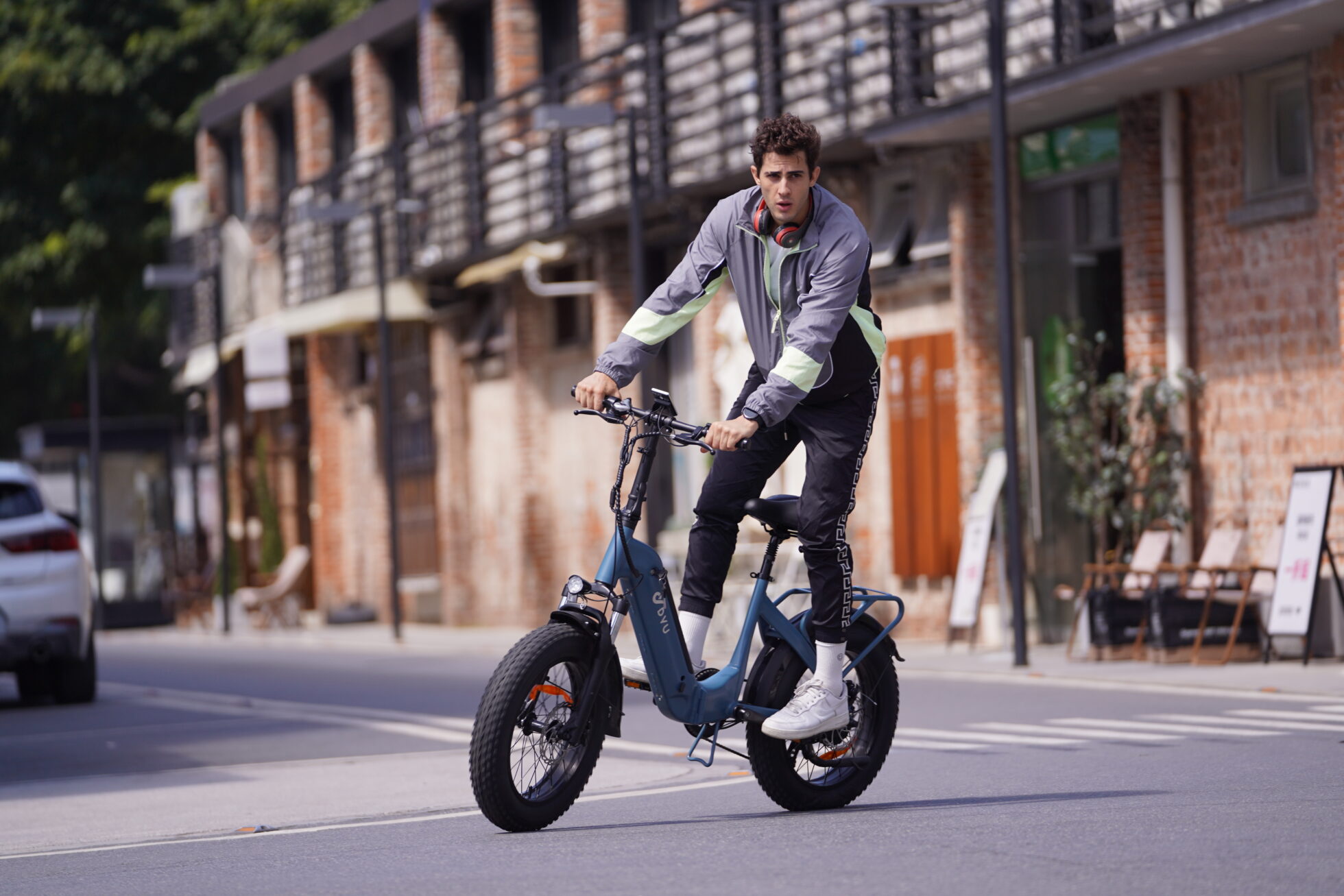
Le tue uscite quotidiane in e-bike saranno molto più piacevoli con le giuste caratteristiche di comfort. Vediamo come si comportano la DYU FF500 e la Fiido Titan nell'uso quotidiano.
Posizione di guida: geometria eretta su entrambi i modelli
Queste e-MTB sono dotate di una posizione di guida eretta che offre un'ottima visibilità nel traffico. I ciclisti possono muoversi facilmente per le strade della città con una vista panoramica dei dintorni. Non affaticherai la schiena e le spalle durante i viaggi più lunghi, il che rende entrambe le biciclette perfette per i viaggi più lunghi.
Sella e sospensioni: sella imbottita vs sella con molle
La DYU FF500 è dotata di una sella imbottita che offre un ottimo comfort nelle uscite brevi e medie. Il Fiido Titan adotta un approccio diverso, essendo progettato per garantire comfort sulle lunghe distanze. Le molle della sella funzionano come elastomeri e offrono una resistenza progressiva per evitare sensazioni di urto violento sui dossi più grandi. La sospensione anteriore dell'FF500 assorbe gli urti e le vibrazioni per garantire stabilità sulle superfici irregolari. Il sistema di sospensione del Titan aiuta a ridurre il dolore lombare durante i viaggi lunghi, grazie alla sella ergonomica con molle.
Comfort degli pneumatici: pneumatici larghi da 20″ vs 26″
La FF500 è dotata di pneumatici che garantiscono una buona maneggevolezza e stabilità, con una migliore erogazione della coppia e una maggiore accelerazione. I principianti apprezzeranno il miglior equilibrio offerto dal baricentro più basso creato da queste ruote più piccole. Il Titan monta pneumatici larghi CST da 26″ x 4″ che assorbono meglio le irregolarità del terreno e mantengono lo slancio. Le ruote più grandi superano gli ostacoli con maggiore facilità, rendendo più agevole la guida su terreni accidentati. Le ruote da 26″ aiutano anche a mantenere la velocità con meno sforzo, il che potrebbe contribuire a prolungare la durata della batteria durante le pedalate costanti, con Pneumatici larghi 20″ x 4″.
Piegabilità e conservazione: vantaggio FF500
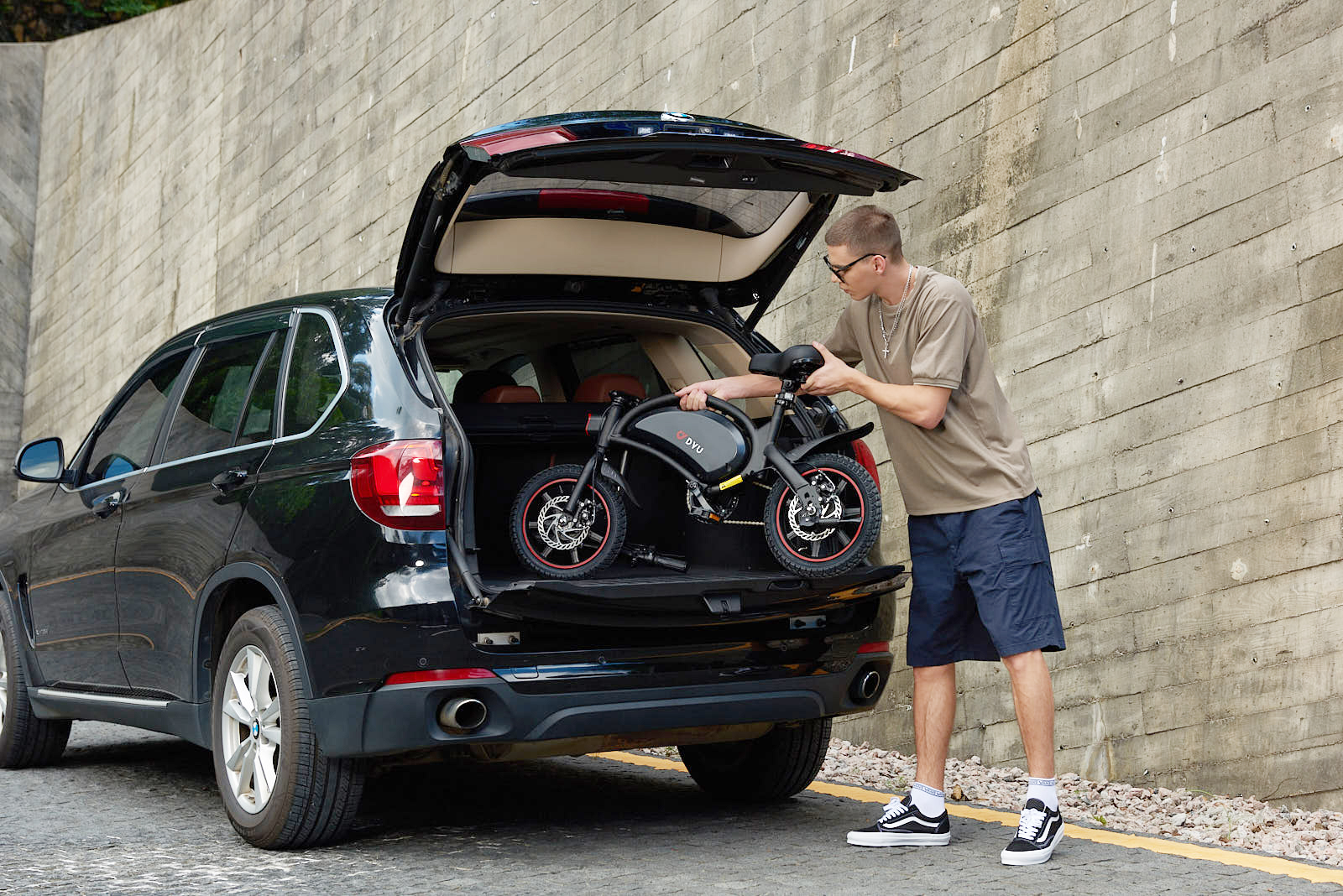
La FF500 si distingue per la sua capacità di piegarsi. Pesa 31 kg, un po’ meno rispetto alla Titan che pesa 38 kg. Questo rende la FF500 un'ottima scelta per chi vive in appartamento senza garage. Una volta piegata, la FF500 può essere trasportata in ascensore, in auto di piccole dimensioni o riposta in spazi ristretti. I ciclisti urbani con spazio limitato troveranno difficile battere la combinazione di pneumatici larghi e soluzioni pratiche di stoccaggio offerta dalla FF500.
Test delle prestazioni nel mondo reale
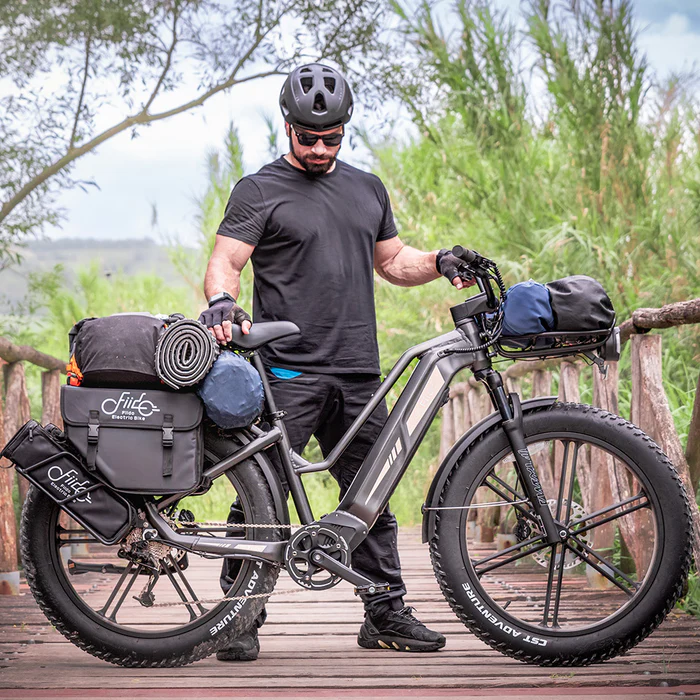
I miei test in condizioni reali hanno dimostrato che queste due e-MTB possono fare molto di più di quanto suggeriscano le loro specifiche tecniche. Ho messo alla prova entrambi i modelli per vedere come si comportano in diverse situazioni.
Test di velocità: livelli PAS e accelerazione dell'acceleratore
Ogni bicicletta è dotata di diversi livelli di assistenza alla pedalata, ma la velocità aumenta in modo diverso, con freni a disco idraulici e potenza costante anche in salita. La struttura più leggera della FF500 le consente di partire più velocemente da fermo. Il consumo della batteria è di circa 20% più rapido quando si utilizza solo l'acceleratore invece dell'assistenza alla pedalata. Questa differenza è più evidente sulla potente Titan.
Test di autonomia: 70 km contro i 115 km dichiarati
L'FF500 può percorrere 55-60 km nella realtà, anche se dichiara 70 km. È più che sufficiente per gli spostamenti quotidiani. Il Titan dichiara di poter percorrere 115 km, ma nelle condizioni normali si ottengono 50-65 km. Il Titan vince per i viaggi lunghi, ma l'autonomia dell'FF500 è ottima per l'uso urbano.
Impatto del peso sulla maneggevolezza: 31 kg contro 38 kg
Il FF500 pesa 31 kg, quindi è più maneggevole e si adatta più facilmente agli spazi ristretti. Il peso di 38 kg del Titan lo mantiene stabile alle alte velocità, ma richiede uno sforzo maggiore per muoversi in aree trafficate. Il peso extra del Titan comporta una frenata più brusca, mentre il FF500 si ferma più rapidamente con meno sforzo.
Caratteristiche di sicurezza e controllo
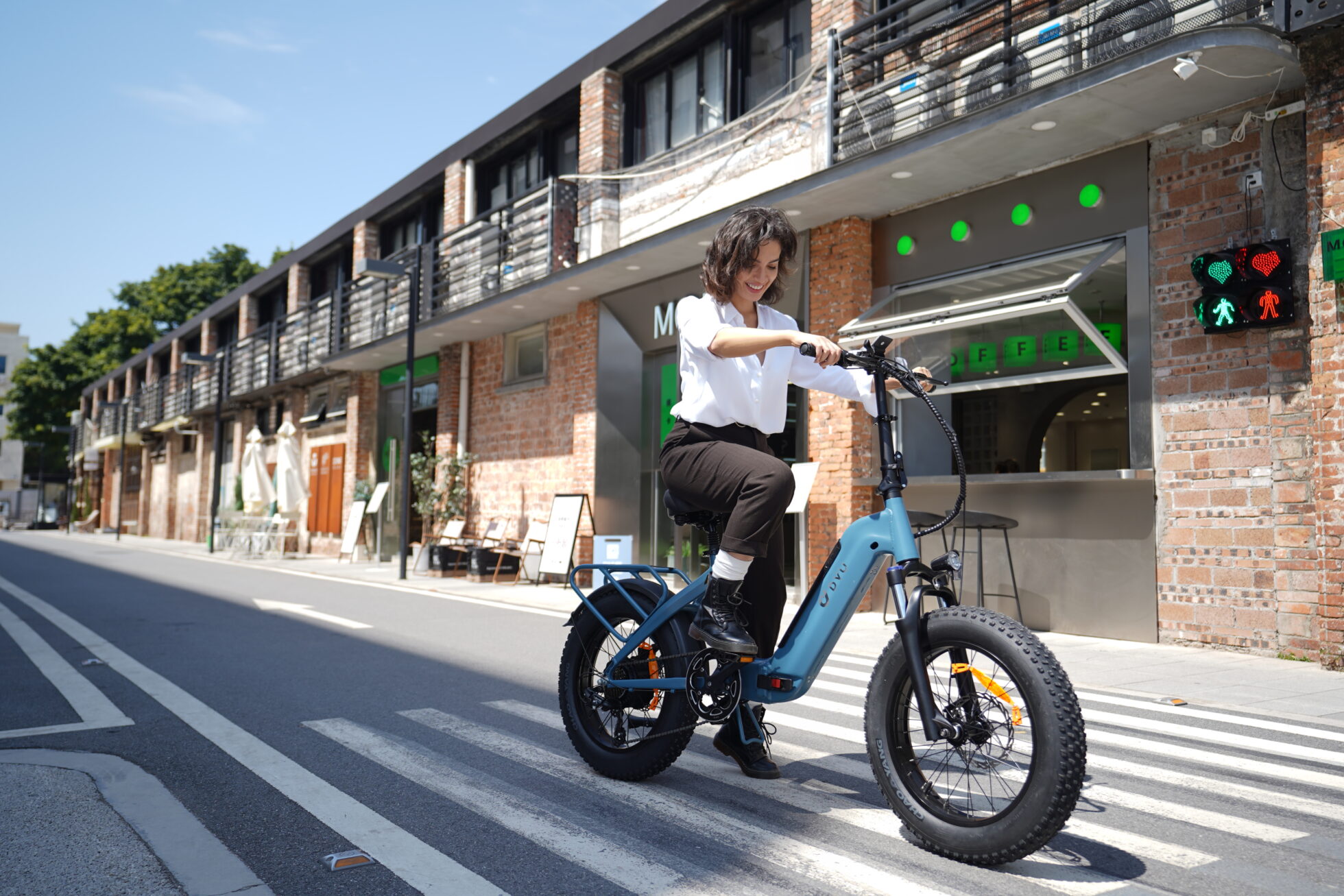
Le caratteristiche di sicurezza rendono queste e-MTB davvero uniche. Influiscono sulla sicurezza che provi mentre pedali e sulla tua esperienza complessiva come proprietario.
Sistema frenante: freni a disco meccanici vs freni a disco idraulici
La DYU FF500 è dotata di freni a disco meccanici che utilizzano un sistema a cavo per controllare le pastiglie dei freni. I freni a disco idraulici della Fiido Titan offrono una migliore potenza di frenata. Senza dubbio, il sistema idraulico della Titan consente di frenare in modo fluido con meno sforzo. La configurazione meccanica dell'FF500 offre grandi vantaggi ai ciclisti abituali: la manutenzione è semplice e non richiede attrezzi speciali o conoscenze specifiche sullo spurgo idraulico. Chi usa la bicicletta per spostarsi in città troverà i freni dell'FF500 sufficientemente efficaci e molto più facili da riparare a casa.
Sistema di illuminazione: LED vs LED abbaglianti con luce di stop
La FF500 è dotata di luci LED standard. La Titan è dotata di LED abbaglianti e di un sistema di luci di stop intelligenti. Le luci di stop si accendono automaticamente quando si rallenta, avvisando le auto che seguono. L'illuminazione avanzata della Titan rende più sicuri i viaggi notturni, ma la configurazione di base della FF500 funziona abbastanza bene nella maggior parte dei contesti urbani e costa meno, con fari LED abbaglianti.
Display e comandi: display LED vs LCD a colori con app
Entrambe le biciclette hanno display integrati con notevoli differenze. La FF500 utilizza un semplice display a LED che mostra la velocità e il livello della batteria. La Titan ha uno schermo LCD a colori che è possibile collegare al telefono. Il display della Titan può sembrare più elegante, ma l'interfaccia di base della FF500 non distrae durante la guida e rimane chiara anche in pieno sole.
Antifurto e blocco: assente vs blocco integrato + blocco app
Il Titan vince in termini di sicurezza grazie alla serratura integrata e alle funzionalità di sicurezza dell'app. Il modello FF500 richiede serrature separate che è necessario acquistare separatamente. Il modello FF500 compensa questa mancanza con il suo design portatile: è possibile trasportarlo facilmente all'interno invece di lasciarlo all'esterno.
Rapporto qualità-prezzo e adeguatezza al caso d'uso
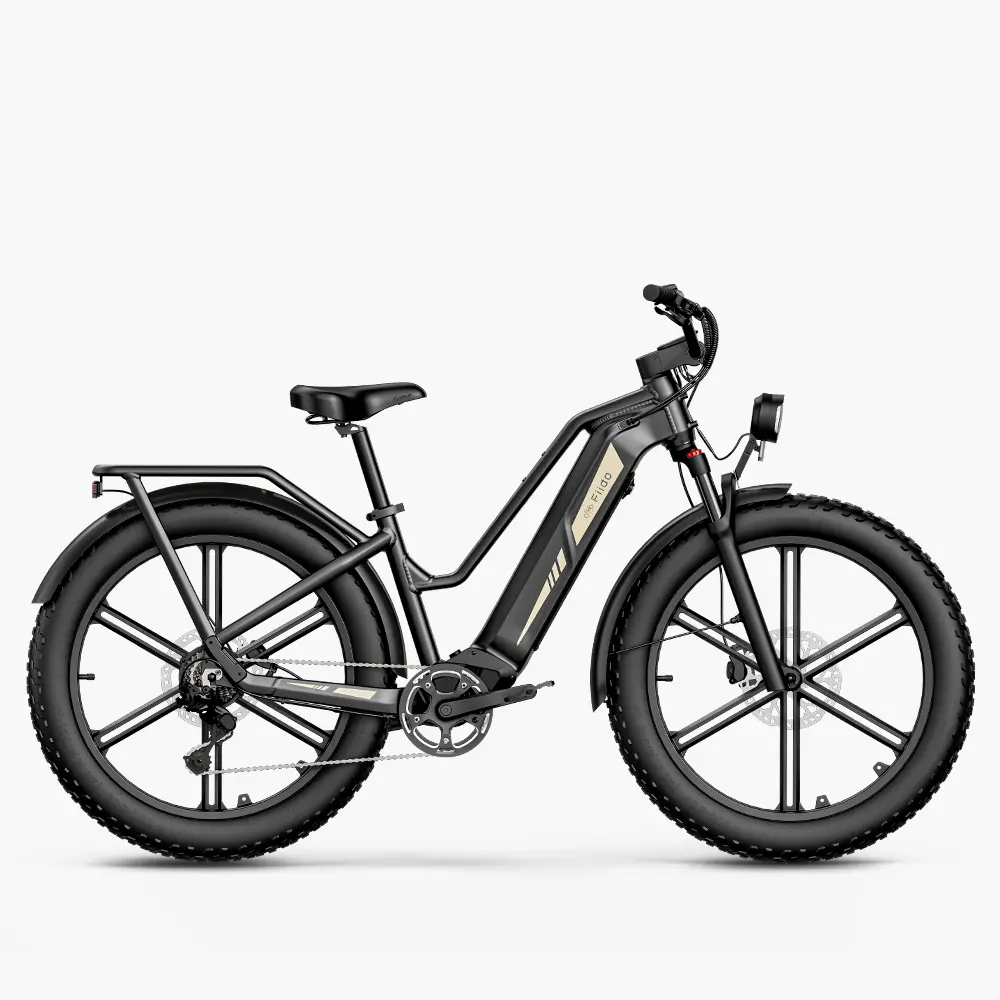
La scelta tra queste due e-MTB dipende dalle tue esigenze e dal budget a tua disposizione. Vediamo come si comportano le due biciclette in diverse situazioni.
Spostamenti urbani: il vantaggio della pieghevolezza dell'FF500
I ciclisti urbani apprezzeranno il pratico design pieghevole della DYU FF500. A differenza del Titan, può essere facilmente riposto in appartamento o trasportato al piano superiore. Il FF500 pesa 30,84 kg, molto meno dei 37,8 kg del Titan. Questo lo rende molto più maneggevole nelle strade trafficate. I pendolari urbani preferiscono il telaio compatto del FF500 quando devono riporlo in appartamento o spostarsi in città.
Fuoristrada e avventura: il vantaggio della gamma Titan
La Fiido Titan si distingue nelle escursioni avventurose grazie al suo potente sistema di batterie, anche se il suo motore è da 250 W. Con un'impressionante autonomia di 115 km in modalità PAS Eco, è ideale per le avventure o i tour di lunga distanza nel fine settimana. La DYU FF500, con la sua autonomia di 70 km, è più adatta per gli spostamenti quotidiani e i brevi viaggi urbani. È vero che il sistema di batterie espandibili del Titan è progettato più per il trekking su lunghe distanze che per la guida quotidiana in città.
Capacità di carico utile e del rack: 120 kg contro 200 kg
Queste due biciclette sono state progettate per esigenze di trasporto molto diverse.
- Il modello DYU FF500 supporta fino a 120 kg, rendendolo adatto per gli spostamenti in città, la spesa o il trasporto di carichi moderati.
- Il Fiido Titan offre un'enorme capacità di carico di 200 kg, il che significa che può trasportare facilmente attrezzature da campeggio, attrezzature da turismo o carichi pesanti.
Rapporto prezzo-prestazioni: tour economici vs tour premium
La FF500 offre solide prestazioni per gli spostamenti quotidiani a un prezzo più accessibile, pari a 1199 €. La Titan, con un prezzo di 1499 €, si colloca in una fascia più alta grazie al suo sistema di batterie a lunga autonomia e alla sua elevata capacità di carico. Per la maggior parte dei pendolari europei, la FF500 offre il miglior rapporto qualità-prezzo, a meno che non abbiano davvero bisogno dell'autonomia extra e dell'estrema capacità di carico della Titan.
Tabella di confronto
| Categoria di caratteristiche | DYU FF500 | Fiido Titan |
| Specifiche semplici | ||
| Peso | 31 kg | 38 kg |
| Potenza del motore | 250W | 250W |
| Velocità massima | 32 km/h | 45 km/h |
| Gamma | 70 km (55-60 km reali) | 115 km (50-65 km reali) |
| Caratteristiche fisiche | ||
| Dimensioni pneumatici | Pneumatici larghi 20″ x 4″ | Pneumatici larghi CST da 26″ x 4″ |
| Design del telaio | Pieghevole | Non pieghevole |
| Capacità del rack | 120 kg | 200 kg |
| Comfort e controllo | ||
| Tipo di sella | Sella imbottita | Sella ergonomica con molle |
| Sospensione | Sospensione anteriore | Non menzionato |
| Sistema frenante | Freni a disco meccanici | Freni a disco idraulici |
| Display | Display a LED | LCD a colori con connettività app |
| Caratteristiche di sicurezza | ||
| Illuminazione | LED standard | LED abbagliante con luce di stop |
| Funzioni antifurto | Nessuno integrato | Blocco integrato + blocco app |
| Prezzo e valore | ||
| Prezzo | €1199 | €1499 |
| Il miglior caso d'uso | Spostamenti urbani, spazio di stoccaggio limitato | Trasporto di merci pesanti su lunghe distanze |
Conclusione
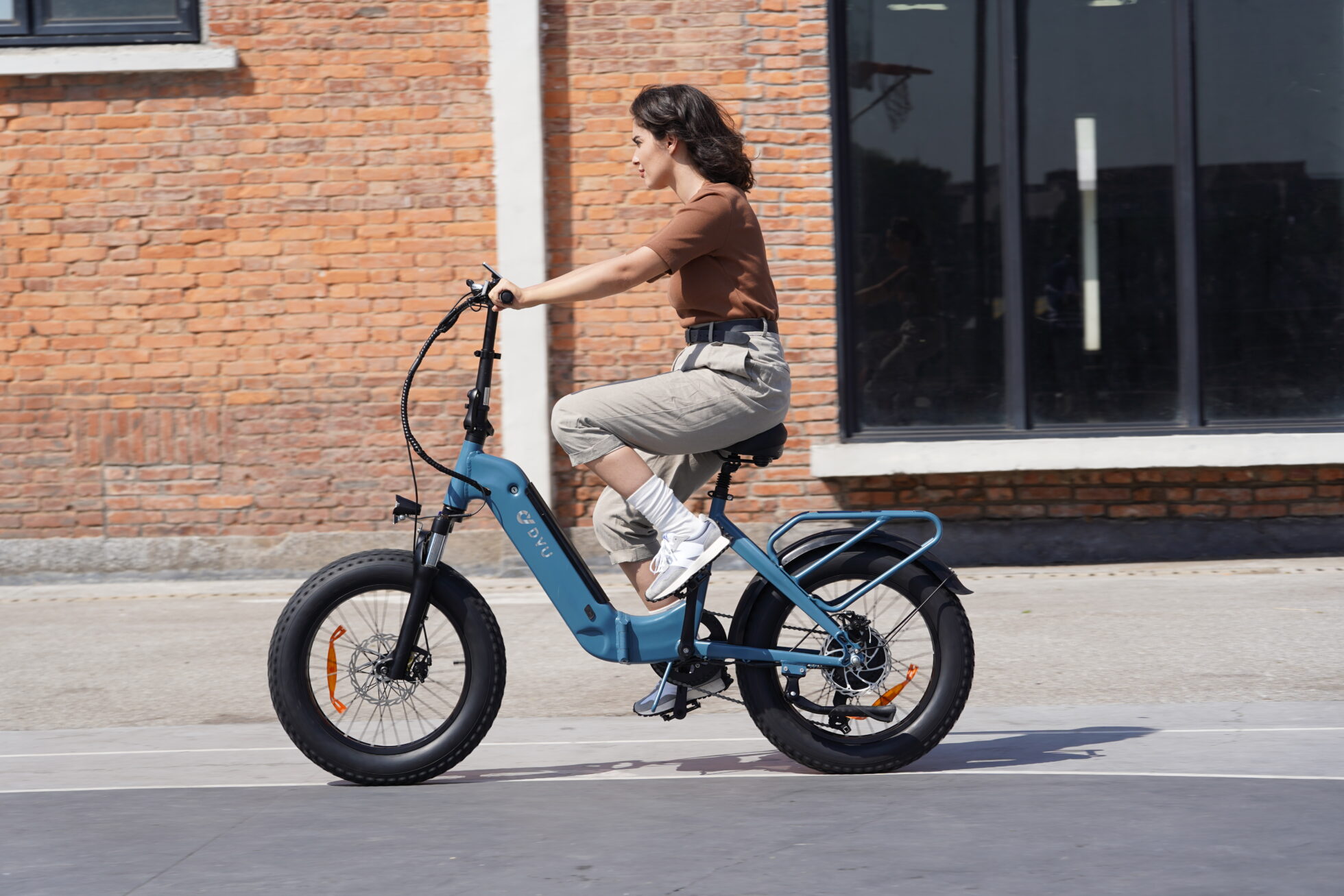
Dopo aver testato entrambe le e-bike su diversi tipi di terreno, la DYU FF500 si è rivelata la scelta più pratica per la maggior parte dei ciclisti europei. Il suo telaio più leggero, con un peso di soli 31 kg, la rende molto più maneggevole nell'uso quotidiano rispetto alla Fiido Titan, che pesa ben 38 kg. Inoltre, il design pieghevole della FF500 risolve i problemi di spazio che devono affrontare chi vive in appartamento nelle affollate città europee.
Il Fiido Titan offre un'autonomia eccellente grazie al suo sistema di batterie di grandi dimensioni, anche se il suo motore è in realtà da 250 W. La sua capacità di percorrere lunghe distanze e la sua struttura robusta hanno un costo più elevato: 1499 €, ovvero circa 300 € in più rispetto al FF500. Per la maggior parte dei pendolari quotidiani, l'autonomia di 70 km del FF500 è più che sufficiente, rendendolo un ottimo investimento a 1199 €.
Naturalmente, la FF500 presenta alcuni svantaggi. I suoi freni a disco meccanici richiedono uno sforzo maggiore rispetto ai freni idraulici della Titan. La bicicletta è inoltre priva di dispositivi antifurto integrati, pertanto i ciclisti dovranno adottare misure di sicurezza aggiuntive. E per chi ha bisogno di trasportare carichi più pesanti, il limite di carico utile di 120 kg della FF500 può risultare limitante rispetto all'impressionante capacità di 200 kg della Titan.
Ciononostante, la DYU FF500 raggiunge un ottimo equilibrio tra prestazioni e praticità. La sua accelerazione reattiva, la struttura compatta e l'autonomia adatta all'uso urbano soddisfano le esigenze della maggior parte dei motociclisti europei. Per i pendolari e i ciclisti urbani che cercano qualità e valore, la FF500 si distingue come l'investimento più intelligente, a meno che non si richieda specificamente la capacità di percorrere lunghe distanze della Fiido Titan o la sua resistenza al carico pesante.
Domande frequenti
Q1. Quali sono le principali differenze tra le e-bike DYU FF500 e Fiido Titan?
Il modello DYU FF500 è più leggero (31 kg), pieghevole e più adatto agli spostamenti urbani, mentre il Fiido Titan è più pesante (38 kg) e più adatto alle lunghe distanze e al trasporto di carichi pesanti.
Q2. Quale e-bike offre un miglior rapporto qualità-prezzo?
Il modello DYU FF500 è generalmente considerato il più conveniente, con un prezzo di 1199 € e caratteristiche sufficienti per la maggior parte dei ciclisti urbani, mentre il Fiido Titan, al prezzo di 1499 €, offre una maggiore autonomia e capacità di carico, ma ha un costo notevolmente superiore.
Q3. Come si confrontano le autonomie di queste e-bike in condizioni reali?
Il modello DYU FF500 ha un'autonomia reale di 55-60 km, mentre il Fiido Titan raggiunge in genere 50-65 km in condizioni di guida normali, nonostante la sua autonomia dichiarata più elevata di 115 km.
Q4. Quali sono le caratteristiche principali che garantiscono il comfort di ciascuna e-bike?
La DYU FF500 è dotata di sella ammortizzata e sospensioni anteriori, mentre la Fiido Titan offre una sella ergonomica con molle. Entrambe hanno una posizione di guida eretta, ma le ruote più piccole della FF500 garantiscono una migliore manovrabilità.
Q5. Qual è il confronto tra le caratteristiche di sicurezza delle due e-bike?
Il Fiido Titan è dotato di caratteristiche di sicurezza più avanzate, tra cui freni a disco idraulici, luci LED abbaglianti con luce di stop e meccanismi antifurto integrati. Il DYU FF500 è dotato di freni a disco meccanici e illuminazione LED standard, che richiedono soluzioni di sicurezza separate.



4 commenti
Zoe
Quale bicicletta ha un miglior rapporto qualità-prezzo?
Daniel Novak
Dipende dalle tue priorità. Il modello FF500 è più leggero, più versatile e più economico, quindi è perfetto per l'uso in città e per un uso fuoristrada occasionale. Il modello Titan offre maggiore durata e un'autonomia leggermente superiore, ma ha un prezzo più elevato e un peso maggiore.
Giuseppe
Mi piace la FF500, sembra facile da guidare in città.
Luca
La Titan sembra potente e perfetta per i lunghi viaggi, ma il peso extra potrebbe essere eccessivo per gli spostamenti quotidiani.”