
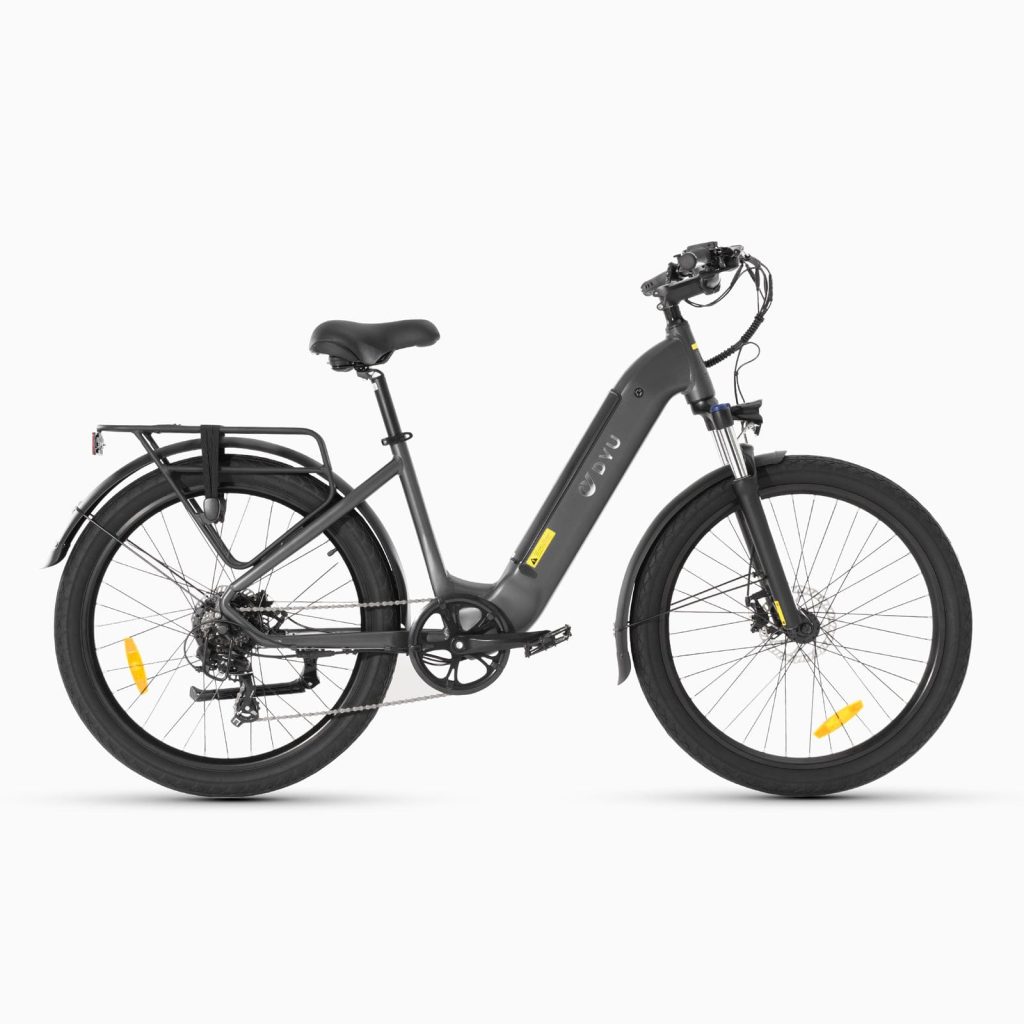
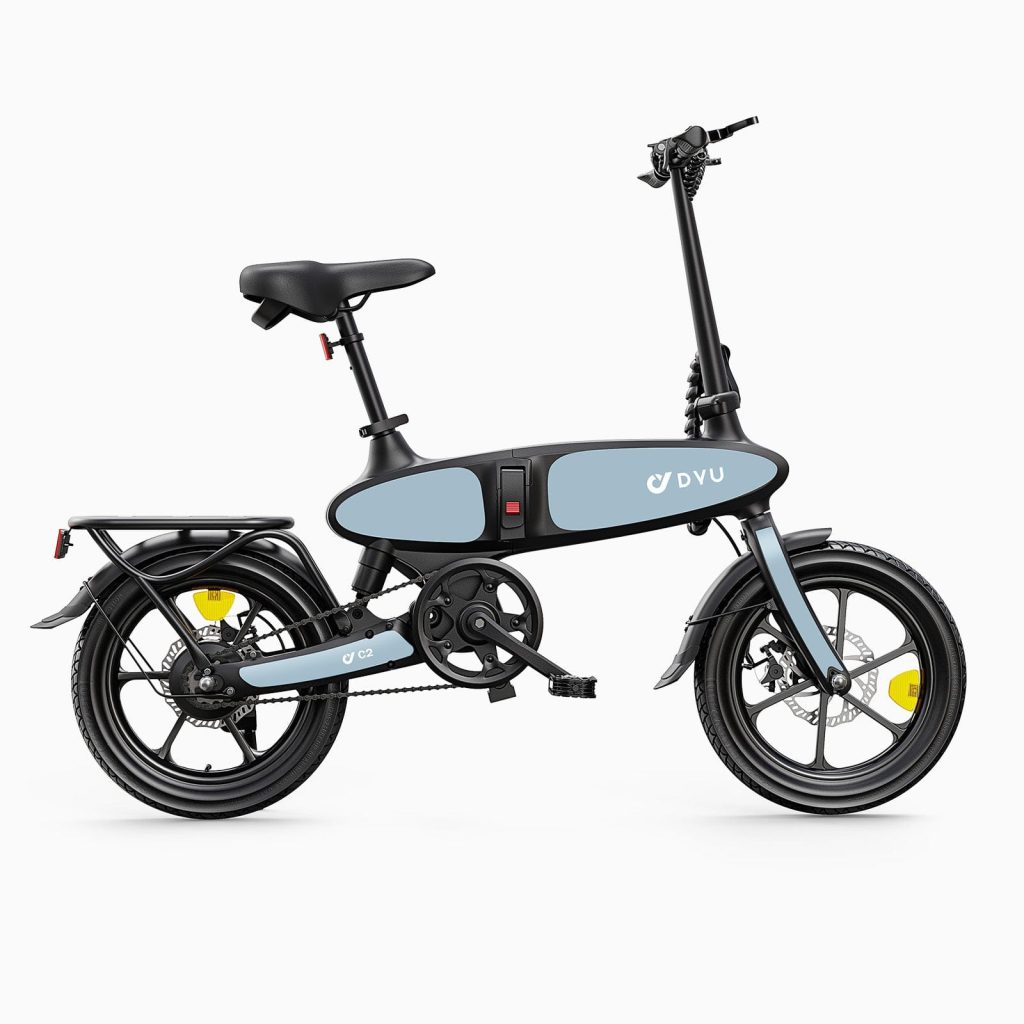
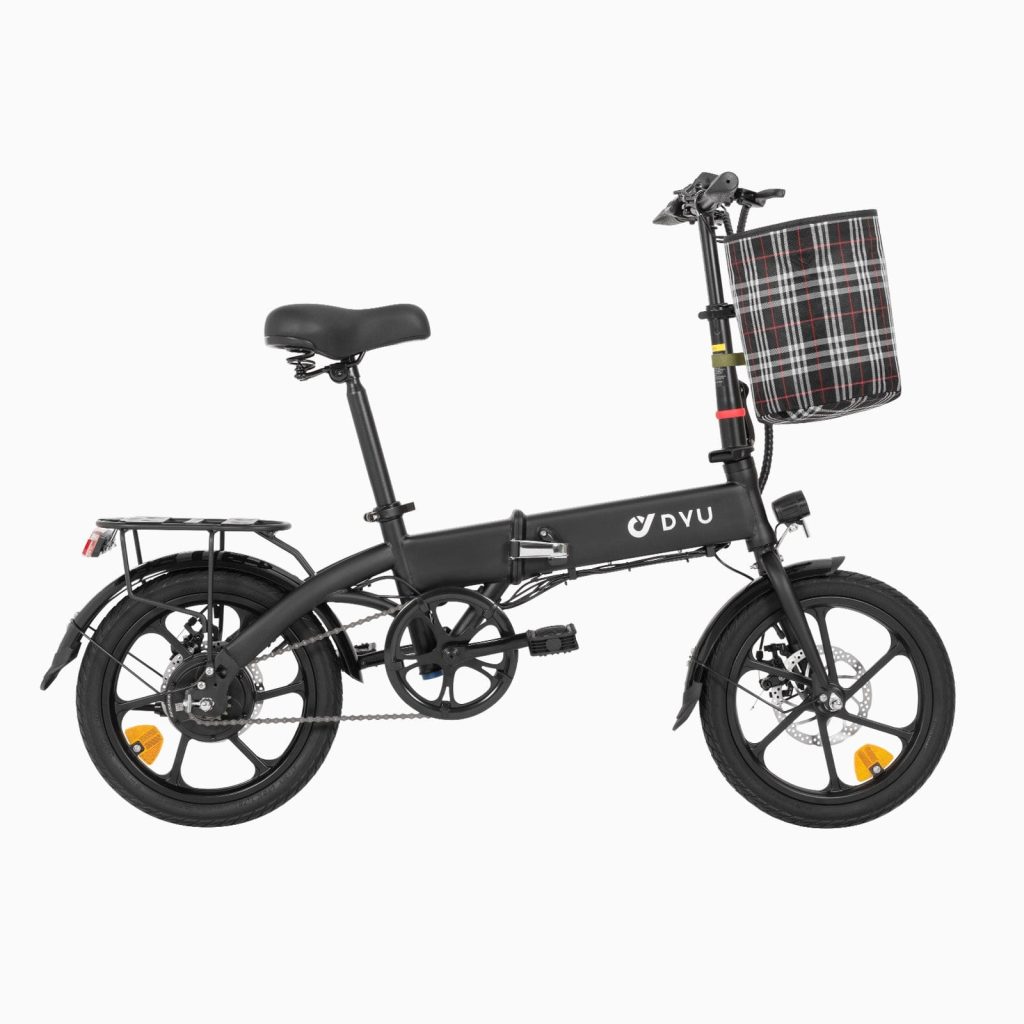
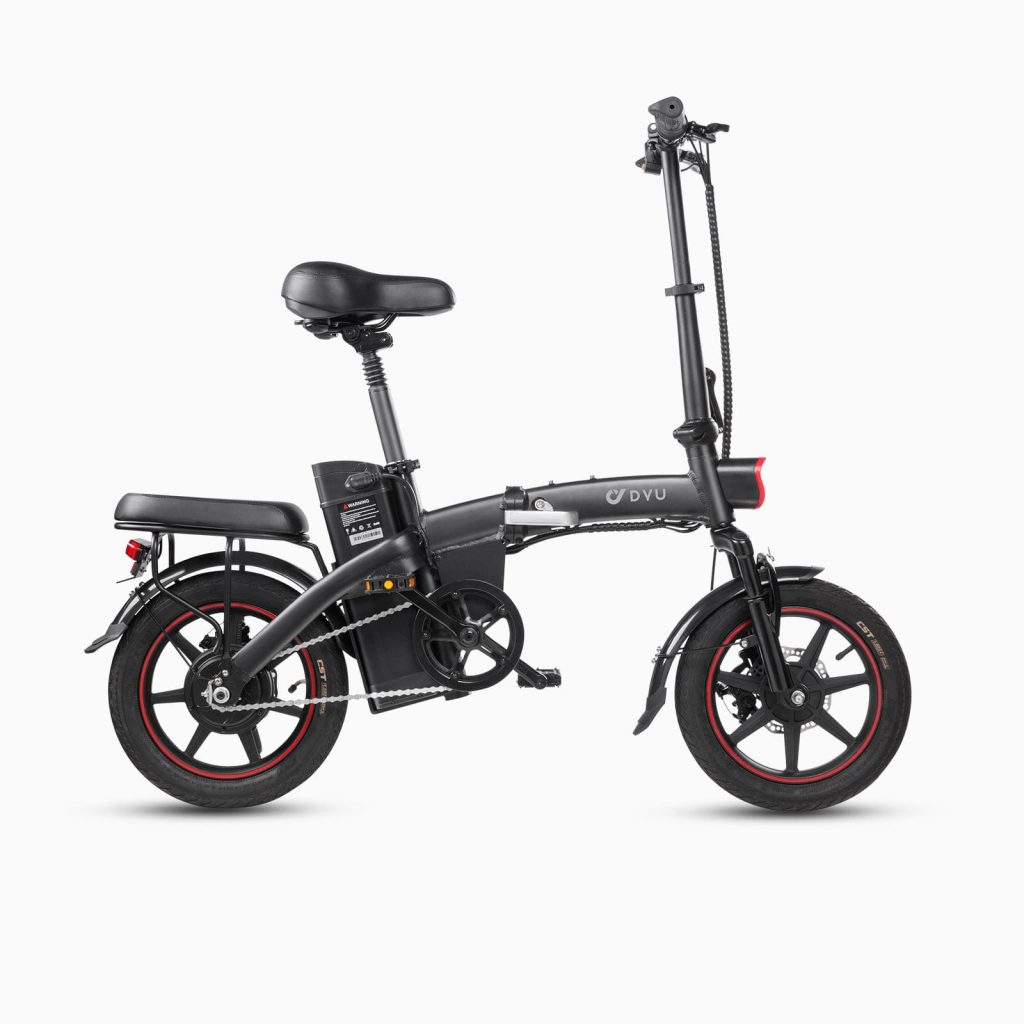











DYU C9 vs Fiido C11: pełne porównanie (specyfikacja, zasięg i cena)
The DYU C9 oraz Fiido C11 to dwa wyjątkowe modele, o których powinni wiedzieć mieszkańcy miast dojeżdżający do pracy. Te składane rowery elektryczne rewolucjonizują transport miejski dzięki imponującej pojemności akumulatorów. Rowerzyści mogą przejechać nawet 150 km w trybie wspomagania pedałowania na modelu DYU C9, a Fiido C11 zapewnia solidny zasięg 90 km na jednym ładowaniu.
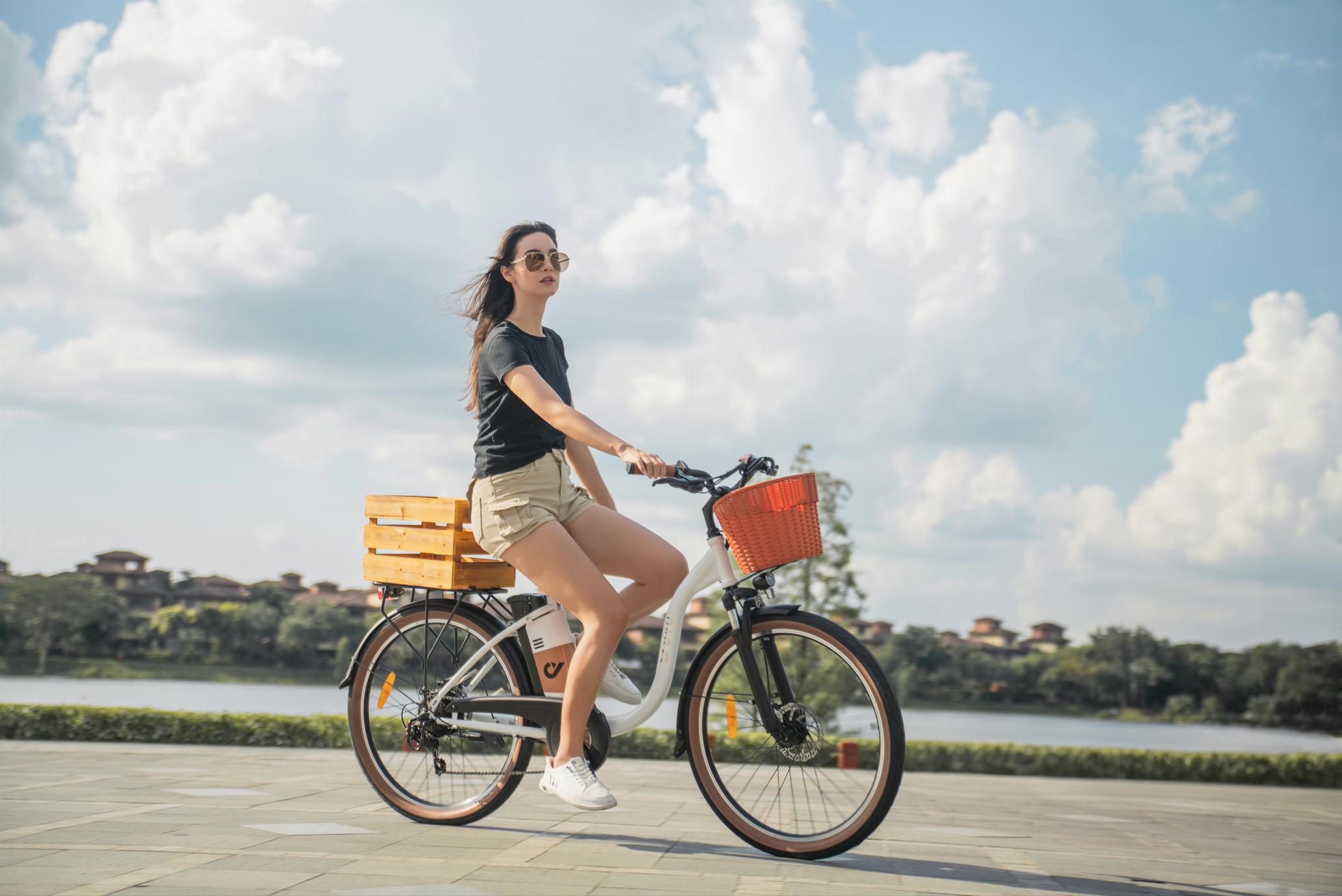
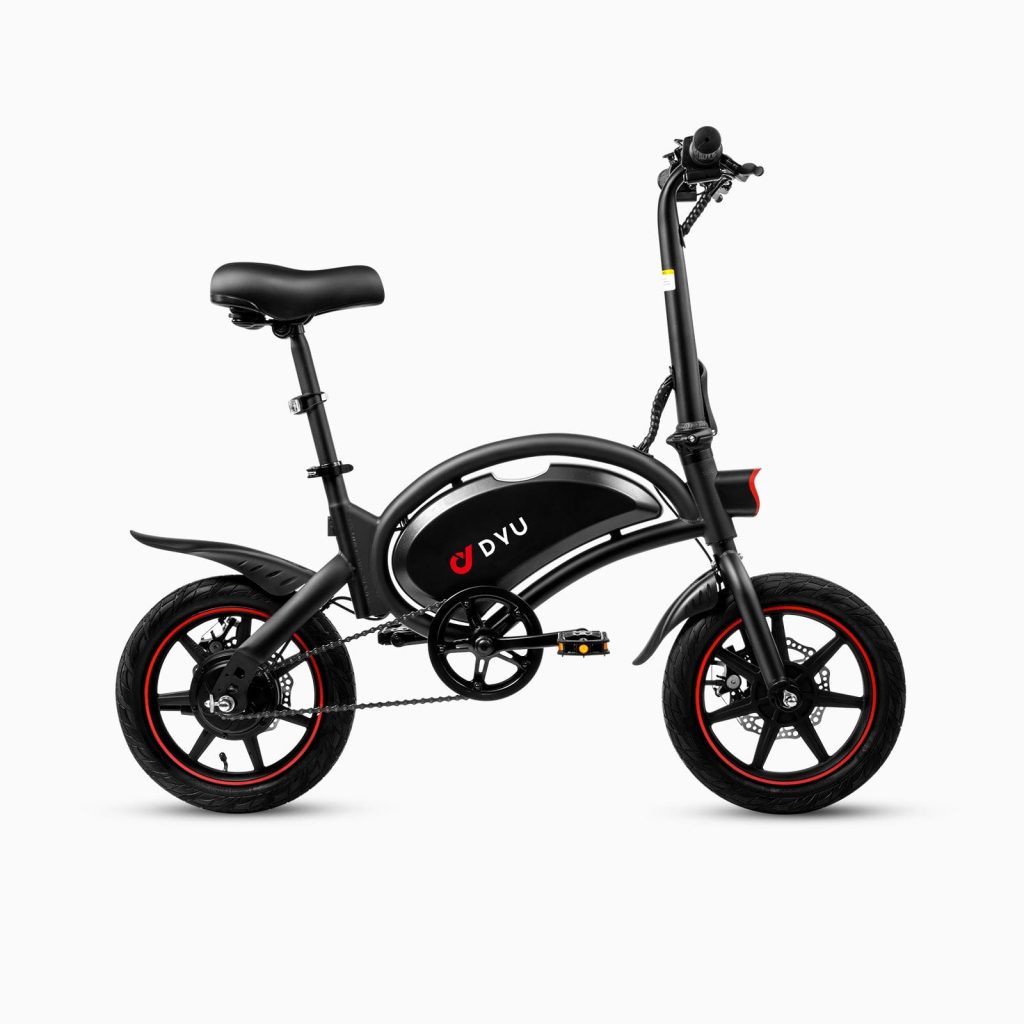
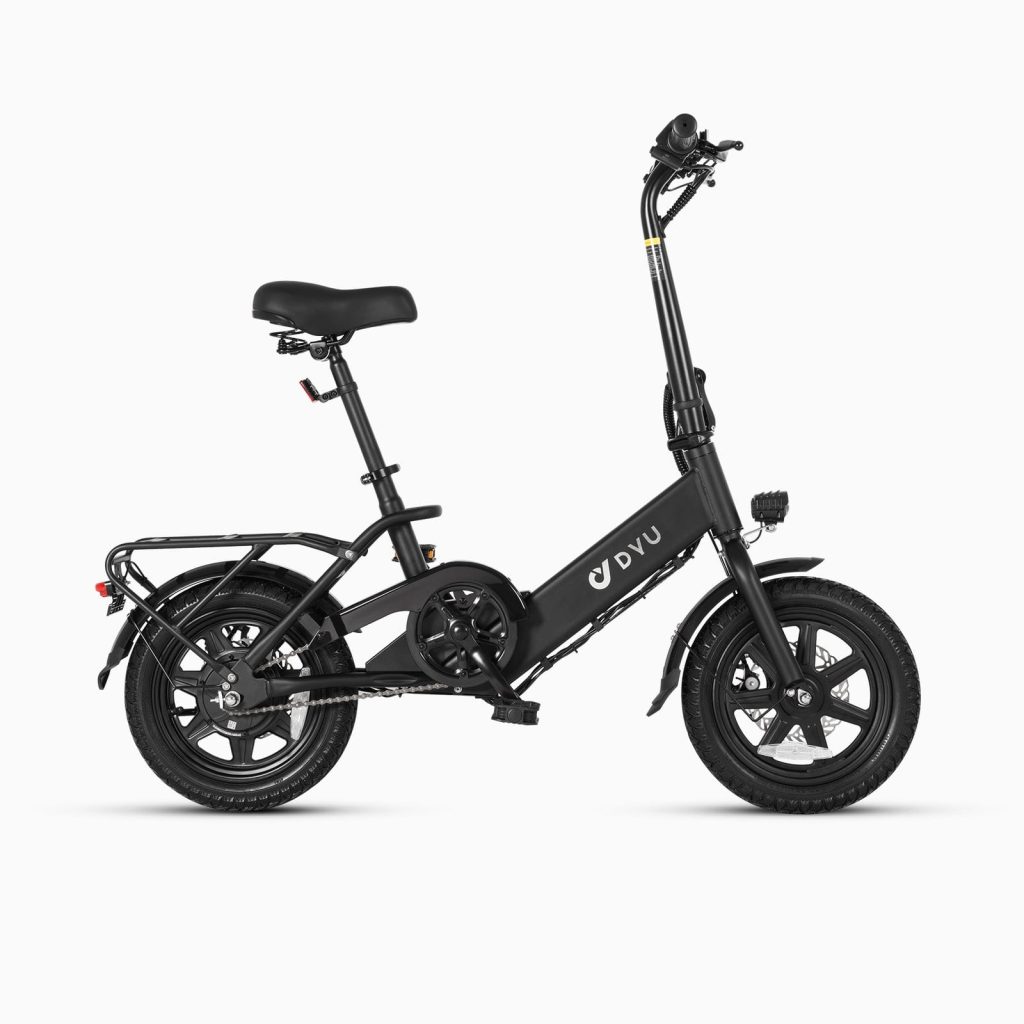
Oba rowery mają atrakcyjne funkcje w różnych przedziałach cenowych. Model DYU C9 kosztuje poniżej 900 euro i jest wyposażony w solidny silnik o mocy 250 W, który z łatwością pokonuje wzniesienia o nachyleniu 15 stopni, oraz wymienną baterię 48 V 15,6 Ah. Model Fiido C11, który ewoluował z modelu D4S, jest wyposażony w wymienny akumulator o pojemności 499,2 Wh, który sprawia, że ładowanie jest bezproblemowe. Przyjrzyjmy się specyfikacji, osiągom i praktycznym funkcjom obu rowerów, aby sprawdzić, który z nich zapewnia najlepszy stosunek jakości do ceny.
Wydajność silnika i akumulatora
Ci dwaj konkurenci pokazują swoje prawdziwe oblicze w zakresie układów napędowych. Modele DYU C9 i Fiido C11 są wyposażone w silniki o mocy 250 W, ale ich osiągi w terenie są zupełnie inne.
Moc silnika: 250 W (DYU C9) w porównaniu z 250 W (Fiido C11)
Silniki zapewniają dwa różne wrażenia z jazdy, mimo że mają podobną moc znamionową. Fiido C11 ma mocny silnik. 55 Nm momentu obrotowego, podczas gdy model DYU C9 skupia się na płynnym dostarczaniu mocy. Ten dodatkowy moment obrotowy pomaga Fiido lepiej przyspieszać na płaskich powierzchniach. Silnik modelu DYU C9 lepiej reaguje podczas przyspieszania, co sprawia, że jest to doskonały wybór do jazdy w ruchu miejskim, gdzie często trzeba się zatrzymywać.
Testy pokazują, że model DYU C9 zapewnia stałą moc przy wszystkich prędkościach. Dzięki pięciostopniowej regulacji prędkości – od około 10 mil na godzinę na pierwszym poziomie do 28 mil na godzinę przy pełnej mocy na piątym poziomie – rowerzyści mogą idealnie dopasować moc silnika do warunków panujących na drodze.
Pojemność akumulatora: 48 V 15,6 Ah w porównaniu z 48 V 11,6 Ah
Model DYU C9 przoduje w tej kategorii dzięki swoim Akumulator 48 V 15,6 Ah (750 Wh), natomiast Fiido C11 posiada akumulator 48 V 11,6 Ah (499,2 Wh). Jest to bardzo ważne, ponieważ oznacza to, że DYU magazynuje o 50% więcej energii.
Możliwości zasięgu odzwierciedlają tę różnicę:
- DYU C9: Do 150 km w trybie wspomagania pedałowania i 120 km w trybie wyłącznie z przepustnicą
- Fiido C11: Do 90 km w trybie wspomagania pedałowania i 80 km w trybie wyłącznie z przepustnicą
Osoby dojeżdżające codziennie do pracy docenią większy zasięg modelu DYU między ładowaniami. W obu rowerach można wyjąć akumulatory, aby ułatwić ich ładowanie. Pełne naładowanie modelu DYU od stanu całkowitego rozładowania zajmuje 7–8 godzin.
Zdolność wspinania się: 15° w porównaniu z 12° nachyleniem
Model DYU C9 lepiej pokonuje wzniesienia dzięki zdolności pokonywania nachyleń o kącie 15°, podczas gdy model Fiido C11 radzi sobie z nachyleniami do 12°. Ta różnica 3 stopni ma duże znaczenie na trasach pagórkowatych. Eksperci twierdzą, że “w przypadku nachyleń przekraczających 10% wymagany jest rower elektryczny o momencie obrotowym co najmniej 60 Nm”.
Model DYU C9 lepiej pokonuje wzniesienia, mimo że Fiido C11 ma większy moment obrotowy. Jego zoptymalizowany silnik współpracuje z większym akumulatorem, aby sprostać długim podjazdom. Model DYU zużywa również energię bardziej efektywnie podczas długich podjazdów i zachowuje dobrą wydajność bez szybkiego wyczerpywania akumulatora.
Model DYU C9 wyróżnia się jako lepszy wybór do codziennych przejażdżek w zróżnicowanym terenie, zwłaszcza dla rowerzystów, którzy potrzebują dobrego zasięgu i mocy podczas podjazdów bardziej niż surowego momentu obrotowego.
Zasięg i prędkość
Zasięg odgrywa istotną rolę przy wyborze między modelami DYU C9 i Fiido C11. Odległość, jaką każdy rower może pokonać, pokazuje, jak pojemność ich akumulatorów wypada w porównaniu.
Zasięg wspomagania pedałowania: 150 km vs 90 km
Model DYU C9 wyróżnia się maksymalnym zasięgiem wspomagania pedałowania wynoszącym 150 km. Daje to użytkownikom o 67% większy zasięg niż w przypadku modelu Fiido C11, którego zasięg wynosi 90 km. Aby lepiej to zobrazować, użytkownik modelu DYU mógłby dojeżdżać do pracy przez dwa tygodnie bez konieczności ładowania, zakładając, że codziennie pokonuje 10 km w obie strony.
Prędkość maksymalna: 25 km/h (oba modele)
Oba rowery osiągają prędkość maksymalną 25 km/h, mieszcząc się w europejskich ograniczeniach prędkości dla rowerów elektrycznych. To standardowe ograniczenie prędkości oznacza, że można legalnie jeździć tymi rowerami w krajach UE.
Model DYU C9 zapewnia większy zasięg w obu trybach, zachowując jednocześnie ograniczenia prędkości. Przy różnicy w cenie wynoszącej zaledwie 100 euro między modelami, jest to lepszy wybór dla osób dojeżdżających codziennie do pracy. Model Fiido C11 sprawdza się dobrze podczas jazdy po mieście, ale nie może konkurować z imponującym zasięgiem modelu DYU.
Projekt, komfort i przenośność

Modele DYU C9 i Fiido C11 różnią się znacznie pod względem komfortu i codziennego użytkowania dzięki swoim elementom konstrukcyjnym. Każdy rower ma swoje własne podejście do zapewnienia dobrych wrażeń z jazdy, które wykraczają poza podstawowe parametry użytkowe.
Materiał ramy: stop aluminium vs stop magnezu
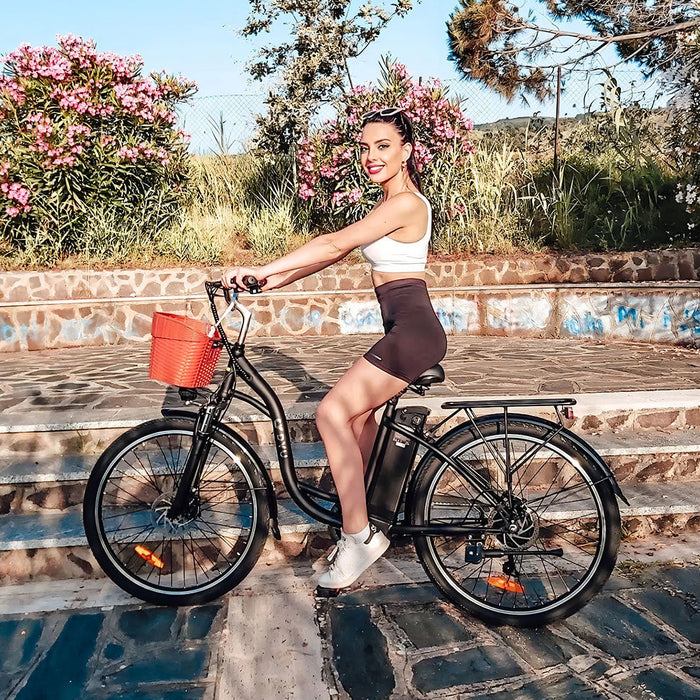
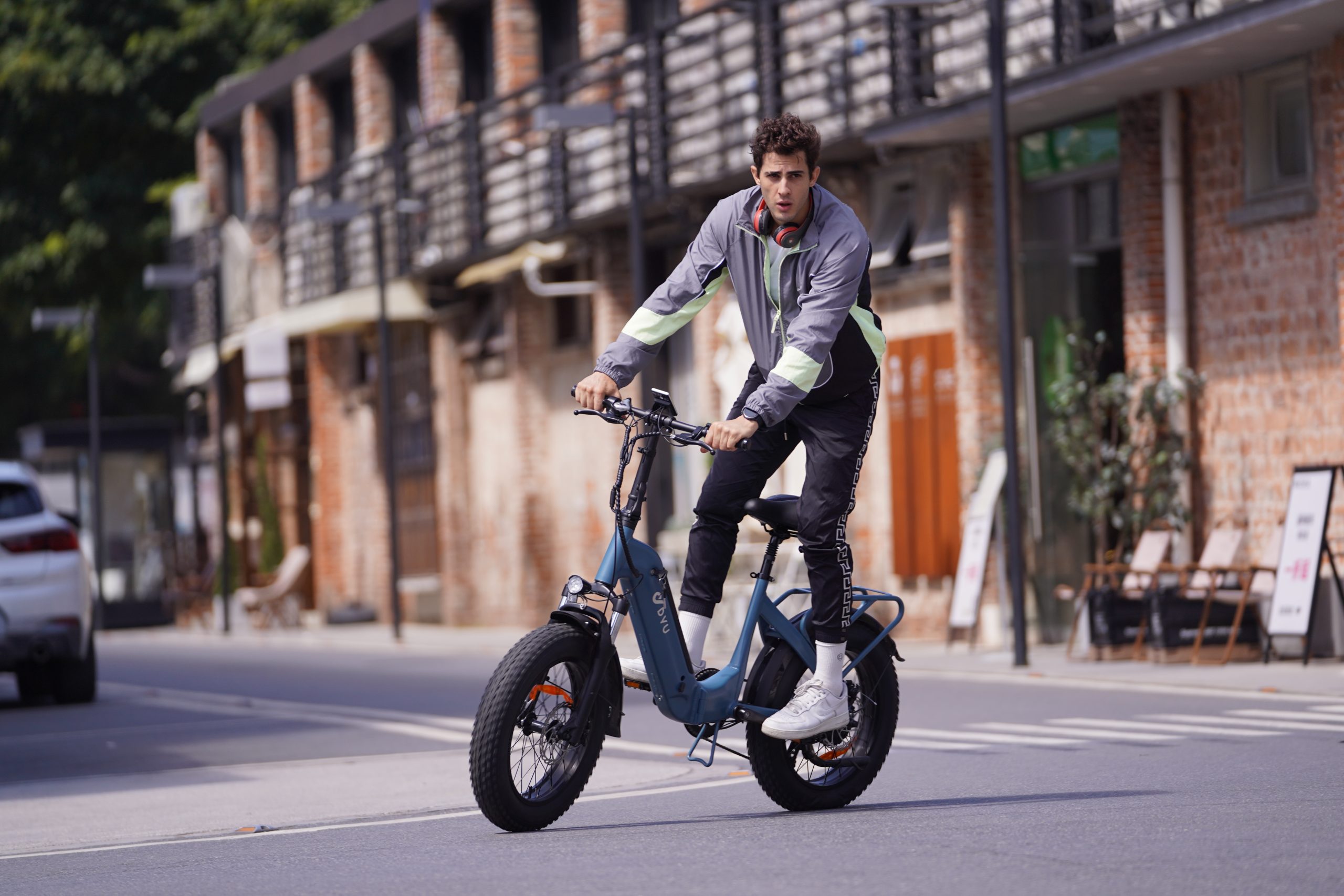
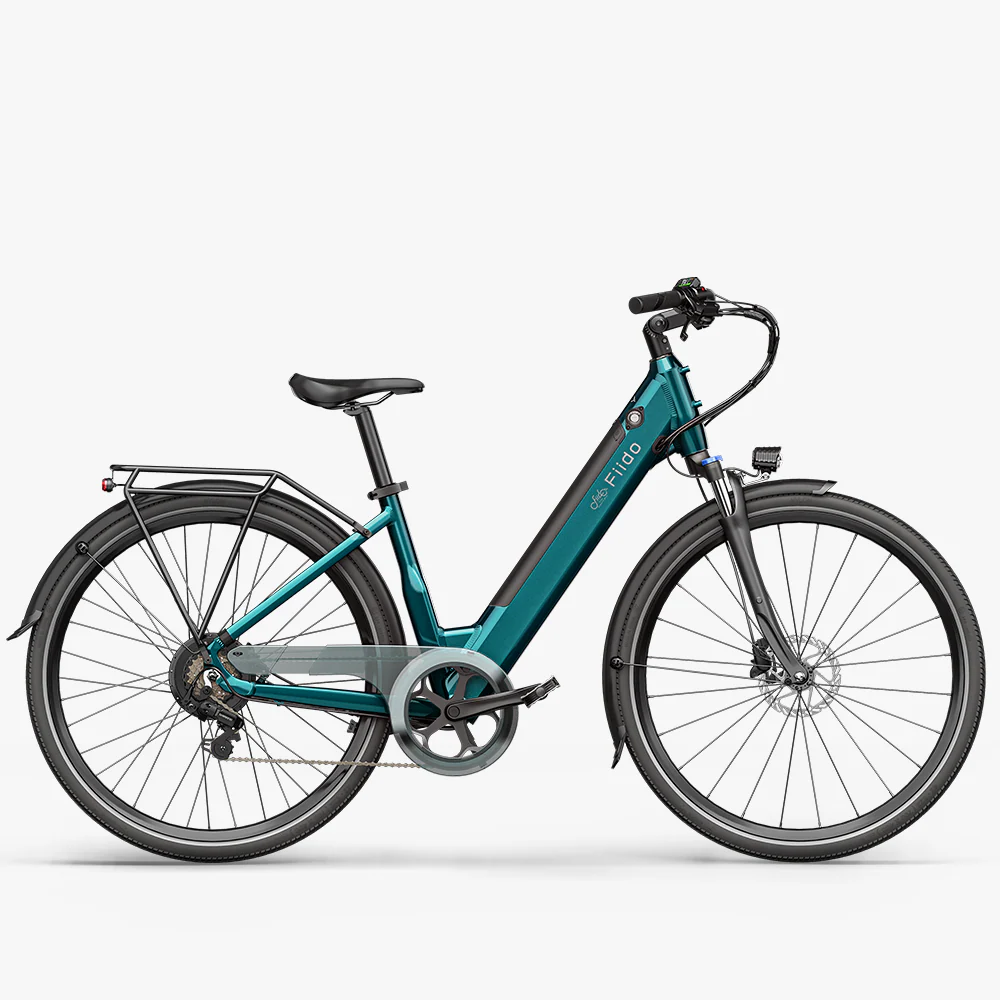
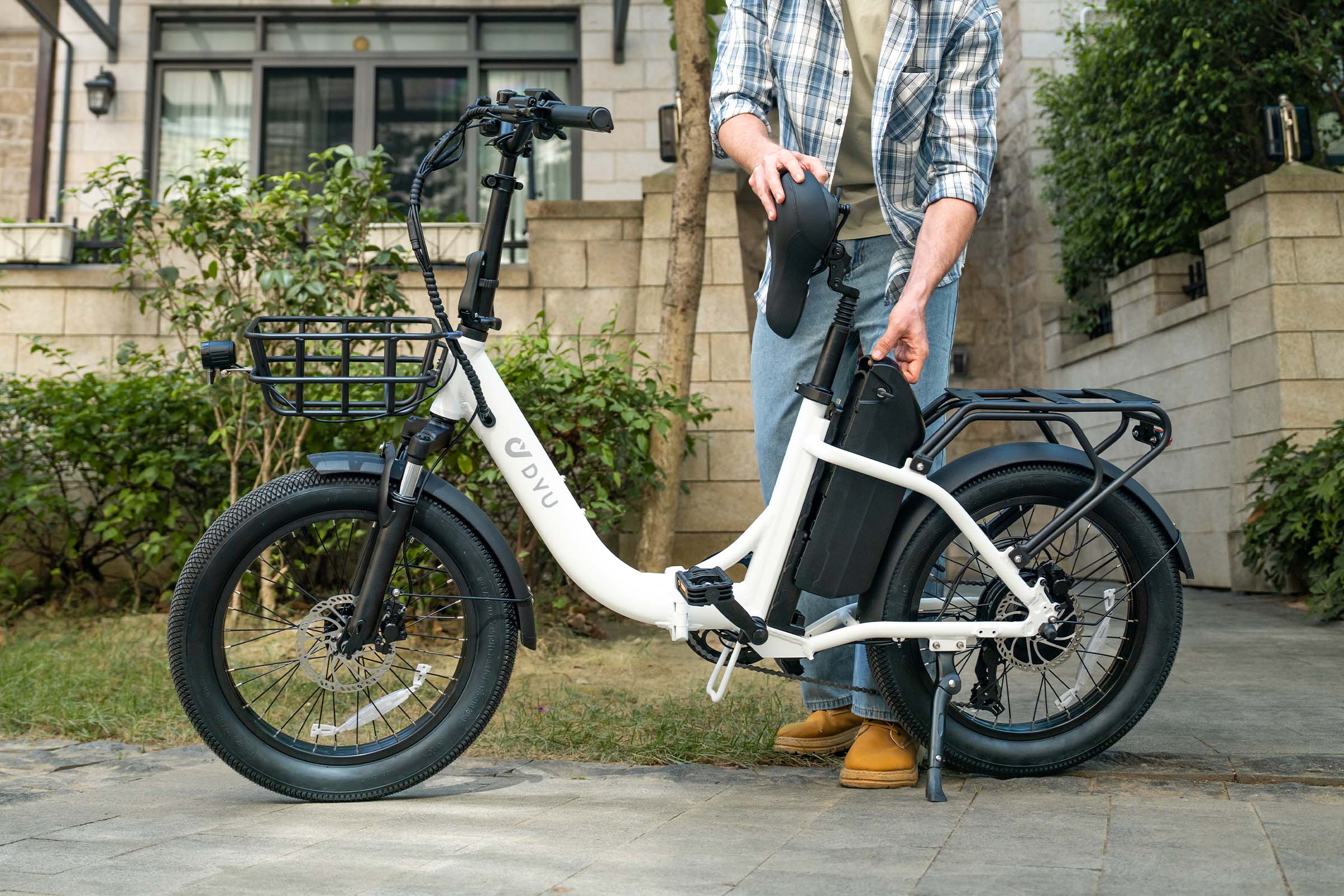
Model DYU C9 ma solidną ramę ze stopu aluminium, która zapewnia dużą wytrzymałość, ale nie jest zbyt ciężka. Fiido C11 wykorzystuje natomiast stop magnezu, który powinien sprawić, że rower jest lżejszy, ale ma kilka poważnych wad. Magnez ma tendencję do łatwiejszego rdzewienia i korozji, więc wymaga większej ostrożności niż aluminium, które jest naturalnie odporne na rdzę. Miękka natura magnezu sprawia również, że łatwiej go uszkodzić. Aluminium okazuje się bardziej niezawodne dla osób dojeżdżających codziennie do pracy, które potrzebują trwałych rowerów.
Układ zawieszenia: przedni widelec + sztyca podsiodłowa vs tylko przedni widelec
Model DYU C9 wyróżnia się podwójnym zawieszeniem, które łączy amortyzację przedniego widelca i amortyzowaną sztycę. Ten kompletny system skutecznie wygładza nierówności drogi. Fiido C11 ma 40-milimetrowe przednie zawieszenie widelca, ale nie posiada żadnych elementów zwiększających komfort z tyłu. Rowerzyści z wrażliwymi plecami lub ci, którzy często jeżdżą po nierównych drogach, podczas dłuższych przejażdżek zauważą lepszy system amortyzacji modelu DYU.
Waga: 30 kg vs 25 kg
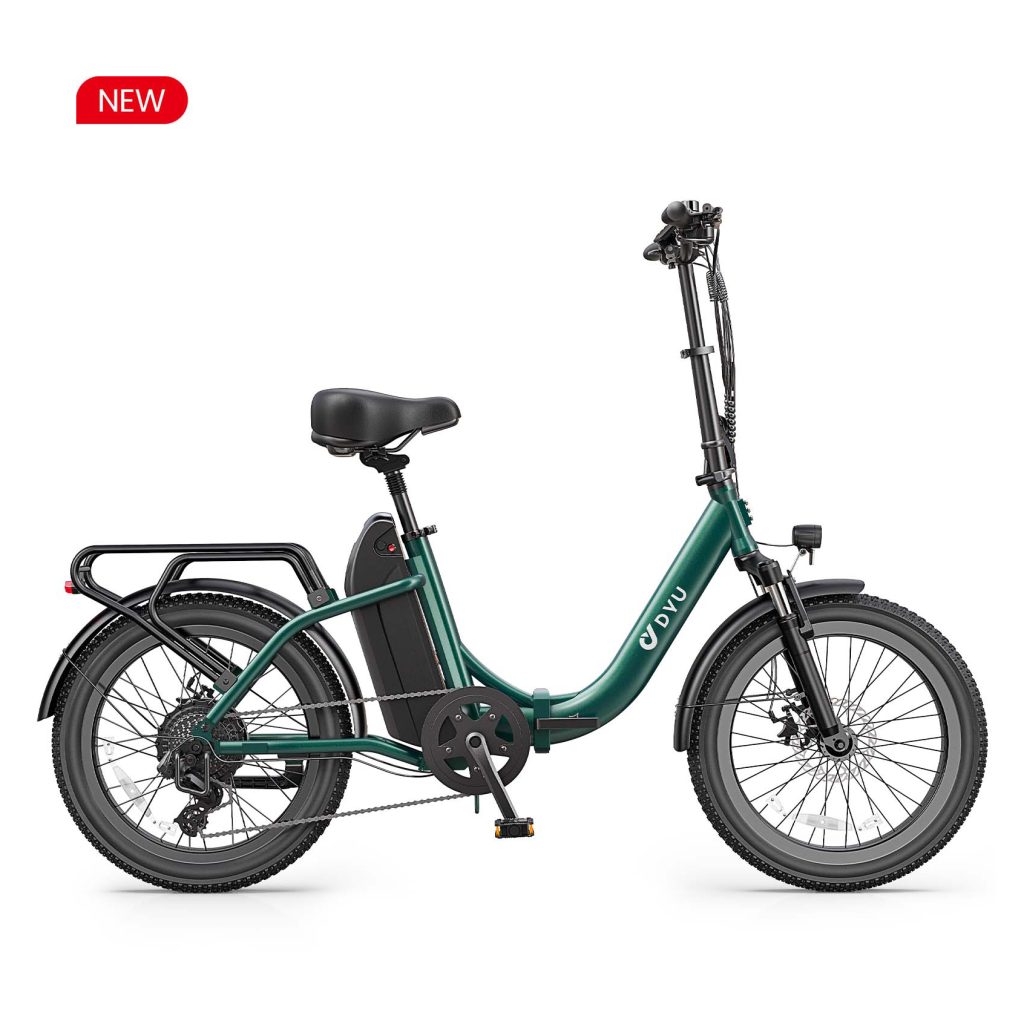
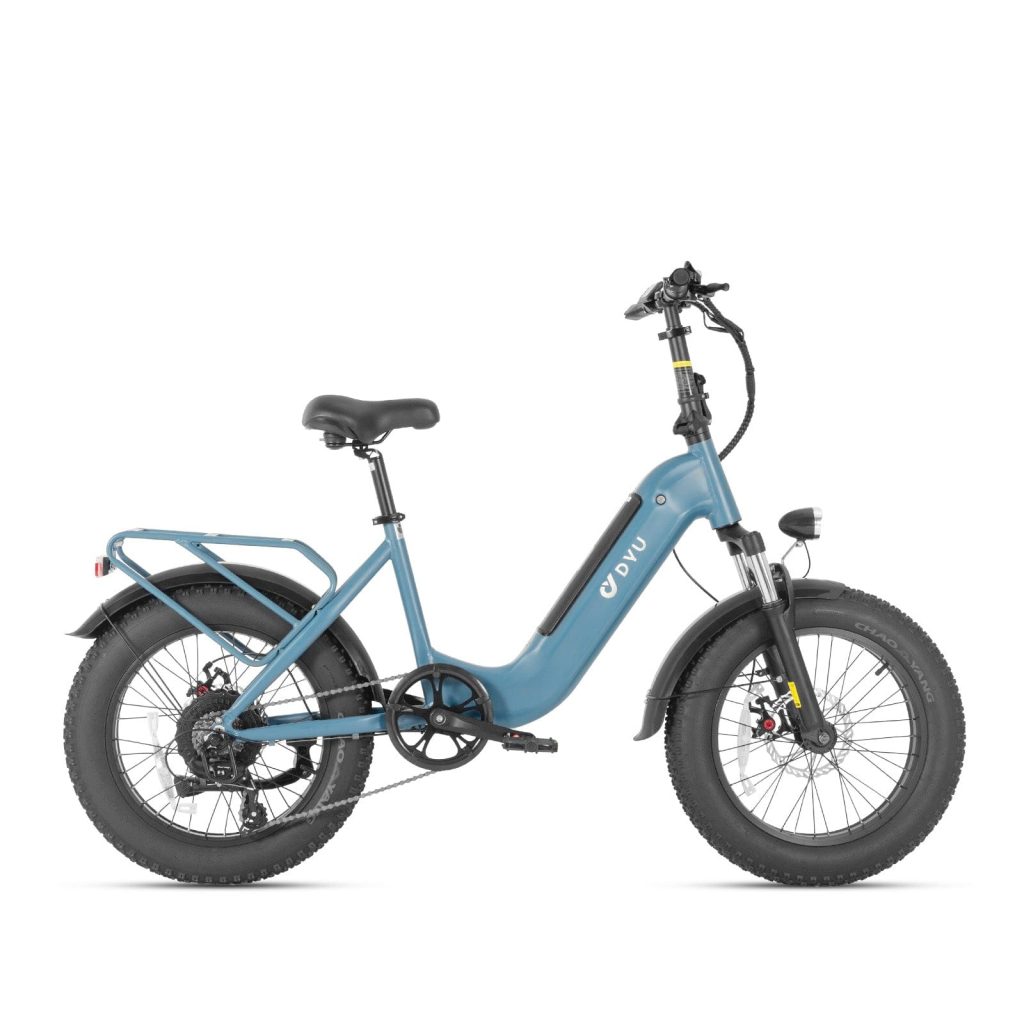
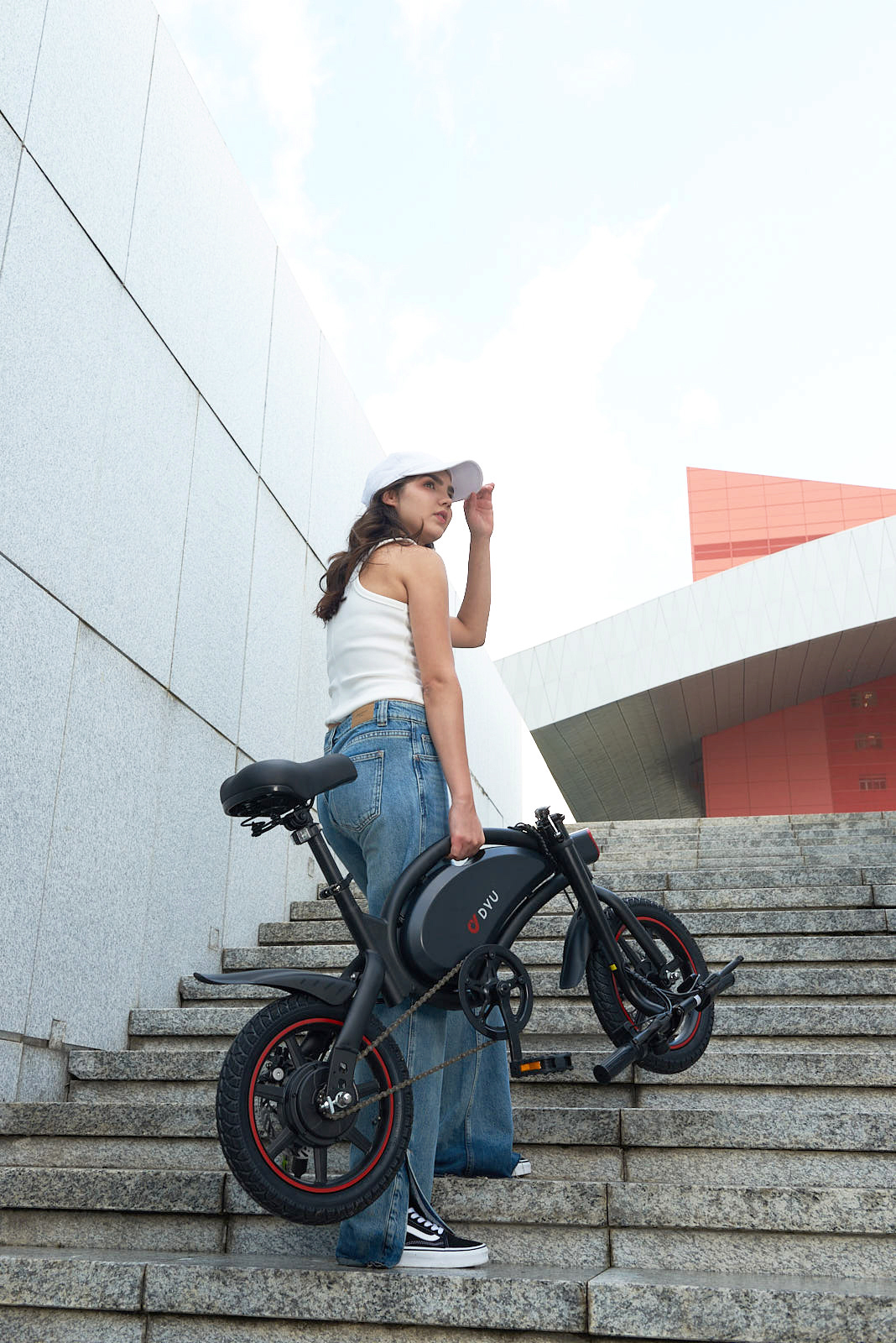
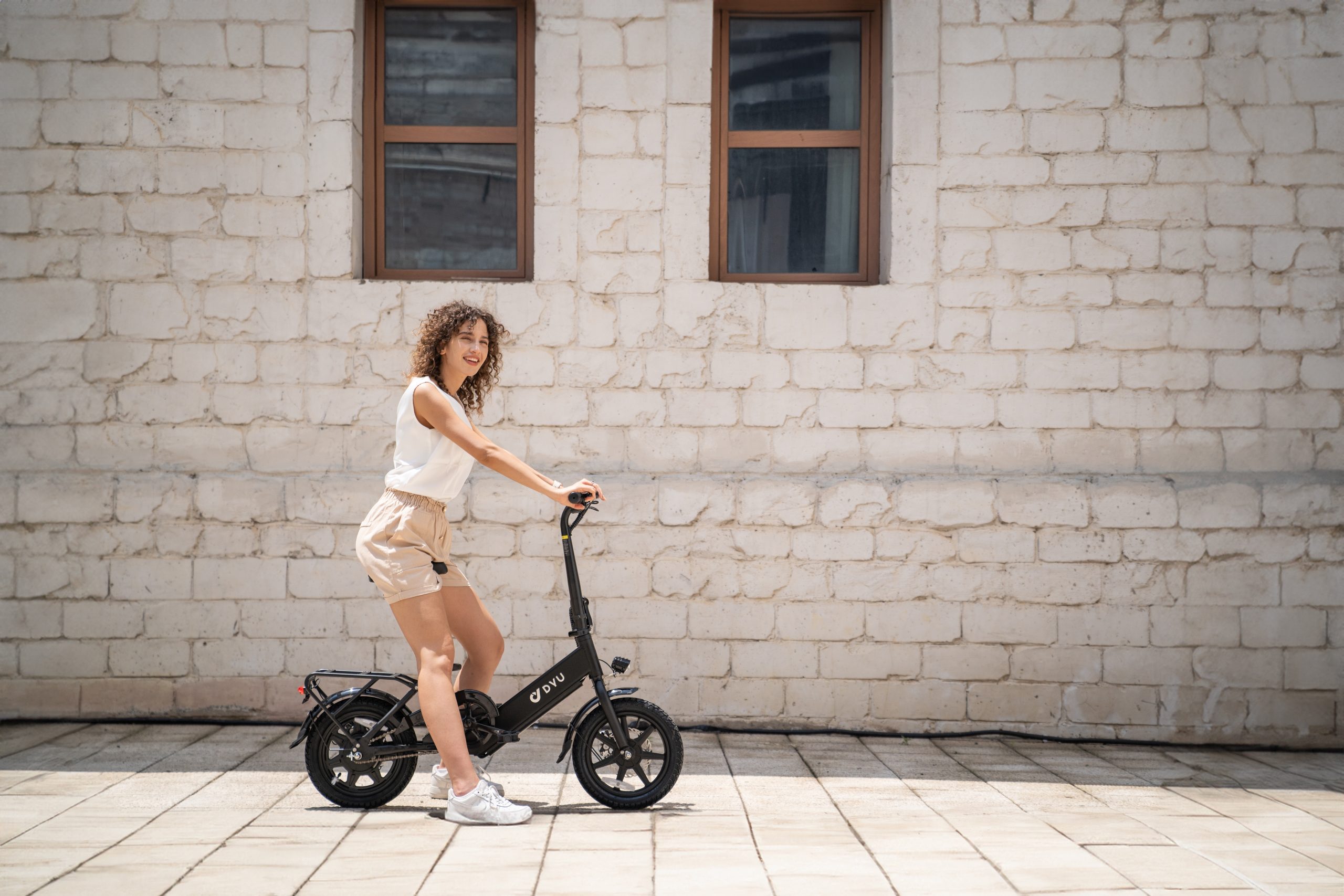
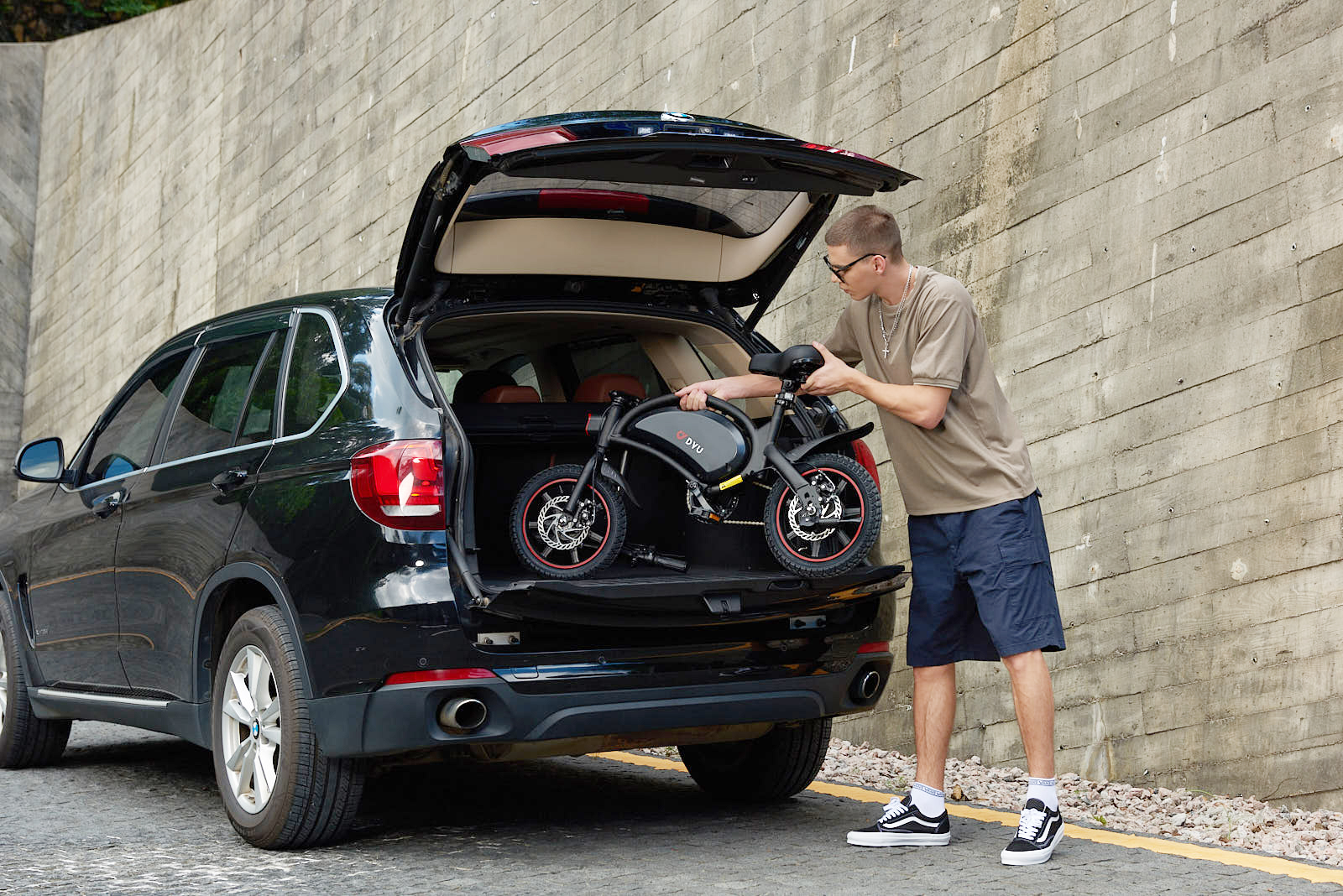
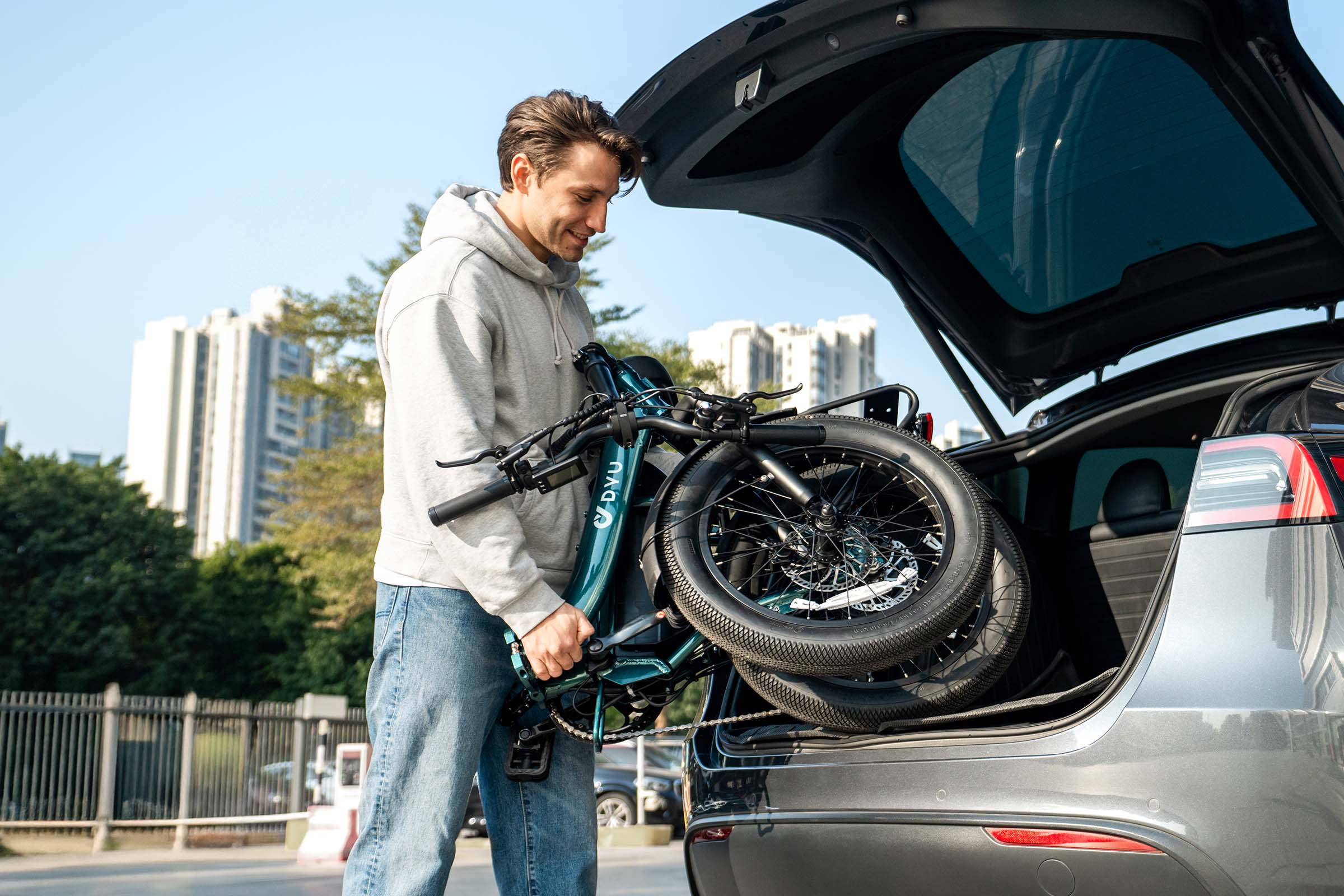
DYU C9 waży 30 kg, podczas gdy Fiido C11 jest lżejszy i waży 25 kg. Fiido może być łatwiejszy do przenoszenia, ale dodatkowa waga DYU pomaga utrzymać stabilność, zwłaszcza w złych warunkach pogodowych. Rowerzyści, którzy chcą cieszyć się równowagą, a nie tylko przenośnym rowerem, docenią solidną konstrukcję modelu DYU. Model DYU rekompensuje swoją wagę praktycznymi funkcjami, takimi jak łatwy system składania, który pozwala na przechowywanie go w bagażniku samochodu lub w ciasnych przestrzeniach.
Bezpieczeństwo, funkcje i stosunek jakości do ceny
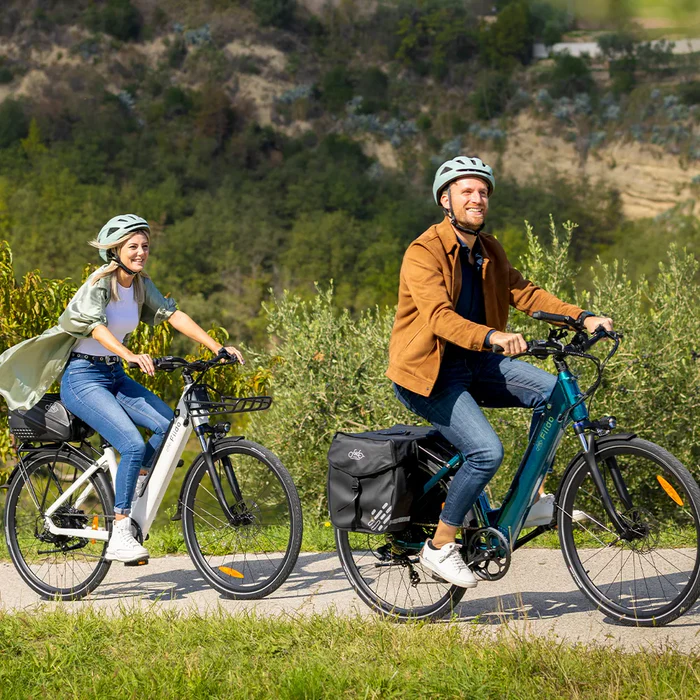
Funkcje bezpieczeństwa i akcesoria są istotnymi czynnikami, które decydują o prawdziwej wartości roweru elektrycznego, wykraczającymi poza same parametry wydajnościowe.
Oświetlenie i wyświetlacz: wyświetlacz LED + reflektor (oba)
Oba modele są wyposażone w szczegółowe systemy oświetlenia, które z pewnością przypadną do gustu rowerzystom dbającym o bezpieczeństwo. Model DYU C9 posiada reflektor o dużej jasności oraz tylne światło, które włącza się podczas hamowania. Model Fiido C11 dorównuje mu dzięki obrotowemu reflektorowi i automatycznie włączającemu się światłu hamowania, które zwiększa widoczność w nocy.
Ekrany LED pokazujące kluczowe parametry są standardowym wyposażeniem obu rowerów. Na wyświetlaczu modelu DYU C9 pojawiają się informacje o prędkości, poziomie naładowania akumulatora i trybie wspomagania pedałowania. Model Fiido C11 ma podświetlany wyświetlacz LCD, który można sparować ze smartwatchami, żeby szybko go włączyć.
Dołączone akcesoria: tylny bagażnik, uchwyt na telefon (DYU C9) vs tylko tylny bagażnik
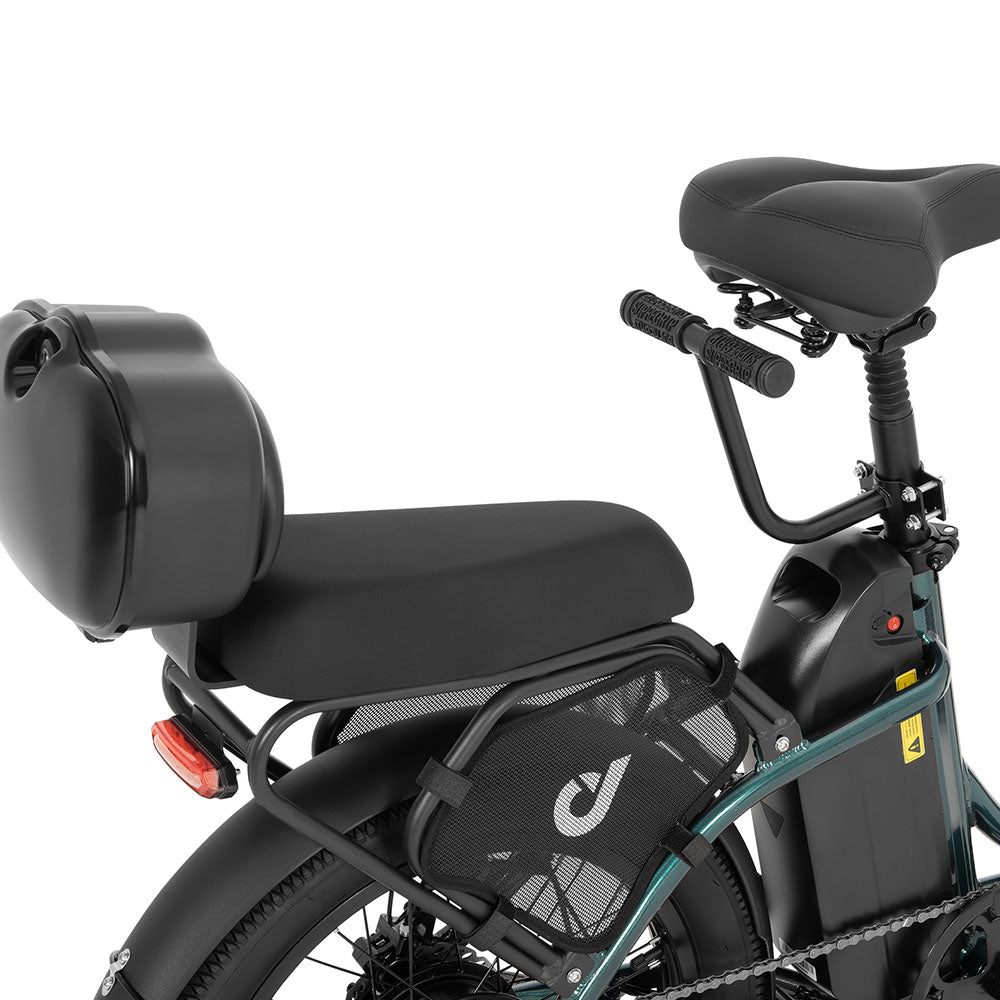
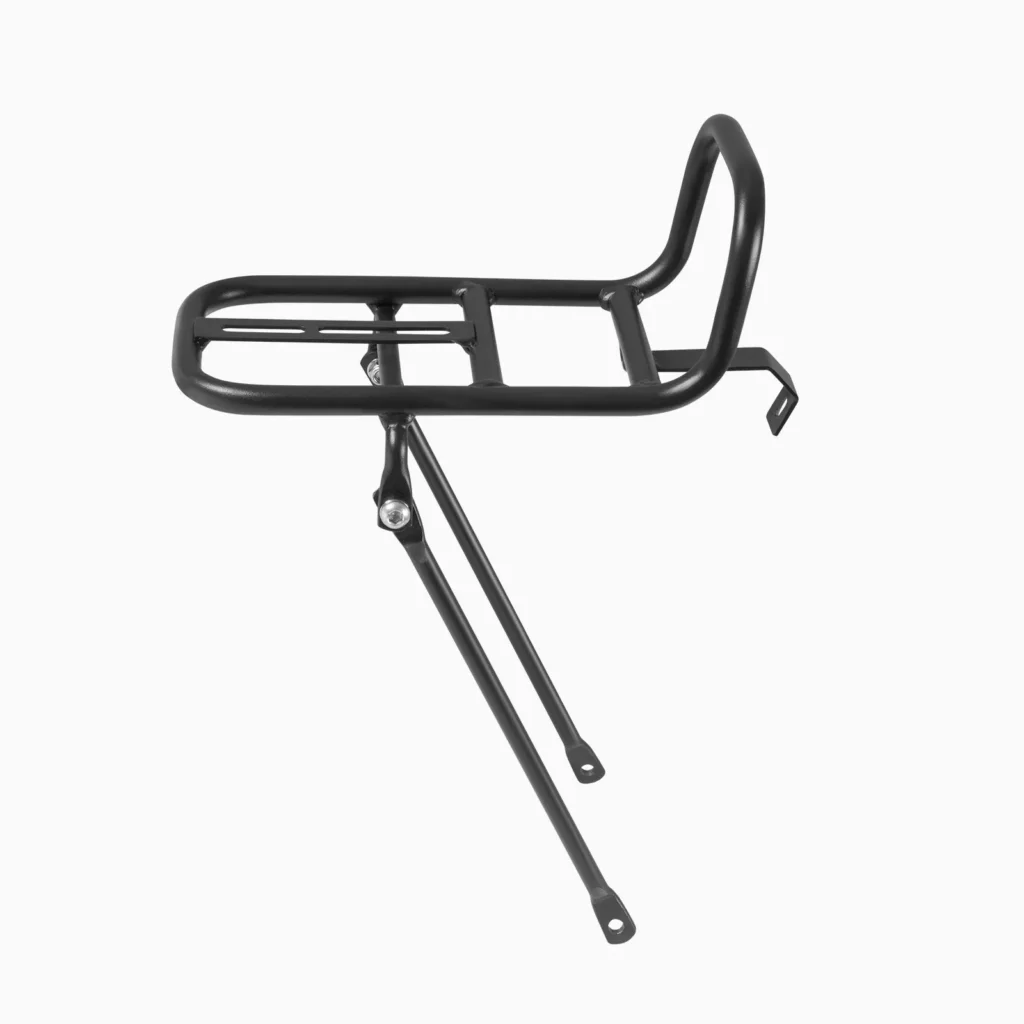
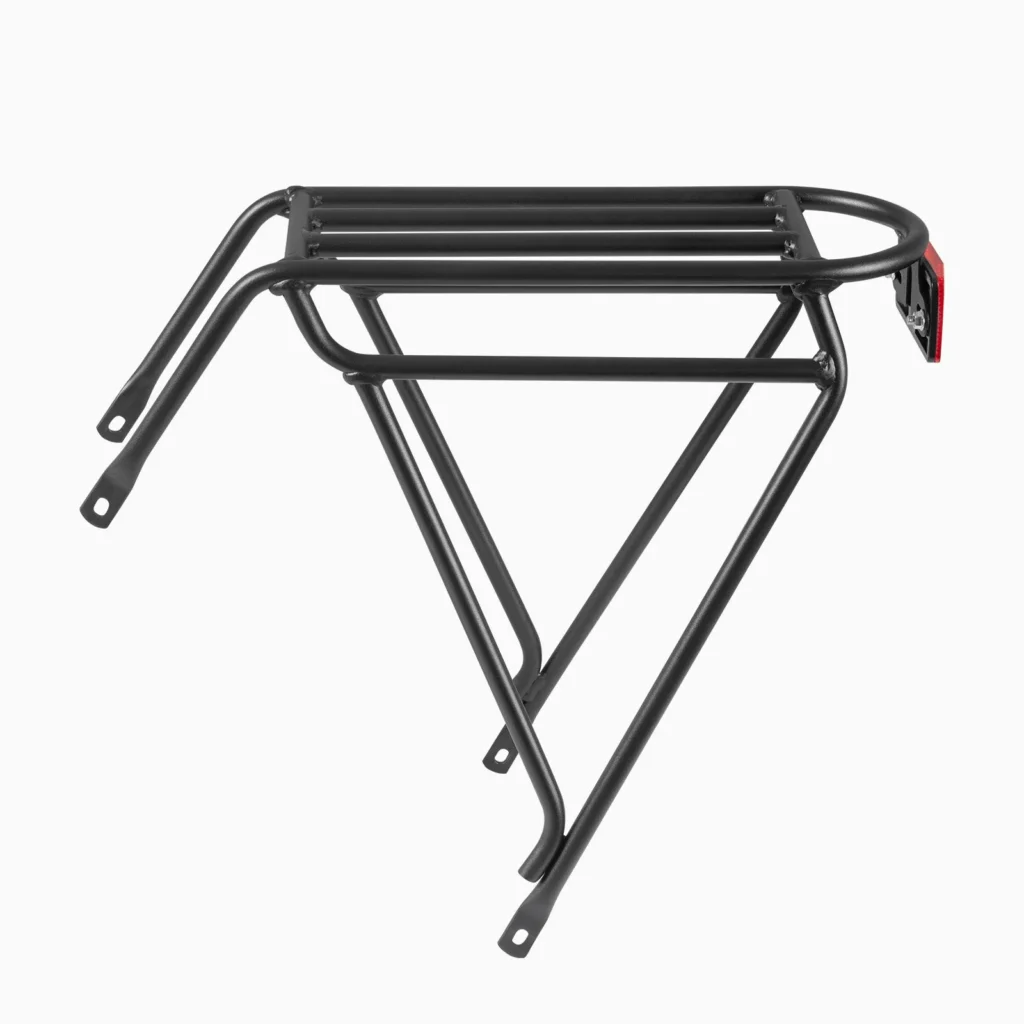
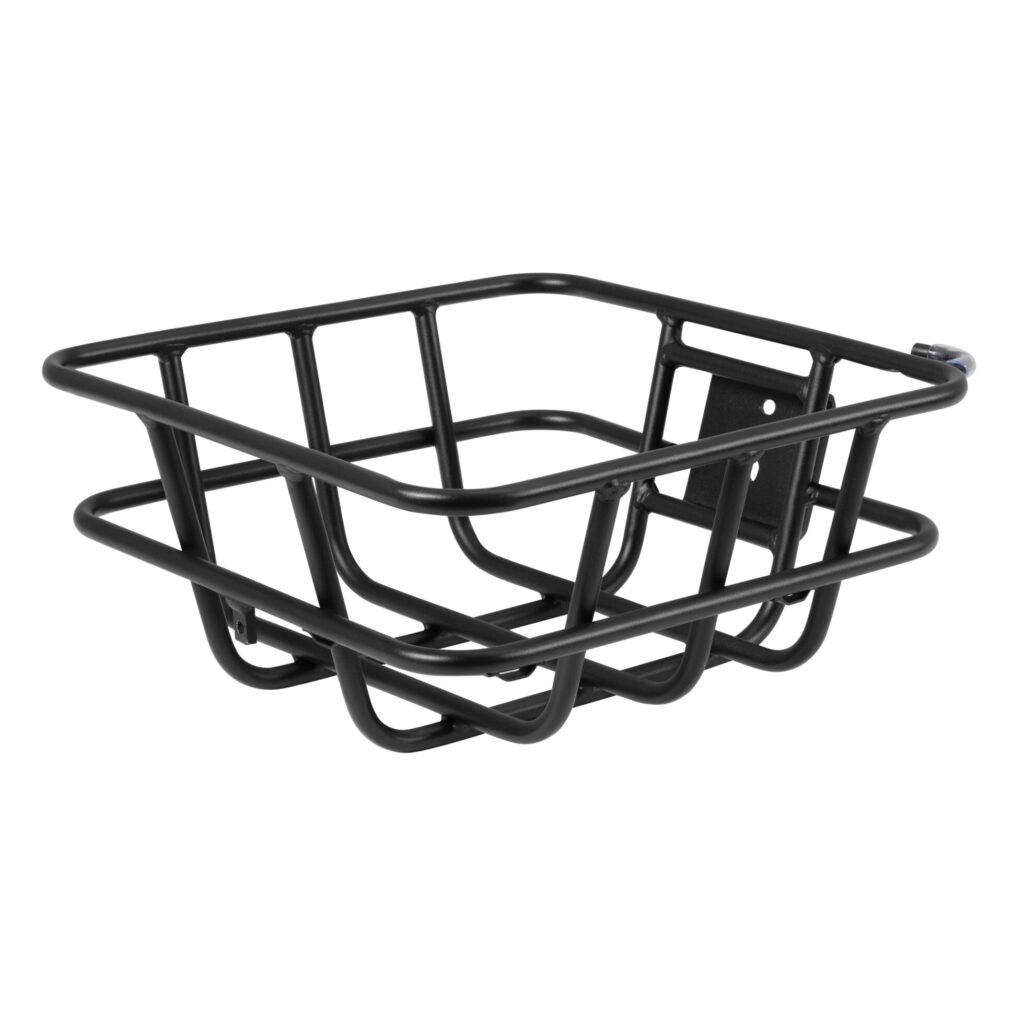
Model DYU C9 wyróżnia się bogatym zestawem akcesoriów, w skład którego wchodzi tylny bagażnik o nośności 25 kg oraz uchwyt na telefon. W zestawie Fiido C11 znajduje się jedynie tylny bagażnik o identycznej nośności, co oznacza, że użytkownicy muszą dokupić dodatkowe akcesoria osobno.
Porównanie cen: 899 € vs 999 €
Model DYU C9 w cenie 899 euro jest bardziej opłacalny niż Fiido C11 za 999 euro. Różnica 100 euro staje się bardziej znacząca, gdy weźmie się pod uwagę większą pojemność akumulatora, lepszy zasięg i dodatkowe akcesoria modelu DYU. Fiido C11 równoważy to lżejszym ramą i hydraulicznymi hamulcami tarczowymi, które zapewniają niezawodną siłę hamowania.
Tabela porównawcza
| Kategoria funkcji | DYU C9 | Fiido C11 |
| Specyfikacja techniczna | ||
| Moc silnika | 250W | 250W |
| Pojemność akumulatora | 48 V 15,6 Ah (750 Wh) | 48 V 11,6 Ah (499,2 Wh) |
| Wydajność | ||
| Maksymalny zasięg (wspomaganie pedałowania) | 150 km | 90 km |
| Prędkość maksymalna | 25 km/h | 25 km/h |
| Zdolność pokonywania wzniesień | 15° | 12° |
| Czas ładowania | 7–8 godzin | Nie wspomniano |
| Projekt i komfort | ||
| Materiał ramy | Stop aluminium | Stop magnezu |
| Waga | 30 kg | 25 kg |
| System zawieszenia | Widelec przedni + sztyca podsiodłowa | Tylko przedni widelec |
| Dodatkowe funkcje | ||
| Wyświetlacz | Wyświetlacz LED | Wyświetlacz LED |
| Oświetlenie | Reflektor + światło hamowania | Obrotowe światło przednie + automatyczne światło hamowania |
| Dołączone akcesoria | Bagażnik tylny + uchwyt na telefon | Tylny bagażnik |
| Cena | €899 | €999 |
Wnioski
Modele DYU C9 i Fiido C11 mają kilka istotnych różnic, które mają wpływ na codzienne użytkowanie. Model DYU C9 osiąga lepsze wyniki w kluczowych obszarach i kosztuje 100 euro mniej niż jego konkurent.
Największymi zaletami modelu DYU są moc akumulatora i zasięg. Akumulator 48 V 15,6 Ah pozwala na przejechanie do 150 km z wspomaganiem pedałowania, podczas gdy model Fiido osiąga maksymalnie 90 km. Ma to duże znaczenie dla osób dojeżdżających do pracy w tygodniu, które nie chcą zbyt często ładować swoich rowerów.
Model DYU C9 lepiej radzi sobie również podczas pokonywania wzniesień. Pokonuje nachylenia o 15°, podczas gdy Fiido radzi sobie tylko z 12°. Różnicę tę można od razu zauważyć podczas jazdy po pagórkowatych europejskich miastach lub podczas weekendowych wypraw.
Oba rowery zapewniają różny poziom komfortu. Model DYU jest wyposażony w podwójne zawieszenie, które wygładza nierówności na drodze. Fiido ma tylko przednie zawieszenie widelca. Różnicę tę szybko odczuliśmy podczas jazdy po europejskich brukowanych ulicach.
Oczywiście Fiido C11 ma swoje mocne strony. Waży 5 kg mniej, co sprawia, że jest łatwiejszy do przenoszenia. Jego magnezowa rama wygląda również bardziej elegancko. Miłośnicy technologii mogą polubić zaawansowany wyświetlacz Fiido z możliwością połączenia ze smartwatchem.
Mimo to, model DYU C9 oferuje większą wartość za cenę 899 euro w porównaniu z modelem Fiido za 999 euro. Kompletny zestaw DYU zawiera tylny bagażnik i uchwyt na telefon – dodatki, które właściciele modeli Fiido muszą kupić osobno.
Model DYU C9 jest lepszym wyborem dla większości osób dojeżdżających do pracy w mieście, które potrzebują niezawodnego środka transportu na co dzień. Mimo że jest nieco cięższy, jego większy zasięg, lepsza zdolność pokonywania wzniesień, większy komfort i niższa cena sprawiają, że jest bardziej praktyczny w różnych europejskich warunkach.
Najczęściej zadawane pytania
Pytanie 1. Jaki jest maksymalny zasięg rowerów elektrycznych DYU C9 i Fiido C11?
Model DYU C9 oferuje maksymalny zasięg 150 km w trybie wspomagania pedałowania. Model Fiido C11 ma zasięg do 90 km w trybie wspomagania pedałowania.
Pytanie 2. Jak wygląda porównanie pojemności baterii modeli DYU C9 i Fiido C11?
Model DYU C9 jest wyposażony w większy akumulator 48 V 15,6 Ah (750 Wh), natomiast model Fiido C11 ma akumulator 48 V 11,6 Ah (499,2 Wh). Dzięki temu model DYU C9 ma około 50% więcej zgromadzonej energii.
Pytanie 3. Jakie są główne różnice między tymi rowerami elektrycznymi pod względem konstrukcji i komfortu?
Model DYU C9 ma ramę ze stopu aluminium i podwójne zawieszenie (przedni widelec i sztyca), natomiast model Fiido C11 ma ramę ze stopu magnezu i tylko przednie zawieszenie widelca. Model DYU C9 jest cięższy i waży 30 kg, podczas gdy model Fiido C11 waży 25 kg.
Pytanie 4. Czym różnią się zdolności tych rowerów elektrycznych do pokonywania wzniesień?
Model DYU C9 może pokonywać nachylenia do 15°, podczas gdy Fiido C11 radzi sobie z nachyleniami do 12°. Dzięki temu model DYU C9 lepiej nadaje się do jazdy po pagórkowatym terenie.
Pytanie 5. Jaka jest różnica w cenie między modelami DYU C9 i Fiido C11?
Cena modelu DYU C9 wynosi 899 euro, natomiast Fiido C11 kosztuje 999 euro. Pomimo tego, że jest o 100 euro tańszy, model DYU C9 oferuje kilka zalet pod względem zasięgu, pojemności akumulatora i dołączonych akcesoriów.





1 komentarz
Ryan
Który rower jest lepszy na weekendowe wycieczki poza miasto?
Daniel Novak
DYU C9 jest bardziej odpowiedni dzięki większej baterii i zawieszeniu. Fiido C11 sprawdza się podczas krótkich przejażdżek, ale jeśli chcesz jeździć dalej lub po nierównych ścieżkach, C9 zapewnia większe poczucie bezpieczeństwa i komfortu.
Daniel
C9 wygląda na wygodny, ale 30 kg wydaje mi się ciężkie.
George
Dobra recenzja — porównanie specyfikacji pozwala łatwo zrozumieć, dlaczego ktoś mógłby wybrać model DYU C9 zamiast Fiido C11 do dłuższych dojazdów do pracy.