














O DYU C3 became my solution after I realized I was wasting 142 hours annually stuck in traffic.
Urban parking costs averaging €400 monthly in city centers made me question whether my car was practical for city travel.
80% of my daily trips covered less than five miles, a distance this foldable e-bike handles with ease.
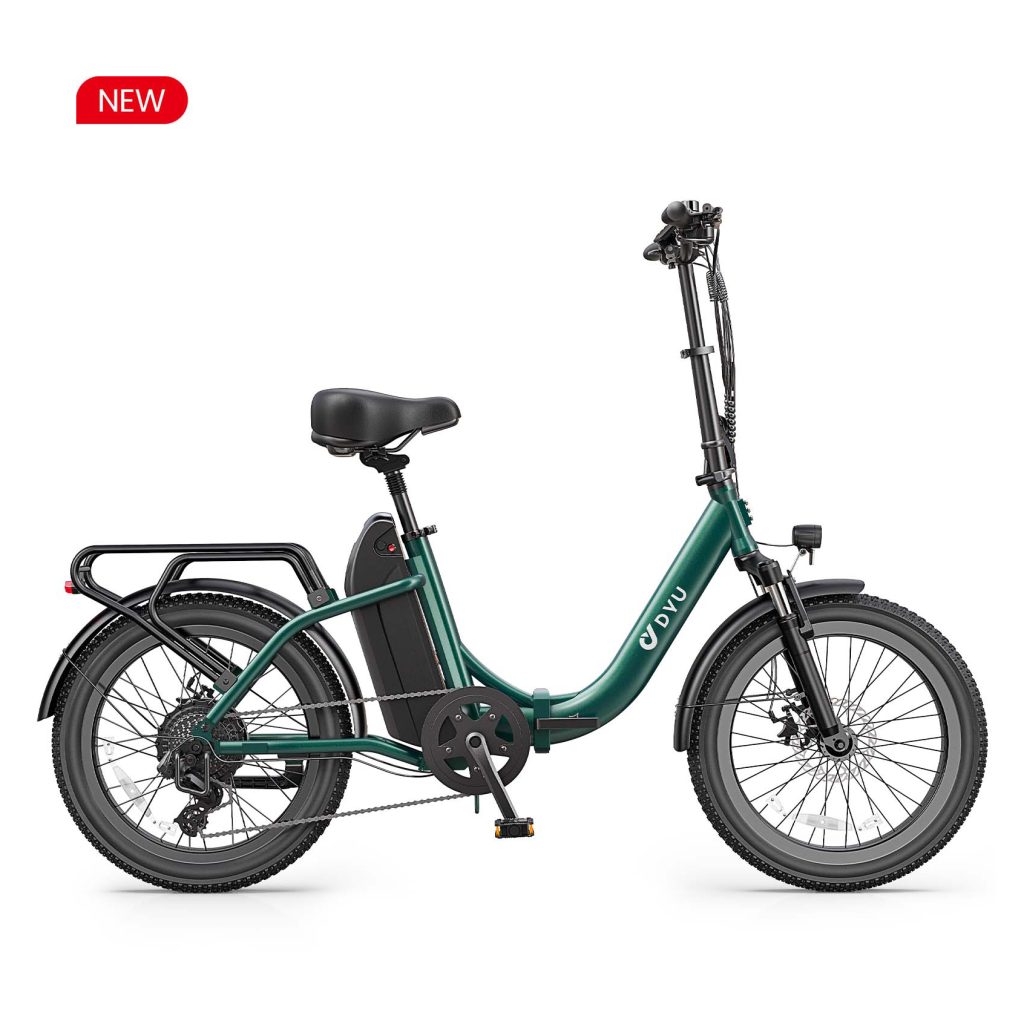
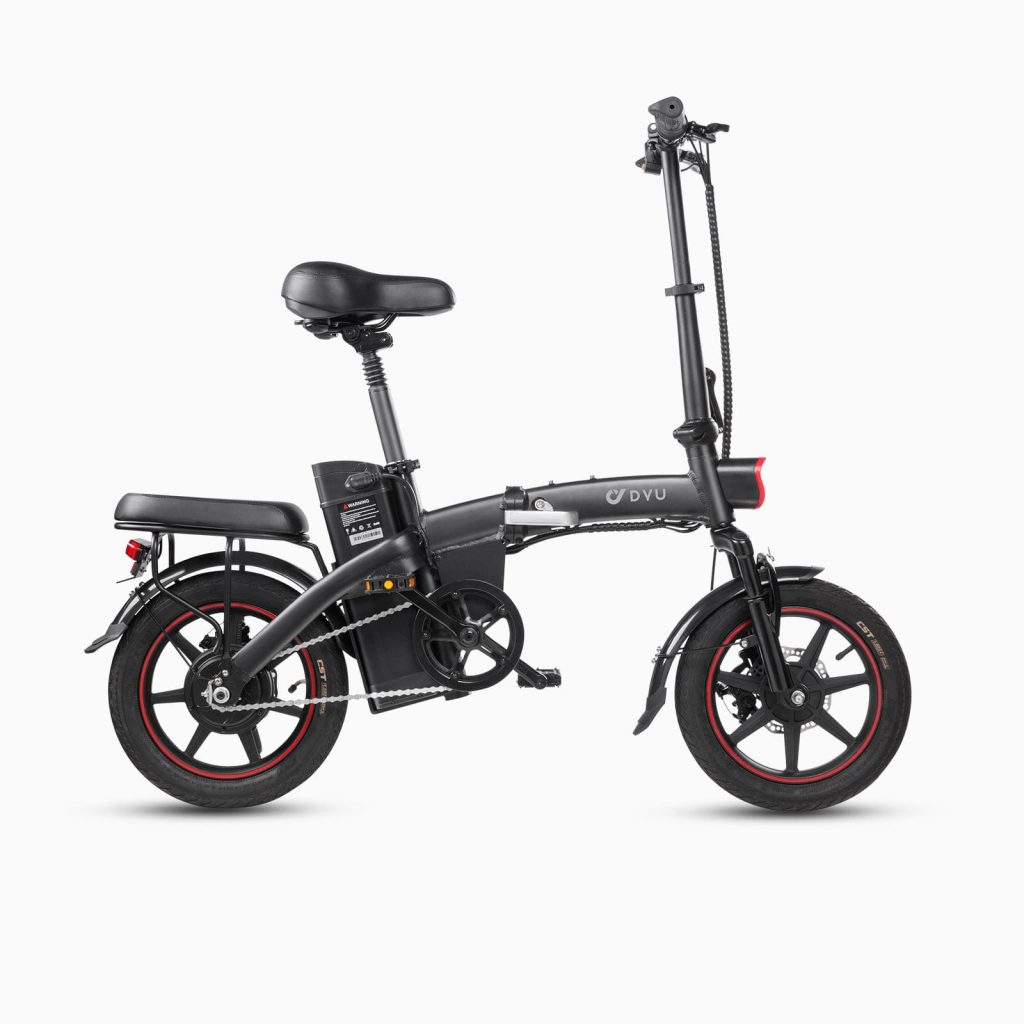
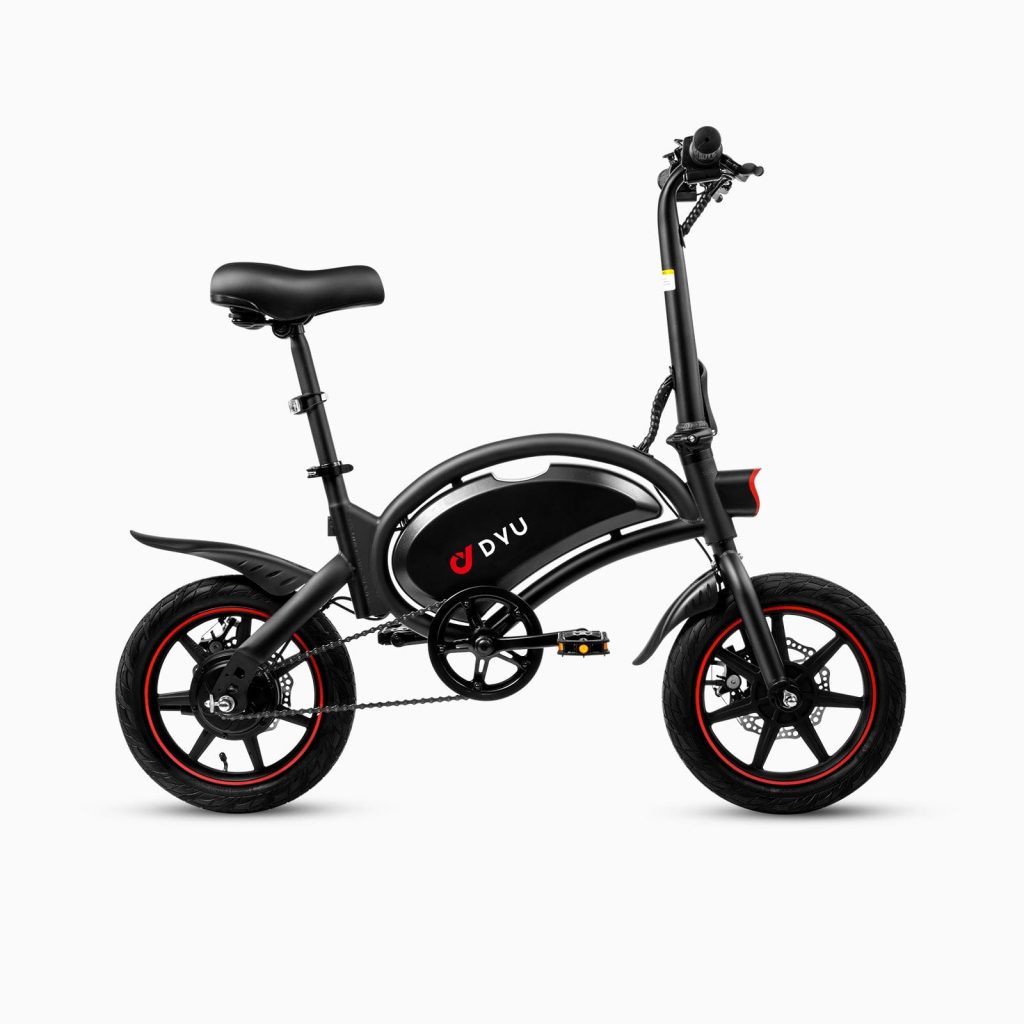
Three months with the DYU C3 electric bike showed me how this 14-inch folding ebike offers surprising advantages over traditional cars for urban commuting.
This DYU C3 review shares what changed in my daily routine and whether switching from four wheels to two makes sense for European city dwellers like me.
Car vs Foldable E-Bike: The City Travel Reality Check
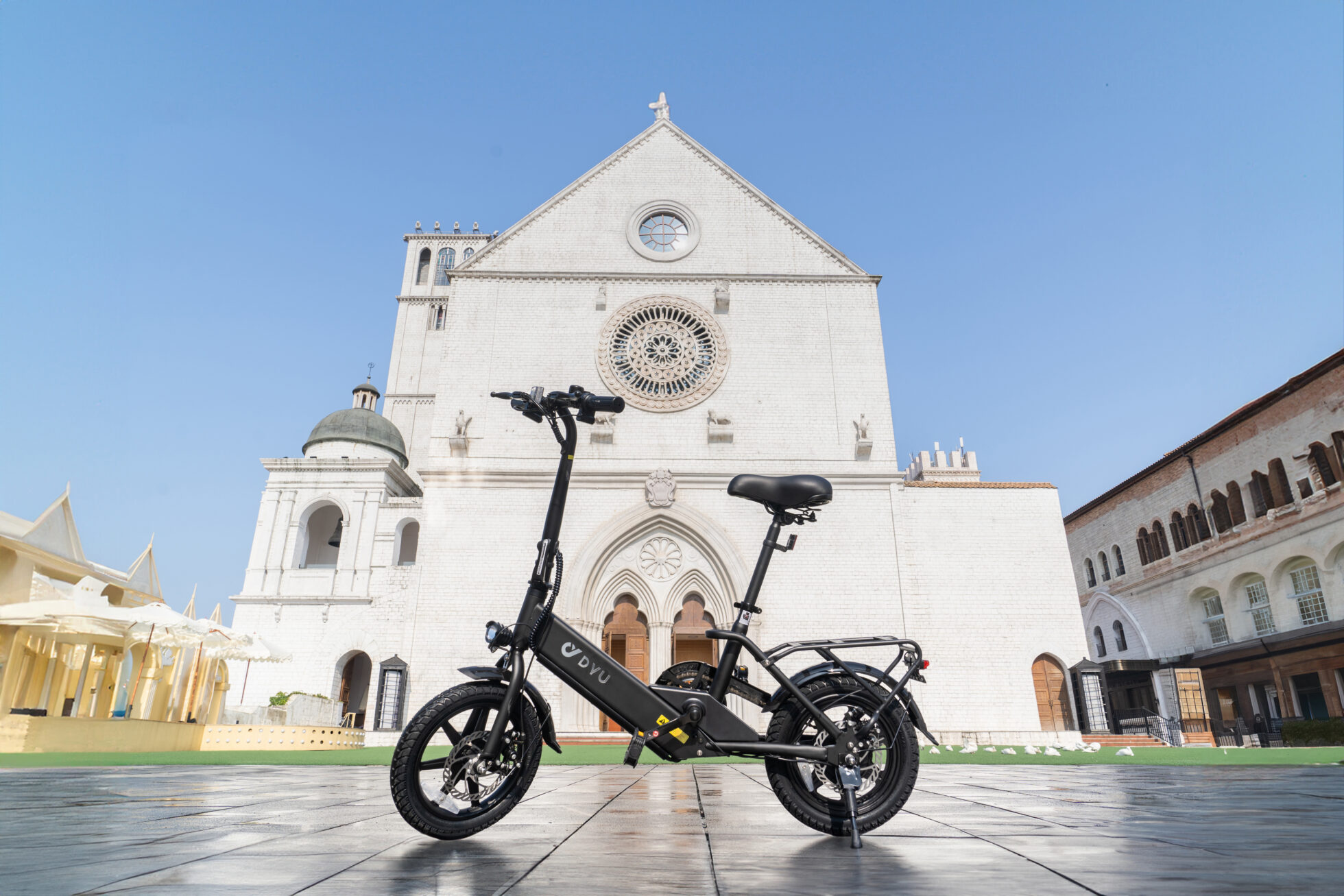
Car ownership in European cities costs more than the monthly payment. Parking alone averages €400 monthly in city centers. The typical passenger vehicle emits 4.6 metric tons of carbon dioxide each year. Driving produces 400 grams of CO2 per mile and turns short trips into environmental burdens.
Traffic congestion reached record levels in 2024. Drivers lost 63 hours to delays each year, which translates to nearly eight full workdays spent idling. The financial toll hit €1,107 billion across affected regions, though the health costs prove just as concerning. Long driving times relate to increased obesity and cardiovascular disease risks. Participants driving over three hours daily showed higher rates of poor health outcomes.
The statistics reveal an interesting pattern. More than half of all car trips cover less than three miles. These distances suit e-bikes well. The DYU C3’s 34km range and 25km/h speed handle these trips without the environmental footprint or parking hassles. Cities where 83% of trips occur by car face mounting congestion, yet micromobility options offset approximately 34 million kilograms of CO2 emissions by replacing auto trips.
The choice between car or foldable e-bike becomes clearer when you look at daily use patterns rather than ownership assumptions.
DYU C3 Review: Features That Won Me Over
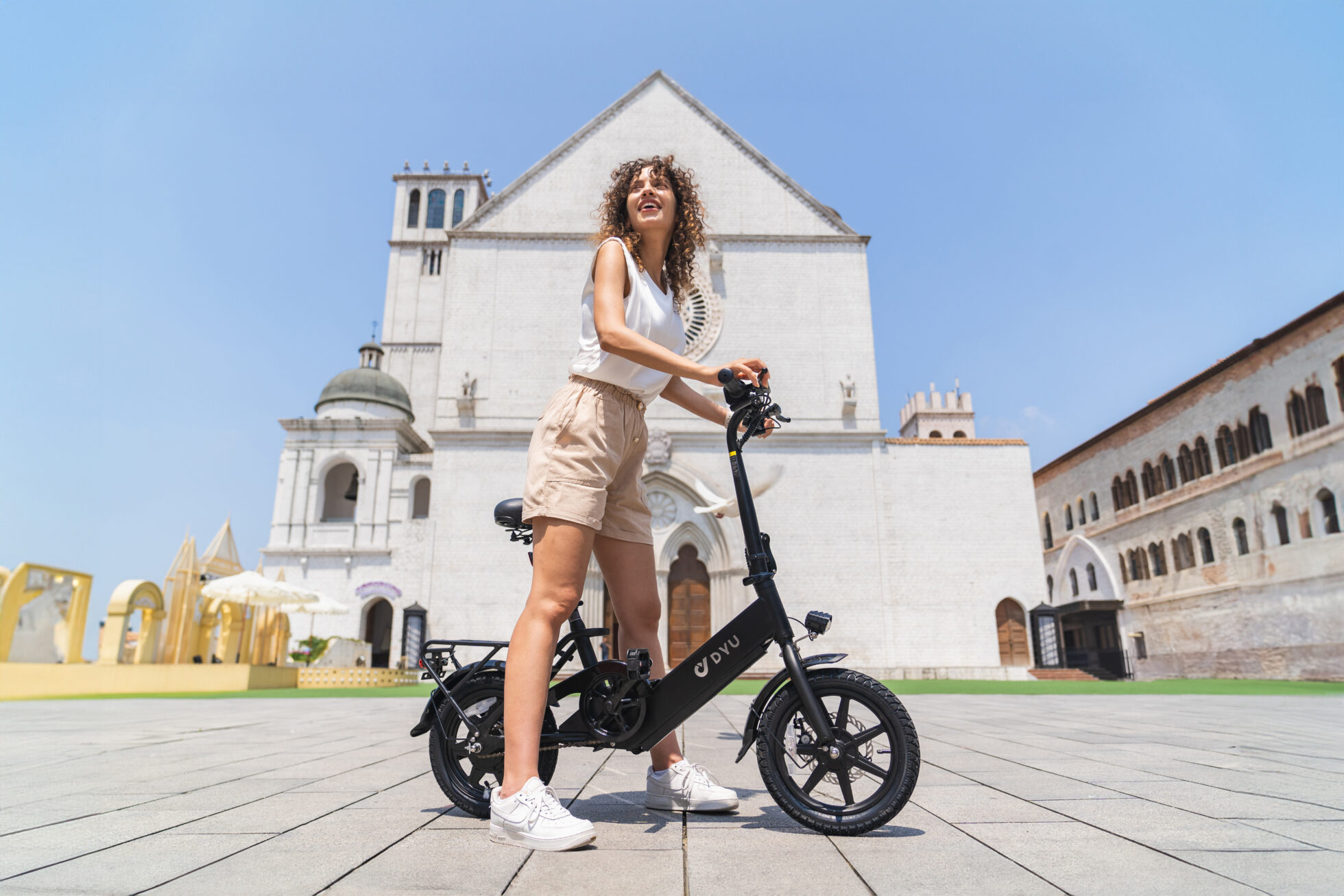
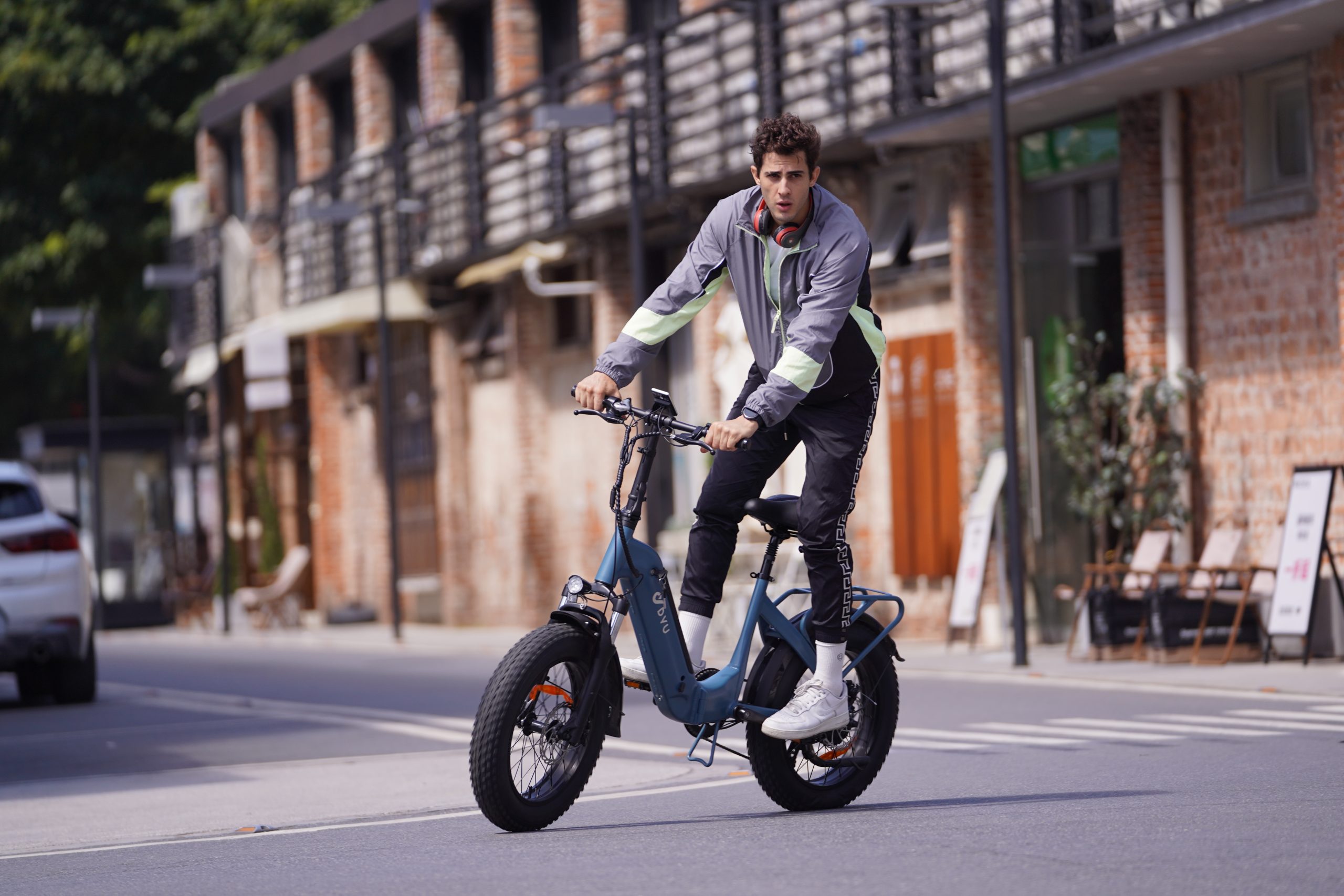
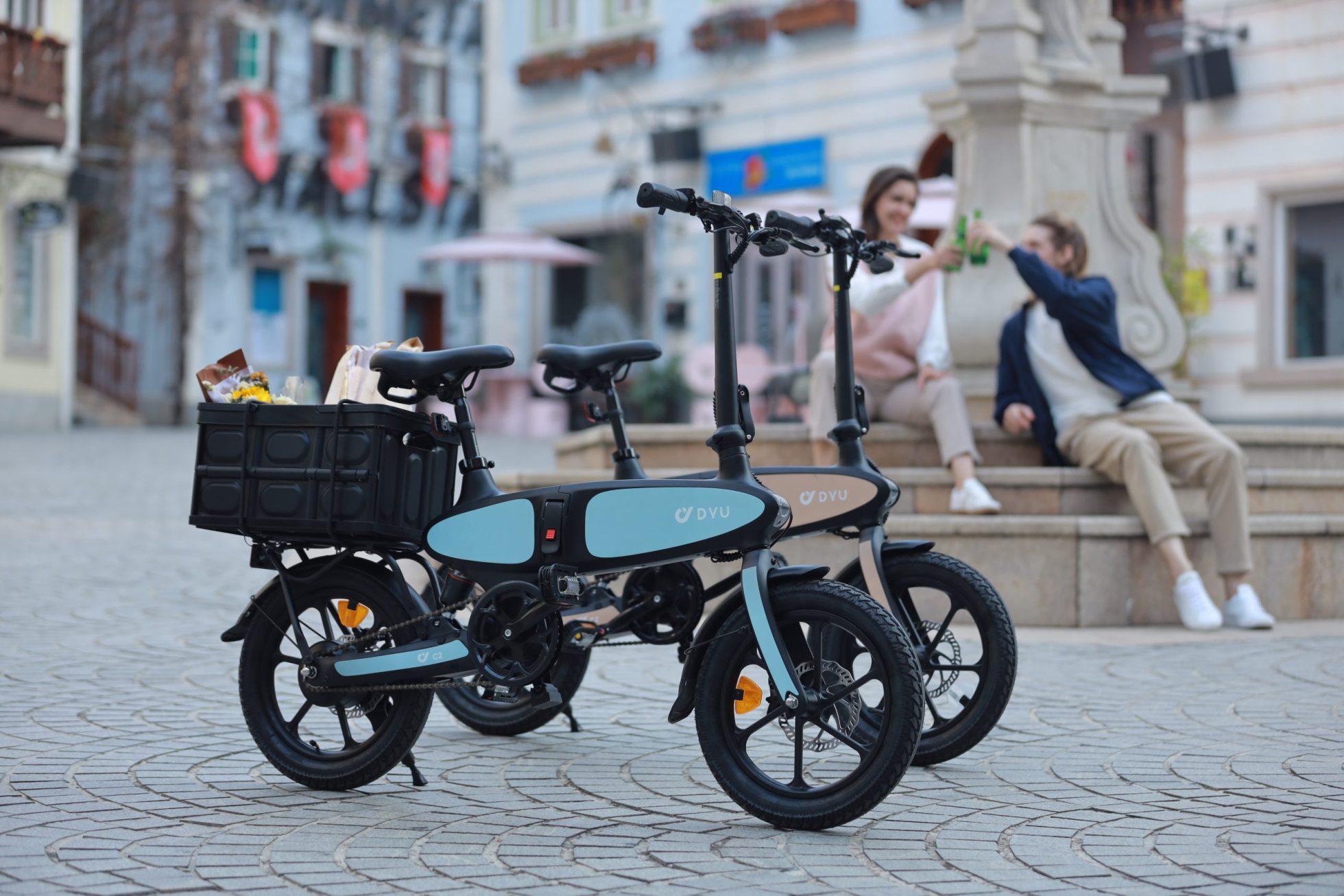
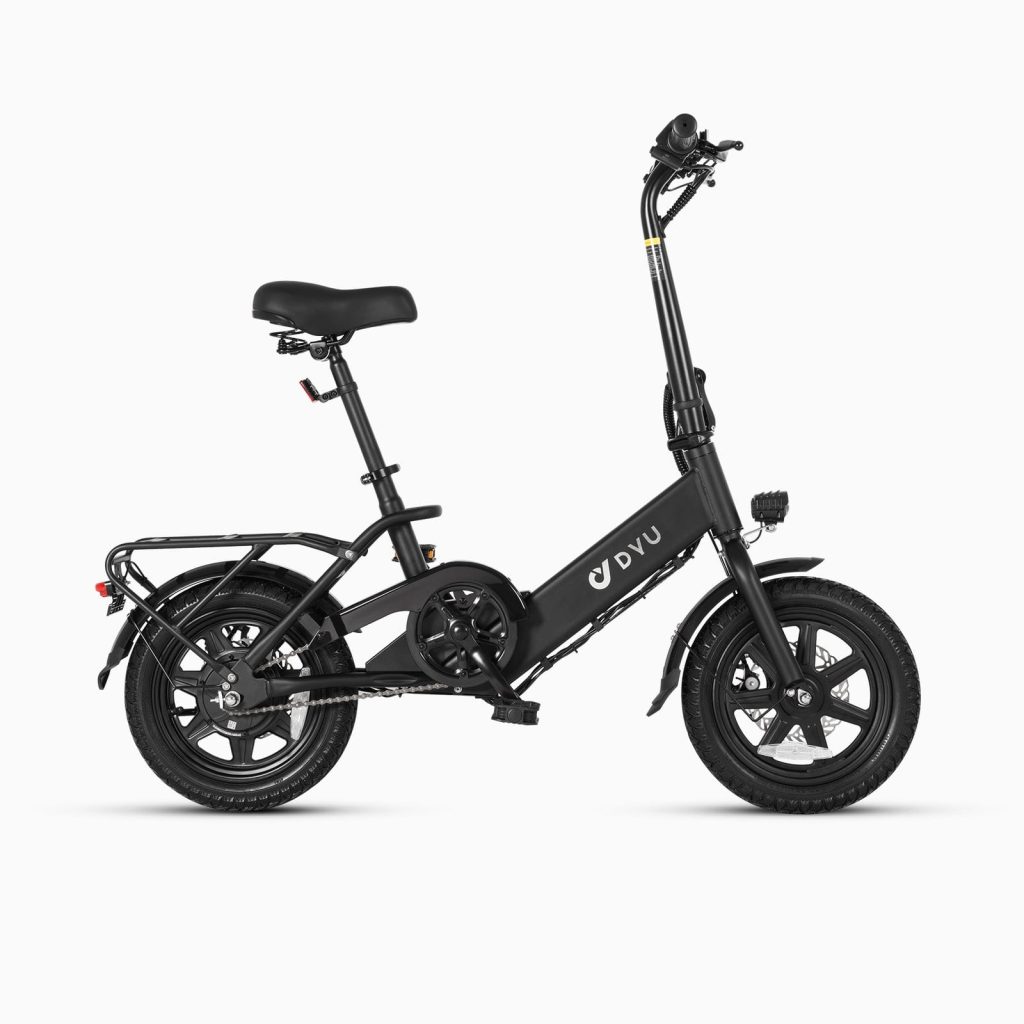
Priced at €399, the DYU C3 14 inch folding ebike delivered features I didn’t expect at this price point. The 250W motor reaches 500W peak power and handles 15-degree inclines with ease. The smooth power delivery stood out during my first test ride. It provided acceleration without the jerky starts common in budget e-bikes.
The 36V 7.5Ah battery charges in 3-4 hours and delivers 34km in pedal-assist mode or 25km on pure electric. My typical commute of 8km each way fits within a single charge, with battery to spare. The LED display shows up-to-the-minute battery levels and removes range anxiety from daily planning.
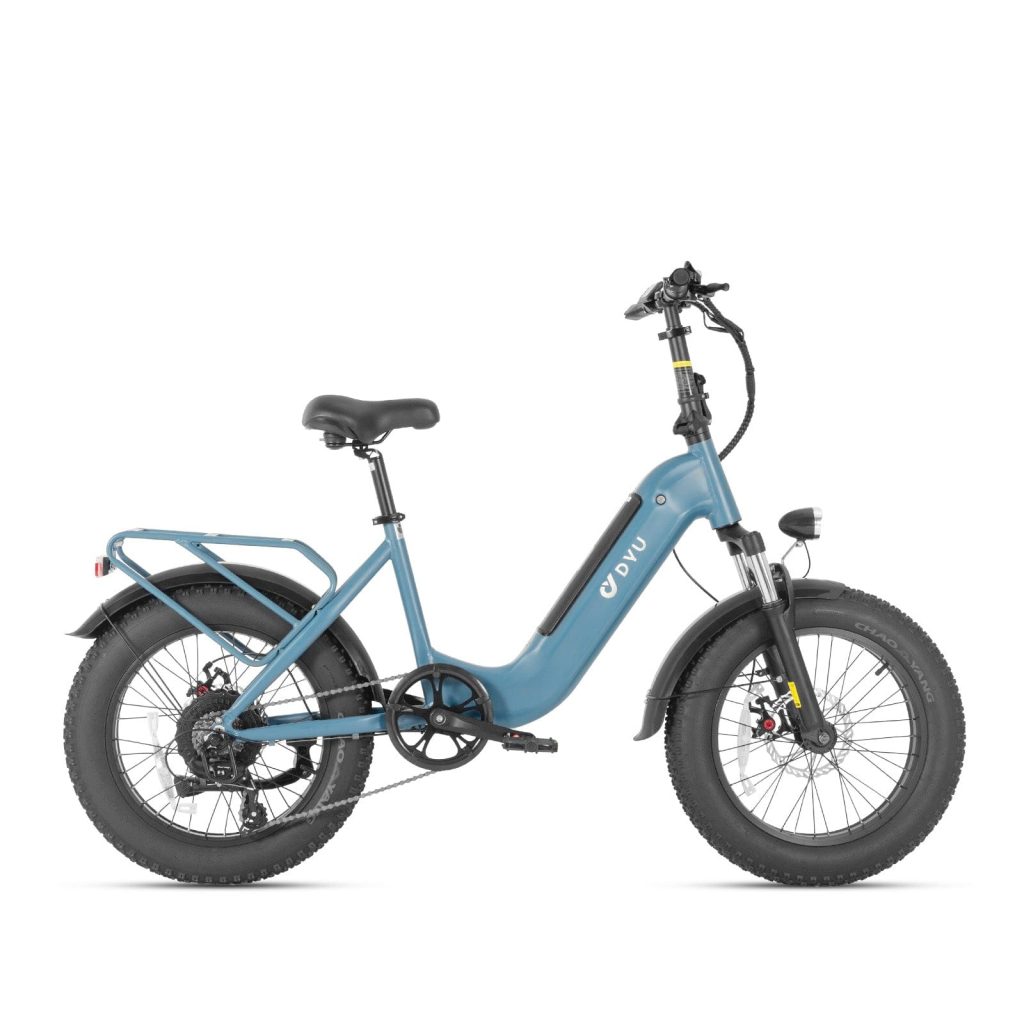
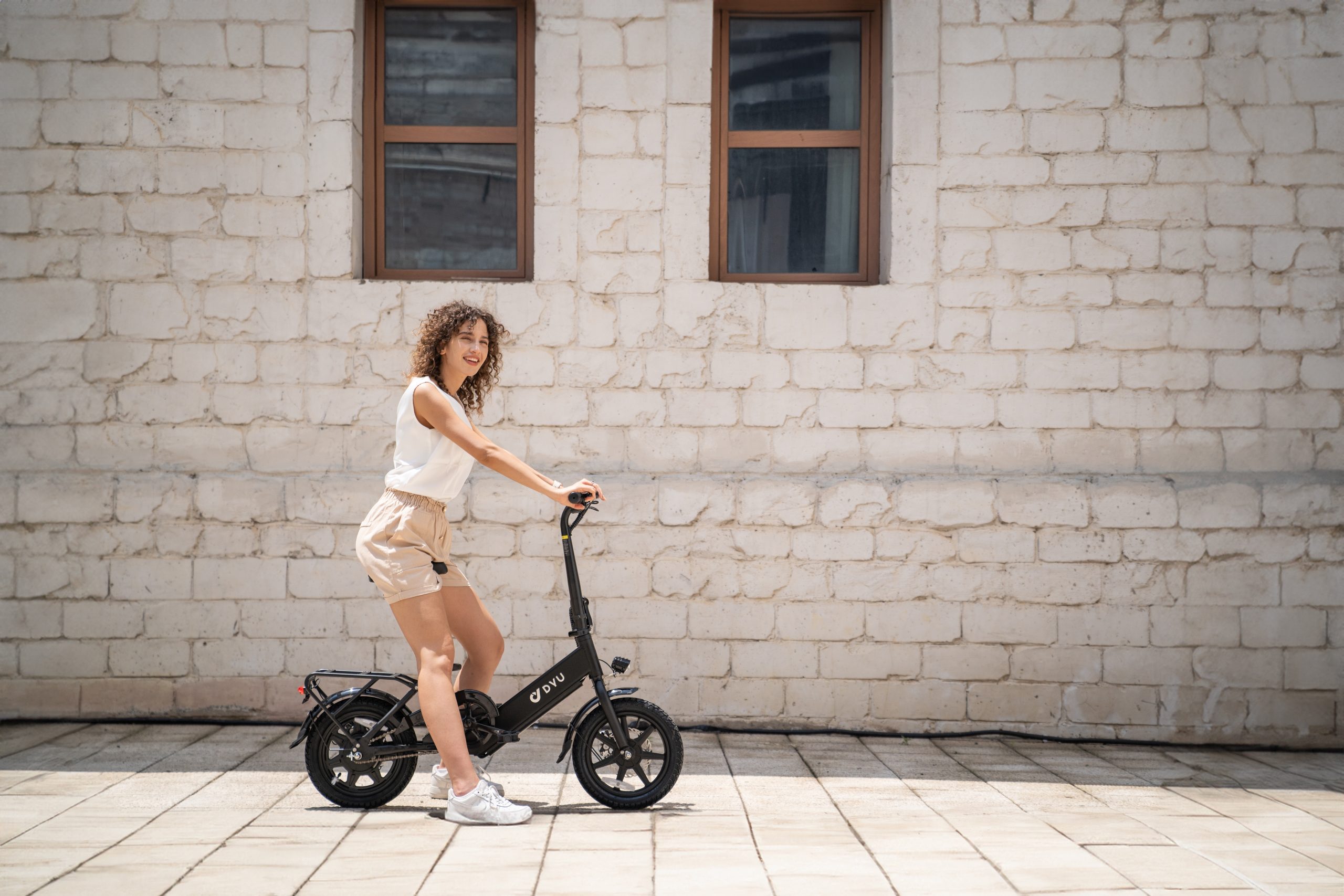
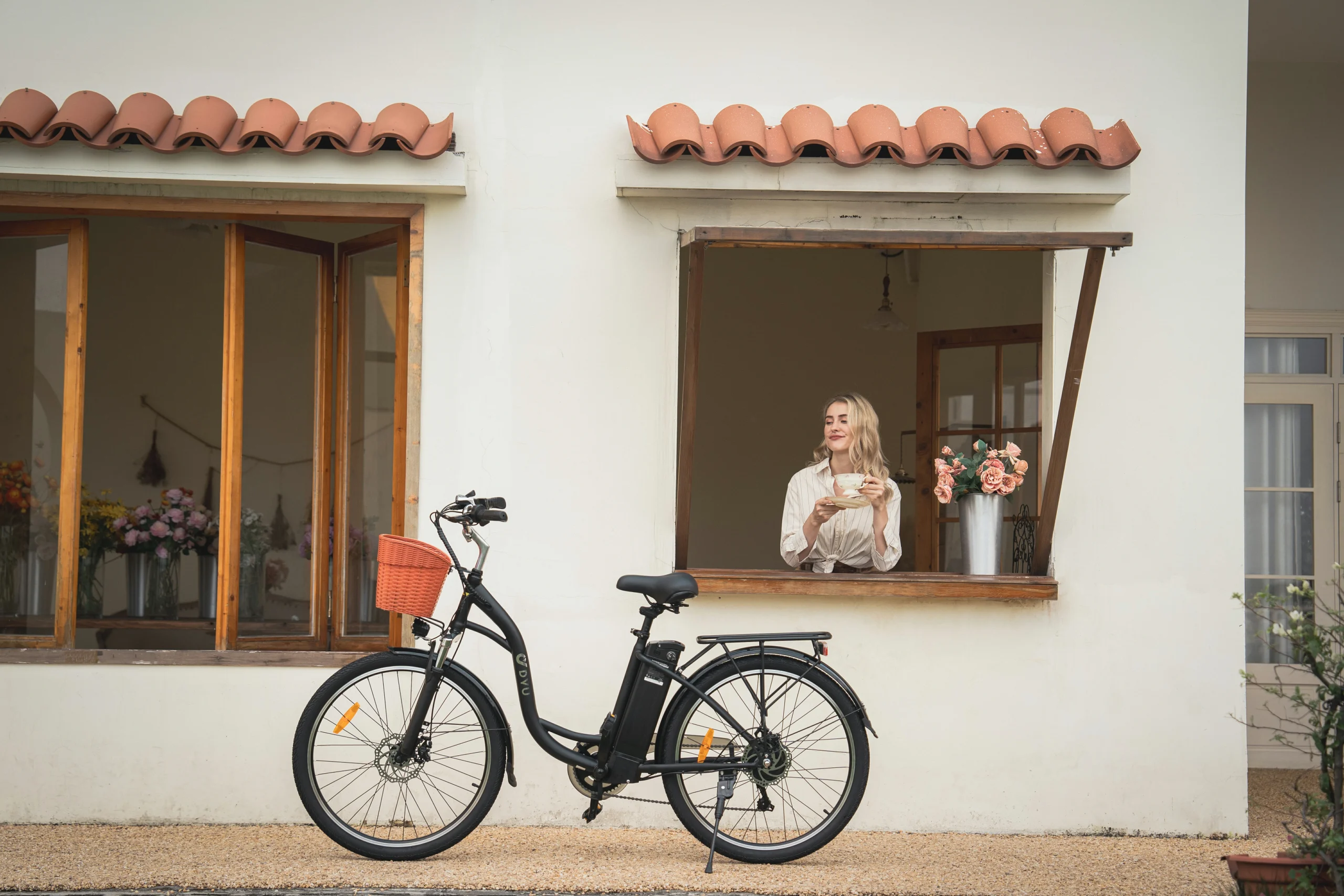
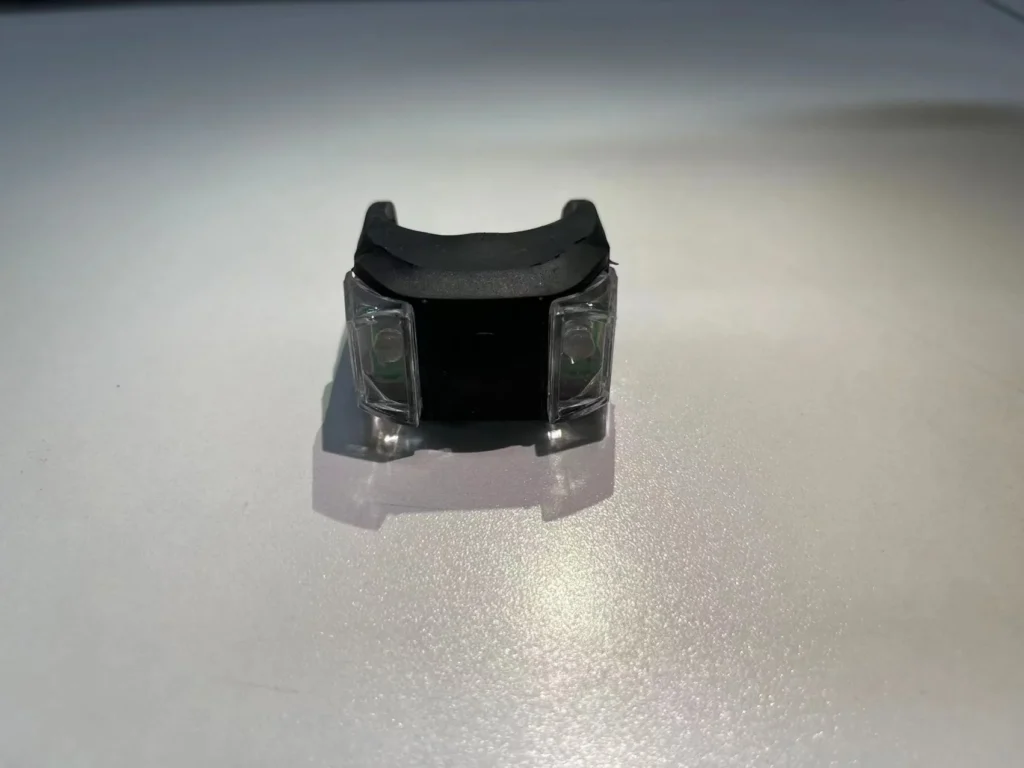
Practical safety features won me over. Front and rear disk brakes provide reliable stopping power, responsive enough that I felt confident navigating busy intersections from day one. The integrated LED lights meant I could ride after dark without adding accessories. The low-step design makes mounting effortless. The 14-inch wheels with 2.125″ high-strength tires handle cobblestone streets well.
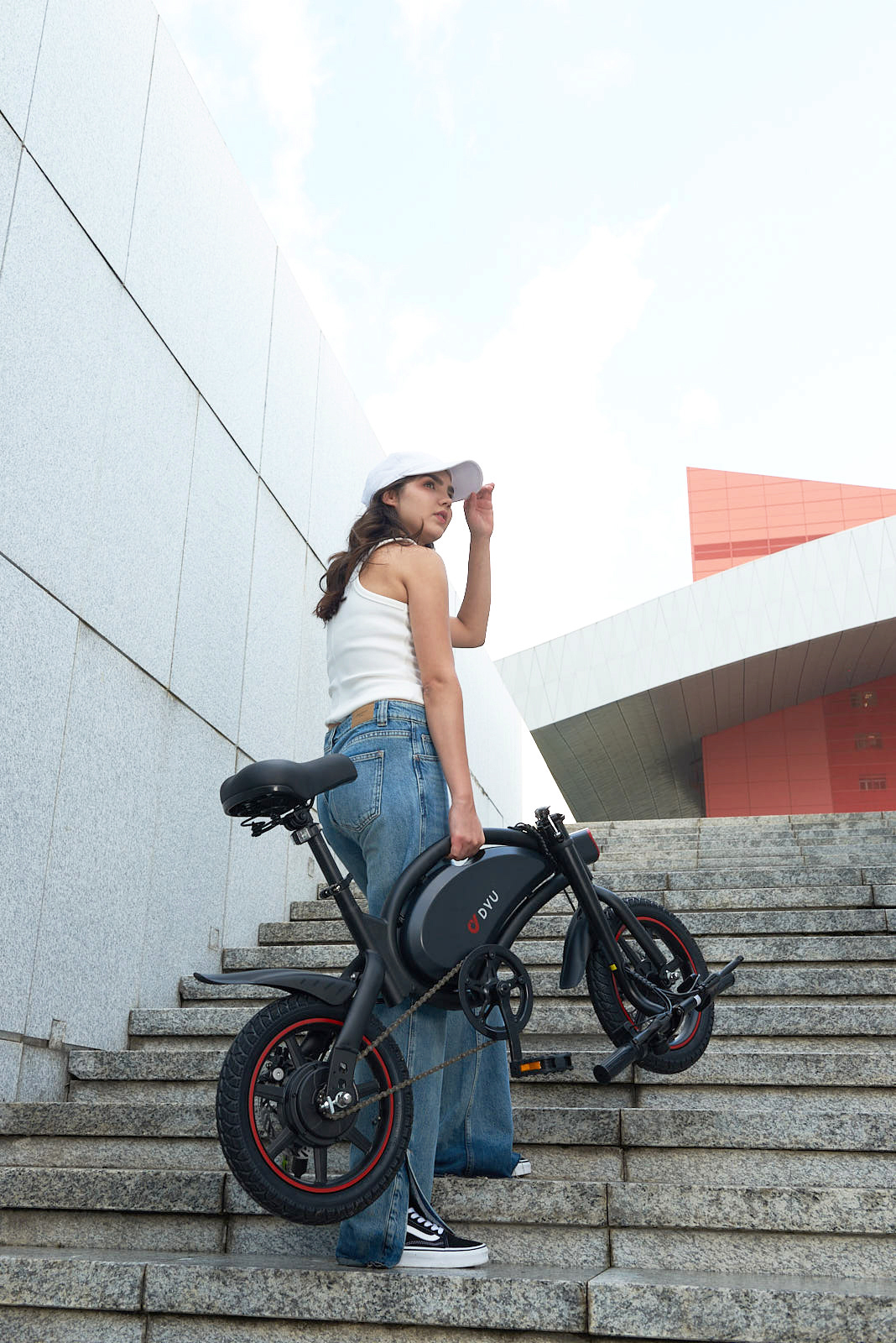
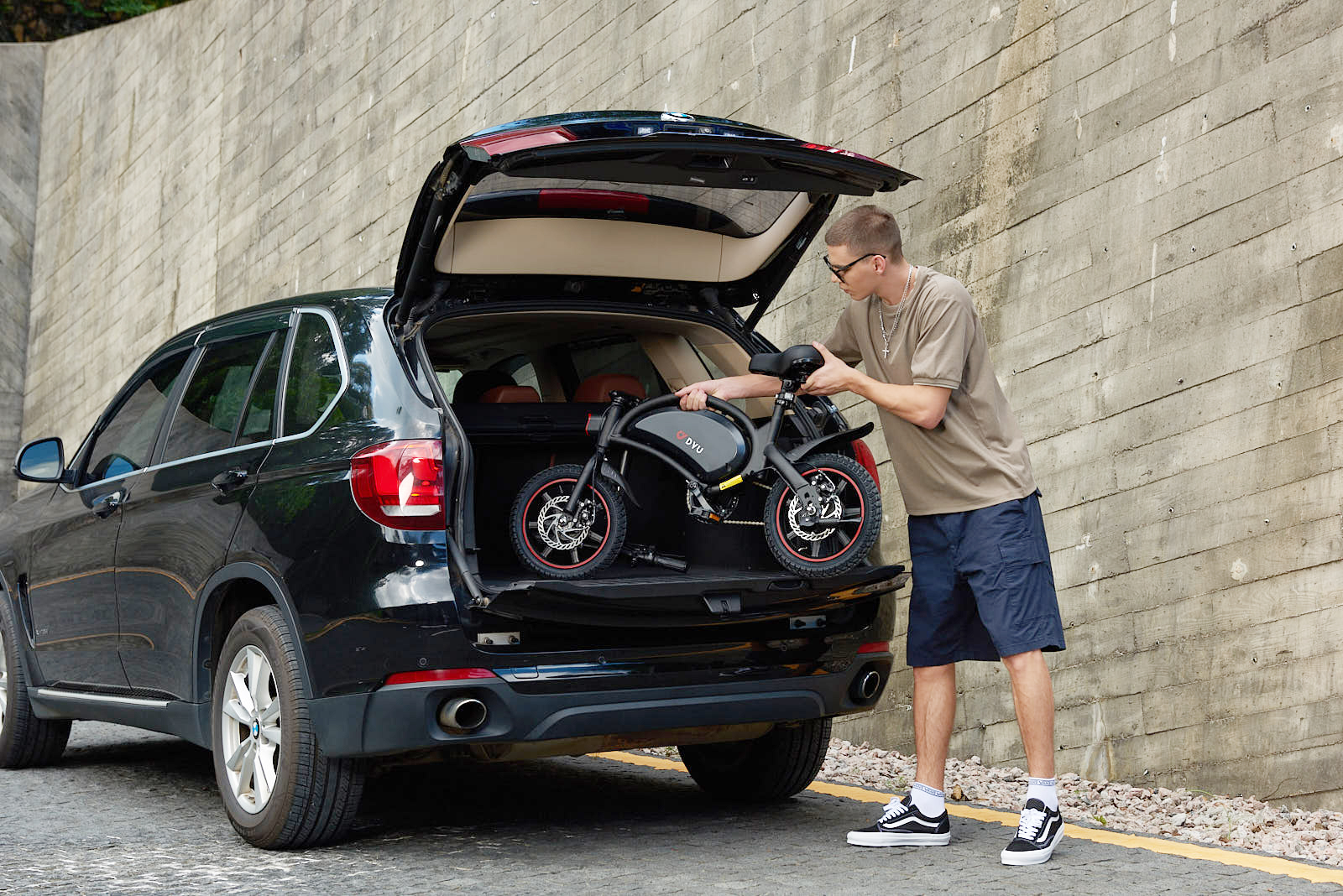
The DYU C3 weighs 20kg and folds to 126 x 22 x 61 cm. It fits in my apartment hallway where a car would never belong.
Three Months With the DYU C3: What Changed
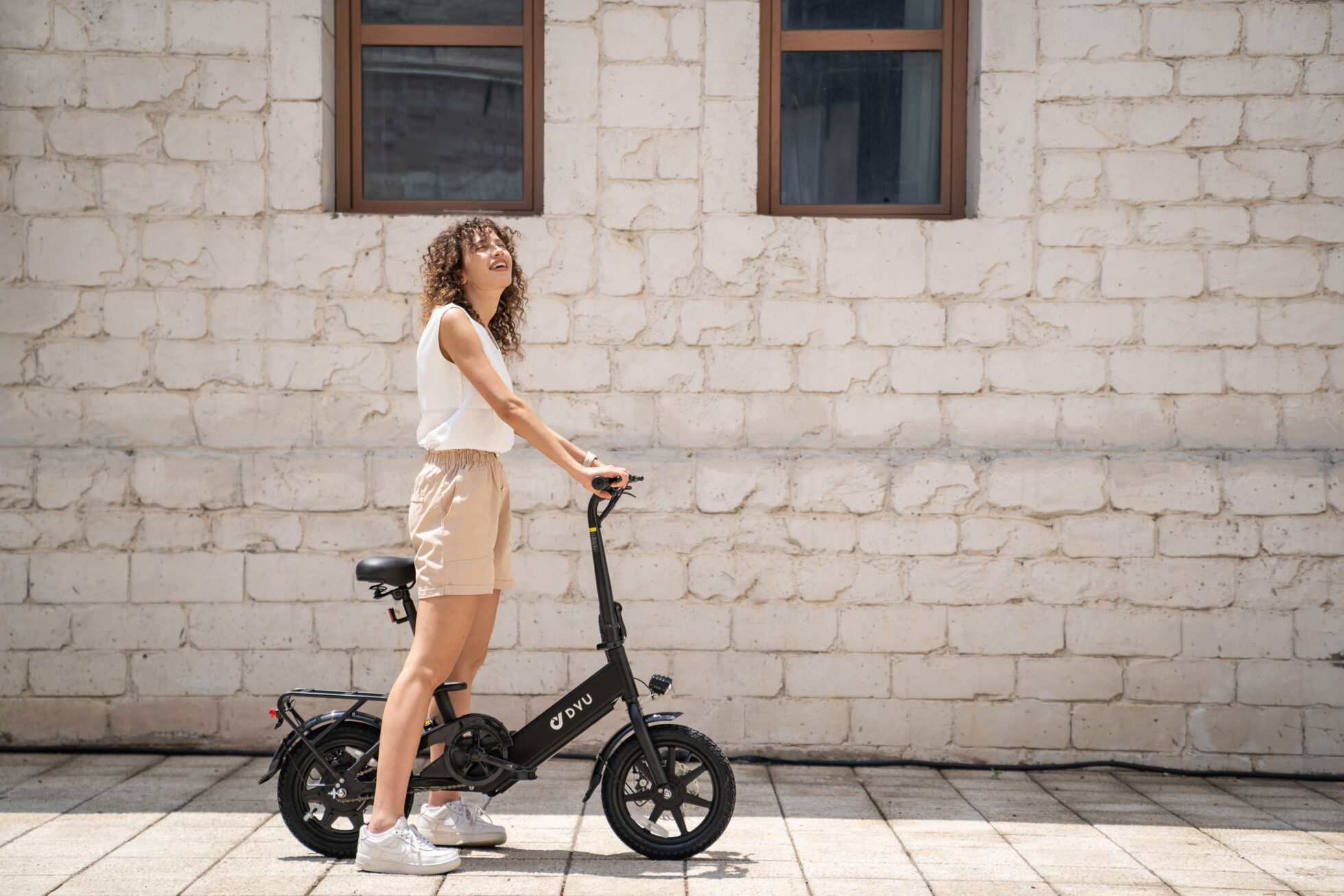
My morning commute changed at some point. I found myself energized and ready to work instead of arriving stressed from traffic. Research confirms this isn’t placebo: e-bike riders report improved mental wellbeing, lifted mood, and increased happiness. I felt this change within the first two weeks.
The time savings were bigger than expected. On my 8km commute, I reclaimed nearly 20 minutes each way. This totals over two hours weekly. No parking searches, no circling blocks, just direct door-to-door travel. The consistency stood out. Cars average 15-20 km/h in rush hour while the DYU C3 maintains 25 km/h using bike lanes.
Physical changes followed mental ones. After three months, I noticed improved fitness and stamina, similar to participants in controlled studies who reported feeling healthier and losing weight. One study found e-bike commuters save approximately €1,700 annually in healthcare costs through reduced doctor visits.
The financial effect exceeded projections. Eliminating daily parking fees alone saved €156 monthly. Combined with zero fuel costs (charging costs cents), the DYU C3 paid for itself within months while my car sat unused most weekdays.
Conclusão
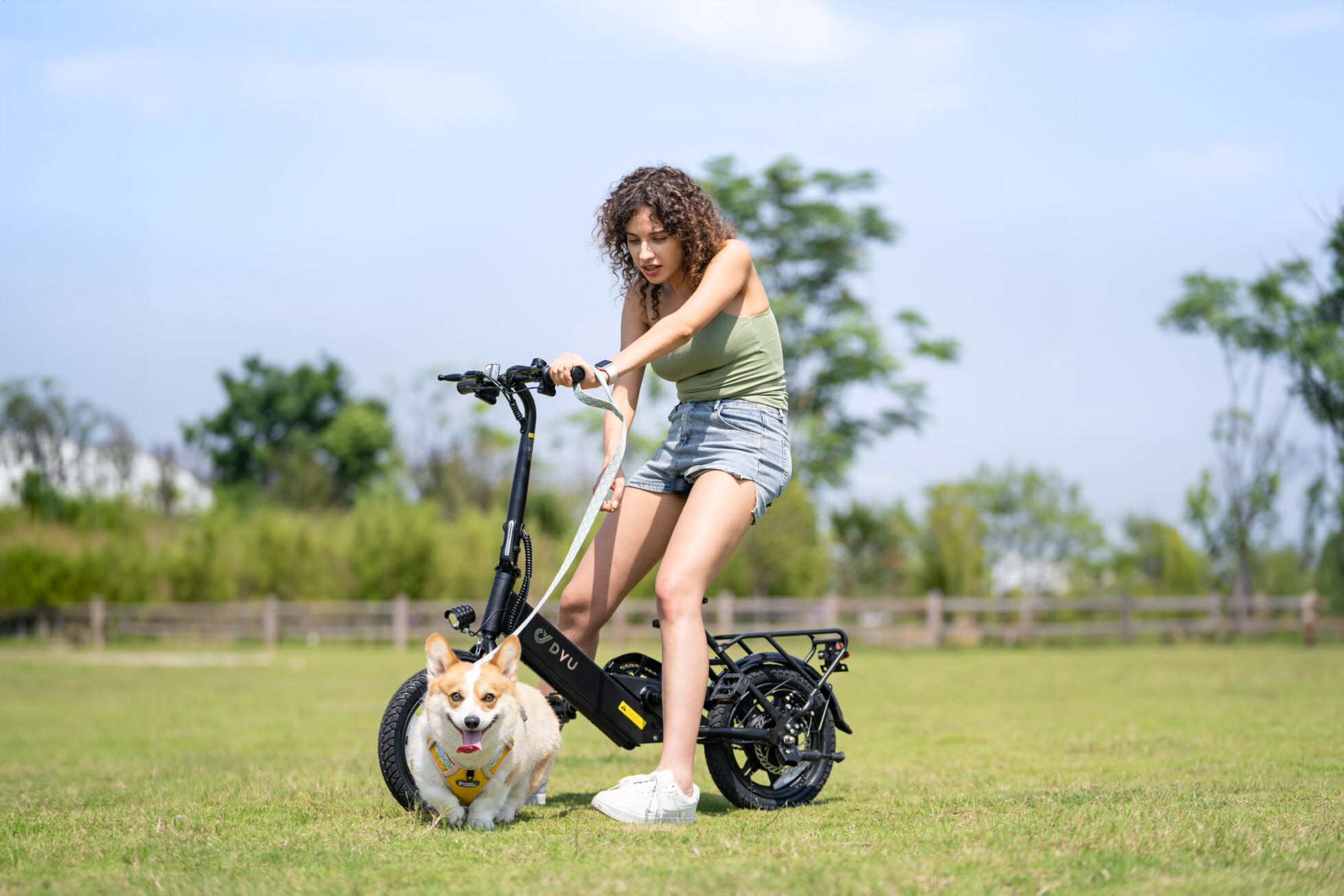
The DYU C3 costs €399 and proved itself a practical alternative to my car in daily city travel. Monthly savings of €156 in parking alone justified the purchase within three months, to say nothing of improved fitness and stress-free commutes. Without doubt, this foldable e-bike won’t replace cars on longer journeys or family trips, but I prefer two wheels over four now when commuting solo in urban areas under 30km.
Perguntas frequentes
Q1. Is the DYU C3 electric bike a reliable choice for city commuting?
The DYU C3 offers excellent value for urban travel with its 250W motor (500W peak), 34km range, and practical features like disk brakes and LED lights. At €399, it provides reliable performance for daily commutes under 30km, with users reporting improved fitness, time savings, and stress-free travel compared to car commuting.
Q2. What are the main drawbacks of foldable electric bikes like the DYU C3?
Foldable e-bikes typically have limitations including shorter battery range compared to full-size bikes, less stability due to smaller wheels, heavier weight for portability, and reduced cargo capacity. They’re also less suitable for long-distance travel and may require more frequent maintenance due to their compact folding mechanisms.
Q3. How does the DYU C3 compare to other city e-bikes on the market?
The DYU C3 stands out for its affordability at €399 and compact 14-inch folding design that fits easily in small spaces. While premium commuter e-bikes may offer longer range or more power, the C3 provides sufficient performance for typical urban trips under 30km with features like pedal-assist modes, integrated lights, and a quick 15-second folding mechanism.
Q4. Is the DYU C3 easy to fold and carry for daily commuting?
Yes. One of the biggest advantages of the DYU C3 is its quick folding design. The bike can be folded in about 15 seconds, making it convenient for apartment living, office storage, or carrying on public transportation. With a weight of around 20kg and a compact 14-inch frame, many users find it practical for mixed commuting, such as riding to a train station and then folding it to continue their journey indoors.
Q5. Can a foldable e-bike really save money compared to owning a car in the city?
Yes, significant savings are possible. Urban car ownership involves parking costs averaging €400 monthly, fuel expenses, and maintenance. The DYU C3 eliminates parking fees (saving €156+ monthly), has minimal charging costs, and can pay for itself within months. Studies show e-bike commuters save approximately €1,700 annually in combined transportation and healthcare costs.






4 comentários
Mandy
Aren’t you worried about it getting stolen while parked outside?
Daniel Novak
That’s the best part of a foldable bike—I rarely lock it outside. I usually fold it and bring it right into my office or apartment. It stays safe because it stays with me.
Simpson
Folding bikes save so much time on finding parking spots.
Wallace
Gas prices are crazy, this is a much smarter way to travel.