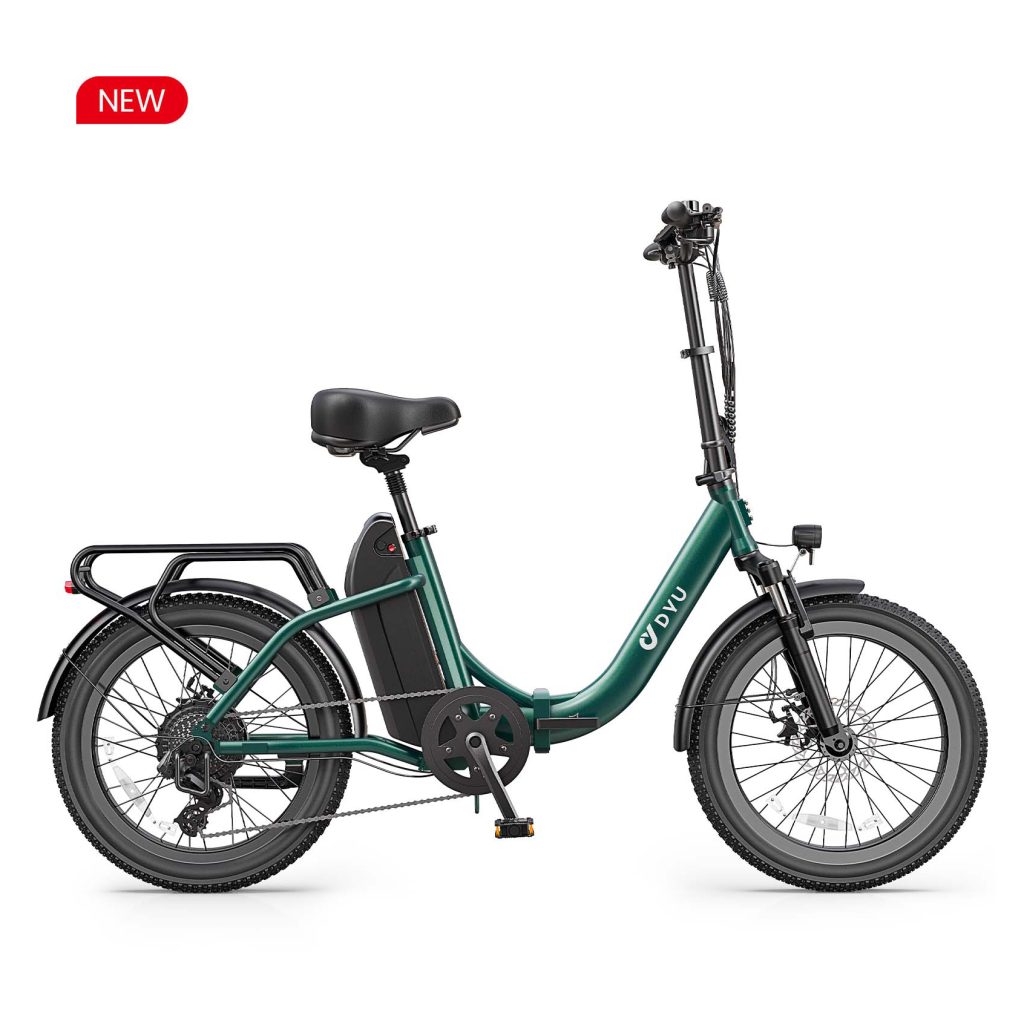
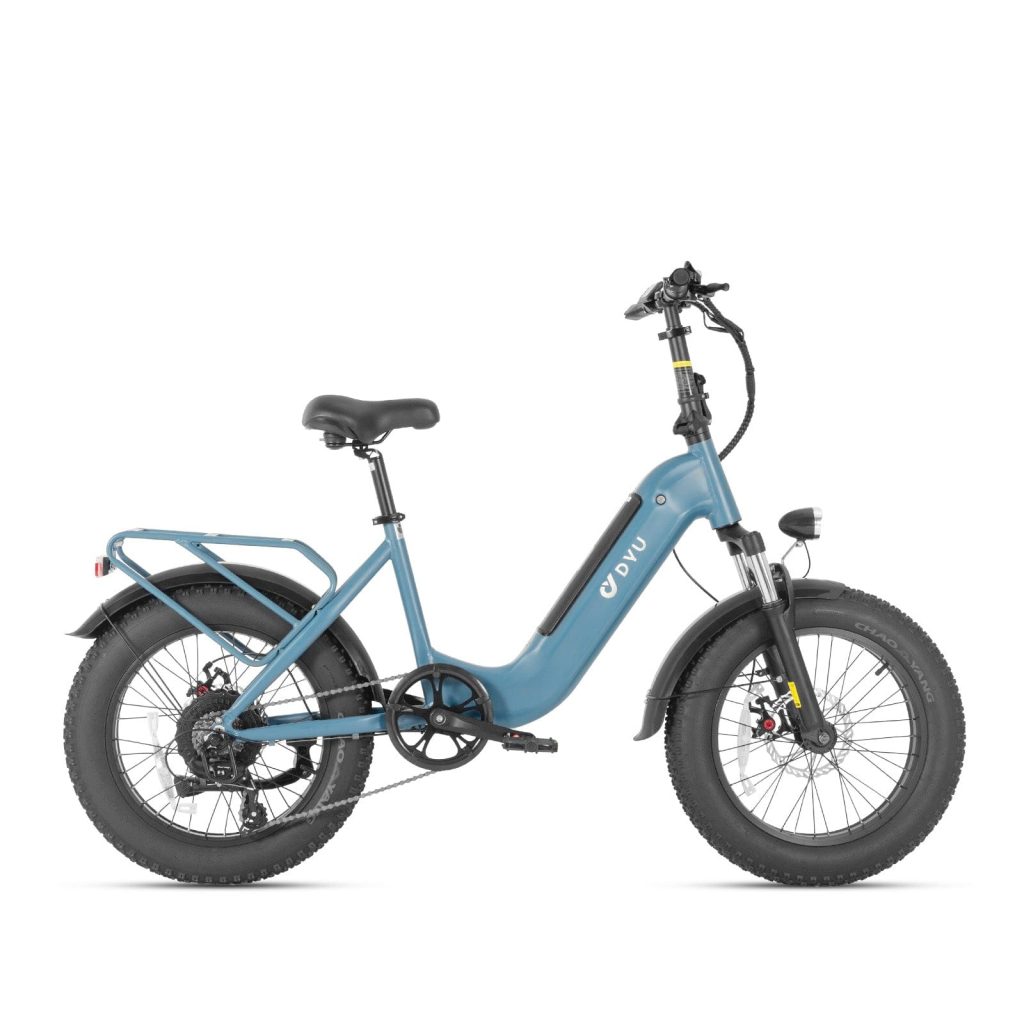
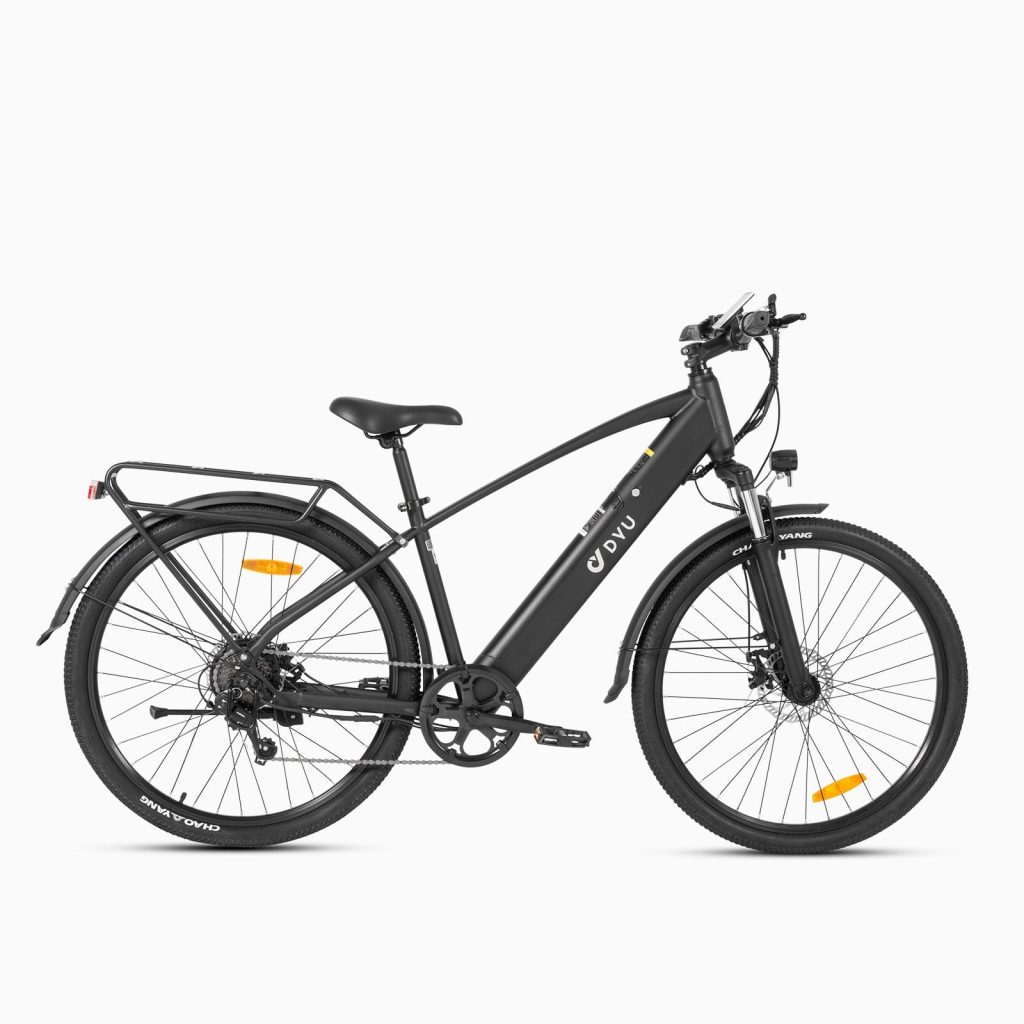
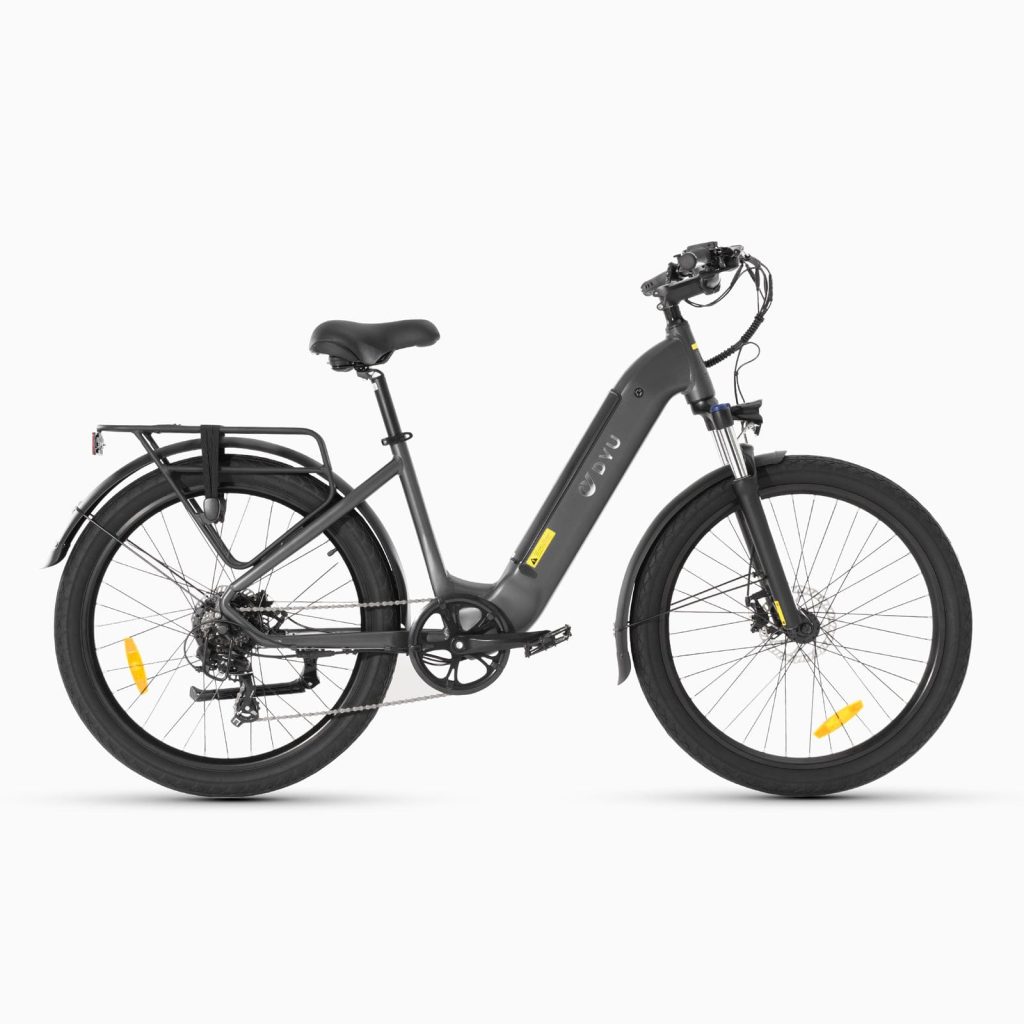
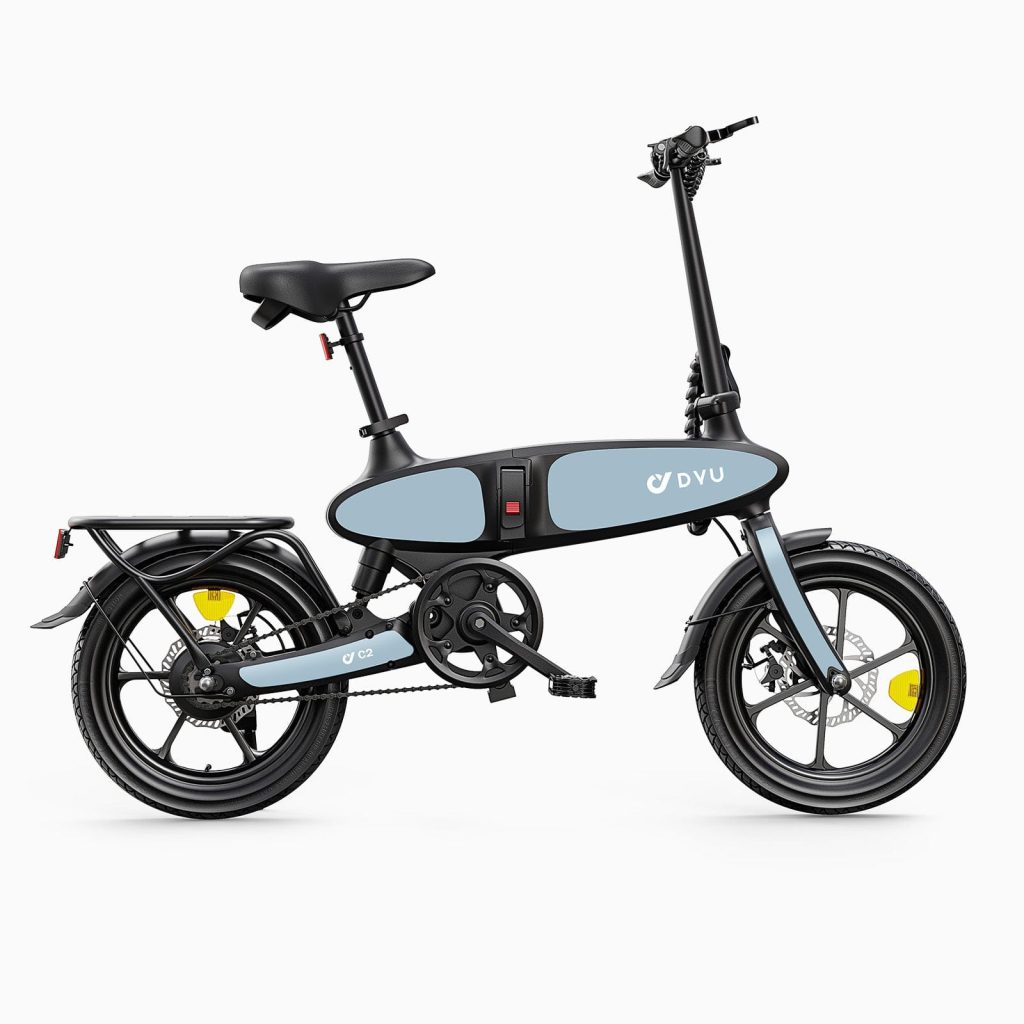
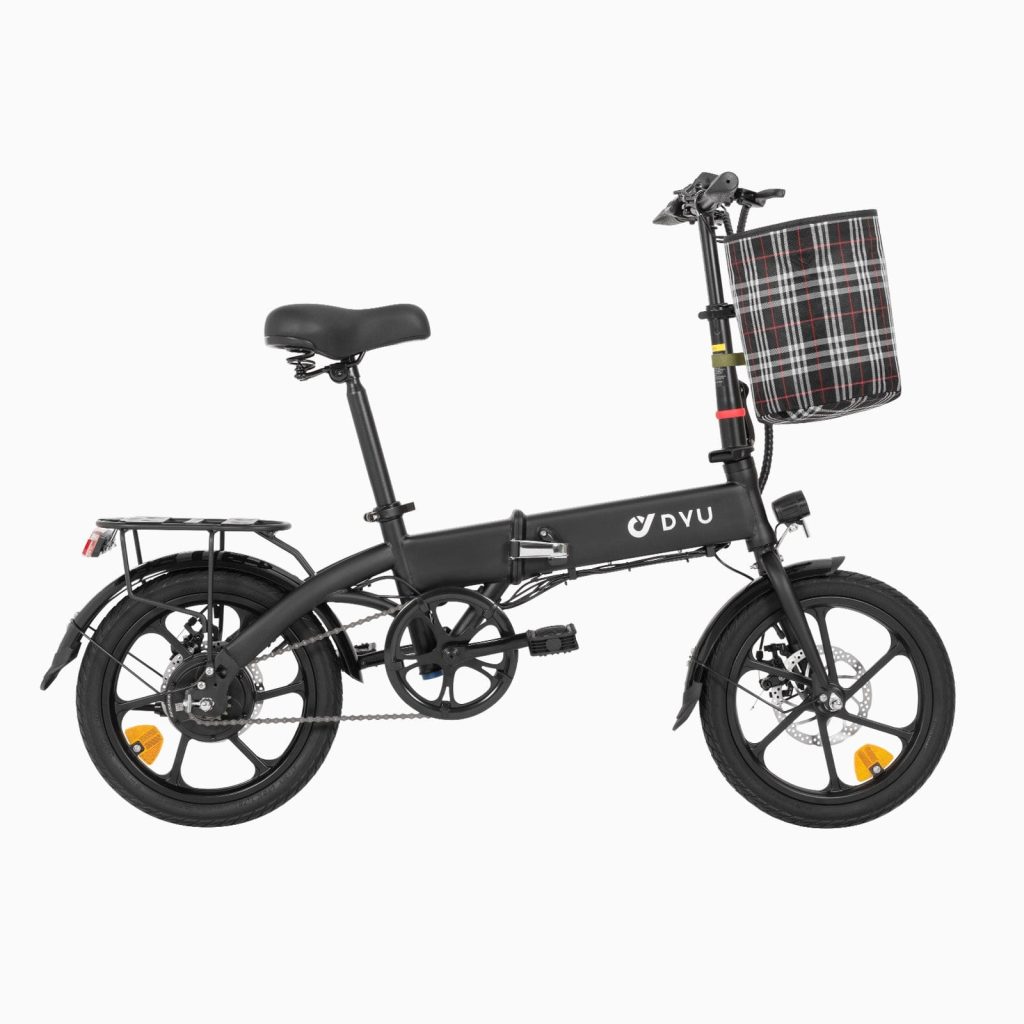
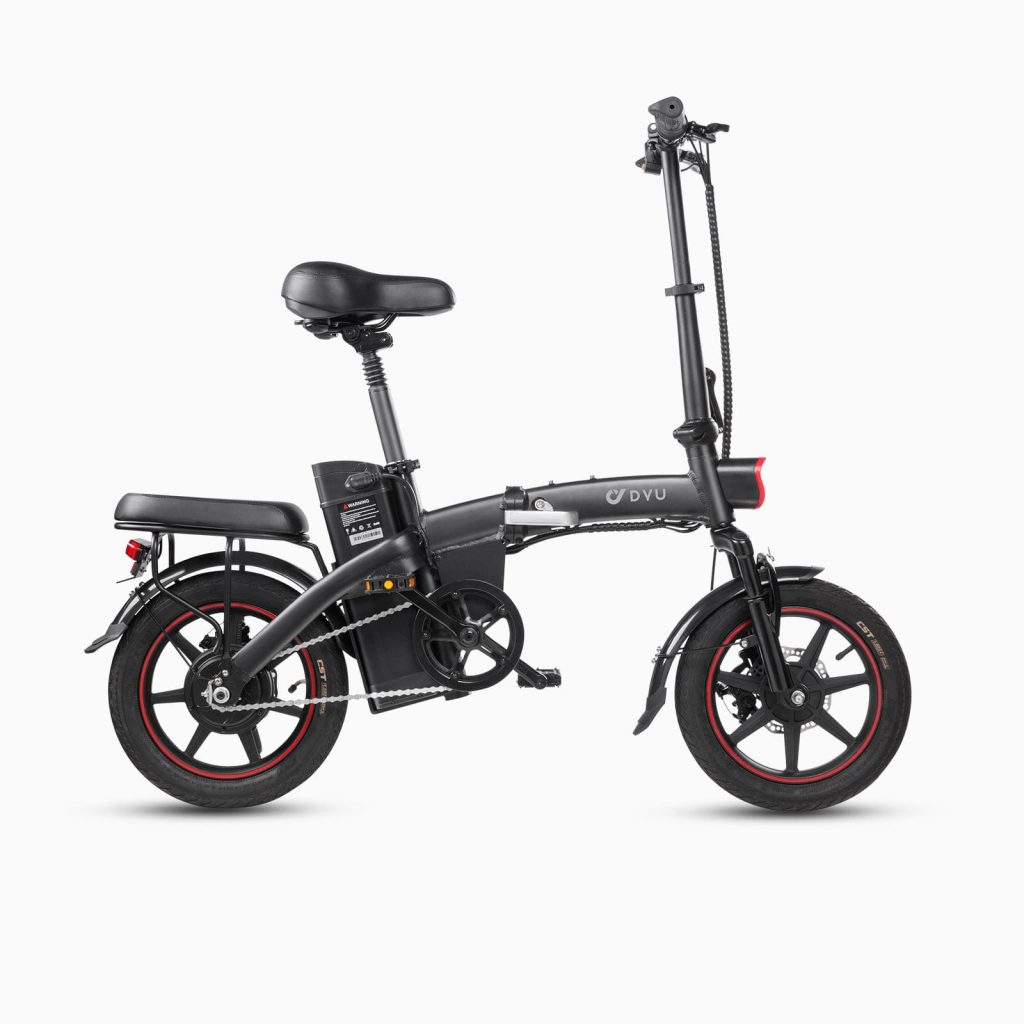
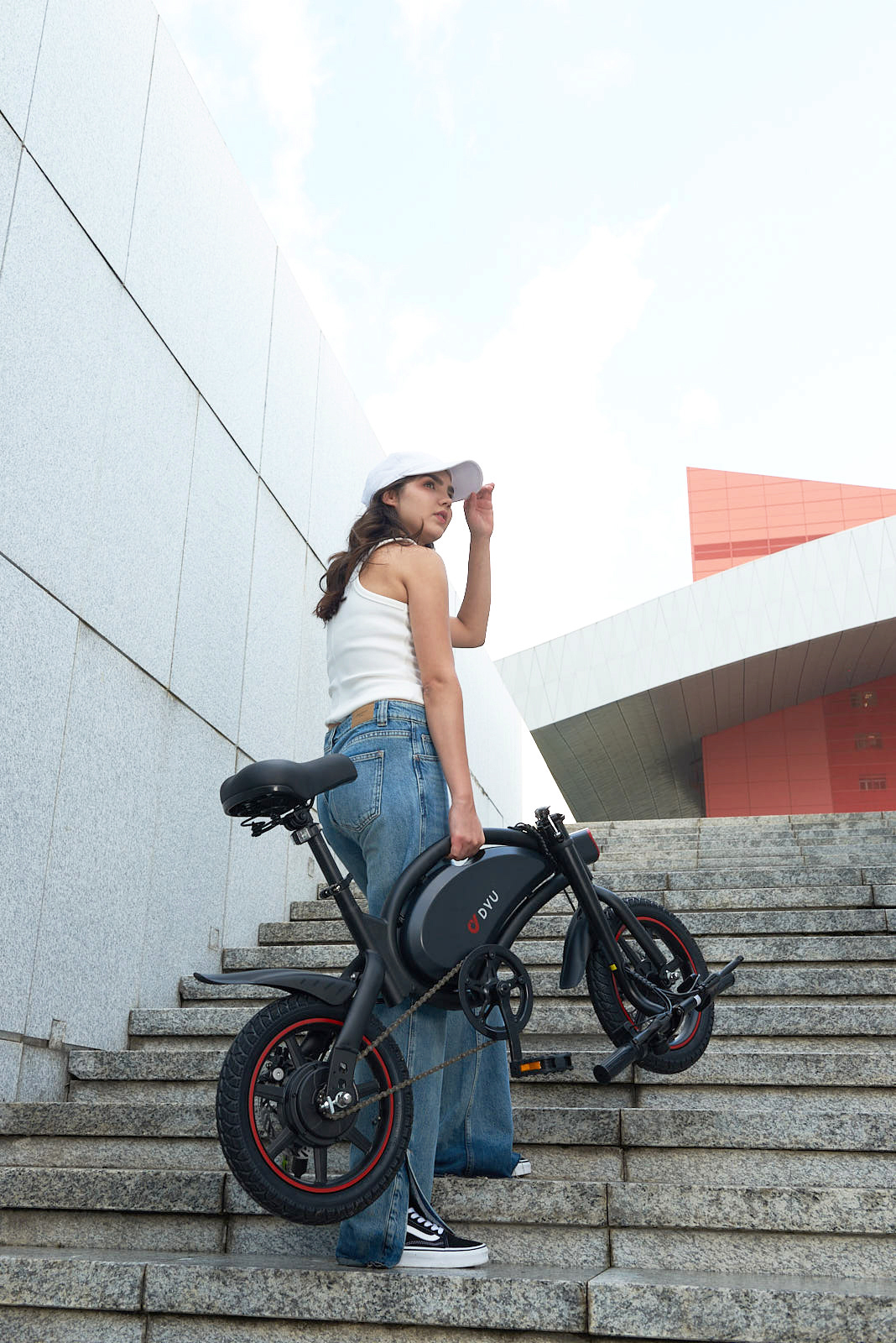
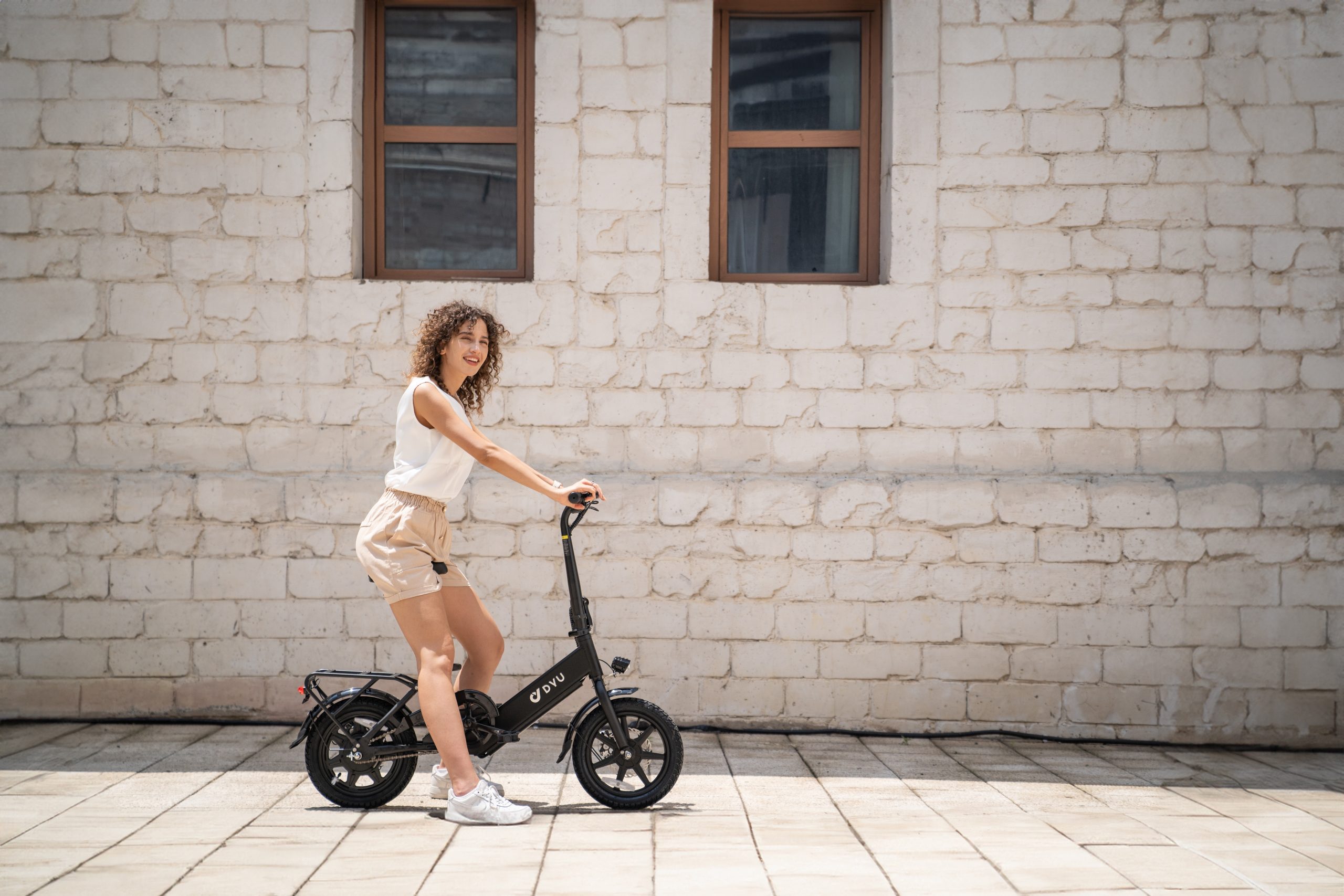
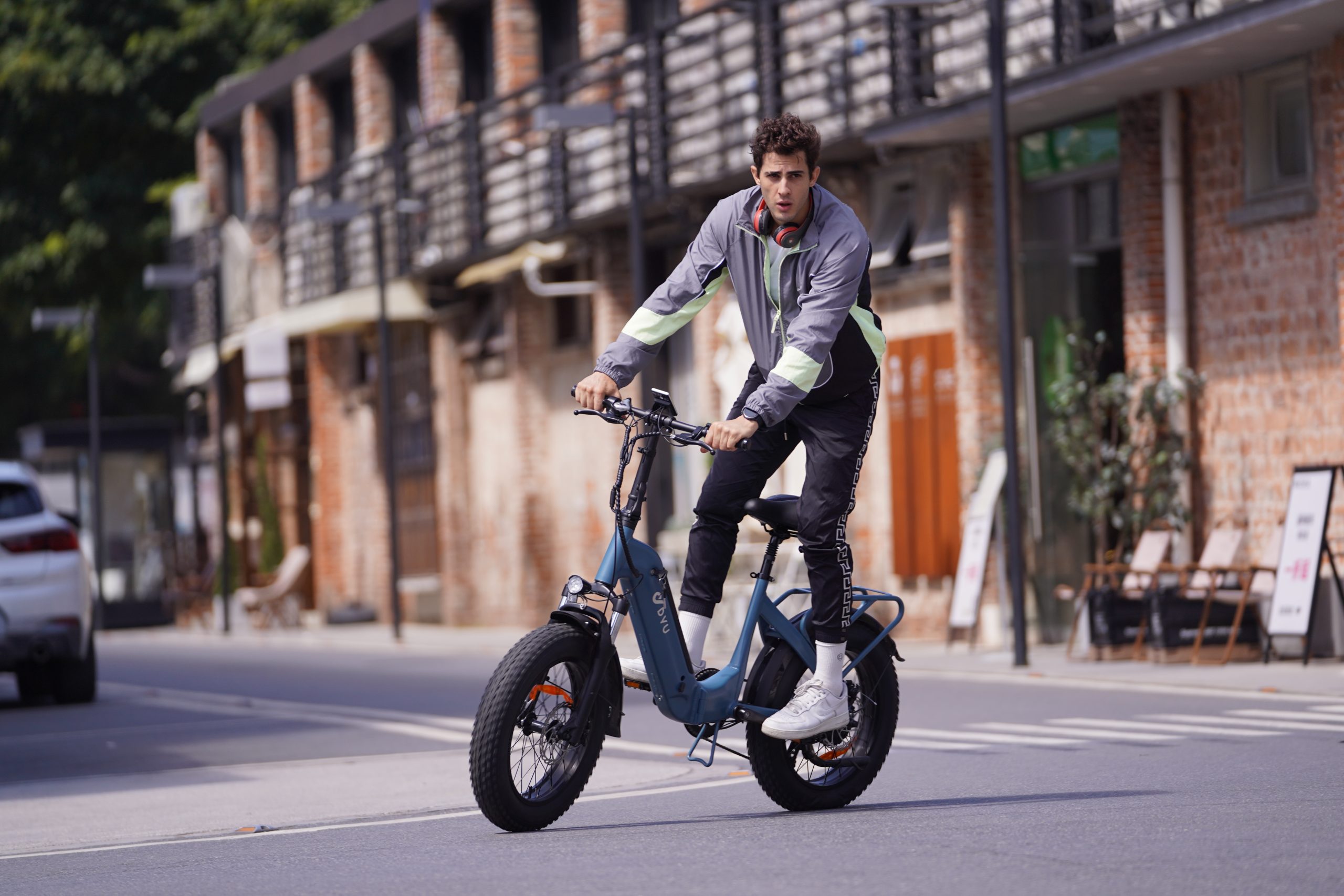
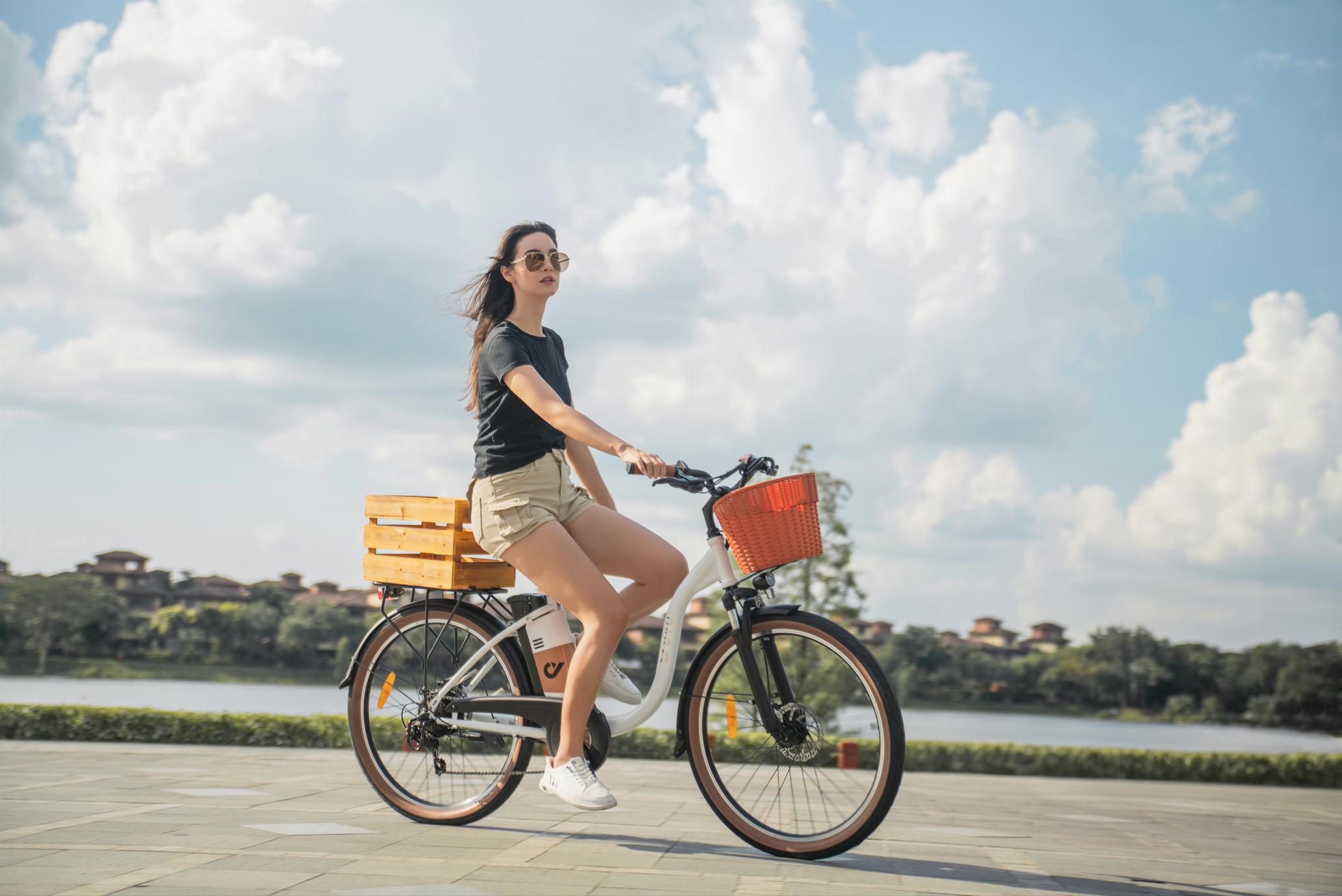
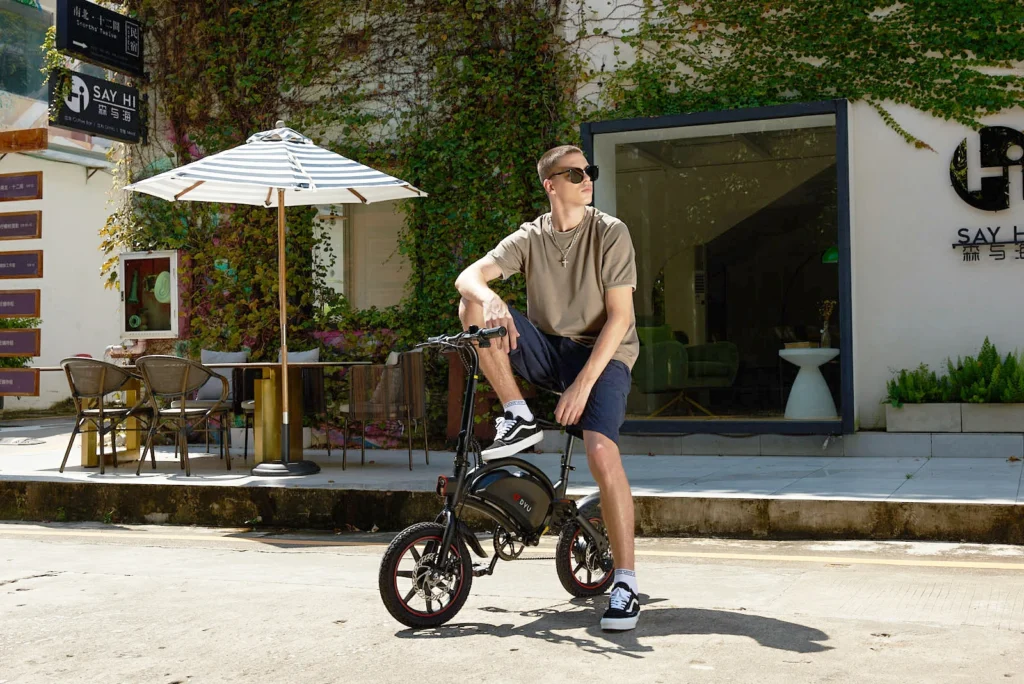











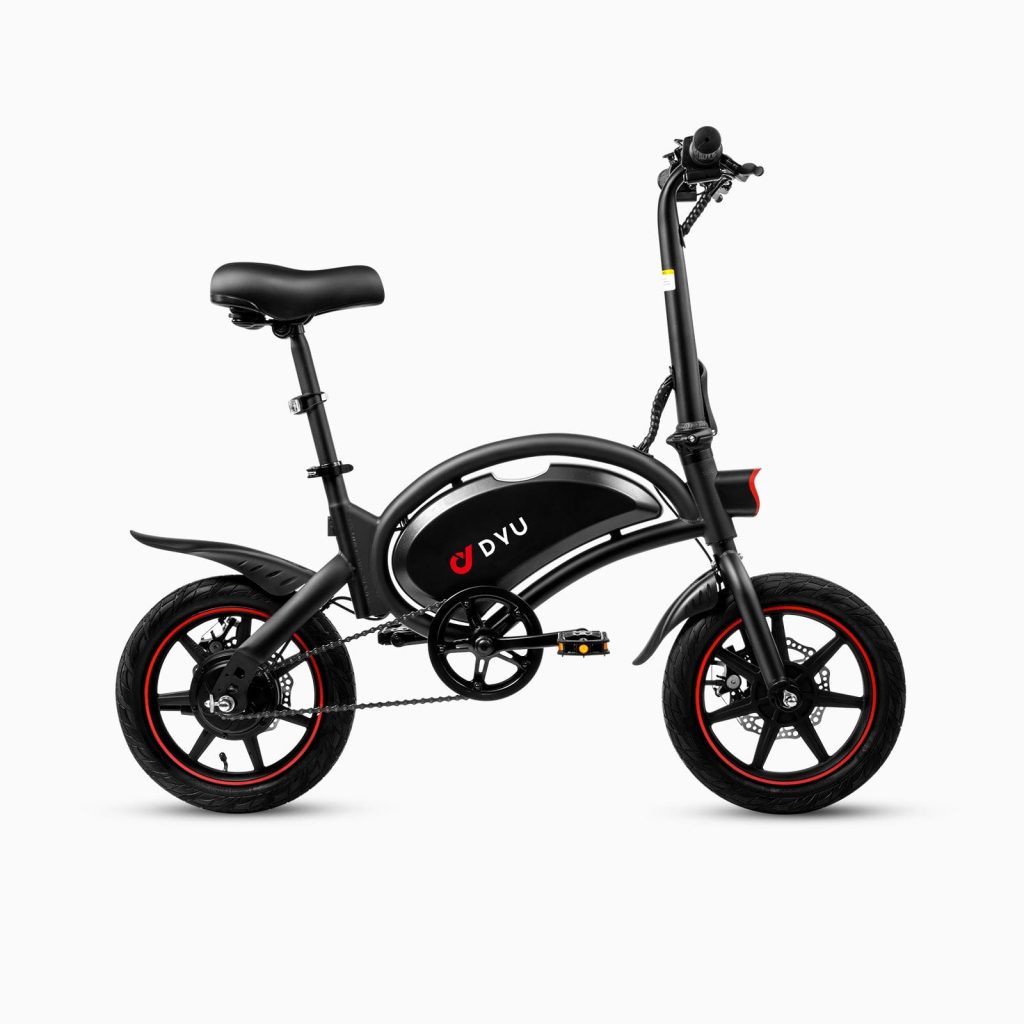
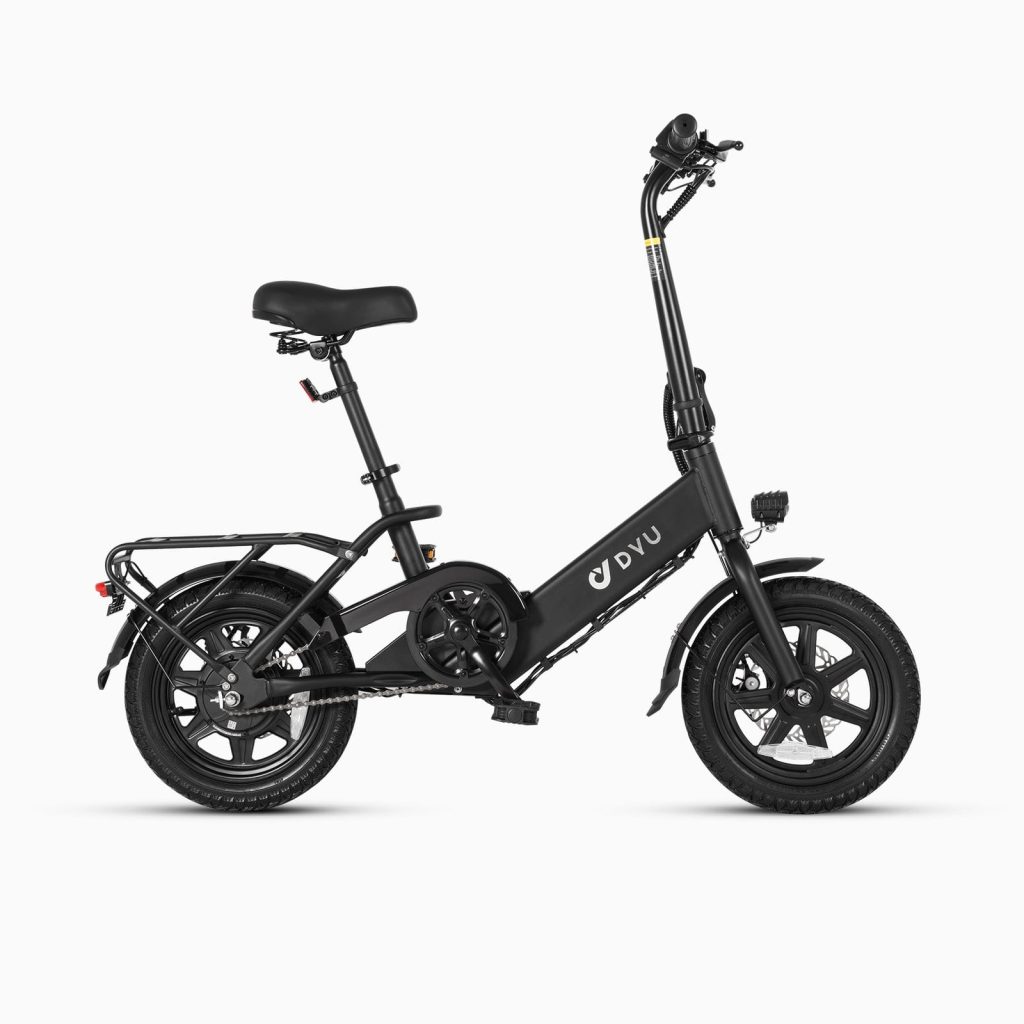
DYU says the D3F weighs 19 kg and folds small enough to take onto public transport without anyone blinking. I spent four weeks putting both claims to the test — commuting daily across Vienna, logging real range figures, and folding this bike in and out of trains, lifts, and office lobbies. Here’s what a DYU D3F review in 2026 actually looks like when someone does the kilometres.
The Commuting Problem Most Folding E-Bikes Don’t Actually Solve
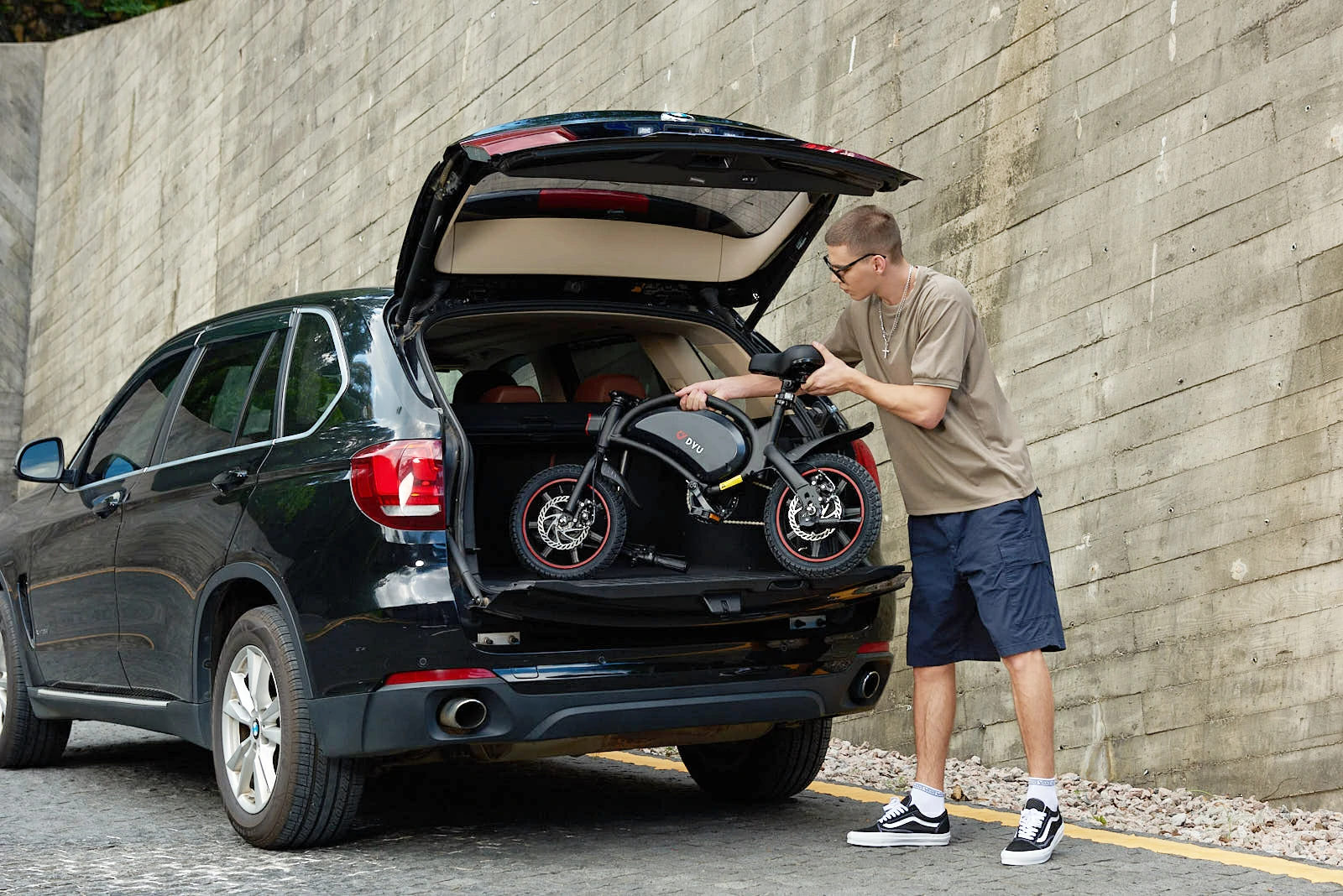
My daily route is a mixed one: 3 km by bike to the station, 15 minutes on the S-Bahn, then one kilometre on foot. For years I managed with a regular bike locked outside — always mildly anxious about theft. According to Statista, bicycle theft remains one of the most common property crimes across European cities, and after losing a bike to a bolt cutter outside Vienna Mitte two years ago, I started looking seriously at folding alternatives.
The problem with most folding e-bikes is that they solve one issue and create another. They fold but weigh 25–30 kg — carrying them upstairs or onto a crowded carriage becomes its own ordeal. Or they’re light but underpowered, barely adequate beyond a flat surface. The D3F looked like it had found a better balance.
Motor Performance: What 250W Delivers in the Real World
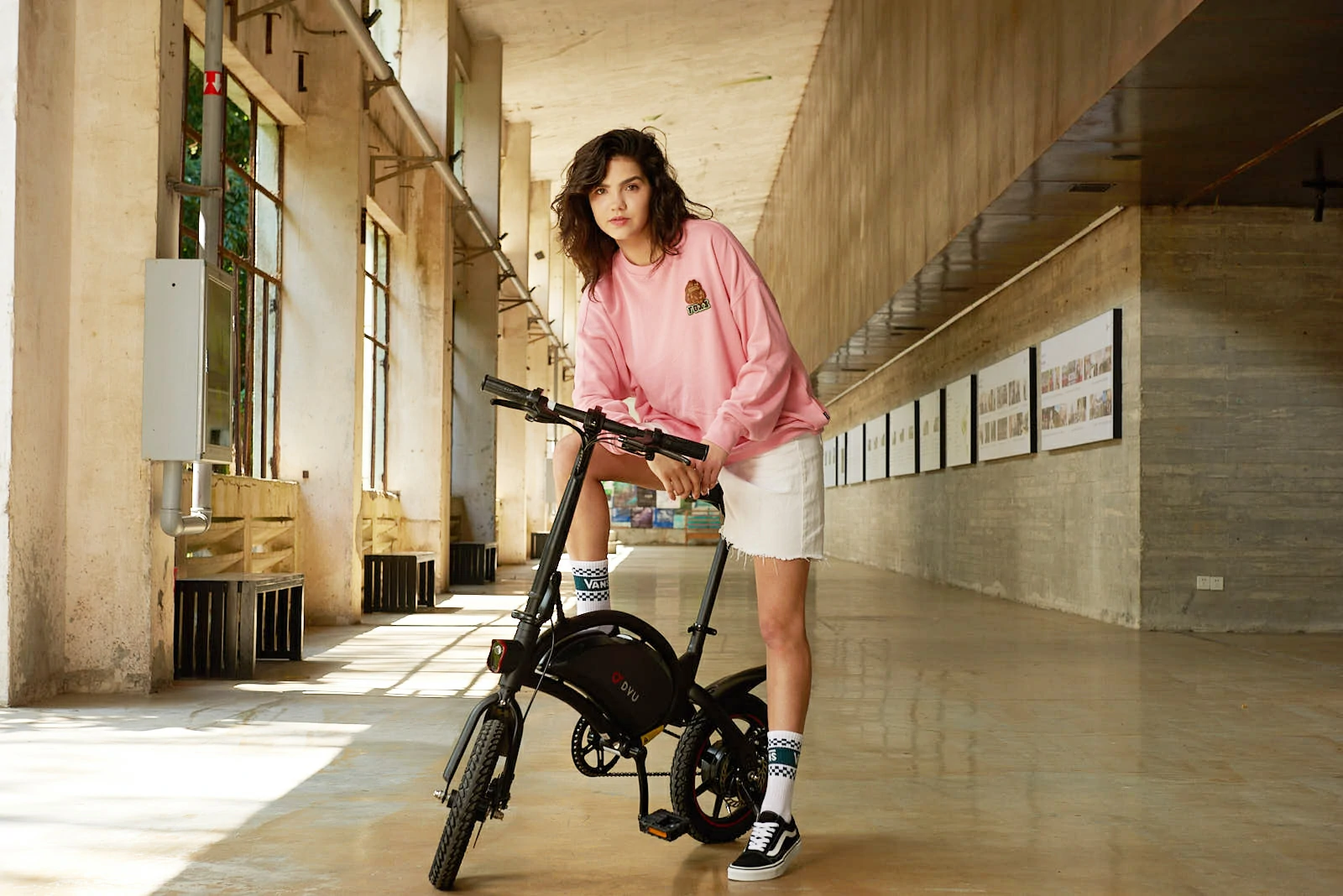
The D3F runs a 250W brushless hub motor — EU-compliant, capped at 25 km/h. On flat city roads, it delivers smooth, predictable acceleration with no lurching. Inclines up to roughly 5% are handled without protest. Between 8 and 10%, you start contributing with your legs. Steeper than that and you’re doing real work, motor assist or not.
For most European city commutes, none of that is a problem. Vienna’s inner districts are largely flat. Amsterdam, Munich, and large parts of Brussels are similar. If your route regularly involves serious, sustained climbs — the D3F isn’t the right choice. For everything else, the motor does its job quietly and reliably. How quietly? I rode through my building’s underground car park at 7 AM and nobody stirred. For apartment living, that matters.
Battery and Range: Testing the 50 km Claim
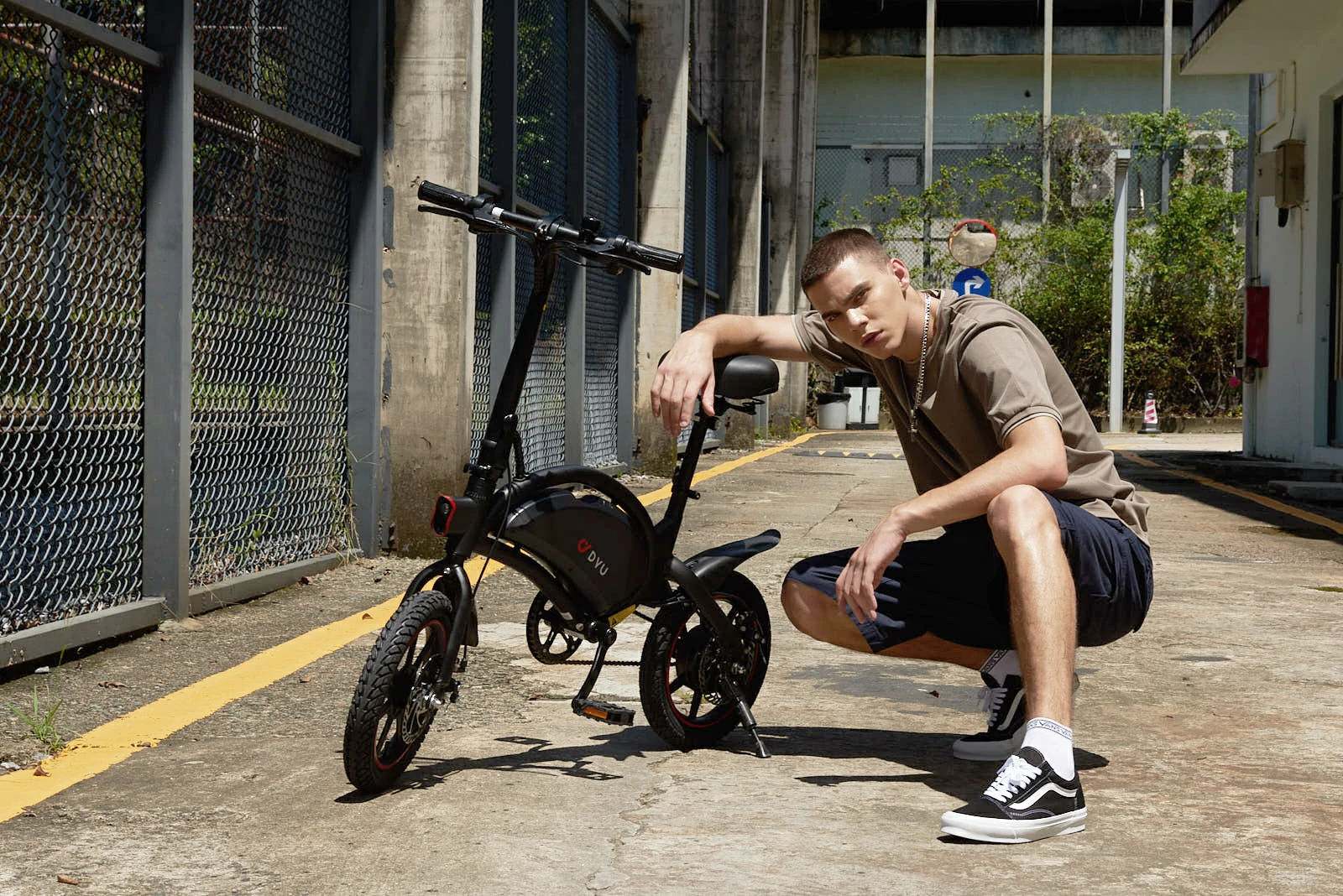
DYU advertises 50 km of range from the 36V 10Ah (360 Wh) battery in pedal-assist mode. My four weeks of daily testing produced the following numbers:
- Pure electric mode (no pedalling): 28–32 km per charge
- Mixed pedal-assist (levels 1–2, moderate effort): 42–47 km per charge
- Light assist, mostly pedalling: 51–54 km per charge
The 50 km claim is achievable — but it requires you to actually pedal. The practical planning number for mixed daily use is 40–45 km. For my commute — under 10 km of cycling per day — a single charge lasted the full work week with range to spare.
Charging takes around 4–5 hours from flat. The battery is integrated rather than removable, so you’re charging the whole bike in place. For most urban riders, plugging in overnight handles it without thought. Running costs are effectively negligible — a full charge at Austrian electricity rates costs around €0.09, working out to roughly €0.002 per kilometre.
The Folding System — and the Feature I Didn’t Know I’d Appreciate
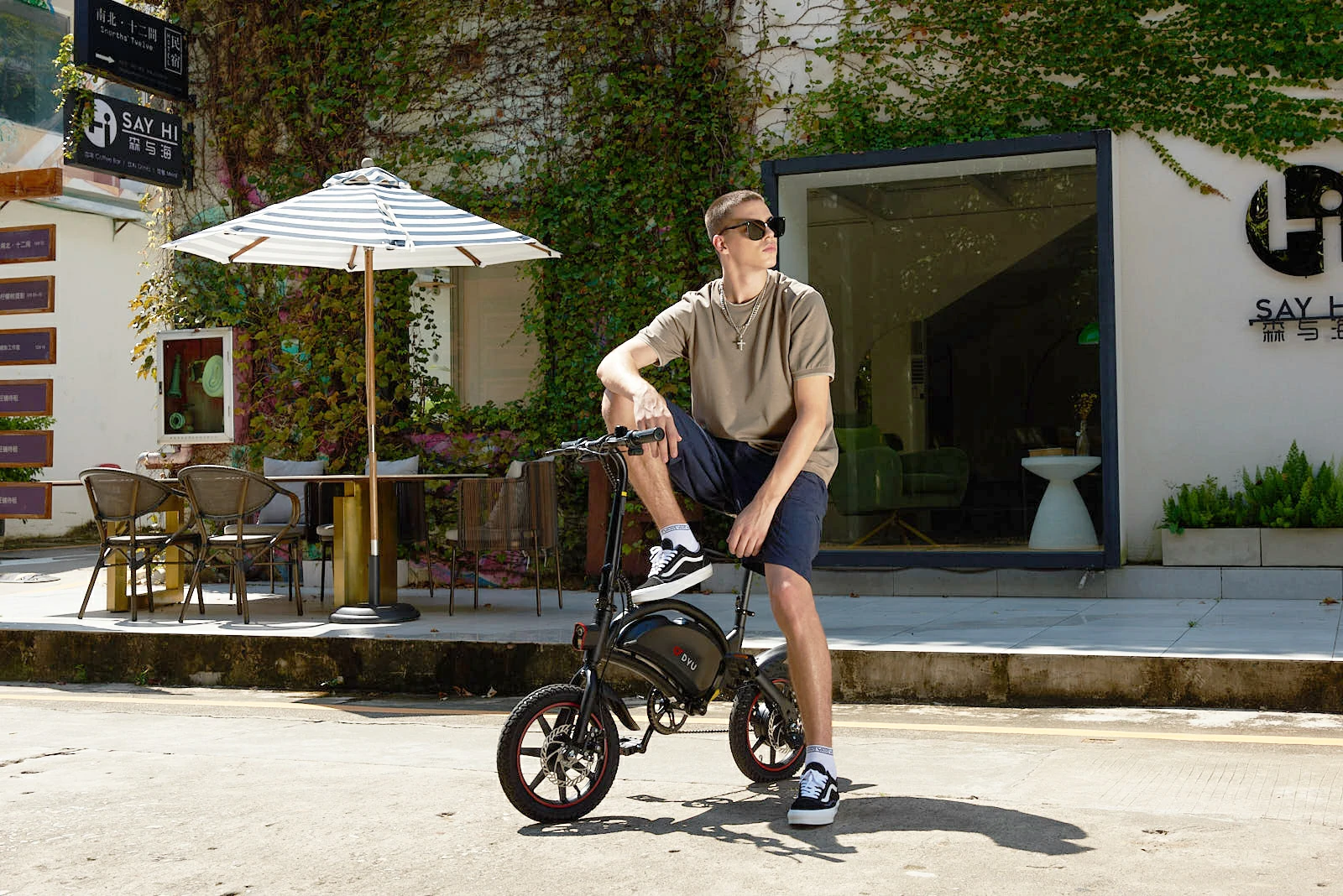
Tuesday, 7:51 AM, Westbahnhof station. Forty seconds before the doors closed. Handlebar folded down, pedals tucked flat, frame snapped in half — and I was through the doors with the bike rolling beside me like luggage, with about 10 seconds to spare. The woman next to me glanced down at it. Not the “why are you bringing that on here” look. The “where did you get that” look.
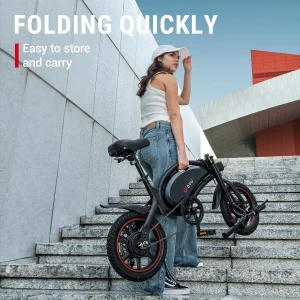
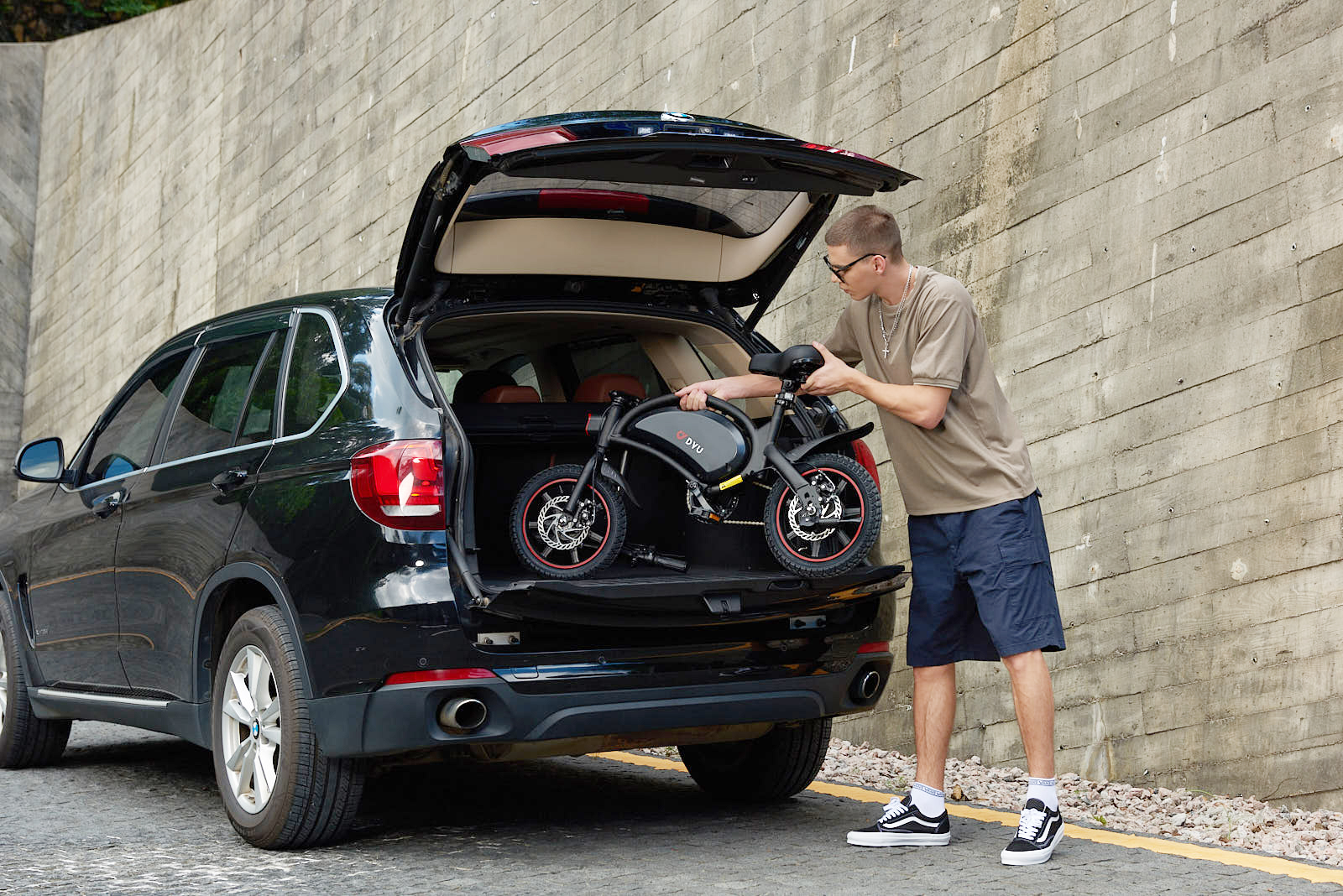
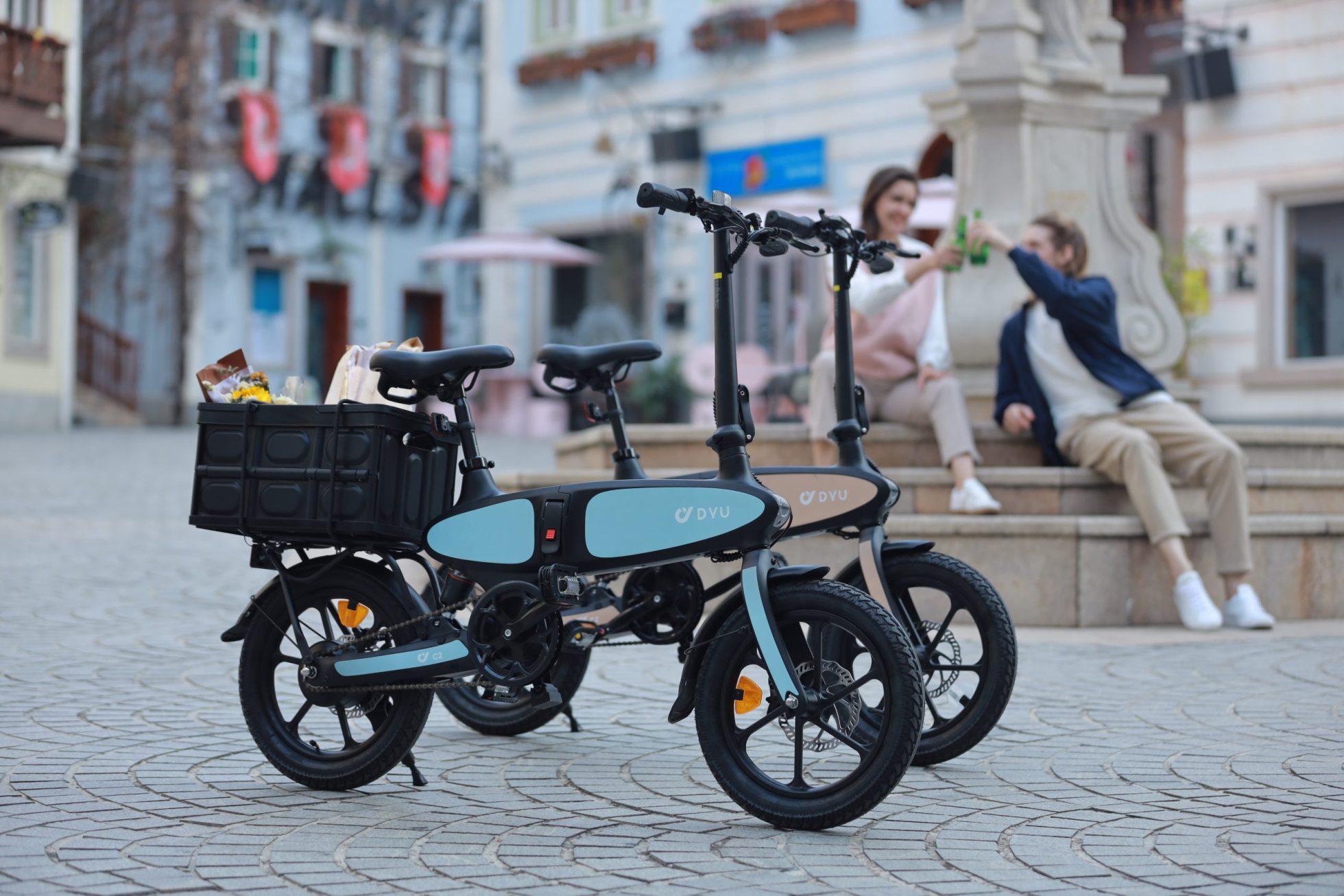
The D3F’s folding mechanism becomes fast once it’s muscle memory — three separate fold points, each with a clear latch, no ambiguity. The built-in carry handle near the frame centre means you lift it like a bag, not wrestle a bicycle through a crowd. Folded, it sits comfortably between your legs on a standard carriage seat without blocking the aisle.
Vid 19 kg, it’s the lightest folding model in the entire DYU lineup. The T1 weighs 22.5 kg. The A5 is 22 kg. The C9 is 30 kg. That 3–4 kg gap sounds modest until you’ve carried a folding e-bike up two flights of stairs in a building with no lift. It stops sounding modest very quickly.
Then there’s the farthållare. Hold the throttle steady for 8 seconds and the D3F locks in at your current speed — your thumb relaxes, the motor holds the pace. It’s not a headline feature. Nobody buys a bike for cruise control. But after 45 minutes of daily commuting, hand fatigue is a real thing, and this is the only folding DYU that has it. Small quality-of-life improvements accumulate.
After Four Weeks: The Complete Picture
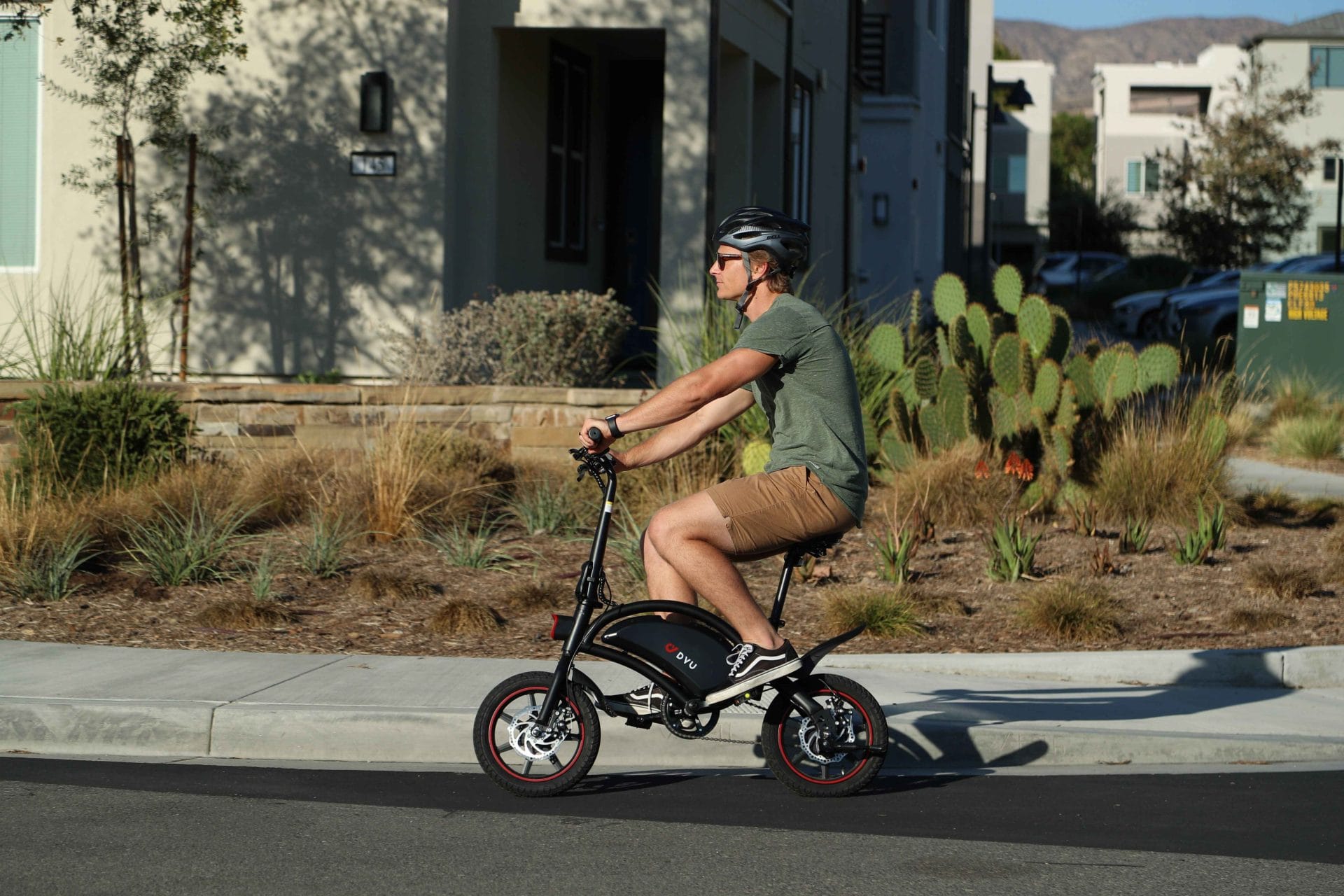
By the end of the month, here’s what the logbook showed:
- Total distance: approximately 380 km
- Charges completed: 9 (averaging ~42 km per charge in real conditions)
- Punctures: zero — 14×2.125 high-strength tyres handled Vienna cobblestones without complaint
- Disc brakes: consistent in dry and wet conditions, including two rainy commutes
- Seat suspension: basic, but effective at taking the edge off rough surfaces
- LED lights: adequate for urban early mornings and dusk riding
- Display: clear in most conditions, slightly washed out in direct afternoon sun
The limitation worth naming honestly: 14-tums hjul. Smaller wheels transmit surface imperfections more than 20-inch or 26-inch bikes do. On smooth tarmac the D3F is perfectly comfortable. On rough old-town cobblestones, you feel the surface — the seat suspension helps, but doesn’t eliminate the difference. If your route is mostly well-surfaced, this is a minor point. If you regularly cross rough historic city streets, factor it in.
The D3F is also single-speed. On flat terrain, irrelevant. On longer climbs, the motor carries more load, which affects range. It’s a trade-off that comes with the lightweight design — not a flaw, just a constraint you should know about before buying.
Value Analysis: Where the D3F Sits in the Lineup
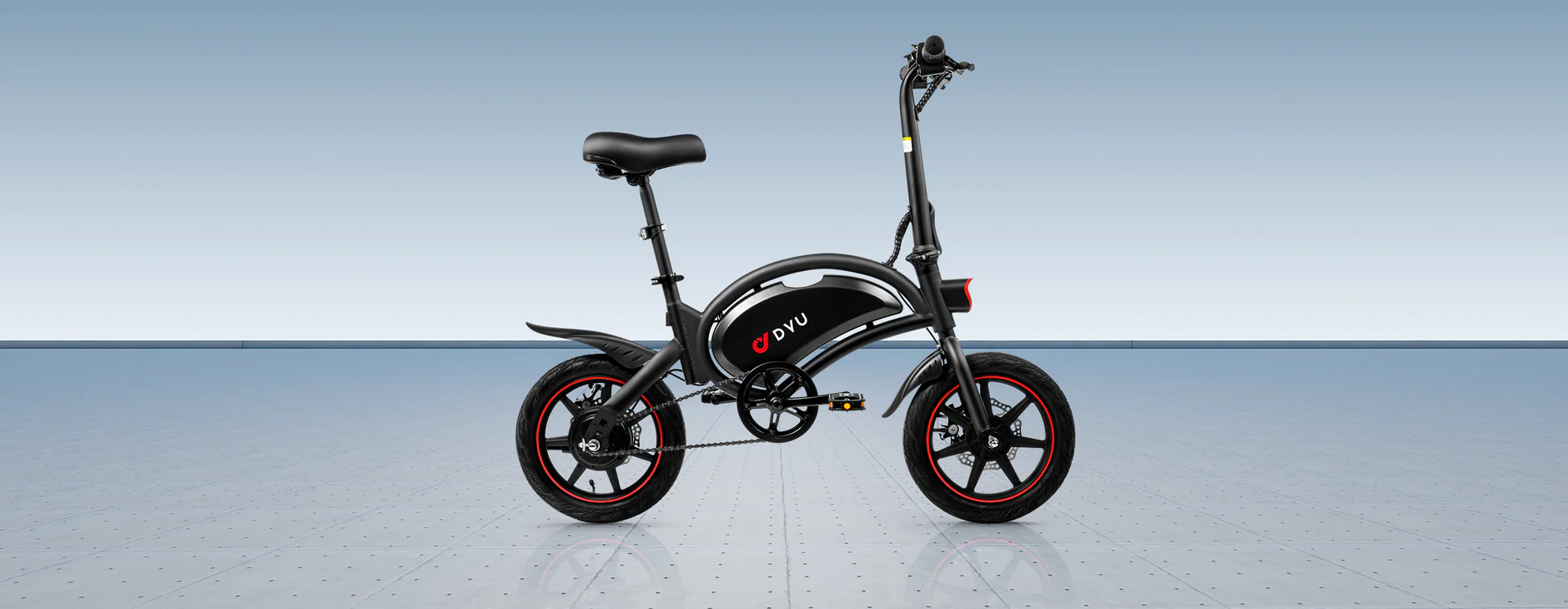
Vid €549 — down from the original €649 — the D3F occupies a clear position between the entry-level C3 and the more premium T1:
| Modell | Pris | Vikt | Real Range | Key Advantage |
|---|---|---|---|---|
| DYU C3 | €399 | 20 kg | ~28 km | Lowest entry price |
| DYU D3F | €549 | 19 kg | ~42 km | Lightest, cruise control, carry handle |
| DYU T1 | €749 | 22.5 kg | ~46 km | Torque sensor, Shimano brakes |
| DYU C9 | €899 | 30 kg | ~100 km | Extreme range, hydraulic brakes |
The D3F’s €150 premium over the C3 buys meaningfully better range, a lighter frame, cruise control, and a more refined folding system. The T1 rides better — the torque sensor makes a real difference to the feel — but it costs €200 more and weighs 3.5 kg more. For someone whose main priority is carrying the bike on public transport daily, that extra weight matters more than the ride quality difference.
Enligt uppgift från Electrek’s e-bike coverage, the folding commuter segment is one of the fastest-growing categories in Europe — and for good reason. The D3F makes a strong case for why.
Verdict: Should You Buy the DYU D3F in 2026?
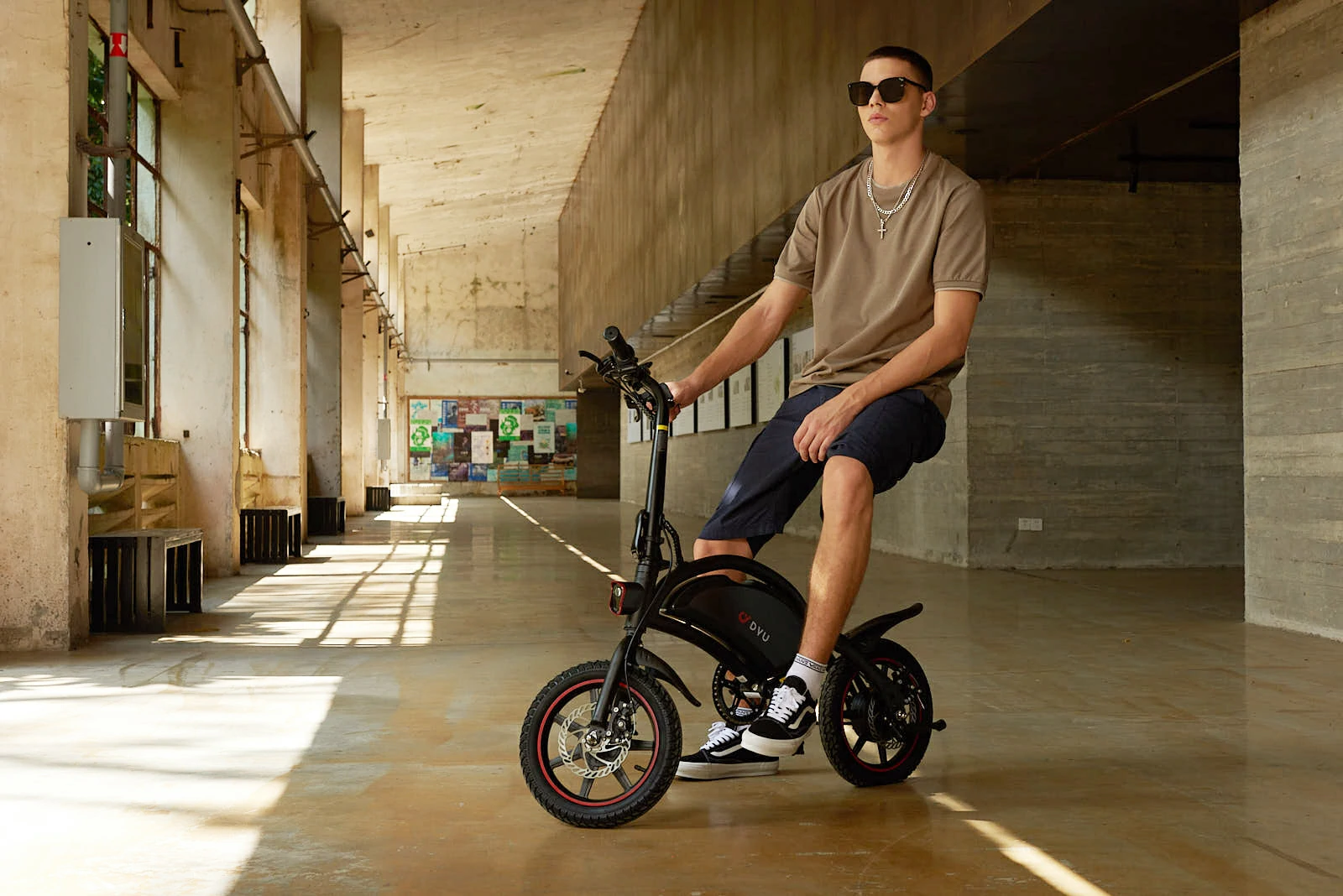
By week three, I’d stopped thinking about the D3F as a test subject and started thinking about it as part of my morning routine. That’s the clearest signal I know.
It does what it promises. The 19 kg is real. The range is honest. The motor is quiet and reliable. The folding system is fast enough to use on public transport without feeling like a performance. The cruise control — easy to dismiss on a spec sheet — earns its place after the first week.
The trade-offs are equally real. Small wheels mean a rougher ride on bad surfaces. Integrated battery means charging in place. Single-speed design limits performance on demanding climbs. None of these are surprises — they’re the natural consequence of optimising for lightness at €549. You make choices at this price point that you don’t have to make at €899.
Should you buy the DYU D3F? If your commute mixes cycling with public transport, if you live somewhere without bike storage, or if you’ve avoided folding e-bikes because they felt too heavy — yes. At €549, this is the most sensibly specified folding e-bike in the DYU lineup for the problem it’s designed to solve. It won’t disappoint anyone who understands what it’s for.
Vanliga frågor
Q1. How much does the DYU D3F cost in 2026?
The DYU D3F is currently priced at €549 on dyubikes.com, reduced from its original price of €649 — a saving of €100. It sits between the entry-level C3 (€399) and the torque-sensor-equipped T1 (€749), and offers strong value for commuters who prioritise low weight and portability above all else.
Q2. What is the real-world range of the DYU D3F?
DYU advertises 50 km in pedal-assist mode. Based on four weeks of daily riding, the realistic range in mixed pedal-assist use is 40–47 km per charge. Pure electric mode delivers 28–32 km. The advertised 50 km is achievable with consistent light pedalling and lower assist settings — it’s not a fabricated number, just an optimistic one.
Q3. Is the DYU D3F good for public transport commuting?
Yes — it’s arguably the strongest model in the DYU lineup for this specific use case. At 19 kg with a tri-fold design (frame, handlebar, and pedals all fold separately), it compresses to a compact, carry-on form factor that works on trains, trams, and buses without drawing complaints. In four weeks of daily S-Bahn commuting with it, I had no issues bringing it aboard.
Q4. Can the DYU D3F handle hills?
Moderate urban inclines up to about 8% are manageable with motor assist and some rider effort. The D3F is a single-speed design, so steeper or sustained climbs require meaningful pedalling input. Riders who regularly face serious hills may be better served by the DYU C9 eller DYU T1, both of which handle demanding terrain more comfortably.
Q5. DYU D3F vs DYU C3 — which folding e-bike should I buy?
The C3 costs €150 less at €399 but delivers shorter range (around 28 km real-world vs 42 km), a slightly heavier frame, and lacks the D3F’s cruise control and carry handle system. For occasional or recreational use, the C3 is a solid entry-level choice. For daily commuting — where range, carrying comfort, and folding speed matter consistently — the D3F justifies the €150 premium comfortably.