













Elcykel Motorljudet varierar mycket mellan olika modeller och märken. En sund elcykelmotor bör bara avge ett svagt surrande, men ibland upplever förare irriterande slipande, klickande eller höga vinande ljud som pekar på potentiella risker.
Jämförelser av motorljud från elcyklar avslöjar fascinerande mönster som hjälper oss att förstå varför vissa motorer är nästan helt tysta medan andra ger ifrån sig störande ljud. Direktdrivna navmotorer avger bara ett svagt surr, vilket gör dem nästan ljudlösa. Växlade navmotorer ger ett utmärkt vridmoment men tenderar att vara mer högljudda på grund av sina interna kugghjul. Motorljudet är det mest påtagliga ljudet på en elcykel. Dåliga lager leder ofta till höga och irriterande ljud.
Den här artikeln förklarar vad som skapar dessa skillnader och hur man upptäcker problematiska slipande ljud från elcykelmotorn. Du kommer att lära dig sätt att hålla dina turer lugna och tysta. Informationen här kommer att vägleda både nya köpare av e-cyklar och nuvarande ägare som behöver ta reda på om deras cykels ljudnivåer är normala eller behöver uppmärksamhet.
Varför vissa elcykelmotorer är naturligt tystare
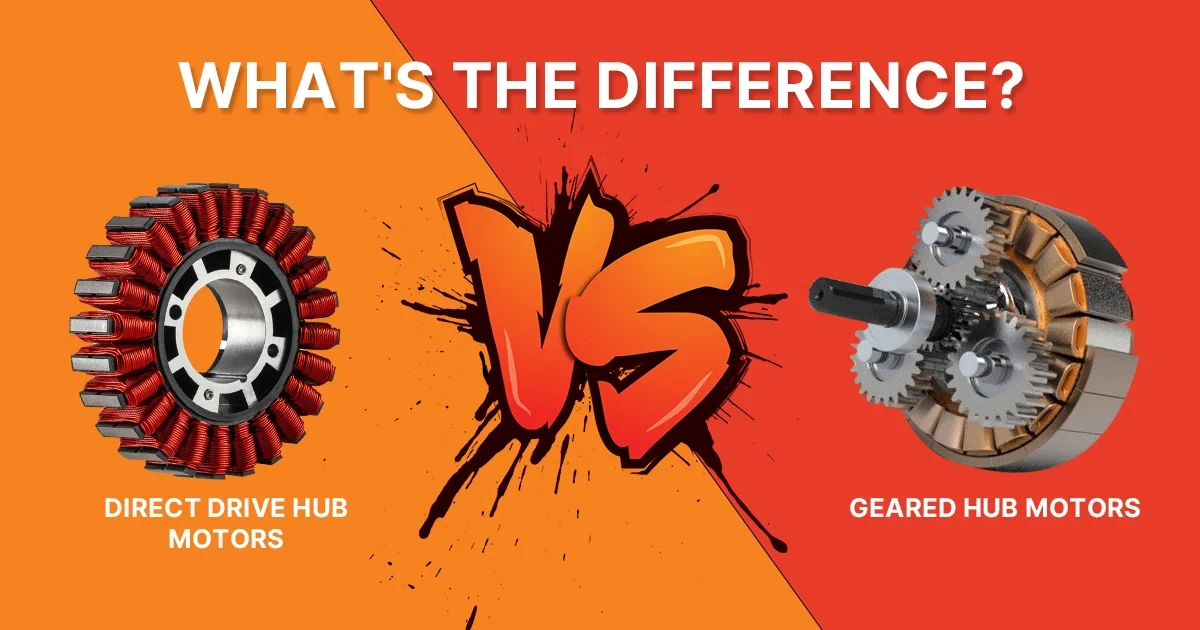
“Eftersom kugghjulen inte griper in i varandra är driftsljudet vanligtvis lägre än 50 decibel, vilket är lämpligt för ljudkänsliga miljöer som bostadsområden, campusområden och sjukhus.” - Neway Electric, Tillverkare av elcykelmotorer och teknisk myndighet
Bullernivåerna i elcykelmotorer varierar beroende på designval och tillverkningskvalitet. Du kan välja en tystare cykel genom att förstå vad som orsakar dessa skillnader.
Typ av motor: Växlad vs växellös
Motorns konstruktion spelar en viktig roll för hur mycket en elcykel bullrar. Växellösa navmotorer arbetar genom elektromagnetisk induktion och är inte beroende av mekanisk utväxling, vilket gör att de kan köras extremt tyst. Faktum är att deras driftljudnivå typiskt är under 50 decibel,Det gör dem idealiska för användning i ljudkänsliga miljöer som bostadsområden, parker och sjukhusområden.
Gearlösa motorer håller längre eftersom de har färre rörliga delar, ofta mer än 10 års användning. Deras enkla konstruktion kräver minimalt underhåll och eliminerar behovet av växelsmörjning.
Växlade navmotorer använder interna planetväxelsystem som låter mer när kugghjulen griper in i varandra. Dessa motorer är utmärkta i uppförsbackar men skapar ett distinkt surrande ljud från mekanisk friktion. De behöver regelbundna växellådsoljebyten och håller vanligtvis i 5-8 år.
Byggkvalitet och materialtoleranser
Tillverkningskvaliteten är en viktig faktor när det gäller motorns ljudnivå. Premiumnavmotorer använder bättre toleranser och material som gör att driften förblir tyst över tid.
De material som används gör stor skillnad för ljudnivån. Stålväxlar tenderar att vara högljudda, medan moderna nylonväxlar är tystare men kanske inte håller lika länge. Denna balans mellan ljud och hållbarhet visar sig i prisskillnaden mellan budget- och avancerade e-cyklar.
Styrenhetsteknik och Power Delivery
Styrenhetstekniken är det största genombrottet när det gäller att minska motorljudet från elcyklar. Fyrkantiga styrenheter levererar ström i skarpa, rektangulära pulser, vilket skapar ett märkbart elektroniskt surr under acceleration som kan räckvidd 55-65 dB.Sinusvågskontroller, å andra sidan, genererar jämna och kontinuerliga strömmönster som drastiskt minskar bullret. Genom att leverera ström gradvis istället för i plötsliga stötar arbetar de mycket tystare. Dessa styrenheter minskar inte bara bullret utan förbättrar också effektiviteten med cirka 8% jämfört med fyrkantiga vågsystem. De minskar dessutom den totala harmoniska distorsionen från cirka 30% till under 5%, vilket leder till längre livslängd för komponenterna tack vare mindre mekanisk påfrestning.
Tester visar till och med att avancerade system - som TQ HPR50-motorn - låter fem gånger behagligare och nästan dubbelt så tyst som många andra populära e-MTB-motorer. Detta visar tydligt hur avancerad styrteknik och exakt konstruktion kan minimera oönskat motorljud avsevärt.
Vanliga orsaker till att din elcykelmotor för oljud

Konstiga ljud från din elcykelmotor innebär vanligtvis mekaniska eller elektriska problem som du bör kontrollera. Du måste hitta källan snabbt för att åtgärda små problem innan de blir till dyra reparationer.
e Cykelmotor Slipande ljud från slitna lager
Din elcykels malande eller mullrande ljud tyder vanligtvis på slitna motorlager.Dessa förseglade komponenter hjälper till att säkerställa en jämn rotation, men de varar inte för evigt. Hög körsträcka, vattenexponering och smuts kan påskynda slitaget. När det interna fettet bryts ned börjar lagren producera hårda metall-mot-metall-ljud som gradvis förvärras.
Du kommer vanligtvis att märka detta slipande ljud när hjulet snurrar fritt eller när du vrider. Om hjulet börjar vobbla eller om du känner starka vibrationer som färdas genom ramen är det ett starkt tecken på att dina lager närmar sig slutet av sin livslängd och sannolikt behöver bytas ut.
Lösa monteringsbultar eller axelmuttrar
Motorområdet knakar ofta på grund av lösa beslag. Ramens färg komprimeras under motorfästena med tiden, vilket skapar små springor där delar kan röra sig. Skumremsorna mellan ramen och motorn kan också komprimeras och låta motorn gunga fram och tillbaka, vilket ökar påfrestningen på delarna. Dessa ljud uppträder vid vissa pedalhastigheter eller när du trampar hårt på pedalerna. Du kan förhindra detta genom att regelbundet kontrollera att motorns monteringsbultar är ordentligt åtdragna.
Slitage på invändiga kugghjul i navmotorer
Navmotorer använder planetväxlar (ofta tillverkade av nylon) för att öka vridmomentet. Dessa kugghjul slits ut och ger ifrån sig distinkta gnisslande eller hårda klonkande ljud, särskilt under tung belastning. En motor som börjar tyst men blir högre med ett raspigt ljud har troligen slitna kugghjul. Dåliga kugghjul leder till strippade kugghjul där motorn snurrar men inte flyttar cykeln ordentligt, vilket ger ljud utan kraft.
Elektriskt surr från defekta hallsensorer
Hallsensorer kontrollerar effekttimingen i borstlösa motorer. När de inte fungerar skapar de konstiga elektriska ljud och prestandaproblem. Lyssna efter väsande eller ett elektriskt surr som låter “som en industriell 3-fasmotor med en fas ned”. Dessa ljud kommer vanligtvis med ryckiga rörelser, ström som går in och ut eller helt motorstopp. Börja med att kontrollera kontakter för rost eller lösa anslutningar innan du dyker in i komplexa lösningar.
Hur man väljer en tyst elcykelmodell
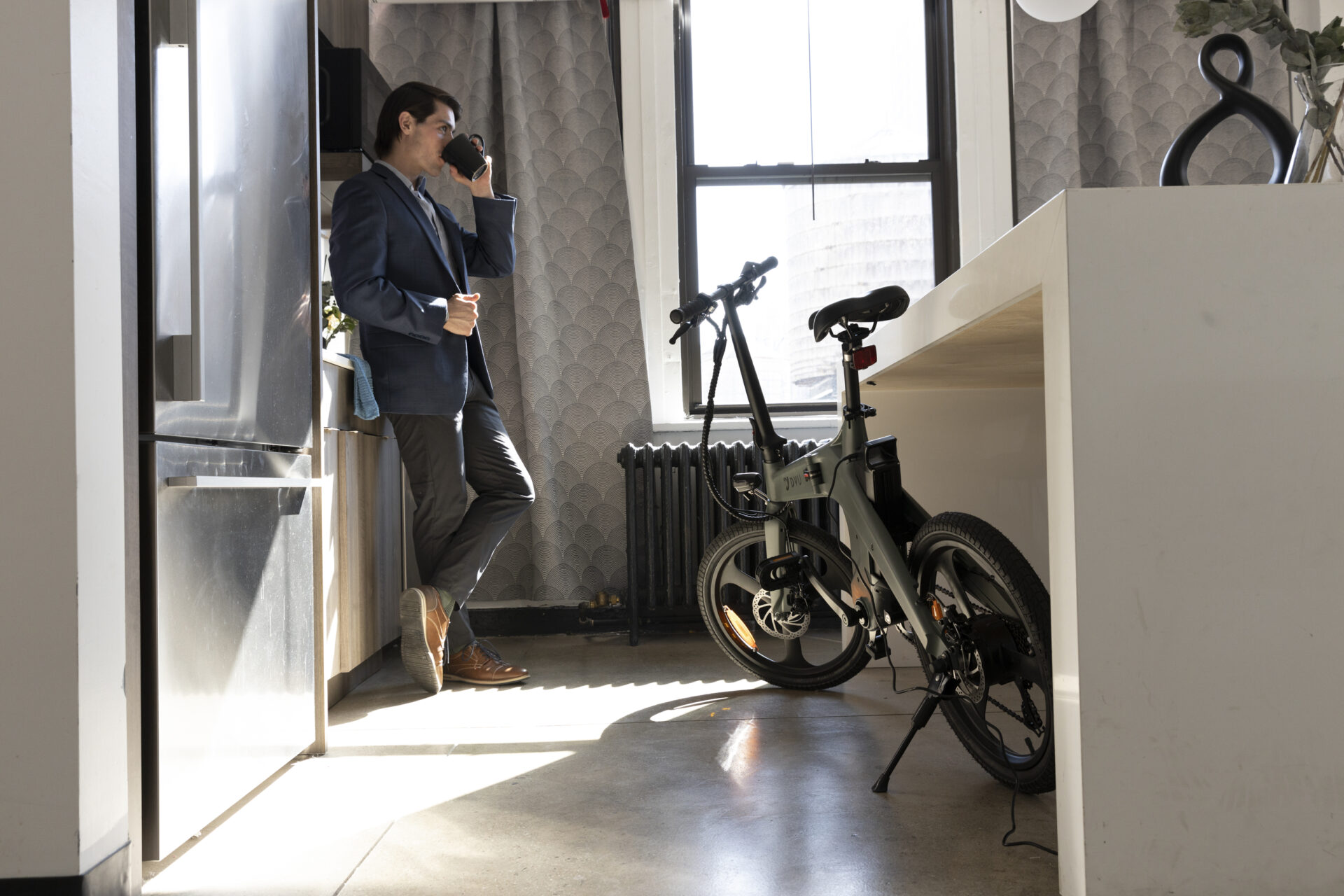
En tyst elcykel beror på specifika komponenter och konstruktionsdetaljer som påverkar ljudnivån. Med rätt tillvägagångssätt är det enkelt att hitta en tyst cykeltur.
Leta efter sinusvågskontroller
Fyrkantiga vågstyrenheter ger ett distinkt elektroniskt surr vid acceleration, ofta når 55-65 dB.Sinusvågskontroller ger däremot en jämn, kontinuerlig strömförsörjning som kraftigt minskar bullret. Dessa avancerade system minskar den totala harmoniska distorsionen från cirka 30% till under 5%, vilket leder till betydligt tystare drift. De förbättrar också den totala effektiviteten med upp till 8%, vilket gör dem till ett överlägset val för förare som söker både prestanda och låg ljudnivå.
Kontrollera att lager och tätningar är av hög kvalitet
Premiumlager med överlägsen tätning skyddar mot fukt och föroreningar. Tekniska specifikationer visar att högkvalitativa lager som SKF:s MTRX-serie rymmer betydligt mer smörjmedel än konventionella alternativ. Lager i rostfritt stål eller keramik ger utmärkt korrosionsbeständighet i våta förhållanden.
Läs användarrecensioner för Noise Complaints
Användarupplevelser som fokuserar på buller kan avslöja mycket. I recensioner beskrivs ofta “högfrekventa gnissel” eller “slipande ljud” som pekar på potentiella problem.
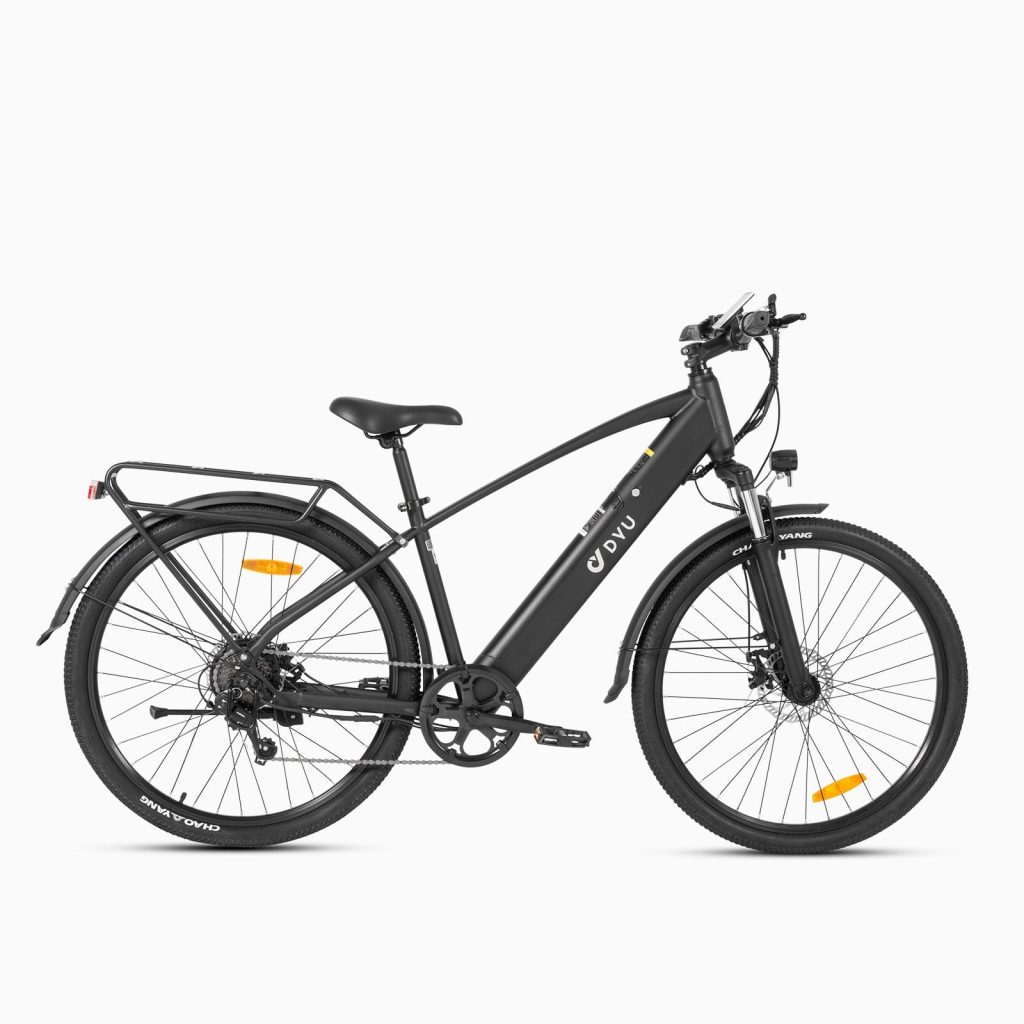
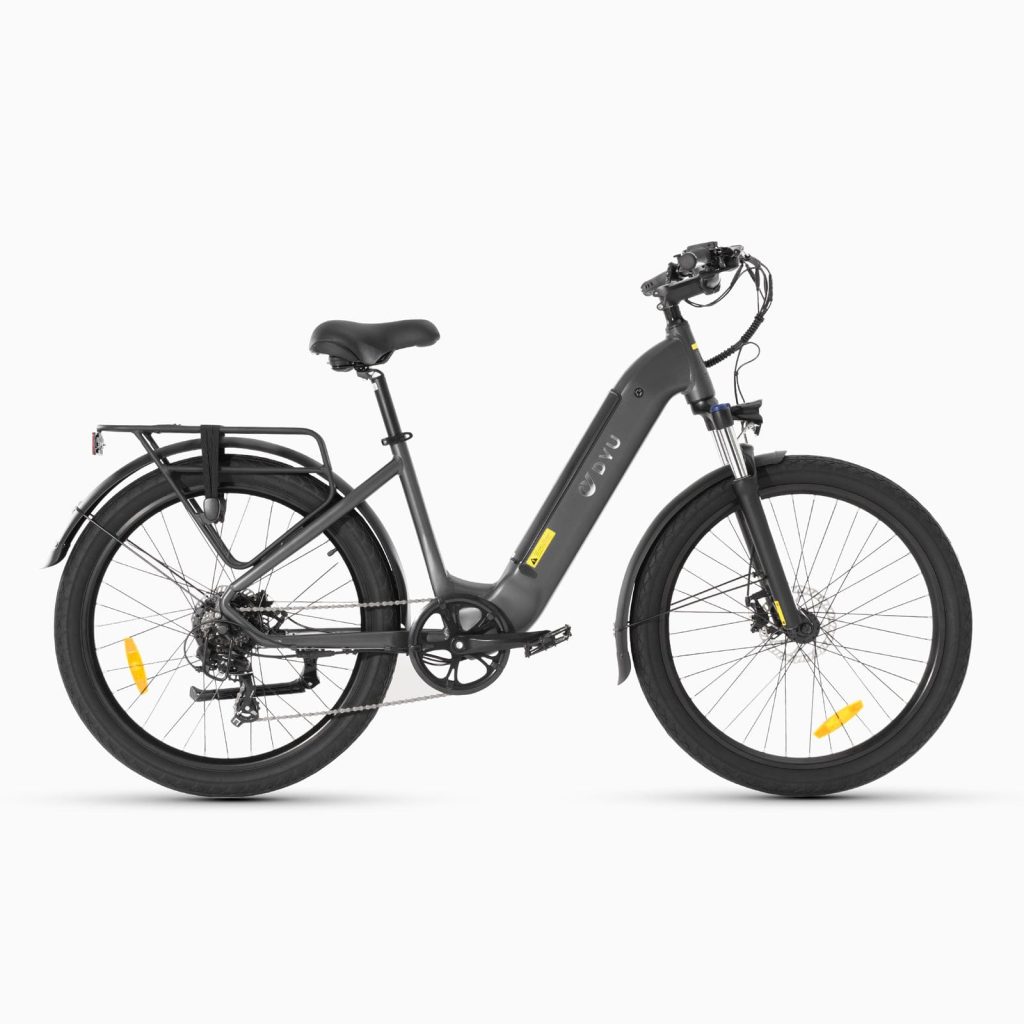
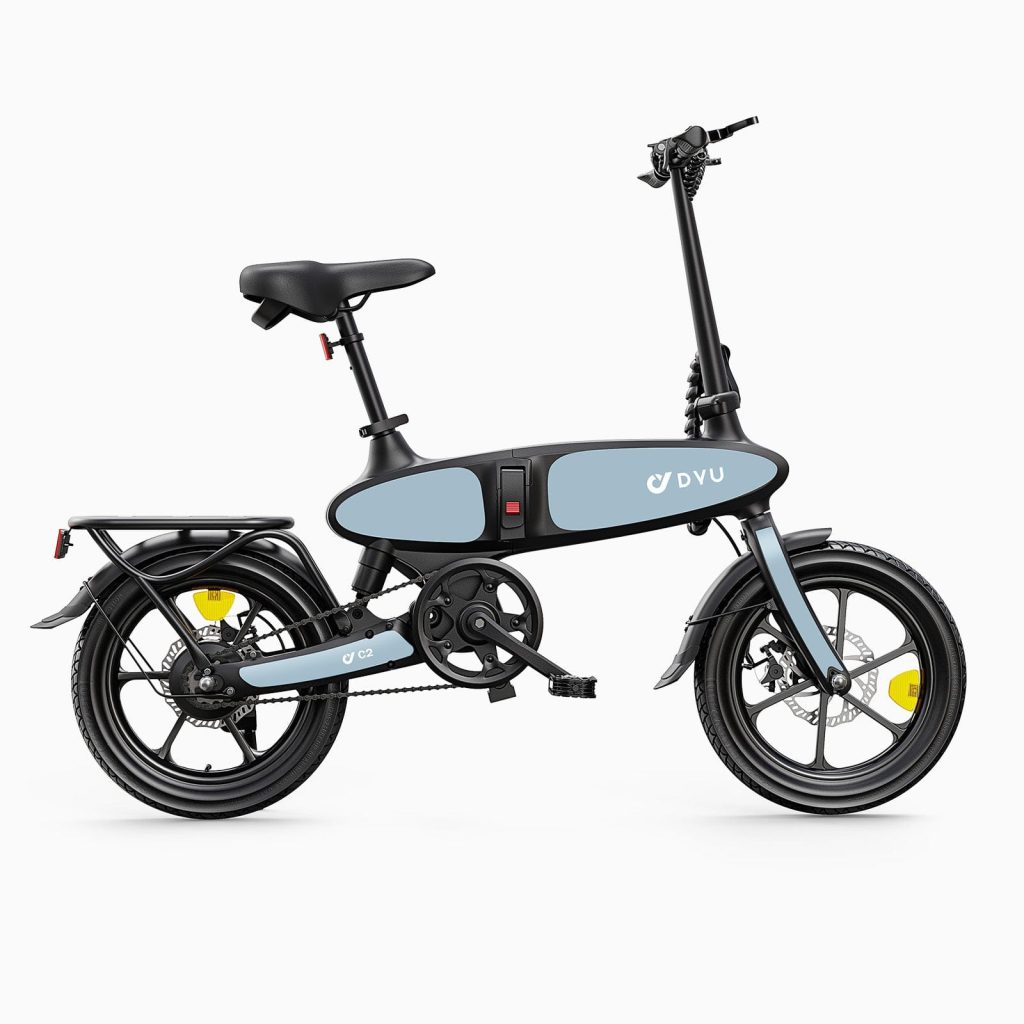
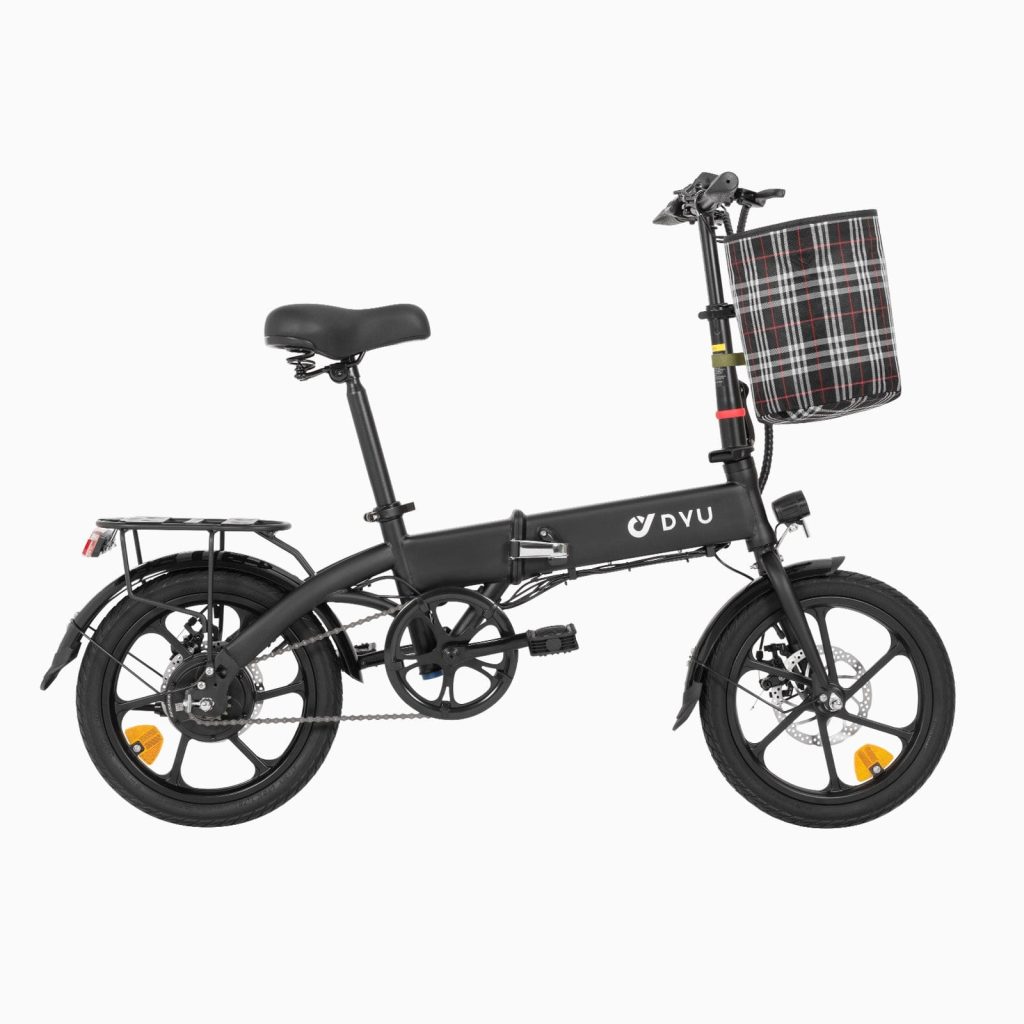
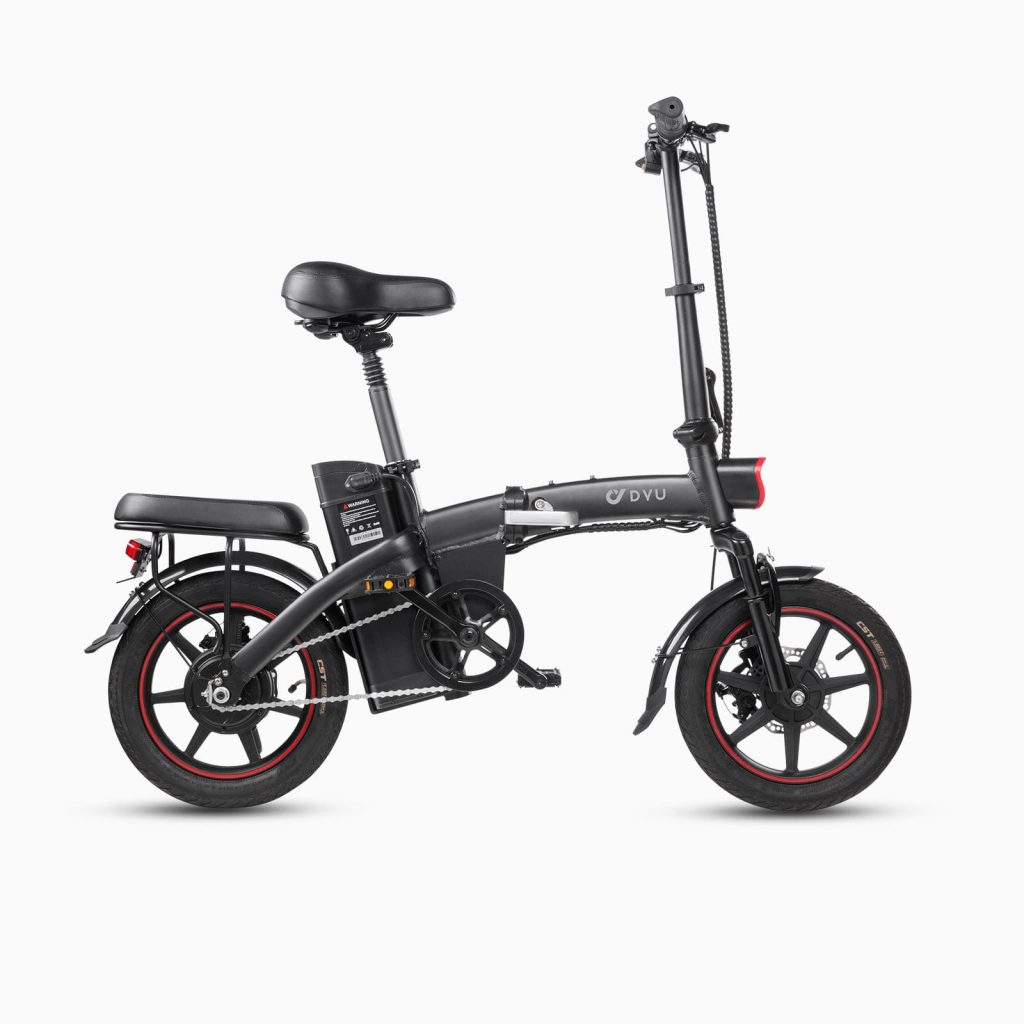
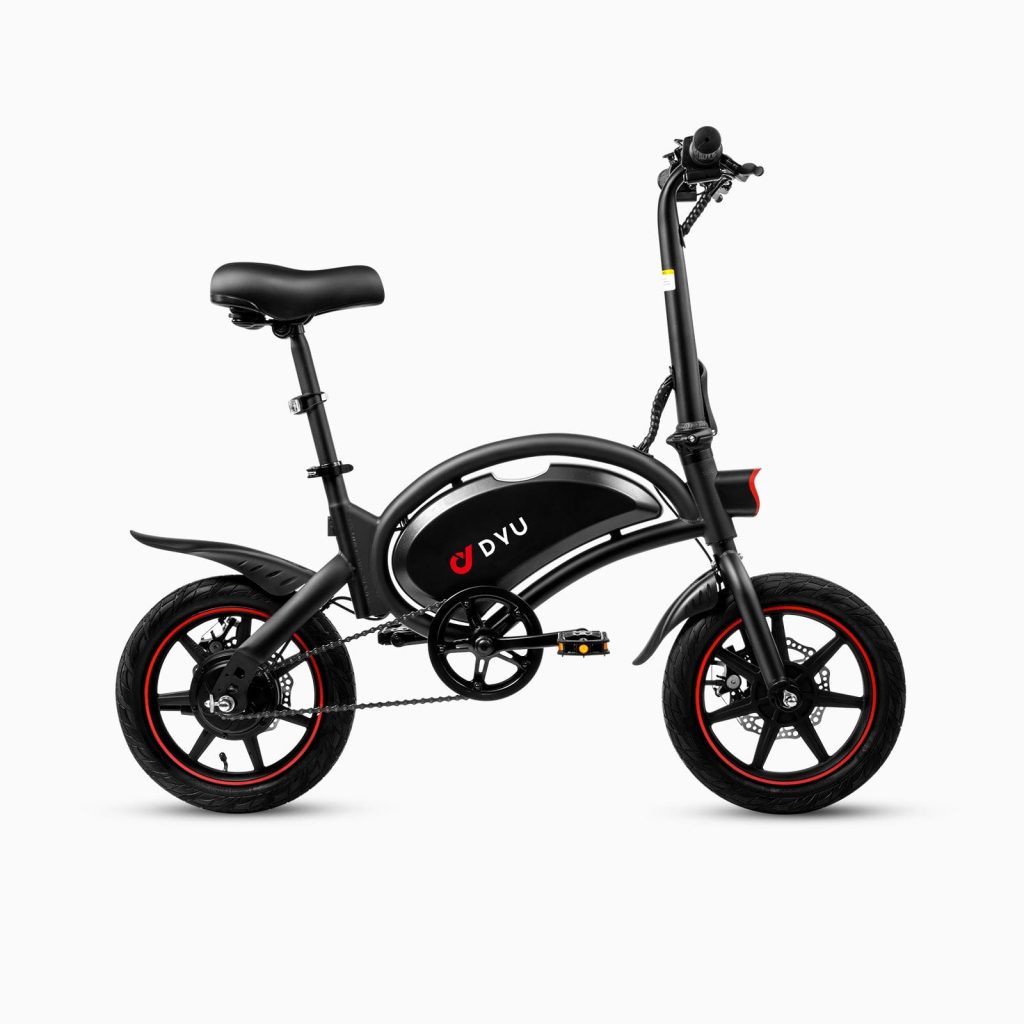
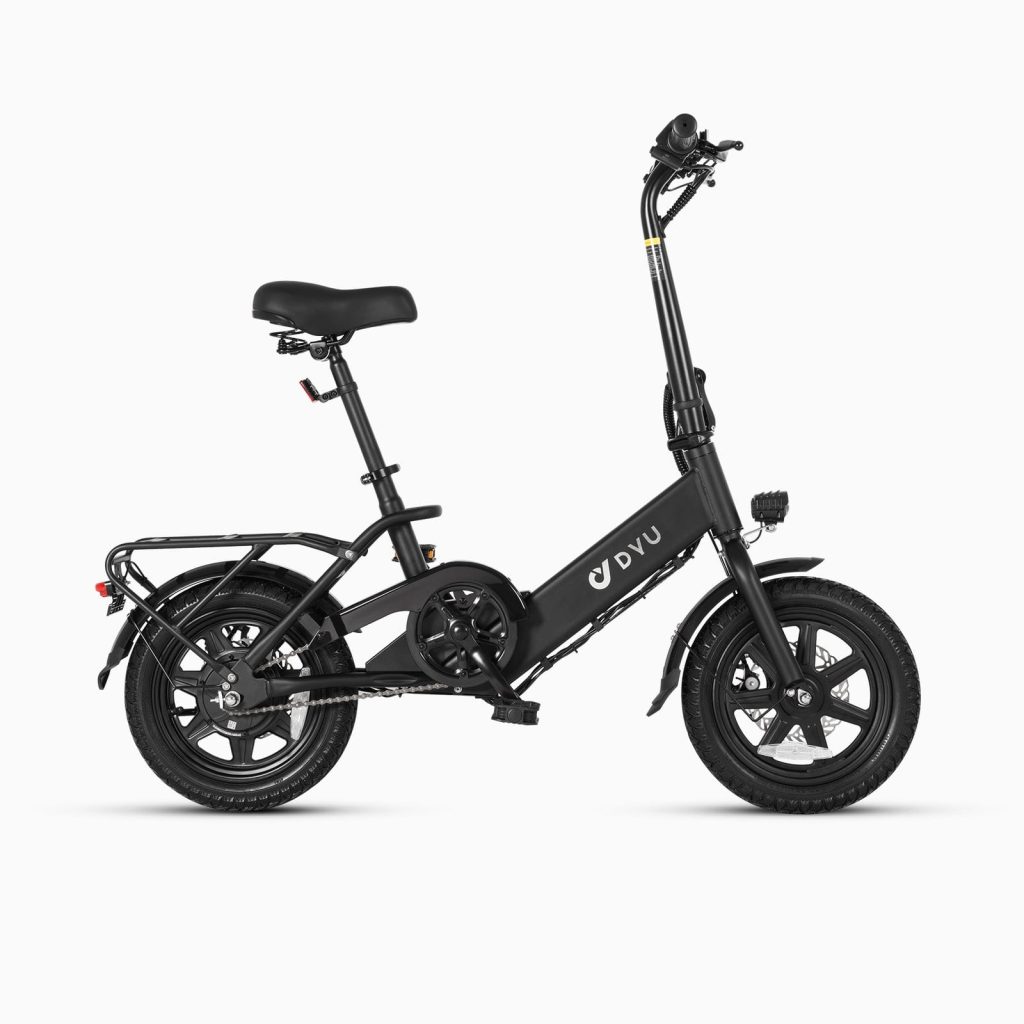
DYU T1: Ett fall av tyst motorprestanda
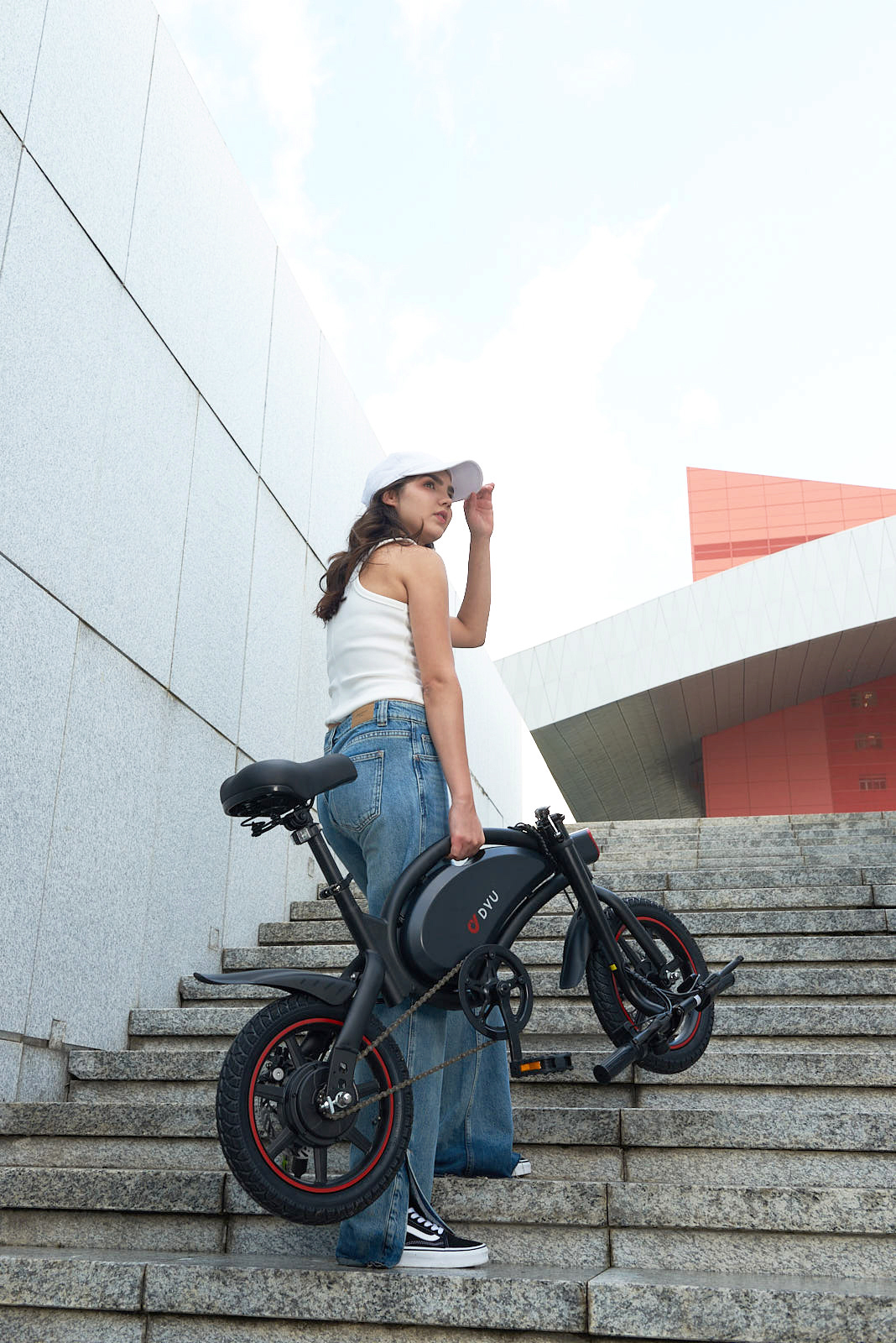
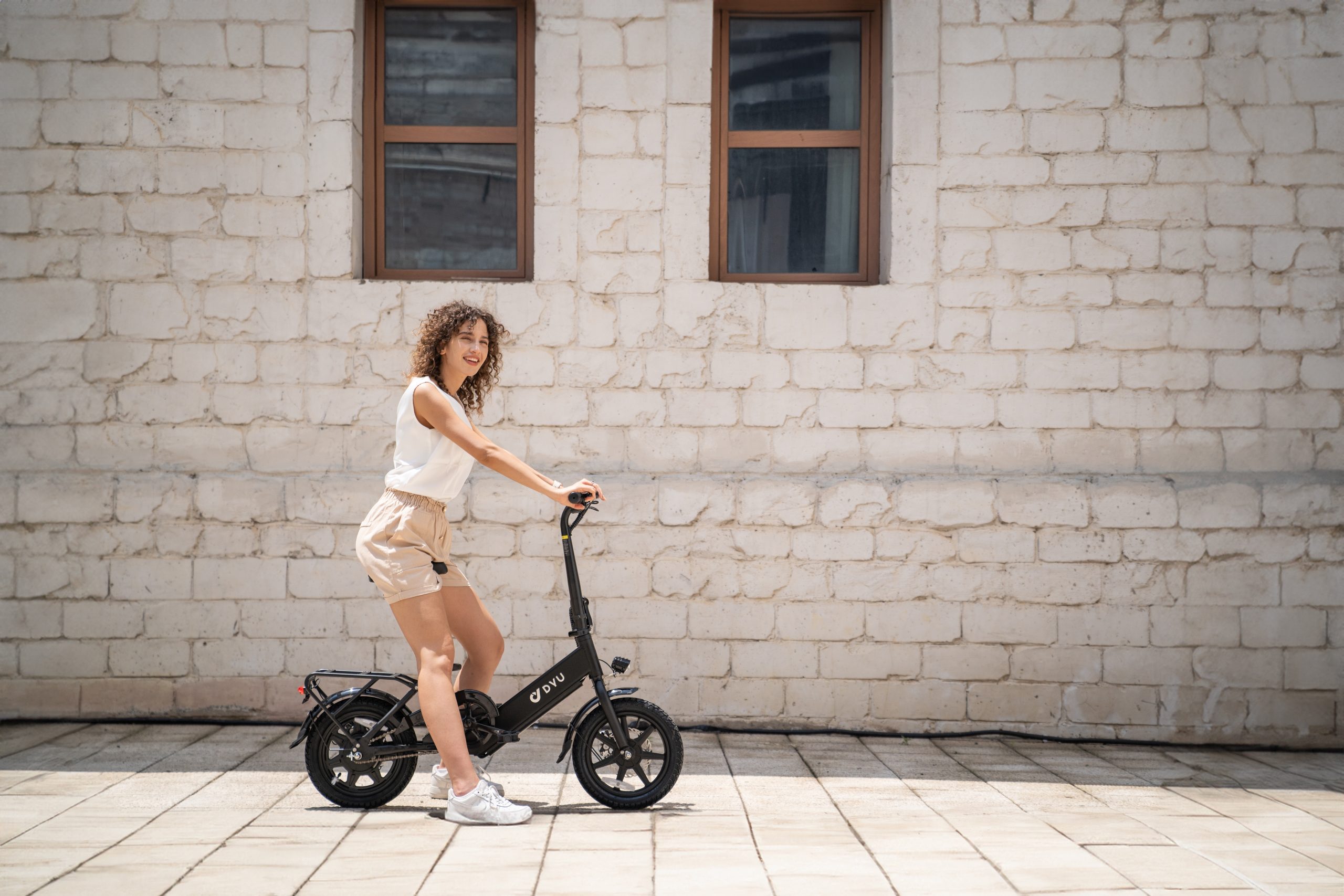
DYU T1 har en exceptionell bullerdämpning tack vare den borstlösa navmotorn på 250 W som går tyst och effektivt. Motorn accelererar mjukt samtidigt som den uppfyller alla regler. Den här modellen använder vridmomentavkänningsteknik som levererar kraft på ett naturligt sätt och känns som att “läsa dina tankar”.
Underhållstips för att hålla din motor tyst
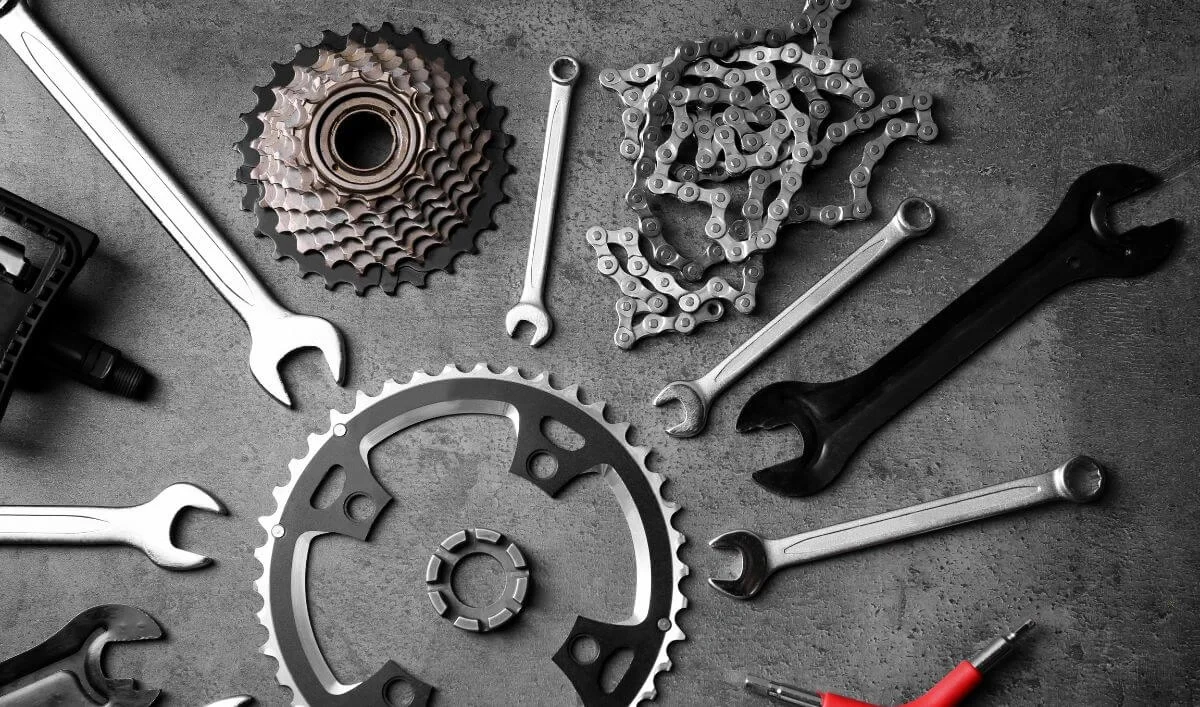
“Eftersom det inte finns några invändiga kugghjul som slits ut kräver växellösa navmotorer mindre underhåll och tenderar att hålla längre med färre mekaniska problem över tid.” - Letrigo, Expert på hållbarhet för elcyklar
Regelbundet underhåll är livsnerven för en tyst elcykelmotor. Bra underhåll stoppar många vanliga bullerproblem innan de börjar. Dra åt ekrar och axelmuttrar regelbundet
Lösa delar skapar irriterande skrammel och kan till och med leda till farliga körsituationer. Det är viktigt att kontrollera din elcykels axelmuttrar regelbundet. Applicera korrekt vridmoment på 35-40 Nm håller hjulet säkert låst på plats och förhindrar oönskade ljud som orsakas av rörelse. Du bör också se till att hjulets ekerspänning är korrekt balanserad, eftersom lösa eller ojämna ekrar kan skapa vobblande rörelser och utsätta motorenheten för extra påfrestningar.
Rengör och torka motorn efter våta körningar
Fukt och smuts omöjliggör tyst drift. Du måste verkligen rengöra och torka motorhuset efter leriga eller regniga turer för att stoppa korrosion och ansamlingar. Detta blir ännu viktigare med växelnavmotorer eftersom de inre delarna kan drabbas av konstant fuktexponering.
Smörj invändiga kugghjul med Nylon-Safe Grease
Nylonväxlar i elcyklar behöver särskilda smörjmedel. Använd aldrig vanliga petroleumbaserade smörjfetter - de bryter ned nylonet med tiden. Det bästa valet är högkvalitativa, plastkompatibla syntetiska smörjfetter som Molykote PG-75. Du bör smörja om växelnavmotorer var 500-1 000:e mil.
Undvik start med full gas i branta backar
Motordelarna utsätts för maximal påfrestning vid plötslig acceleration. För att skydda kugghjulständerna bör kraften läggas på gradvis, särskilt i uppförsbackar. Detta mjuka tillvägagångssätt hjälper till att bibehålla dragkraften och minskar hårda slipande ljud från för mycket vridmoment på interna komponenter.
Slutsats
Vår djupdykning i motorljud från elcyklar avslöjar flera faktorer som skiljer tysta cykelturer från mer högljudda. Motorns design spelar en avgörande roll för ljudnivån. Växellösa navmotorer är tysta med mindre än 50 decibel, medan växelmotorer ger ifrån sig mer mekaniskt buller trots sitt utmärkta vridmoment.
Kvalitetsdelar gör en tydlig skillnad. Premiummodeller använder sinusvågskontroller i stället för traditionell fyrkantig vågteknik. Dessa ger jämn kraft och sänker bullernivåerna. Du får betala 100-200 euro mer för dessa avancerade styrenheter, men de ger bland annat en tystare körning och bättre effektivitet.
Konstiga ljud pekar vanligtvis på specifika problem som behöver åtgärdas. Slipning innebär ofta slitna lager, medan klickljud kan bero på lösa monteringsdetaljer. De flesta ljudproblem försvinner med regelbundet underhåll. Din rutinmässiga skötsel bör omfatta kontroll av axelmuttrar, rengöring efter våta turer och användning av rätt smörjmedel.
När du letar efter din nästa elcykel bör du fokusera på modeller med förstklassiga lager, bra tätning och avancerad styrteknik. Recensioner som nämner bullernivåer kan hjälpa dig att bestämma dig. En tyst elcykel ökar din körglädje och visar hänsyn till andra, särskilt i bostadsområden och på naturstigar.
Observera att goda cykelvanor går hand i hand med korrekt underhåll. Mjuk acceleration, särskilt i uppförsbackar, minskar slitaget på komponenterna och gör att din elcykel går tyst längre. Med rätt blandning av kunskap och omsorg kan du njuta av den lugna, nästan ljudlösa cykelturen som gör elcykling så speciell.
Vanliga frågor
Q1. Vad är det som gör att vissa elcykelmotorer är tystare än andra?
Motortyp, byggkvalitet och styrteknik har stor betydelse för ljudnivån. Växellösa navmotorer och motorer med sinusstyrenheter tenderar att vara tystare, medan växelnavmotorer och fyrkantstyrenheter ger upphov till mer buller.
Q2. Hur kan jag minska ljudet från min elcykelmotor?
Regelbundet underhåll är viktigt. Dra åt ekrar och axelmuttrar, rengör och torka motorn efter våta turer, använd lämpliga smörjmedel för invändiga växlar och undvik plötslig acceleration, särskilt i backar. Dessa rutiner hjälper till att förebygga många vanliga ljudproblem.
Q3. Varför låter min elcykel som om den gnisslar eller gnäller?
Slipande ljud tyder ofta på slitna lager, medan gnisslande ljud kan bero på slitage på invändiga kugghjul eller elektriska problem med hallsensorer. Lösa monteringsbultar kan också orsaka knarrande ljud. Det är viktigt att åtgärda dessa problem omgående för att förhindra ytterligare skador.
Q4. Vad ska jag leta efter när jag köper en tyst elcykel?
Leta efter modeller med sinusvågskontroller, högkvalitativa lager och tätningar samt positiva användarrecensioner när det gäller ljudnivå. Växellösa navmotorer är i allmänhet tystare än växlade. Vissa märken, som DYU, är kända för sin tysta motorprestanda.
Q5. Hur ofta ska jag underhålla min elcykel för att den ska vara tyst?
Regelbundet underhåll är avgörande. Kontrollera och dra åt komponenterna med jämna mellanrum, rengör cykeln efter våta eller leriga förhållanden och smörj rörliga delar efter behov. För navmotorer med kugghjul bör du överväga att smörja de inre kugghjulen var 500:e-1 000:e mil.




4 kommentarer
Raymond
Ska jag oroa mig om min elcykel plötsligt blir mer högljudd?
Daniel Novak
Plötsliga ljudökningar signalerar vanligtvis ett problem - slitna lager, lösa beslag eller skadade kugghjul. Det är bäst att inspektera din motor och åtgärda små problem tidigt för att förhindra kostsamma reparationer.
Patrick
Får mig att vilja kontrollera mina motorlager och bultar i helgen.
Oliv
Det är logiskt varför vissa elcyklar surrar och andra gnäller - jag har aldrig riktigt tänkt på det.