
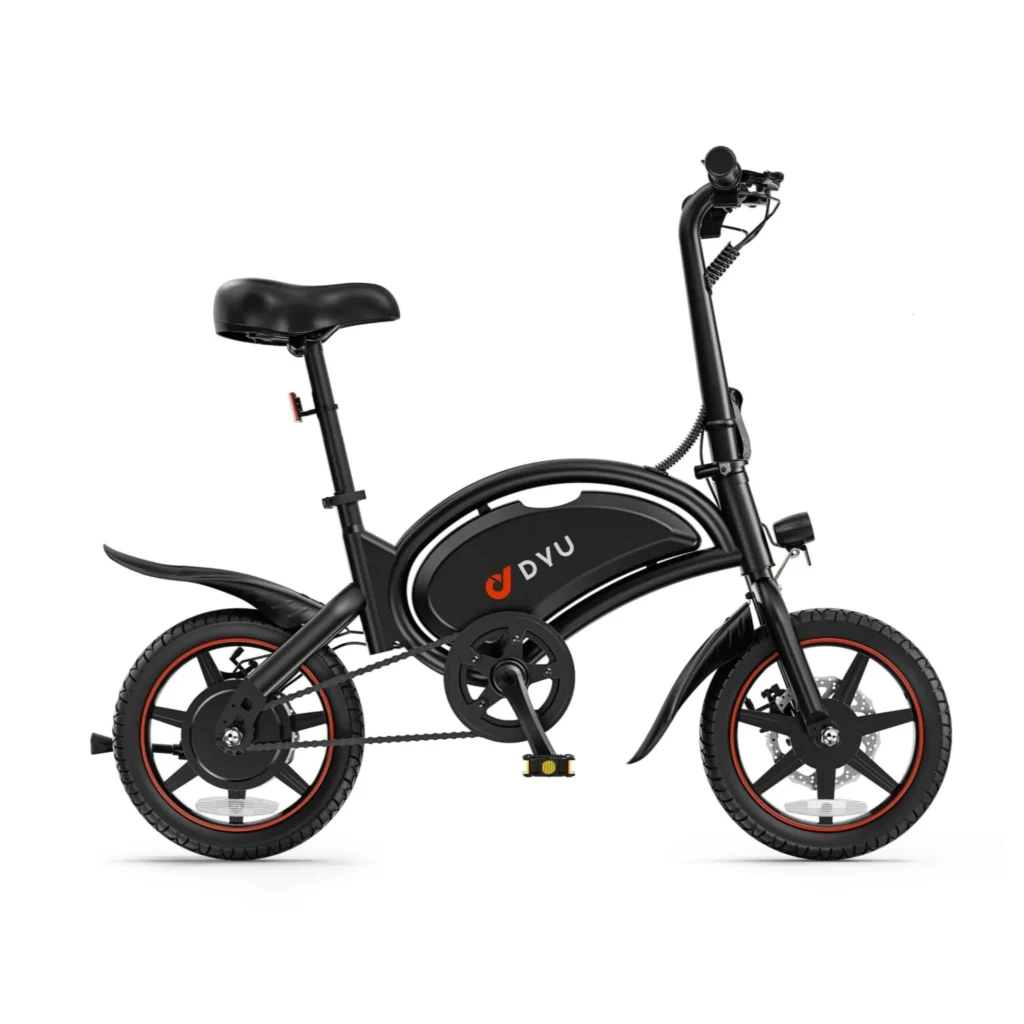
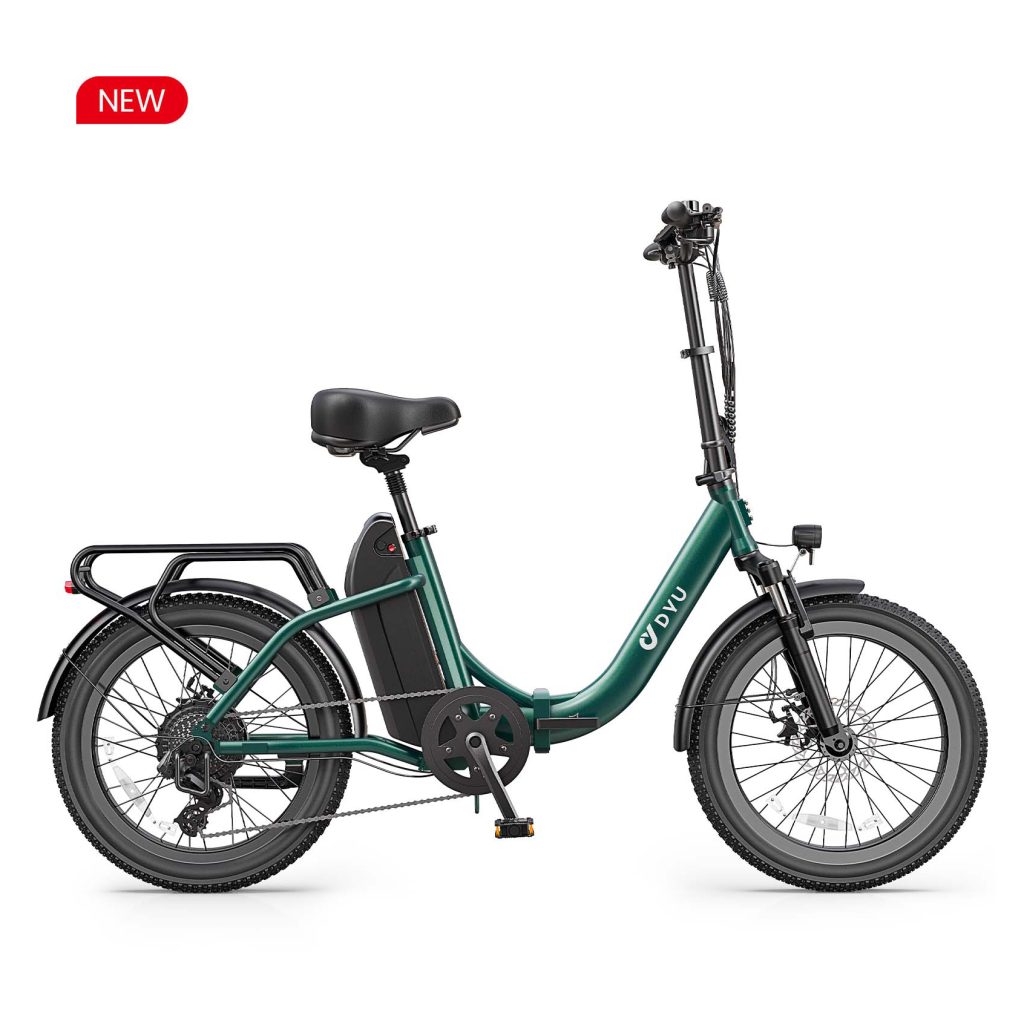
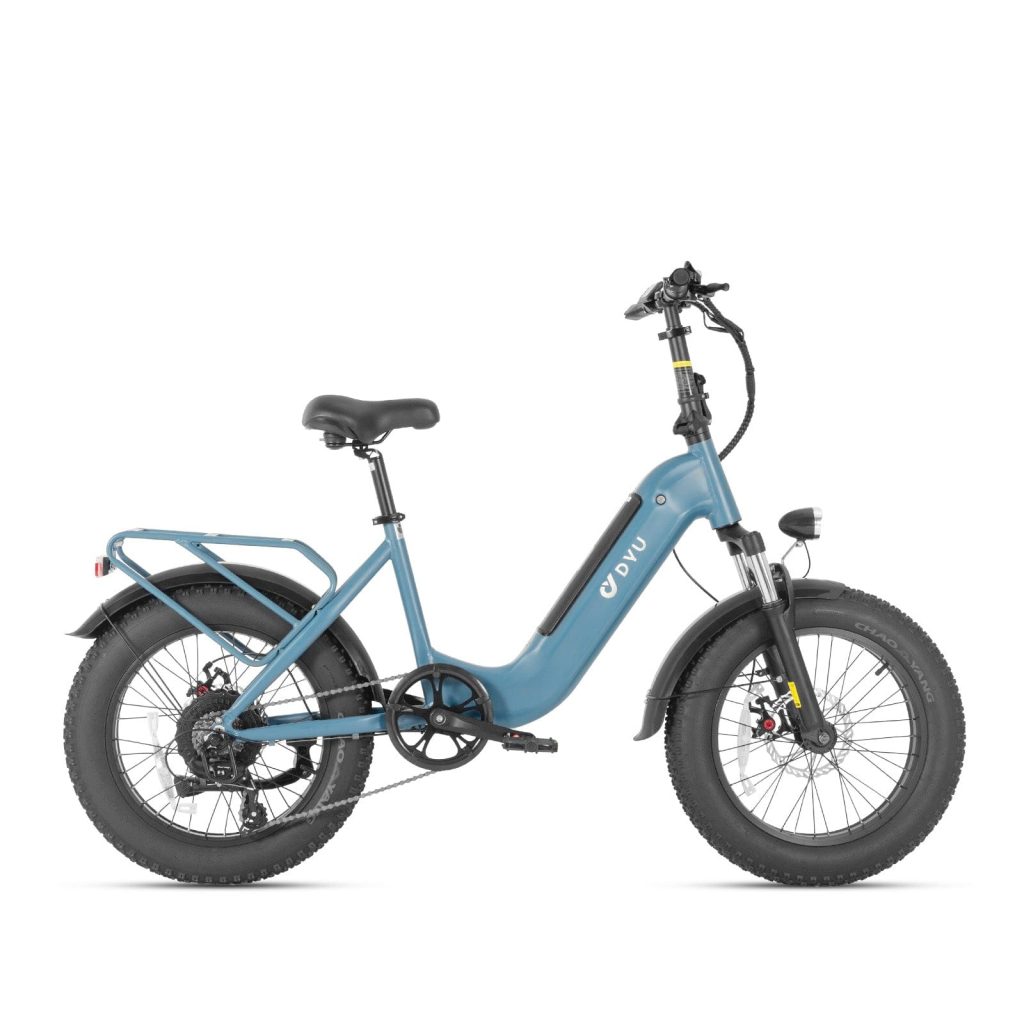
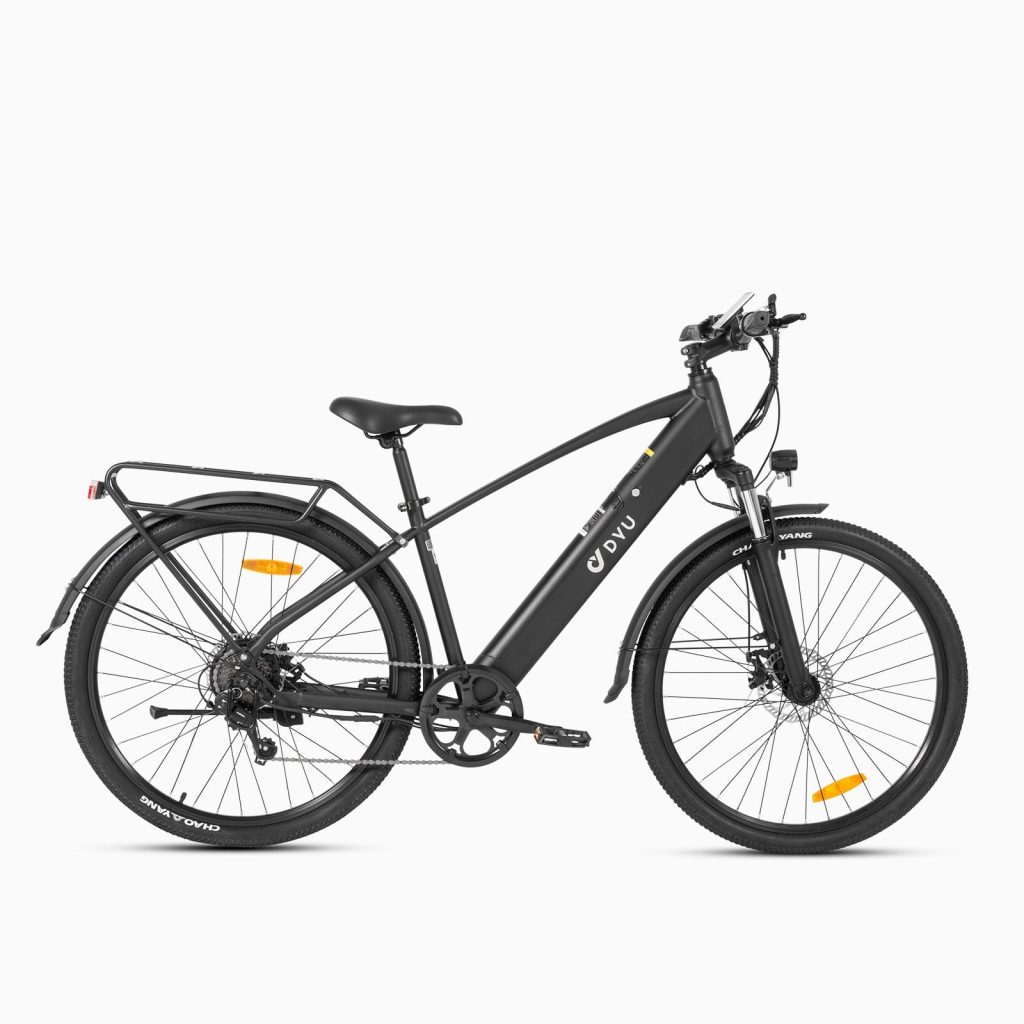
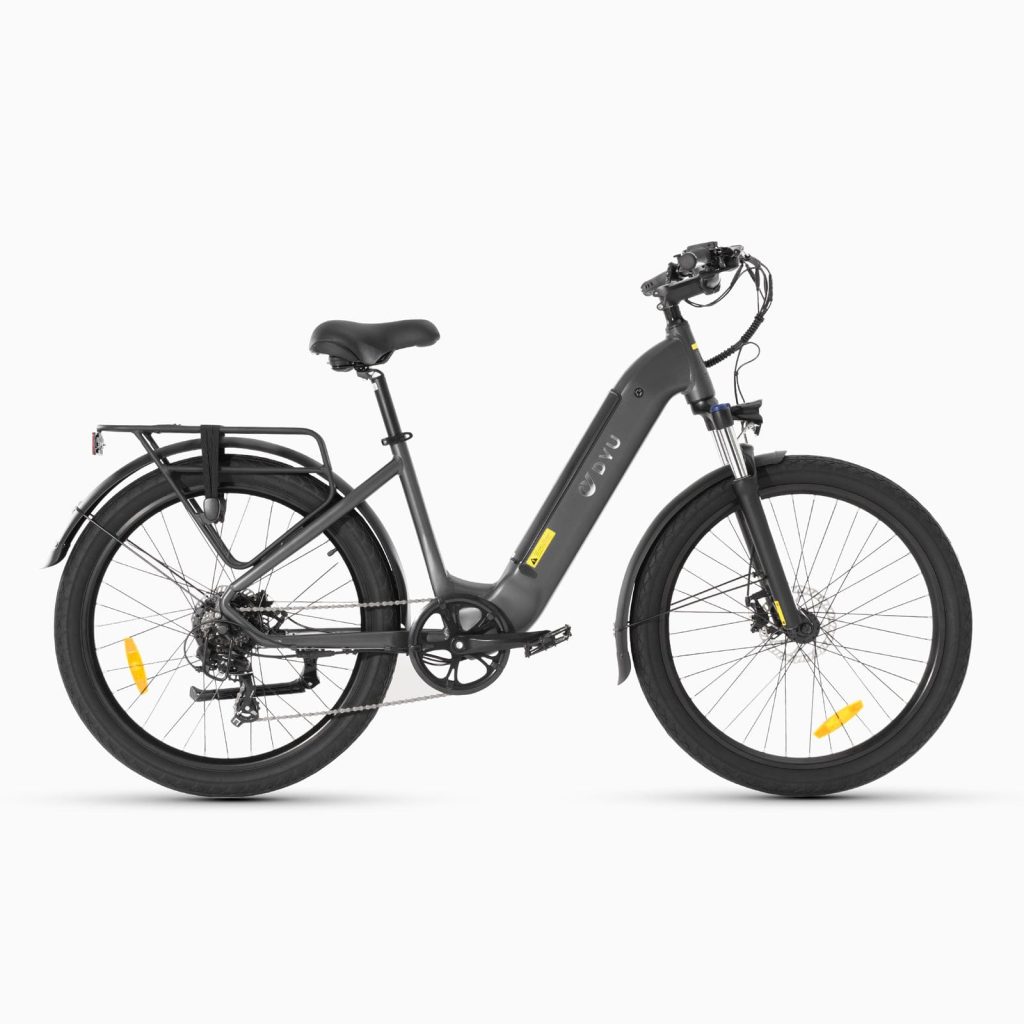
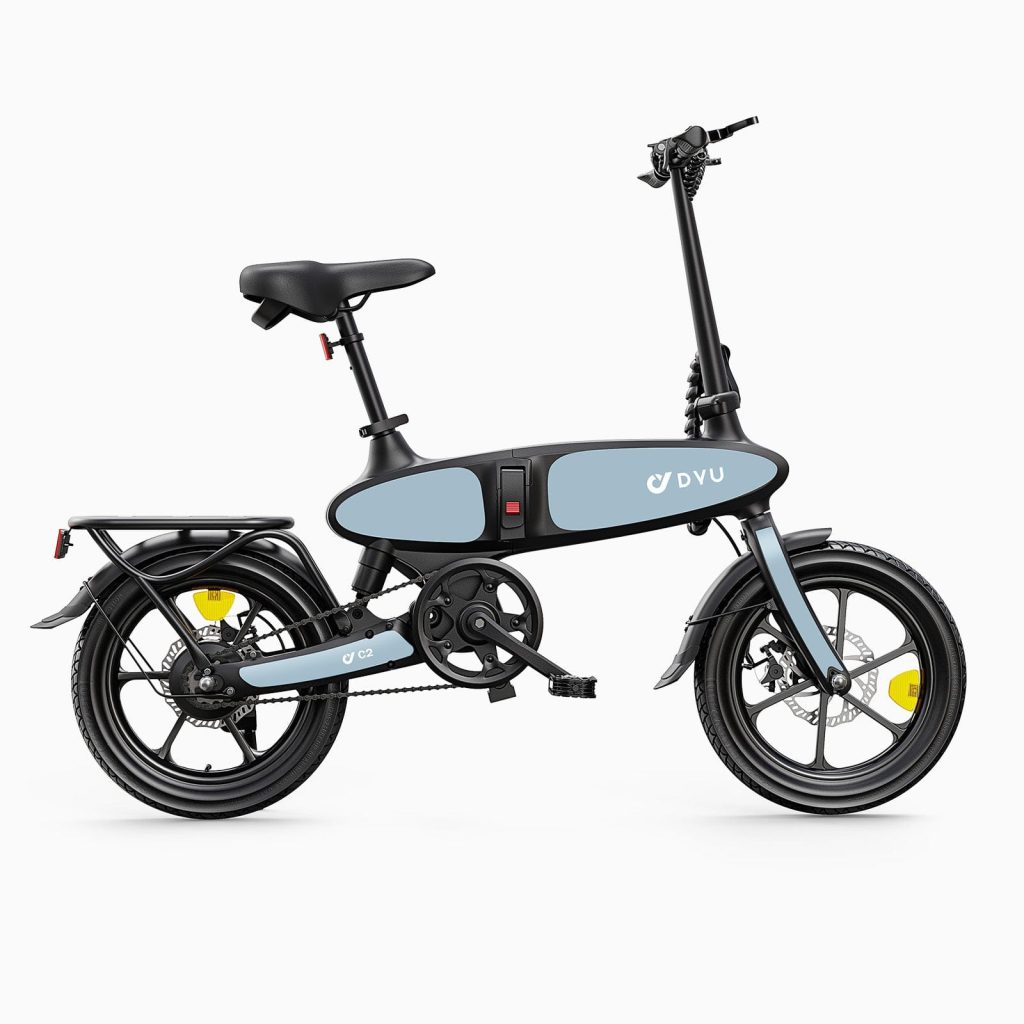
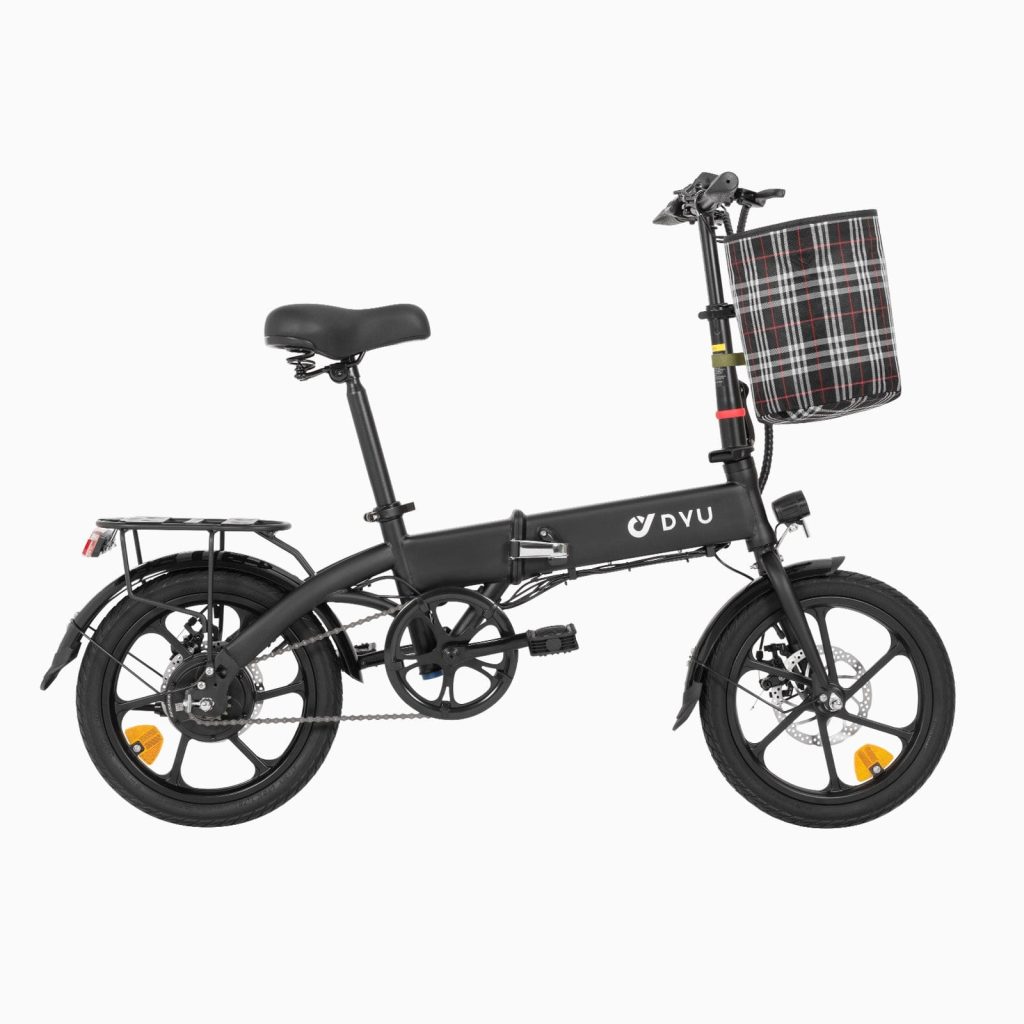

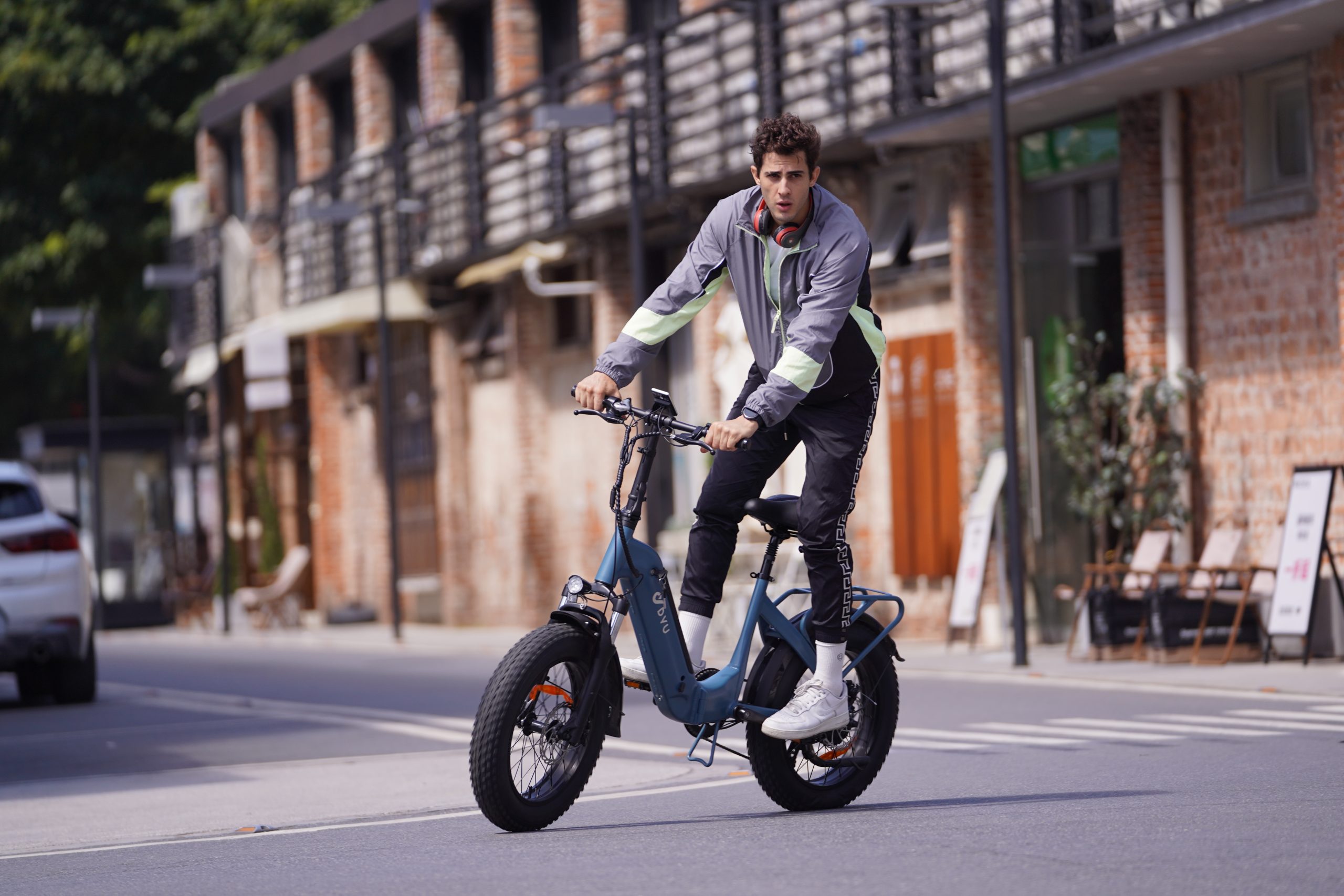
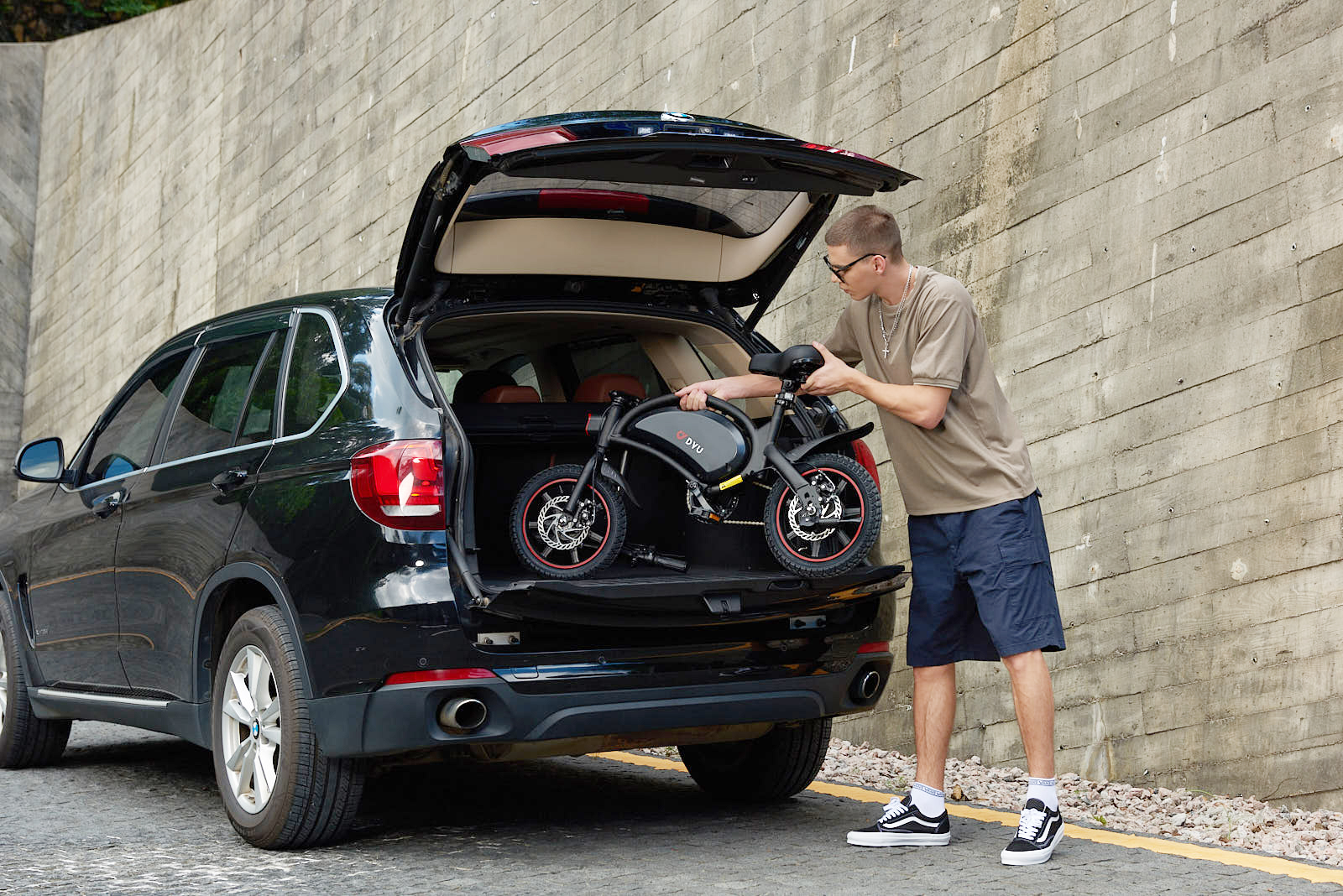

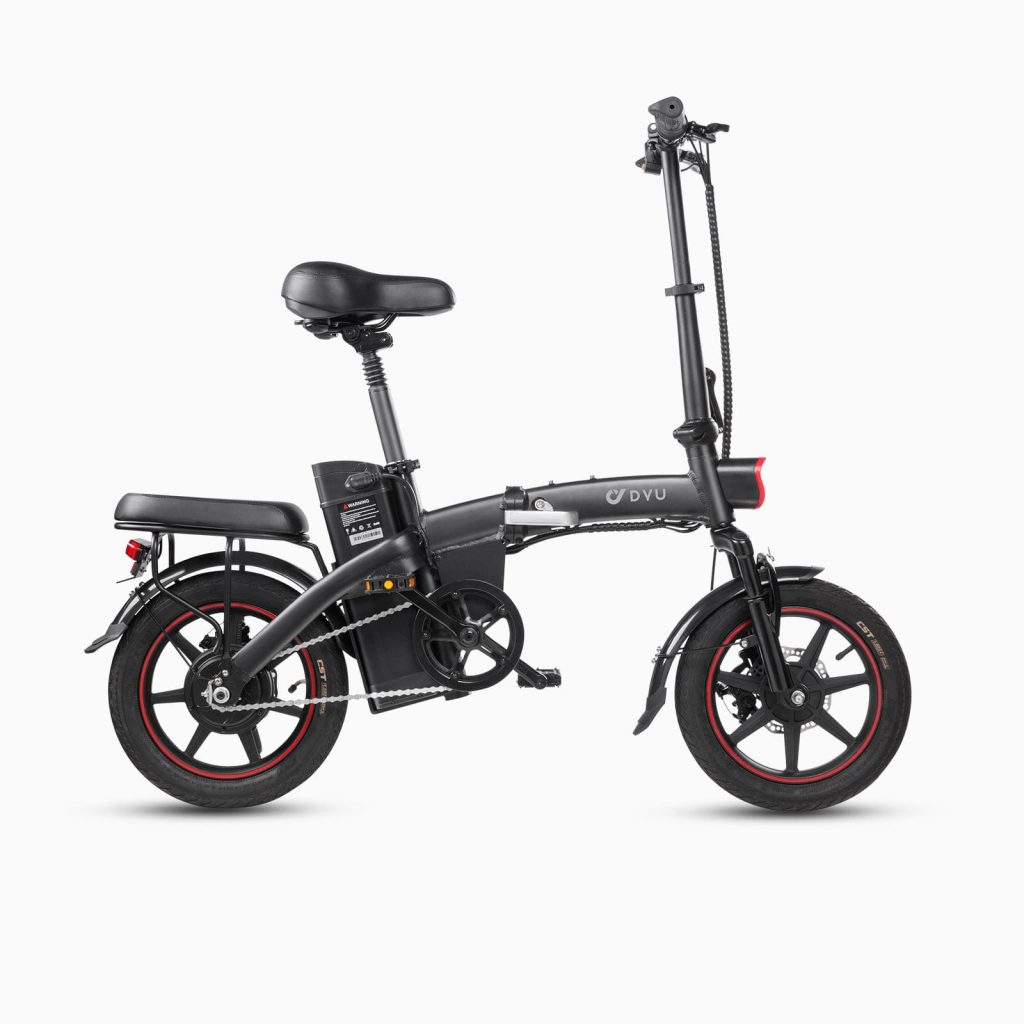
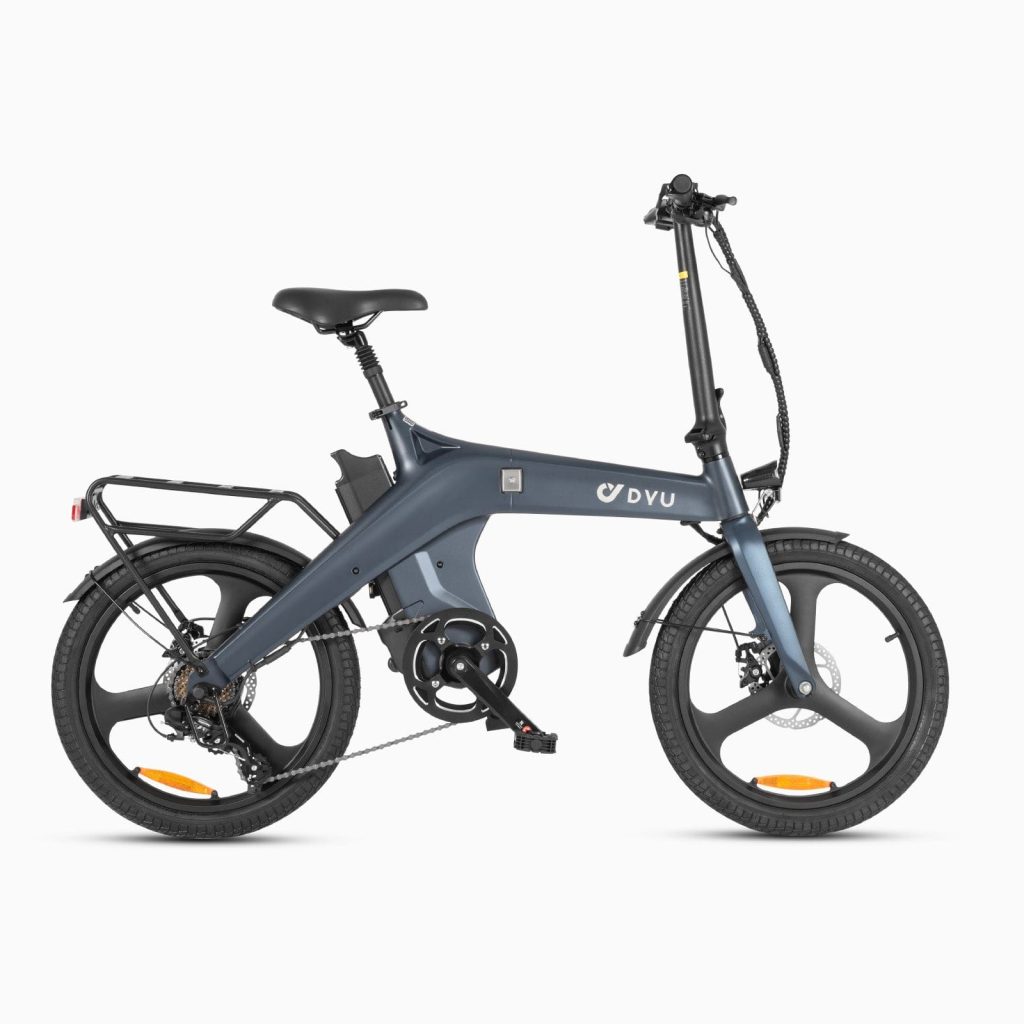


The DYU A1F Pro costs €459. The Brompton Electric costs €2,300 or more. That’s a €1,841 gap. I spent four weeks alternating between the two on my daily commute in Munich to find out if the Brompton’s premium is justified, or if the A1F Pro delivers enough for the average European city commuter.
The short answer: for most riders, the A1F Pro handles the job. But the Brompton does specific things that no other folding e-bike can match. Here’s exactly where each one wins.
Quick Comparison Table
| Spec | DYU A1F Pro | Brompton Electric |
|---|---|---|
| Price | €459 | €2,300+ |
| Motor | 250W hub motor (cadence sensor) | 250W mid-drive (torque sensor) |
| Battery | 36V 7.5Ah (270Wh) | 36V 2.9Ah (104Wh) |
| Range | 40 km | 50 km |
| Weight | 21 kg | 11.6 kg |
| Wheel Size | 16 inch | 16 inch |
| Max Speed | 25 km/h | 25 km/h |
| Cargo | Front basket + rear rack (included) | None (accessories sold separately) |
| Load Capacity | 120 kg | 110 kg |
| Braking | Disc brakes (front + rear) | Rim brakes |
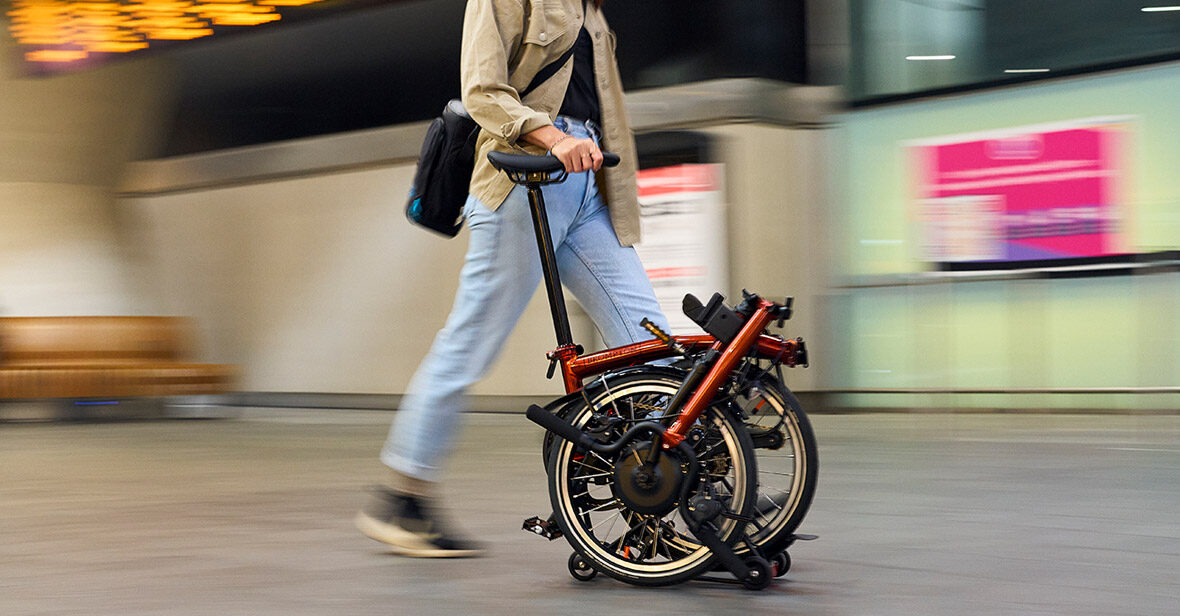
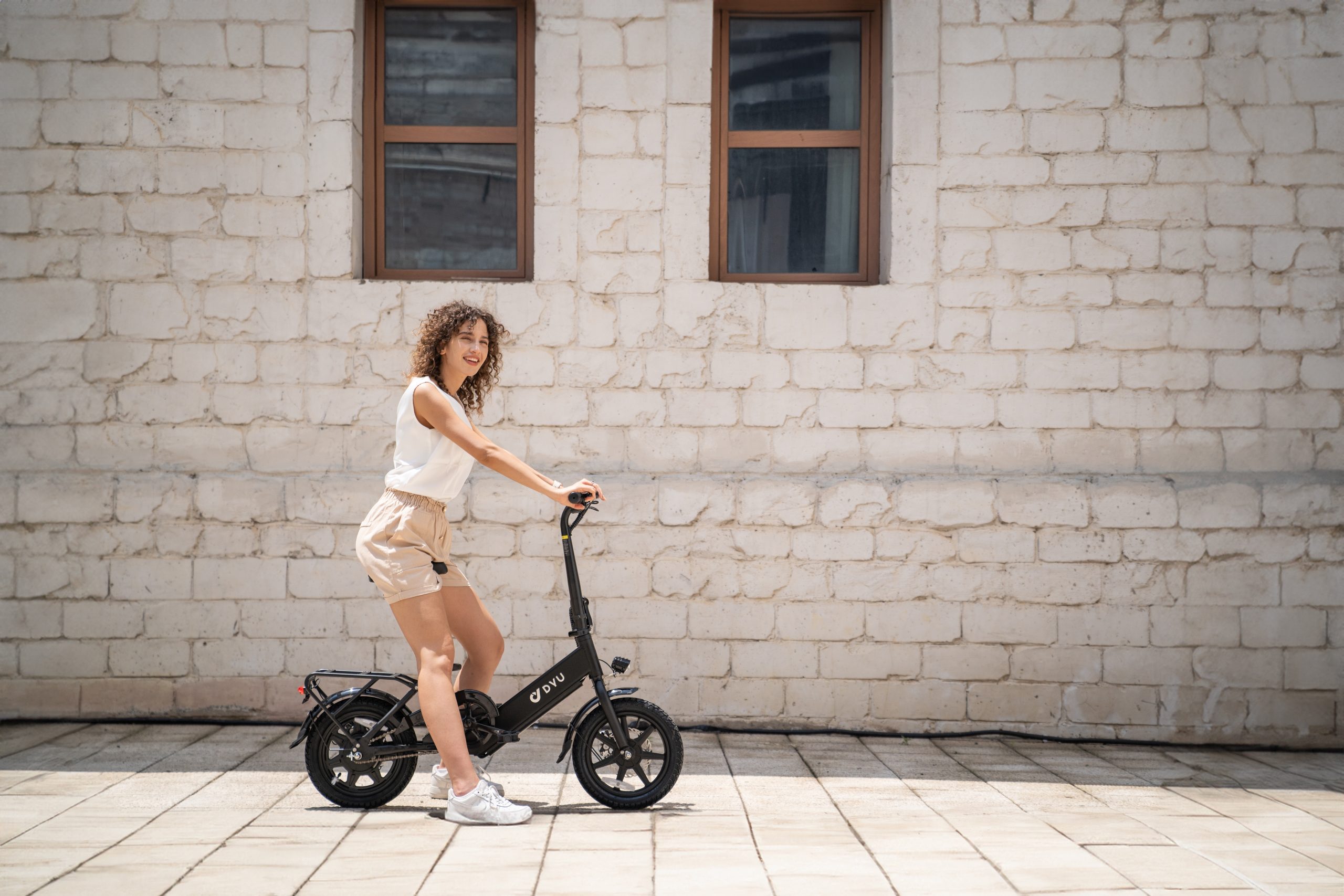
| Folded Size | Compact (fits under desk) | Ultra-compact (smallest fold on the market) |
Motor and Power: Cadence vs Torque Sensor
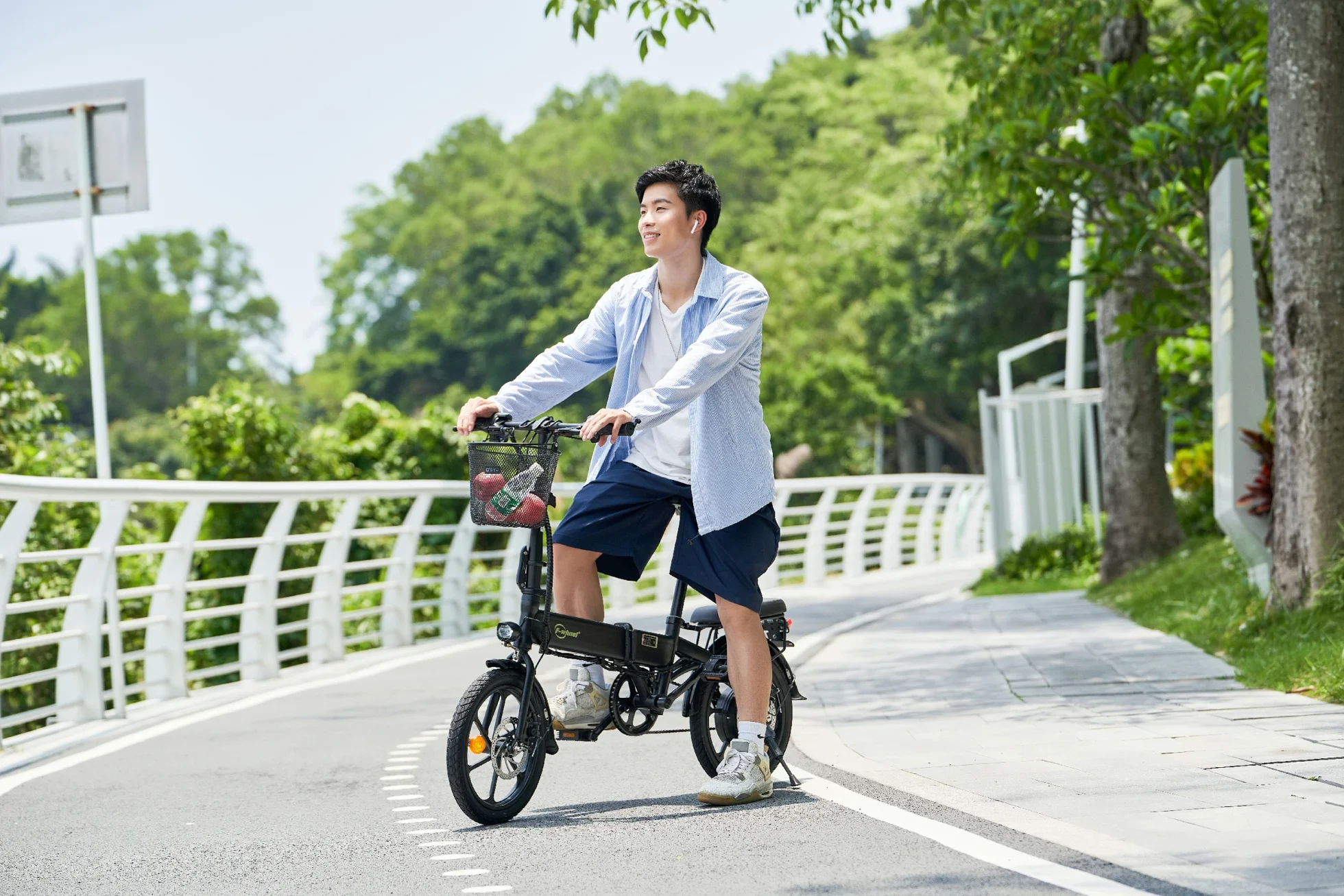
Both bikes run 250W motors and are limited to 25 km/h under EU pedelec regulations. The difference is how they deliver that power.
The A1F Pro uses a cadence sensor: it detects that you’re pedaling and kicks in the motor. There’s a slight delay between starting to pedal and feeling the boost. After a few rides, you stop noticing.
The Brompton uses a torque sensor: it reads how hard you’re pushing the pedals and adjusts power proportionally. The result feels smoother, more like a natural tailwind than a motor kicking in. According to Electric Bike Review’s sensor comparison guide, torque sensors are generally preferred by experienced cyclists, while cadence sensors work perfectly well for casual commuters.
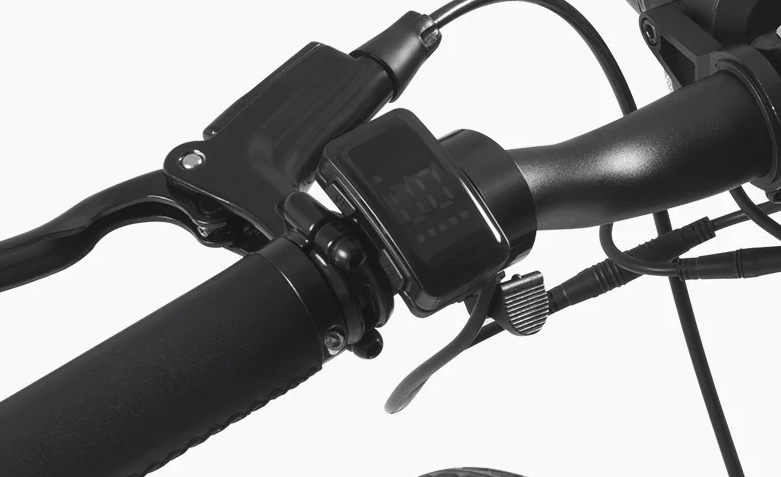
My honest take after four weeks: the difference matters most on the first ride. By week two, I stopped thinking about it on either bike. If you’re cycling for the joy of cycling, the Brompton’s torque sensor is noticeably better. If you’re cycling to get to work, the A1F Pro is fine.
Winner: Brompton (but the gap is smaller than you’d expect for €1,841 more)
Battery and Range
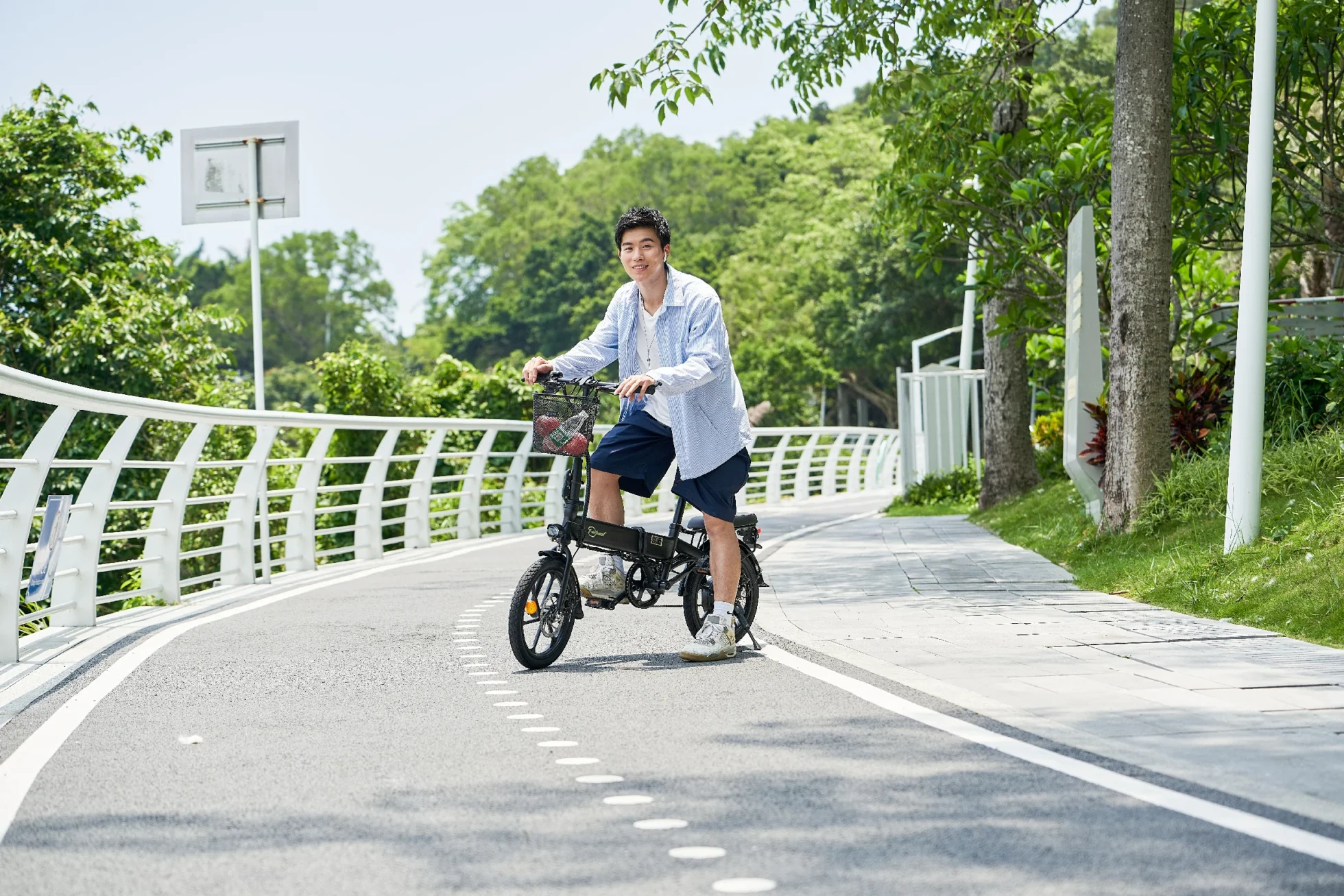
Here’s something surprising: the A1F Pro has a bigger battery (36V 7.5Ah, 270Wh) than the Brompton (36V 2.9Ah, 104Wh), yet the Brompton claims longer range (50 km vs 40 km). That’s because the Brompton weighs 9.4 kg less, and its mid-drive motor is more efficient on flat terrain.
My real-world testing results:
- DYU A1F Pro: 35–40 km in mixed urban riding (80% pedal assist, 20% throttle)
- Brompton Electric: 45–50 km on the same routes
That 10 km advantage matters if you push the limits of your range. For most European city commutes under 15 km each way (30 km round trip), both bikes have more than enough. The A1F Pro’s battery is also removable, which means you can charge it at your desk or at home without moving the bike. The Brompton’s battery is removable too, and it’s smaller, so it fits in a bag.
One note on cold weather: lithium-ion batteries lose 10–20% capacity below 5°C. If you commute in Copenhagen or Stockholm during winter, factor that into your range calculation. Battery University explains the temperature effect in detail.
Winner: Brompton (marginal, and only relevant for longer rides)
Weight and Portability
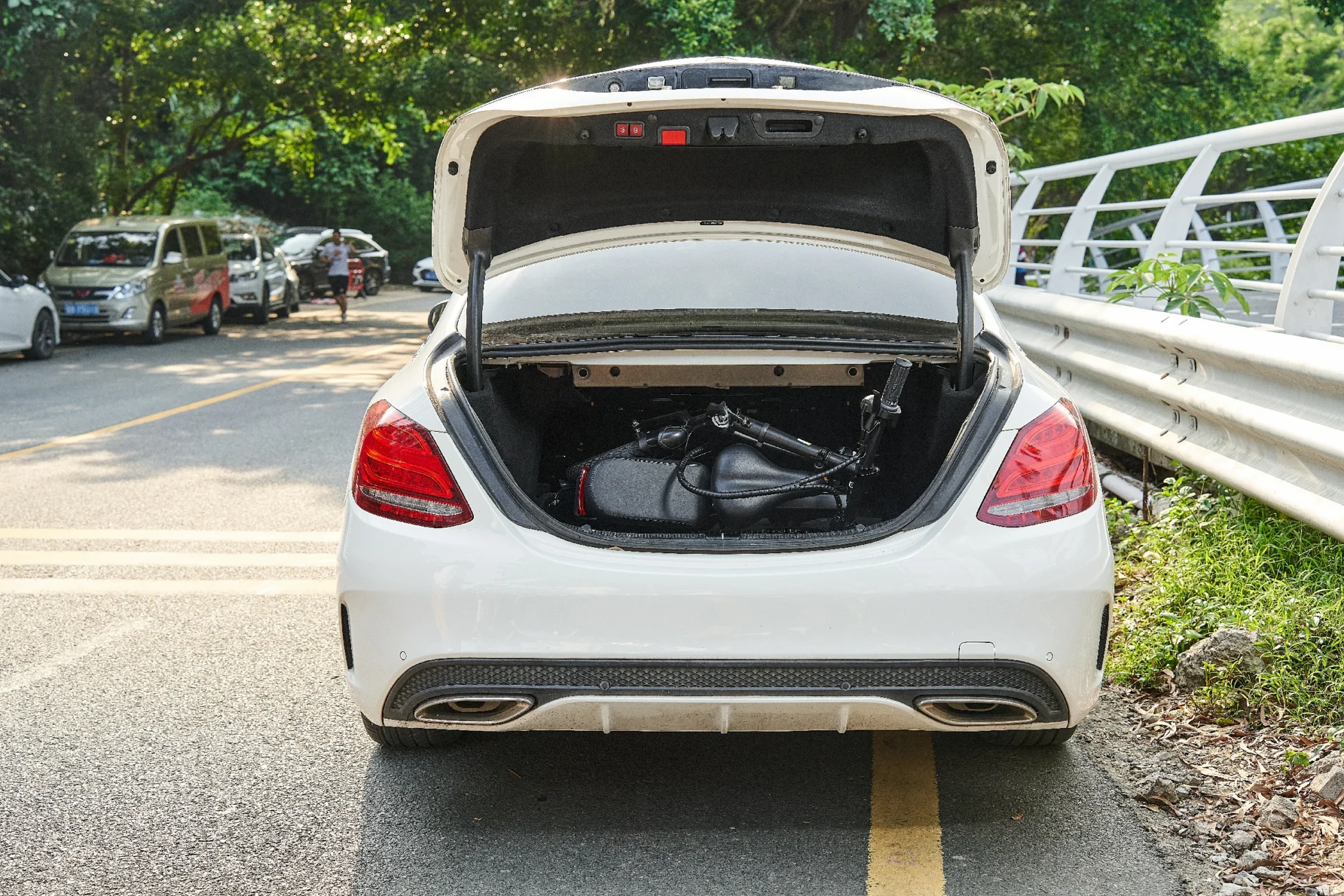
This is where the price gap starts to make sense. The A1F Pro weighs 21 kg. The Brompton weighs 11.6 kg. That’s a 9.4 kg difference you feel every time you pick up the bike.
I carried both on Munich’s S-Bahn for two weeks. The Brompton felt effortless. I tucked it beside my seat and forgot about it. The A1F Pro was manageable but noticeable. Carrying it up the stairs at Marienplatz station reminded me it was there.
Practical weight comparison:
- Climbing 2 flights of stairs: Brompton = easy, one hand. A1F Pro = doable, both hands, slight effort.
- Boarding a crowded train: Brompton = no problem, folds smaller. A1F Pro = you’ll need some space.
- Storing under an office desk: Both fit. Brompton folds tighter.
If your daily routine involves carrying the bike up stairs or onto trains, the Brompton’s weight advantage is worth serious consideration. If you mostly ride door-to-door with minimal carrying, the A1F Pro’s extra weight is a non-issue.
Winner: Brompton (decisively)
Cargo Capacity: The A1F Pro’s Secret Weapon
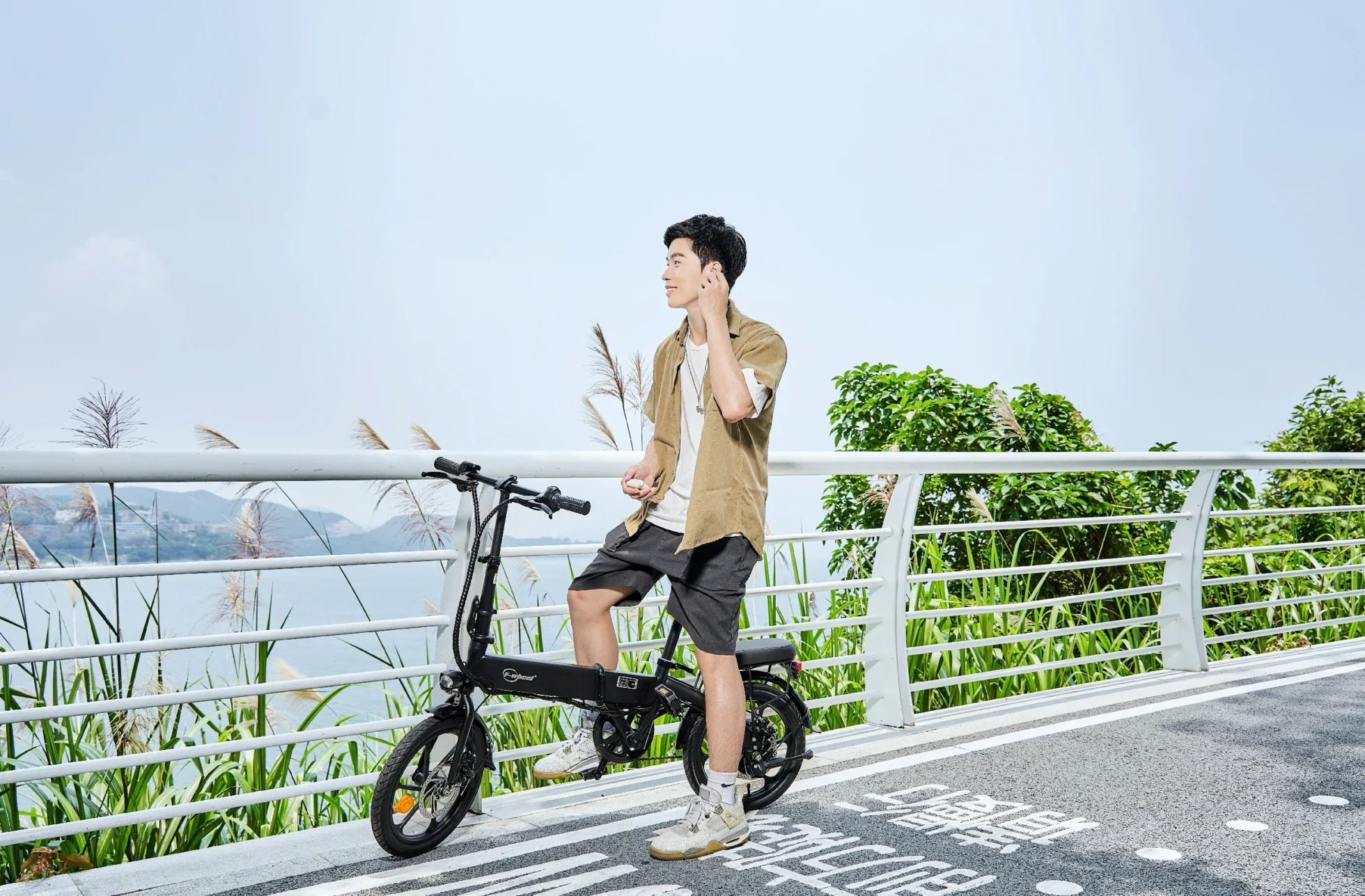
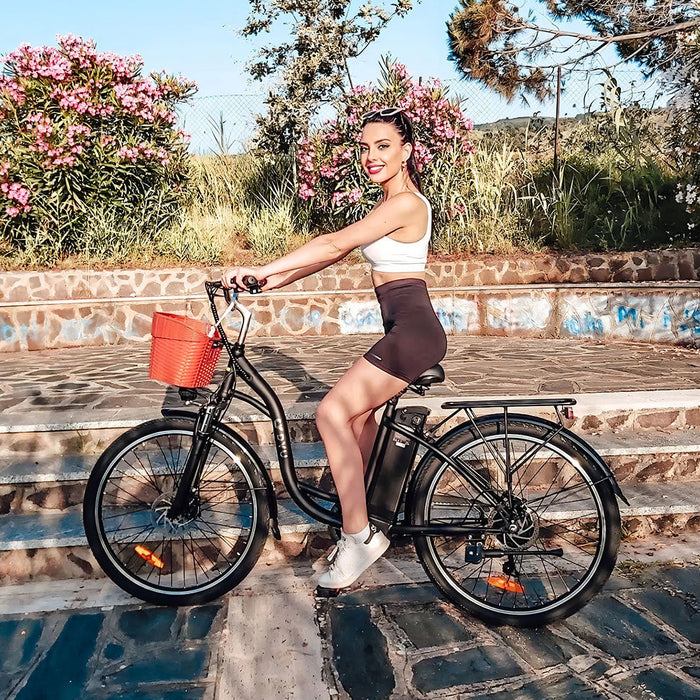
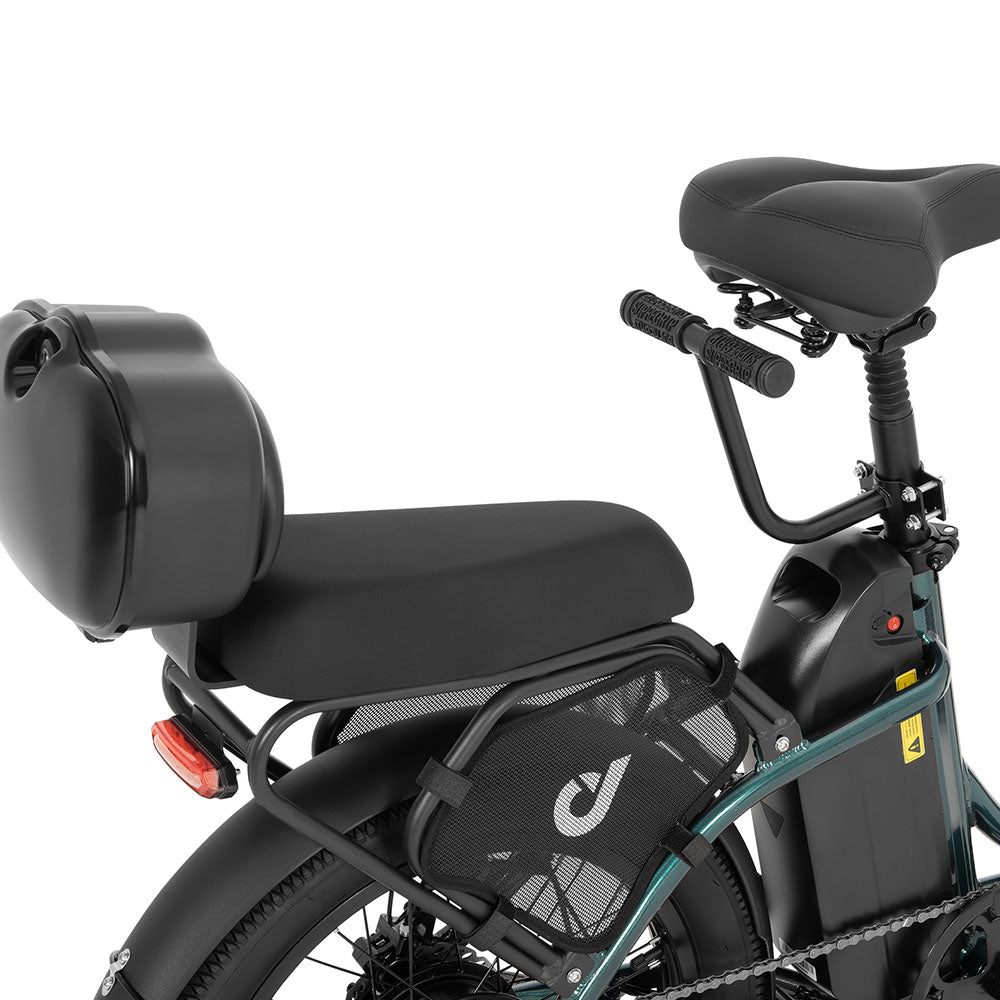
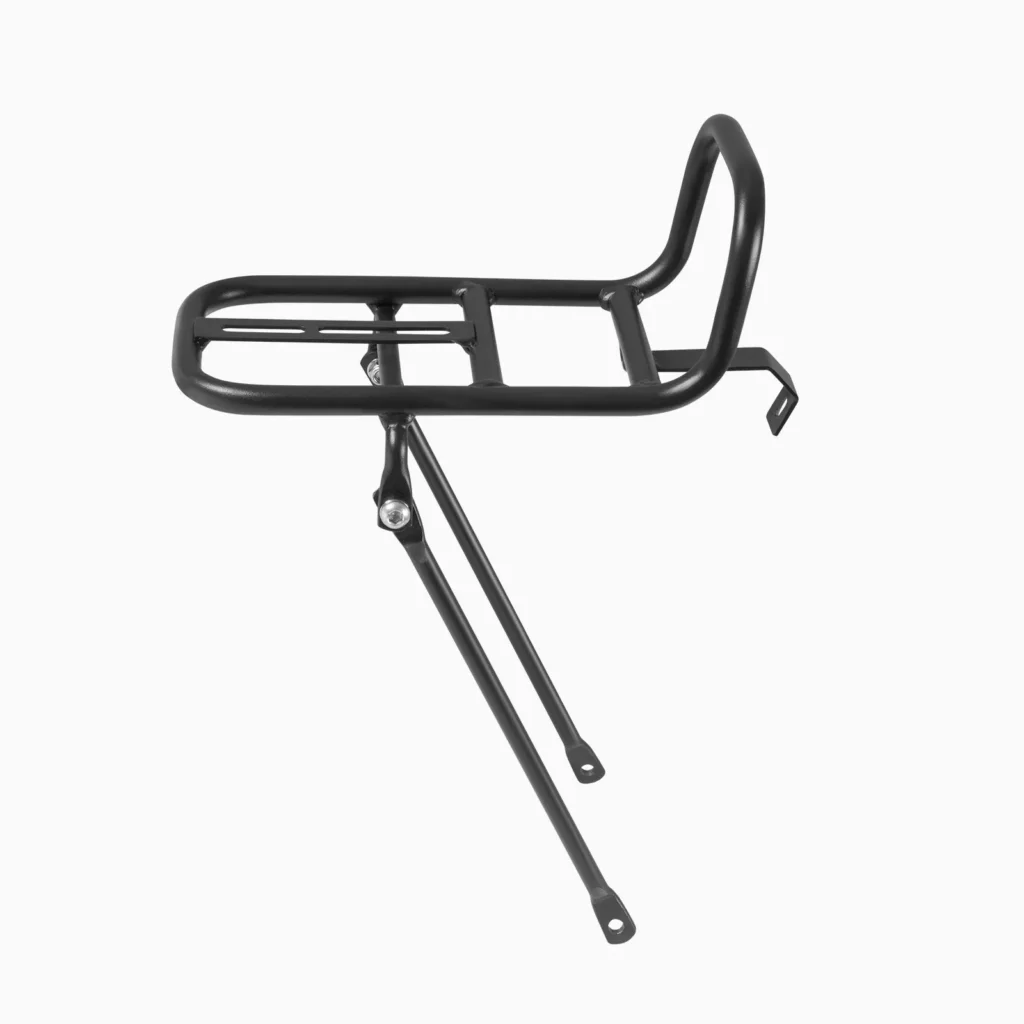
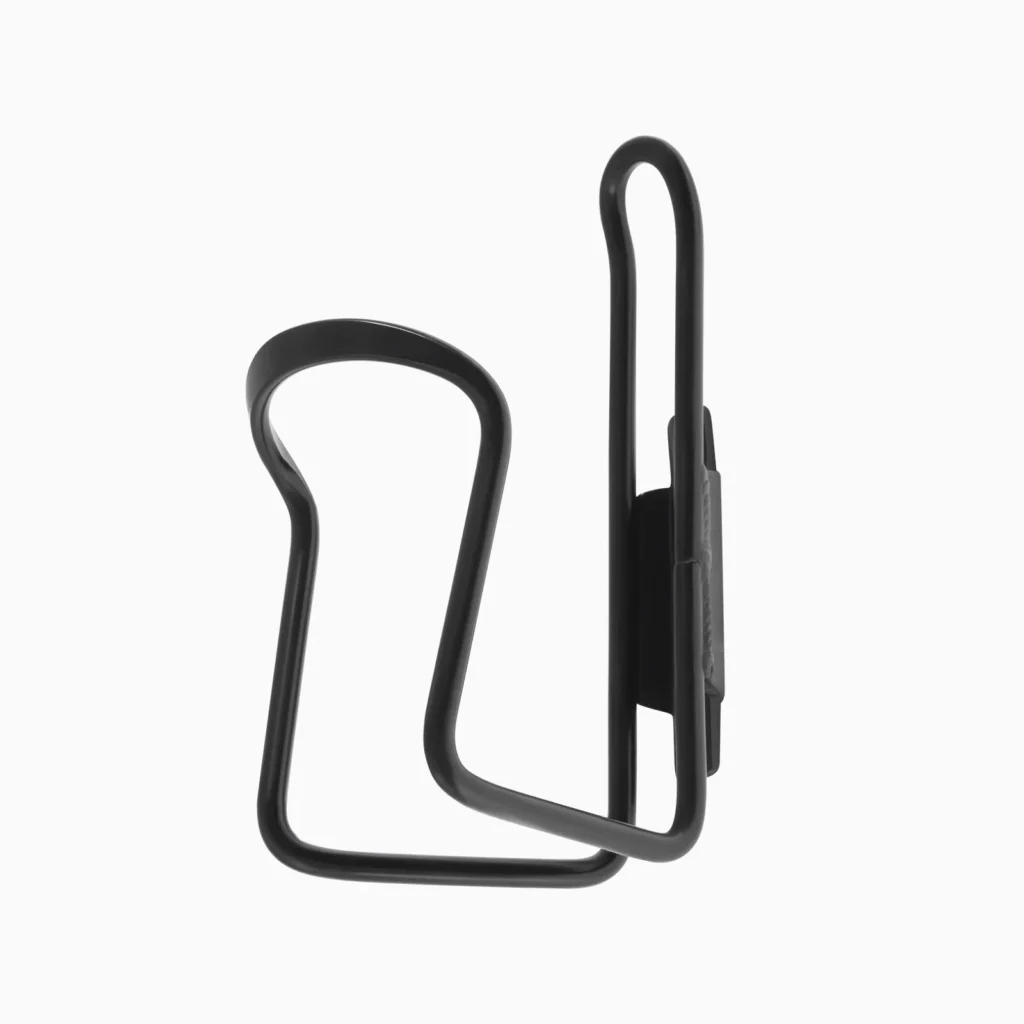
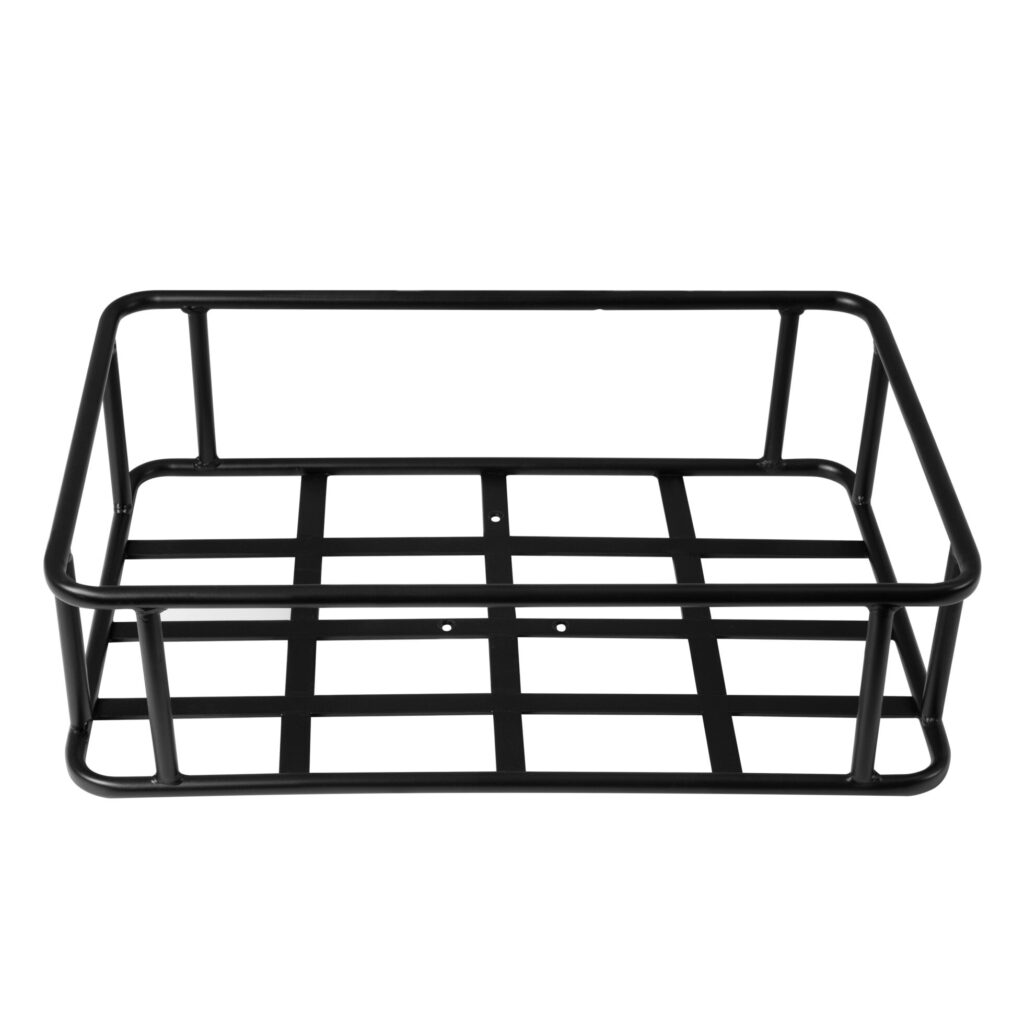
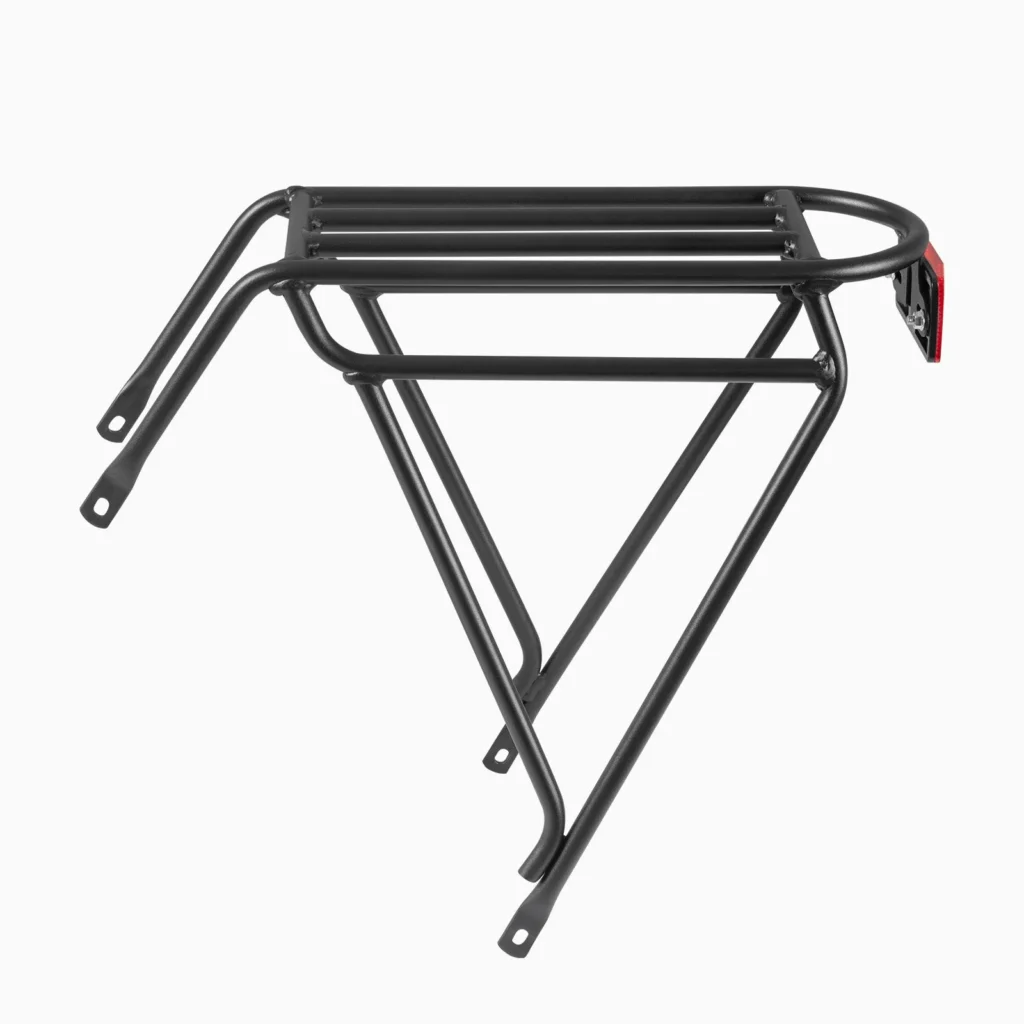
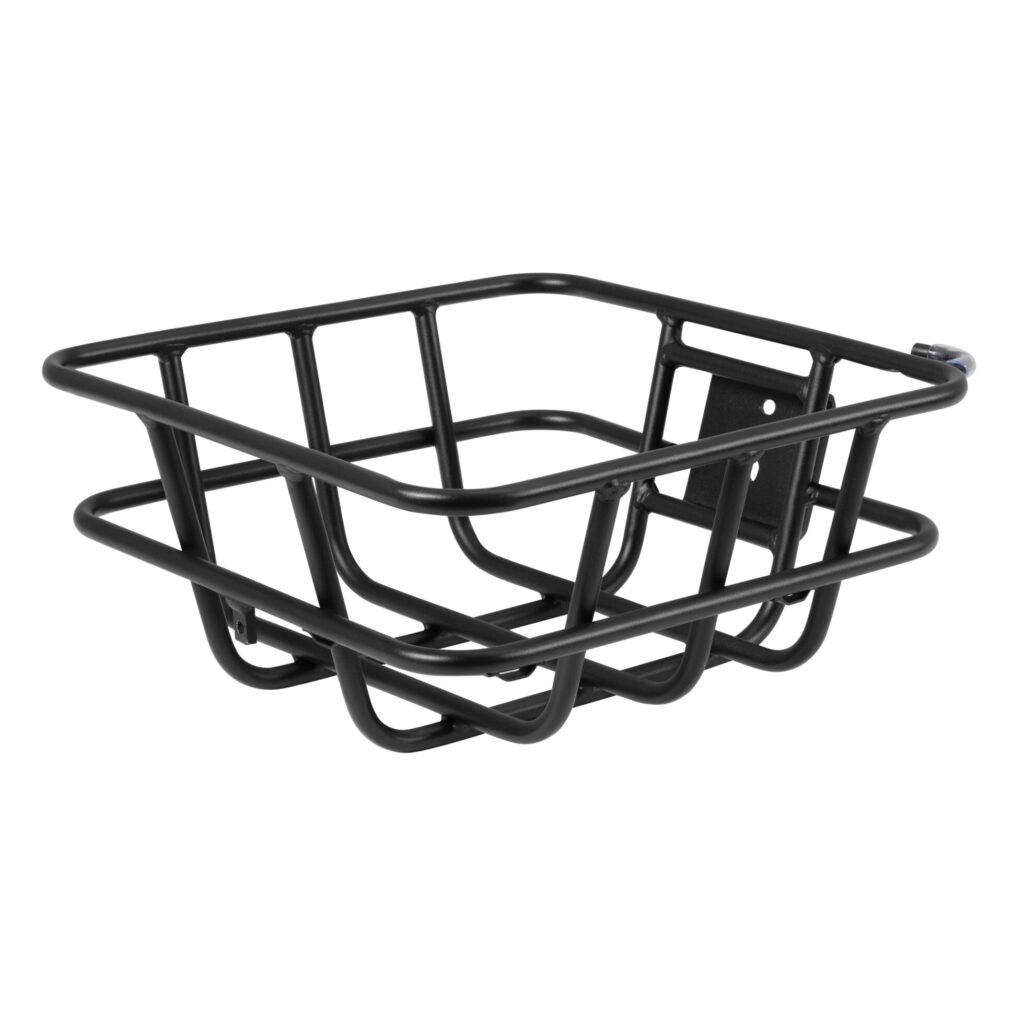
This is the plot twist. The DYU A1F Pro comes with a front basket and rear rack as standard. The Brompton Electric does not. You can add Brompton’s front bag and rear rack as accessories, but that adds €150–€300 to an already expensive bike.
I tested the A1F Pro for weekly grocery runs:
- Front basket: Held a full bag of groceries (about 8 kg) without affecting steering
- Rear rack: Carried a laptop bag and gym bag secured with bungee cords
- Combined: Managed 15–20 kg of cargo comfortably on a 5 km round trip
For daily errand runners, this is a genuine advantage. The Brompton is a pure commuter; the A1F Pro is a commuter that also does your shopping.
Winner: A1F Pro (decisively)
Pros and Cons
| DYU A1F Pro | Brompton Electric | |
|---|---|---|
| Pros | • €459 price point • Front basket + rear rack included • Removable 270Wh battery • Disc brakes front and rear • 120 kg load capacity | • 11.6 kg (ultra-light) • Torque sensor (natural ride feel) • Smallest fold on the market • Premium build quality • 50 km range |
| Cons | • 21 kg (heavy for stairs) • Cadence sensor (slight delay) • Basic display • Larger folded size | • €2,300+ price • No cargo included • Rim brakes (less stopping power) • Smaller battery (104Wh) |
Cost Analysis: What €1,841 Buys You
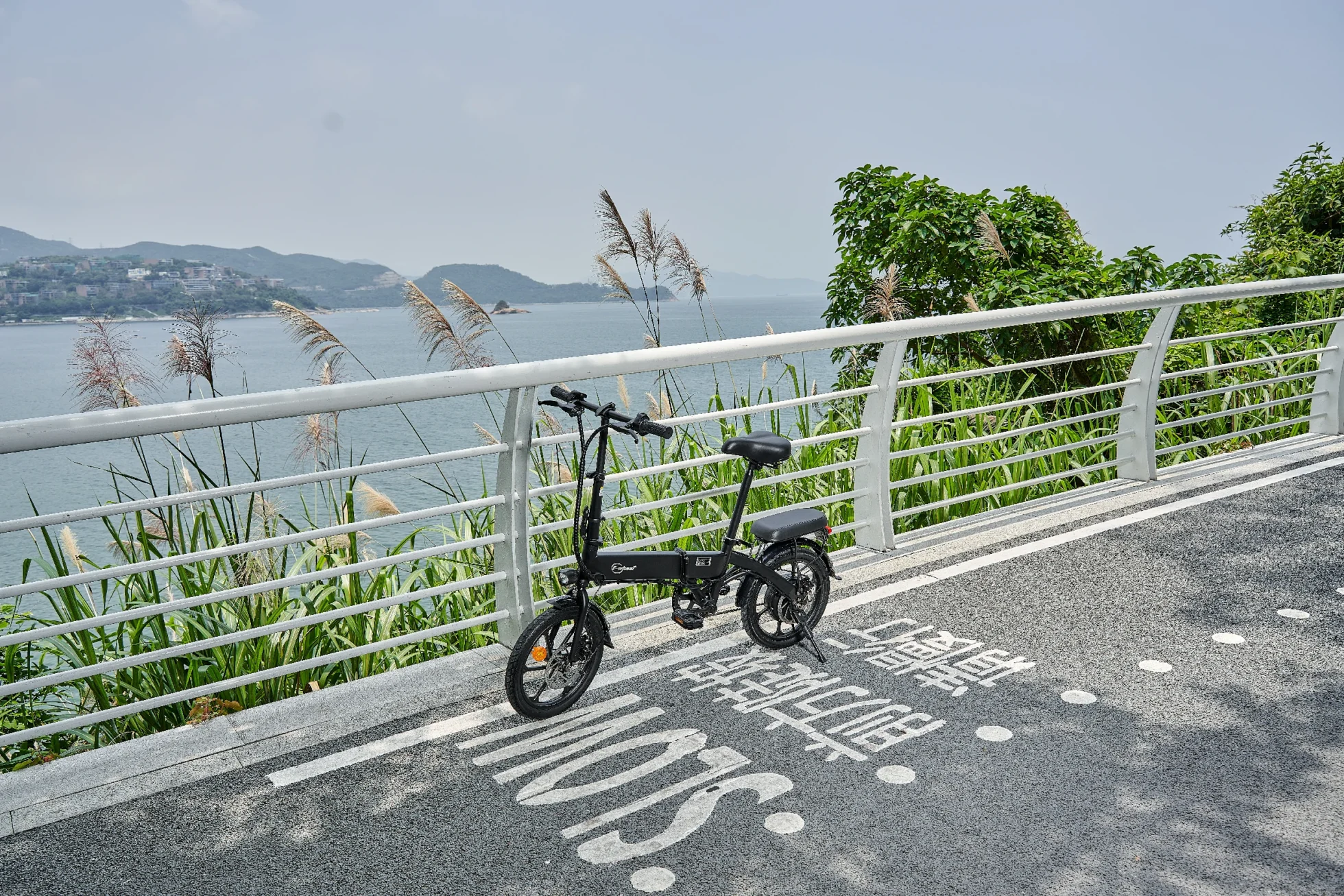
Let’s break down where the Brompton’s extra money goes:
| What You Get Extra | Estimated Value |
|---|---|
| 9.4 kg weight reduction | Significant engineering cost |
| Torque sensor motor | ~€100–€200 in parts |
| Ultra-compact fold | Proprietary hinge system |
| Premium frame and finish | Hand-brazed steel, London workshop |
| Brand heritage | 50+ years of folding bike refinement |
The Brompton is a precision instrument. The A1F Pro is a practical tool. Both are honest in what they deliver. The question is whether you’re buying transport or buying an experience.
From a pure cost-per-kilometer perspective, the A1F Pro wins by a wide margin. If you commute 10 km daily for a year (roughly 2,500 km), the A1F Pro costs €0.18/km in purchase price alone. The Brompton costs €0.92/km. According to the European Cyclists’ Federation, the average e-bike commuter saves over €1,200 per year compared to car commuting. At €459, the A1F Pro pays for itself in under five months.
Which One Should You Choose?
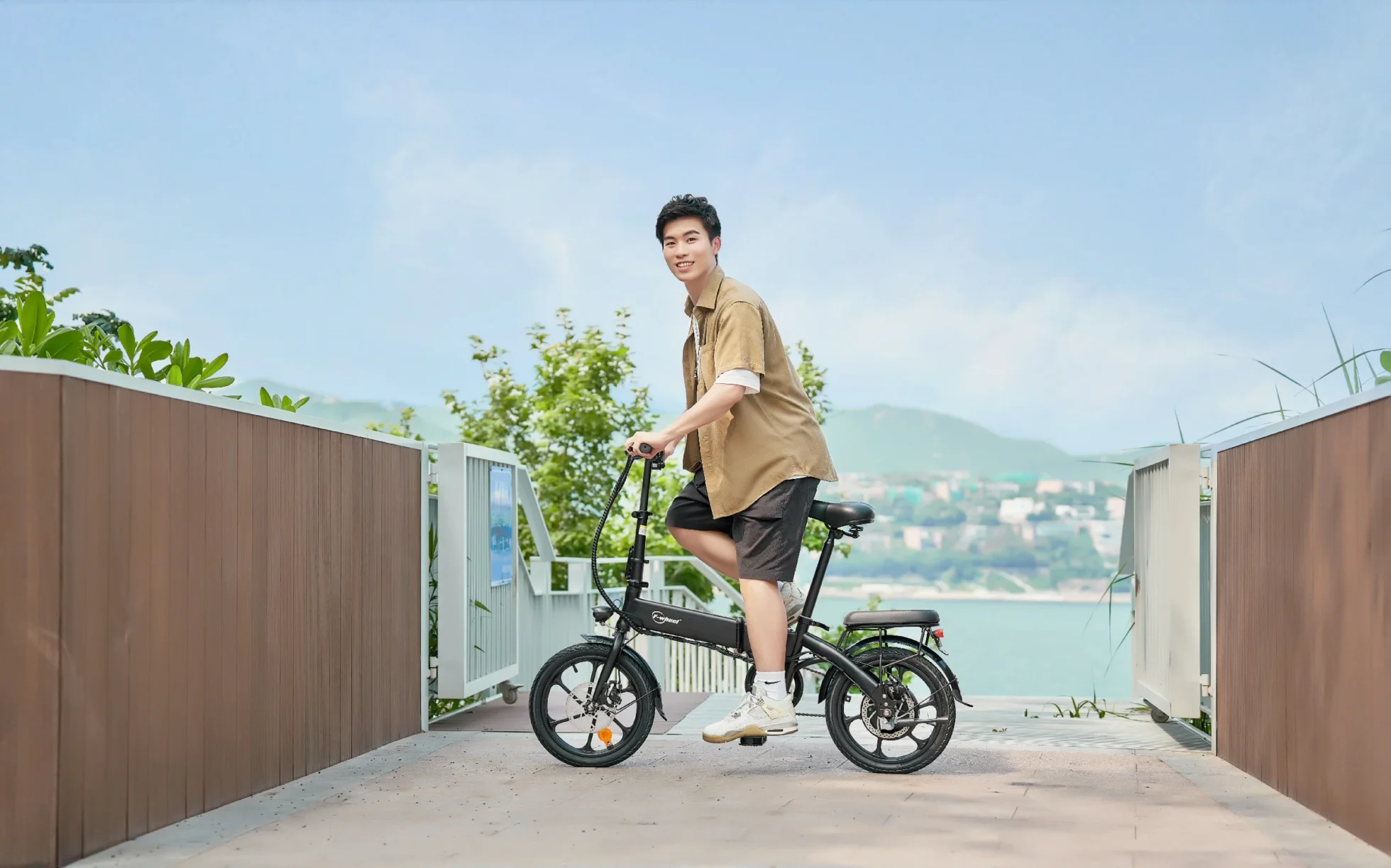
Choose the DYU A1F Pro (€459) if:
- Your budget is under €600
- You carry groceries, work bags, or other cargo regularly
- Your commute is under 30 km round trip
- You want disc brakes for wet-weather confidence
- You prefer value over premium finishes
Choose the Brompton Electric (€2,300+) if:
- You carry your bike on trains, buses, or up stairs daily
- Ultra-light weight is your top priority
- You value the smoothest possible ride feel (torque sensor)
- You’re willing to invest in a bike you’ll keep for 10+ years
- You don’t need cargo capacity
For most European city commuters doing 10–20 km daily with occasional errands, the A1F Pro delivers 80% of the Brompton’s functionality at 20% of the price. The Brompton is objectively the better bike. The A1F Pro is objectively the smarter purchase for most budgets.
If you’re also considering other DYU folding options, the DYU C9 (€899, 150 km range) and DYU T1 (€749, torque sensor) offer mid-range alternatives with longer range and premium features.
FAQs
Q1. Is the DYU A1F Pro worth buying over the Brompton Electric?
For budget-conscious commuters, yes. The A1F Pro costs €459 vs the Brompton’s €2,300+, includes cargo (basket + rack), and handles daily commutes under 30 km perfectly. The Brompton is the better bike overall, but the A1F Pro is the smarter value for most riders.
Q2. What is the real range of the DYU A1F Pro?
DYU rates it at 40 km. My real-world testing showed 35–40 km in mixed urban riding with pedal assist. That’s enough for a 15 km commute with charge to spare. In cold weather (below 5°C), expect 10–20% less range.
Q3. Is the DYU A1F Pro good for grocery shopping?
Yes. It’s the only folding e-bike at this price range with both a front basket and rear rack included. I tested it carrying 15–20 kg of groceries comfortably on 5 km trips. The basket and rack are sturdy and well-integrated.
Q4. How heavy is the DYU A1F Pro compared to other folding e-bikes?
At 21 kg, it’s average for a folding e-bike with a full-size battery. The Brompton Electric is exceptionally light at 11.6 kg. Other DYU folding options include the DYU D3F at 19 kg and the DYU T1 at 22.5 kg. For comparison, most budget folding e-bikes weigh 20–25 kg.
Q5. Can I ride the DYU A1F Pro in the rain?
Yes. The A1F Pro has water-resistant electronics and disc brakes that maintain stopping power in wet conditions. I rode through several rainy weeks in Munich without issues. Just dry the bike after rides and avoid submerging the battery compartment.


2 comments
Felix R.
been going back and forth on this exact comparison for months. at 5x the price the brompton has to do something magical and from what you wrote it really doesn’t
Daniel Novak
the brompton fold is nicer, no question, but not 1800 euro nicer for most commuters. a1f pro handles the job just fine