

















Bicicleta eléctrica El ruido del motor varía mucho entre modelos y marcas. Un motor de bicicleta eléctrica en buen estado solo debería emitir un leve zumbido, pero a veces los ciclistas perciben molestos chirridos, chasquidos o chirridos agudos que indican posibles riesgos.
La comparación del ruido de los motores de las bicicletas eléctricas revela patrones fascinantes que nos ayudan a comprender por qué algunos motores funcionan de forma casi silenciosa, mientras que otros producen ruidos molestos. Los motores de buje de transmisión directa solo producen un leve zumbido, lo que los hace casi silenciosos. Los motores de buje con engranajes ofrecen un par excelente, pero tienden a ser más ruidosos debido a sus engranajes internos. El ruido del motor es el sonido más perceptible en una bicicleta eléctrica. Los cojinetes defectuosos suelen producir ruidos fuertes y molestos.
En este artículo se explica qué es lo que provoca estas diferencias y cómo detectar los ruidos problemáticos del motor de las bicicletas eléctricas. Aprenderás formas de mantener tus desplazamientos tranquilos y silenciosos. La información aquí recogida servirá de guía tanto a los nuevos compradores de bicicletas eléctricas como a los actuales propietarios que necesiten saber si los niveles de ruido de su bicicleta son normales o requieren atención.
Por qué algunos motores de bicicletas eléctricas son naturalmente más silenciosos

“Debido a la ausencia de engranajes, el ruido de funcionamiento suele ser inferior a 50 decibelios, lo que lo hace adecuado para entornos sensibles al ruido, como zonas residenciales, campus universitarios y hospitales”. — Neway Electric, Fabricante de motores para bicicletas eléctricas y autoridad técnica
Los niveles de ruido de los motores de las bicicletas eléctricas varían en función del diseño y la calidad de fabricación. Para elegir una bicicleta más silenciosa, es importante comprender qué factores provocan estas diferencias.
Tipo de motor: con engranajes frente a sin engranajes
El diseño del motor desempeña un papel fundamental en el nivel de ruido que produce una bicicleta eléctrica. Los motores sin engranajes funcionan mediante inducción electromagnética y no dependen de la reducción mecánica de engranajes, lo que les permite funcionar de forma extremadamente silenciosa. De hecho, su nivel de ruido de funcionamiento suele ser por debajo de 50 decibelios, lo que los hace ideales para su uso en entornos sensibles al ruido, como zonas residenciales, parques y zonas hospitalarias.
Los motores sin engranajes duran más porque tienen menos piezas móviles, y a menudo superan los 10 años de uso. Su diseño sencillo requiere un mantenimiento mínimo y elimina la necesidad de lubricar los engranajes.
Los motores con buje con engranajes utilizan sistemas de engranajes planetarios internos que hacen más ruido cuando los engranajes se acoplan. Estos motores destacan en la subida de pendientes, pero producen un característico zumbido debido a la fricción mecánica. Necesitan cambios regulares de aceite para engranajes y suelen durar entre 5 y 8 años.
Calidad de fabricación y tolerancias de los materiales
La calidad de fabricación es un factor fundamental en los niveles de ruido del motor. Los motores de buje de alta gama utilizan mejores tolerancias y materiales que mantienen un funcionamiento silencioso a lo largo del tiempo.
Los materiales utilizados marcan una gran diferencia en cuanto al ruido que producen. Los engranajes de acero suelen ser ruidosos, mientras que los modernos engranajes de nailon funcionan de forma más silenciosa, pero pueden no durar tanto. Este equilibrio entre ruido y durabilidad se refleja en la diferencia de precio entre las bicicletas eléctricas económicas y las de gama alta.
Tecnología de controladores y suministro de energía
La tecnología de controladores representa el mayor avance en la reducción del ruido del motor de las bicicletas eléctricas. Los controladores de onda cuadrada suministran energía en pulsos rectos y rectangulares, lo que crea un zumbido electrónico perceptible durante la aceleración que puede alcanzar 55-65 dB.Por otro lado, los controladores de onda sinusoidal generan patrones de corriente suaves y continuos que reducen drásticamente el ruido. Al suministrar energía de forma gradual en lugar de en ráfagas abruptas, funcionan de forma mucho más silenciosa. Estos controladores no solo reducen el ruido, sino que también mejoran la eficiencia en aproximadamente 8% en comparación con los sistemas de onda cuadrada. Además, reducen la distorsión armónica total de aproximadamente 30% a menos de 5%, lo que prolonga la vida útil de los componentes gracias a la menor tensión mecánica.
Las pruebas demuestran incluso que los sistemas de alta gama, como el motor TQ HPR50, suenan cinco veces más agradables y casi dos veces más silenciosos que muchos otros motores populares para bicicletas eléctricas de montaña. Esto demuestra claramente cómo la tecnología avanzada de controladores y la ingeniería de precisión pueden minimizar significativamente el ruido no deseado del motor.
Razones comunes por las que el motor de tu bicicleta eléctrica hace ruido

Los ruidos extraños que provienen del motor de tu bicicleta eléctrica suelen indicar problemas mecánicos o eléctricos que debes revisar. Es necesario encontrar rápidamente el origen para solucionar pequeños problemas antes de que se conviertan en reparaciones costosas.
Ruido de chirrido del motor de la bicicleta eléctrica debido al desgaste de los cojinetes
Los chirridos o ruidos sordos de tu bicicleta eléctrica suelen indicar cojinetes del motor desgastados.Estos componentes sellados ayudan a garantizar una rotación suave, pero no duran para siempre. El kilometraje elevado, la exposición al agua y la entrada de suciedad pueden acelerar el desgaste. A medida que la grasa interna se degrada, los cojinetes comienzan a producir ruidos metálicos que empeoran gradualmente.
Normalmente notarás este chirrido cuando la rueda gira libremente o mientras giras. Si la rueda comienza a tambalearse o sientes fuertes vibraciones que se transmiten a través del cuadro, es una clara señal de que los rodamientos están llegando al final de su vida útil y es probable que haya que sustituirlos.
Tornillos de montaje sueltos o tuercas del eje
La zona del motor suele chirriar debido a que las piezas están sueltas. Con el tiempo, la pintura del cuadro se comprime bajo los soportes del motor, lo que crea pequeños huecos por los que las piezas pueden moverse. Las tiras de espuma entre el cuadro y el motor también pueden comprimirse y hacer que el motor se balancee hacia adelante y hacia atrás, lo que ejerce más presión sobre las piezas. Estos ruidos se producen a determinadas velocidades de pedaleo o cuando se pisa con fuerza los pedales. Para evitarlo, comprueba regularmente que los tornillos de montaje del motor estén bien apretados.
Desgaste interno del engranaje en motores de cubo
Los motores del buje utilizan engranajes planetarios (a menudo fabricados en nailon) para aumentar el par motor. Estos engranajes se desgastan y producen un chirrido característico o un ruido metálico, especialmente bajo cargas pesadas. Un motor que arranca en silencio pero que se vuelve más ruidoso con un sonido áspero probablemente tenga los engranajes desgastados. Los casos graves provocan el desgaste de los engranajes, por lo que el motor gira pero no mueve bien la bicicleta, haciendo ruido sin potencia.
Zumbido eléctrico debido a sensores defectuosos en el pasillo
Los sensores Hall controlan la sincronización de la potencia en los motores sin escobillas. Cuando fallan, producen ruidos eléctricos extraños y problemas de rendimiento. Escuche si hay silbidos o zumbidos eléctricos que suenen “como un motor industrial trifásico con una fase baja”. Estos ruidos suelen ir acompañados de movimientos espasmódicos, cortes de energía o paradas completas del motor. Empiece por comprobar si los conectores están oxidados o sueltos antes de lanzarse a soluciones complejas.
Cómo elegir un modelo de bicicleta eléctrica silenciosa

Una bicicleta eléctrica silenciosa depende de componentes específicos y características de diseño que afectan a los niveles de ruido. El enfoque adecuado facilita encontrar una conducción tranquila.
Busque controladores de onda sinusoidal.
Los controladores de onda cuadrada producen un zumbido electrónico característico durante la aceleración, a menudo alcanzando los 55-65 dB.Por el contrario, los controladores de onda sinusoidal generan una potencia suave y continua que reduce considerablemente el ruido. Estos sistemas avanzados reducen la distorsión armónica total de alrededor de 30% a menos de 5%, lo que se traduce en un funcionamiento mucho más silencioso. También mejoran la eficiencia general hasta en un 8%, lo que los convierte en una opción superior para los motoristas que buscan rendimiento y bajo nivel de ruido.
Compruebe que los cojinetes y juntas sean de alta calidad.
Los rodamientos de alta calidad con sellado superior protegen contra la humedad y la contaminación. Las especificaciones técnicas muestran que los rodamientos de alta calidad, como los de la gama MTRX de SKF, retienen una cantidad de lubricante considerablemente mayor que las alternativas convencionales. Los rodamientos de acero inoxidable o cerámica ofrecen una excelente resistencia a la corrosión en condiciones de humedad.
Lea las opiniones de los usuarios sobre las quejas por ruido.
Las experiencias de los usuarios que se centran en las menciones sobre el ruido pueden revelar mucho. Las reseñas suelen describir “chirridos agudos” o “ruidos chirriantes” que apuntan a posibles problemas.
DYU T1: Un caso de rendimiento silencioso del motor
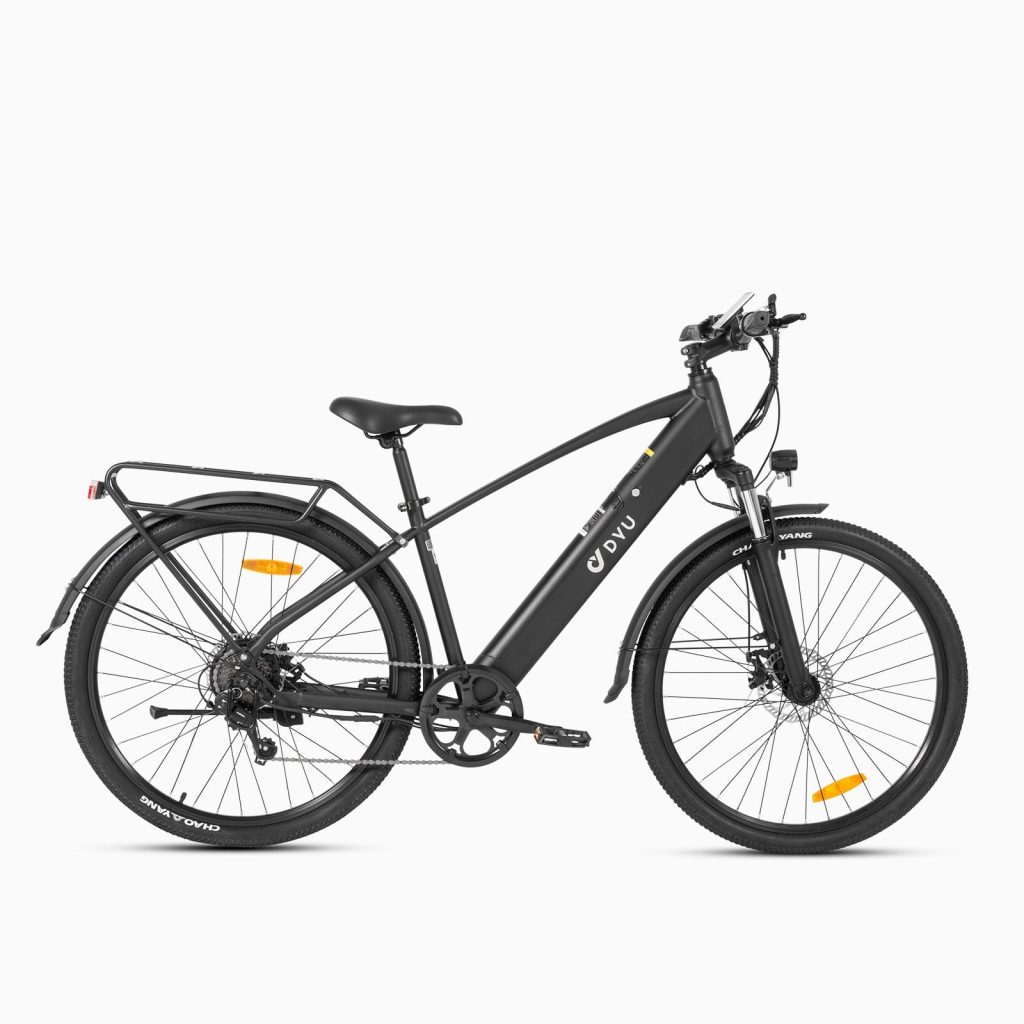
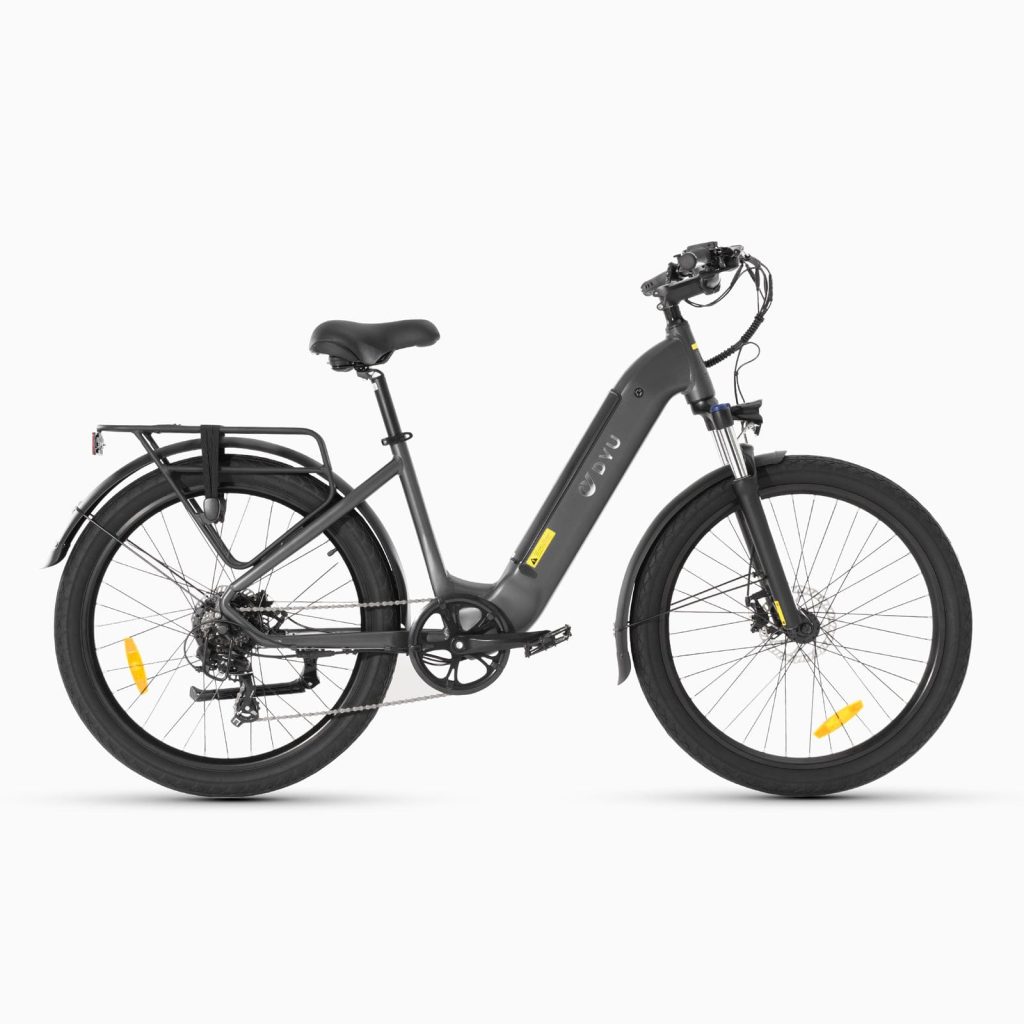
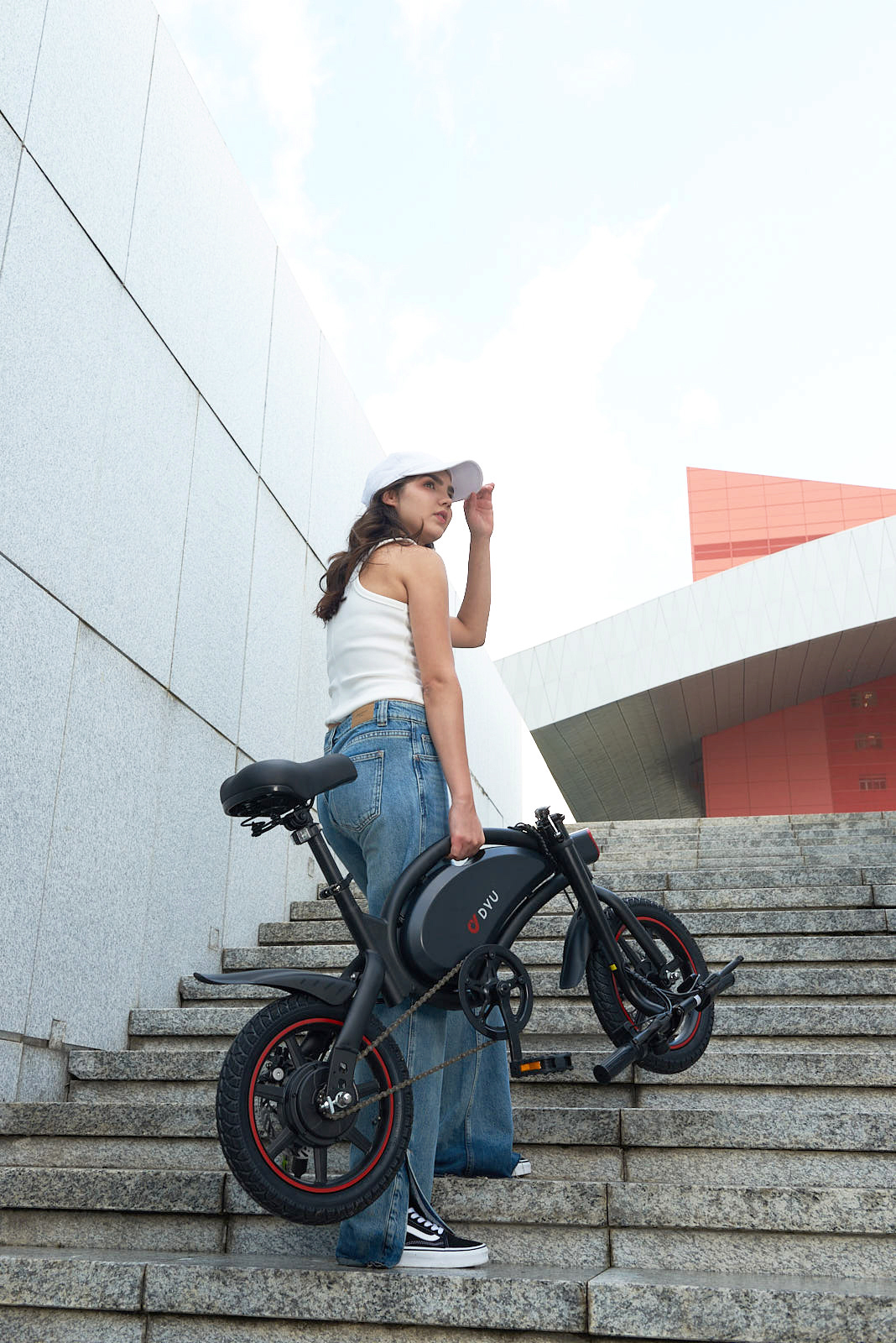
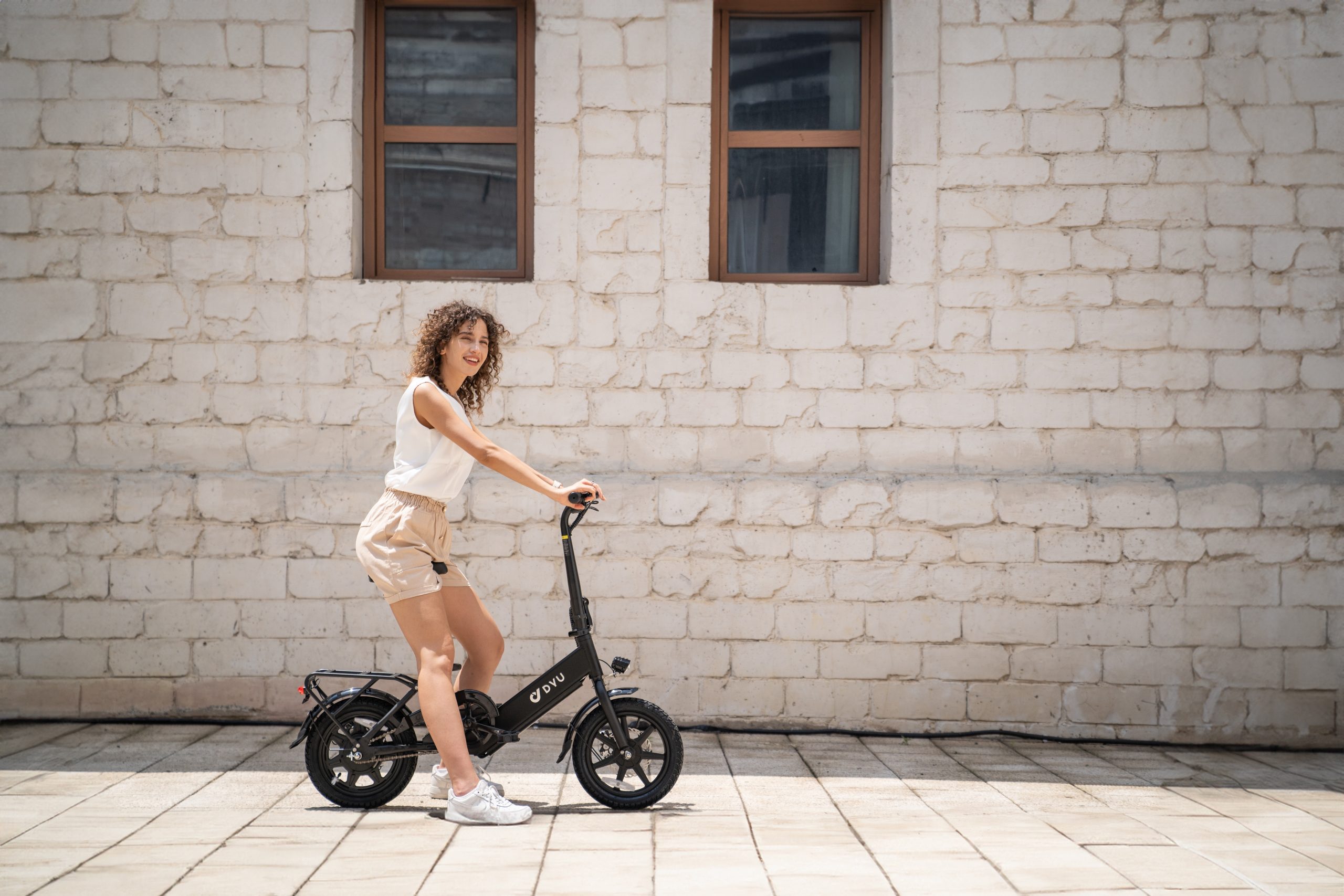
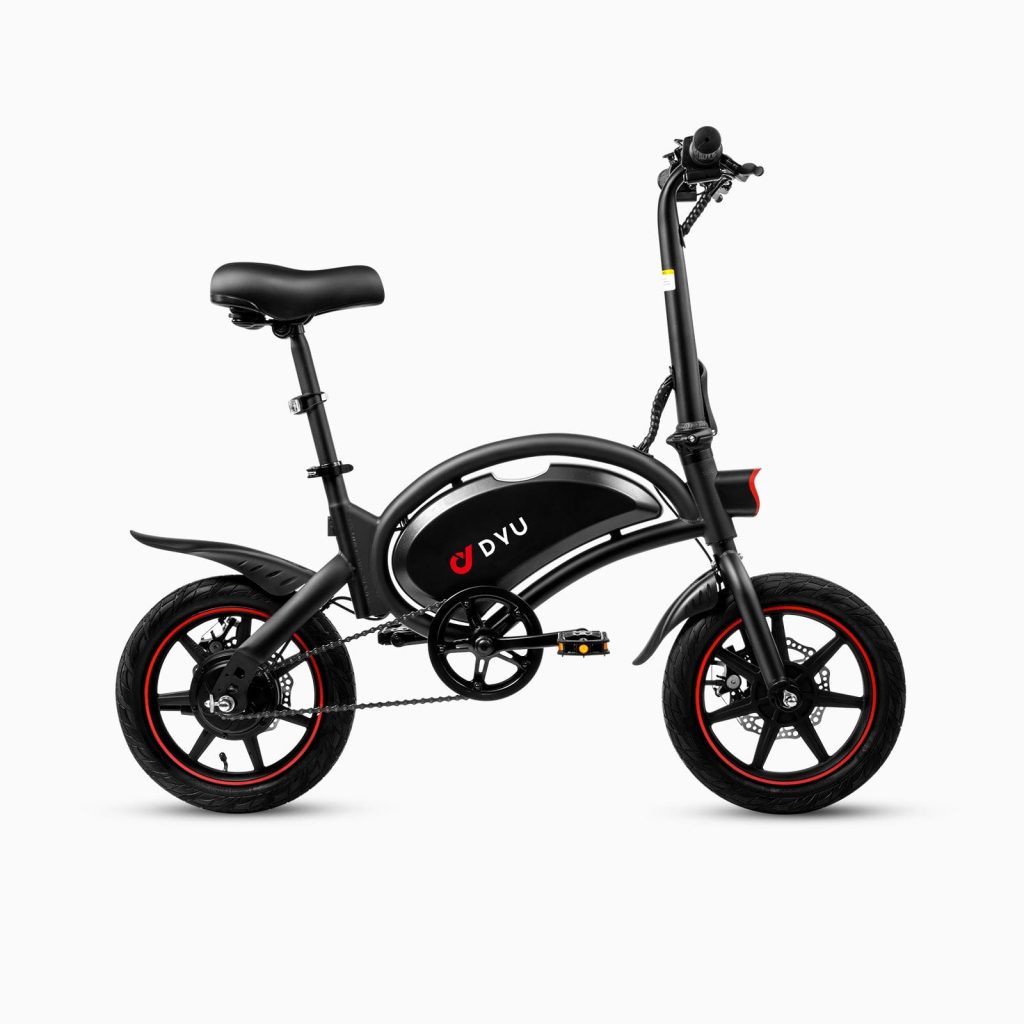
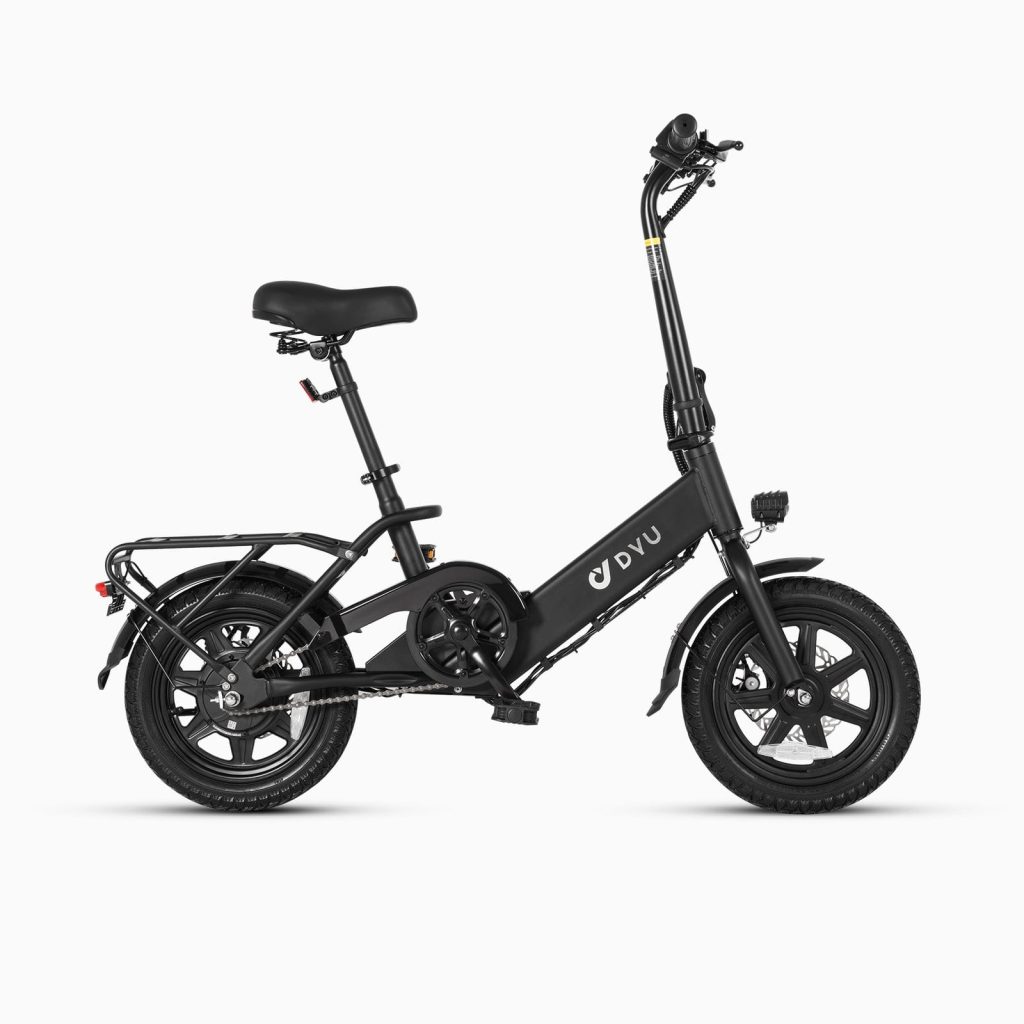
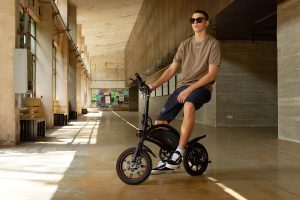
El DYU T1 ofrece un control del ruido excepcional gracias a su motor sin escobillas de 250 W integrado en el buje, que funciona de forma silenciosa y eficiente. El motor acelera suavemente y cumple con todas las normativas. Este modelo utiliza tecnología de detección de par que proporciona potencia de forma natural y parece “leer la mente”.
Consejos de mantenimiento para mantener su motor silencioso

“Dado que no hay engranajes internos que se desgasten, los motores sin engranajes requieren menos mantenimiento y tienden a durar más tiempo con menos problemas mecánicos a lo largo del tiempo”. — Letrigo, Experto en durabilidad de bicicletas eléctricas
El mantenimiento regular es fundamental para que el motor de una bicicleta eléctrica funcione de manera silenciosa. Un buen mantenimiento evita muchos problemas comunes relacionados con el ruido antes de que aparezcan. Apriete los radios y las tuercas del eje con regularidad.
Las piezas sueltas producen molestos ruidos y pueden incluso provocar situaciones peligrosas durante la conducción. Es importante comprobar regularmente las tuercas de los ejes de tu bicicleta eléctrica. Aplicar la correcta par motor de 35-40 Nm mantiene la rueda firmemente bloqueada en su sitio y evita ruidos indeseados causados por el movimiento. También debe asegurarse de que la tensión de los radios de la rueda permanece correctamente equilibrada, ya que los radios flojos o desiguales pueden provocar vibraciones y ejercer una tensión adicional sobre el conjunto del motor.
Limpie y seque el motor después de los paseos en condiciones de humedad.
La humedad y la suciedad impiden un funcionamiento silencioso. Es necesario limpiar y secar bien la carcasa del motor después de circular por terrenos embarrados o bajo la lluvia para evitar la corrosión y la acumulación de suciedad. Esto es aún más importante en los motores con buje con engranajes, ya que las piezas internas pueden sufrir una exposición constante a la humedad.
Lubrique los engranajes internos con grasa apta para nylon.
Los engranajes de nailon de las bicicletas eléctricas necesitan lubricantes específicos. Nunca utilices grasas estándar a base de petróleo, ya que con el tiempo deteriorarán el nailon. La mejor opción son las grasas sintéticas de alta calidad compatibles con el plástico, como Molykote PG-75. Debes volver a engrasar los motores con buje de engranajes cada 500-1000 millas.
Evite arrancar a toda velocidad en pendientes pronunciadas.
Las piezas del motor se someten a una tensión máxima durante las aceleraciones repentinas. La potencia debe aplicarse gradualmente, especialmente en pendientes, para proteger los dientes del engranaje. Este enfoque suave ayuda a mantener la tracción y reduce los ruidos chirriantes provocados por un par excesivo en los componentes internos.
Conclusión
Nuestro análisis en profundidad del ruido de los motores de las bicicletas eléctricas revela varios factores que diferencian a las bicicletas silenciosas de las más ruidosas. El diseño del motor desempeña un papel crucial en los niveles de ruido. Los motores sin engranajes funcionan silenciosamente a menos de 50 decibelios, mientras que los motores con engranajes producen más ruido mecánico a pesar de su excelente par motor.
Las piezas de calidad marcan una diferencia clara. Los modelos premium utilizan controladores de onda sinusoidal en lugar de la tecnología tradicional de onda cuadrada. Estos proporcionan potencia de forma suave y reducen los niveles de ruido. Estos controladores avanzados cuestan entre 100 y 200 € más, pero ofrecen una conducción más silenciosa y una mayor eficiencia, entre otras ventajas.
Los ruidos extraños suelen indicar problemas específicos que hay que solucionar. Los chirridos suelen indicar que los cojinetes están desgastados, mientras que los chasquidos pueden deberse a que las piezas de montaje están sueltas. La mayoría de los problemas de ruido se evitan con un mantenimiento regular. El cuidado rutinario debe incluir la comprobación de las tuercas de los ejes, la limpieza después de los paseos en condiciones de humedad y el uso de los lubricantes adecuados.
La búsqueda de tu próxima bicicleta eléctrica debe centrarse en modelos con rodamientos de alta calidad, buen sellado y tecnología de control avanzada. Las reseñas que mencionan los niveles de ruido pueden ayudarte a decidir. Una bicicleta eléctrica silenciosa aumenta el placer de conducir y demuestra consideración hacia los demás, especialmente en zonas residenciales y senderos naturales.
Ten en cuenta que los buenos hábitos de conducción van de la mano con un mantenimiento adecuado. Una aceleración suave, especialmente en las cuestas, reduce el desgaste de los componentes y mantiene tu bicicleta eléctrica funcionando silenciosamente durante más tiempo. La combinación adecuada de conocimientos y cuidados te permite disfrutar de un paseo tranquilo y casi silencioso que hace que las bicicletas eléctricas sean tan especiales.
Preguntas frecuentes
P1. ¿Qué hace que algunos motores de bicicletas eléctricas sean más silenciosos que otros?
El tipo de motor, la calidad de fabricación y la tecnología del controlador influyen significativamente en los niveles de ruido. Los motores sin engranajes y los que tienen controladores de onda sinusoidal suelen ser más silenciosos, mientras que los motores con engranajes y los controladores de onda cuadrada producen más ruido.
P2. ¿Cómo puedo reducir el ruido del motor de mi bicicleta eléctrica?
El mantenimiento regular es fundamental. Apriete los radios y las tuercas del eje, limpie y seque el motor después de los paseos en condiciones de humedad, utilice lubricantes adecuados para los engranajes internos y evite las aceleraciones bruscas, especialmente en las cuestas. Estas prácticas ayudan a prevenir muchos problemas comunes relacionados con el ruido.
P3. ¿Por qué mi bicicleta eléctrica hace un ruido chirriante o chirriante?
Los ruidos chirriantes suelen indicar que los cojinetes están desgastados, mientras que los chirridos pueden deberse al desgaste interno de los engranajes o a problemas eléctricos con los sensores Hall. Los pernos de montaje sueltos también pueden provocar crujidos. Es importante solucionar estos problemas rápidamente para evitar daños mayores.
P4. ¿Qué debo tener en cuenta al comprar una bicicleta eléctrica silenciosa?
Busca modelos con controladores de onda sinusoidal, rodamientos y juntas de alta calidad, y opiniones positivas de los usuarios en cuanto a los niveles de ruido. Los motores sin engranajes suelen ser más silenciosos que los que tienen engranajes. Algunas marcas, como DYU, son conocidas por el rendimiento silencioso de sus motores.
P5. ¿Con qué frecuencia debo realizar el mantenimiento de mi bicicleta eléctrica para que siga funcionando sin ruidos?
El mantenimiento regular es fundamental. Comprueba y aprieta los componentes cada pocas salidas, limpia la bicicleta después de condiciones húmedas o con barro y lubrica las piezas móviles según sea necesario. En el caso de los motores con buje con marchas, considera volver a engrasar los engranajes internos cada 500-1000 millas.




4 comentarios
Raymond
¿Debo preocuparme si mi bicicleta eléctrica empieza a hacer más ruido de repente?
Daniel Novak
Los aumentos repentinos de ruido suelen indicar un problema: cojinetes desgastados, tornillería suelta o engranajes dañados. Lo mejor es inspeccionar el motor y solucionar los pequeños problemas a tiempo para evitar reparaciones costosas.
Patrick
Me dan ganas de revisar los cojinetes y tornillos del motor este fin de semana.
Oliva
Tiene sentido que algunas bicicletas eléctricas zumben y otras chirríten, nunca lo había pensado.