
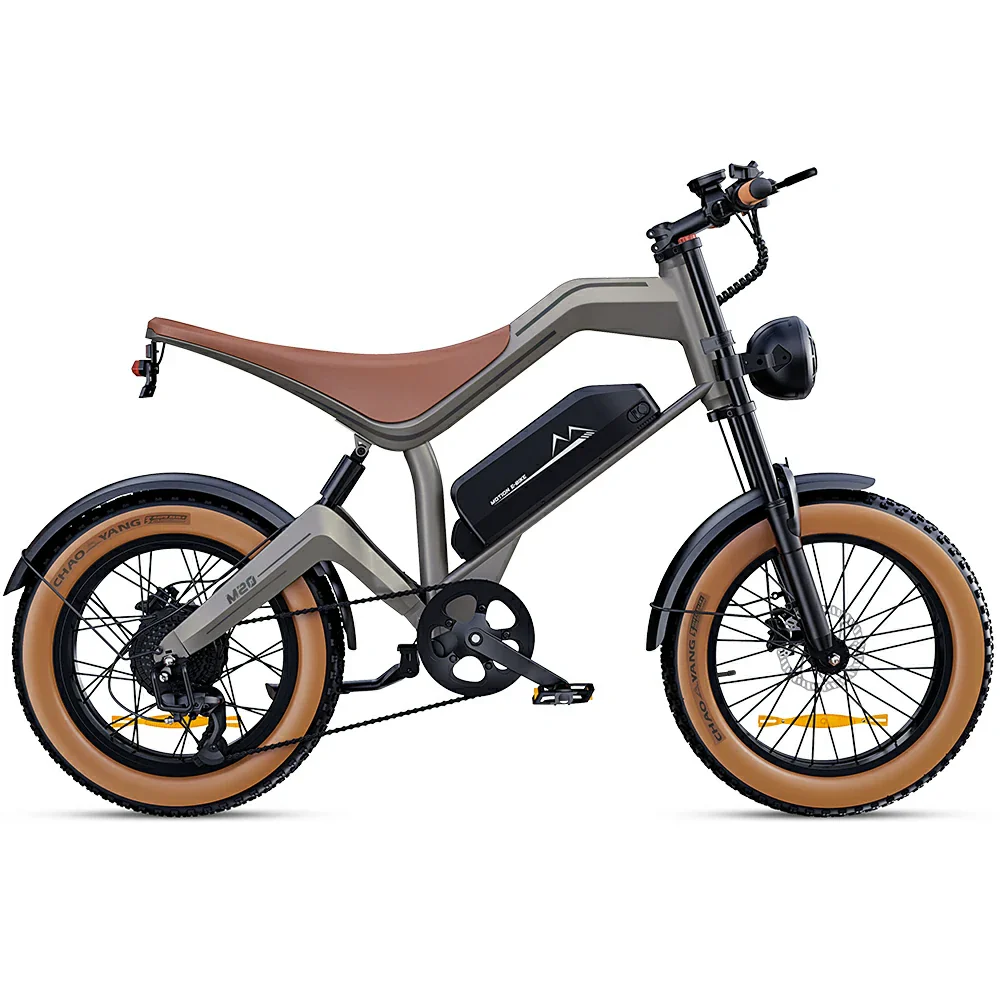
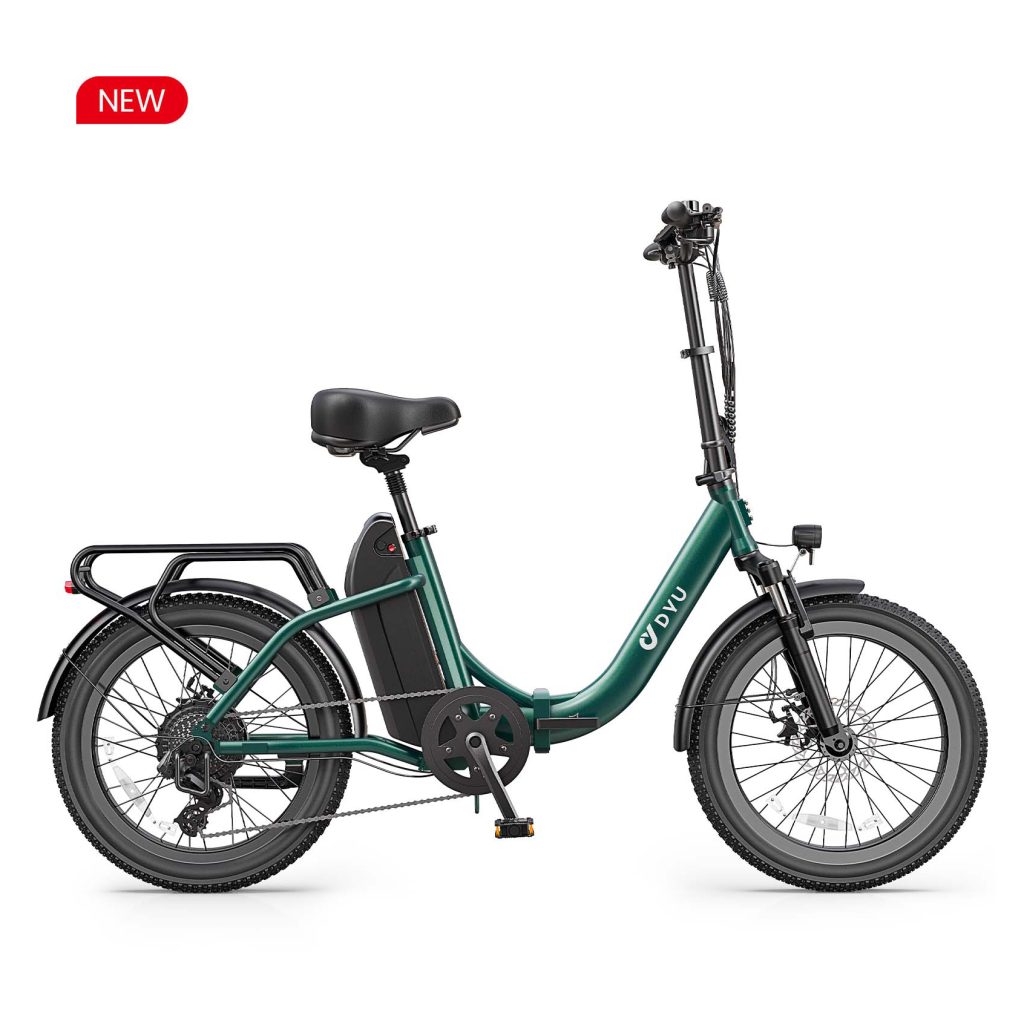
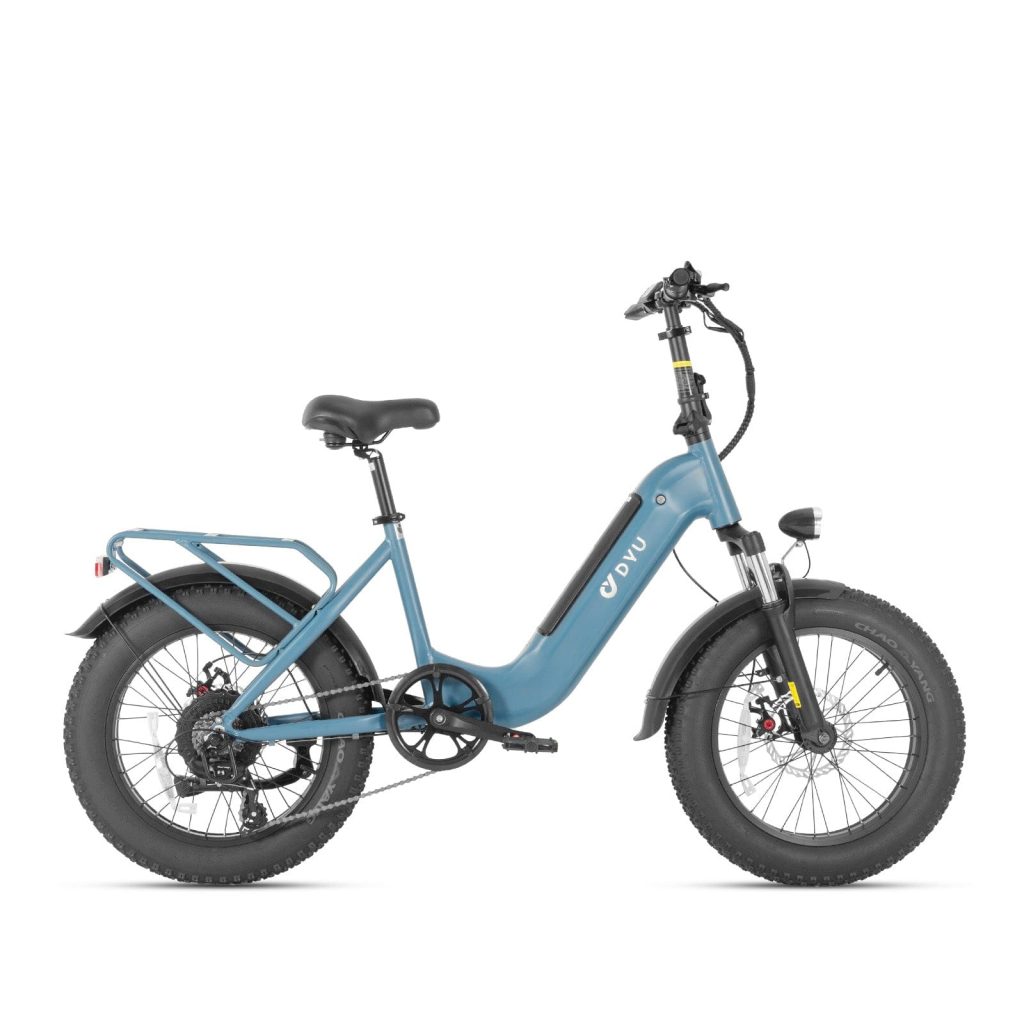
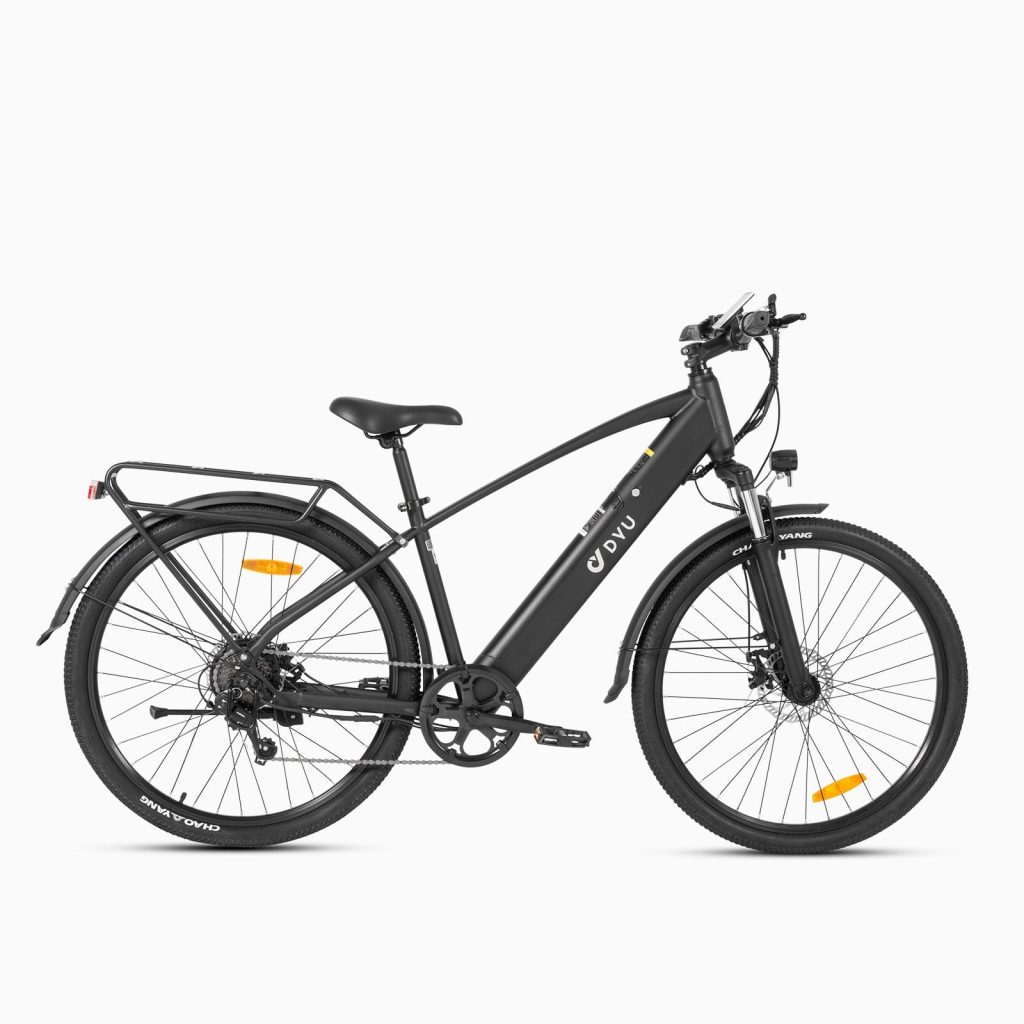
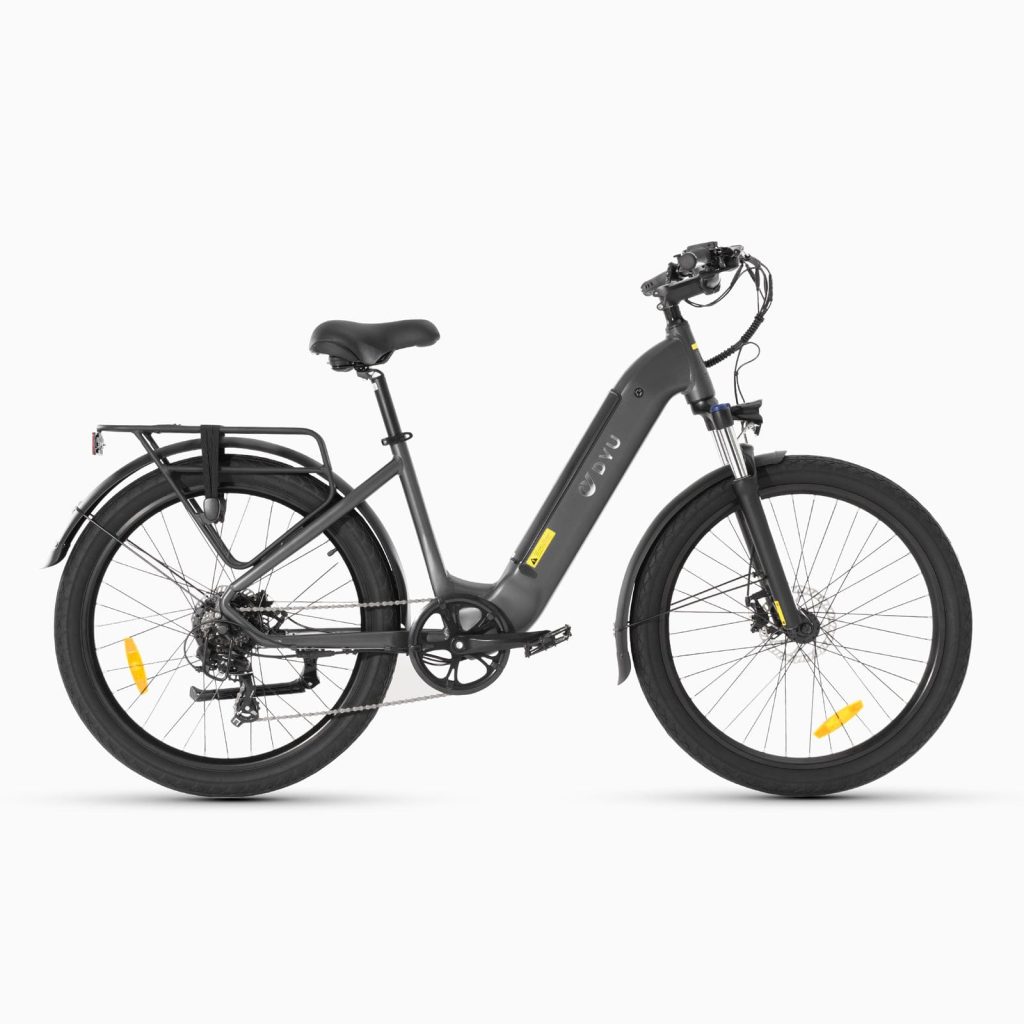
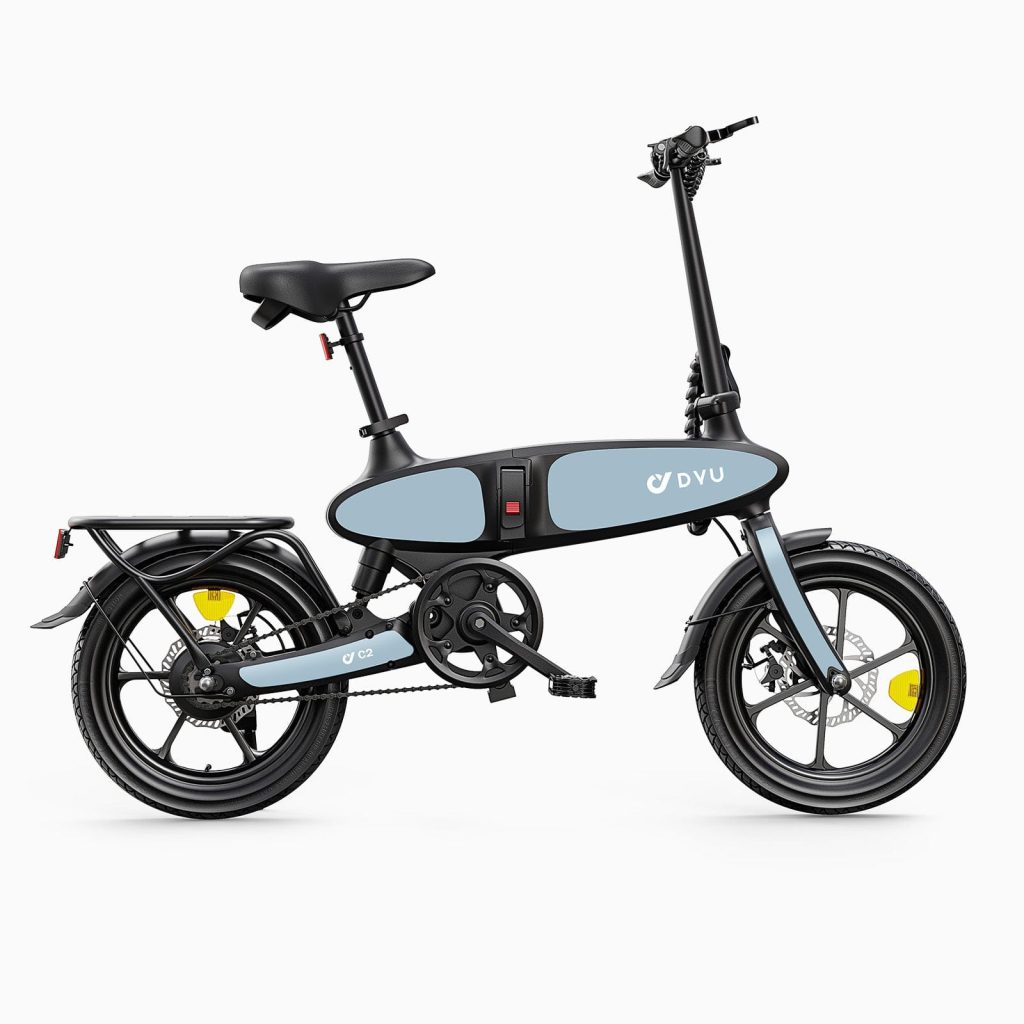
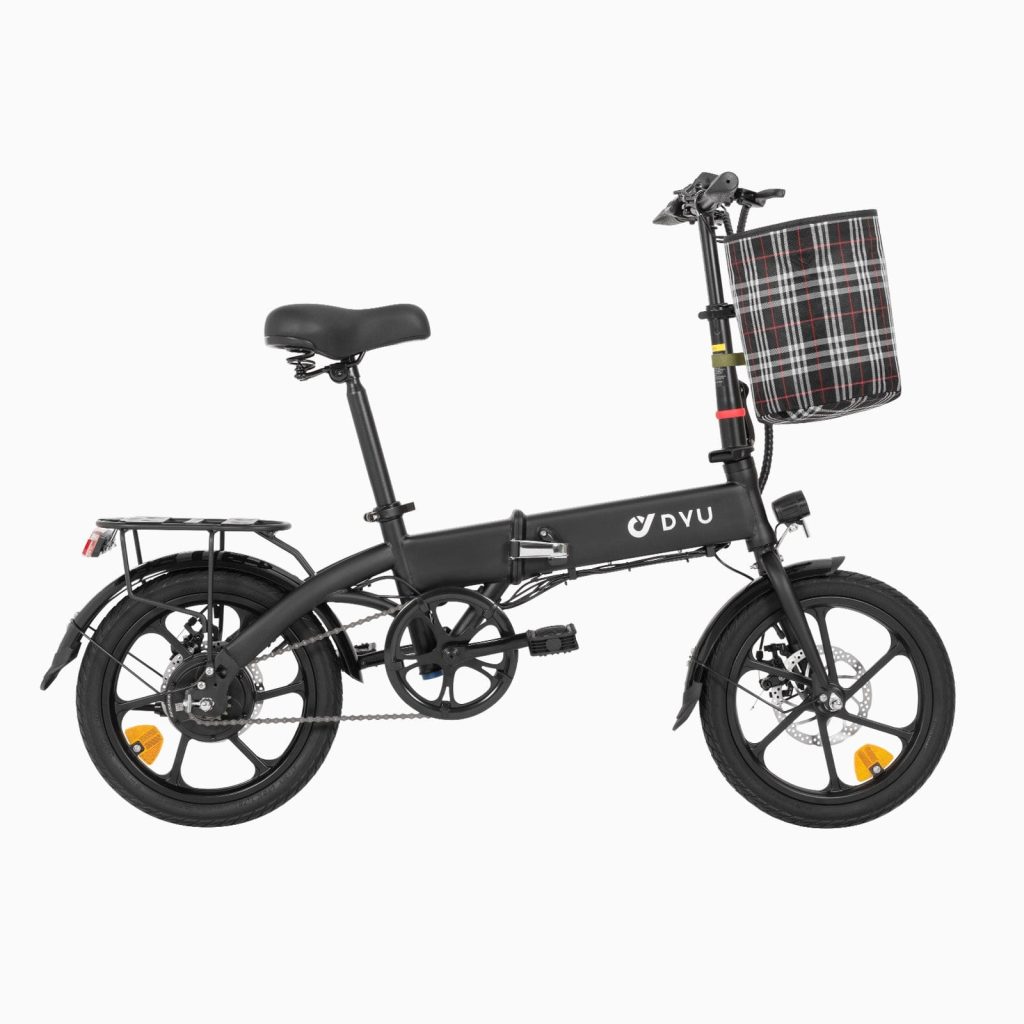
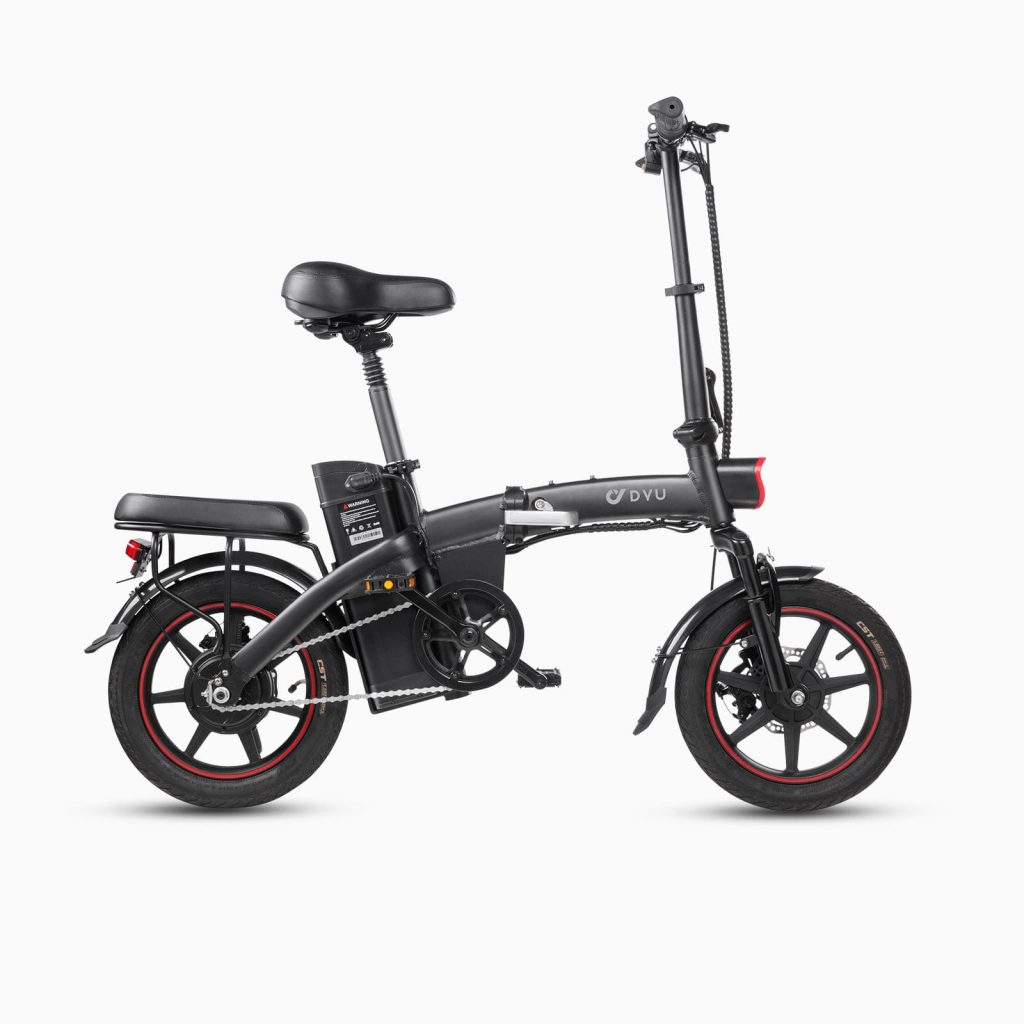
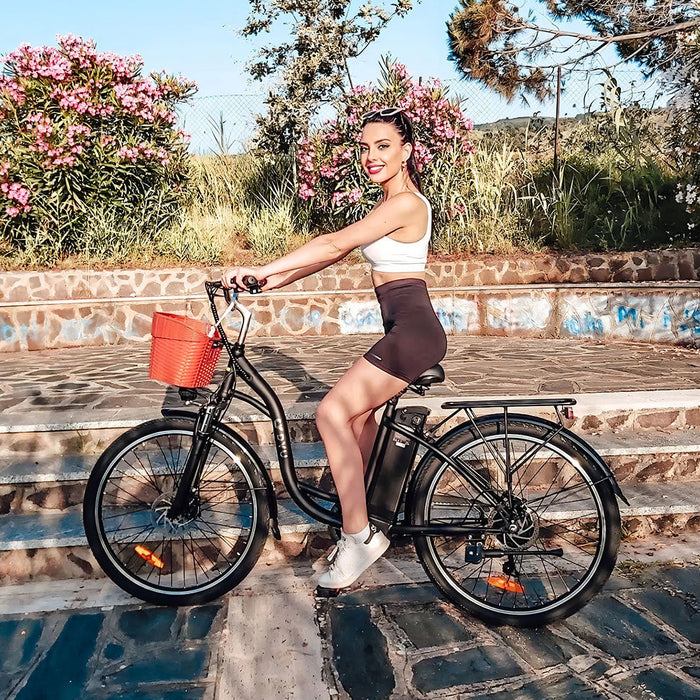
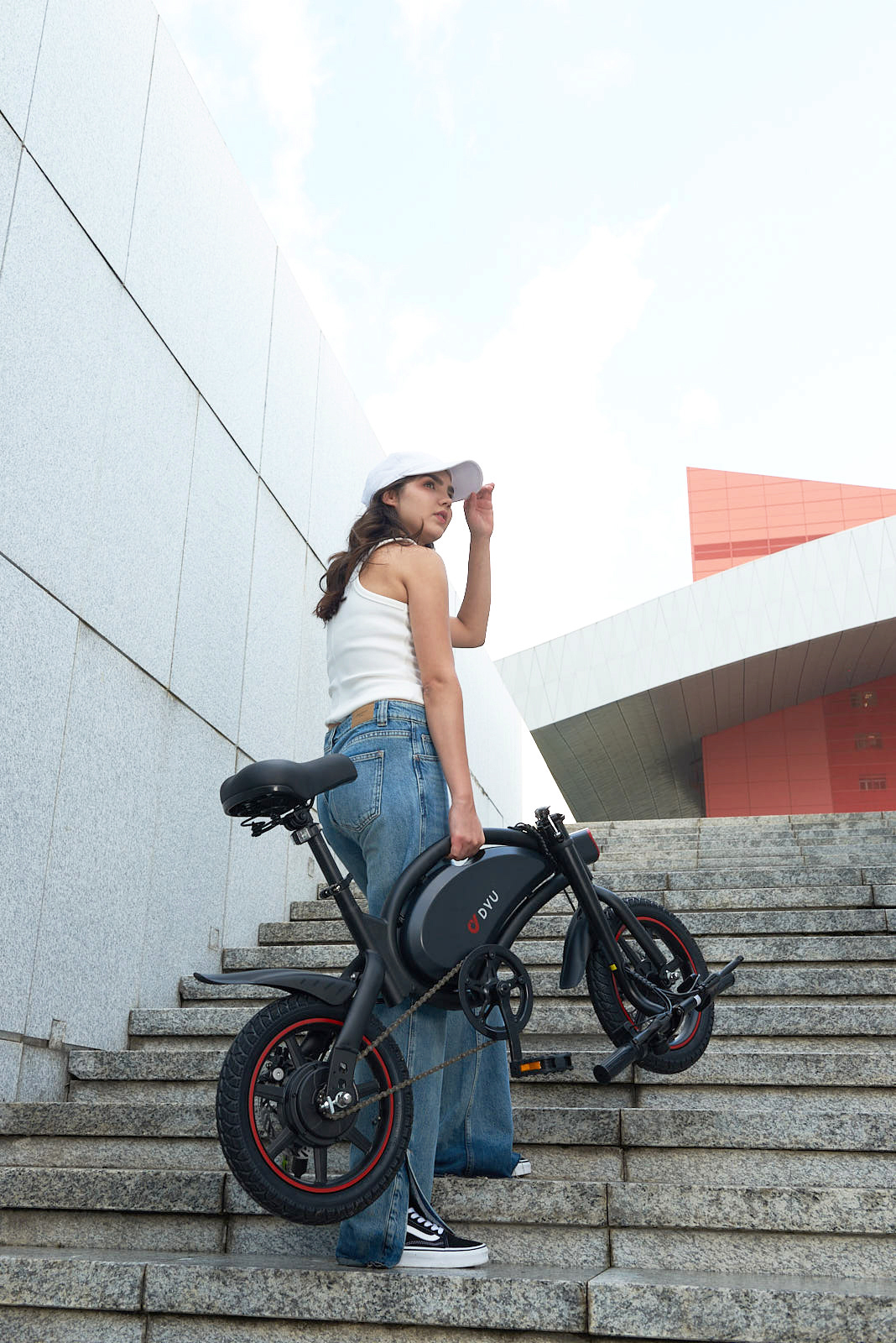
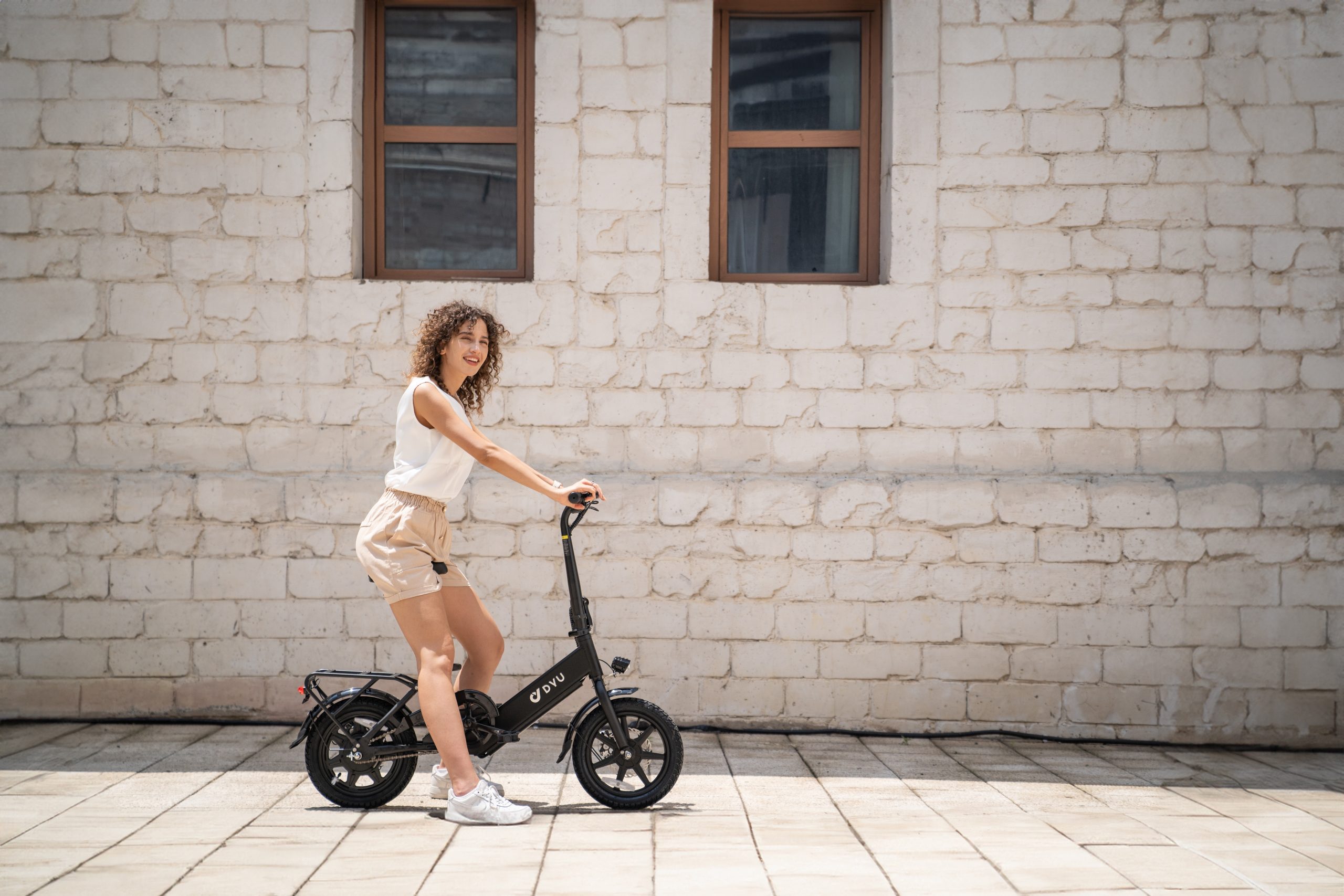
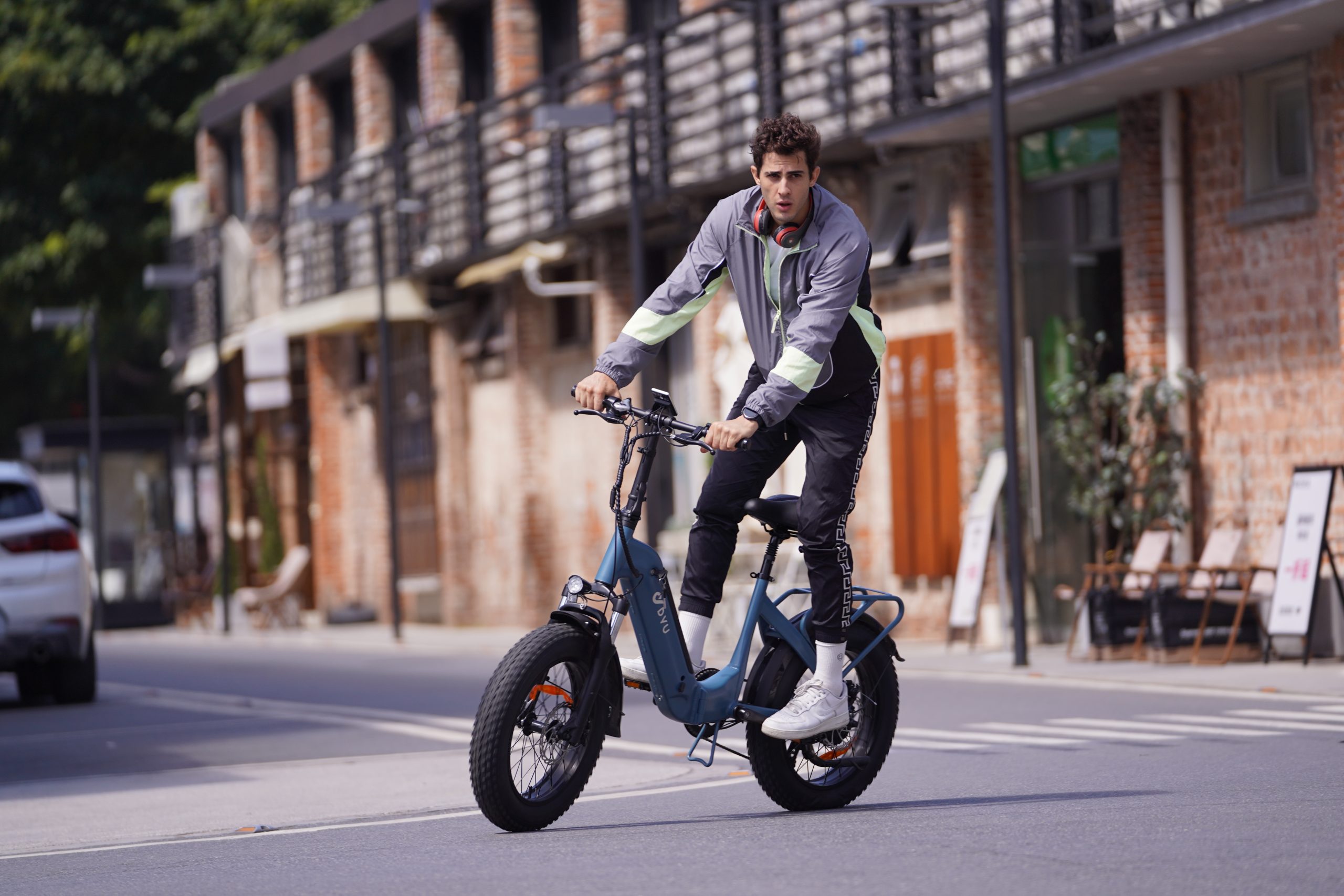













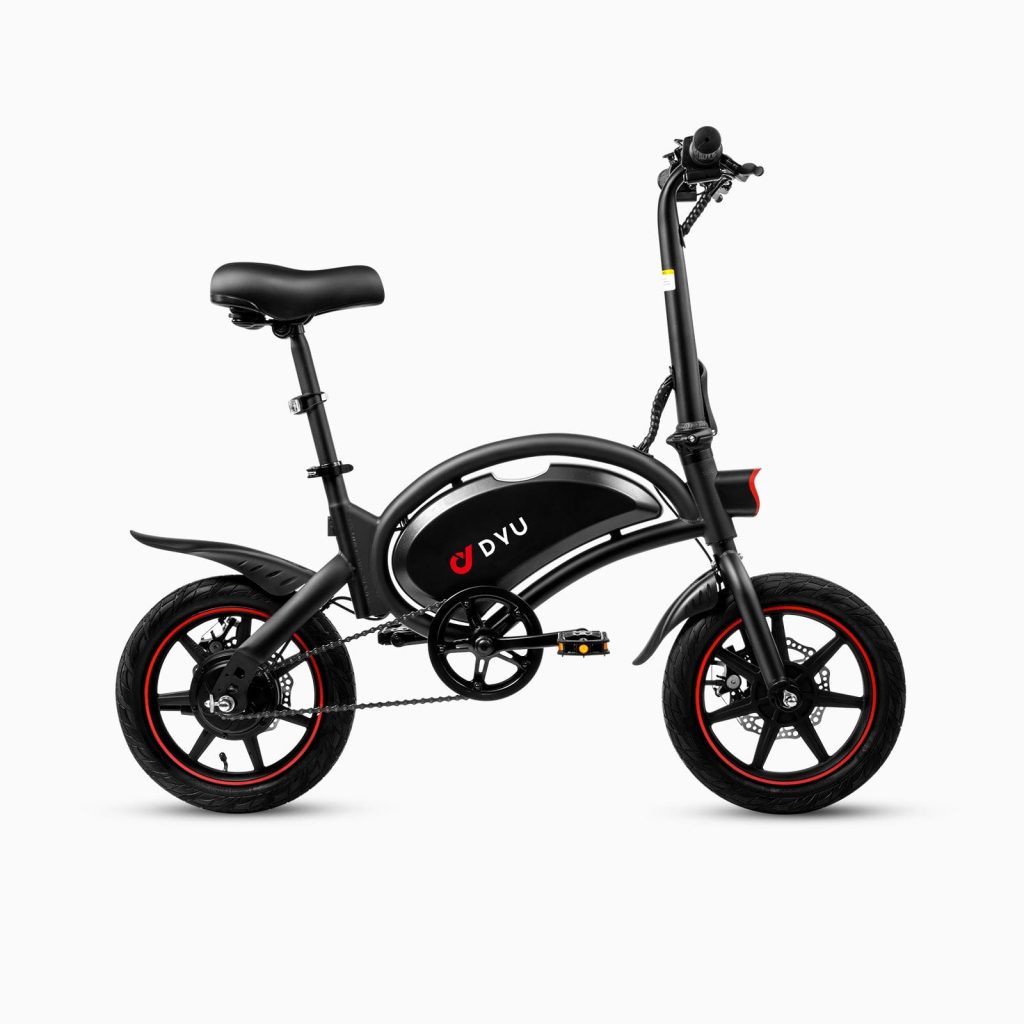
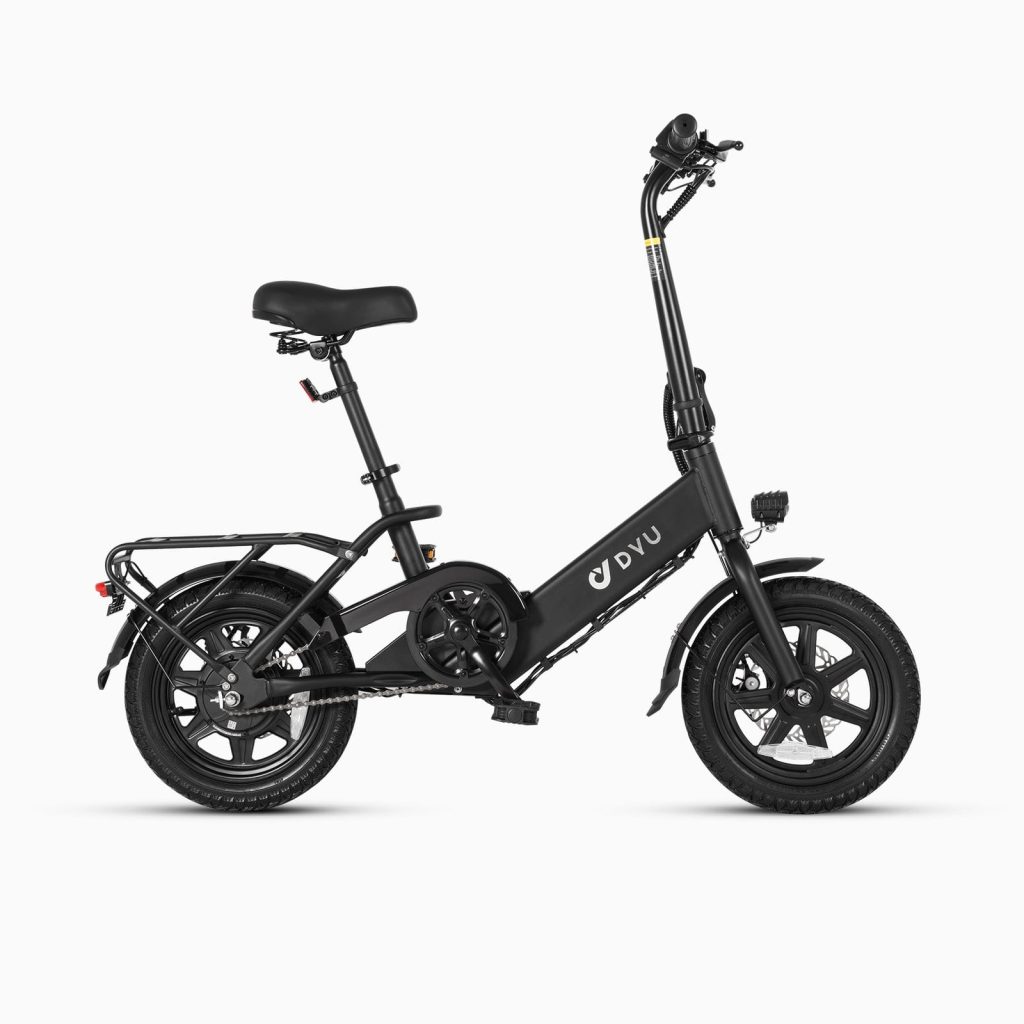
Após semanas de utilização diária: DYU M20 vs Tuttio ICT
O DYU M20 vs Tutoria TIC manteve-me ocupado durante semanas de testes diários. A diferença de potência destaca-se imediatamente - o DYU M20 funciona com um motor de 750W (com um pico de 1500W), enquanto o Tuttio ICT tem um poderoso motor de 2000W com um pico de 4000W.
Os meus longos passeios mostraram que estas e-bikes proporcionam experiências completamente diferentes, apesar dos seus objectivos semelhantes. A DYU M20 atinge velocidades até 45 km/h, e o Tuttio ICT redefine os limites da velocidade ao atingir 69 km/h. A velocidade não é o único fator que importa. O DYU brilha com a sua excecional autonomia - até 160 km no modo de pedalagem assistida, que bate os 120 km do Tuttio em condições semelhantes. A diferença de preço também é significativa - pode adquirir o DYU M20 por 899 euros, enquanto o Tuttio ICT custa 1499 euros.
Os meus testes abrangeram ambas as bicicletas numa variedade de terrenos, desde ruas urbanas a trilhos desafiantes. Cada bicicleta destaca-se em diferentes áreas, e os meus testes revelaram informações surpreendentes sobre o seu valor global. Testei ambas extensivamente para o ajudar a escolher entre elas com base na autonomia, manuseamento e qualidade de construção.
Experiência de condução diária: Cidade e fora de estrada
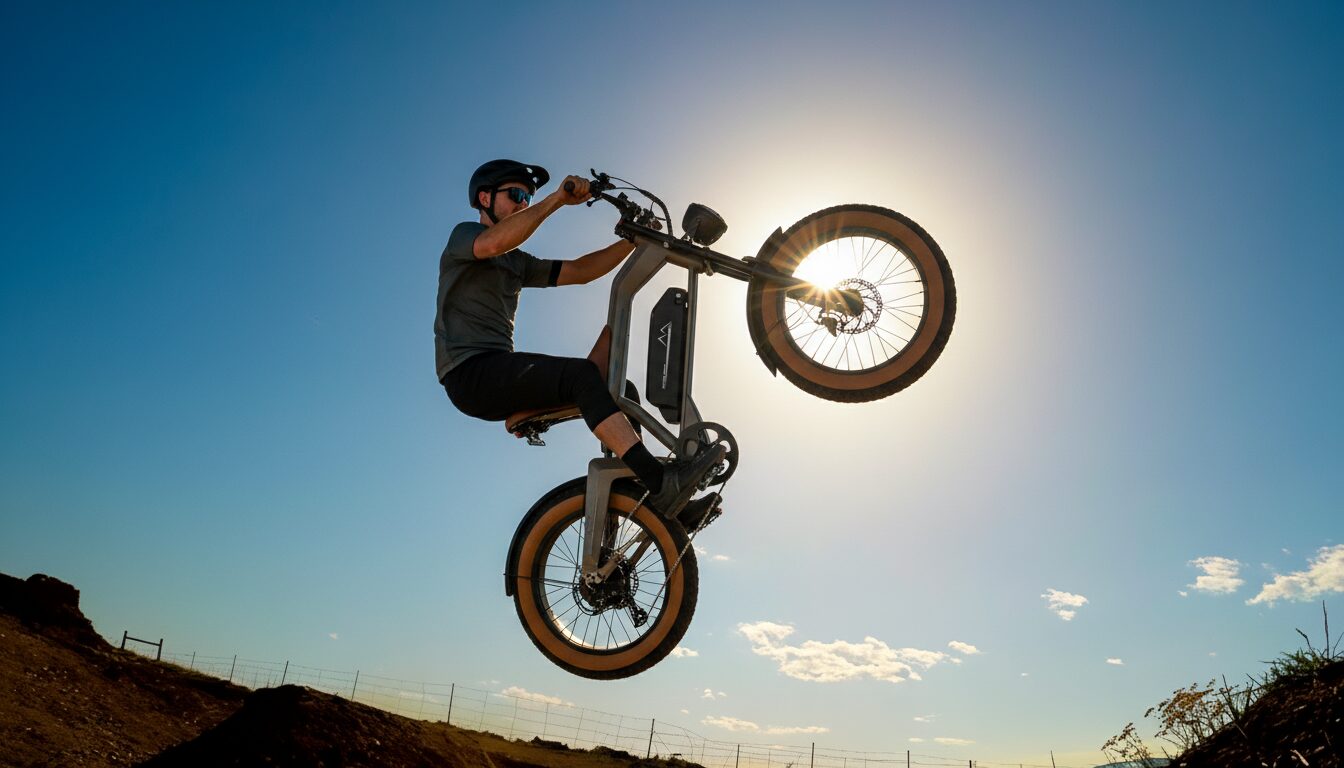
As semanas que passei a alternar entre estas duas e-bikes revelaram diferenças claras na forma como lidam com as deslocações diárias.
Deslocações urbanas: Aceleração e manuseamento
O DYU M20 brilha em ambientes urbanos, especialmente quando é necessário arrancar rapidamente nos semáforos ou subir colinas. Os testes mostraram que consegui atingir velocidades até 42 km/h, aproximando-me dos 45 km/h máximos anunciados. O Tuttio ICT tem uma potência substancialmente maior com o seu motor de 2000 W (com um pico de 4000 W) e consegue passar de 0-44 mph em menos de 5 segundos. Esta potência bruta tem uma contrapartida - a ICT não se adapta tão bem às ruas da cidade devido ao seu peso e tamanho semelhantes aos de uma mota.
O M20 conseguiu manter um bom desempenho mesmo com uma carga completa de compras ou ao enfrentar inclinações íngremes até 35°. A navegação citadina tornou-se fácil graças à sua capacidade de resposta no trânsito de pára-arranca, e a vantagem de preço de 600 euros sobre o Tuttio torna-o ainda mais apelativo.
Desempenho nos trilhos: Estabilidade em gravilha e areia
Ambas as bicicletas vêm equipadas com pneus gordos de 20 polegadas, mas enfrentam as condições fora de estrada de forma diferente. Os pneus da DYU M20 melhoraram substancialmente a aderência em superfícies irregulares, dando-me um controlo confiante em trilhos ligeiros, caminhos de gravilha e zonas arenosas. A Tuttio ICT também se aguenta fora de estrada - os seus pneus gordos e a suspensão integral funcionam bem para absorver as vibrações dos trilhos.
O quadro mais leve da M20 (21,8 kg contra 46,7 kg da ICT) torna as secções técnicas muito mais fáceis de manusear.
Conforto em viagens longas: Selim e suspensão
Cada bicicleta oferece a sua própria visão do conforto do utilizador. O sistema de suspensão da DYU absorve bem os choques de buracos e estradas irregulares.
A Tuttio ICT surpreende pela sua forma invulgar de selim, que se mantém confortável mesmo após duas horas de pedalada. O amortecimento da forqueta dianteira invertida e do amortecedor traseiro é excelente, embora o peso do quadro seja percetível.
Os meus testes exaustivos demonstram que o DYU M20 proporciona um melhor conforto em relação ao seu peso para uma utilização diária em terrenos variados, tornando-o uma escolha mais prática para a maioria dos ciclistas.
Fornecimento de energia e controlo de velocidade
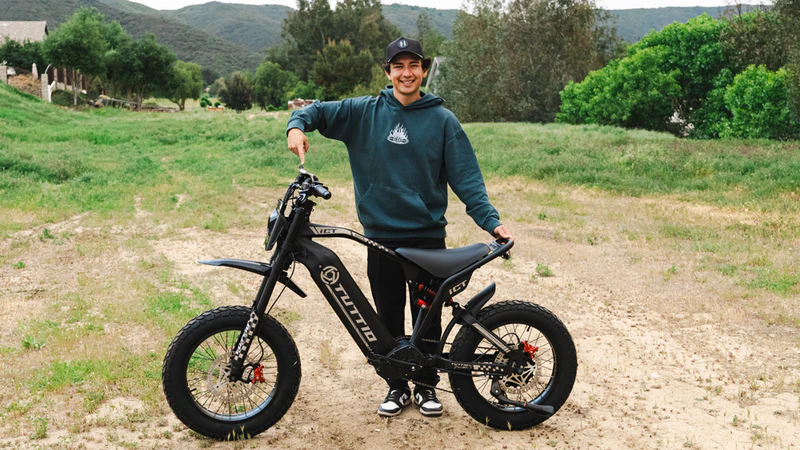
Os sistemas de gestão de potência destas bicicletas eléctricas mostram as suas filosofias de design únicas. Testei ambas as bicicletas extensivamente e descobri que havia uma diferença significativa na entrega de potência na estrada.
Resposta do acelerador: Suave vs Agressivo
O acelerador da DYU M20 proporciona uma aceleração previsível e gradual que parece acessível mesmo para os principiantes. Os sensores de binário adaptam a potência à pressão do pedal de forma inteligente - mantendo-se suave em terrenos planos e aumentando a assistência em inclinações. Isto cria uma experiência de condução natural em que o motor assiste como uma extensão do seu esforço.
A Tuttio ICT vem com um acelerador de meia-volta que responde com potência imediata, por vezes avassaladora. A entrega instantânea de potência pode levantar a roda dianteira durante arranques agressivos, o que torna a caraterística excitante, mas desafiante, nas viagens diárias.
Modos de velocidade e níveis de assistência
A DYU M20 torna a condução mais fácil com o seu sistema inteligente baseado no binário que se adapta automaticamente às condições. A Tuttio ICT oferece aos ciclistas mais opções com três modos distintos: totalmente elétrico, pedalada assistida com cinco níveis e manual. Este modo oferece mais personalização, mas requer mais atenção às definições.
Observações sobre a velocidade máxima no solo
O DYU M20 atingiu de forma consistente a sua velocidade máxima de 45 km/h. A Tuttio ICT afirma velocidades até 69 km/h (43 mph com condutor), e esta velocidade extrema afecta significativamente o controlo e a segurança em condições de condução diárias.
O fornecimento de energia gerível do DYU revela-se mais prático para uso diário, especialmente quando se tem em conta a diferença de preço de 600 euros.
Vida útil da bateria e conveniência de carregamento
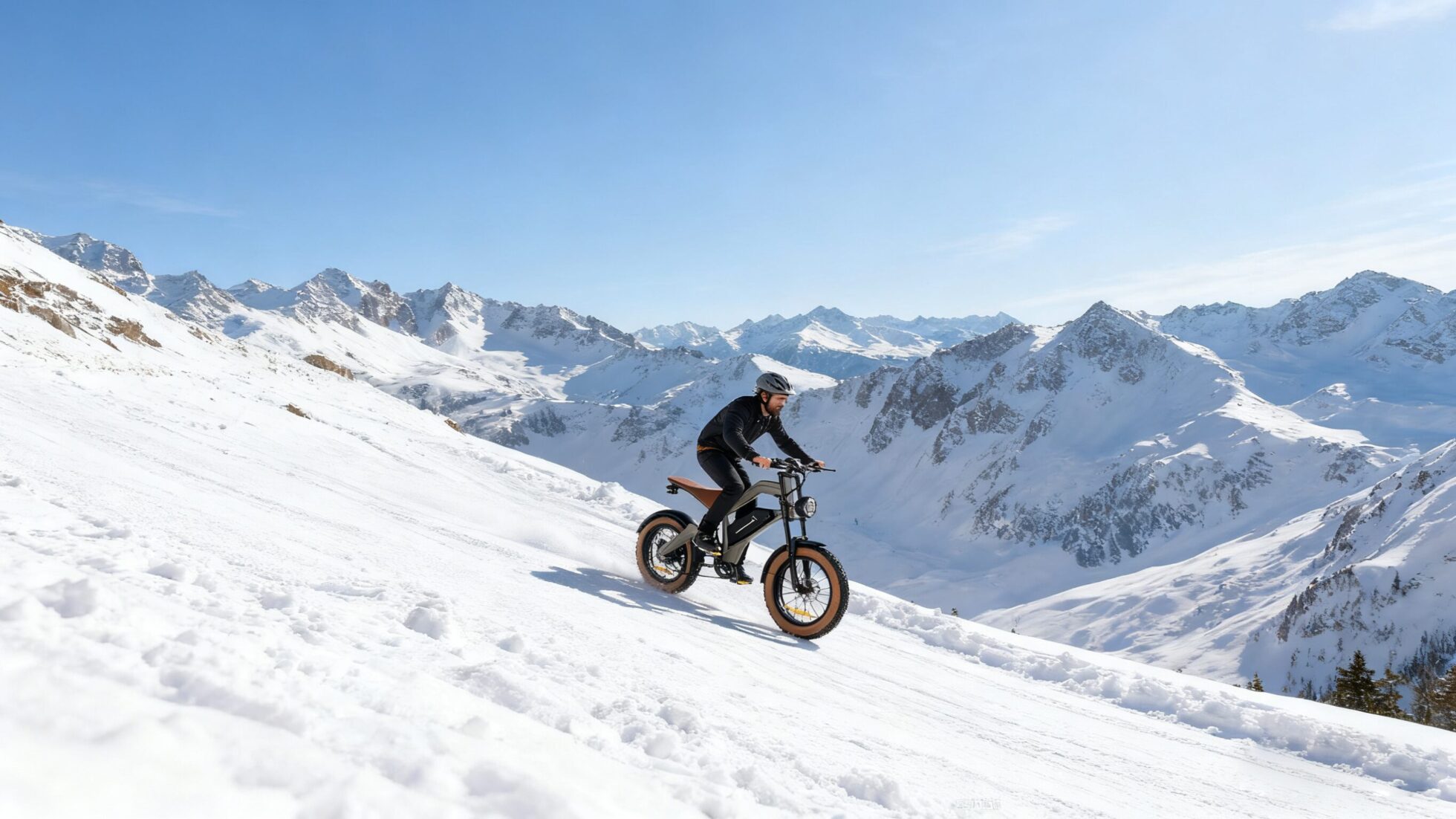
O desempenho da bateria surgiu como um fator decisivo durante os meus testes reais de ambas as e-bikes. Os sistemas de gestão de energia mostraram diferenças notáveis.
Gama de baterias em utilização mista
A bateria de 48V 18,2Ah do DYU M20 surpreendeu-me com a sua eficiência, permitindo percorrer até 160 km com assistência aos pedais, tal como descrito na minha experiência de testes a longo prazo em Bicicletas DYU. Consegui cerca de 70 milhas de autonomia, mesmo com uma utilização intensa do acelerador, o que é impressionante tendo em conta o preço de 899 euros.
A bateria de 60V e 25Ah da Tuttio ICT dá-lhe 30-36 milhas em modo totalmente elétrico e 75-100 milhas com assistência de pedal. Estes são números sólidos, mas você pagará € 600 a mais do que o DYU.
Tempo de carregamento e portabilidade
O DYU M20 demora apenas 5 a 6 horas a carregar completamente, o que facilita muito o carregamento noturno entre as viagens diárias. Raramente me preocupei com a falta de energia durante os meus testes.
O Tuttio ICT necessita de 8 a 10 horas para uma carga completa, pelo que será necessário um melhor planeamento para viagens mais longas.
Qualidade de construção e conjunto de funcionalidades
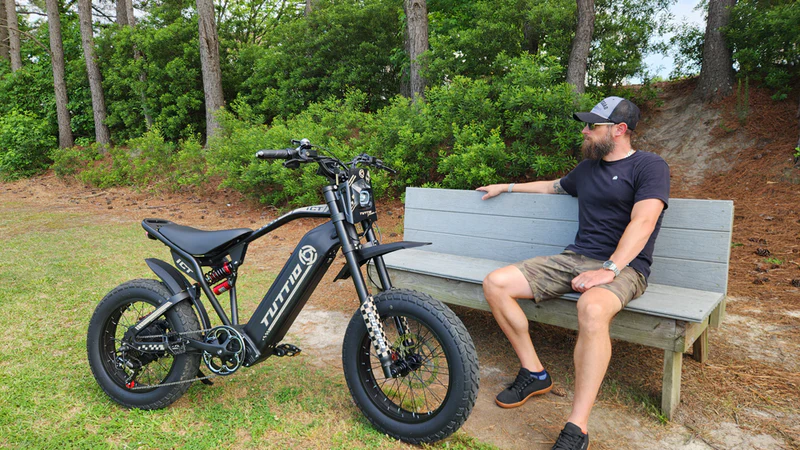
Uma análise aprofundada de ambas as bicicletas eléctricas revela grandes diferenças na sua engenharia. Após semanas de testes de estrada em todas as condições, fiquei com uma ideia clara da sua durabilidade e do funcionamento das suas caraterísticas.
Resistência da estrutura e estética do design
A estrutura robusta do DYU M20 mostra que foi construído para durar e não apenas para um simples transporte. As suas rodas de 20 polegadas proporcionam uma grande estabilidade e ajudam-no a manter o controlo. O Tuttio ICT utiliza uma construção reforçada com um design patenteado, permitindo-lhe suportar 330 lbs (150 kg) em comparação com o limite de 120 kg do DYU. Apesar disso, o peso de 21,8 kg do M20 torna o manuseamento diário mais fácil do que a massa pesada de 46,7 kg do ICT.
Desempenho dos travões em condições de humidade
Ambas as bicicletas utilizam travões de disco hidráulicos com diferenças distintas. O sistema da DYU M20 pára de forma fiável mesmo em estradas molhadas, tornando-a mais segura do que as opções mecânicas. A Tuttio ICT vem com um sistema de quatro pistões e rotores de 220 mm que proporcionam uma travagem suave e rápida e uma melhor dissipação do calor. Ambas as bicicletas lidaram bem com condições de chuva, embora o quadro mais leve da DYU necessitasse de menos força de travagem.
Tabela comparativa
| Categoria de recurso | Especificação | DYU M20 | Tutoria TIC |
| Desempenho | Potência do motor | 750W (1500W pico) | 2000W (4000W pico) |
| Velocidade máxima | 45 km/h | 69 km/h | |
| Gama (assistência ao pedal) | 160 km | 120 km | |
| Tempo de carregamento | 5–6 horas | 8-10 horas | |
| Físico | Peso | 21,8 kg | 46,7 kg |
| Capacidade de carga | 120 kg | 150 kg | |
| Tamanho da roda | 20 polegadas | 20 polegadas | |
| Tipo de pneu | Pneu gordo (20×4.0″) | Pneu gordo | |
| Características | Suspensão | Forquilha dianteira + suspensão do assento | Forquilha invertida dianteira + amortecedor traseiro |
| Sistema de travagem | Freios a disco hidráulicos | Disco hidráulico de 4 pistões (220 mm) | |
| Especificações da bateria | 48 V 18,2 Ah | 60V 25Ah | |
| Exibir | Ecrã LCD nítido | Grande ecrã a cores | |
| Preço | Preço de retalho | €899 | €1499 |
| Manuseamento | Manobrabilidade urbana | Excelente | Menos ágil devido ao peso |
| Desempenho todo-o-terreno | Boa estabilidade | Bom mas mais pesado |
Conclusão
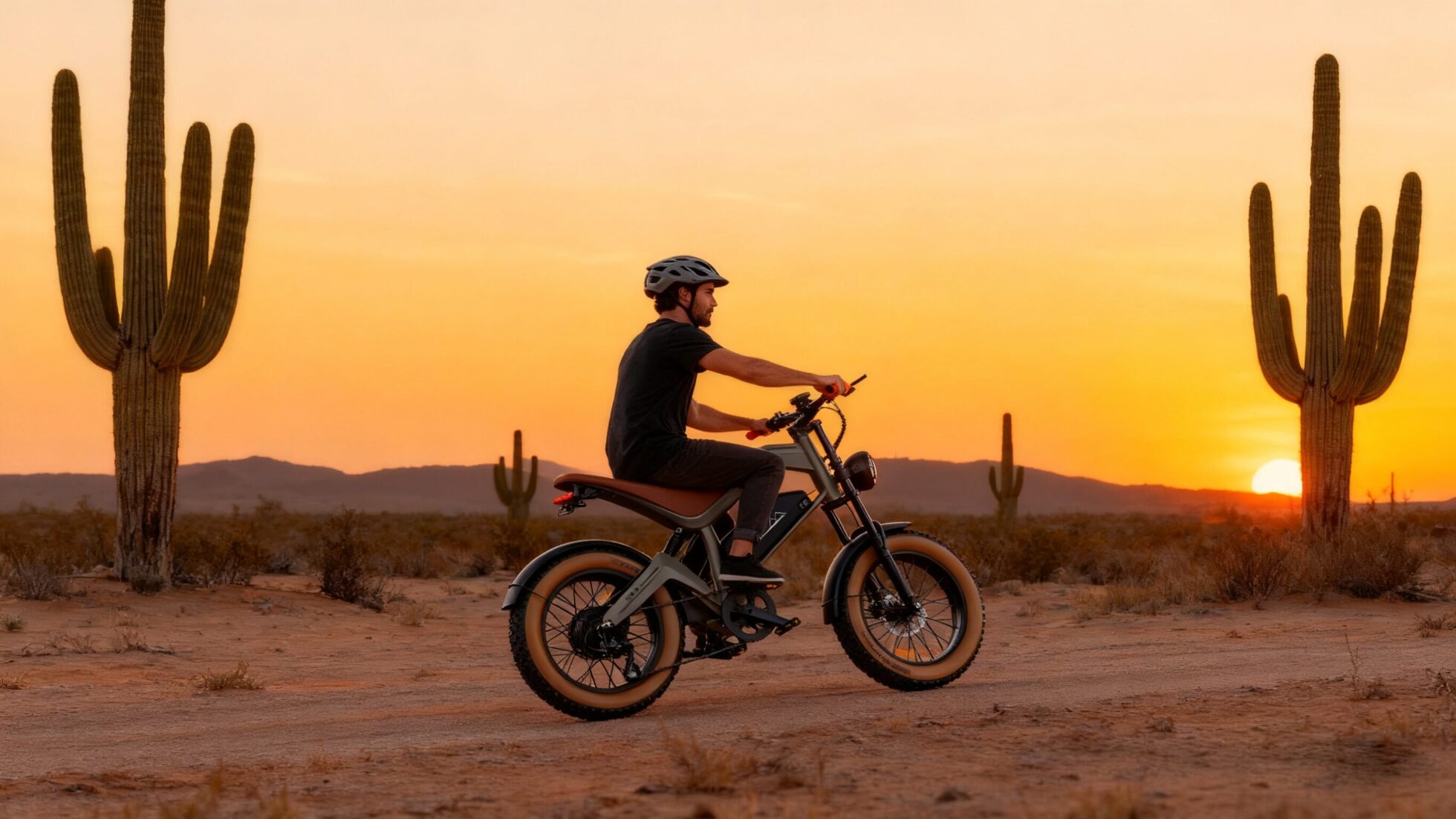
O meu veredito é claro depois de testar a DYU M20 e a Tuttio ICT durante semanas em todos os tipos de condições. A DYU M20 revela-se a melhor escolha global para a maioria dos utilizadores, embora cada bicicleta tenha os seus próprios pontos fortes.
O preço é imediatamente convincente. Por 899 euros, como também salientado no este resumo de bicicletas eléctricas de longo alcance, O DYU M20 oferece-lhe um grande valor em comparação com o preço de 1499 euros da Tuttio ICT. Você obtém uma e-bike mais prática que funciona melhor em situações cotidianas por € 600 a menos, em vez de se concentrar apenas em números de potência bruta.
Sem dúvida, a Tuttio ICT dá nas vistas com o seu enorme motor de 2000W (com um pico de 4000W) e pode atingir velocidades até 69 km/h. Mas este tipo de desempenho extremo não é prático para passeios diários. O motor de 750W da DYU dá-lhe toda a potência de que necessita para deslocações urbanas e passeios ligeiros em trilhos, e é também mais eficiente.
A diferença de peso entre estes modelos afecta a forma como os vai utilizar na vida real. O DYU M20 pesa apenas 21,8 kg, enquanto o Tuttio ICT parece mais uma mota, com 46,7 kg. Isto tornou-se óbvio durante os meus testes, especialmente quando tive de passar por espaços apertados ou levantar a mota por cima de algo.
O desempenho da bateria do DYU é outra vitória, apesar do seu preço mais baixo. Pode percorrer até 160 km com assistência aos pedais, mais uma vez igualando os valores de referência discutidos em comparações entre sectores, batendo a autonomia de 120 km do Tuttio. Para além disso, também carrega mais depressa - 5-6 horas em vez de 8-10 horas, o que faz mais sentido para os utilizadores diários.
A Tuttio ICT destaca-se em algumas áreas, especialmente se a potência bruta e a velocidade estiverem no topo da sua lista de prioridades. A sua maior capacidade de carga (150 kg versus 120 kg) e a suspensão fiável podem funcionar melhor para os condutores mais pesados ou para aqueles que enfrentam terrenos muito acidentados.
Apesar disso, meus testes de longo prazo mostram que o DYU M20 atinge o ponto ideal entre desempenho, praticidade e preço. A sua potência suave, o quadro mais leve, o alcance impressionante e a poupança de 600 euros fazem dela a escolha mais inteligente para a maioria dos fãs de bicicletas eléctricas.
Ambas as bicicletas são opções de qualidade no mercado das bicicletas eléctricas com pneus gordos, mas a DYU M20 é a melhor. Oferece mais do que é importante para a condução quotidiana a um preço muito melhor.
Perguntas frequentes
Q1. Como é que o DYU M20 e o Tuttio ICT se comparam em termos de potência e velocidade?
O DYU M20 possui um motor de 750W (com um pico de 1500W) com uma velocidade máxima de 45 km/h, enquanto o Tuttio ICT possui um motor de 2000W (com um pico de 4000W) e pode atingir velocidades até 69 km/h. A Tuttio ICT oferece significativamente mais potência, mas a DYU M20 oferece velocidade suficiente para a maioria das necessidades diárias de condução.
Q2. Qual é a autonomia da bateria de cada bicicleta eléctrica?
A DYU M20 oferece uma impressionante autonomia de até 160 km em modo de pedalagem assistida, enquanto a Tuttio ICT oferece 75-100 milhas (120-160 km) em condições semelhantes. Ambas as bicicletas oferecem uma boa autonomia, mas a DYU M20 ganha com um desempenho ligeiramente superior neste aspeto.
Q3. Como é que estas bicicletas eléctricas lidam com diferentes tipos de terreno?
Ambas as bicicletas têm pneus gordos de 20 polegadas, adequados a vários tipos de terreno. O quadro mais leve da DYU M20 (21,8 kg) torna-a mais manobrável em secções técnicas e ruas da cidade. A Tuttio ICT, embora mais pesada (46,7 kg), oferece suspensão total para uma melhor absorção de choques em trilhos difíceis.
Q4. Quais são os tempos de carregamento do DYU M20 e do Tuttio ICT?
O DYU M20 necessita de 5-6 horas para uma carga completa, o que torna o carregamento noturno conveniente para uma utilização diária. Em contrapartida, o Tuttio ICT necessita de 8-10 horas para um carregamento completo, o que pode exigir um maior planeamento para viagens mais longas.
Q5. Como se comparam os preços destas bicicletas eléctricas?
Existe uma diferença de preço significativa entre os dois modelos. A DYU M20 está disponível por 899 euros, enquanto a Tuttio ICT custa 1499 euros. Esta diferença de preço de 600 euros é um fator importante a considerar quando se avalia o valor global de cada e-bike.




4 comentários
Nathan
Qual é o alcance realista do DYU M20 em condições reais de utilização?
Daniel Novak
De acordo com a minha experiência, a autonomia é muito realista se a condução for sensata. Com uma condução mista e níveis de assistência moderados, consegui sempre aproximar-me dos valores anunciados, o que é impressionante para uma moto desta gama de preços.
Laura
A potência bruta da Tuttio ICT parece muito divertida, mas talvez seja um exagero para a condução quotidiana.
Kevin
Gosto do facto de o autor ter testado tanto em condições citadinas como em condições todo-o-terreno - isso é muito útil.