










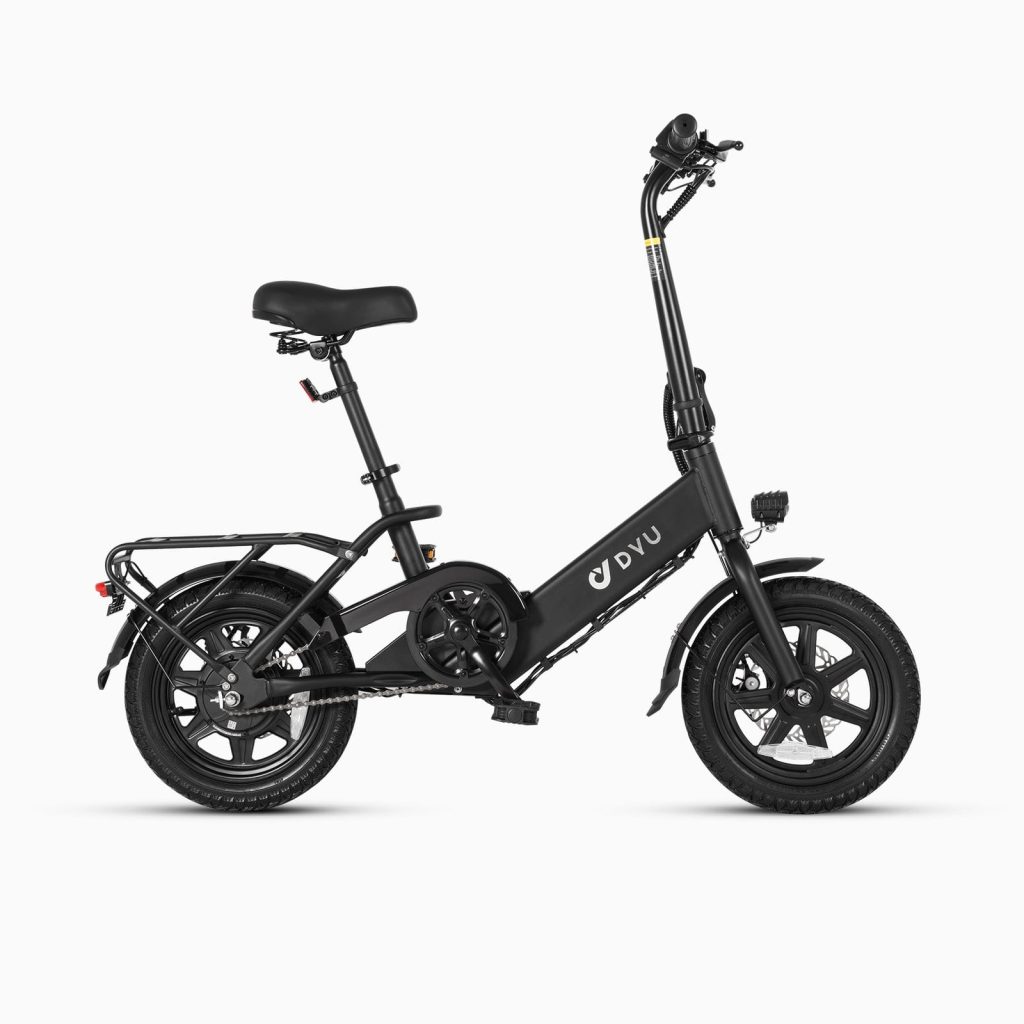
DYU STROLL 1 vs FIIDO AIR - Qual é a melhor bicicleta eléctrica para quem se desloca na cidade?
Precisa de ajuda para escolher entre os DYU ROLO 1 e FIIDO AIR para as suas deslocações na cidade? Estas bicicletas têm caraterísticas impressionantes para os utilizadores urbanos, mas diferem muito em termos de peso, autonomia e preço.
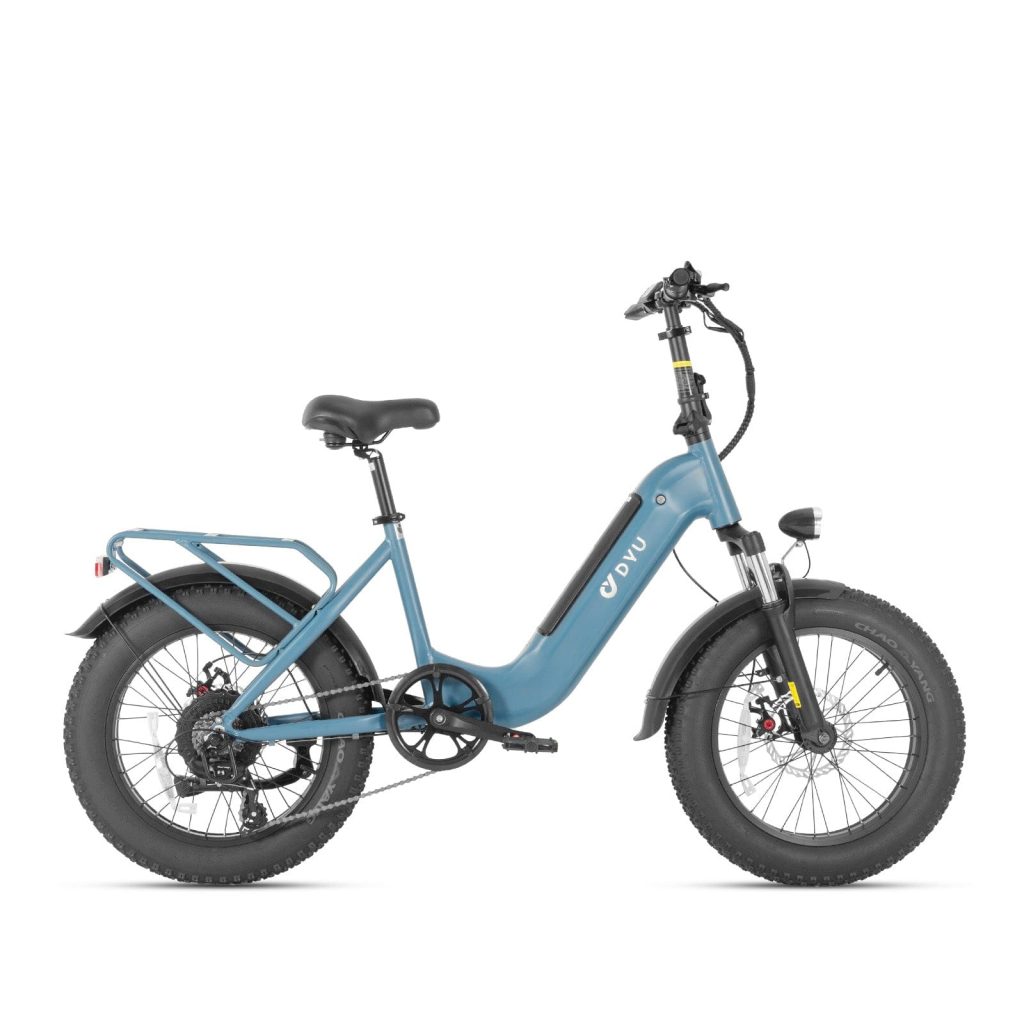
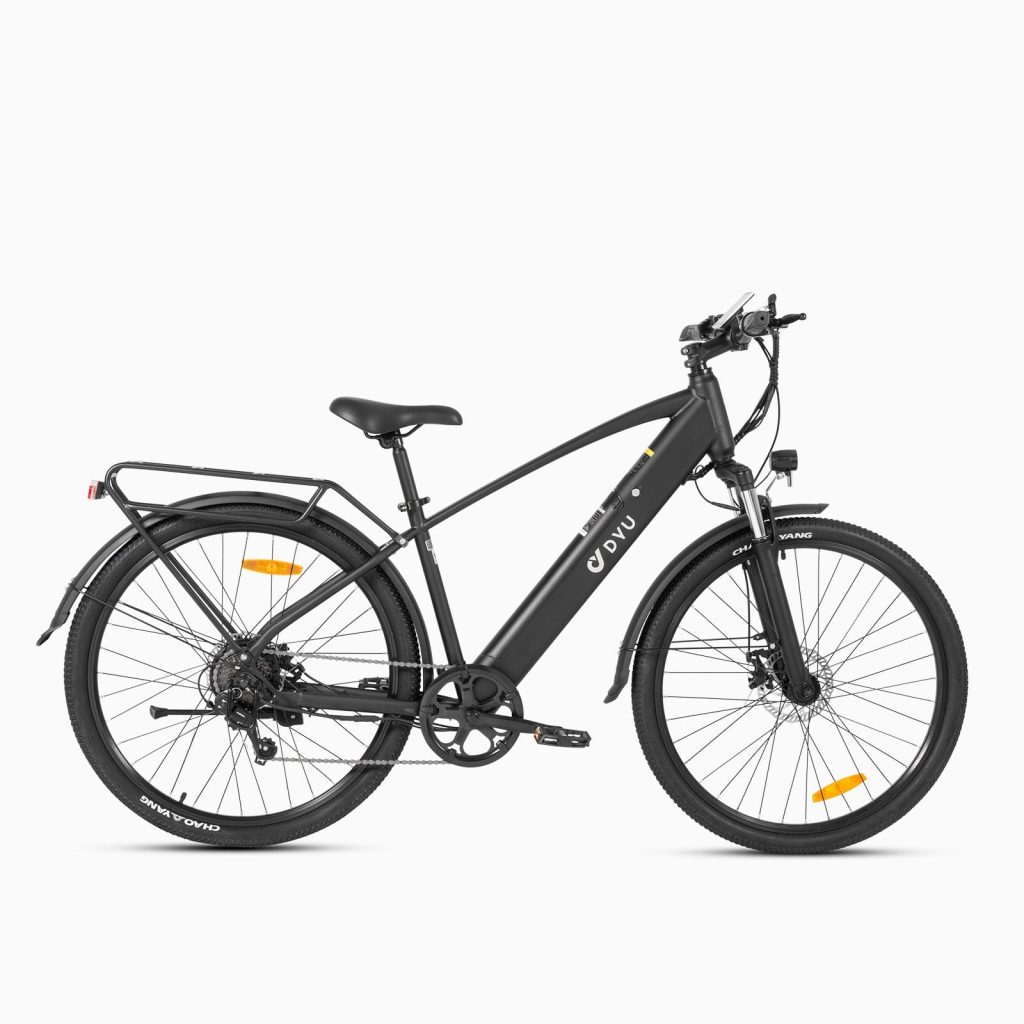
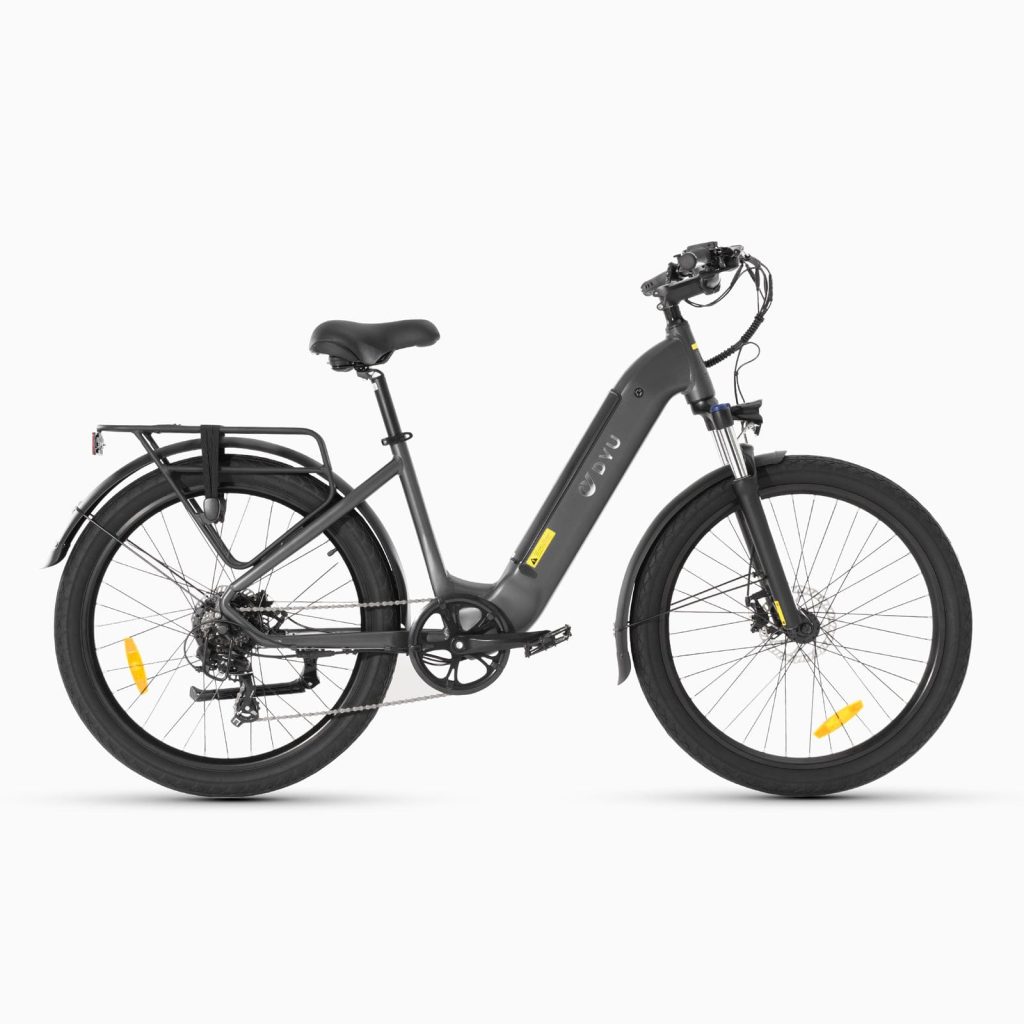
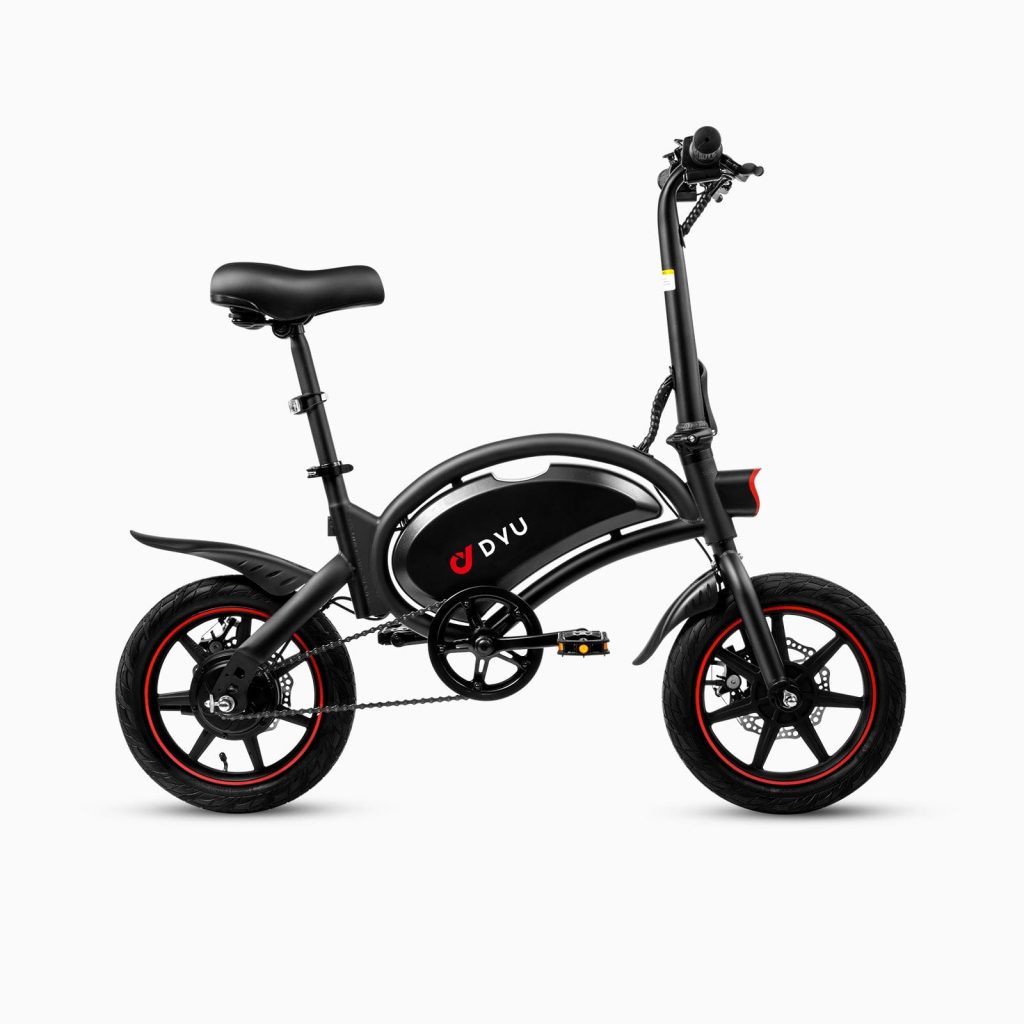
O potente motor de 250 W do DYU Stroll 1 permite atingir velocidades até 25 km/h e uma autonomia de 100 km. O Fiido Air destaca-se por ser a opção mais leve, com 13,75 kg, enquanto o Stroll 1 pesa 19,5 kg. Esta diferença de peso deve-se ao facto de o Fiido ser construído em fibra de carbono. Os nossos testes revelam a excelente eficiência da bateria do DYU, embora o Fiido Air percorra cerca de 50 km no modo Normal.
Os utilizadores preocupados com o orçamento devem ter em conta a diferença de preço. A DYU Stroll 1 custa 999 euros, o que a torna mais económica do que a Fiido Air, que custa 1799 euros, mesmo com o seu design minimalista. Ambas as bicicletas servem bem os utilizadores urbanos, mas reflectem diferentes abordagens ao transporte urbano.
Vamos analisar a qualidade de construção, os sistemas de motor, o desempenho da bateria e as funcionalidades inteligentes destas e-bikes populares. Esta comparação vai ajudá-lo a escolher a bicicleta certa para as suas necessidades diárias.
Construção e design: Fibra de carbono vs liga de alumínio
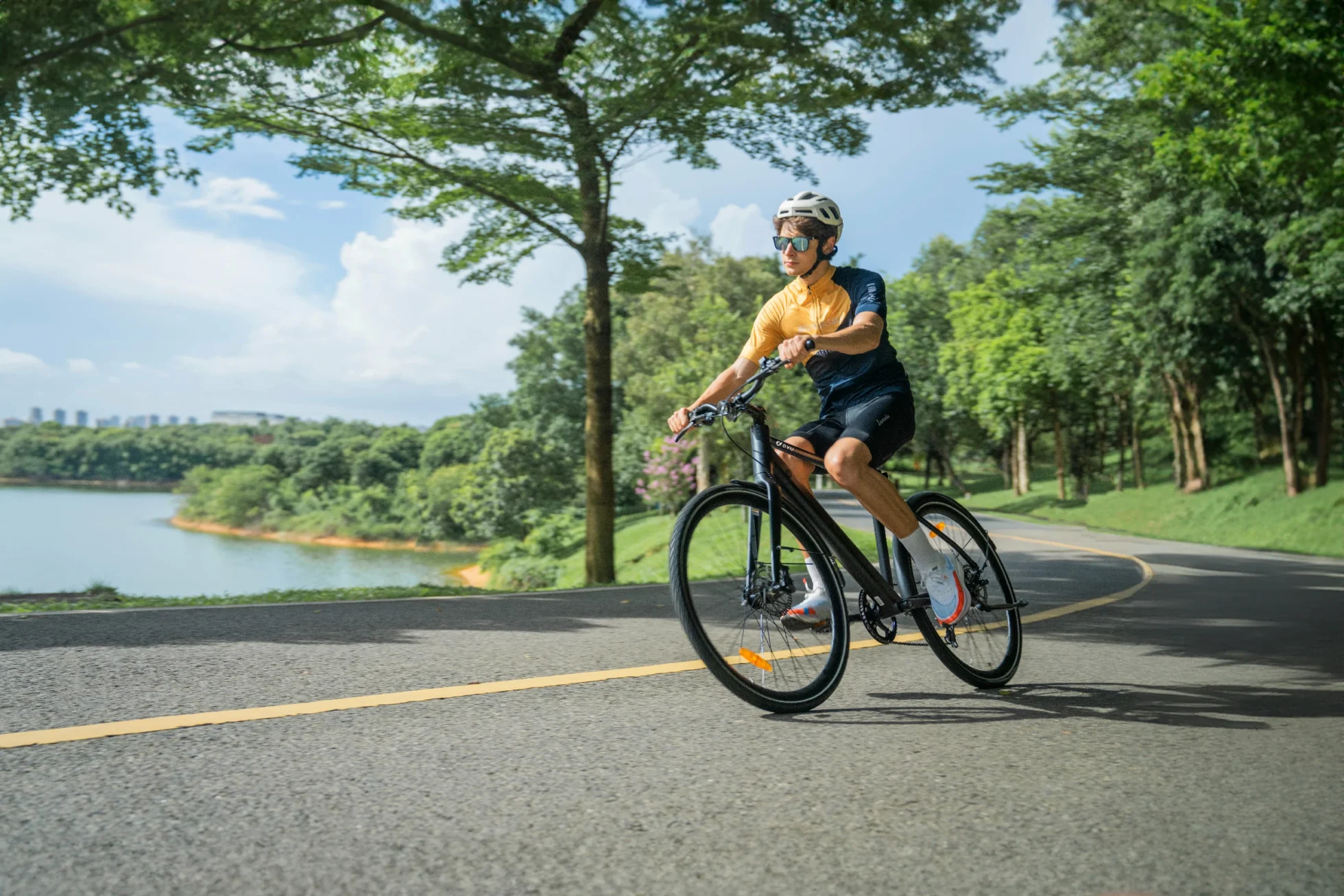
O material do quadro de uma bicicleta eléctrica determina o seu desempenho, sensação e custo. Um olhar sobre a DYU STROLL 1 e a FIIDO AIR mostra como materiais diferentes criam duas experiências de condução únicas.
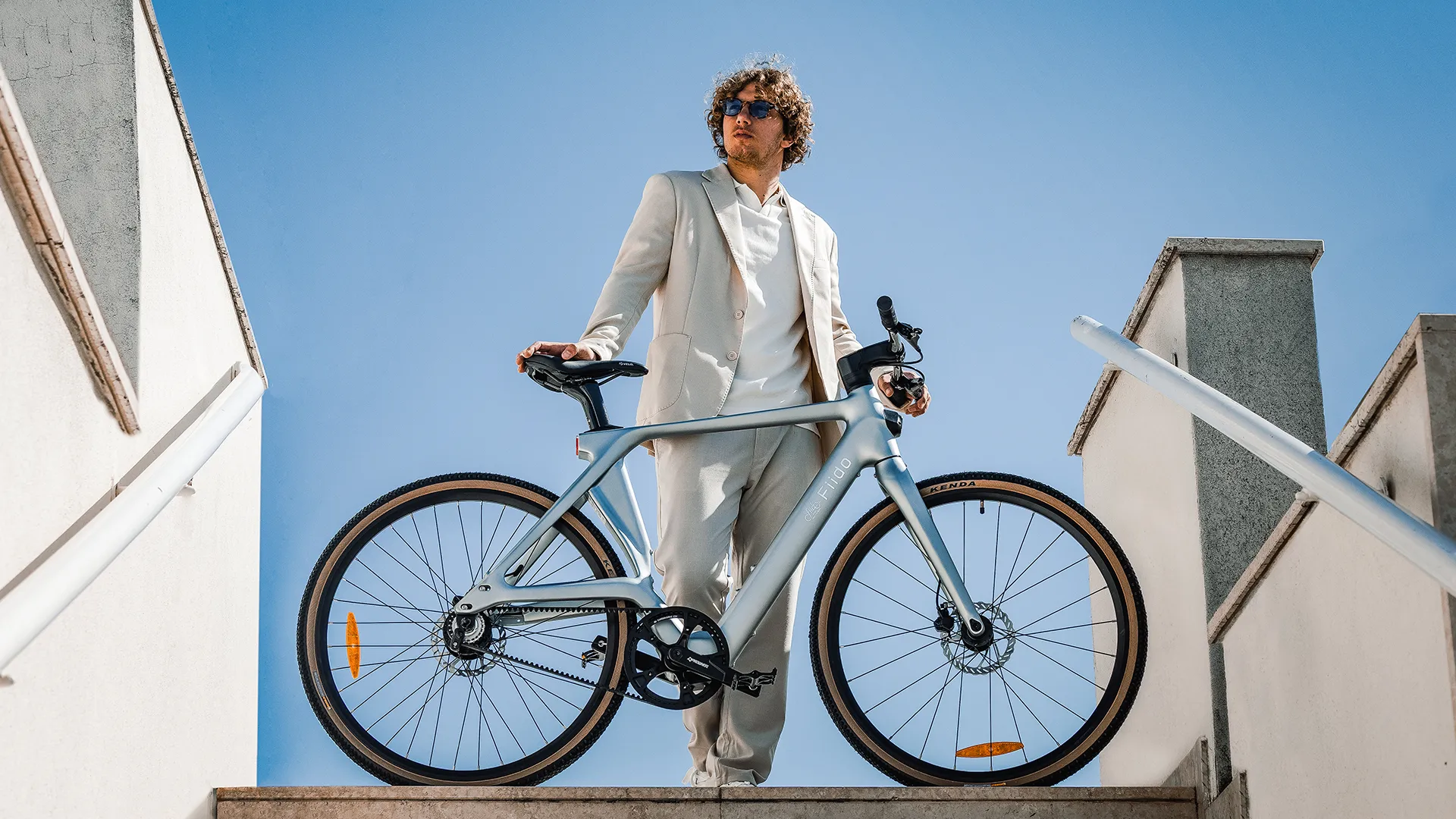
Material do quadro: Fibra de carbono (Fiido Air) vs Liga de alumínio (DYU Stroll 1)
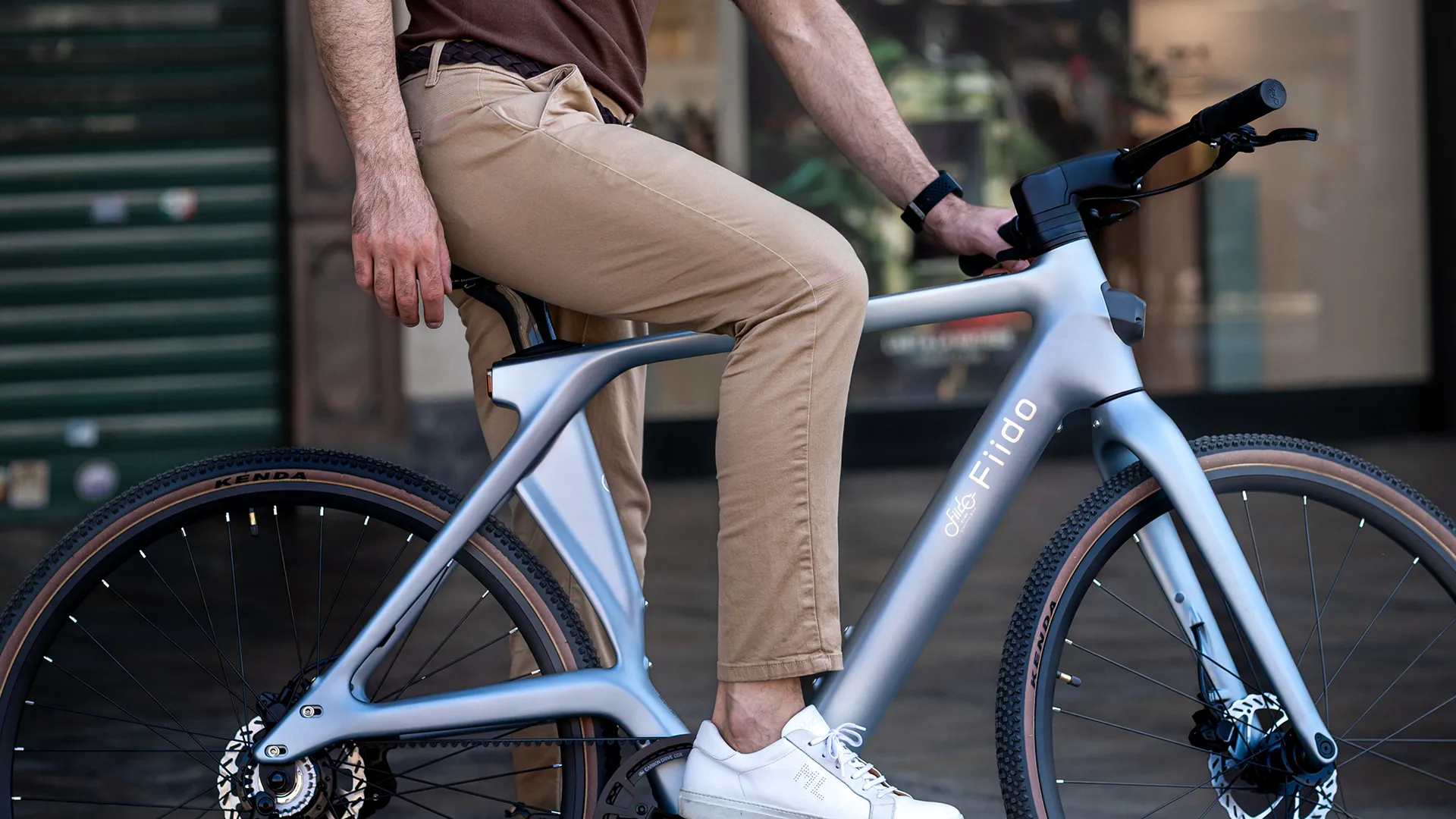
A Fiido Air vem com fibra de carbono de primeira qualidade em todo o quadro, garfo, avanço e espigão de selim. Este material proporciona uma relação resistência/peso excecional que permite aos fabricantes construir quadros simultaneamente fortes e leves. A DYU Stroll 1 utiliza liga de alumínio, que continua a ser acessível a mais pessoas no fabrico de bicicletas eléctricas - cerca de 80-90% de bicicletas eléctricas em todo o mundo são fabricados com este material.
A fibra de carbono absorve muito bem as vibrações, pelo que se consegue uma condução mais suave em estradas acidentadas. No entanto, tem algumas grandes desvantagens: os impactos diretos podem rachá-la mais facilmente e a sua produção é mais cara devido ao seu complexo processo de fabrico.
A liga de alumínio pesa mais, mas dura mais tempo, resiste naturalmente à ferrugem e oferece-lhe um melhor valor. As reparações em quadros de alumínio são normalmente mais fáceis e não são tão caras como as reparações em quadros de carbono.
Comparação de peso: 13,75 kg vs 19,5 kg
O Fiido Air pesa 13,75 kg na balança, o que a torna super leve para uma bicicleta eléctrica. A sua construção em fibra de carbono merece crédito por este design leve. A DYU Stroll 1 tem 19,5 kg - cerca de 5,75 kg mais devido à sua construção em alumínio.
Os utilizadores diários notam mais esta diferença de peso quando carregam as suas bicicletas pelas escadas acima ou quando as carregam nos comboios. No entanto, a experiência de condução quase não se altera, uma vez que ambas as bicicletas têm motores de 250 W que compensam facilmente o peso extra.
Dobrável: Quadros pendulares não dobráveis em ambos os casos
A Fiido Air e a DYU Stroll 1 não são dobráveis. Estas bicicletas são construídas como quadros dedicados a deslocações pendulares que colocam a estabilidade e a qualidade de condução em primeiro lugar, em vez de uma arrumação compacta. A Fiido Air mede 1780×655×1010mm quando desdobrada, enquanto a DYU Stroll 1 tem dimensões semelhantes, 1480×580×1240mm.
A diferença de preços conta uma história interessante - 999 euros para o DYU Stroll 1 contra 1799 euros para o Fiido Air. O DYU com quadro de alumínio oferece-lhe um excelente valor. Enquanto o Fiido Air se destaca pela sua construção leve em carbono, o DYU Stroll 1 iguala o seu desempenho, dura mais tempo, necessita de menos manutenção e custa quase metade do preço.
Motor e sistema de acionamento: Sensor de binário vs Assistência standard
Os componentes do grupo motopropulsor destas e-bikes mostram diferenças fundamentais no estilo e na experiência de condução. Cada modelo tem a sua própria abordagem ao fornecimento de potência.
Saída do motor: 250W sem escovas (ambos)
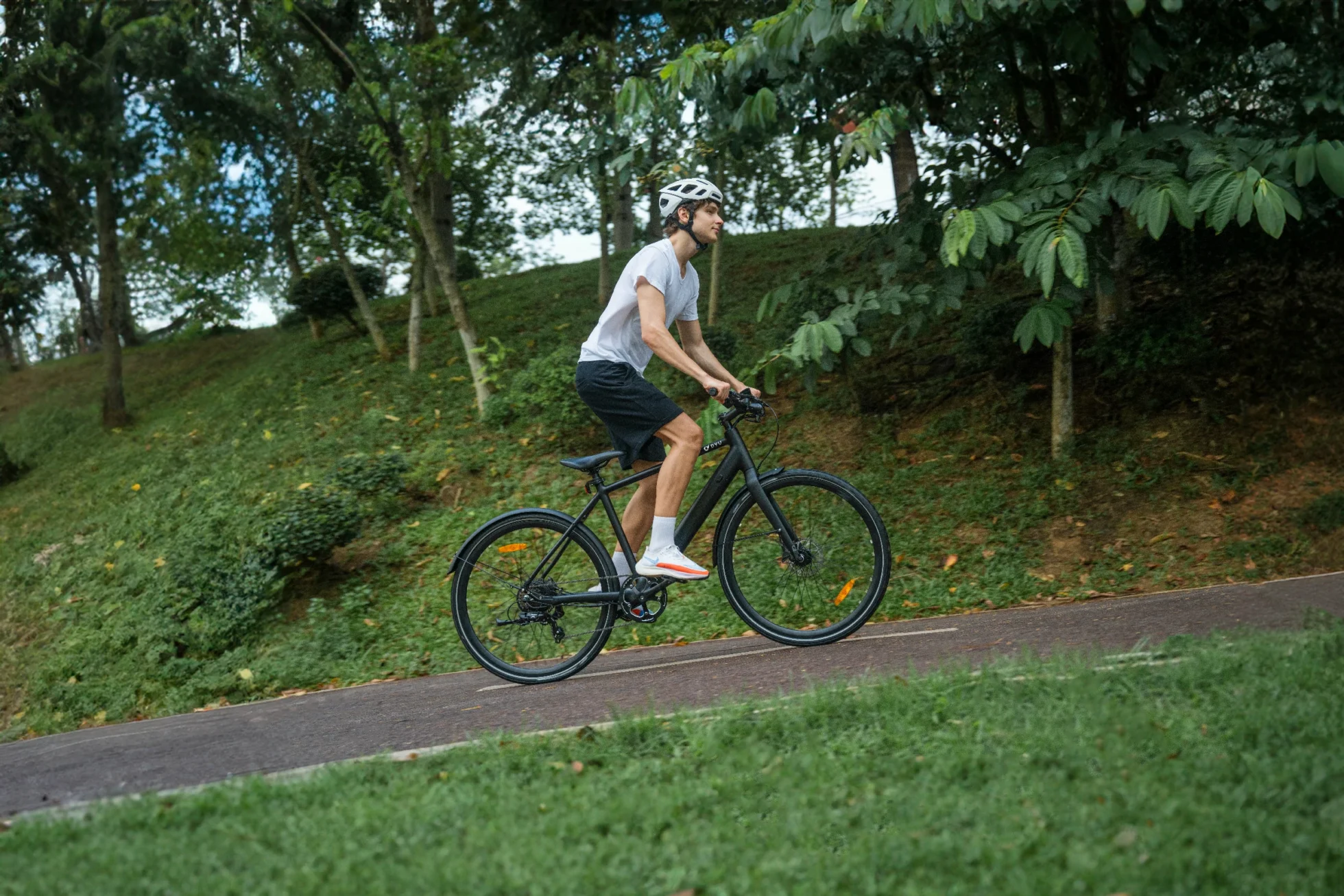
O DYU STROLL 1 e o FIIDO AIR são ambos fornecidos com Motores sem escovas de 250 W que cumprem os regulamentos europeus. Esta potência ajuda os condutores a navegar nas deslocações urbanas sem se sentirem sobrecarregados. Ambas as motos atingem uma velocidade máxima de 25 km/h, mantendo-se dentro dos padrões europeus. No entanto, os números de potência bruta não são a imagem completa. O design eficiente do motor e o sistema de fornecimento de energia da DYU STROLL 1 tornam-na óptima a subir colinas.
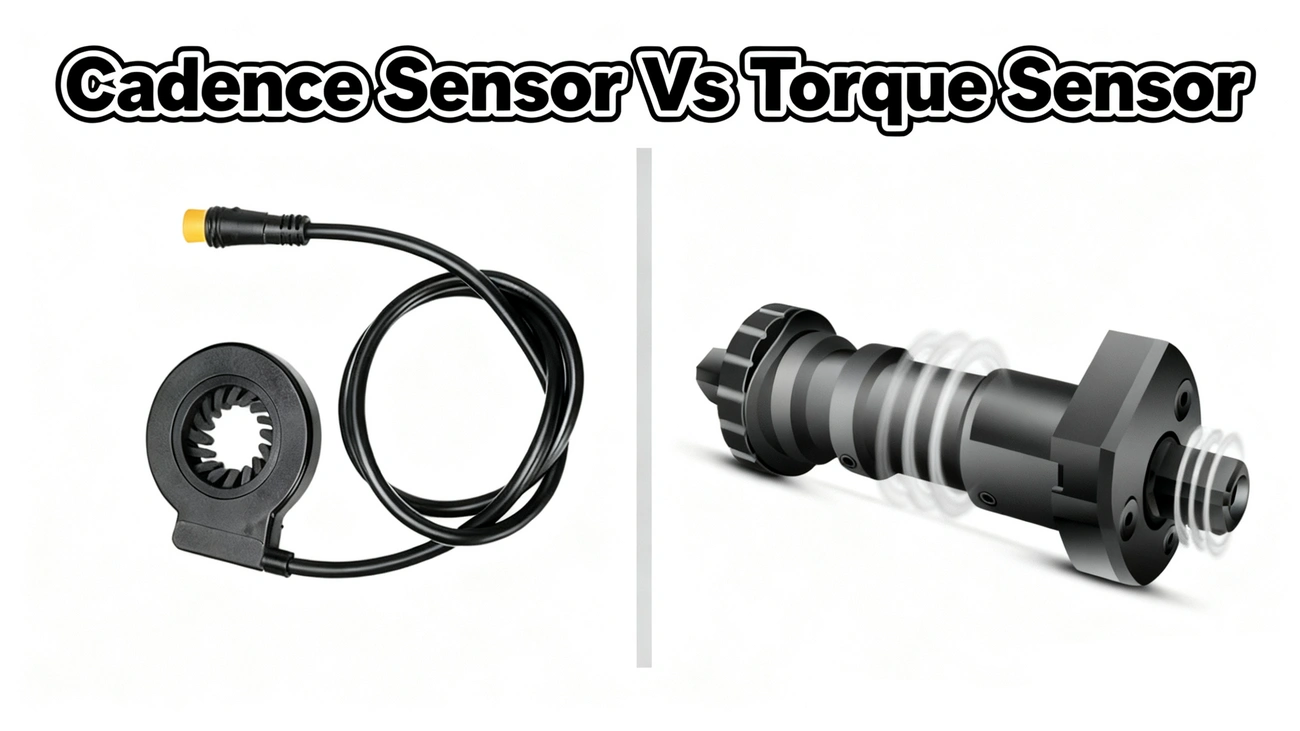
Sensor de binário (Fiido Air) vs Sensor de cadência (DYU Stroll 1)
O sensor de binário da Fiido Air mede a força com que pedala em vez de apenas a rotação. O motor ajusta a sua ajuda com base na sua força de pedalada, o que dá uma sensação mais natural. O DYU Stroll 1 adopta uma abordagem diferente com o seu sensor de cadência que responde à velocidade de pedalada.
Os utilizadores urbanos podem preferir o sistema de cadência do DYU. Este sistema fornece uma potência constante, independentemente da força com que se pedala - perfeito para ciclistas que pretendem um cruzeiro fácil sem alterar o seu esforço. O sensor de cadência também ajuda a manter o preço da DYU mais baixo (999 euros vs 1 799 euros para o Fiido Air).
Tipo de acionamento: Transmissão por correia vs. transmissão por corrente
A transmissão por correia do Fiido Air é mais silenciosa e mantém-se mais limpa do que as correntes normais. A correia reforçada com fibra de carbono não necessita de óleo e dura mais tempo. A desvantagem? Custa mais e não é tão eficiente do ponto de vista mecânico.
A transmissão por corrente do DYU Stroll 1 transfere melhor a potência e pode ser reparada em qualquer parte do mundo. As correntes necessitam de mais manutenção do que as correias, mas são mais baratas e funcionam melhor em geral, especialmente com o fiável sistema de motor do DYU.
Bateria e autonomia: Desempenho no mundo real
A capacidade da bateria e a autonomia são os factores mais importantes que os utilizadores diários consideram antes de comprar uma bicicleta eléctrica. A DYU STROLL 1 e a FIIDO AIR têm opções de potência muito diferentes para os seus preços.
Capacidade da bateria: 208,8Wh vs 324Wh
O Fiido Air é fornecido com uma bateria de 36V, 5.8Ah que proporciona 208,8Wh de capacidade total. A bateria do DYU Stroll 1 é muito maior, com 324Wh, o que significa que armazena cerca de 55% mais energia. Esta capacidade extra ajuda o DYU a ter um melhor desempenho em condições reais.
Alcance declarado: 60km (Fiido Air) vs 100km (DYU Stroll 1)
No papel, o Fiido Air diz que pode percorrer 60,34 km, o que não está nem perto dos 100 km reivindicados pelo DYU Stroll 1. O Fiido Air percorre cerca de 55 km no modo Normal, mas desce para 40 km no modo Desportivo. O nível de assistência faz aqui uma grande diferença. O DYU Stroll 1 faz normalmente entre 80 e 90 km, o que supera a autonomia do Fiido Air no modo Sport.
Opções de carregamento e colocação da bateria
A bateria da Fiido Air fica dentro do tubo inferior de carbono e não é possível retirá-la. Isto parece ótimo, mas não é muito prático. É necessário estacionar a bicicleta inteira junto a uma tomada para a carregar. O carregamento completo demora 4 horas.
A bateria da DYU Stroll 1 é amovível, pelo que pode ser carregada fora da bicicleta. Isto significa que pode levar a bateria para dentro de casa enquanto a sua bicicleta fica na garagem. A bateria demora 4-5 horas a carregar completamente, apesar de ser maior.
O DYU Stroll 1 custa 999 euros e oferece uma maior capacidade e autonomia da bateria do que o Fiido Air de 1799 euros. Por isso, é uma escolha mais inteligente se quiser obter a maior autonomia possível pelo seu dinheiro.
Funcionalidades inteligentes e suplementos de segurança
As caraterísticas de segurança e a tecnologia inteligente estão a moldar a experiência atual das bicicletas eléctricas. Ambos os modelos seguem caminhos diferentes para proteger os ciclistas e facilitar a sua vida.
Sistema de travagem: Travões de disco hidráulicos vs. travões de disco a óleo
O Fiido Air utiliza travões de disco hidráulicos que proporcionam 20-30% mais potência de travagem, necessitando de um esforço mínimo da mão. Estes travões ajustam-se a si próprios e necessitam de menos manutenção. Também proporcionam aos condutores um melhor controlo através de uma modulação melhorada. Os travões de disco a óleo da DYU Stroll 1 são uma boa opção para os condutores que pretendem uma potência de travagem fiável a um preço mais baixo. Estes travões têm de ser ajustados com mais frequência, mas são mais fáceis de reparar sem ferramentas especiais.
Iluminação: Luzes integradas versus configuração padrão
As luzes LED em ambas as bicicletas eléctricas ligam-se diretamente às baterias principais. Esta configuração garante que tem luz sempre que a bicicleta funciona. Estes LEDs necessitam de muito menos energia do que as luzes mais antigas. A Fiido Air tem um sistema de iluminação mais optimizado, o que explica em parte o seu preço de 1.799 euros em comparação com os 999 euros da DYU.
Integração de aplicações e relógios (apenas Fiido Air)
O Fiido Air liga-se ao seu smartphone e ao Apple Watch. Os ciclistas podem alterar os níveis de assistência e verificar as suas estatísticas de desempenho sem terem de pegar no telemóvel. A aplicação também permite que os utilizadores anulem o sistema de assistência da bicicleta como um impedimento extra contra roubos.
Tabela comparativa
| Recurso | DYU ROLO 1 | FIIDO AIR |
|---|---|---|
| Preço | €999 | €1,799 |
| Especificações básicas | ||
| Peso | 19,5 kg | 13,75 kg |
| Velocidade máxima | 25 km/h | 25 km/h |
| Capacidade de carga | 120 kg | 120 kg |
| Dimensões | 1480×580×1240mm | 1780×655×1010mm |
| Desempenho | ||
| Potência do motor | 250 W | 250 W |
| Autonomia declarada | 100 km | 60 km |
| Alcance do solo | 80-90 km | 40-55 km (varia consoante o modo) |
| Capacidade da bateria | 324Wh (36V 9Ah) | 208,8Wh (36V 5,8Ah) |
| Tempo de carregamento | 4–5 horas | 4 horas |
| Construção | ||
| Material da estrutura | Liga de alumínio | Fibra de carbono |
| Sistema de transmissão | Acionamento por corrente | Acionamento por correia |
| Tipo de sensor | Sensor de cadência | Sensor de binário |
| Tamanho do pneu | 700 × 38C | 27,6 polegadas |
| Características | ||
| Sistema de travagem | Travões de disco a óleo | Travões de disco hidráulicos |
| Remoção da bateria | Amovível | Não amovível |
| Caraterísticas inteligentes | Luzes LED simples | Conectividade com aplicações, integração com o Apple Watch |
Conclusão
Uma comparação profunda entre estas duas populares bicicletas eléctricas mostra que a DYU ROLO 1 é mais adequado para a maioria dos utilizadores urbanos, embora o FIIDO AIR tem uma construção e caraterísticas de primeira qualidade.
A FIIDO AIR causa uma boa impressão com o seu quadro em fibra de carbono que pesa apenas 13,75 kg. Seu design elegante, sensor de torque responsivo e preço de € 1.799 visam os passageiros sérios. Os travões de disco hidráulicos da bicicleta e as funcionalidades da aplicação inteligente mostram uma grande atenção às necessidades dos ciclistas.
O DYU STROLL 1 brilha em áreas-chave que interessam aos utilizadores diários. Por 999 euros, custa metade do que pagaria pela FIIDO AIR. O valor fica ainda melhor com a bateria maior de 324Wh da DYU, que bate o sistema de 208,8Wh da FIIDO.
Ambas as motas têm motores semelhantes de 250W e atingem o máximo de 25km/h. A DYU afirma ter uma autonomia de até 100 km, enquanto a FIIDO promete 60 km. Testes reais mostram que a bateria da DYU dura mais tempo no chão.
O design do DYU centra-se no que funciona. Pode retirar a bateria para a carregar no interior, independentemente do local onde estacionar. O quadro de alumínio pesa mais, 19,5 kg, mas é resistente e mais fácil de manter do que a fibra de carbono.
Os ciclistas que procuram a bicicleta mais leve para deslocações diárias vão adorar a construção em carbono da FIIDO AIR. Mesmo assim, a DYU STROLL 1 atinge o ponto ideal de desempenho, praticidade e preço. O peso extra parece valer a pena, dado o custo mais baixo e a maior autonomia.
Ambas as bicicletas oferecem um transporte urbano de qualidade, mas a DYU STROLL 1 revela-se uma compra mais inteligente para os utilizadores urbanos que pretendem viagens rápidas e fiáveis sem pagar preços elevados.
Perguntas frequentes
Q1. Quais são as principais diferenças entre as e-bikes DYU STROLL 1 e FIIDO AIR?
As principais diferenças incluem o material do quadro (alumínio vs fibra de carbono), o peso (19,5 kg vs 13,75 kg), a capacidade da bateria (324Wh vs 208,8Wh), a autonomia (100 km vs 60 km reivindicados) e o preço (999 euros vs 1 799 euros).
Q2. Qual a bicicleta eléctrica com melhor relação qualidade/preço para os utilizadores urbanos?
O DYU STROLL 1 oferece geralmente um melhor valor para a maioria dos utilizadores urbanos devido ao seu preço mais baixo, maior capacidade da bateria e maior autonomia, apesar de ser mais pesado do que o FIIDO AIR.
Q3. Como se comparam os sistemas de motor destas bicicletas eléctricas?
Ambas as e-bikes possuem motores sem escovas de 250 W com uma velocidade máxima de 25 km/h. No entanto, a FIIDO AIR utiliza um sensor de binário para uma assistência mais natural, enquanto a DYU STROLL 1 utiliza um sensor de cadência para um fornecimento de potência consistente.
Q4. Existem diferenças significativas nas funcionalidades inteligentes das bicicletas?
Sim, o FIIDO AIR oferece funcionalidades mais avançadas, como a conetividade com aplicações e a integração com o Apple Watch. Também tem uma classificação IP54 à prova de água. O DYU STROLL 1 tem caraterísticas mais básicas, mas ainda inclui luzes LED ligadas à bateria principal.
Q5. Quais são as diferenças entre os sistemas de carregamento das duas bicicletas eléctricas?
A DYU STROLL 1 tem uma bateria amovível que pode ser carregada separadamente, levando 4-5 horas para uma carga completa. A FIIDO AIR tem uma bateria não amovível integrada no quadro, que demora 4 horas a carregar e exige que toda a bicicleta esteja perto de uma tomada eléctrica.



4 comentários
Urze
Vivo numa cidade muito montanhosa. Uma vez que a Fiido Air é de velocidade única, será que vou acabar por suar imenso ao tentar chegar a casa?
Daniel Novak
O sensor de binário do Fiido Air é intuitivo, mas, como não tem mudanças físicas, vai ter de trabalhar mais em subidas íngremes. O sistema de 7 velocidades do Stroll 1 permite-lhe passar para uma mudança mais baixa, tornando as subidas muito mais fáceis de gerir.
Gareth
O Stroll 1 é muito mais económico em relação ao preço.
Colin
O quadro de carbono da Fiido Air tem um aspeto elegante, mas é um pouco caro.